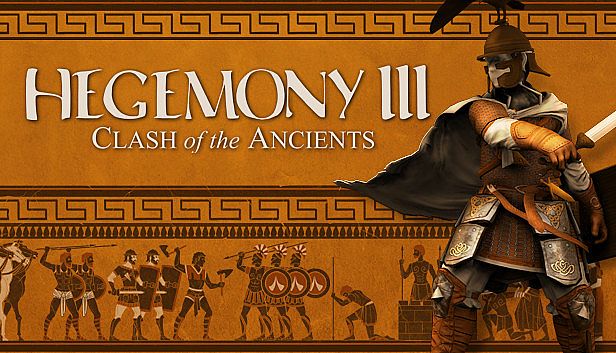













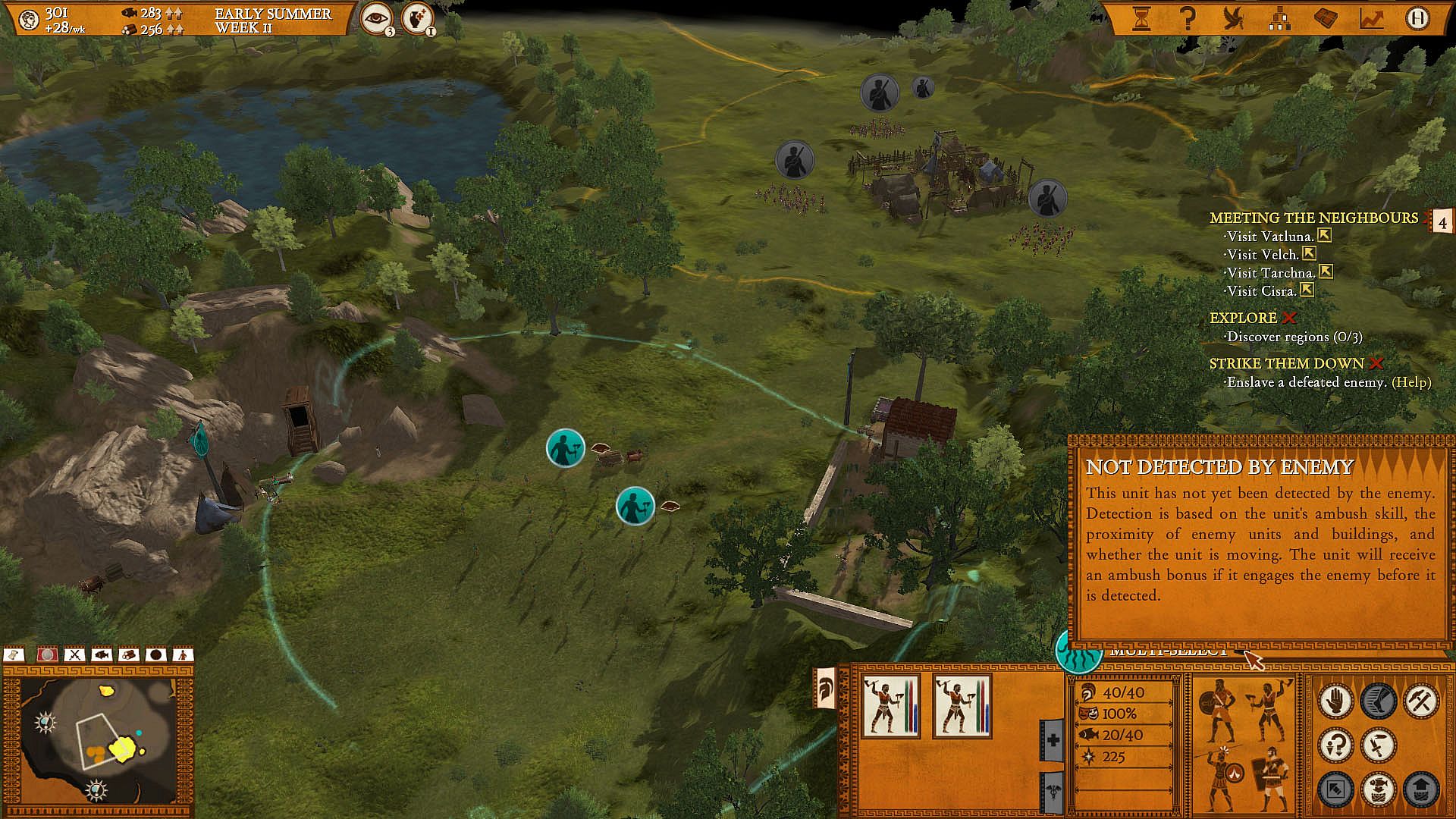
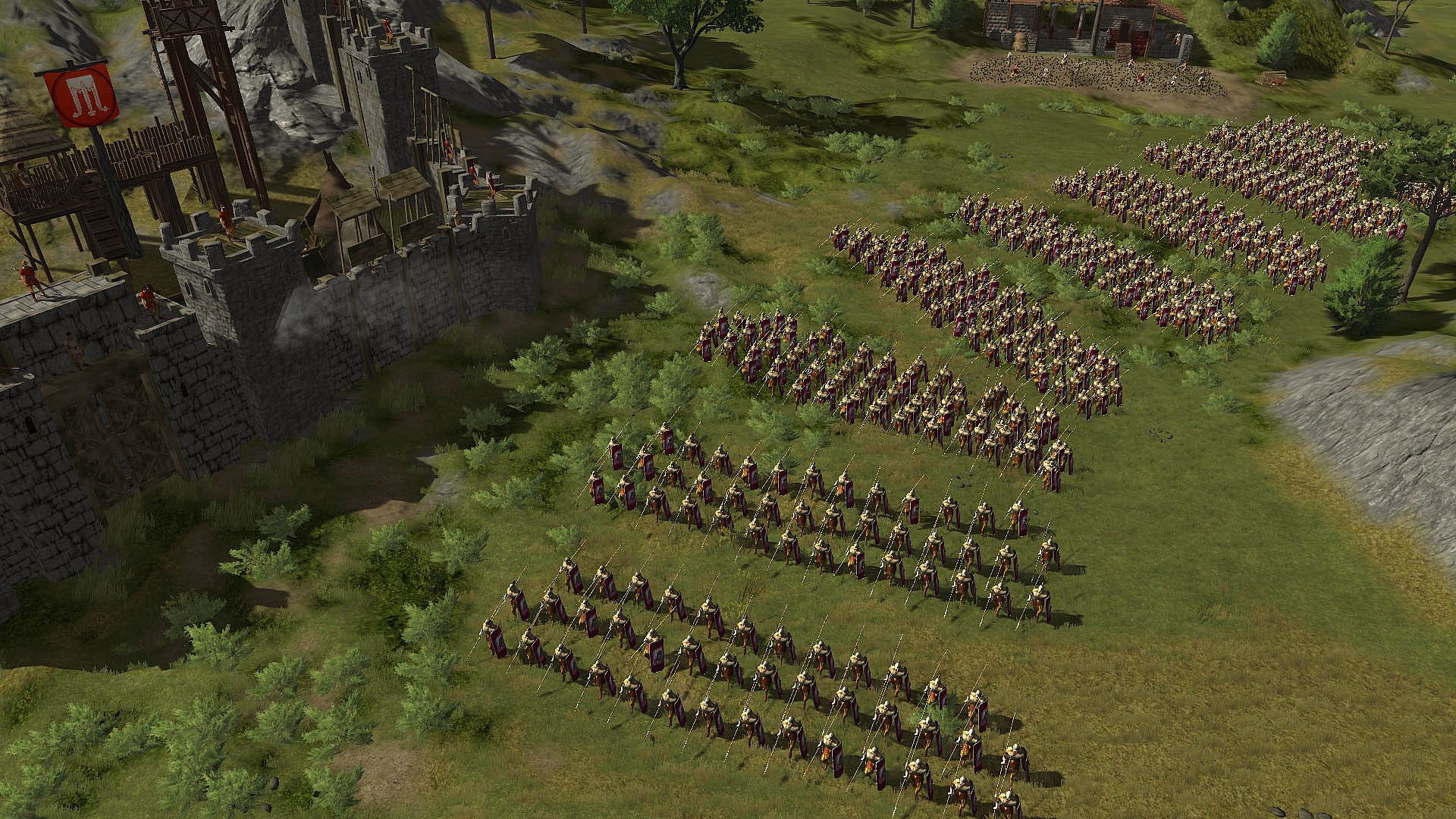
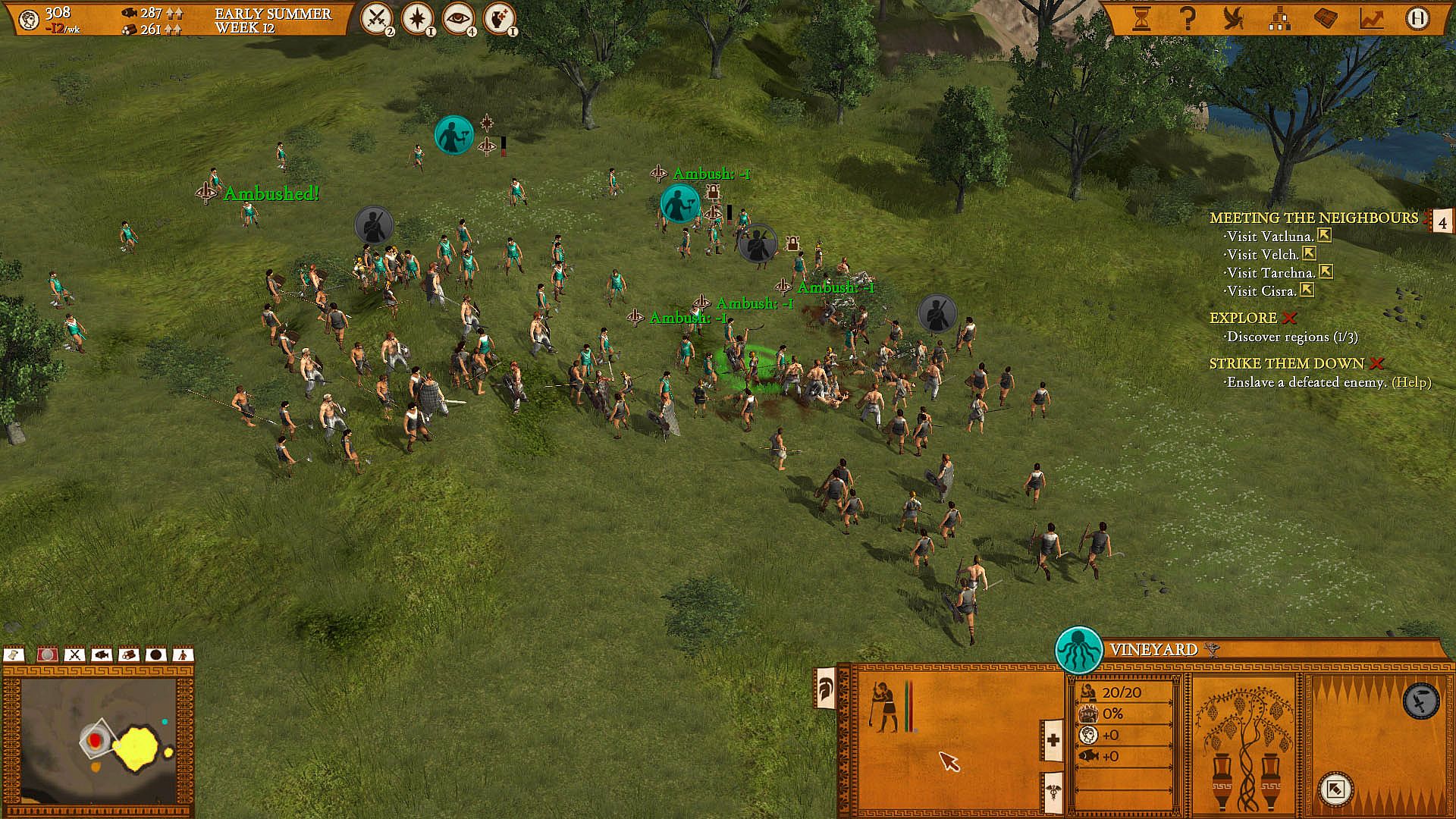
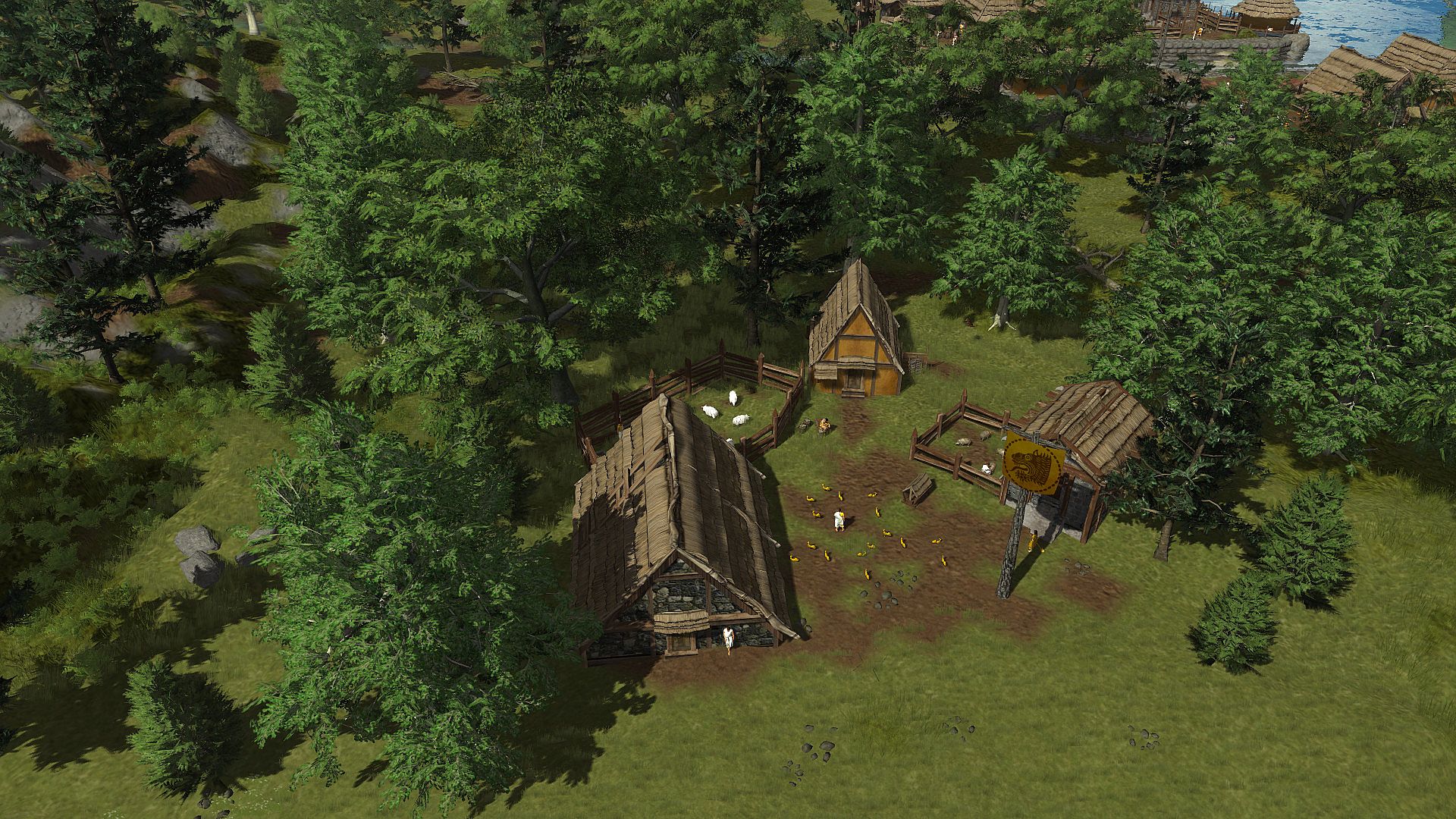
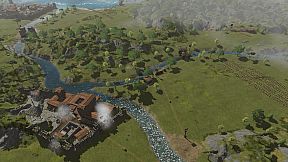
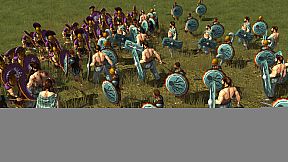
Hegemony III: Clash of the Ancients is a real-time strategy and simulation game set in ancient Italy during the fifth century BC. Players lead one of many emerging powers in a struggle for dominance across the Italian peninsula and surrounding regions. The title blends grand strategy elements with tactical combat on a seamless map that supports zooming between overview and detailed views at any moment.
Gameplay
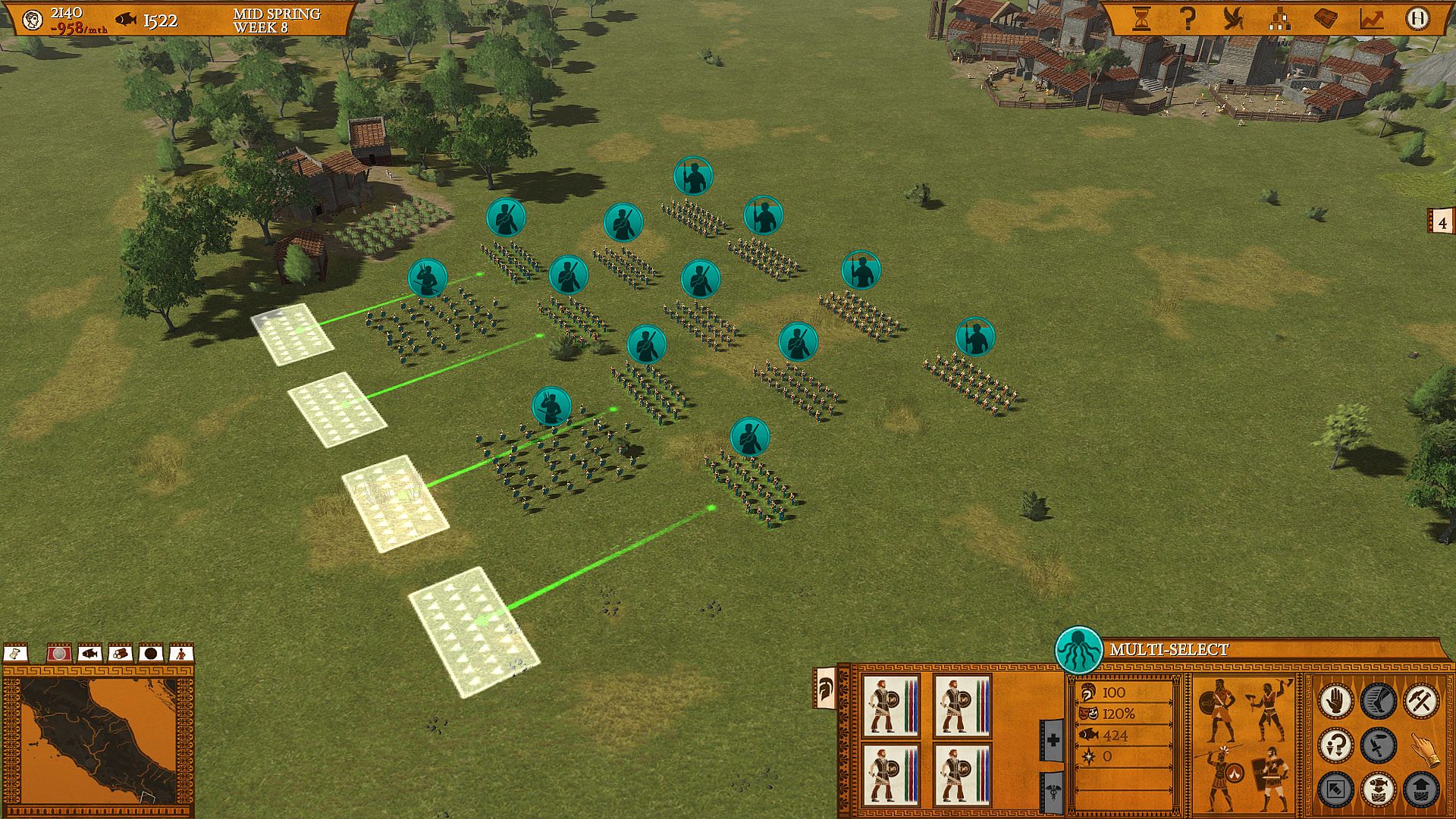
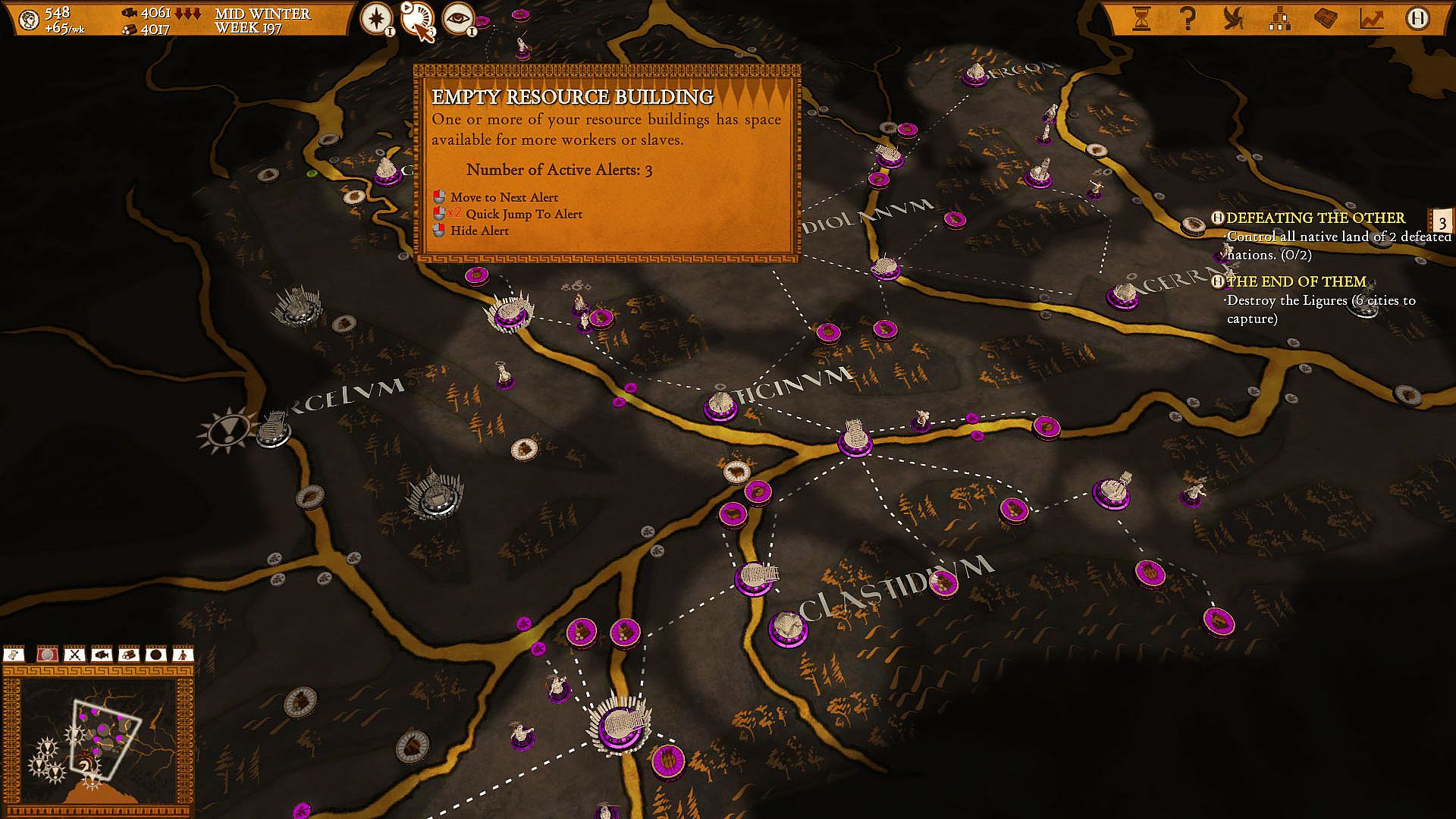
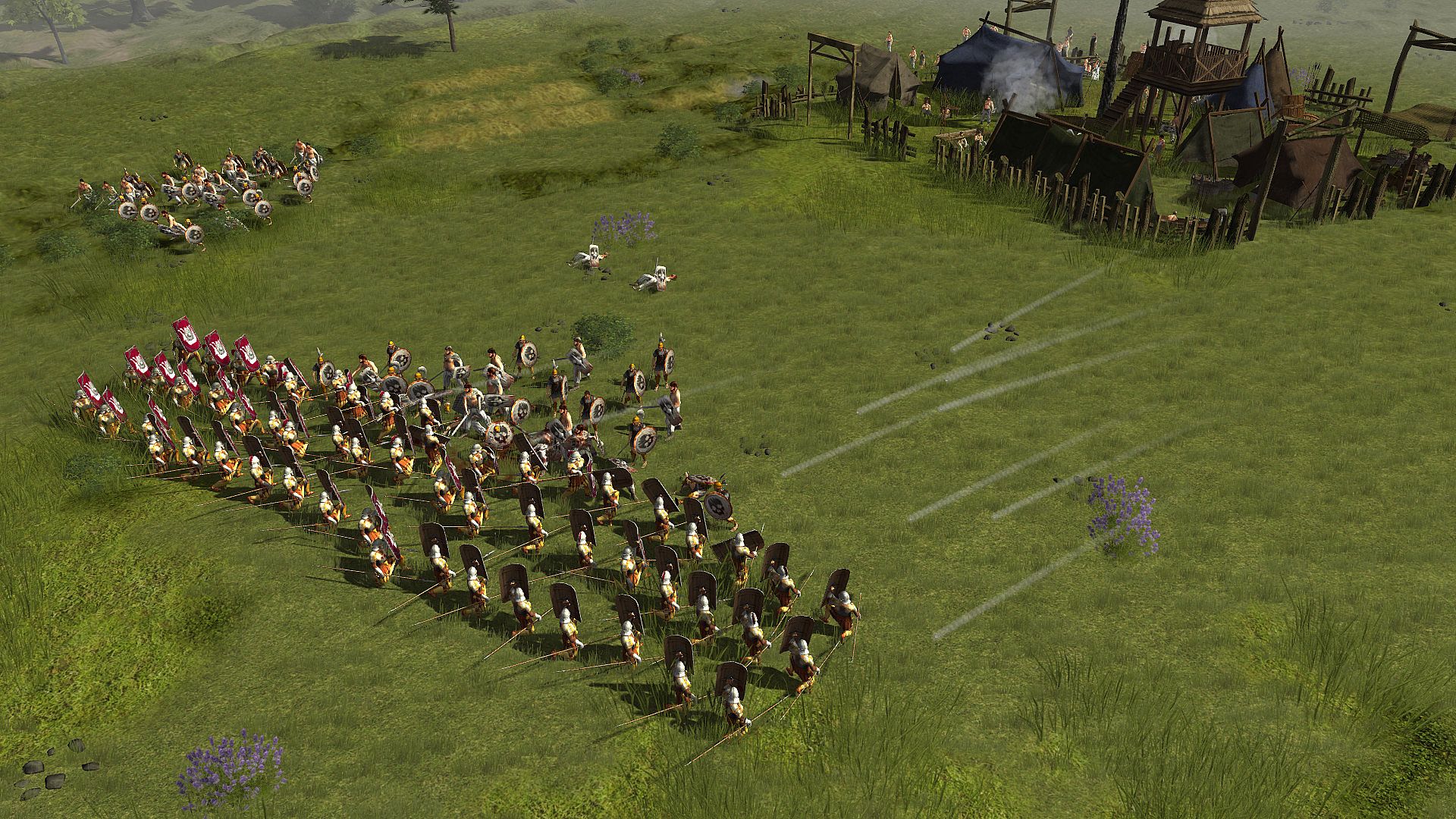
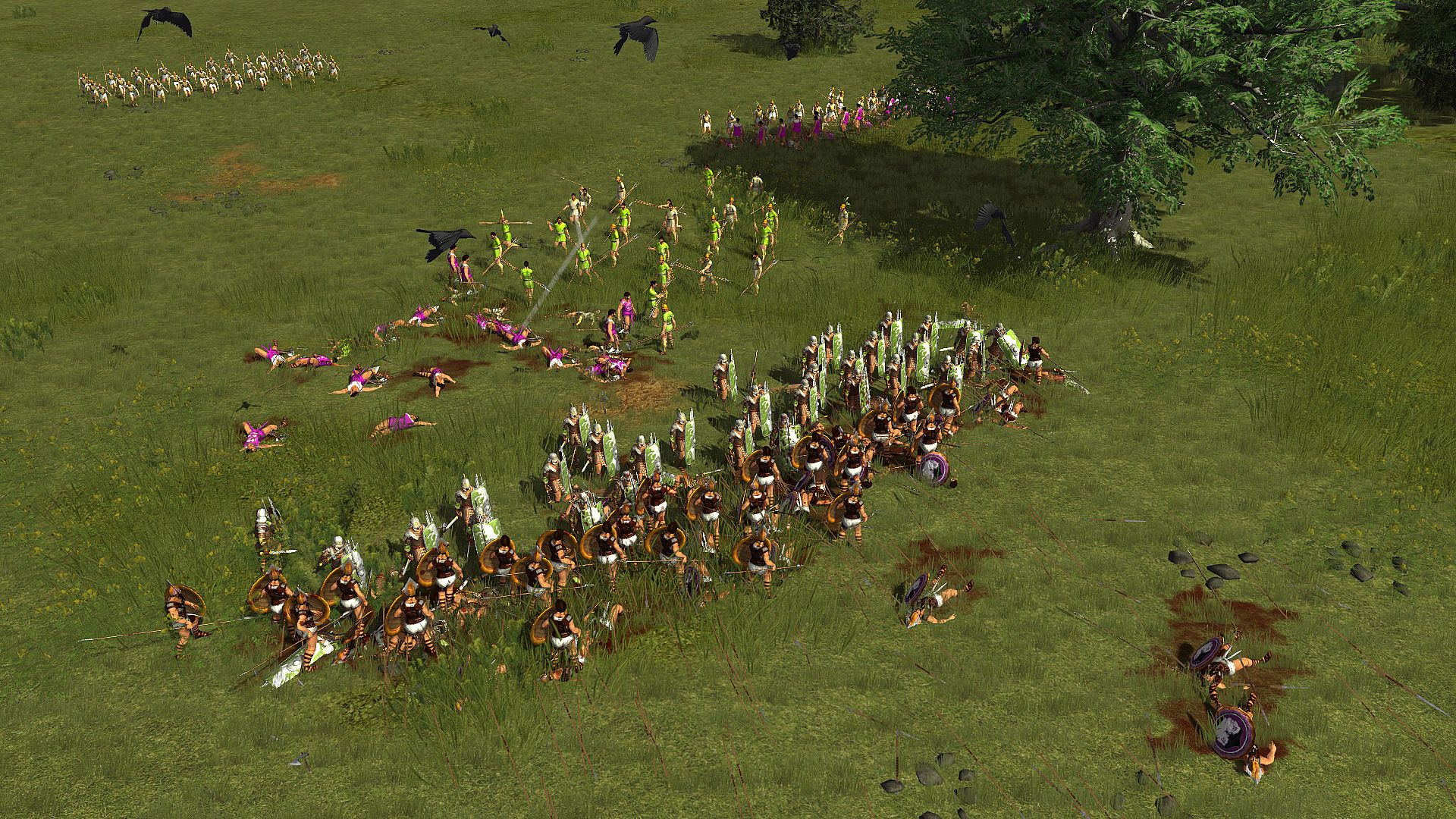
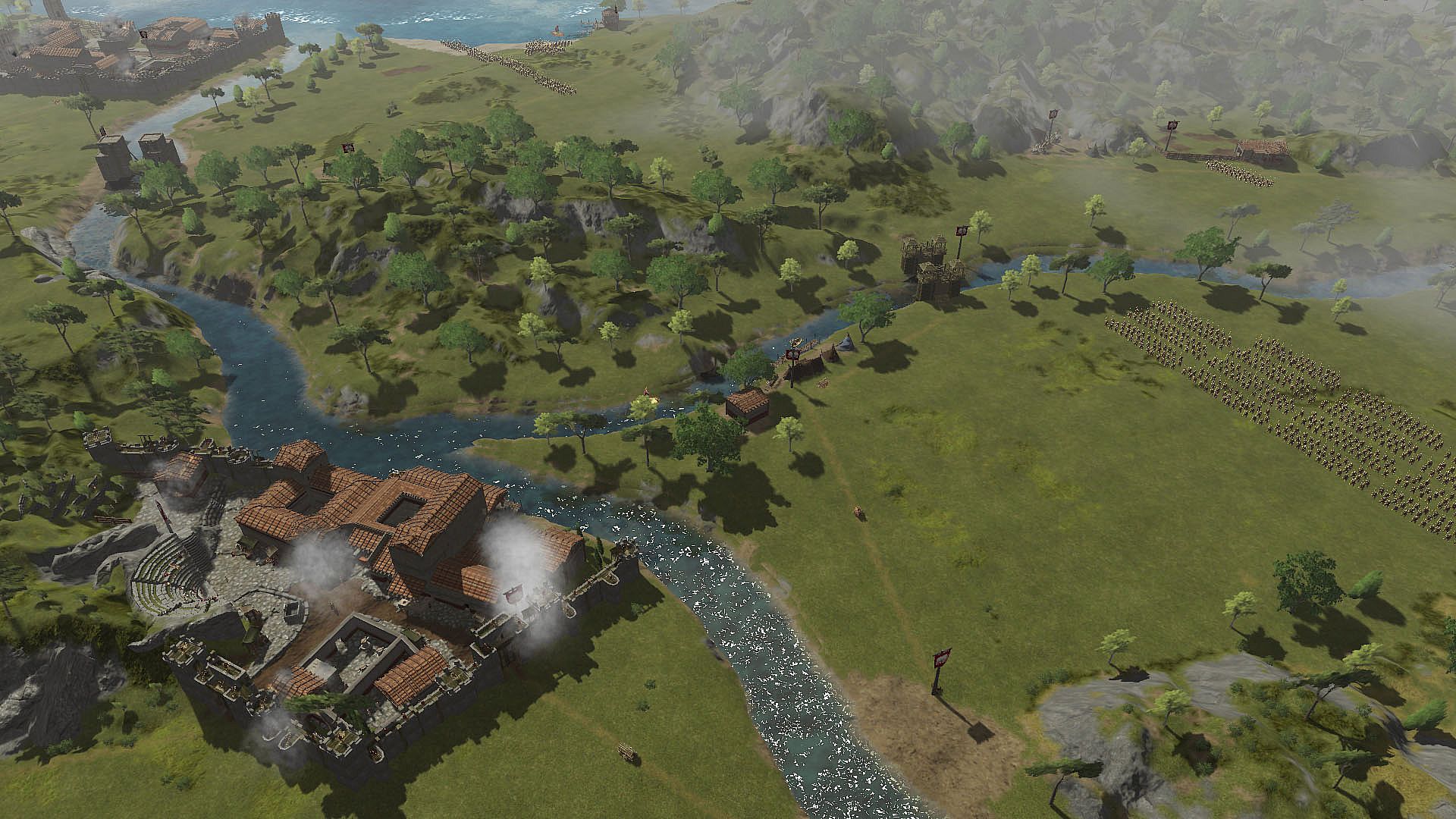
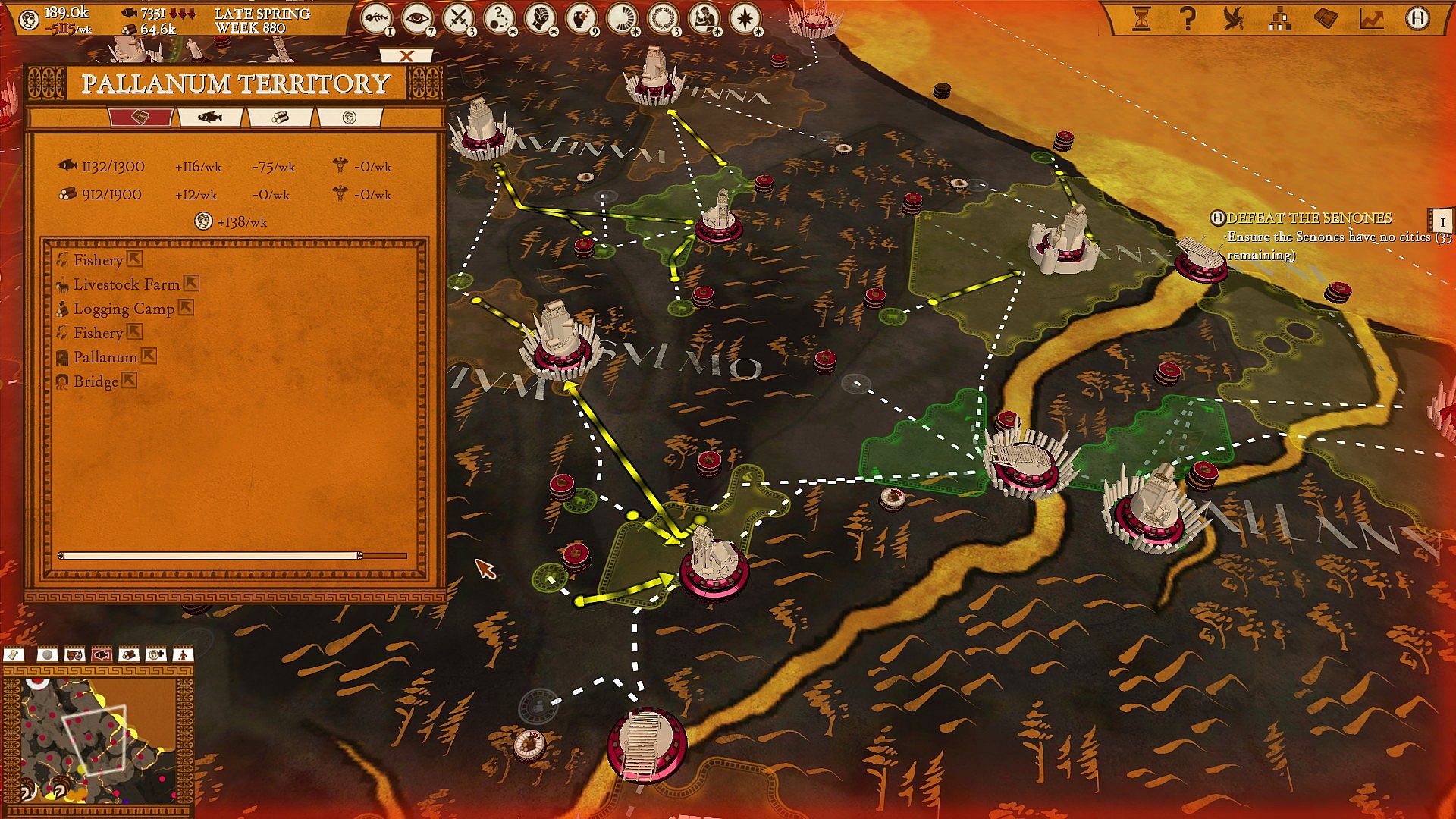
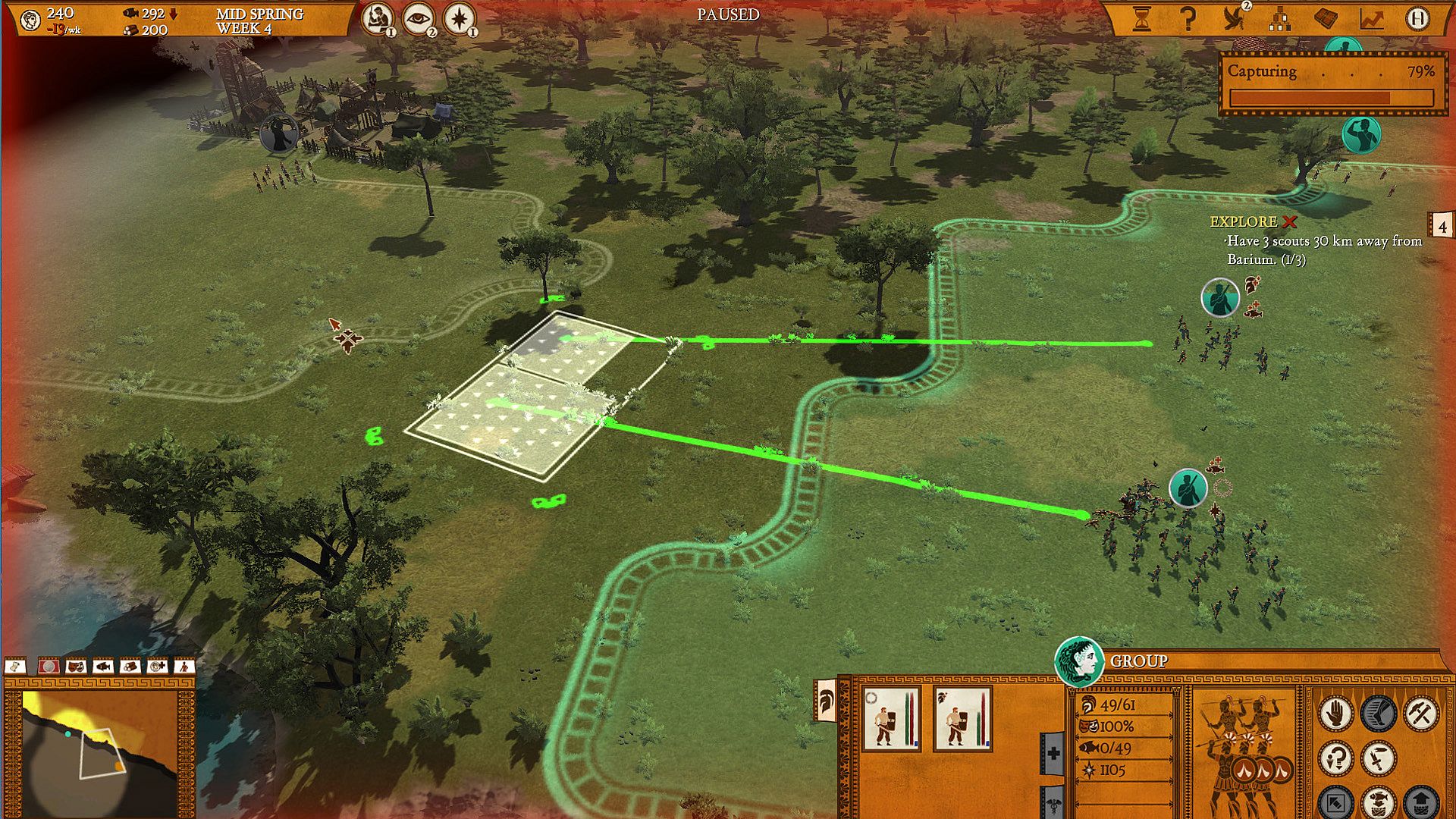
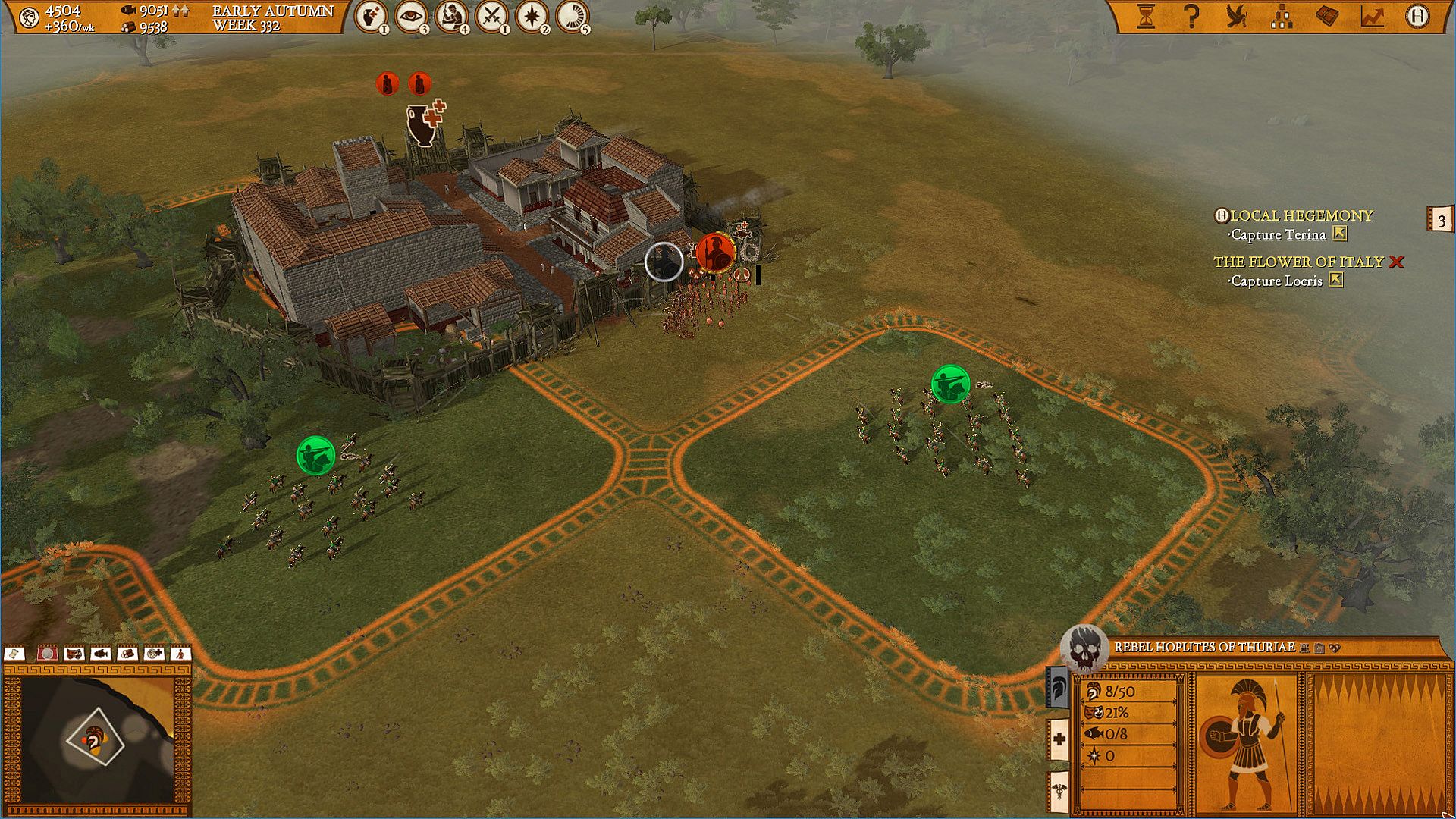
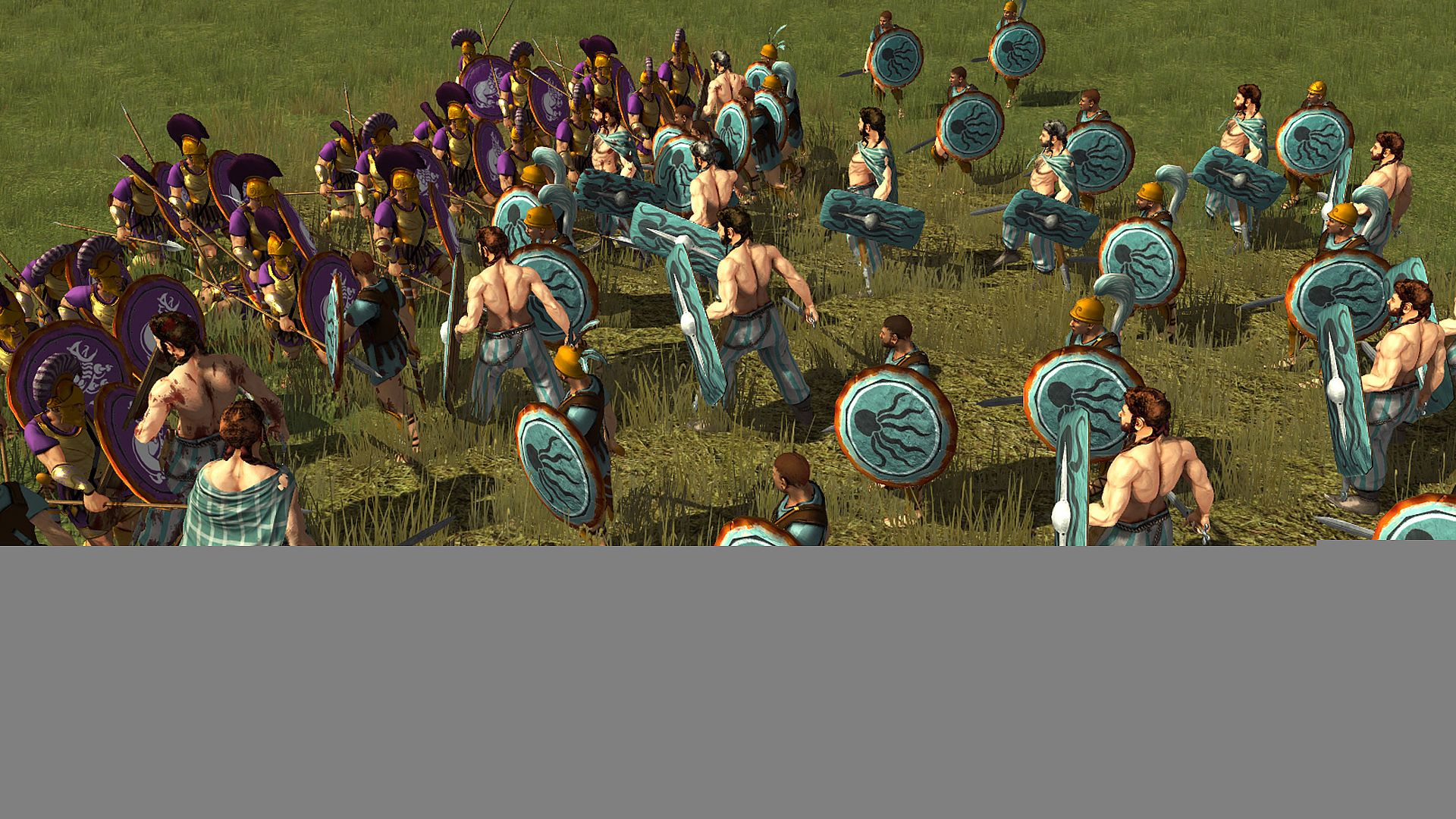
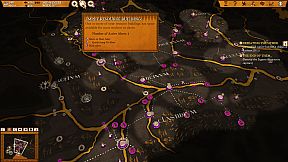
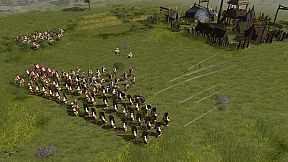
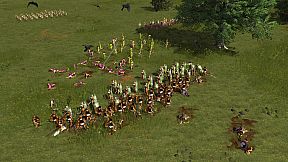
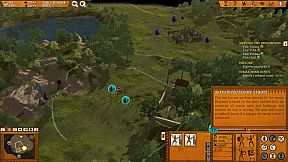
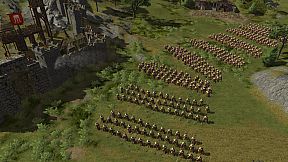
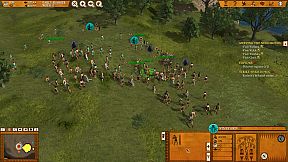
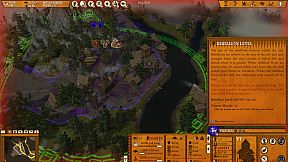
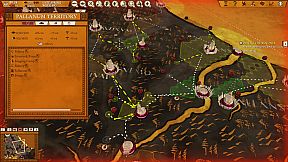
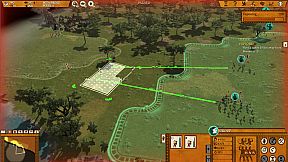
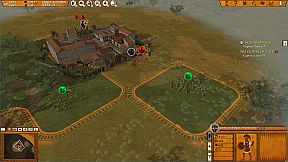
The core loop centers on resource management and military expansion. Armies require steady supplies from farms, mines, and other holdings connected by protected supply lines. Raiding enemy infrastructure disrupts their economy and creates openings for larger offensives. Battles unfold in real time but can be paused for precise orders, allowing commanders to position hoplites, legionaries, and skirmishers into formations or execute flanking maneuvers. The strategic zoom feature lets players shift instantly from directing individual units on the battlefield to overseeing the entire campaign map without loading screens.
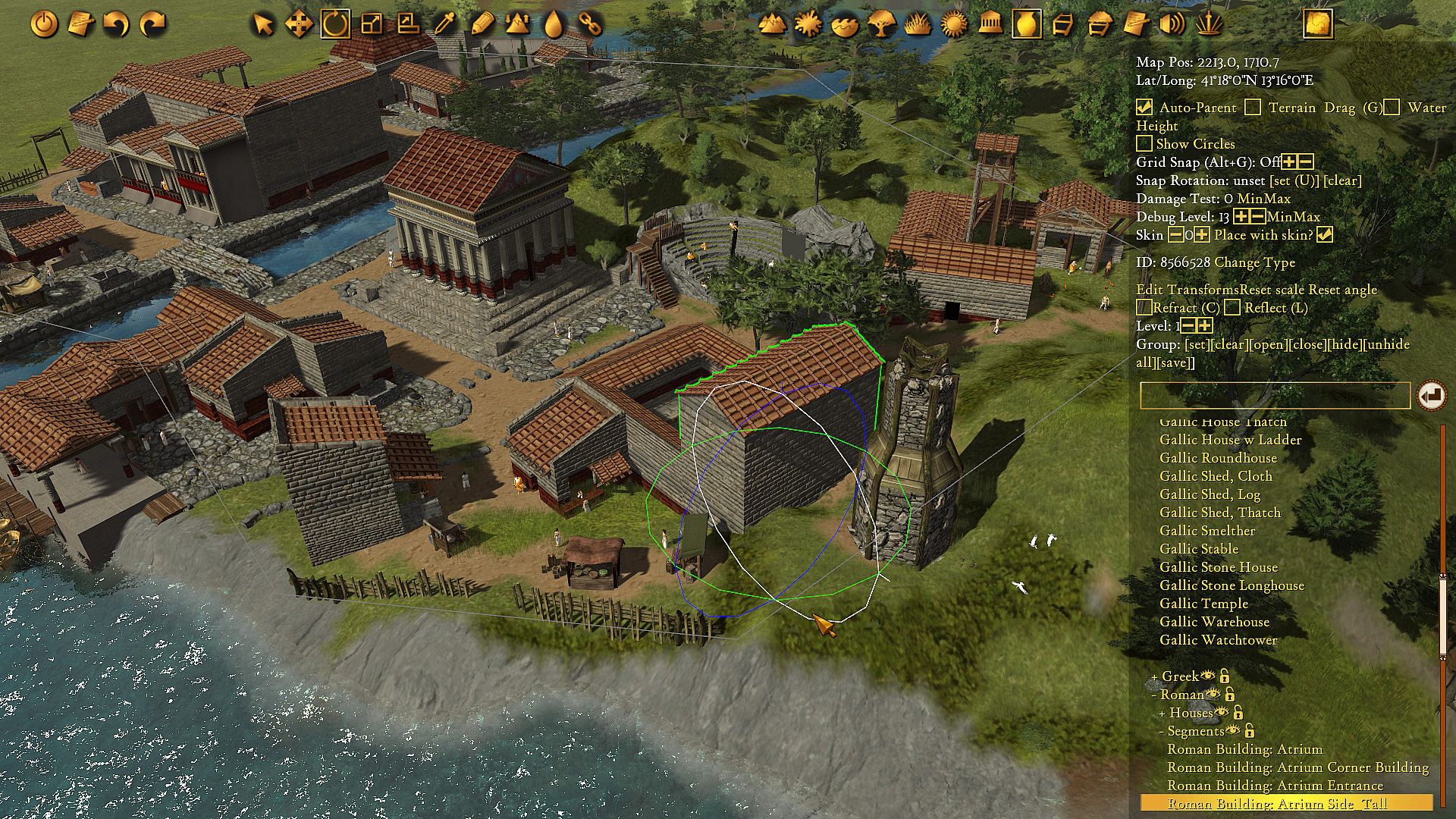
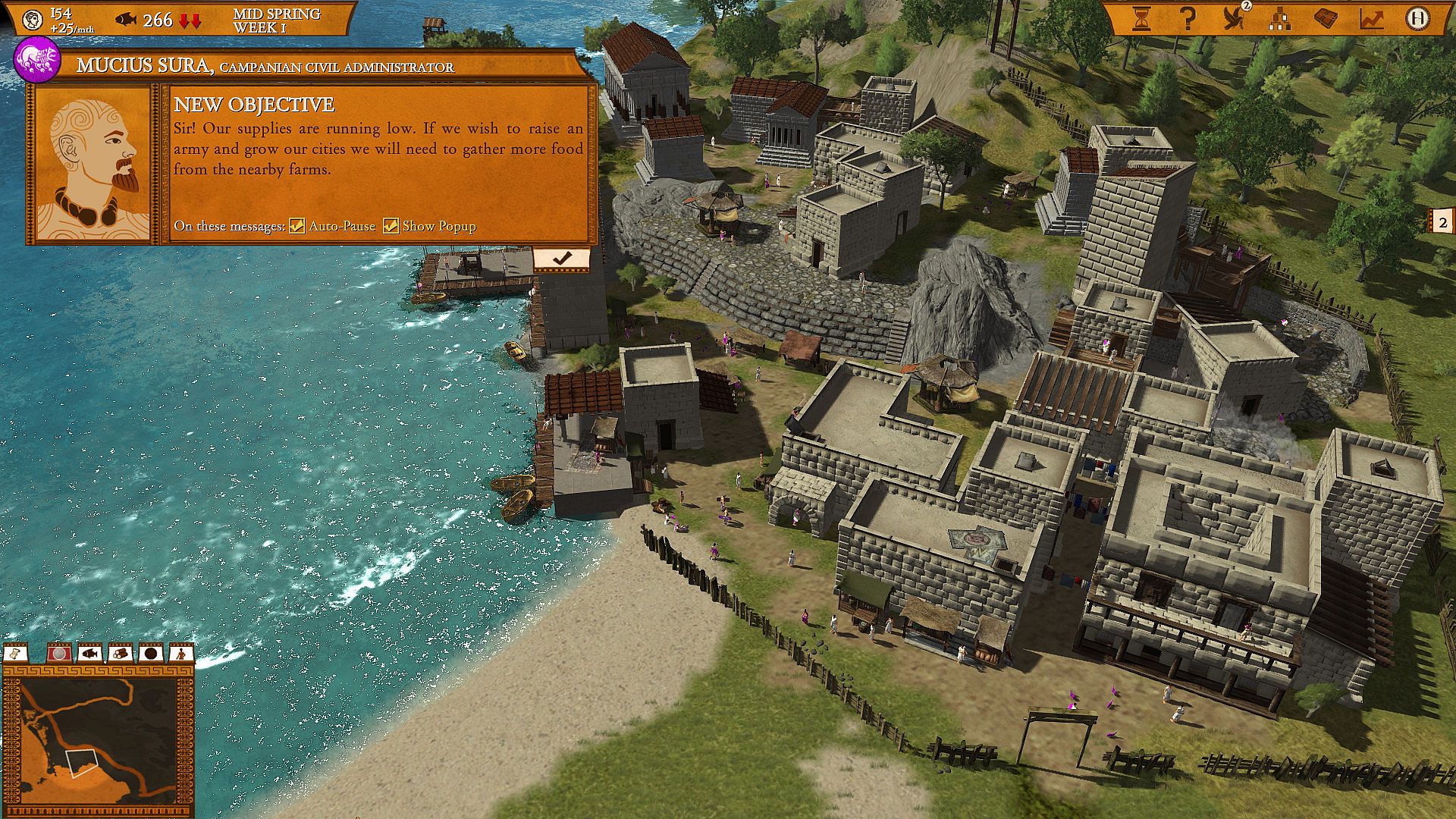
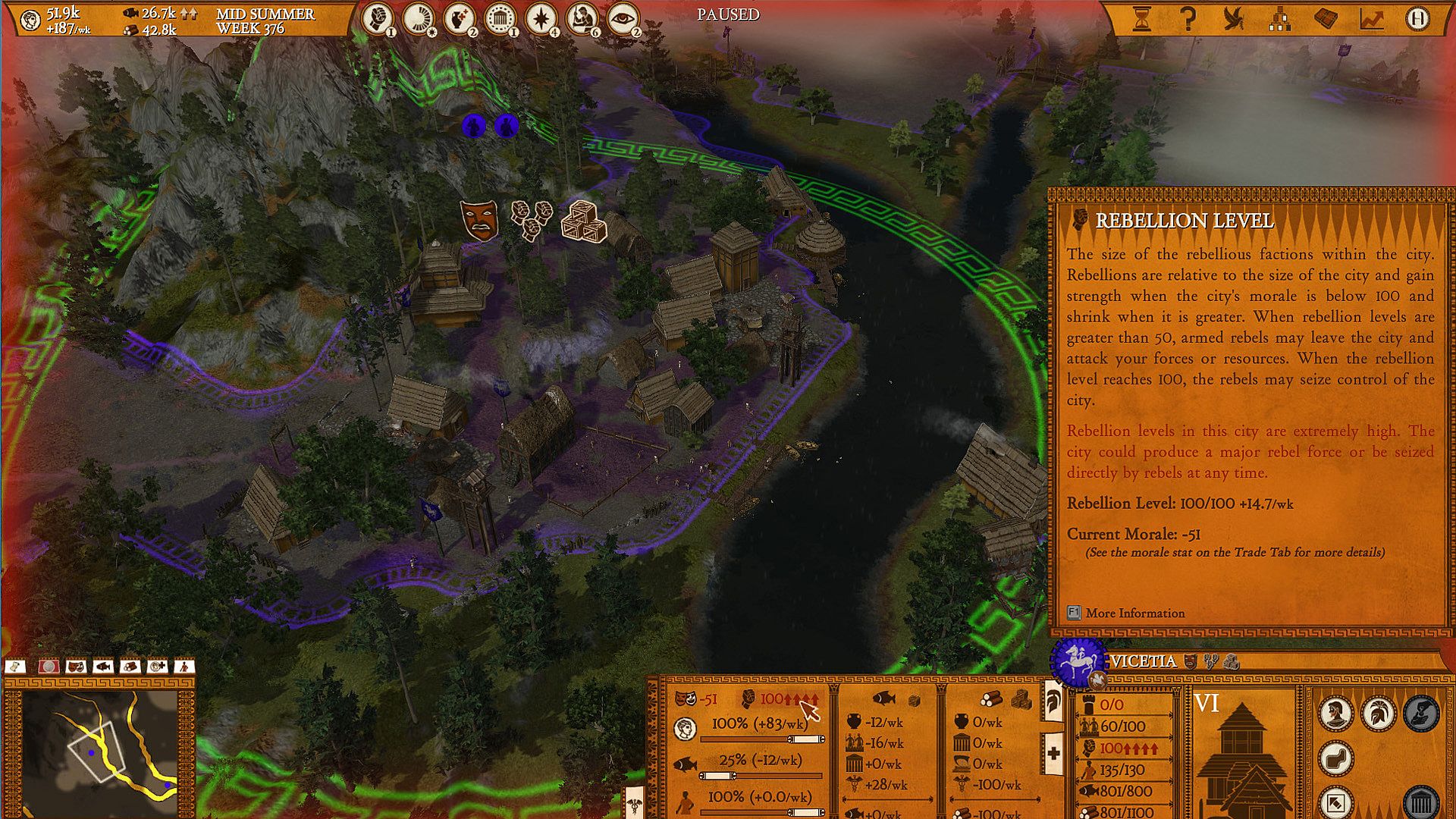
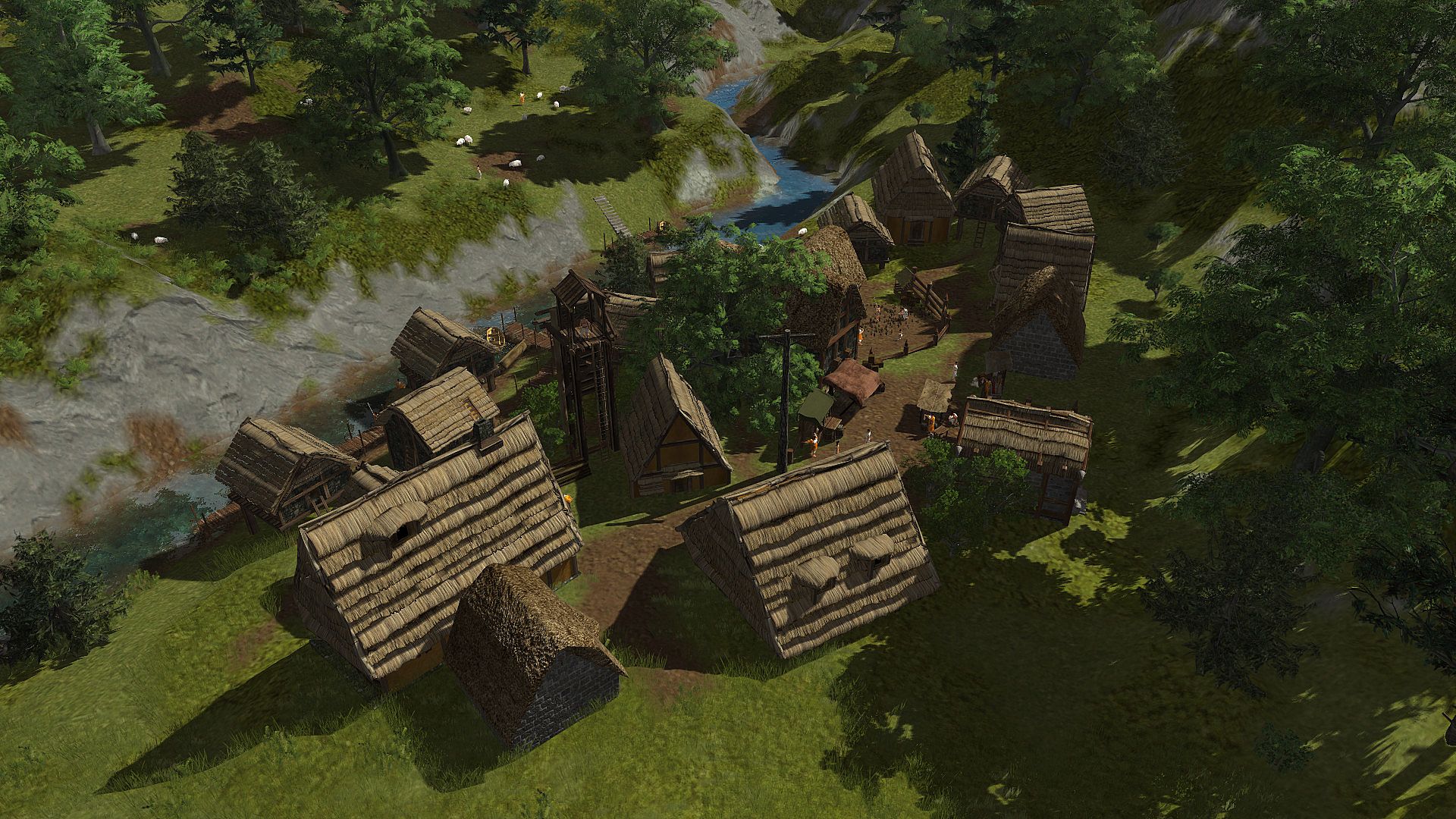
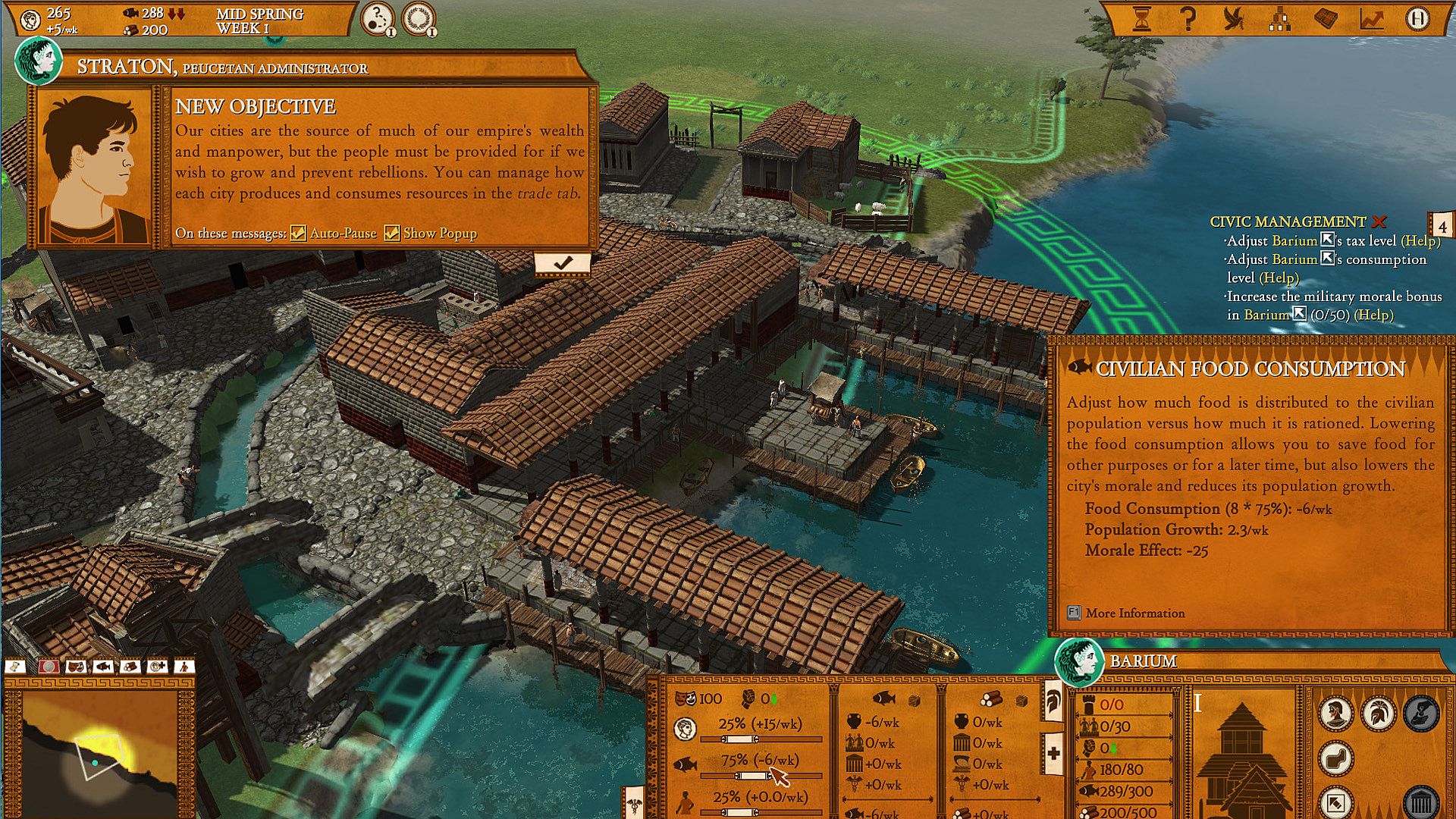
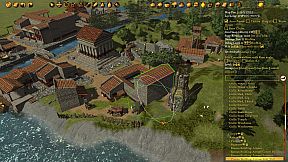
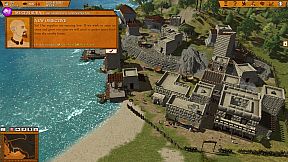
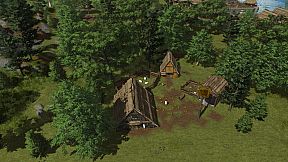
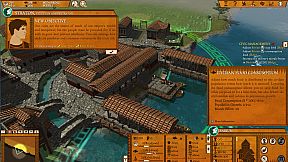
City growth involves constructing buildings that boost production and unlock faction-specific skills. Seasonal changes affect food output and unit attrition, requiring careful planning for winter months when resources run lower. A built-in map editor supports creation of custom scenarios that can be shared through community tools. Over thirty new unit types reflect evolving tactics, such as tribal forces adopting captured hoplon shields or early Roman formations adapting phalanx tactics against Gallic charges.
Game Modes
Sandbox mode forms the primary experience. Objectives arise naturally from player actions and the shifting political landscape rather than following a fixed script. Victory comes through accumulating hegemony points across military, economic, and cultural categories. Campaign mode offers structured historical scenarios where dynamic objectives adjust based on chosen strategies, enabling players to recreate events like the Samnite wars or pursue alternate paths such as a Gallic sack of Rome.
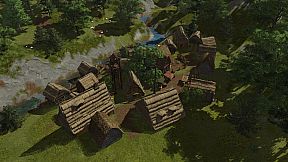
Both modes operate on the same large map covering rocky coasts, fertile valleys, and hill country at four times the detail of earlier entries in the series. The game runs entirely in single-player format with no multiplayer components.
Factions and Mechanics
More than twenty-five factions draw from four main cultures: Gallic Celts, Etruscans, Romans and Latins, Samnites, and Greeks. Each starts with distinct unit access and territorial advantages. Faction skills unlock through city development and successful campaigns, while mechanics such as trading resources and acquiring slaves add layers to economic strategy. The system rewards long-term planning over rapid conquest, as overstretched supply lines can collapse even strong armies.
Is It Worth Playing?
Steam user reviews stand at Very Positive based on hundreds of ratings, with players noting the depth of the supply and command systems. The title appeals most to those who enjoy deliberate, challenging strategy experiences rather than fast-paced action. Its 2015 release means no ongoing seasonal content or major post-launch updates in recent years, yet the core mechanics remain intact and functional on modern PCs. Anyone seeking a detailed single-player grand strategy simulation focused on ancient Mediterranean conflicts will find substantial replay value in the sandbox and campaign options. Those preferring lighter or multiplayer-focused titles may find the pace and complexity less suitable.