













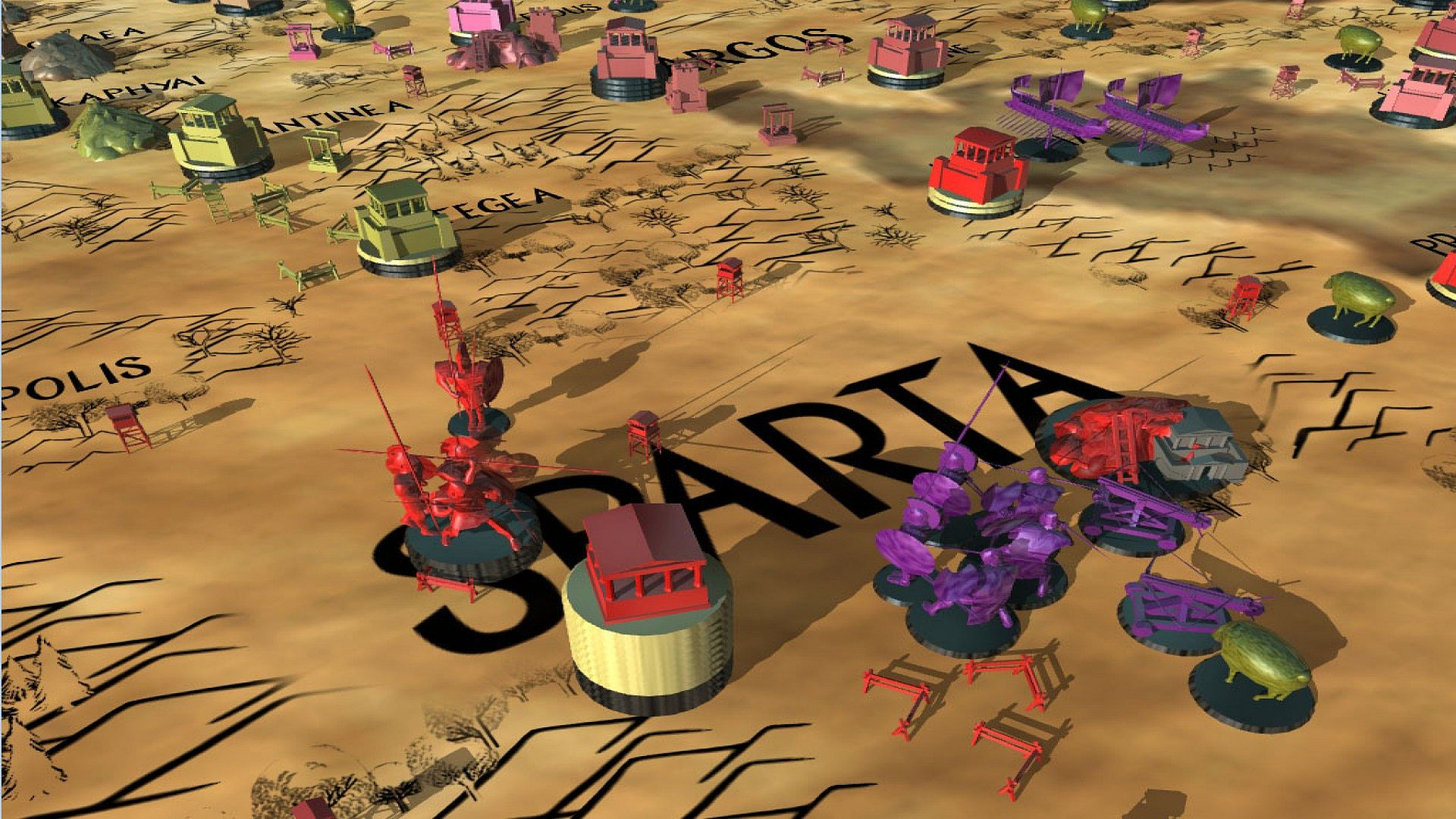
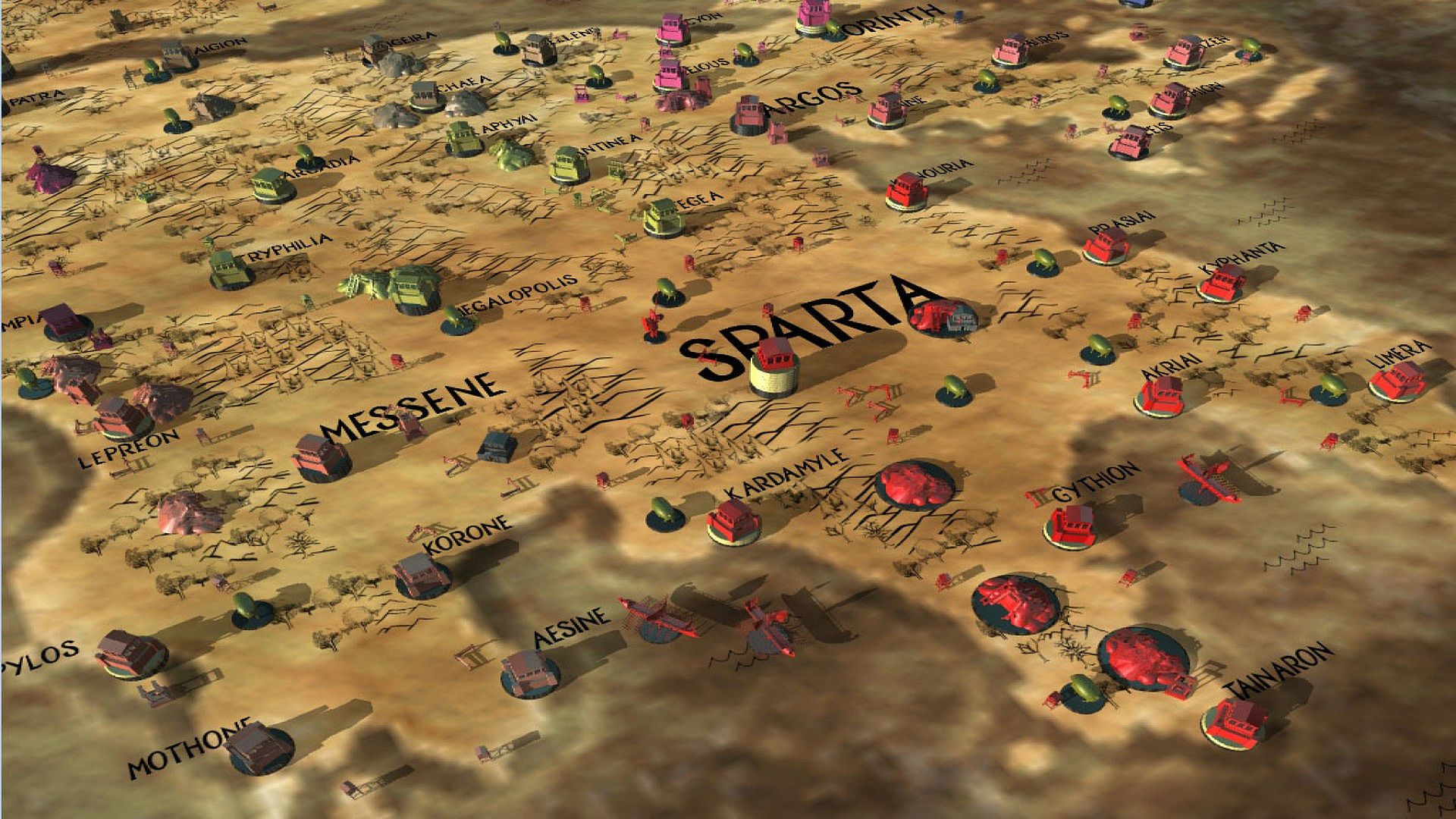
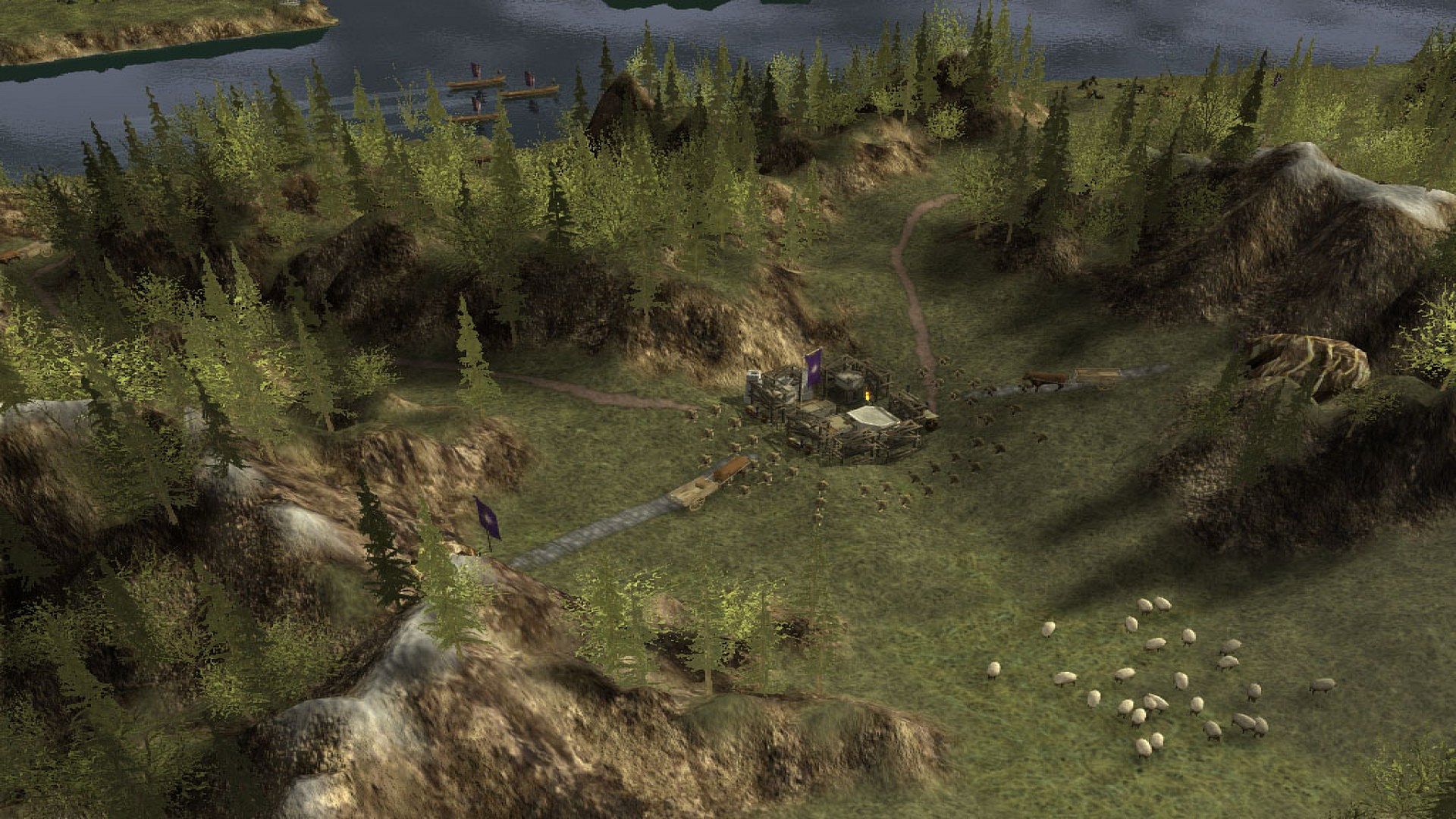
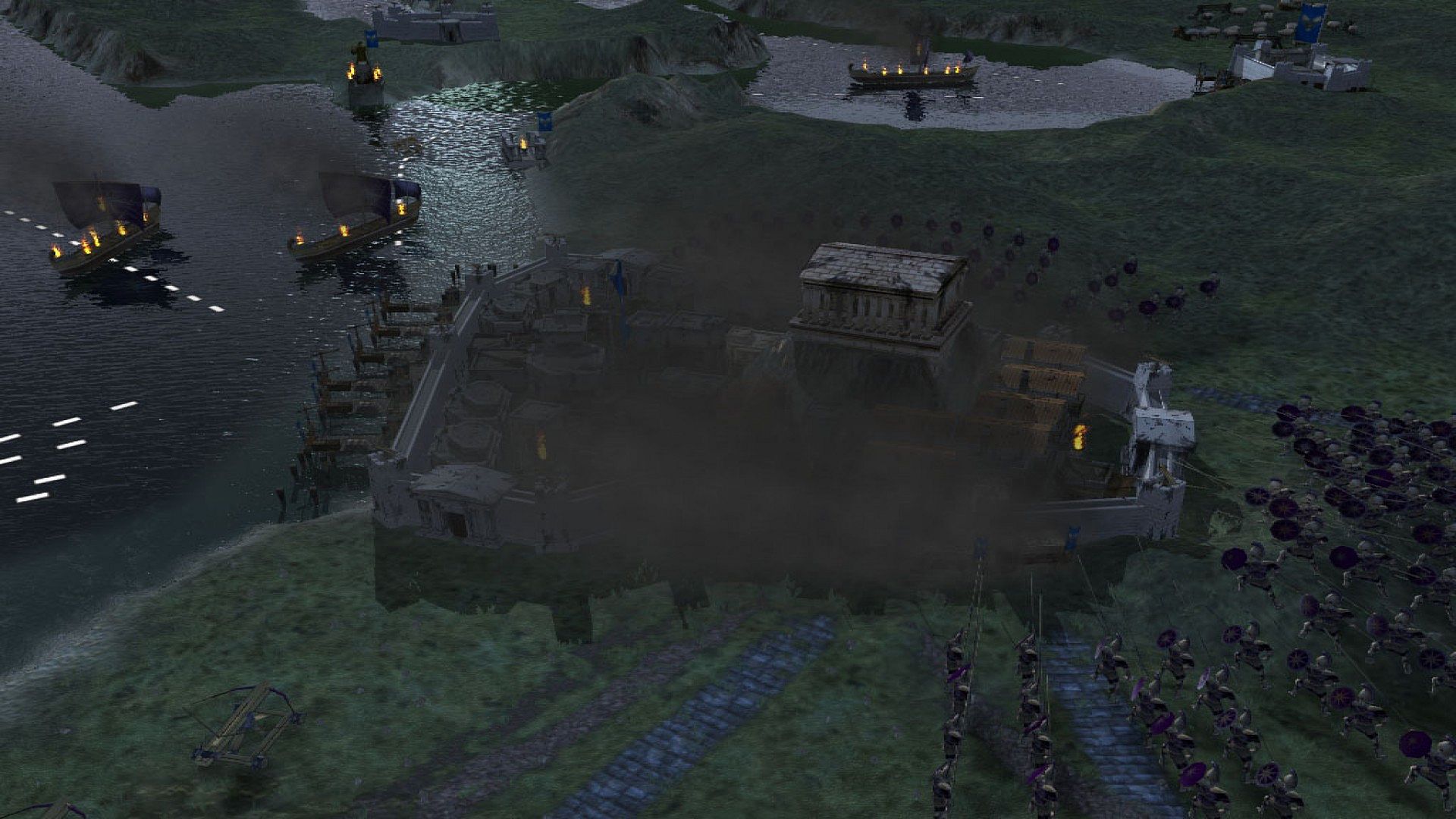
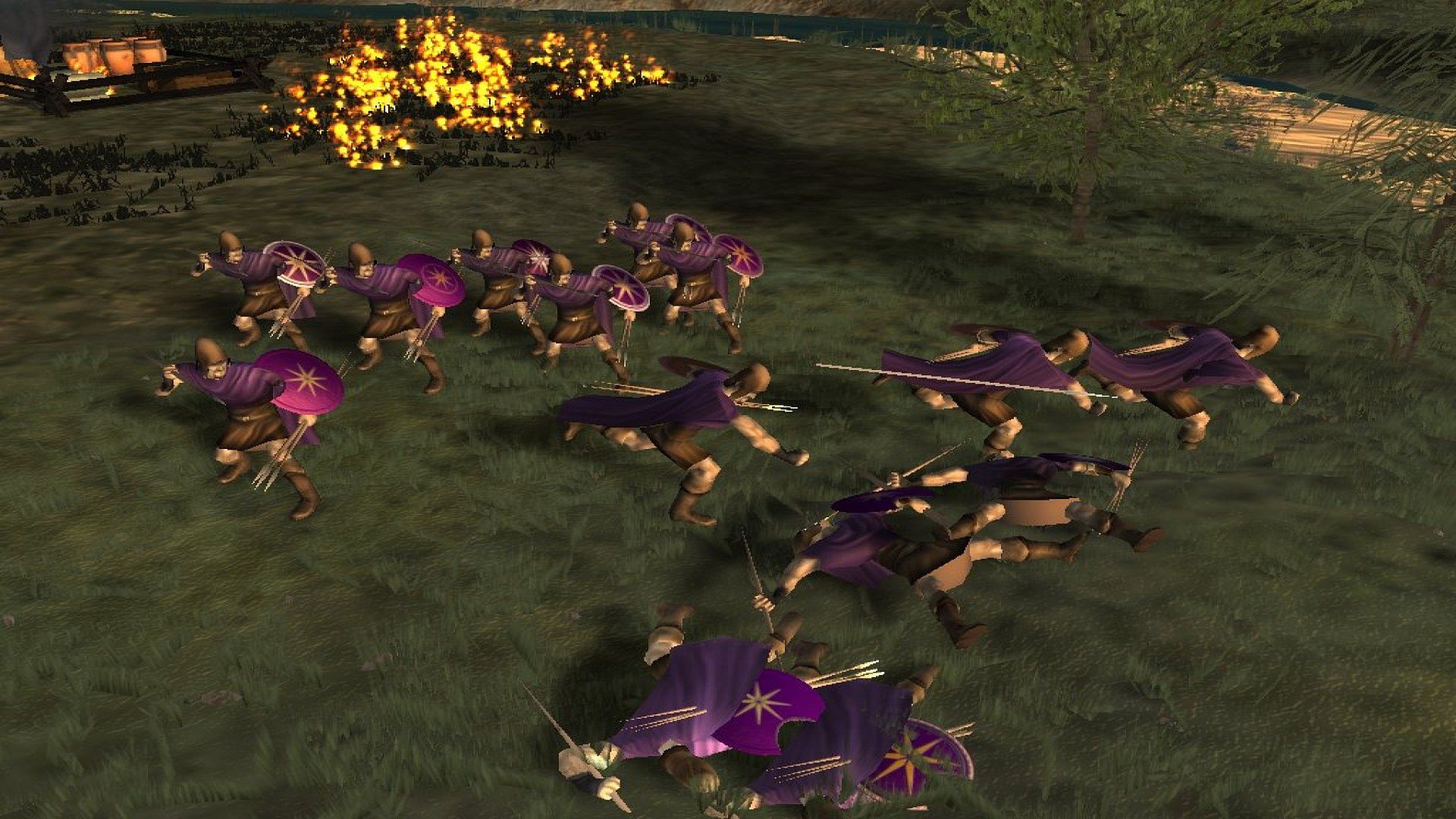
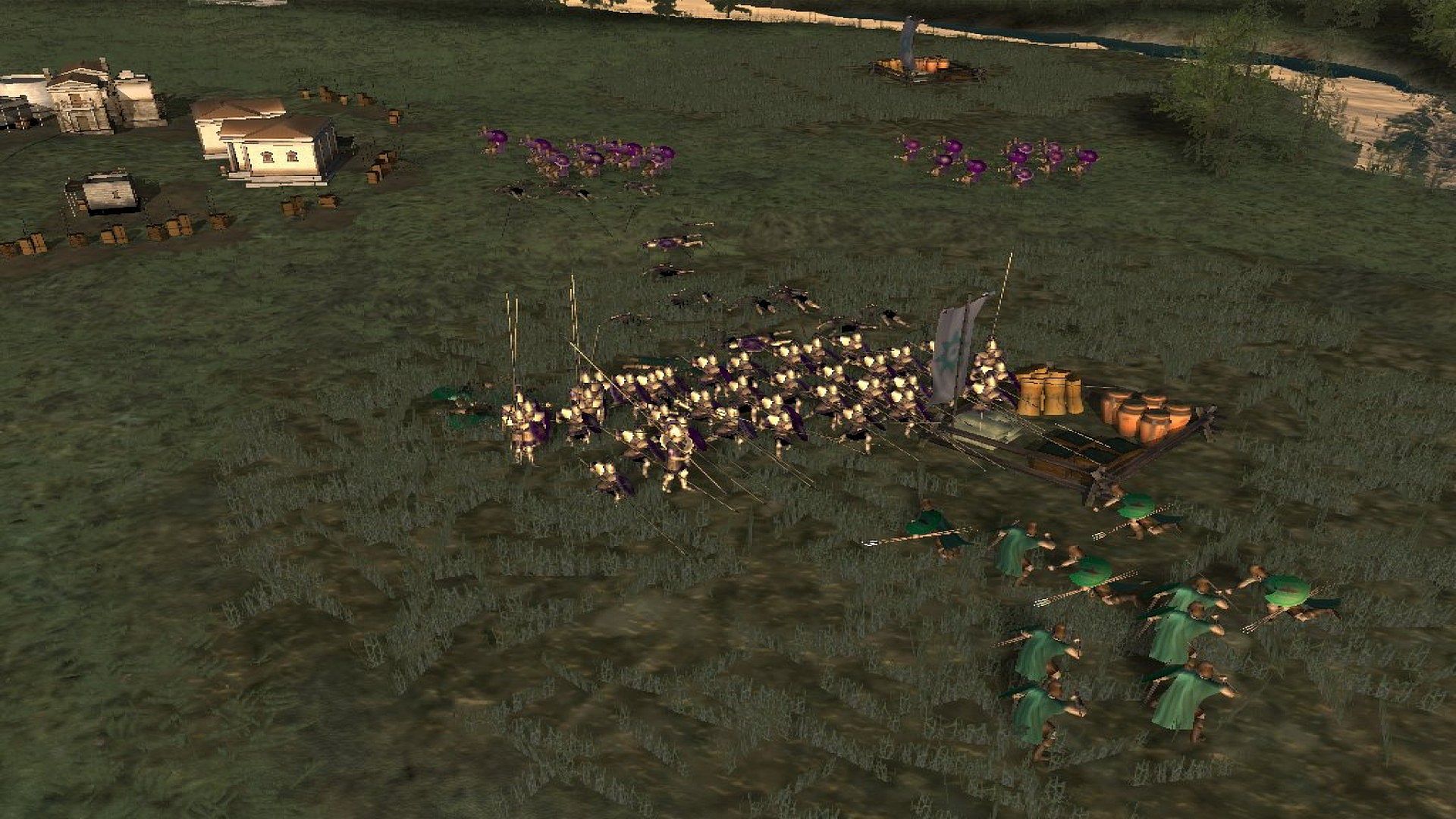
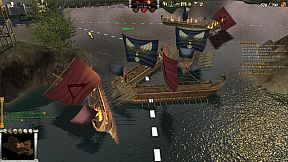
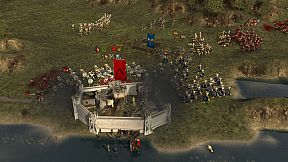
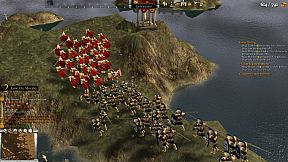
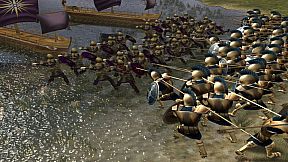
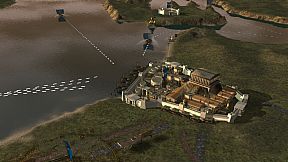
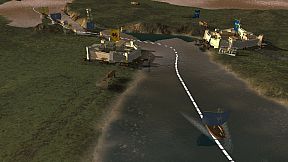
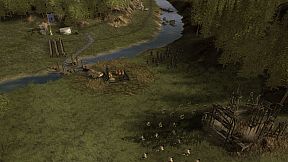
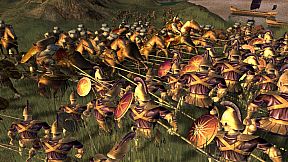
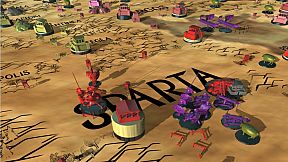
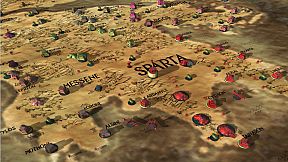
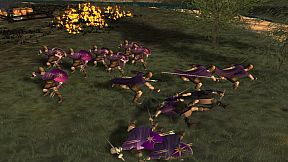
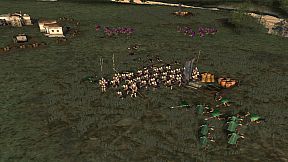
Hegemony Gold: Wars of Ancient Greece is a single-player strategy game set in the ancient Greek world. Players manage campaigns that combine strategic empire building with real-time tactical combat on a continuous map modeled after the geography of Greece.
Gameplay
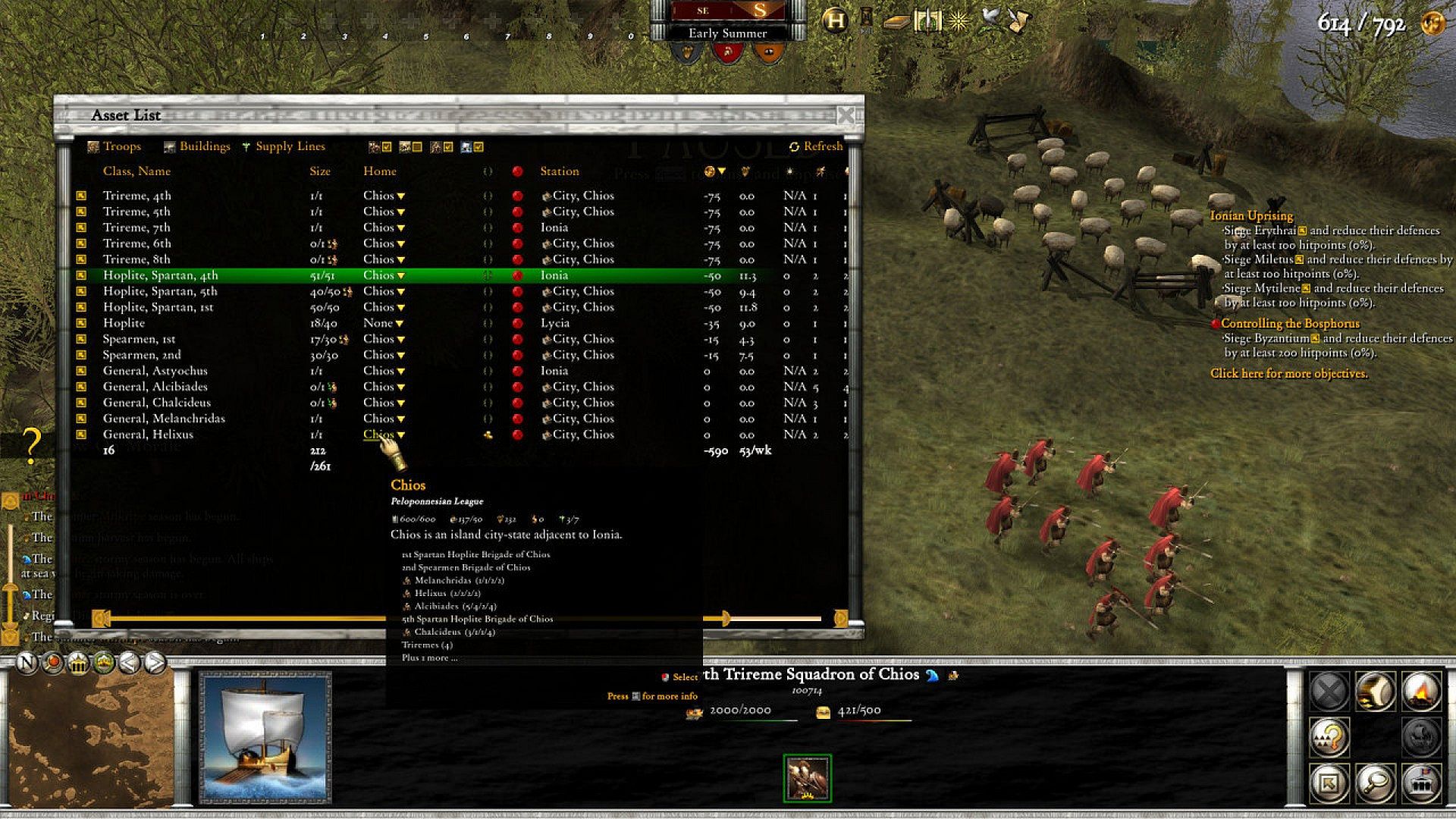
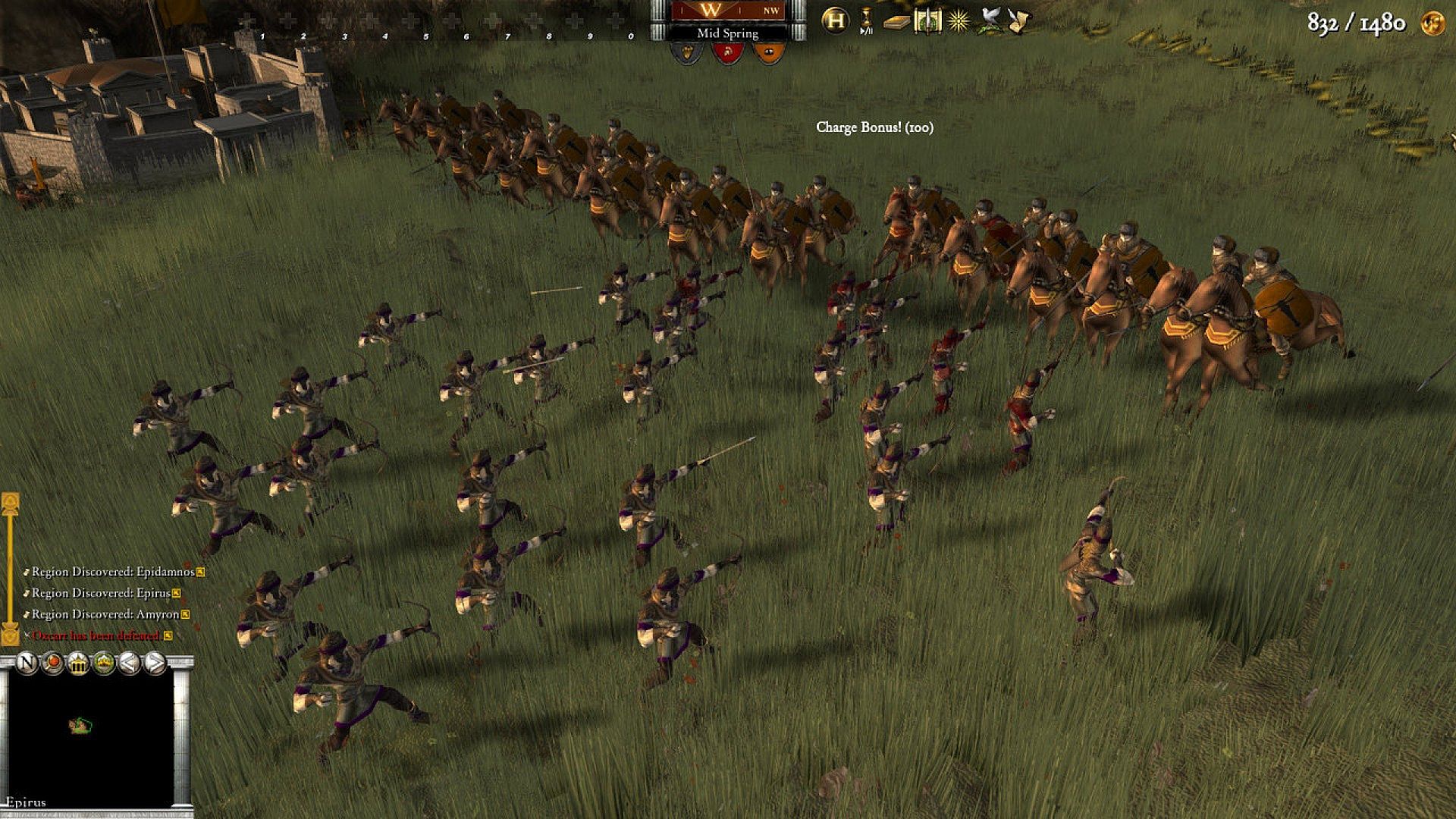
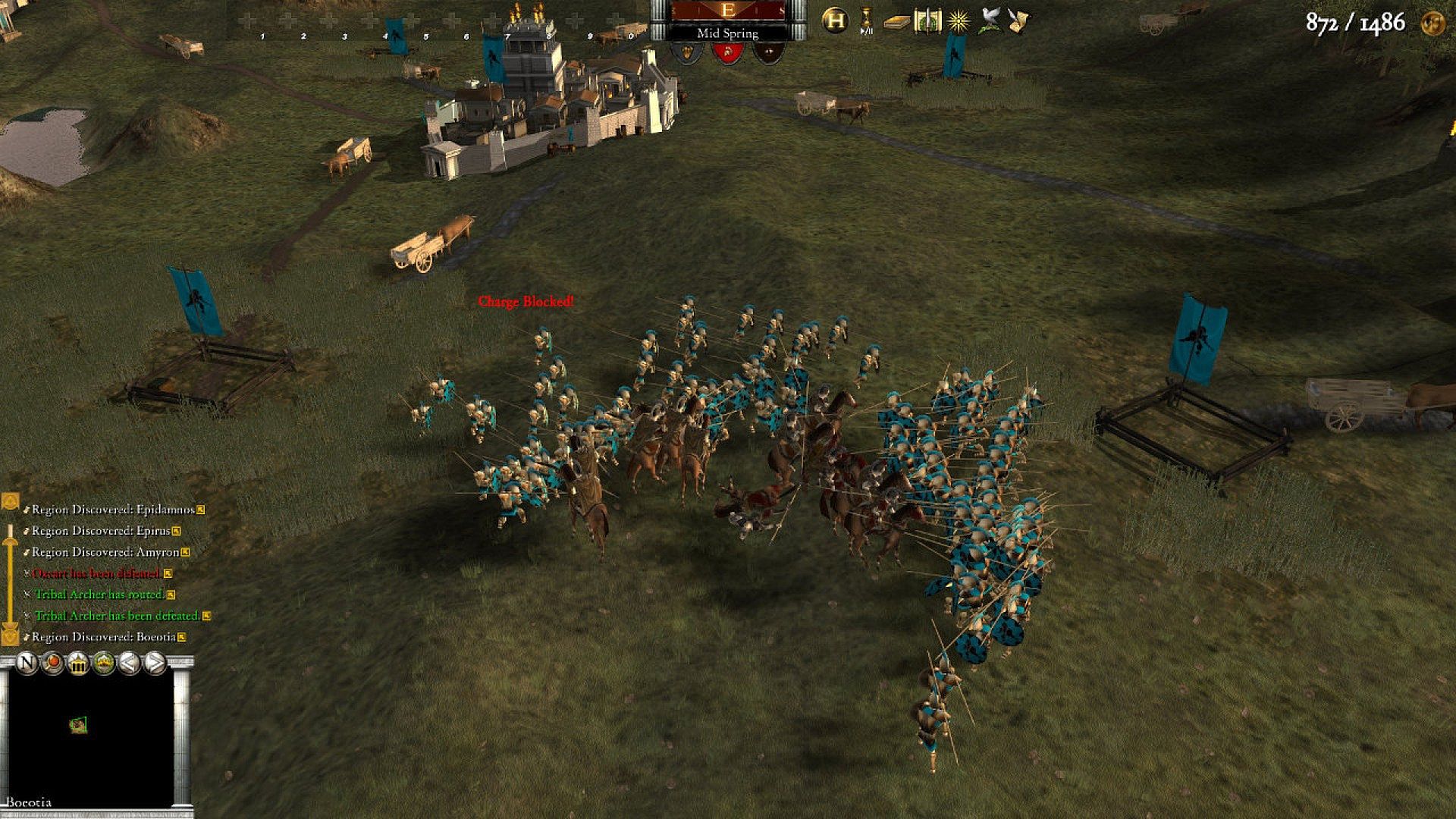
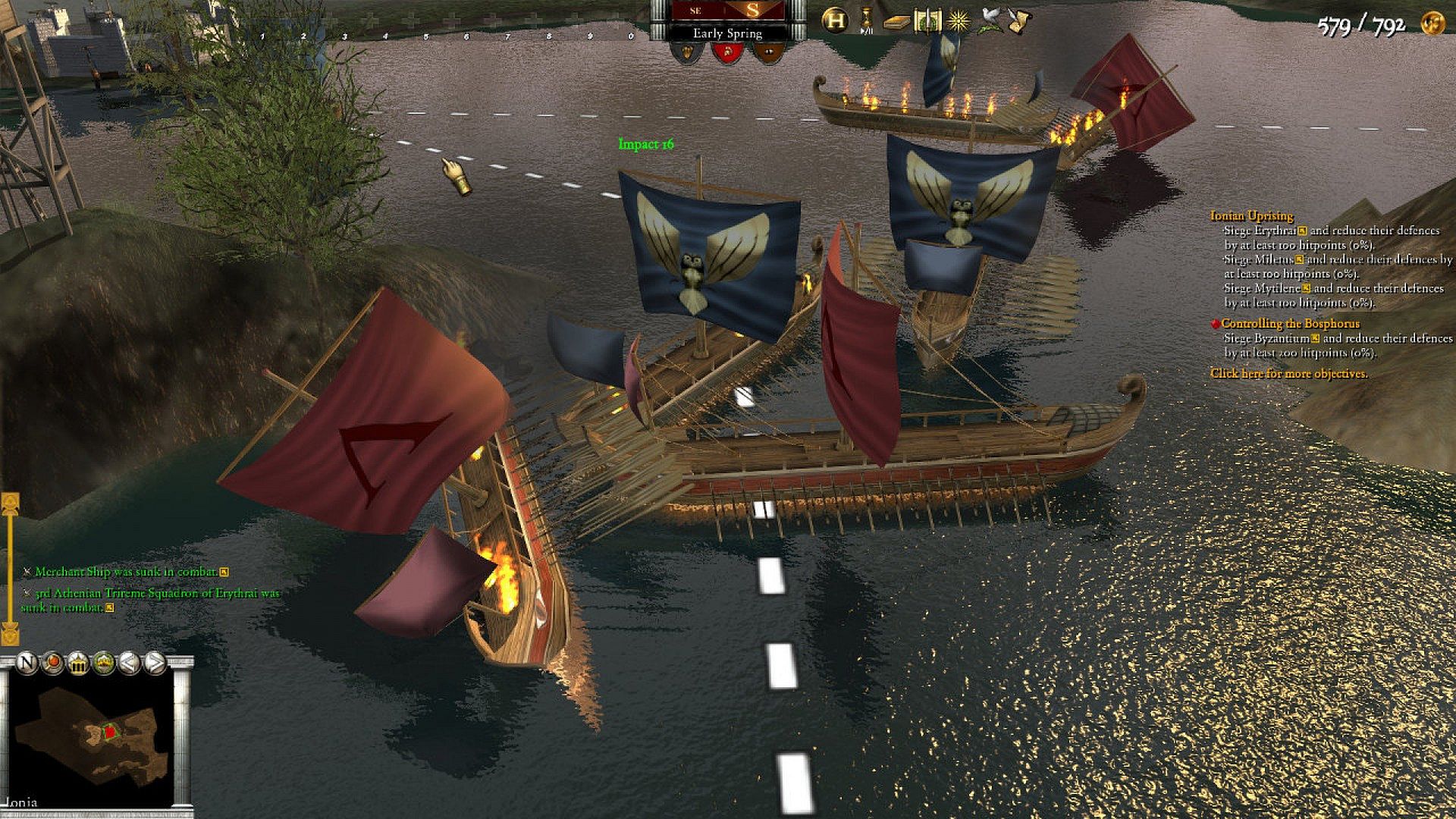
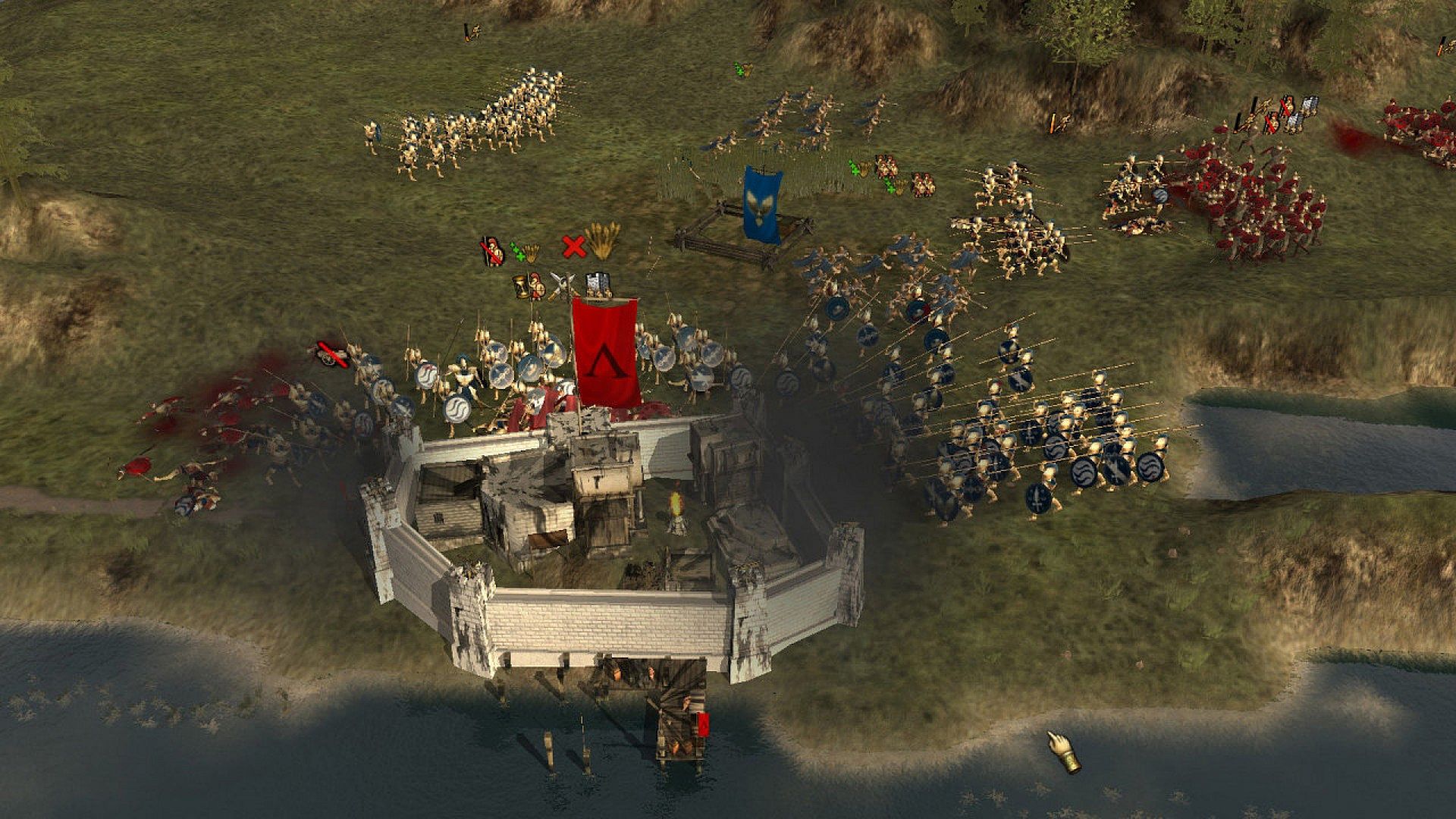
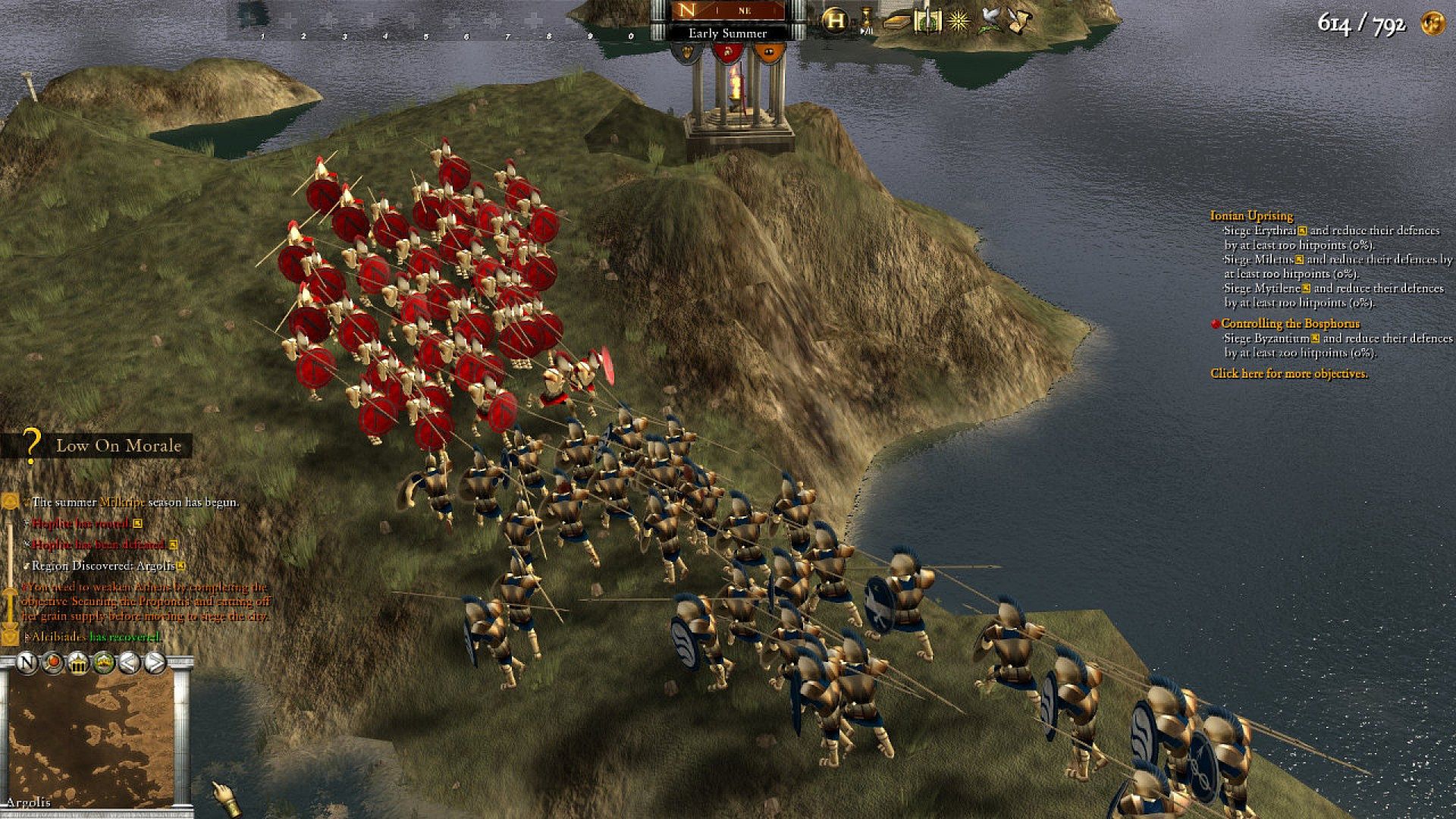
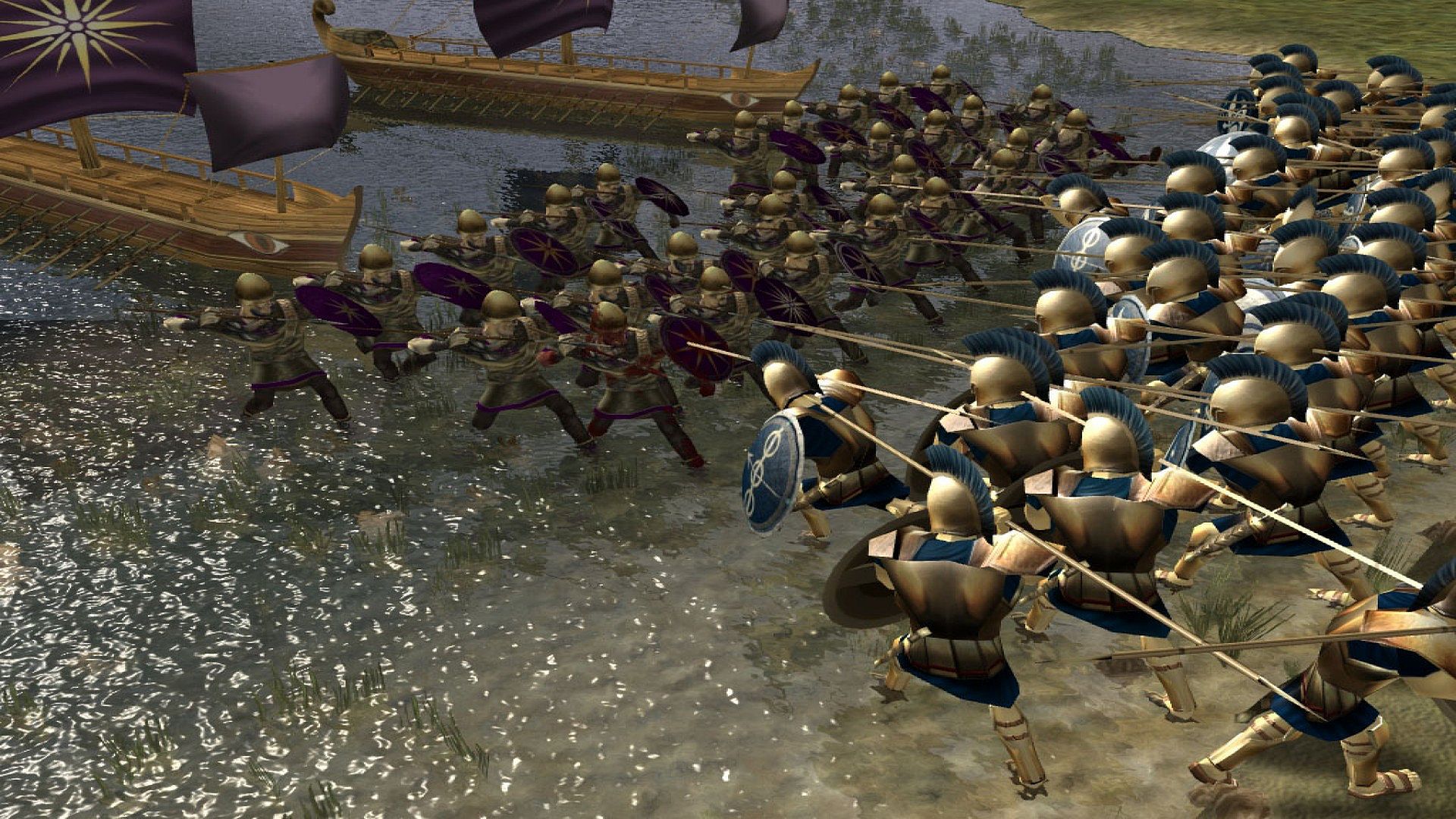
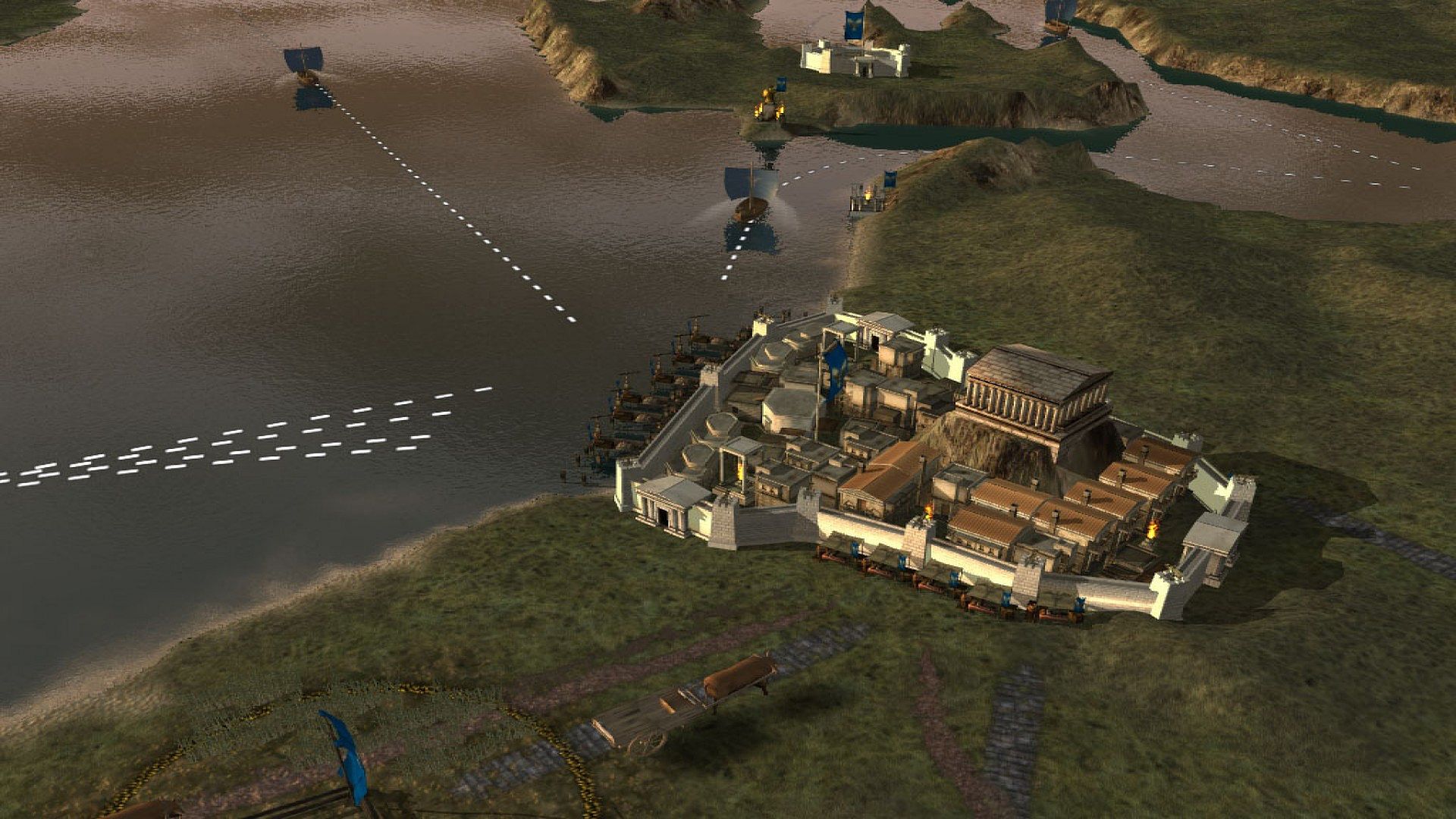
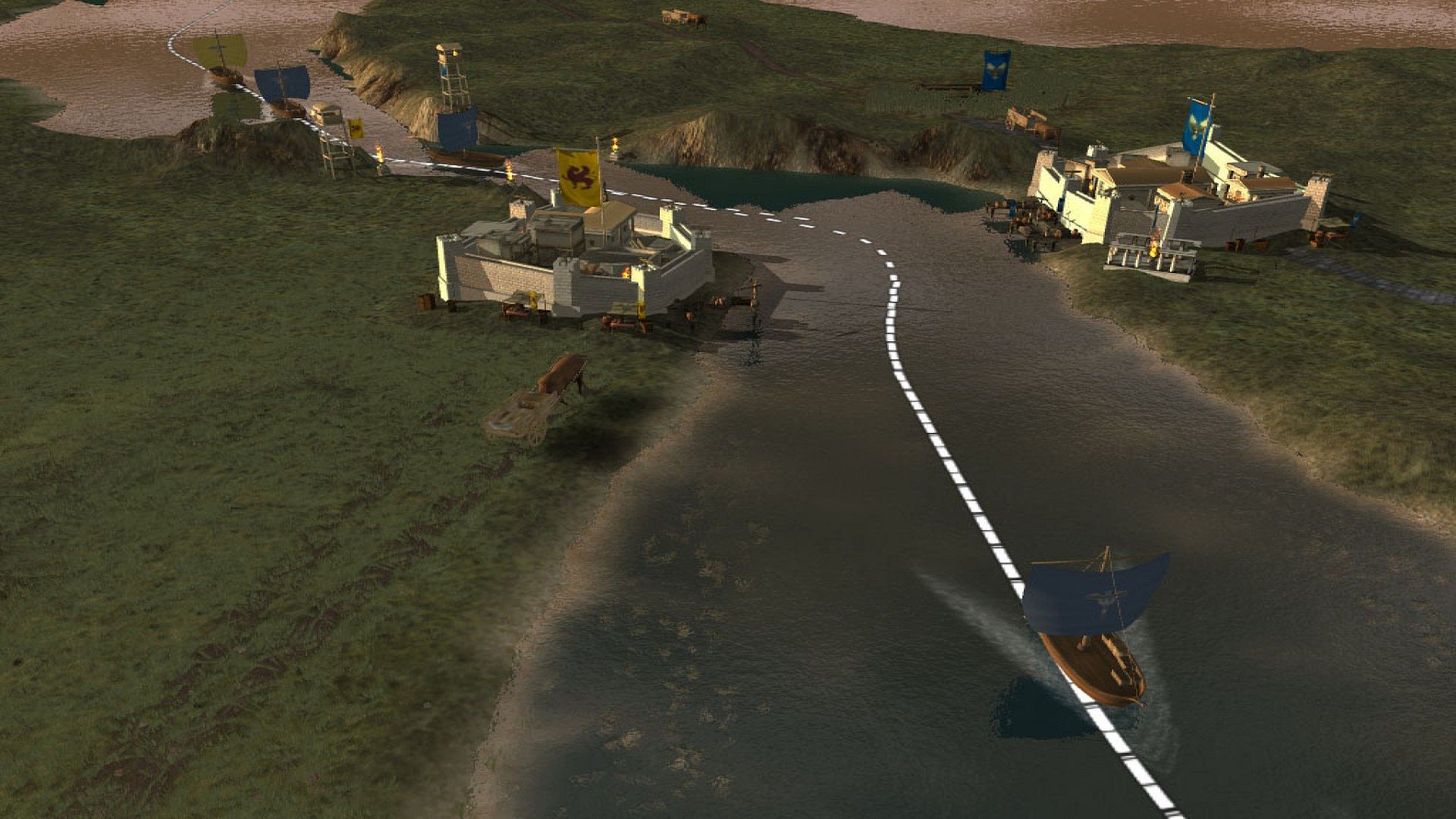
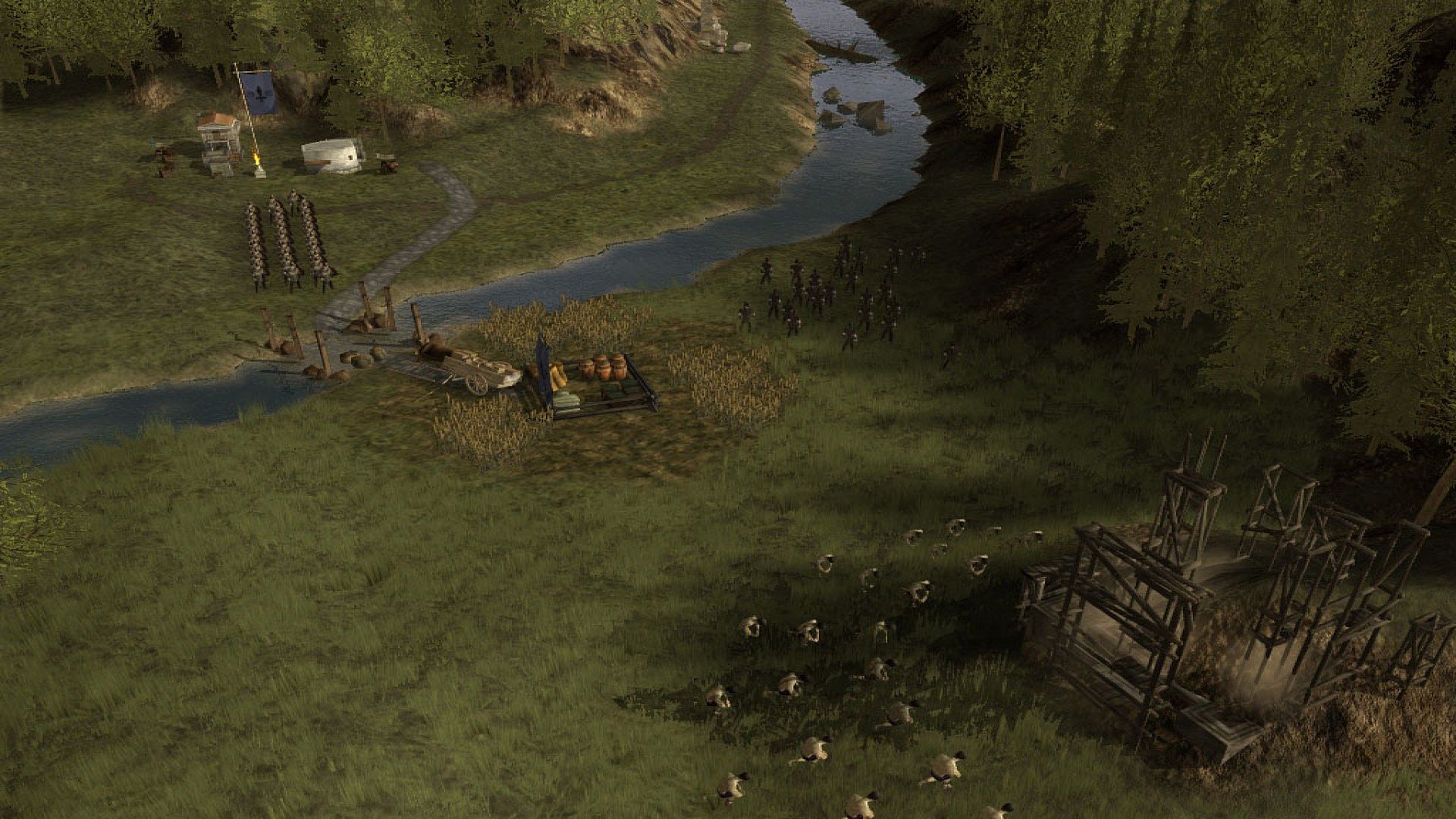
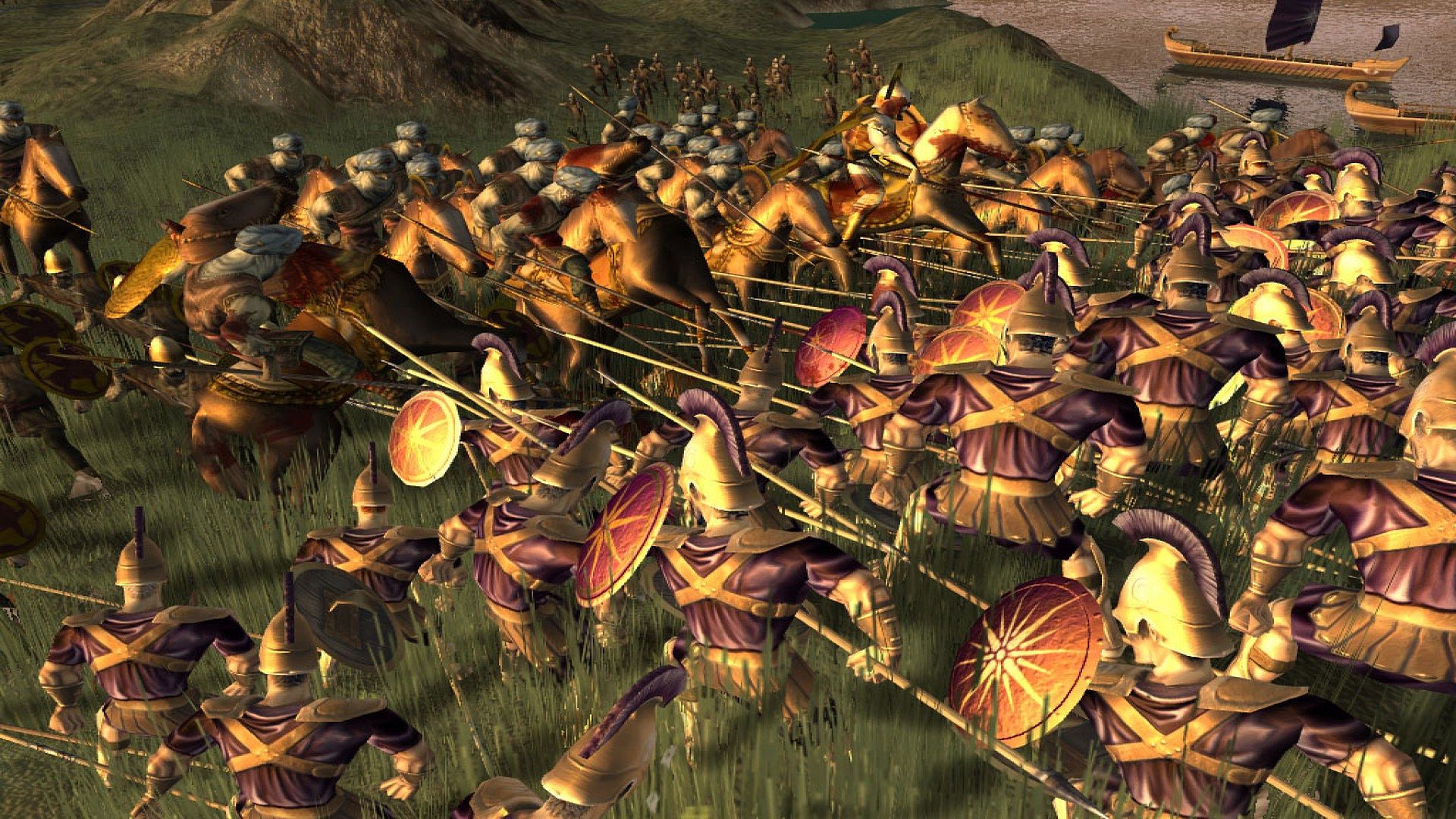
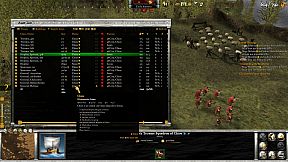
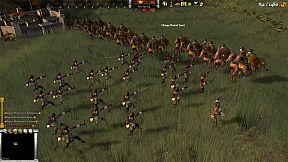
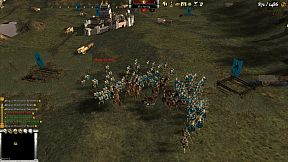
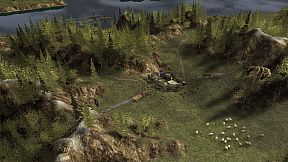
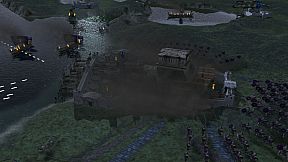
The core loop centers on logistics and military planning. Armies require steady supplies, so players establish and defend networks of resources while disrupting opponents by targeting their supply routes or destroying crops. Combat ranges from scouting missions and quick raids to larger engagements and defensive positions in mountainous terrain. Sieges involve isolating settlements to weaken defenders over time. The map supports fluid movement without loading screens between strategic oversight and individual battles, allowing direct control of units in the field as events unfold.
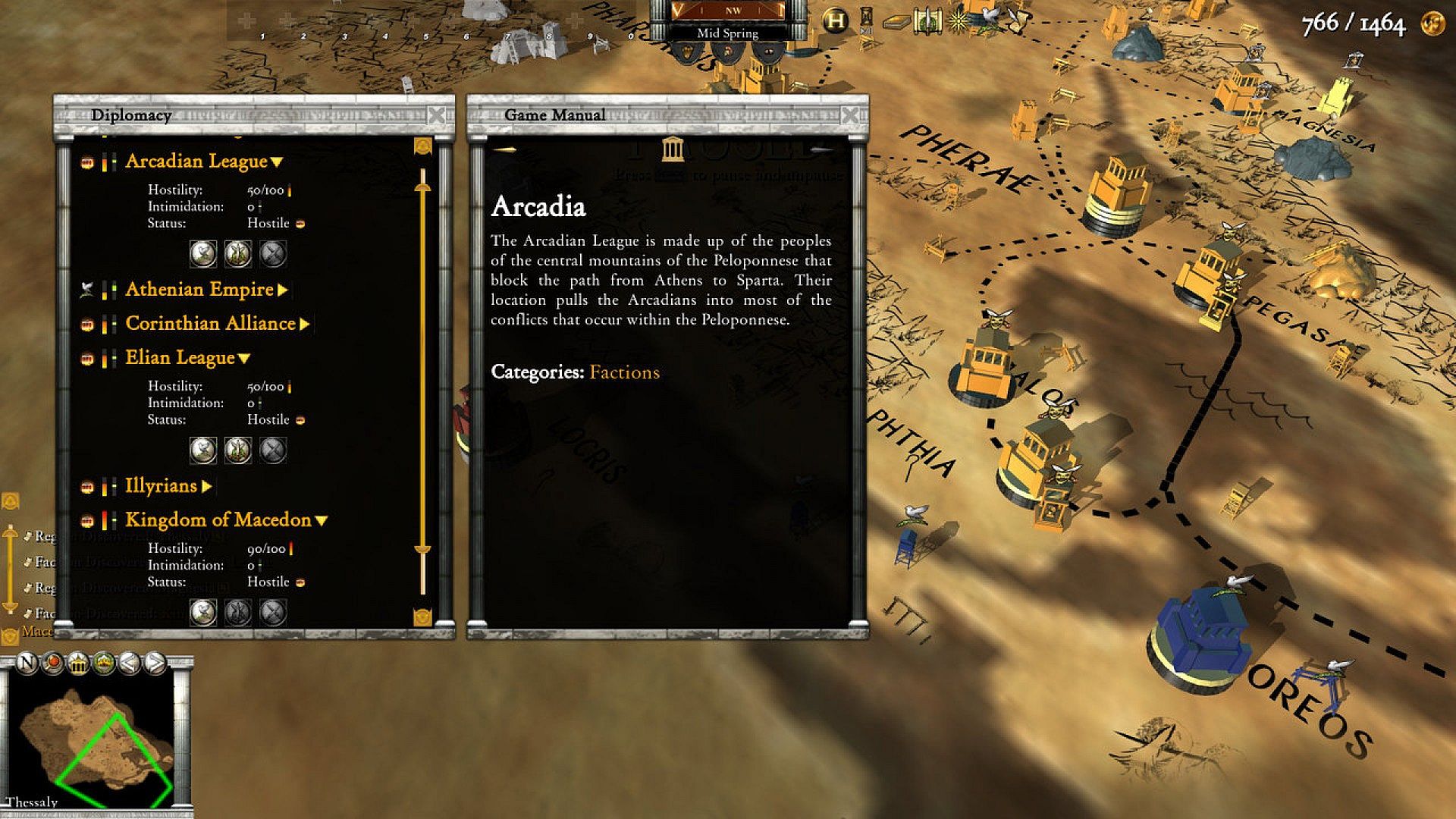
Diplomacy adds another layer, with options to form alliances or negotiate terms that influence ongoing conflicts. Tactics expand beyond simple charges to include positioning for blockades and coordinated maneuvers across varied terrain. The emphasis remains on preparation and resource management rather than rapid unit production typical of many other strategy titles.
Game Modes
Three historical campaigns place players in command of specific powers during key periods. One follows the rise of Macedonia under Philip. The other two cover the Peloponnesian War from the perspectives of Athens and Sparta. Each campaign includes objectives drawn from historical events and an in-game reference system that provides context for decisions.
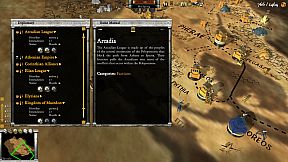
Sandbox mode opens the full map to any of the 26 available factions. Players select a starting position ranging from smaller city-states to larger powers and pursue their own path to dominance without scripted events. This mode supports extended play sessions focused on gradual expansion and adaptation to rival actions.
Map and Faction Variety
The game world uses accurate satellite data to represent Greece and surrounding areas, creating natural chokepoints and resource distributions that affect strategy. Factions differ in starting locations and historical context, which influences early priorities such as naval focus for island groups or land-based expansion for inland powers. Most factions share core mechanics, but geographic position shapes available opportunities and threats.
Is It Worth Playing?
Player reviews on the primary distribution platform stand at Very Positive, with 94 percent approval from 189 ratings. The title suits those interested in deliberate, logistics-driven strategy rather than fast-paced action or large-scale multiplayer battles. A demo allows direct testing of the systems before purchase. The game remains available as a complete single-player experience with no ongoing seasonal content or required updates. Those who enjoy managing supply lines, planning multi-front campaigns, and engaging in real-time tactical decisions on a historically inspired map will find the mechanics rewarding. Newer players may appreciate the focused scope compared to broader grand strategy titles, while veterans of similar logistics systems can explore the specific Greek setting and campaign structure.