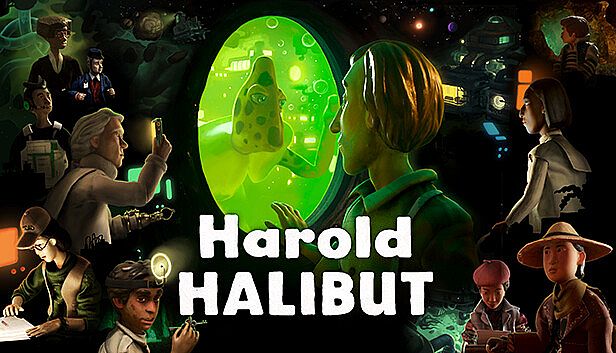














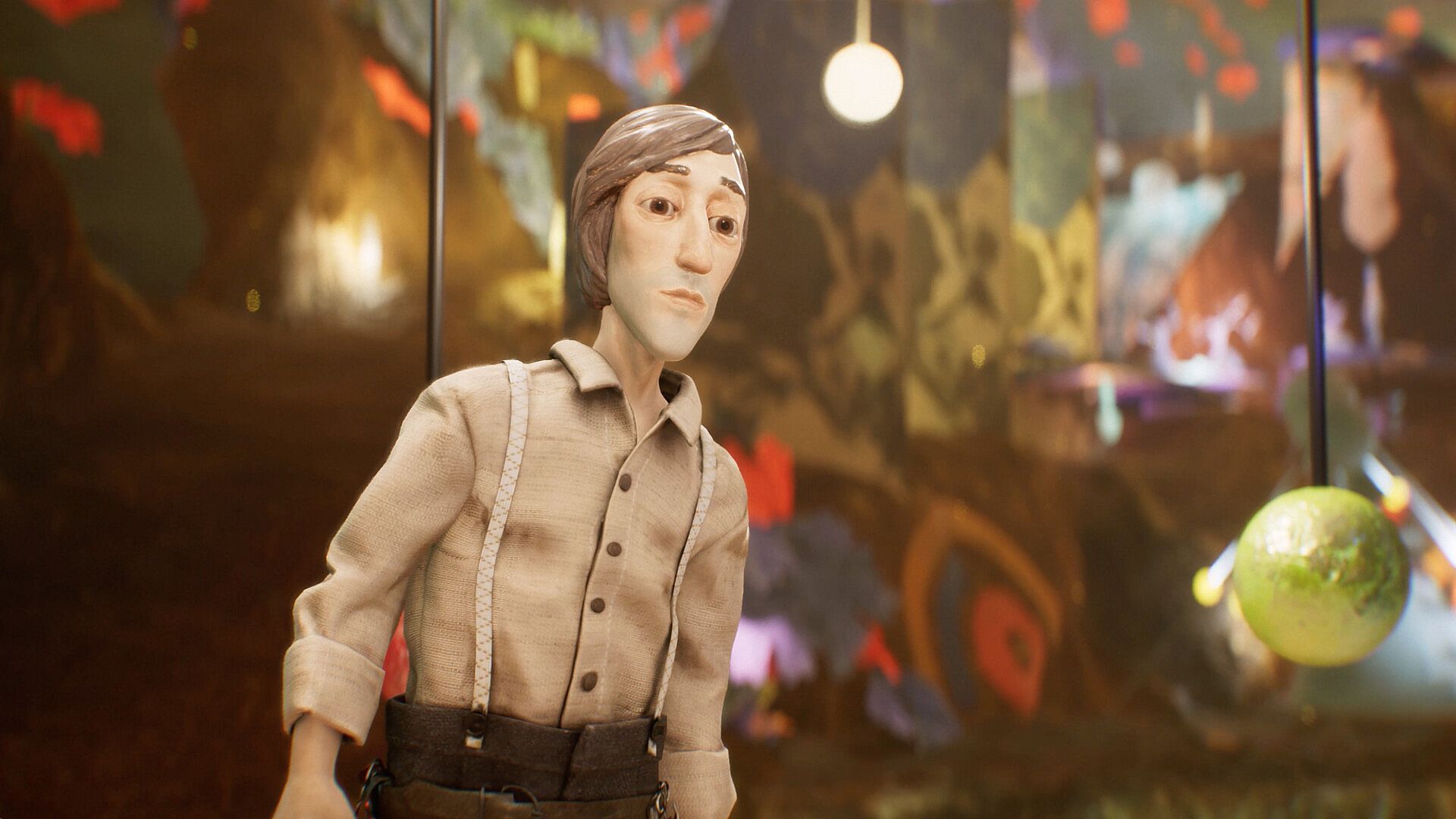
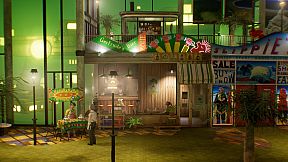
Harold Halibut is an indie adventure game centered on a linear, story-driven narrative set aboard a massive spaceship resting on the floor of an alien ocean. Players take on the role of Harold, a lab assistant navigating daily life and unexpected events among the ship's inhabitants after the vessel fled a troubled Earth centuries earlier.
Gameplay
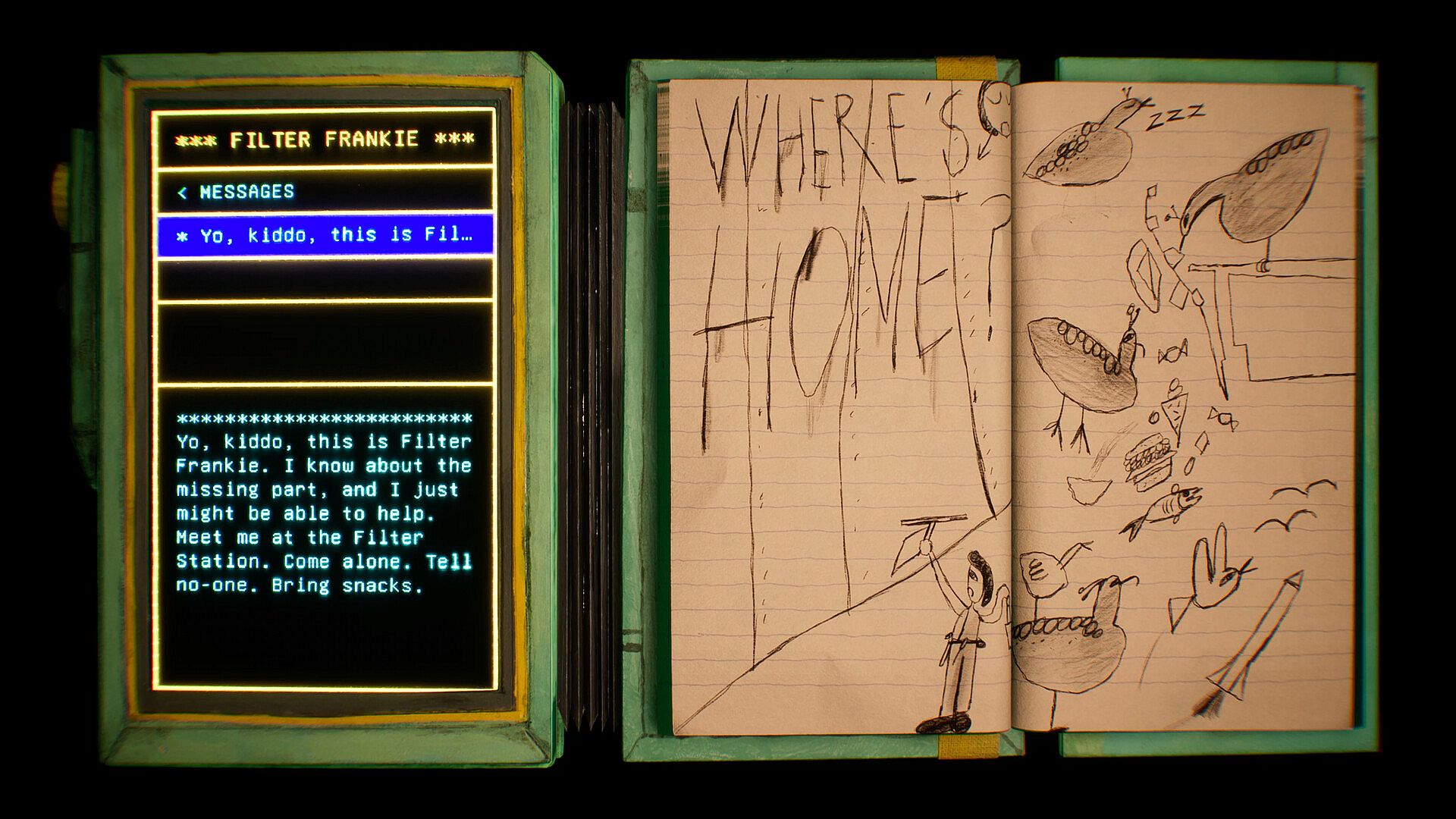
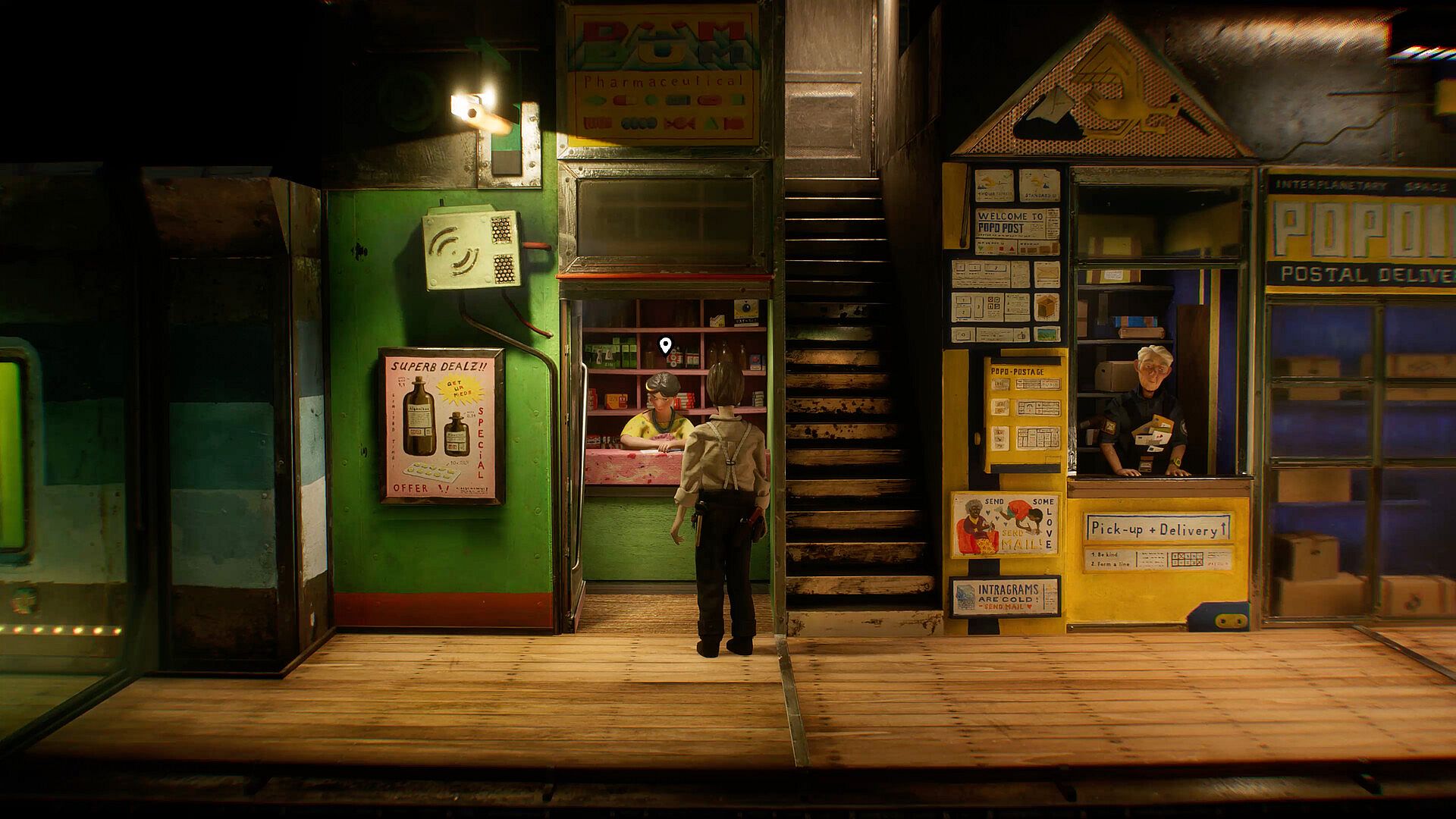
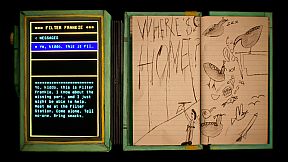
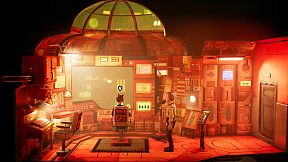
The core loop revolves around direct control of Harold as he moves through the ship's districts on foot. Interaction happens primarily through conversations with residents and completion of tasks assigned by them. A PDA device tracks objectives in a to-do list, including both required story steps and optional errands such as deliveries or minor maintenance work. Occasional simple machine interactions appear, like connecting equipment or adjusting dials, but these serve more as participation prompts than demanding challenges.
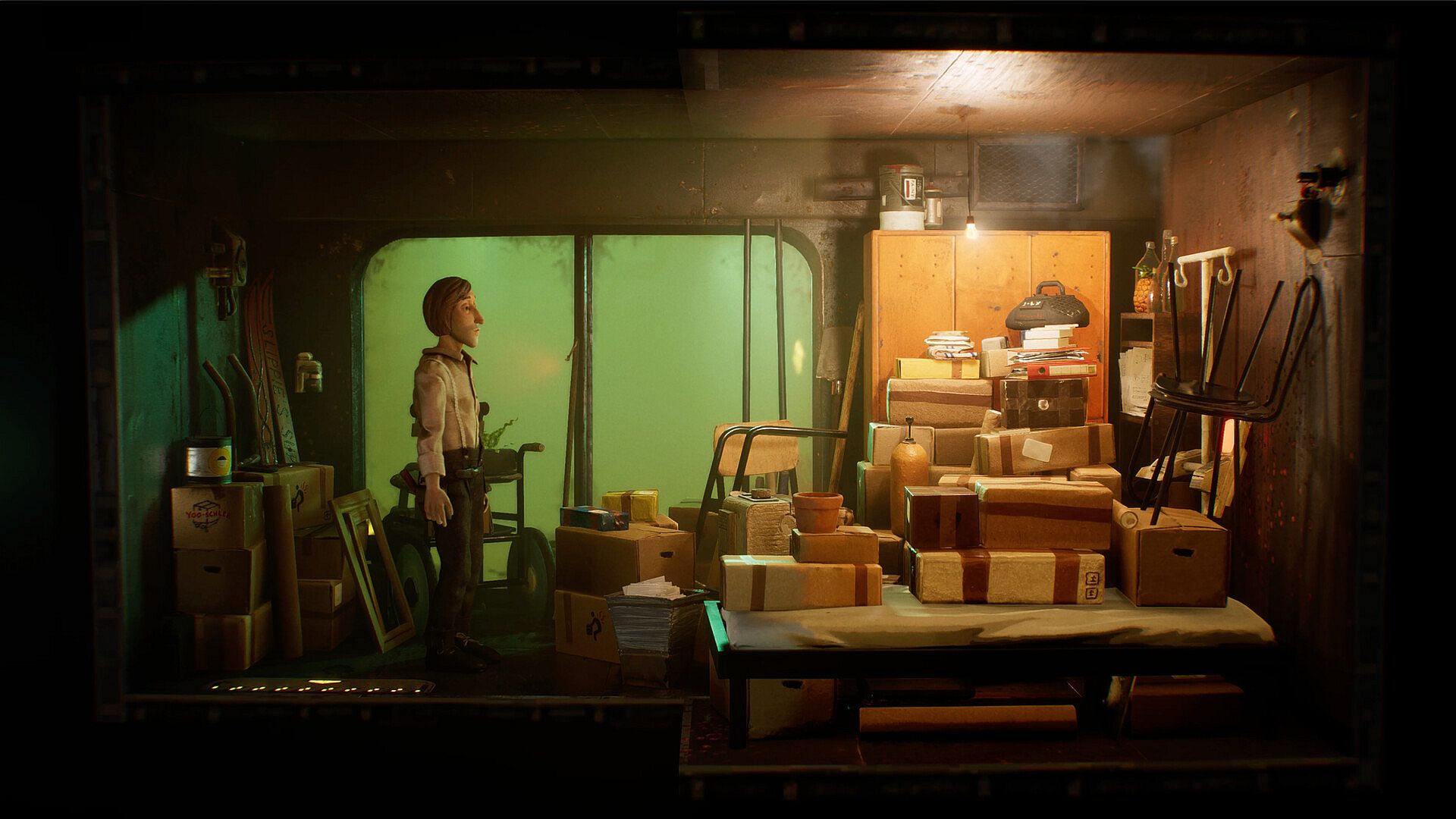
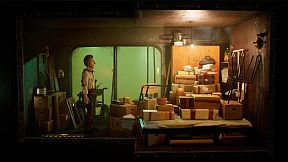
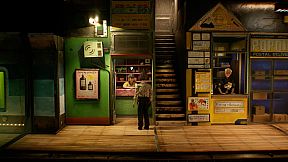
Exploration stays confined to the interior spaces of the Fedora, with players traveling between locations to advance dialogue or fulfill requests. The experience unfolds across six chapters in a strictly linear fashion, emphasizing narrative progression over branching paths or player-driven decisions. Movement feels deliberate and unhurried, matching the game's focus on routine life aboard the submerged craft.
Game Modes
Harold Halibut offers only a single-player mode. The entire experience consists of one continuous story campaign divided into chapters, with no additional modes, difficulty settings, or separate play styles available. All progress follows the same sequence of exploration, dialogue, and task completion without variations for replay or competitive elements.
Story and World
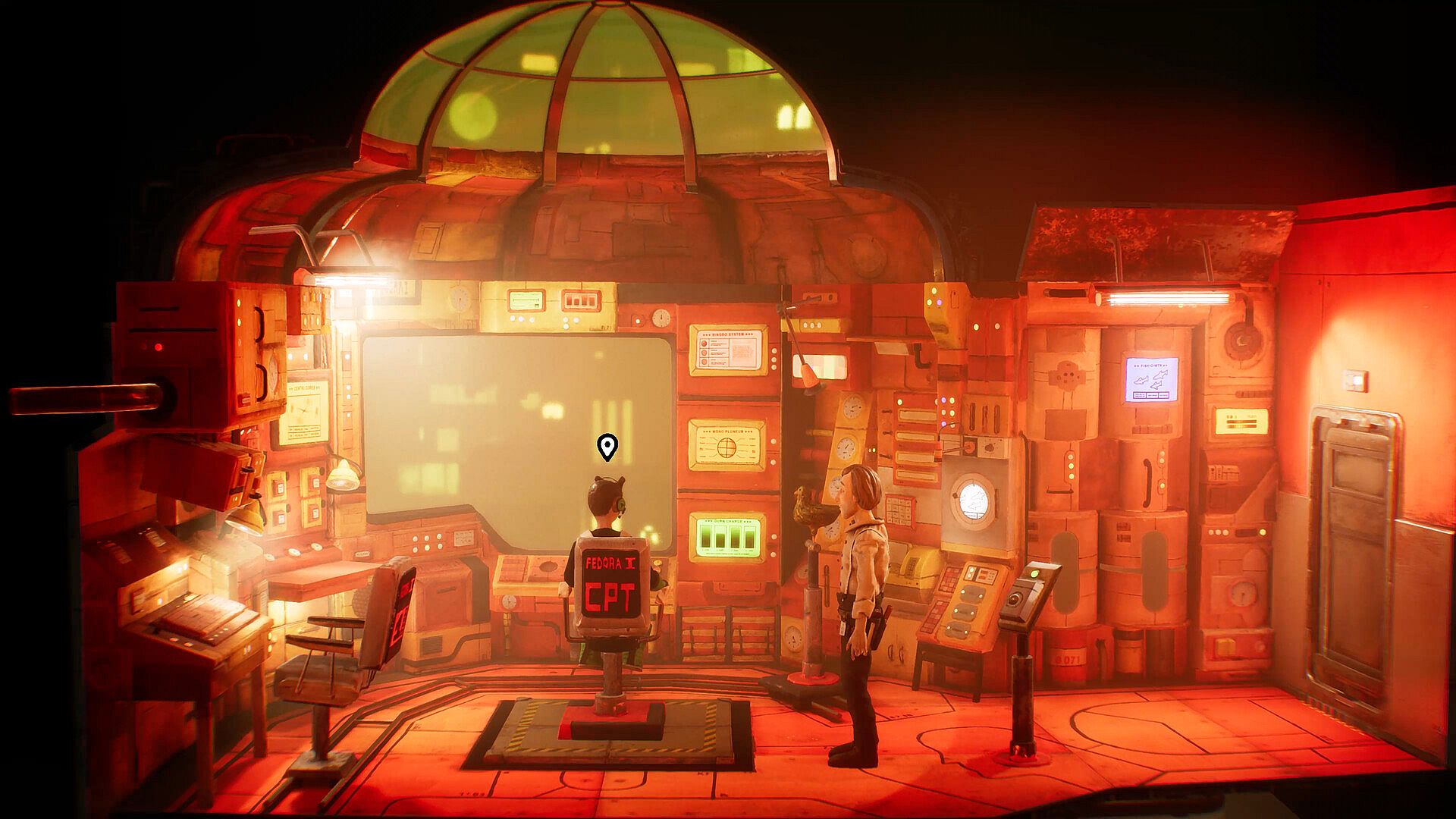
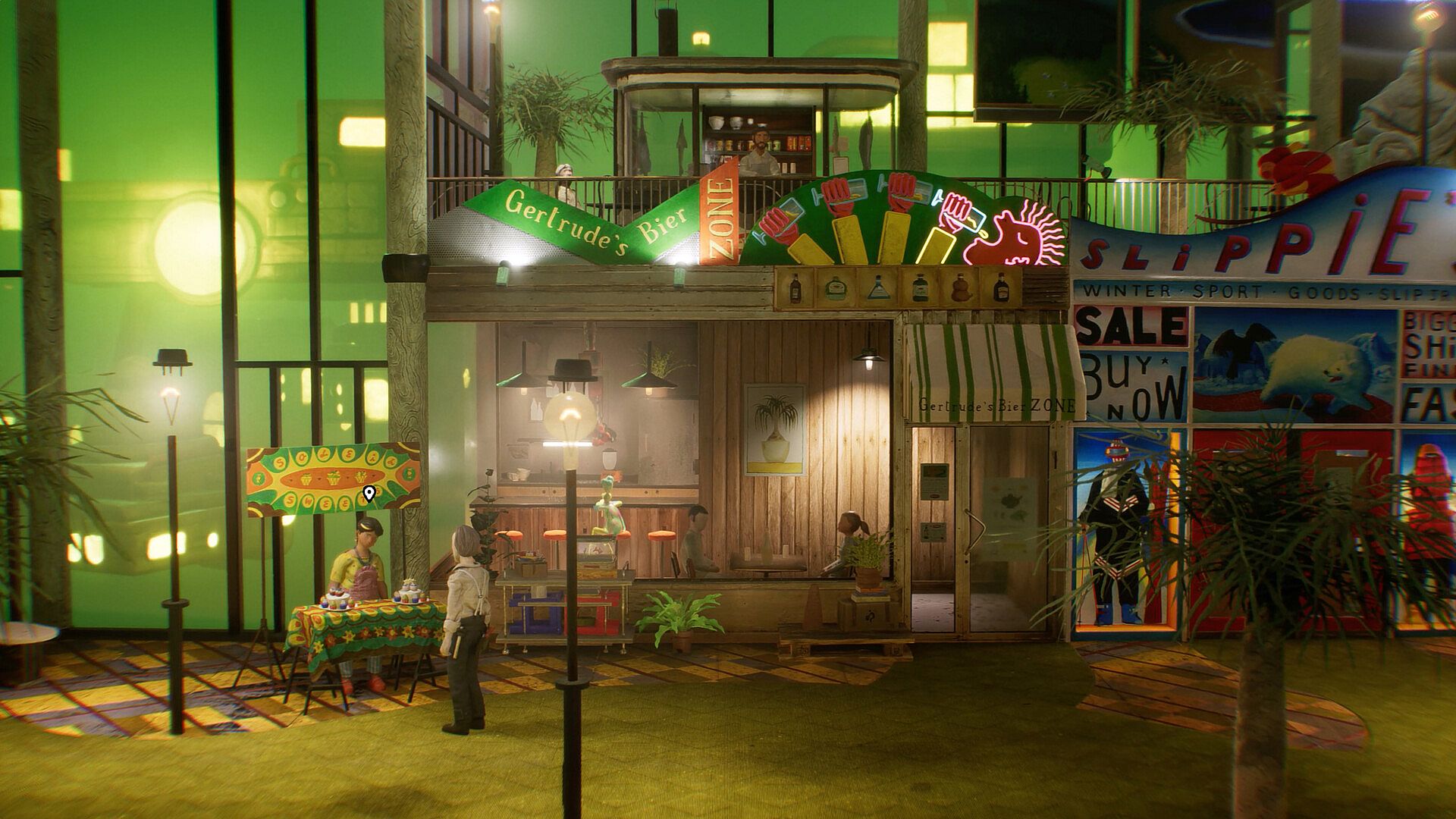
The narrative follows Harold's encounters with the diverse crew of the Fedora as he assists the lead scientist in her efforts to relaunch the ship. Full voice acting brings the characters to life, highlighting their individual personalities and daily concerns. The setting blends retro-futuristic design with the unusual circumstance of a city-sized vessel settled underwater, creating opportunities for conversations that reveal backstories and relationships.
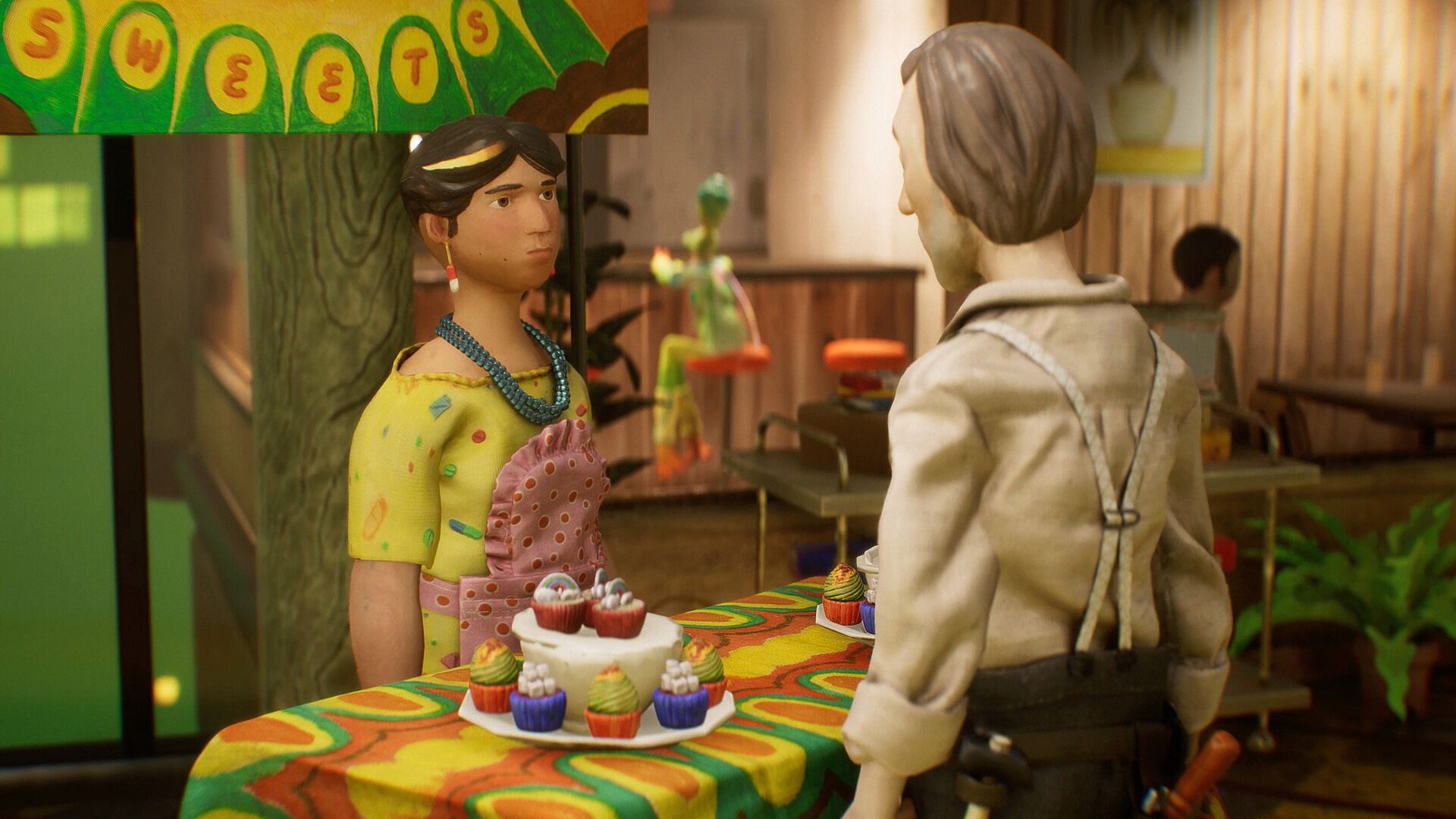
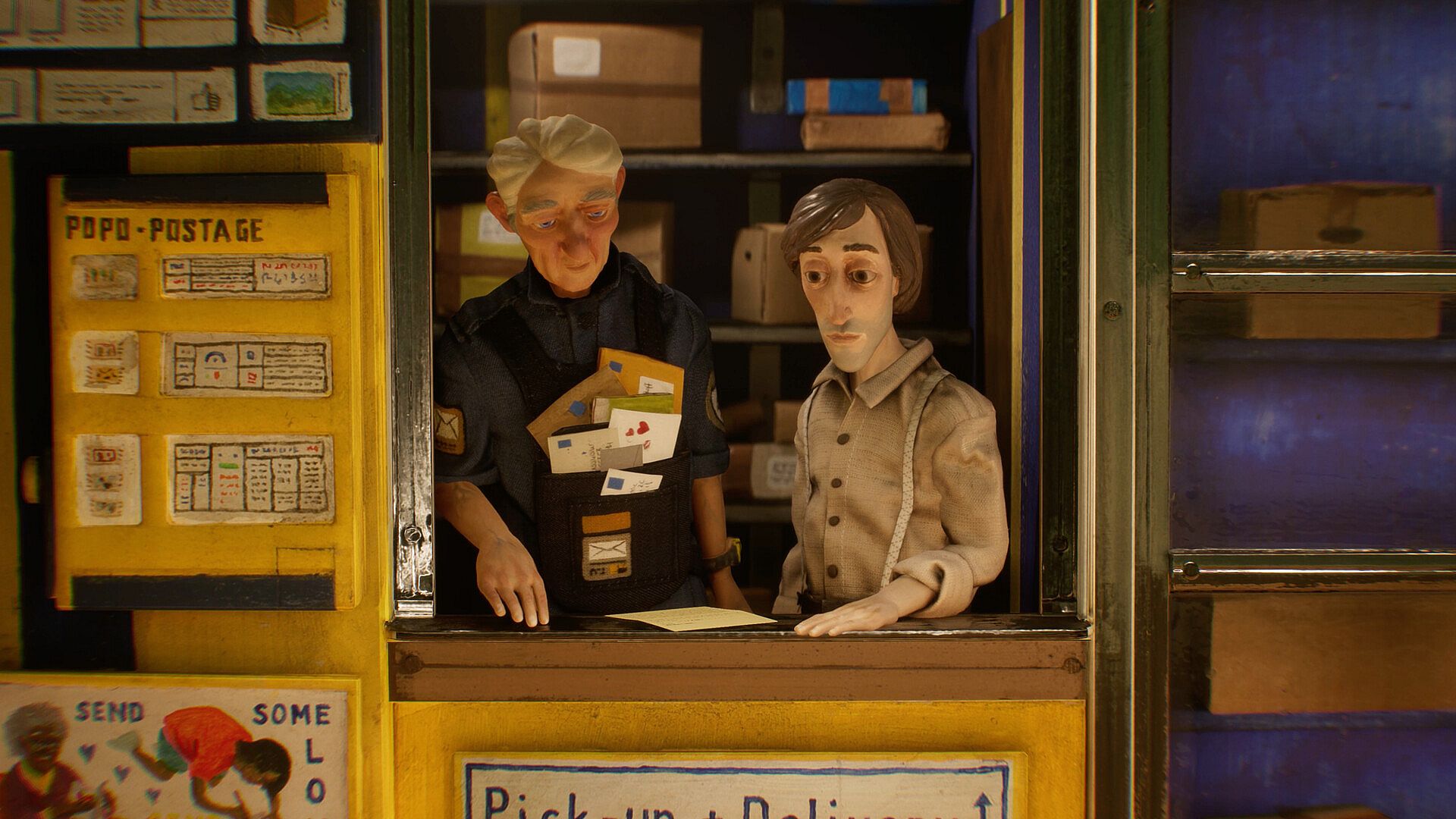
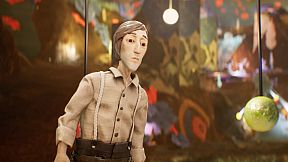
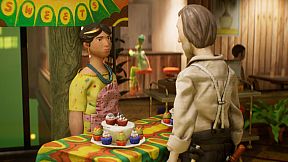
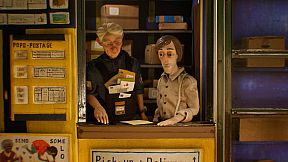
Handcrafted stop-motion visuals define every environment and character model, built through traditional sculpting techniques. This approach gives the world a tangible, detailed quality that supports the themes of friendship, adaptation, and the search for a sense of home.
Is It Worth Playing?
Reception has been mixed, with praise centered on the distinctive stop-motion presentation, voice performances, and heartfelt premise, while criticism often targets the slow pace, frequent backtracking, and limited mechanical variety. The game suits players who value atmospheric narrative adventures and are comfortable with extended periods of walking and talking over action or complex puzzles.
Those seeking a short, focused story with strong visual craftsmanship may find it rewarding, particularly if they appreciate indie titles that prioritize character moments and world detail. Individuals who prefer faster gameplay or more interactive systems might find the repetitive errands less engaging. The title launched in 2024 and remains available as a complete single-player package on PC.