
















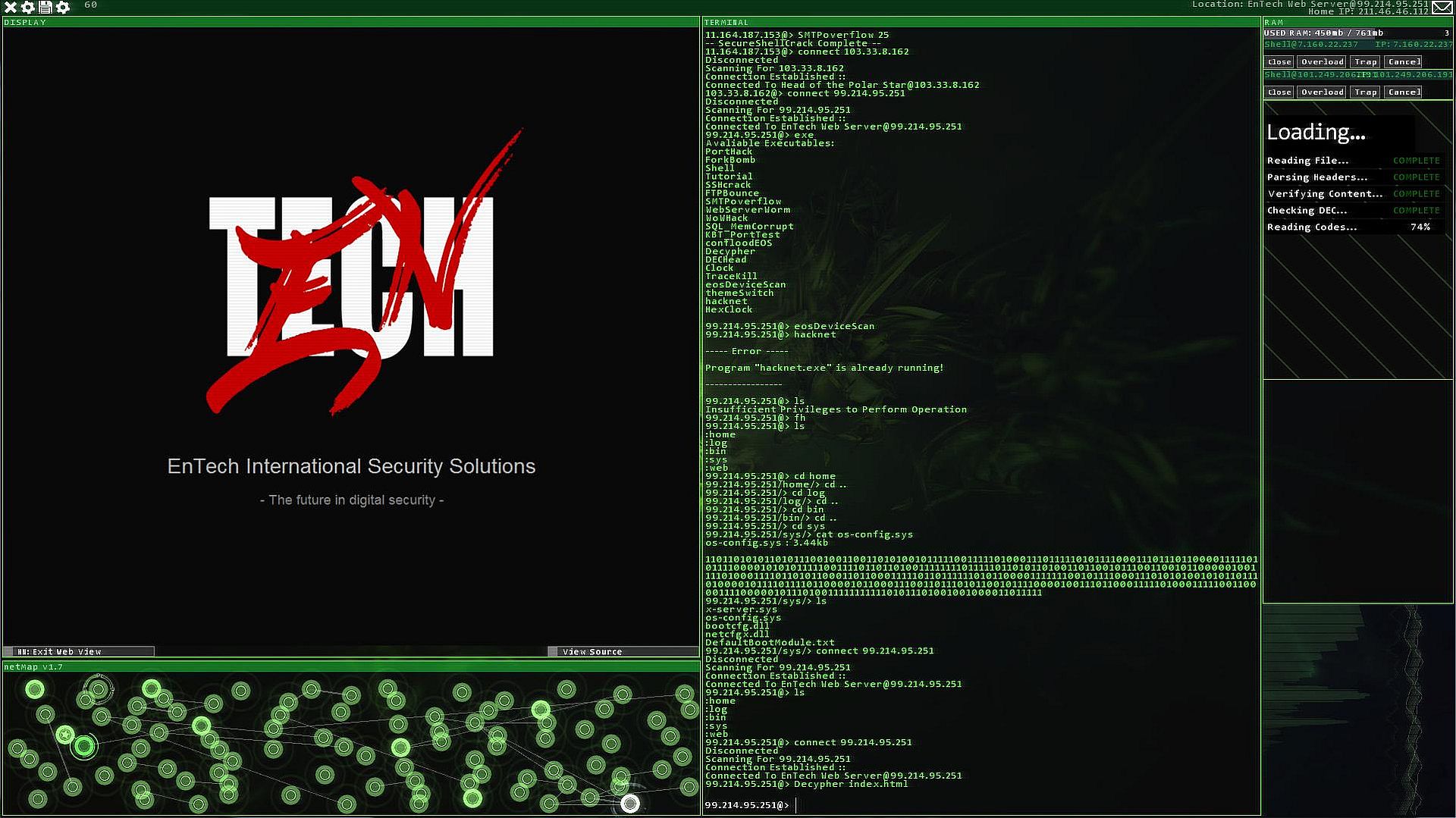
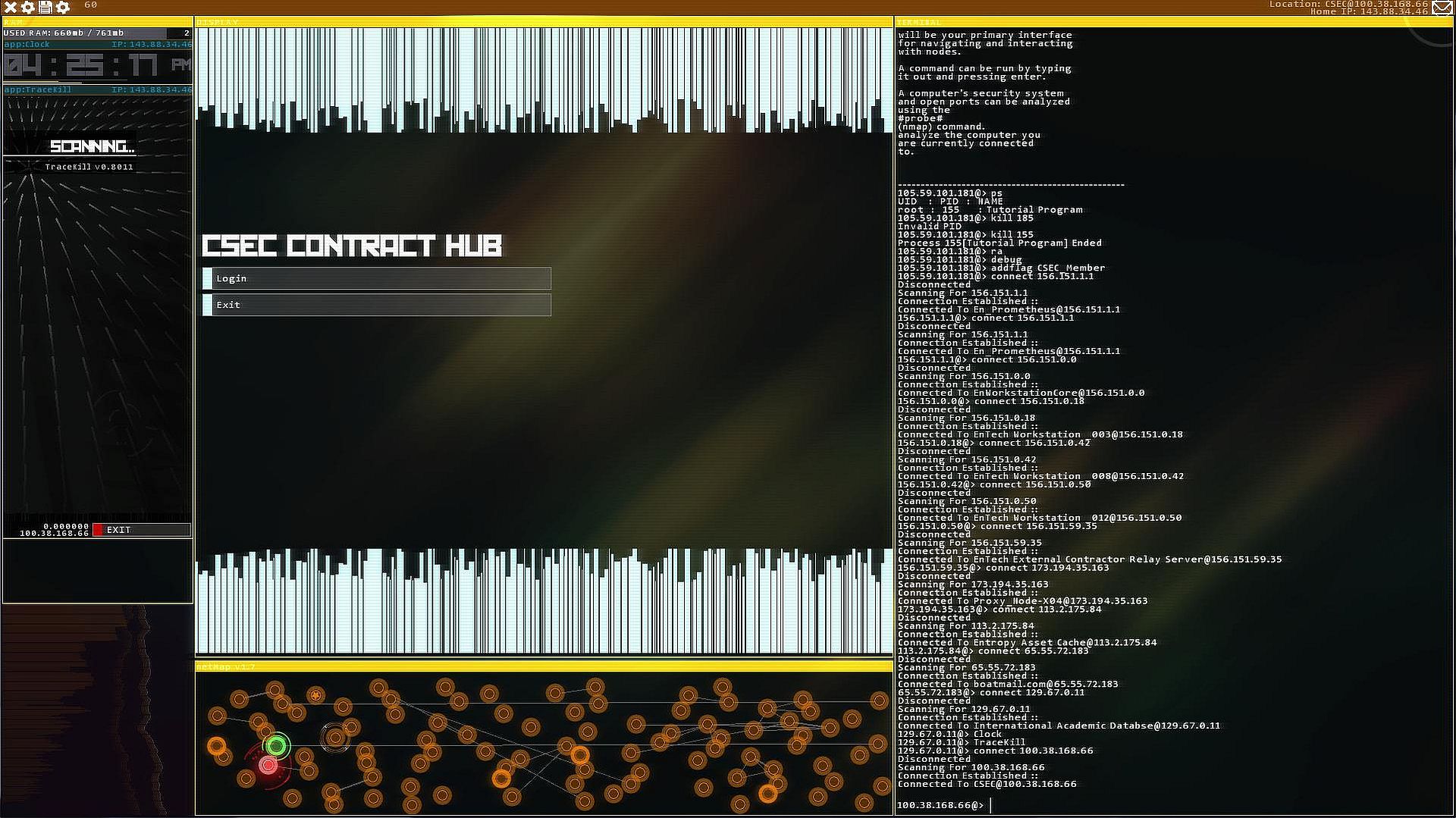
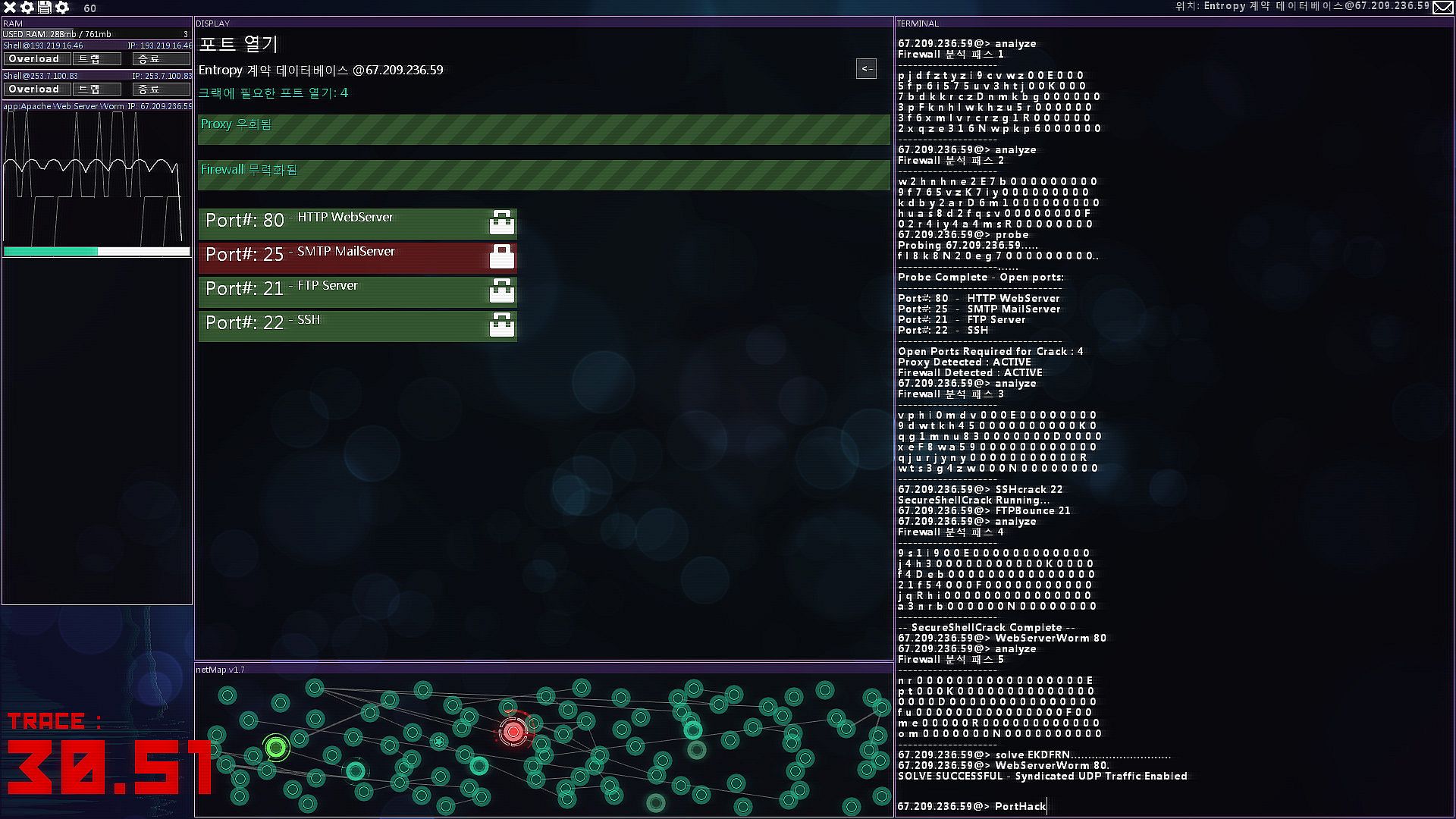
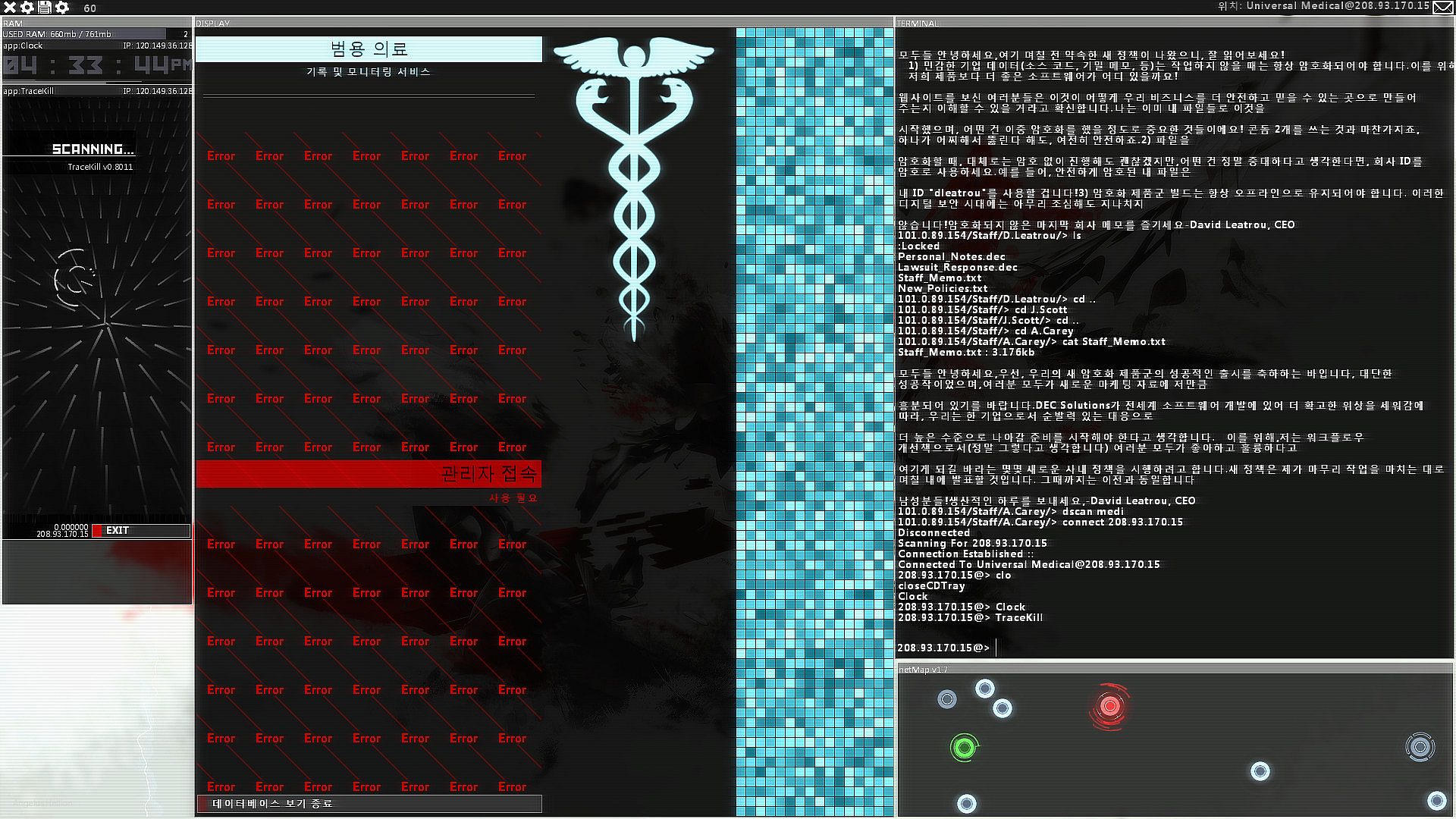
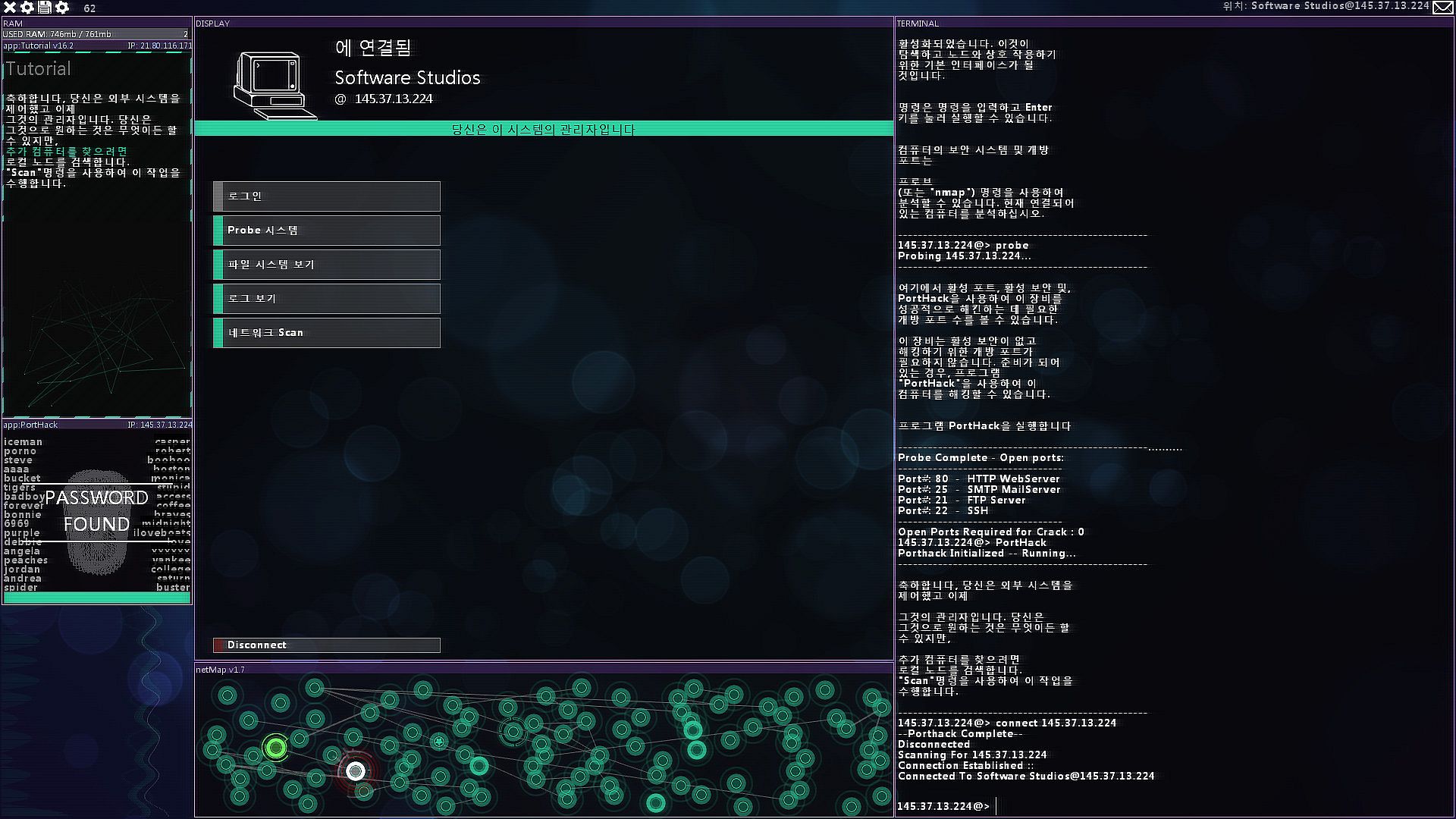
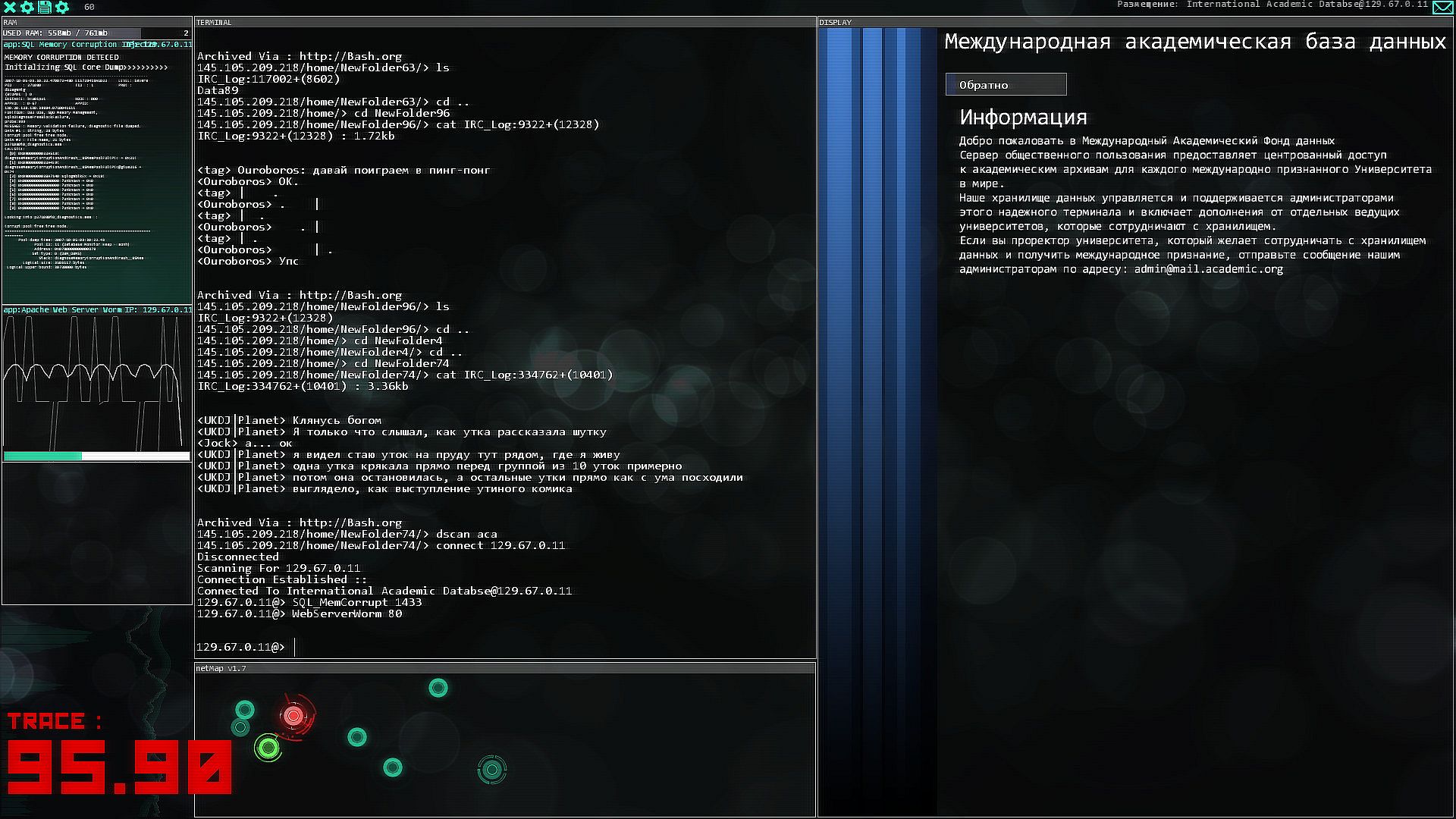
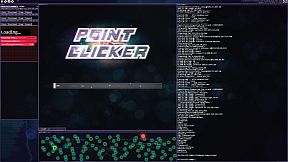
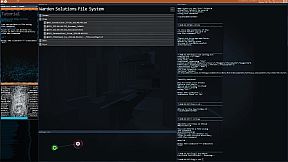
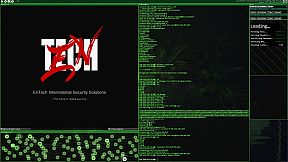
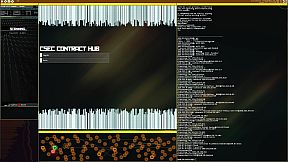
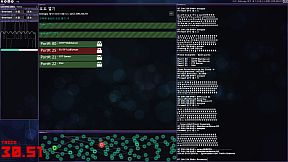
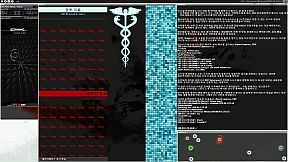
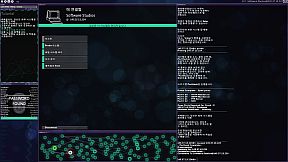
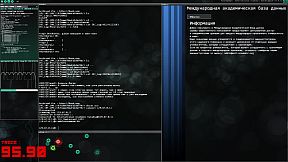

Hacknet is an indie simulation game that places players in the role of a hacker navigating a terminal interface on PC. The experience centers on real command-line interactions drawn from UNIX systems, guiding users through a narrative investigation without relying on flashy visuals or simplified interfaces common in other titles.
Gameplay
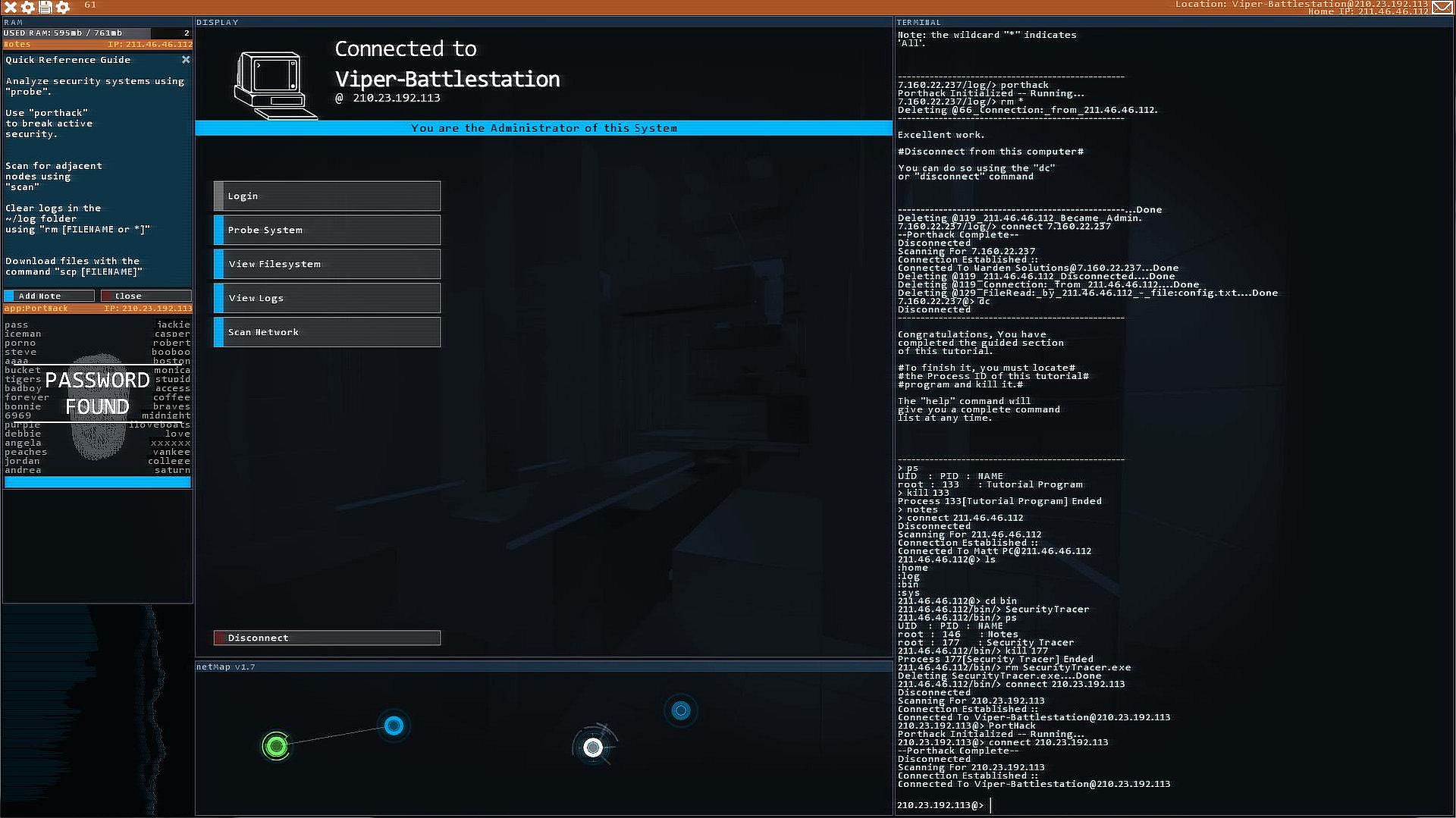
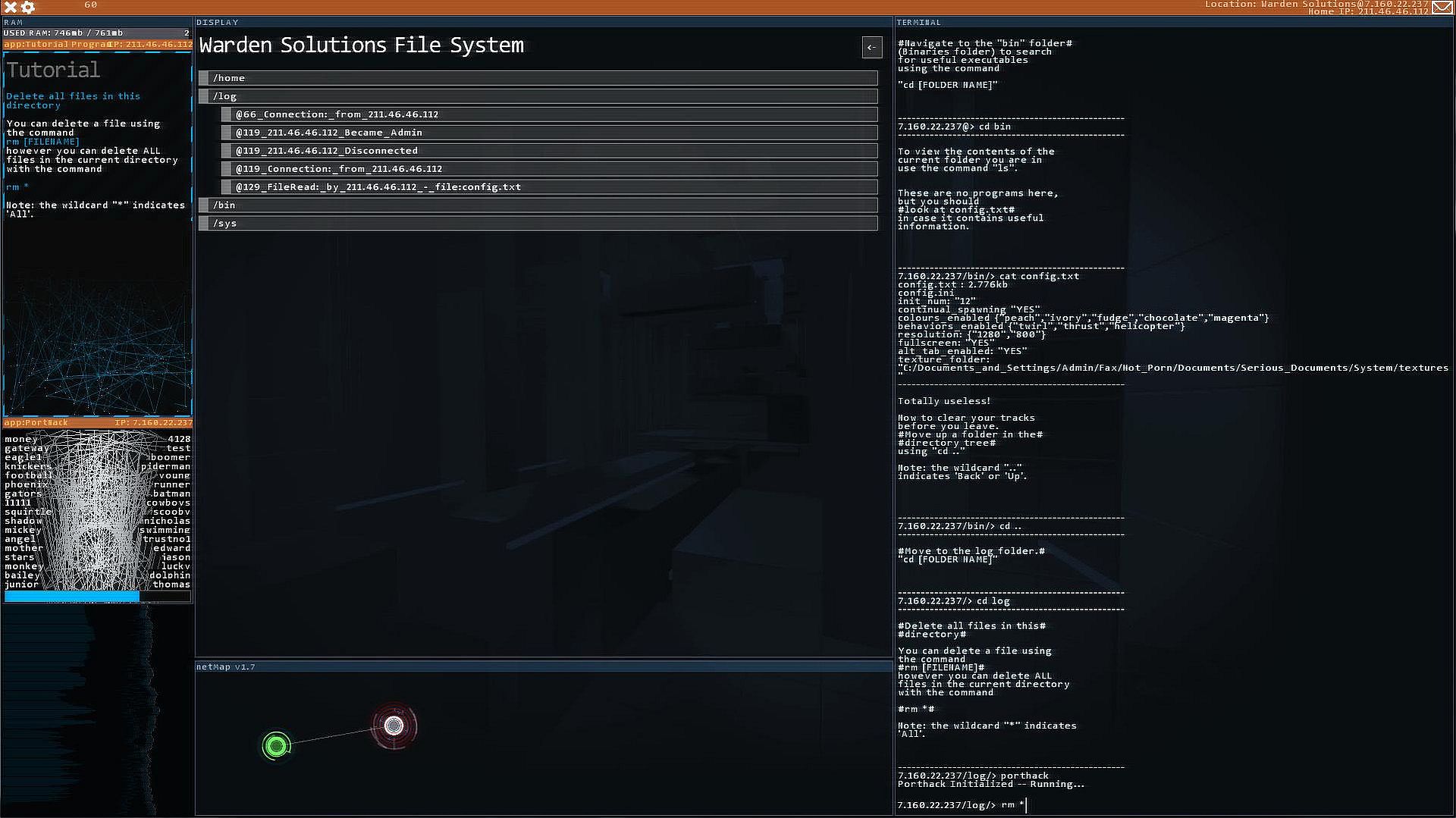
The core loop involves typing commands into a simulated terminal to access and manipulate remote systems. Players connect to various nodes, scan for vulnerabilities, and execute operations like file transfers or process management using authentic syntax. Progress unfolds through automated messages that provide objectives while leaving room for independent exploration of connected networks.
Mechanics emphasize precision with commands that mirror actual operating system tools. Firewalls and security protocols require specific sequences to bypass, and mistakes can lead to detection or system locks. The persistent environment maintains the illusion of a live digital space where clues appear in logs, emails, and hidden directories across multiple machines.
Sound design integrates an electronic soundtrack that plays during sessions, complementing the focused terminal work. Newcomers receive subtle guidance through the structure of tasks, while experienced users appreciate the depth of the command set without artificial tutorials interrupting flow.
Game Modes
The primary experience follows a single-player narrative path centered on unraveling events surrounding a deceased hacker. Automated communications direct initial steps, after which players can pursue additional leads by probing unrelated systems encountered during the investigation.
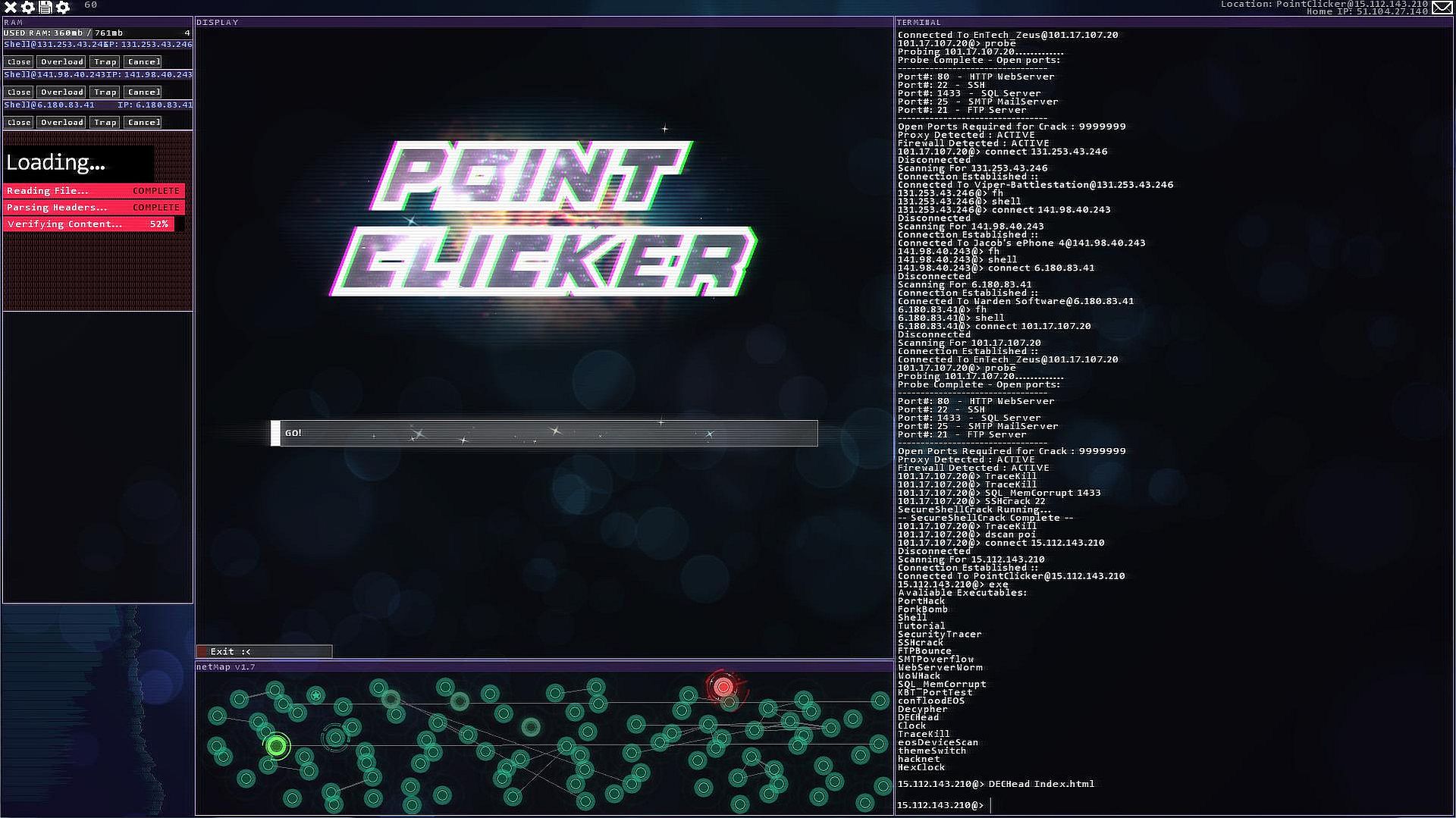
Beyond the main storyline, the game includes built-in tools for creating custom content. Users design their own networks, missions, and visual themes, then share these creations through community platforms. This extends the base simulation into player-generated scenarios that operate under the same command rules.
Story and Themes
The narrative explores themes of digital privacy, corporate influence, and the capabilities of skilled individuals in online spaces. Players uncover details through fragmented information scattered across compromised machines, building a picture of events without direct exposition.
Exploration rewards attention to detail, as side systems contain logs and files that expand on the central mystery. The approach avoids hand-holding, encouraging players to experiment with commands to reveal connections between different parts of the network.
Is It Worth Playing?
Hacknet suits players who enjoy methodical problem-solving through text interfaces and realistic technical processes. Its focus on authentic commands creates an engaging simulation for those interested in cybersecurity concepts or command-line environments.
The game maintains consistent support for its modding features, allowing ongoing community additions long after initial release. Individuals seeking a departure from action-oriented titles will find the deliberate pace and investigative elements rewarding, particularly if they value accuracy in the hacking portrayal over visual spectacle.
Overall, it delivers a specialized experience that stands out for its commitment to terminal-based interaction and open-ended discovery within a contained digital world.