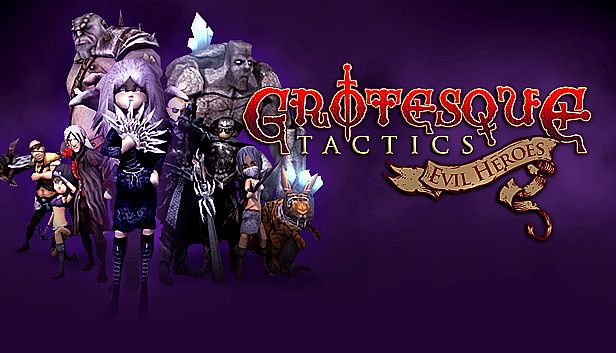














Grotesque Tactics: Evil Heroes is a satirical strategy indie RPG developed for PC that blends turn-based tactical combat with humorous storytelling and party management. Released in 2010, the game places players in control of a group of anti-heroes tasked with defending a kingdom against the cult known as the Dark Church. It draws inspiration from classic titles in the genre while poking fun at fantasy tropes found in games like Final Fantasy Tactics, Heroes of Might and Magic, and Fire Emblem.
Gameplay
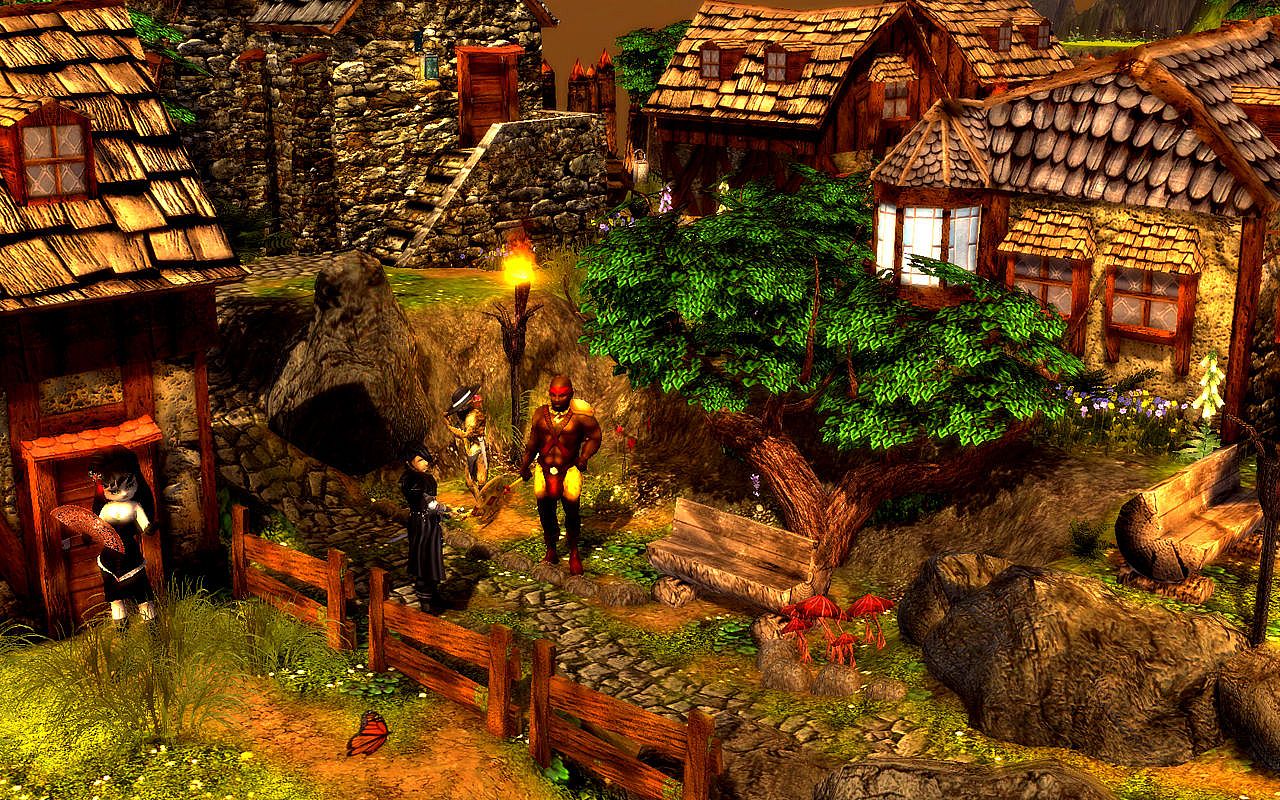
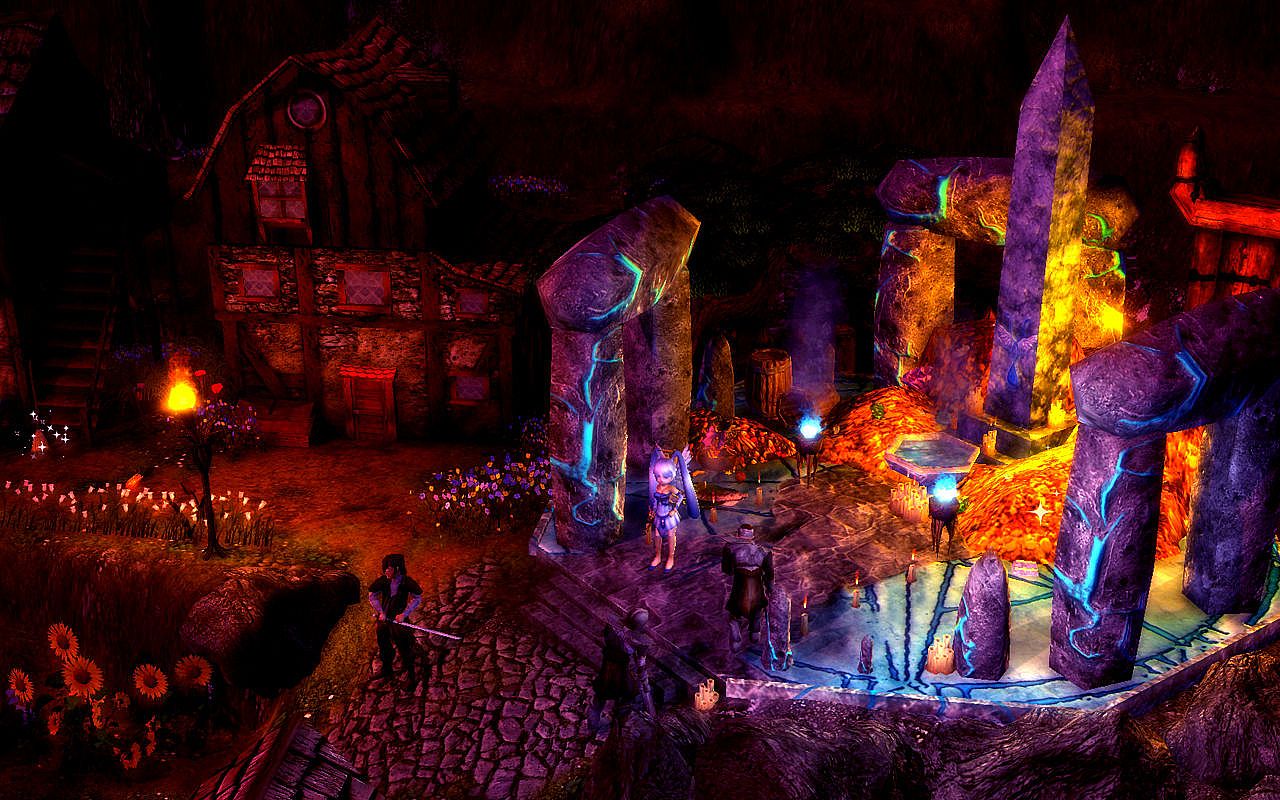
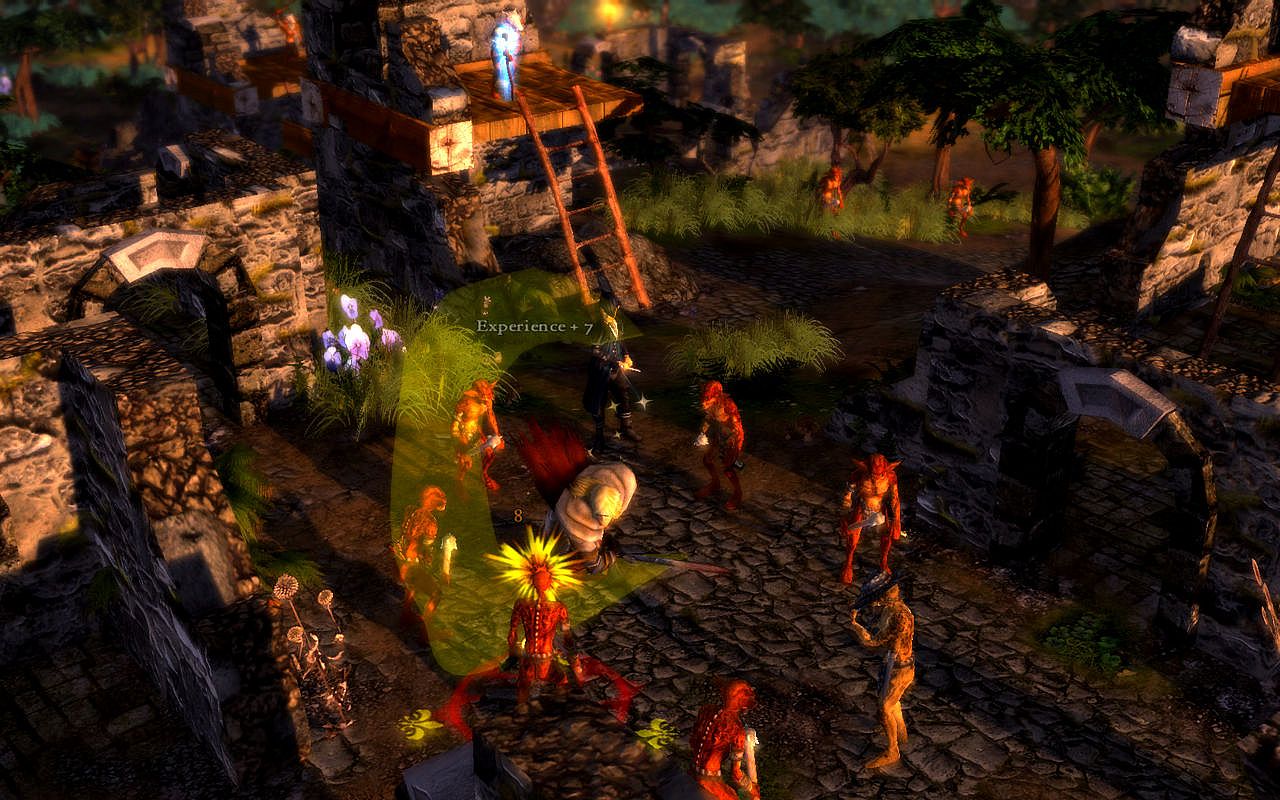
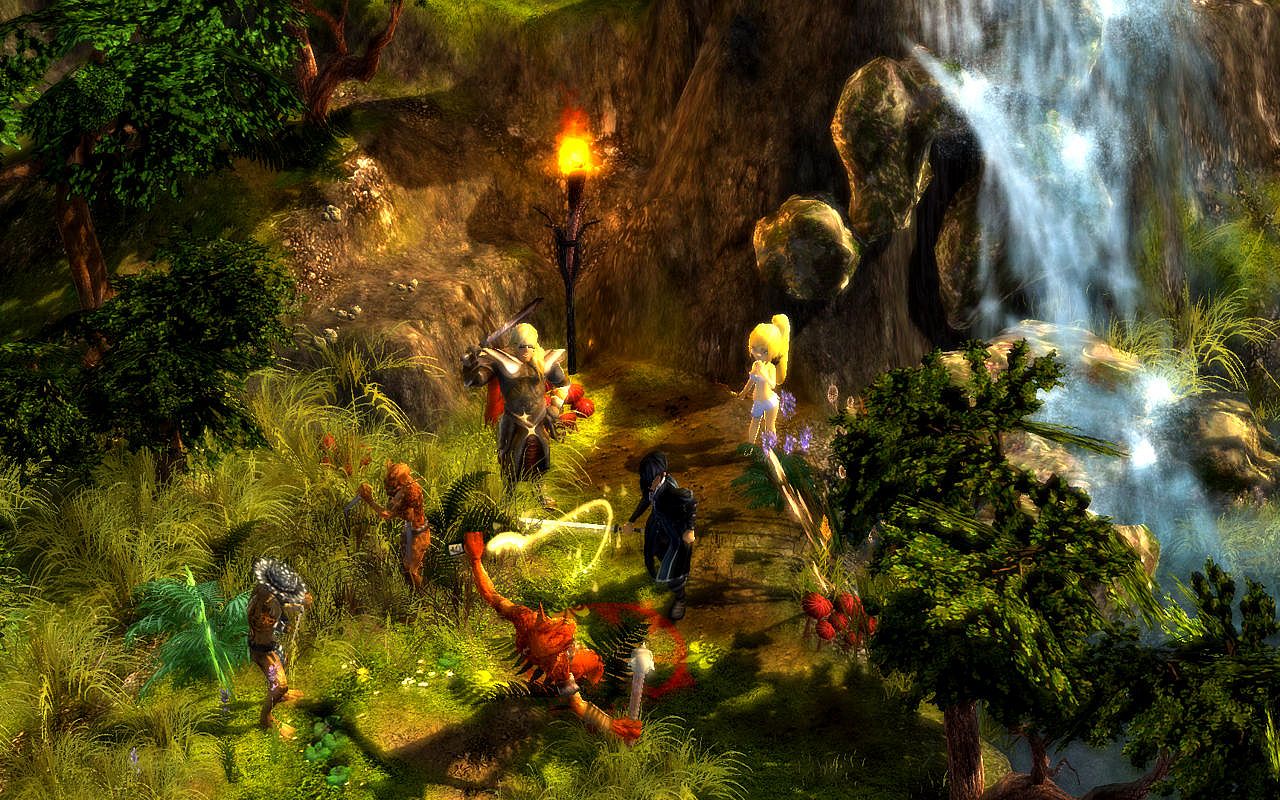
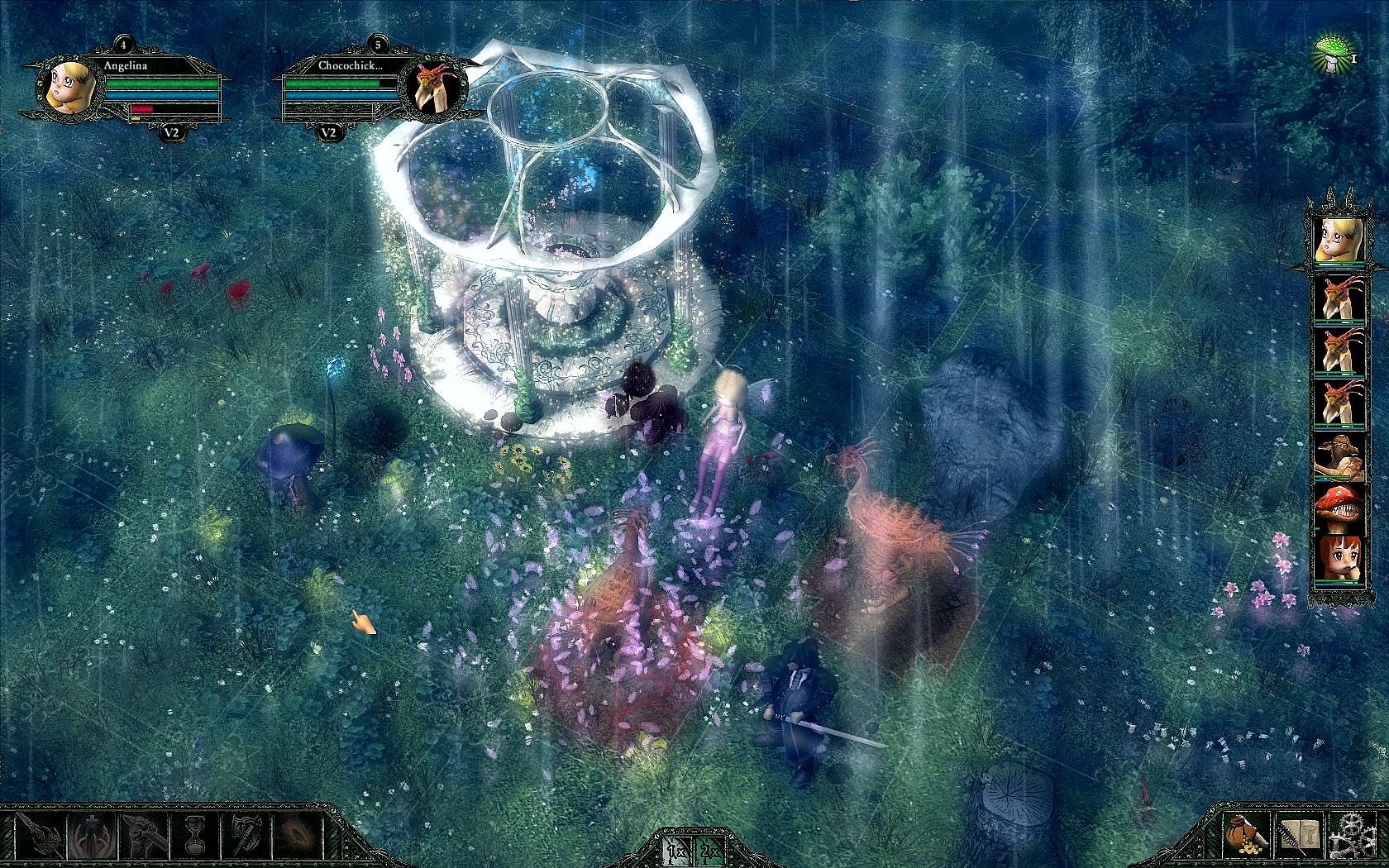
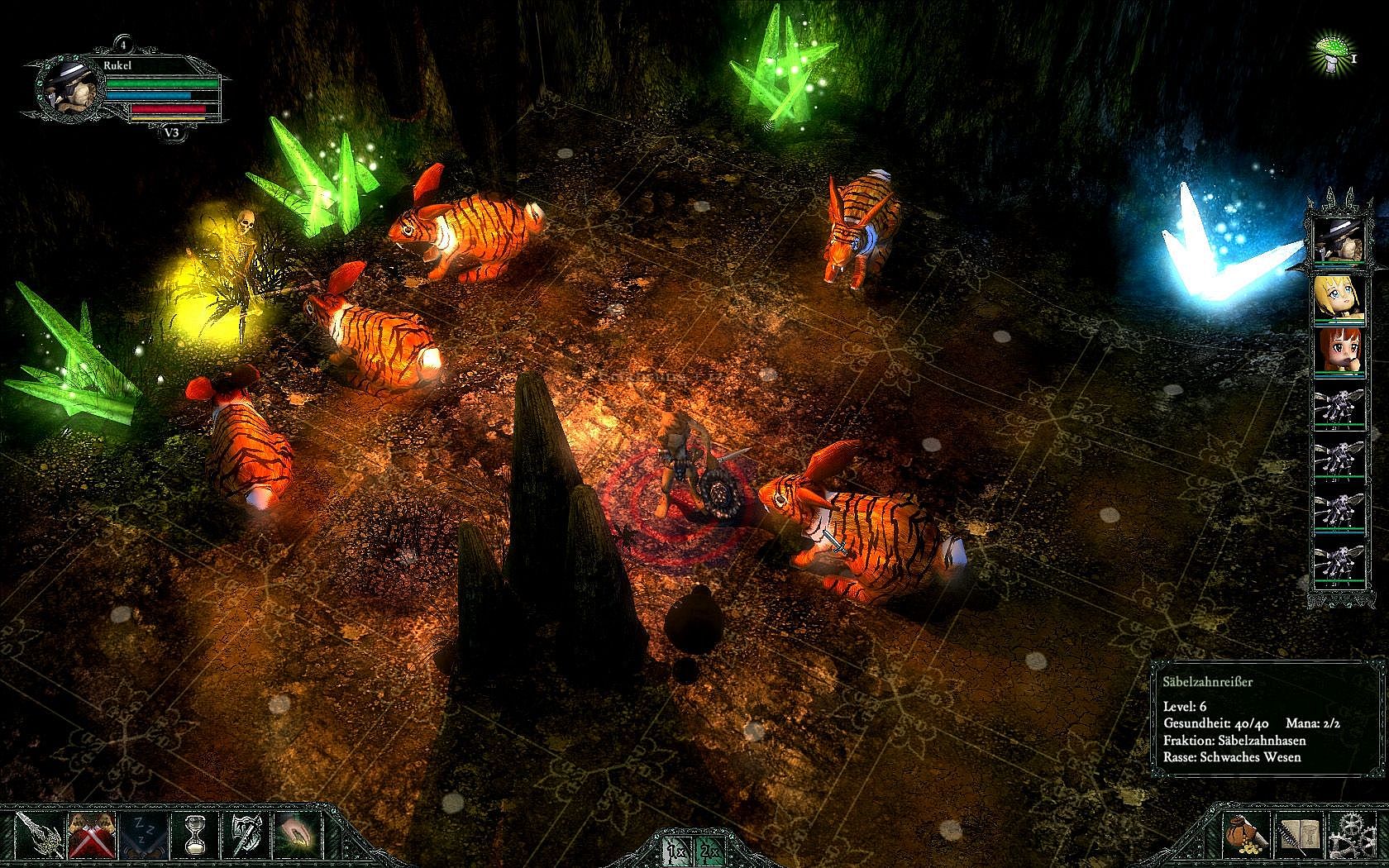
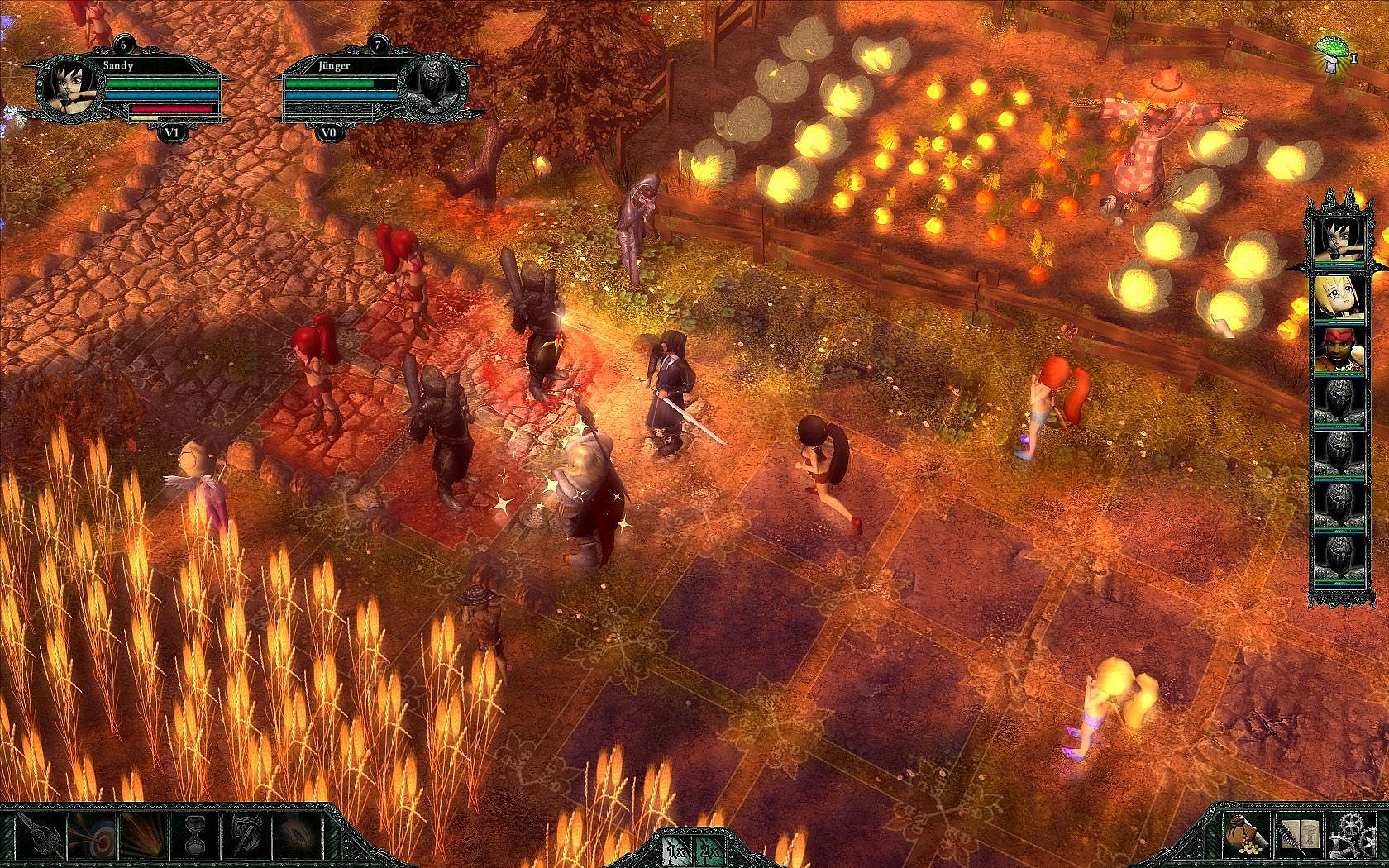
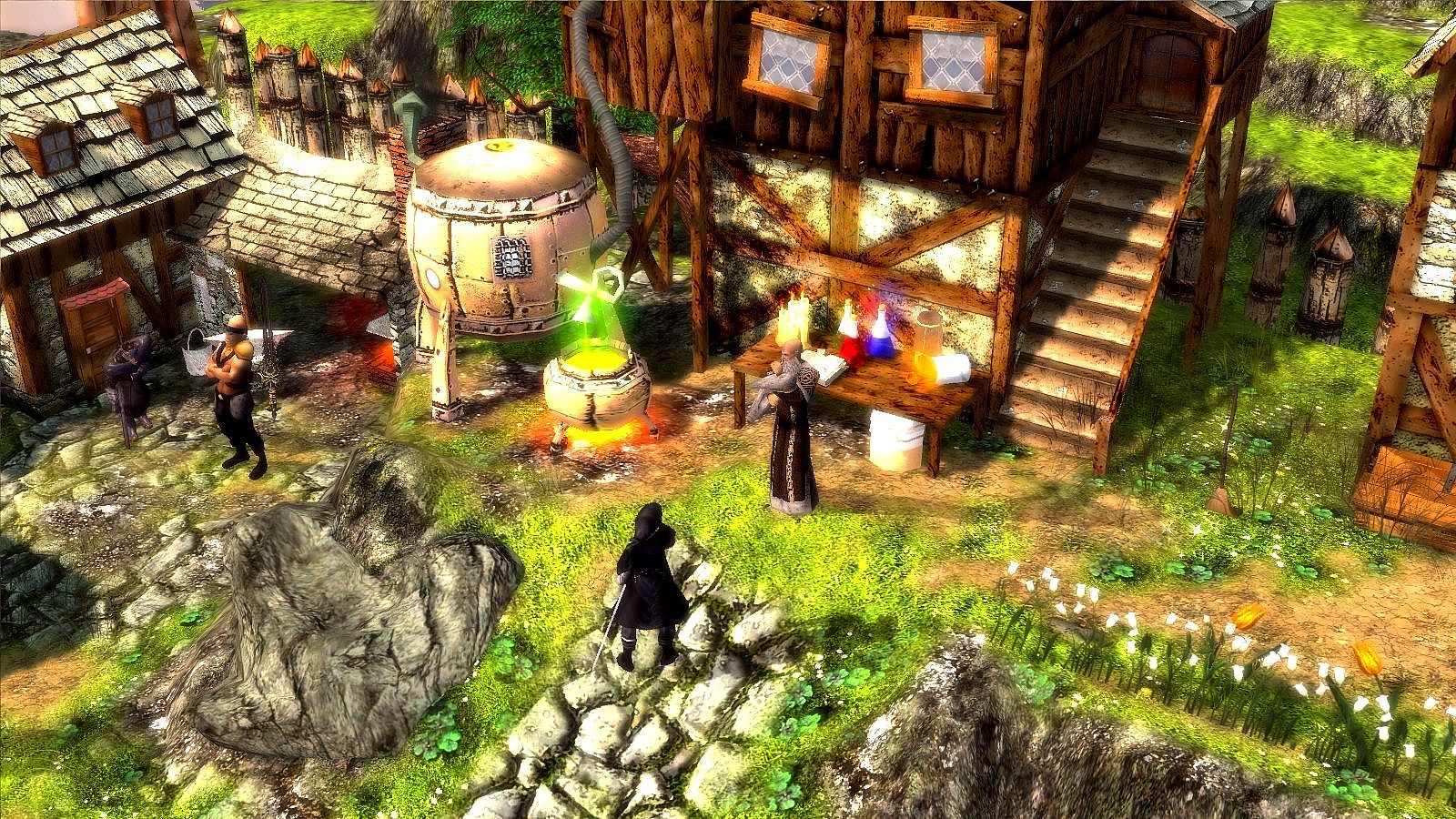
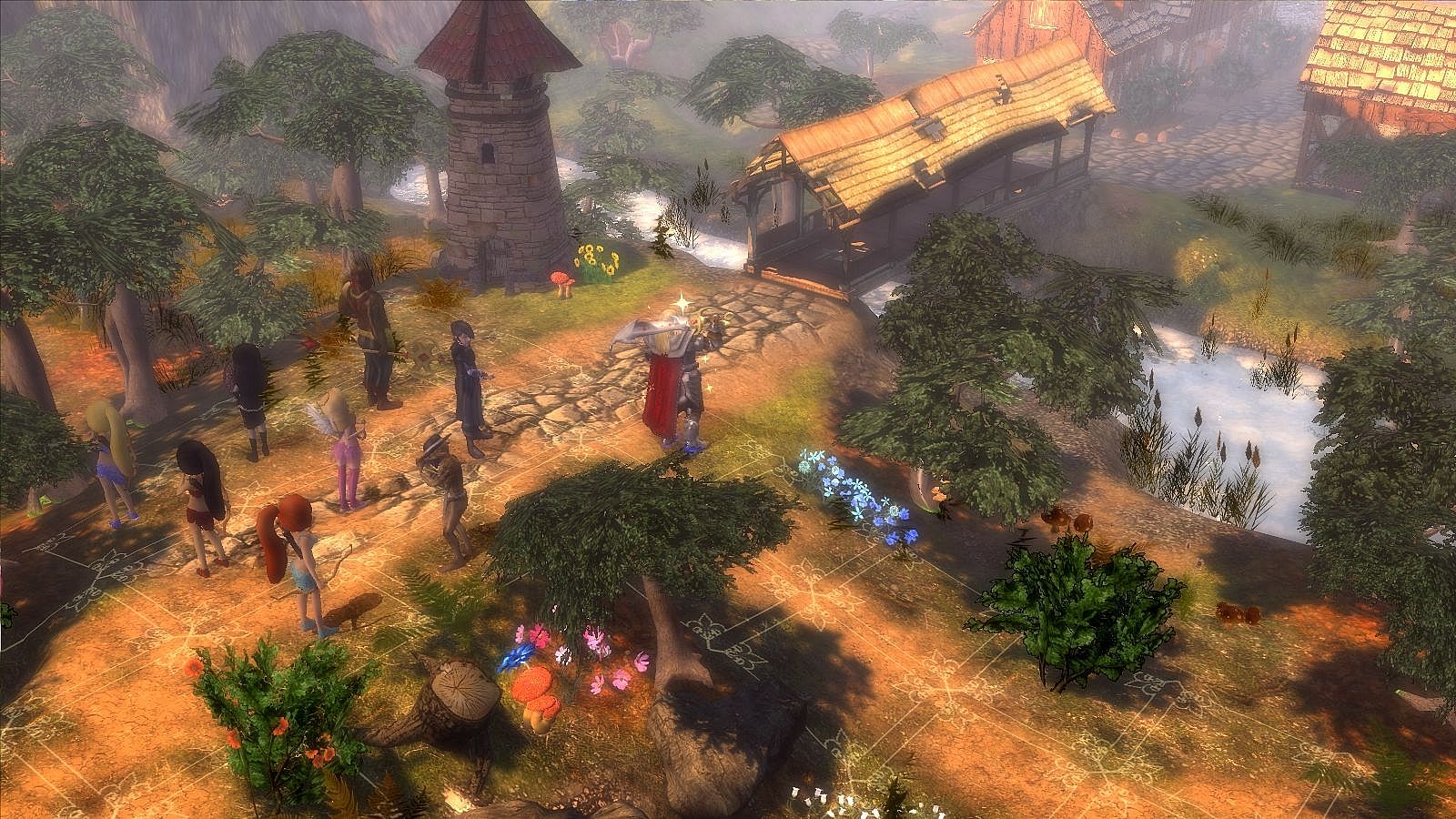
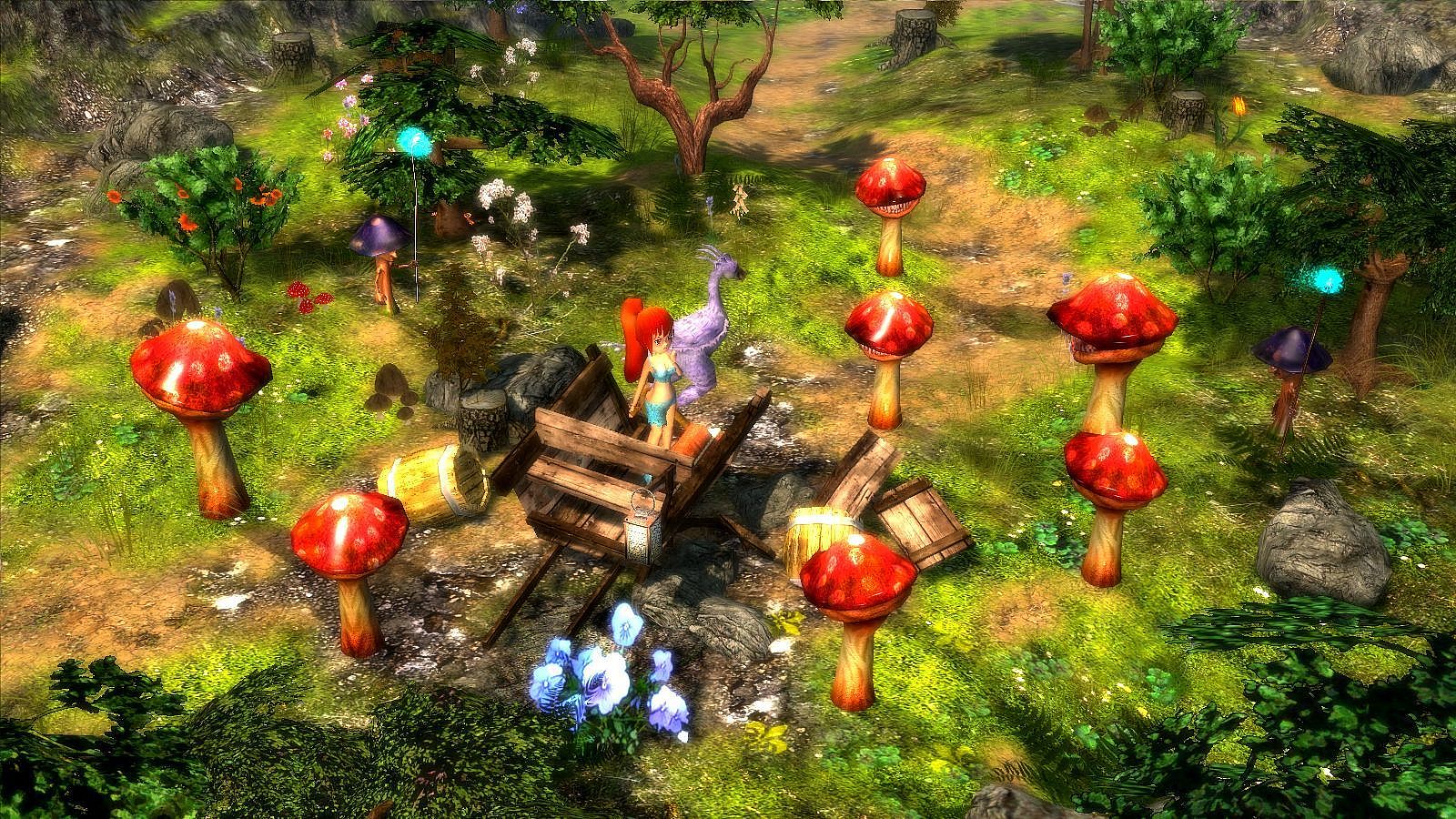
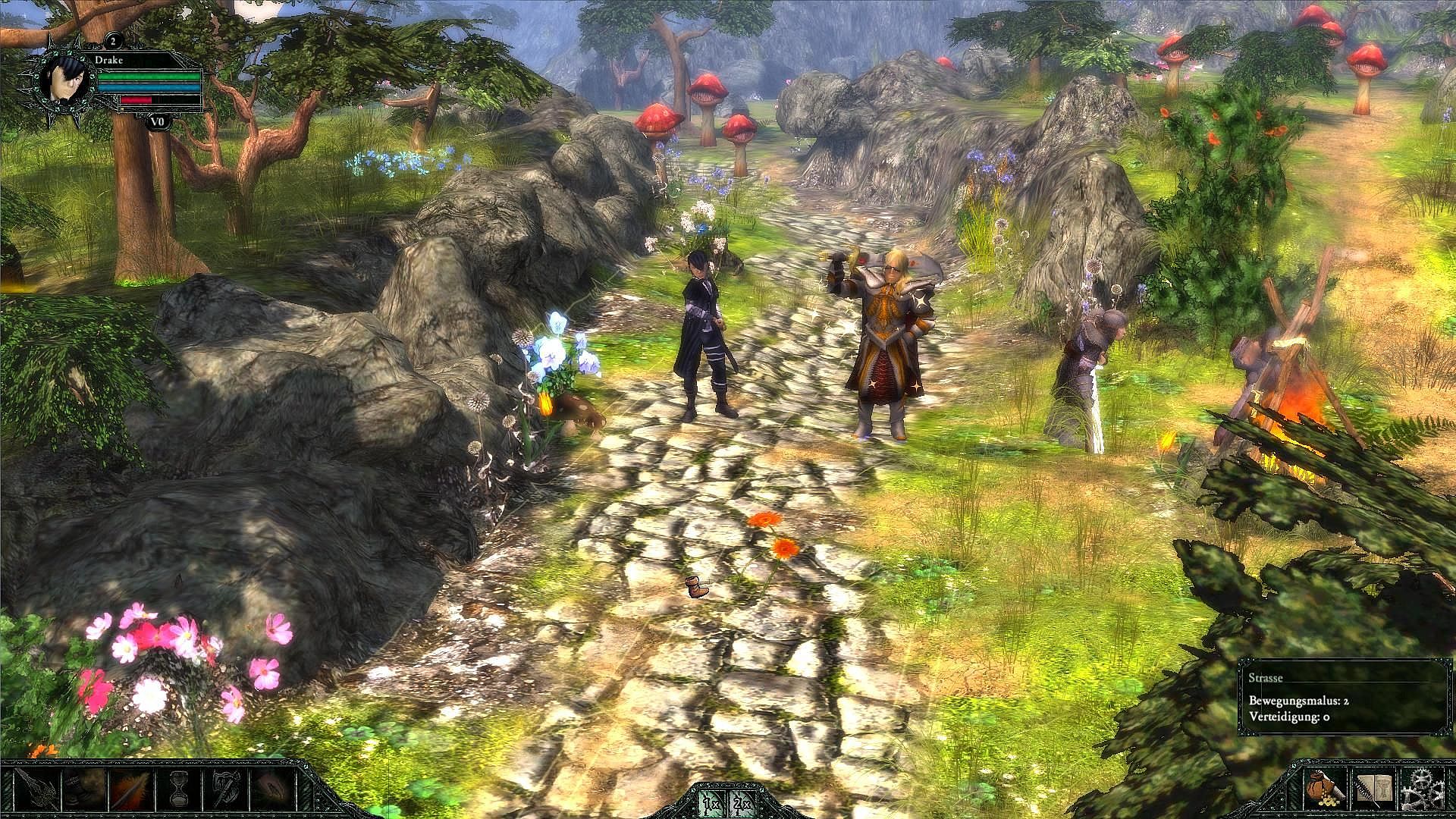
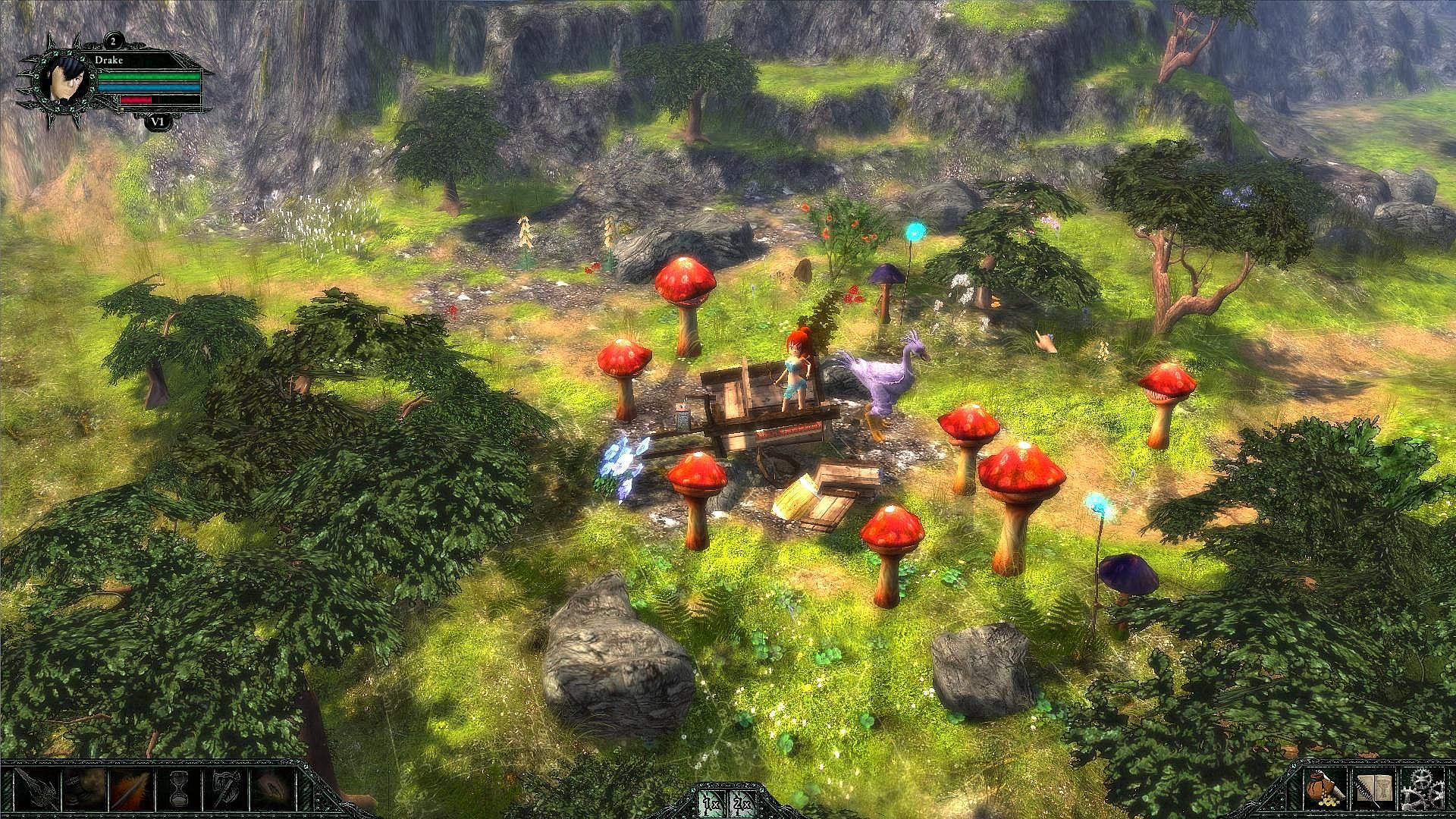
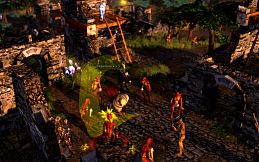
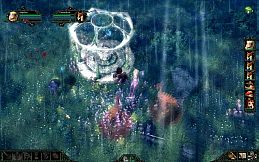
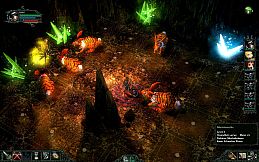
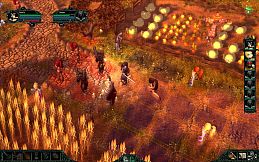
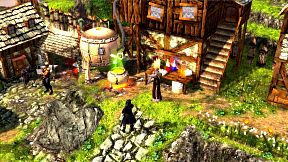
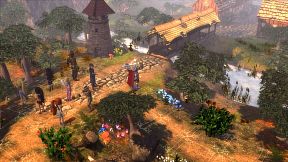
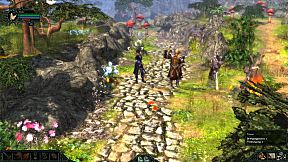
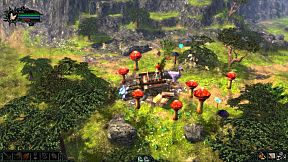
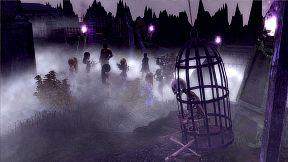
The core loop centers on assembling and directing a party of up to ten distinctive characters through a series of quests and encounters. Combat unfolds in turn-based tactical battles on grid-based maps, where positioning and ability use determine outcomes. Animations add a layer of visual humor to attacks and interactions during fights. Outside of battle, players navigate village landscapes and sinister dungeons, collecting treasures, trading items, and leveling up individual heroes with unique skills and equipment.
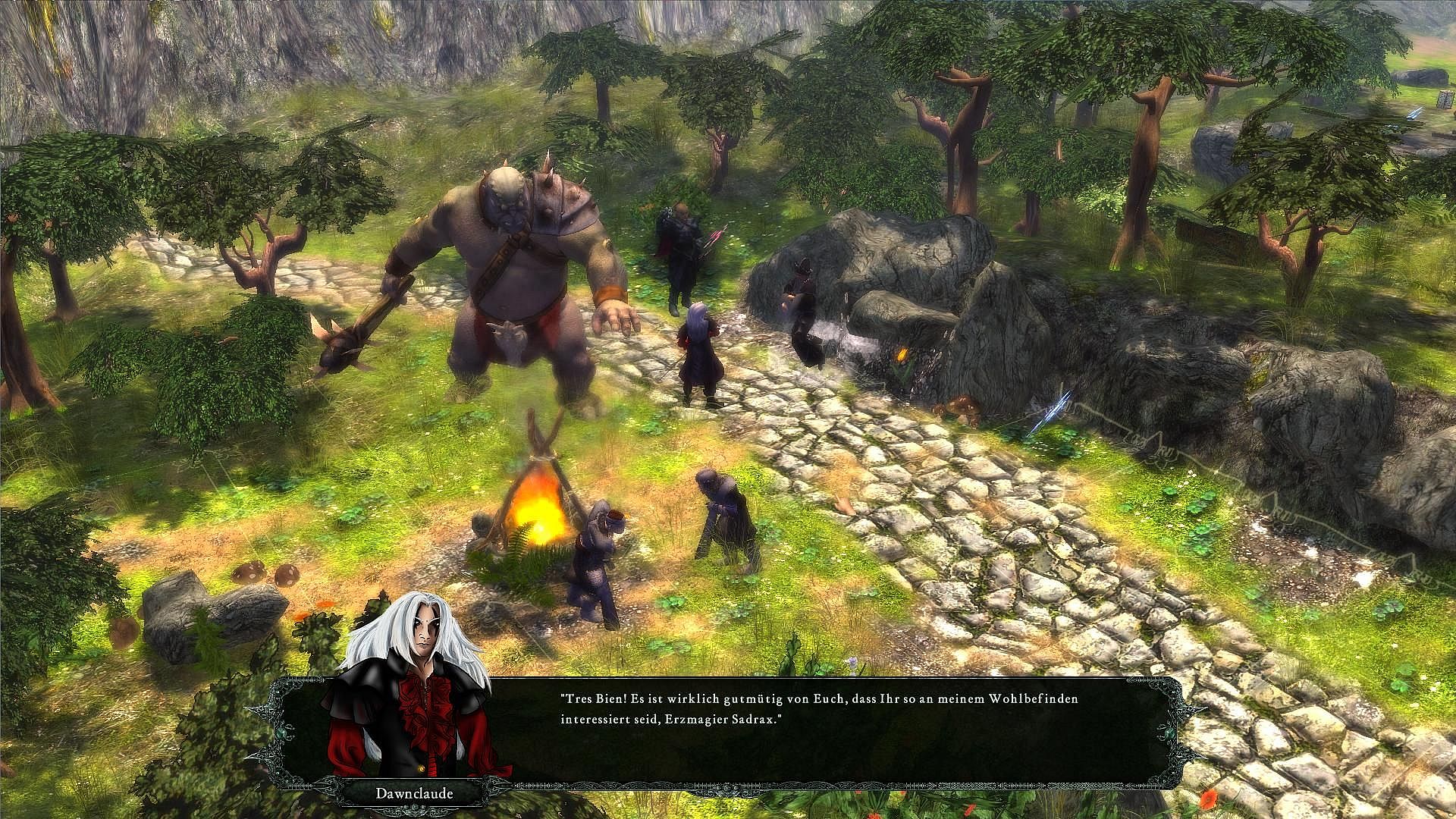
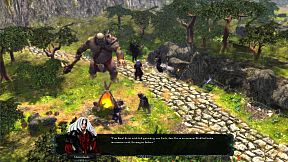
Dialogue plays a major role, featuring multiple-choice conversations and puzzle-like exchanges reminiscent of classic adventure games. These sequences advance the plot and unlock new party members or resources. Party composition matters, as each recruit brings specific traits that influence both combat effectiveness and story branches. The system encourages experimentation with different combinations to handle varied enemy types and boss encounters.
Game Modes
The game operates entirely within a single-player campaign structure. Players progress through a linear yet branching narrative that incorporates exploration, resource management, and tactical engagements. There are no separate competitive or cooperative modes. The experience focuses on completing the main story while handling side quests, freeing captives who join as followers, and preparing for large-scale confrontations with oversized bosses.
Progression ties directly to the campaign flow, with leveling, outfitting, and dialogue choices feeding into the next set of battles and story developments. This unified approach keeps all activities connected to the central goal of thwarting the Dark Church.
Story and Characters
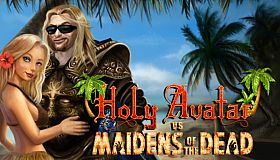
The narrative follows a band of flawed protagonists who step up after the kingdom's legitimate heroes fall to the cult. Key figures include the arrogant Holy Avatar, the bloodthirsty Vampire Solitaire, and the hot-tempered Angel Angelina, each with distinct personalities that drive both combat roles and comedic exchanges. The story satirizes elements from well-known fantasy properties through exaggerated situations and witty banter.
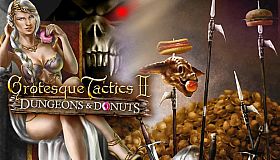
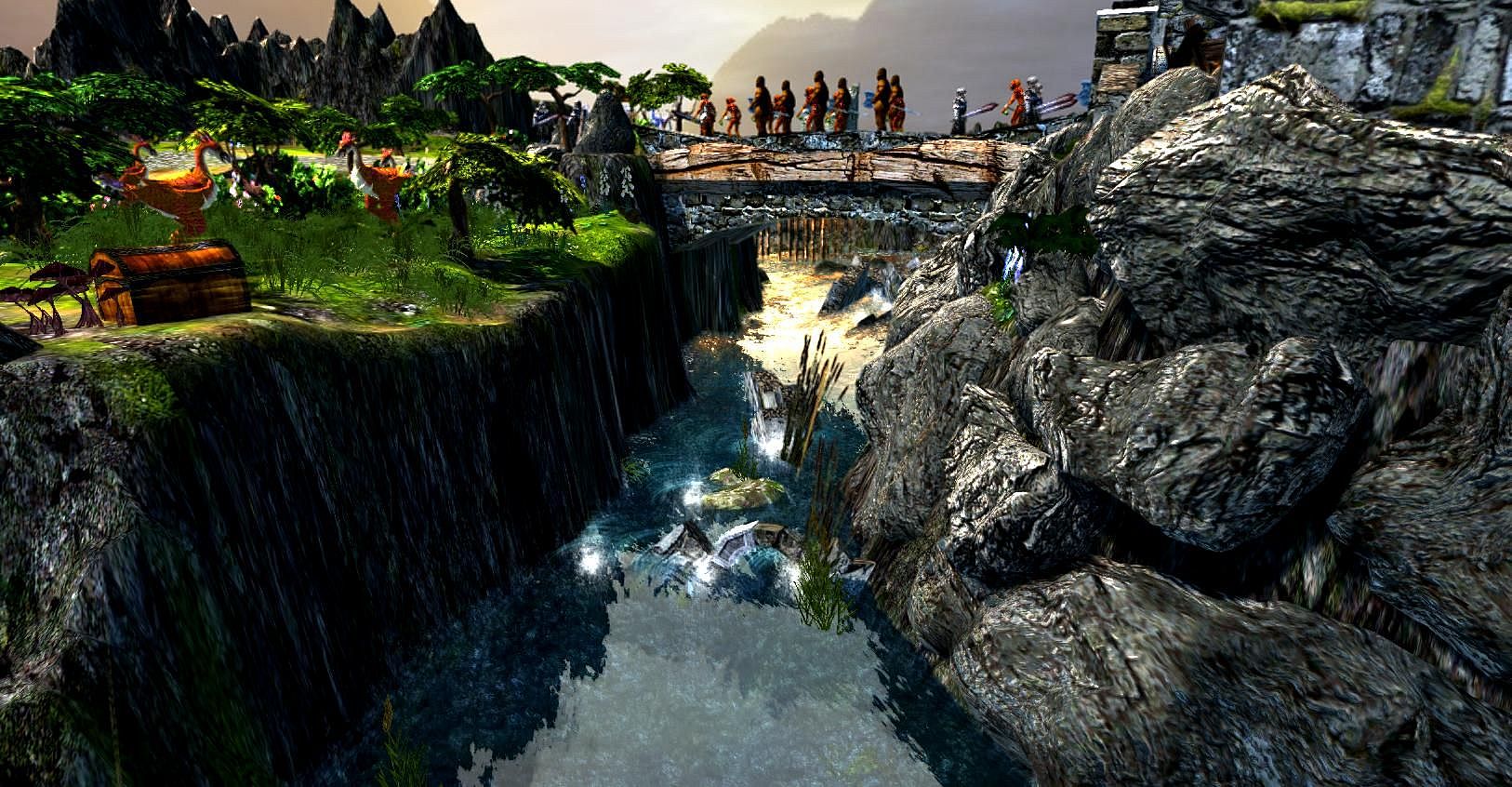
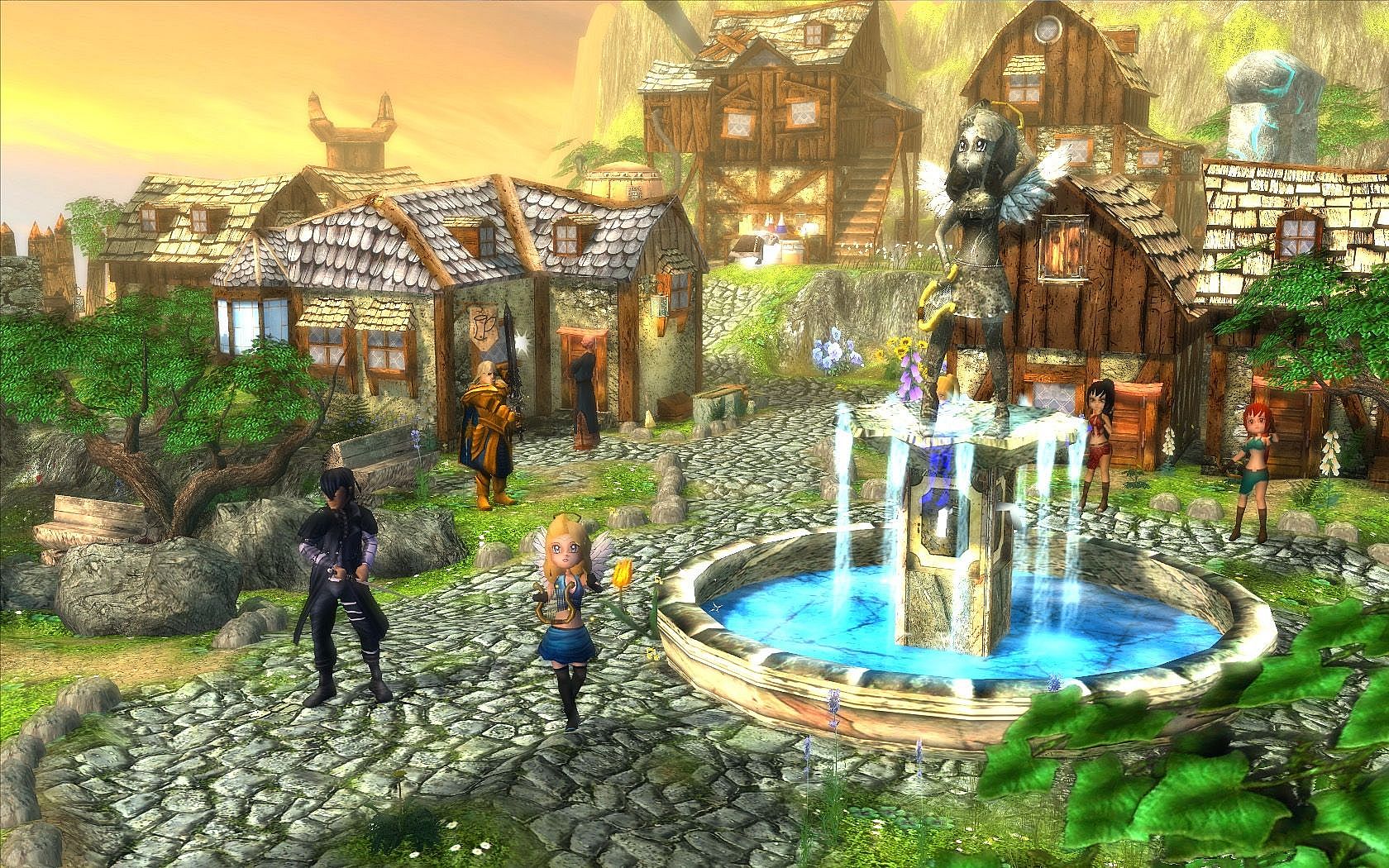
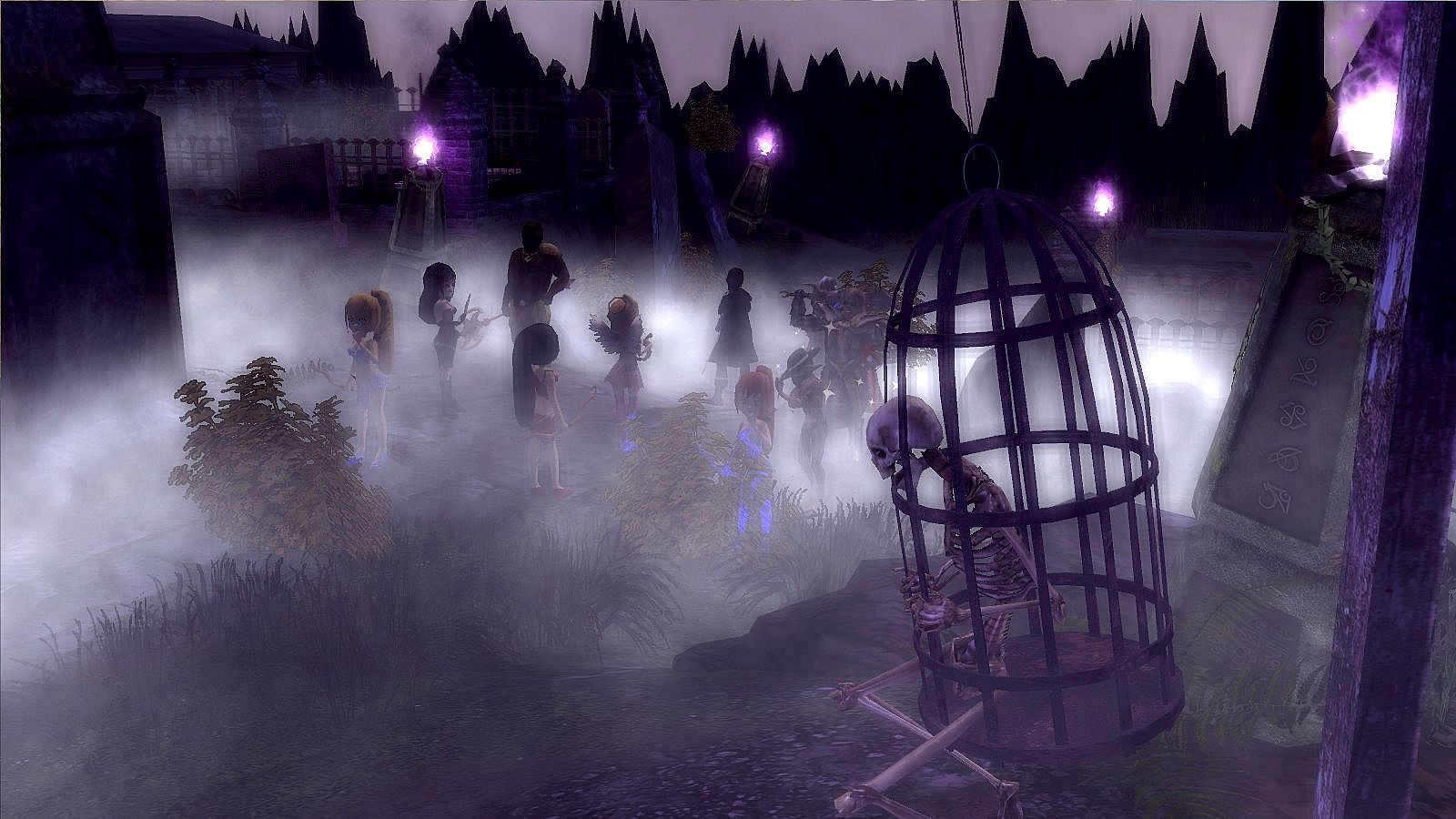
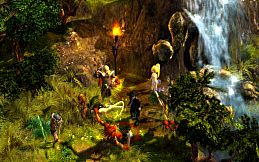
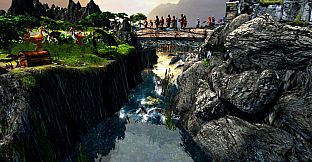
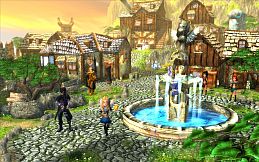
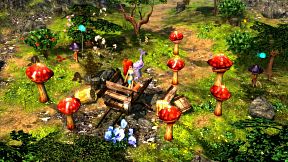
World traversal reveals contrasting environments, from bright villages to foreboding dungeons. Freed maidens serve as groupies who accompany the party into fights, adding to the satirical tone. Quests often involve rescuing these characters or dealing with the consequences of their jealous or demanding natures.
Is It Worth Playing?
Player reception on Steam stands at mixed, with 61 percent of 319 reviews rated positive. Many highlight the humor and character interactions as strengths that set the title apart from more serious tactical RPGs. Others note issues with controls, occasional glitches, and an older presentation style that may not appeal to everyone.
The game suits players who enjoy satirical takes on RPG conventions, turn-based strategy combat, and light adventure-game dialogue elements. Its short campaign length around fifteen hours makes it accessible for those seeking a complete single-player experience without long-term commitments. Availability on PC remains straightforward through digital storefronts, though expectations should align with a 2010 indie production rather than modern standards.
Overall, it delivers a focused package for fans of humorous strategy RPGs who appreciate party customization and tactical depth over polished graphics or ongoing content updates. Those sensitive to dated mechanics may find the experience less engaging today.