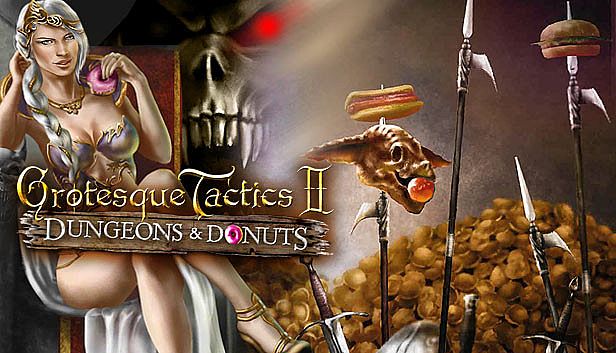















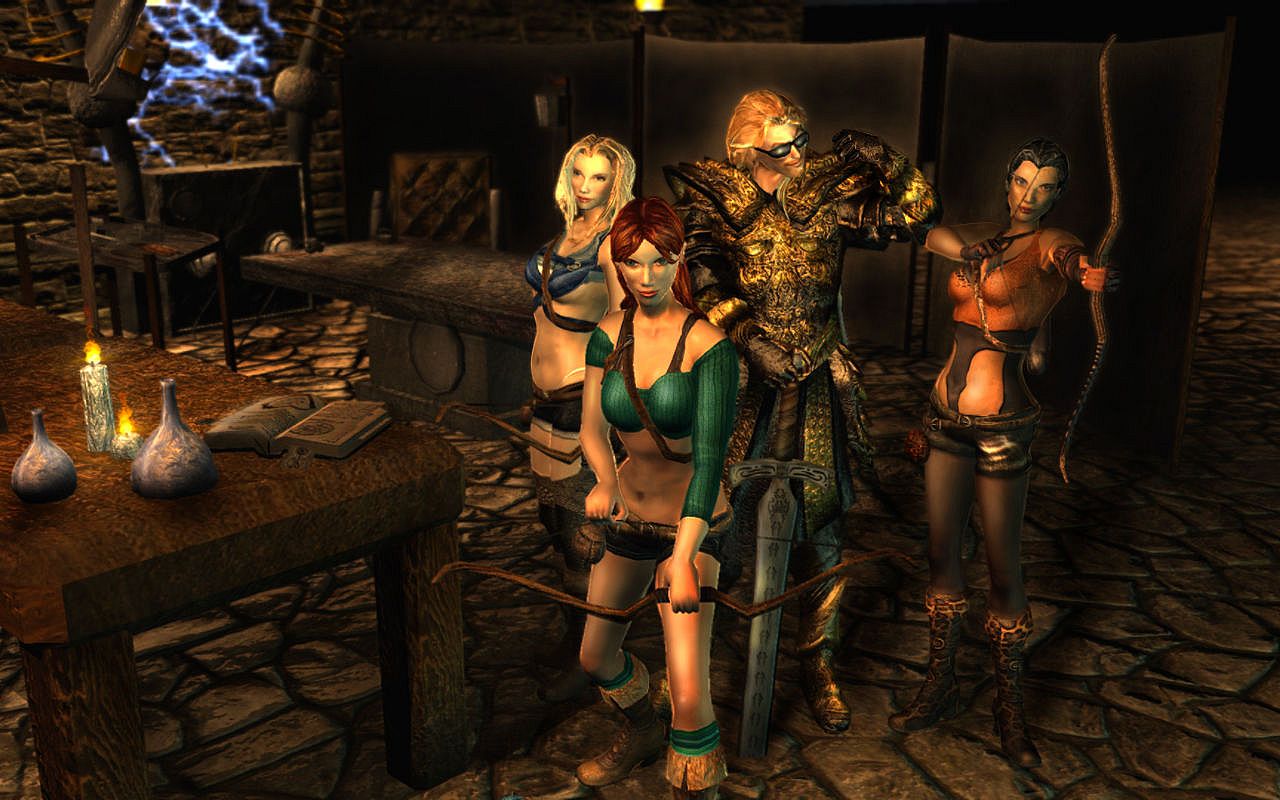
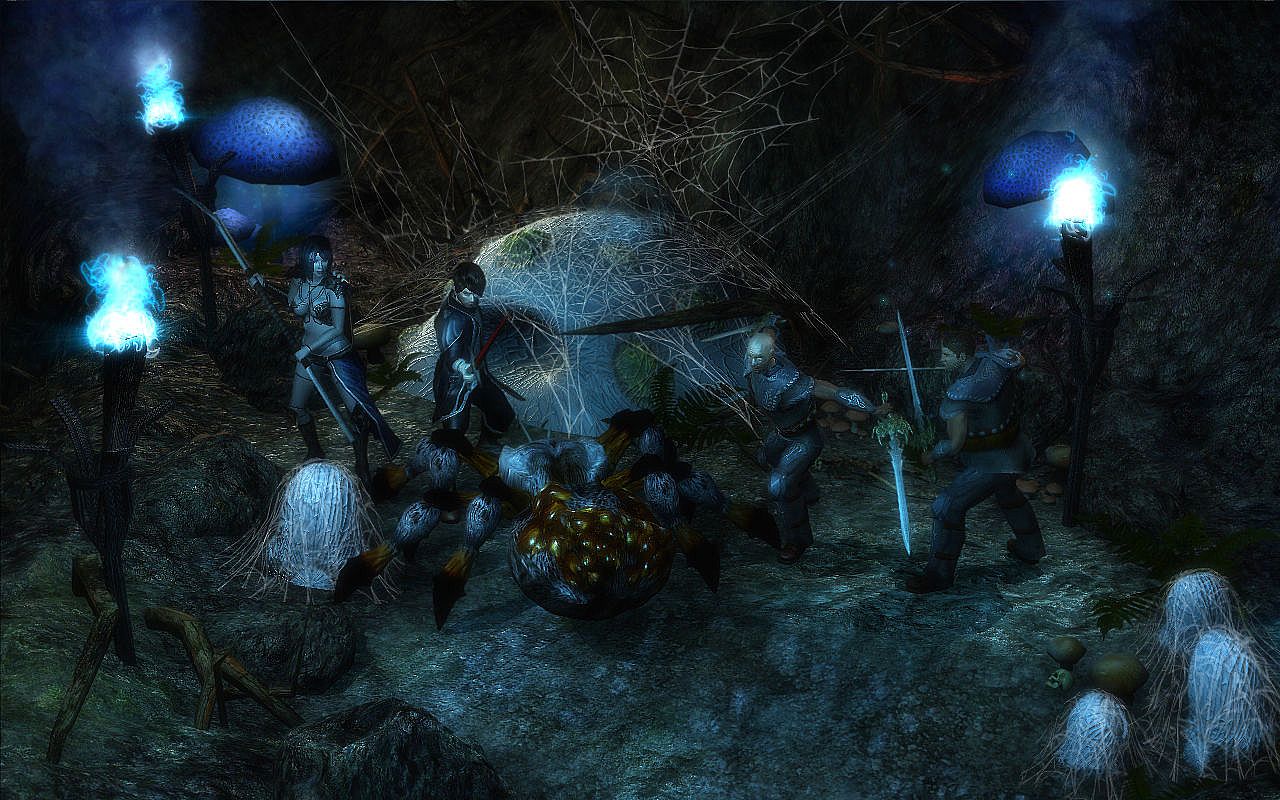
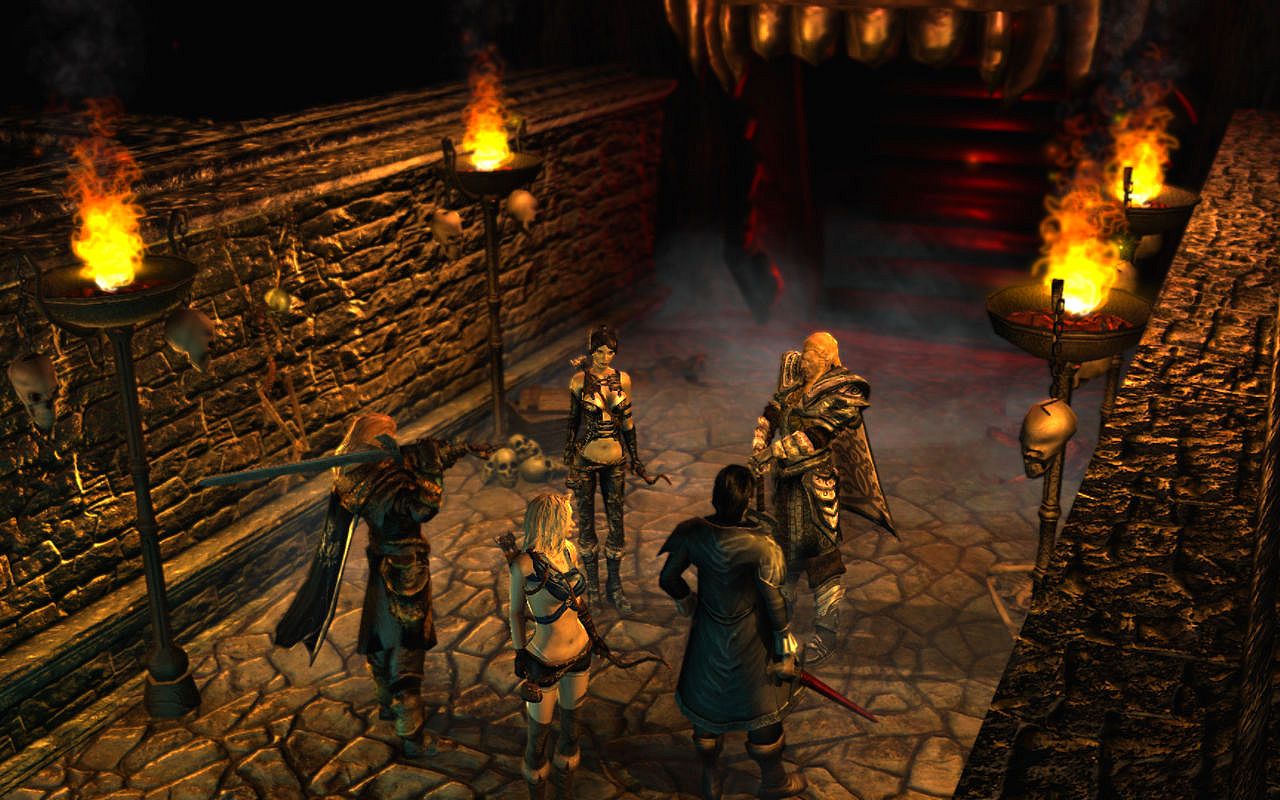
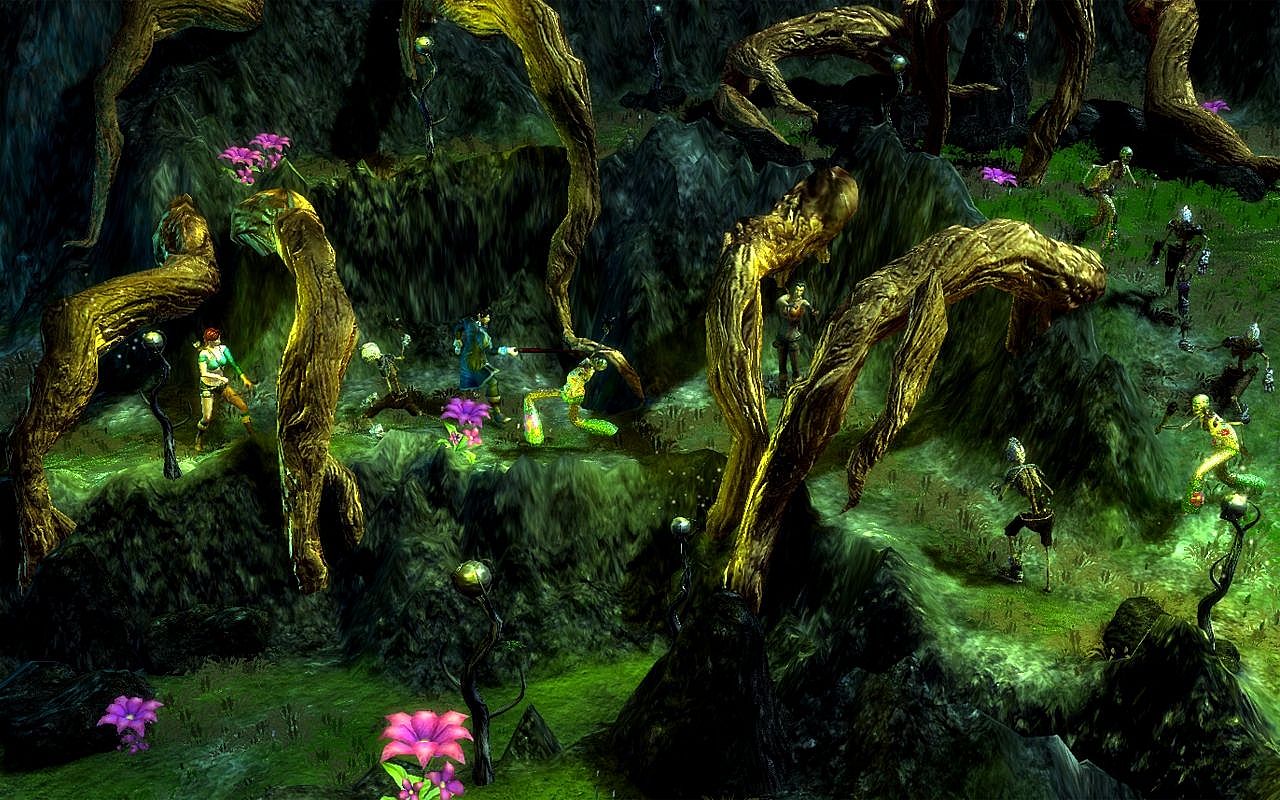
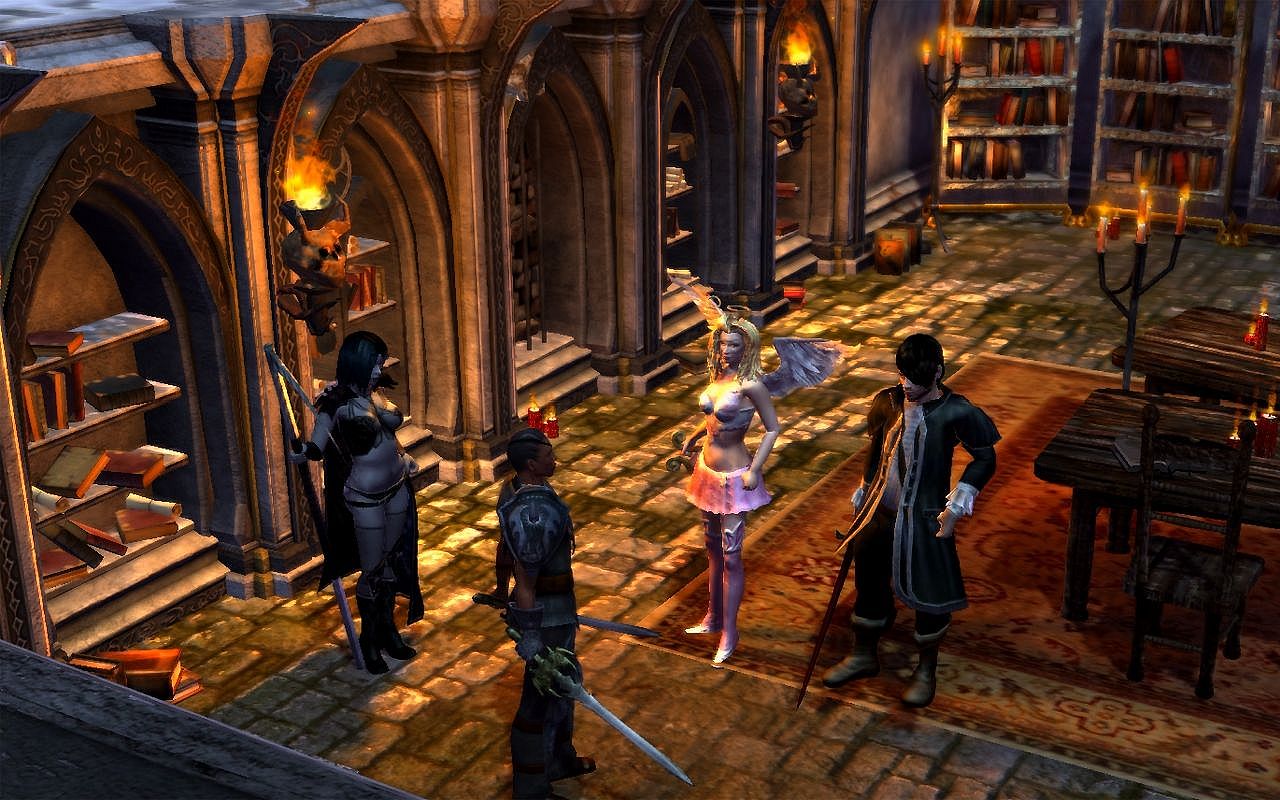
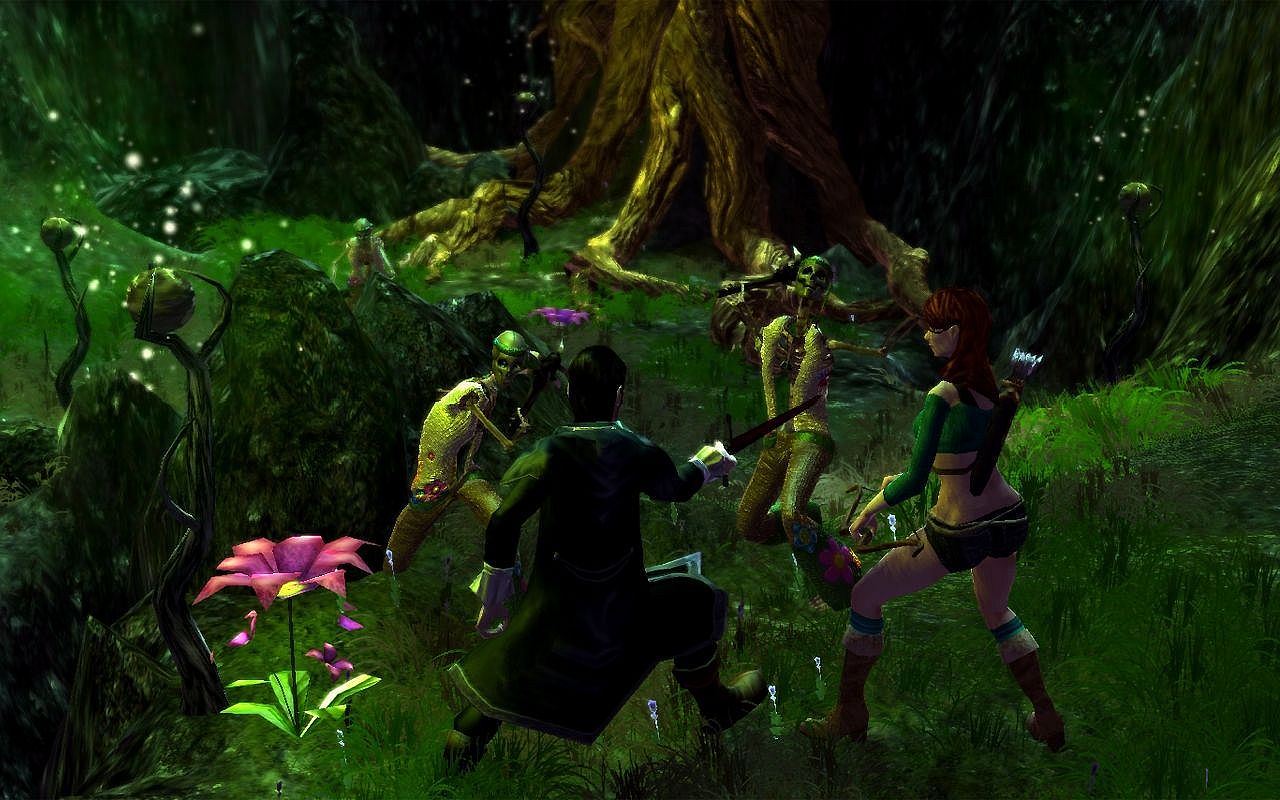
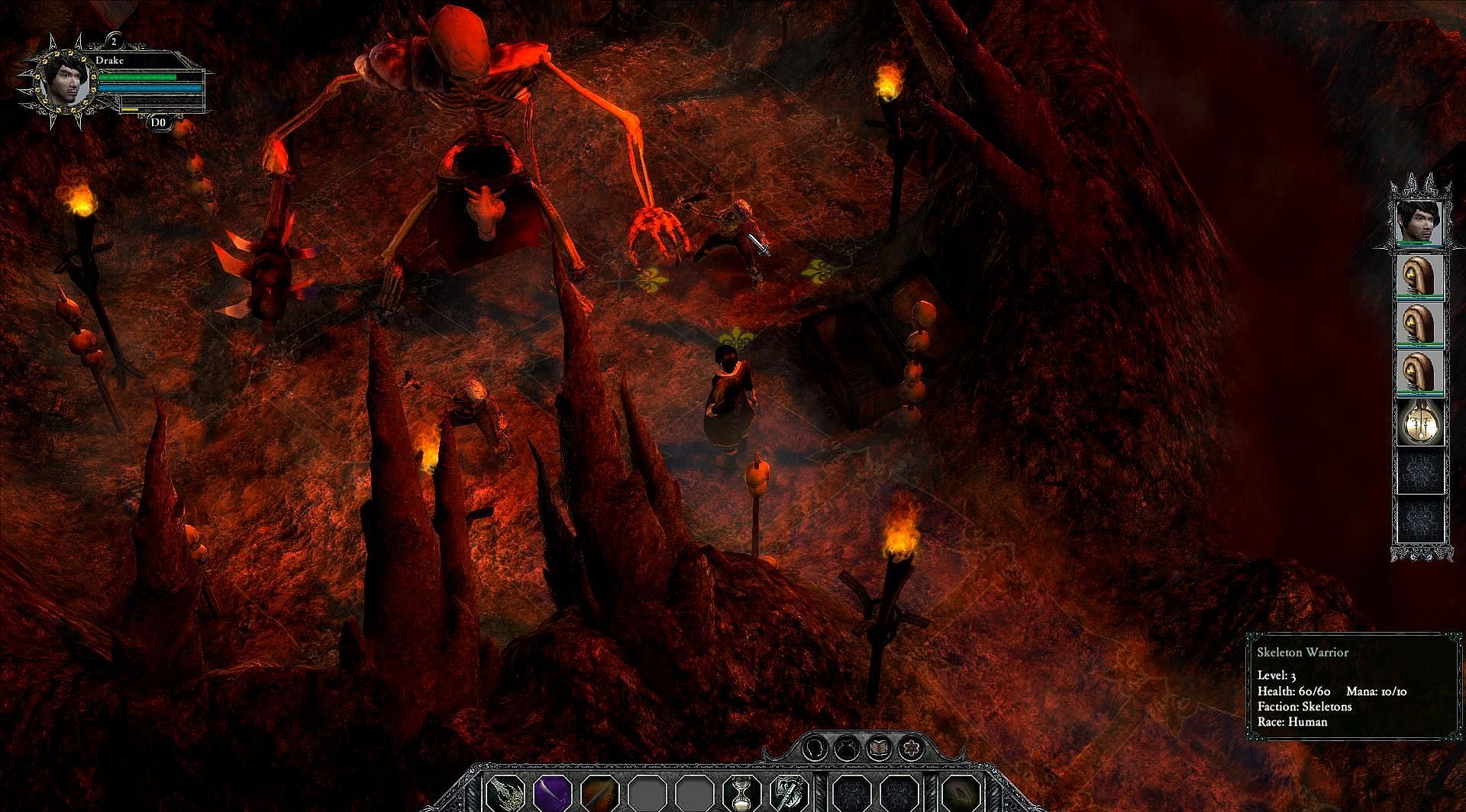
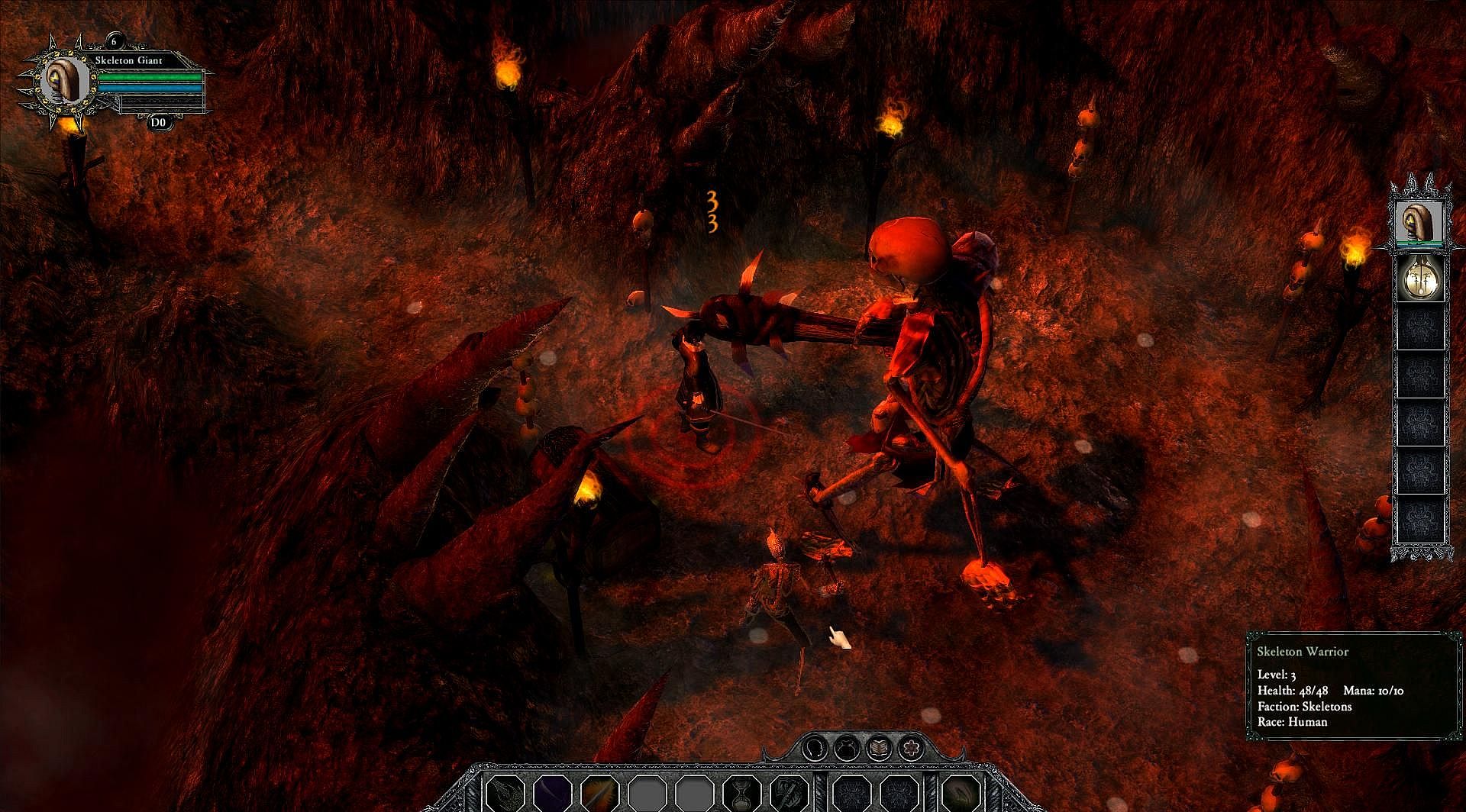
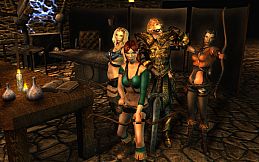
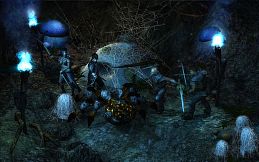
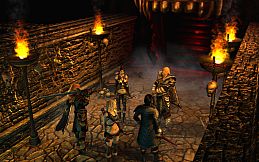
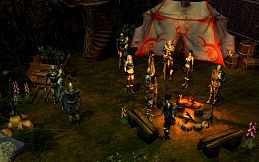
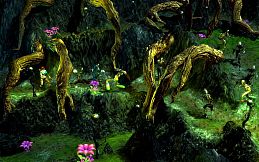
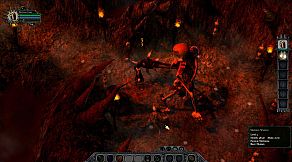
Grotesque Tactics 2 Dungeons and Donuts is a strategy indie RPG adventure game set in a parody-filled fantasy world. Players take on the role of a guild master navigating catacombs after a mysterious fog wipes out much of the population, forcing rival groups to cooperate while dark forces stir below.
Gameplay
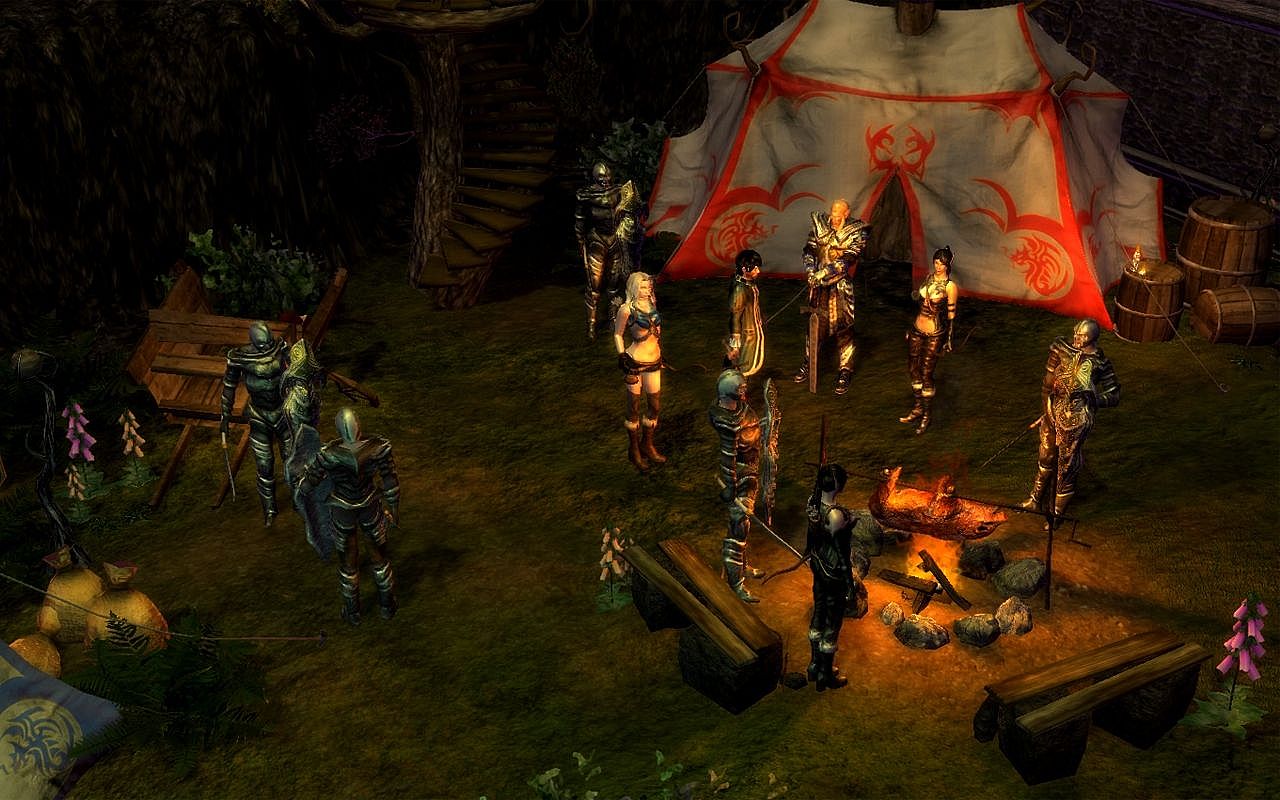
The core loop combines story progression with resource management and combat encounters. Food serves as the primary currency in the scarce environment, requiring players to gather ingredients, prepare meals like hippie grub or spider salami, and use them to recruit survivors or maintain party loyalty. Guild reputation and gold collection factor into long-term success, while talent trees allow specialization for each party member after key advancements.
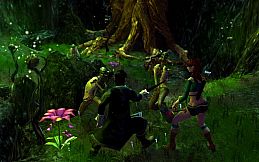
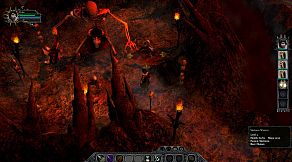
Turn-based combat forms the tactical backbone, with simultaneous control over the entire party during fights. Conflicts within the group must be managed to prevent members from turning on each other instead of focusing on enemies. The system emphasizes positioning and ability use in grid-like encounters against bosses and dungeon threats.
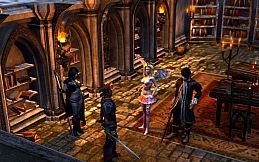
Dialogue sequences incorporate puzzle elements reminiscent of point-and-click adventures, delivering ironic commentary on RPG tropes and references to titles like Oblivion, Gothic, and The Lord of the Rings. Decisions during these interactions influence alliances and outcomes.
Game Modes
The game centers on a single-player campaign structured around guild building and survival in the catacombs. Players select one of three factions at the outset: the High Elves, the Mercenary Guild, or the Kingdom of Glory. This choice shapes available story branches and leads to distinct alternate endings based on decisions made throughout the adventure.
Difficulty settings adjust the challenge for different experience levels, altering enemy behavior and resource scarcity without changing the fundamental structure of exploration, recruitment, and combat. No separate multiplayer or competitive modes exist.
Story and Factions
The narrative begins with celebrations in the Kingdom of Glory following victory over the Dark Church, only for a sudden fog to engulf citizens in the catacombs. Survivors form guilds amid dwindling supplies, balancing internal rivalries against emerging threats. Each faction brings unique perspectives and members, with the high elves noted for arrogance, mercenaries for their shady dealings, and knights for their heroic posturing.
Party management extends beyond combat into social dynamics, where the guild master mediates disputes to keep the group functional. Cooking and food distribution play a direct role in wooing new allies and sustaining the team during extended stays underground.
Is It Worth Playing?
Player reception on Steam stands at mixed, with 52 percent positive ratings from 176 reviews. The title appeals to those interested in humorous RPG parodies, simultaneous party control in turn-based fights, and faction-driven story choices that alter the ending. It suits players comfortable with older indie strategy RPGs that blend resource scarcity, talent progression, and light puzzle dialogue.
Those seeking polished modern production or extensive post-launch support may find the 2011 release dated in its presentation and systems. The experience rewards patience with its satirical tone and guild-building elements for fans of the genre's parody style.