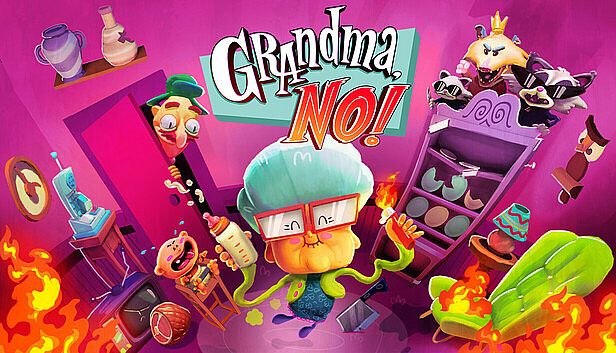



















Grandma, No! is an indie adventure game that places players in the slippers of a grandmother handling an unplanned babysitting job alongside a list of ordinary household tasks. The experience blends casual exploration with physics-driven interactions across a handful of connected spaces, turning everyday chores into unpredictable sequences of events. It fits the casual and adventure genres while incorporating light RPG-style progression through task completion and item discovery in a single-player format on PC.
Gameplay
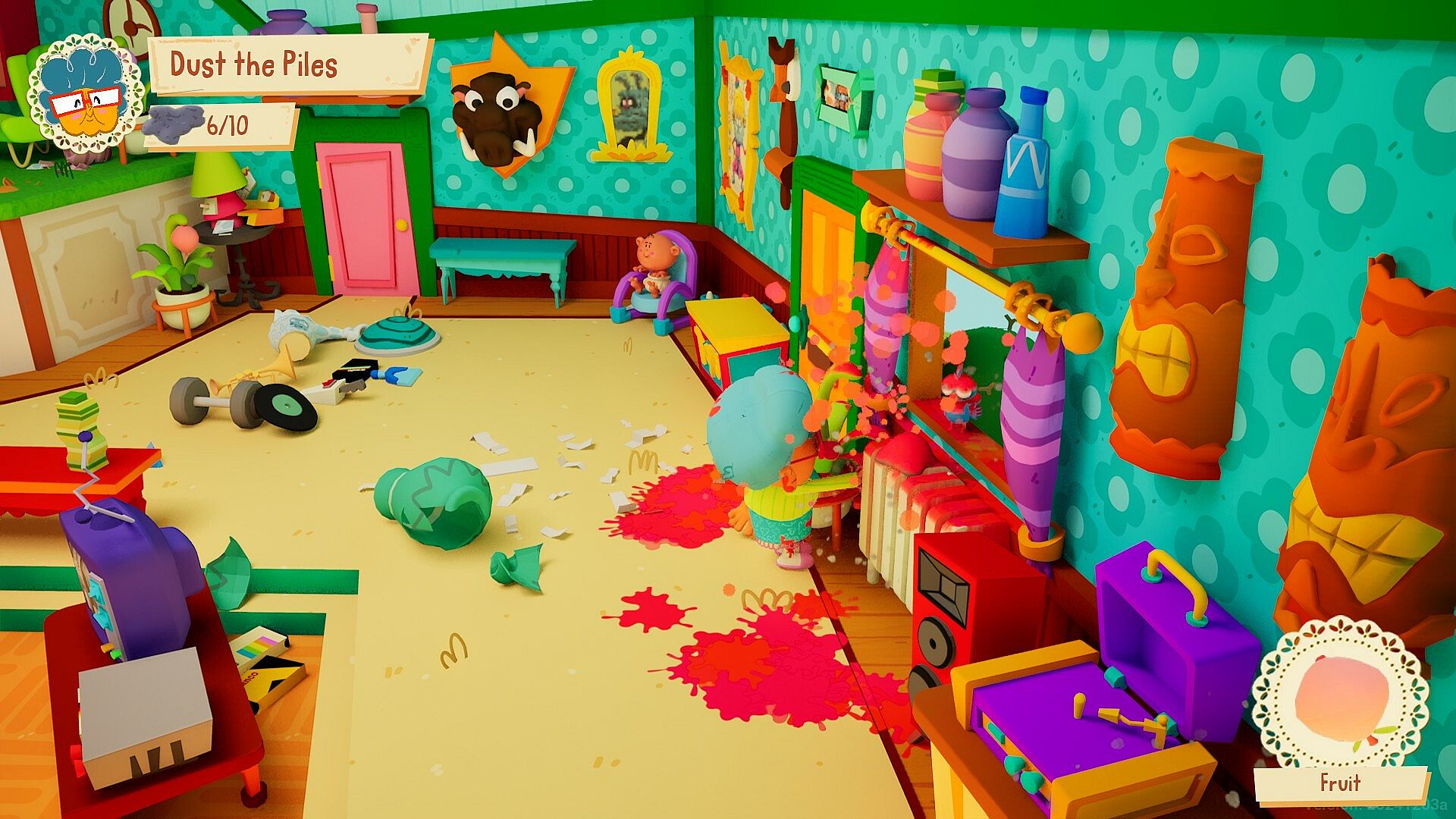
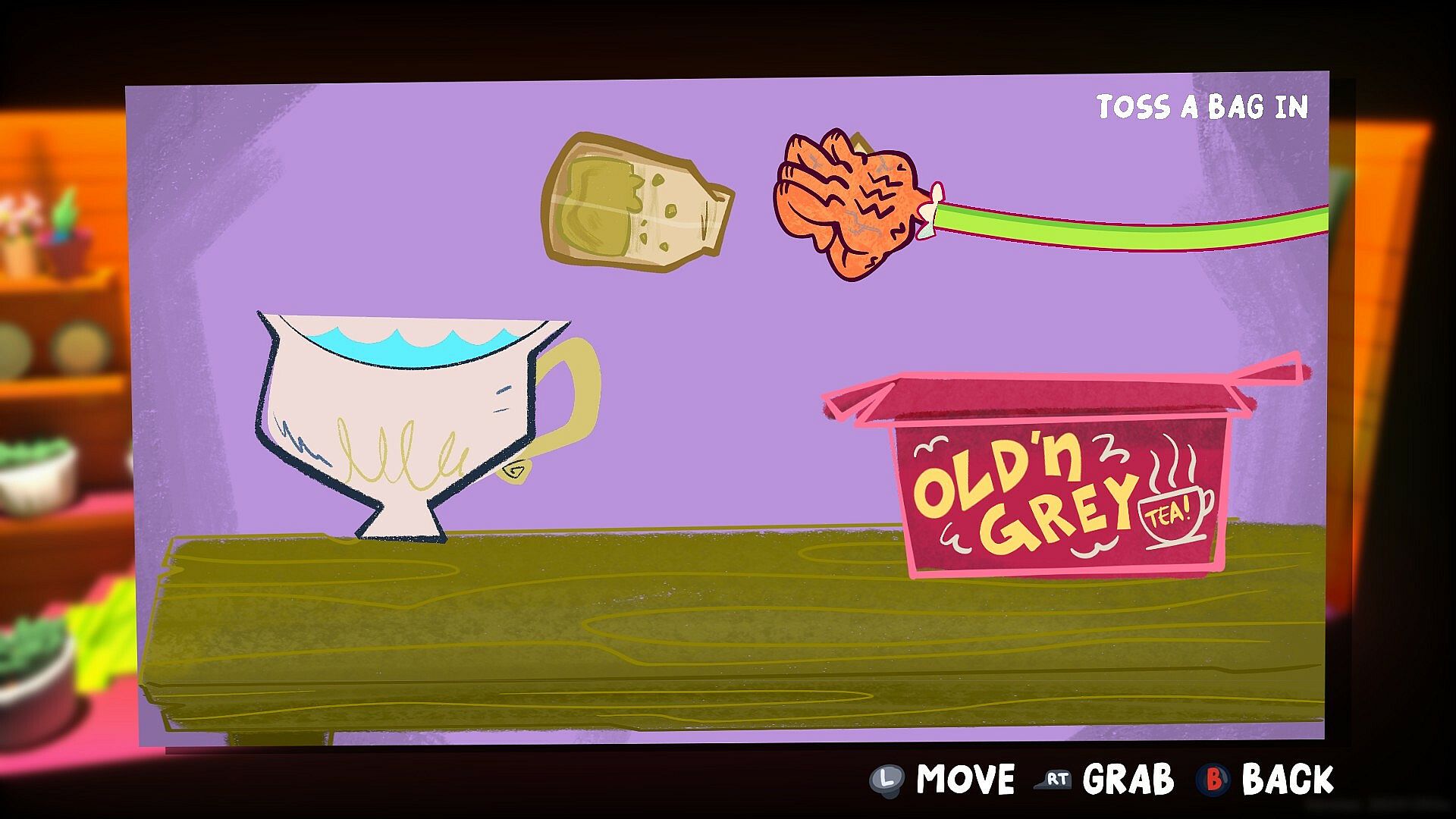
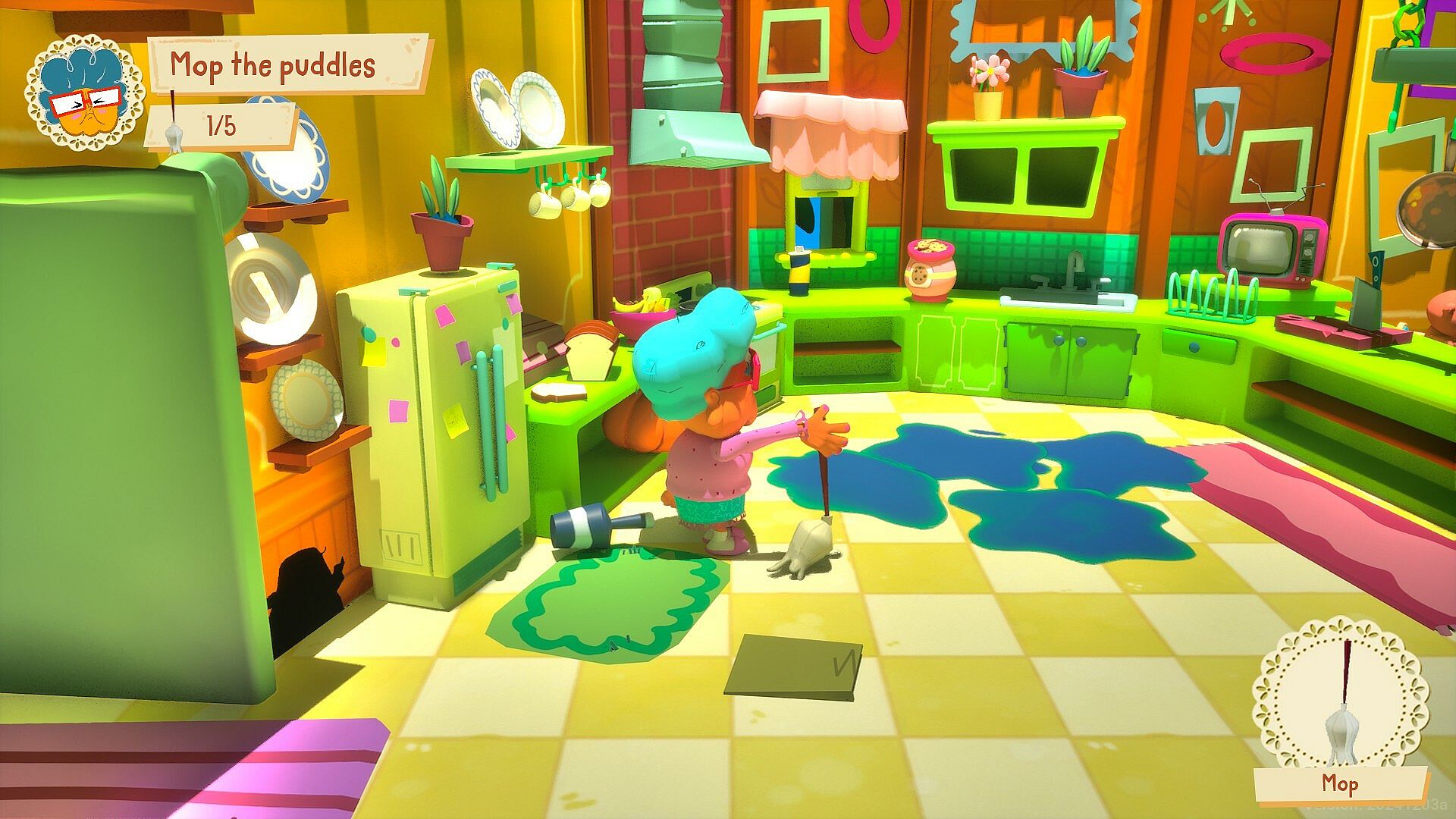
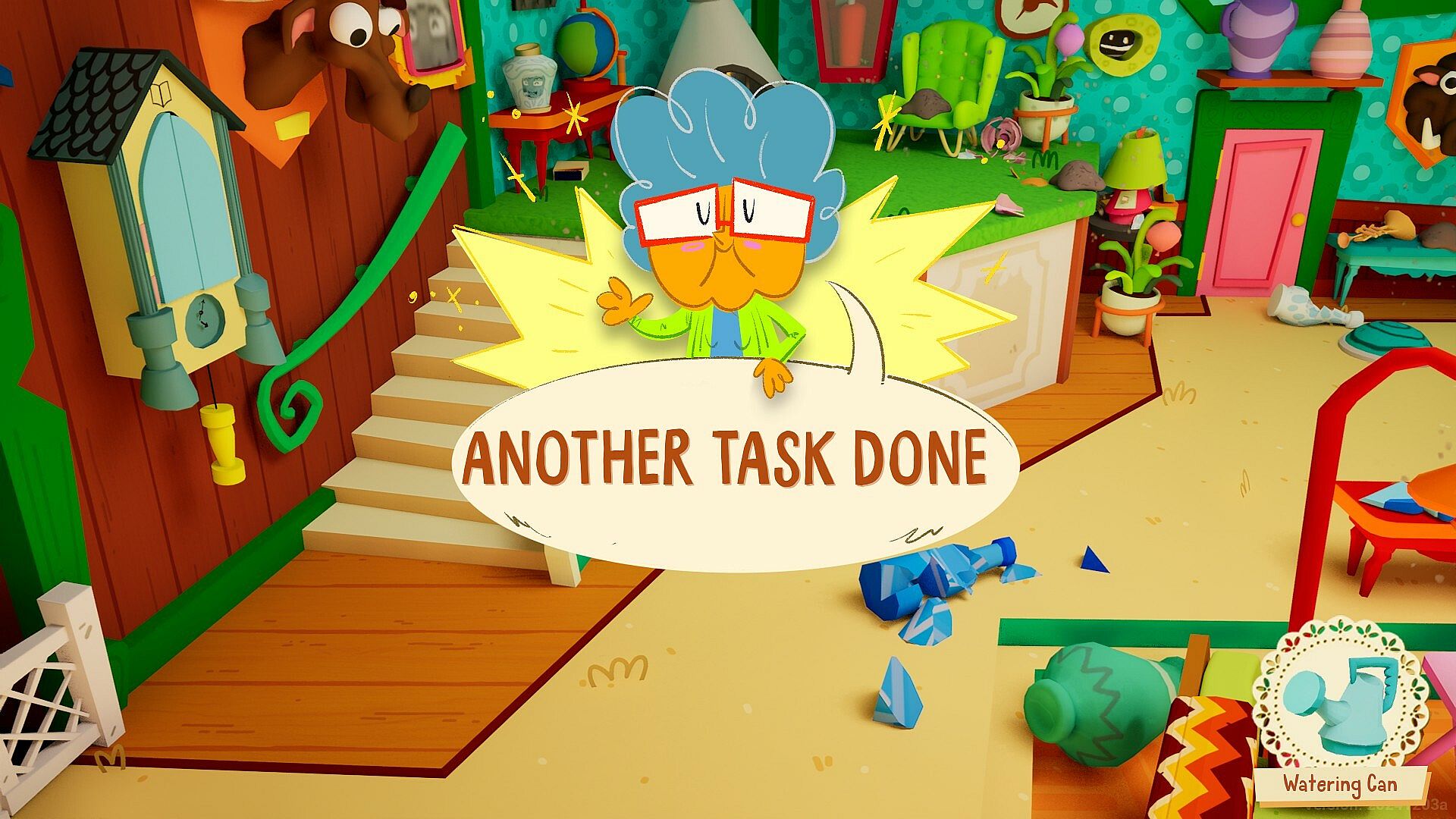
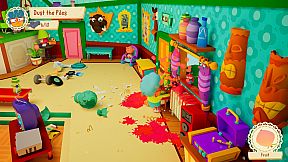
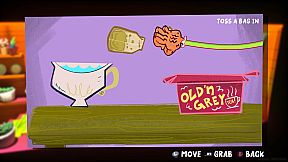
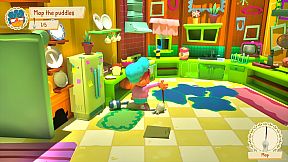
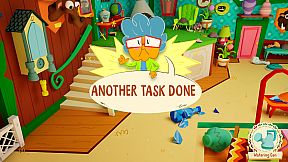
The core loop centers on moving through three distinct areas while attempting to finish chores such as taking out the trash or preparing meals. Each task quickly shifts into a 2D minigame that emphasizes timing, precision, or simple controls, often with absurd outcomes like objects catching fire or transforming unexpectedly. Ragdoll physics govern Grandma's movements, allowing her to stumble, fall, or collide with the environment in exaggerated ways that reward experimentation. Players can interact with nearly every visible object, knocking items over, sending them flying, or triggering chain reactions that disrupt the space. Babysitting adds another layer, as the grandchild requires attention amid the growing disorder from ant infestations, sudden blazes, or other household mishaps. Hidden tasks and collectibles encourage repeated visits to the same areas to uncover additional interactions and secrets.
Game Modes
The game operates as a single continuous experience without separate multiplayer or competitive options. Progression follows a straightforward path through the three areas, where main chores serve as the primary structure and optional minigames or exploration branches provide variety. Sandbox elements allow free-form play within each space, letting players focus on destruction, item collection, or score improvement in the minigames rather than following a rigid sequence. Replaying sections to complete all hidden objectives or achieve better results in the 2D challenges forms the main way to extend playtime beyond the initial run.
Characters and Setting
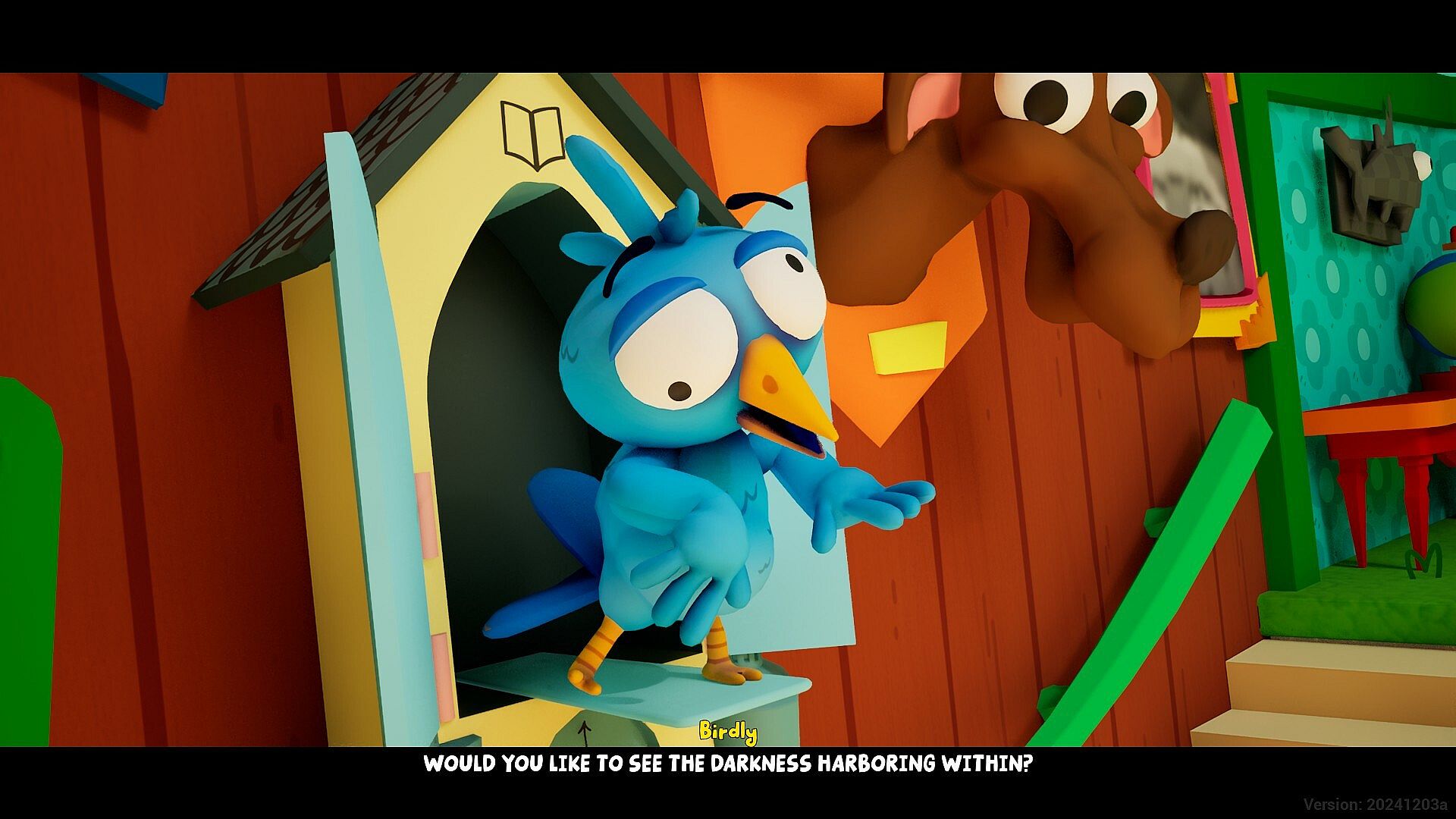
A cast of eccentric figures populates the environments, some appearing human while others lean into surreal or otherworldly traits that contribute to the overall sense of confusion. These characters react to the unfolding chaos in ways that highlight the game's humorous tone without requiring deep narrative investment. The setting stays grounded in familiar domestic spaces like living rooms and backyards, yet frequent bizarre interruptions keep the atmosphere light and unpredictable. Costumes and small visual flourishes add minor customization that influences certain comedic animations during play.
Is It Worth Playing?
Players who enjoy short, physics-heavy comedy experiences will find the game delivers consistent laughs through its ragdoll mishaps and escalating household disasters. The main path wraps up in roughly one hour, with additional time spent on collectibles and minigame replays extending the total to three or four hours for those seeking completion. Reception from early players praises the goofy energy and inventive task transformations, though some note the limited scope and occasional control quirks as drawbacks. It suits casual sessions or fans of indie titles that prioritize chaotic fun over lengthy campaigns or complex systems. The price point aligns with its brevity, making it a reasonable choice for anyone drawn to the premise of an overwhelmed grandmother navigating escalating absurdity.