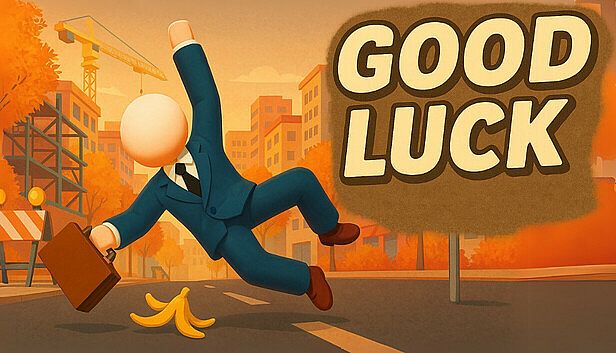

















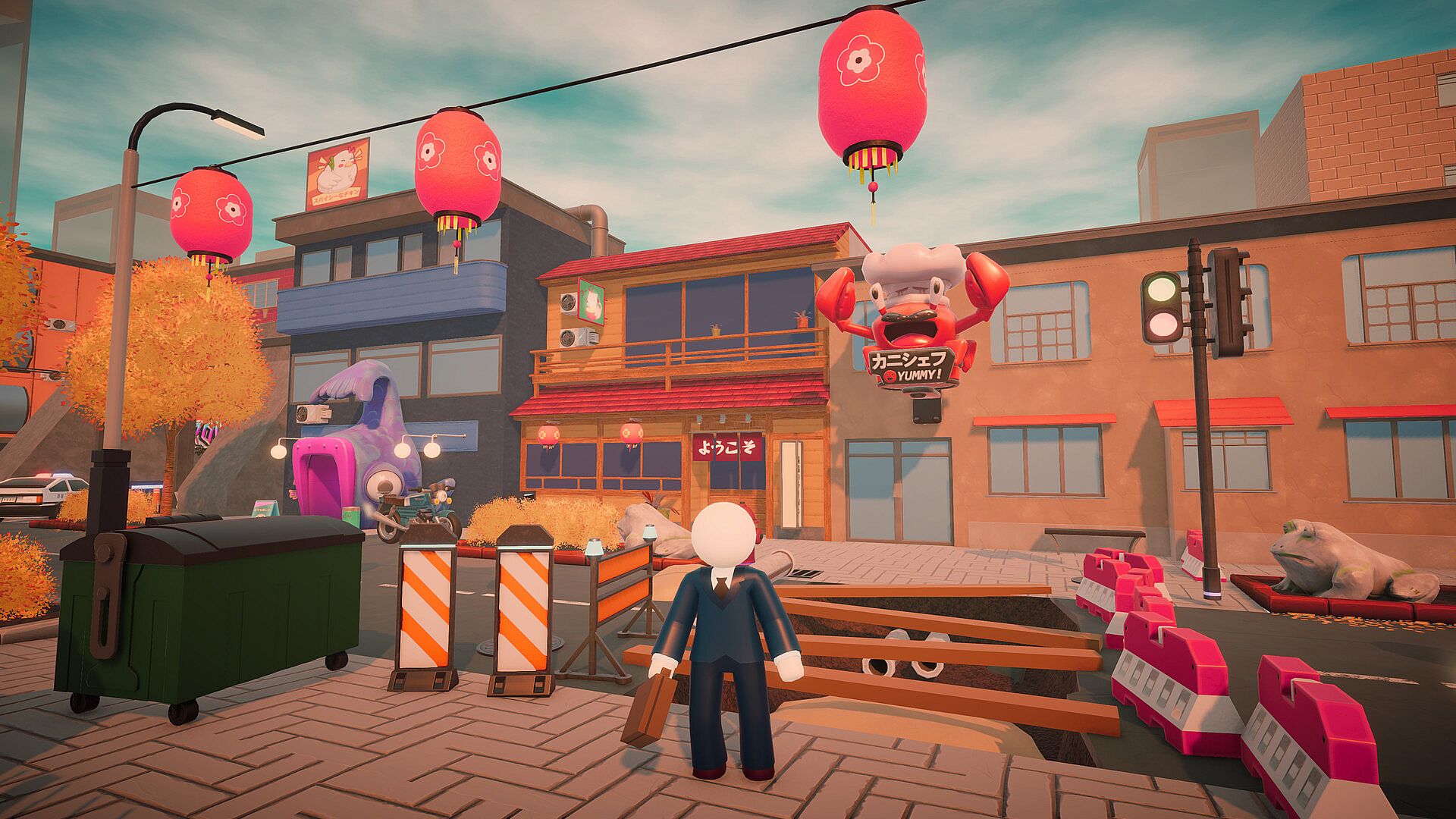
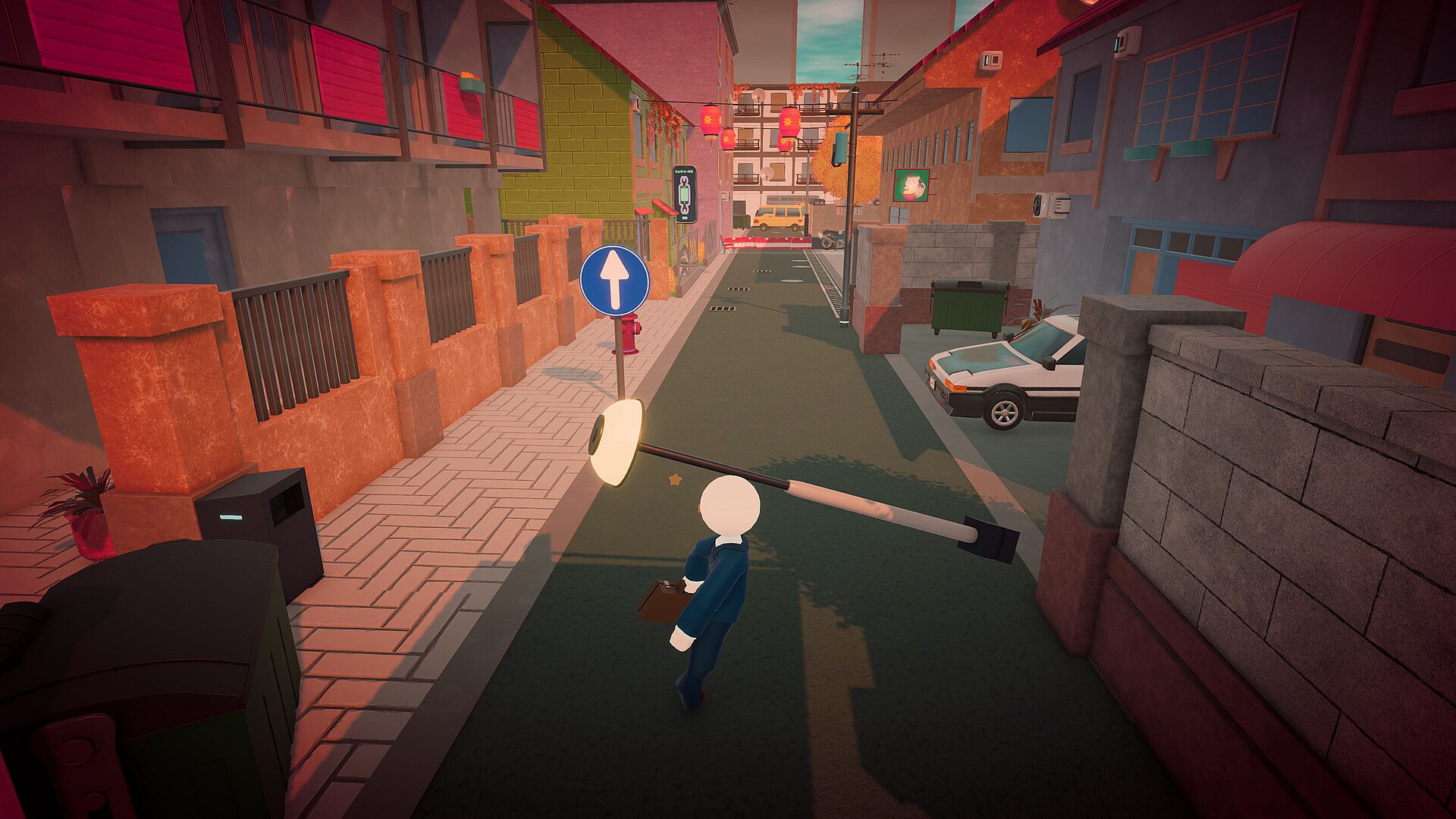
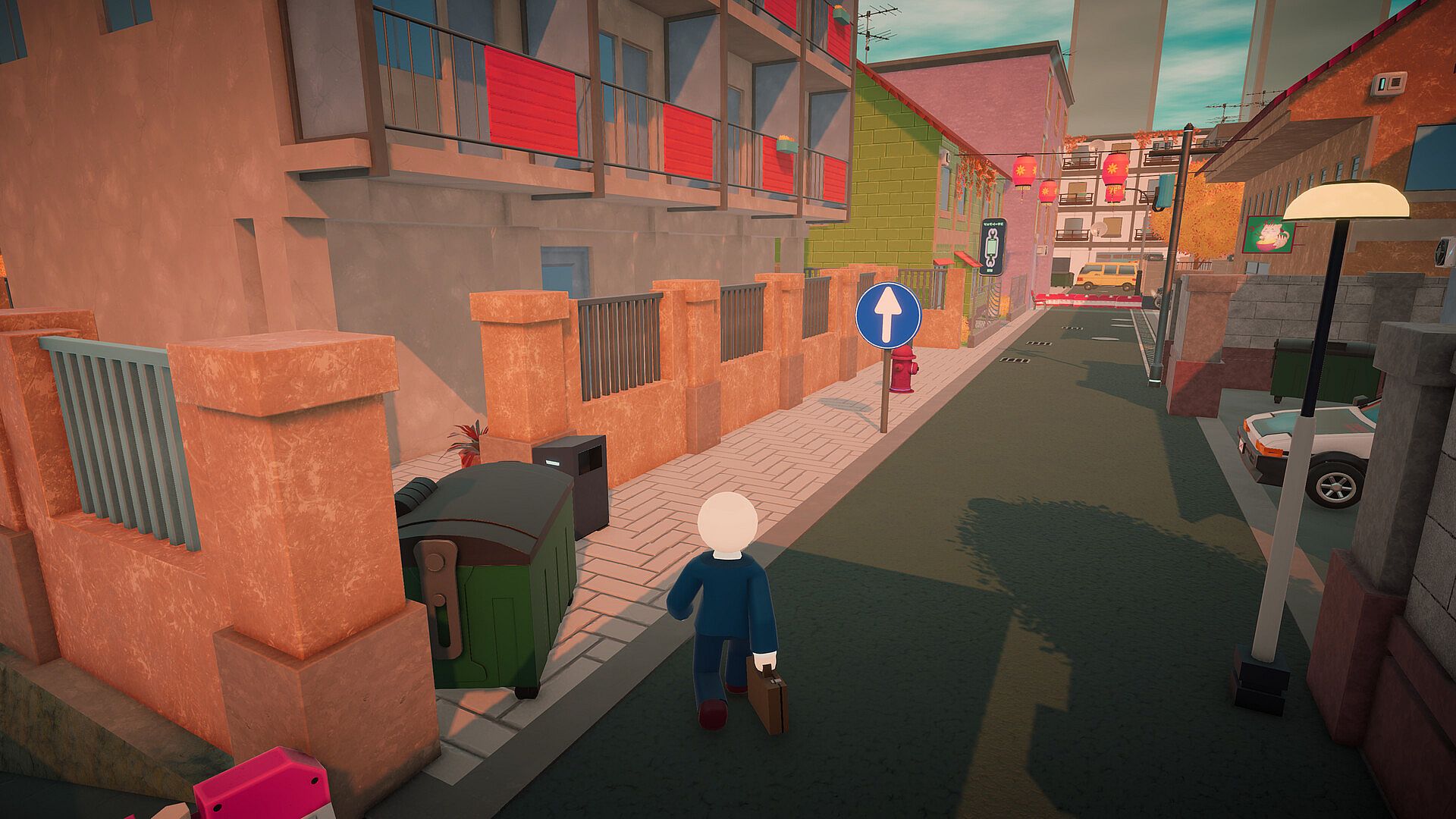
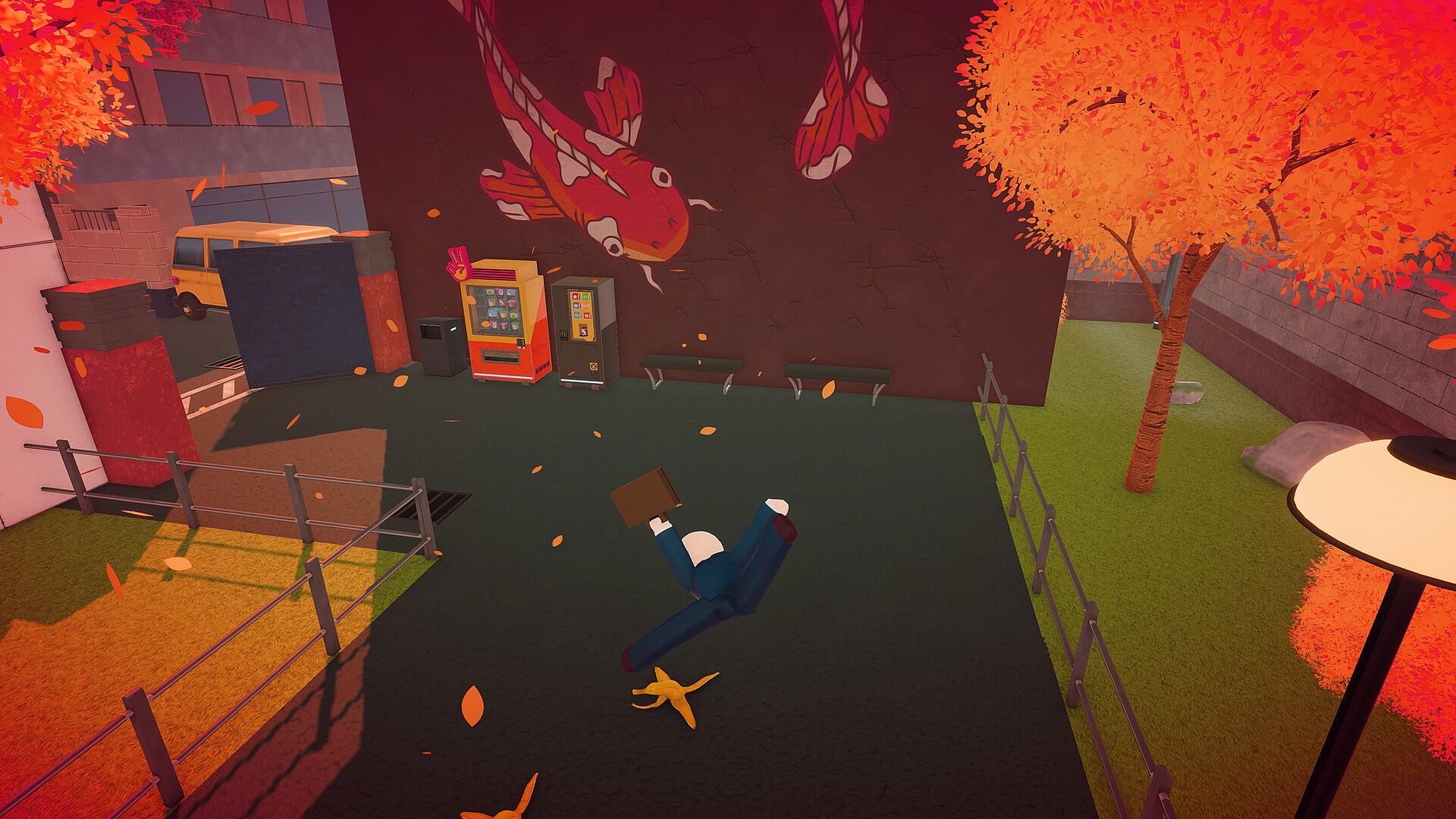
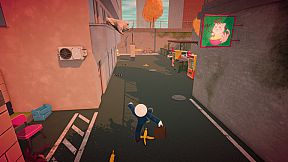
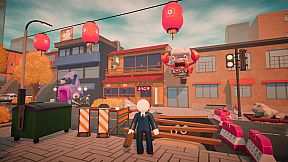
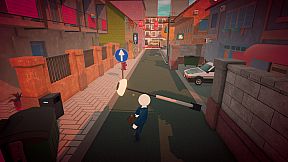
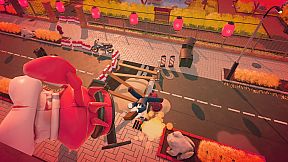
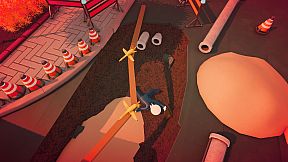
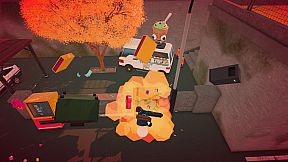
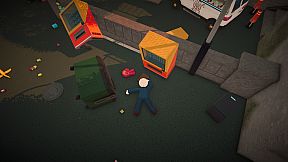
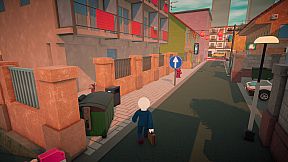
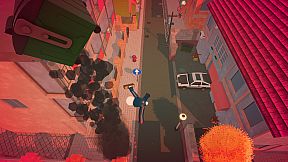
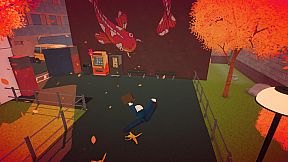
Good Luck is a third-person physics-based platformer built around one straightforward objective: reach a meeting on time. The city environment turns every movement into a calculated risk, with hazards that activate without warning and physics that can send a character tumbling at the worst moment. Developed as an indie title for PC, it blends action, strategy, and casual elements into a punishing loop where precision and quick adaptation matter more than raw speed.
Gameplay
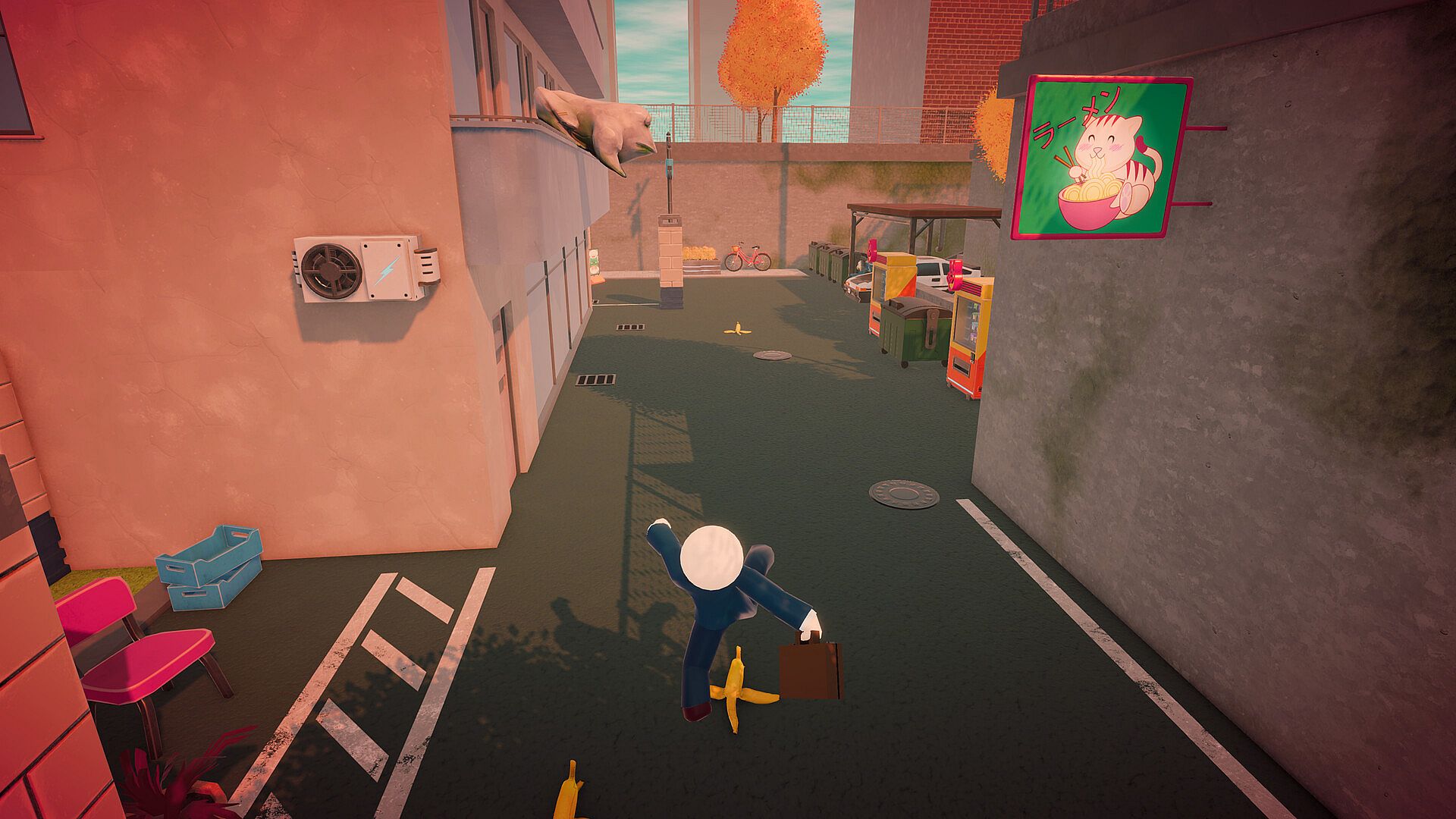
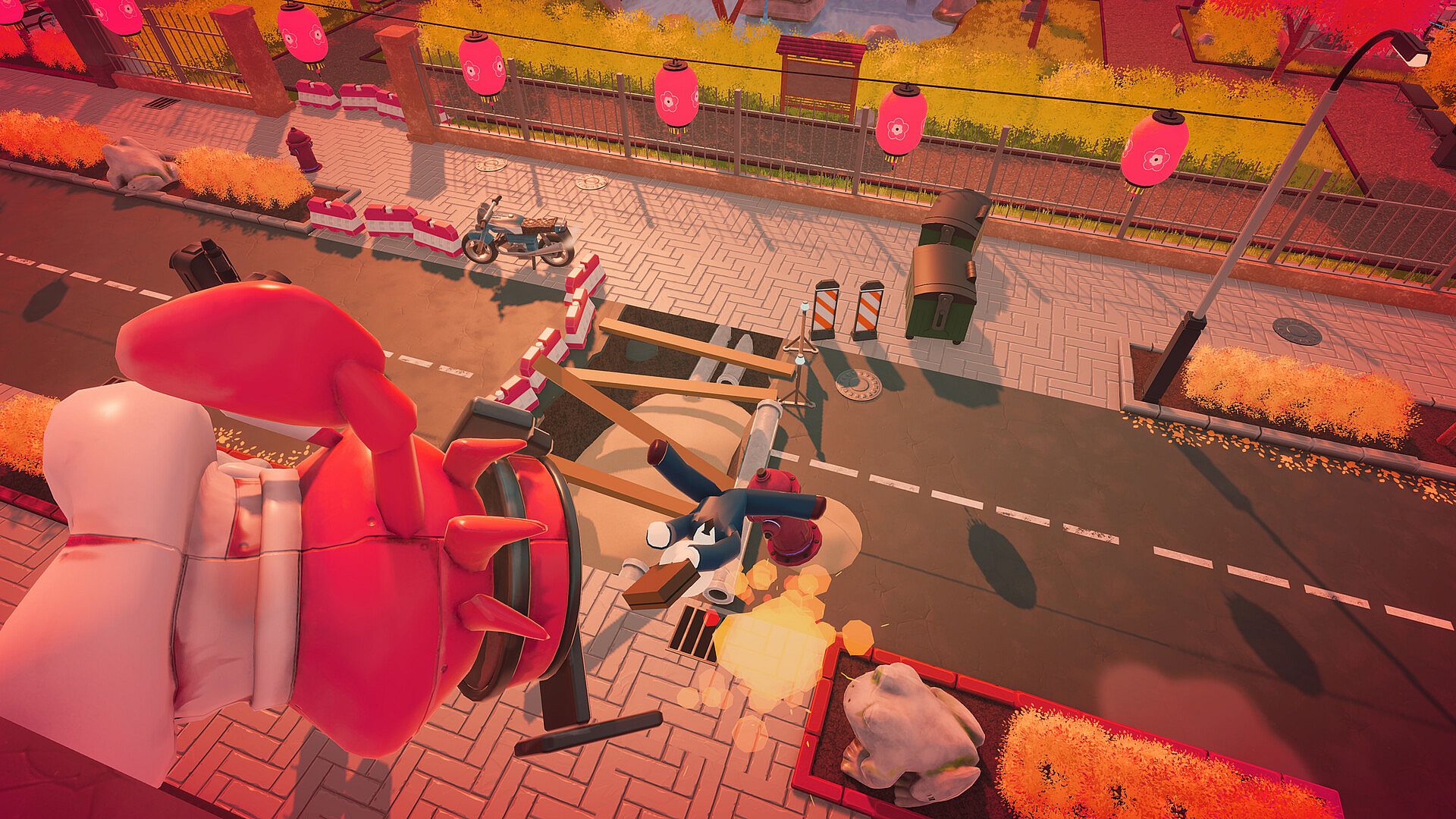
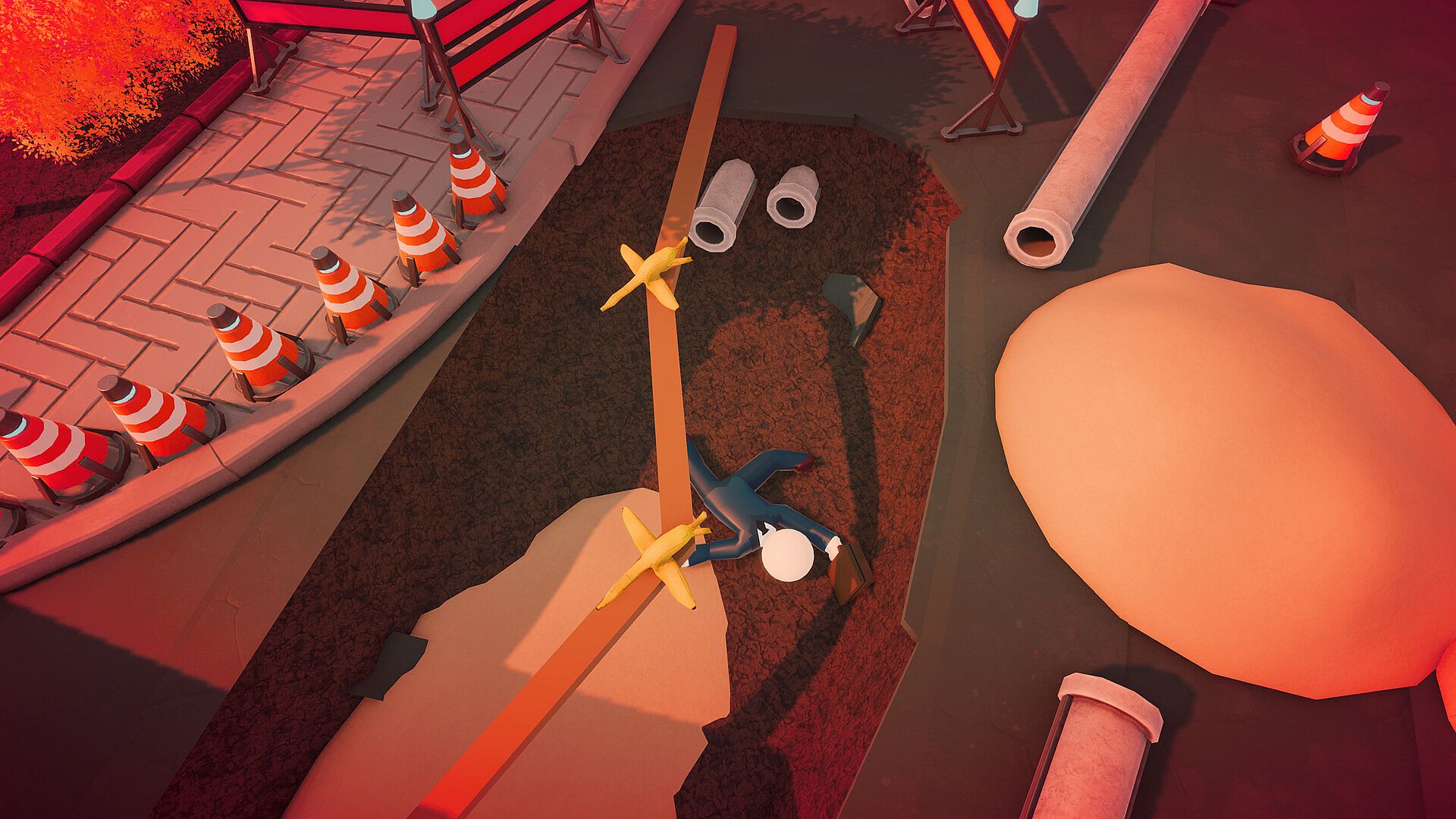
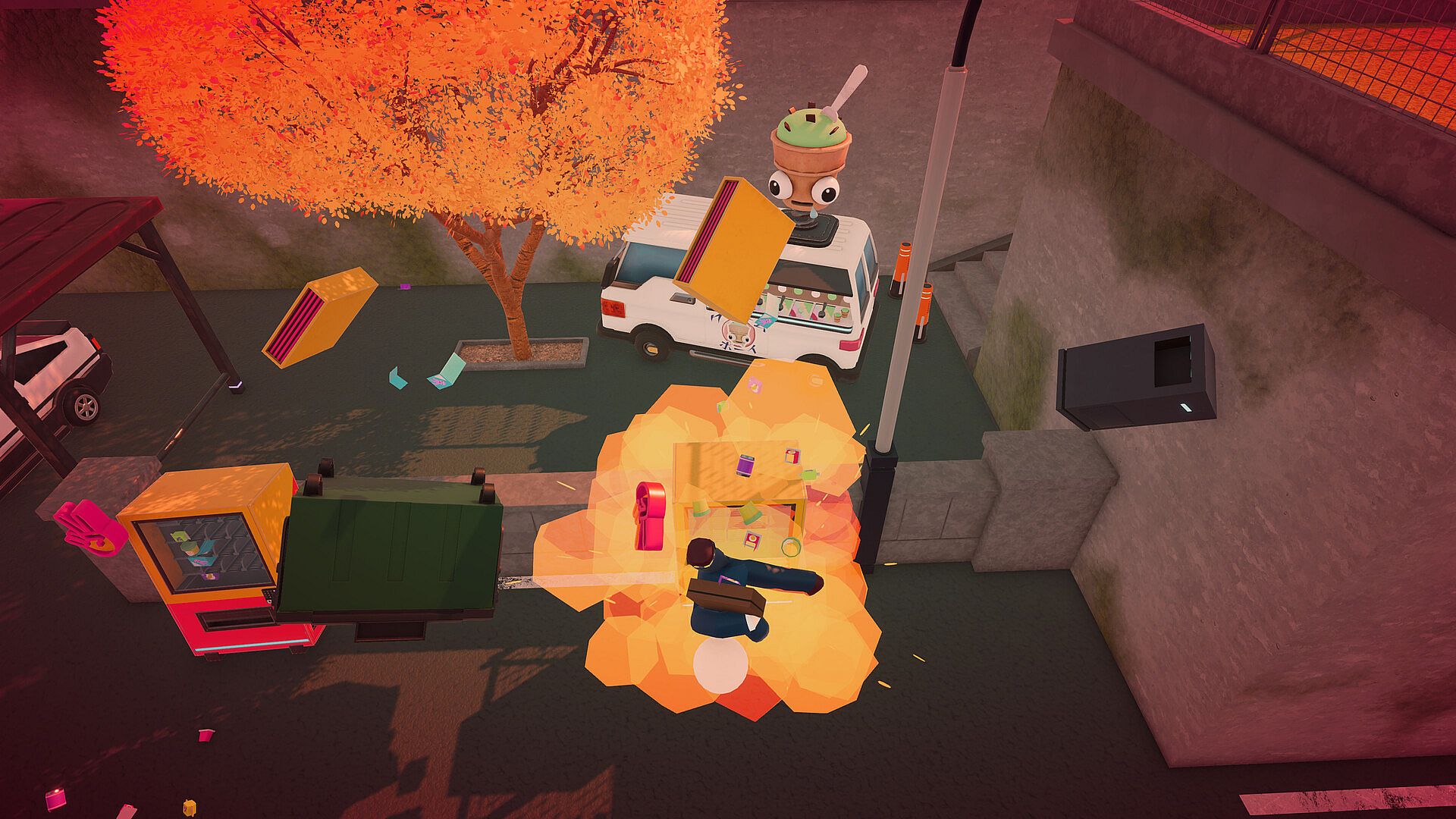
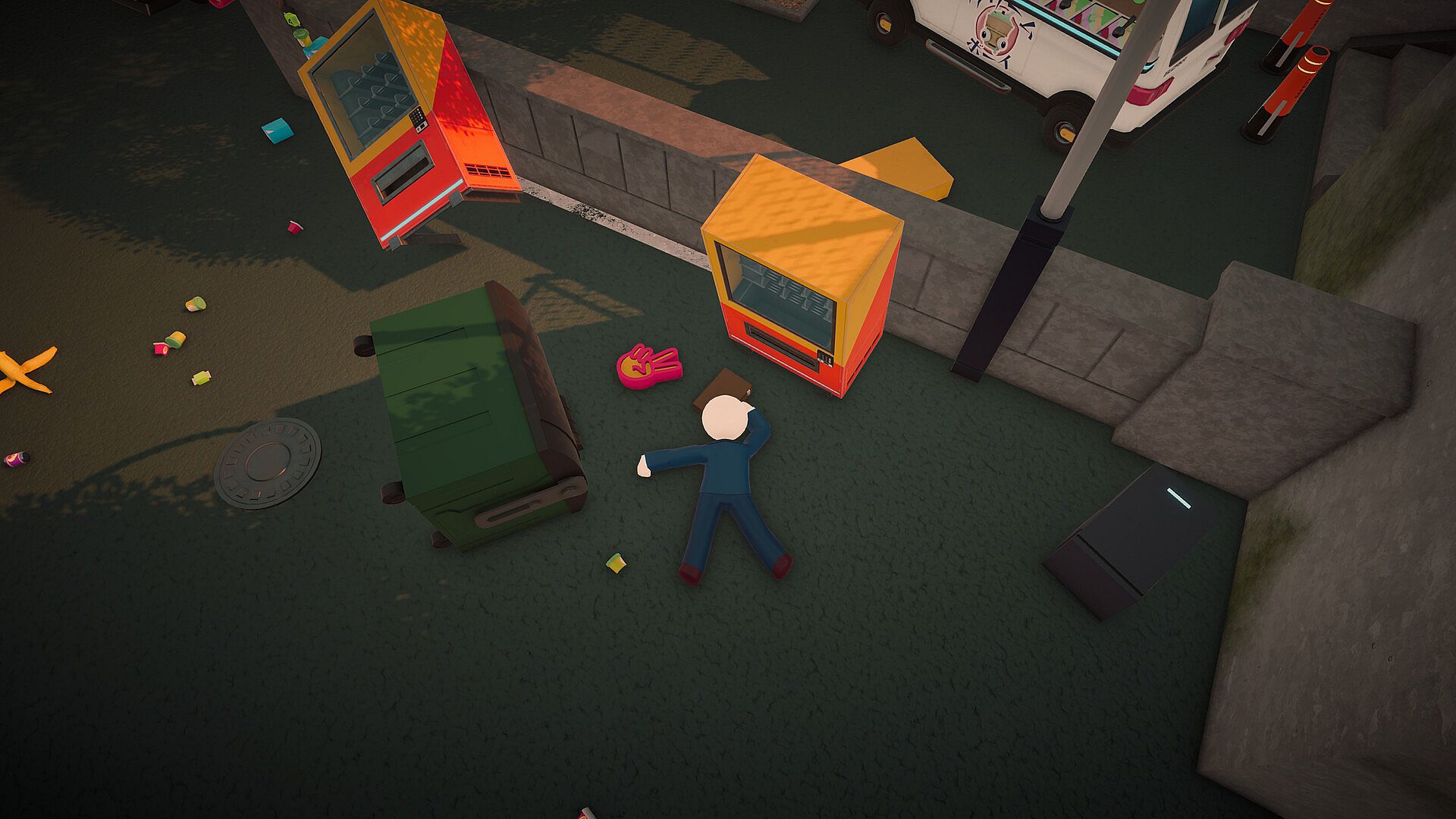
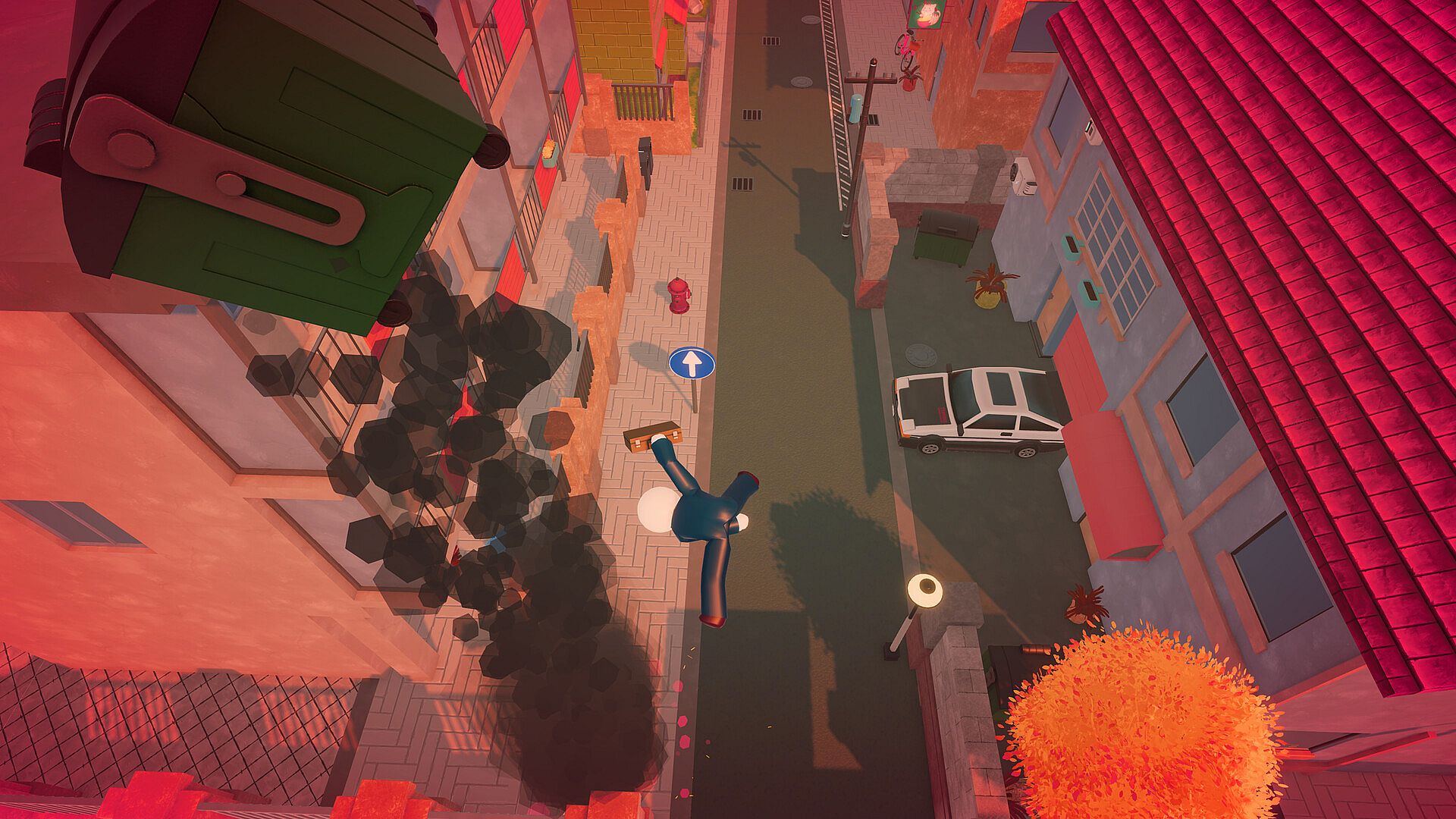
The core loop centers on navigating crowded streets and urban obstacles using momentum and balance. A single misstep on a slippery surface or an ill-timed collision with an environmental hazard resets progress entirely. Traps range from everyday items like banana peels to more dramatic events such as falling objects or sudden explosions from nearby bins. These elements interact through realistic physics, so a push in one direction can cascade into uncontrolled movement that players must correct on the fly.
Strategy comes into play through observation and timing. Players learn to anticipate patterns in the chaos, choosing routes that minimize exposure to unstable surfaces or timed dangers. The absence of any mid-level saves forces repeated full runs, turning each attempt into a test of patience and pattern recognition. Visual feedback remains clean, highlighting the exact point of failure without clutter, which helps players refine their approach over multiple tries.
Adventure elements emerge from the varied city layouts that feel alive with random triggers. No two runs play identically because small changes in positioning or timing alter how physics objects behave. This unpredictability keeps the experience fresh even after dozens of attempts, rewarding players who treat each failure as data for the next attempt.
Game Modes
Single-player mode delivers the full challenge in isolation, emphasizing personal skill and persistence. Every run starts from the beginning, and success depends entirely on mastering the physics interactions without external help. This setup suits players who prefer focused, solitary attempts at overcoming the obstacles.
Co-op mode supports up to five participants simultaneously. Friends join the same session and share the same hazards, often leading to shared laughter when one player's slip affects the group. Communication becomes part of the strategy as teammates call out dangers or coordinate movements to avoid chain reactions. The mode transforms individual frustration into collective moments, with failures visible to everyone at once.
Achievements tied to both modes encourage repeated play, tracking milestones such as surviving specific hazards or completing runs under certain conditions. These add a layer of long-term goals without altering the core rules.
Core Mechanics and Hazards
Physics simulation drives every interaction. Characters maintain momentum that can carry them into danger if not corrected, and objects respond realistically to contact. This creates moments where a minor collision escalates quickly, requiring immediate recovery actions.
Hazards appear integrated into the environment rather than as obvious markers. Slippery patches, unstable structures, and reactive containers blend into the city setting, forcing players to scan ahead constantly. The design avoids repetition by varying placement and activation across attempts.
Progression relies on skill acquisition rather than upgrades or unlocks. Each successful segment builds familiarity with how specific traps interact with movement, allowing players to string together longer safe stretches over time.
Is It Worth Playing?
Good Luck appeals most to fans of rage-style platformers who enjoy high-stakes repetition and learning from mistakes. The single-player experience tests endurance and adaptability in a compact package, while the co-op option adds social replay value through shared chaos. Early player feedback highlights the satisfaction of finally completing a run after repeated failures, particularly when experienced with others.
With a modest price point and focused scope, the game delivers consistent challenge without unnecessary complexity. Those who appreciate precise control and emergent comedy from physics mishaps will find repeated sessions rewarding. Players seeking relaxed exploration or story-driven content may find the constant resets too demanding, but the title carves out a clear niche for those drawn to punishing yet fair platforming.
Reception shows roughly 69 percent positive ratings from dozens of reviews, with praise centered on the humor in group play and the clean presentation of failures. The game remains in active support following its April 2026 release, with no major expansions announced yet. For anyone comfortable with trial-and-error gameplay and occasional outbursts of frustration, it offers a memorable test of patience that stands out in the indie platformer space.