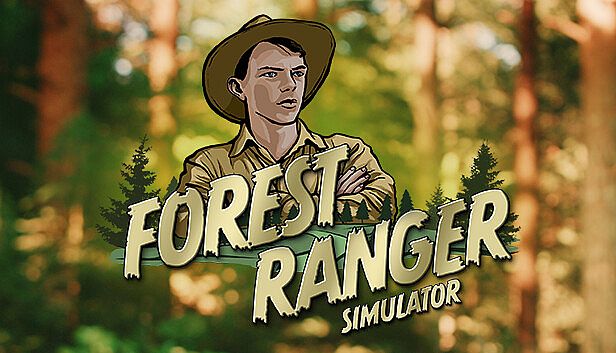

















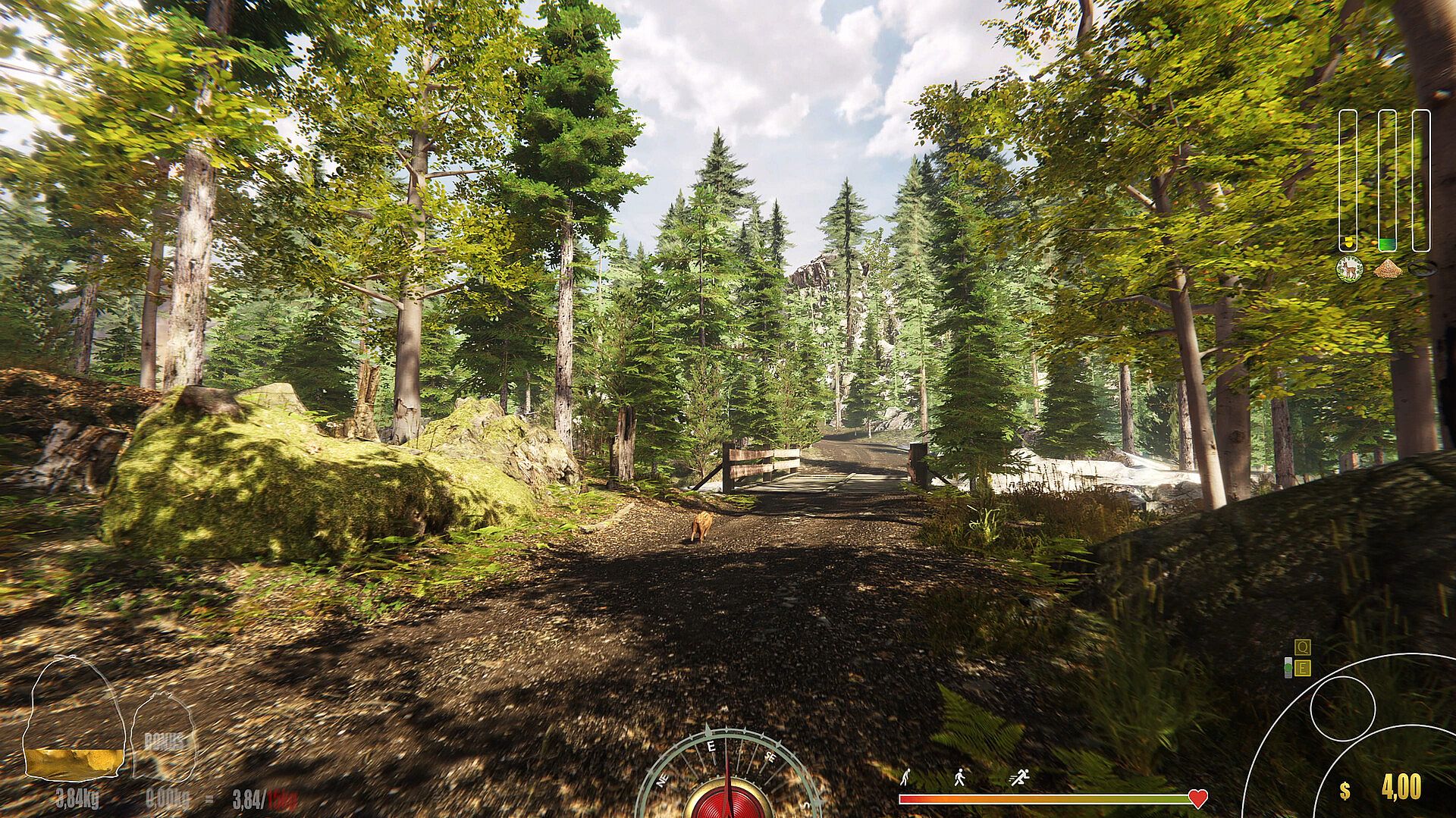
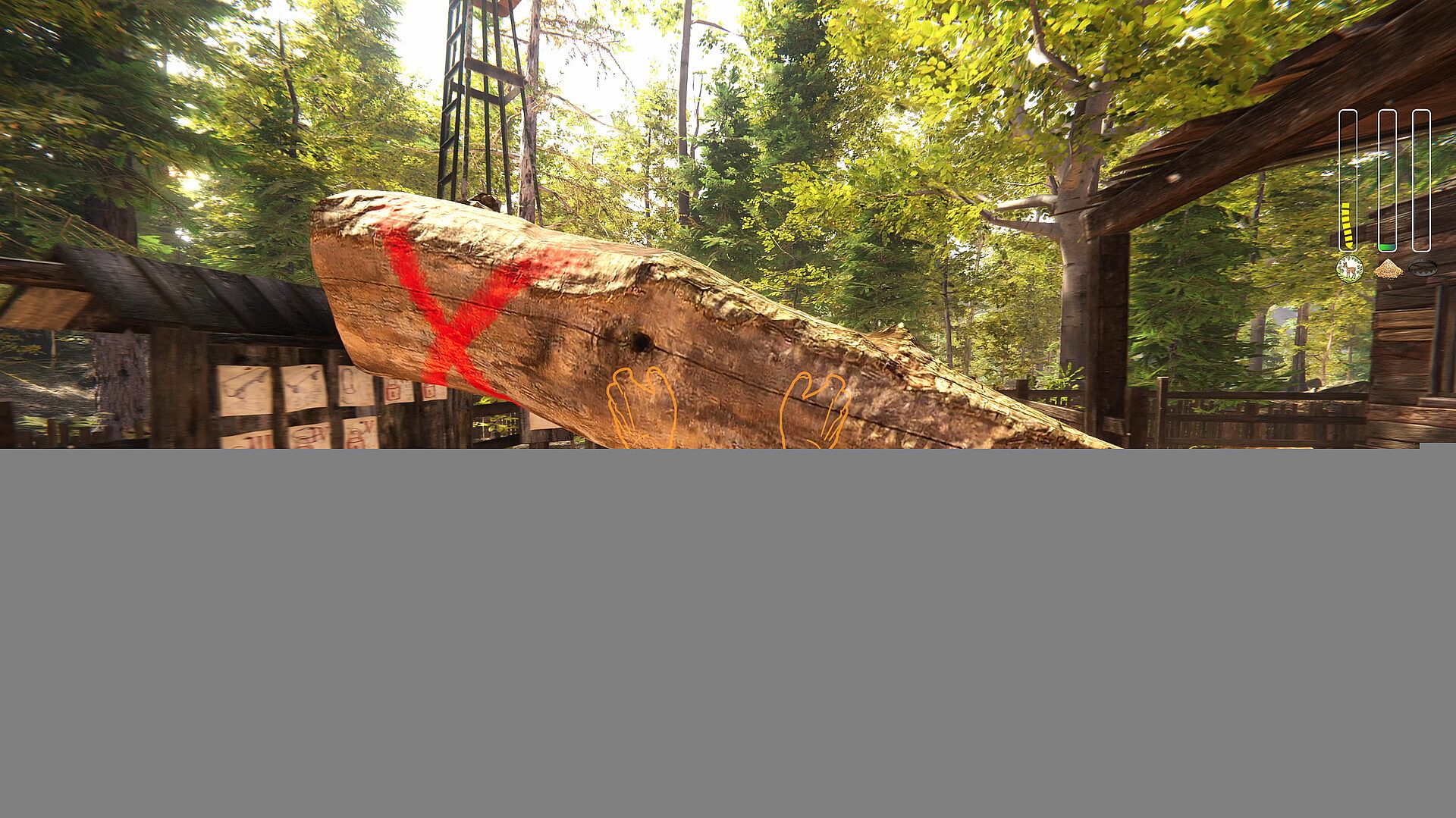
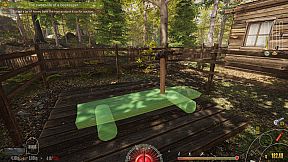
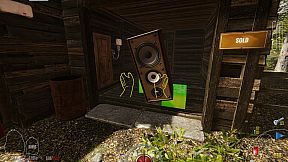
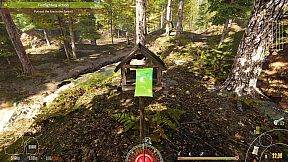
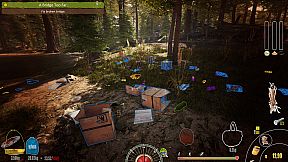
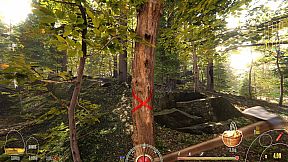
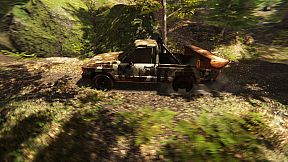
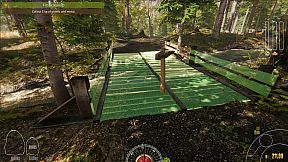
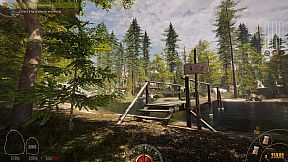
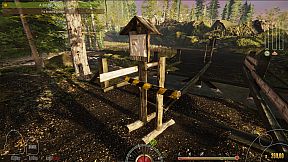
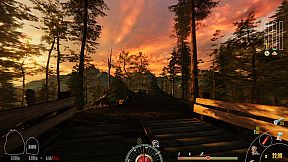
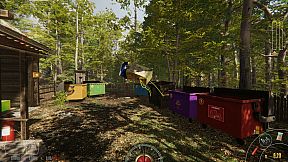
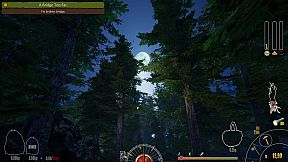
Forest Ranger Simulator is a singleplayer simulation game focused on managing and restoring a forest environment. Players handle tasks such as building structures, crafting items, gathering resources, cleaning debris, and caring for wildlife across day and night cycles. The experience combines elements of action, indie, casual, simulation, and adventure genres on PC, emphasizing practical management over fast-paced challenges.
Gameplay
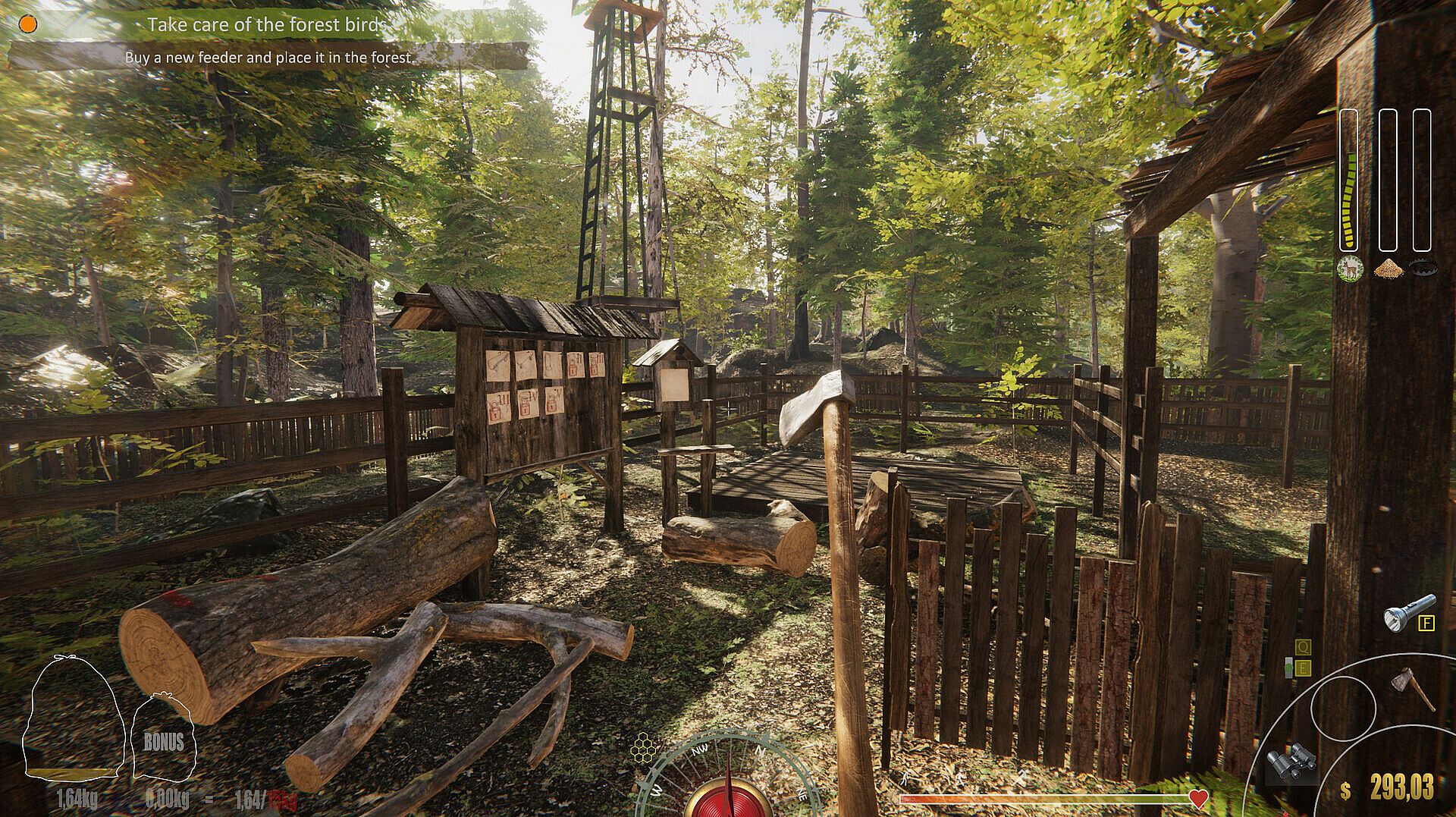
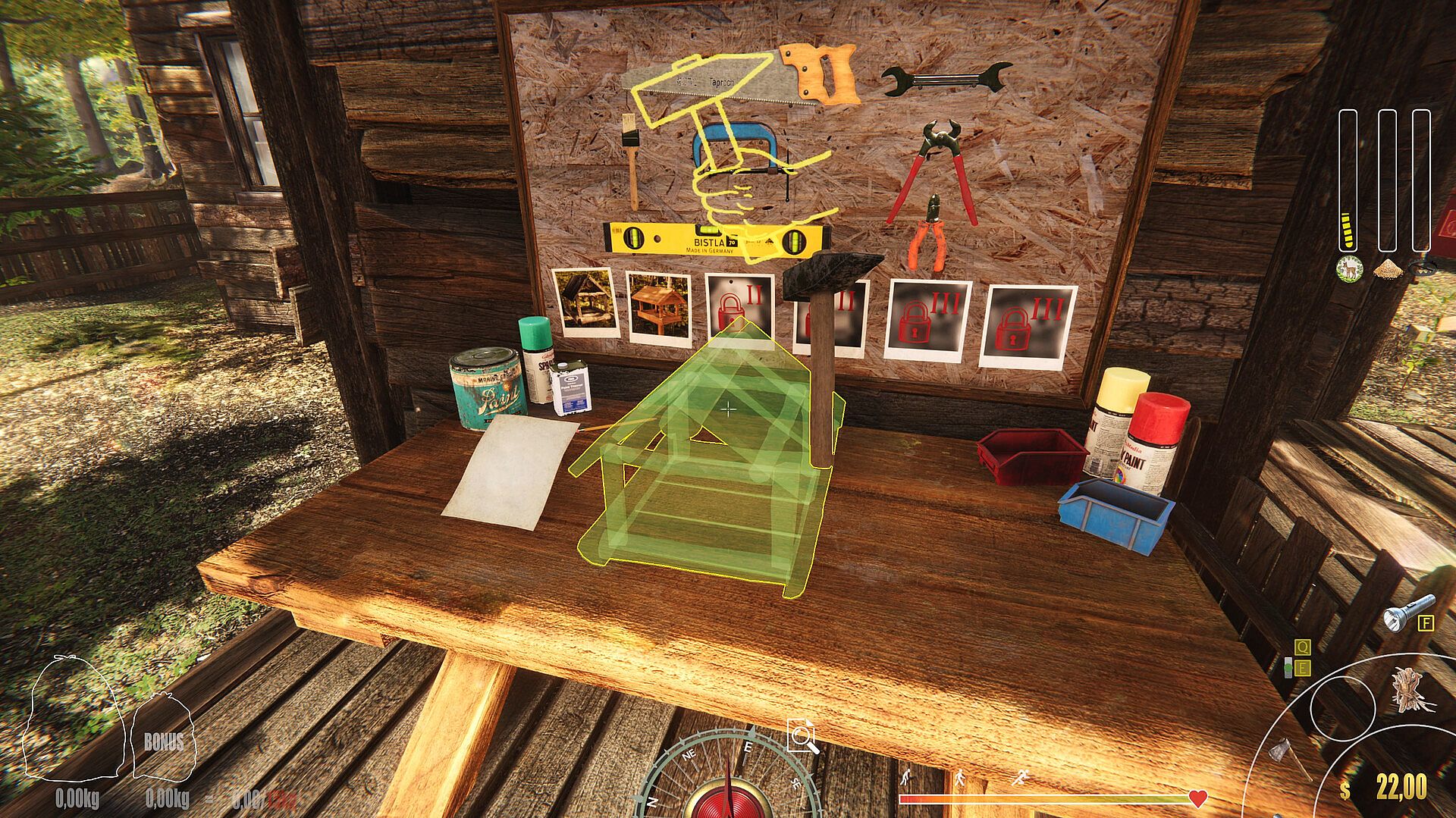
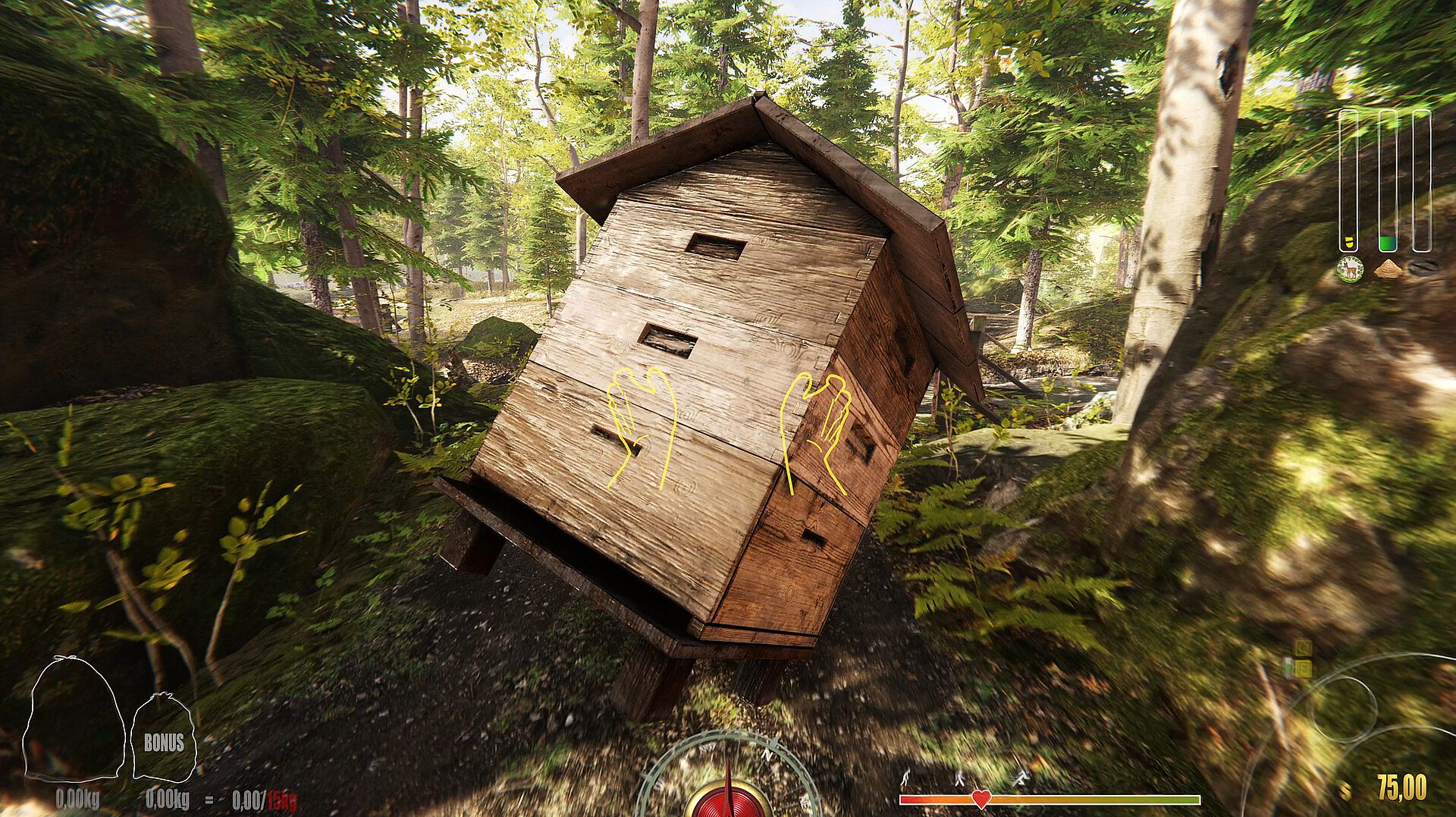
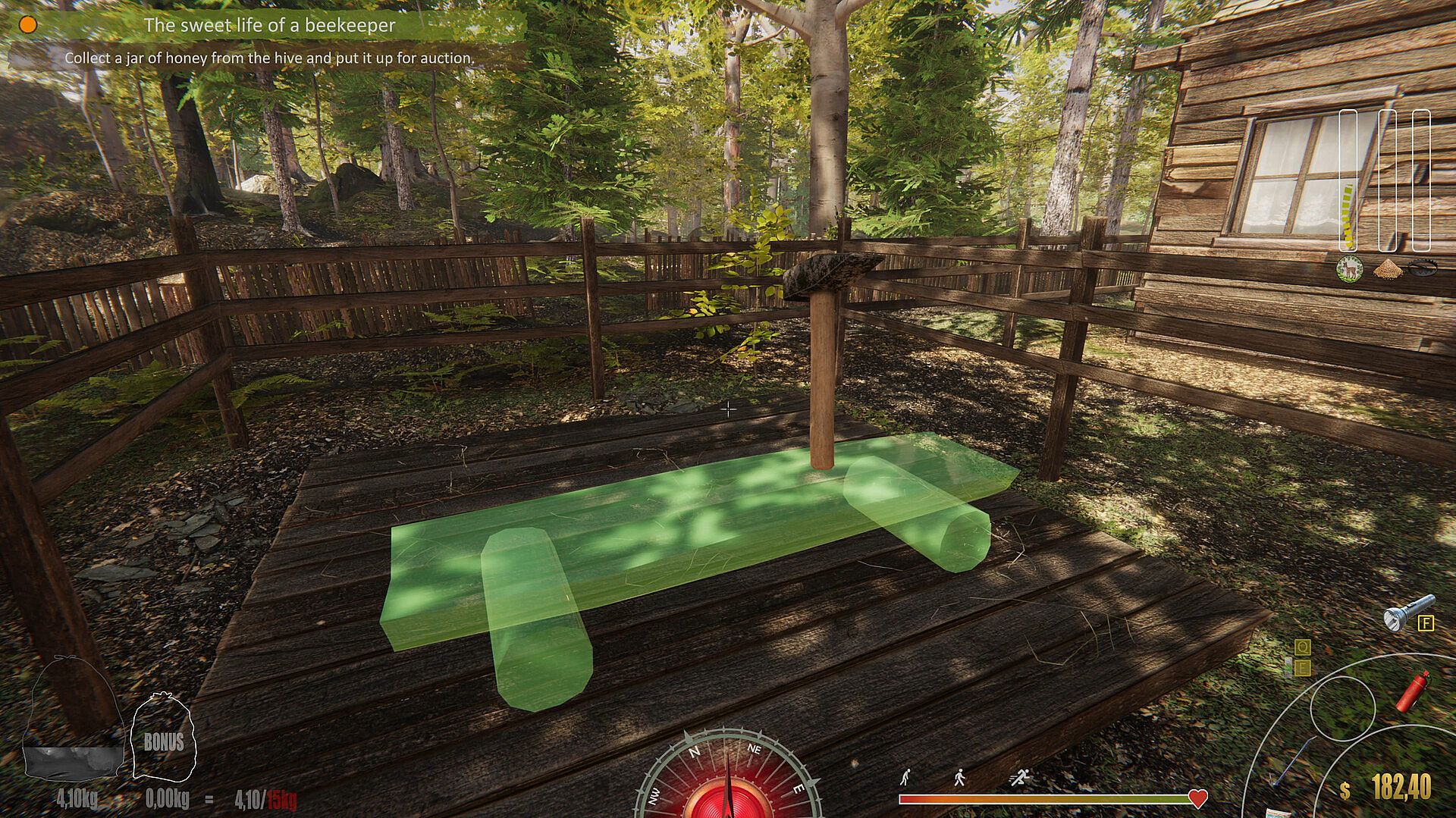
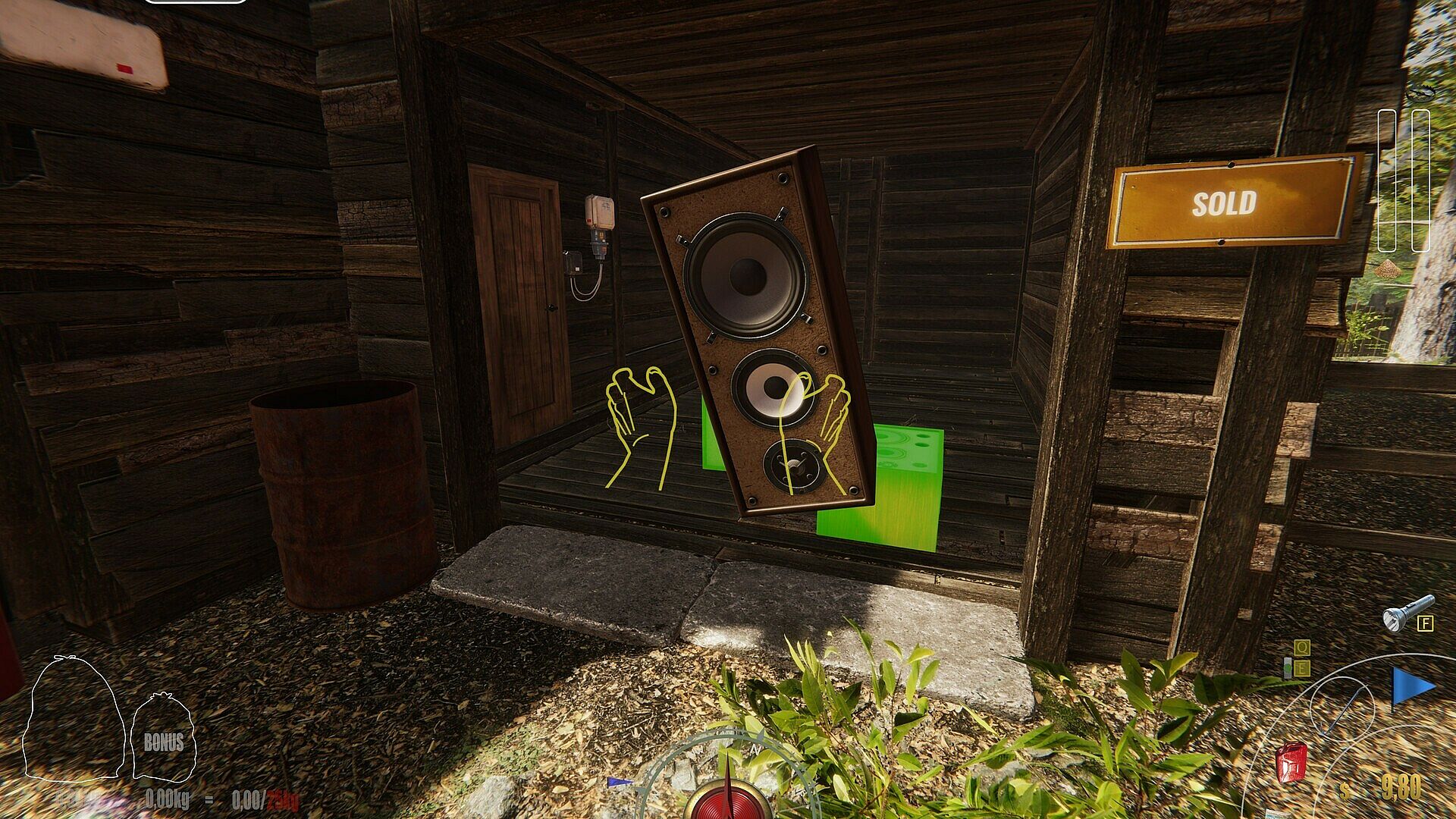
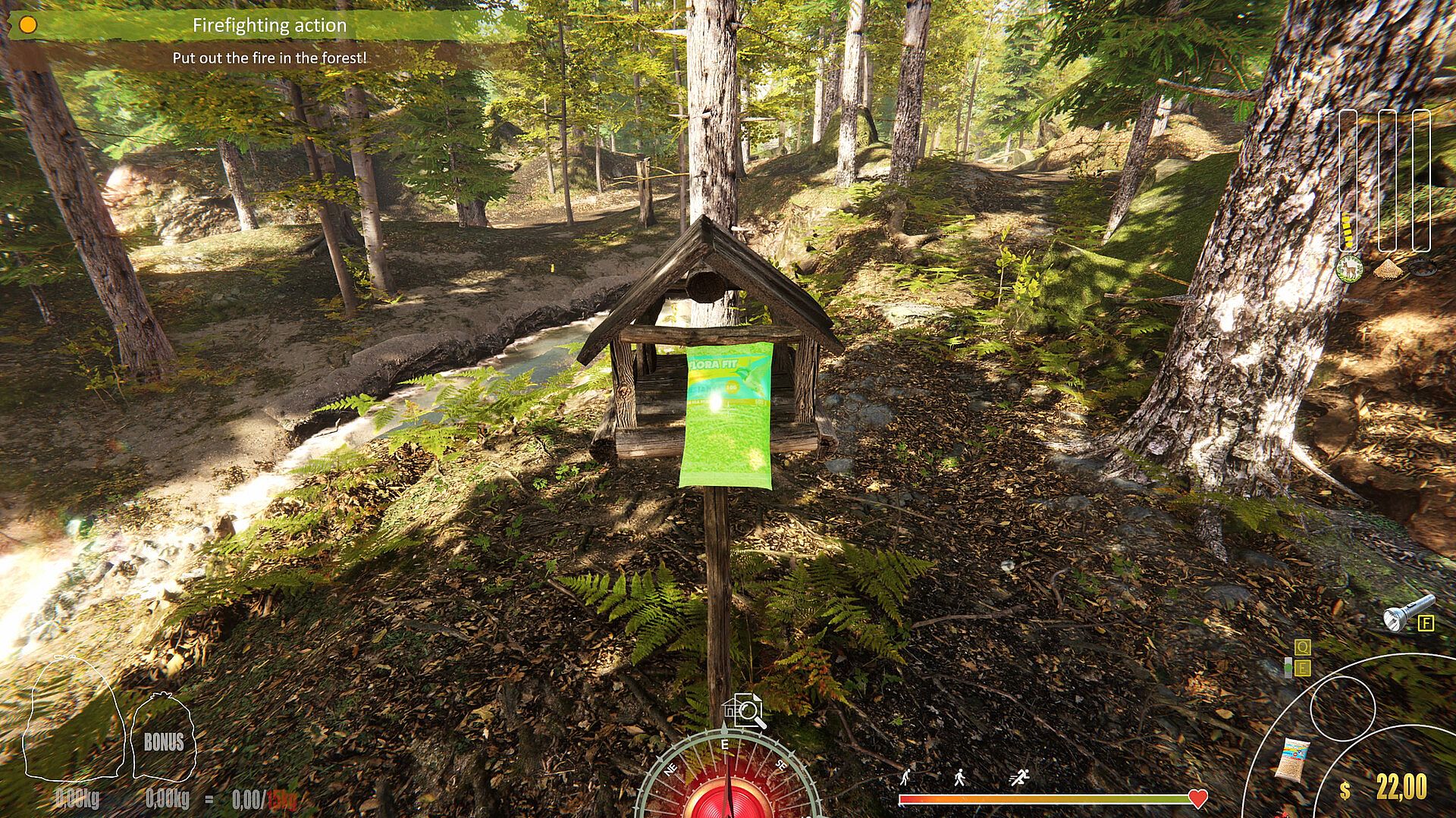
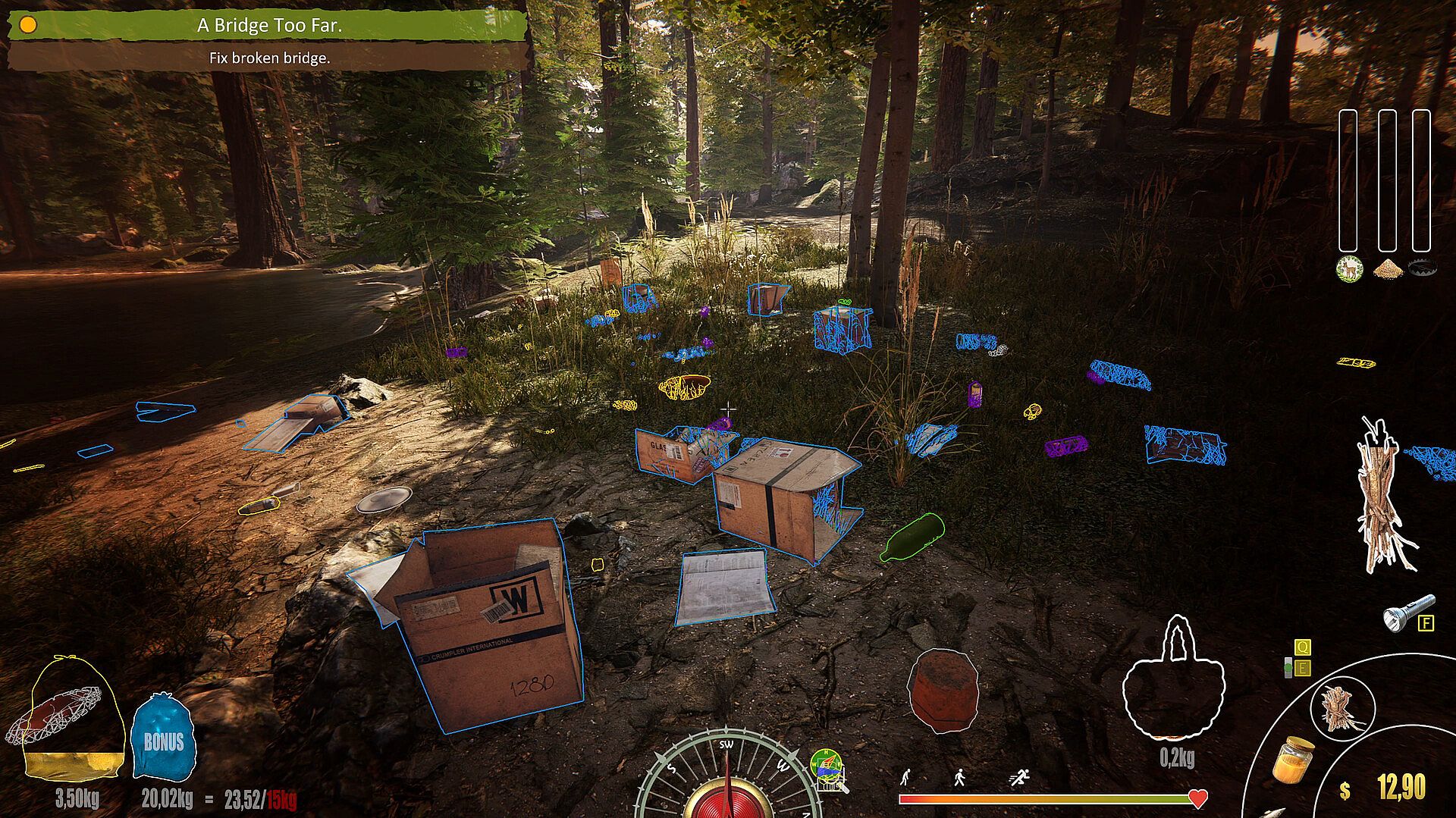
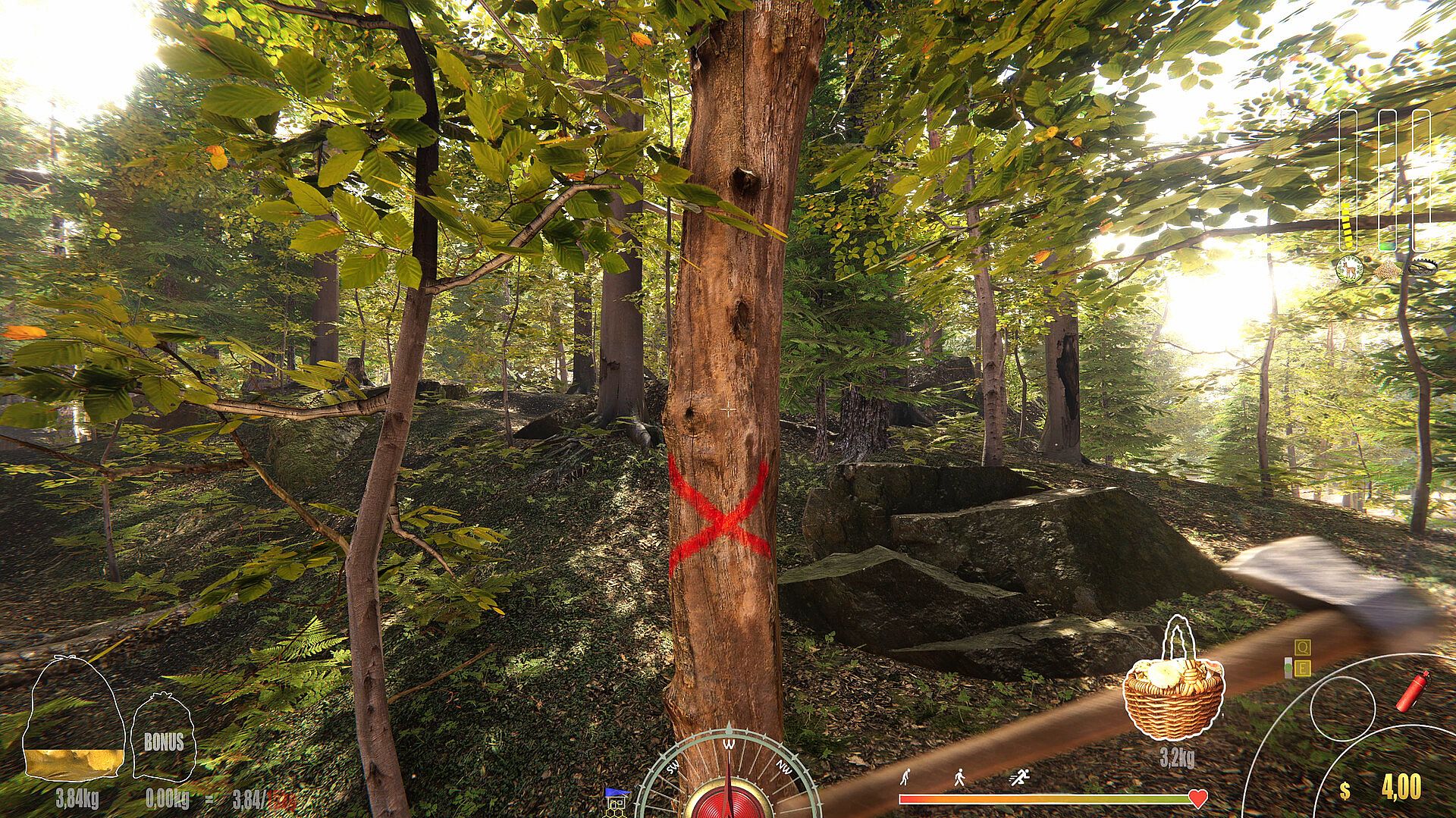
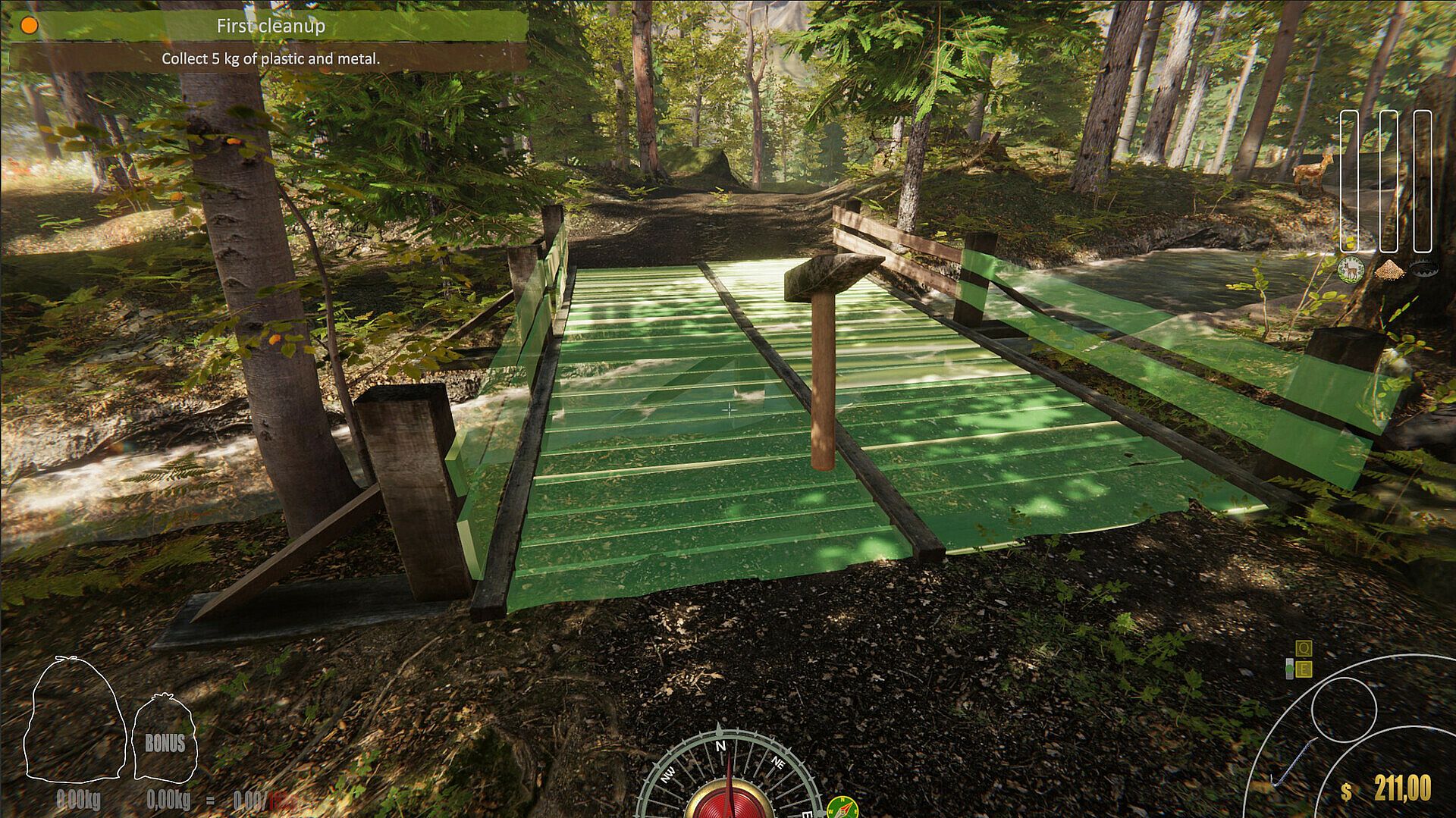
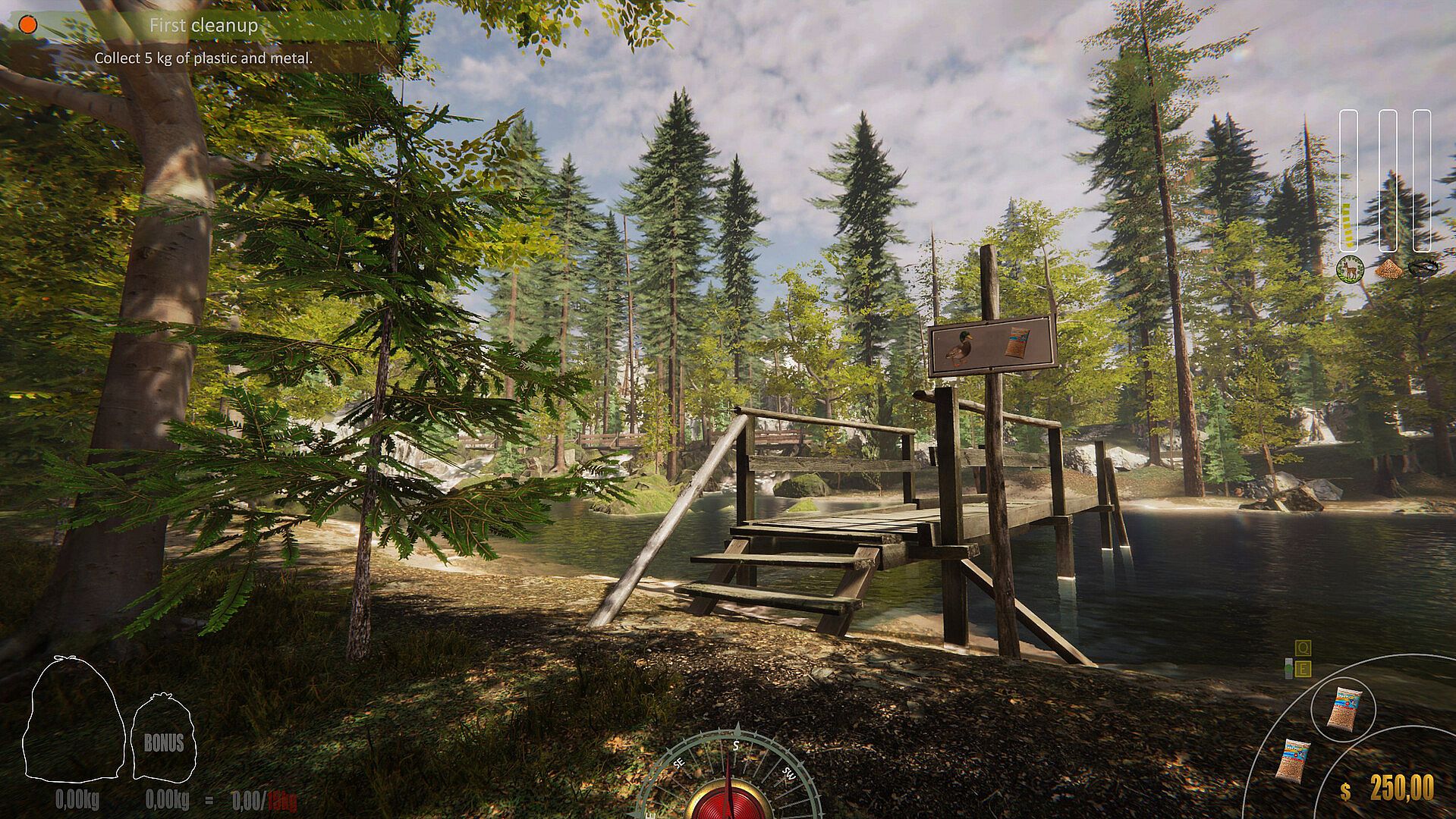
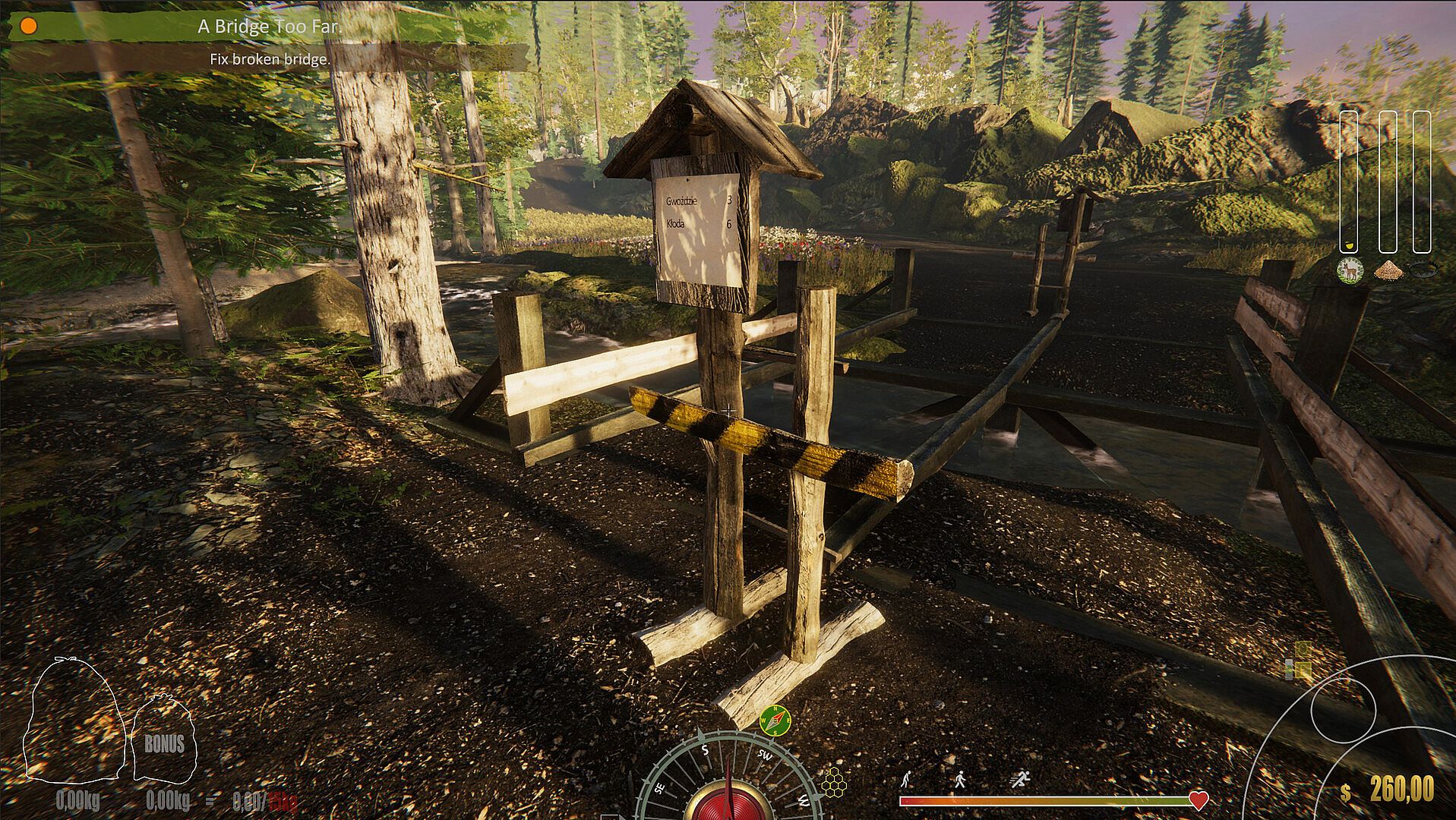
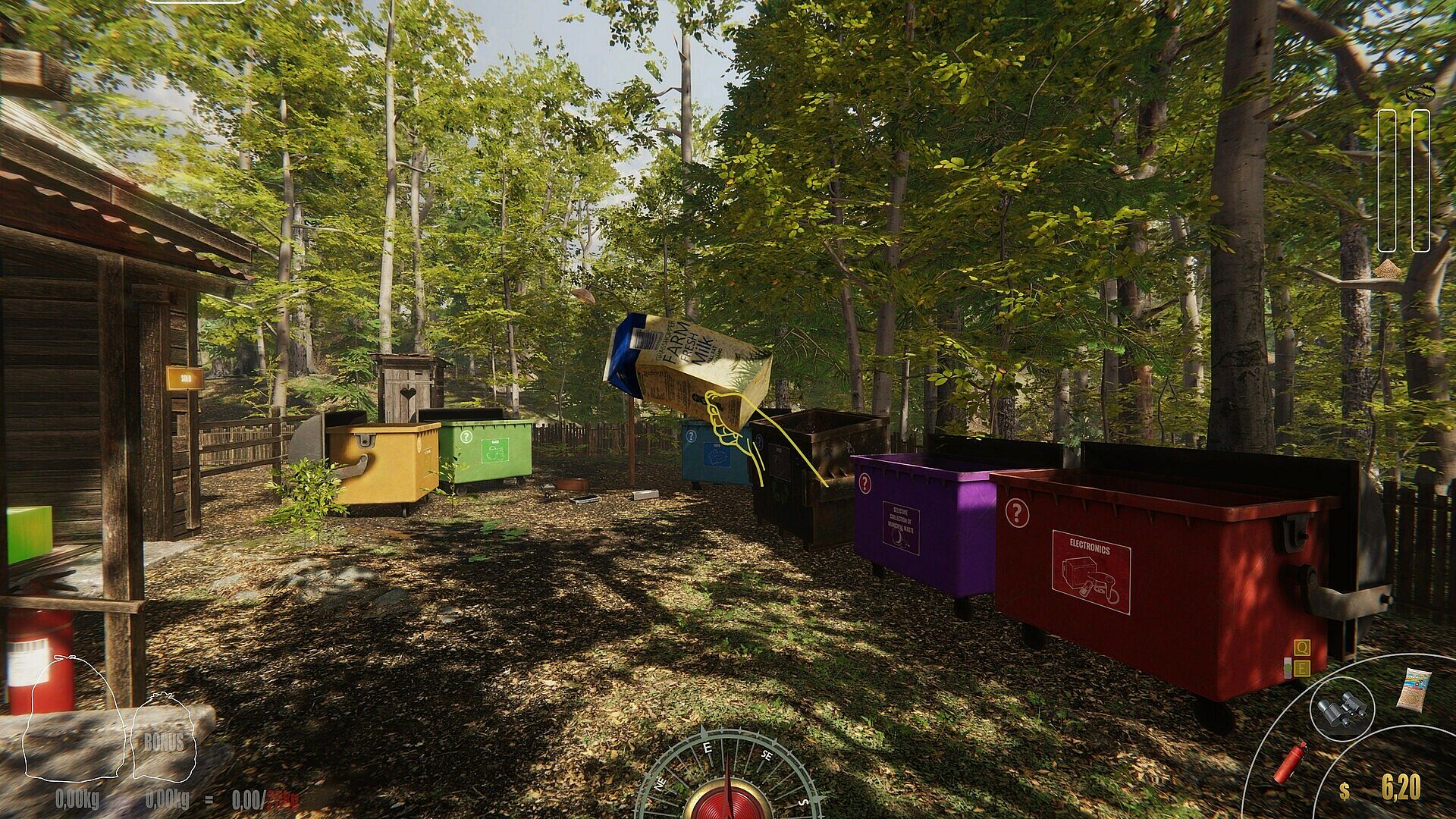
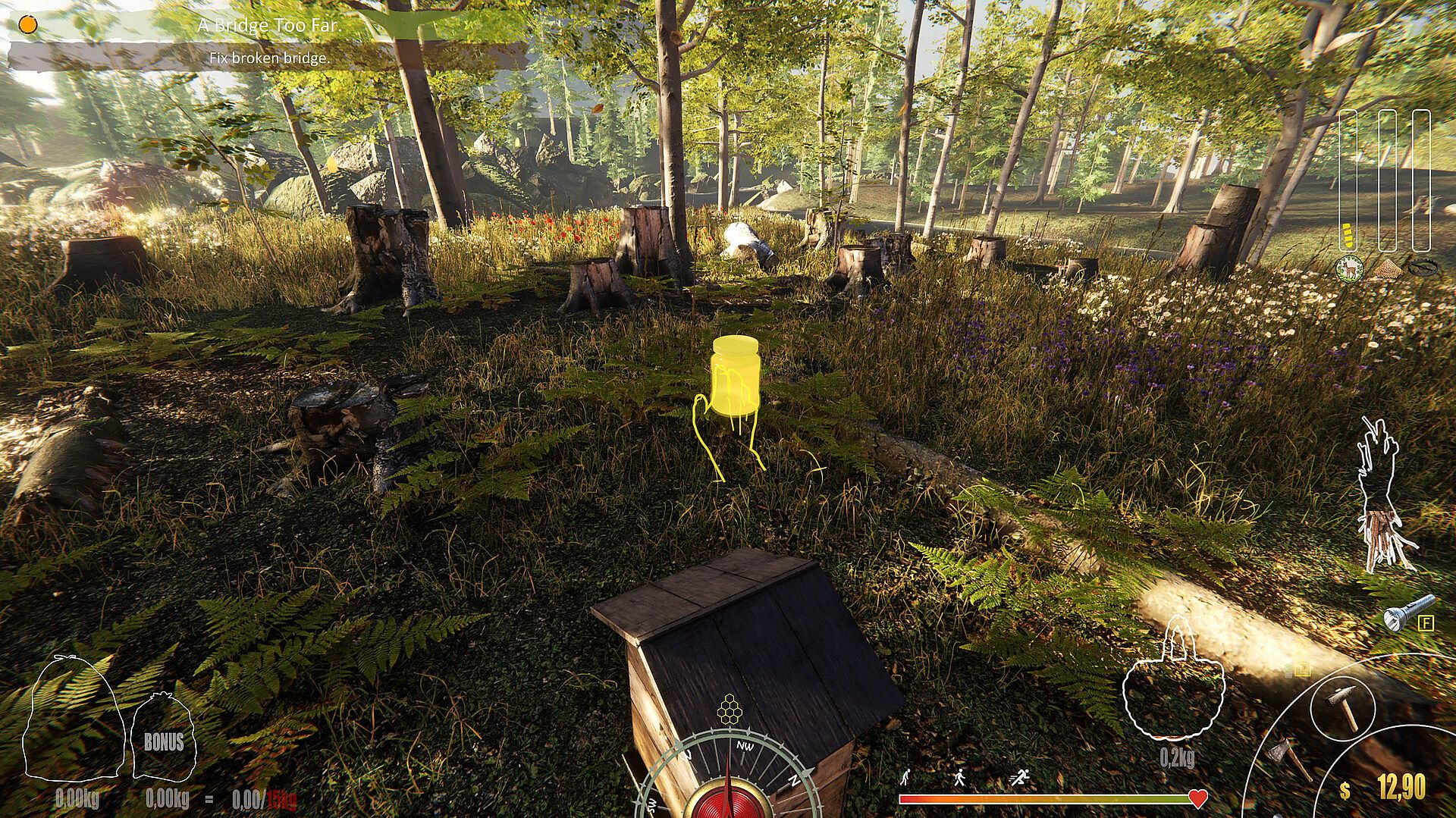
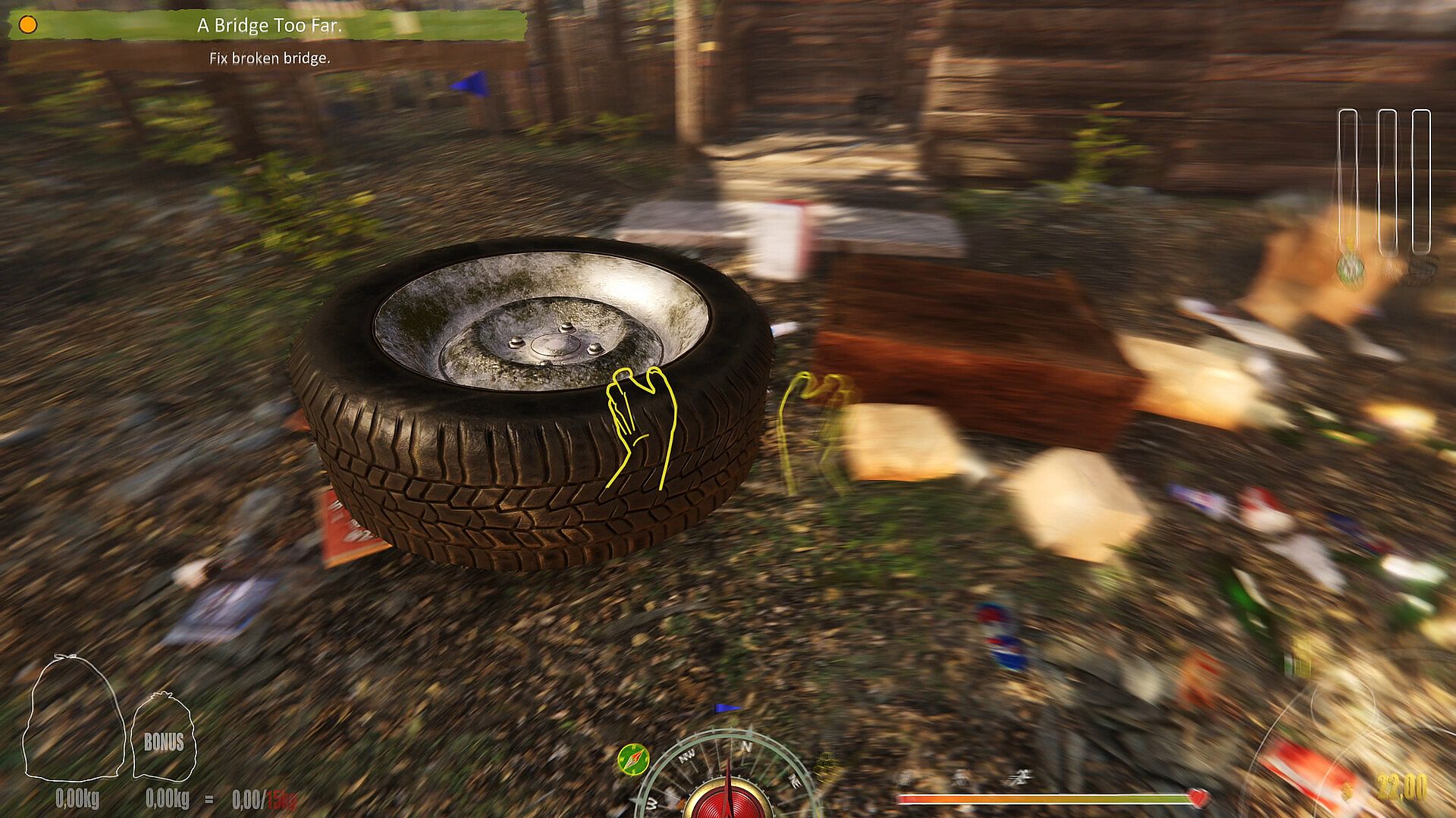
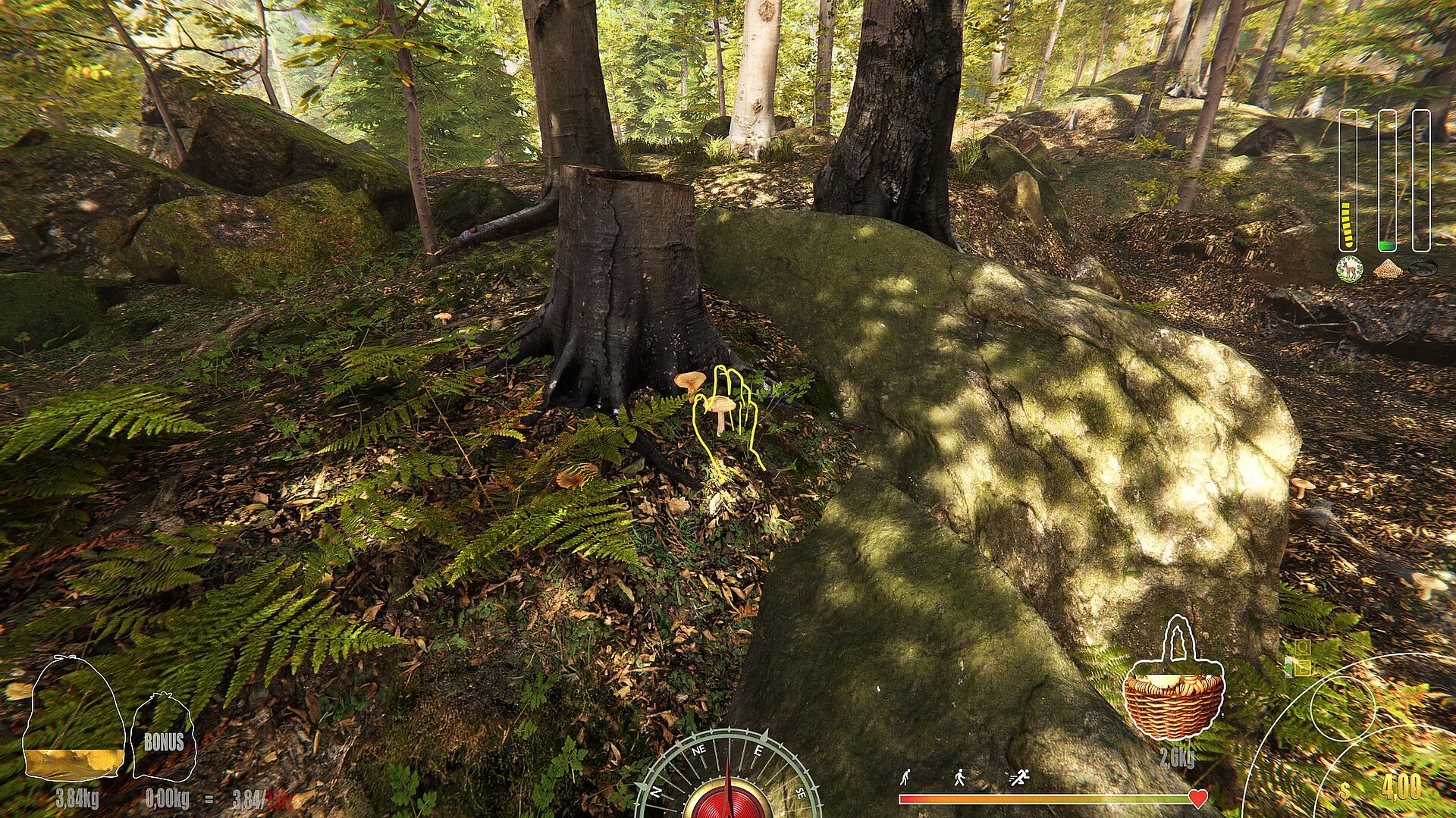
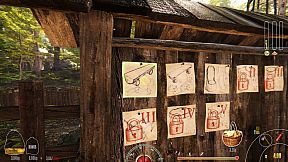
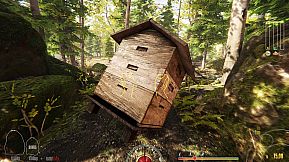
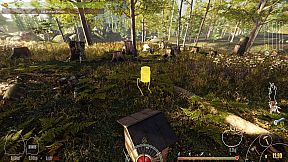
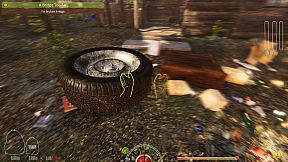
The core loop centers on maintaining the forest through hands-on activities. Players gather materials like wood, mushrooms, brushwood, timber, and honey to support building and crafting. A workshop provides tools including saws, pliers, hammers, and paintbrushes for creating useful objects from found items. Cleaning involves locating and sorting over 150 types of trash into appropriate bins, with skills and larger bags aiding larger hauls. Animals require feeding, such as ducks and birds, while threats like fires or traps demand quick intervention.
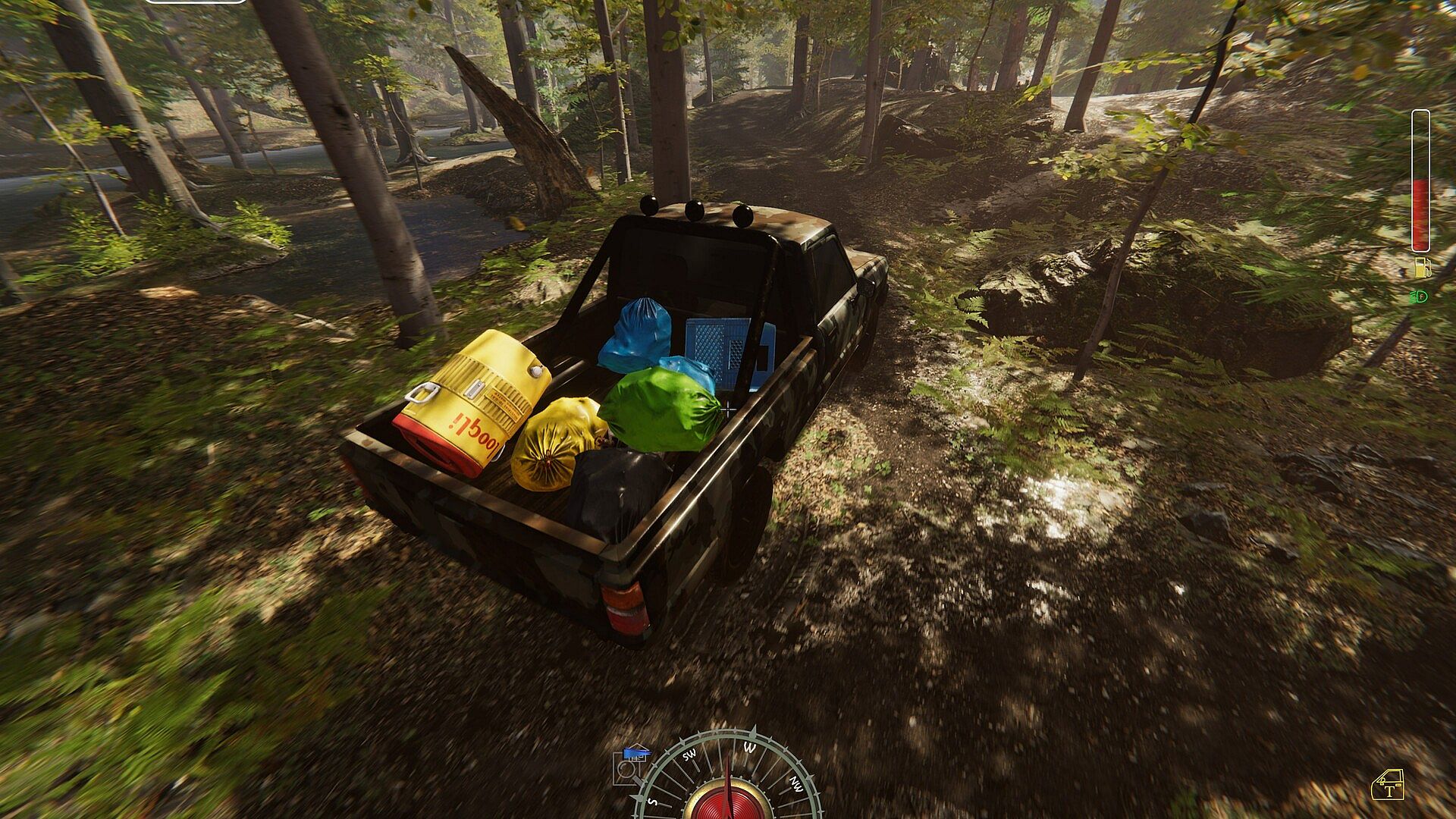
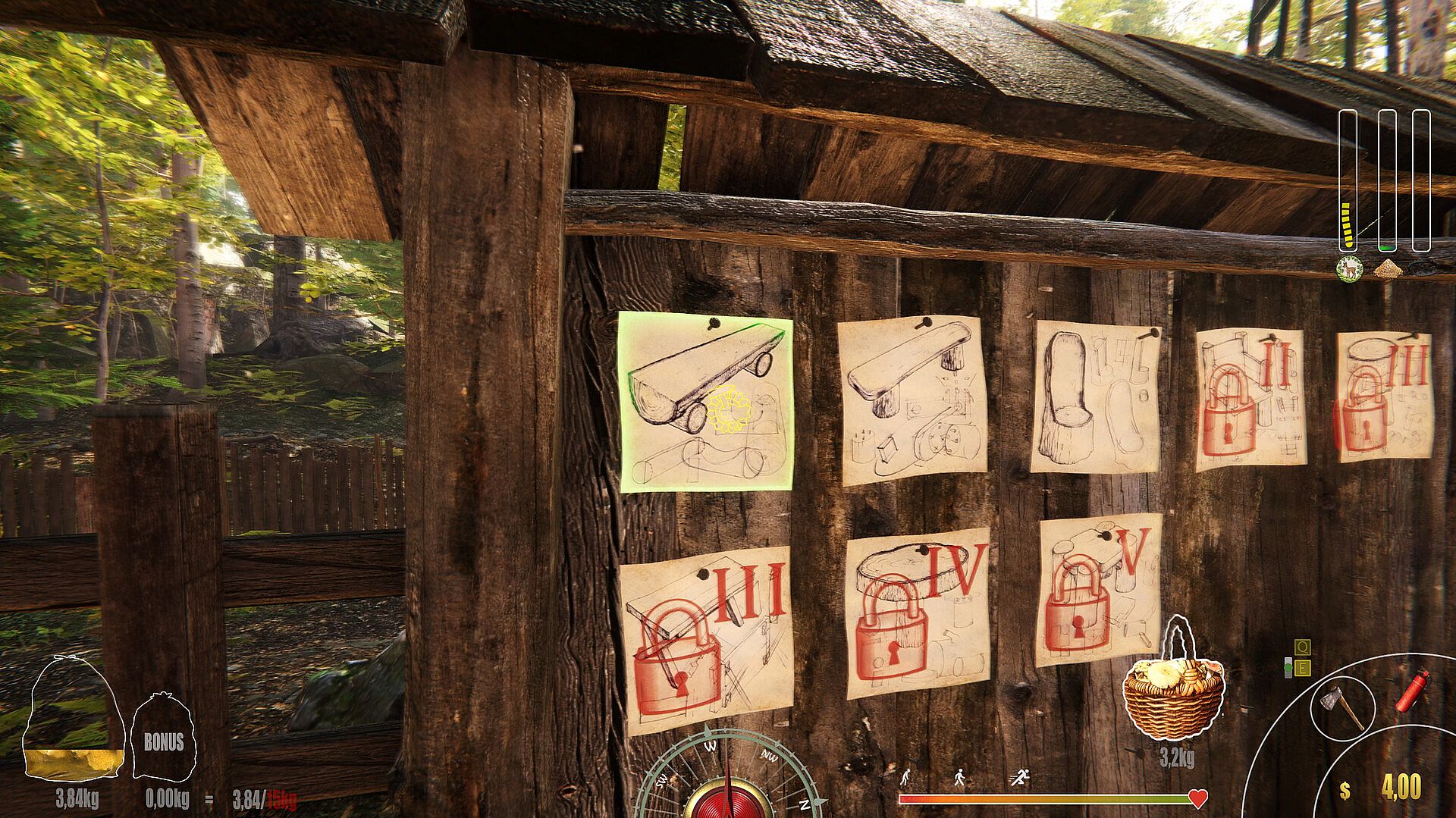
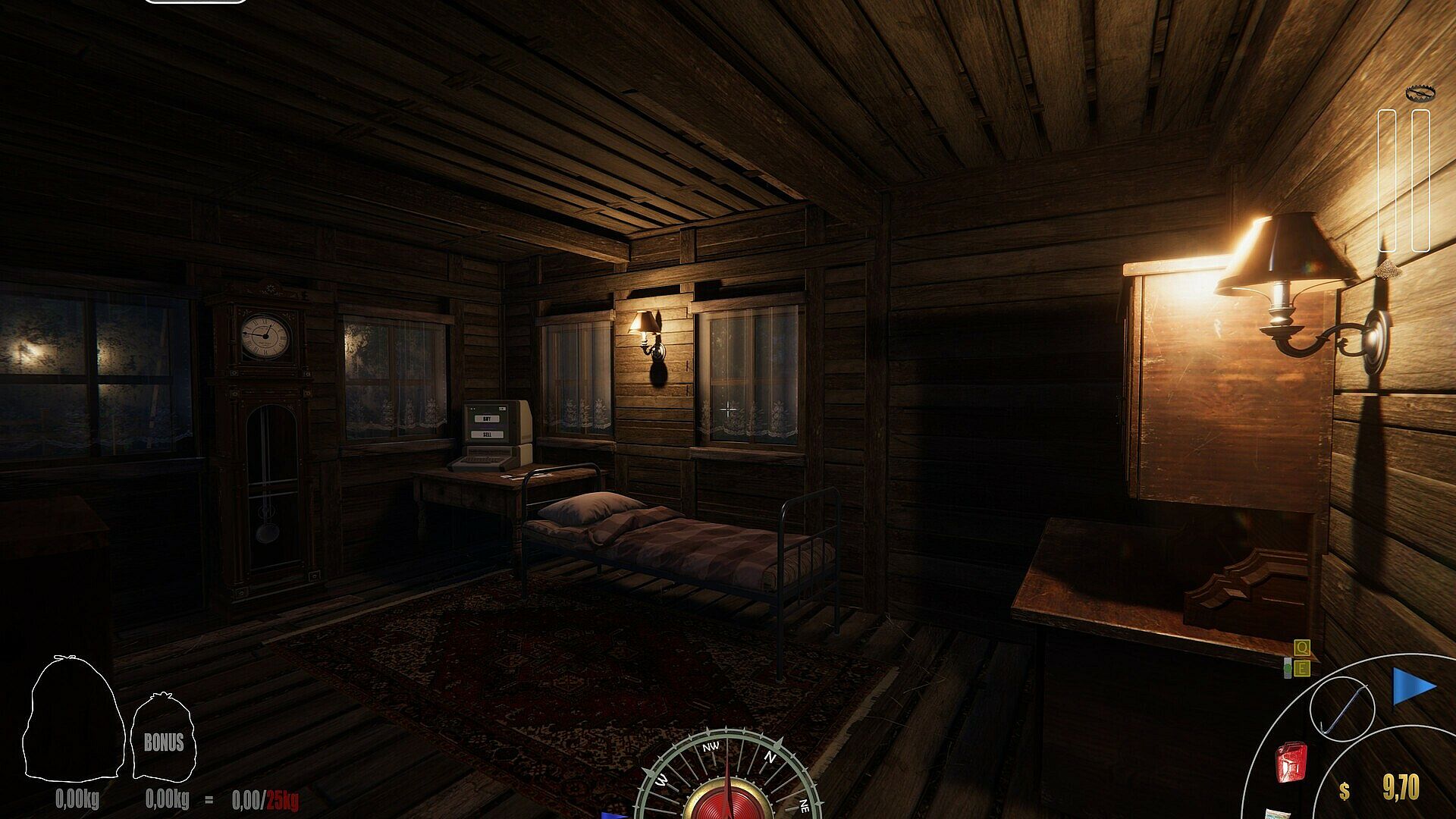
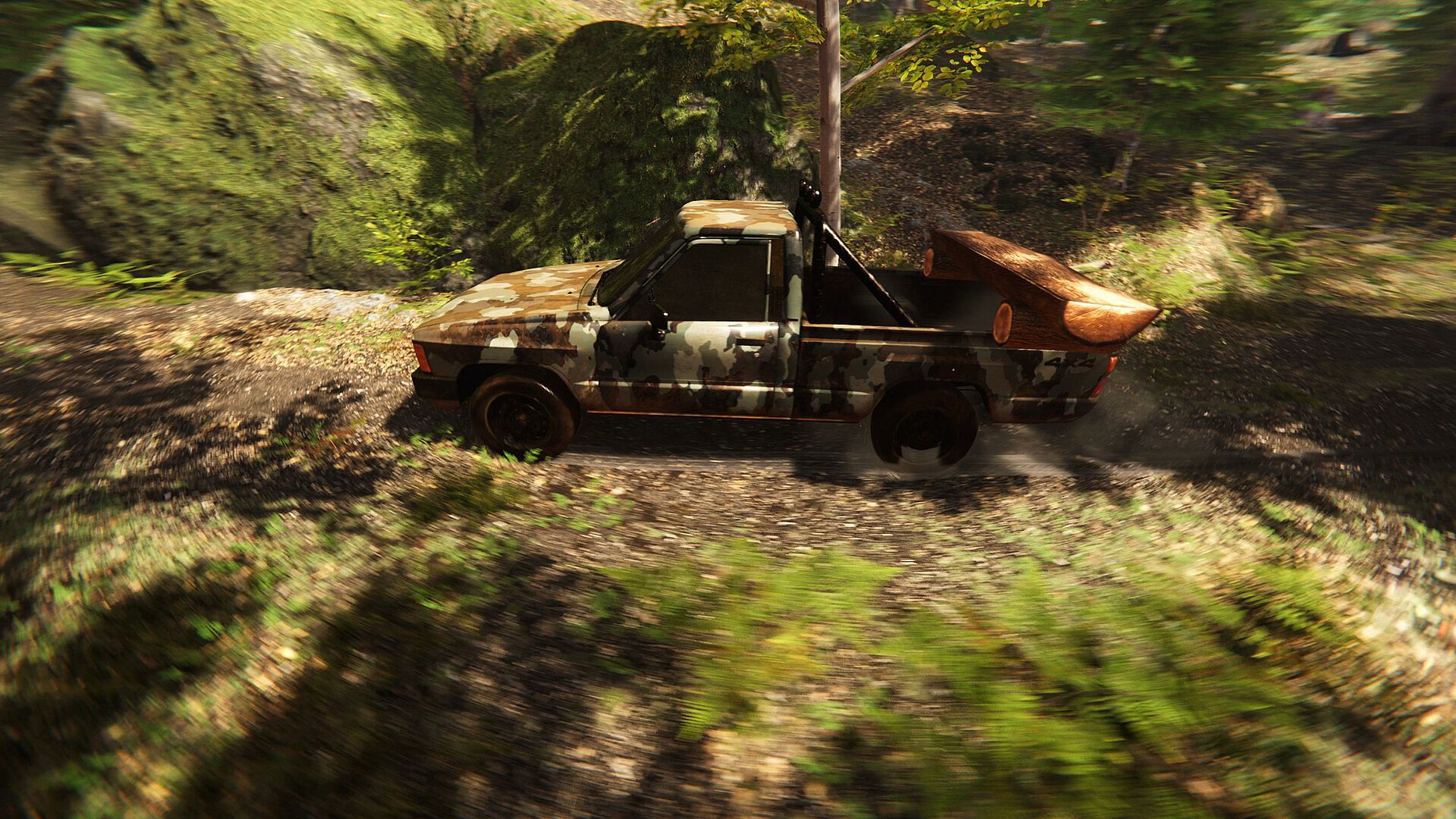
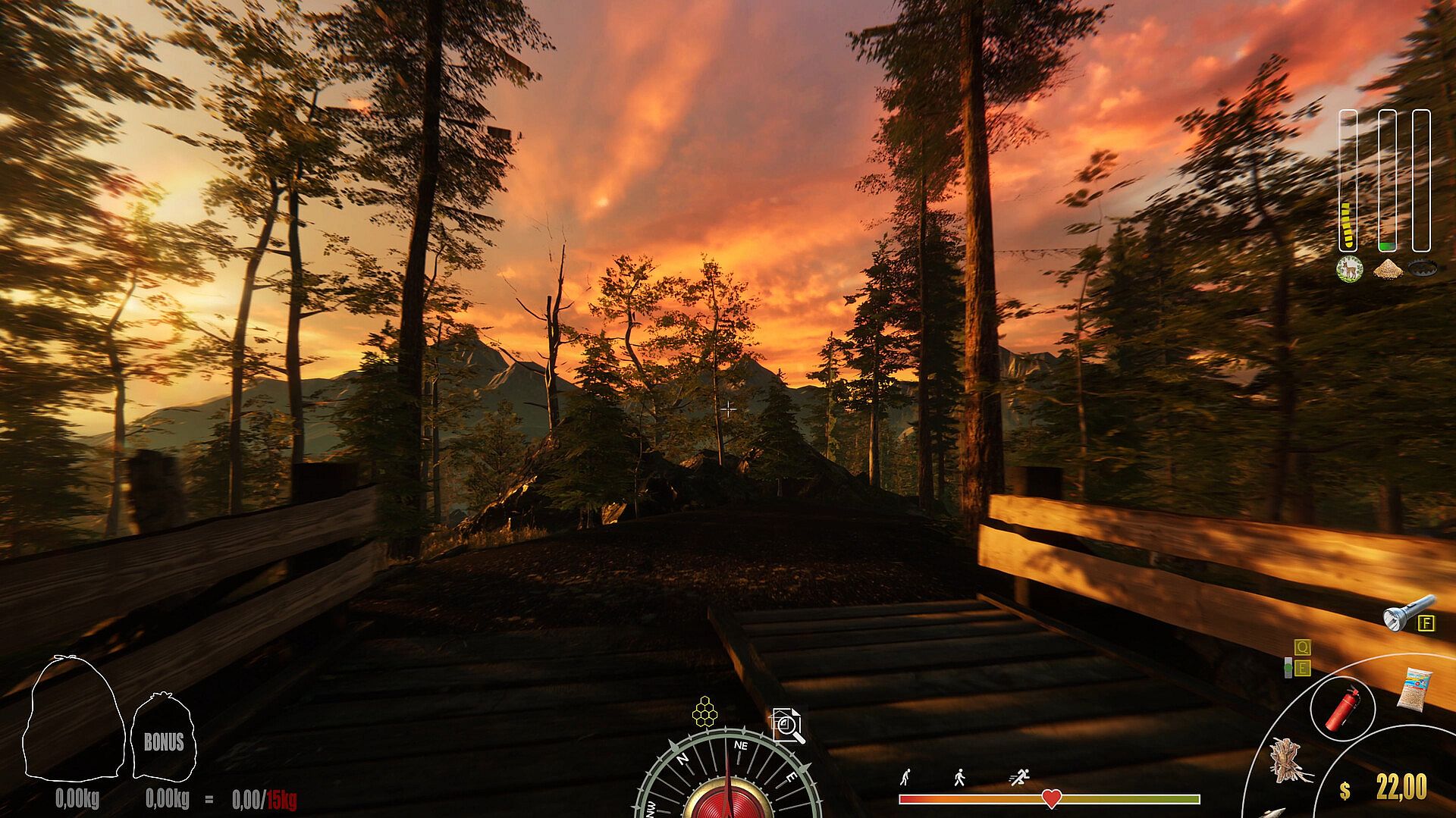
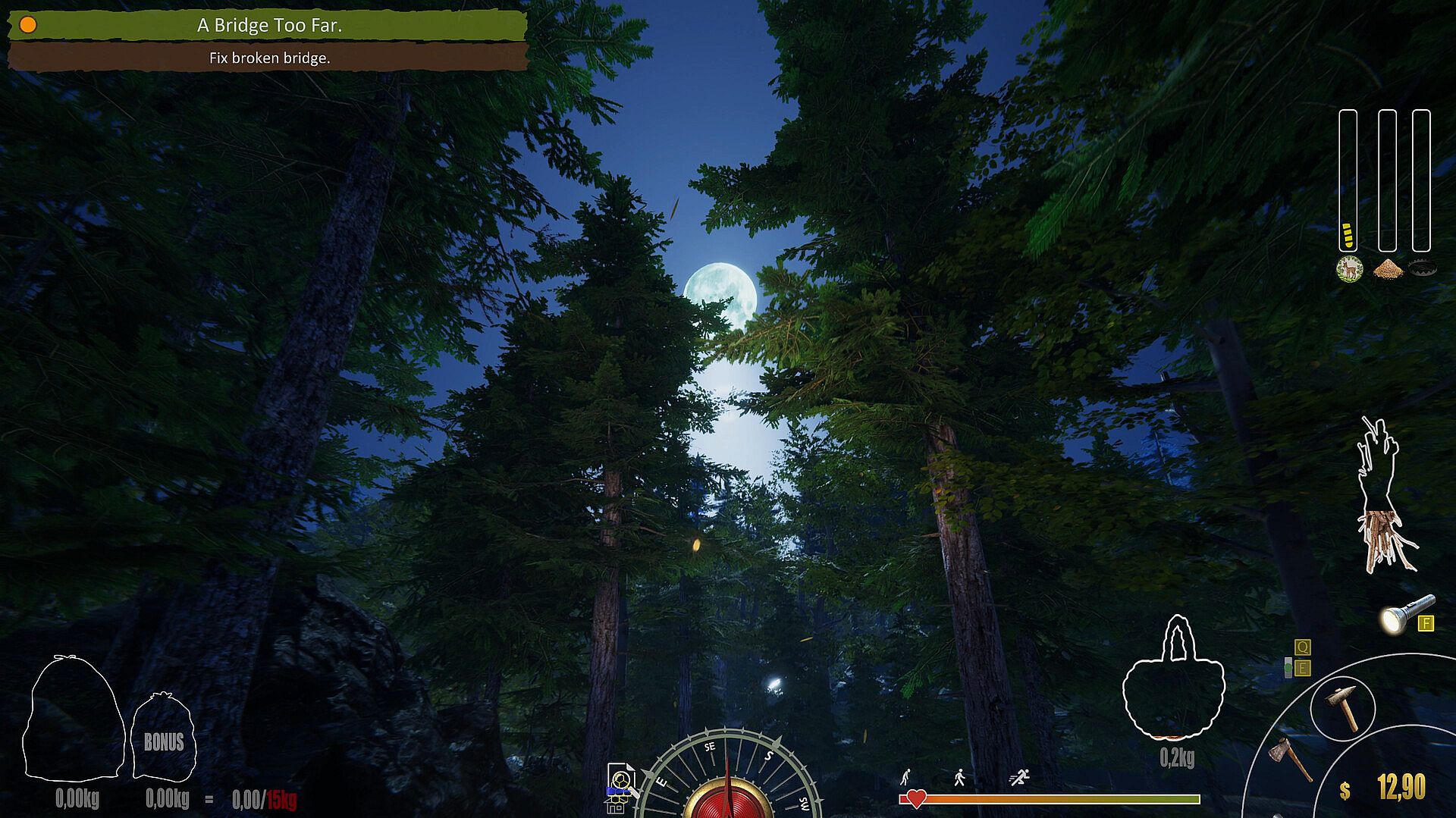
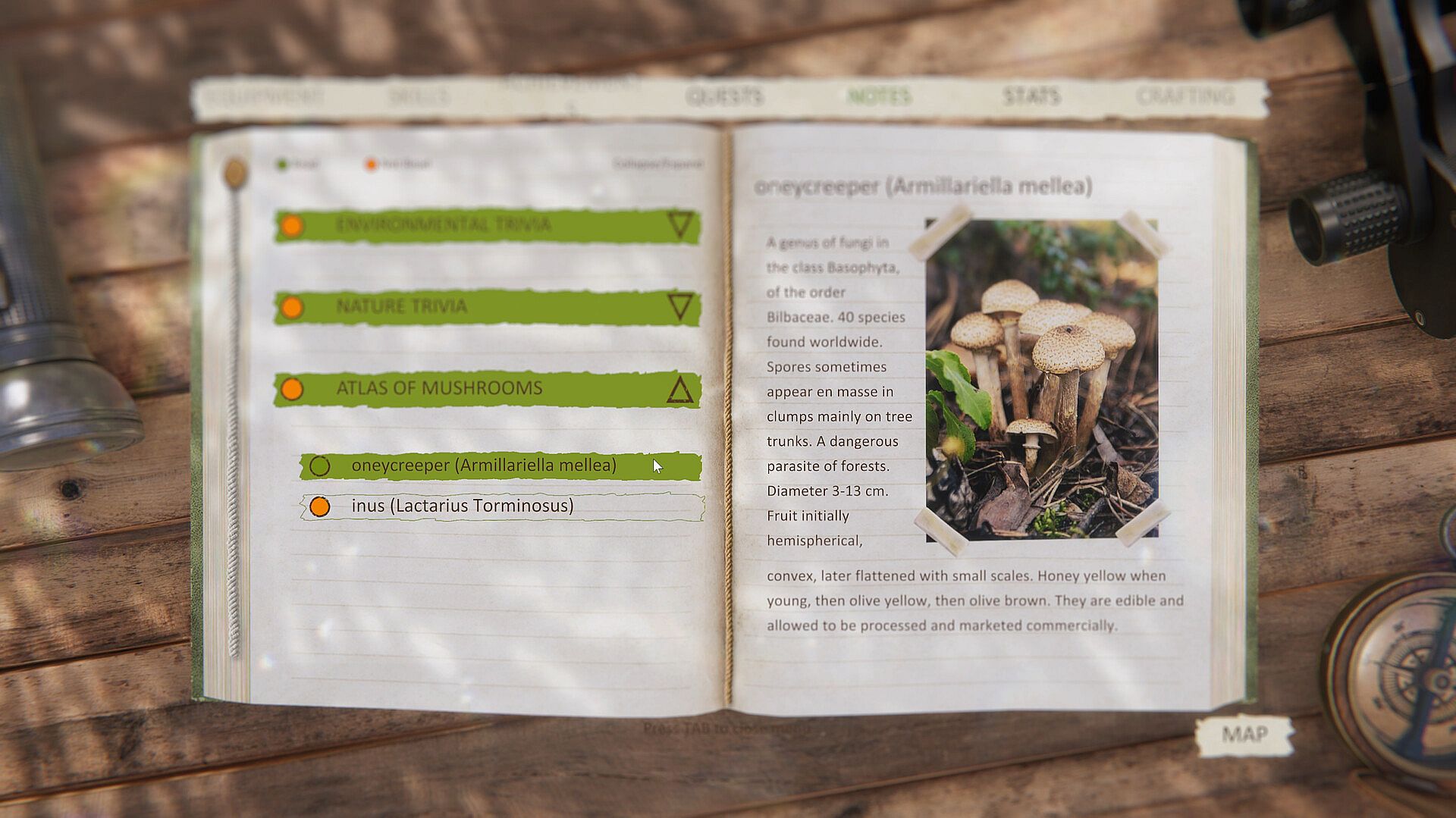
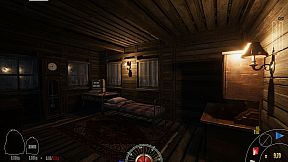
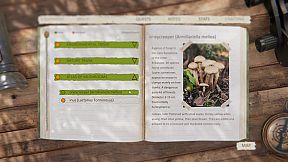
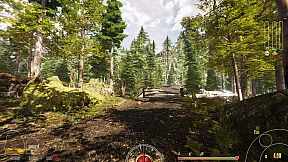
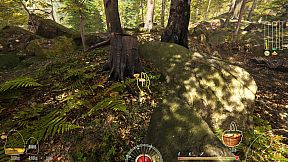
Exploration occurs on foot, by running, or driving, with distinct day and night phases where nighttime limits visibility to moonlight and a flashlight. A notebook delivers facts about real-world nature, forests, mushrooms, and ranger duties. Buying and selling through an in-game store allows players to trade gathered or crafted goods for tools, furniture, or vehicles. Progression unlocks new items and badges as players advance.
Immersive details include realistic carrying limits that affect mobility when overloaded and proper sorting mechanics that mirror real-life practices. These systems encourage careful planning during extended sessions in the forest setting.
Game Modes
Two primary modes shape the experience. Quest or story mode presents structured tasks that vary in pace, some requiring walking or driving to complete while teaching about ranger responsibilities and nature facts. Sandbox mode removes these constraints, allowing free-form play where players decide priorities such as extensive building projects or creative constructions from collected materials.
Both modes support the same underlying systems for building, cleaning, and exploration. Story mode guides players through sequential objectives, while sandbox offers unrestricted access to all mechanics from the start.
Exploration and Daily Management
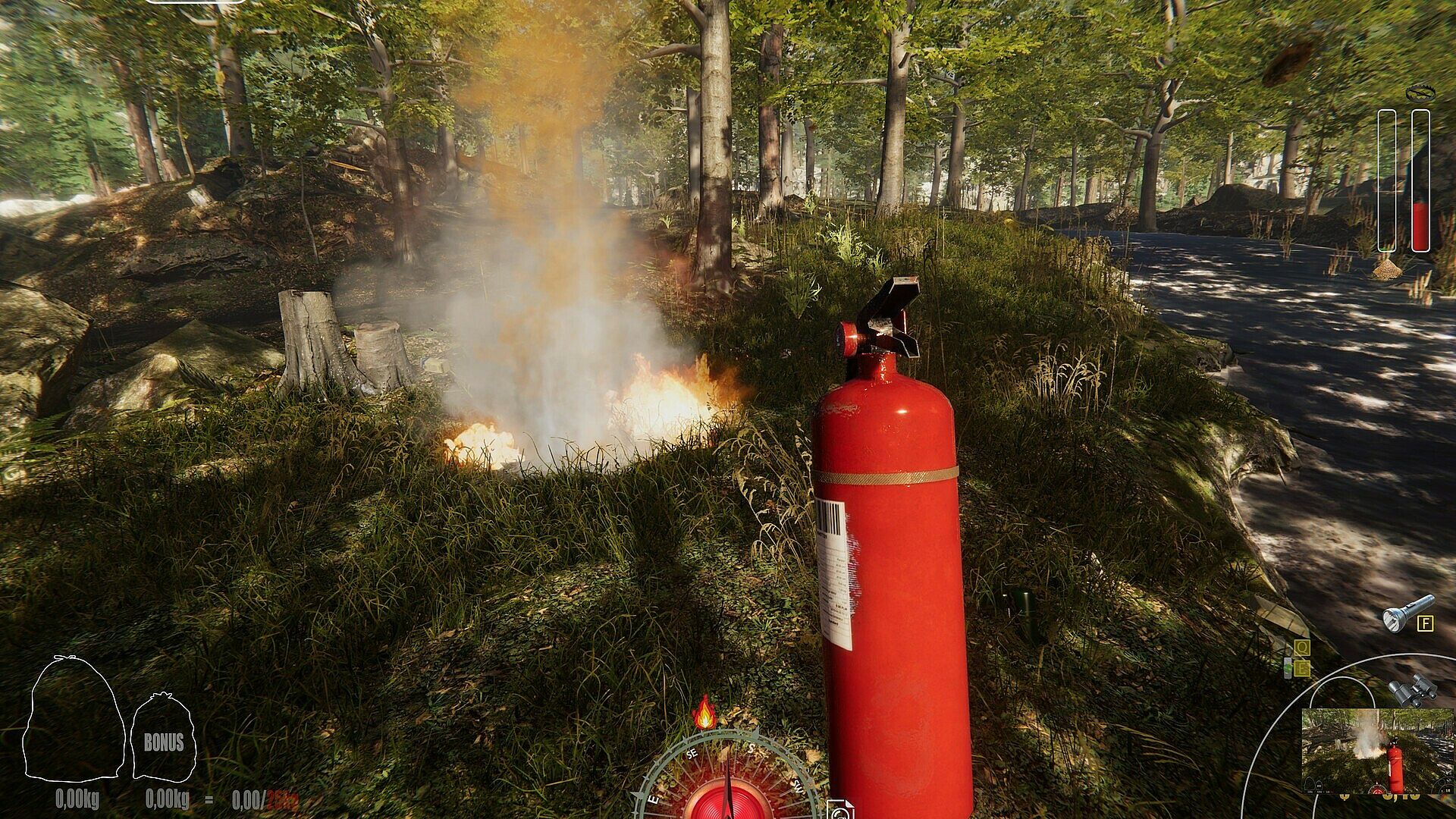
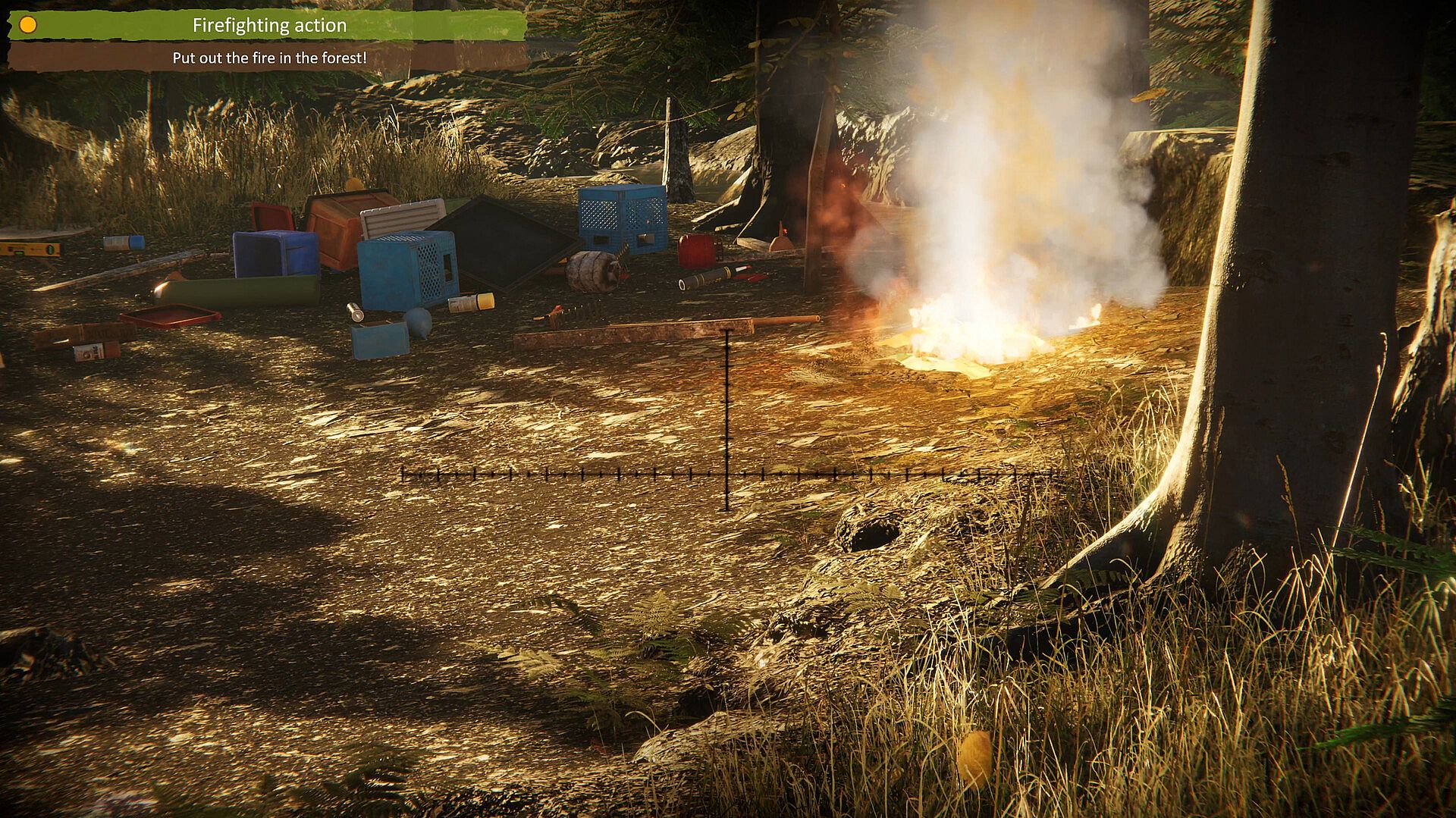
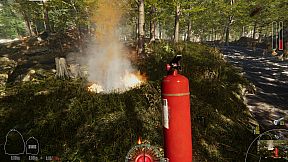
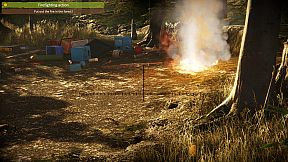
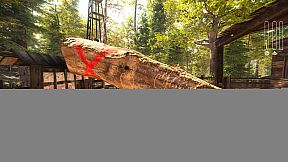
Day and night cycles influence visibility and activities, with nighttime requiring a flashlight for safe movement. Players observe sunsets, moonlight, and sunrise reflections while patrolling. Gathering and crafting integrate directly with management, as collected items feed into repairs for benches, feeders, bridges, and other structures. Emergencies add urgency, such as extinguishing smoldering fires or removing poacher traps to protect the area.
Learning elements appear through the notebook, which provides information on plants, herbs, mushrooms, and wildlife. This supports the simulation focus by blending practical tasks with educational content about forest ecosystems.
Is It Worth Playing?
Forest Ranger Simulator suits players interested in relaxed simulation gameplay centered on cleaning, crafting, and environmental care. The sandbox mode provides freedom for creative projects, while story mode offers guided progression through varied quests. The game reached full release in June 2024 after an Early Access period starting in 2023. Reviews stand at mostly negative overall, with 37 percent positive from 191 user ratings. Those who enjoy methodical resource management and trash-sorting mechanics may find value in the detailed systems, though the mixed reception indicates it appeals most to fans of niche simulation titles rather than broad audiences.