




















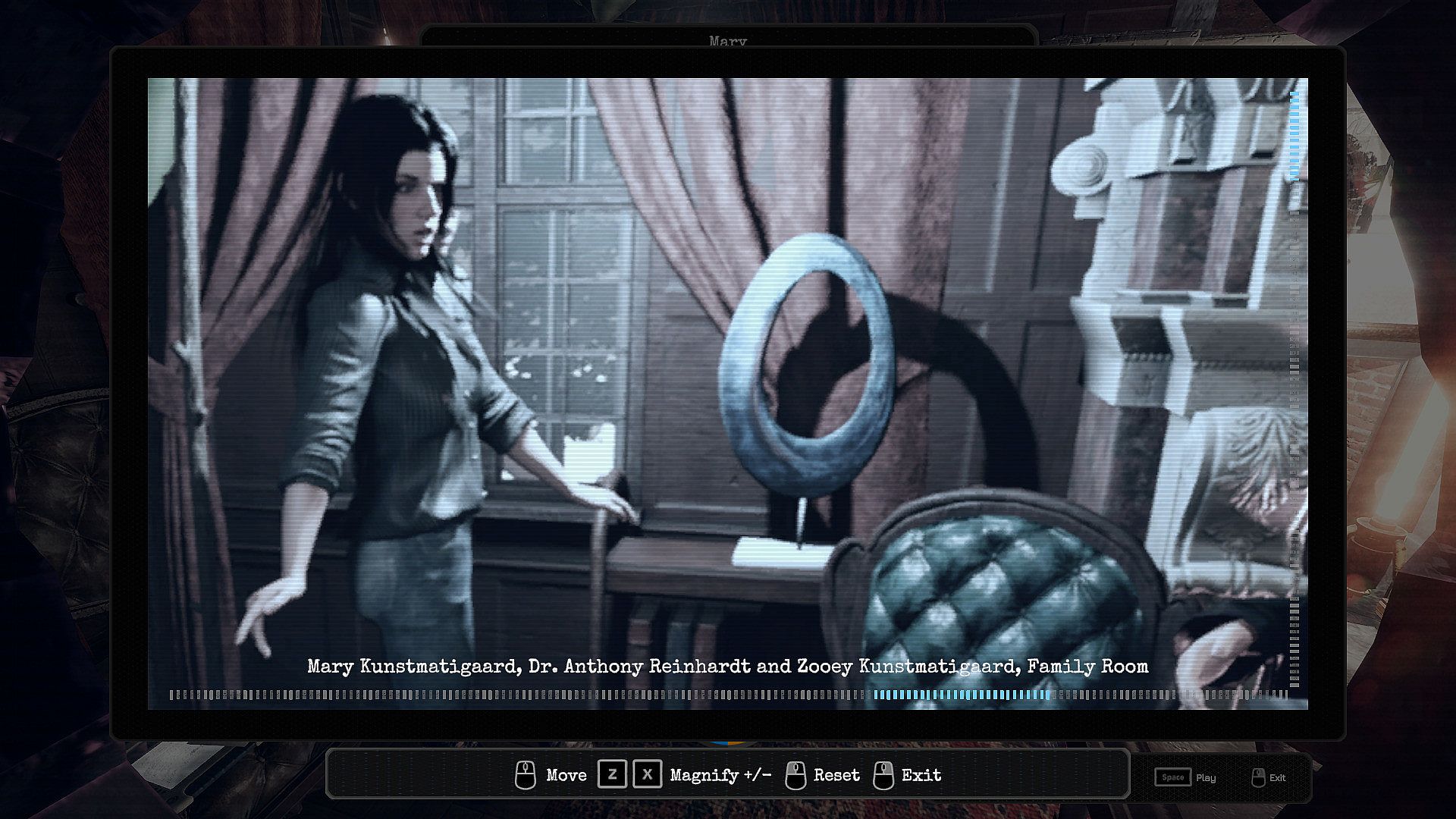














Forest Grove is a first-person mystery adventure game developed as an indie title for PC. Players step into the role of an investigator from the Remote Forensics Bureau tasked with solving the disappearance of teenage heiress Zooey Kunstmatigaard in her family home in Forest Grove, Oregon. The experience centers on forensic analysis, puzzle solving, and personal deduction to determine what happened and whether foul play occurred.
Gameplay
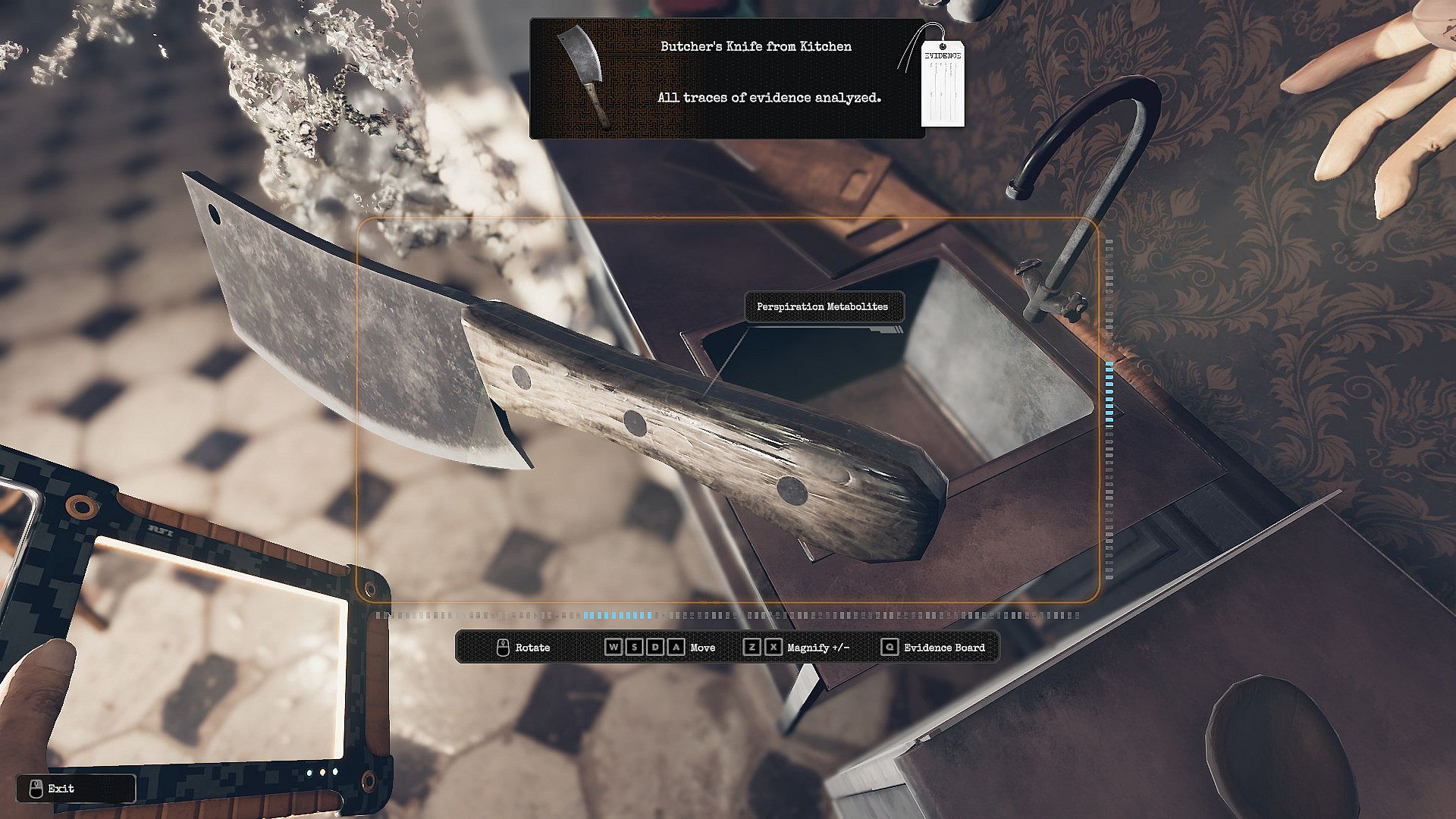
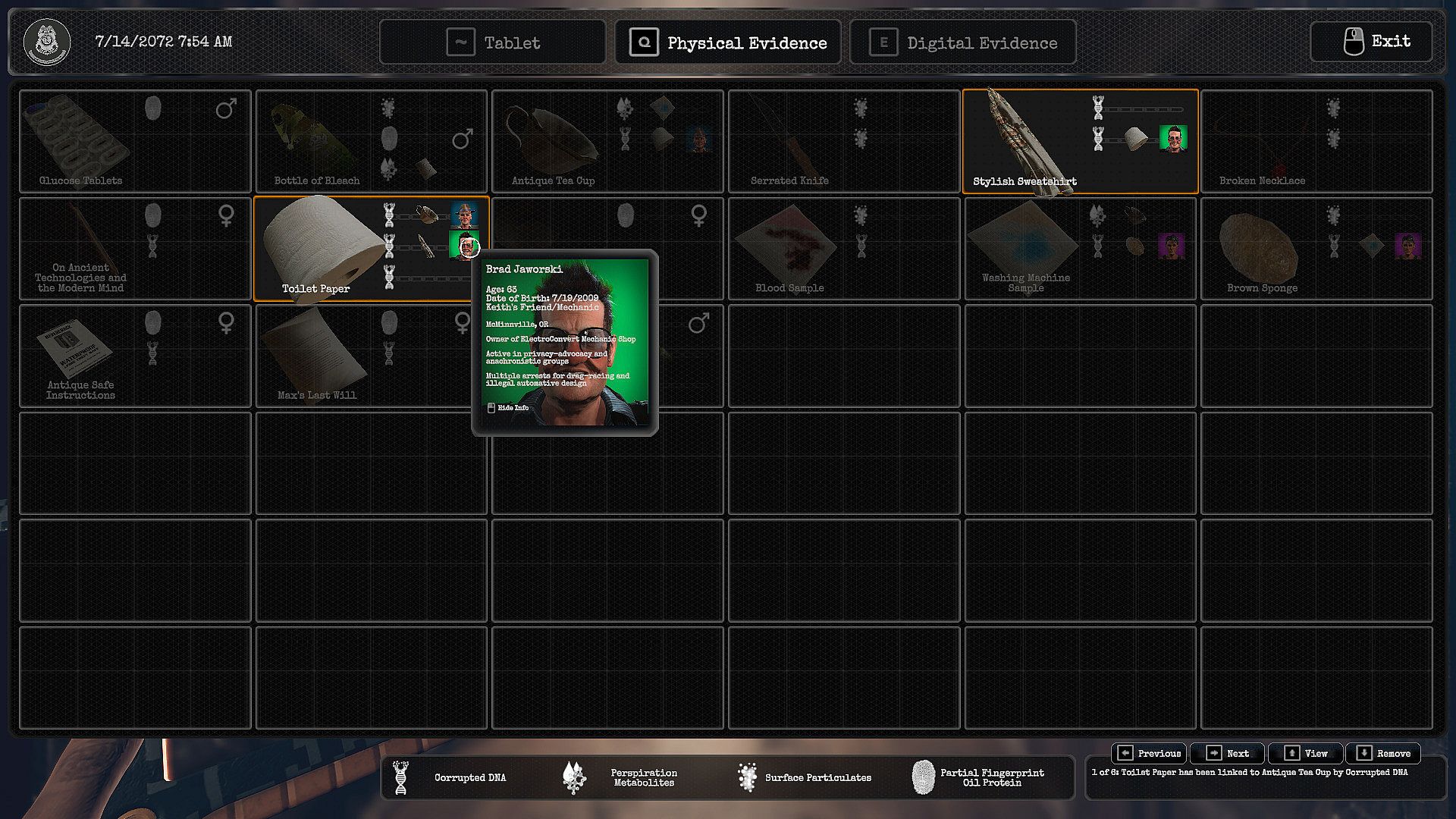
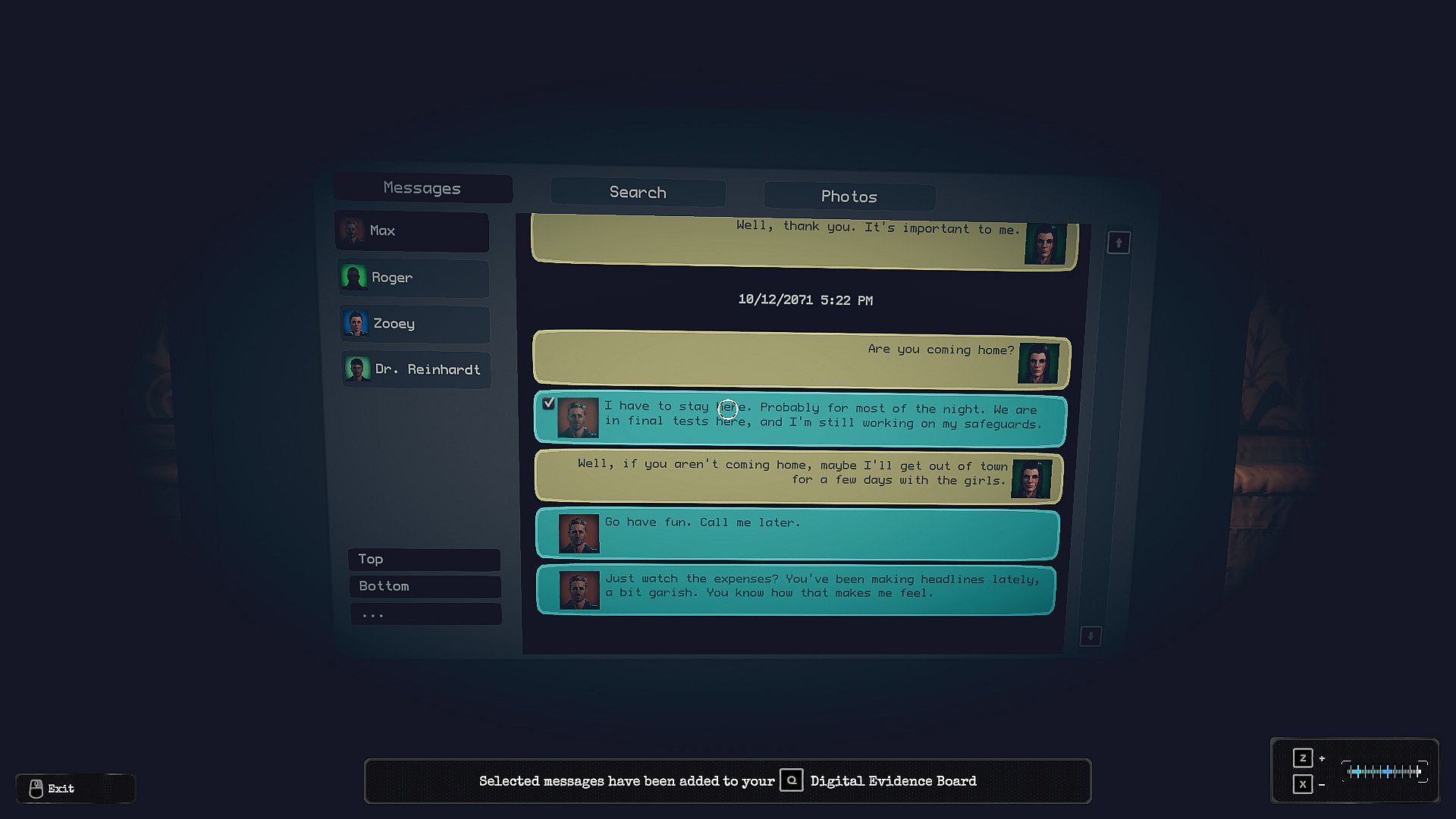
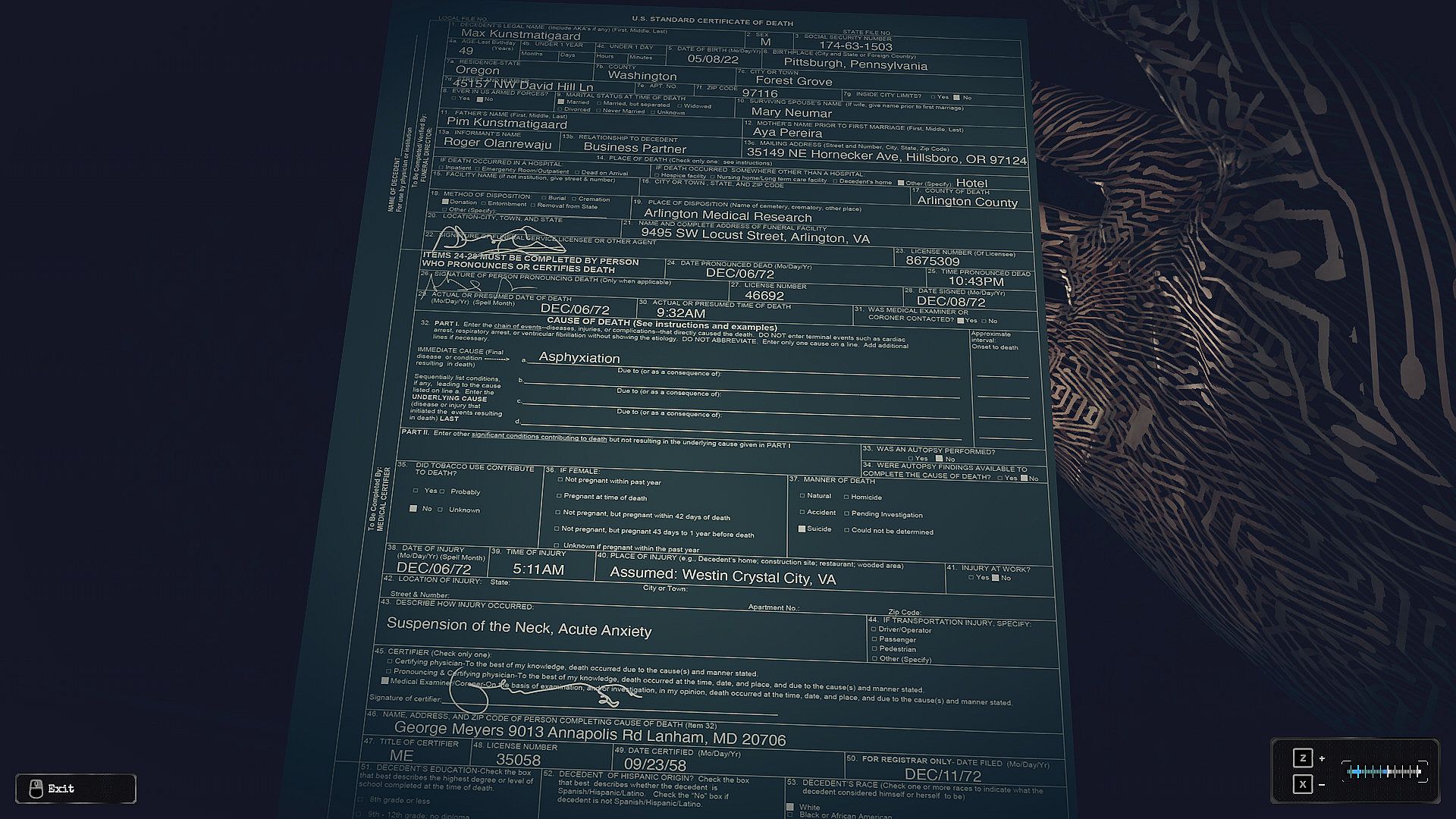
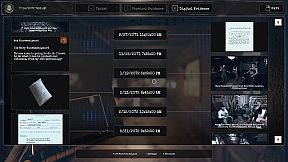
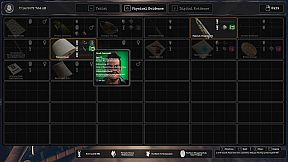
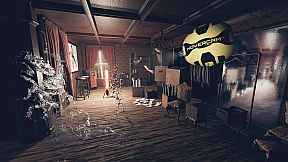
The core loop revolves around exploring a detailed crime scene with the Nanodeck, an advanced scanning device that detects forensic traces including DNA, fingerprints, and perspiration metabolites. Players scan surfaces and objects to gather these elements, then connect them on an evidence board to generate new leads and identify persons of interest. This process drives the investigation forward without external guidance.
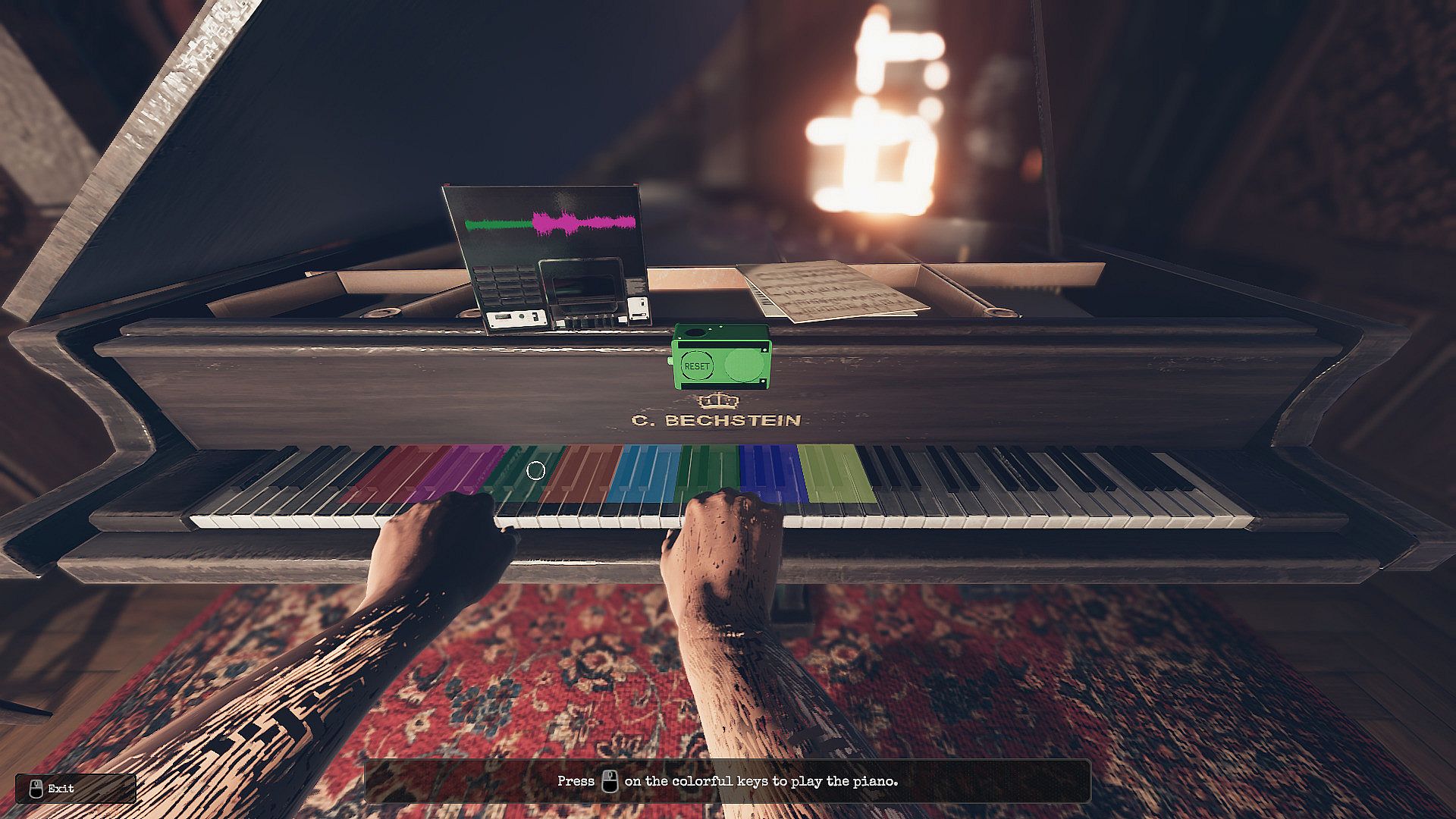
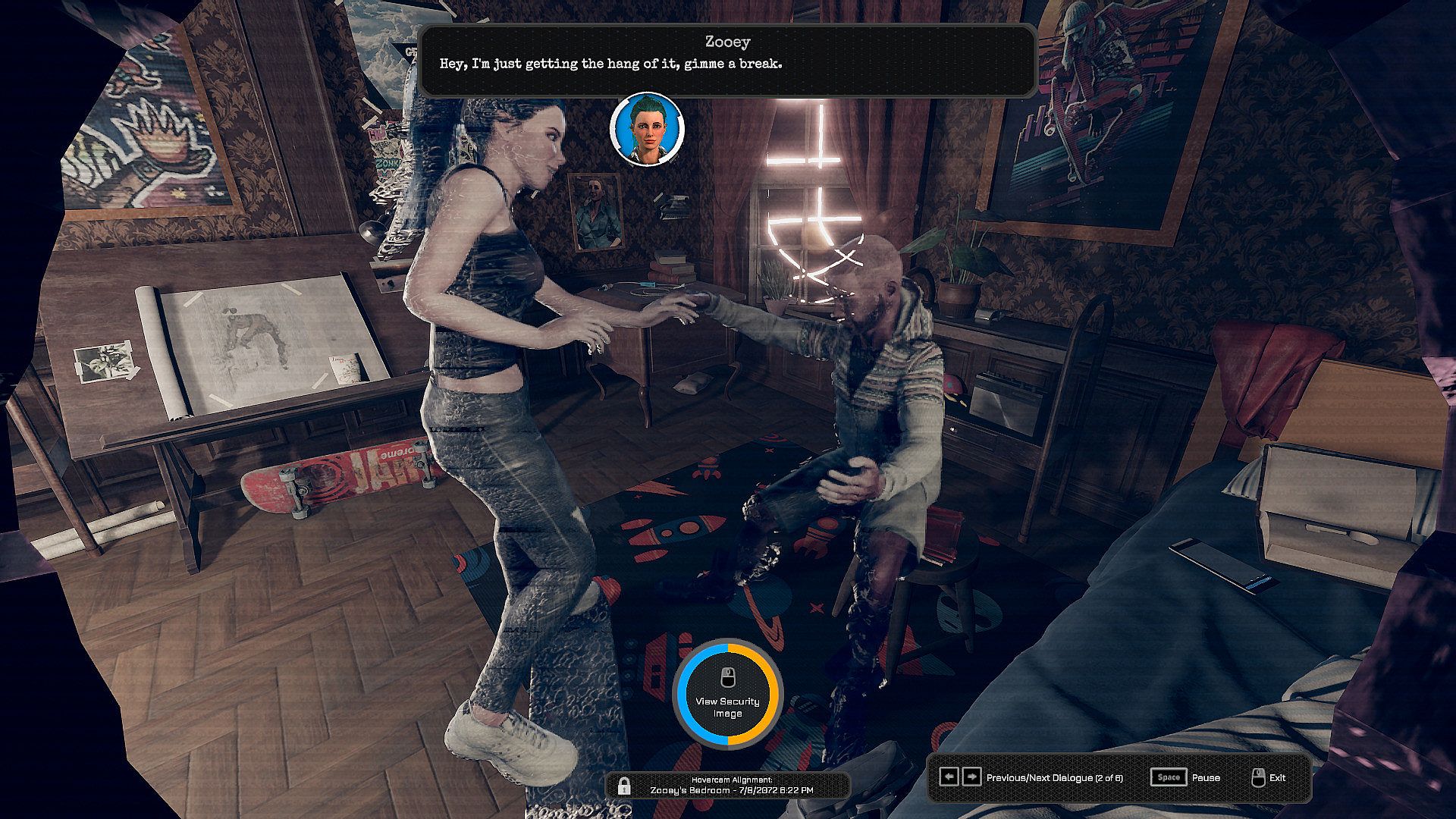
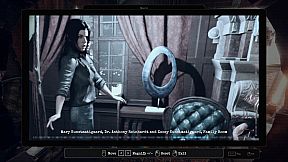
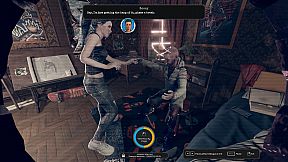
Puzzles appear throughout the environment, often tied to the Kunstmatigaard family's affinity for hidden mechanisms. These range from locating concealed rooms to interpreting clues that unlock additional evidence. Character interactions add layers through conversations that reveal backstories and potential inconsistencies in statements.
Deductive reasoning forms the central challenge. Evidence collected must be interpreted by the player to form conclusions about events, relationships, and motives. Incorrect deductions remain possible, requiring careful review of gathered data to refine theories.
Game Modes
Forest Grove operates exclusively as a single-player experience. No multiplayer options, co-op sessions, or competitive modes exist. The entire narrative unfolds through sequential investigation phases focused on evidence collection, puzzle resolution, and evidence board management within the fixed setting of the family residence and surrounding areas.
Story and Investigation Elements
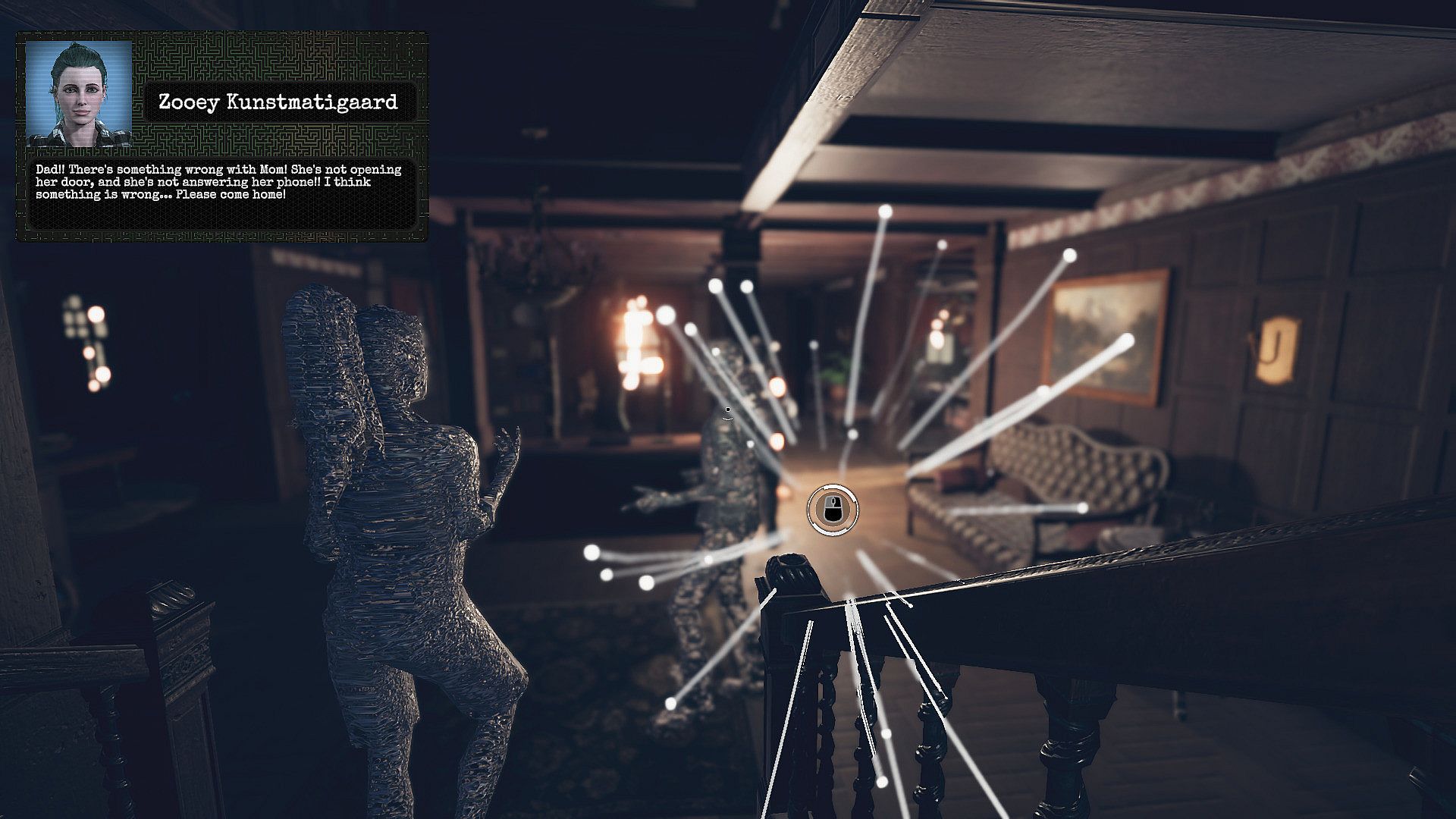
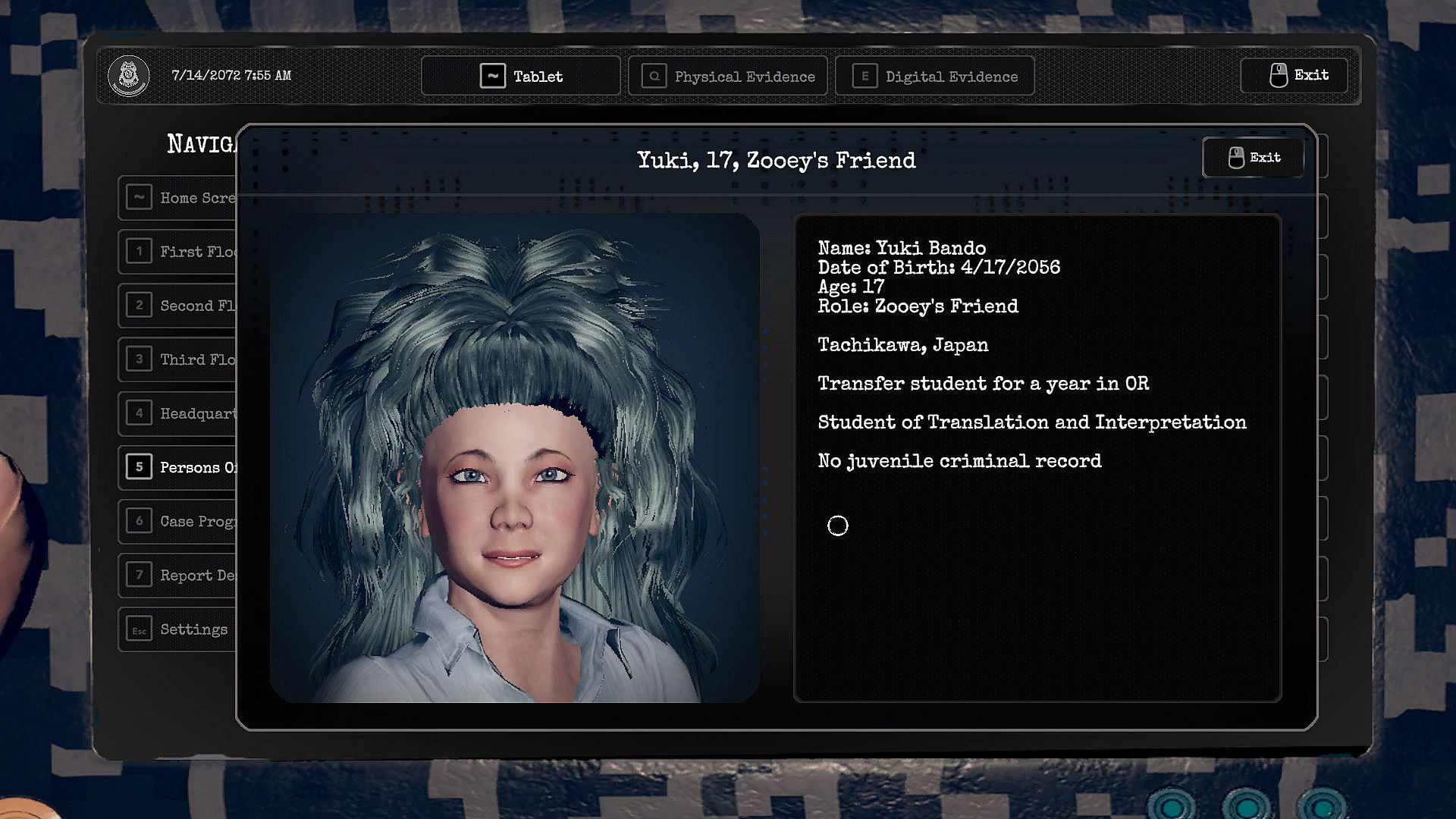
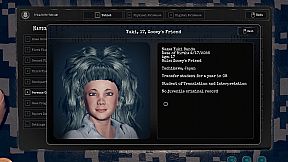
The plot follows the reported missing person case of Zooey Kunstmatigaard, with the stepmother Mary as the initial reporter. Players uncover relationships and secrets among a cast of characters connected to the family and the tech fortune involved. Each individual carries distinct conversational content that can point toward withheld information or alternative explanations for the disappearance.
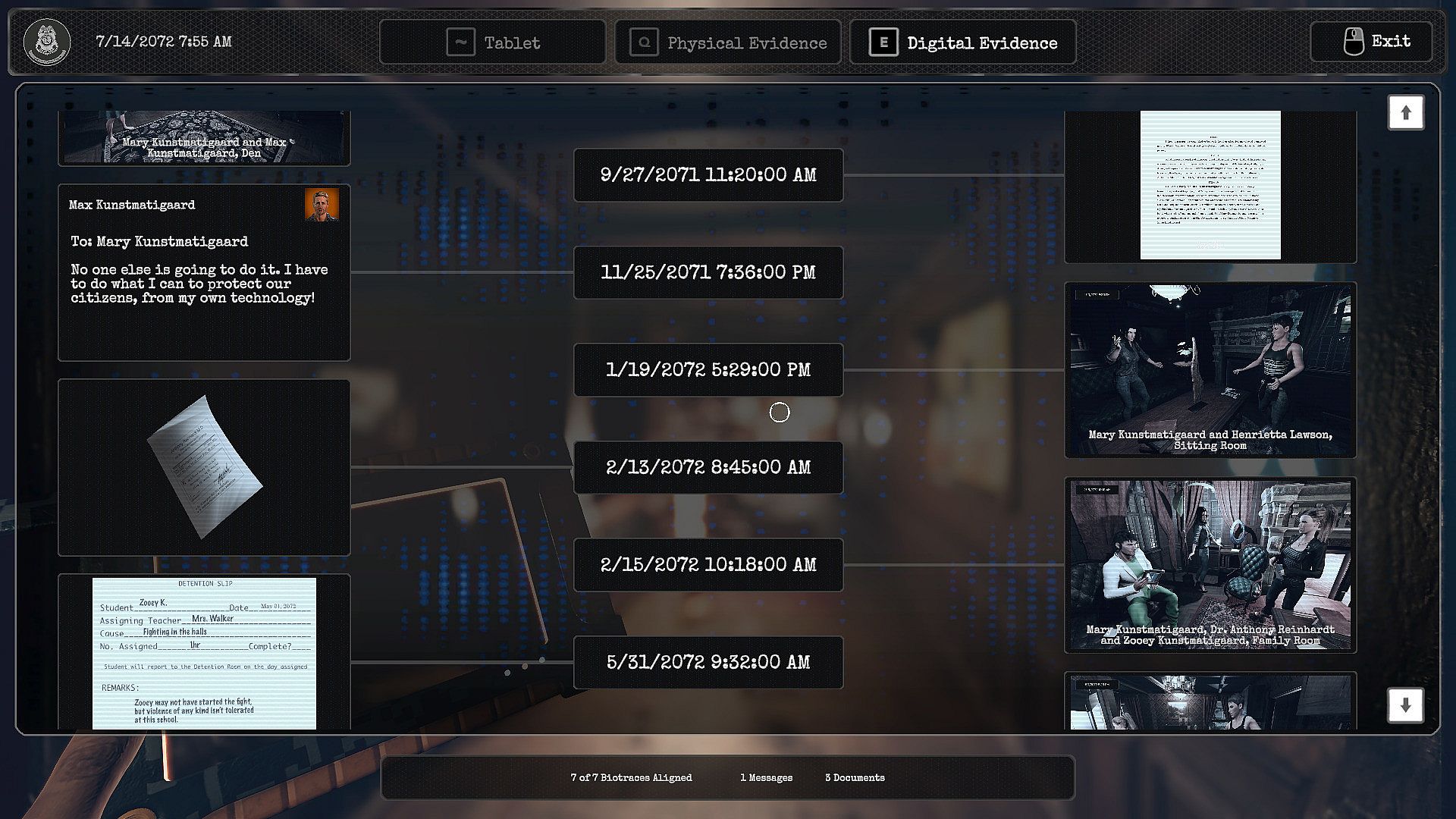
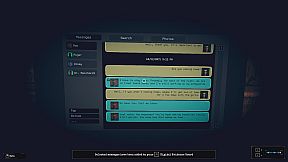
The evidence board serves as the primary organizational tool. Collected forensic items link to specific leads, additional clues, or named suspects, allowing players to build a comprehensive case file. This system encourages repeated examination of the scene as new connections emerge from prior findings.
Is It Worth Playing?
Forest Grove delivers a focused detective simulation suited to players who prefer methodical evidence gathering and independent conclusion drawing over guided narratives. The Nanodeck mechanics and evidence board provide a tangible sense of forensic work, while the puzzle integration rewards attentive exploration of the environment.
Reception remains limited due to the small number of reviews available, with feedback highlighting the short overall length and occasional predictability in the case resolution. Some players note that the experience offers a straightforward but engaging take on the genre for those interested in forensic-themed mysteries. Availability on PC supports straightforward access for single sessions, making it a consideration for fans of puzzle-driven adventures who value deduction over action or expansive worlds.