

















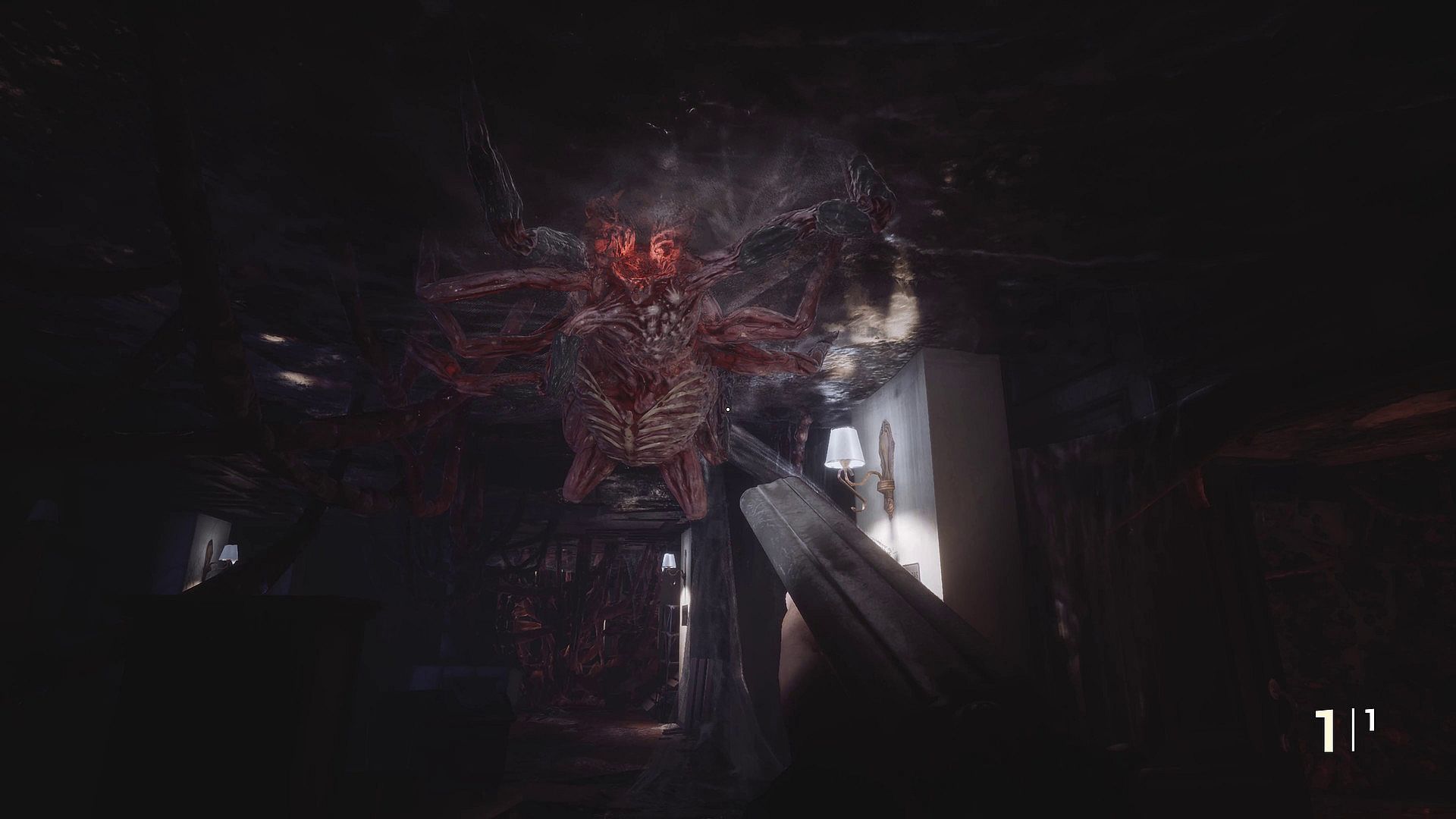

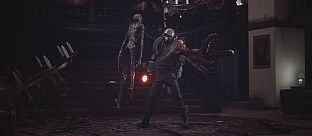
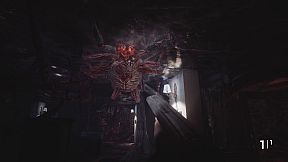
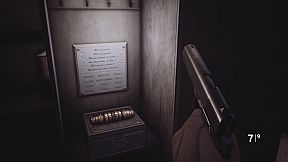
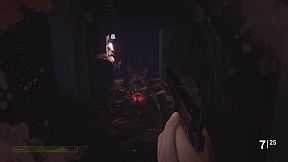

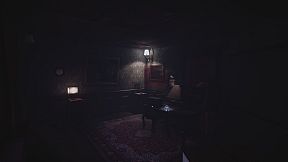
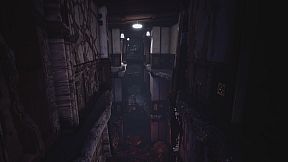
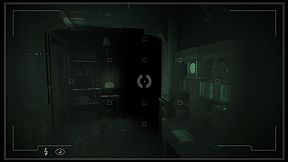
Fobia - St. Dinfna Hotel is an indie first-person survival horror title set inside a sprawling, decaying hotel filled with shifting realities. Players take control of amateur journalist Roberto Leite Lopes, who arrives in Treze Trilhas to chase a lead on disappearances and paranormal events. The experience centers on exploration, resource management, and puzzle solving while using a unique camera device that reveals alternate timelines.
Gameplay
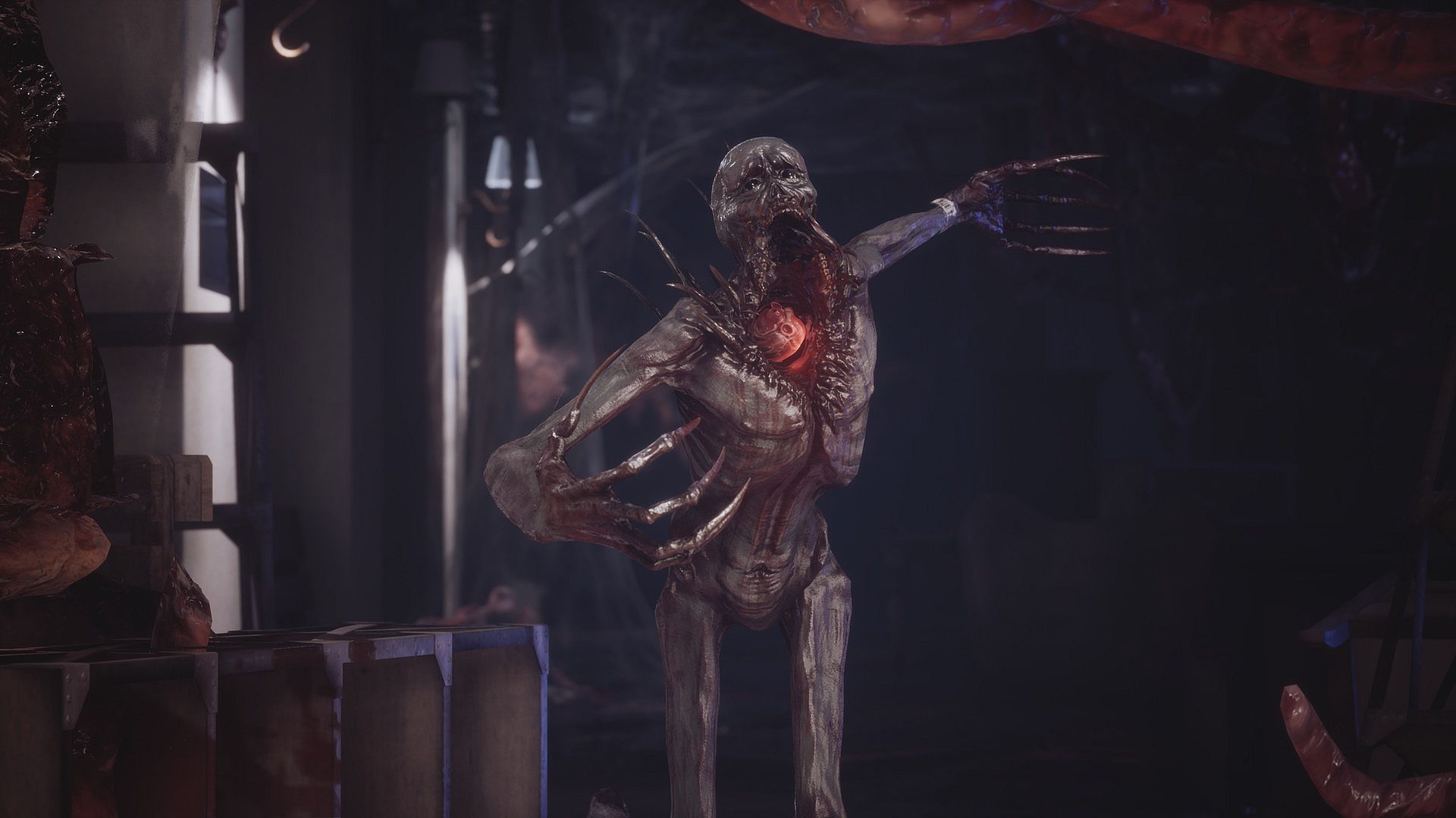
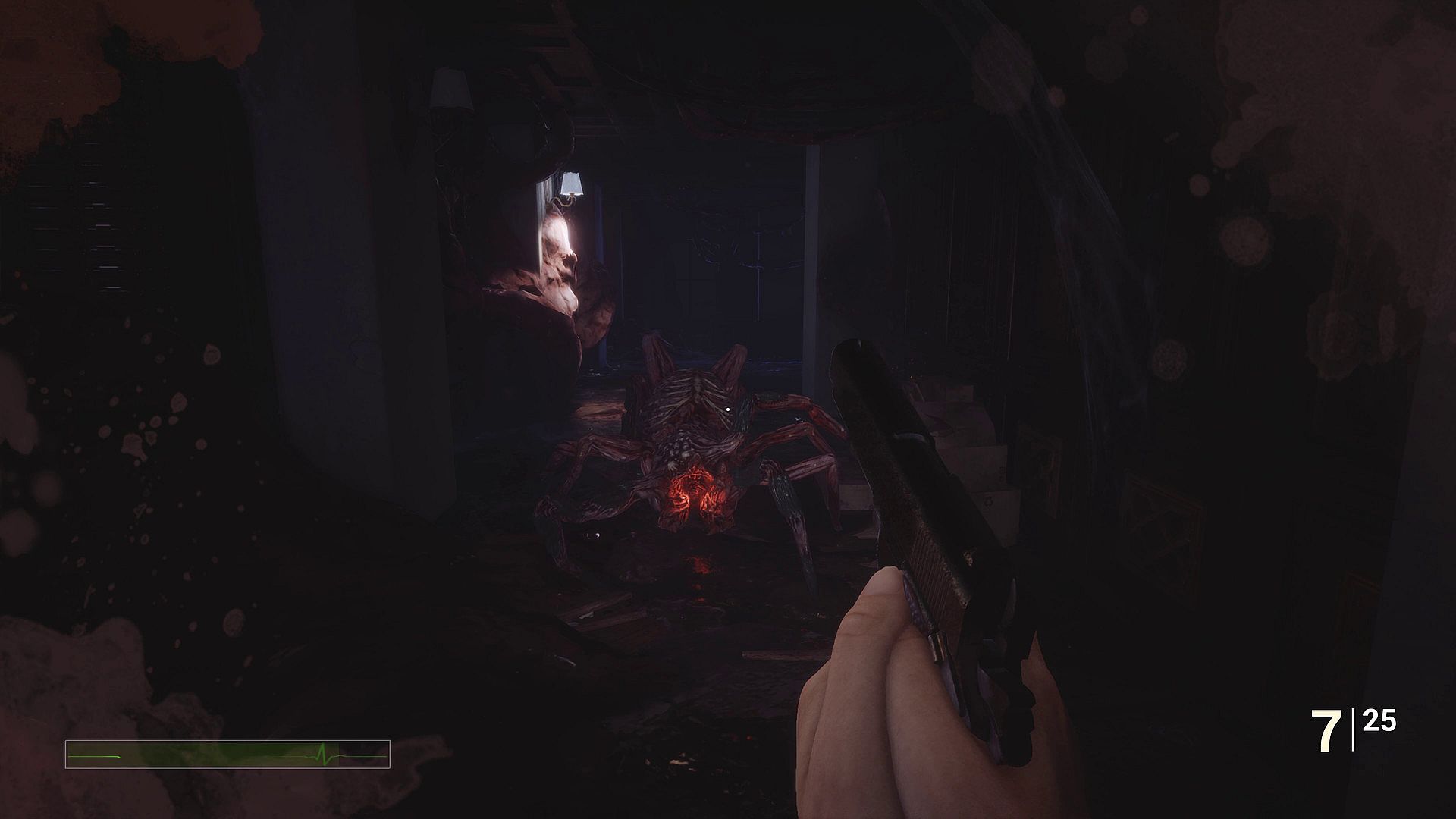
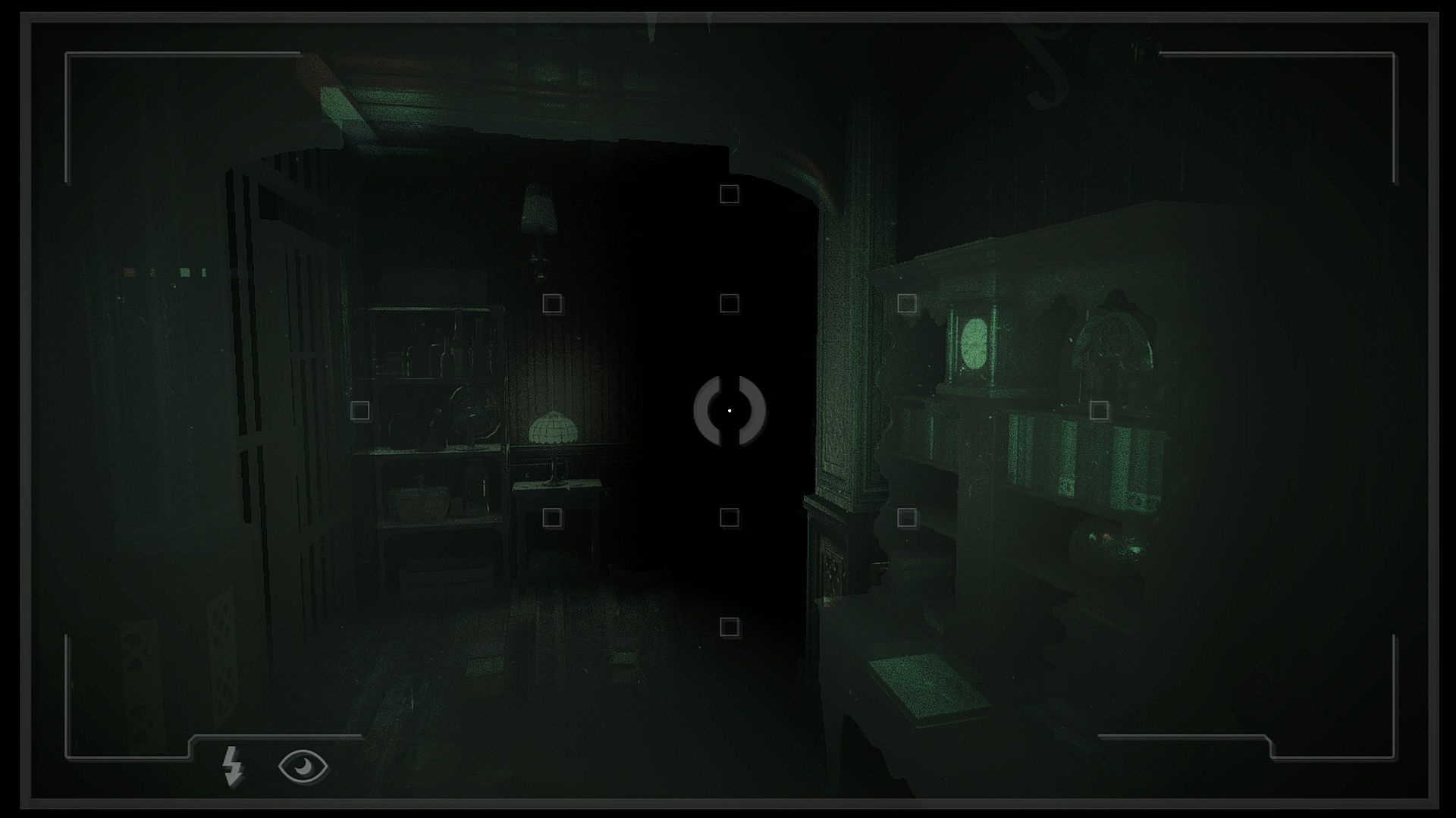
The core loop involves navigating the multi-floor hotel while managing limited supplies and avoiding or confronting hostile entities. Scavenging yields items that support survival choices, whether that means slipping past threats, barricading areas, or engaging in direct confrontation when necessary. The camera mechanic stands out as the central tool for progression, allowing players to view past or future states of rooms and objects to locate hidden paths, codes, or clues that remain invisible in the present.
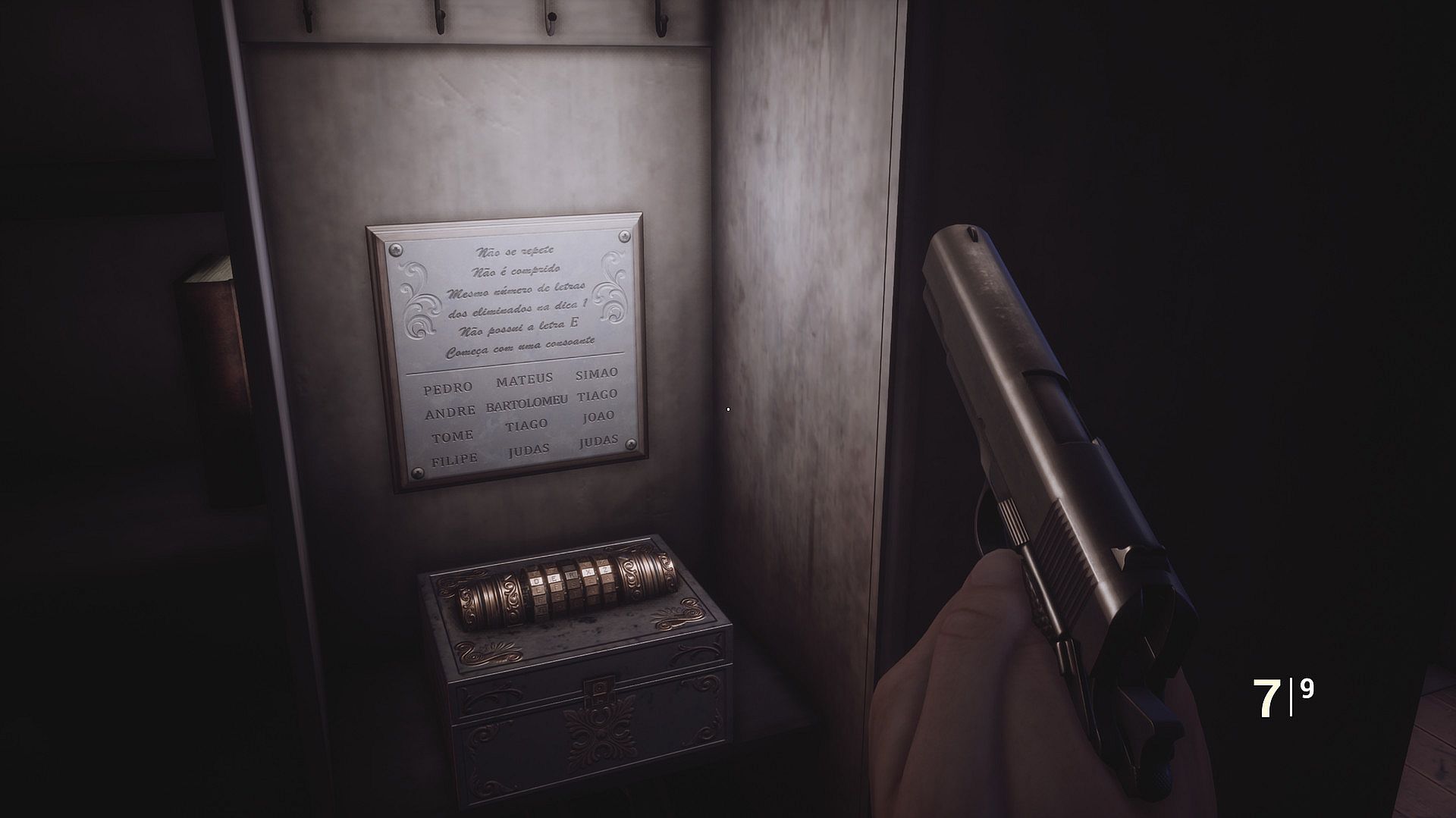
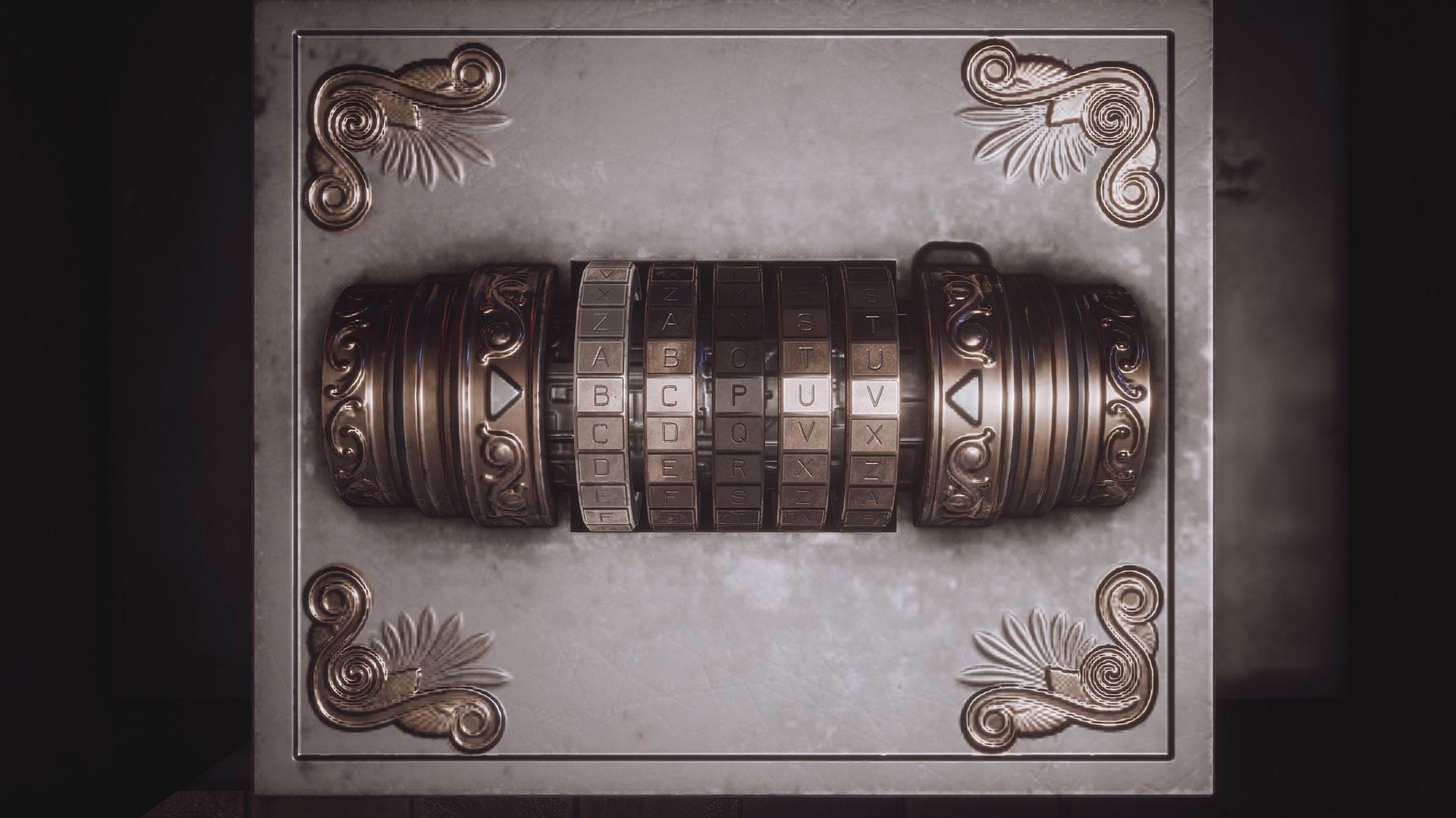
Puzzles appear frequently and often require combining timeline observations with physical items found throughout the building. Examples include rearranging drawers based on camera-revealed patterns, cracking safes with codes from different eras, and manipulating elevators or other machinery after glimpsing their altered configurations. Combat remains secondary to stealth and evasion, though weapons can be upgraded through collected resources for moments when fighting becomes unavoidable.
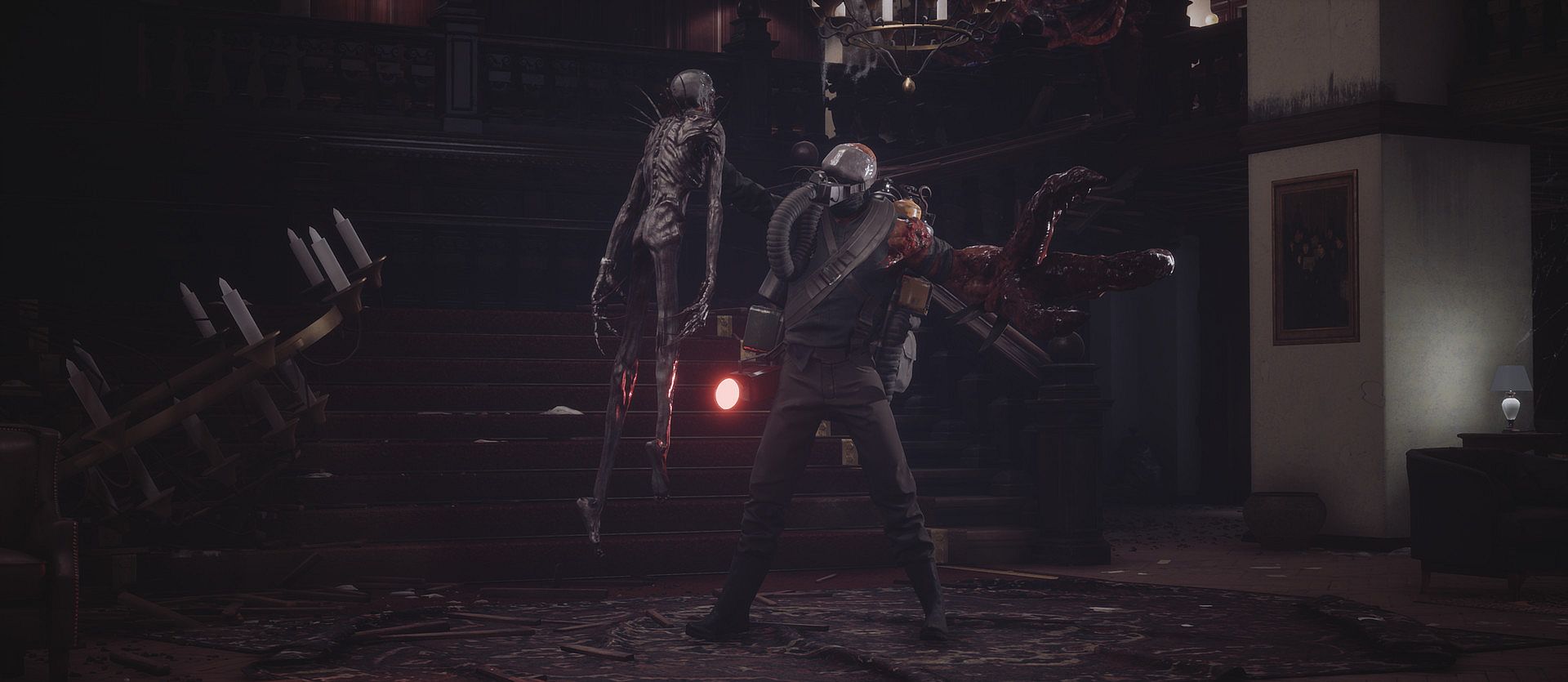
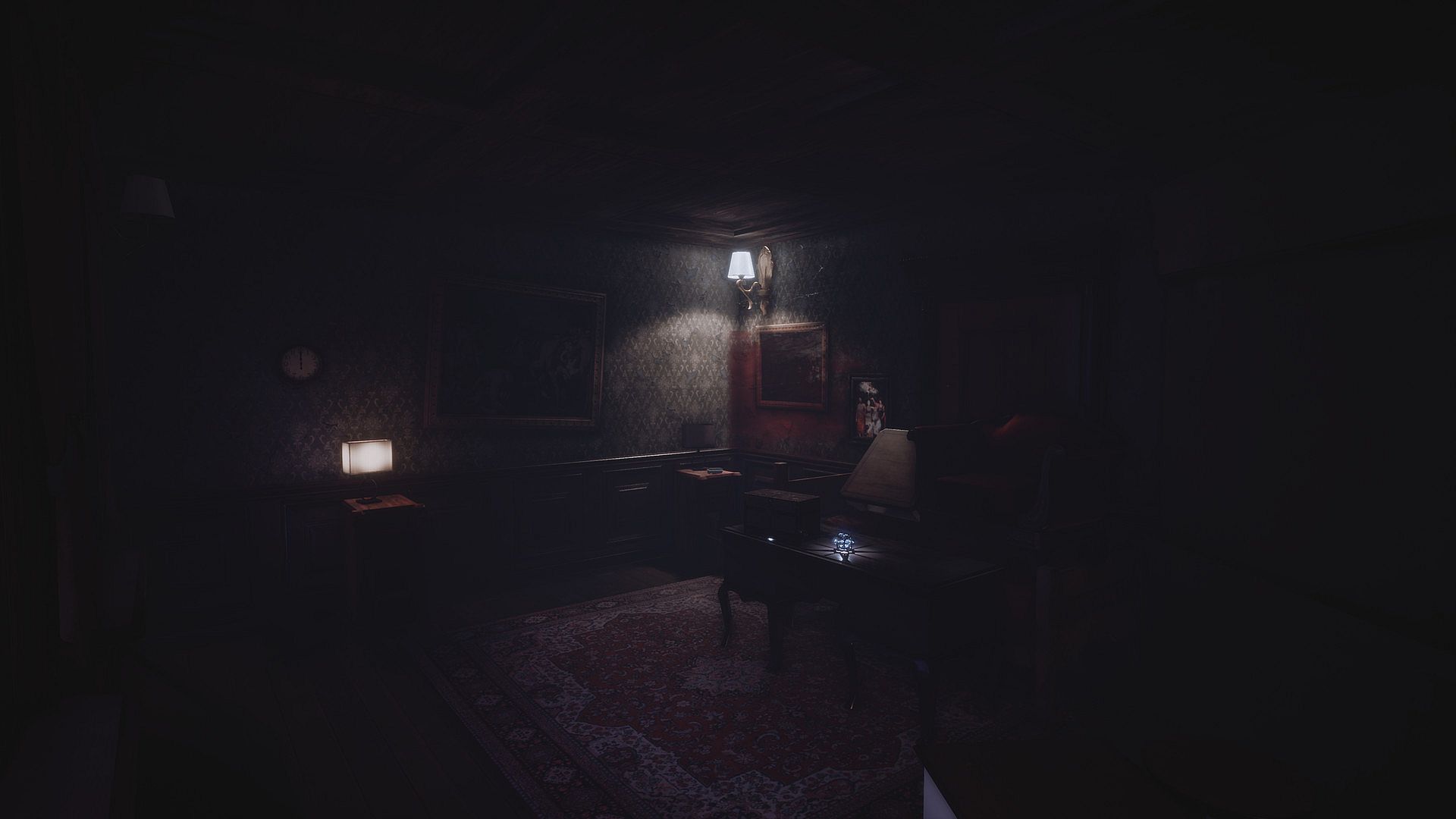
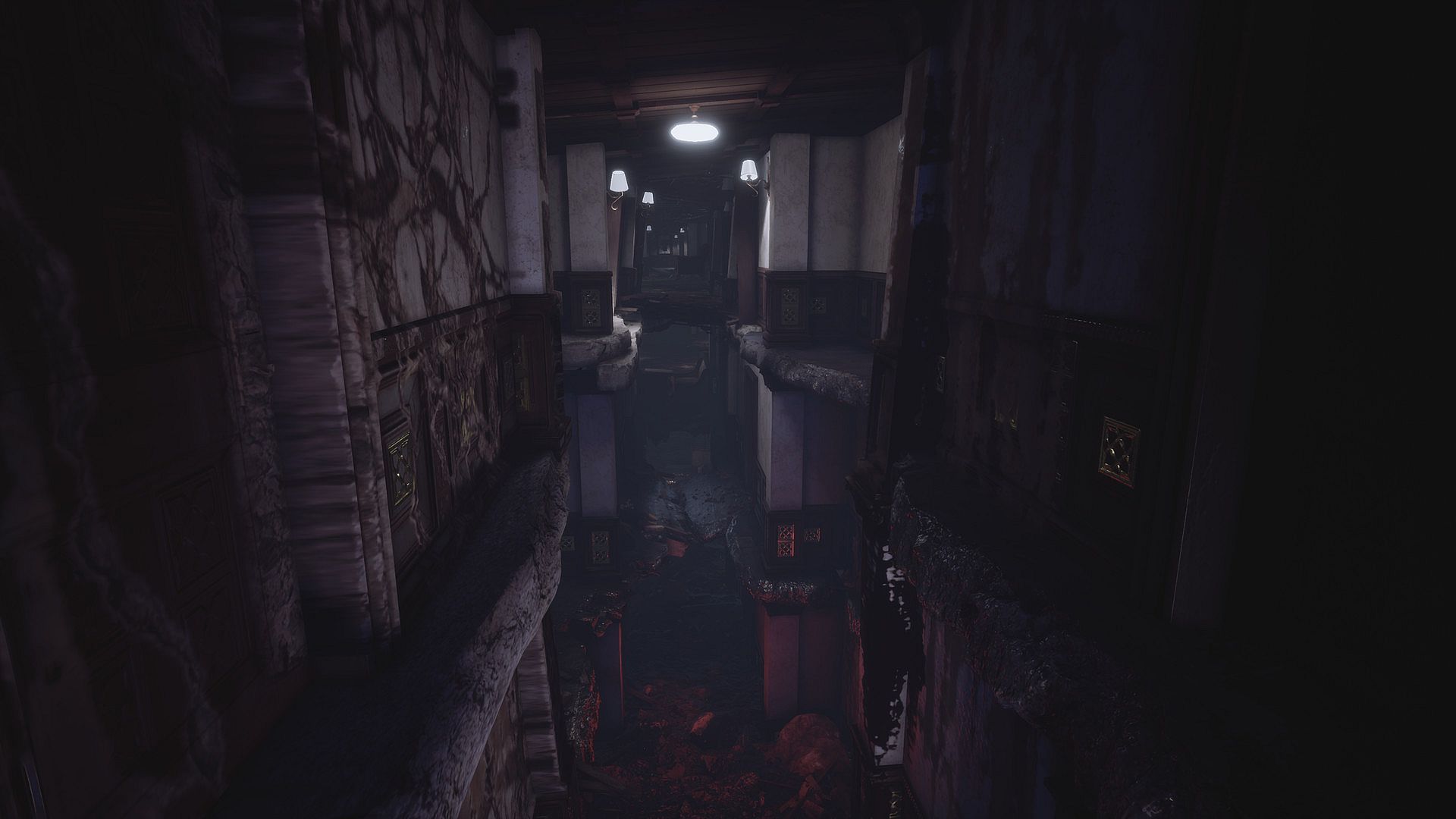
Visuals rely on Unreal Engine to render detailed, atmospheric interiors that emphasize decay, flickering lights, and sudden apparitions. Movement feels deliberate, with inventory management and quick decisions shaping each encounter. The game runs on PC with full controller support and verified Steam Deck compatibility.
Game Modes
The game offers a single continuous campaign without separate multiplayer or competitive modes. All content unfolds in one linear yet exploratory narrative structure that encourages thorough investigation of every floor and hidden area. A New Game+ option becomes available after the initial completion, allowing players to replay with retained upgrades and pursue remaining achievements such as weapon enhancements or damage-free runs.
No co-op, versus, or seasonal content exists. The focus stays entirely on solo progression through the hotel's mysteries, with achievements tied to puzzle completion, exploration milestones, and survival challenges within that single experience.
The Hotel Environment and Narrative
St. Dinfna Hotel serves as the sole setting, a once-grand structure now twisted by cult activity, experimental horrors, and temporal anomalies. Players uncover layers of conspiracy involving human experiments and apparitions as they move between present-day corridors and glimpses of earlier or later periods. The story advances through environmental storytelling, collectible documents, and direct interactions with the timeline camera rather than lengthy cutscenes.
Each section of the hotel introduces new mechanical twists, such as altered layouts visible only through the camera or escalating threats that force repeated use of the device to find safe routes. The narrative builds toward revelations about the journalist's own connection to the events, delivered through careful exploration rather than exposition dumps.
Is It Worth Playing?
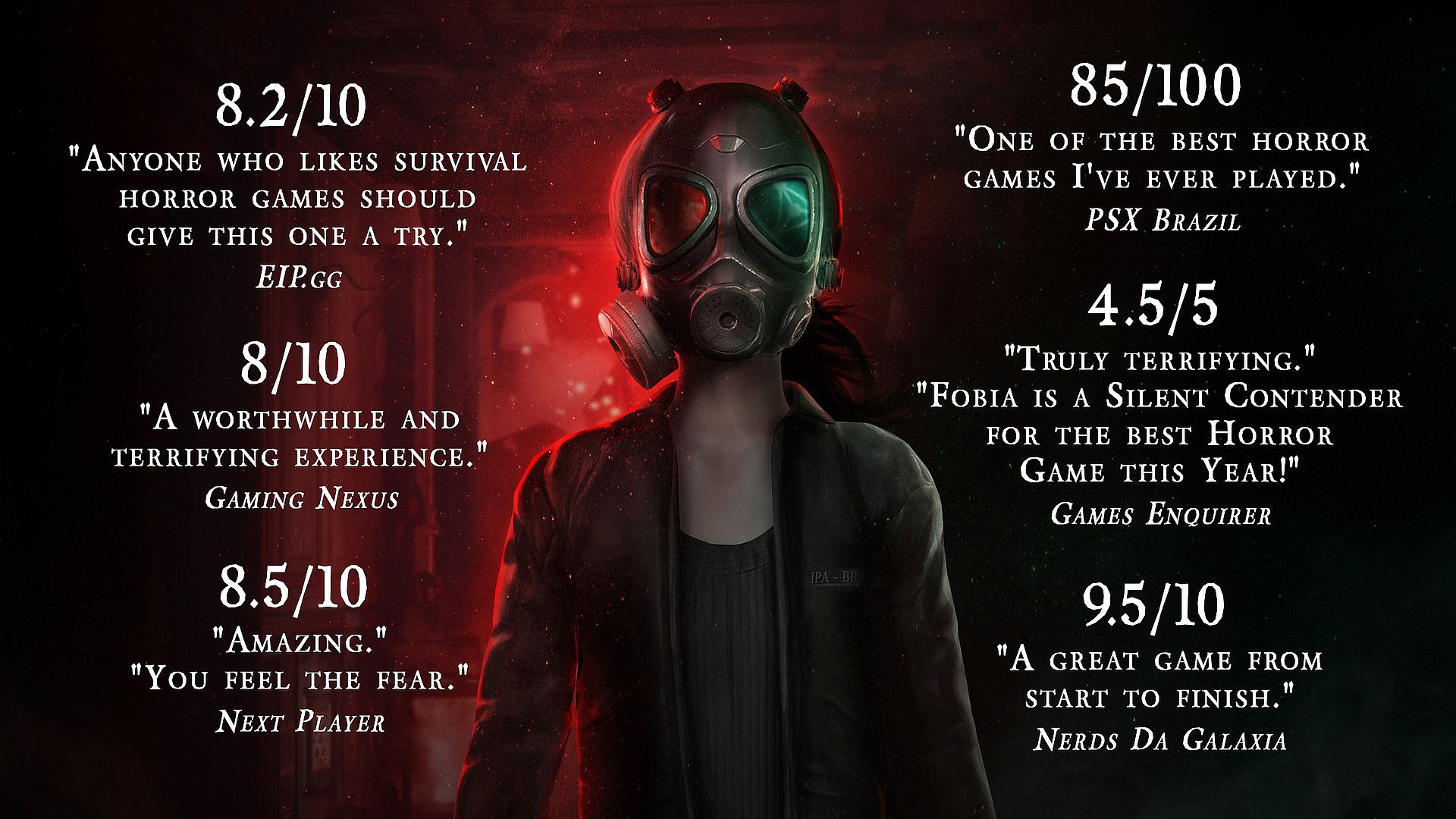
Player reception on Steam stands at Very Positive overall, with 83 percent approval from more than 1,500 reviews. Reviewers frequently highlight the strong atmosphere, inventive camera-based puzzles, and tense survival elements as standout features. Recent feedback shows more mixed results, though the core experience remains unchanged since its June 2022 release.
The title suits players who enjoy puzzle-driven survival horror with a heavy emphasis on investigation and resource scarcity. Those seeking fast-paced action or multiplayer options will find less to engage with here. A demo is available for those wanting to test the mechanics before committing. The game receives no ongoing seasonal updates or additional content, positioning it as a complete, self-contained experience best approached for its atmospheric single-player journey.