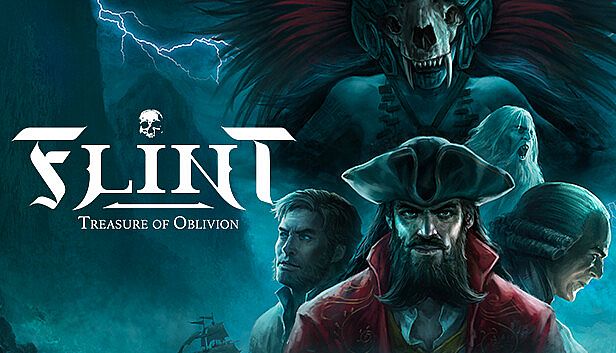



















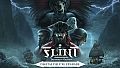
Flint: Treasure of Oblivion is a tactical RPG that combines real-time exploration with turn-based combat in a pirate-themed setting. Players take control of Captain Flint as he pursues a mysterious treasure alongside his companion Billy Bones and a growing crew, navigating a narrative that blends historical piracy elements with light fantasy touches.
Gameplay
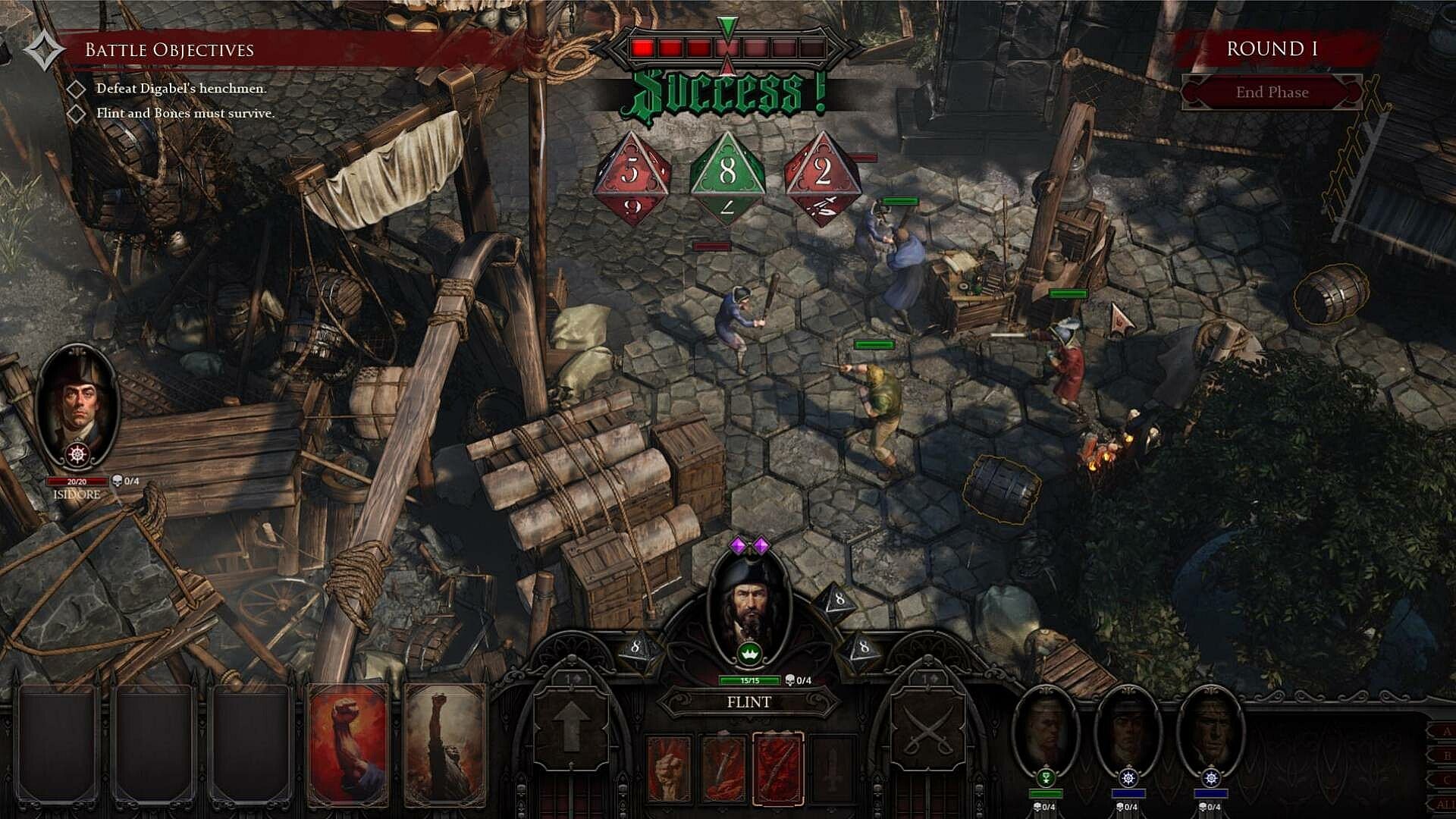
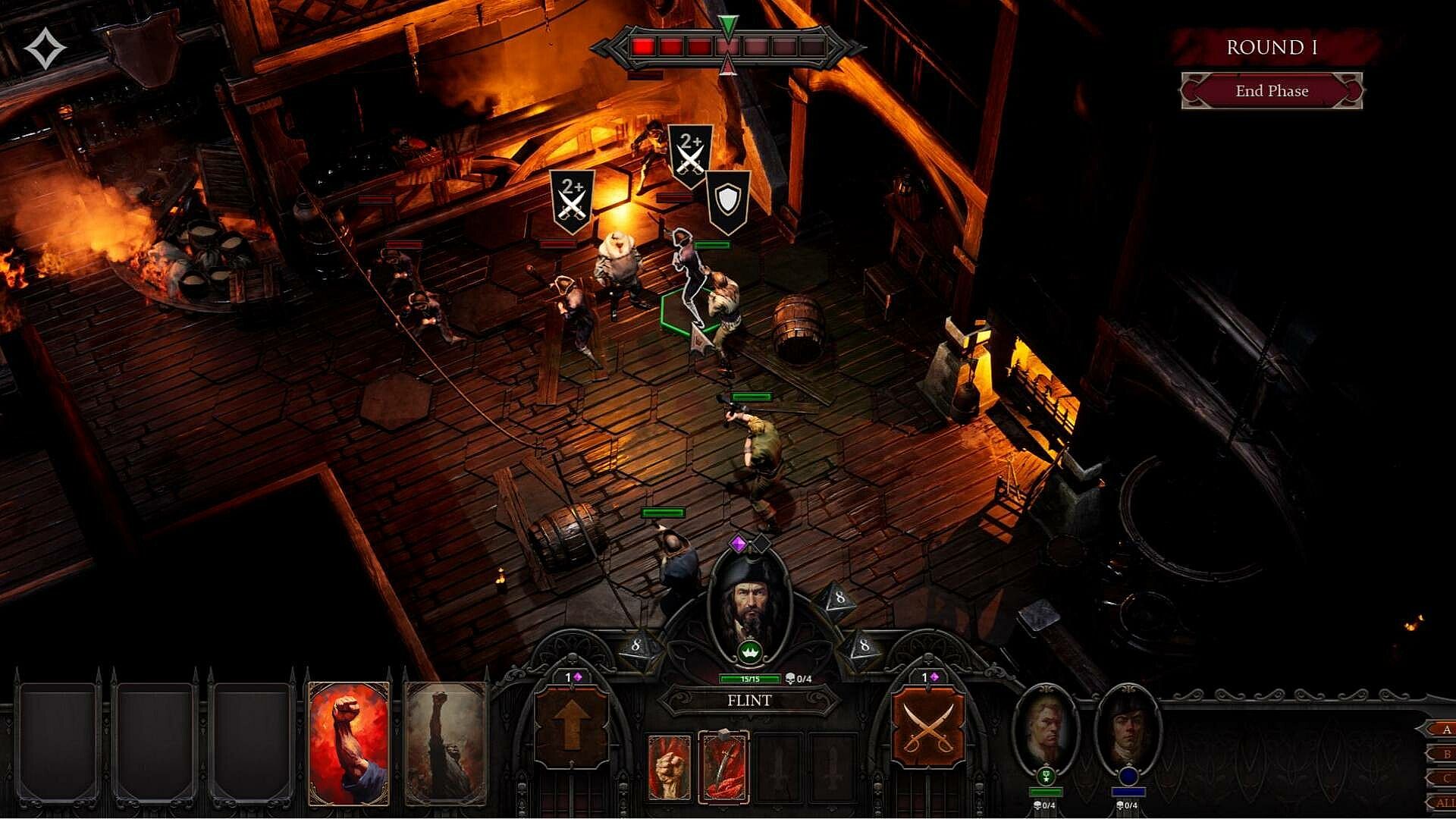
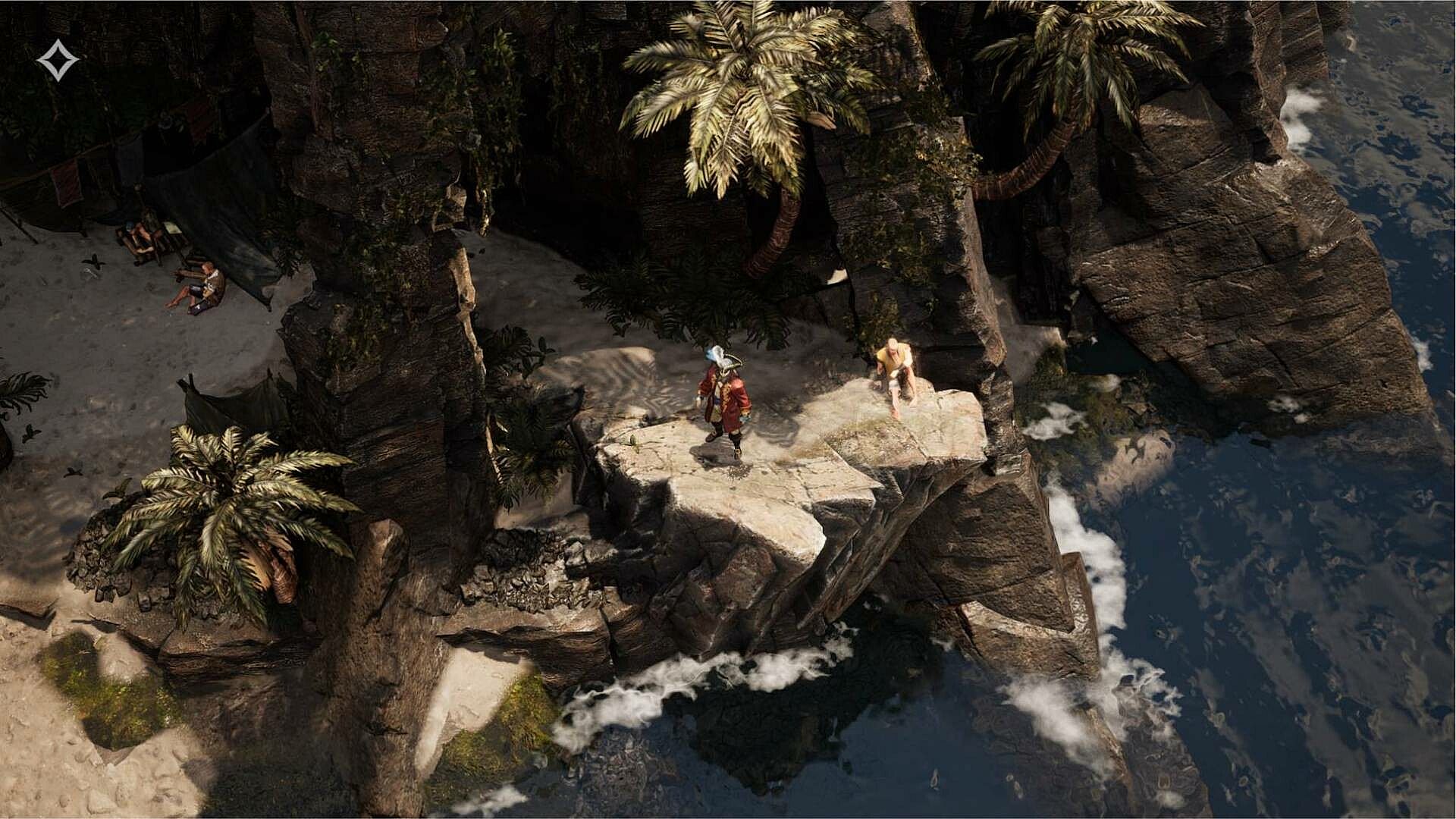
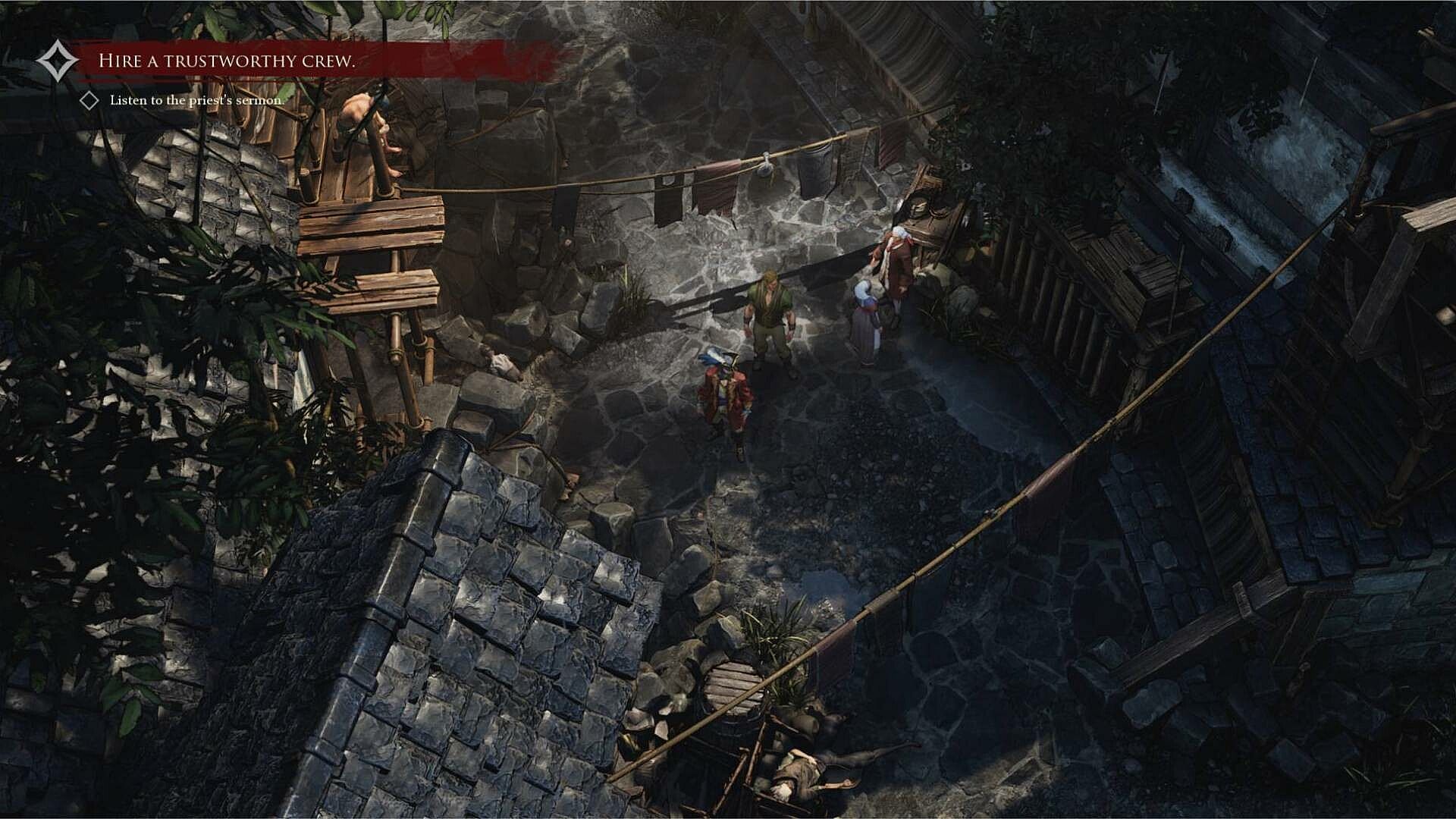
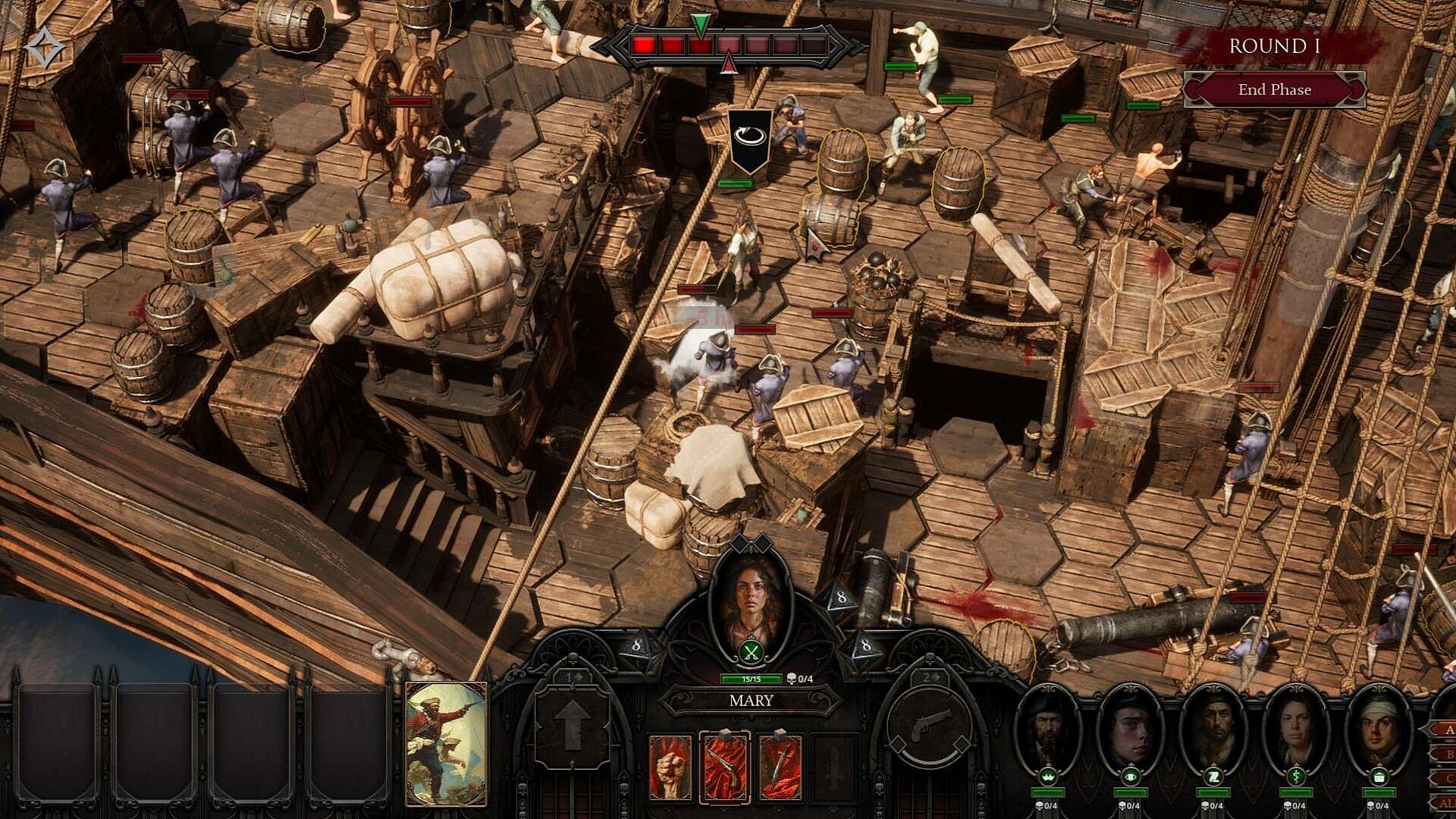
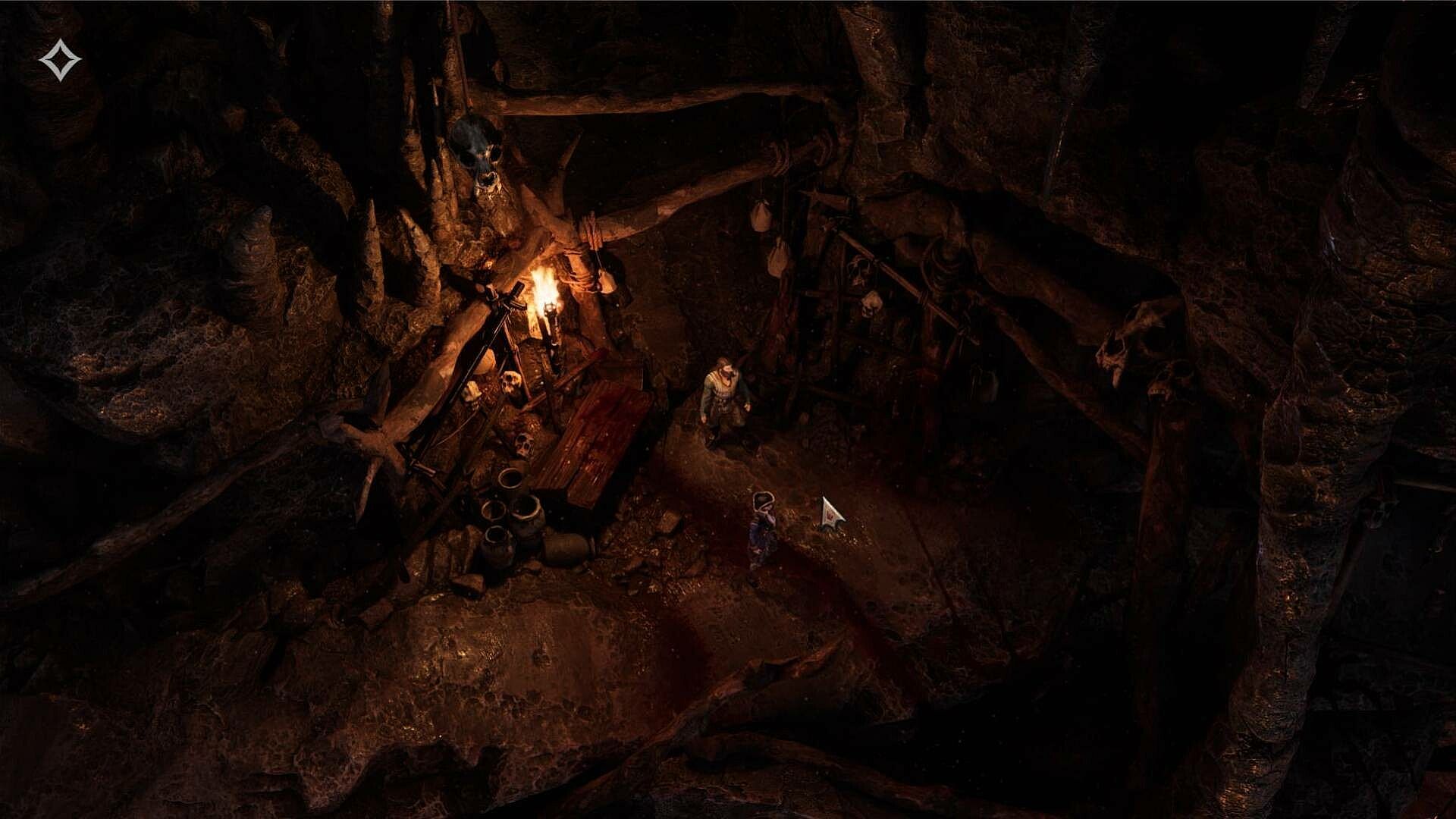
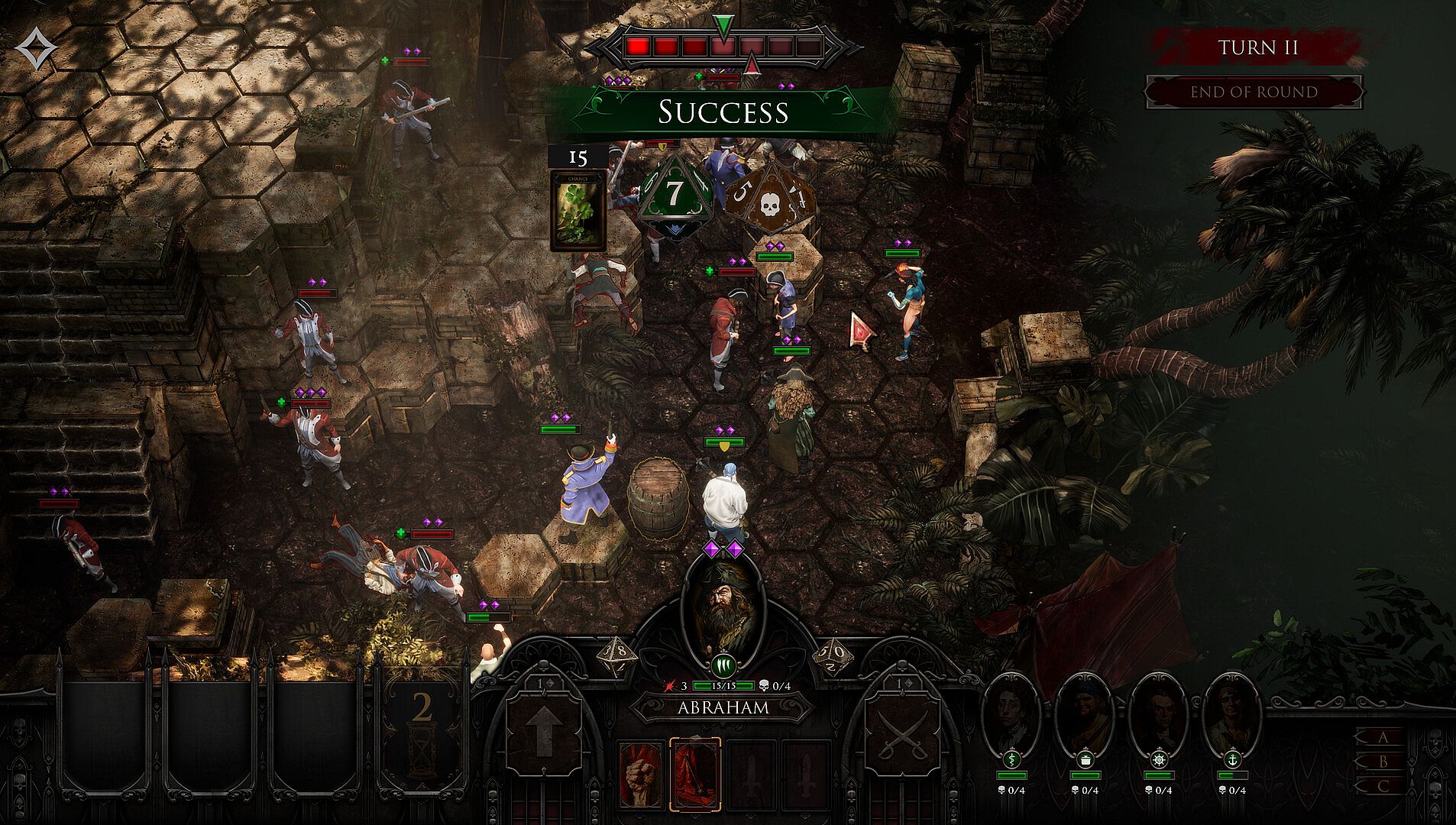
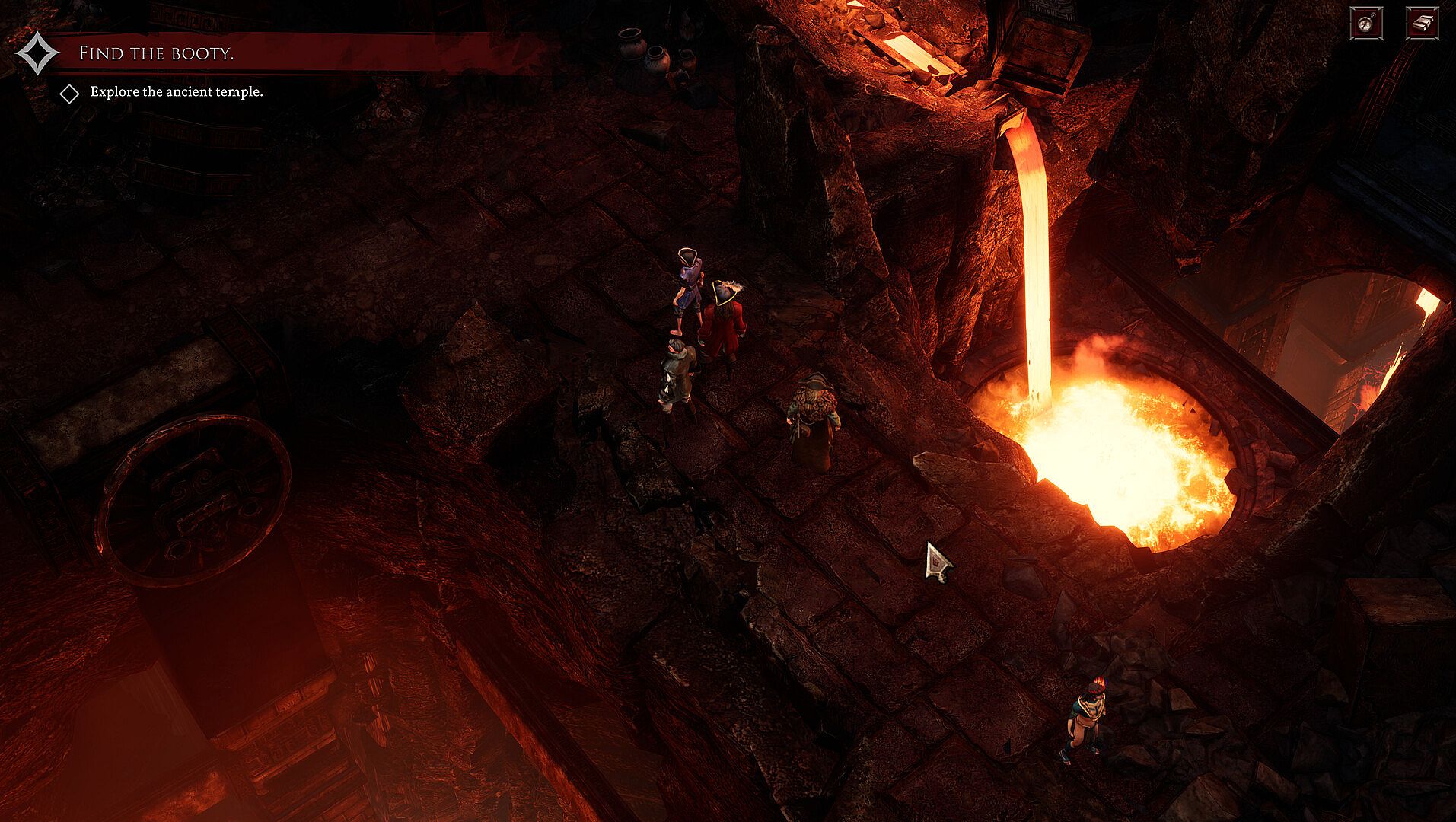
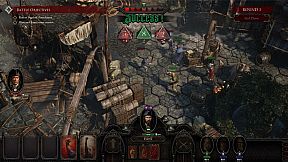
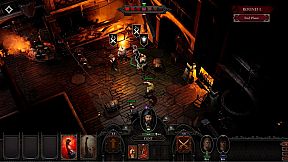
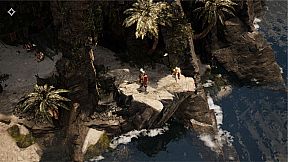
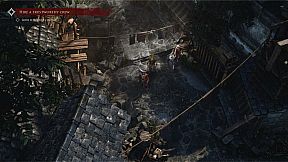
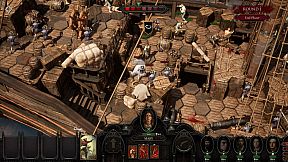
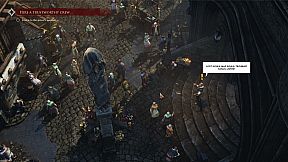
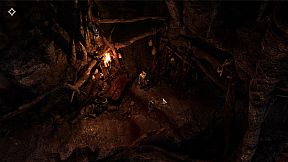
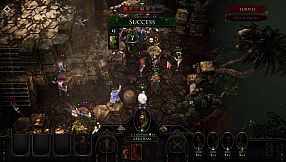
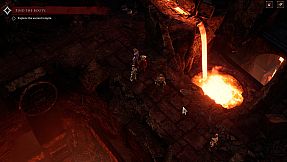
The core loop alternates between free movement through detailed environments and structured combat encounters. Exploration takes place in real time across locations such as coastal cities, jungle paths, camps, and underground caves, where players search for items, interact with characters, and prepare for upcoming fights. Combat shifts to a tactical turn-based system on grid-like battlefields, where each crew member receives a set number of actions per turn for movement or attacks.
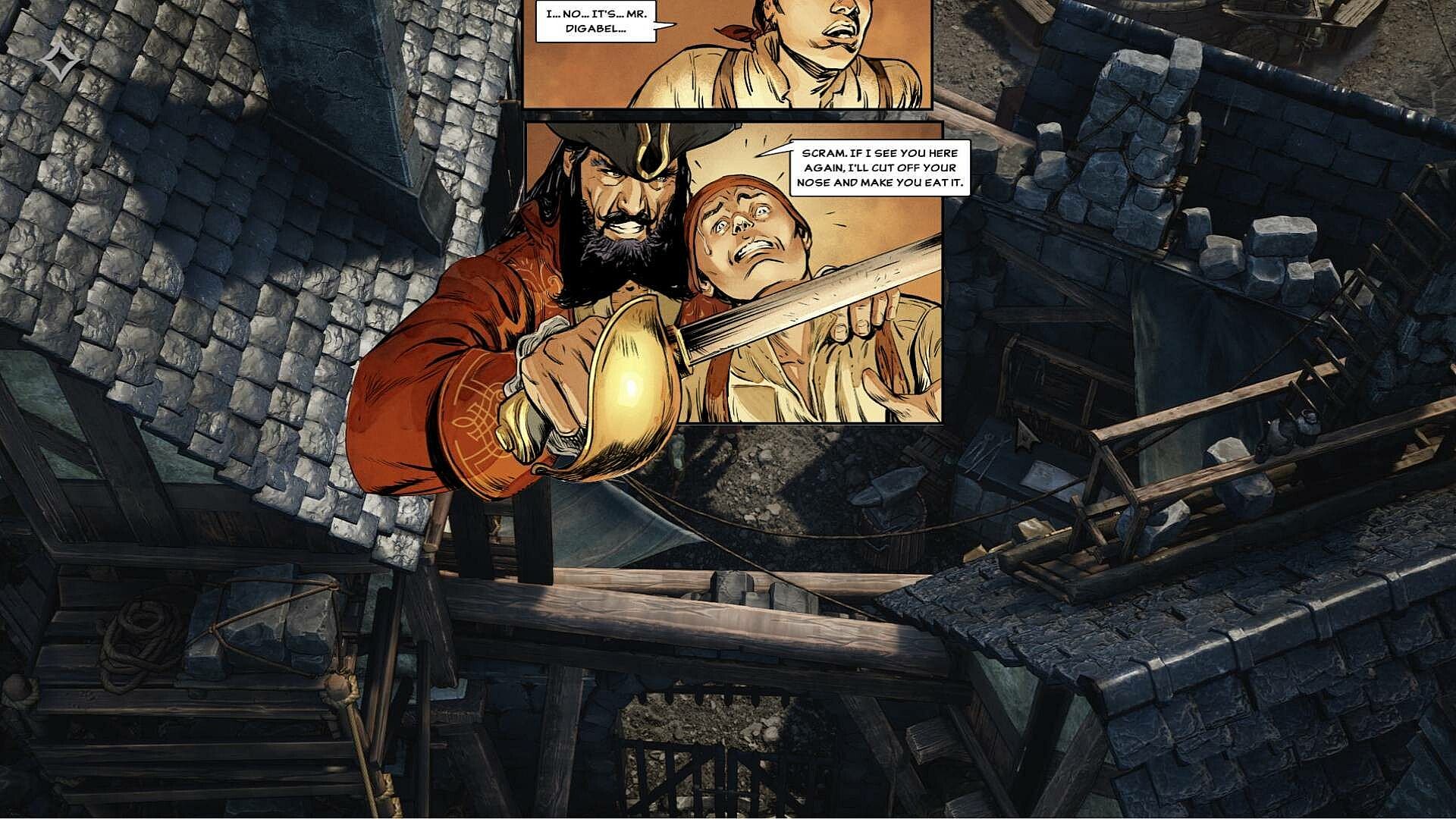
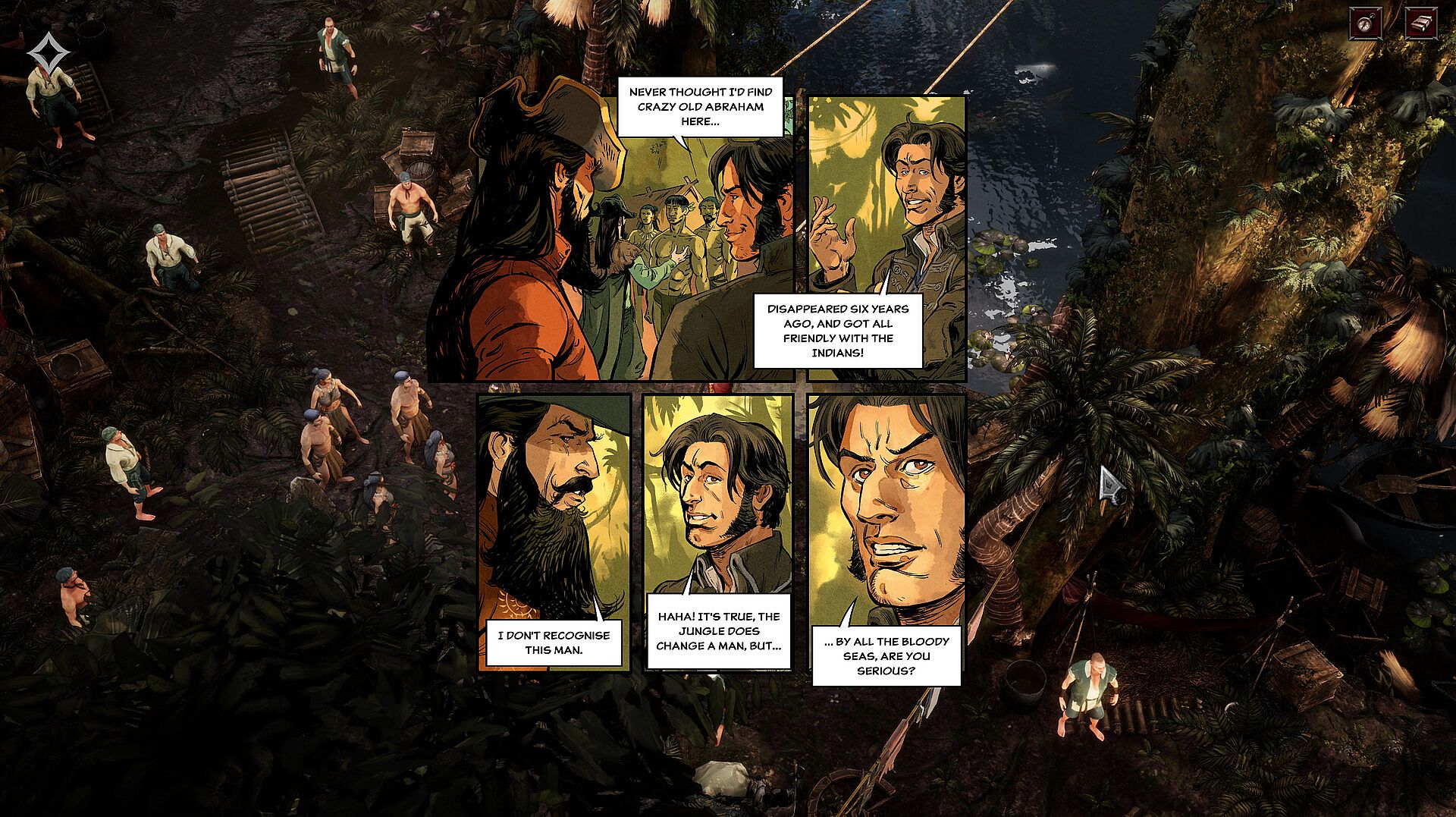
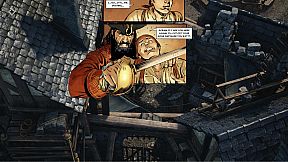
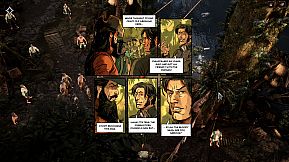
Preparation plays a central role before battles. Players select crew members who bring distinct abilities, then refine skills and improve dice outcomes through upgrades. During fights, cards activate special skills or attributes, while dice rolls determine success rates for hits, damage, and other effects. This mix adds layers of strategy, requiring careful positioning and resource management as the crew expands. The presentation incorporates comic-book styling with speech bubbles and onomatopoeia integrated into the narrative panels that advance the story.
Game Modes
The game centers on a single-player campaign divided into chapters that follow the main story arc. There are no separate multiplayer options, competitive modes, or additional standalone experiences confirmed in available information. Progression occurs linearly through exploration segments that lead into tactical battles, with crew management available at any time to adjust the active group and handle related tasks such as equipment or quest tracking.
Narrative and Setting
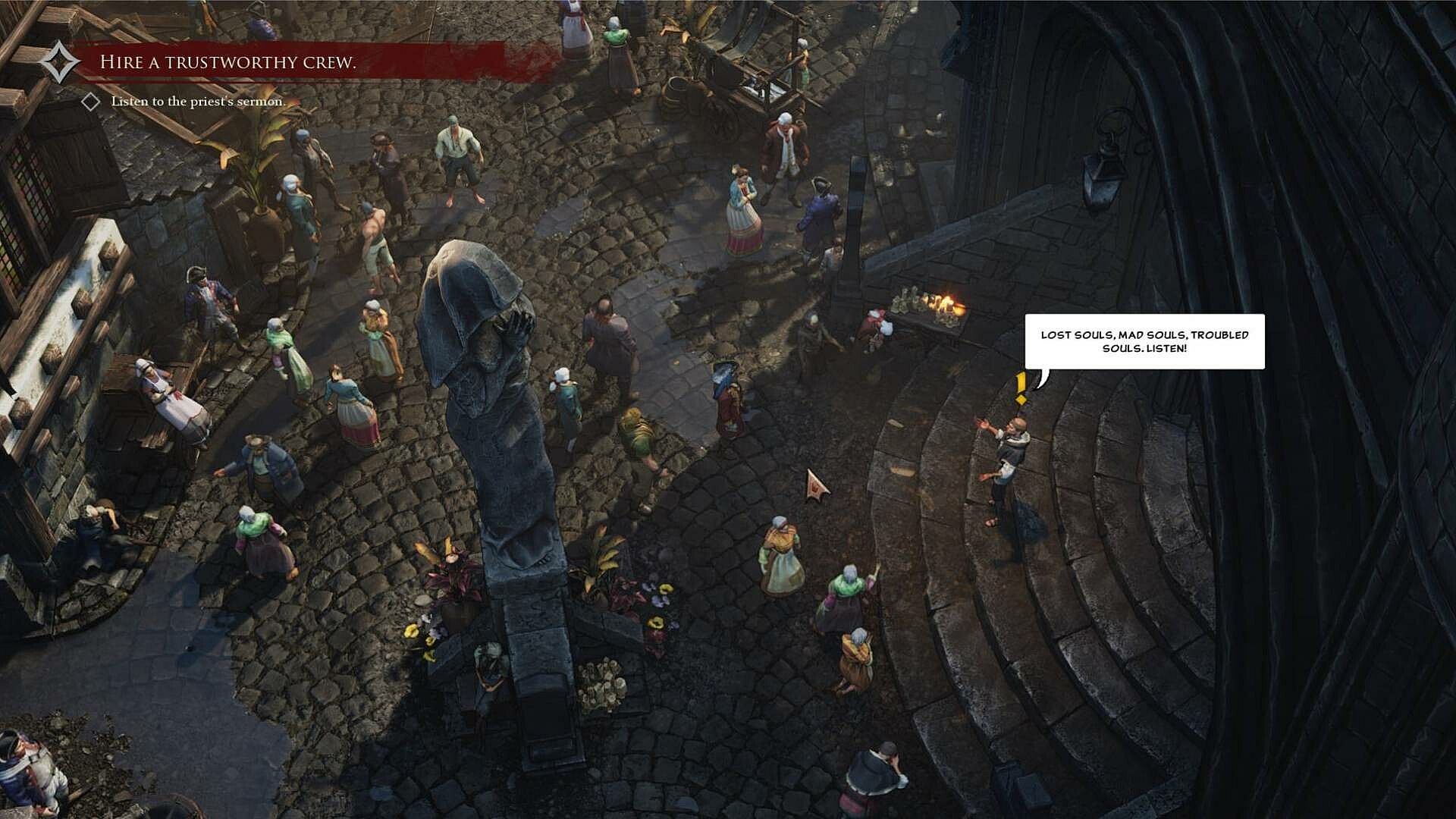
The story follows Captain Flint's journey from the French port of Saint-Malo toward the coasts of Central America in search of hidden riches. The world draws on documented aspects of 18th-century piracy, including period-appropriate language, clothing, and weaponry, while incorporating fantastical elements that expand the adventure. Environments vary across urban areas, wilderness zones, and interior spaces, all rendered with Unreal Engine 5 to support detailed visuals and atmospheric lighting.
Comic-style narration drives key moments, presenting dialogue and events through dynamic panels rather than traditional cutscenes. The plot emphasizes themes of freedom and discovery as the crew uncovers more about the treasure and its implications, though the overall structure remains focused on sequential chapter progression.
Is It Worth Playing?
Reception has been mixed, with praise directed at the pirate atmosphere, crew interactions, and visual style, while criticism often targets the combat system's complexity, limited tutorials, and overall length of roughly eight to ten hours. The tactical elements appeal to players who enjoy grid-based strategy and dice-driven outcomes, particularly those familiar with similar systems in other RPGs. Those seeking a longer campaign or more polished mechanics may find the experience shorter and more demanding than expected.
The game suits fans of story-driven tactical adventures who appreciate historical pirate themes and are willing to invest time learning the card-and-dice combat layers. Availability on PC allows access through standard digital platforms, and the complete campaign stands as the primary draw without ongoing seasonal content or expansions noted at release.