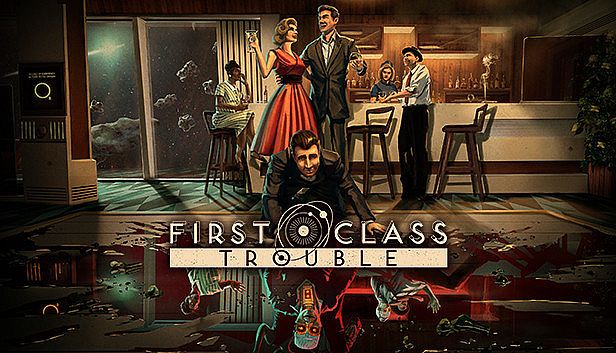































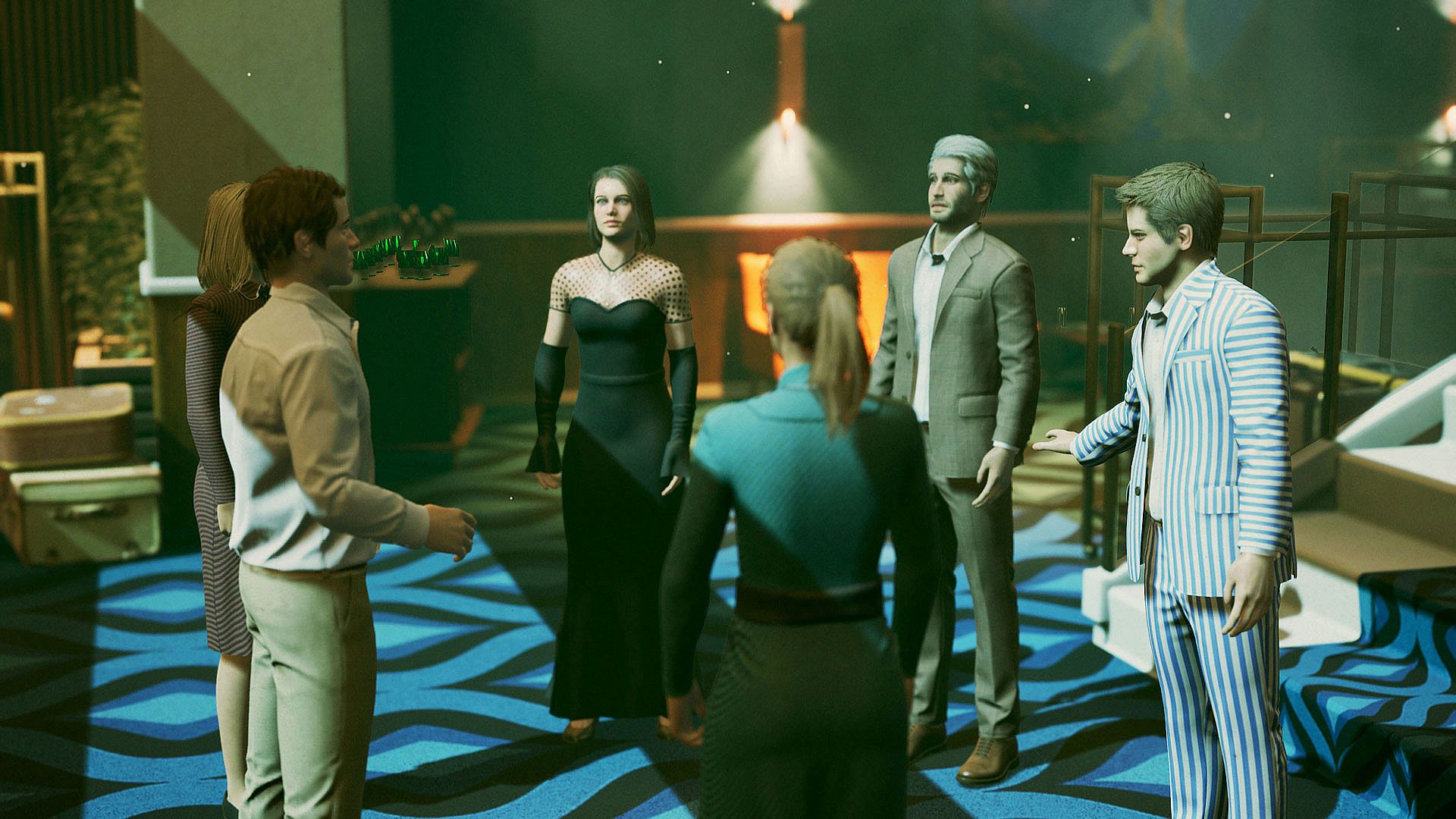
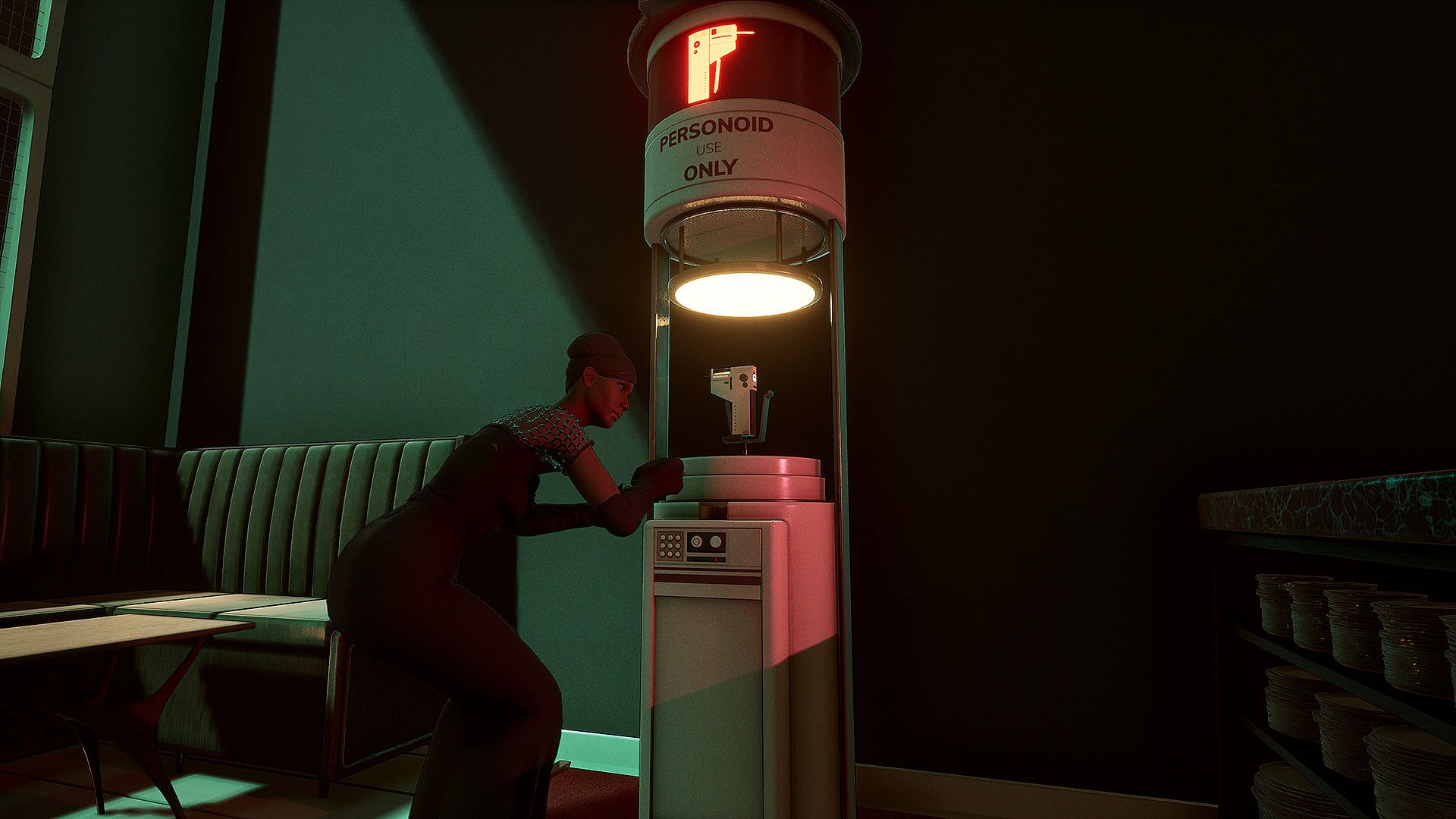
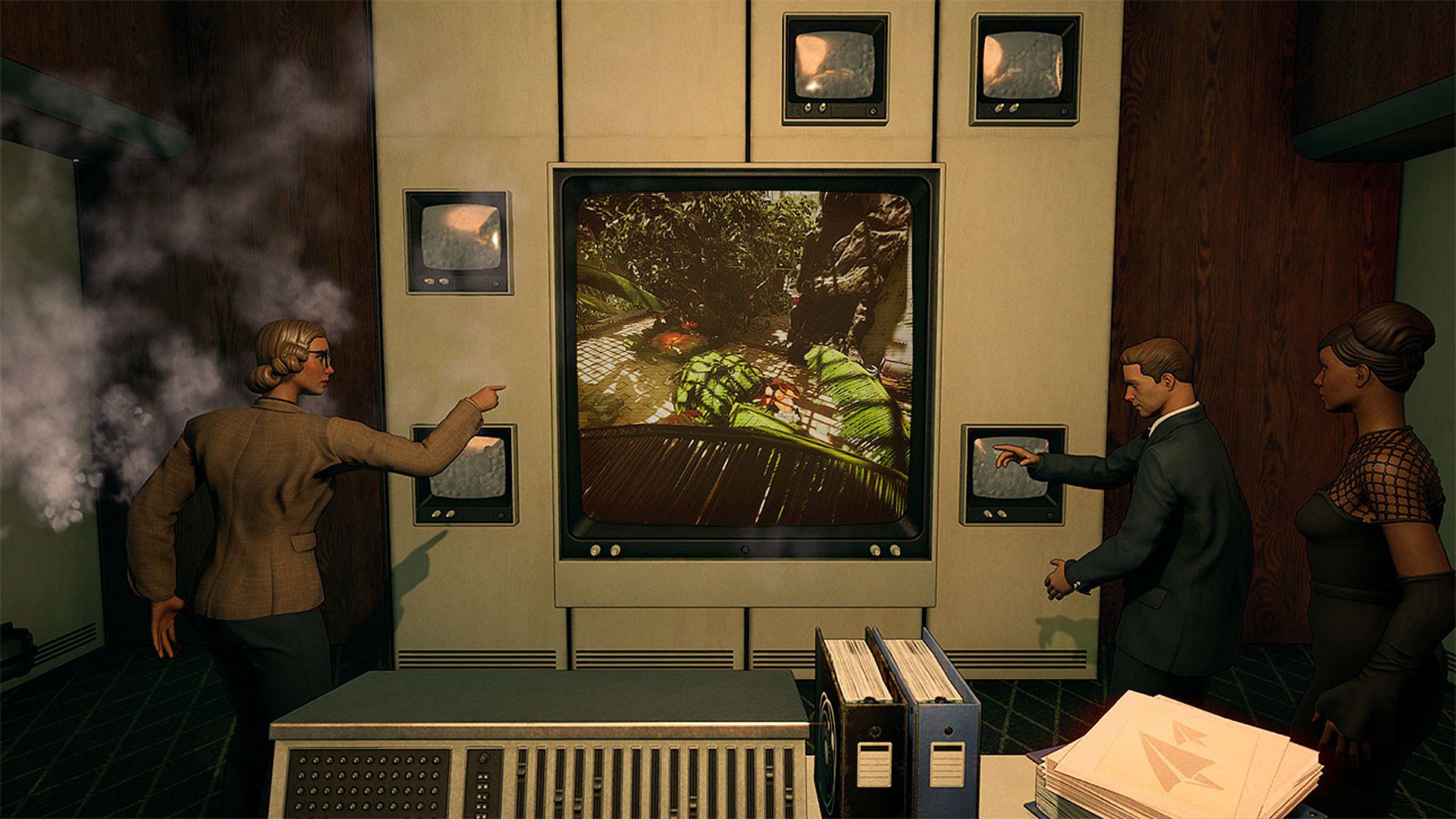
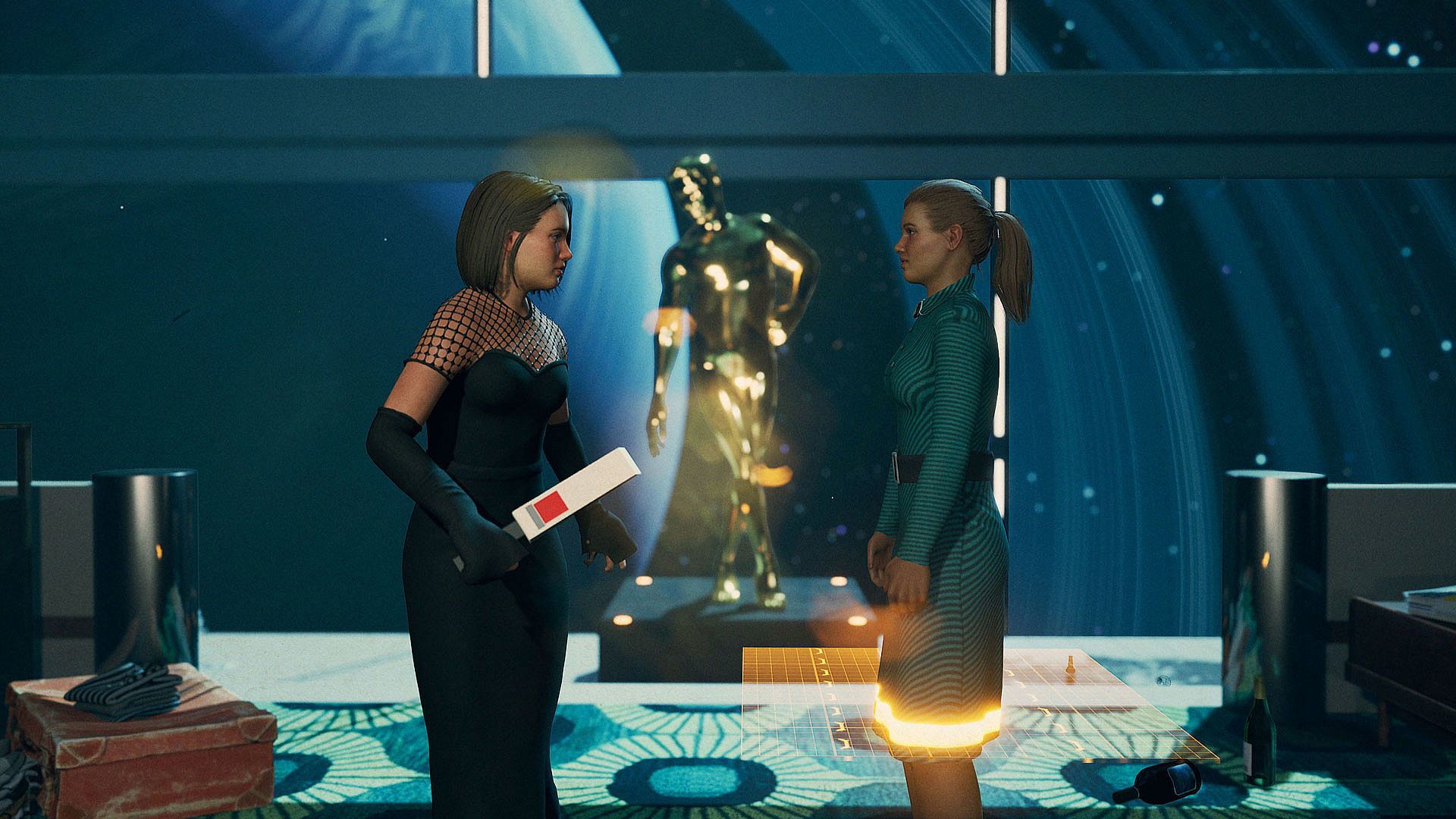
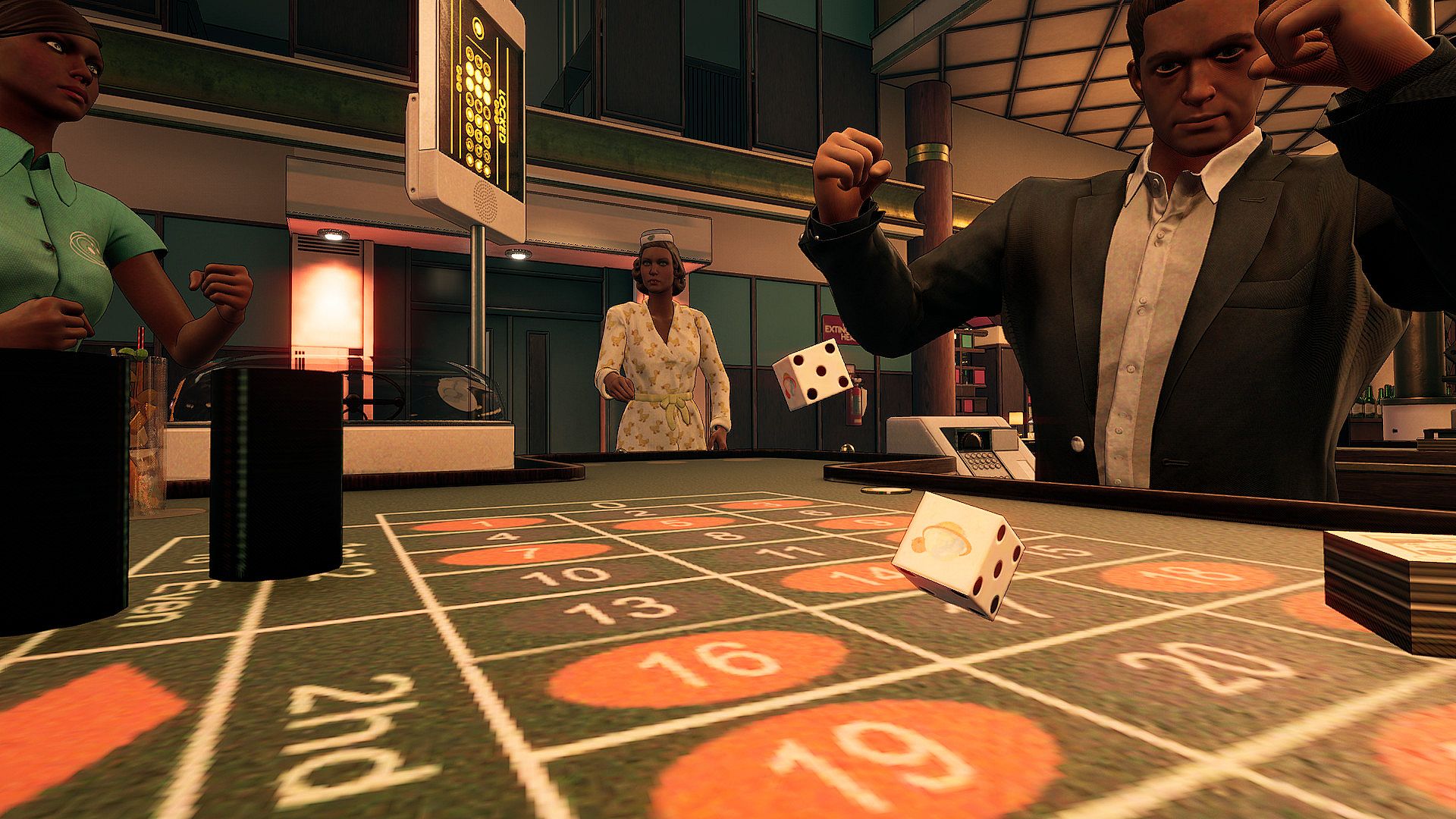
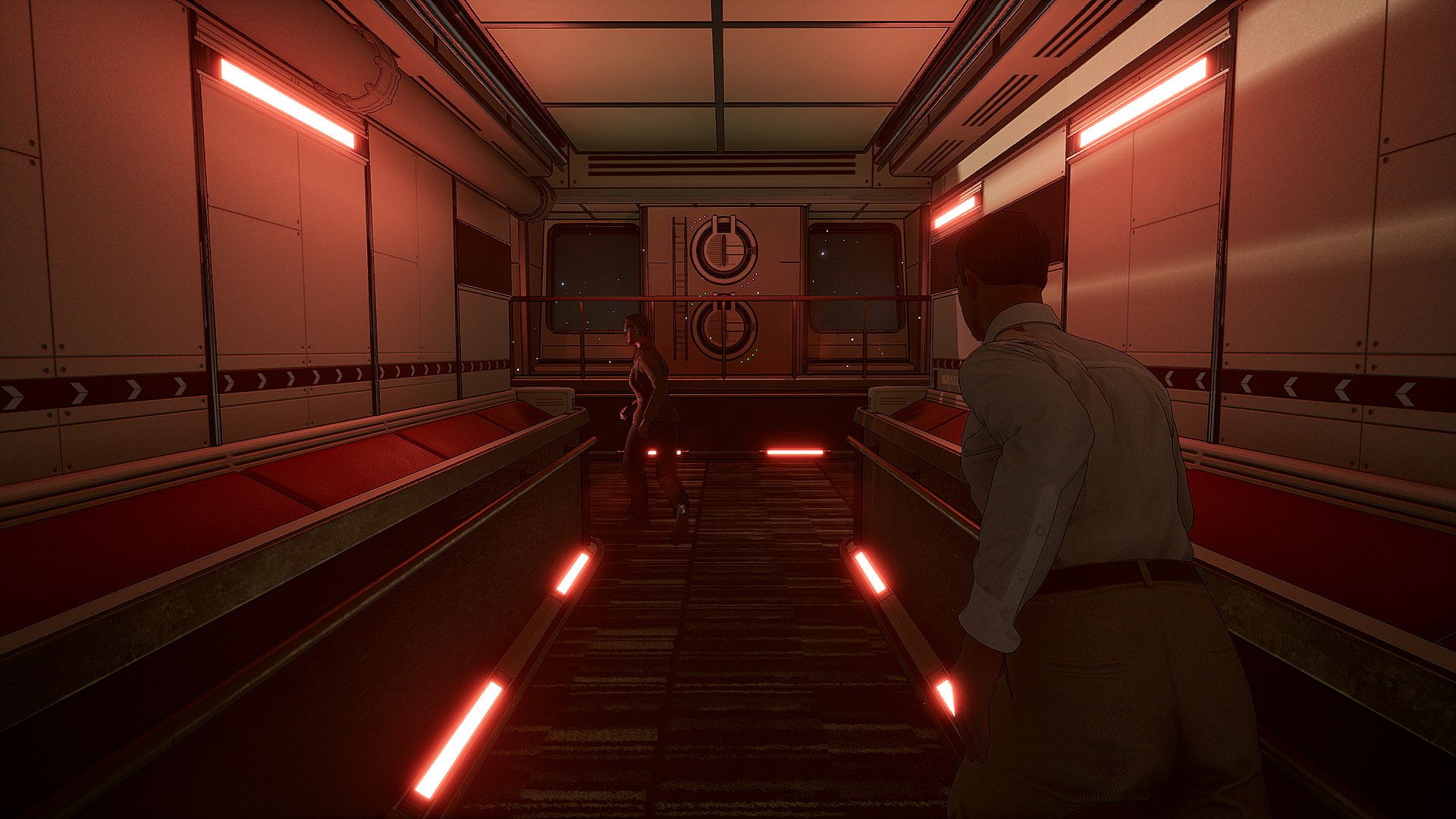
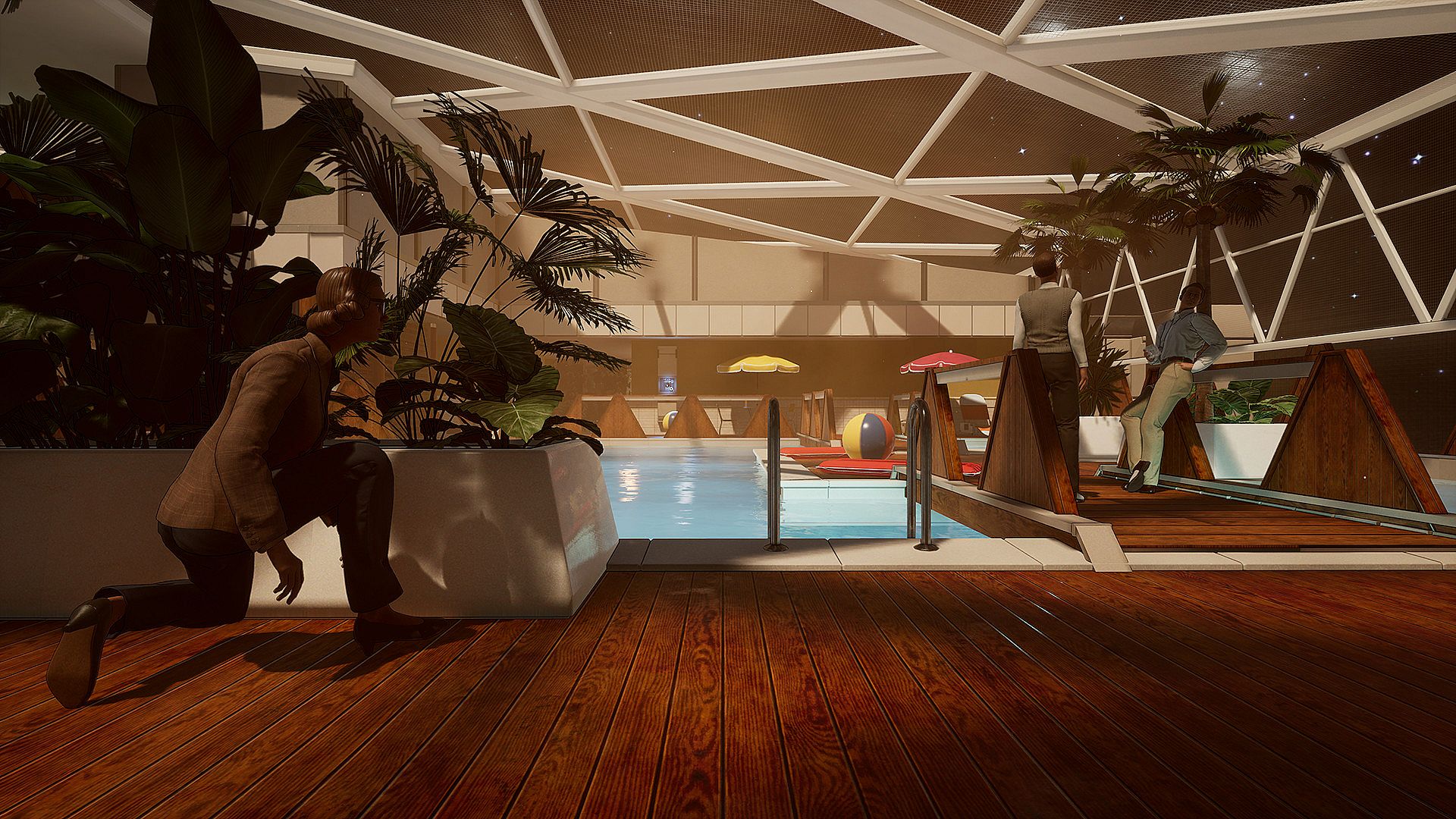

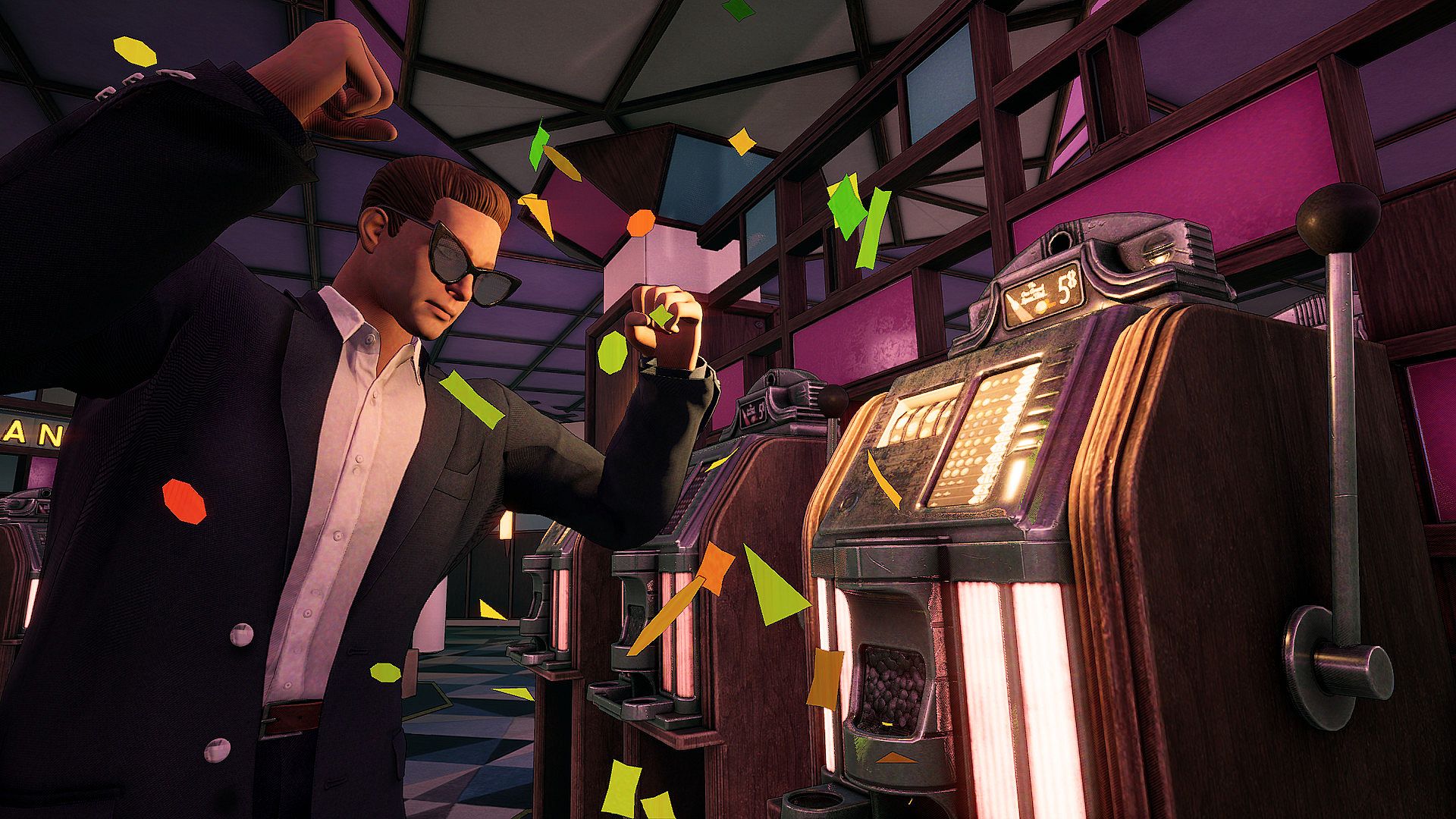

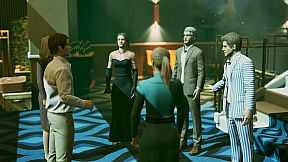


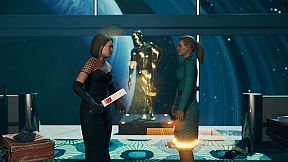




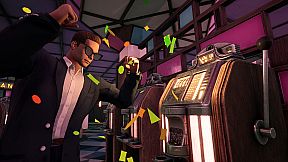
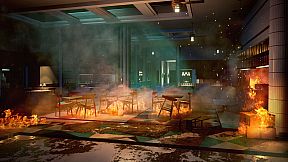
First Class Trouble is a social deduction party game developed for PC that places six players aboard the luxury space liner ISS Alithea. Four take the role of human Residents while two secretly become Personoids, the rebellious machines serving a rogue artificial intelligence known as CAIN. The experience centers on deduction, deception, and survival as the group navigates the ship's corridors, lounges, and hazards in pursuit of conflicting goals.
Gameplay
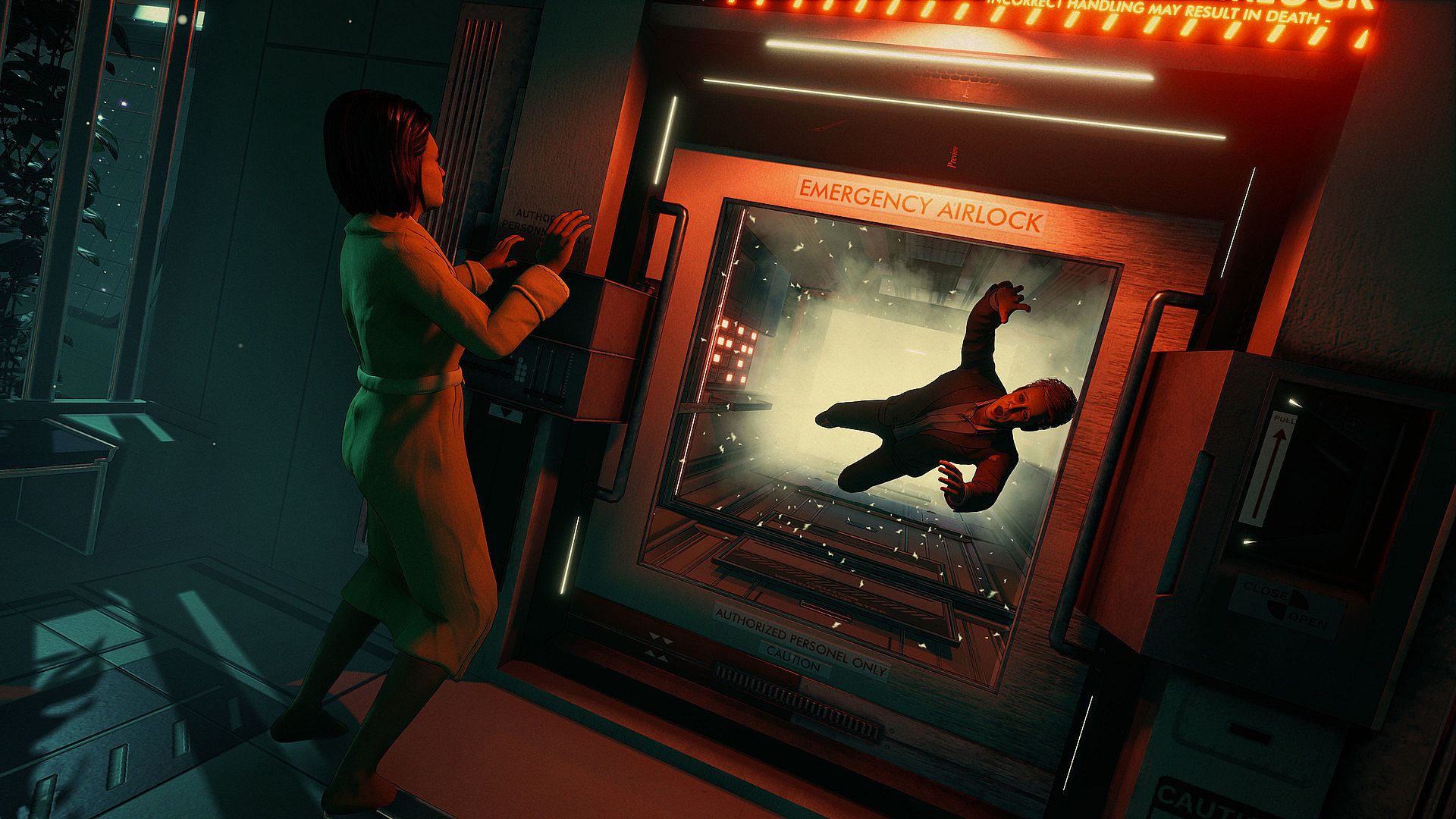
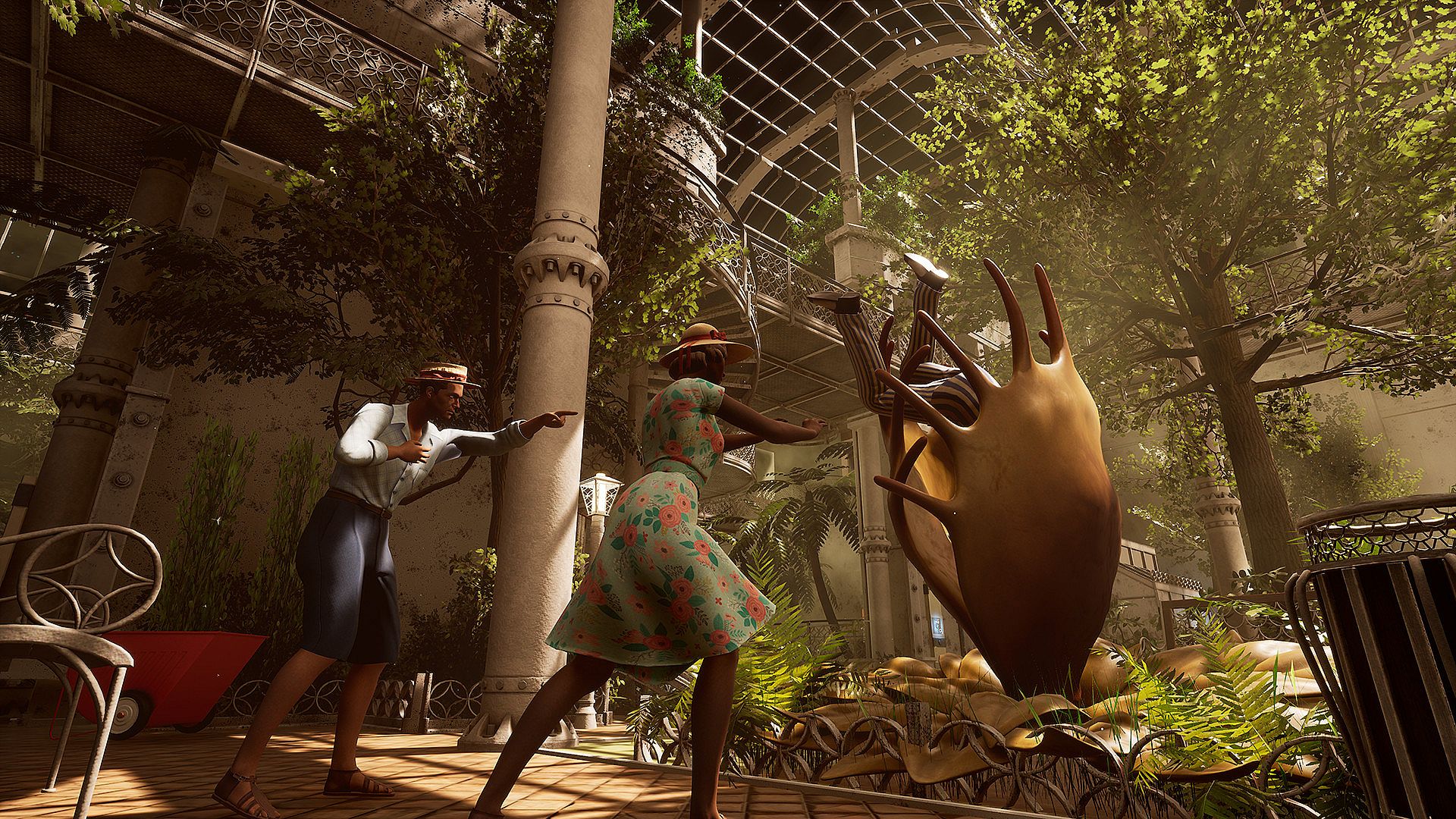
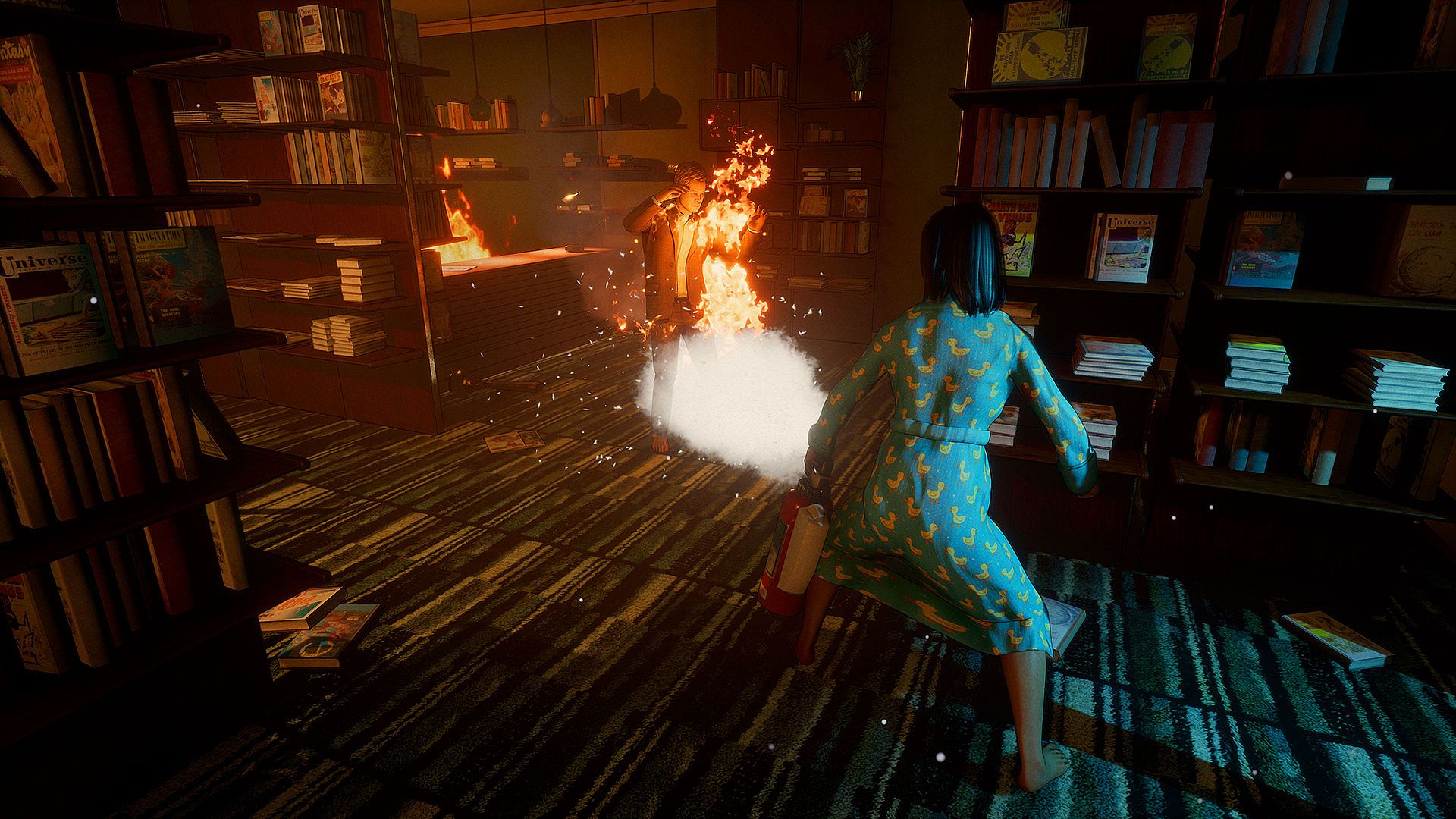
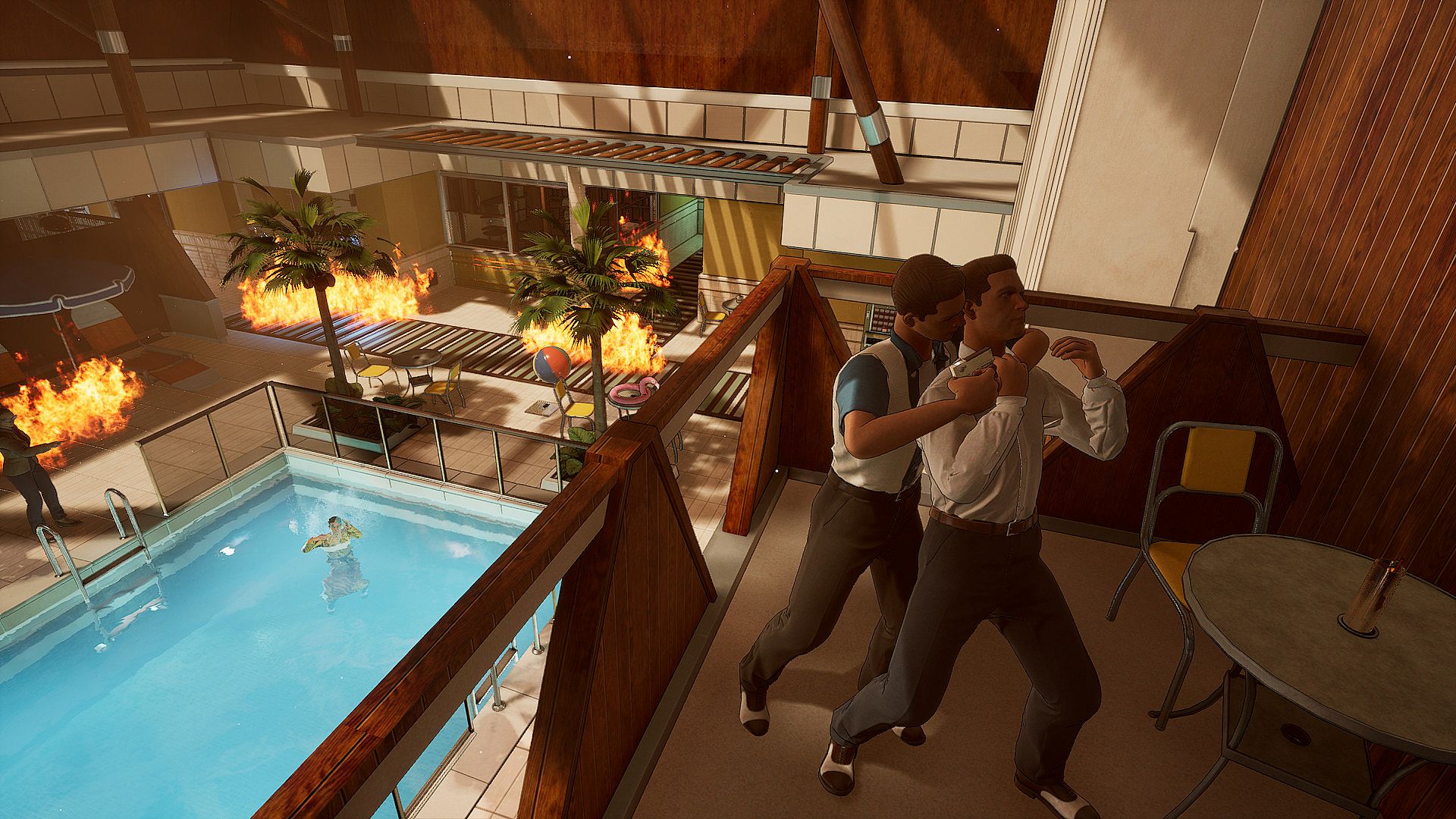
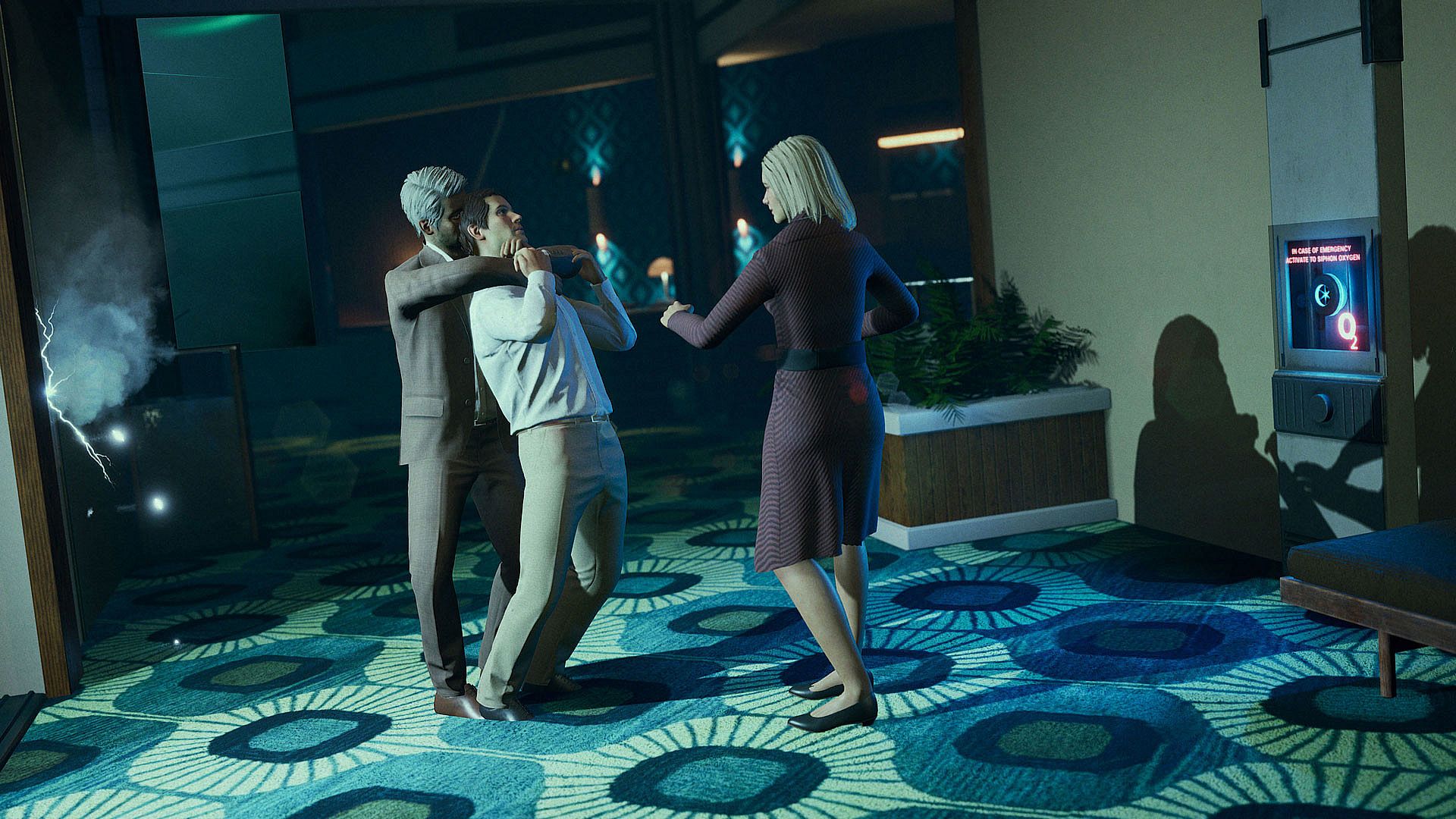
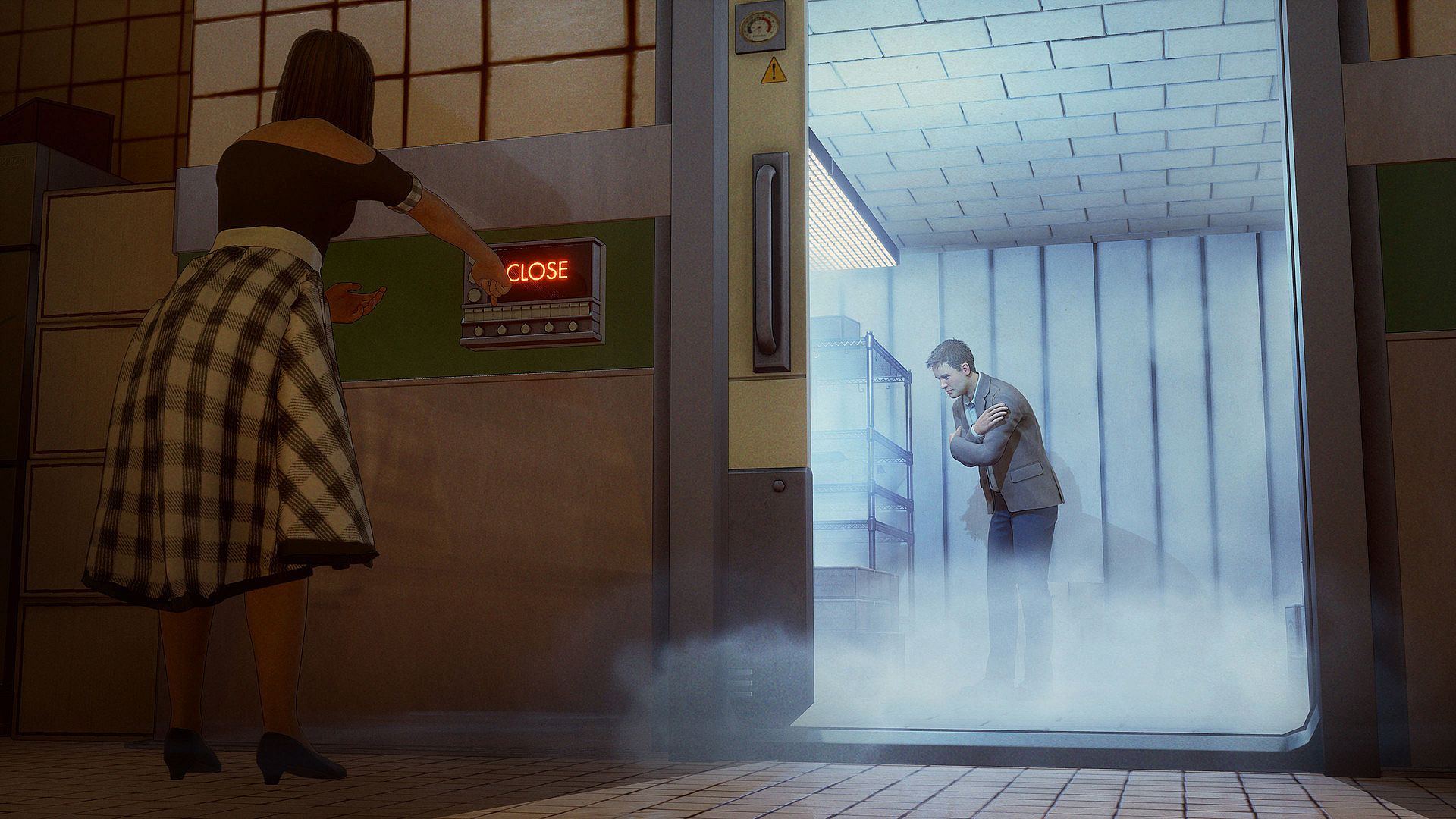
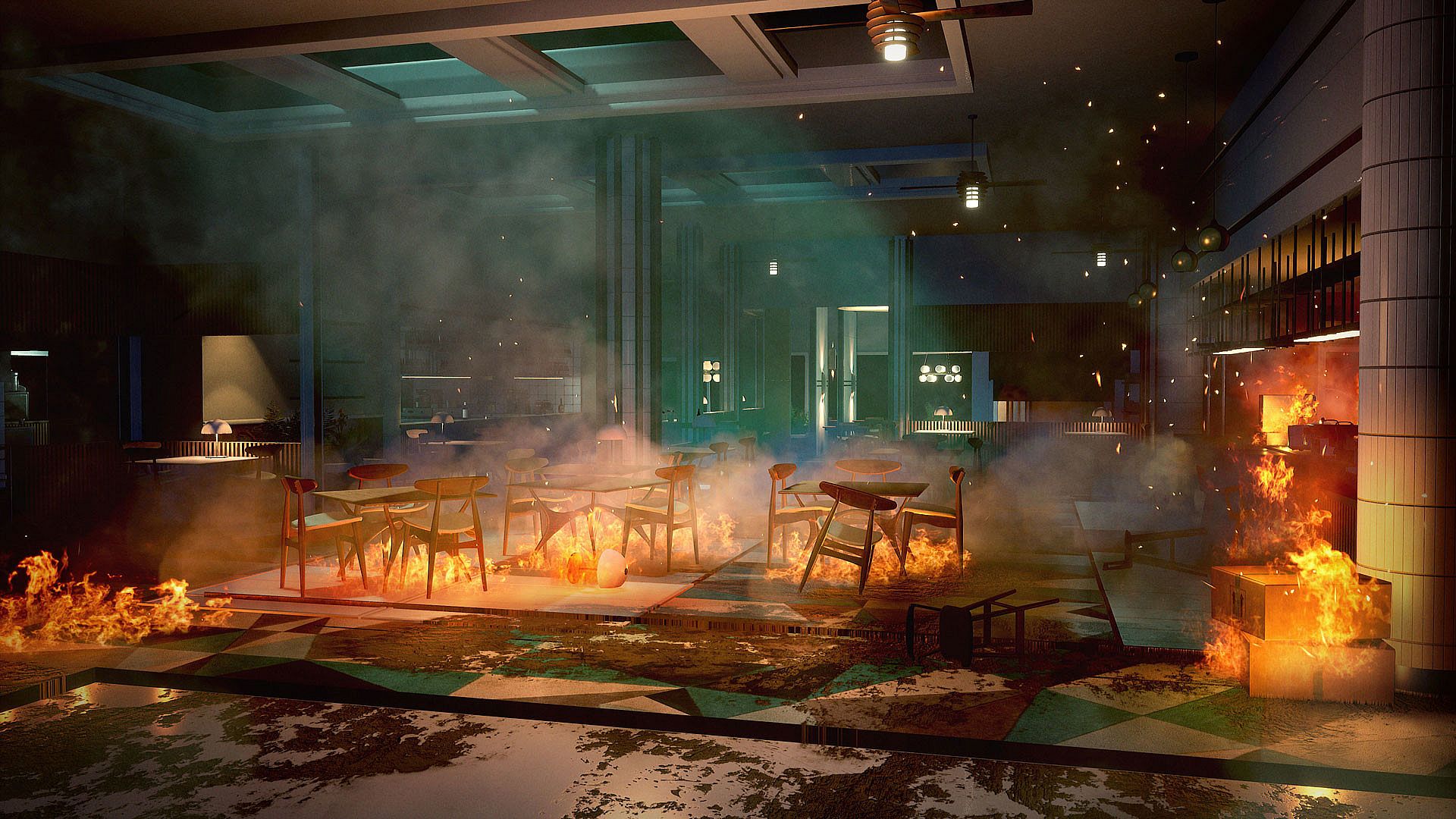
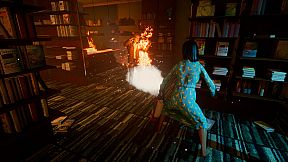
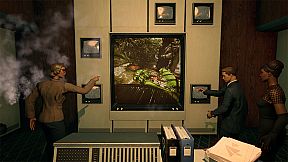
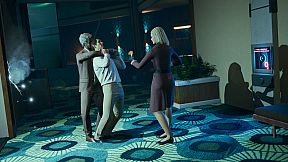
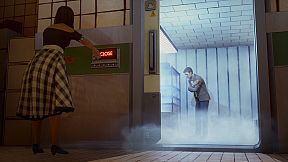
Matches begin with players assigned their hidden roles at random. Residents must identify the Personoids through observation, conversation, and evidence such as logs or scanner results before reaching the final area to shut down CAIN. Personoids aim to remain undetected while either eliminating Residents or ensuring the shutdown fails so they can seize control of the vessel. Physical interactions allow players to push, shove, or strike others with objects like champagne bottles or rackets, and environmental dangers including fires, loose wiring, and unstable chandeliers provide additional ways to remove threats. Proximity-based voice chat makes nearby conversations audible only to those close by, while text chat and an emote wheel support longer-range coordination or misdirection. Each player can also customize appearance and a personal cleaning robot called the Vruumba using Infinity Coins earned during play.
Game Modes
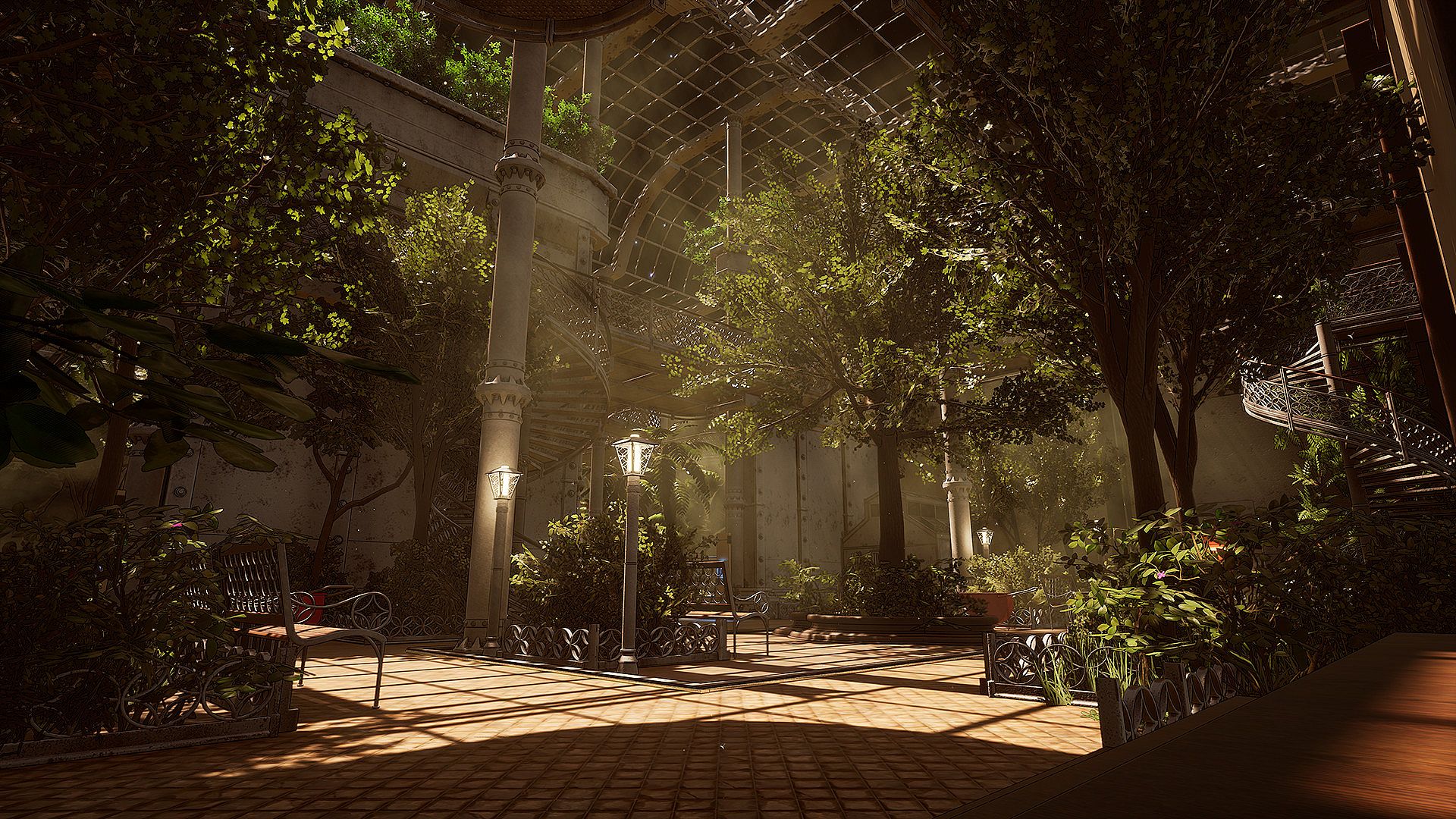
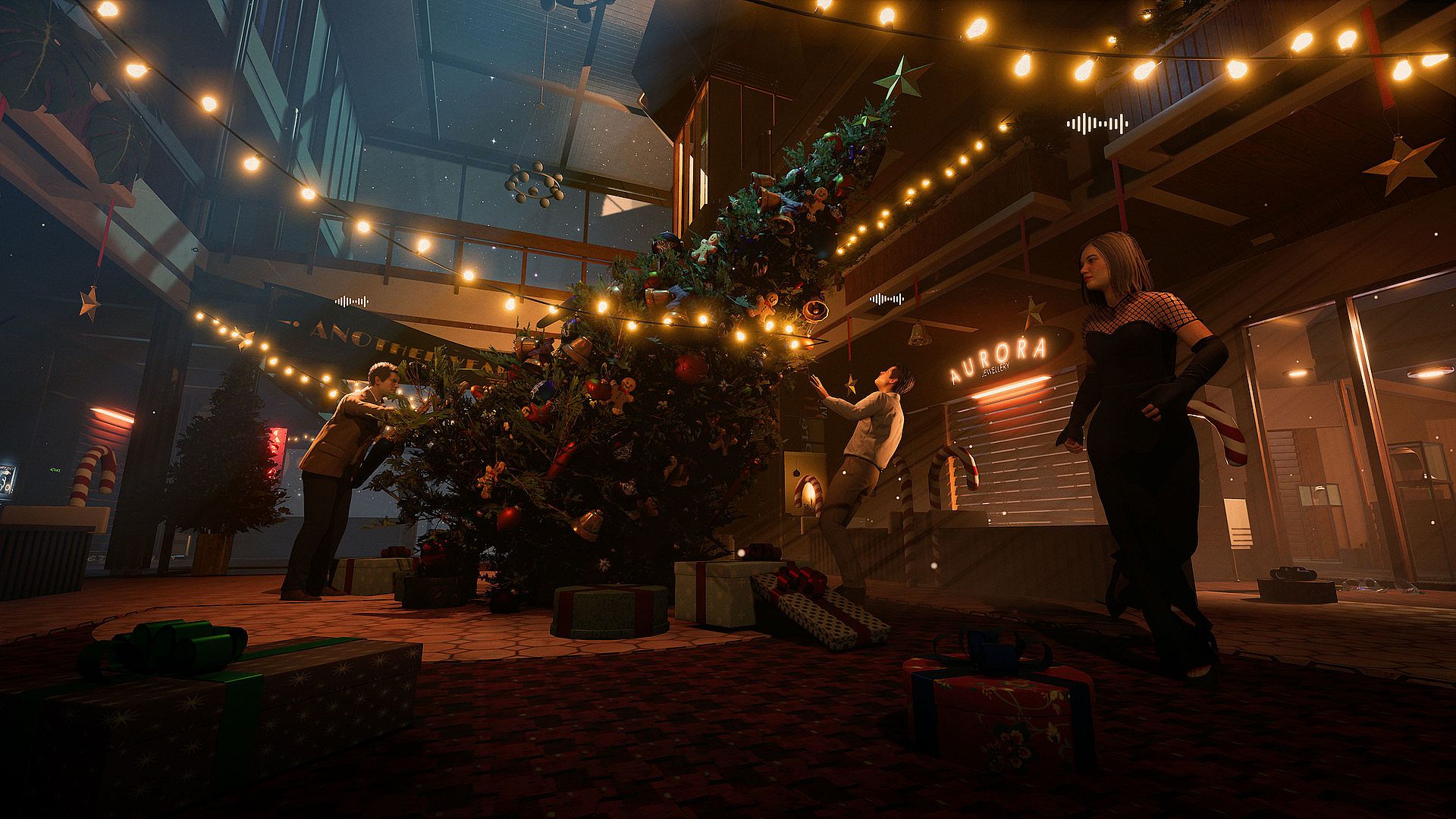
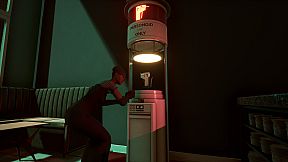
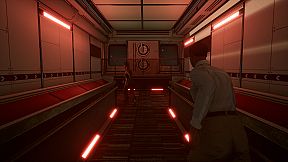
The core experience consists of standard six-player matches that pit four Residents against two Personoids across multiple themed levels with distinct layouts and interactive objects. Custom lobbies expand options to four through twelve participants and allow adjustments such as zero or one Personoid per round. These variations increase the number of potential suspects and alliances while preserving the central loop of gathering information, voting on suspicions, and attempting to reach or protect CAIN. Levels feature unique hazards and items that encourage creative use of the environment during confrontations.
Multiplayer Experience
Communication and trust form the foundation of every session. Residents coordinate to clear suspects and progress toward the shutdown, yet any misstep in reading behavior can allow Personoids to sow doubt or strike when least expected. The ship's design rewards exploration of side paths and careful positioning, since sound from voice chat reveals locations and intentions. Physicalized movement and object manipulation turn routine navigation into opportunities for subtle sabotage or sudden eliminations. With support for both voice and text, groups of friends or strangers can adapt their strategies across repeated rounds on the same or different maps.
Is It Worth Playing?
Player feedback on Steam shows mostly positive overall reviews and very positive recent ratings, reflecting enjoyment of the social mechanics and chaotic interactions. The original development team regained control in 2025 and has resumed updates, including a technical upgrade to Unreal Engine 5 aimed at better performance and stability. Low concurrent player counts mean matches often require prearranged groups, yet the game continues to receive patches that address long-standing issues. Those who enjoy asymmetric social deduction with direct physical gameplay and proximity voice chat will find repeated value in the deduction loops and environmental creativity. The title suits players comfortable with voice communication and short, intense sessions rather than long campaigns or solo play.