






















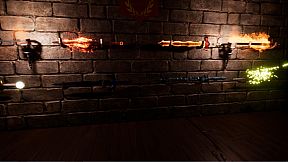
Fantasy Blacksmith is an indie simulation game focused on the craft of sword making in a fantasy setting. Players begin as an inexperienced blacksmith and progress through hands-on creation of weapons using detailed forging steps, material selection, and optional magical enhancements. The experience centers on building skill through repeated sword production while managing a workshop and interacting with customers.
Gameplay
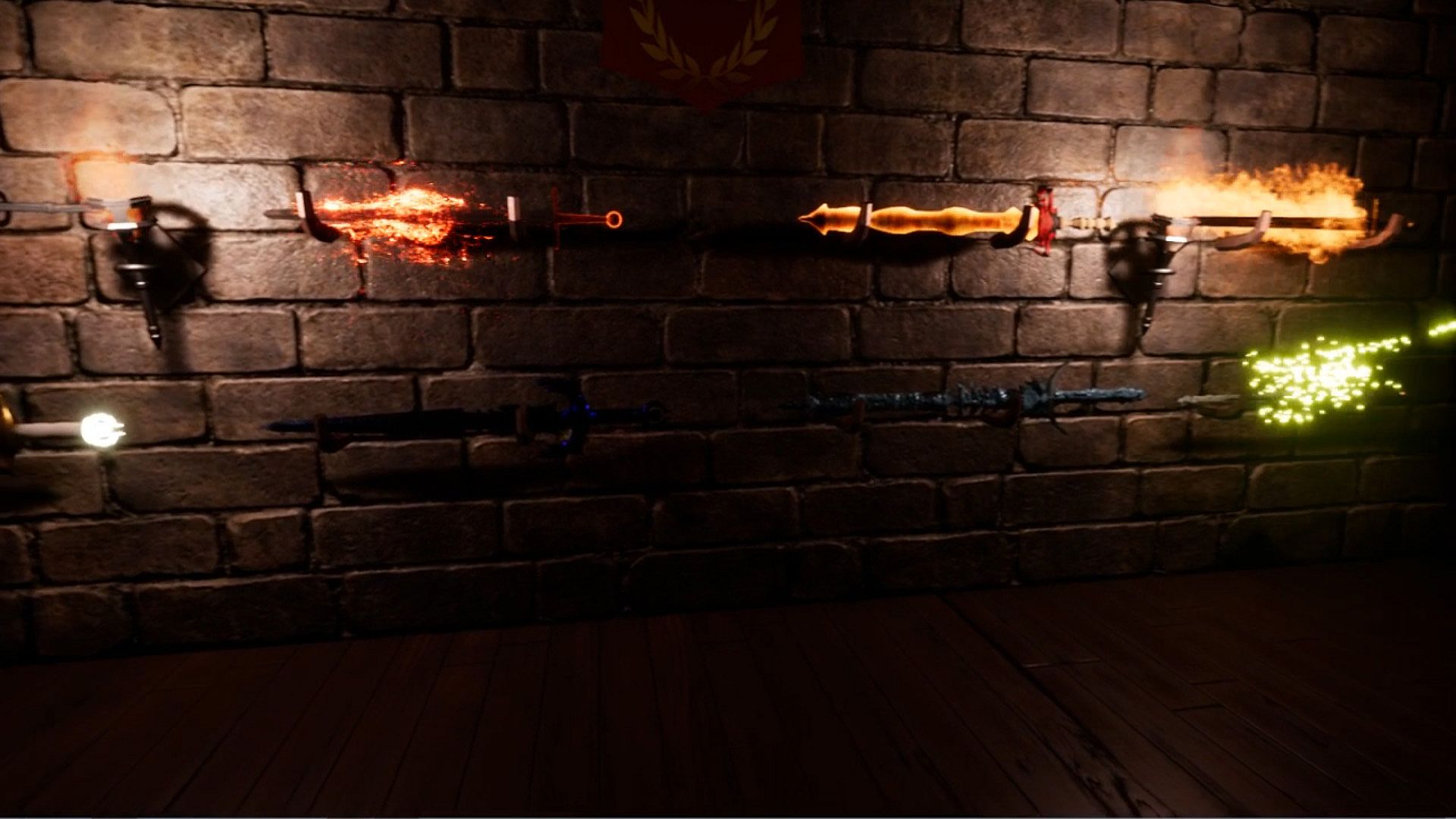
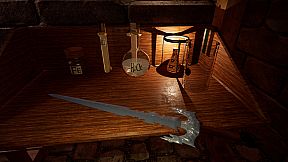
The core loop revolves around designing and forging swords from start to finish. Creation starts with a drawing that outlines eight distinct parts, including five sections of the blade along with the cross-guard, handle, and pommel. Materials range from basic iron and bronze to rarer options such as titanium, tungsten, mithril, silver, and gold. Each choice affects the final properties and value of the finished weapon.
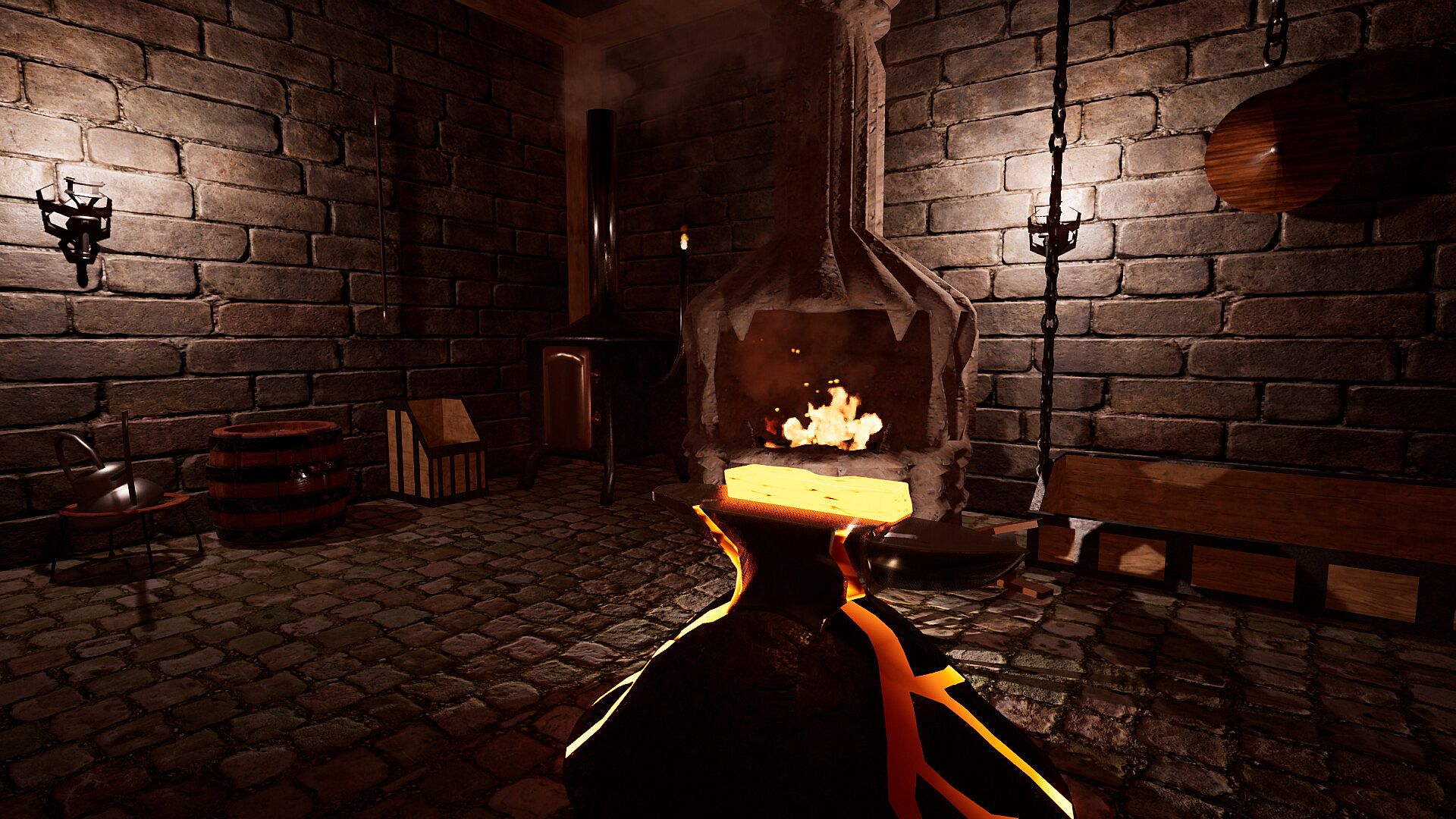
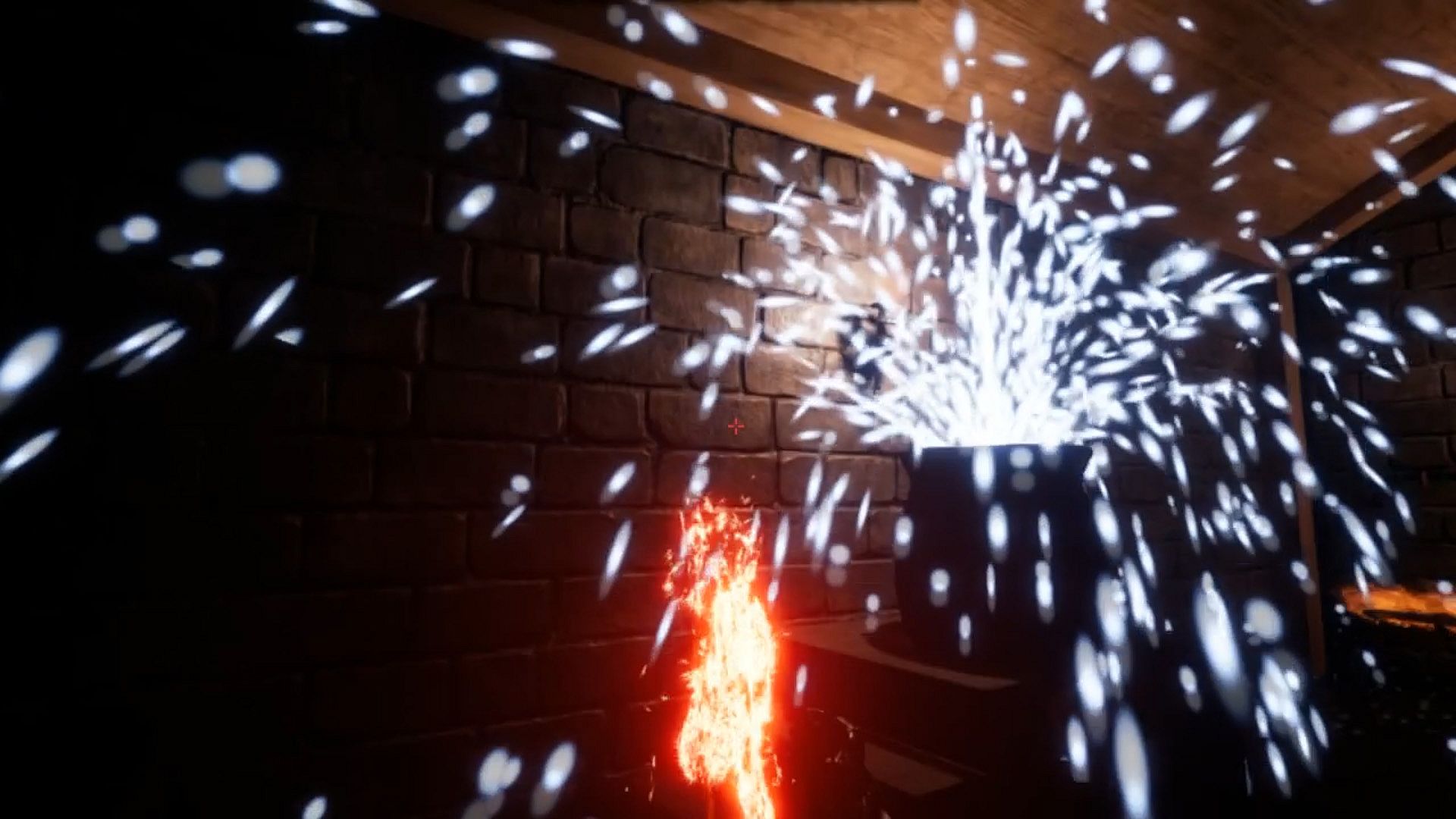
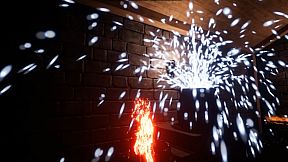
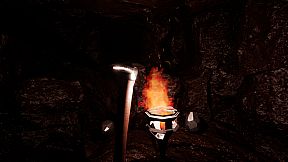
After planning, the actual forging requires heating metal ingots and shaping them with a hammer while maintaining proper temperature. Cooling metal cannot be worked effectively, so timing and attention to the forge remain essential. Players can upgrade tools and equipment over time to improve precision and efficiency in the smithy.
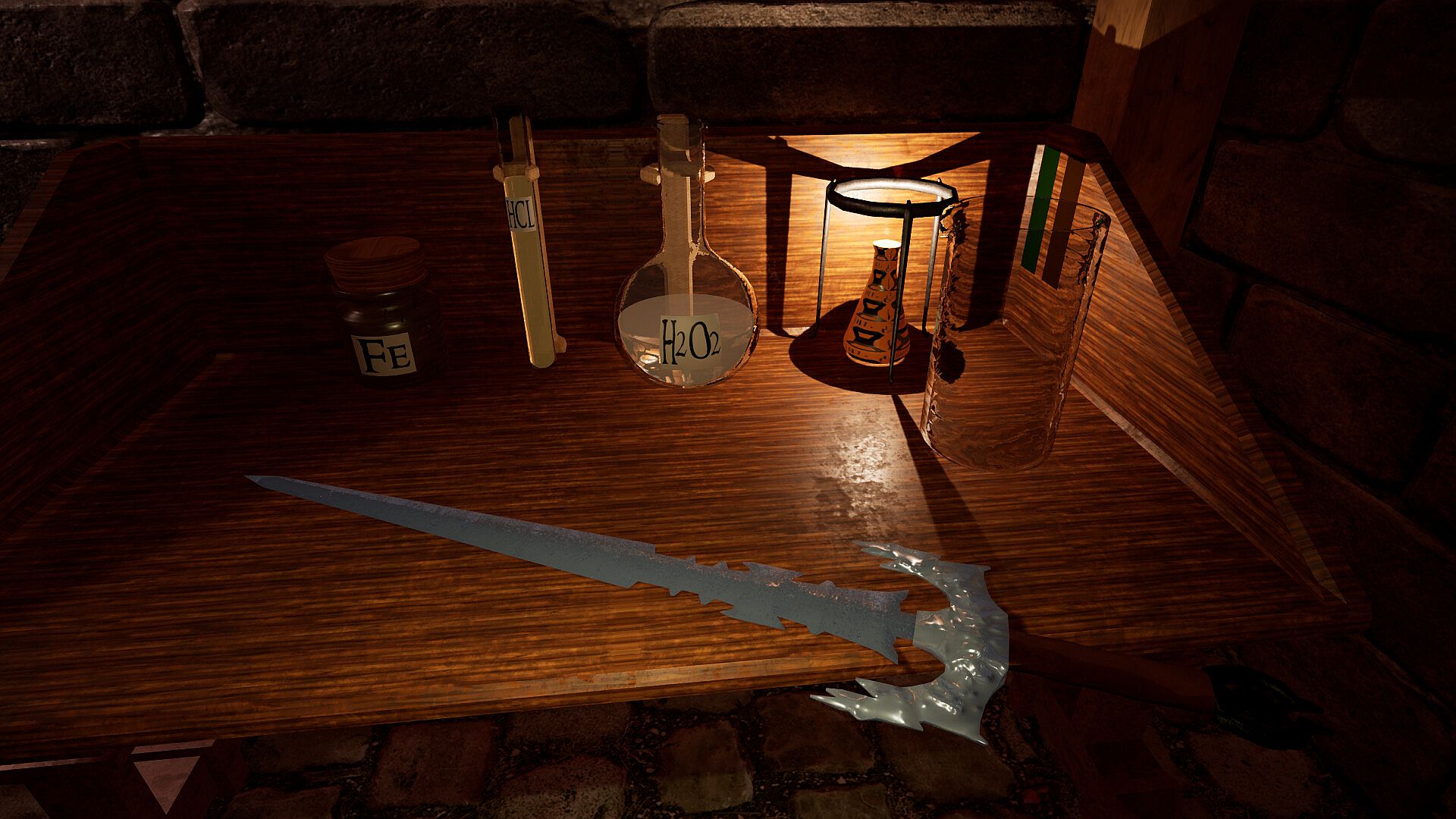
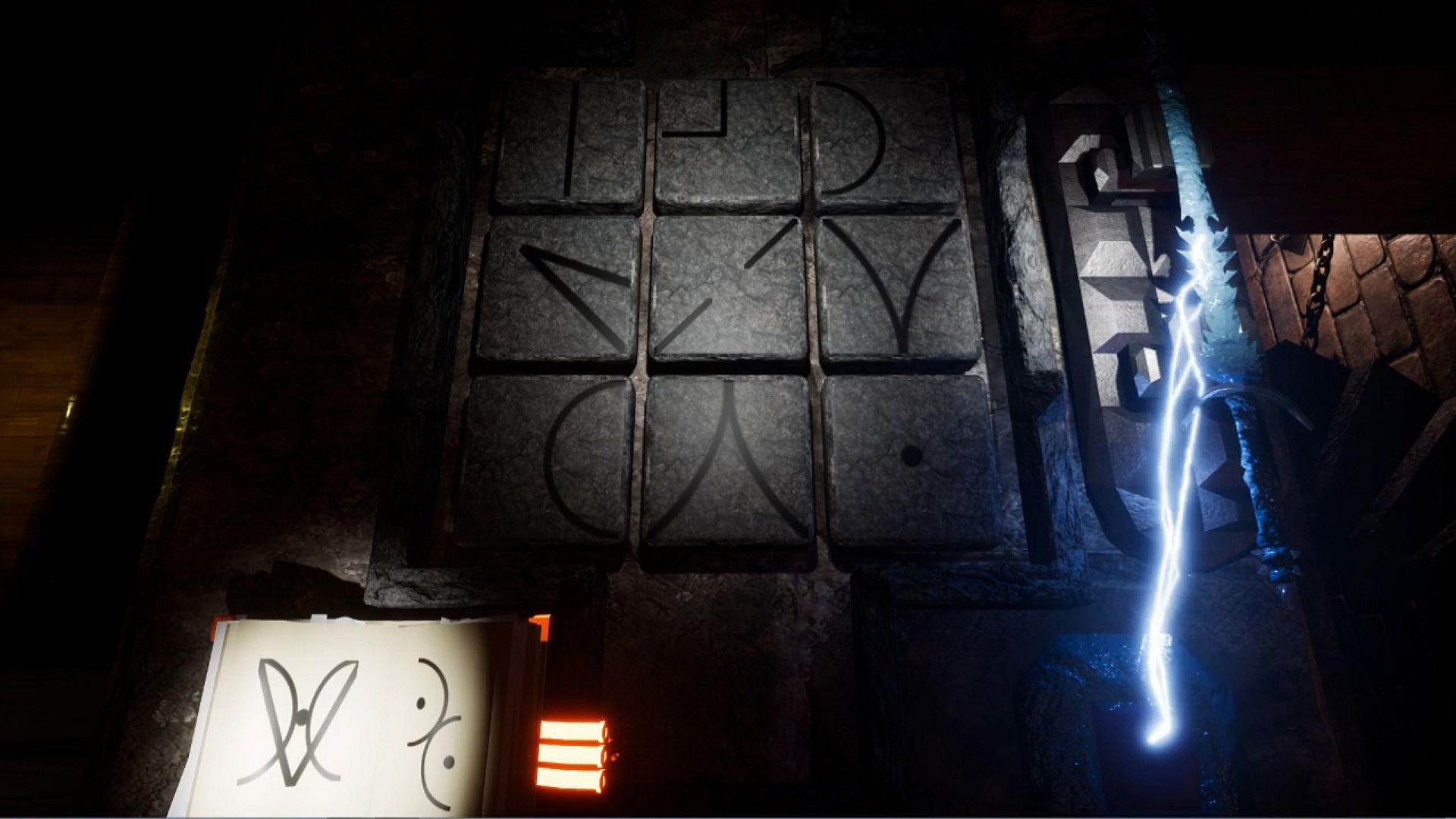
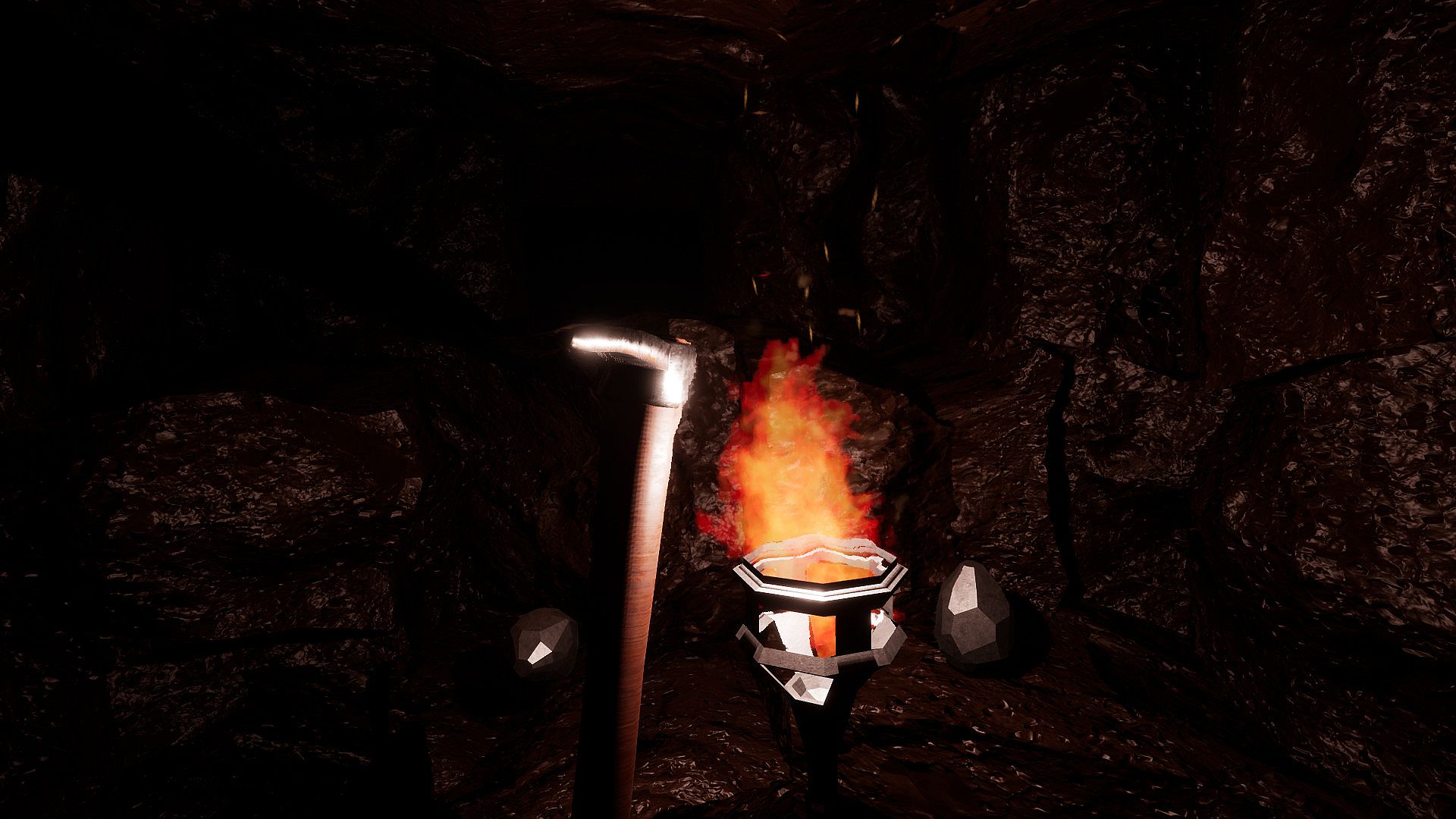
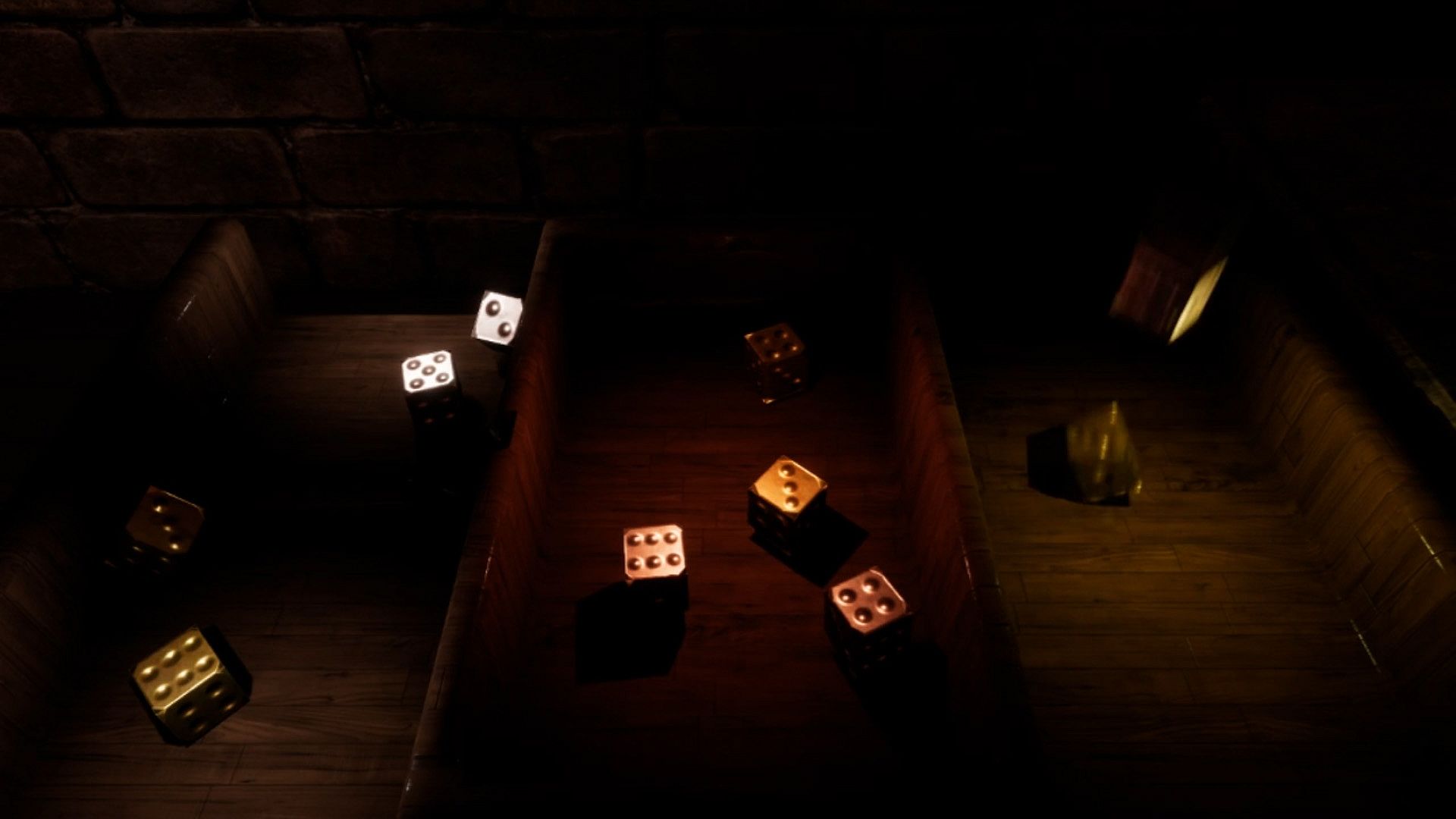
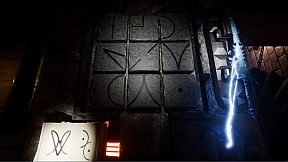
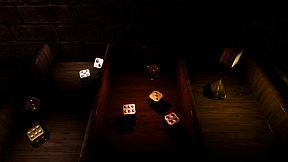
Additional systems expand the process. Alchemy allows mixing chemical recipes to produce Damascus patterns on blades, with results varying based on proportions, heating, and timing. Magic potions involve combining ingredients in a cauldron to create mythical materials, though errors risk damaging or destroying the work. Runic magic applies effects through patterns drawn on a table. Mining and smelting let players extract and combine ores for custom metals. Mini-games such as dice and darts provide variety, often tied to selling goods or wagering with visitors.
Game Modes
The game operates as a single-player experience without separate named modes. Progression occurs through the main crafting and workshop management loop, where players create swords, sell them to earn resources, and invest in improvements. Mini-games integrate directly into this flow for occasional side activities like negotiating higher prices or playing for rare items.
Skill development ties directly to successful sales rather than isolated challenges. Each completed transaction grants experience points that enhance the blacksmith's accuracy and strength. Workshop upgrades and material experimentation encourage repeated play sessions focused on refining techniques and exploring combinations.
Progression and Workshop Management
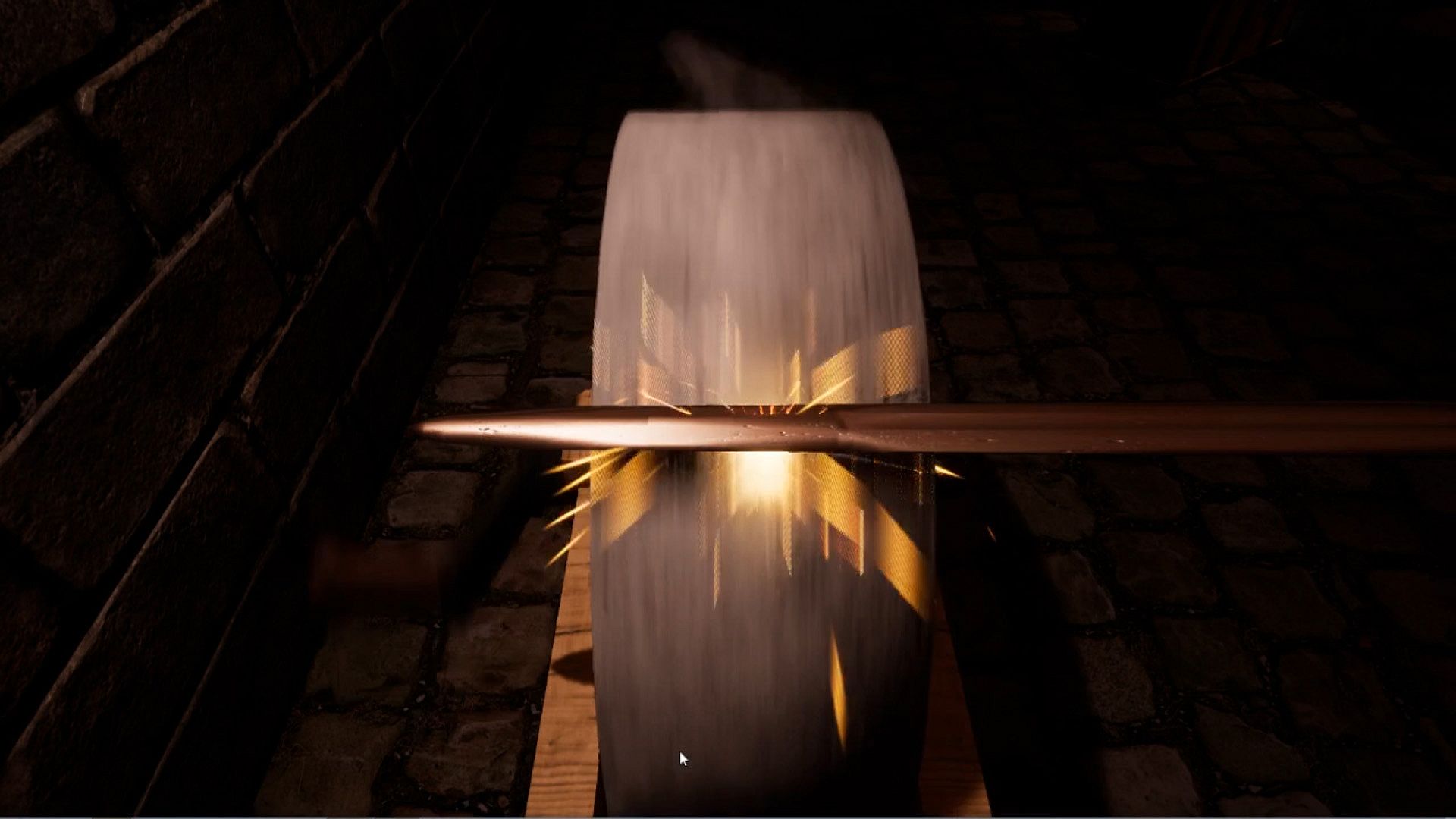
Starting with limited tools and basic materials, players expand capabilities by purchasing better forges, grindstones, and hammers. Experience gained from sales unlocks greater precision, allowing more complex designs and higher-quality results. The workshop serves as the central hub where all activities take place, from ore processing to potion brewing and rune application.
Customer interactions drive the economy. Visitors arrive with requests or opportunities to engage in mini-games, adding layers to the business side of running the forge. Resource gathering through mining supports self-sufficiency in metal production.
Is It Worth Playing?
Fantasy Blacksmith appeals to players interested in detailed crafting simulators with fantasy elements. The mechanical forging process and variety of customization options create an engaging loop for those who enjoy step-by-step creation and experimentation. Reviews highlight the satisfying progression from basic swords to elaborate pieces incorporating alchemy and runes.
Some players note rough edges in controls, physics, and inventory management that can interrupt the flow. The skill system rewards sales volume over quality in certain aspects, which affects long-term motivation for some. Updates have addressed engine and physics elements in recent years, improving stability for returning players.
Those who appreciate hands-on blacksmithing mechanics and incremental workshop growth will find the most value. The game suits solo play sessions focused on creative output rather than competitive or story-driven elements. Availability on PC makes it accessible for simulation fans seeking a niche crafting title.