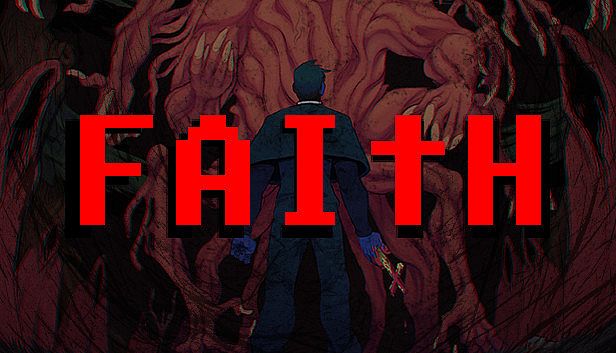












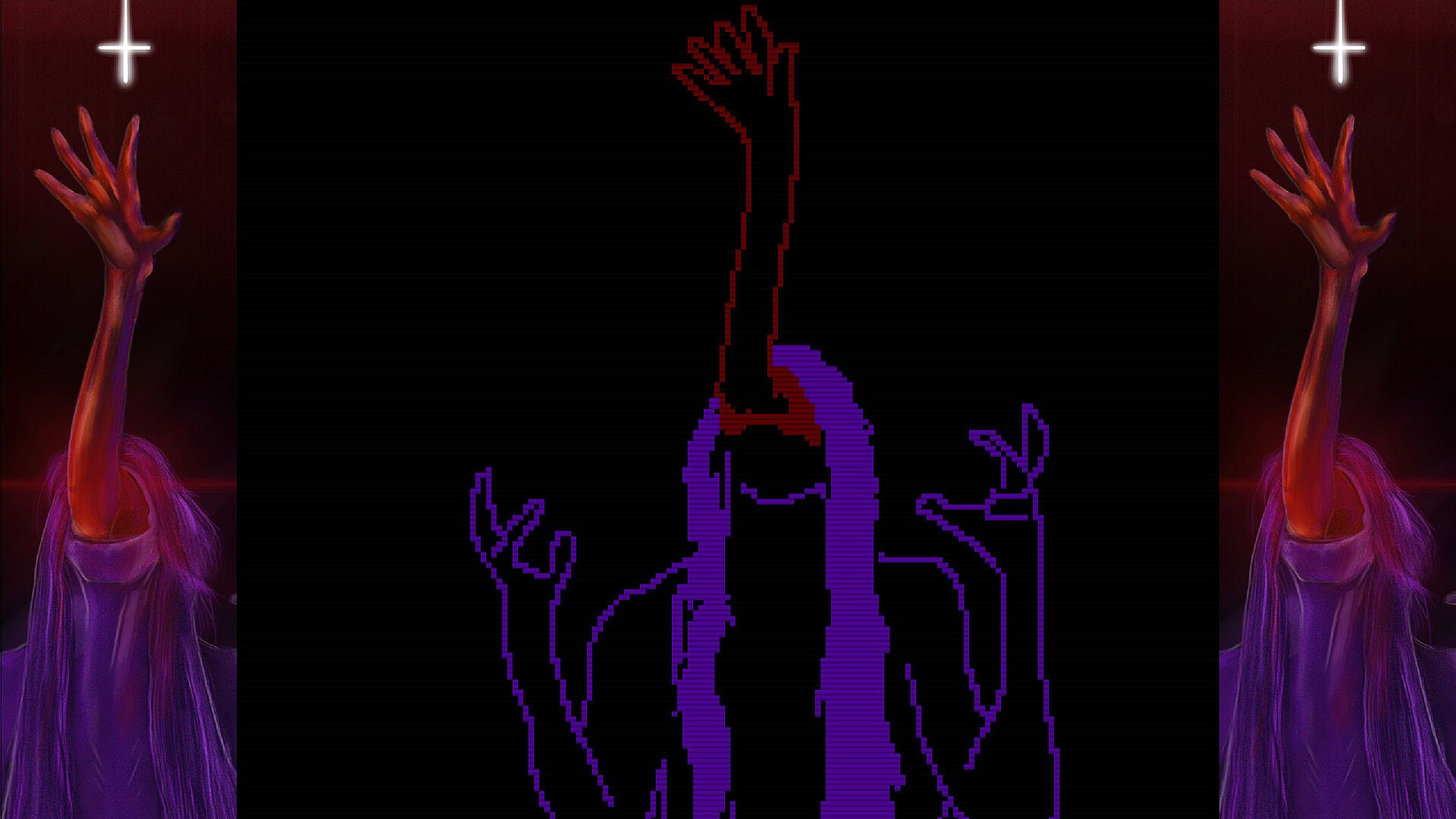
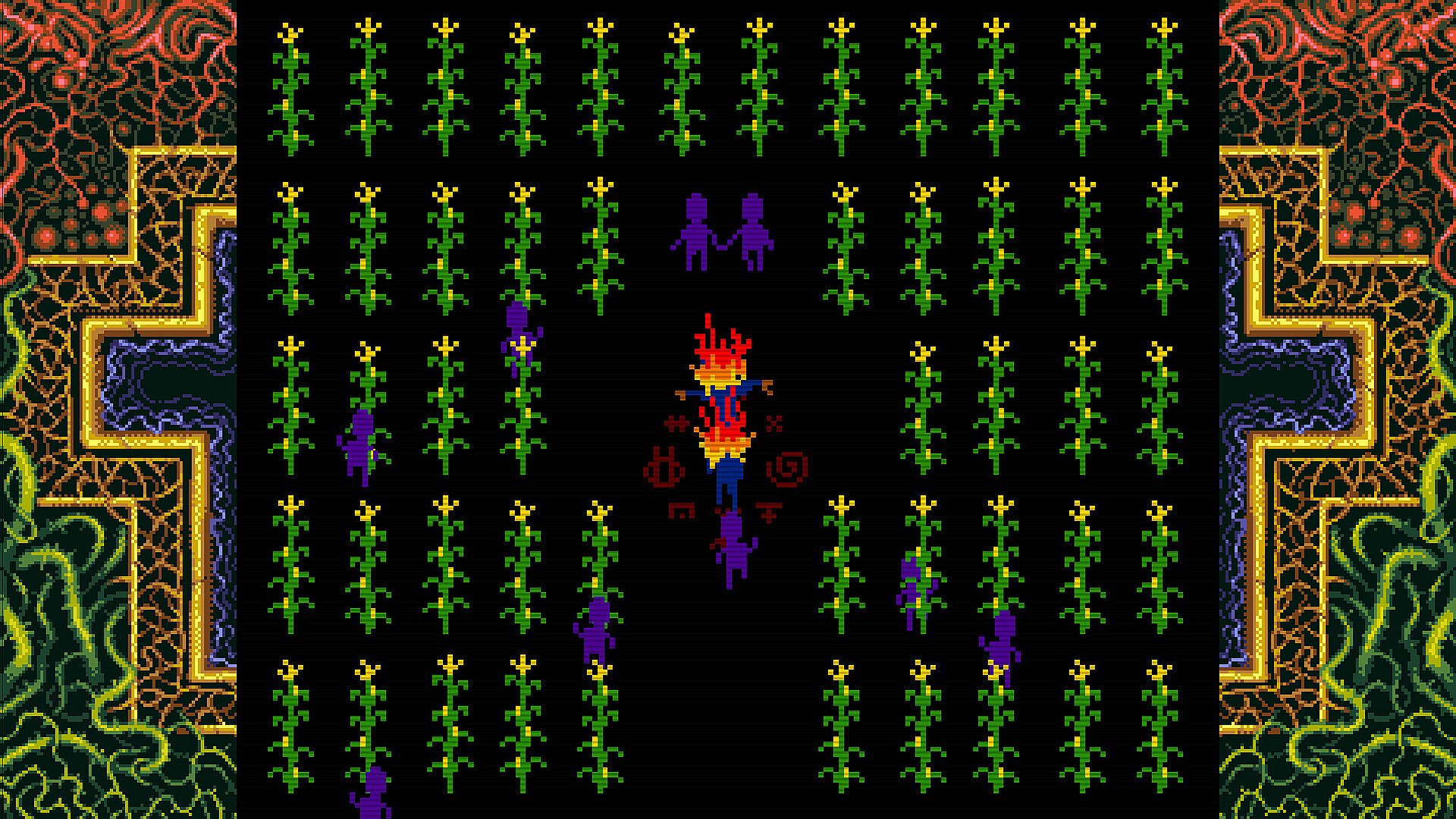
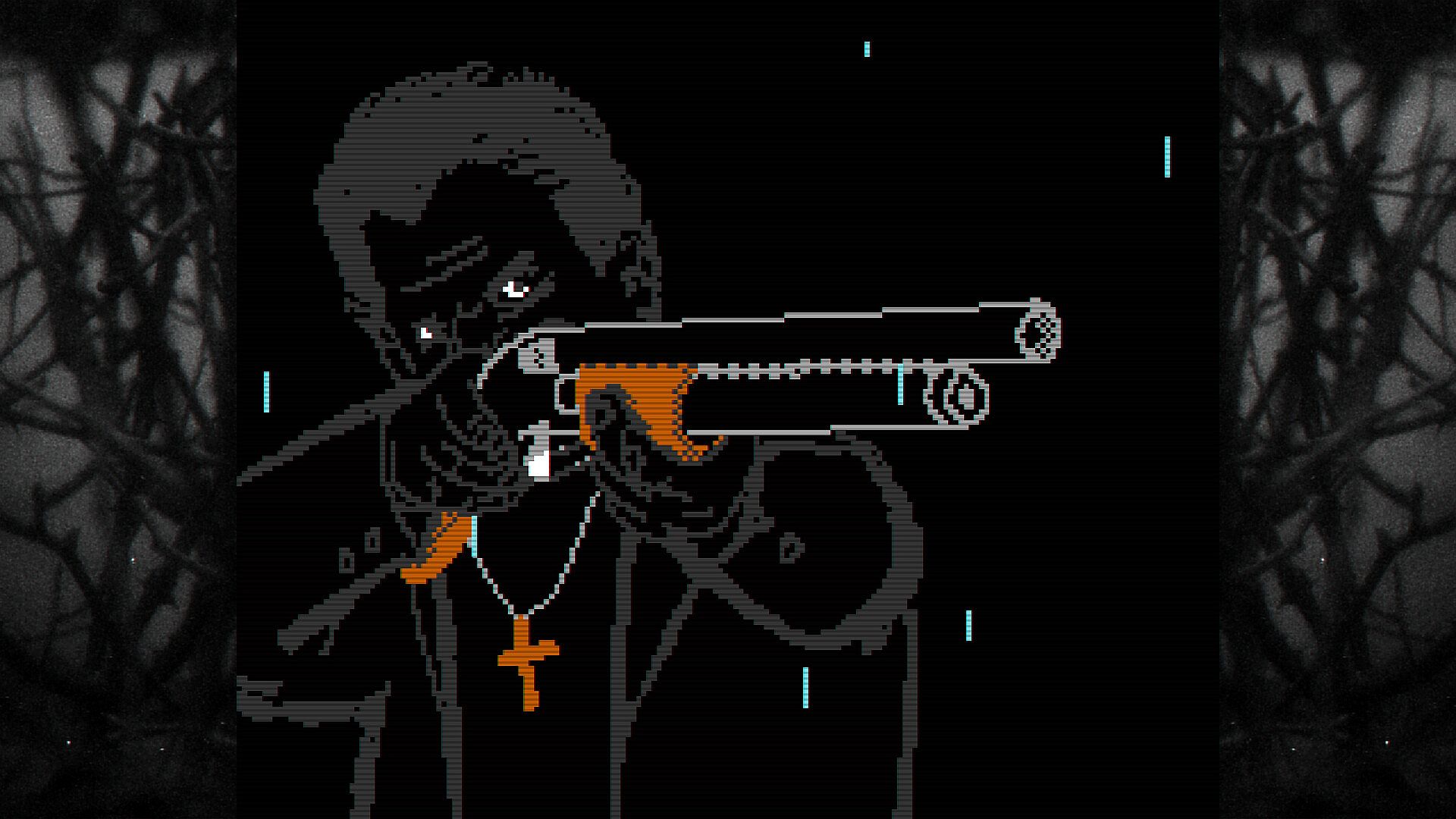
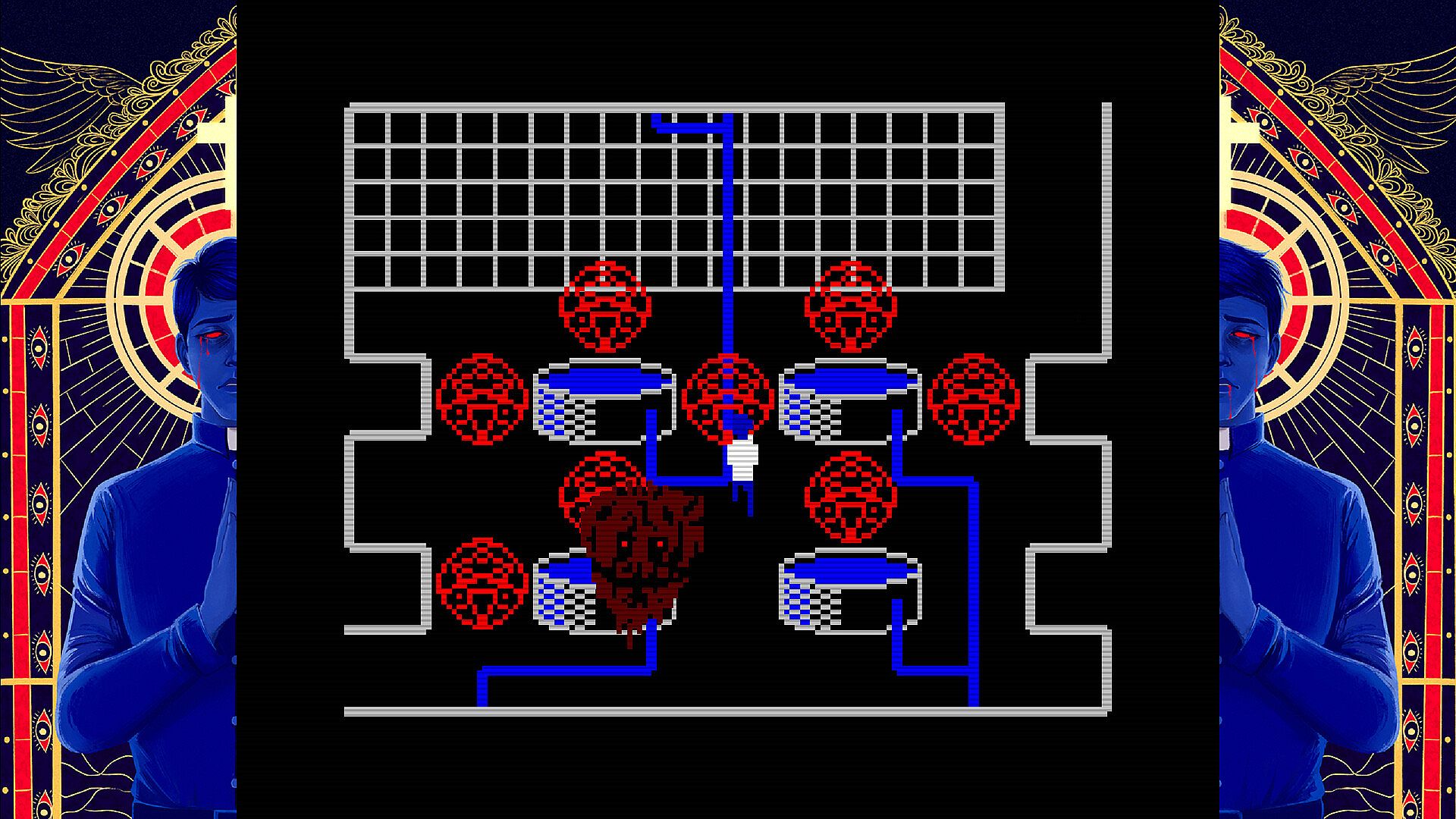
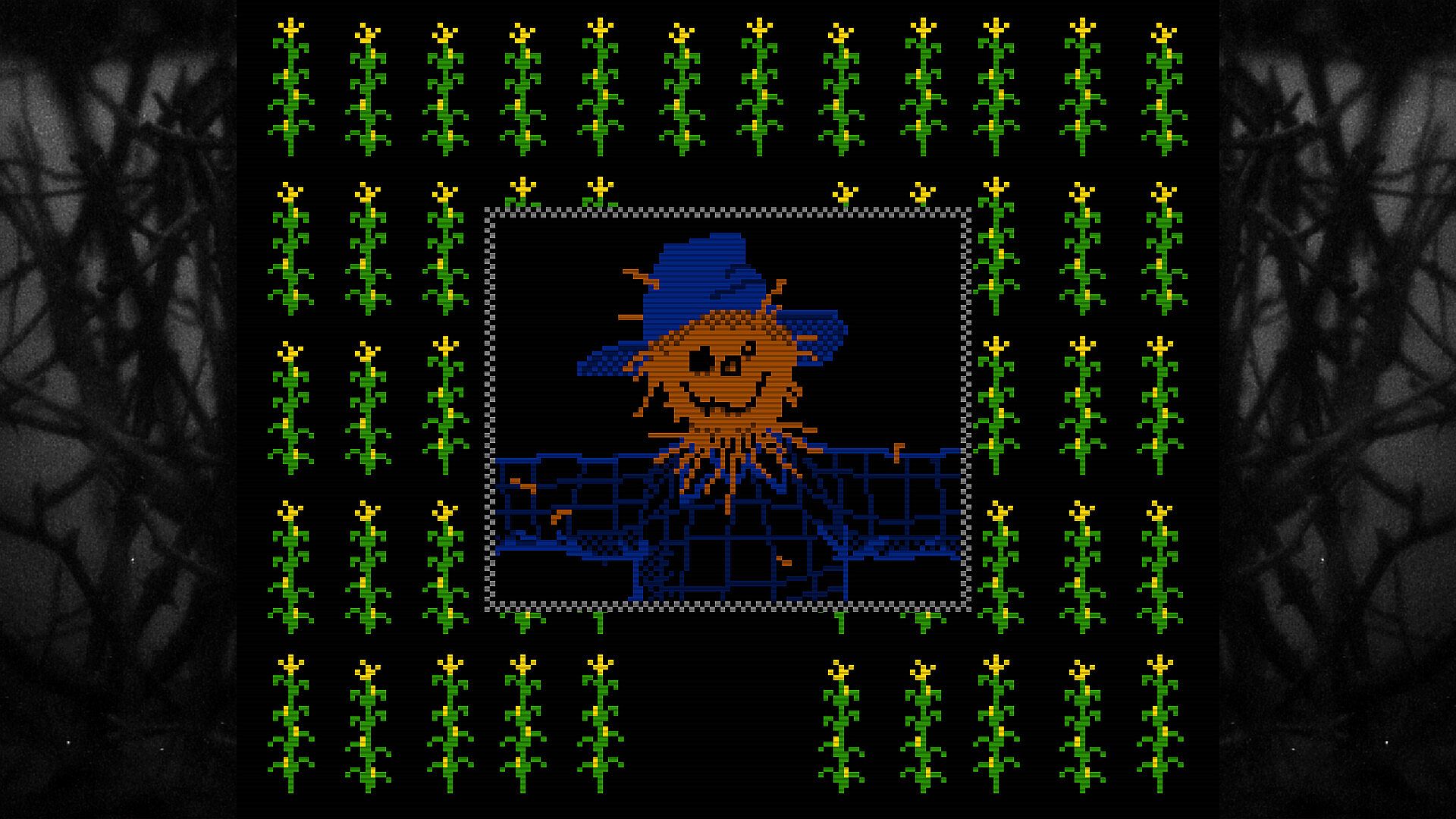
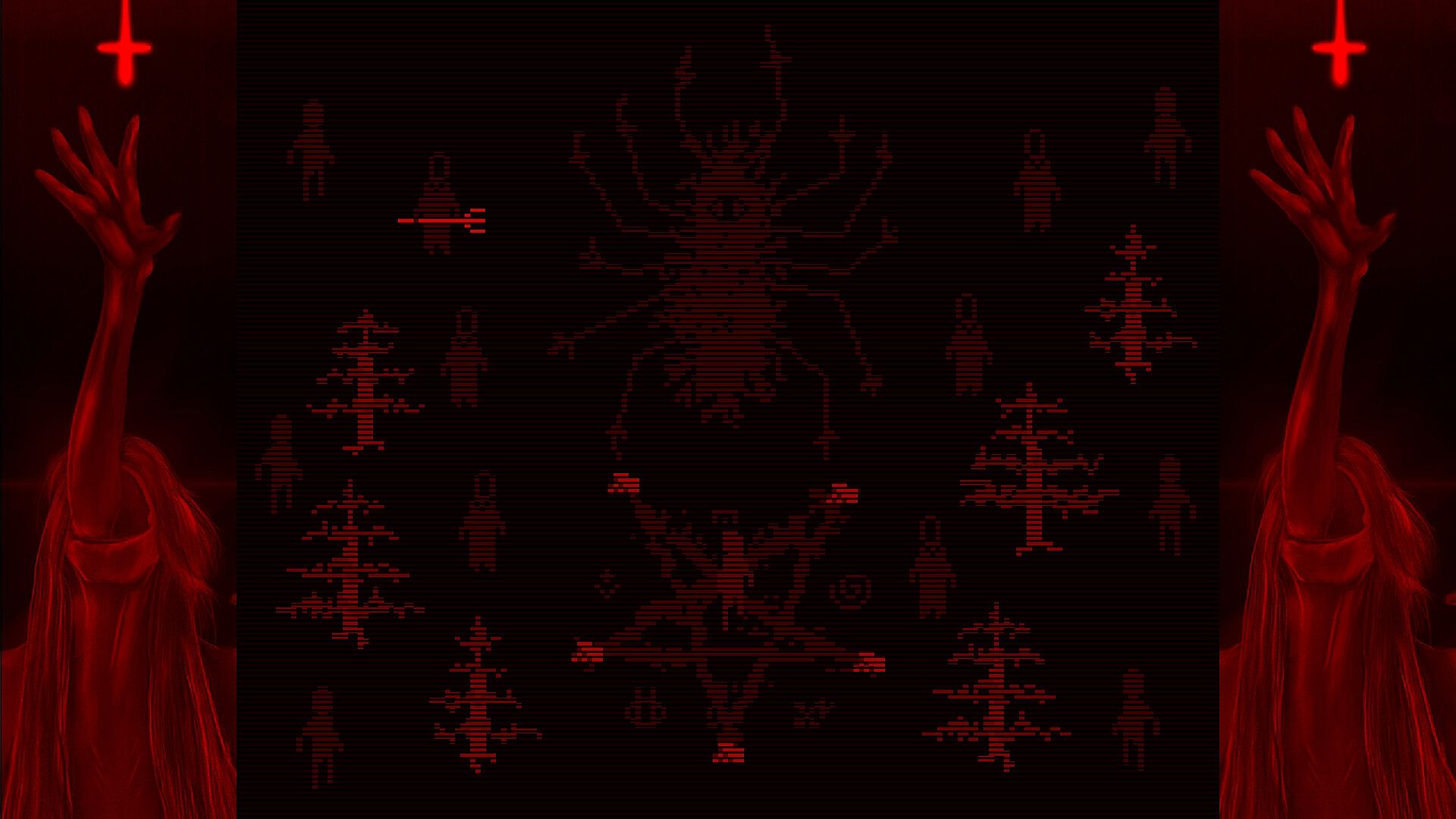
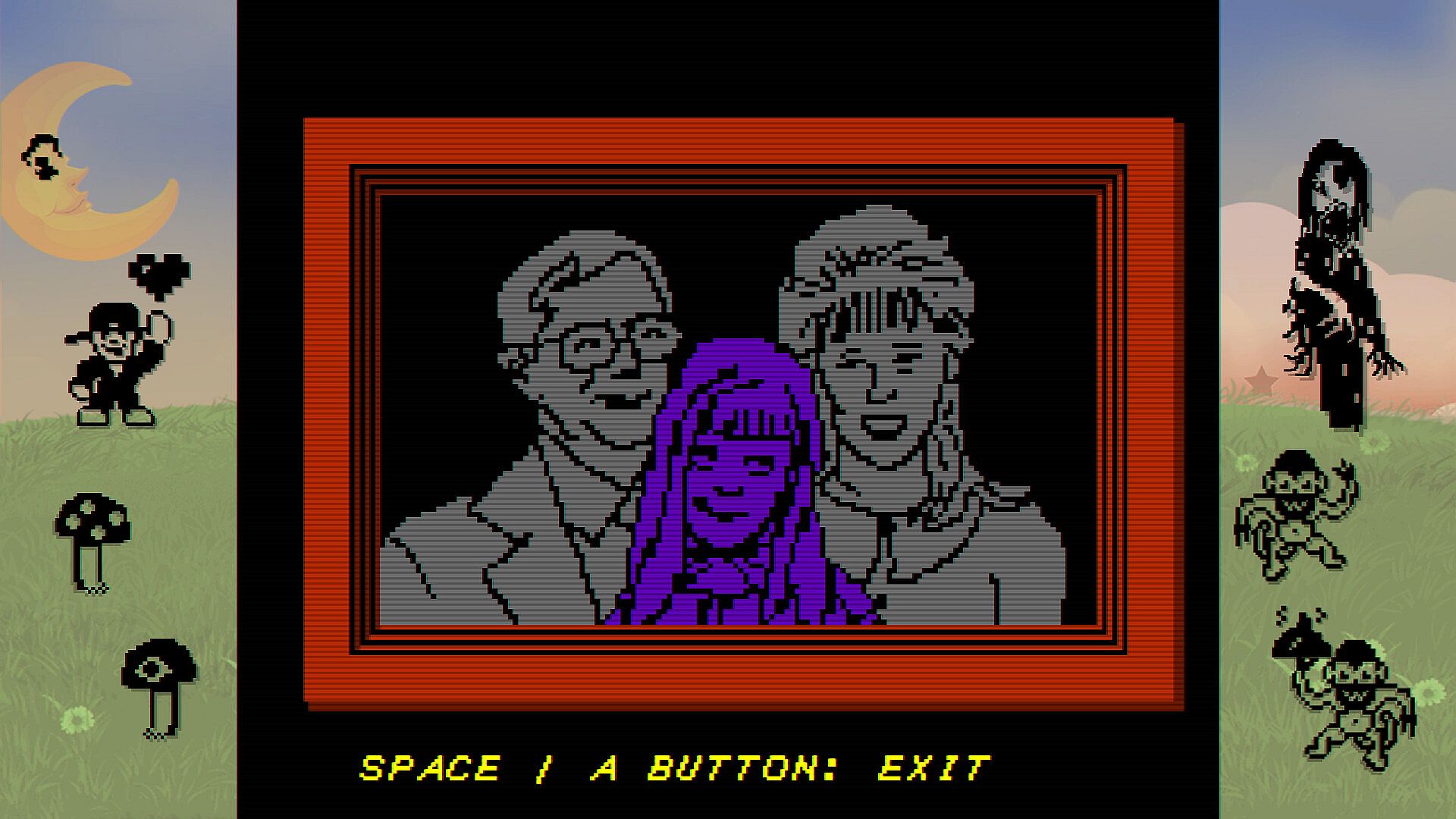
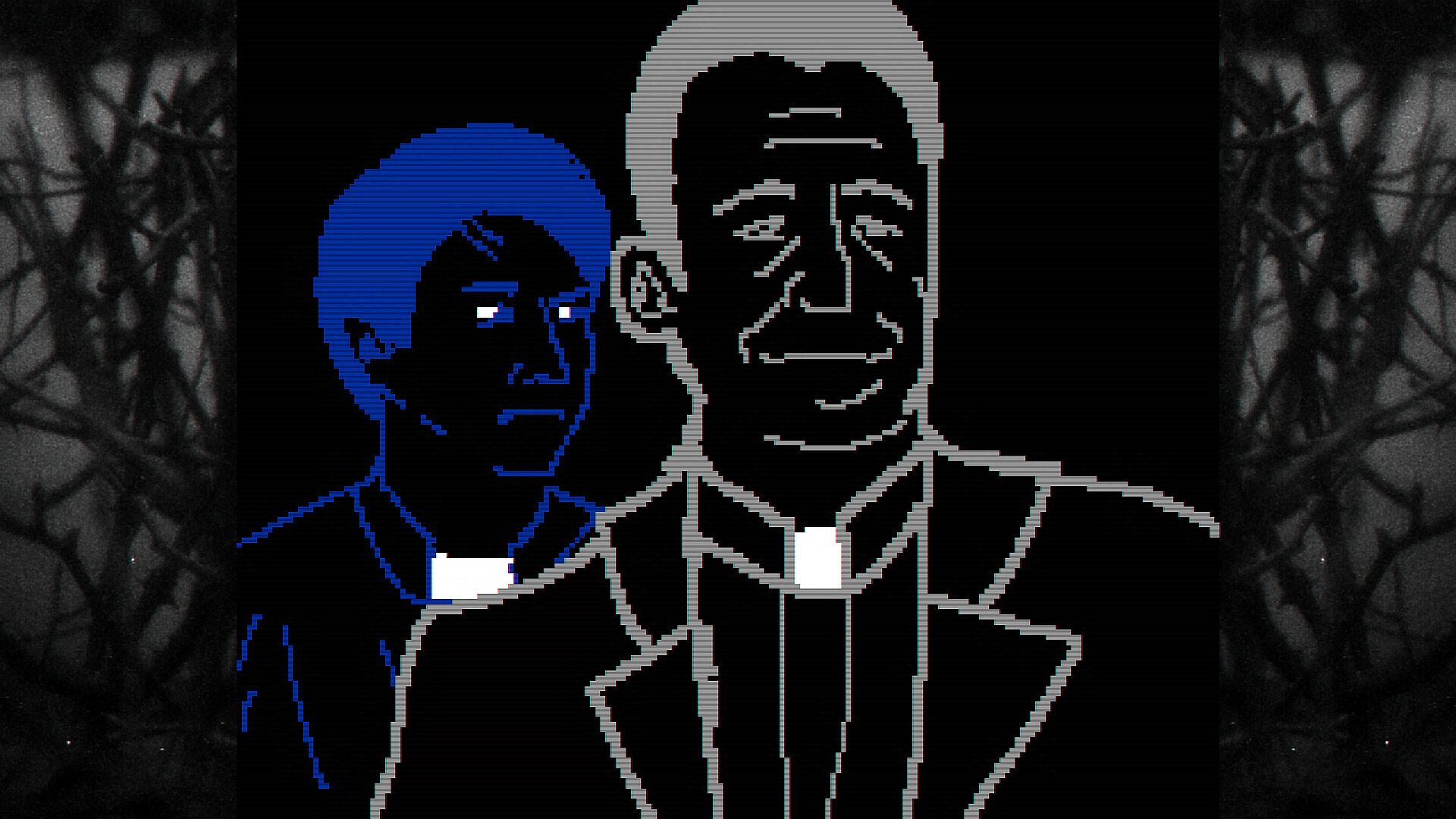
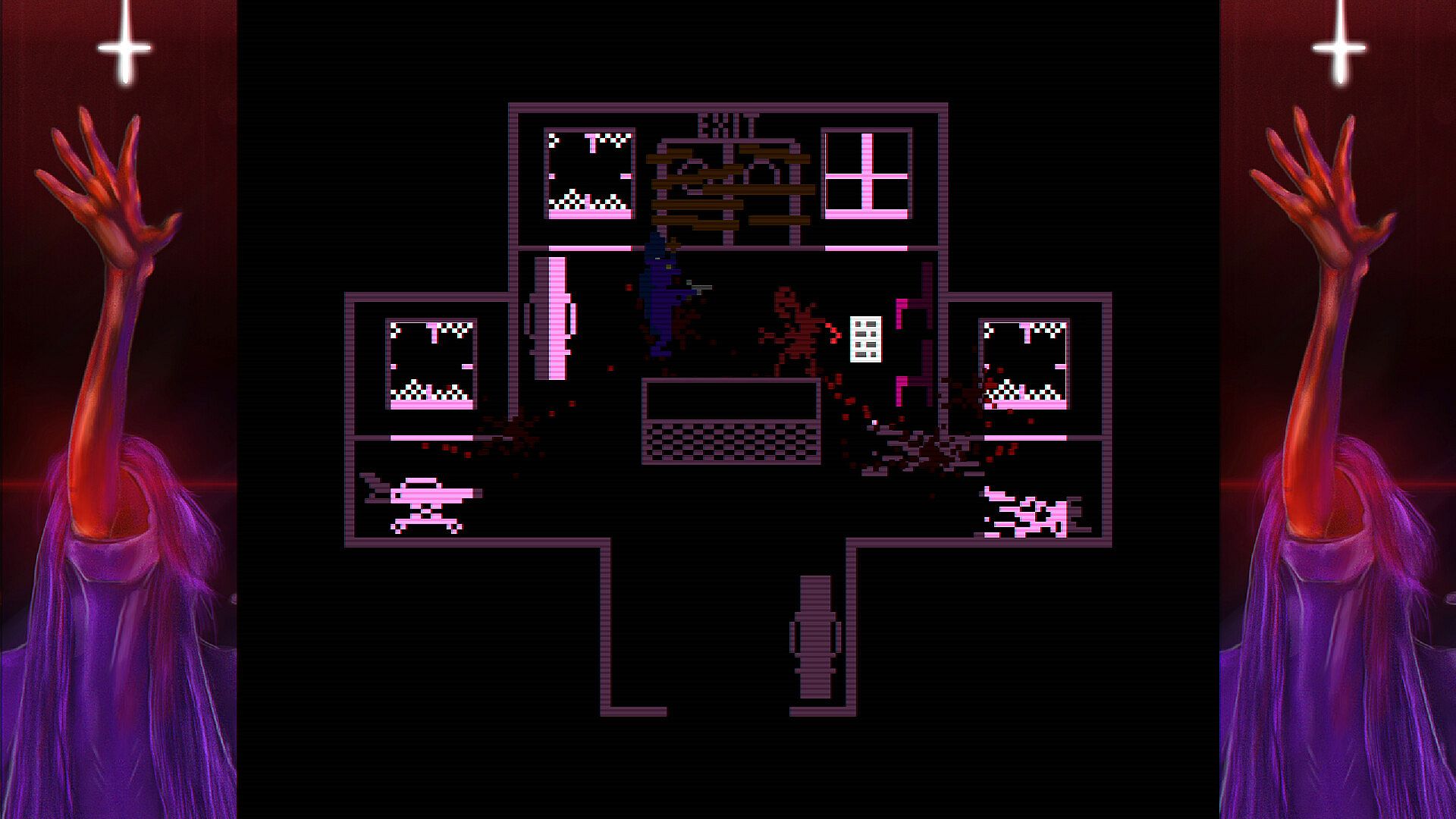
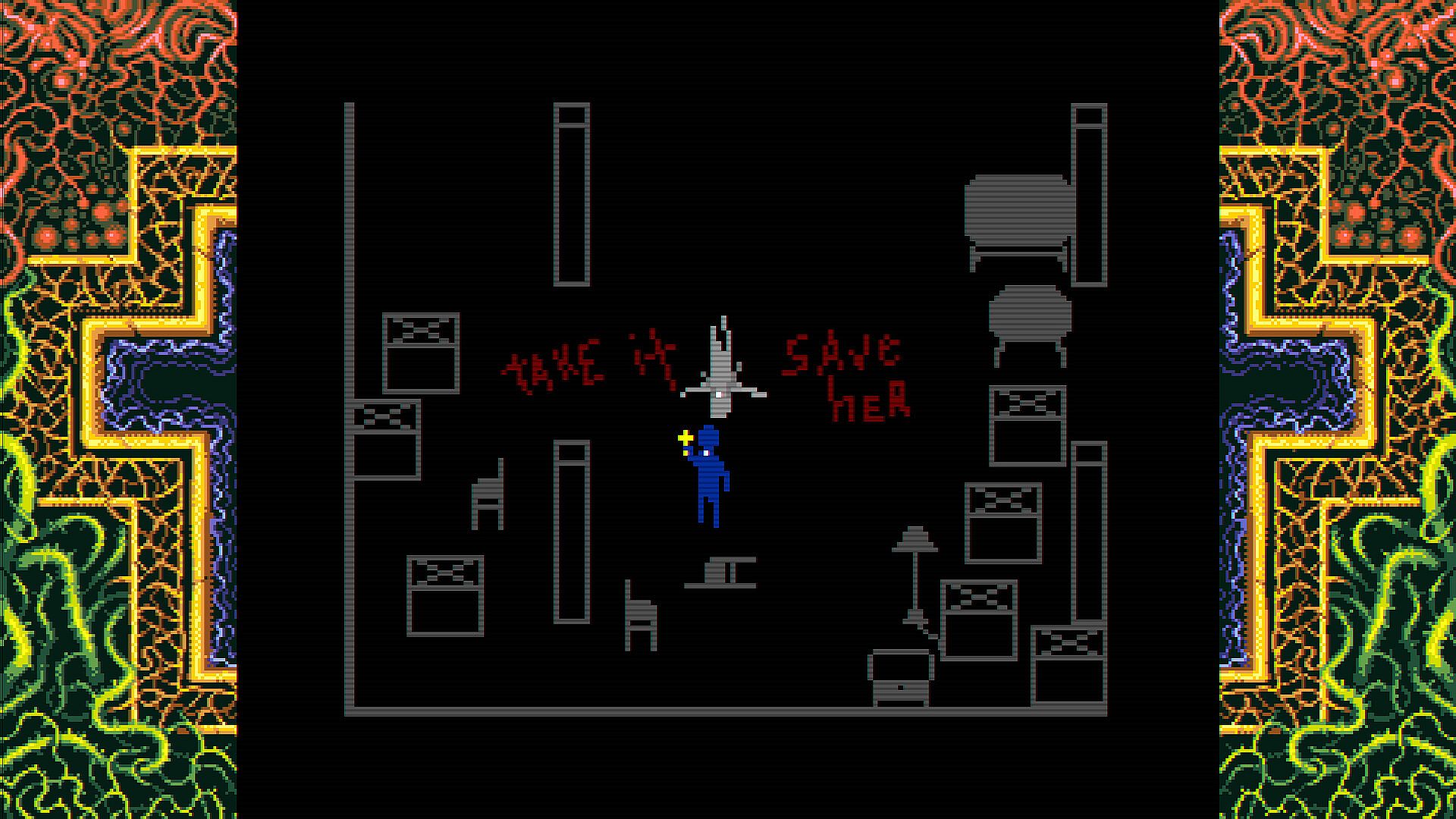
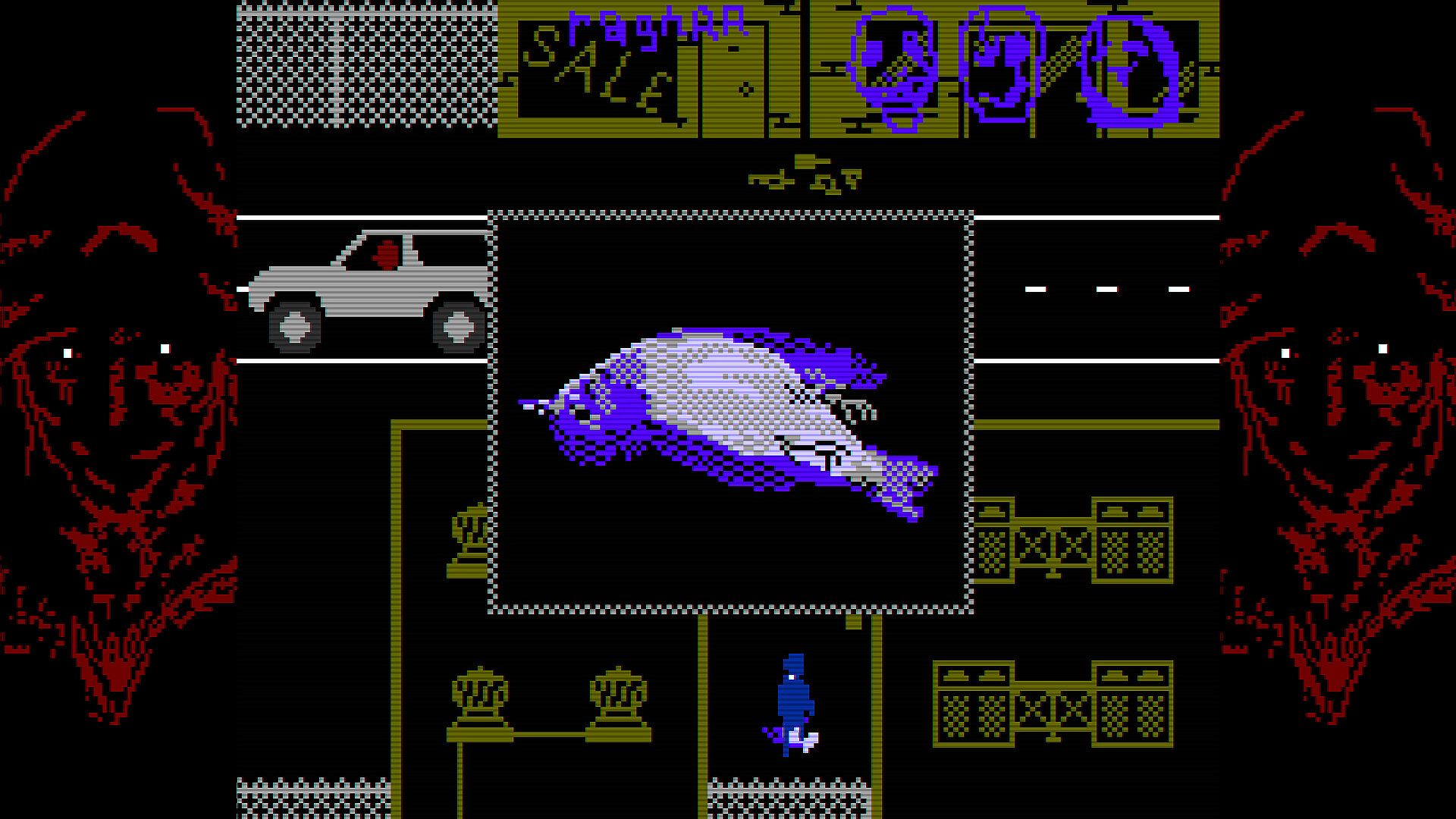
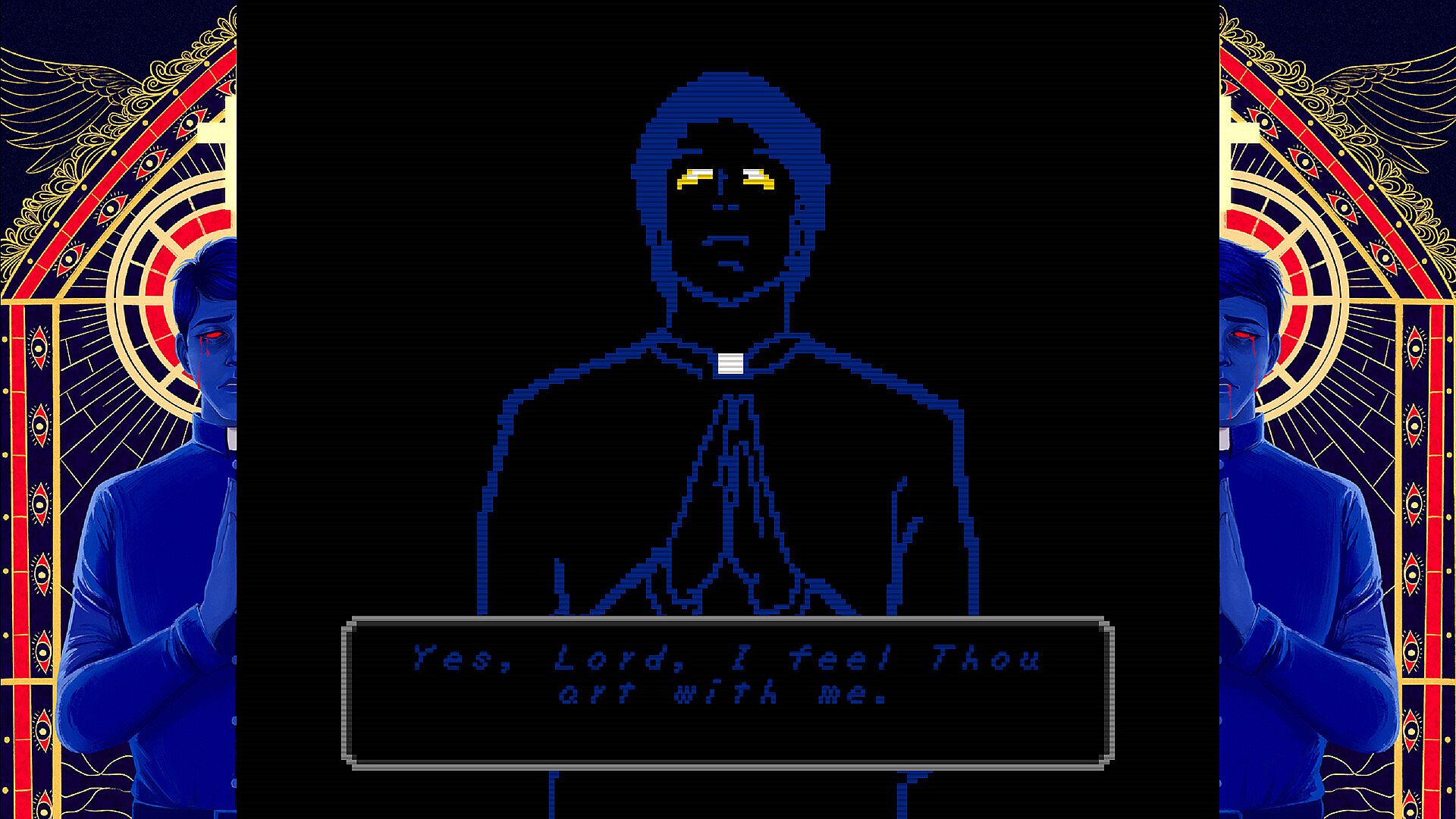
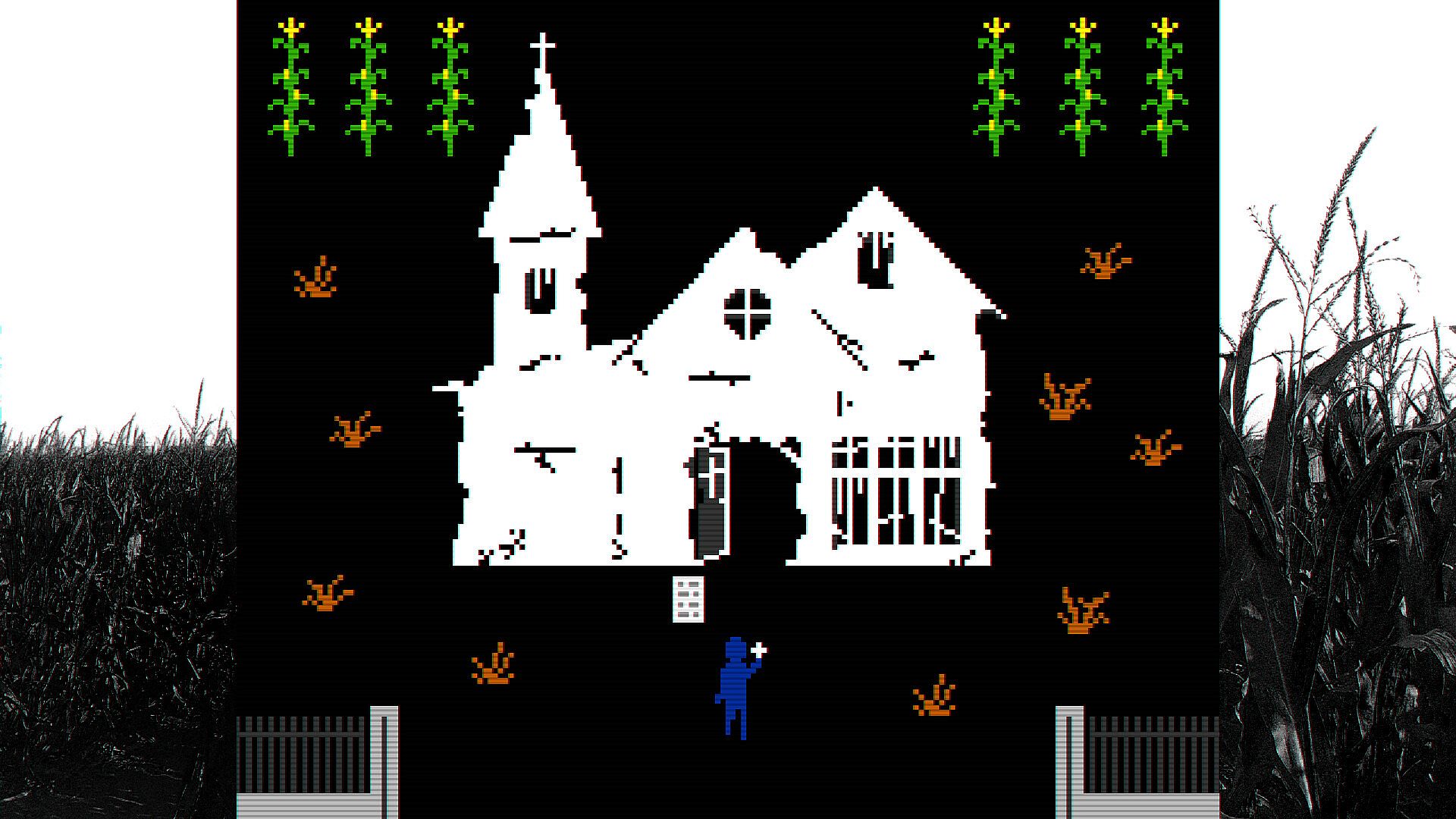
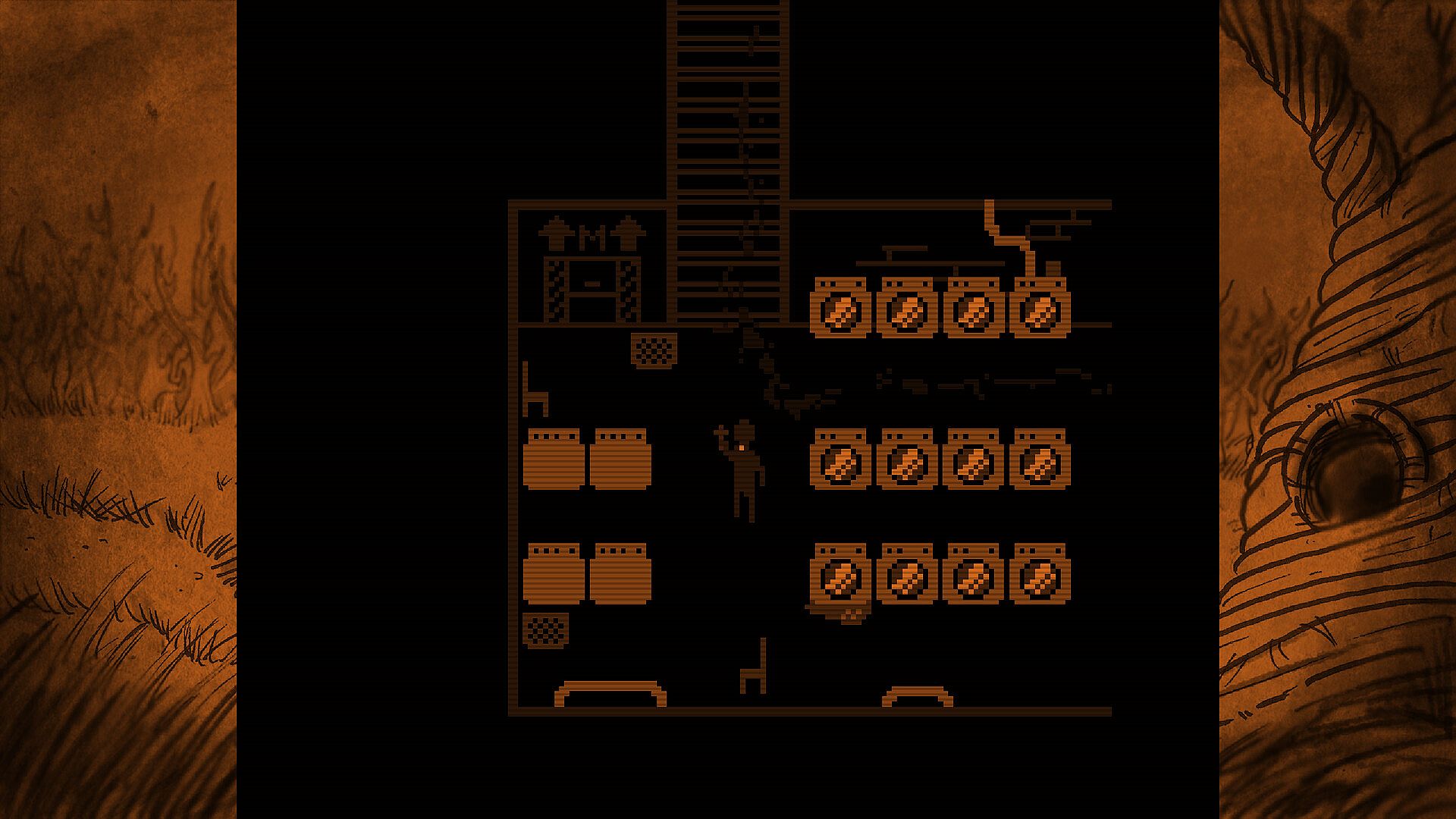
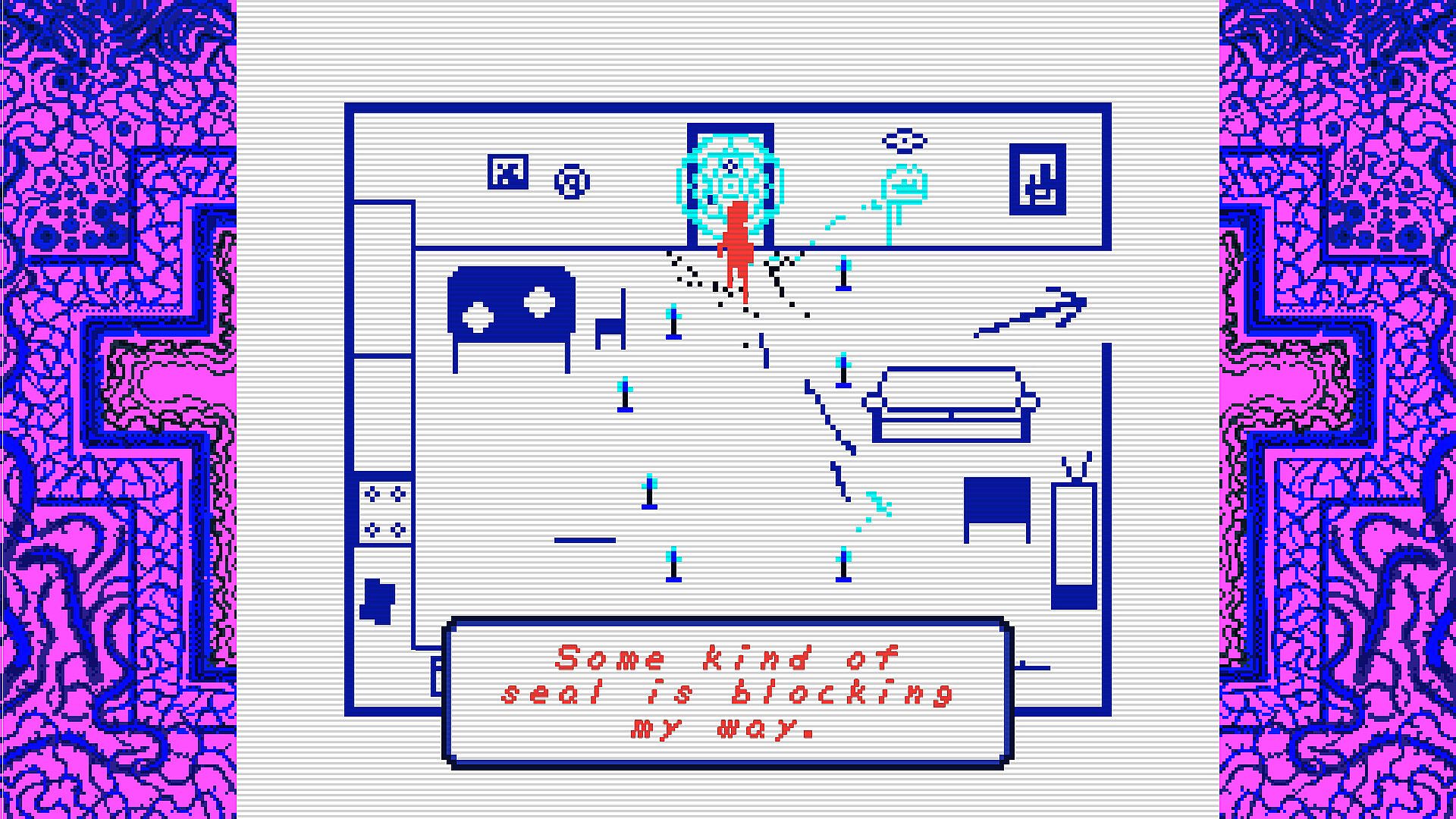
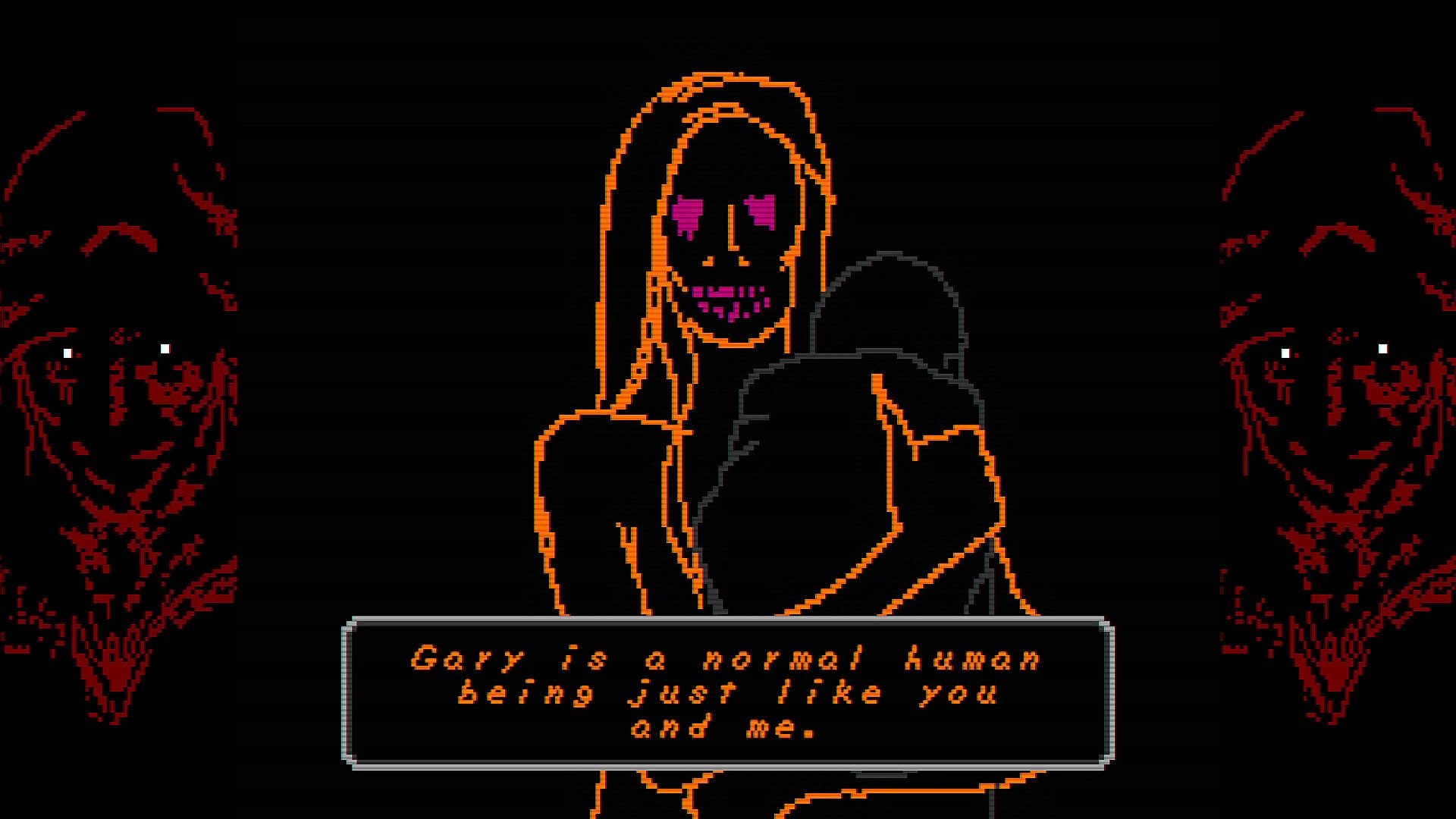
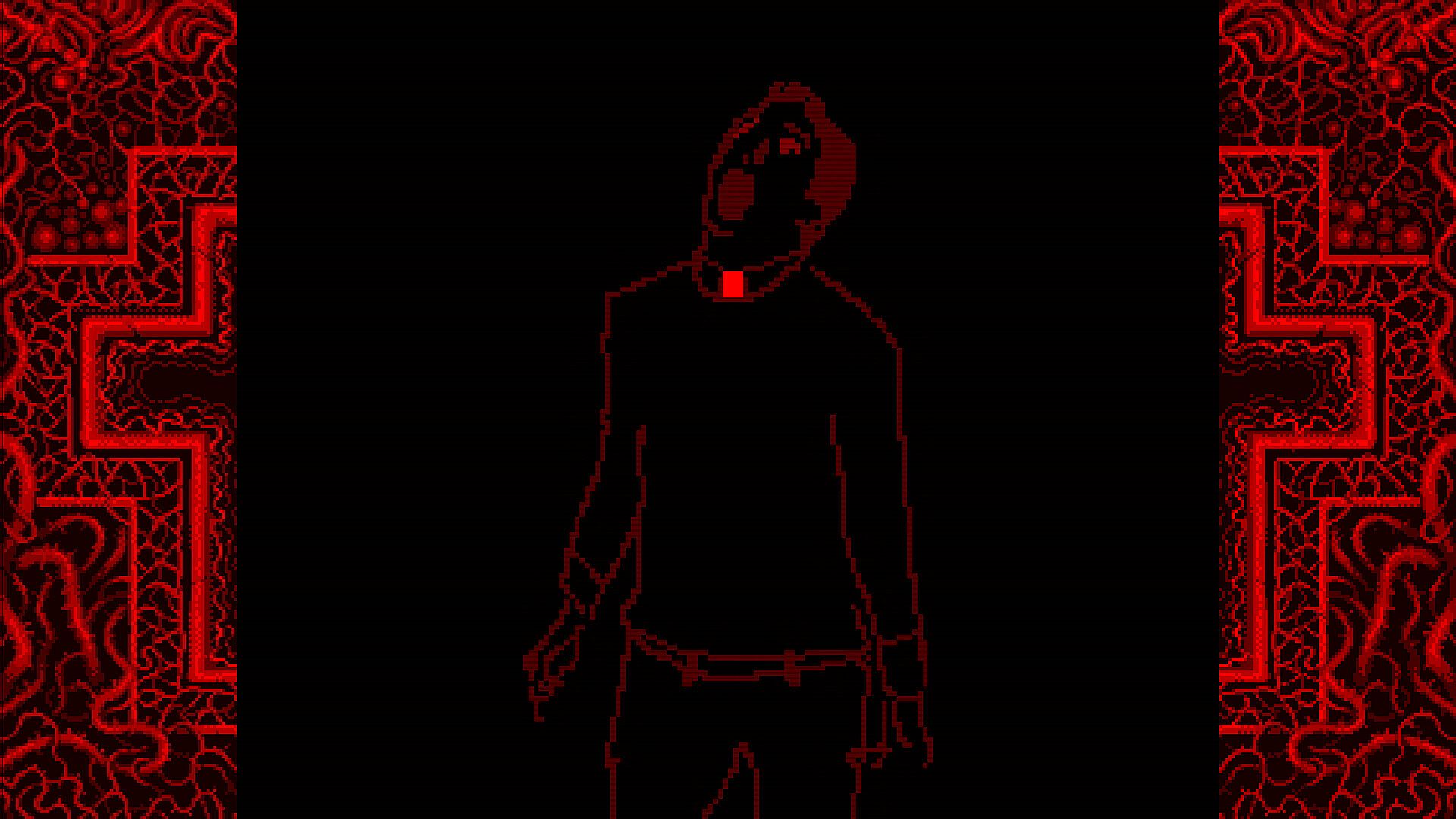
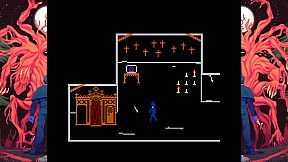
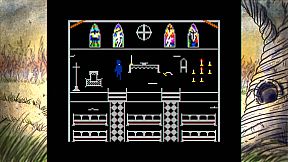
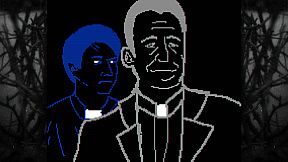
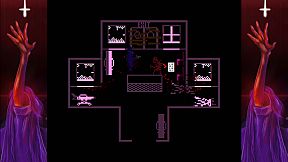
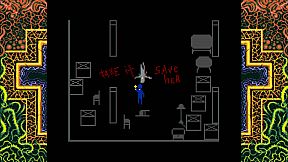
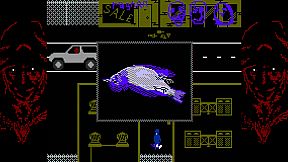
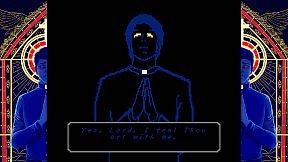
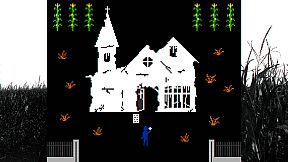
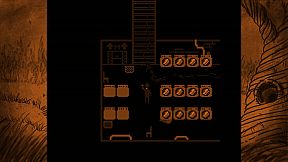
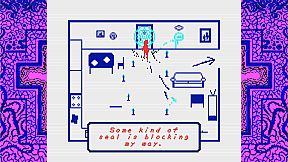
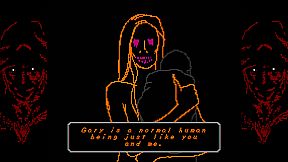
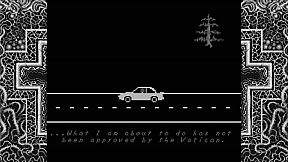
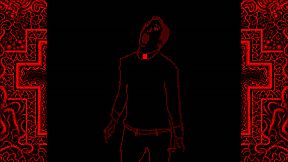
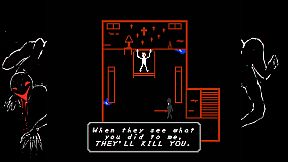
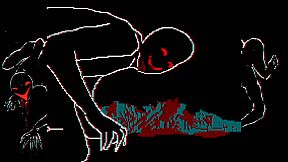
FAITH: The Unholy Trinity is a single-player pixel horror adventure game that draws from classic 8-bit visuals and the religious paranoia of the 1980s. Players step into the role of a young priest confronting demonic forces across three connected chapters set in rural Connecticut and beyond.
Gameplay
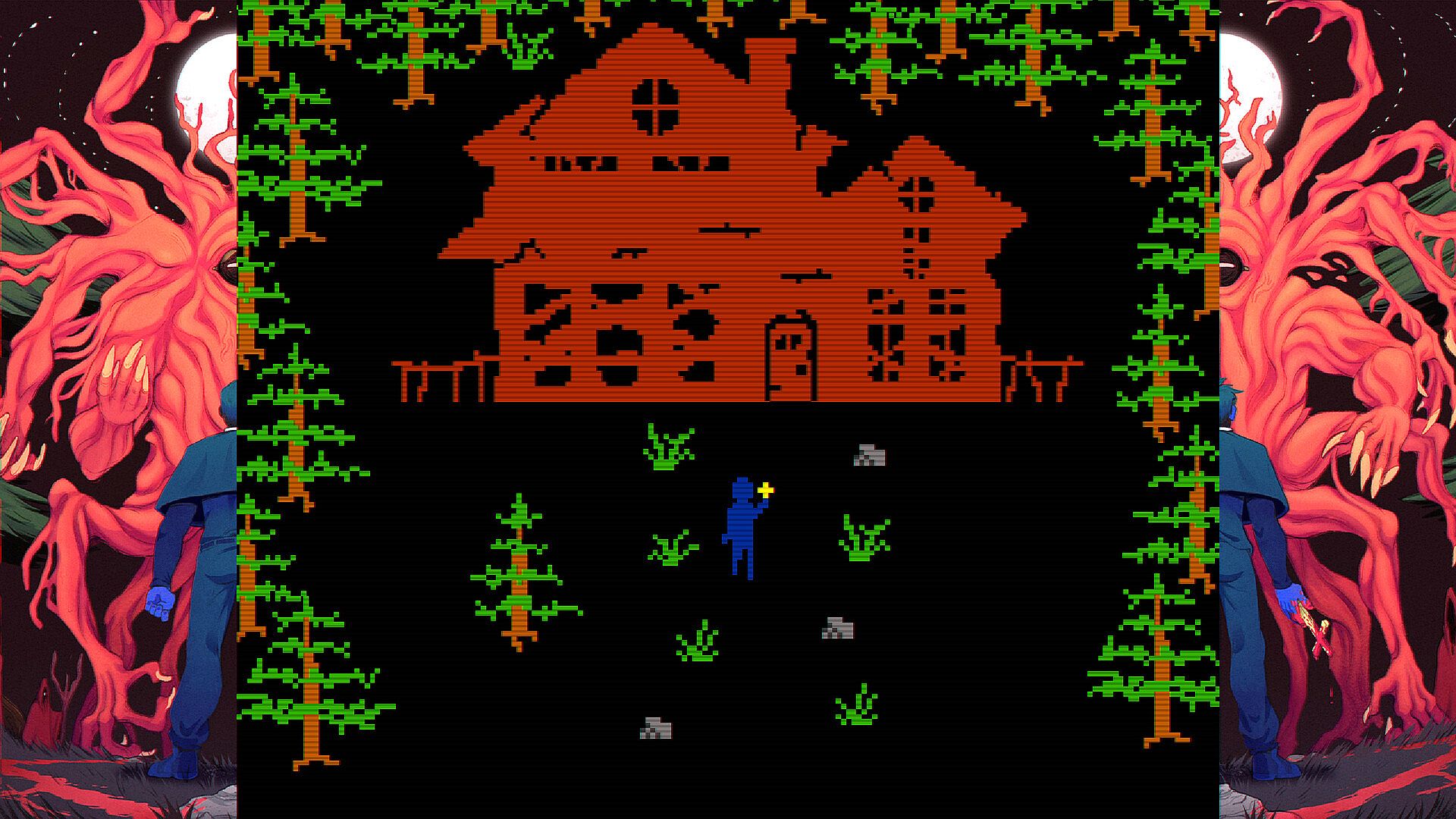
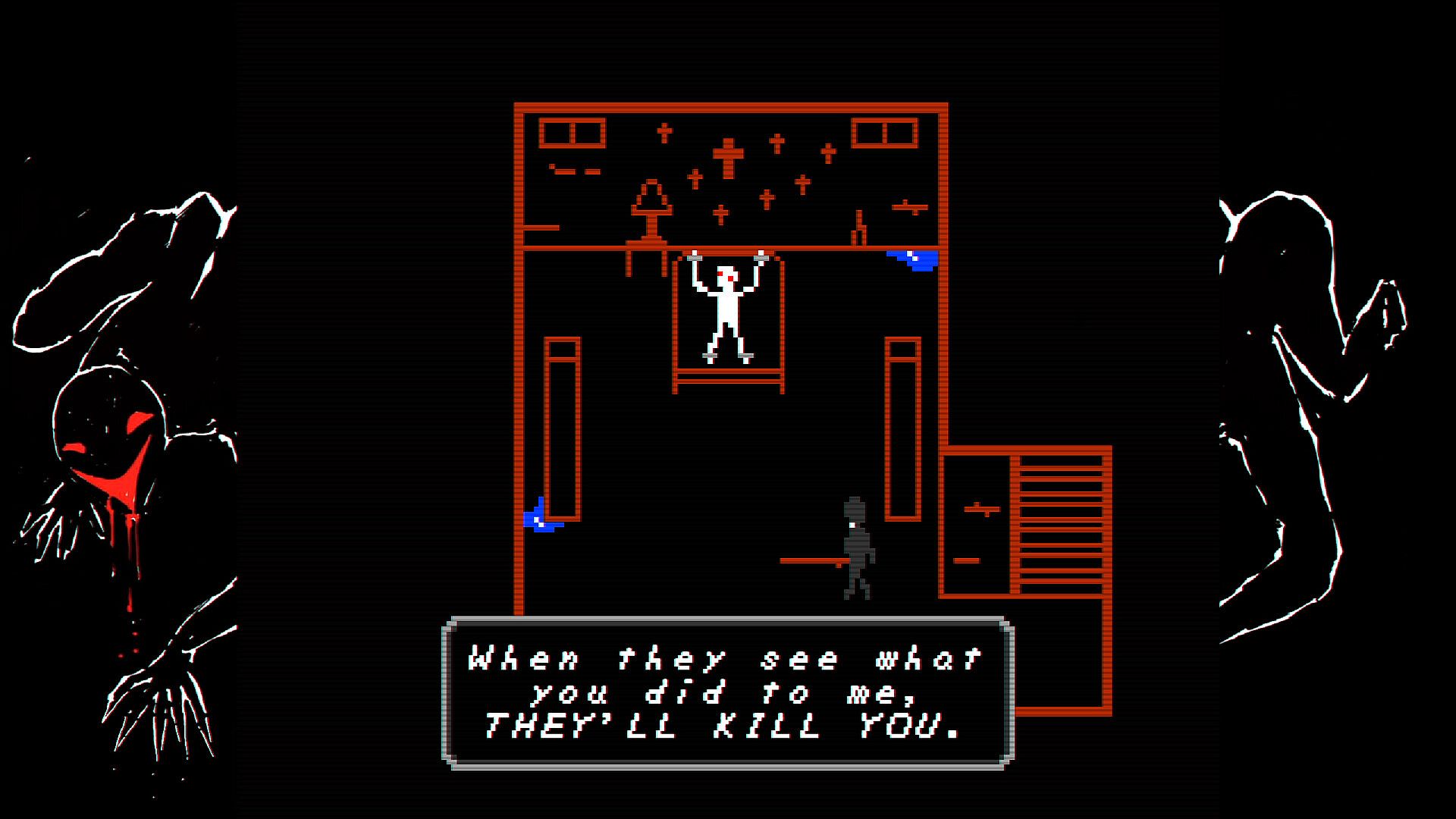
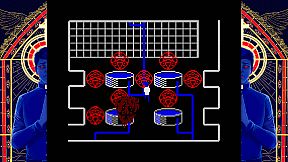
The core loop centers on exploration and ritual combat in a retro isometric perspective. The priest carries a crucifix as the primary tool for defense and investigation. Raising it damages and slows approaching enemies while also purifying possessed objects scattered through the environments. These exorcisms often uncover notes that fill in the story or point toward solutions for environmental puzzles.
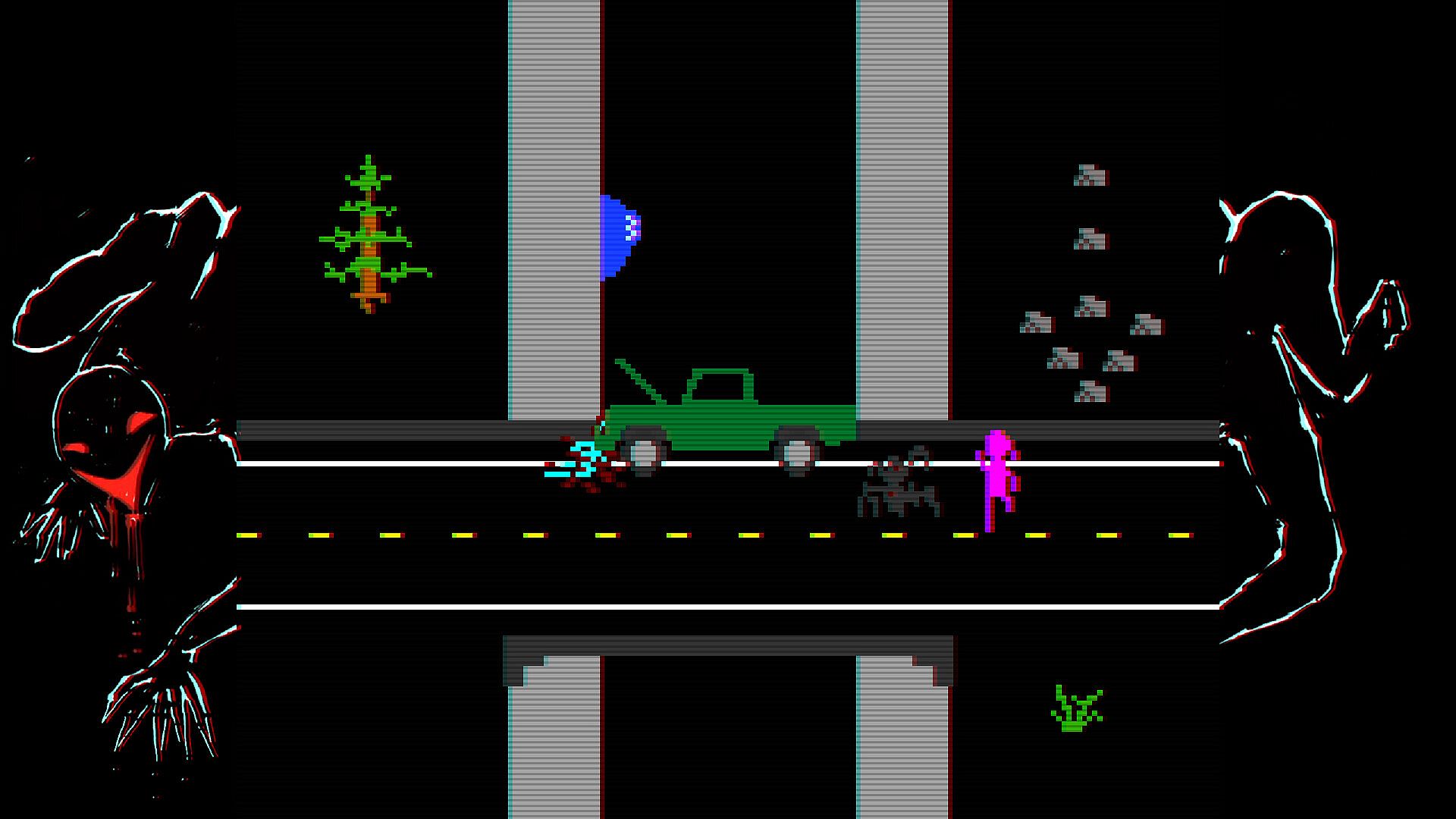
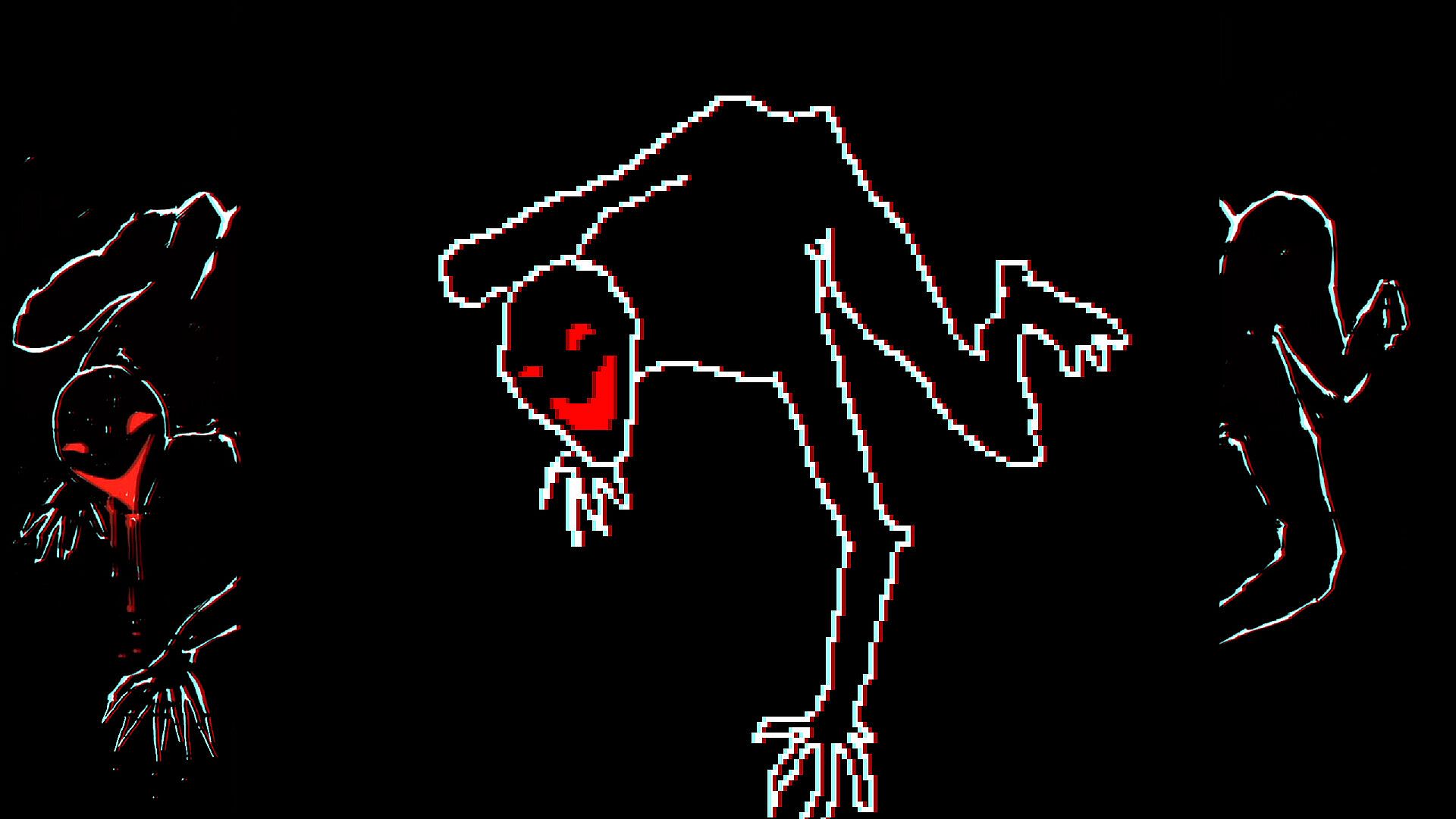
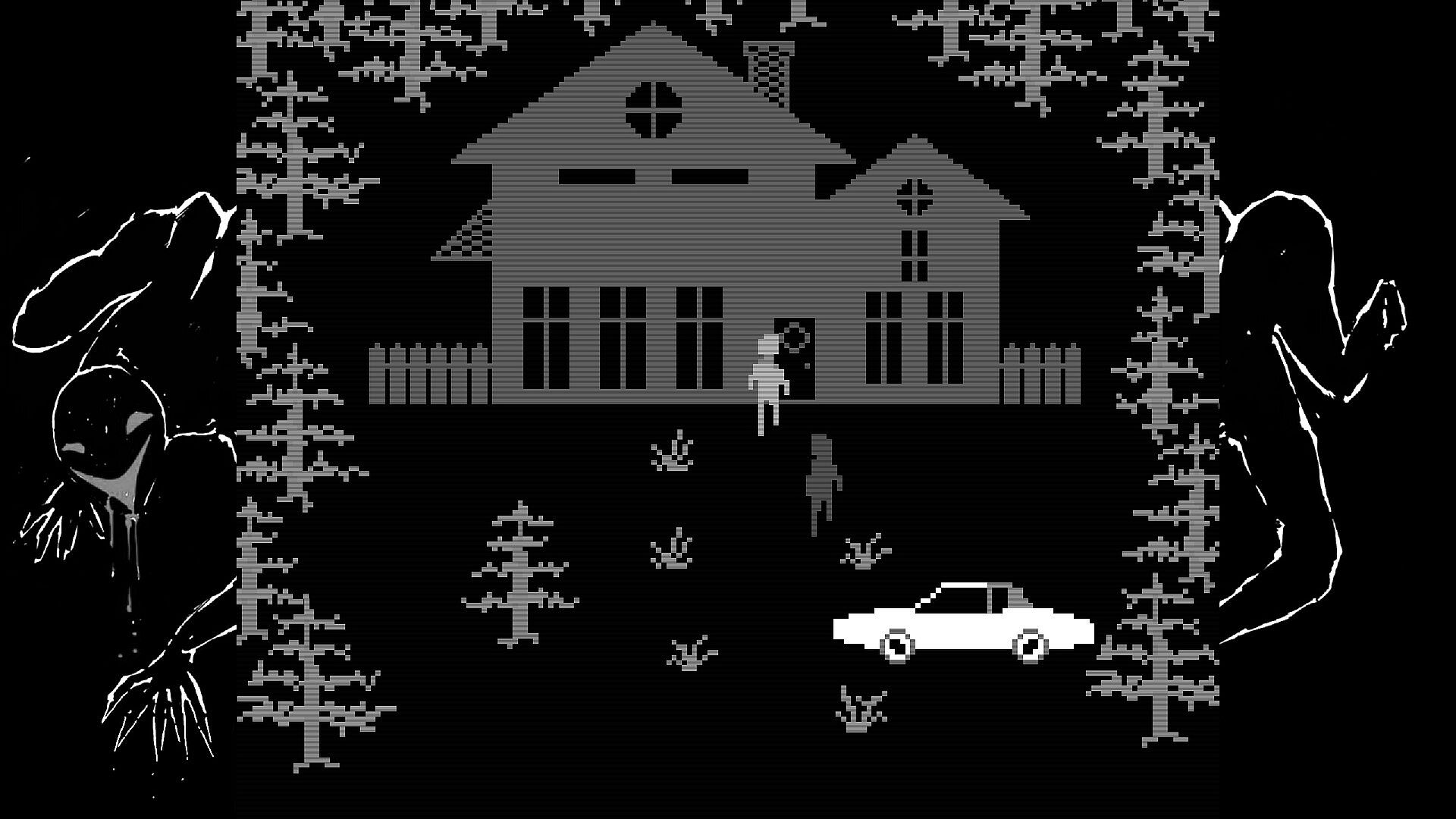
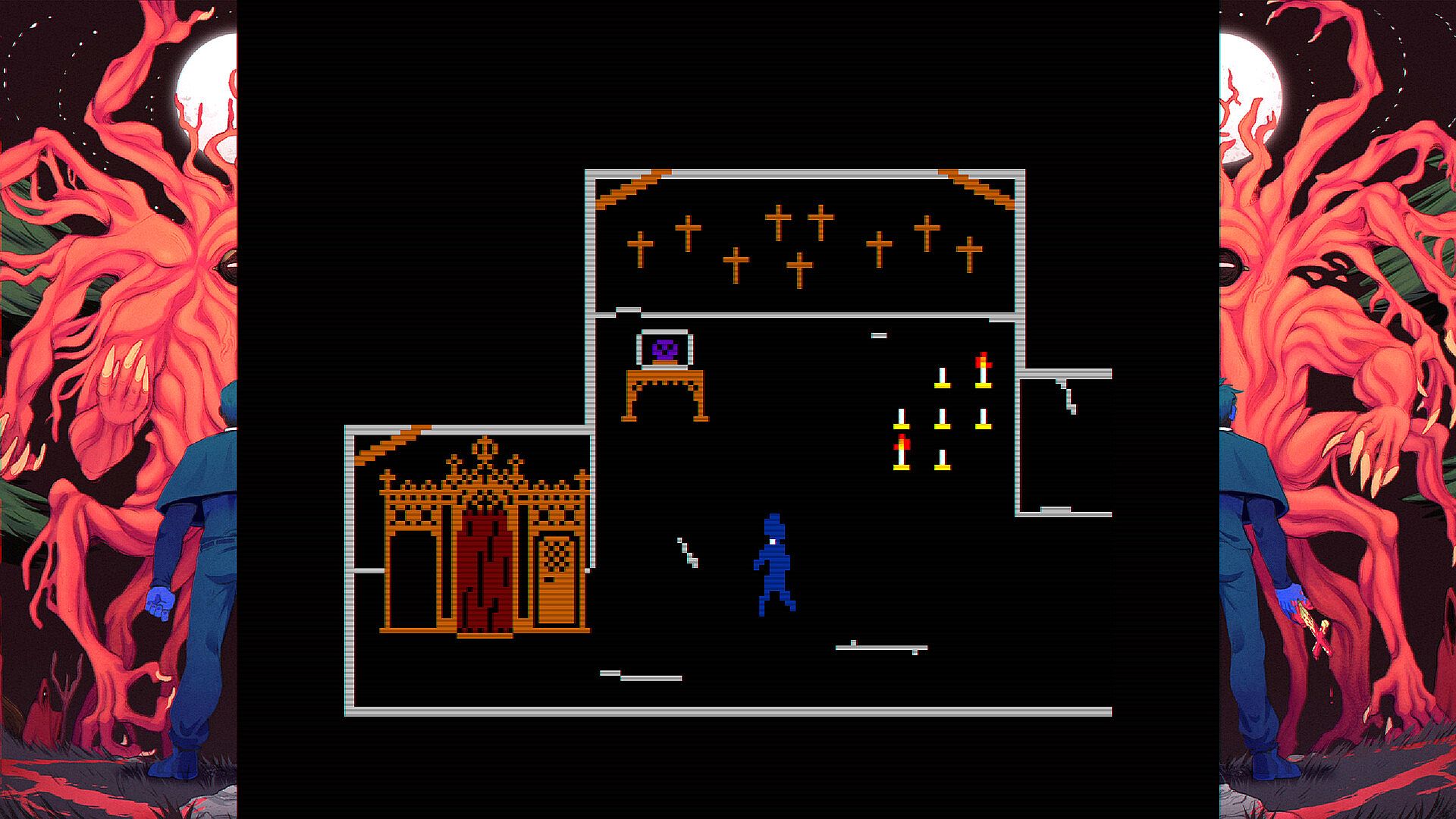
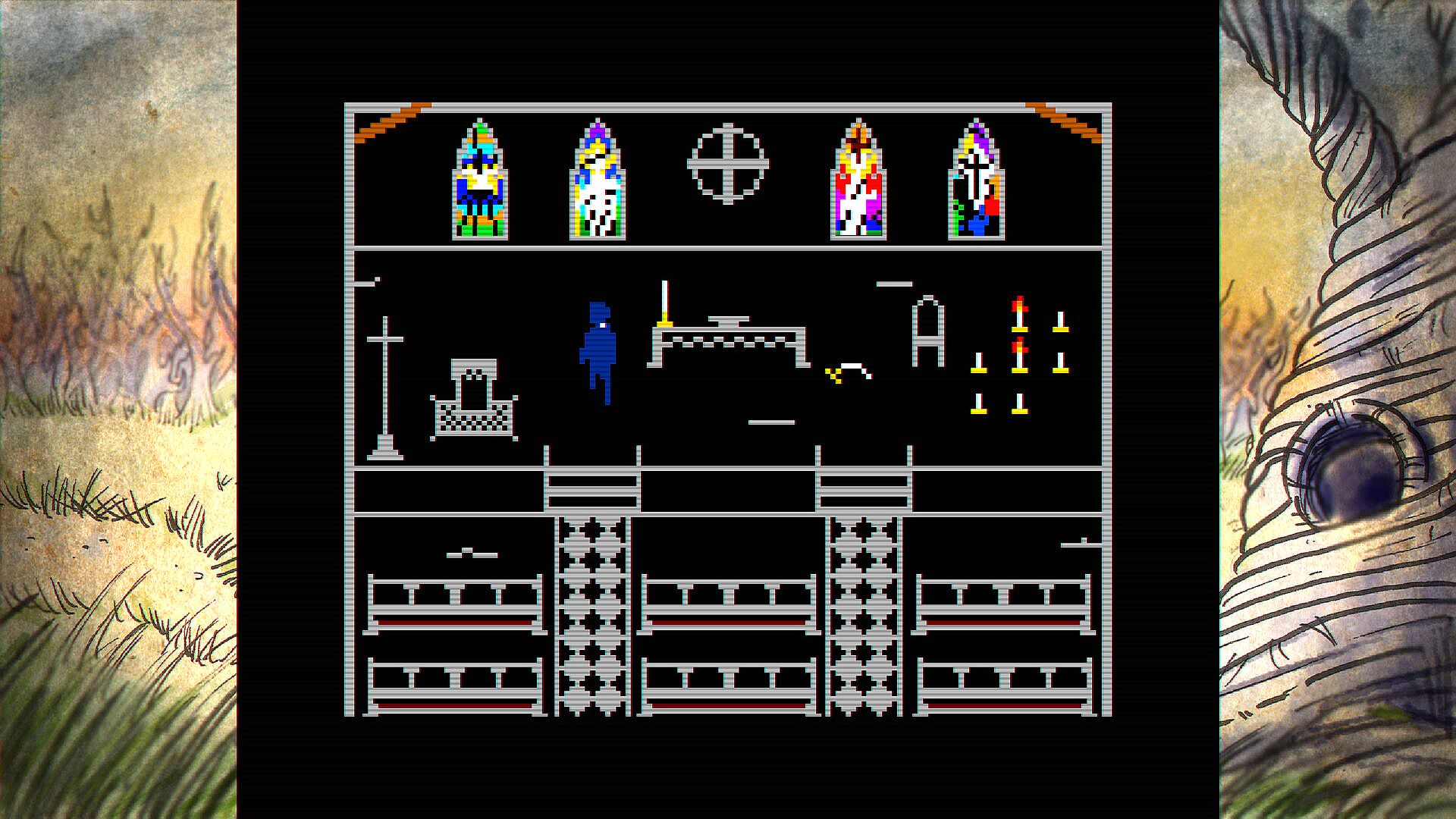
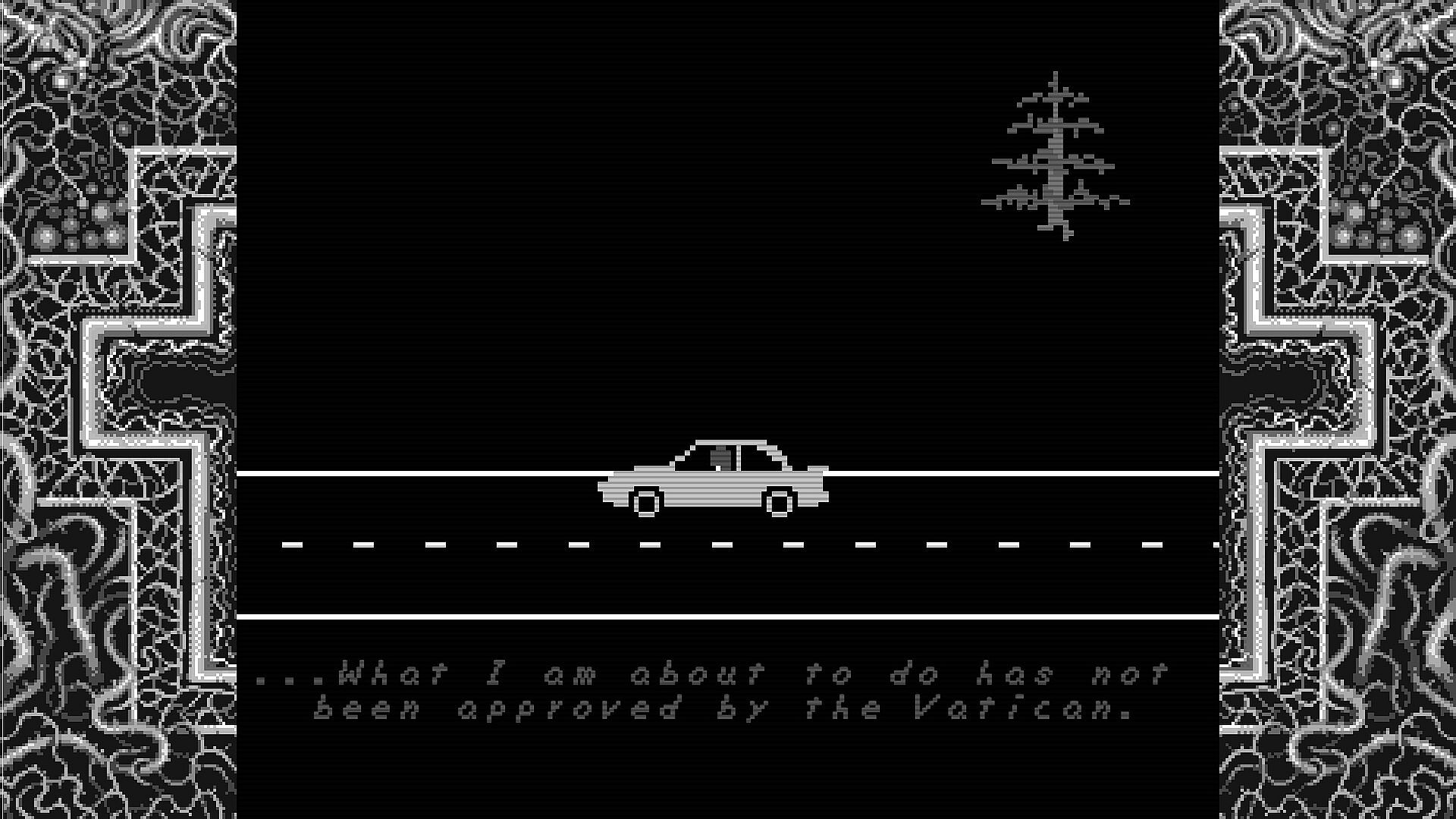
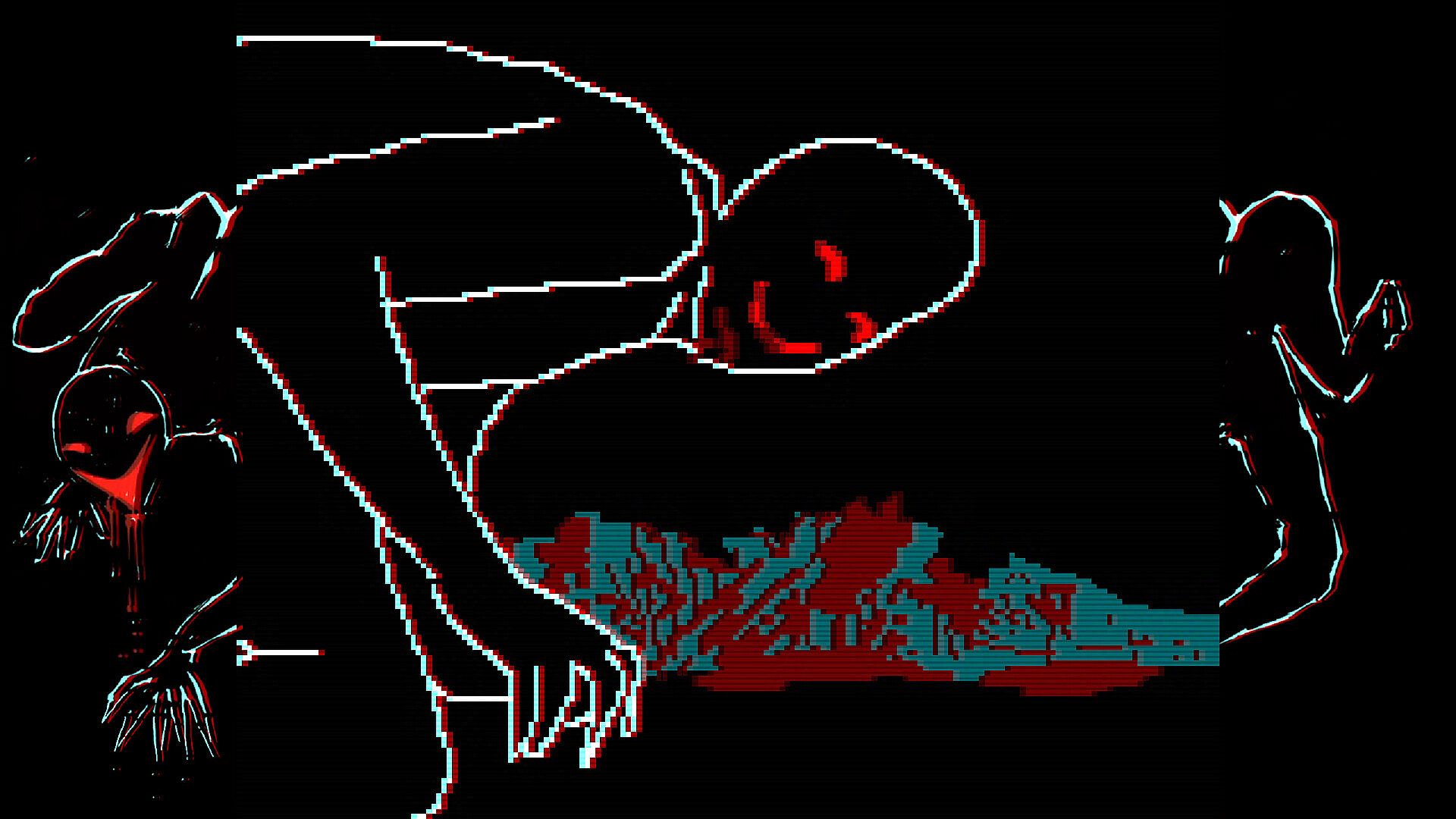
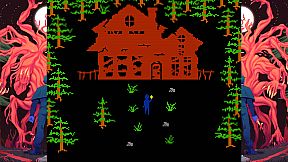
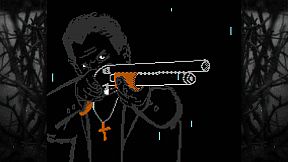
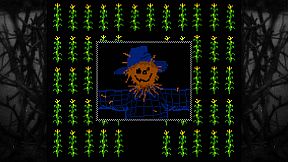
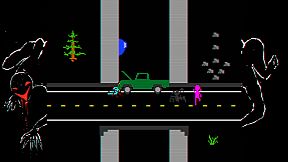
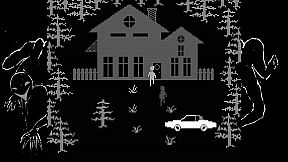
Navigation takes the player through dense forests, derelict churches, abandoned clinics, apartment blocks, and hidden cult strongholds. Movement feels deliberate and tense, with limited resources forcing careful decisions about when to engage threats. A revolver appears in key sequences, but its single bullet ties directly into branching conclusions rather than serving as standard firepower. Rotoscoped animations punctuate key moments, and the audio design leans on synthesized speech and processed field recordings to heighten unease without modern polish.
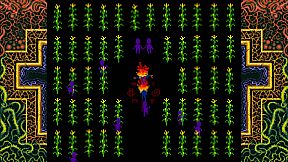
Progression rewards thorough searching. Notes and optional encounters expand the narrative of failed exorcisms, cult activity, and personal crisis of faith. The low-resolution art style and chunky pixel work keep the focus on atmosphere and implication rather than graphical fidelity.
Game Modes
The main experience unfolds through the three chapters of the Unholy Trinity. Each chapter presents a self-contained segment of the priest's journey while building on prior events. Chapter I returns to the site of a botched exorcism. Chapter II shifts focus to a cemetery investigation and an alliance with another priest. Chapter III expands into urban and rural locations as the threat of a major summoning grows.
Secret endings vary by chapter based on specific actions, such as targets chosen with the revolver or optional objectives completed during exploration. These conclusions alter the immediate outcome and sometimes unlock further content. A separate survival mode becomes available after securing the preferred endings across all chapters and finishing the prologue segment of Chapter II. This mode strips away story elements to emphasize repeated survival against escalating threats in familiar locations.
Story and Atmosphere
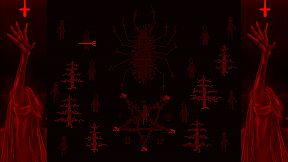
The narrative follows the priest's attempts to resolve an unfinished exorcism and later disrupt a satanic cult's plans. Events draw from documented 1980s anxieties around possession and ritual abuse while remaining grounded in the game's own fictional lore. Isolation defines each setting, whether the player walks empty roads at night or descends into candlelit basements. The soundtrack mixes original retro compositions with classical pieces reinterpreted through period-appropriate synthesis, reinforcing the sense of dread without relying on jump scares alone.
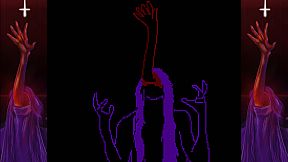
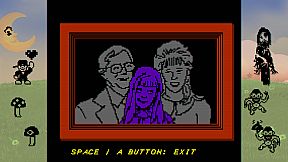
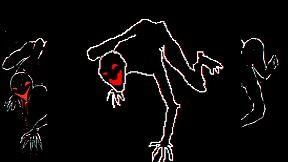
Hand-crafted animations and environmental details reward close observation. Objects that appear ordinary often hide demonic influence, and the limited color palette amplifies the feeling of stepping into an old videotape recording of something that should not have been captured.
Is It Worth Playing?
FAITH: The Unholy Trinity suits players who appreciate deliberate pacing, retro aesthetics, and horror built around implication and ritual rather than constant action. The three-chapter structure provides a complete arc with meaningful choices that affect multiple endings. Survival mode adds replay value for those who want to test endurance after finishing the story.
The game continues to receive updates, including language support and console ports years after its compilation release. Its consistent critical and player praise stems from the distinctive visual and audio approach combined with tight mechanical focus. Anyone drawn to short, intense single-player horror experiences with strong atmosphere will find the title delivers on its premise without unnecessary padding or modern feature creep.