




















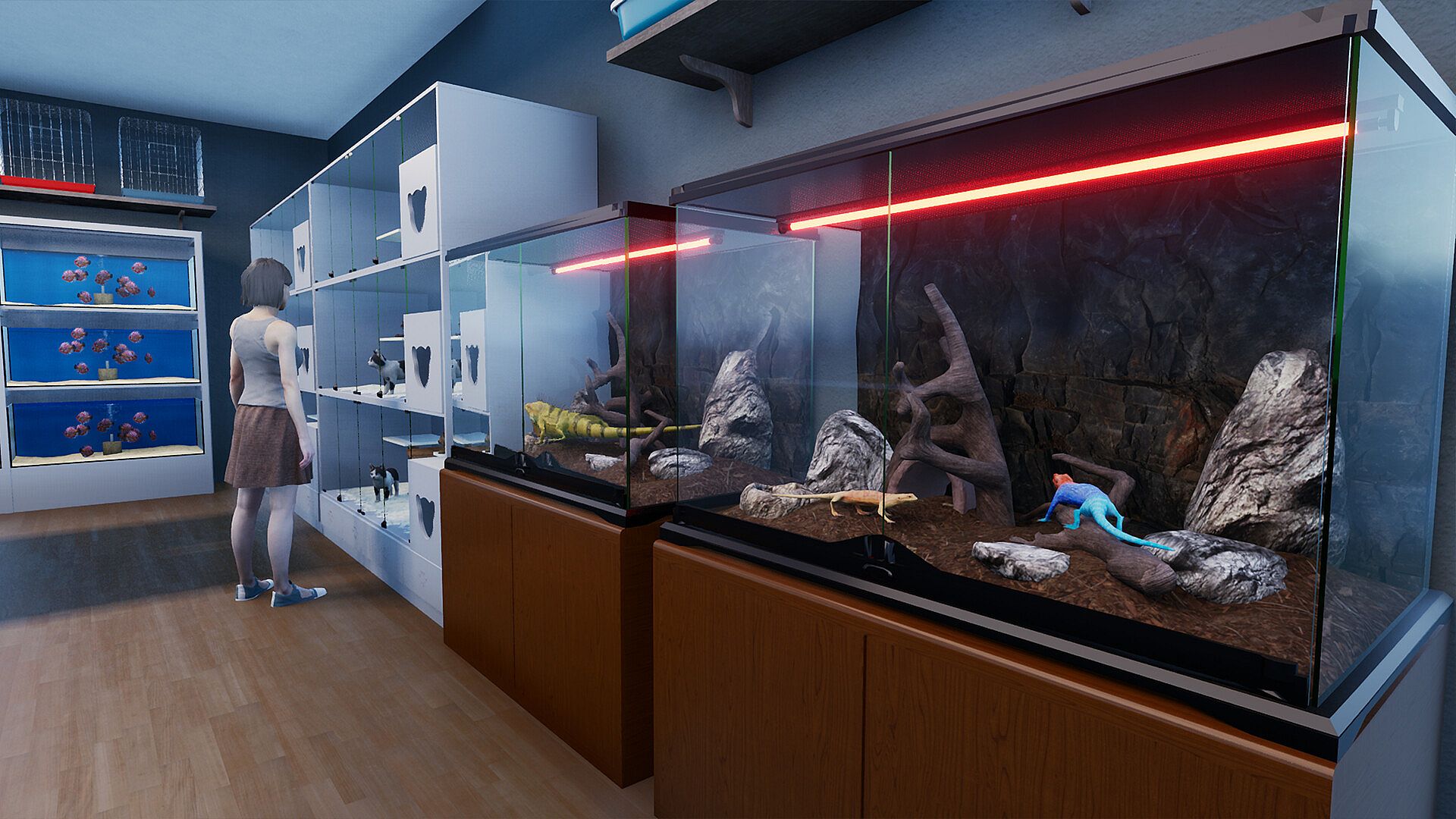
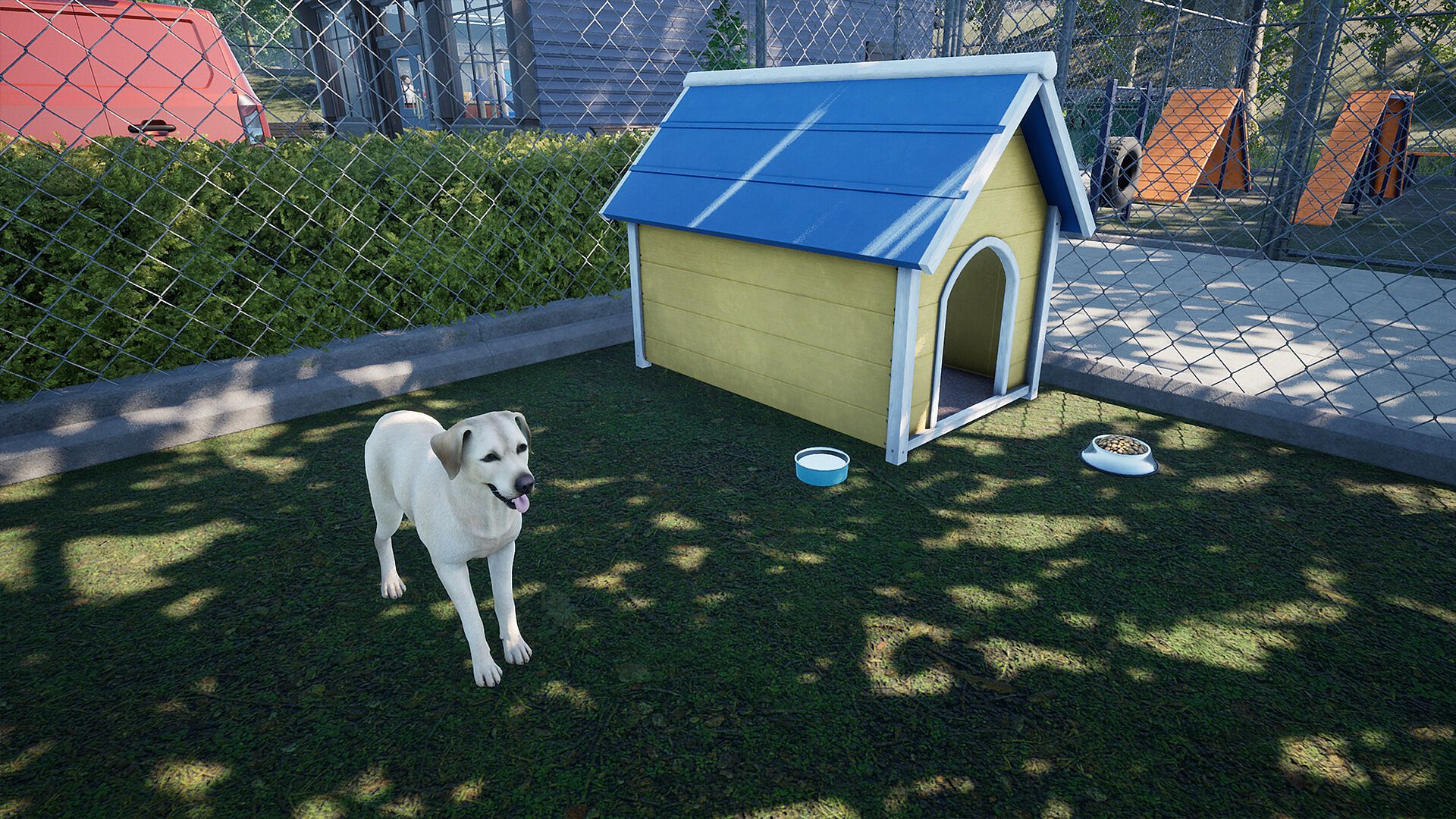
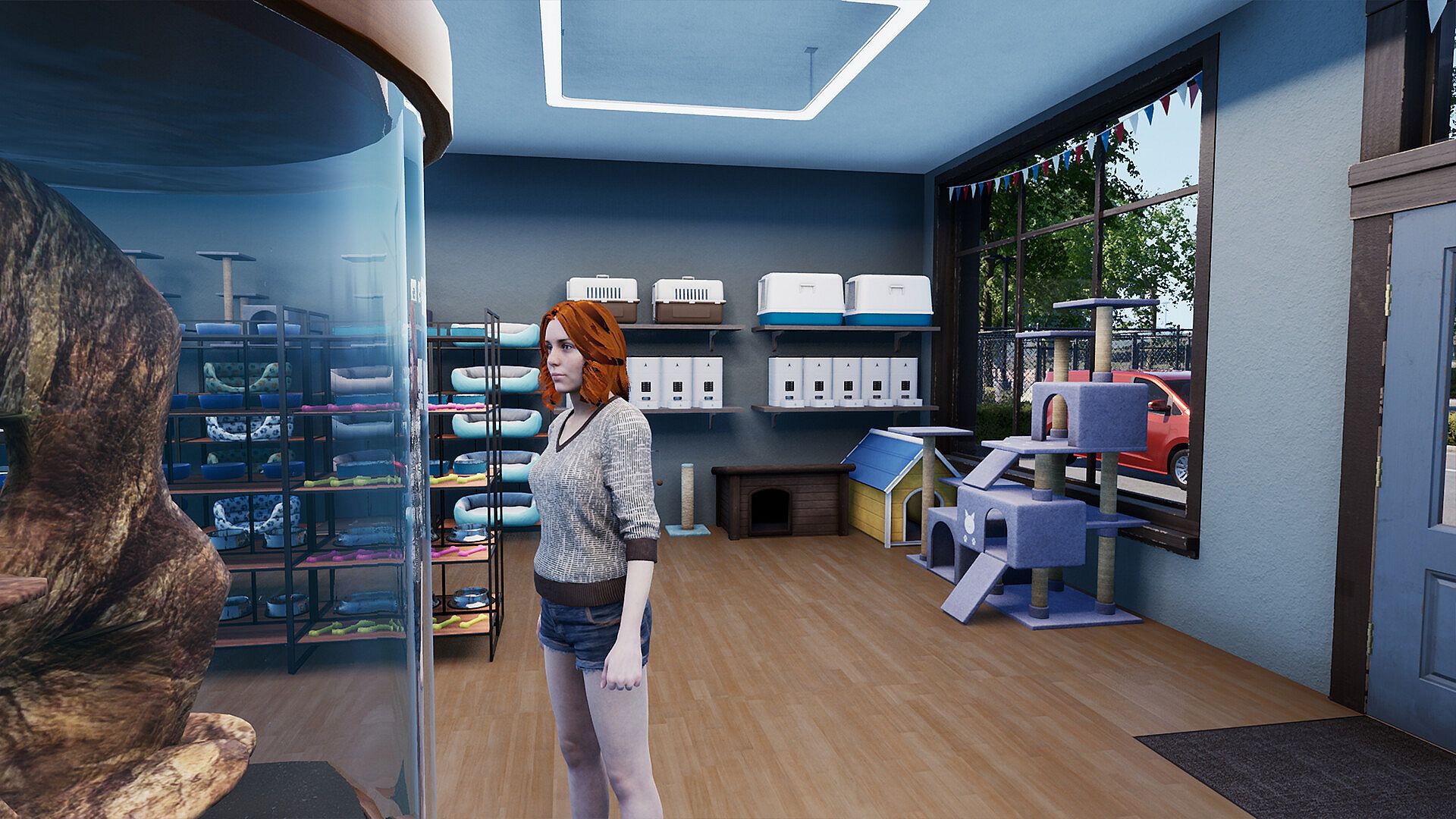
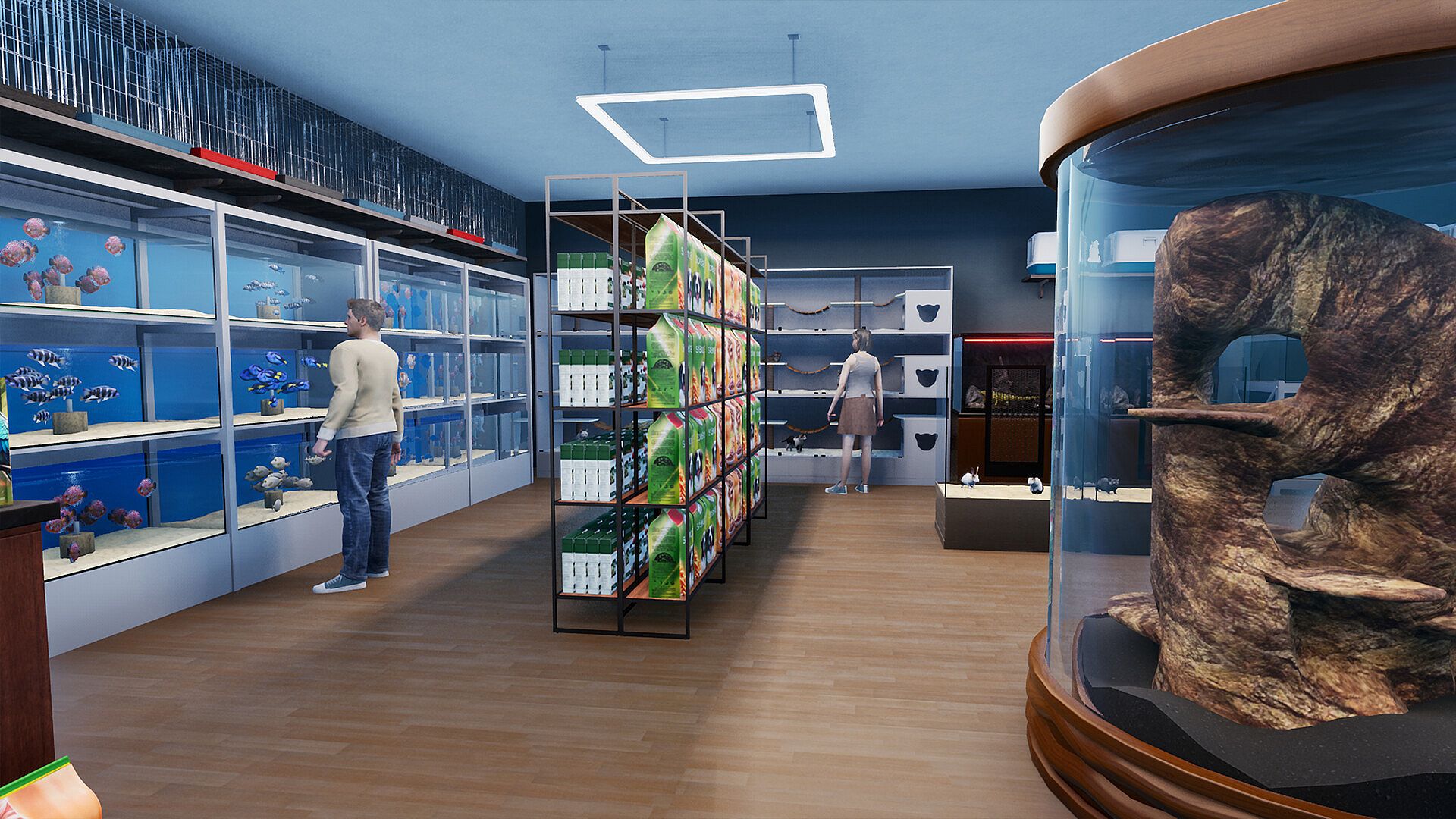
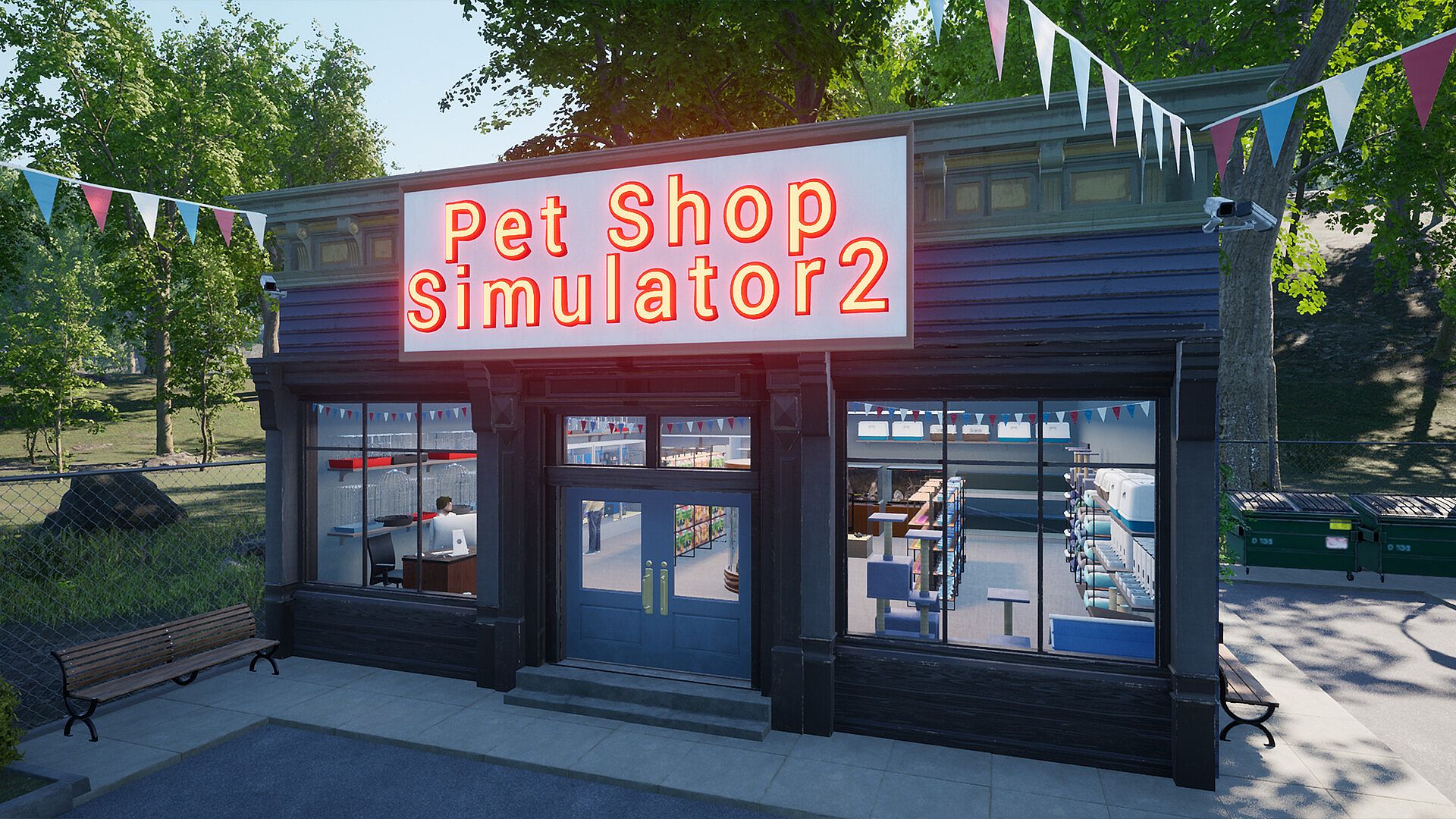
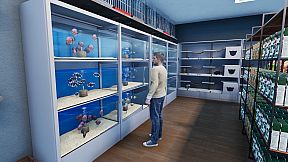

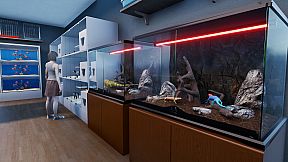
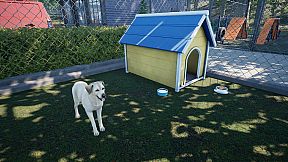
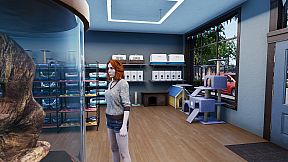
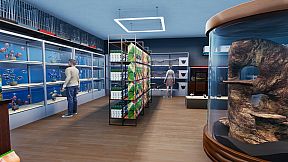

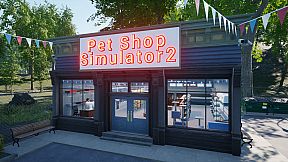


Exotica 2: Pet Shop Simulator is a single-player indie simulation game that places players in charge of building and operating an exotic pet shop on PC. The experience centers on animal care, breeding, store customization, and steady business growth in a relaxed environment free from timers or complex systems.
Gameplay
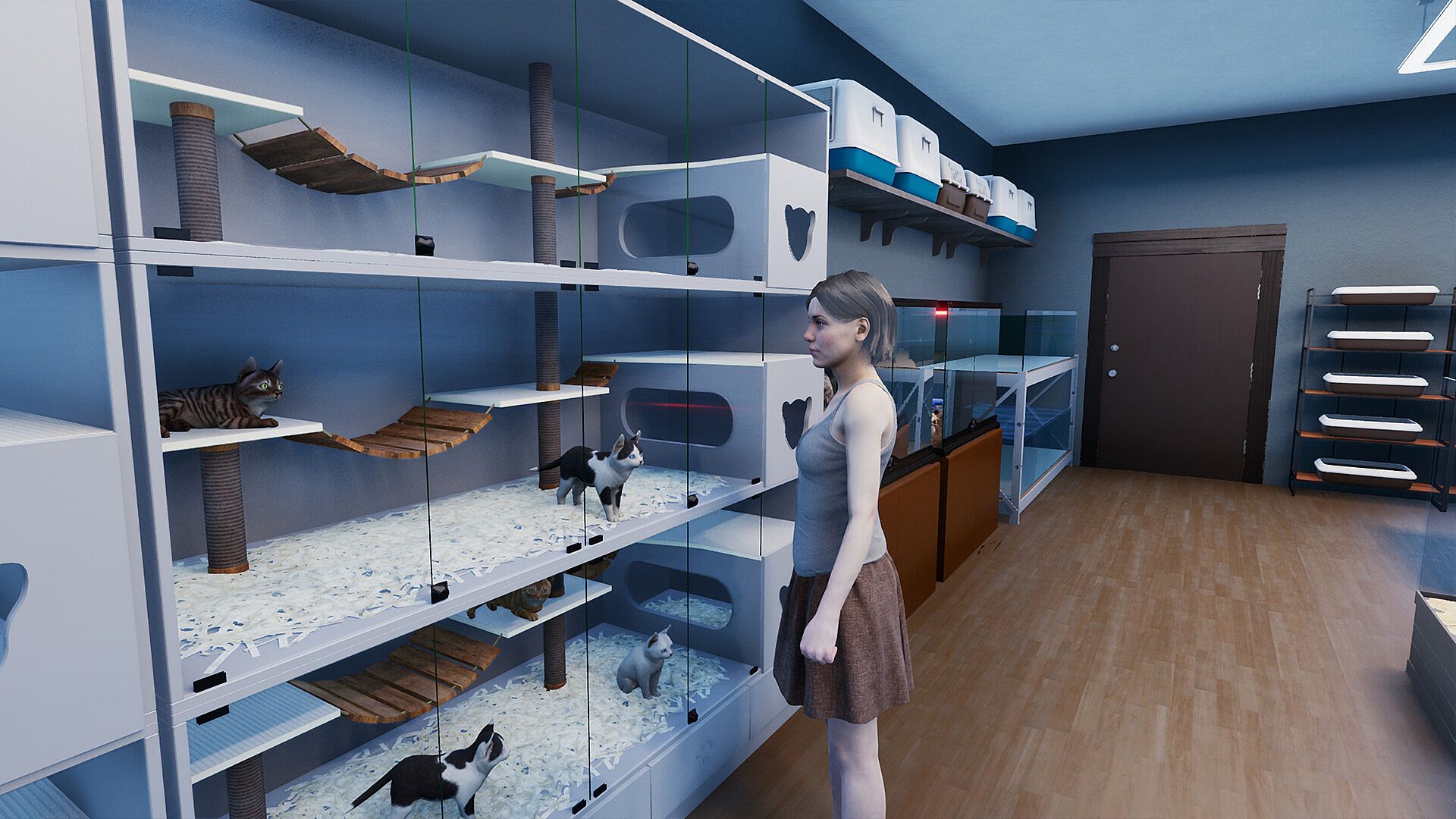
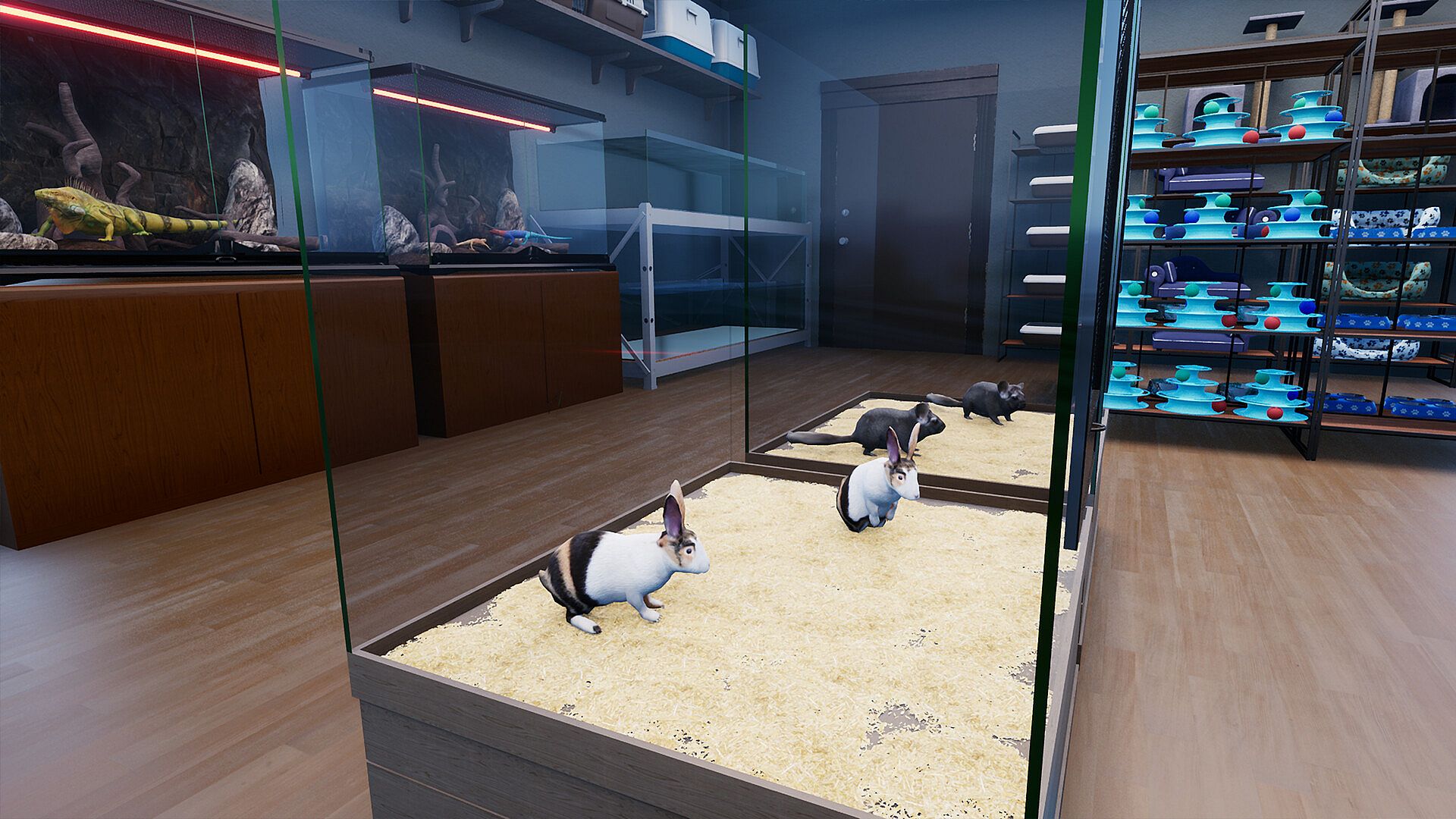
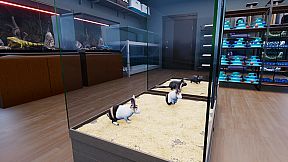
The core loop involves starting with a basic shop and expanding it through careful decisions on animal selection, breeding pairs, and pricing. Players purchase creatures, raise young ones, and sell them to customers while managing daily tasks like feeding, cleaning habitats, and handling sales at the register. Interactions feel hands-on, as animals can be picked up, carried, and placed into enclosures where they roam freely and react to their surroundings.
Breeding forms a key progression element. Pairing compatible animals leads to eggs that hatch into offspring, sometimes revealing rare color or pattern variants that increase value and appeal. Over time, this system unlocks access to more than 70 species spanning cats, dogs, reptiles, birds, and fish, with new variants emerging naturally through repeated efforts.
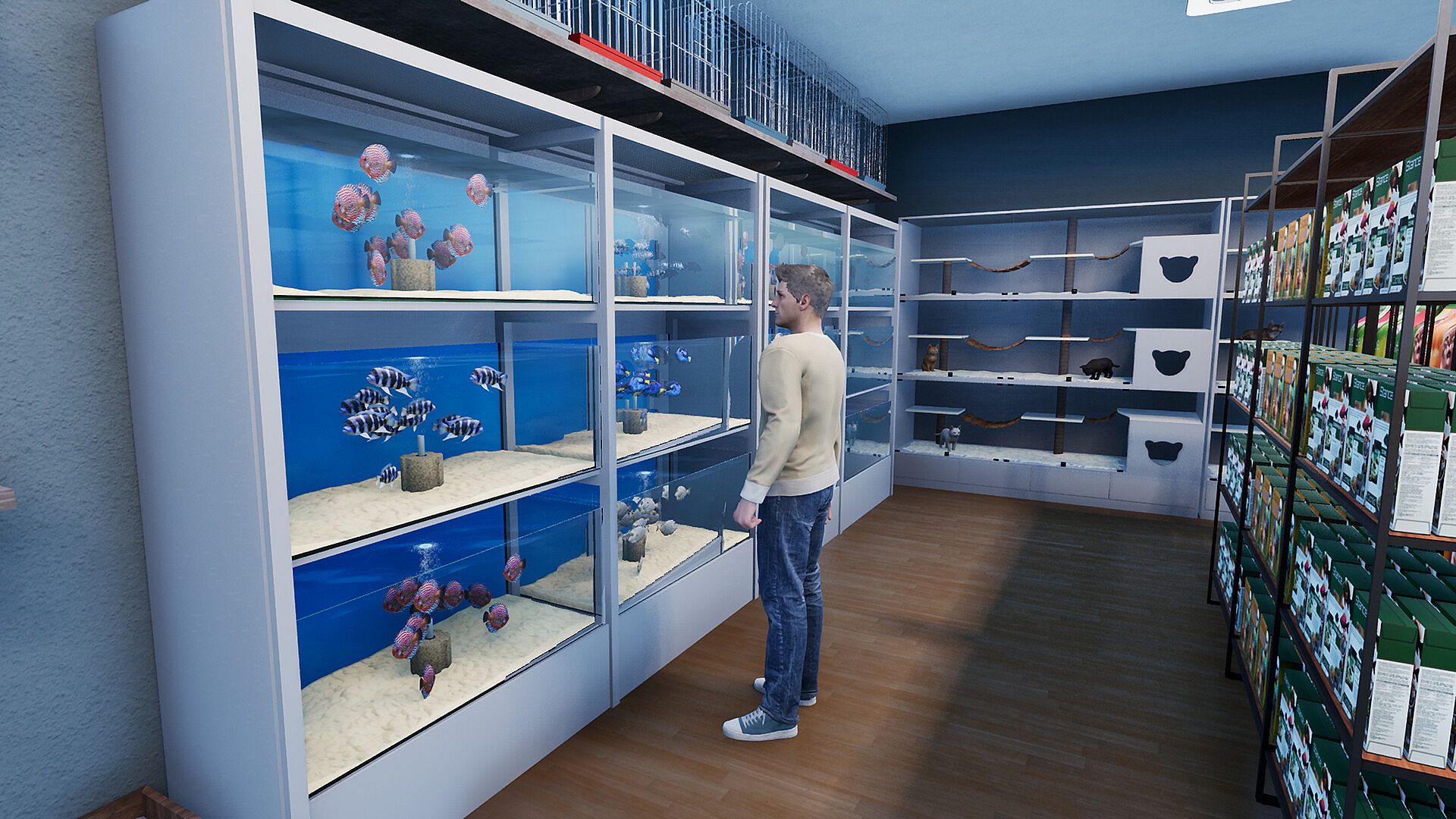
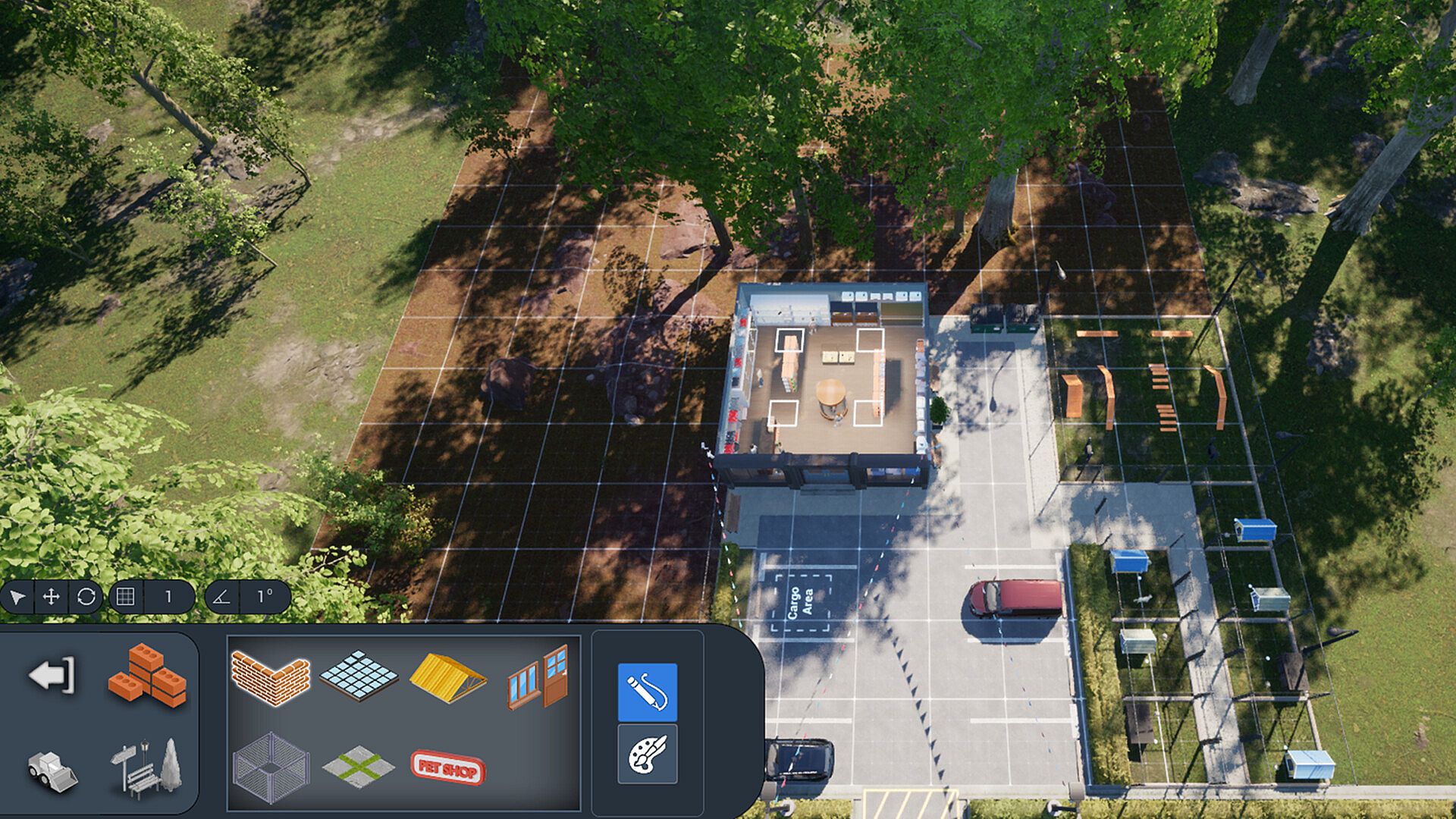
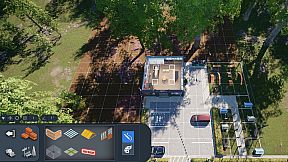
Store building allows free placement of walls, floors, decorations, lighting, and signs to create personalized layouts. Habitats support automatic water management for aquariums, and animals explore the space organically once placed. Staff hiring introduces automation options, where employees handle routine duties such as cashier work, cleaning, or stock movement, each bringing individual strengths or limitations like animal phobias that require thoughtful assignment.
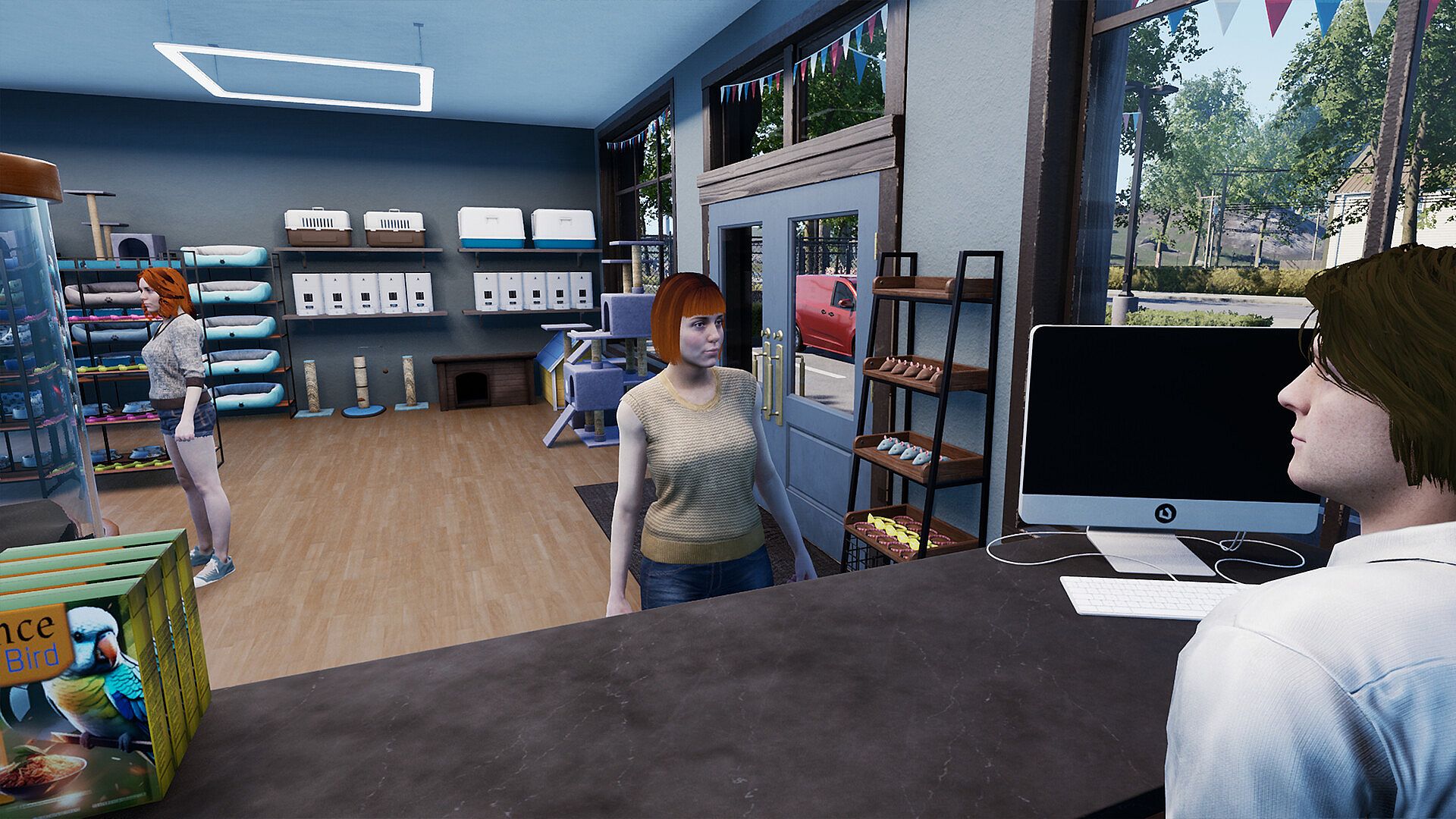
Customer interactions add variety, as shoppers display distinct personalities and may reject certain suggestions. Players can process transactions directly or delegate them, reviewing summaries of purchases to refine future stock choices. Star points earned from successful operations unlock additional animals, furniture, and shop elements, supporting long-term growth at a self-paced rhythm.
Game Modes
Exotica 2: Pet Shop Simulator functions entirely as a single-player simulation without distinct game modes or multiplayer components. Progression unfolds through one continuous experience focused on shop development, animal management, and business expansion. There are no competitive, story-driven, or survival variants; instead, the game emphasizes gentle, ongoing advancement where players set their own goals around breeding discoveries, store aesthetics, and revenue milestones.
This unified approach keeps the focus on core mechanics like habitat maintenance, employee oversight, and customer service. Updates have introduced refinements such as additional animals and breeding options for certain species, along with quality-of-life improvements, but the fundamental single-player structure remains unchanged since launch.
Shop Customization and Animal Care
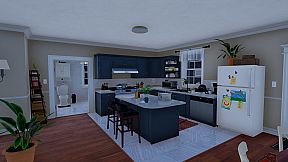
Customization extends beyond basic layouts to include a broad selection of textures, lighting adjustments, and decorative items that influence both visual appeal and animal behavior. Players arrange elements freely, watching as creatures interact with the environment in real time. This system rewards experimentation, as thoughtful placement can enhance customer satisfaction and overall shop atmosphere.
Animal care requires consistent attention to feeding, enrichment, and habitat cleanliness. Enrichment items help keep animals content, while automatic features simplify aquarium upkeep. The emphasis stays on nurturing rather than high-stakes challenges, allowing players to observe growth and rare trait appearances over extended play sessions.
Is It Worth Playing?
Player reception stands at mostly positive overall, with recent feedback trending very positive. The game suits those who enjoy cozy management simulations centered on animal interactions and creative building without pressure or failure states. Its relaxed pace and focus on discovery through breeding and customization appeal to fans of casual sims who value steady, satisfying progress.
Active development continues with regular patches addressing feedback and expanding content, supporting longevity for players invested in the animal roster and shop evolution. Those seeking a low-stress experience with tangible results from breeding efforts and store design will likely find it engaging, while players preferring intense competition or structured campaigns may want to consider other titles.