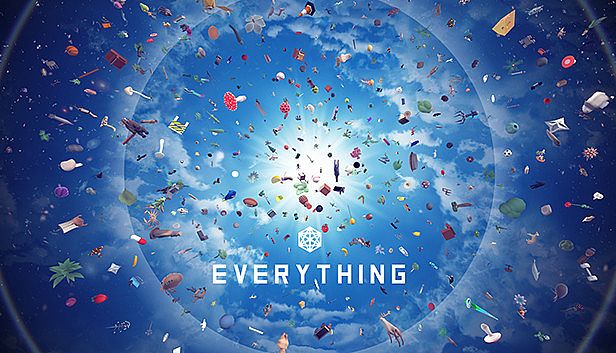












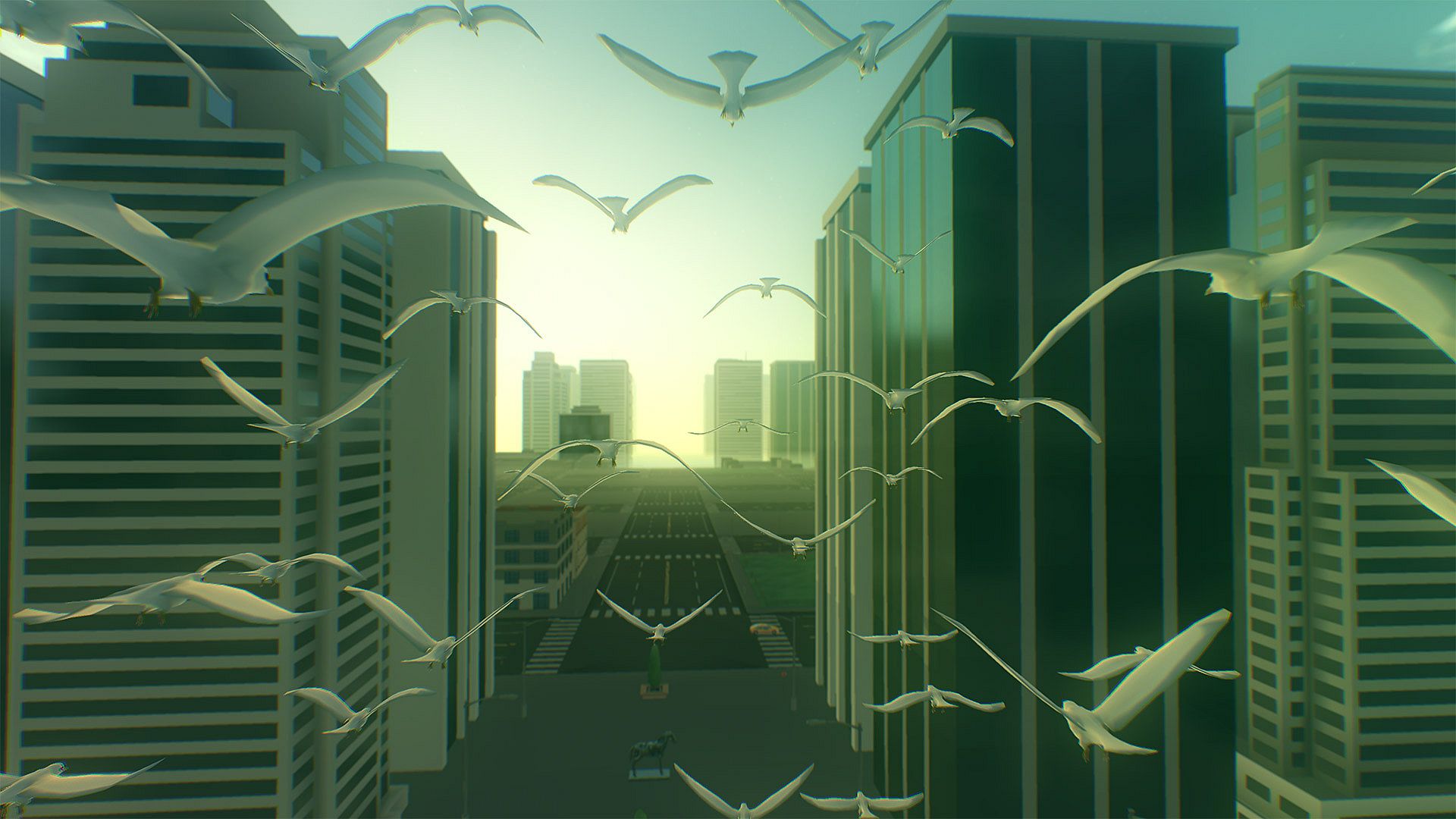

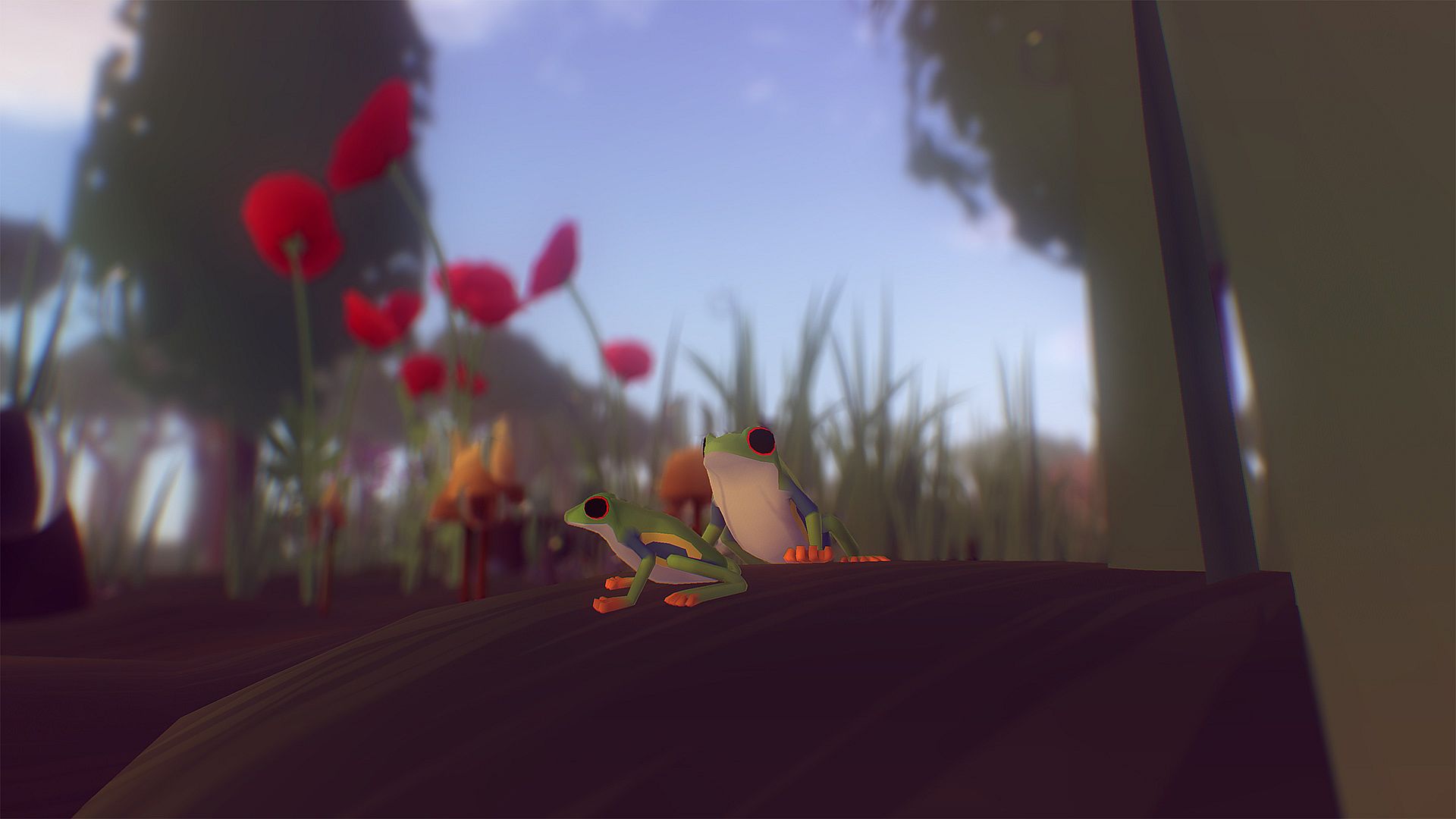
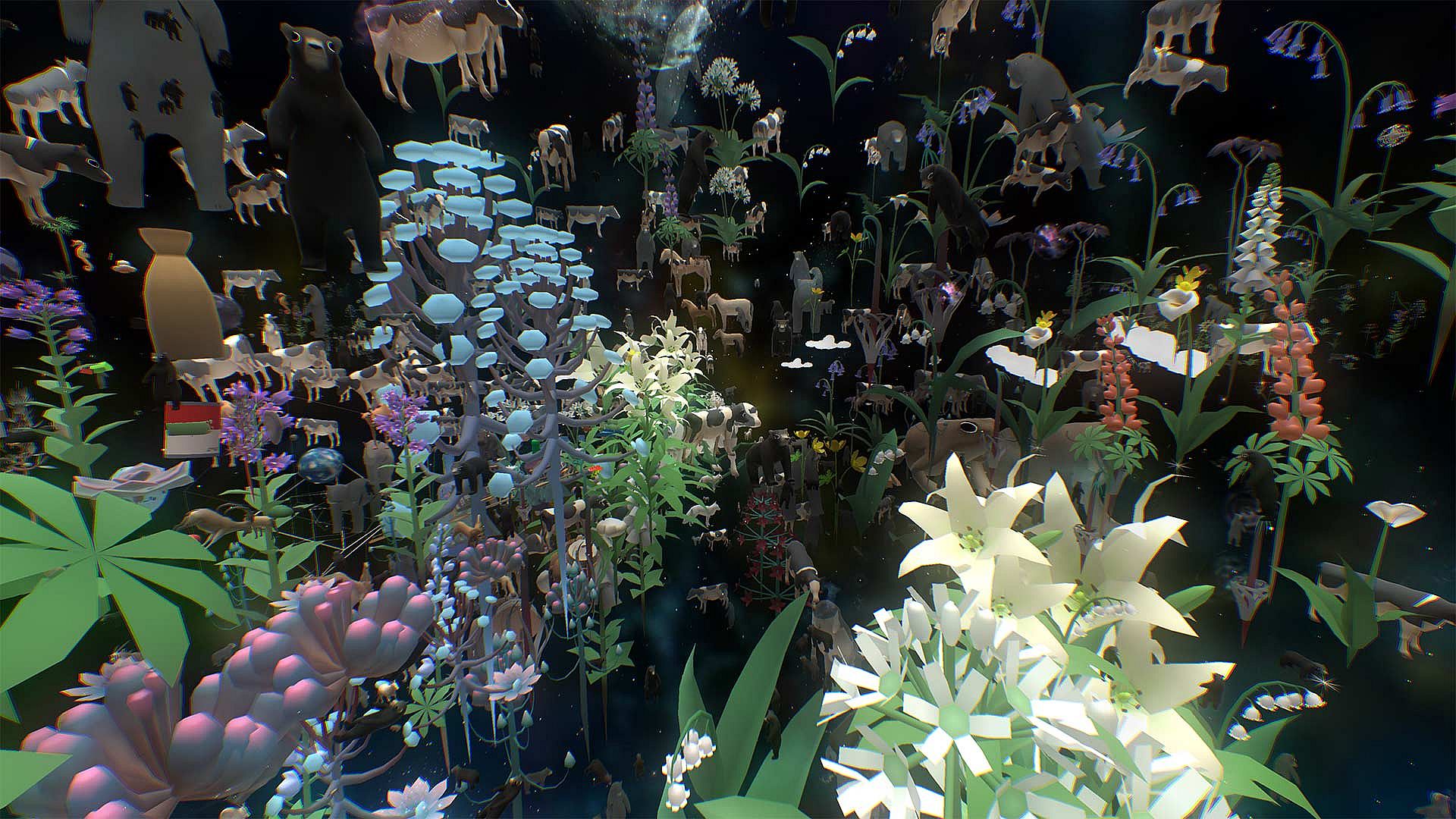
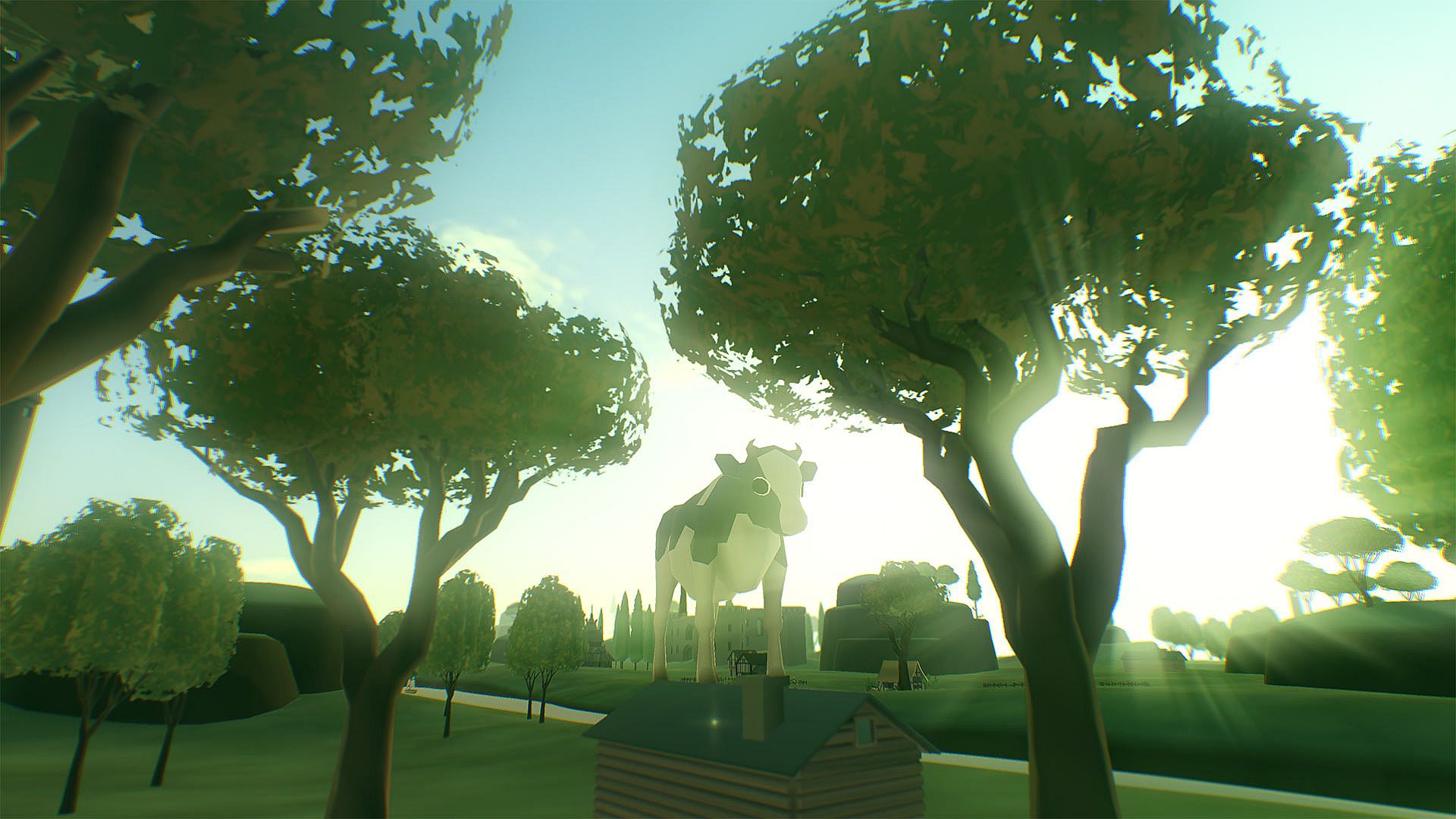
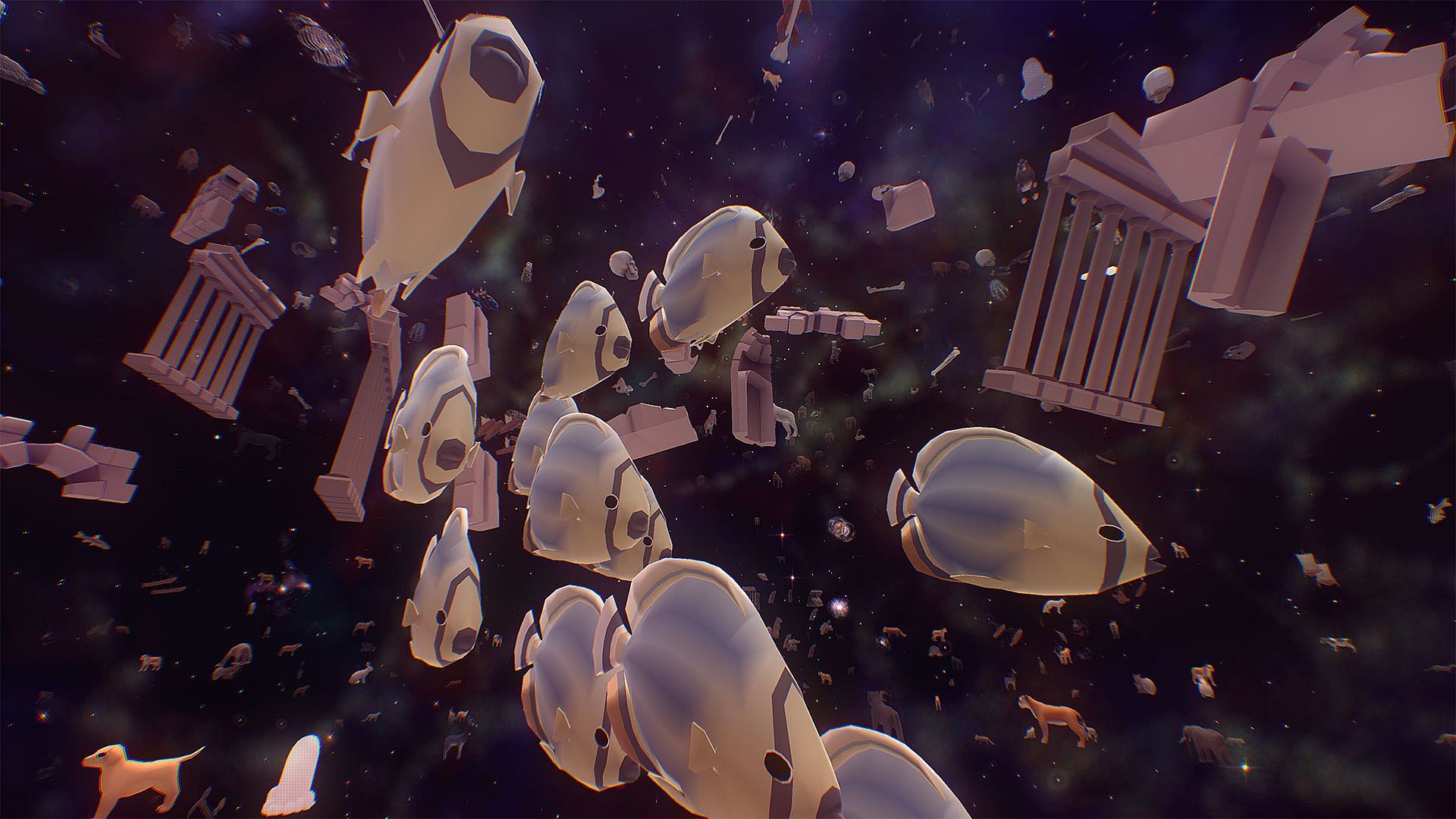
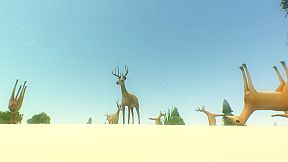


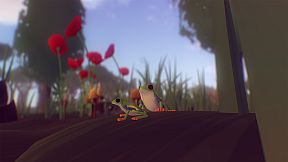
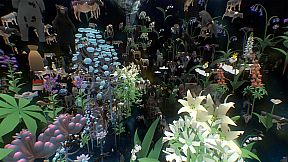
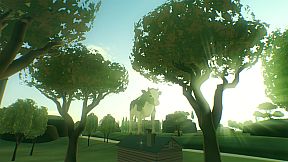
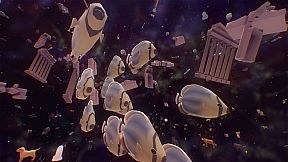
Everything stands out as an indie simulation game with RPG and casual elements, placing players in control of virtually any object across a vast universe. From the smallest creatures to entire galaxies, the experience lets users inhabit and observe the world from countless perspectives in a single-player format on PC. The core idea revolves around a procedural, AI-driven simulation that mirrors natural systems without traditional objectives or scoring systems.
Gameplay
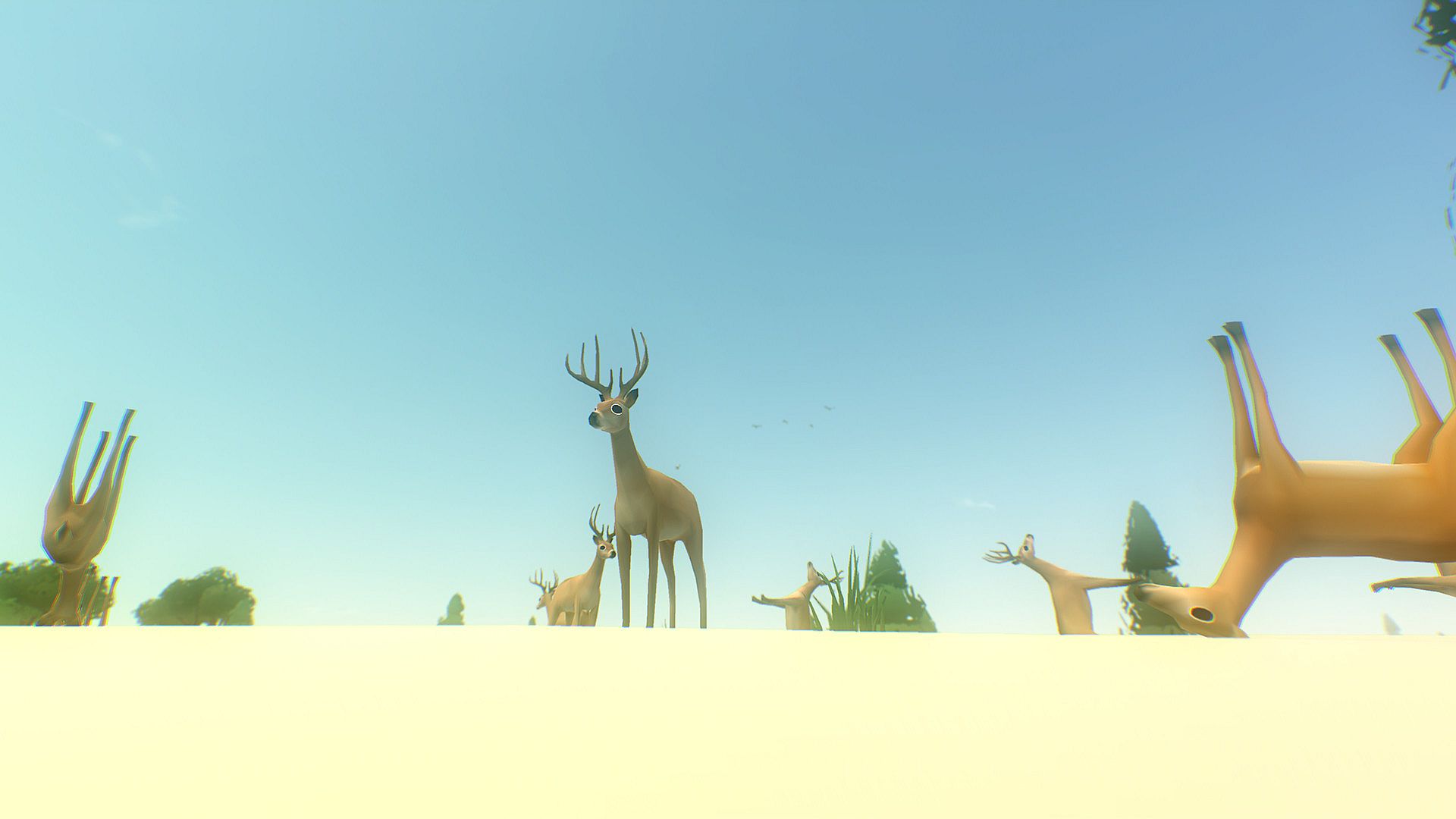
The gameplay centers on seamless transformation and exploration. Players begin as one entity and can shift into others, moving through scales from microscopic details to cosmic expanses. This creates an interconnected web where inner and outer spaces blend together. The simulation responds dynamically to choices, allowing for organic interactions that emerge from the underlying systems rather than scripted events.
Transformation serves as the primary mechanic. By shifting forms, users generate new layers of worlds nested within one another. Alternatively, releasing control lets the simulation continue independently, generating ongoing sequences that function like a living documentary of the environment. The absence of enforced tasks encourages freeform engagement, where curiosity drives movement between different viewpoints and scales.
Audio and narrative elements integrate directly into the loop. Philosophical narration accompanies the visuals and actions, providing reflective context that aligns with the themes of interconnected existence. A composed score supports the atmosphere, enhancing the sense of scale and presence during transitions between objects and environments.
Game Modes
Everything does not feature named or structured game modes in the conventional sense. Instead, it operates as a continuous, open simulation where the player decides the level of involvement at any moment. The experience supports both active direction through transformations and passive observation when control is relinquished.
This design removes goals, scores, or completion requirements, resulting in a single, unified mode of play that adapts based on user input. The procedural nature ensures variety arises naturally from the AI systems rather than from selectable options or separate scenarios.
Exploration and Perspective
Travel between vastly different scales forms a central loop. Users navigate from animal forms to planetary bodies and beyond, discovering how systems at one level influence those at another. The interconnected universe reveals itself through these shifts, highlighting relationships that span from the personal to the universal.
World creation emerges as an extension of transformation. Nested worlds develop through repeated shifts, building complexity without external direction. This process rewards sustained engagement by revealing emergent patterns in the simulation over time.
Is It Worth Playing?
Everything suits players interested in philosophical simulation experiences and relaxed, goal-free exploration. Its strength lies in the unique perspective shifts and the way the AI-driven systems generate content without traditional progression. Those seeking structured challenges or competitive elements may find the open-ended approach less engaging.
The combination of transformation mechanics, scale traversal, and integrated narration offers a distinctive single-player journey on PC. Availability remains consistent as a complete experience, with no reliance on ongoing seasonal content or updates for core functionality. Individuals drawn to contemplative, system-focused simulations will likely appreciate the depth available through repeated sessions of observation and interaction.