













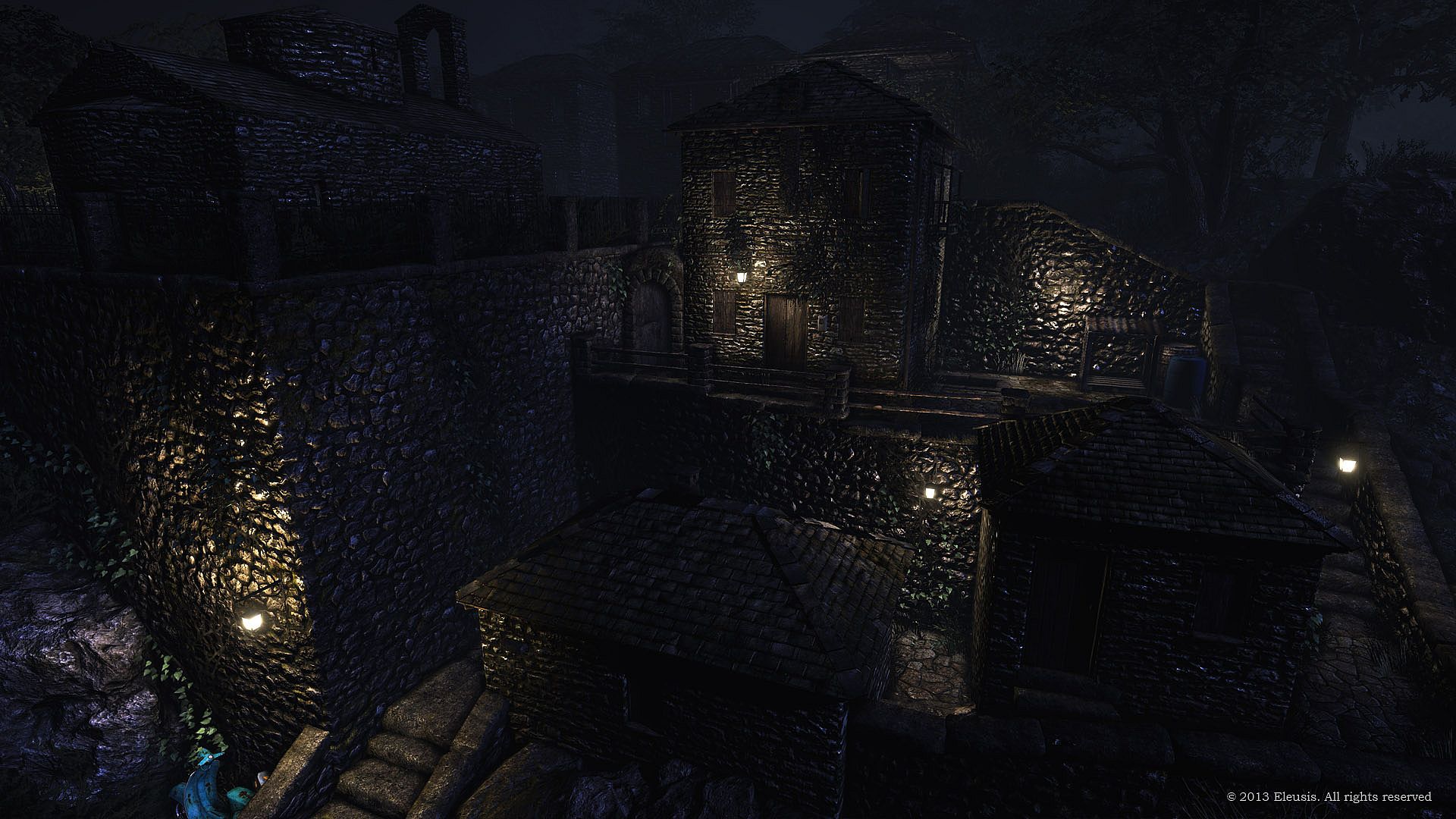
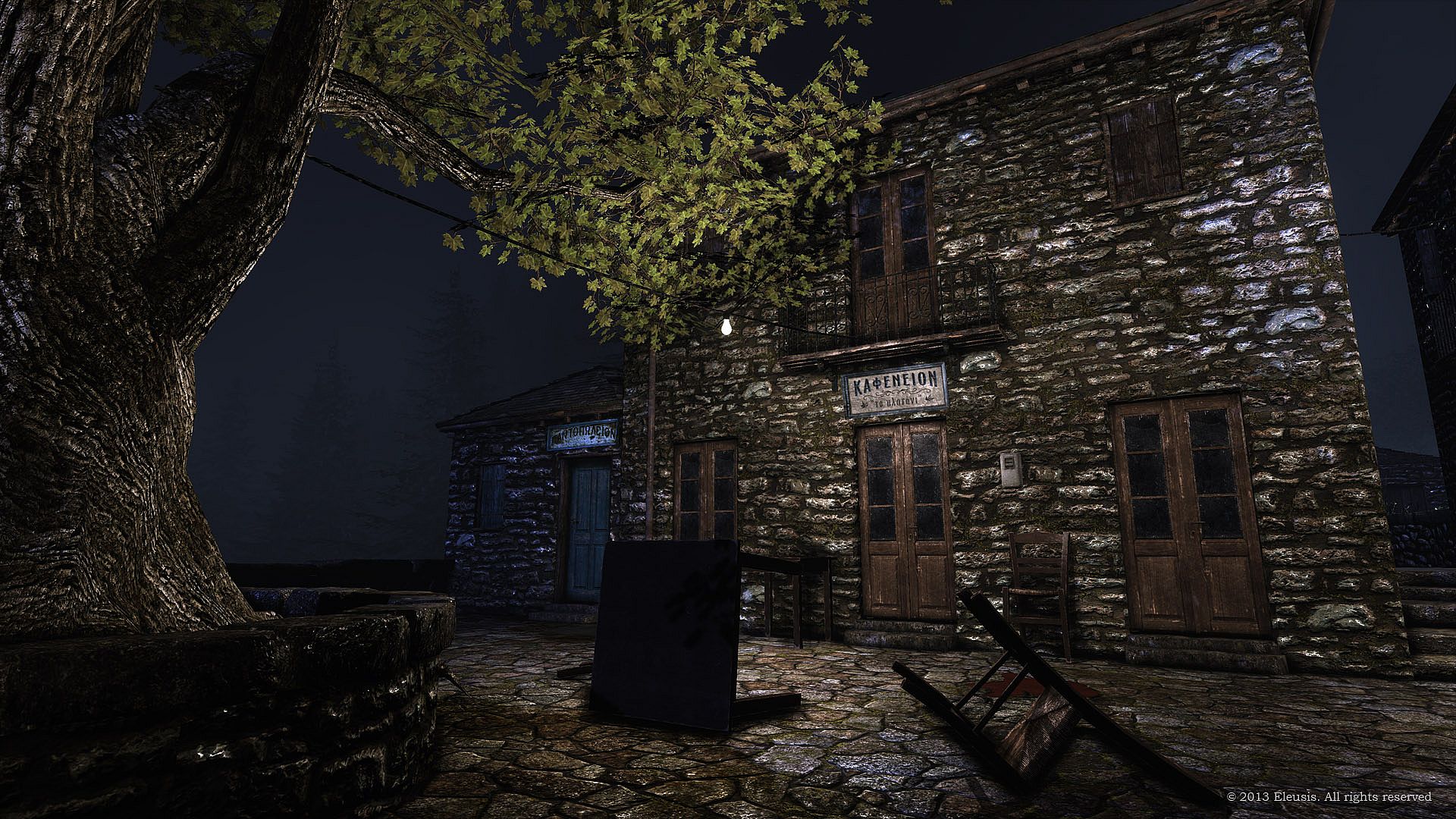
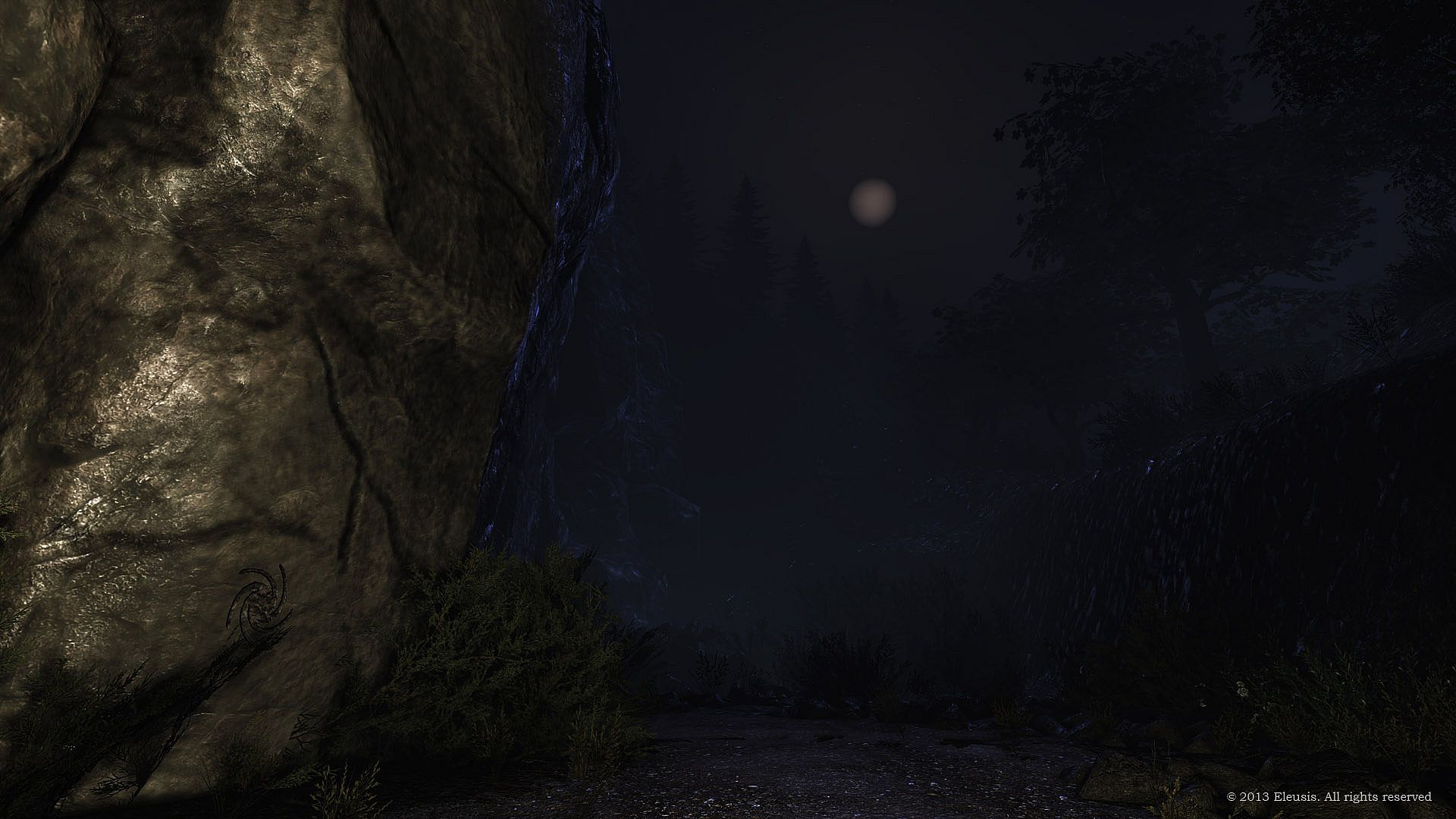
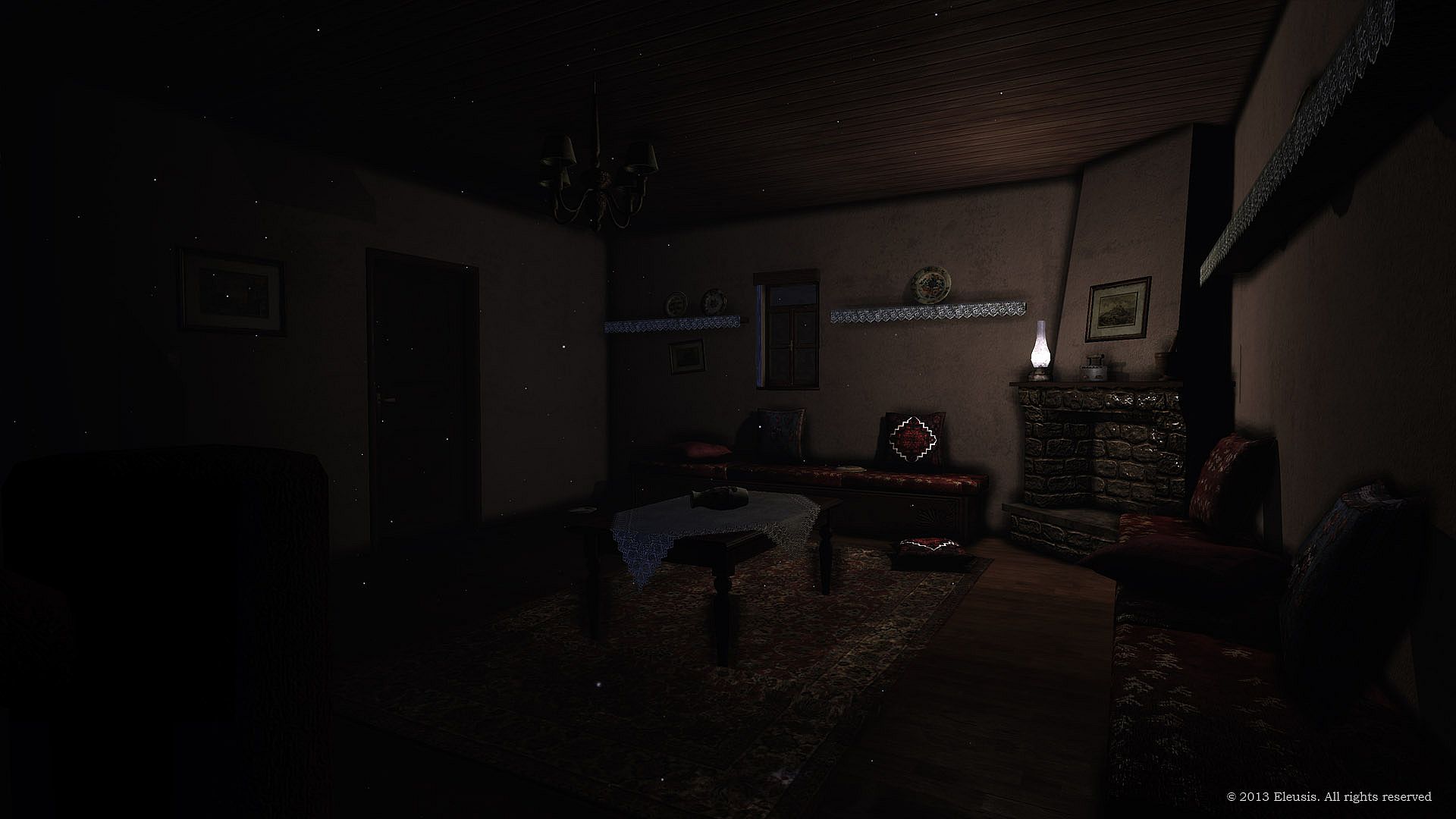
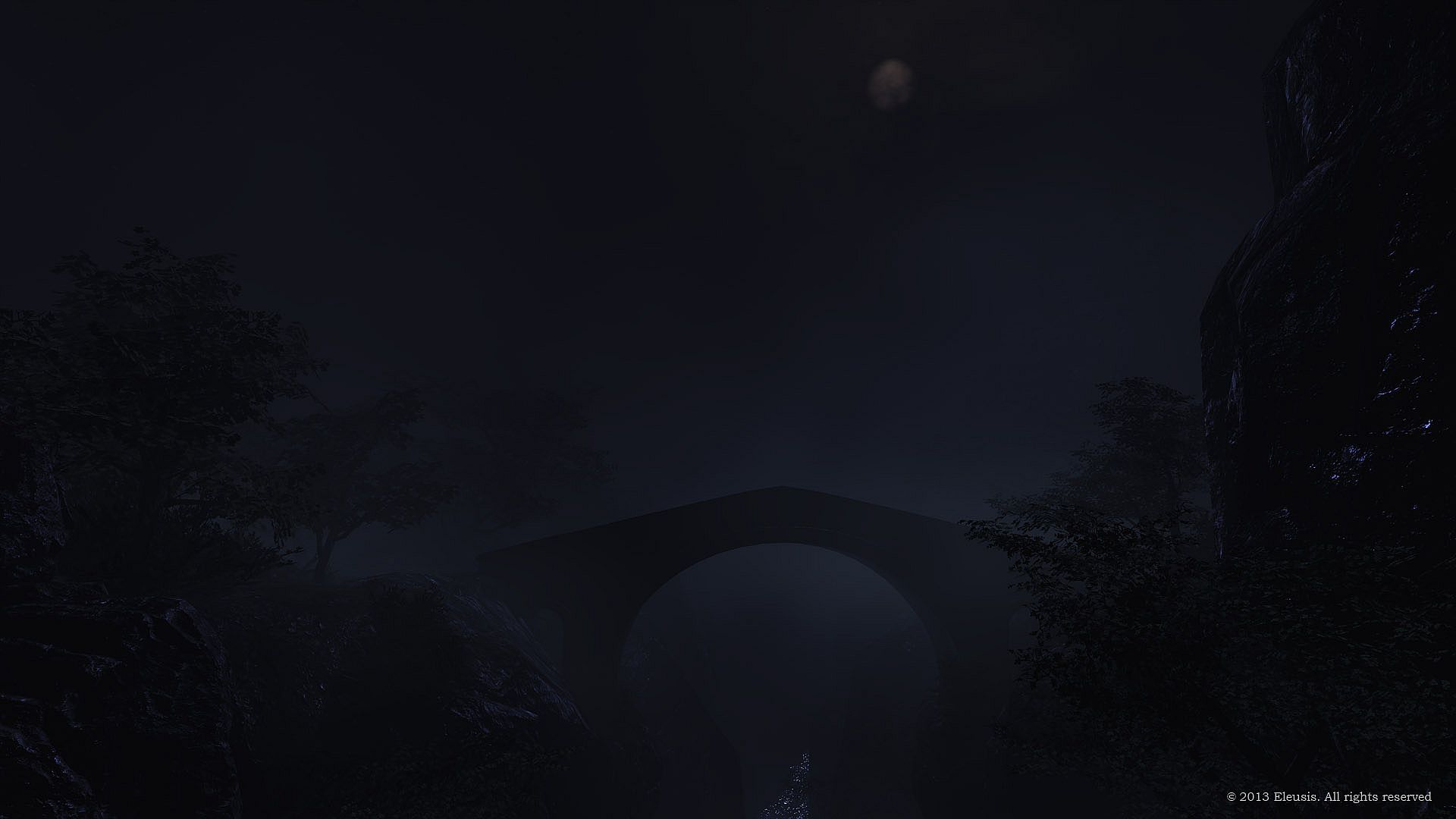
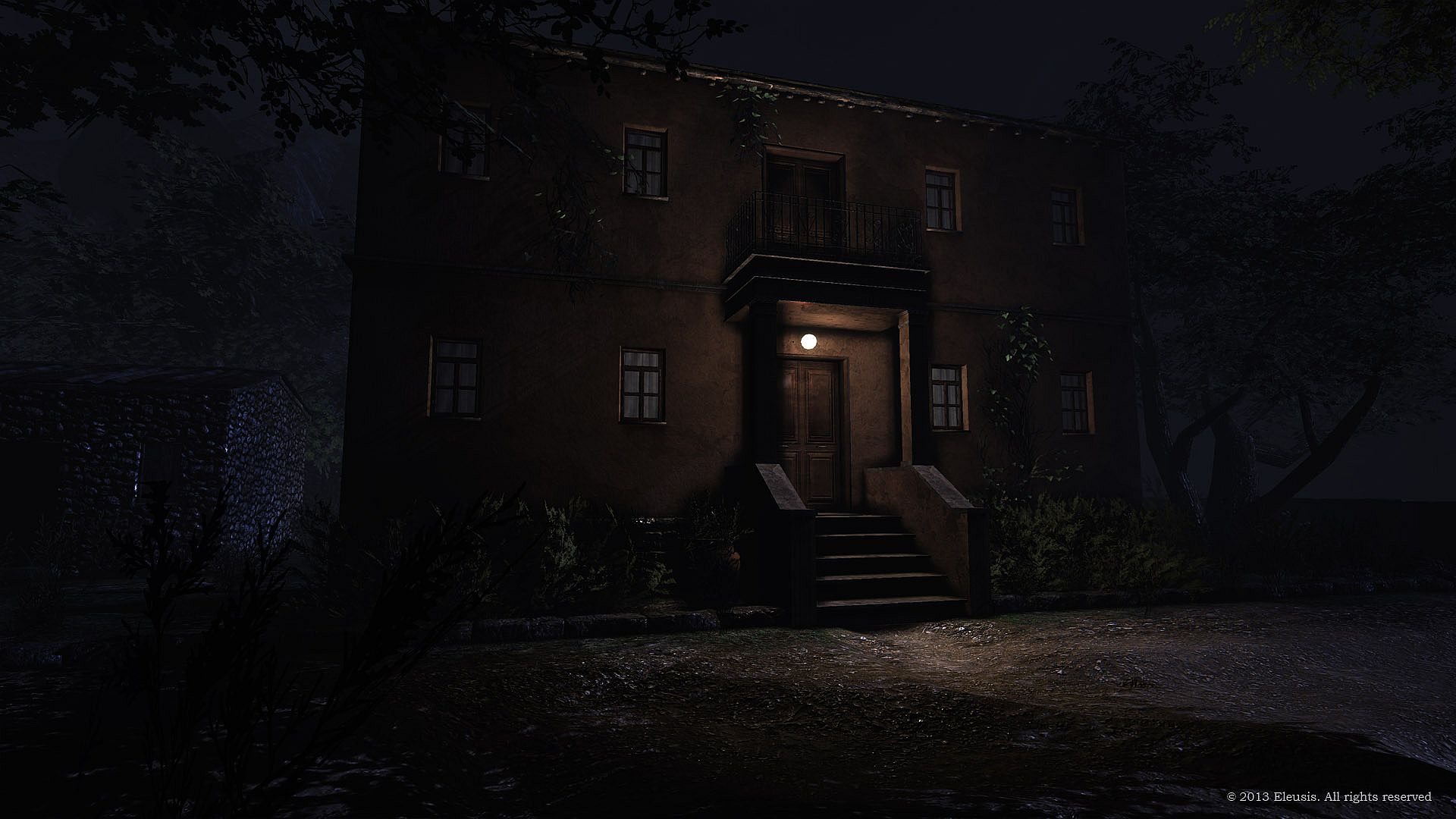
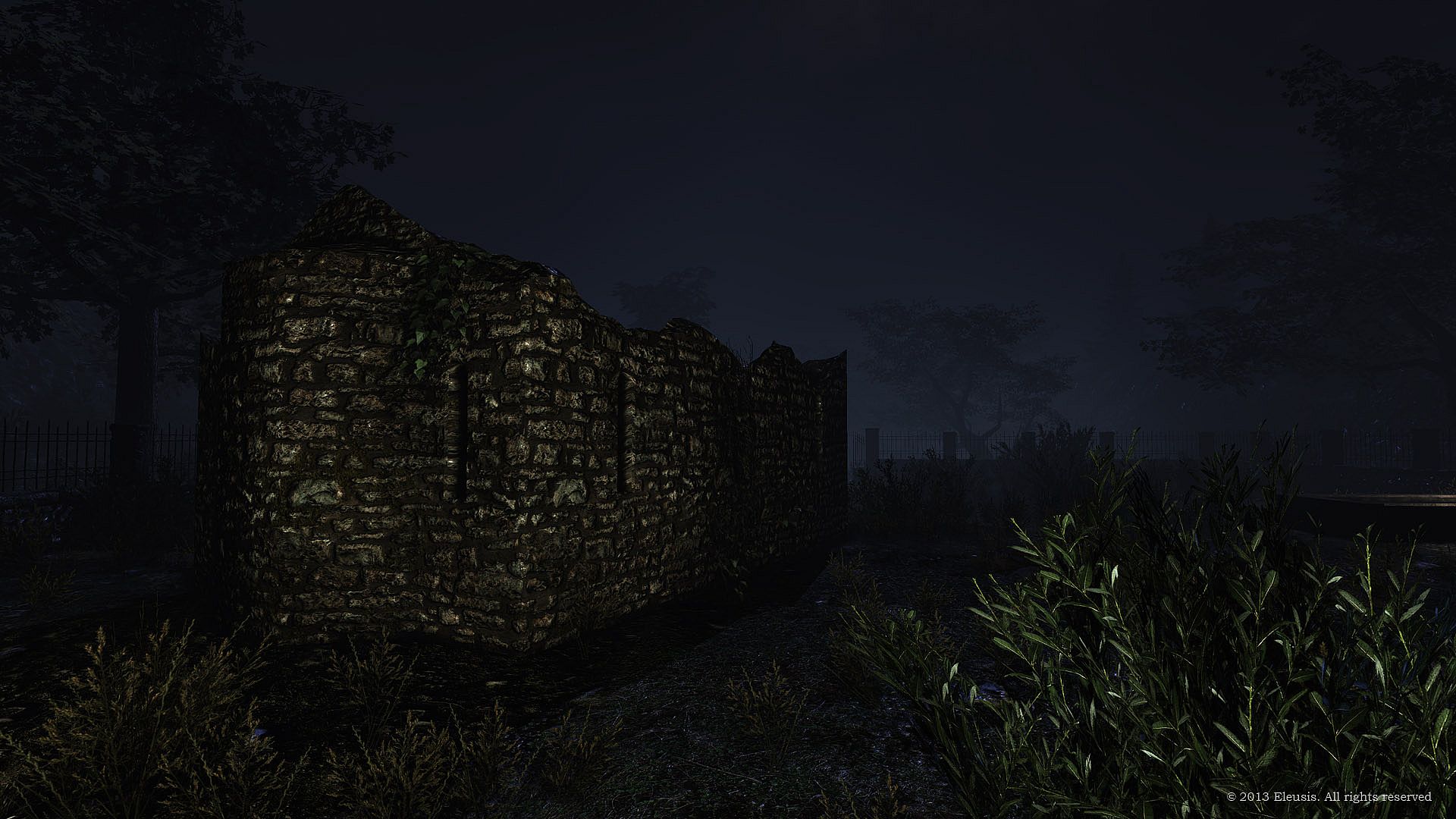
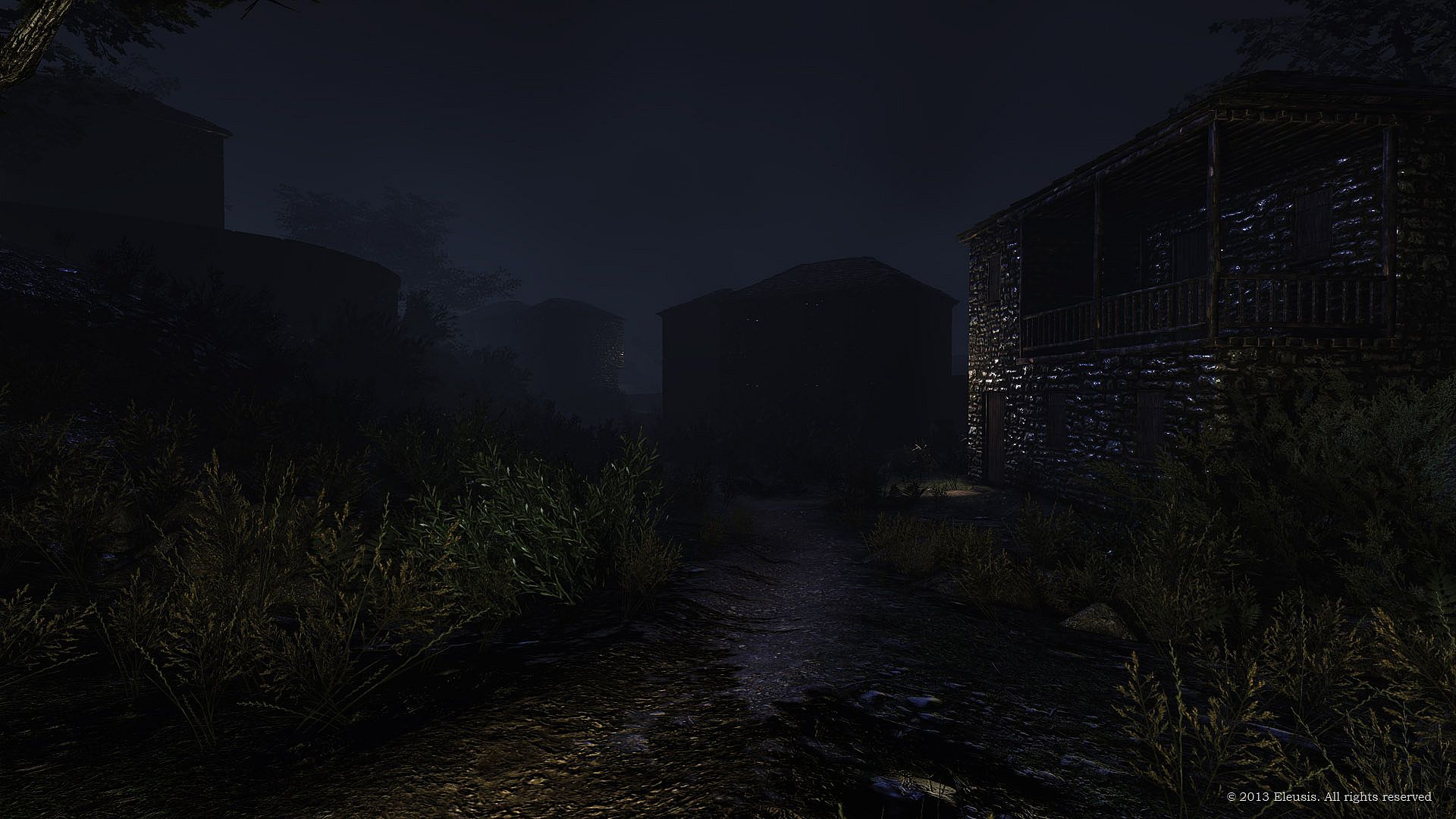
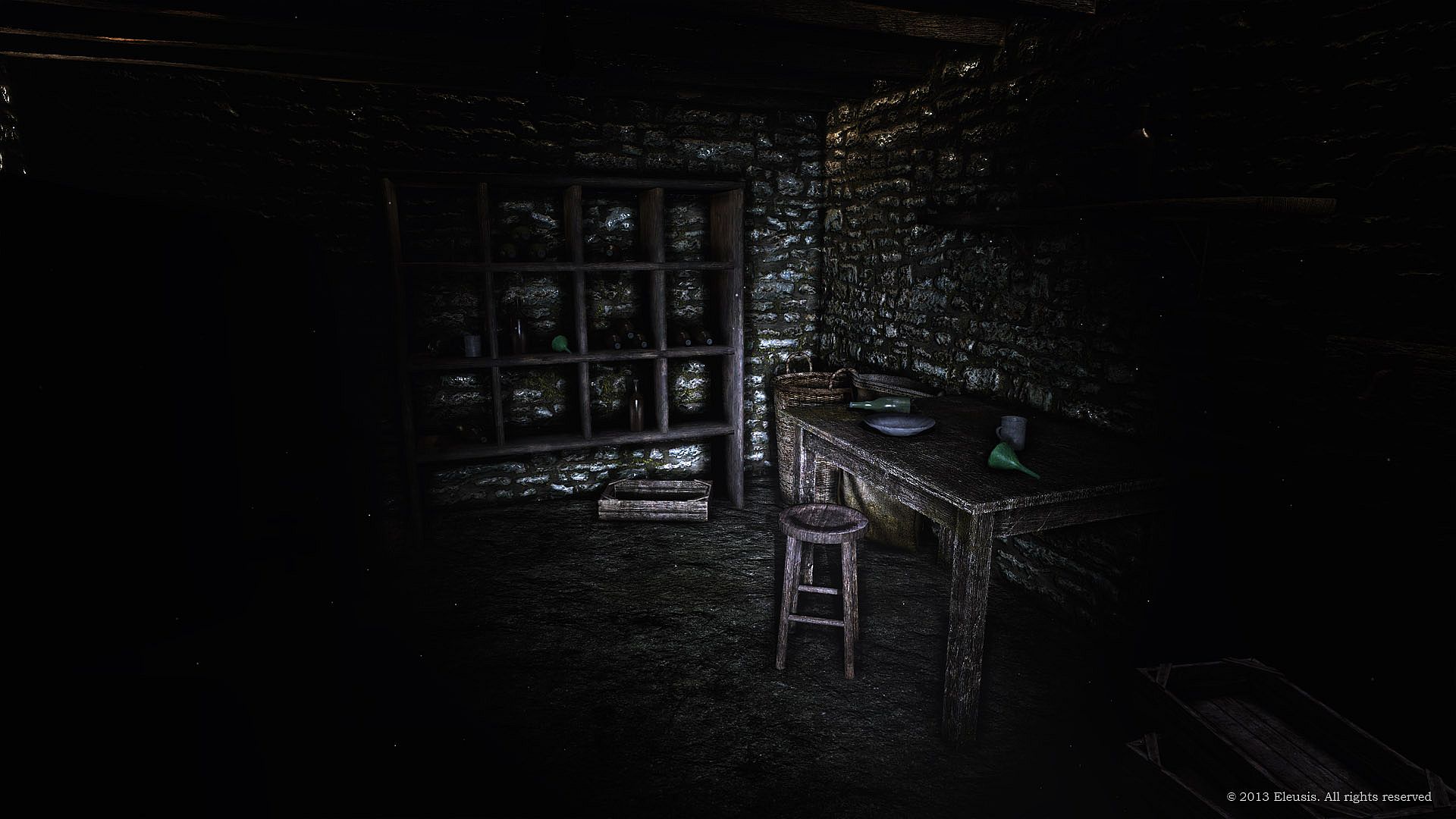
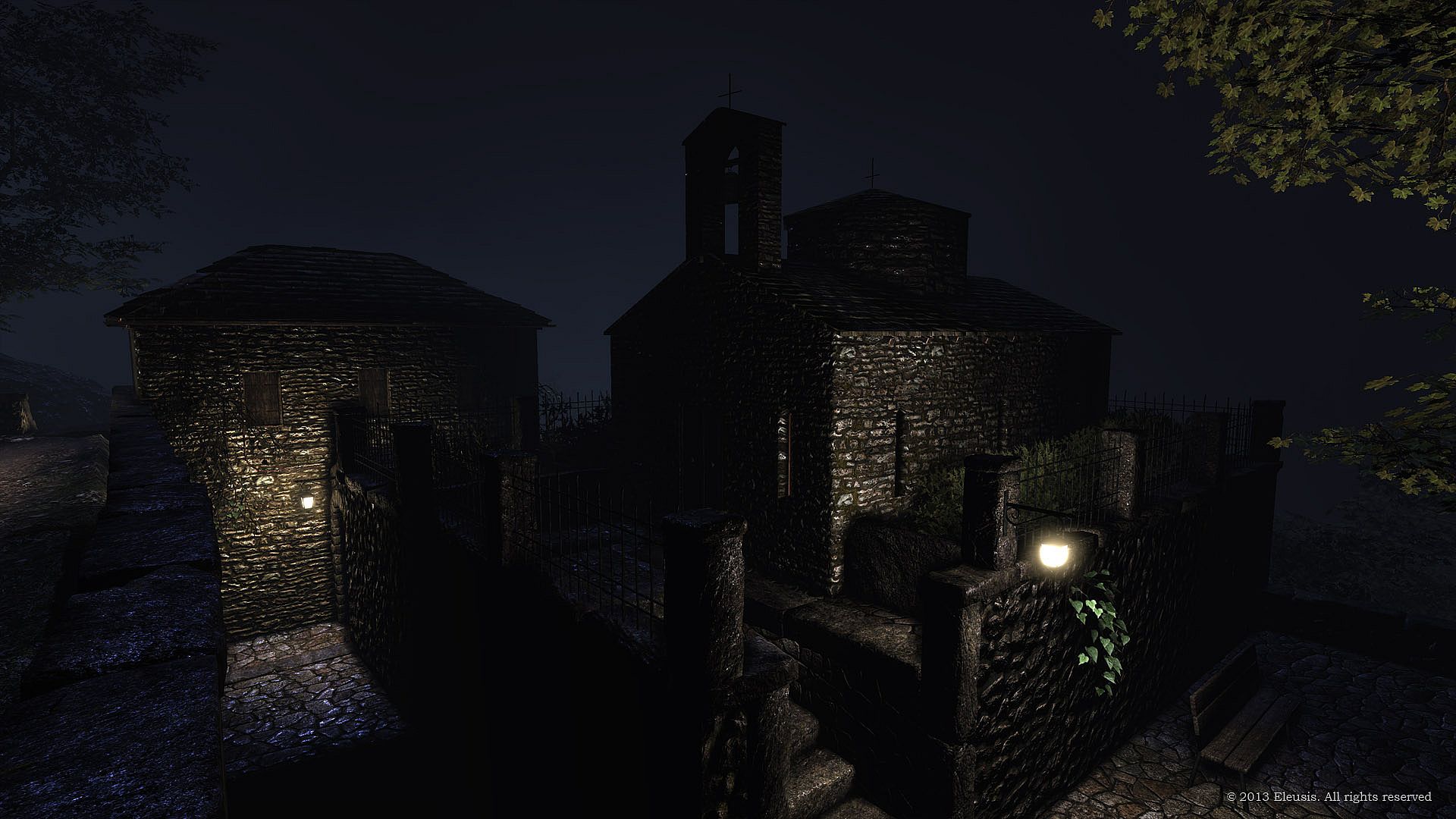
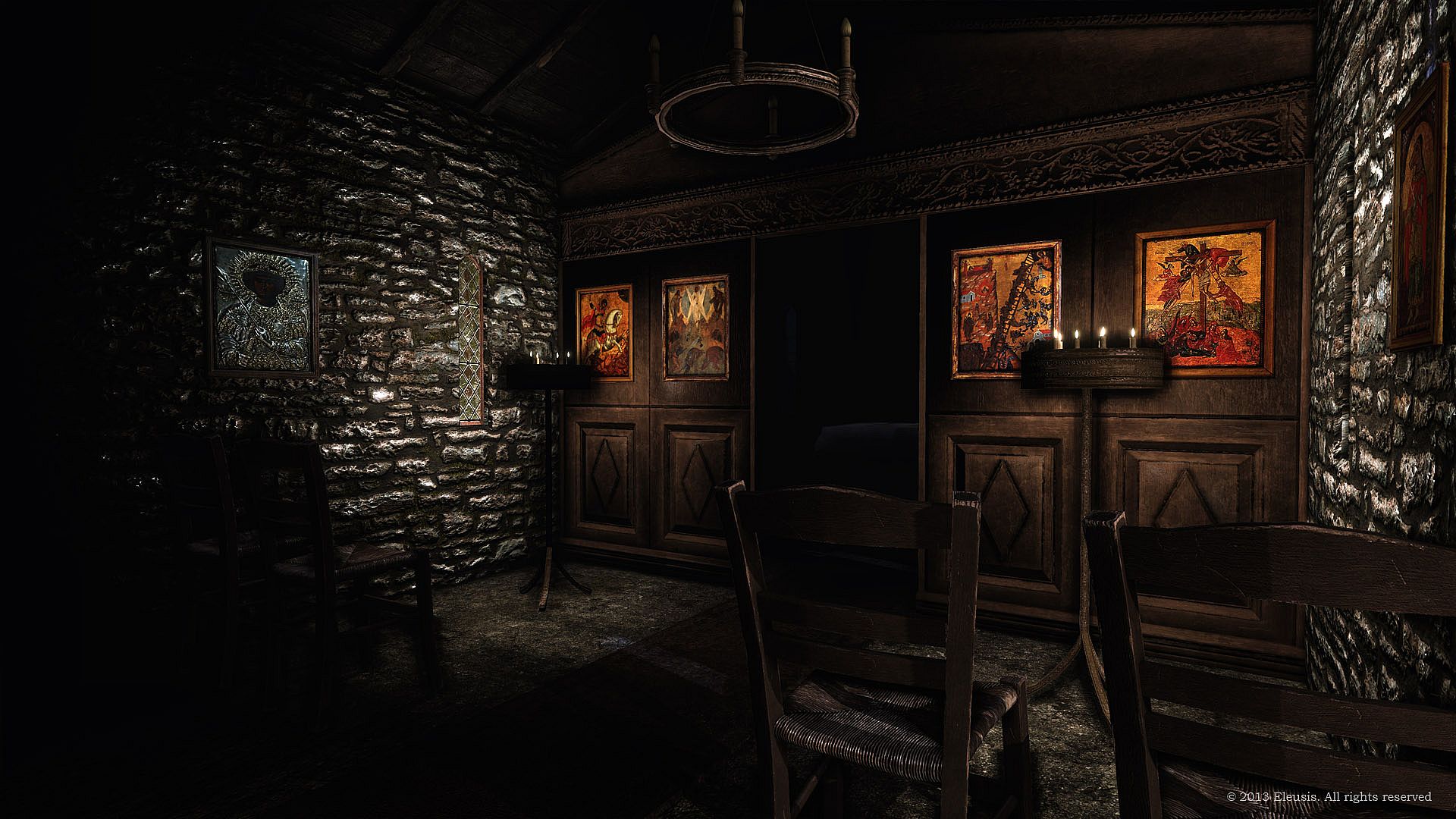
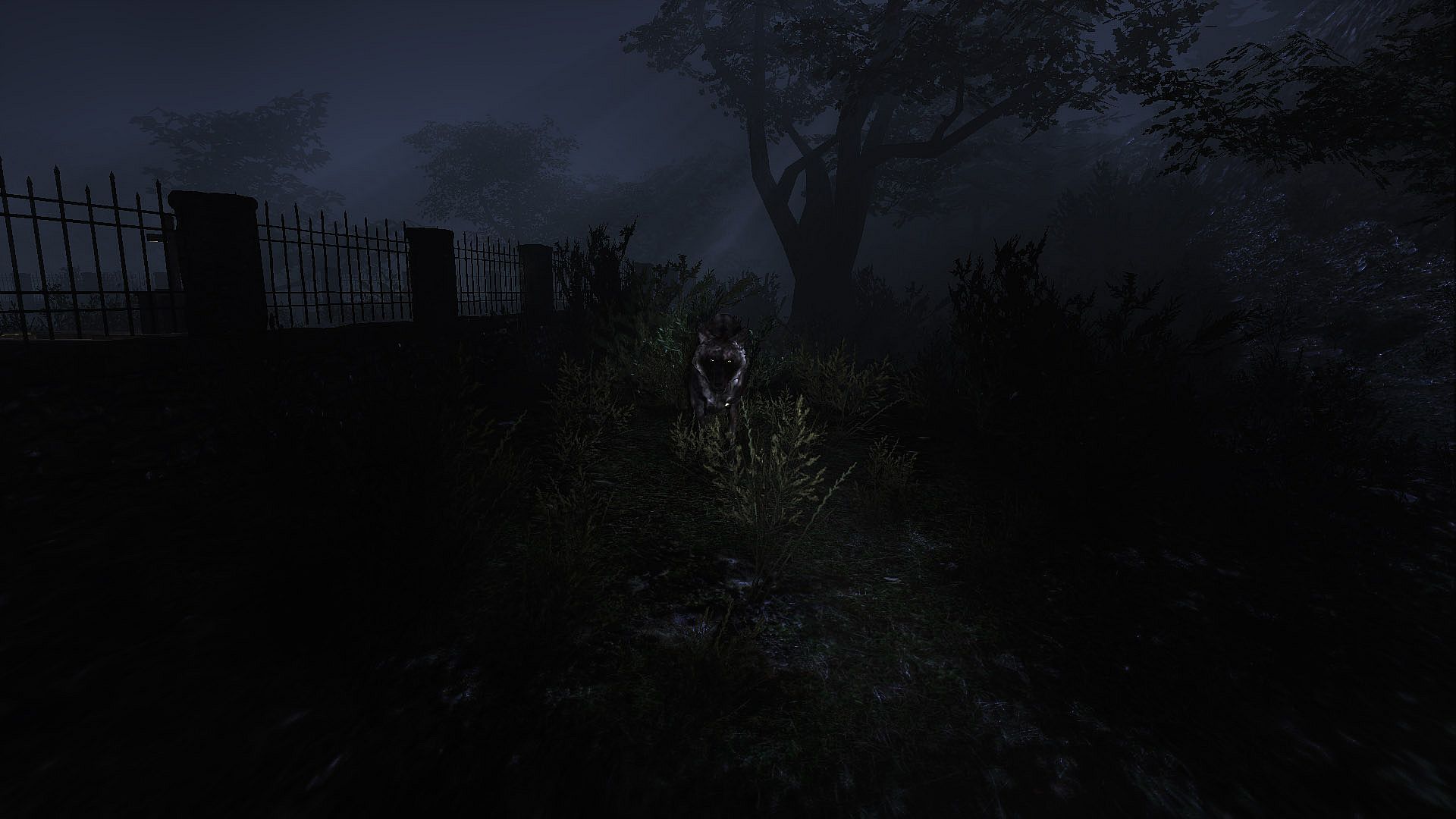
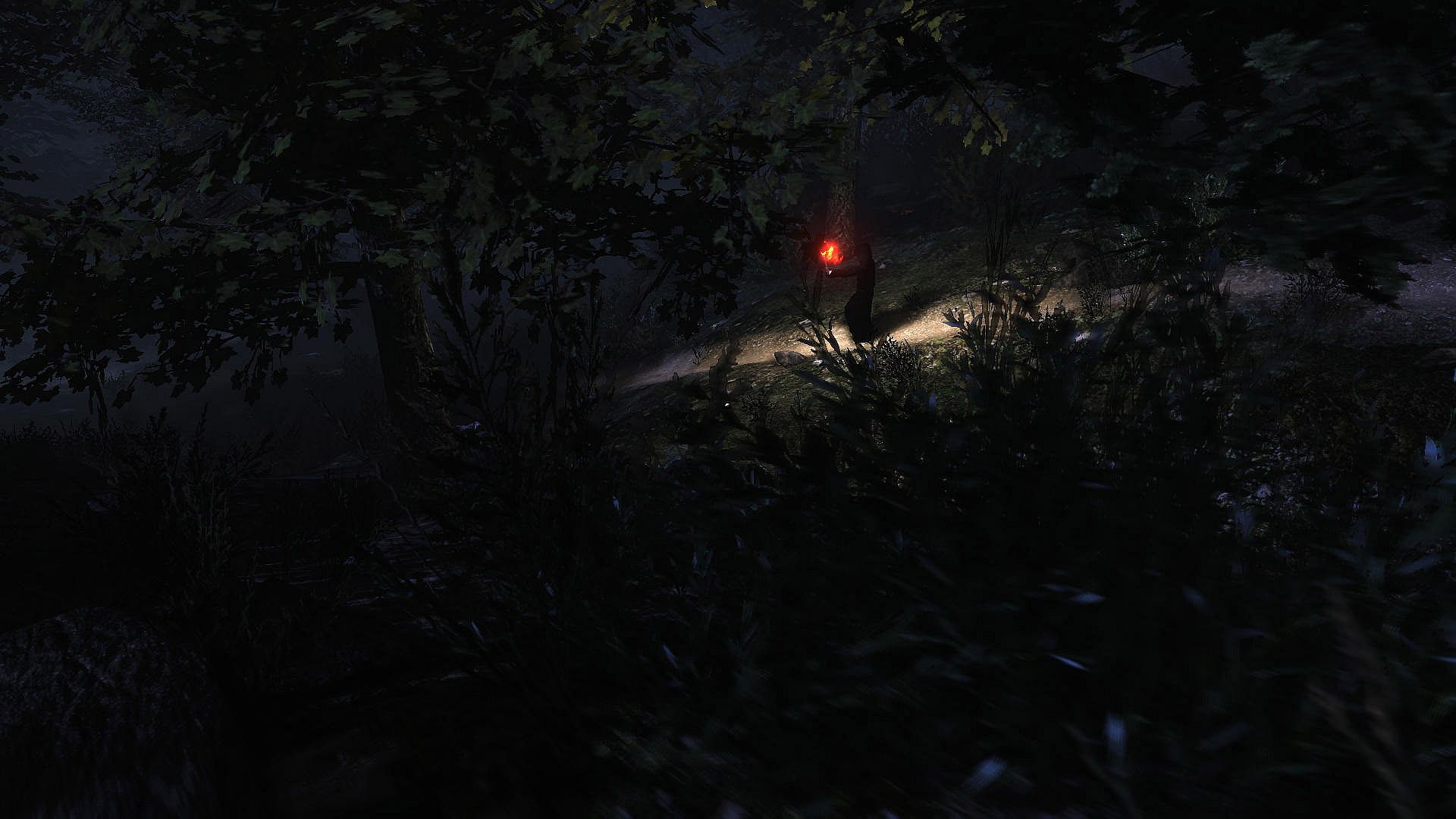
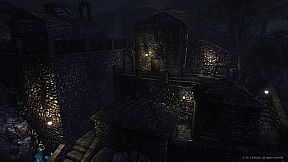
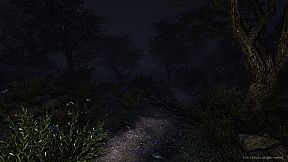
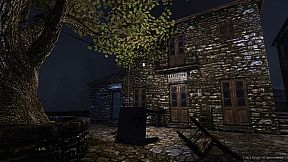
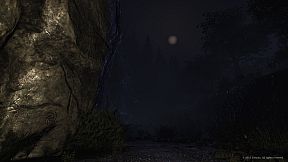
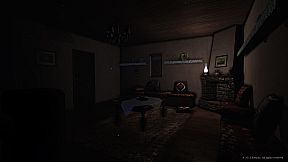



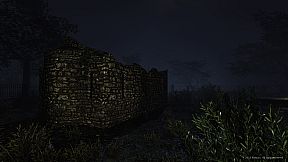
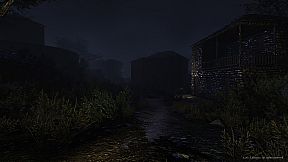
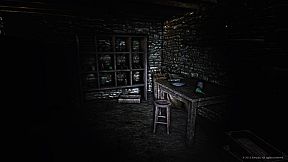
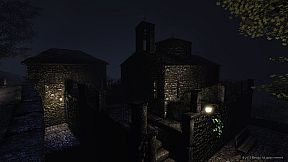
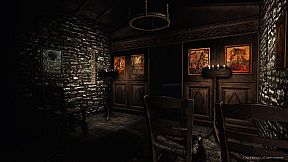

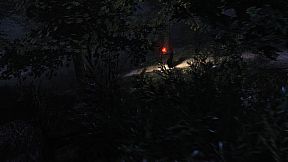
Eleusis is a first-person indie adventure game developed for PC by Nocturnal Works with the Unreal Engine. Set in a seemingly abandoned Greek village, the experience centers on a lone protagonist who arrives seeking shelter only to uncover signs of an ancient cult intent on reviving a dark force through forgotten rituals. The narrative unfolds through exploration and discovery, blending atmospheric tension with practical problem-solving drawn from real elements of Greek history, mythology, and ancient technology.
Gameplay
The core loop revolves around navigating an open countryside environment filled with realistic physics interactions. Players search buildings, ruins, and natural areas for clues and items while piecing together the village's hidden past. Inventory management plays a central role, as objects collected must be combined or applied in specific ways to unlock doors, activate mechanisms, and progress deeper into restricted zones.
Stealth and careful movement become essential when threats appear. The game encourages players to observe patrol patterns, use cover, and rely on agility to avoid direct confrontation. When evasion fails, scattered physics-based objects can serve as improvised tools for defense or distraction. Sound design heightens the sense of unease, with ambient noises and distant disturbances signaling nearby dangers.
Puzzles demand attention to detail and logical thinking. Many draw directly from authentic historical and mythological references, requiring players to interpret symbols, align artifacts, or reconstruct sequences based on ancient practices. The interface remains straightforward, focusing on item selection and environmental interaction rather than complex menus.
Game Modes
Eleusis offers a single-player story-driven campaign with no separate multiplayer or competitive modes. The entire experience unfolds as one continuous narrative that players advance at their own pace through exploration, information gathering, and sequential puzzle resolution. There are no branching paths or alternate scenarios; progression follows the central plot toward confronting the cult's plans.
Optional accessibility settings allow players to disable enemy threats entirely, converting sections into pure exploration and puzzle challenges. This flexibility lets individuals tailor the intensity without altering the underlying structure of the single campaign.
Atmosphere and Setting
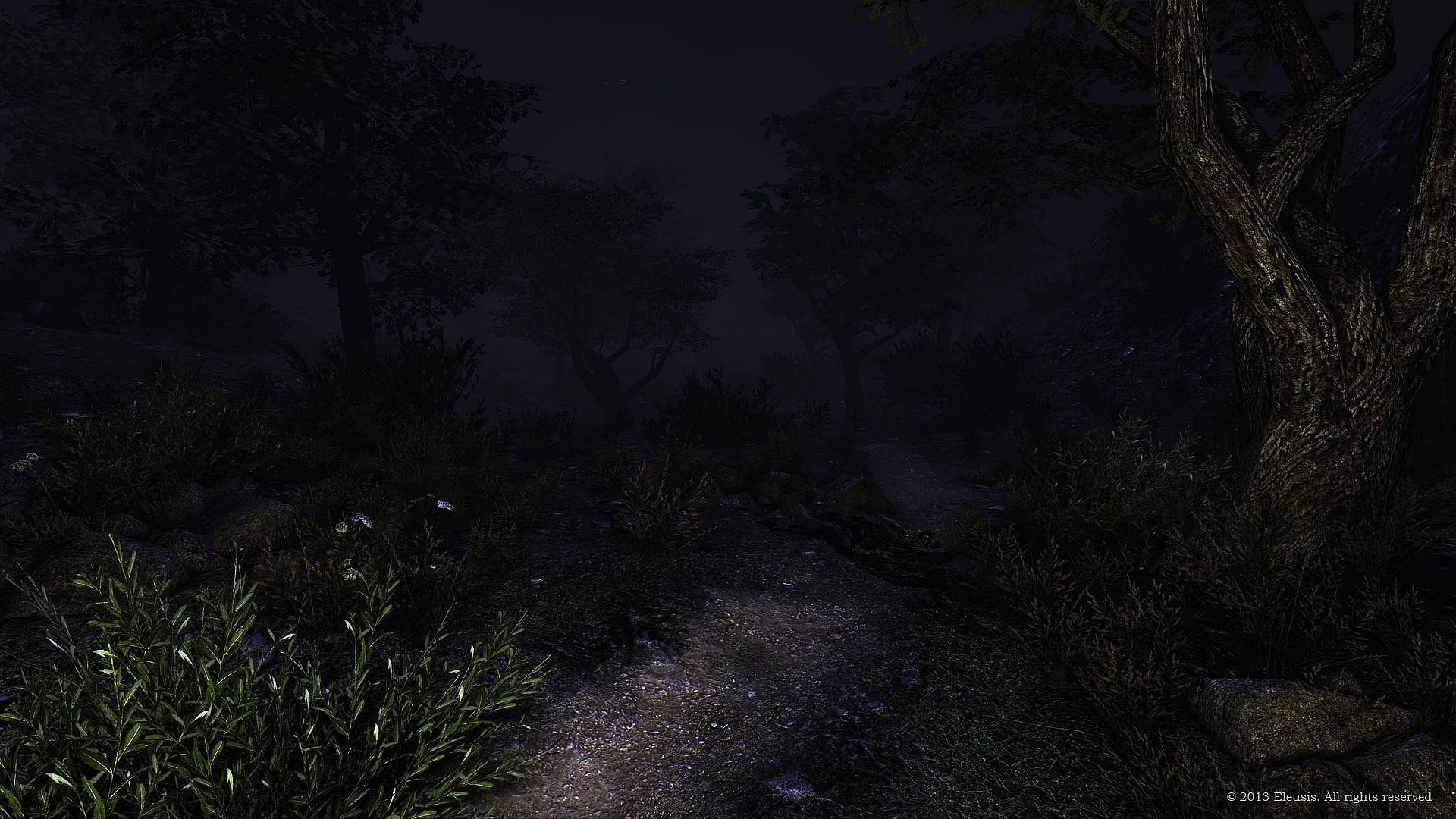
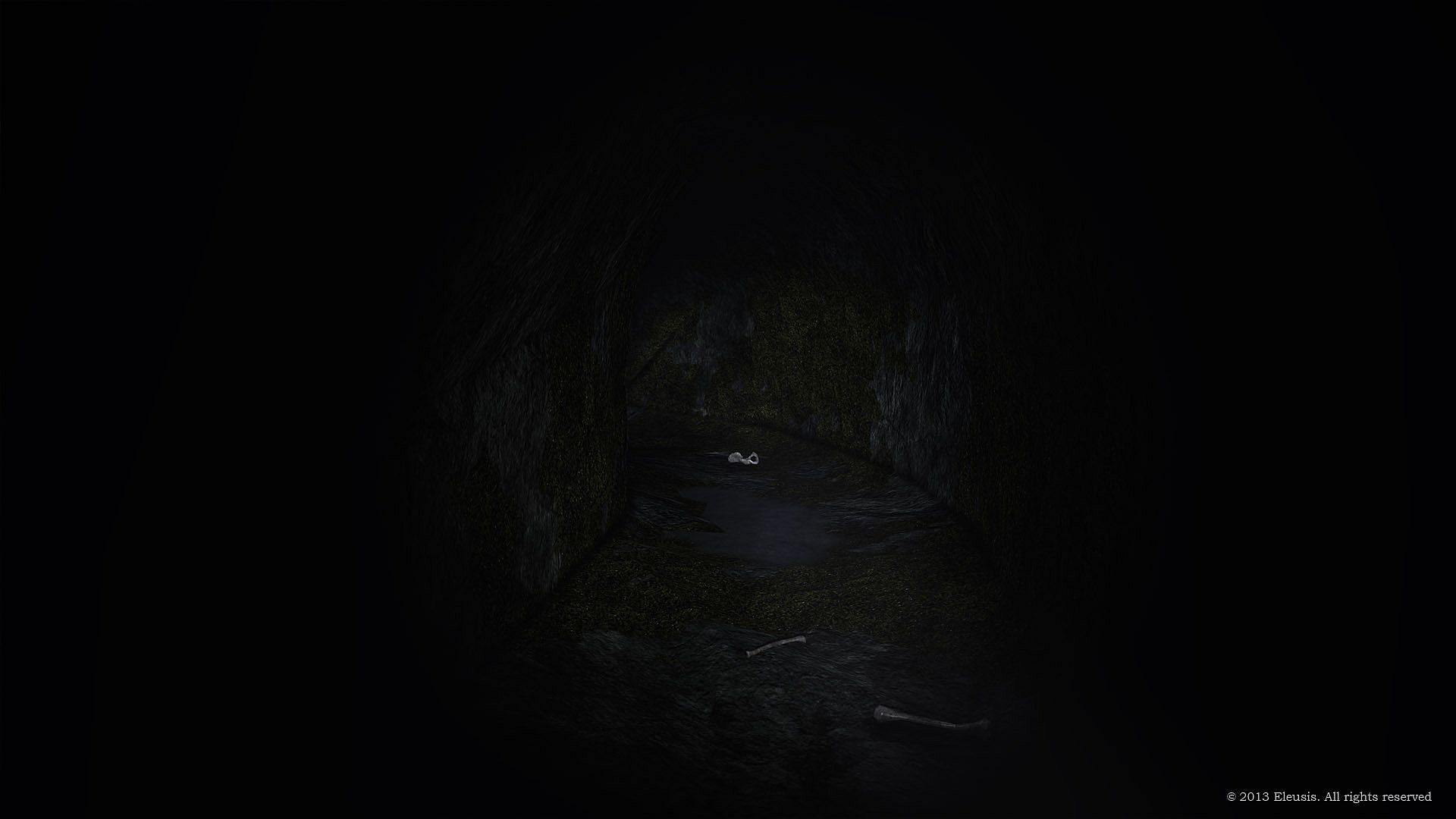
High-detail environments capture the Greek countryside with realistic lighting, textures, and physics that make every abandoned house and overgrown path feel tangible. The dark, oppressive tone builds through subtle visual cues and layered audio rather than constant action. Players spend much of their time reading scattered documents and examining relics that reveal the cult's history and the village's decline.
Survival elements remain measured. Resource scarcity and the need for caution create tension without turning the game into a resource-management simulator. The focus stays on uncovering the mystery while staying alive long enough to intervene in the ritual.
Is It Worth Playing?
Eleusis suits players who enjoy methodical first-person adventures that prioritize exploration and inventory puzzles over fast-paced combat. Those drawn to historical or mythological themes will appreciate how the puzzles integrate real cultural references rather than relying on generic fantasy tropes. The stealth mechanics add a layer of tension that rewards patience and observation.
Reception has been mixed, with roughly sixty percent of user reviews expressing positive sentiment. Many highlight the strong atmosphere and thoughtful puzzle design, while others note occasional technical issues or lighter horror elements compared to similar titles. The game has received no major updates or additional content since its 2013 release, leaving it in its original state.
If the combination of realistic Greek village exploration, item-based puzzles grounded in history, and light survival tension appeals, the title delivers a focused, self-contained experience. Players seeking ongoing support or multiplayer features will find it less suitable. Those comfortable with older indie productions that emphasize narrative discovery over polish may still find value in its unique setting and mechanics.