

































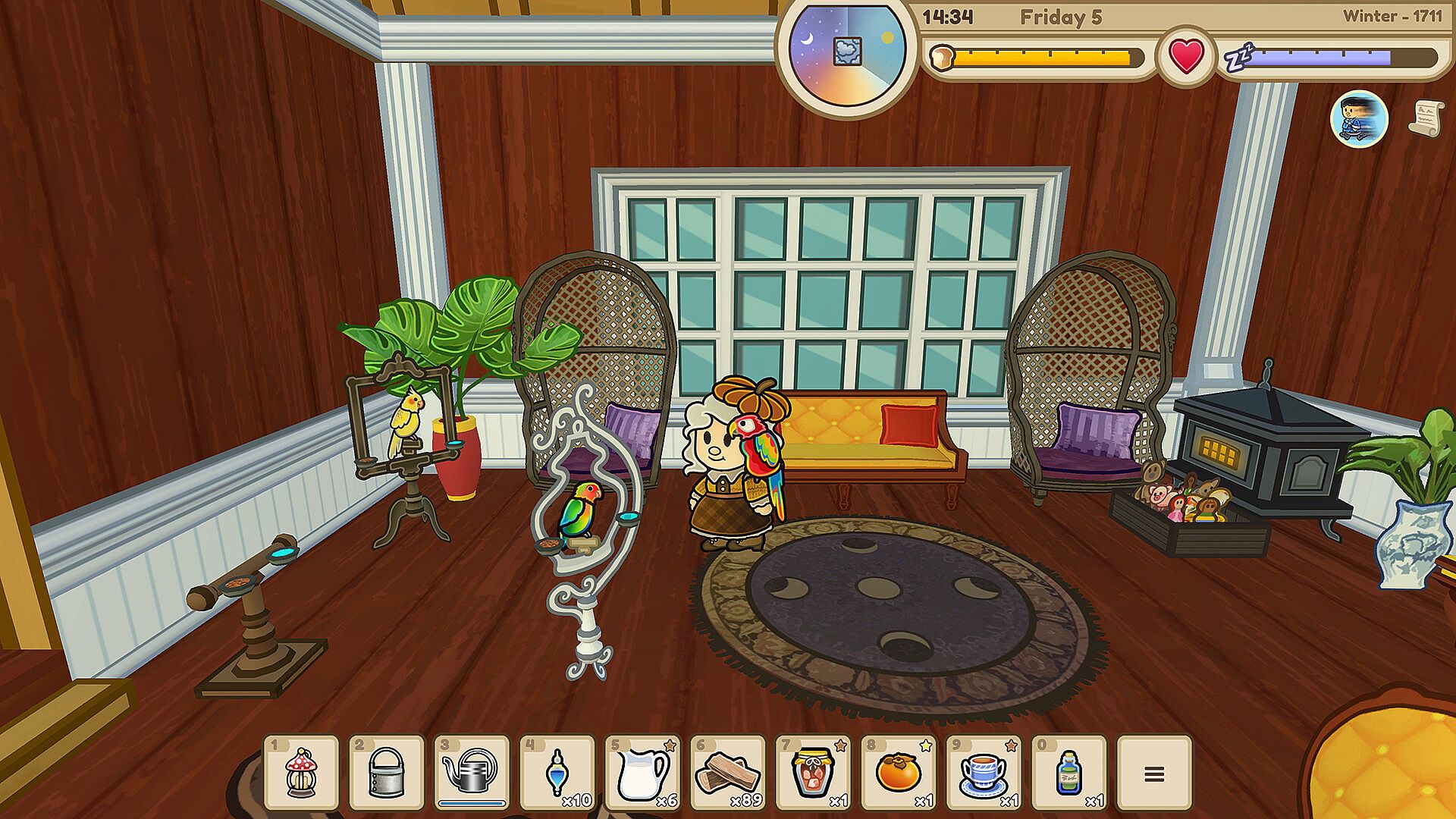
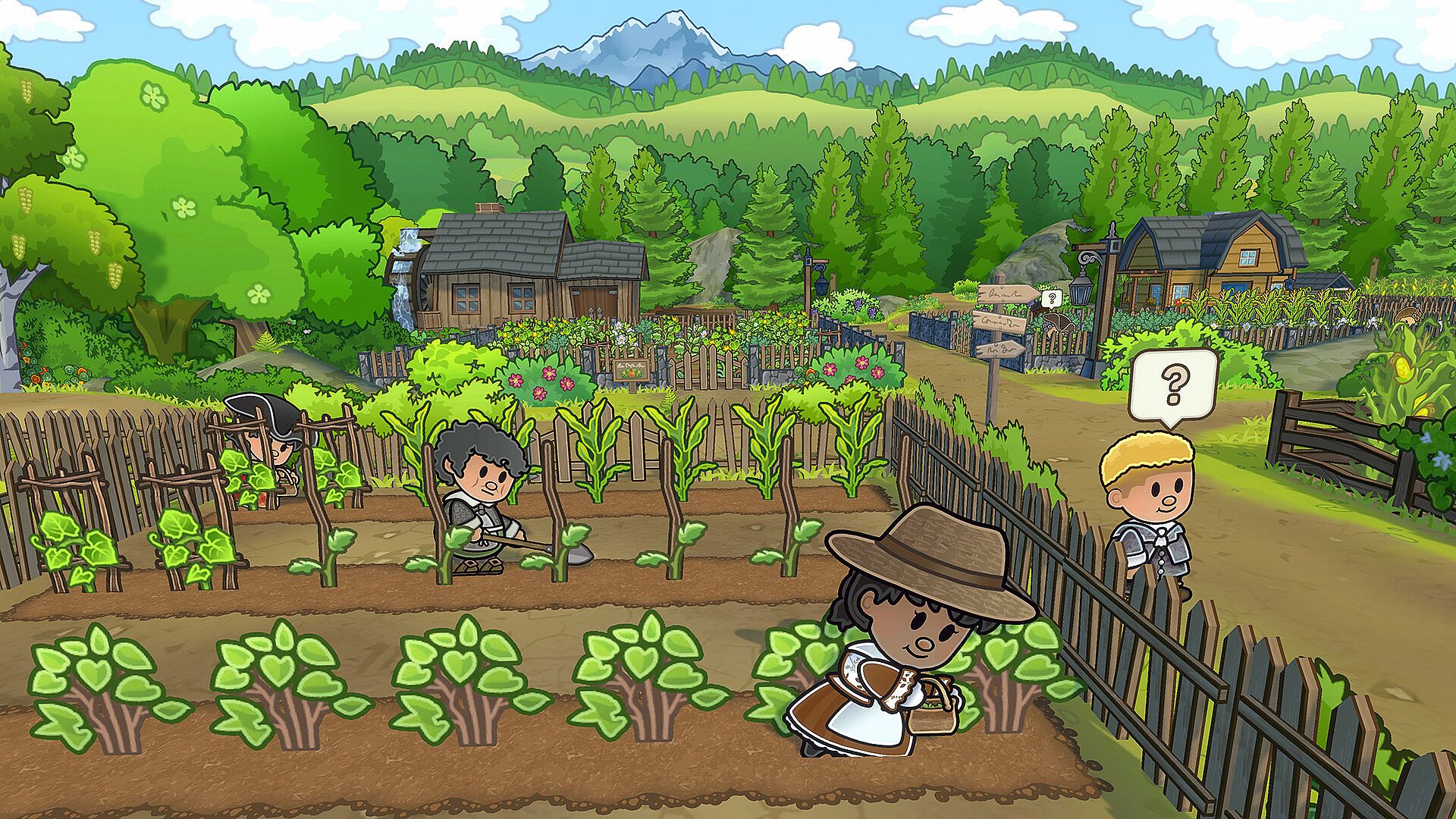
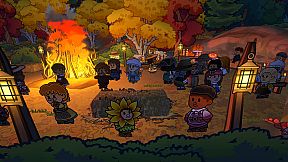
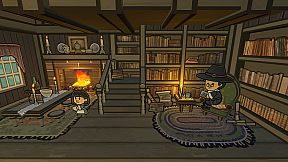
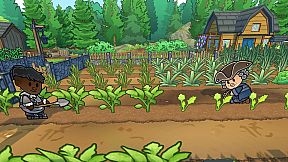
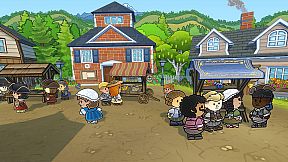
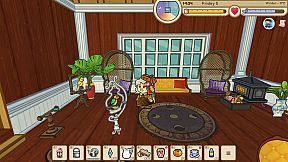
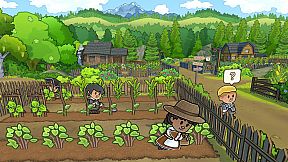
Echoes of the Plum Grove is a single-player cozy farm simulator set on the island of Honeywood. Players arrive as a newcomer and take ownership of a plot of land, then manage daily tasks while preparing for harsh winters and building lasting ties with the local residents. The experience blends farming routines with survival pressures and a generational system where the original character eventually passes away, allowing play to continue through descendants.
Gameplay
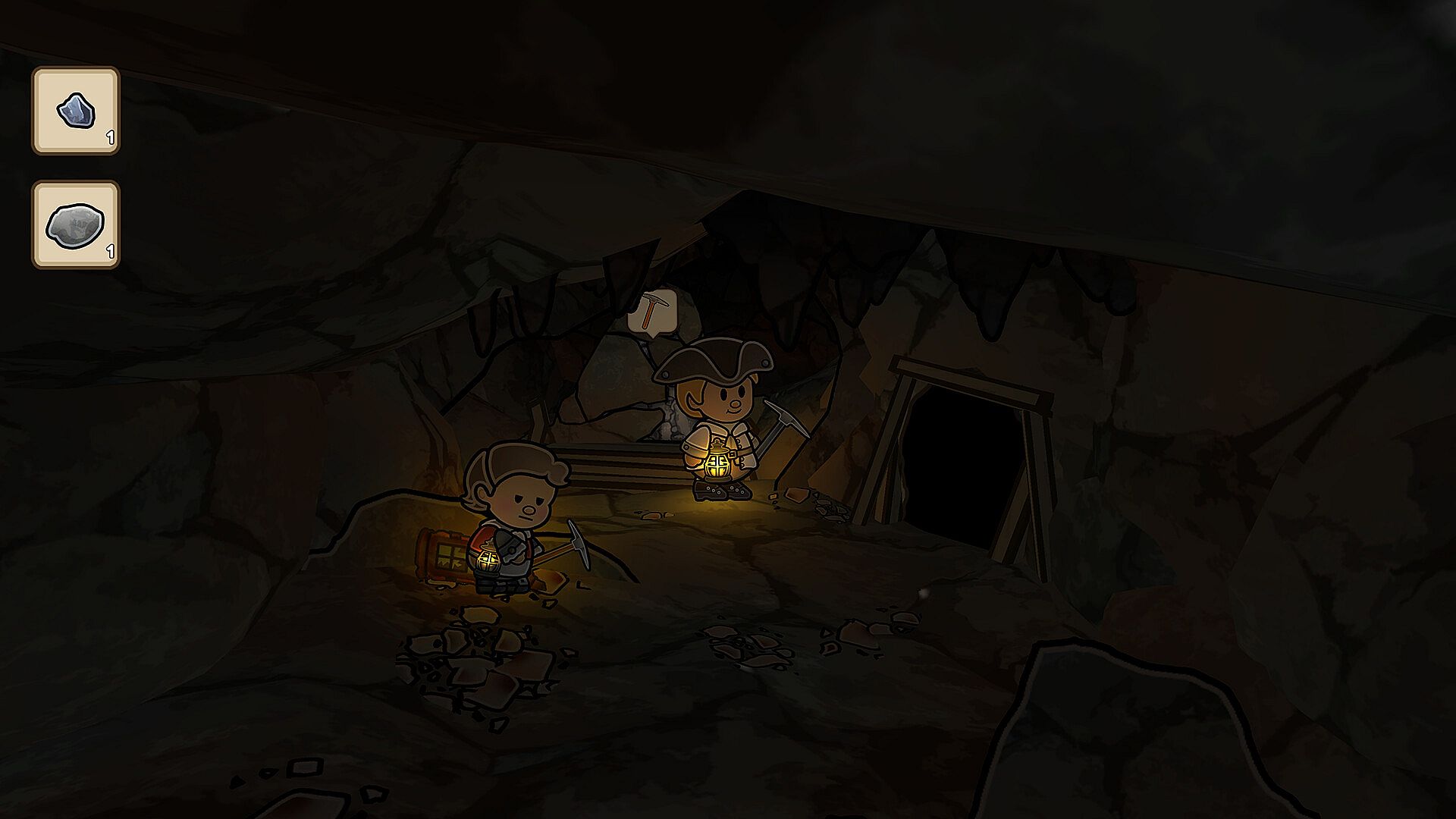
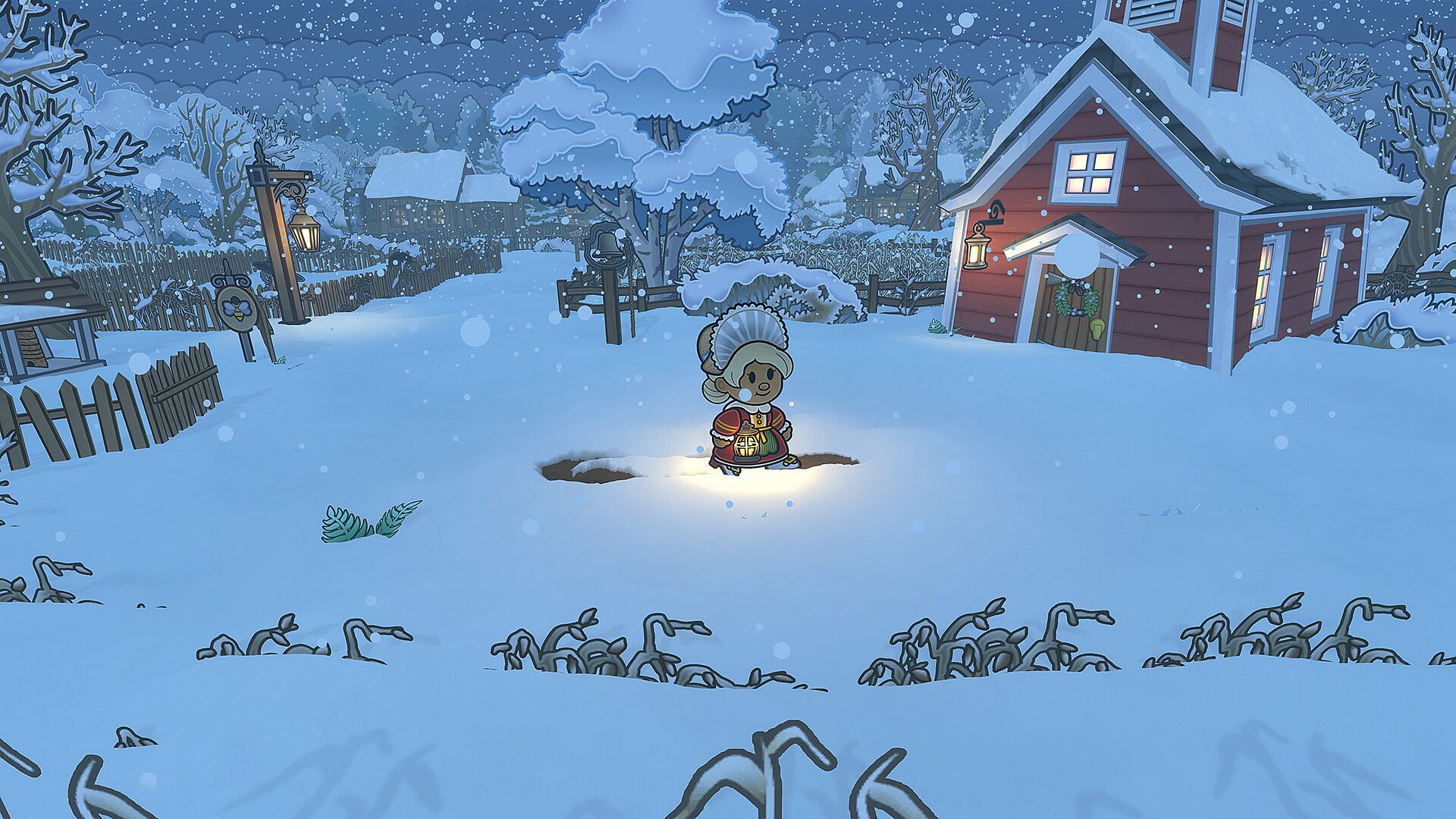
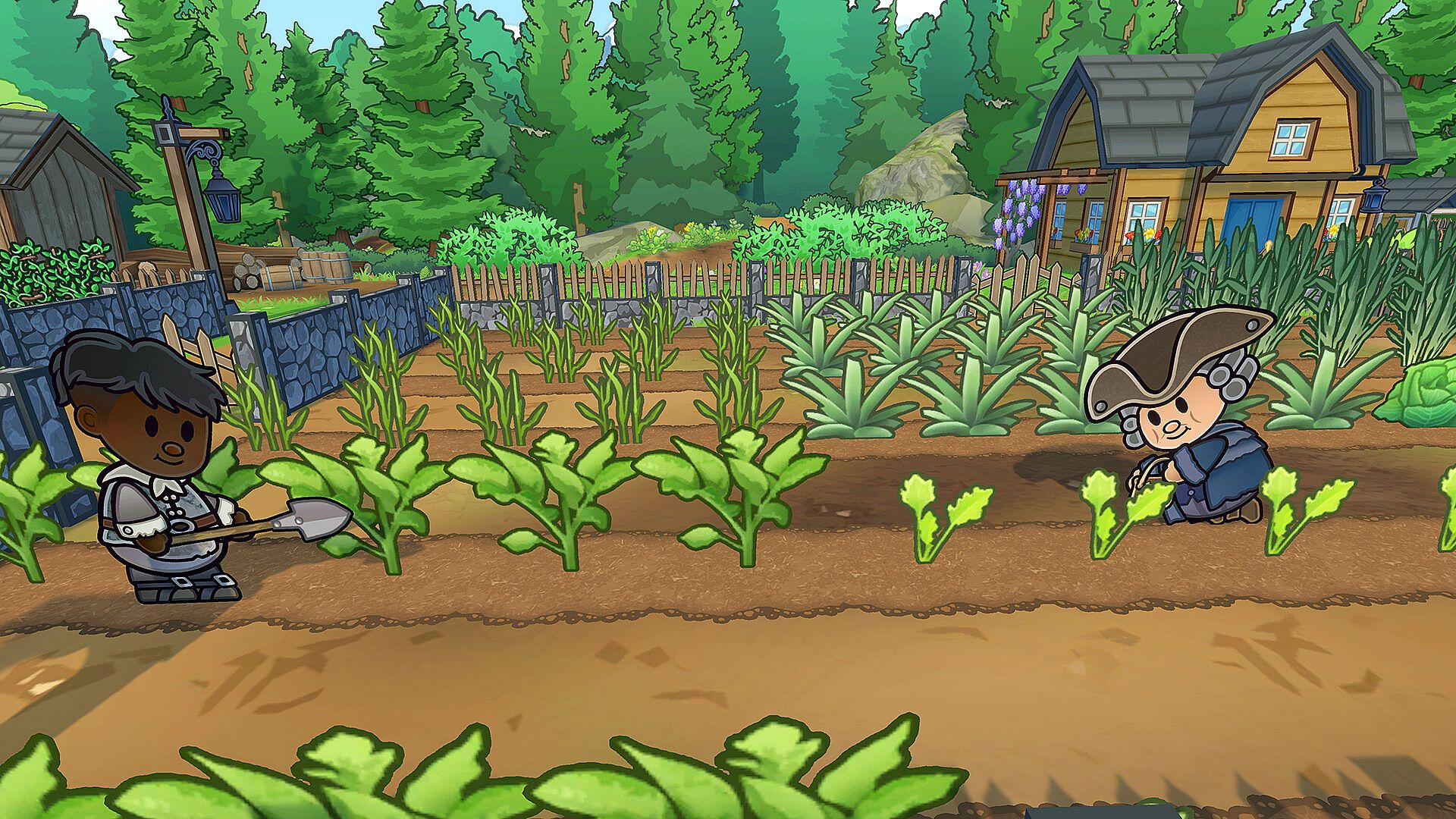
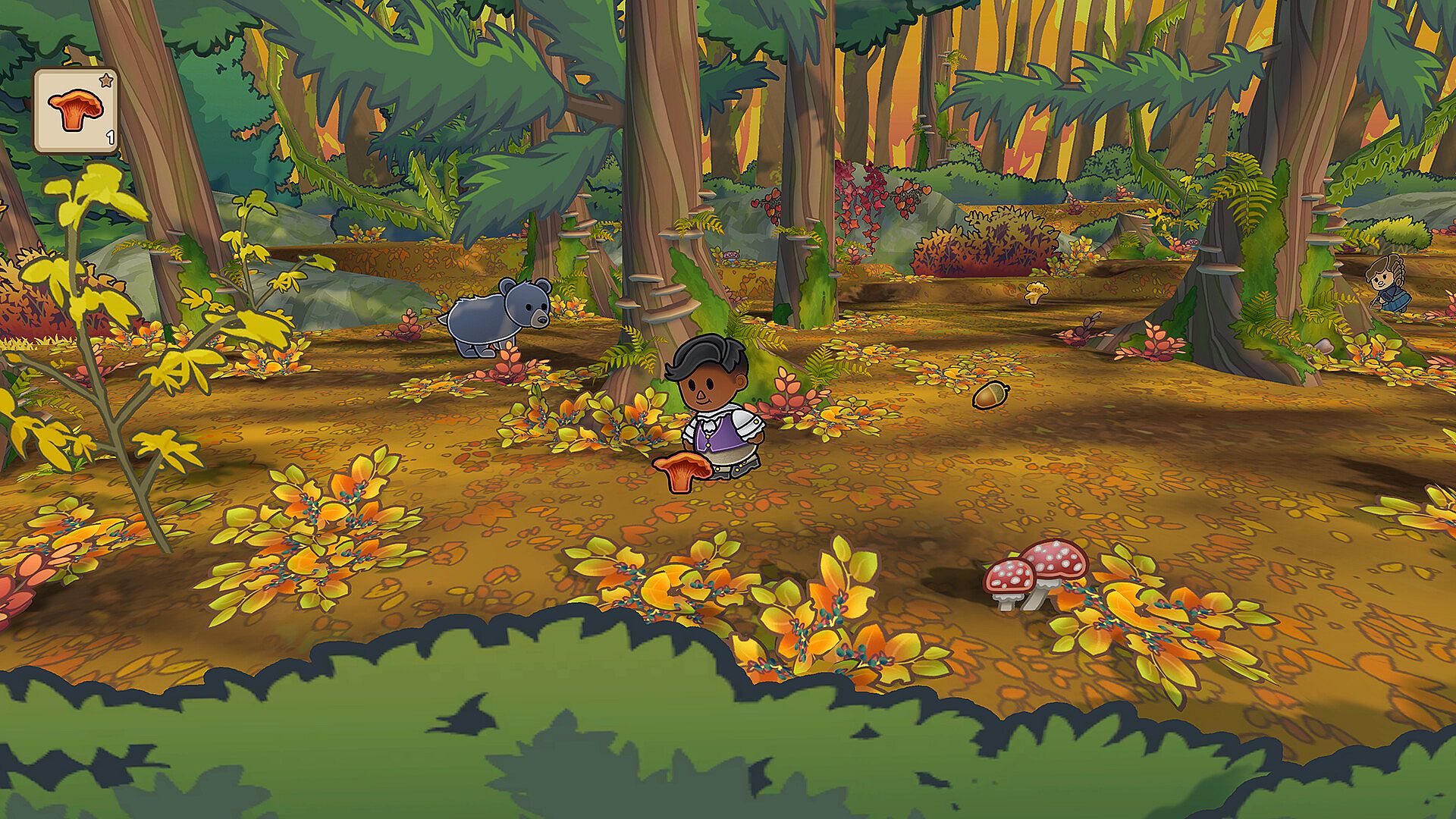
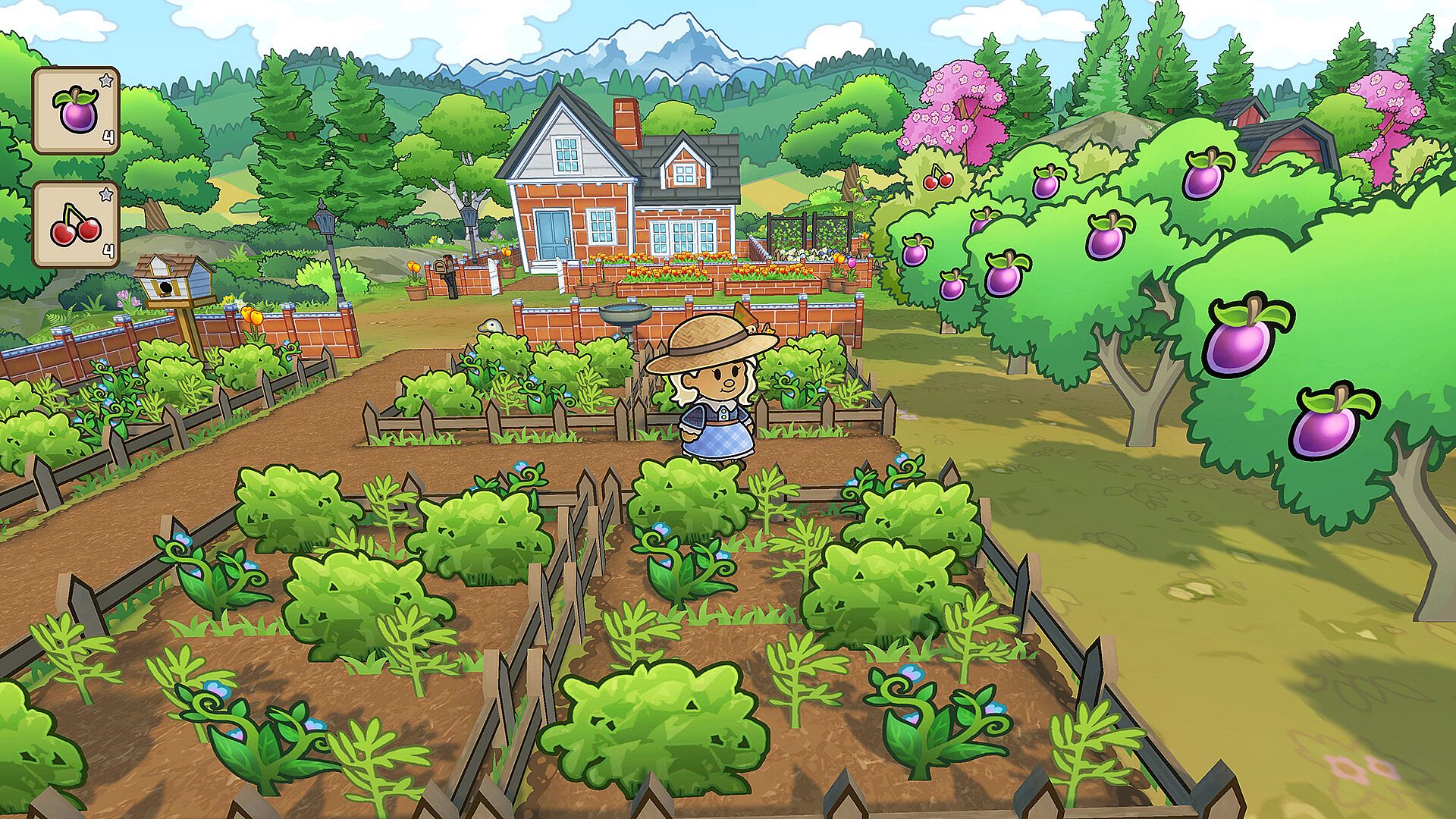
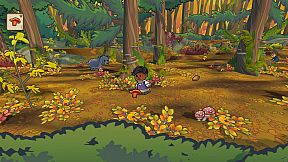
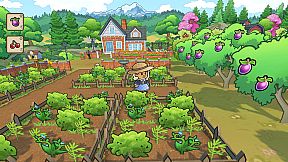
The core loop centers on tending crops that vary by season, gathering resources through fishing, foraging, and mining, and preparing meals and supplies to endure cold months. Neglecting winter stockpiles risks the end of a family line before deeper island mysteries come to light. Players develop skills in crafting, cooking, and land management while navigating town events and personal relationships that influence daily life and long-term outcomes.
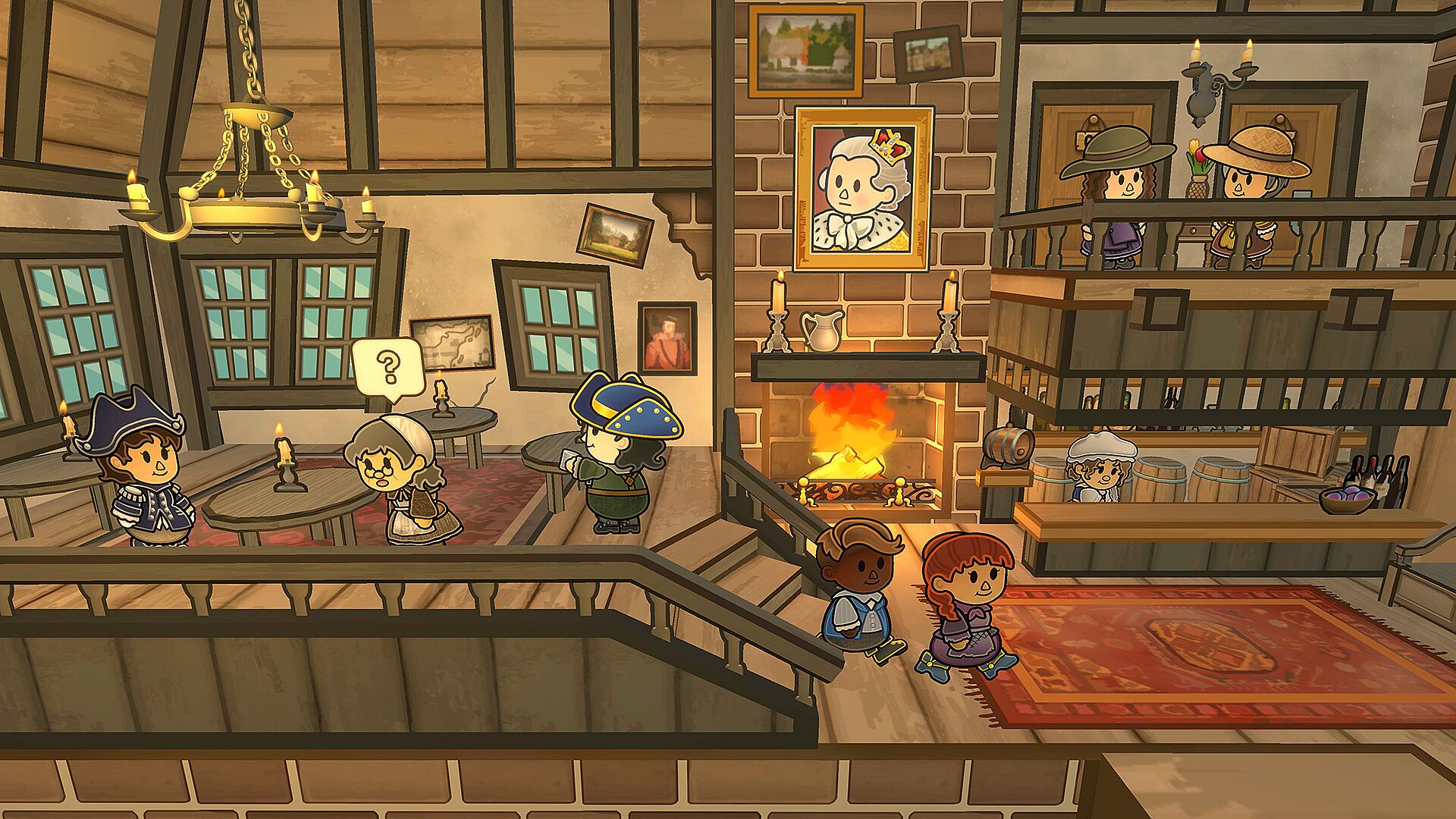
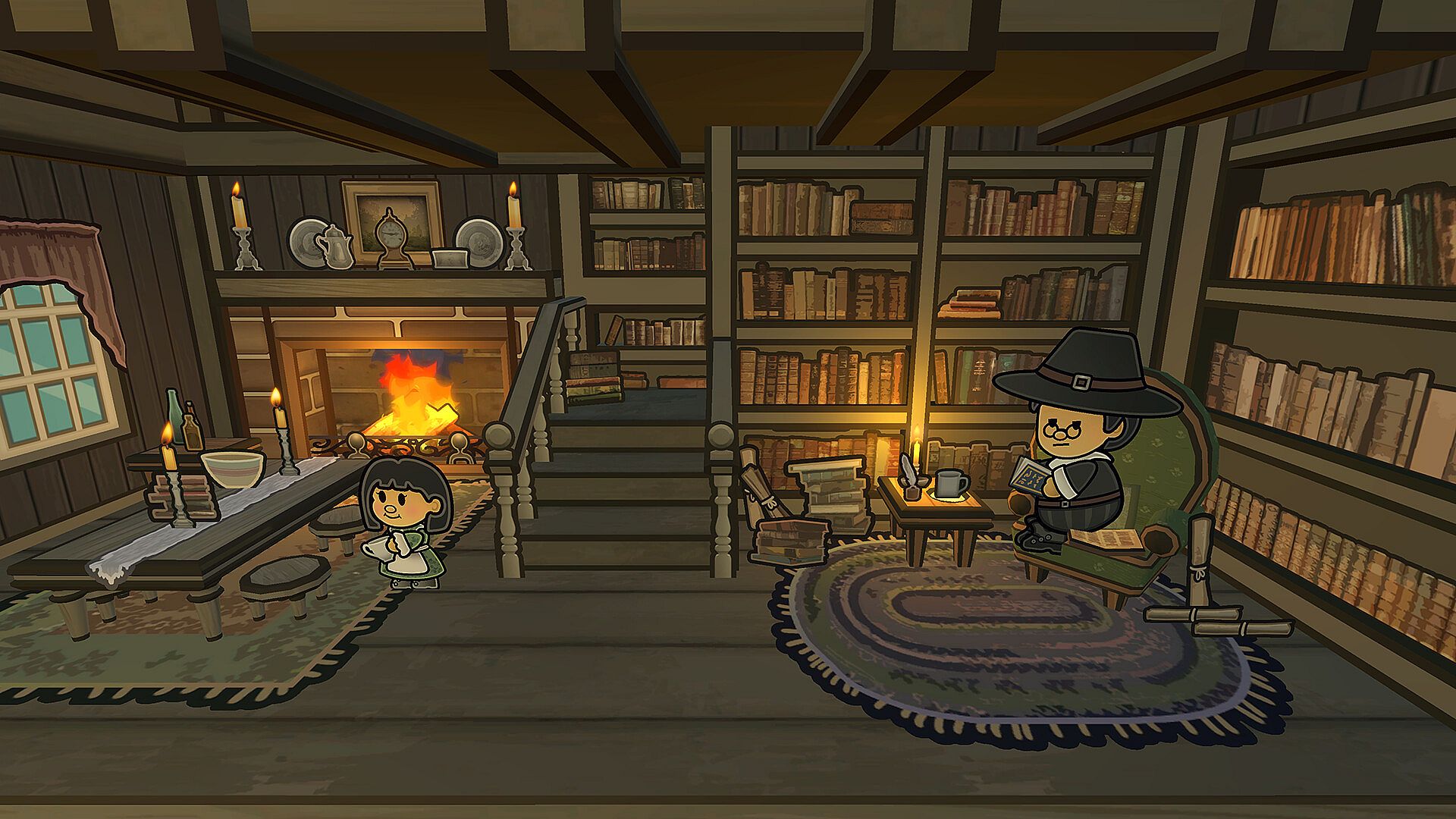
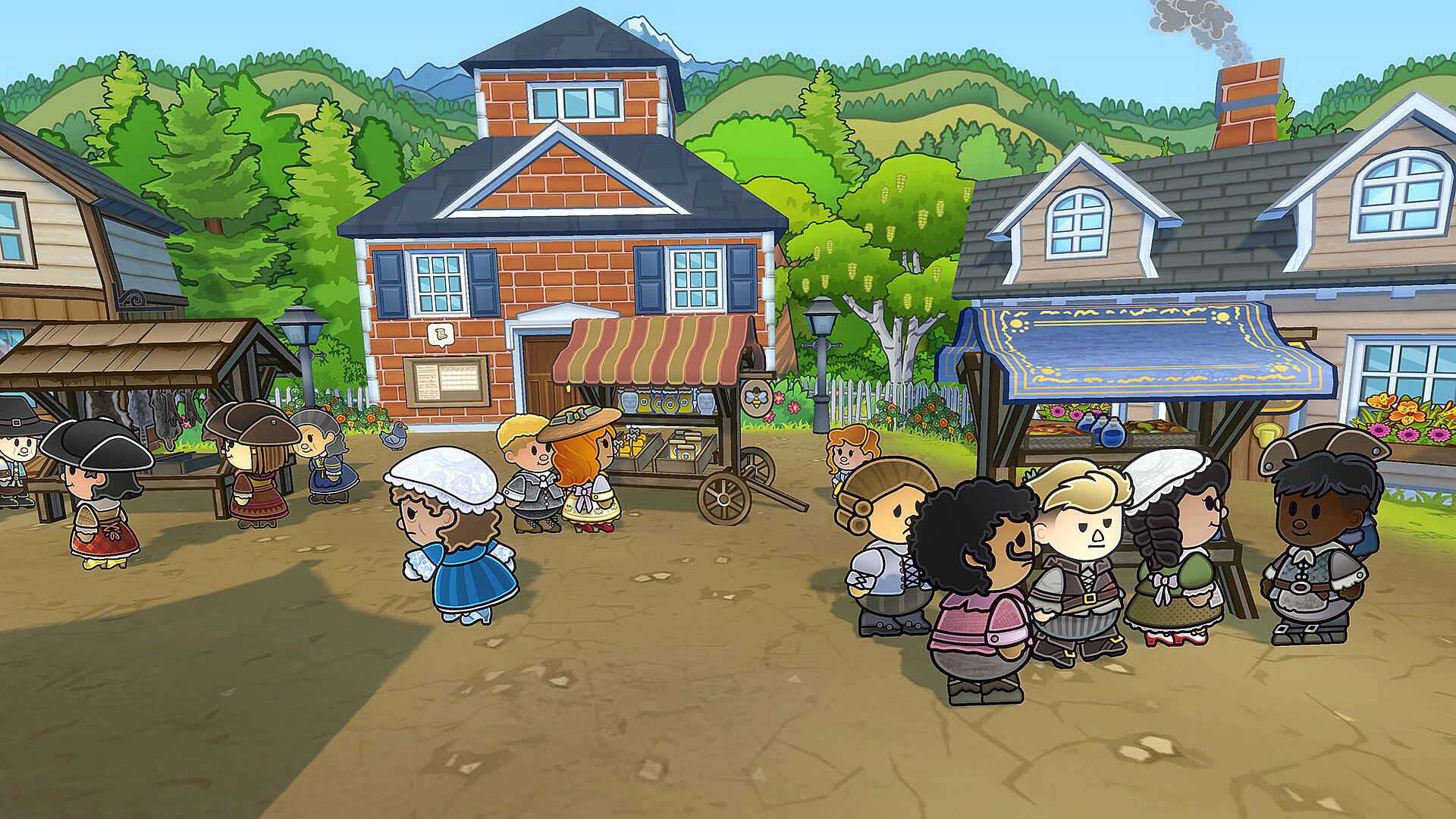
Each resident follows individual schedules, jobs, and traits, creating opportunities for meaningful connections or conflicts. Befriending townsfolk opens collaborative benefits for the community, while harsher interactions can remove obstacles but carry their own repercussions. Exploration reveals hidden elements around the island, including potential secrets tied to a rumored witch, sounds from the bay, and depths of the mines.
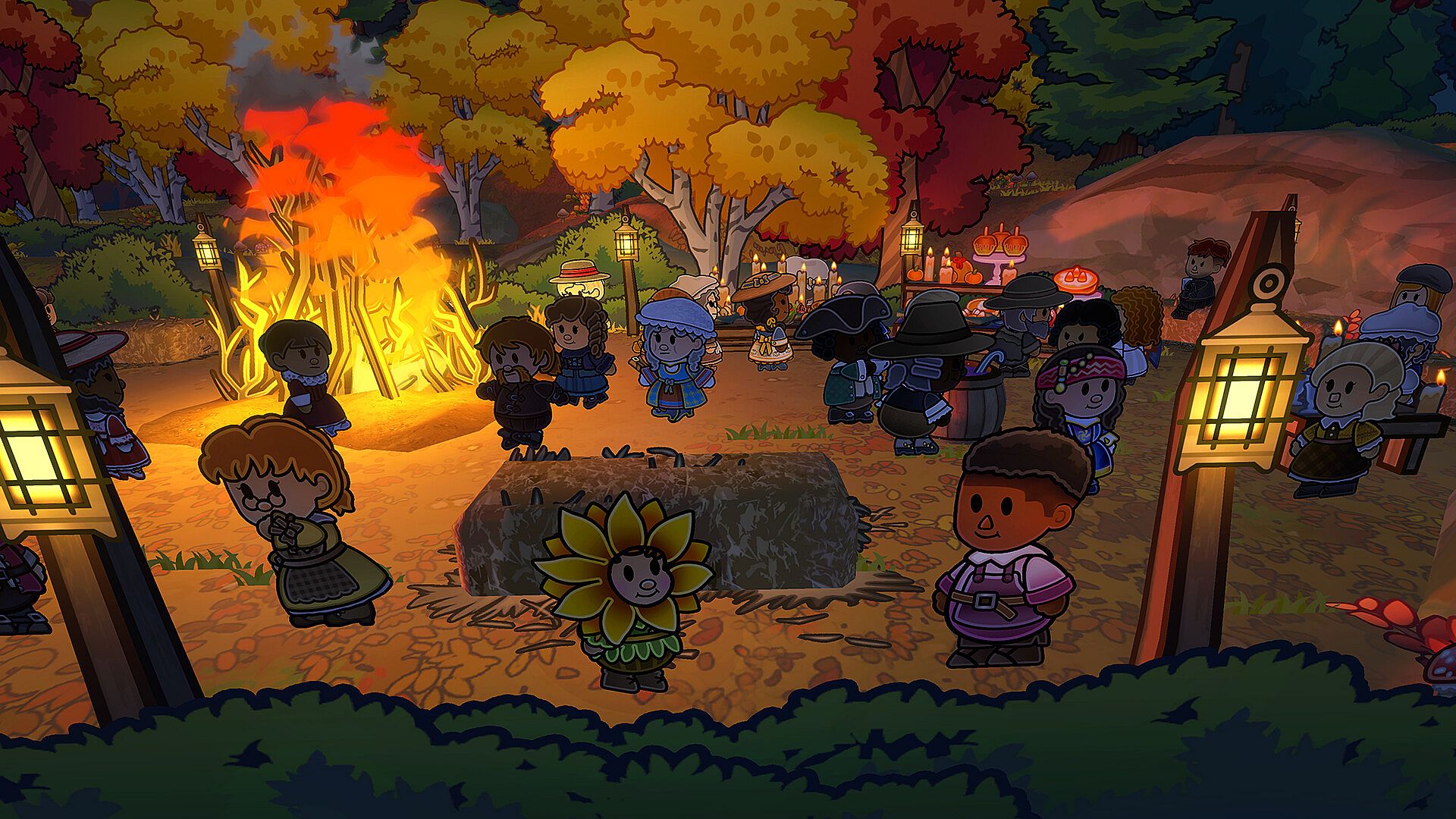
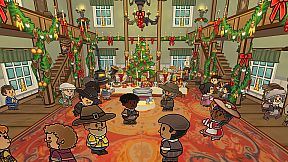
Seasons cycle through distinct crop options and festivals that add structure to the calendar. The generational mechanic ensures progress carries forward even after a character perishes, shifting focus to new family members who inherit the farm and relationships built over time.
Game Modes
Echoes of the Plum Grove operates as a continuous single-player simulation without separate named modes. The entire experience unfolds through one persistent world where farming, survival preparation, social bonds, and exploration integrate into a single ongoing narrative. Decisions made early affect later generations, encouraging careful planning across multiple in-game lifetimes rather than isolated sessions.
Progression relies on balancing immediate needs like crop yields and winter stores against longer-term goals such as expanding the homestead and uncovering island lore. The absence of multiplayer or competitive elements keeps attention on personal management and community dynamics within Honeywood.
Community and Exploration
Town life forms a central pillar, with residents offering quests, trades, and support that shape the island's development. Building a family tree adds layers as new characters take over, each potentially carrying forward skills or connections from predecessors. Exploration encourages venturing beyond the farm to gather rare items and investigate local legends that add intrigue to the otherwise routine tasks.
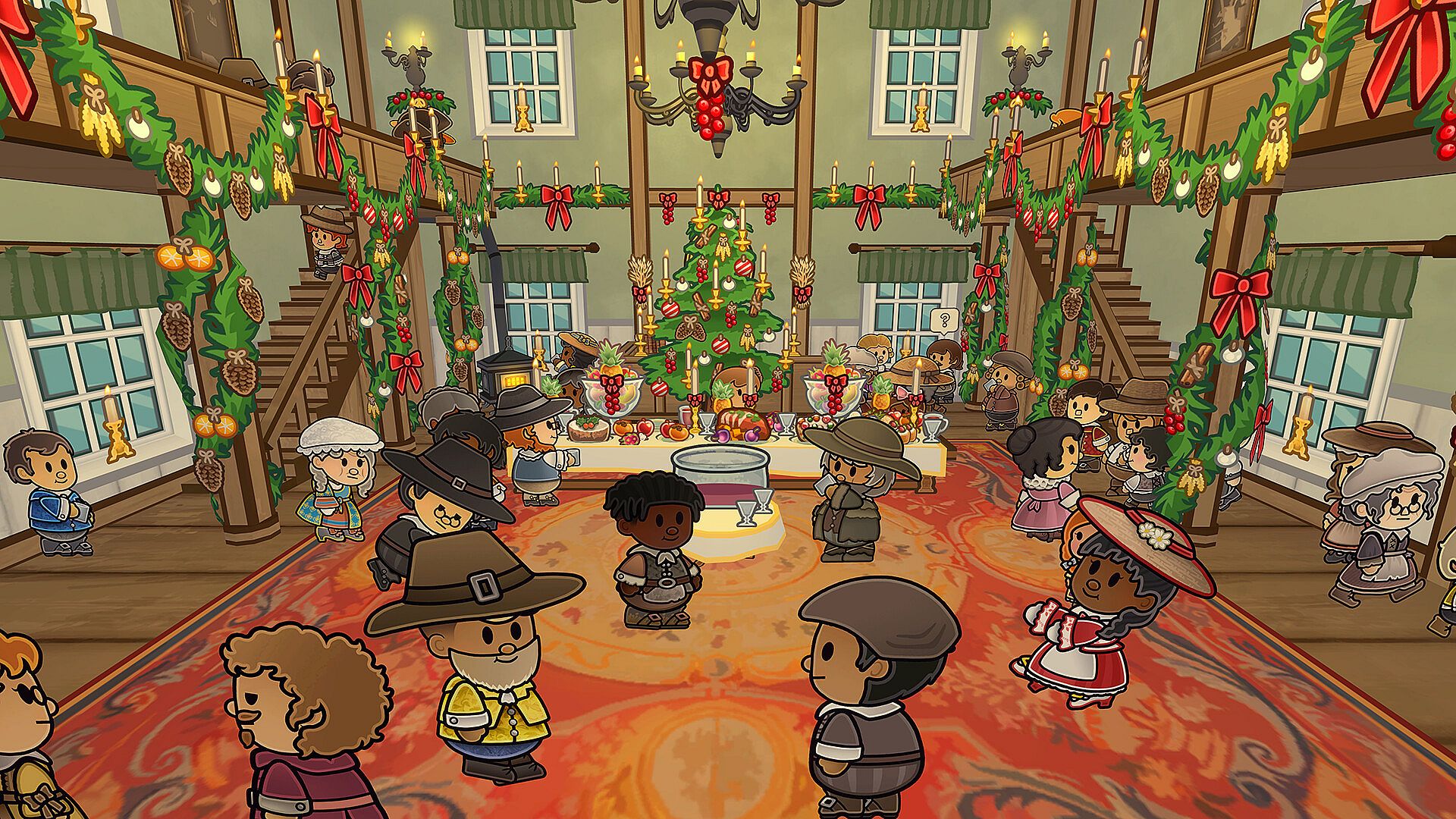
Festivals provide regular breaks from labor, fostering interactions that strengthen ties or reveal new opportunities. The combination of cozy routines and underlying survival tension creates a steady rhythm that rewards consistent attention to both the land and the people who inhabit it.
Is It Worth Playing?
Player feedback on Steam shows very positive reception overall, with recent reviews maintaining that trend. The game appeals to those who enjoy simulation titles that layer survival challenges onto traditional farming loops and emphasize relationship building across generations. Its focus on consequences for poor preparation and the shift to descendant characters sets it apart from lighter cozy experiences.
Those seeking a relaxed pace with occasional stakes around winter survival and community management will find the systems rewarding. The title continues to receive updates that expand content, supporting ongoing play for fans of indie simulation games on PC.















