




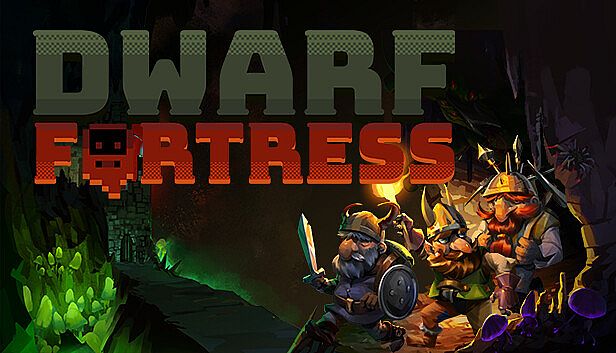












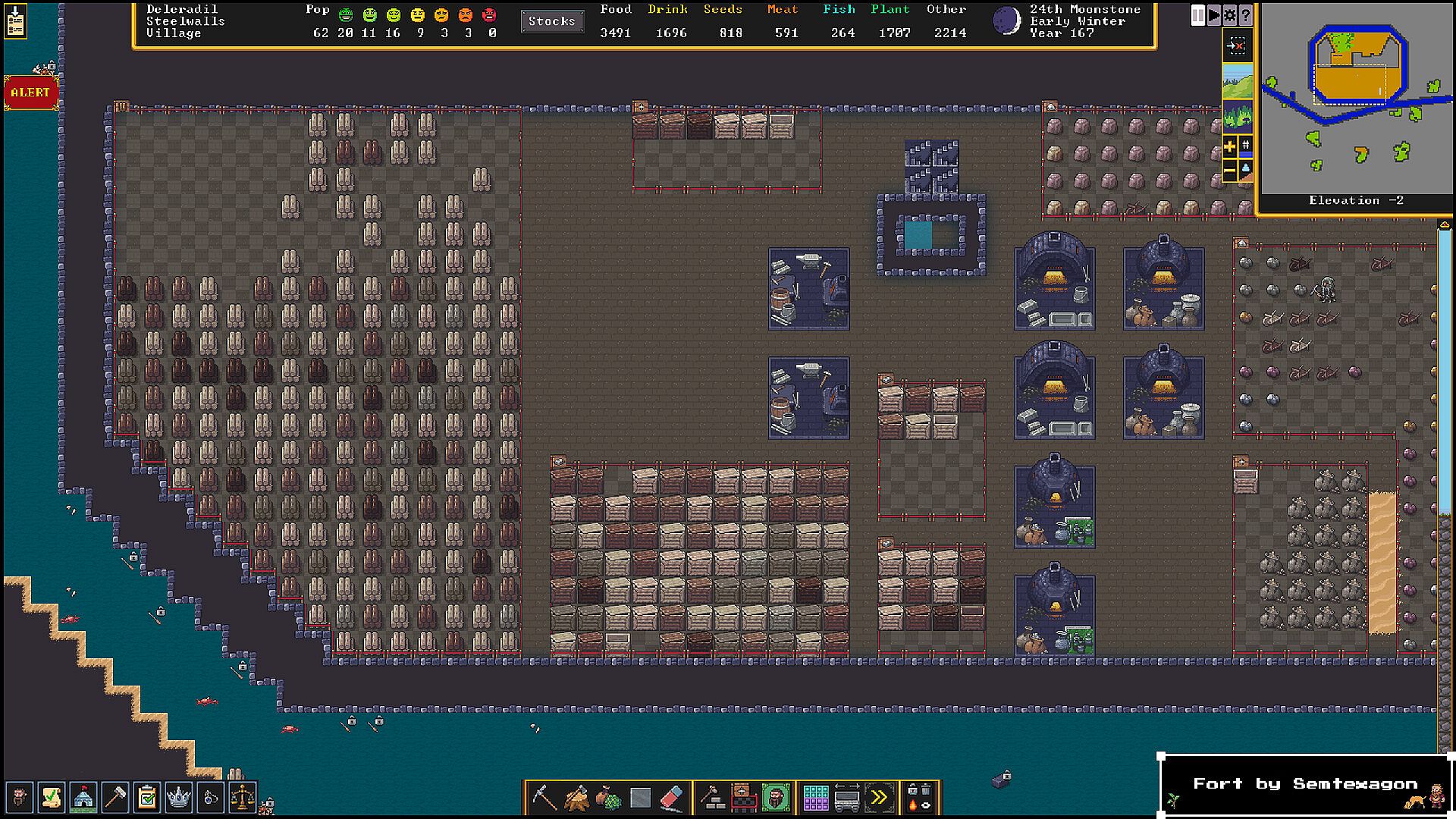
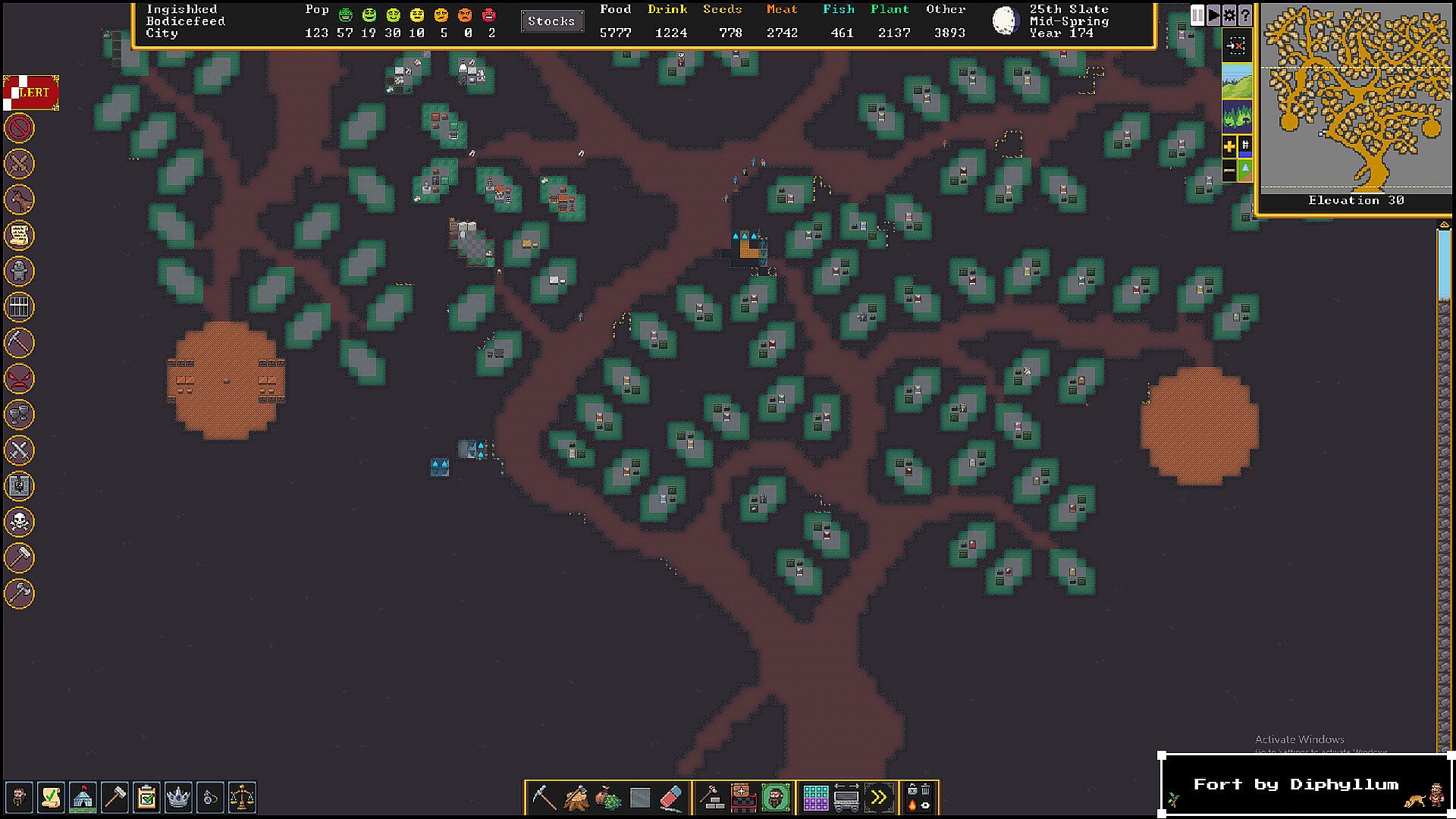
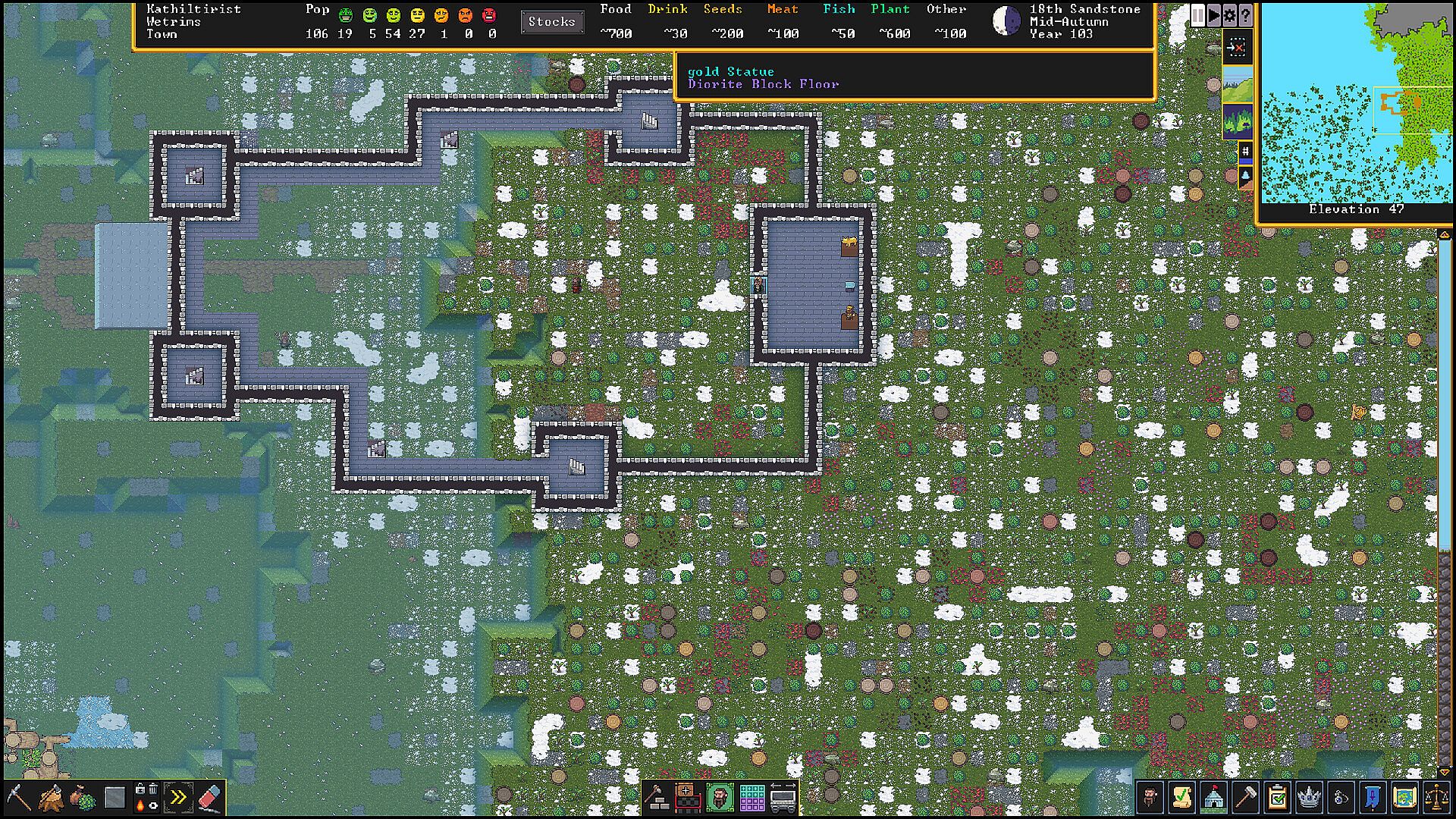
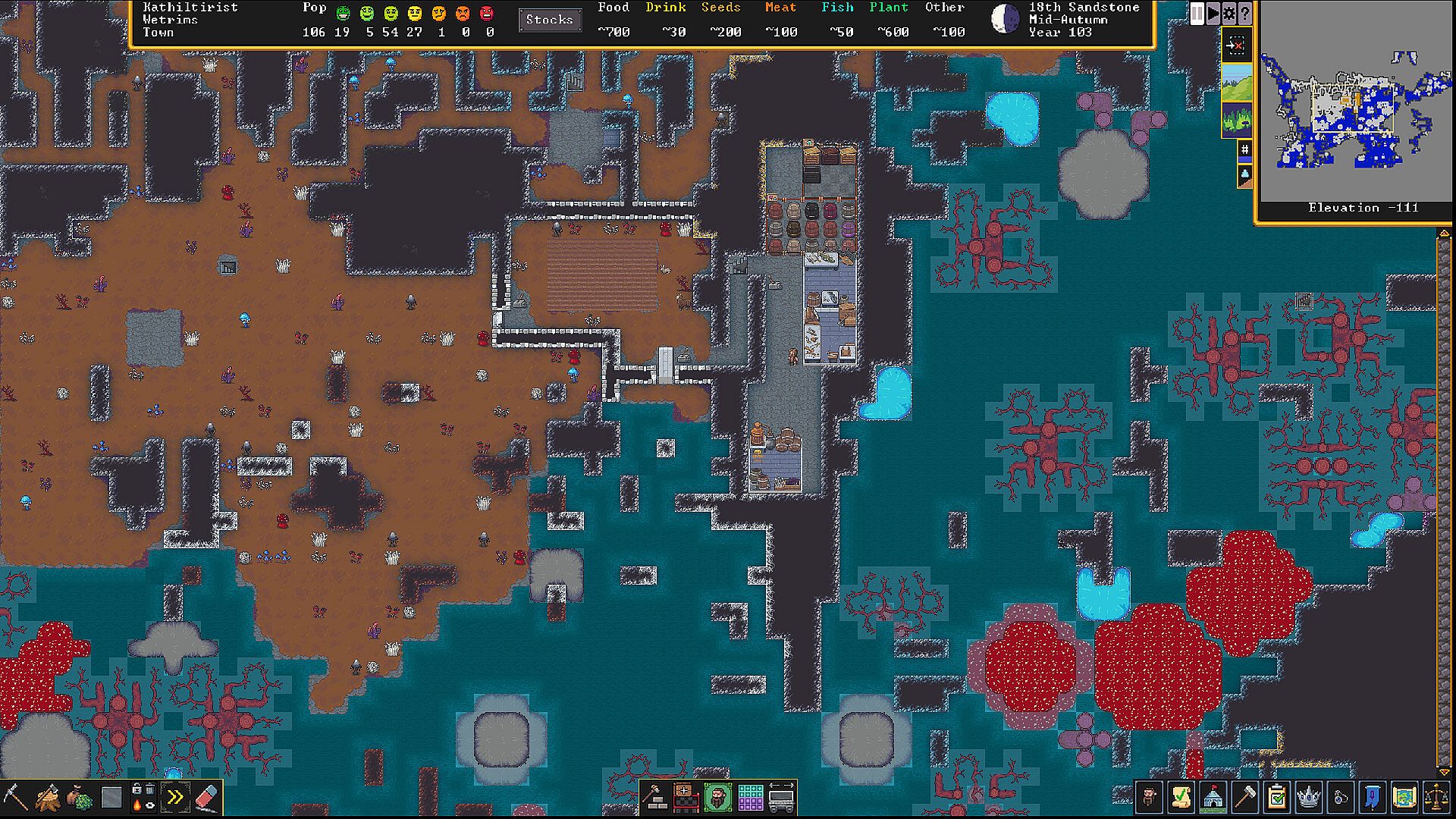
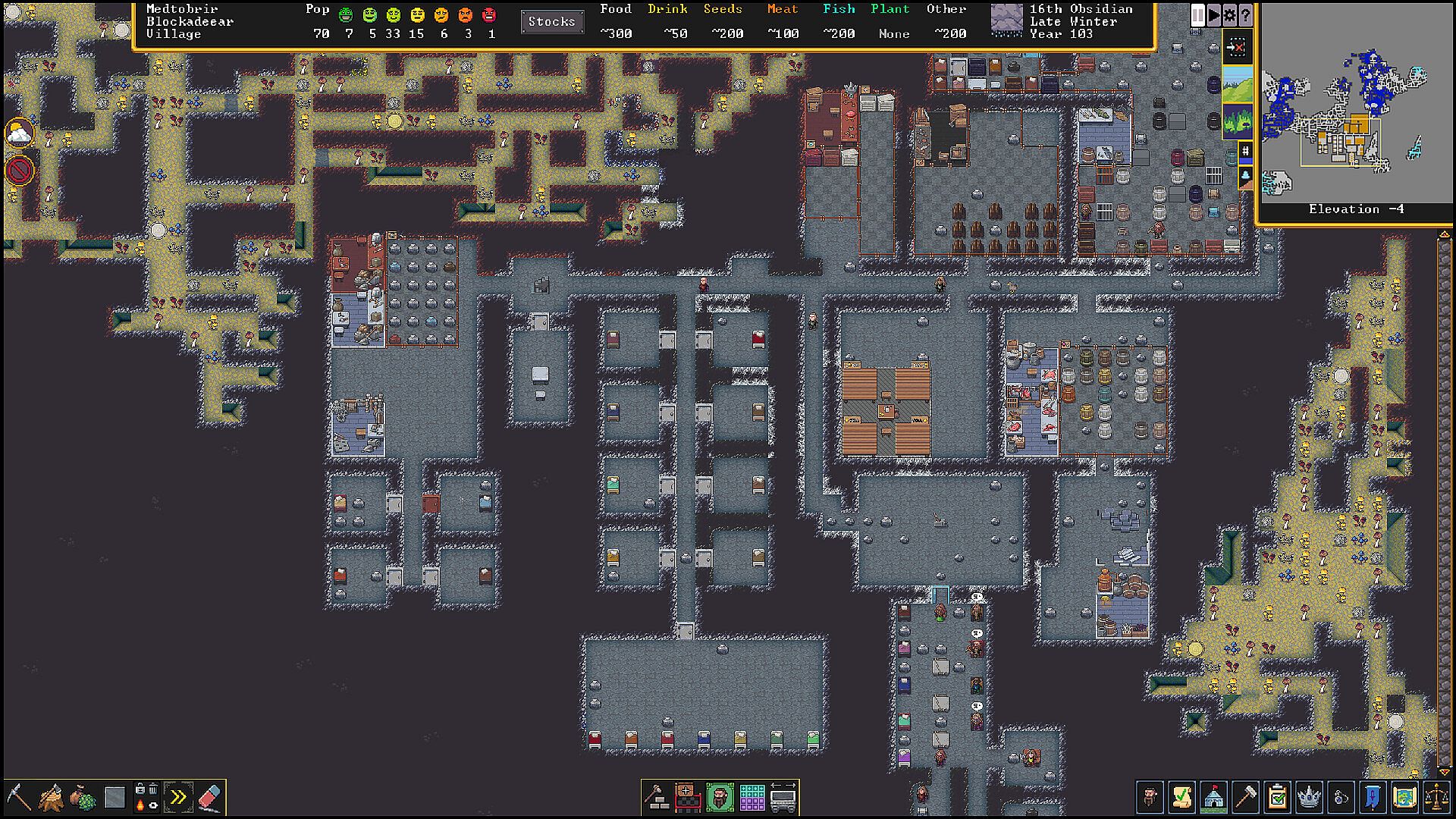
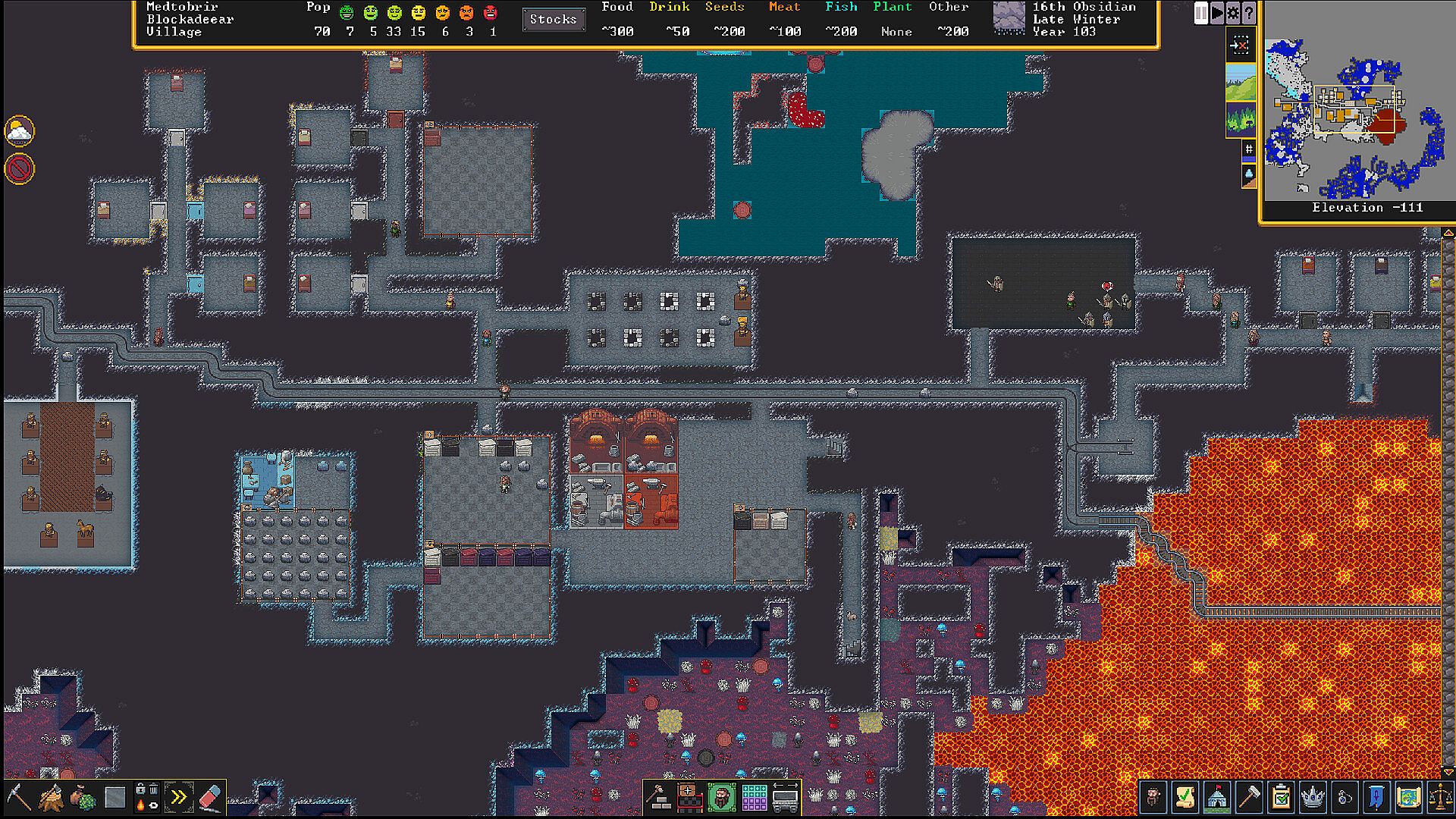
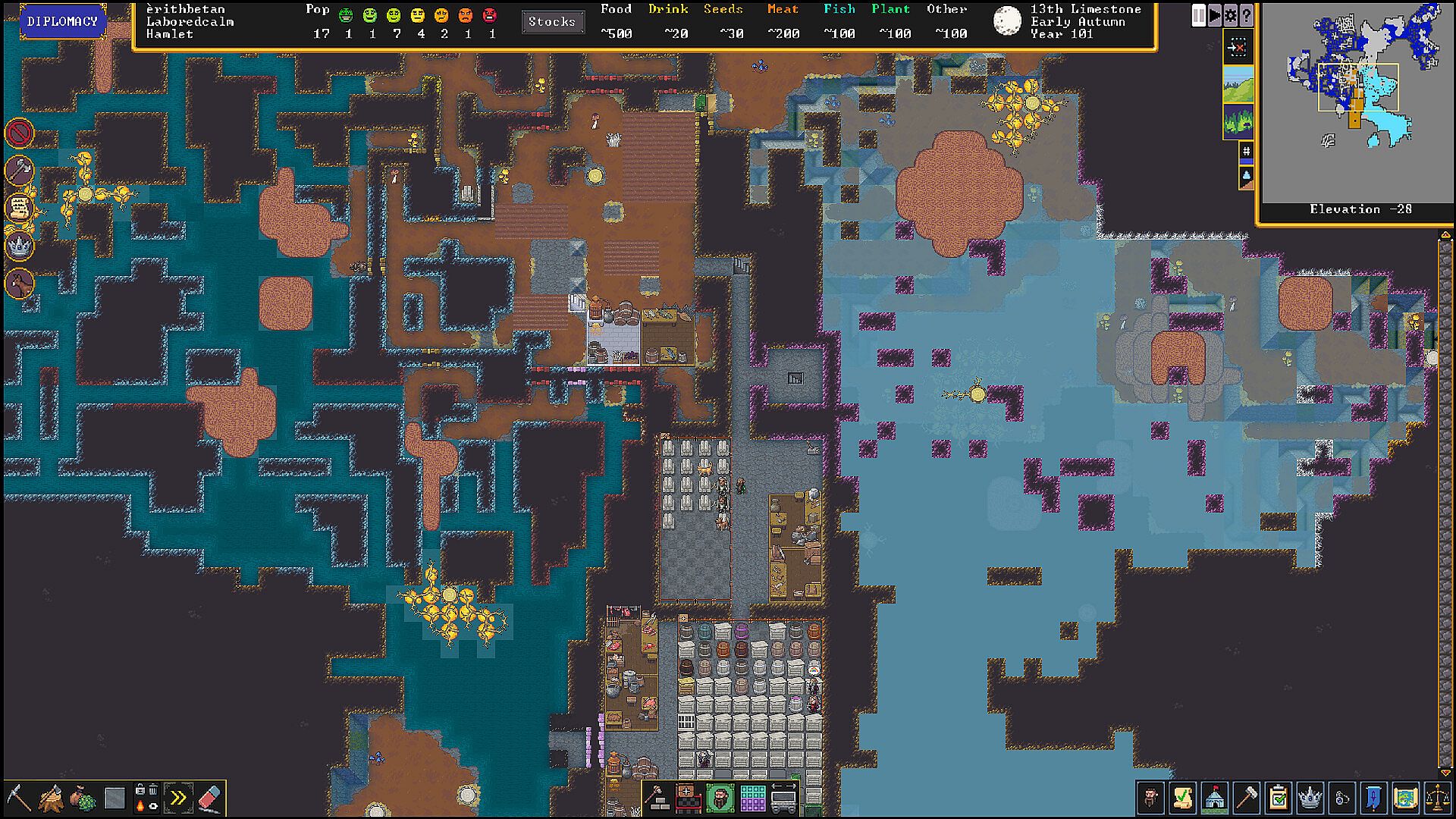
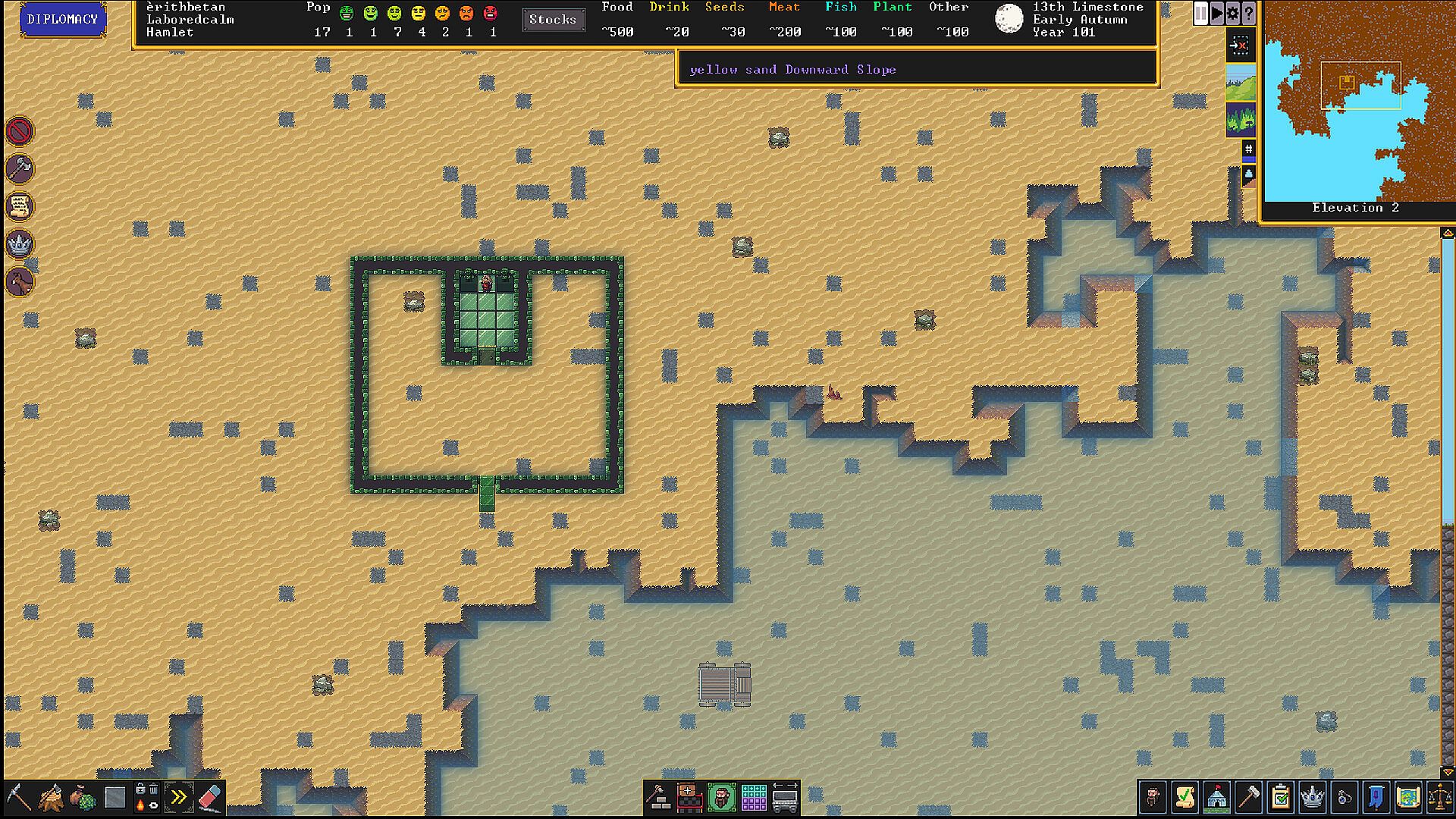
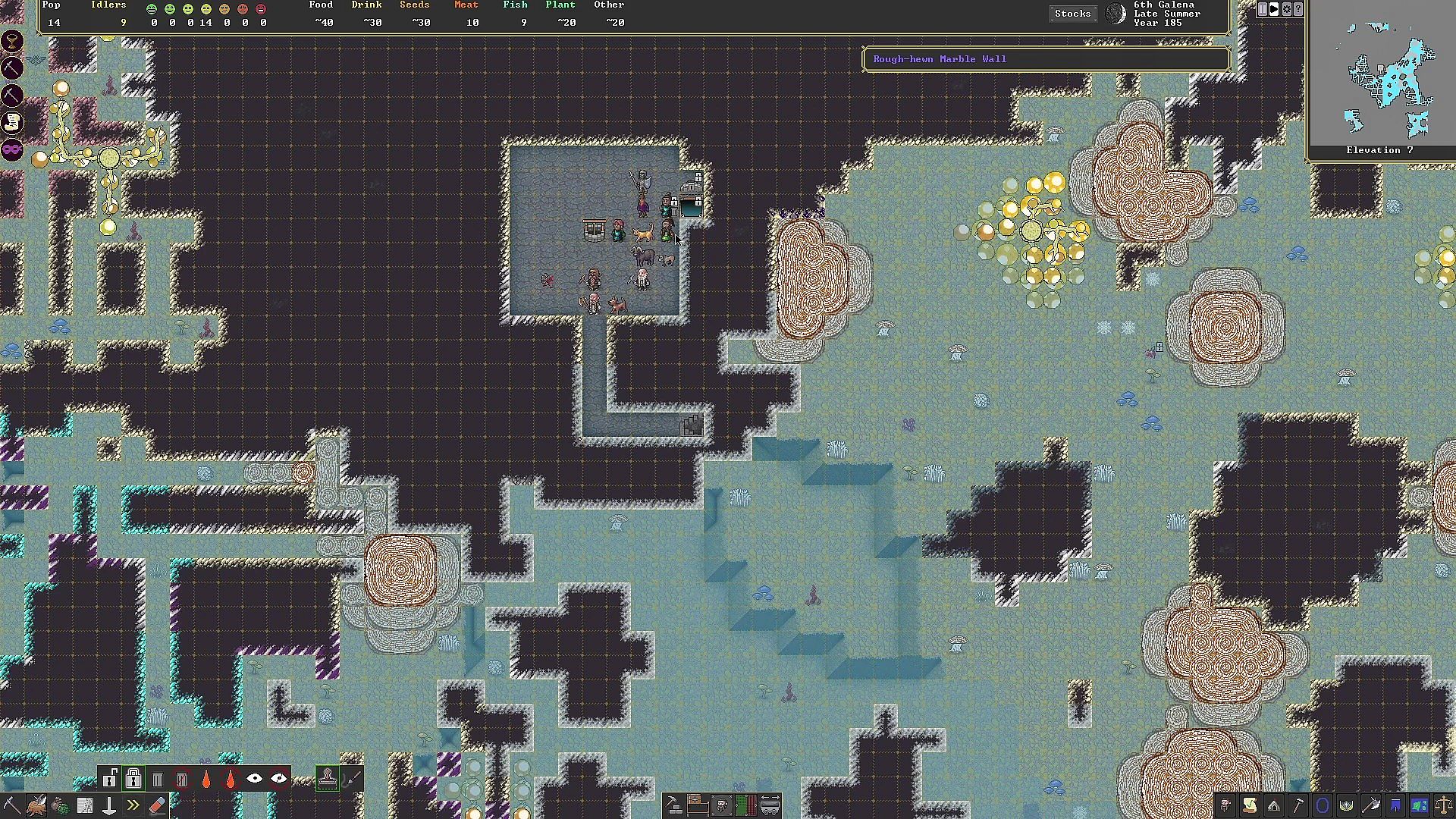
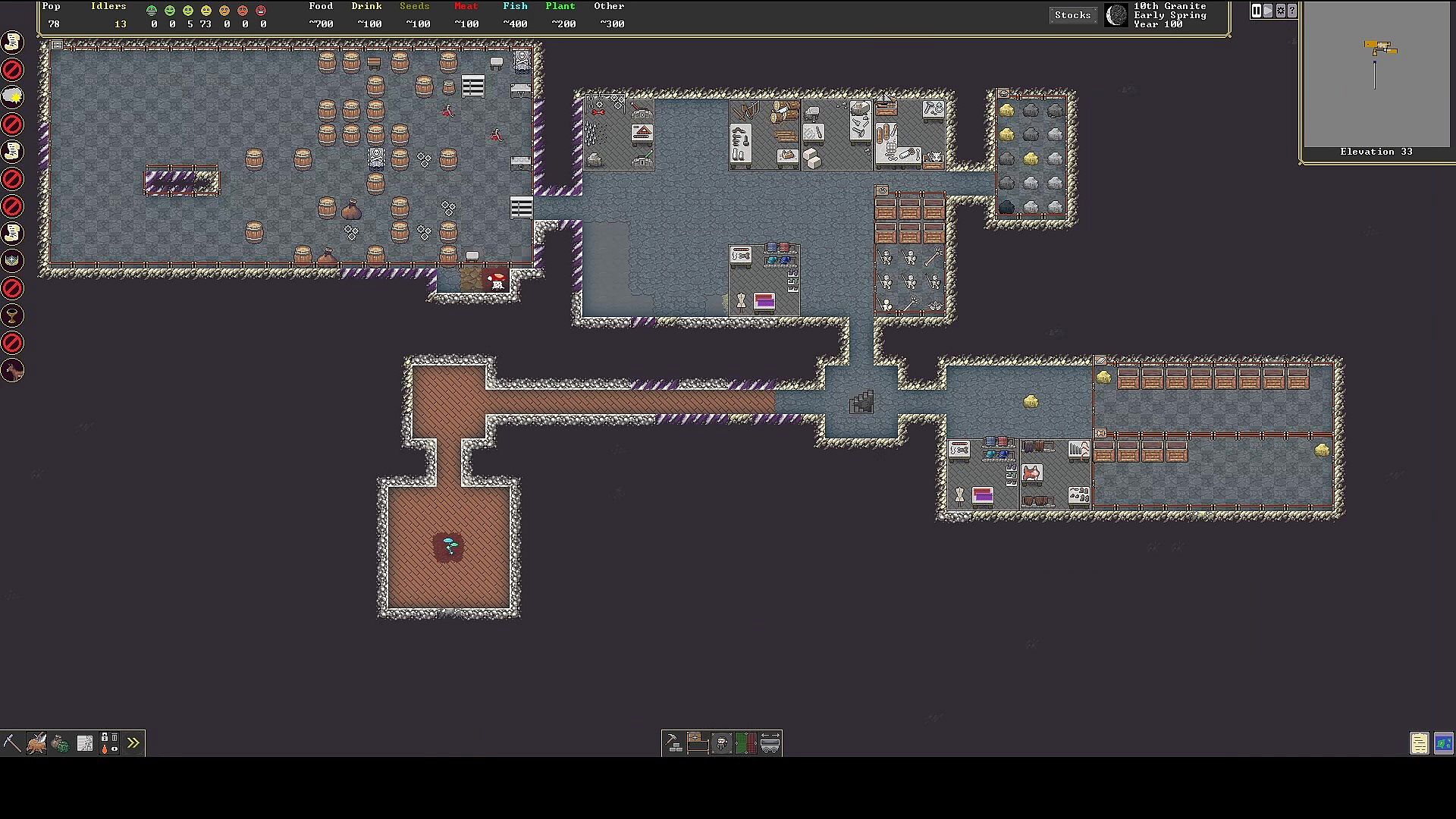
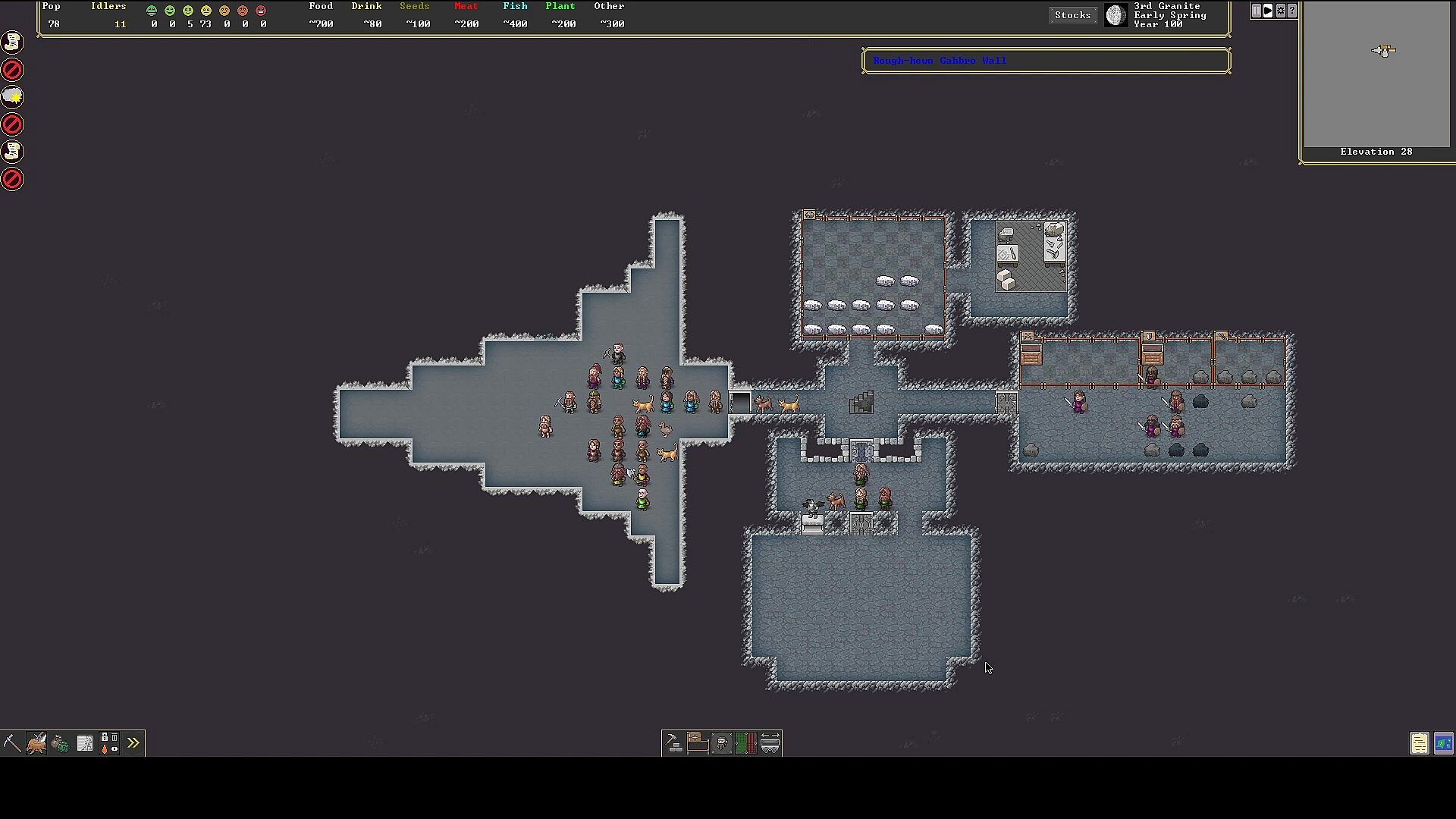
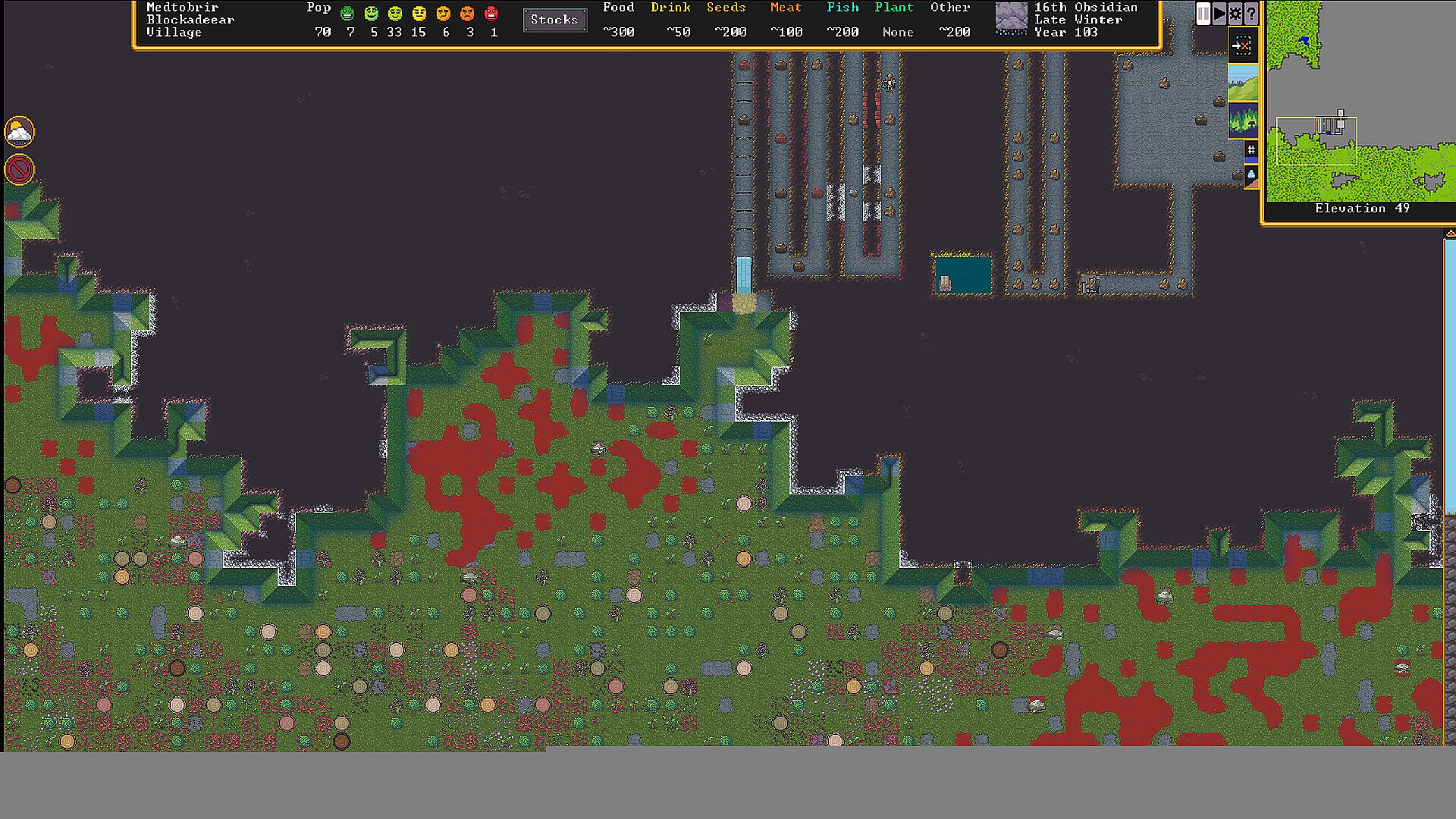
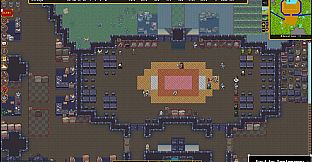
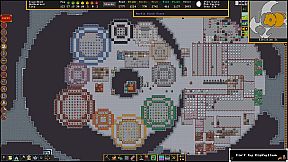
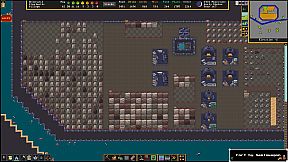
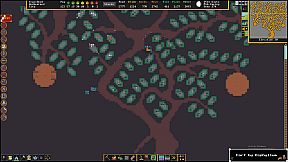
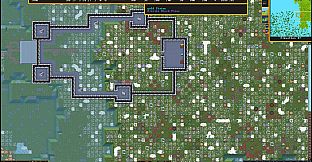
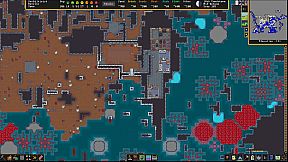
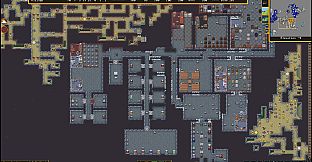
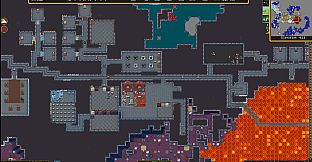
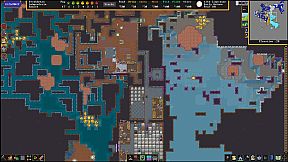
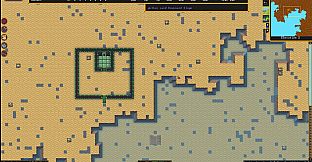
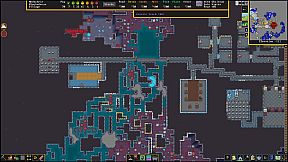
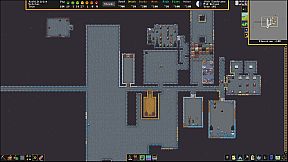
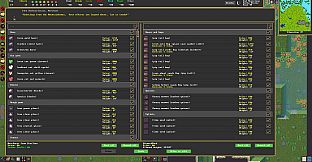
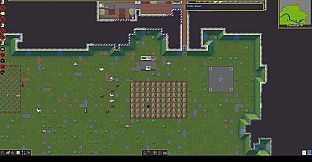
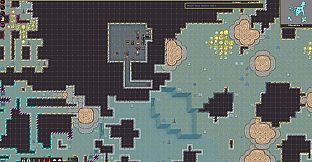
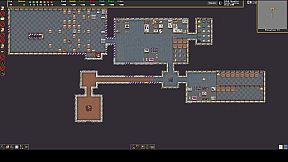
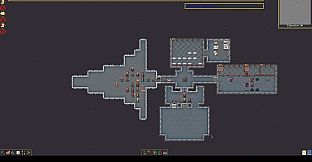
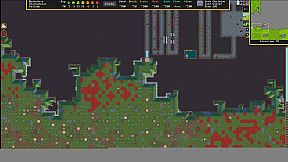
Dwarf Fortress stands out as a profoundly detailed strategy simulation game where players oversee a colony of dwarves in a procedurally generated fantasy world. Released on PC, this indie title blends elements of construction, management, and roguelike survival, challenging you to build and sustain a thriving fortress amid endless threats and intricate systems. With its roots dating back to 2003, the game has evolved into a benchmark for depth in gaming, influencing titles like RimWorld and Minecraft.
Gameplay
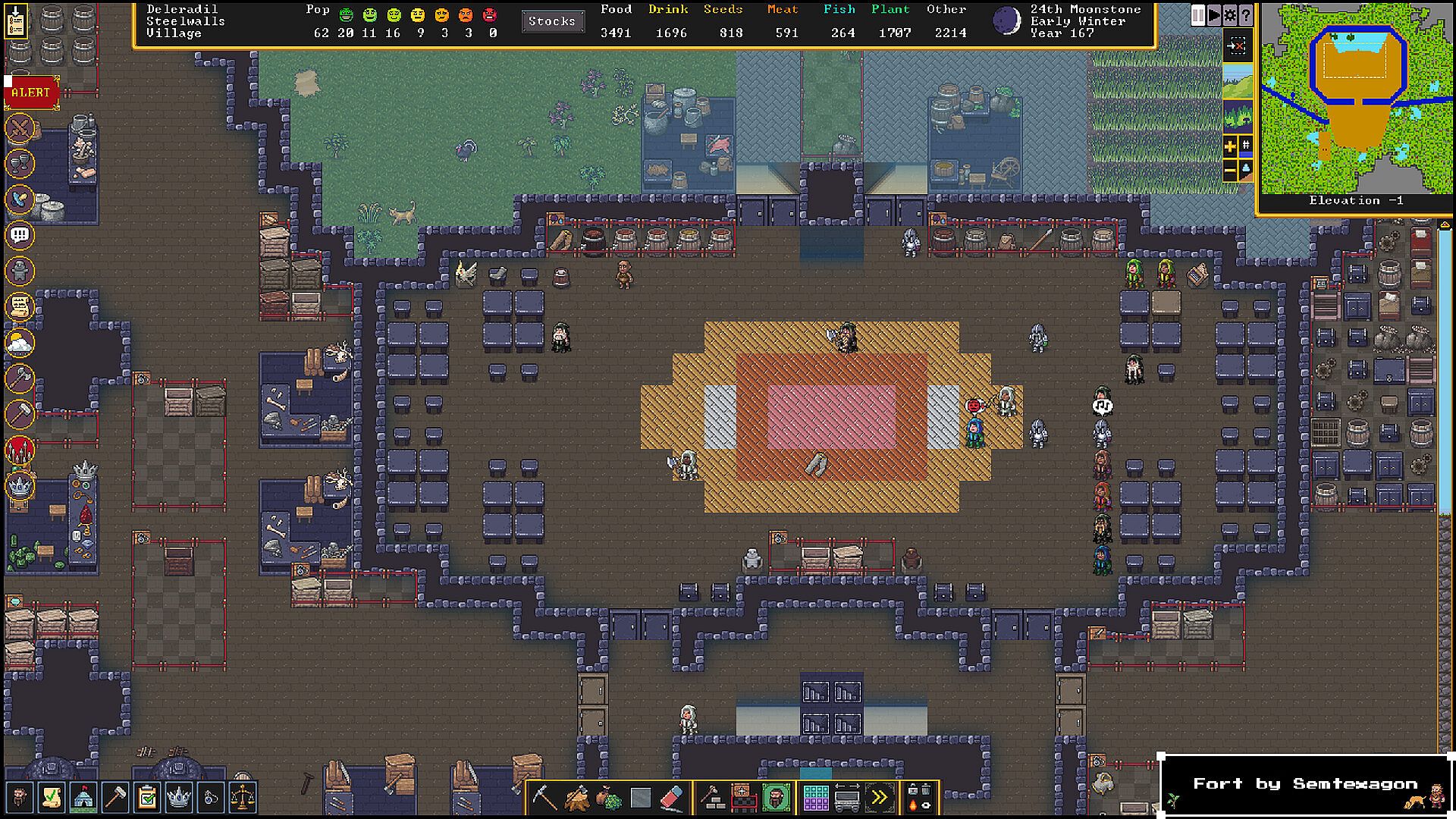
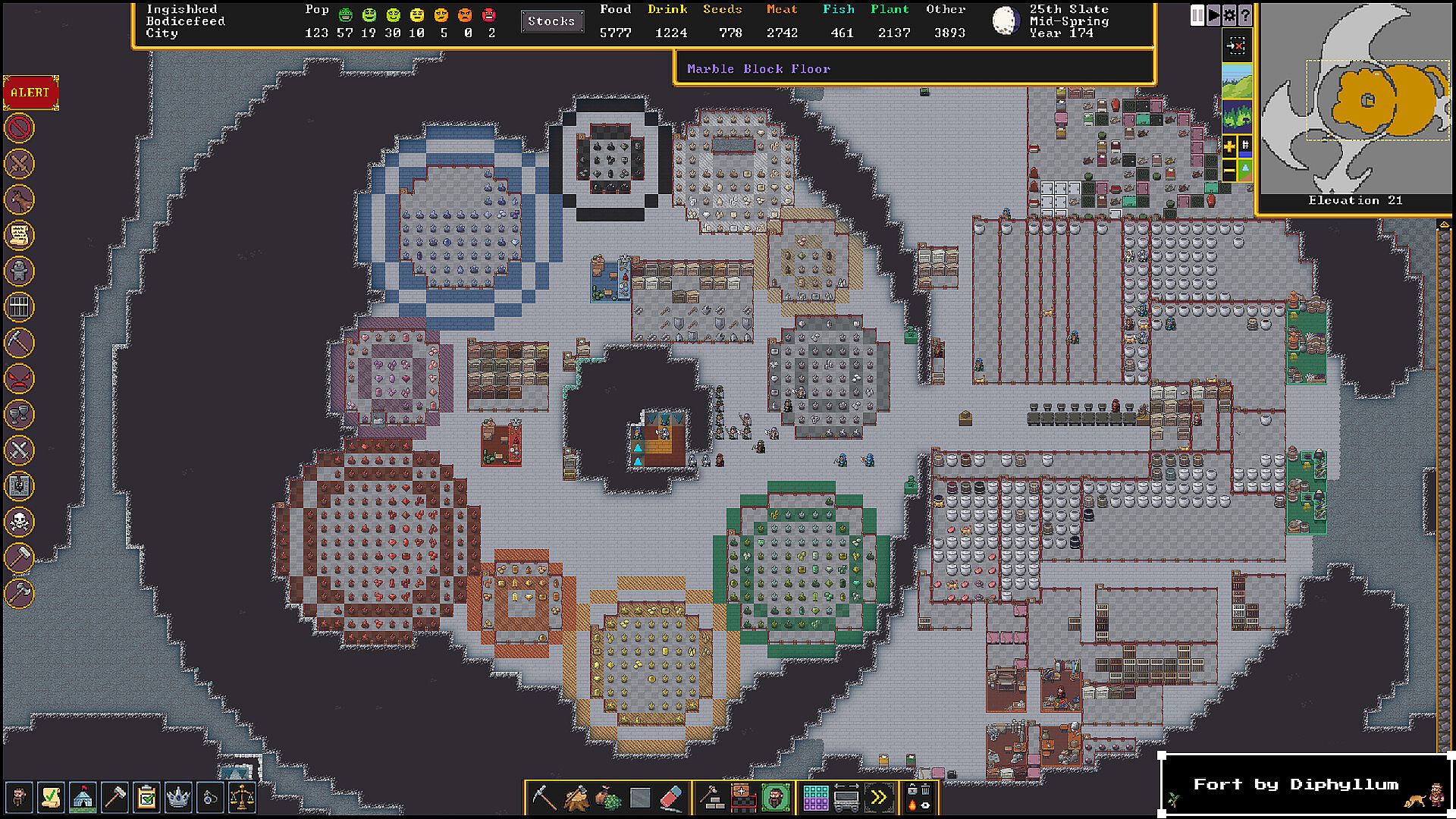
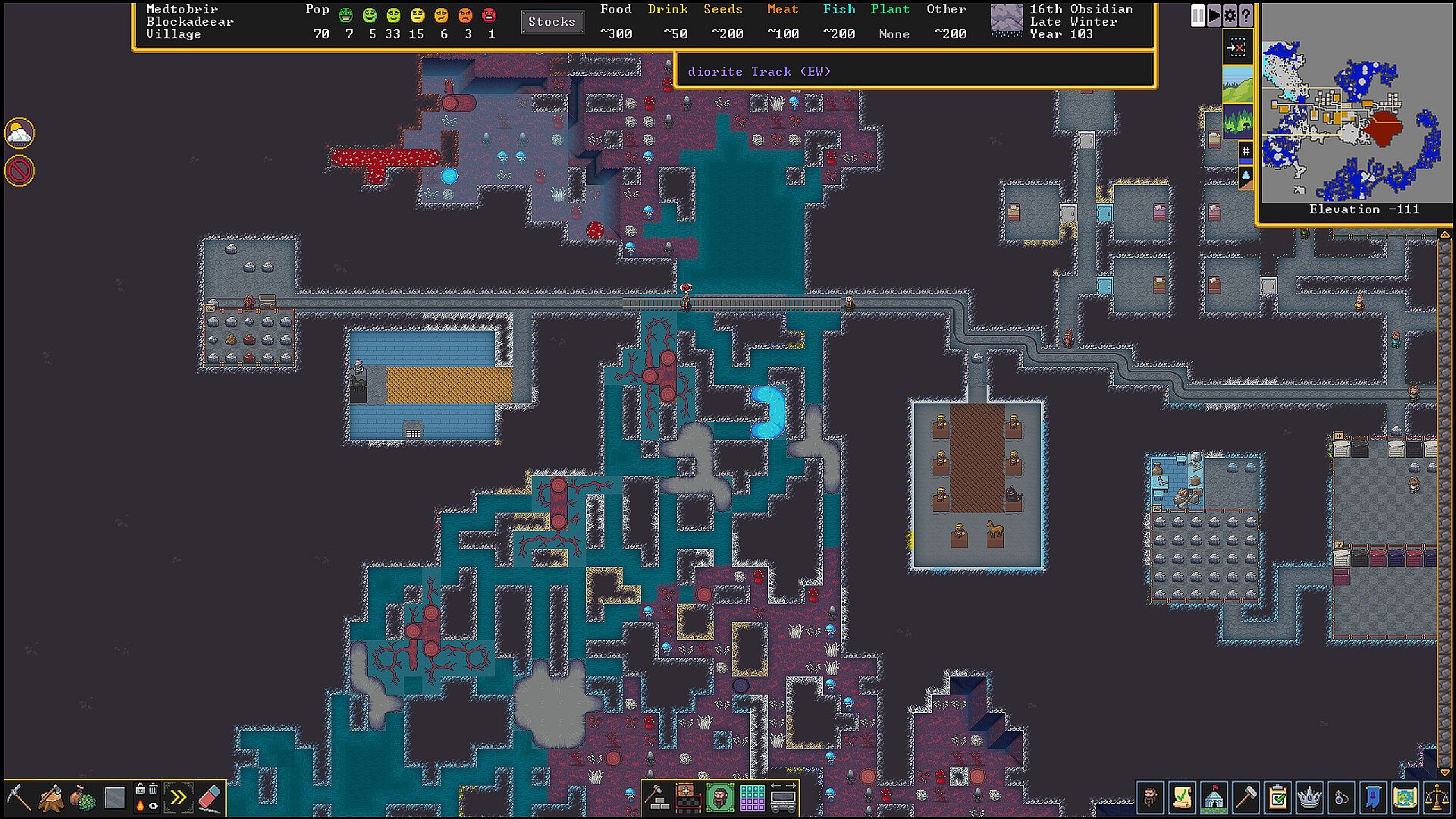
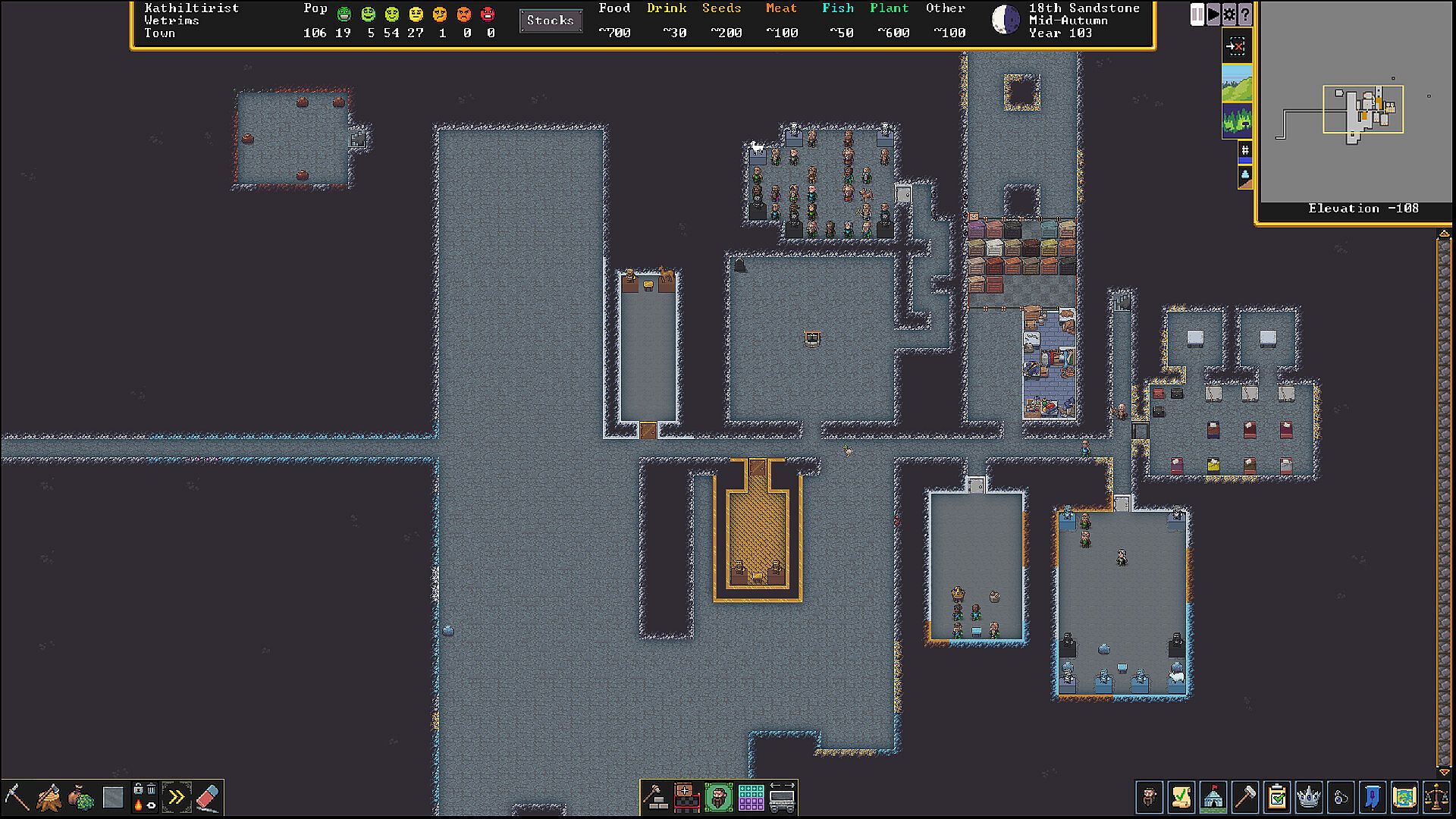
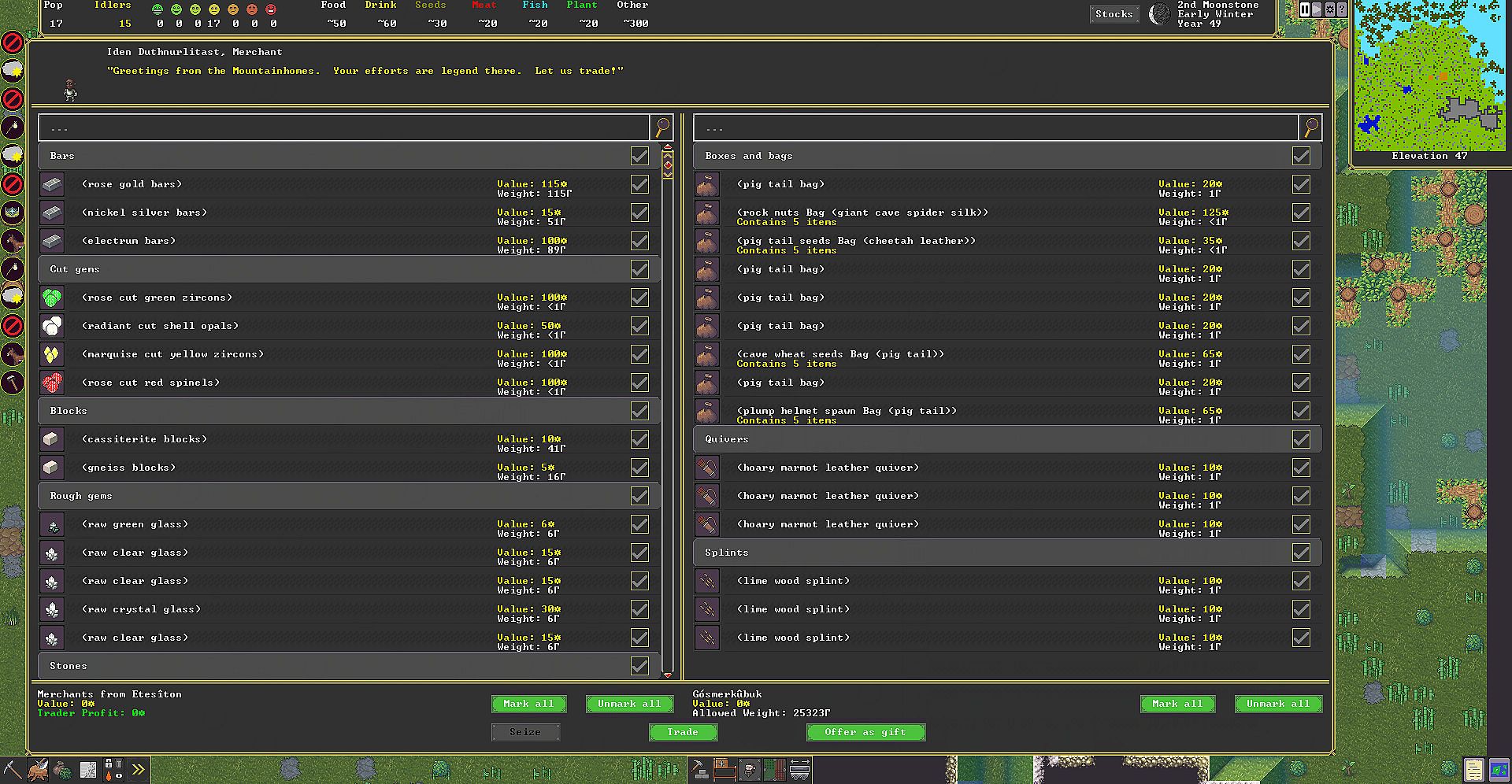
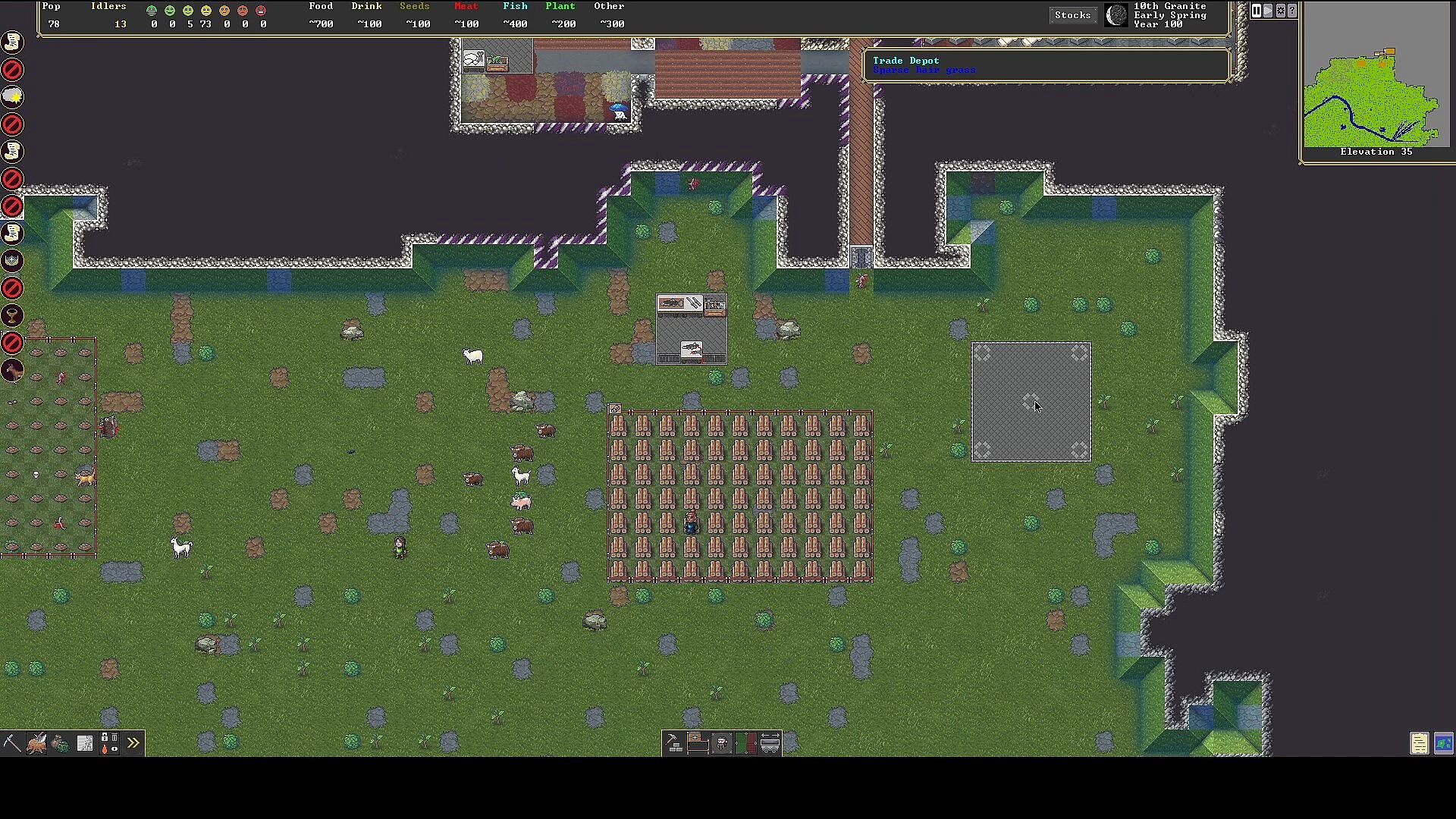
In Dwarf Fortress, the core loop revolves around generating a unique world filled with civilizations, creatures, and geological features, then guiding a group of dwarves to carve out a fortress from a mountain. You assign tasks like mining, farming, and crafting to ensure survival, while managing resources such as food and beer to keep your dwarves content. The simulation tracks individual dwarf personalities, thoughts, and physical states, including detailed combat mechanics that account for body parts, materials, pain, and poisons. Environmental factors add layers, with a dynamic weather system simulating storms and humidity, alongside over 200 types of rocks and minerals that appear in realistic geological contexts. Building structures like taverns, libraries, and temples allows your dwarves to develop their culture, while defenses such as floodgates help manage water and magma flows. Threats range from hostile creatures and civilizations to internal issues like madness, making every decision critical in this single-player experience.
Mechanics extend to crafting treasures from various materials and establishing a barony with nobility demands. The game's procedural generation creates random monsters, poetry, musical forms, and dances, ensuring no two playthroughs are identical. Combat involves skills like wrestling and aimed attacks, with effects like nausea and various poisons influencing outcomes. Tutorials guide newcomers through basics, though the depth often leads to dramatic failures, encapsulated in the motto that losing is fun.
Game Modes
Dwarf Fortress offers three distinct modes that let you engage with its simulated world in different ways. Fortress Mode forms the heart of the game, where you manage a dwarven colony, building structures and defending against threats while observing the rise and fall of your settlement.
Adventure Mode shifts to a more personal scale, allowing you to control a single character exploring the generated world, recruiting followers, earning reputation, and delving into mythical dungeons for artifacts and magical items. This mode emphasizes roguelike elements with direct control over actions in a vast, living environment.
Legends Mode provides a narrative overview, serving as an exhaustive log of the world's history, including events, characters, locations, and storylines, which you can browse to uncover the backstory of your generated universe.
Is It Worth Playing?
For those drawn to complex strategy simulations with endless replayability, Dwarf Fortress remains a compelling choice in 2026. Player reception on platforms like Steam shows very positive feedback, with 94% of 23,631 English reviews rating it favorably, and recent reviews maintaining 93% positivity. Users highlight the game's intricate systems and the surprises that come from its depth, such as dwarves with unique histories and tastes. Ongoing development by creators Tarn and Zach Adams, supported by Kitfox Games since 2020, ensures regular additions like sprite packs and music updates, keeping the game fresh without predefined seasons. If you appreciate management games that reward patience and experimentation, and don't mind a steep learning curve, this title offers unmatched value through its procedural storytelling and simulation richness. However, it might overwhelm casual players seeking straightforward progression.














