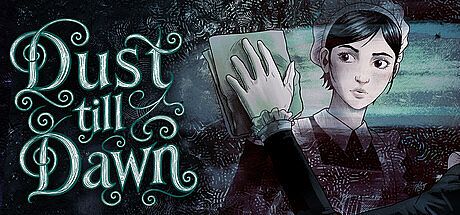


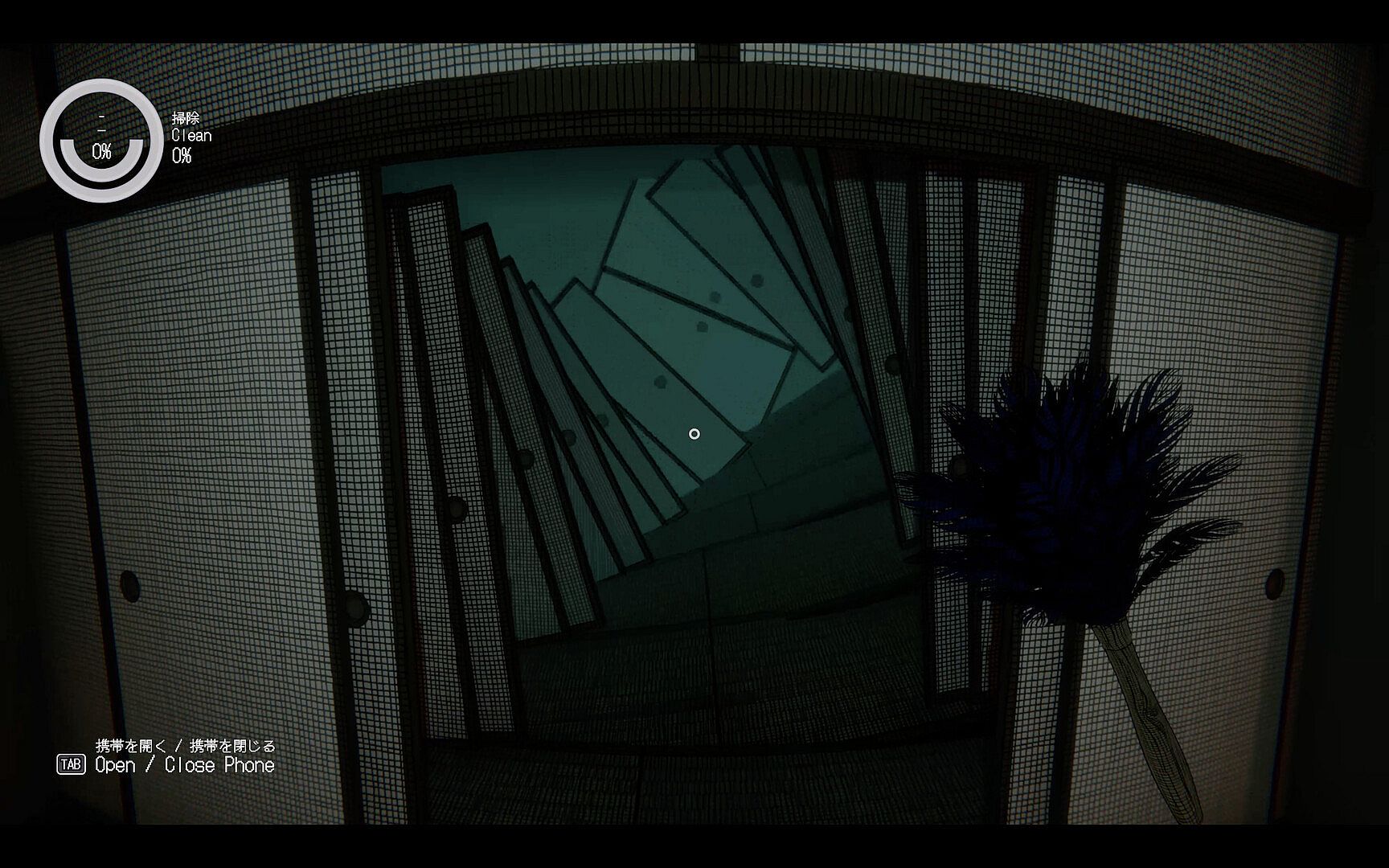
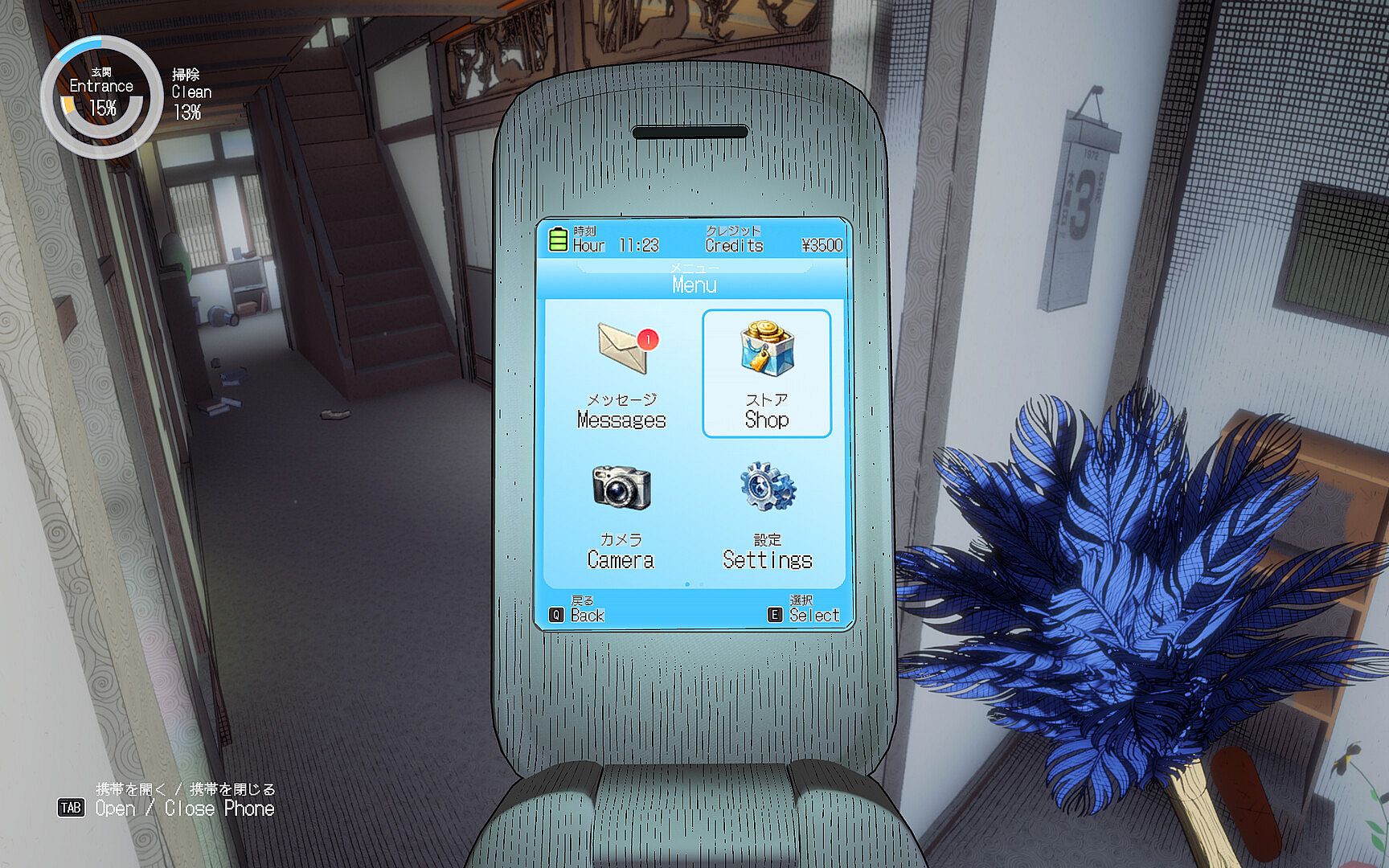
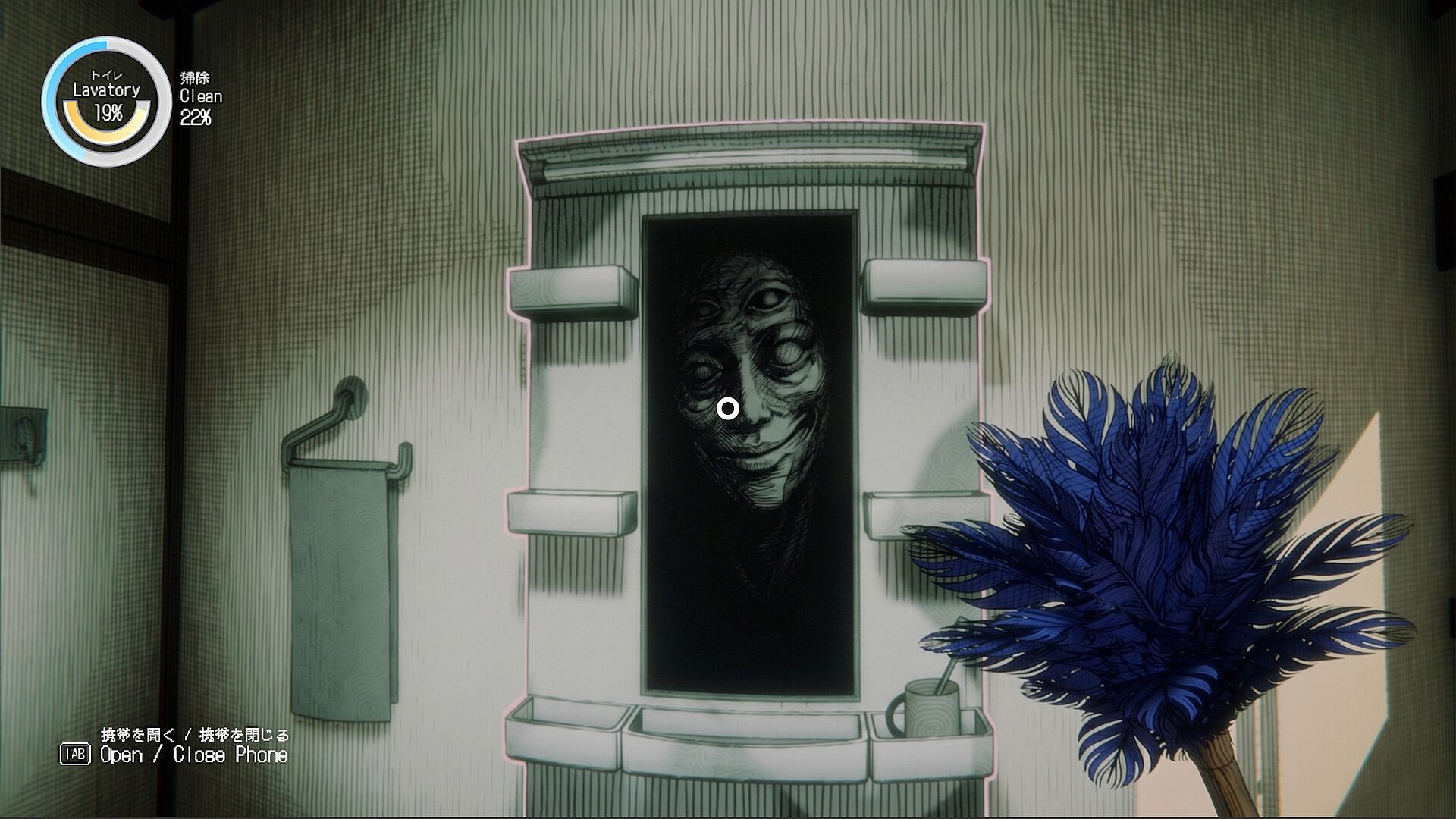
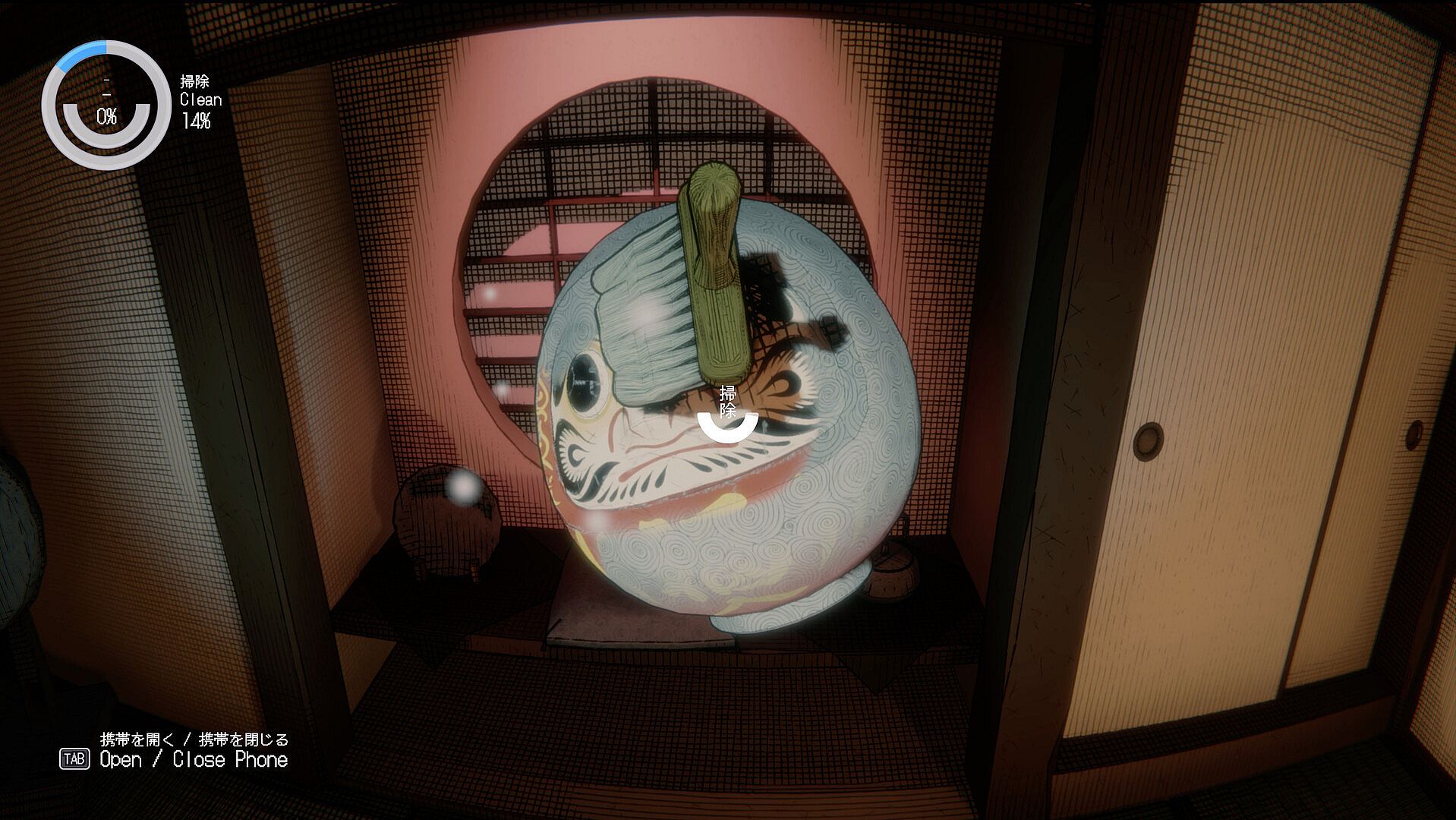
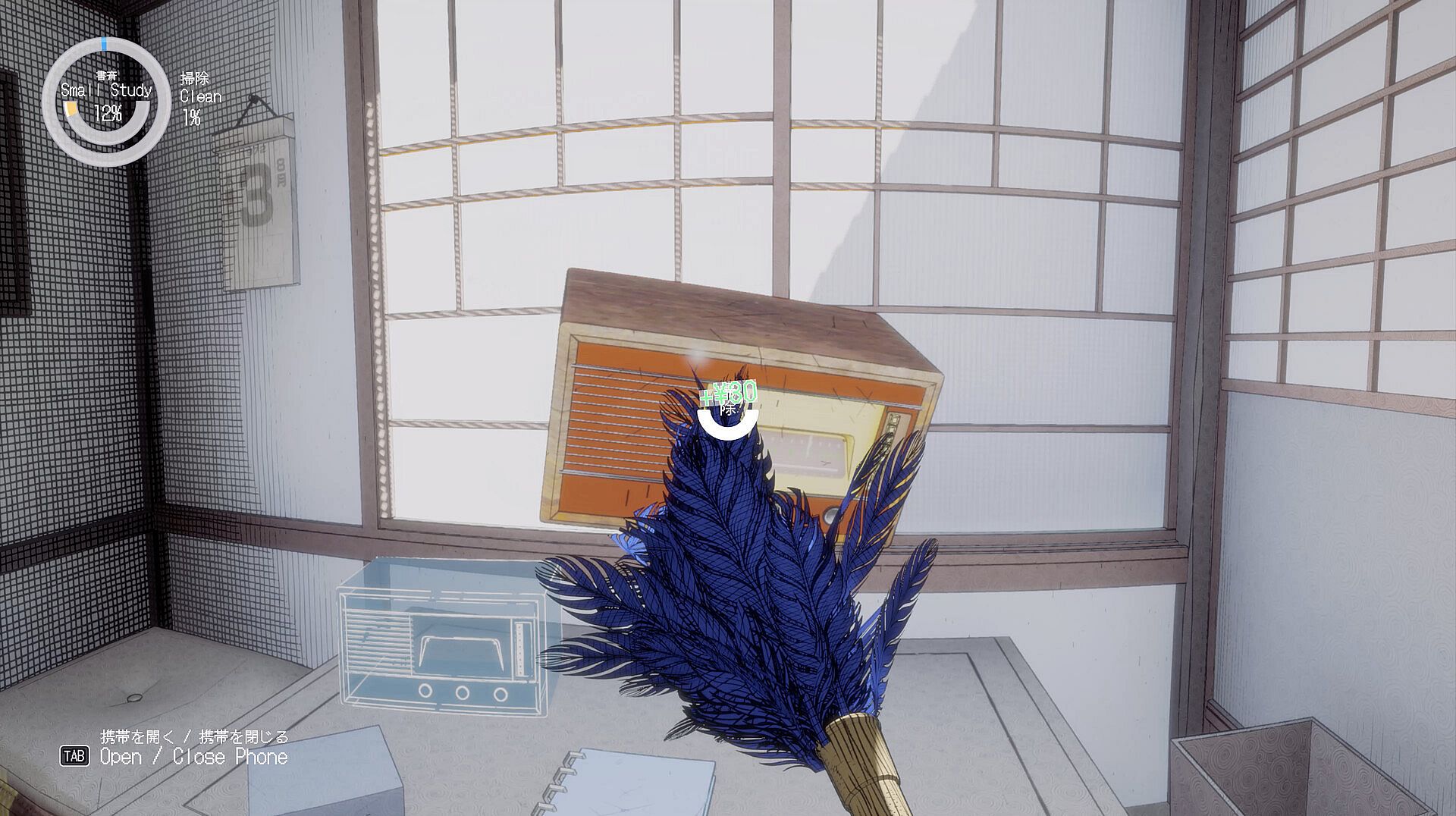
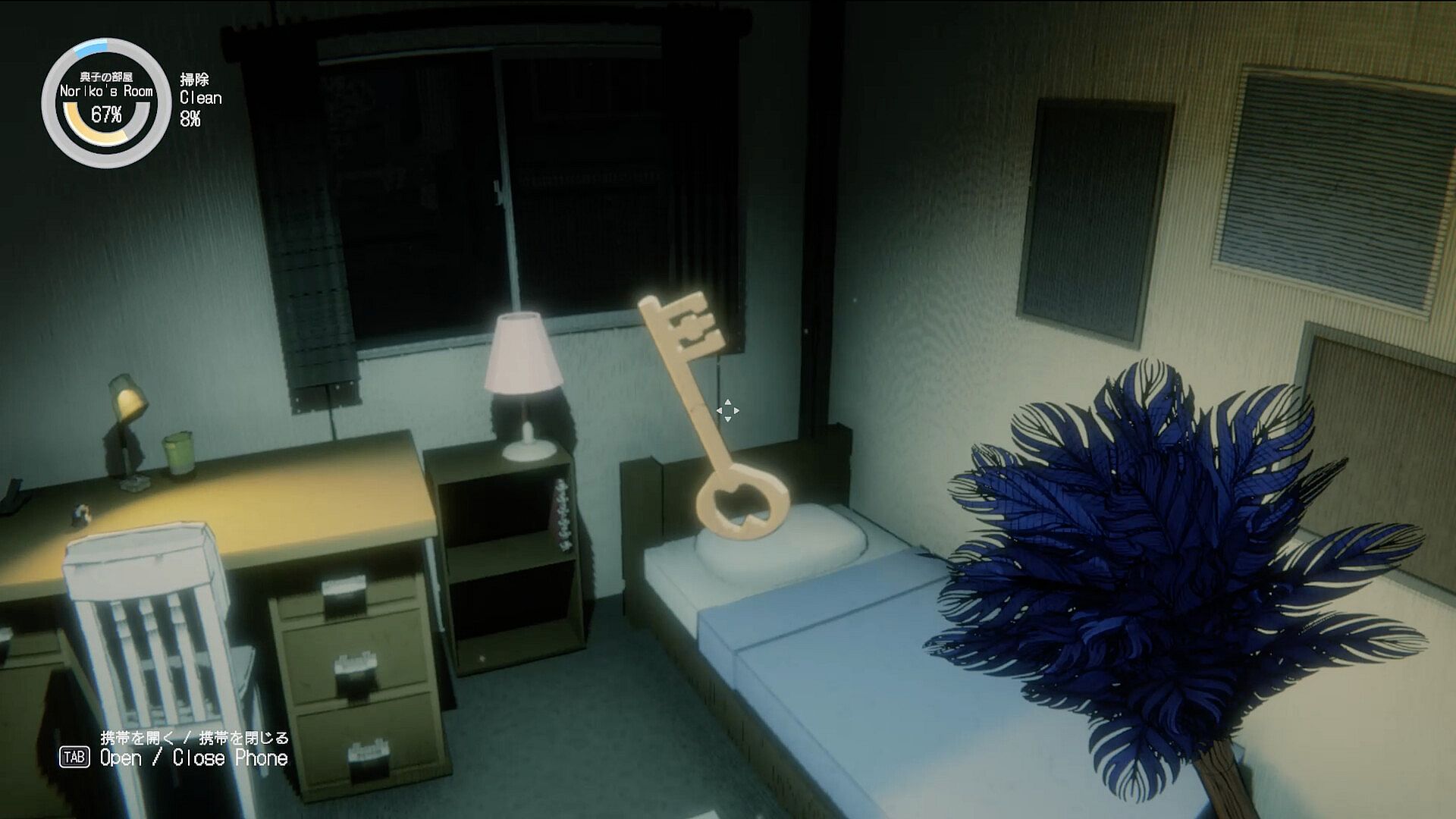
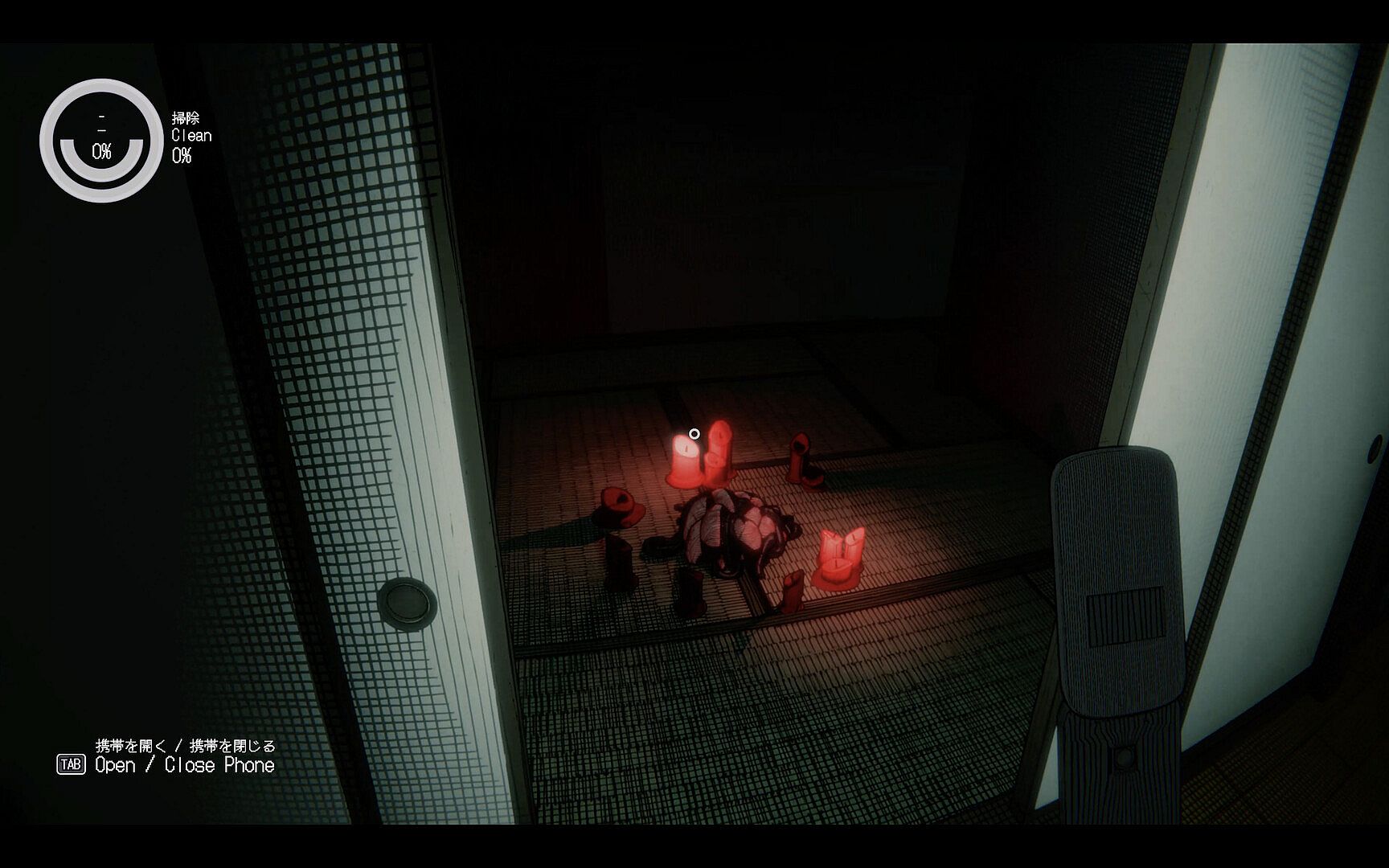
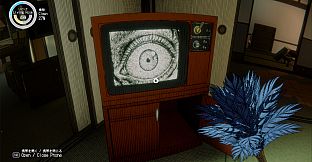
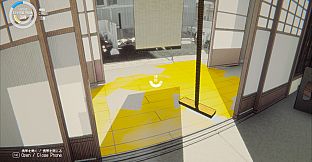
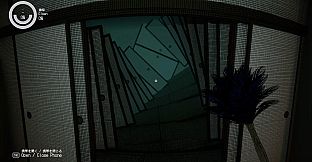
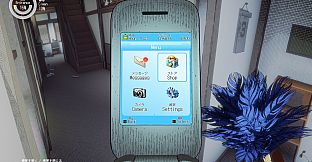
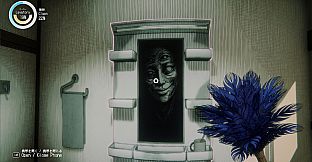
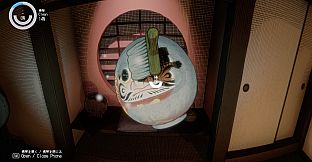
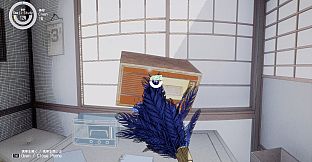
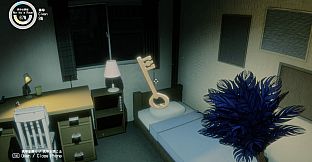

Dust till Dawn is a single-player indie simulation and adventure game that blends relaxing cleaning mechanics with a slow-building paranormal mystery. Set in a quiet rural Japanese village, the experience puts players in the role of a maid handling cleaning requests across homes, shops, and community spaces. The core appeal lies in the deliberate pace of restoration work combined with an undercurrent of unease drawn from Japanese horror influences.
Gameplay
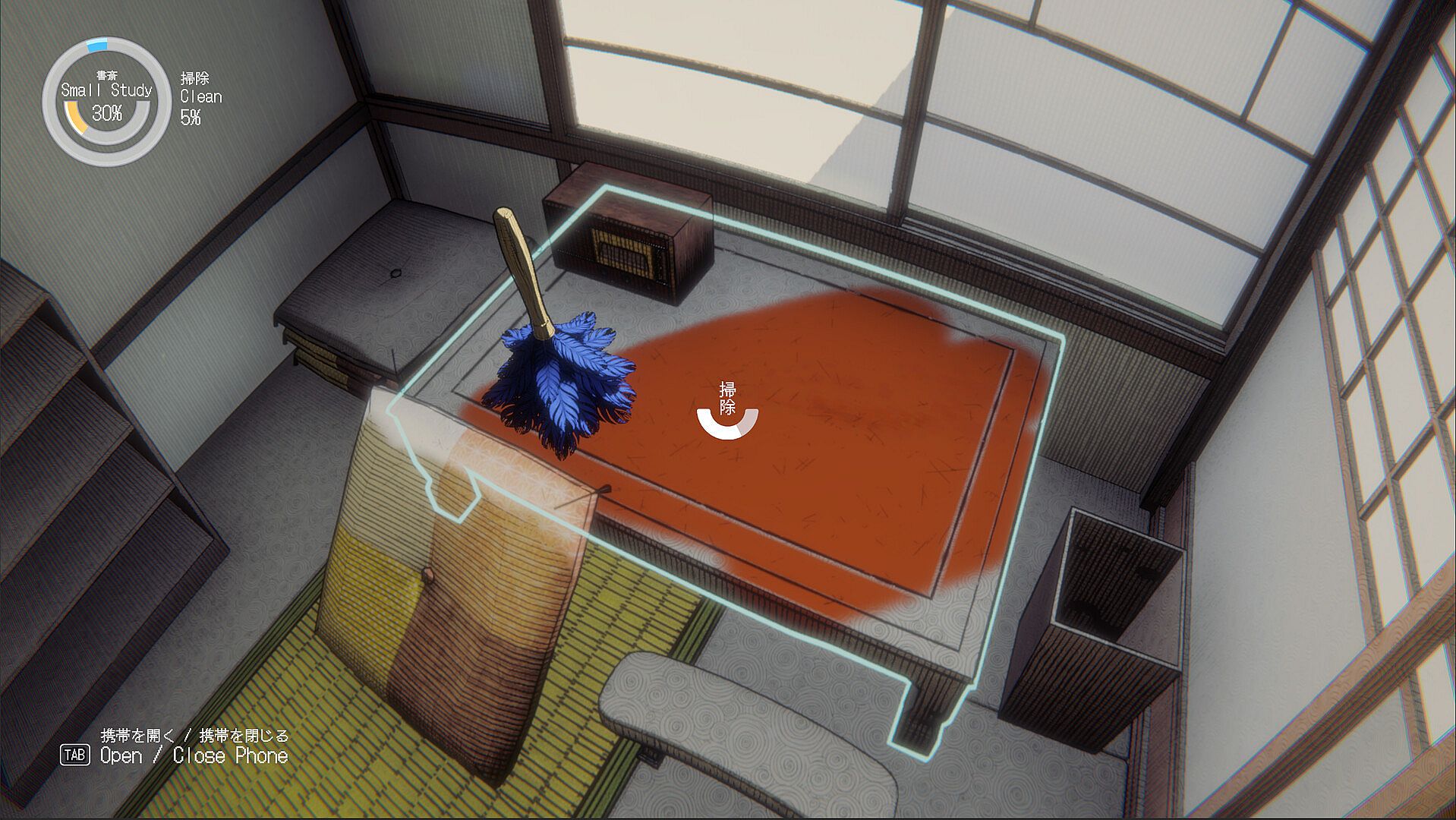
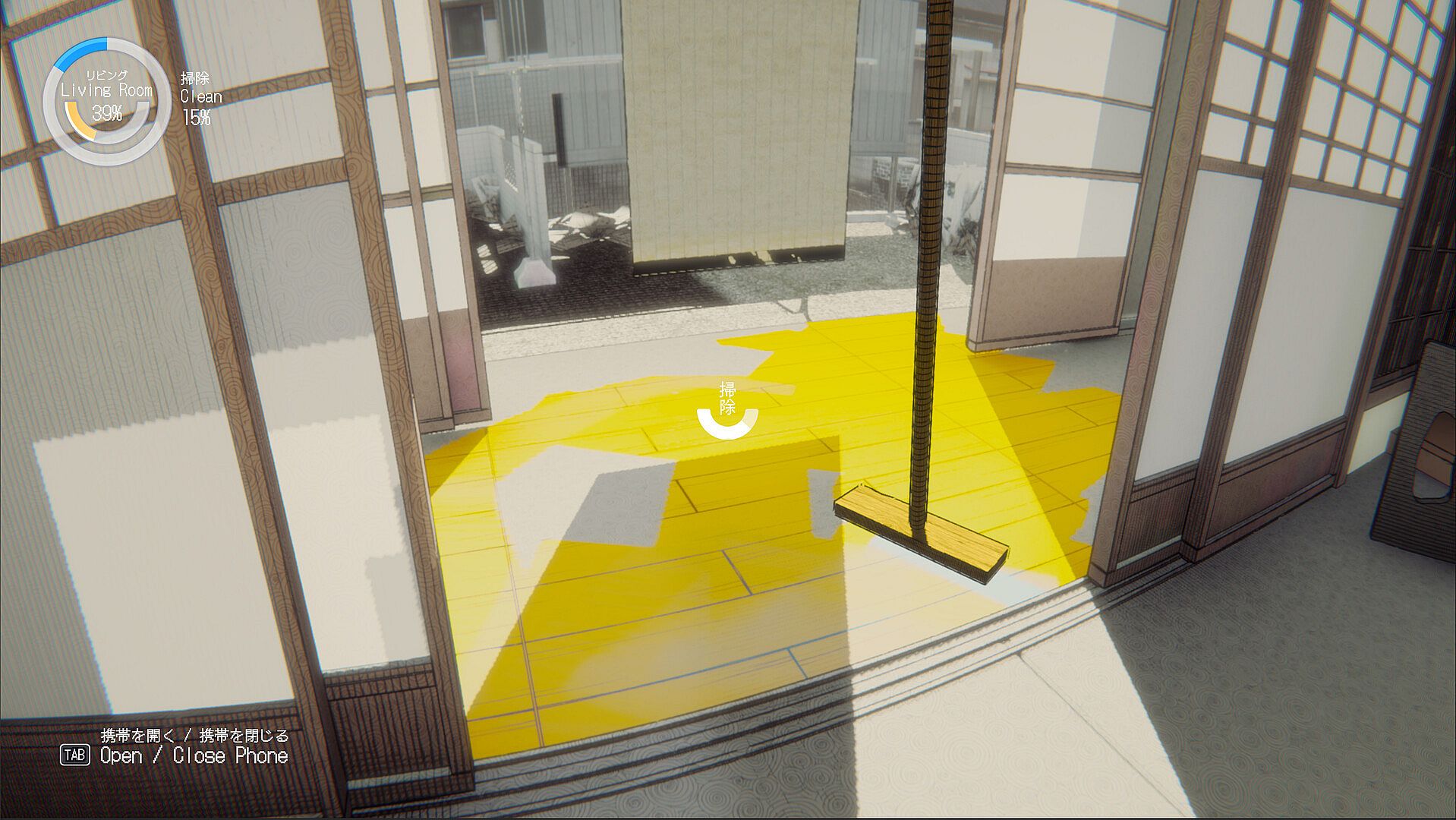
The central loop revolves around accepting jobs and methodically restoring each location. Players use a selection of tools to sweep dust, wipe surfaces, mop floors, and squeegee windows, with each implement suited to specific tasks and surfaces. Progress feels tactile and satisfying as rooms return to order, and the game encourages taking time rather than rushing through objectives.
Earning Yen from completed jobs allows upgrades to the cleaning kit. Better tools open access to additional rooms and entirely new areas within the village, such as the local school or market. Revisit spots to observe how conditions evolve between visits, which ties directly into the narrative thread of a recurring dust problem. Staying later into the evening boosts rewards but introduces greater chances of noticing odd changes or gathering subtle clues about the larger situation unfolding after hours.
Exploration forms a key part of the experience. Players can examine personal belongings and environmental details for hints, though the game does not force confrontation with any threats. The focus remains on careful observation and steady work rather than action or combat.
Game Modes
Dust till Dawn operates entirely as a single-player experience with no separate multiplayer or competitive modes. The structure centers on job-based progression through the village, where players manage their schedule between daytime cleaning and optional extended hours. This setup creates natural variety through different locations and the growing mystery, without requiring any external matchmaking or team elements.
Progression flows from basic cleaning tasks to expanded access across the map. Tool upgrades and location unlocks serve as the main advancement systems, rewarding consistent play while allowing players to set their own pace and decide how deeply to investigate the village's secrets.
Atmosphere and Themes
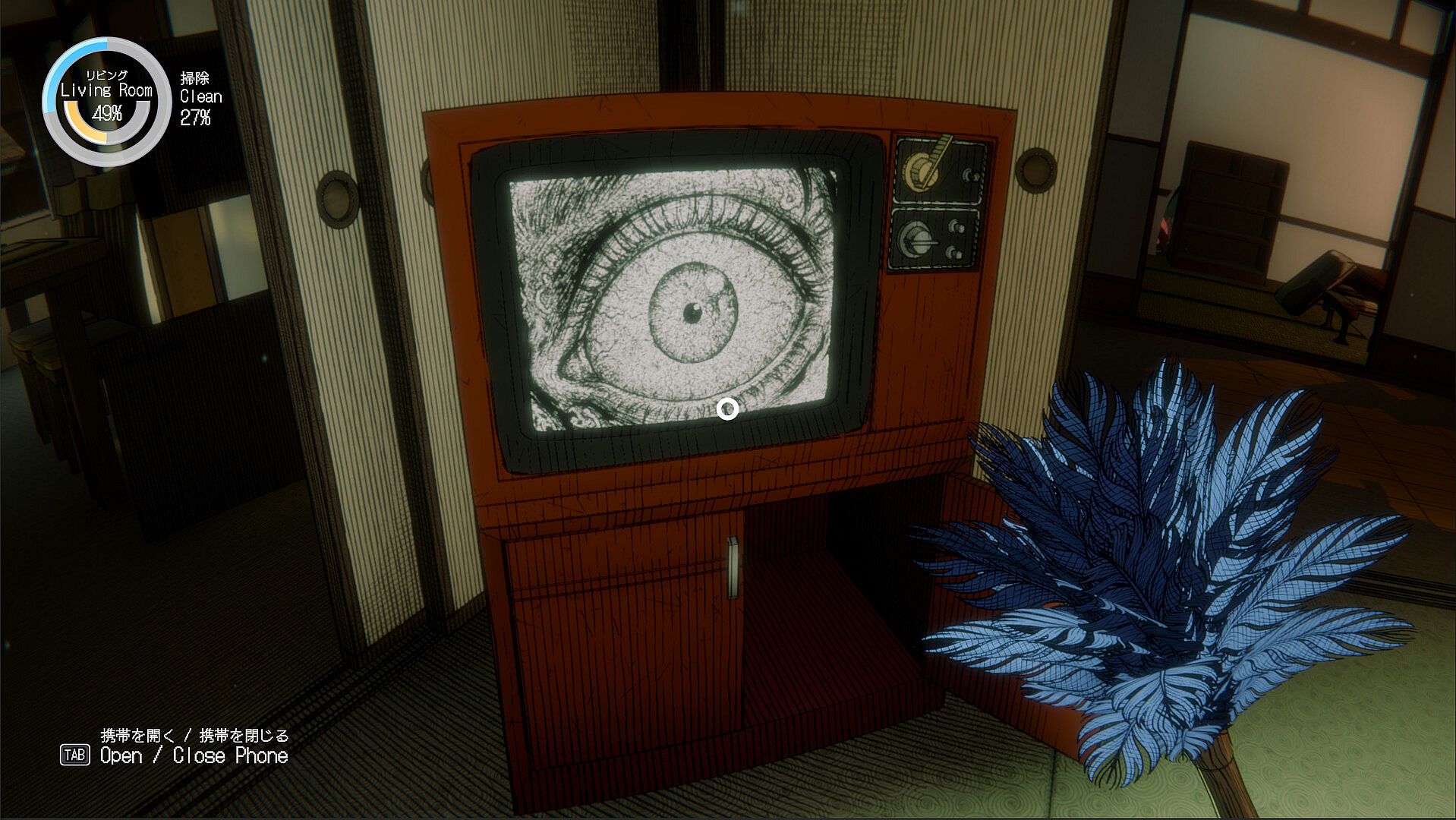
The visual style draws from manga aesthetics, presenting familiar village spaces that gradually shift into something more unsettling. Sound design incorporates atmospheric scoring that heightens tension during later hours, complementing the dual nature of calm restoration work and creeping supernatural elements. The setting avoids overt scares in favor of subtle unease and the question of why the dust returns repeatedly.
Players interested in simulation games with light narrative layers will find the combination of methodical tasks and investigative moments distinctive. The absence of combat or time pressure keeps the focus on personal rhythm and discovery within the village environment.
Is It Worth Playing?
As an upcoming title with a release window still to be confirmed, Dust till Dawn currently offers no completed player data or long-term support details. Its appeal rests on the verified combination of satisfying cleaning simulation and a mystery-driven adventure that rewards careful attention to detail and flexible scheduling. Those who enjoy casual indie experiences centered on restoration work and gradual world exploration may find the premise engaging once it launches.
The game targets players seeking a low-pressure single-player session that mixes practical tasks with atmospheric storytelling. Availability will be limited to PC at launch, and the core systems described in announcements emphasize personal pacing over any competitive or cooperative features.