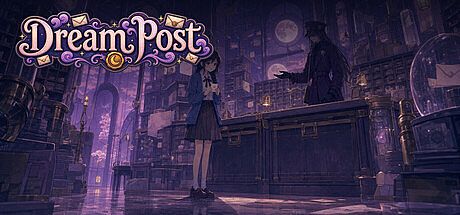



DreamPost is an indie casual single-player narrative game for PC in which players step into the role of Anna at a mysterious post office dedicated to delivering dreams. The experience centers on piecing together fragmented stories, managing daily responsibilities, and uncovering personal mysteries through a retro computer interface and hand-drawn dream sequences.
Gameplay
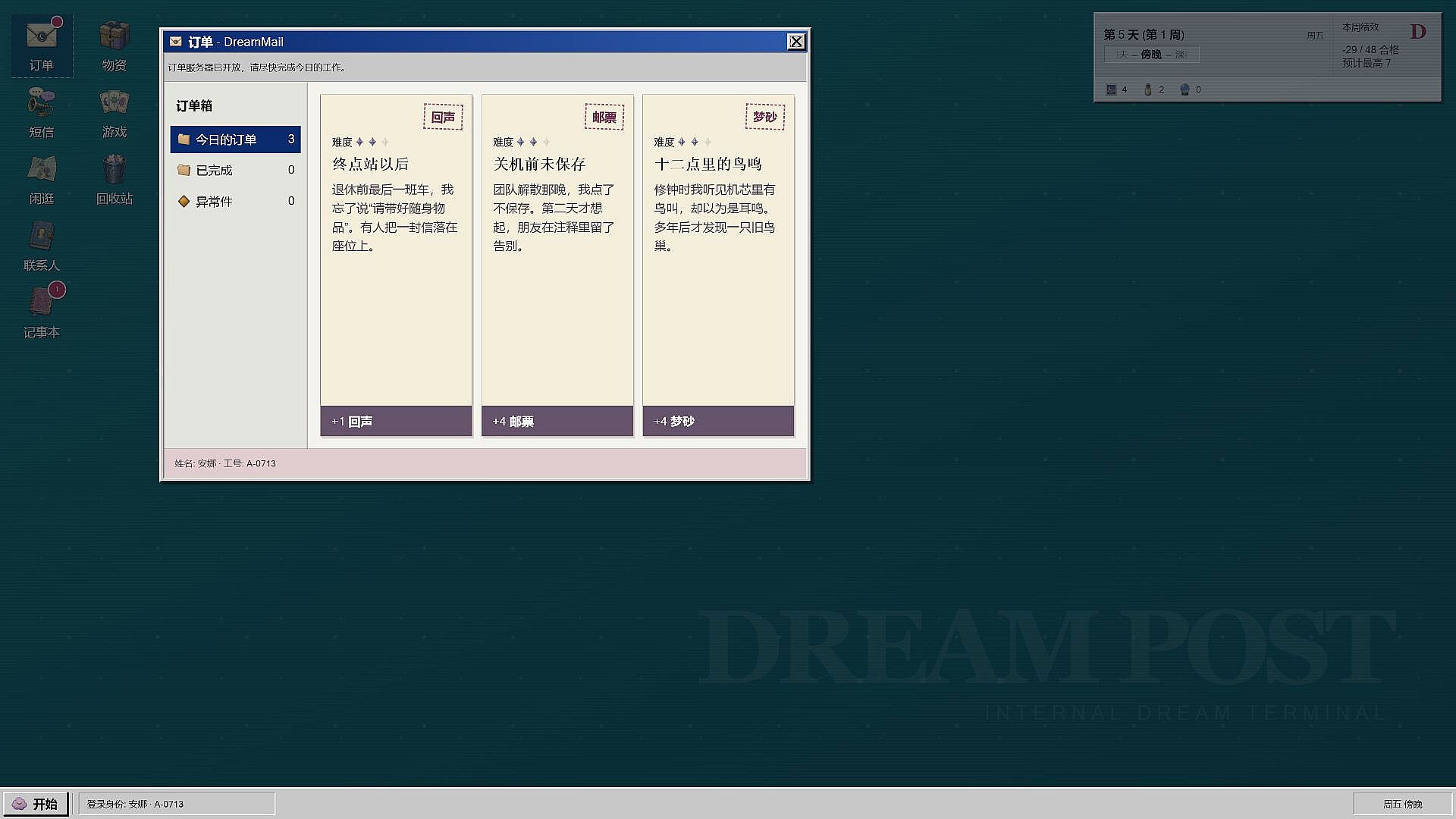
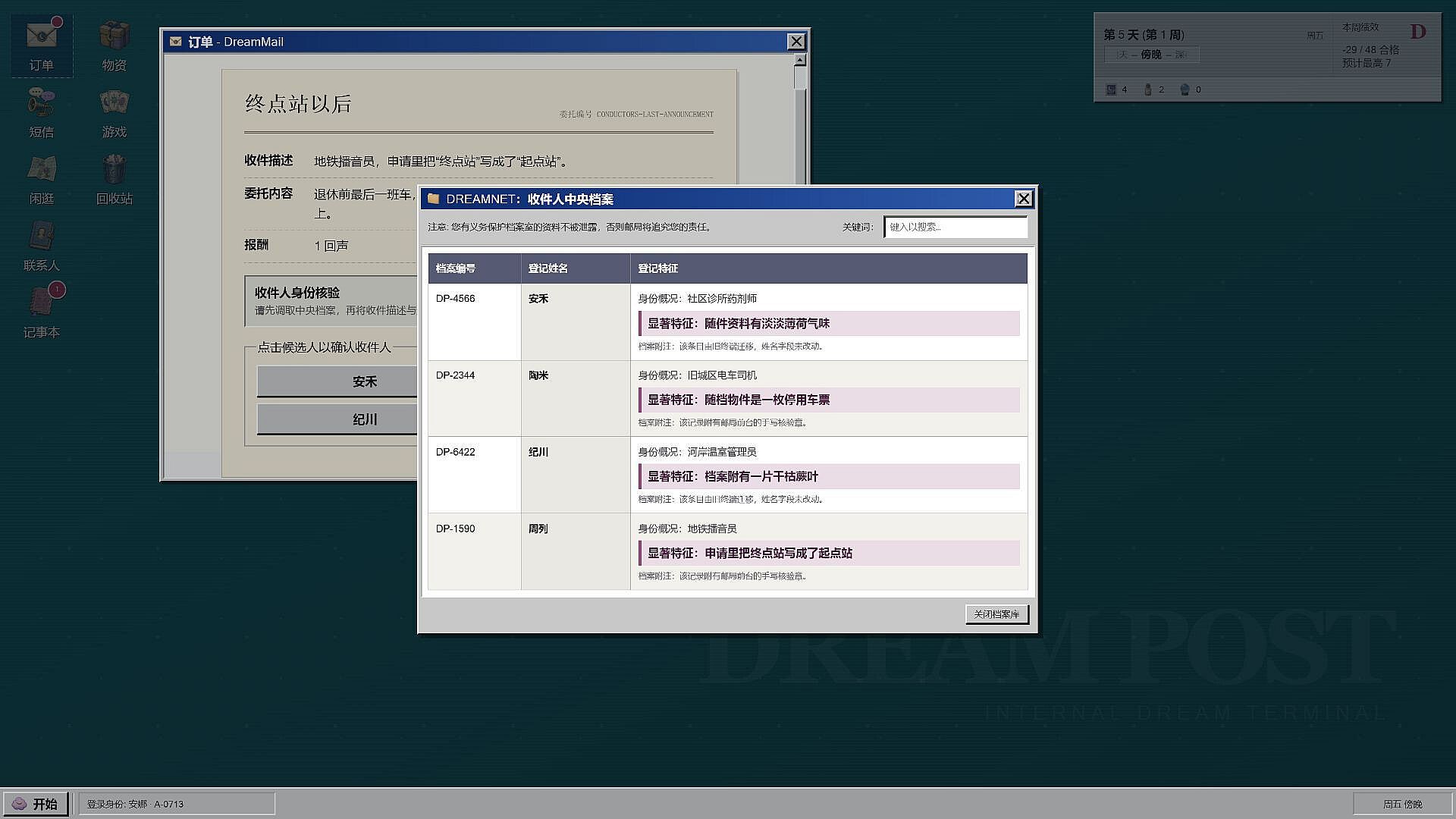
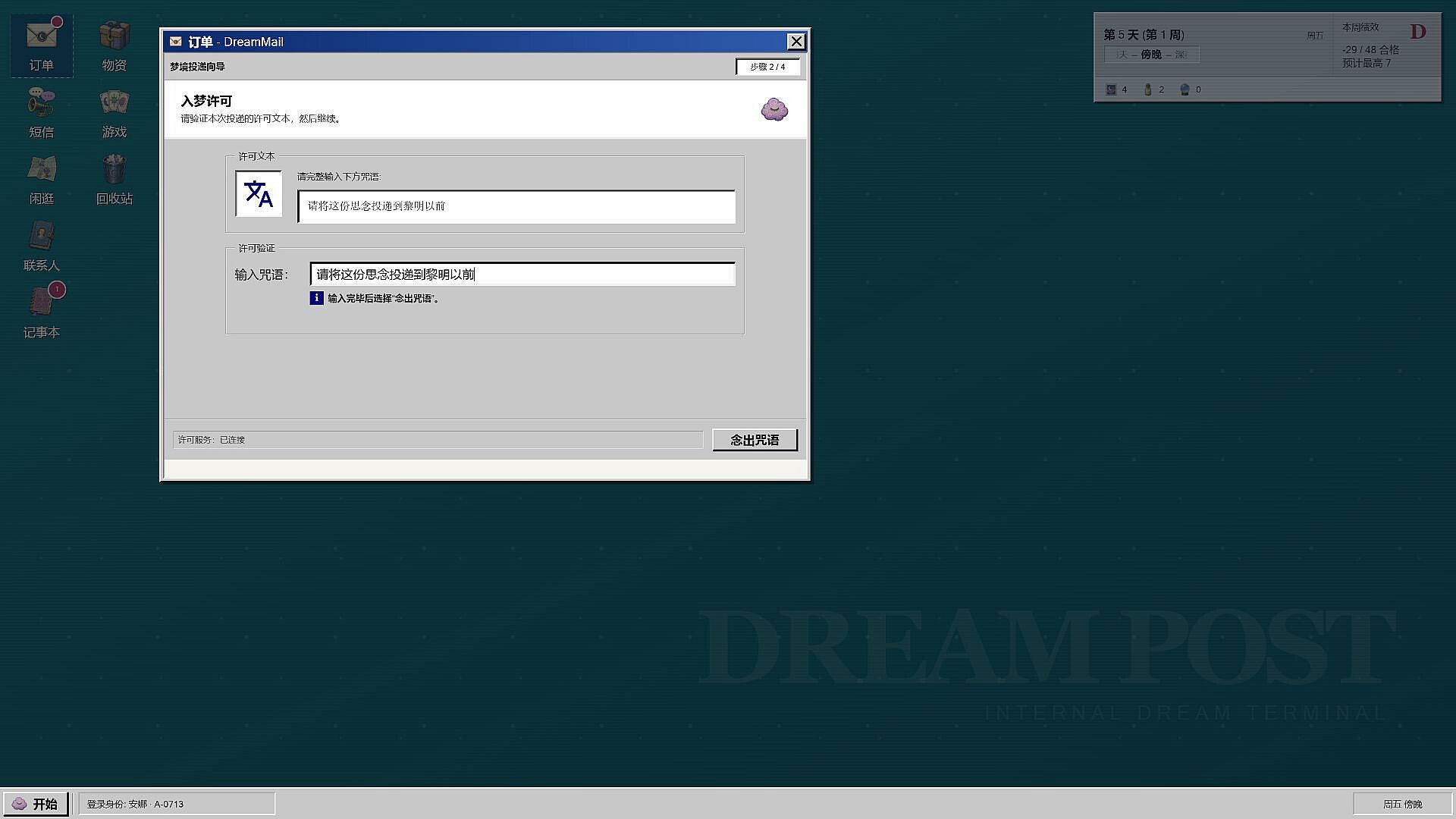
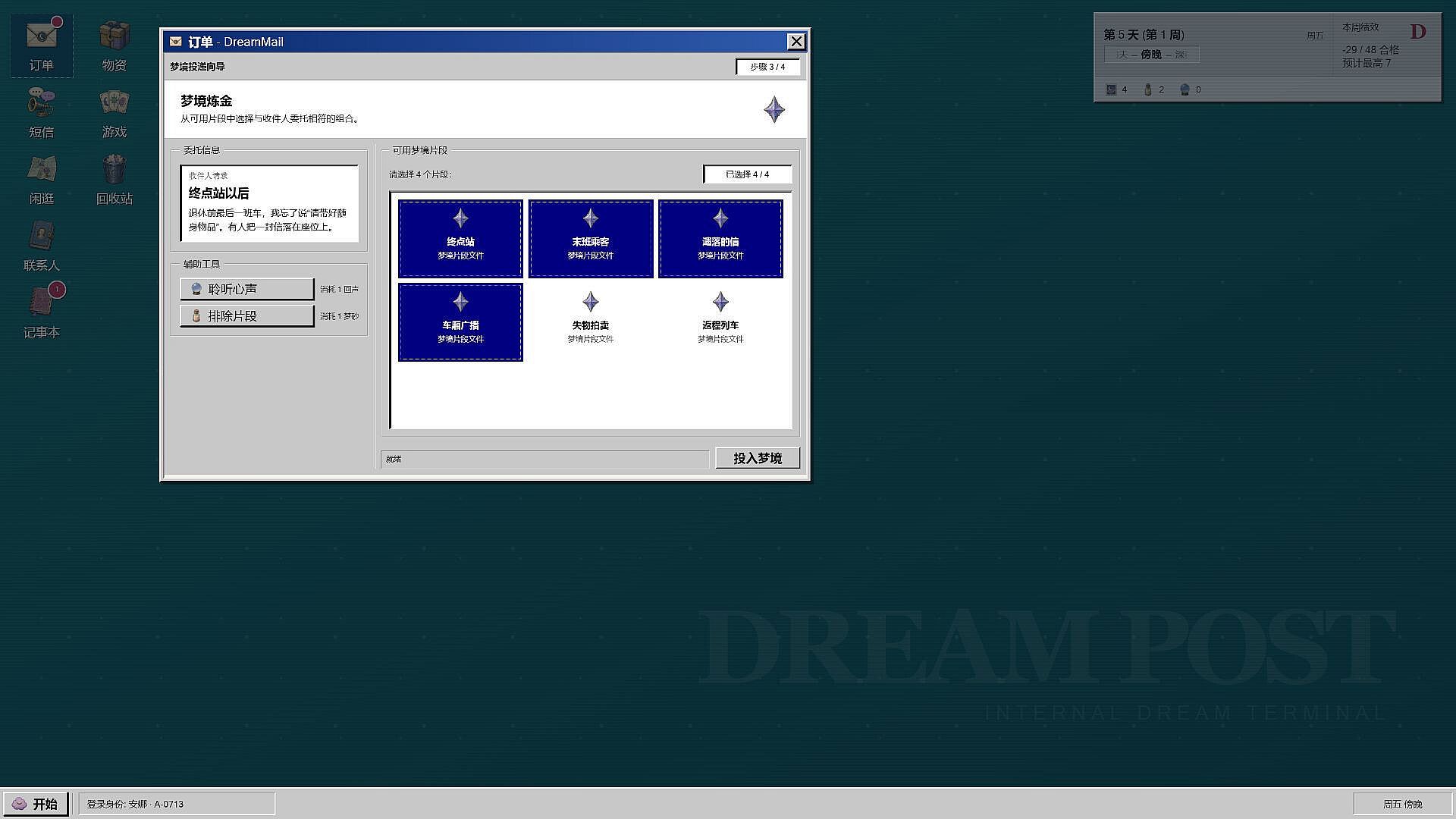
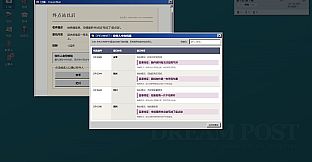
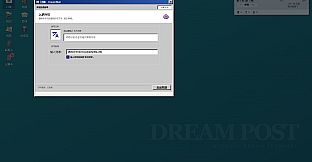
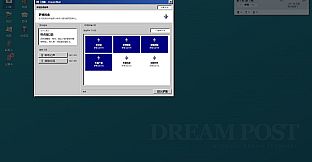
Players begin each day seated at an old-style employee terminal, handling incoming dream orders that arrive with incomplete client details. The core loop involves accessing archives, cross-referencing information to identify the correct recipient, and then entering an incantation to enter that person's consciousness. There, scattered dream fragments must be examined and combined, with choices determining whether the delivered dream aligns with hidden truths or takes an unintended shape.
Daytime hours allow investigation of post office files, conversations with coworkers, and completion of work tasks. Evenings open options for personal invitations or additional orders, while late nights focus on finishing pending work before the performance review. Time pressure forces trade-offs, as pursuing one activity often means neglecting another. Wrong fragment selections do not end the session immediately but influence order ratings and the post office's overall stance toward the player.
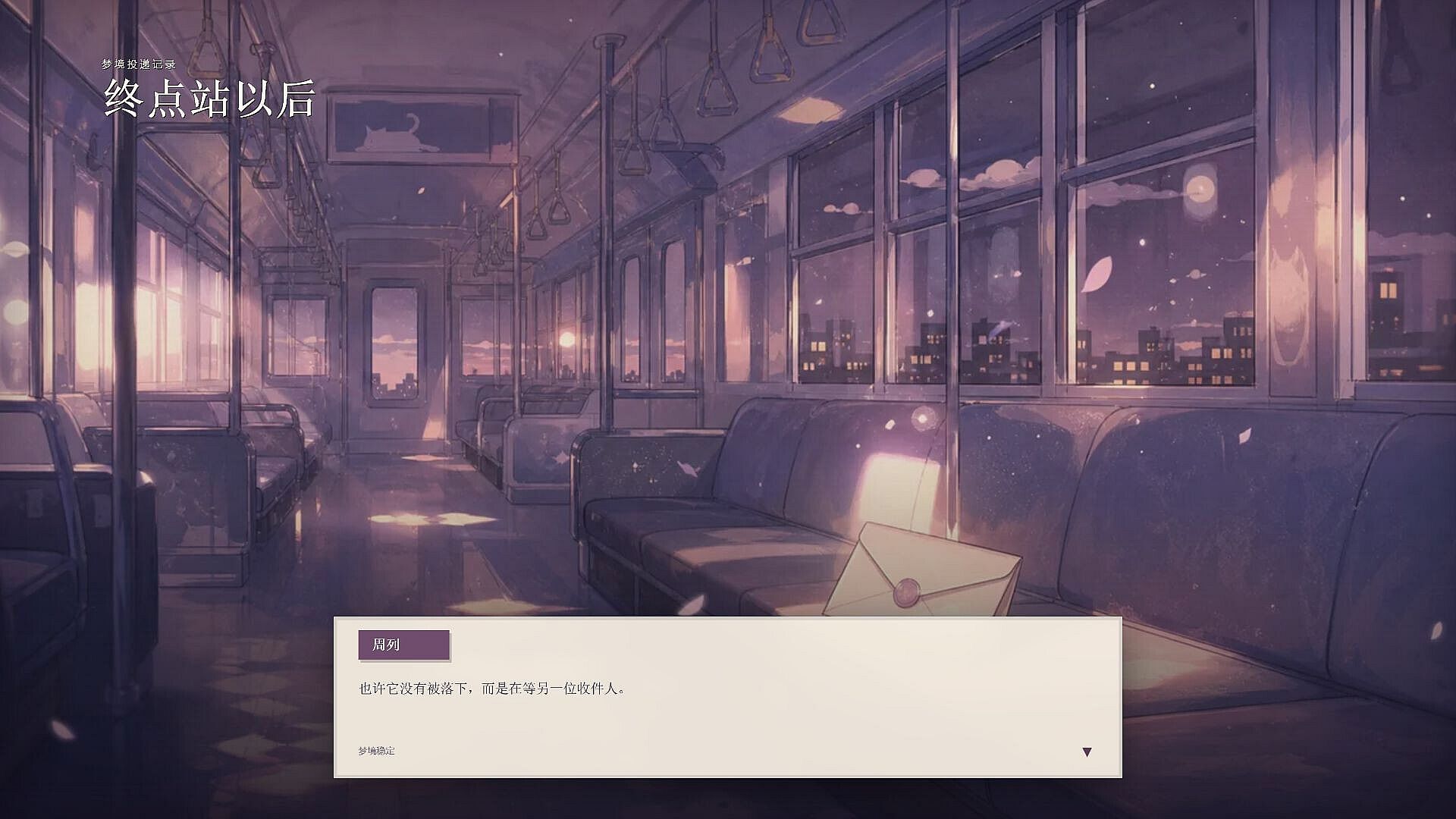
The interface itself forms part of the experience. Windows, notifications, corrupted files, and the recycle bin gradually reveal new records as the story progresses. Each dream order appears through softly colored illustrations that contrast the clinical office environment with surreal imagery drawn from the client's hidden feelings.
Game Modes
The game structures its content around a six-chapter main story that follows Anna's investigation into a letter addressed to herself. This narrative thread runs alongside multiple coworker side stories unlocked through repeated interactions, gifts, and personal invitations. Each of the seven coworkers brings distinct dialogue and background elements tied to different eras, revealed gradually through messages and conversations.
Daily play divides into daytime, evening, and late-night phases, with weekly performance reviews acting as checkpoints. Failing a review resets the week to Monday while preserving the player's memories of events. This time-management layer creates branching paths without traditional competitive modes, emphasizing narrative outcomes over scores or rankings.
Story and Setting
Anna arrives at the Dream Post Office with no memory of her prior life. The workplace enforces strict schedules and evaluates employee output through weekly reviews that can erase progress for underperformers. As orders are completed, the terminal begins surfacing anomalies such as overwritten records and deleted files that point back to Anna's own past. The setting blends mundane office routines with the emotional weight of dreams that attempt to address regrets, apologies, and overlooked moments from clients' lives.
Coworkers from varied backgrounds provide additional layers through their own unclaimed stories. Building relationships with them opens private side narratives that intersect with the central mystery, revealing how promises made in despair can bind people to the post office in unexpected ways.
Is It Worth Playing?
DreamPost suits players who enjoy short, focused narrative experiences built around choice and consequence. The roughly thirty-minute main story, combined with side content involving seven coworkers, offers a compact package centered on investigation and emotional delivery mechanics rather than action or resource management. Those drawn to retro interface puzzles, time-allocation decisions, and stories about memory and regret will find the structure rewarding, especially when exploring how different fragment combinations alter dream outcomes and workplace standing. The game remains available as a complete single-player title without ongoing seasonal content or multiplayer elements.