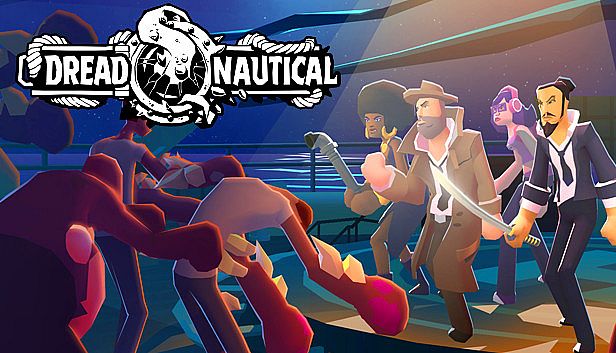














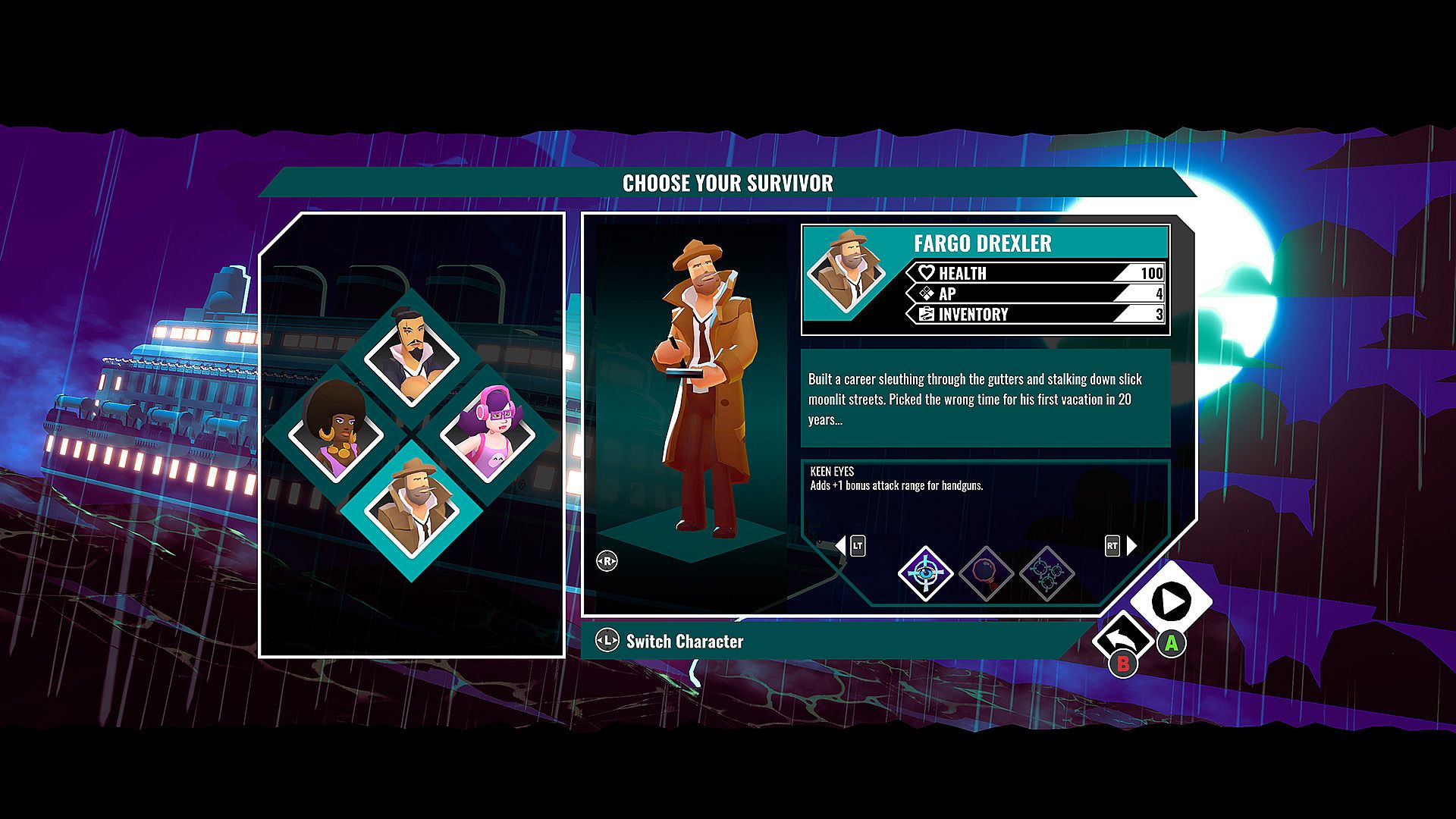
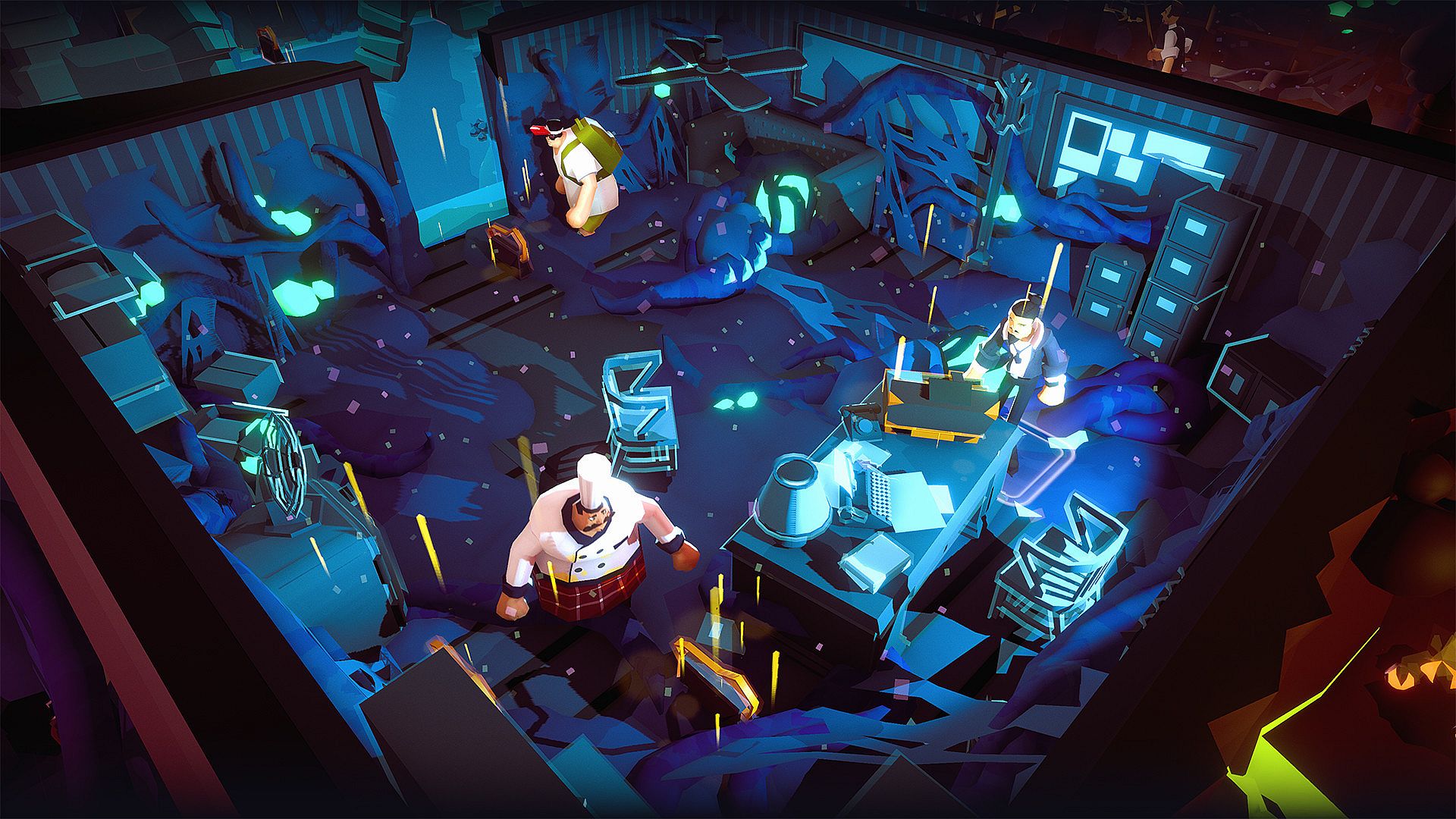
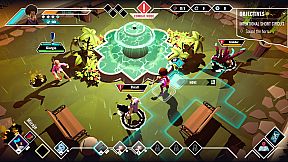
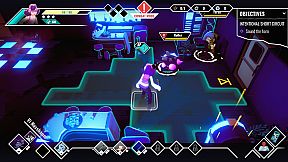
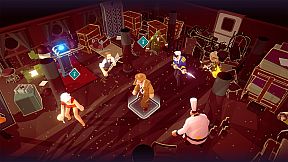
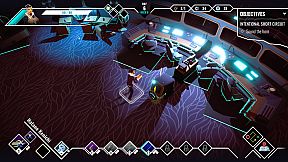
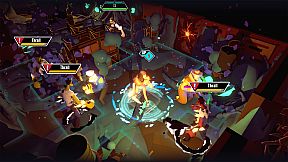
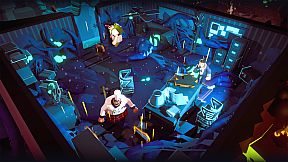
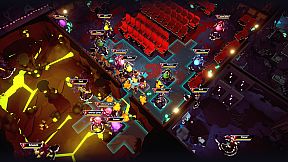
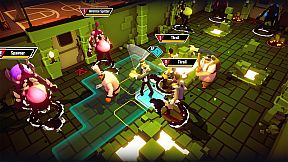
Dread Nautical is an indie tactical turn-based RPG with roguelike elements set aboard the cruise liner Hope. Players control one of four unlikely heroes as they battle supernatural monstrosities that have overrun the vessel from another dimension. The experience blends resource management, survivor recruitment, and grid-based combat across procedurally generated decks.
Gameplay
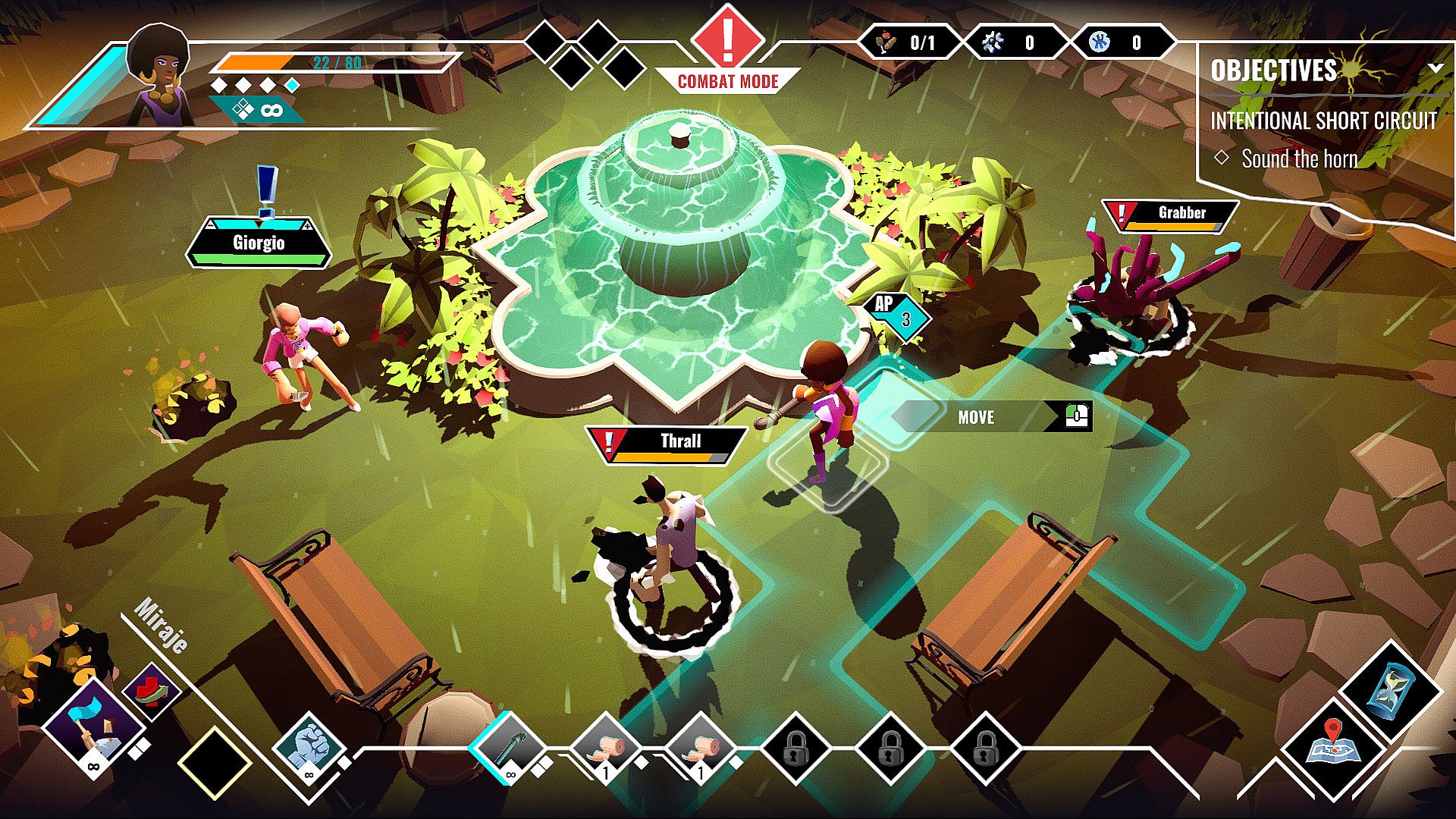
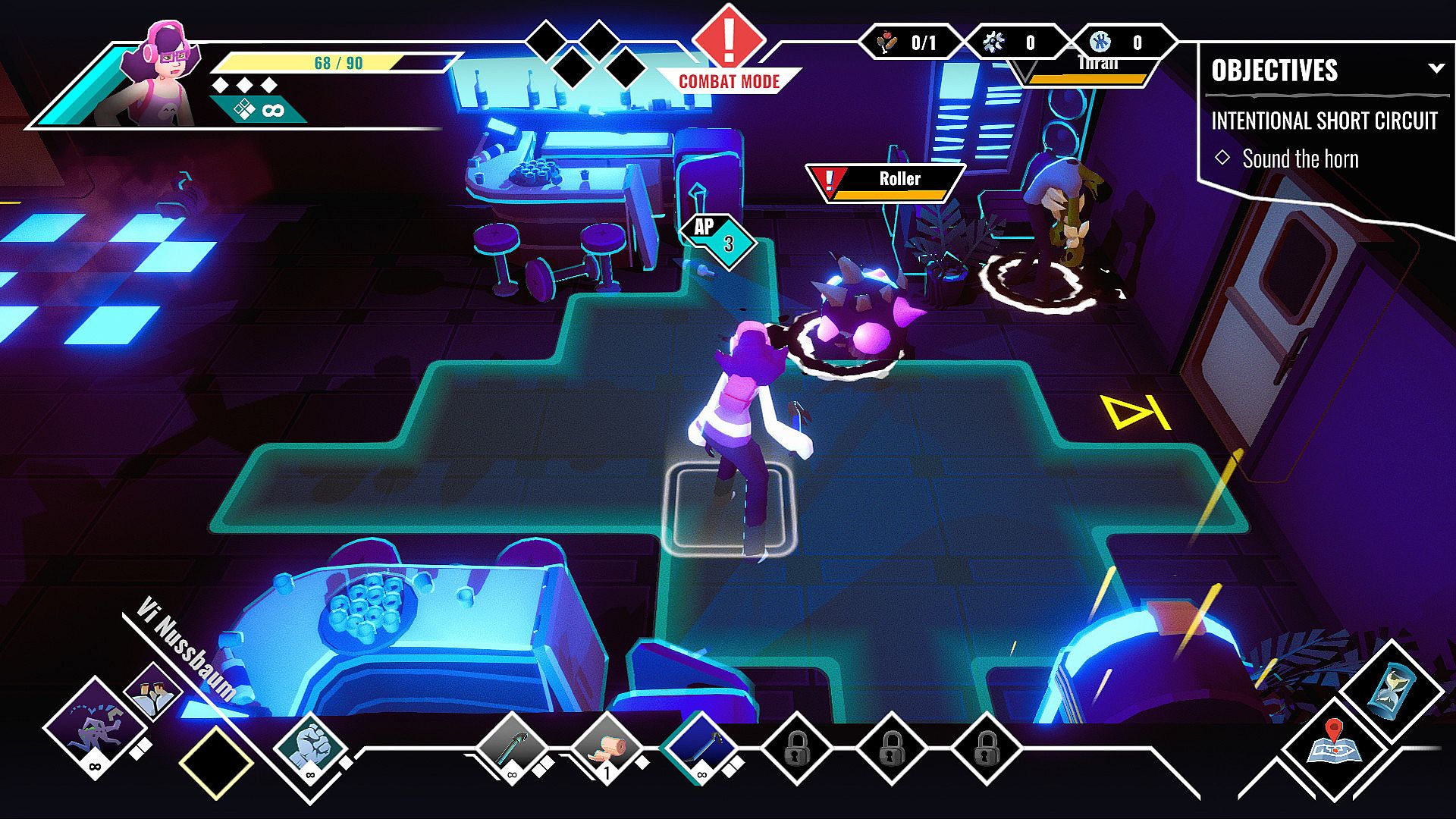
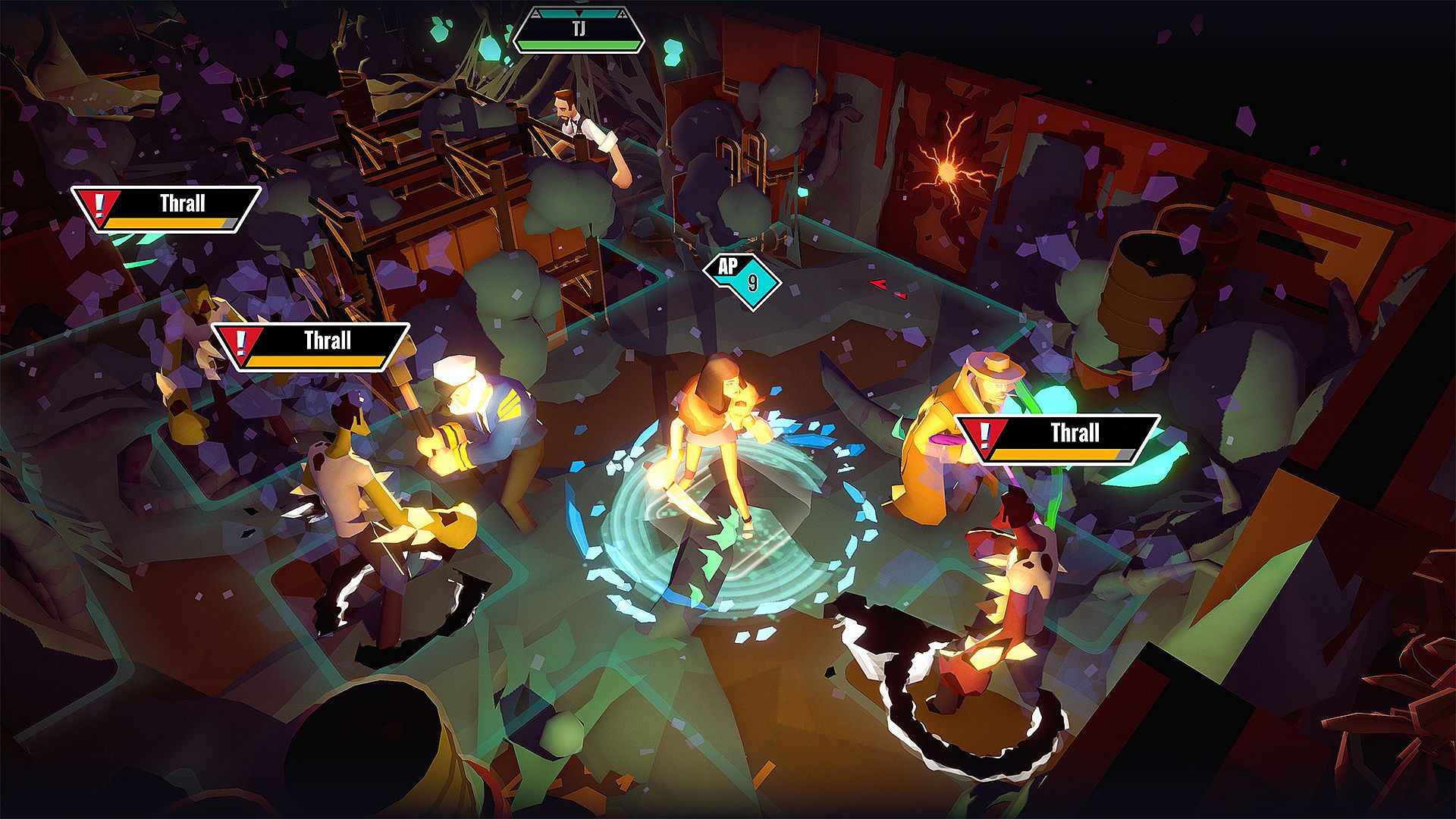
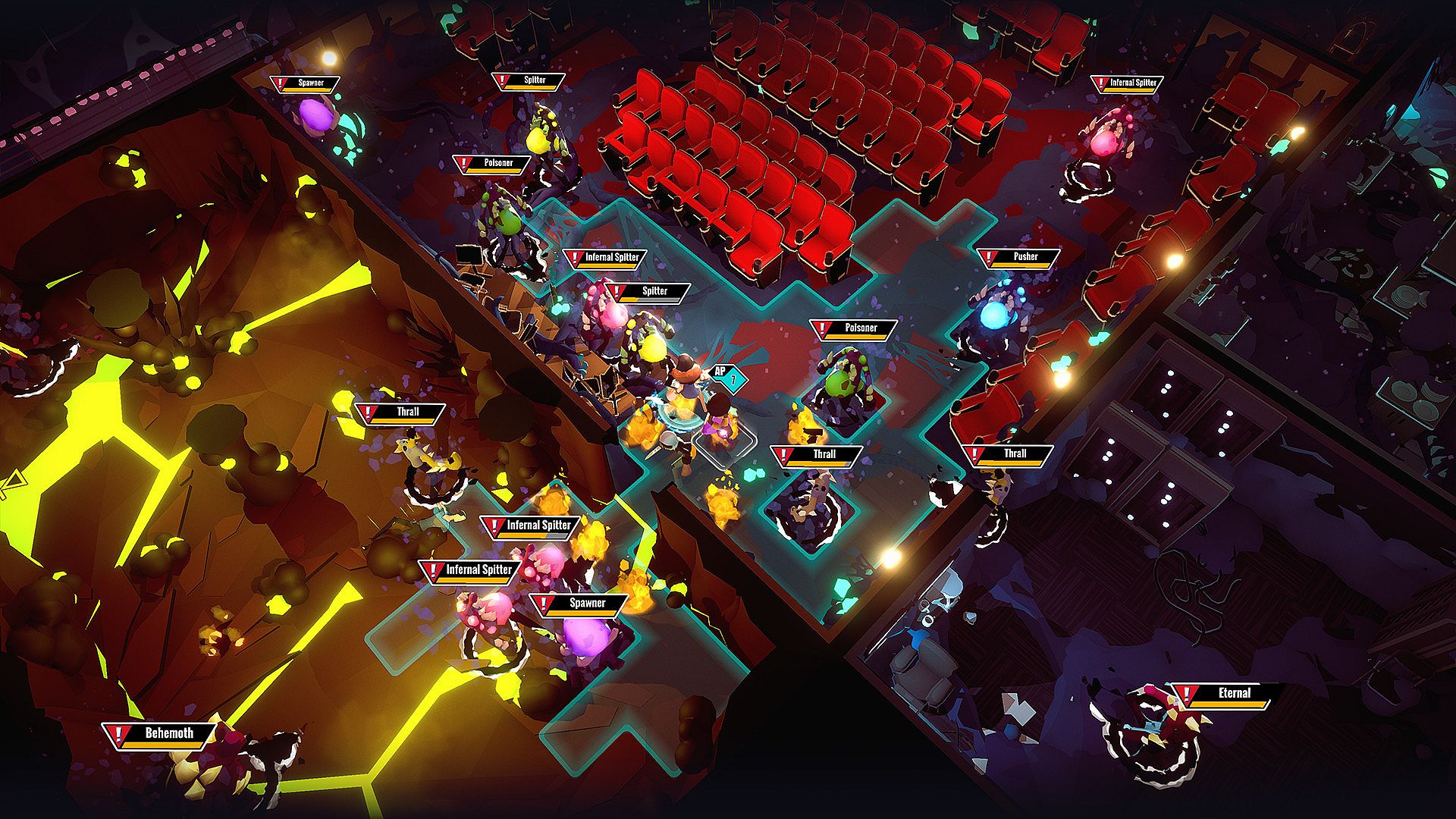
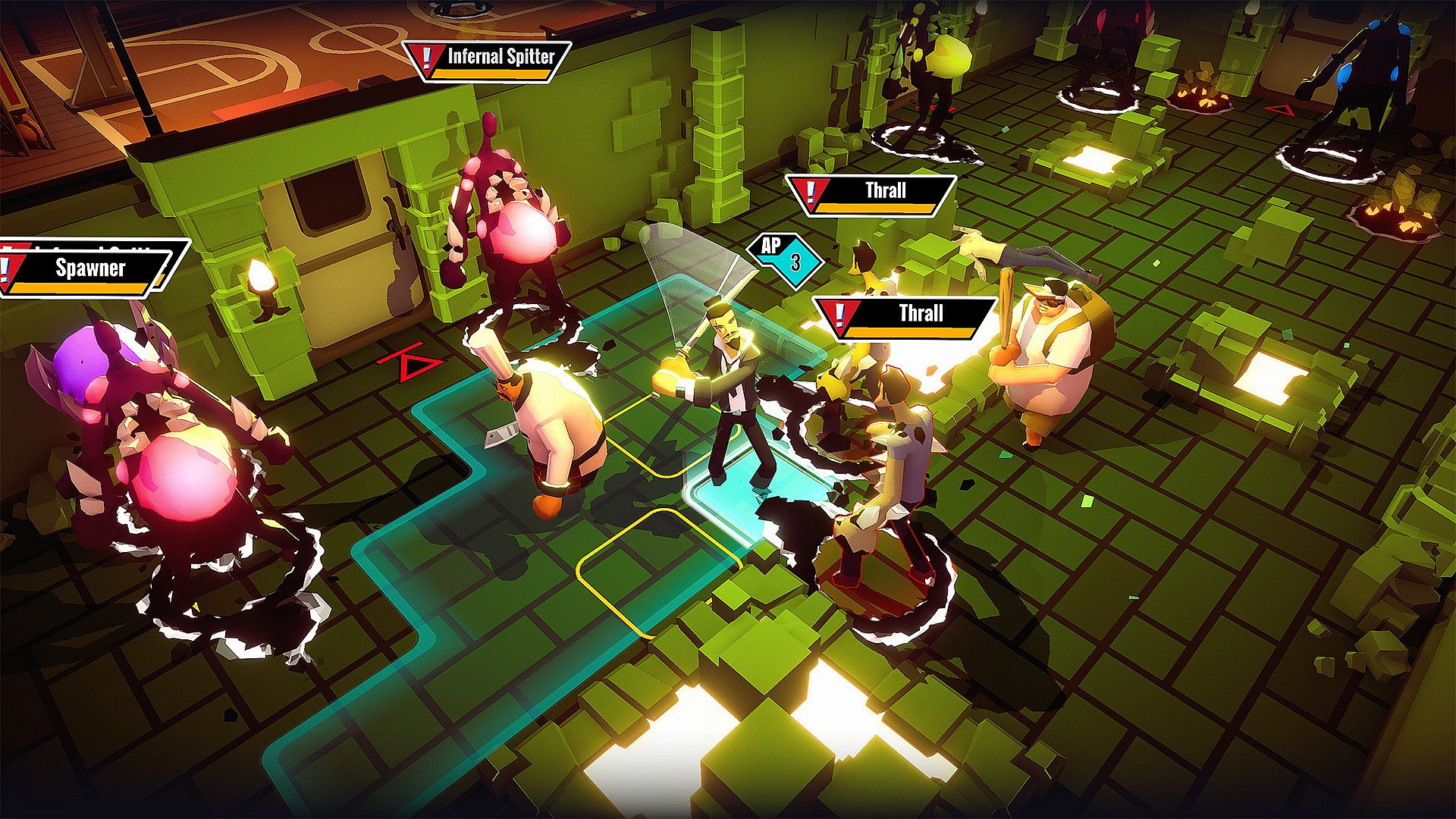
The core loop centers on exploration and survival within the confined space of the ship. Each run begins with a chosen hero awakening amid the chaos. Movement occurs on a grid, and entering an enemy's line of sight triggers turn-based combat. In battle, every character receives a limited pool of action points that must cover movement, attacks, and abilities. Planning several steps ahead becomes essential because enemies act after the player's full turn.
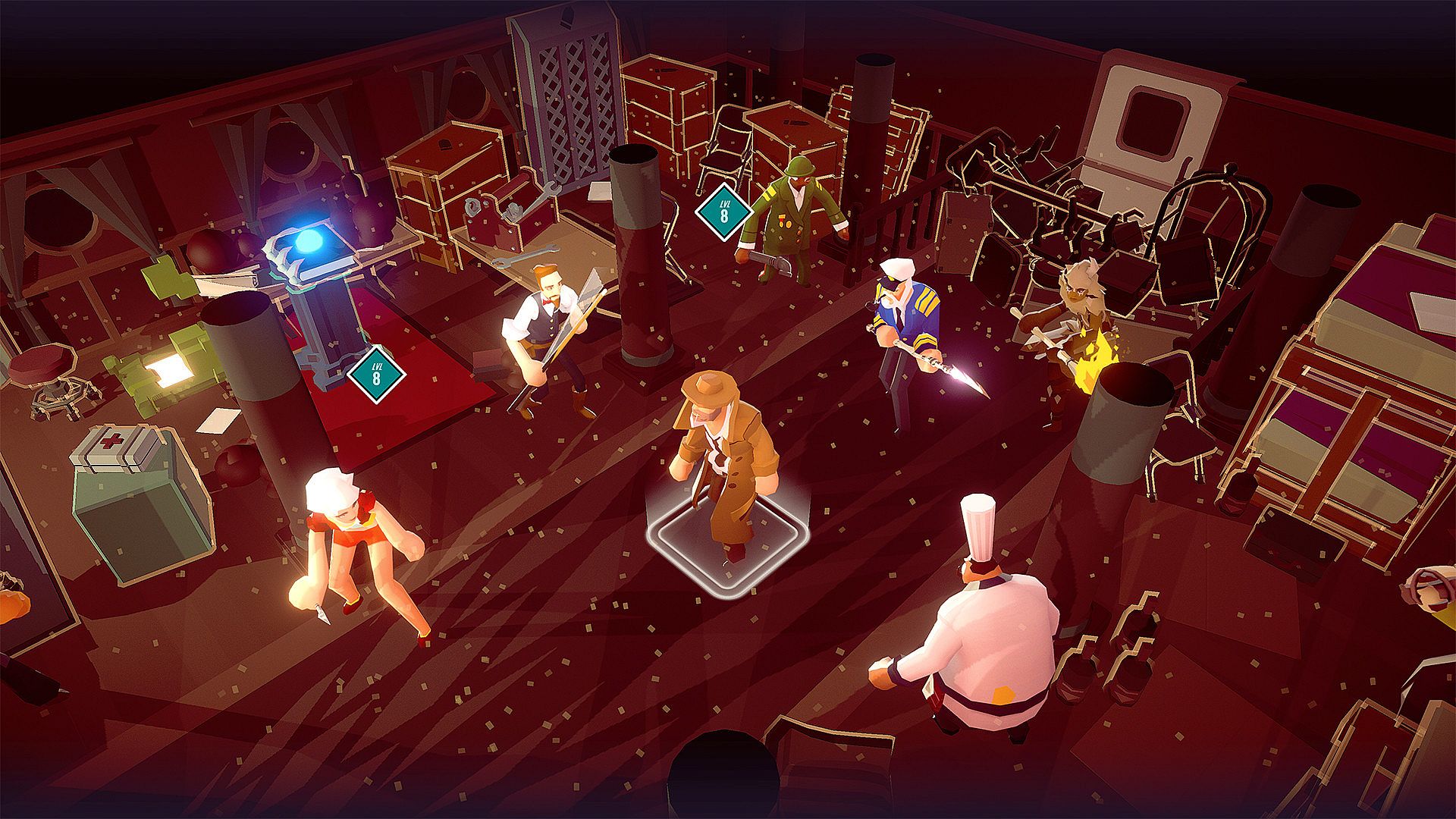
Resources add constant pressure. Weapons, bandages, and other consumables degrade with use, forcing careful allocation. Food must be scavenged to keep companions fed; hunger reduces action points and raises the risk of panic. Survivors scattered throughout the decks can be convinced to join the group, expanding options in combat and providing additional skills. A safe haven serves as a central hub where players rest, repair gear, and prepare for the next outing.
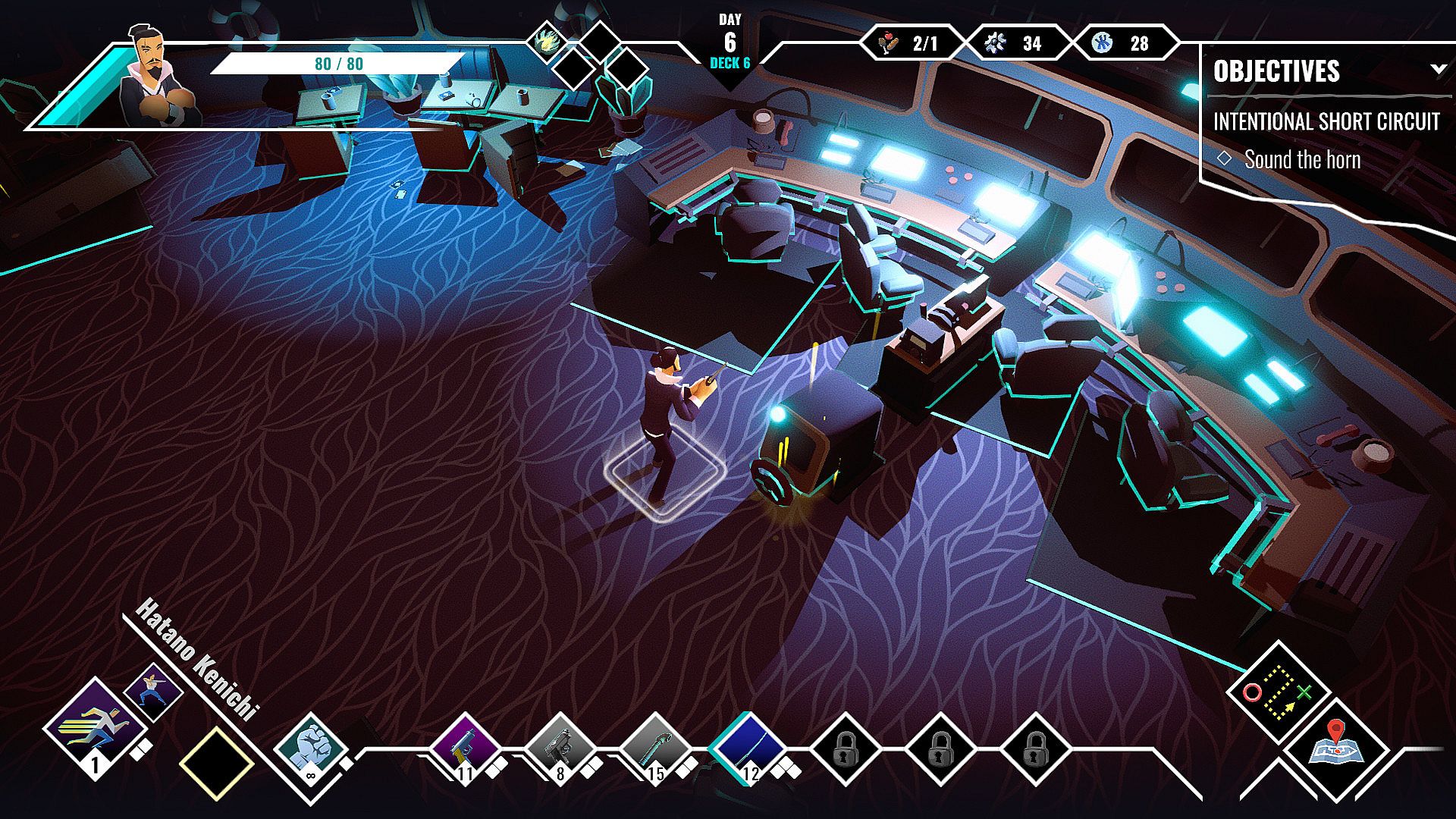
Progression involves clearing objectives across the ship's decks while managing limited supplies. Death is frequent, and roguelike mechanics reset much of the run while preserving some hub upgrades. The four heroes each bring distinct backgrounds and starting capabilities that influence early strategies.
Game Modes
Dread Nautical offers a single-player experience built around repeated runs through the ship. Players select a hero and attempt to advance deck by deck, gathering resources and survivors before confronting stronger threats. Procedural generation ensures each attempt presents new layouts and enemy placements. Difficulty settings allow adjustment of challenge level for those new to tactical RPGs or seeking greater tension.
The structure emphasizes short to medium sessions focused on daily survival goals rather than long continuous campaigns. No separate multiplayer or competitive modes exist. All content revolves around the central narrative of escaping the overrun liner through incremental progress and careful planning.
Key Mechanics and Systems
Action point management forms the tactical foundation. Each party member's points can be spent on movement, strikes, or special abilities, and abilities or conditions can modify the total available. Grid positioning matters because line of sight and proximity determine when combat begins and how enemies respond.
Item durability and scarcity create meaningful choices. Players must decide whether to use a powerful weapon now or save it for a later encounter. Resting companions at the hub prevents panic from spreading, which can disrupt plans if left unchecked. Recruiting survivors adds depth because each new member brings unique strengths that complement the starting hero.
The twenty-deck structure provides a clear sense of vertical progression. Early decks focus on basic scavenging and light combat, while deeper levels introduce tougher monstrosities and more complex objectives. The roguelike reset encourages experimentation with different hero and survivor combinations on subsequent attempts.
Is It Worth Playing?
Player reception on Steam sits at mixed levels, with roughly 61 percent positive reviews from a modest number of users. Many appreciate the blend of tactical combat, survival tension, and eerie atmosphere delivered through cartoonish yet unsettling visuals. The resource and companion systems reward thoughtful play and create memorable moments when a well-planned run succeeds.
The game suits fans of turn-based strategy titles who enjoy managing limited resources and adapting to procedural challenges. Those who prefer longer, less repetitive campaigns or dislike frequent restarts may find the loop less engaging after several hours. No ongoing seasons or major updates have altered the core experience since its 2020 release, so the title remains a self-contained package.
Overall, Dread Nautical delivers a focused indie RPG experience for players drawn to its specific mix of horror-tinged tactics and survival management. Prospective buyers should consider their tolerance for roguelike repetition and appetite for deliberate, grid-based combat before purchasing.