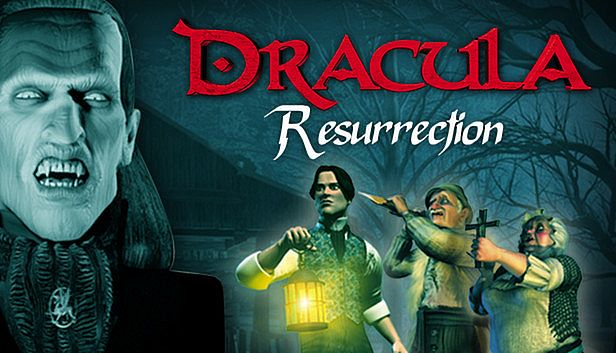


















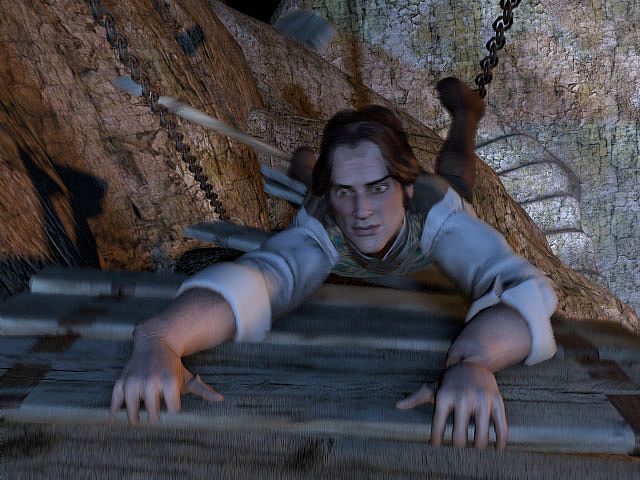
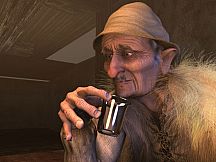
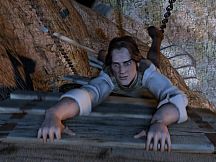
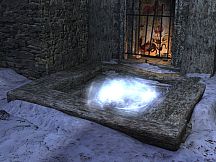
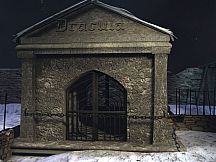

Dracula: The Resurrection is a point-and-click adventure game set in a horror-themed world drawn from Bram Stoker's novel. Players take on the role of Jonathan Harker in 1904, seven years after the events of the book, as he travels to Transylvania to find his wife Mina who has returned to the Count's castle. The experience unfolds through first-person panoramic views that allow 360-degree examination of each location while advancing via clicks on interactive elements.
Gameplay
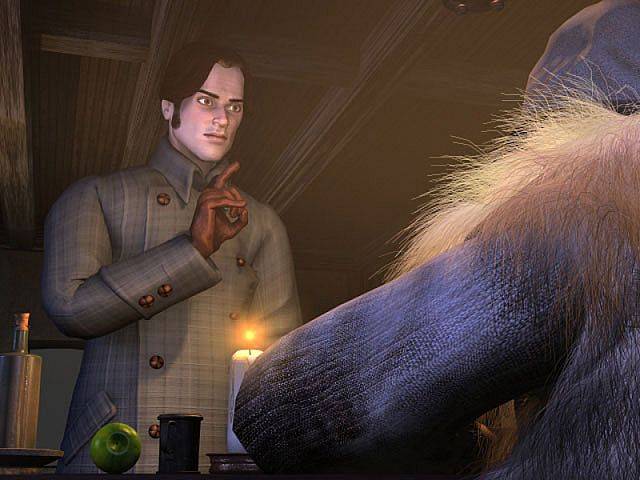
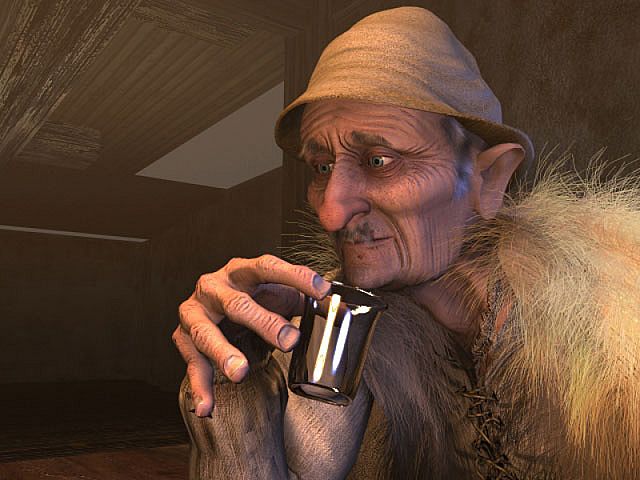
The core loop centers on exploration and puzzle-solving within a series of connected static screens. Movement occurs by selecting hotspots that shift the view to new panoramic nodes, creating the sense of navigating forests, inns, mines, and castle interiors without free roaming. An inventory holds collected items that players select and apply to the environment or characters to progress. The Dragon Ring serves as a recurring tool for interactions across multiple scenes. Puzzles focus on locating and using objects rather than complex combinations or codes, with many challenges tied directly to advancing through linear sequences of areas. Animated cutscenes interrupt gameplay at key moments to advance the narrative through video sequences featuring expressive character models.
Sound design plays a central role, with a menacing soundtrack and ambient effects building tension during navigation. No action sequences appear, keeping the focus on deliberate examination of surroundings and careful item application. The game restricts backtracking once major sections conclude, directing players forward through the Borgo Pass Inn, an abandoned mine system, and the castle itself.
Game Modes
Dracula: The Resurrection offers only a single-player campaign with no multiplayer options or additional modes. Progression follows a strictly linear path divided into distinct phases that players complete in sequence without branching choices or alternate routes. The structure emphasizes story delivery through exploration and puzzle resolution rather than competitive or cooperative elements. Save slots allow players to manage progress across the short overall length, which typically spans a few hours of focused play.
Atmosphere and Presentation
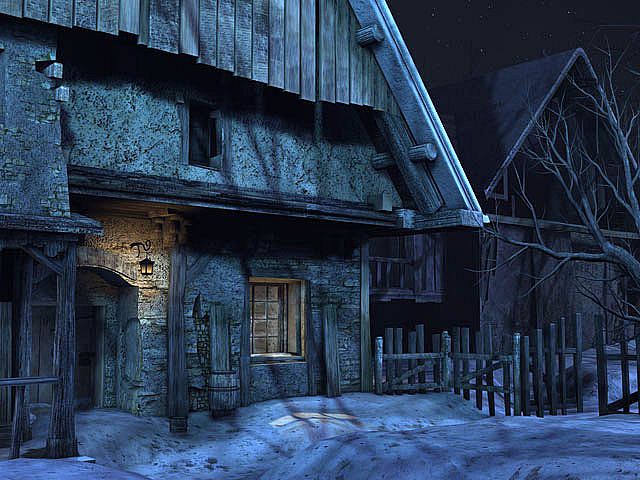
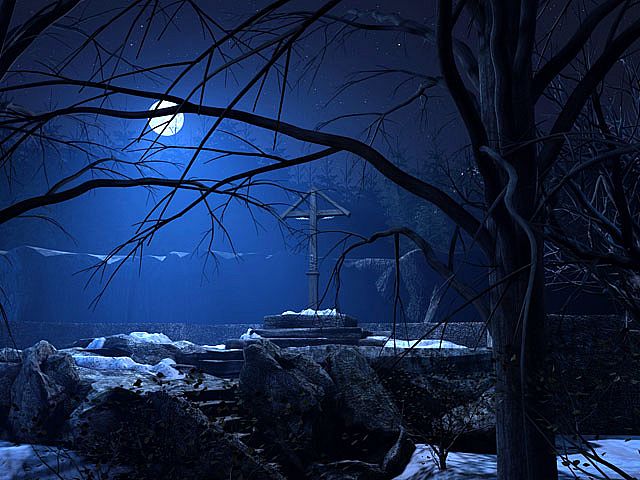
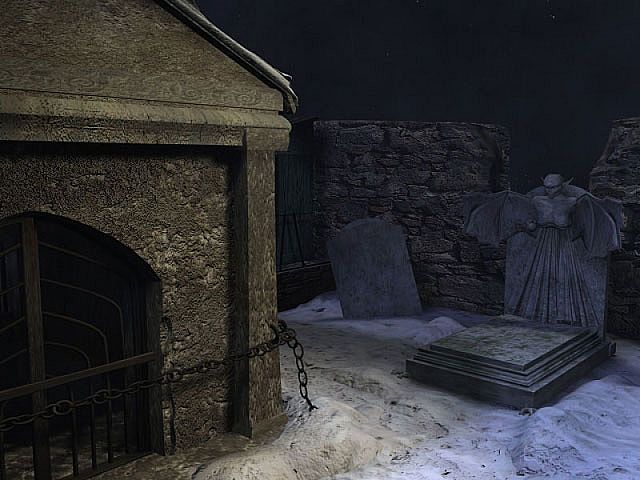
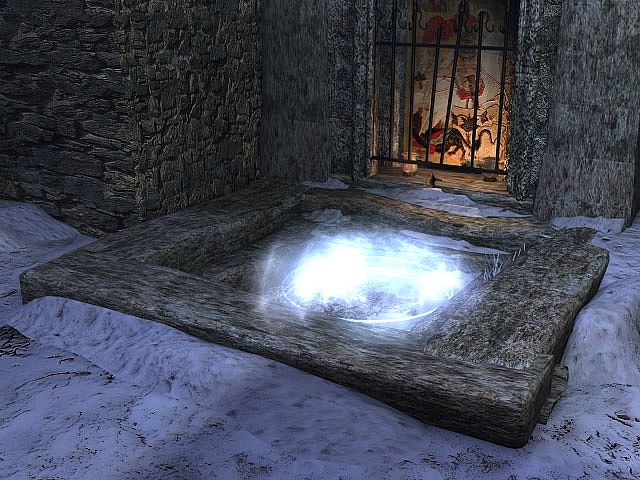
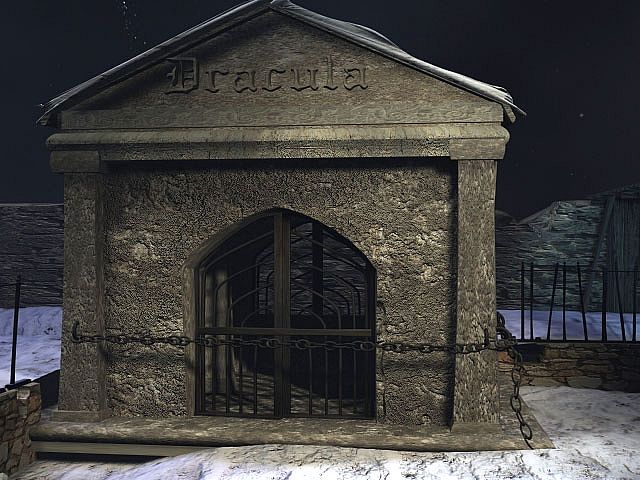
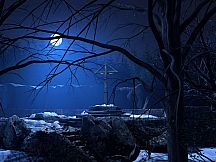
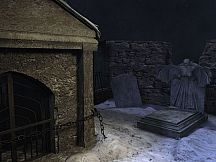
Pre-rendered panoramic backgrounds establish a foreboding mood across snowy nighttime forests, an isolated Romanian inn, underground mines, graveyards marked with nailed bird images, and the imposing castle. Hooded figures and other eerie encounters add to the sense of dread during navigation. Voice acting and video sequences provide character interactions, though the narrative remains straightforward with limited depth beyond the central premise of rescuing Mina. The visual style prioritizes atmospheric detail over dynamic animation outside of the cutscenes.
Is It Worth Playing?
Player reception on current digital platforms shows mixed results, with roughly half of reviews rating the experience positively. Those who enjoy classic point-and-click adventures often highlight the effective use of panoramic views and sound to create tension, along with the faithful Transylvanian setting. Others note the brevity, simple puzzles, and dated elements as drawbacks for modern players seeking more complex mechanics. The game suits fans of short, atmospheric single-player adventures who appreciate linear storytelling and item-based challenges without modern quality-of-life features. Availability remains straightforward through digital storefronts, making it accessible for those interested in revisiting or discovering this 1999 title. No ongoing updates or seasonal content exist, as the release stands as a complete, self-contained experience from its original development.