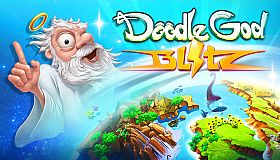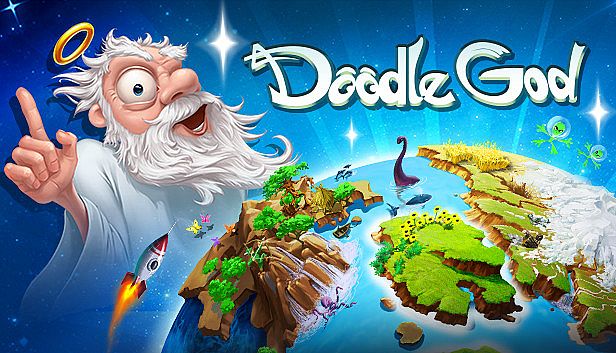













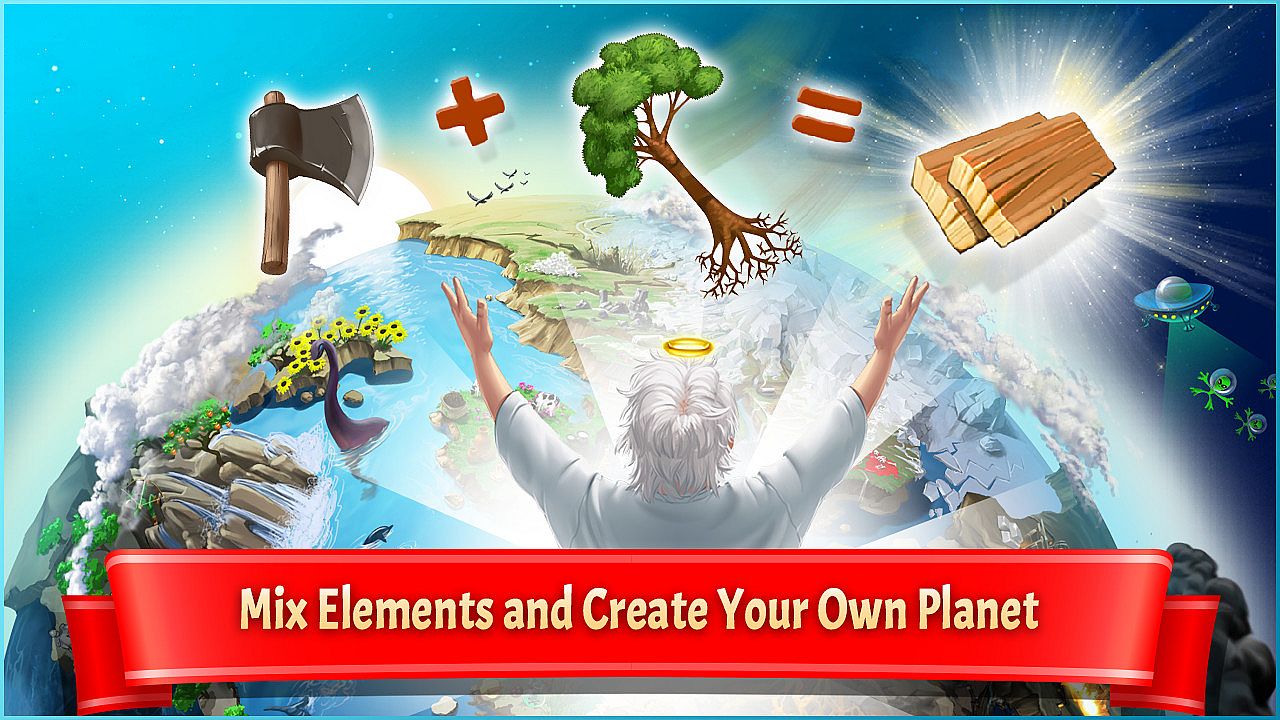
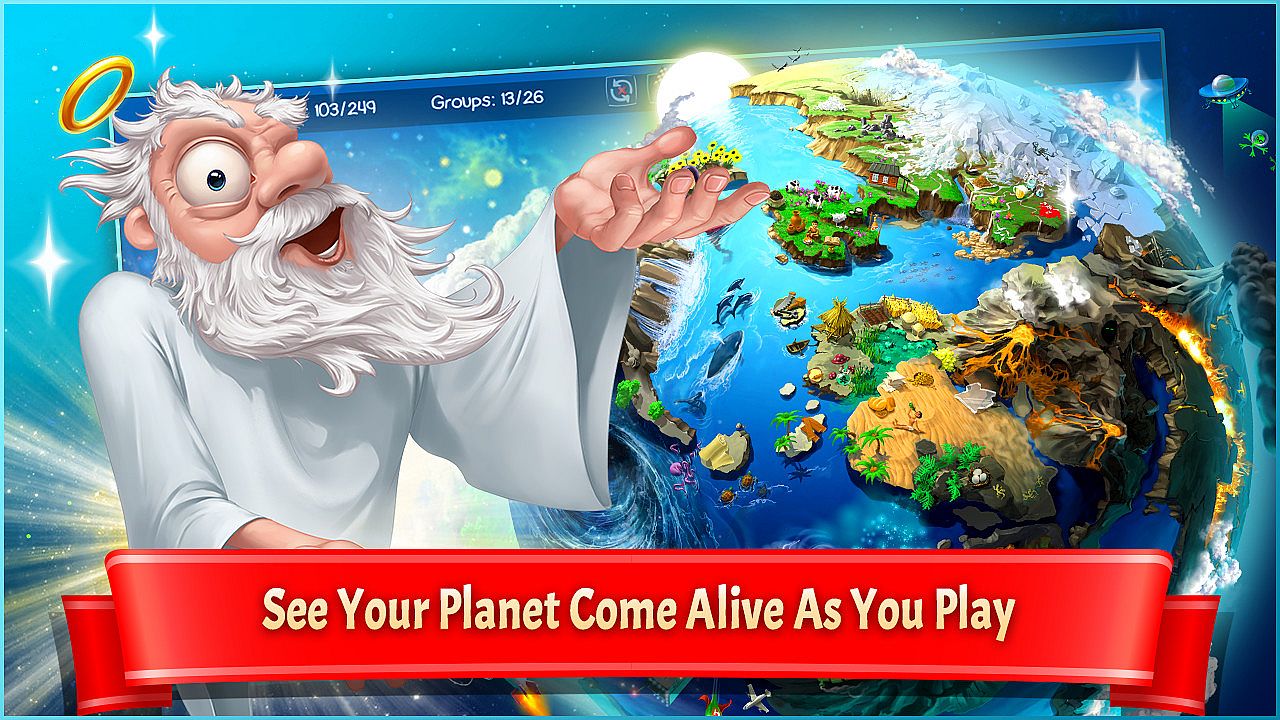
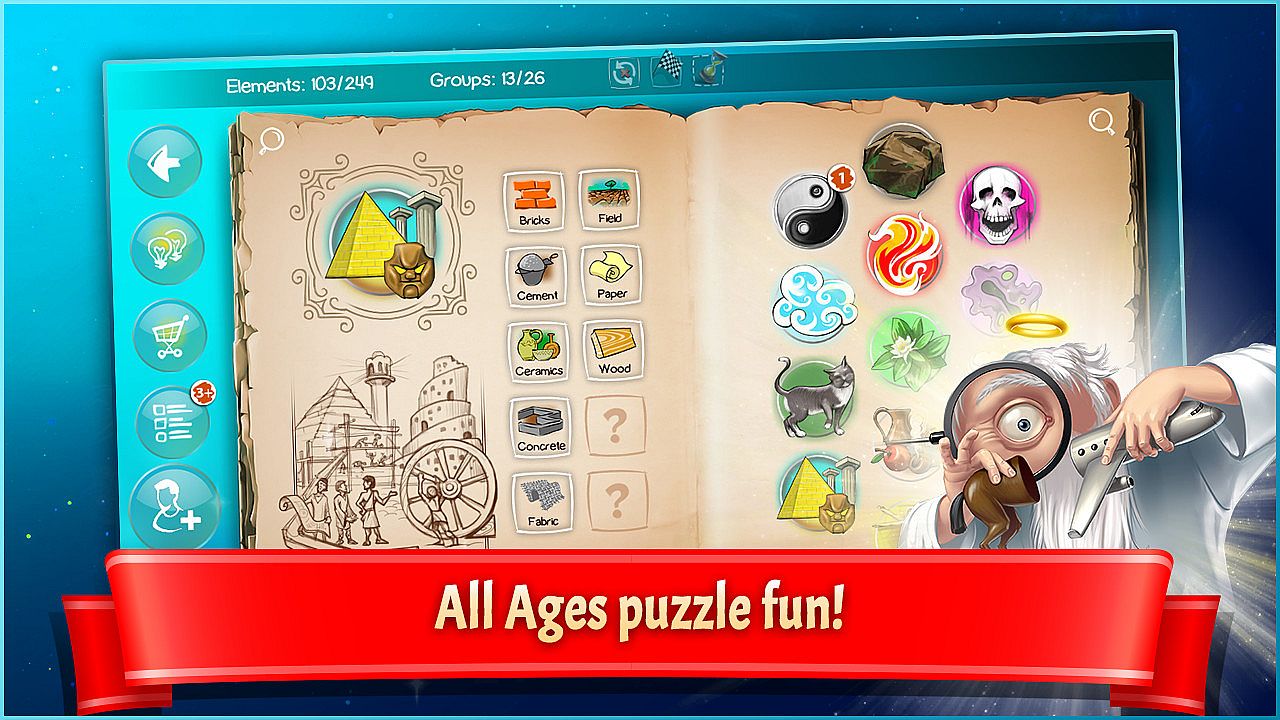
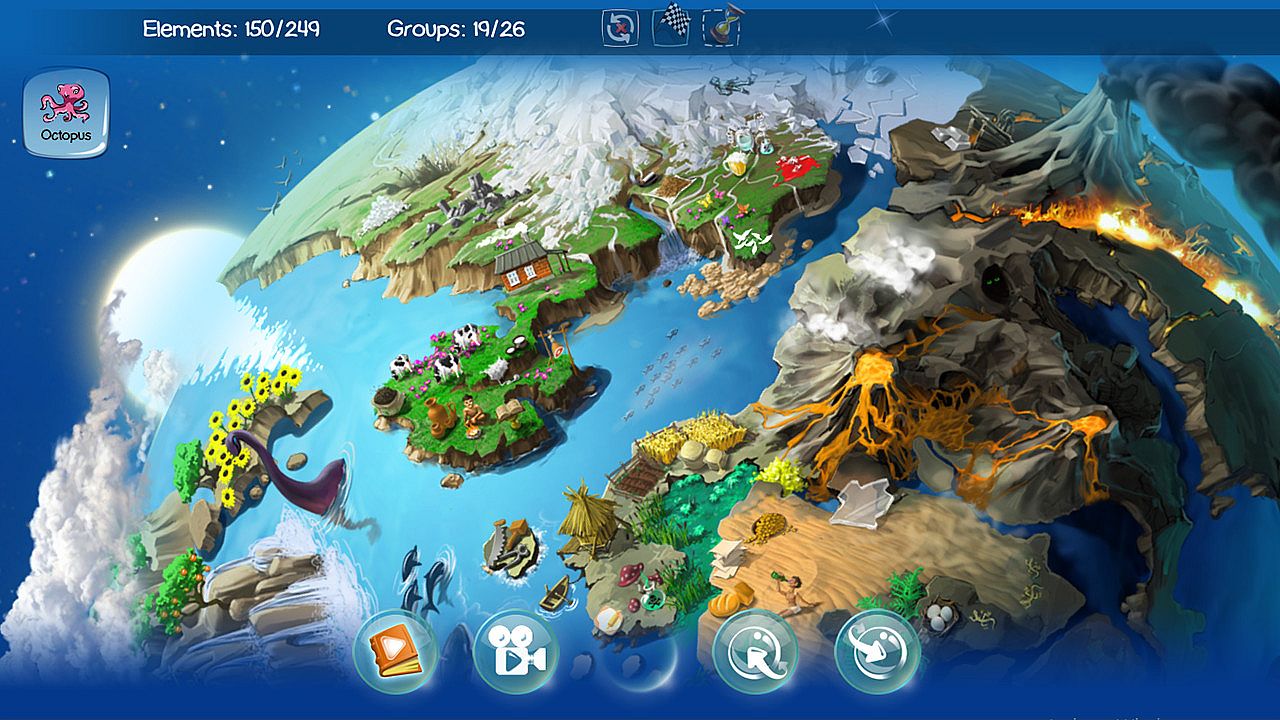
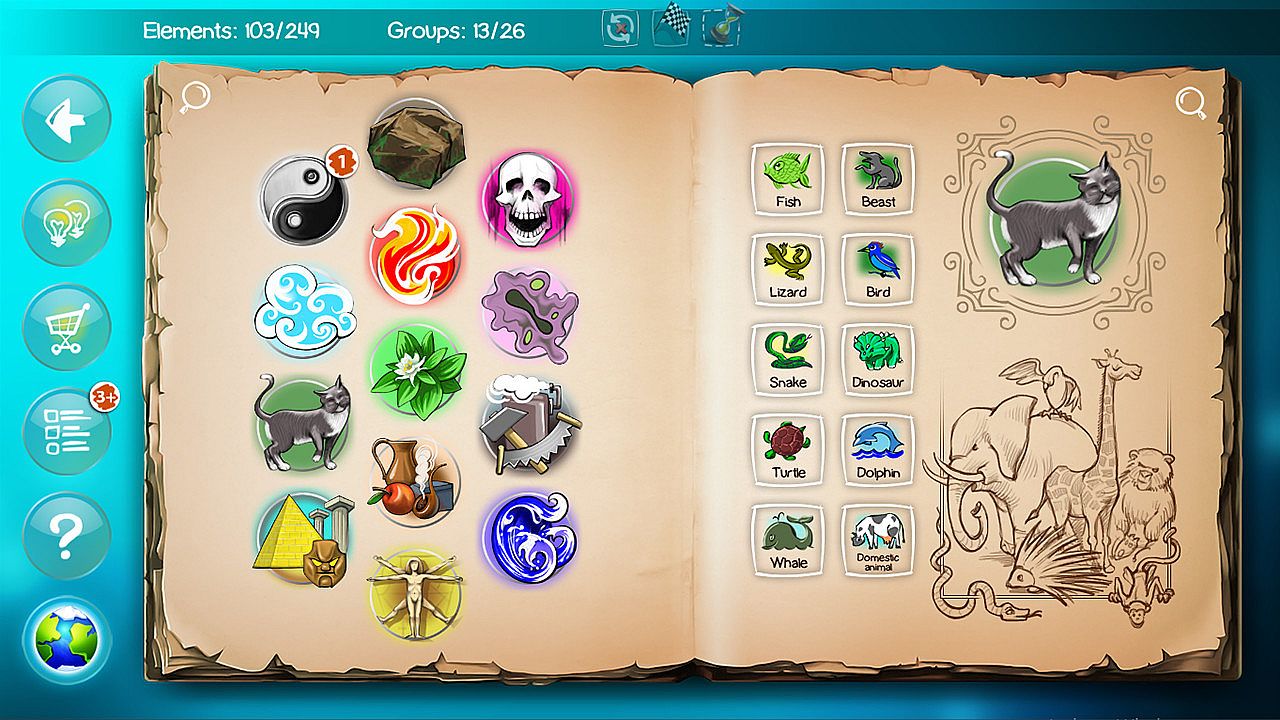
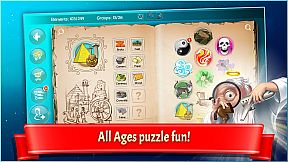
Doodle God stands out as a casual puzzle and simulation game centered on element combination and world creation. Players begin with the foundational elements of earth, fire, water, and air, then experiment with logical pairings to generate hundreds of new items, creatures, and structures that gradually populate an evolving planet.
Gameplay
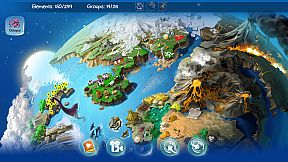
The core loop revolves around discovering combinations through trial and error. Each successful pairing unlocks fresh elements that can interact with existing ones, leading to chains of creation. As the collection grows, the game populates a visual representation of the planet with the resulting life forms and objects. This process encourages systematic thinking, as certain combinations produce unexpected or negative outcomes that require careful management to avoid widespread issues on the developing world.
Rewards extend beyond new elements. Successful creations trigger short quotes drawn from historical philosophers and comedians, adding a layer of reflective commentary to the mechanical progression. The system supports extensive experimentation without strict time limits, making it suitable for short sessions or longer dedicated playthroughs focused on completion.
Game Modes
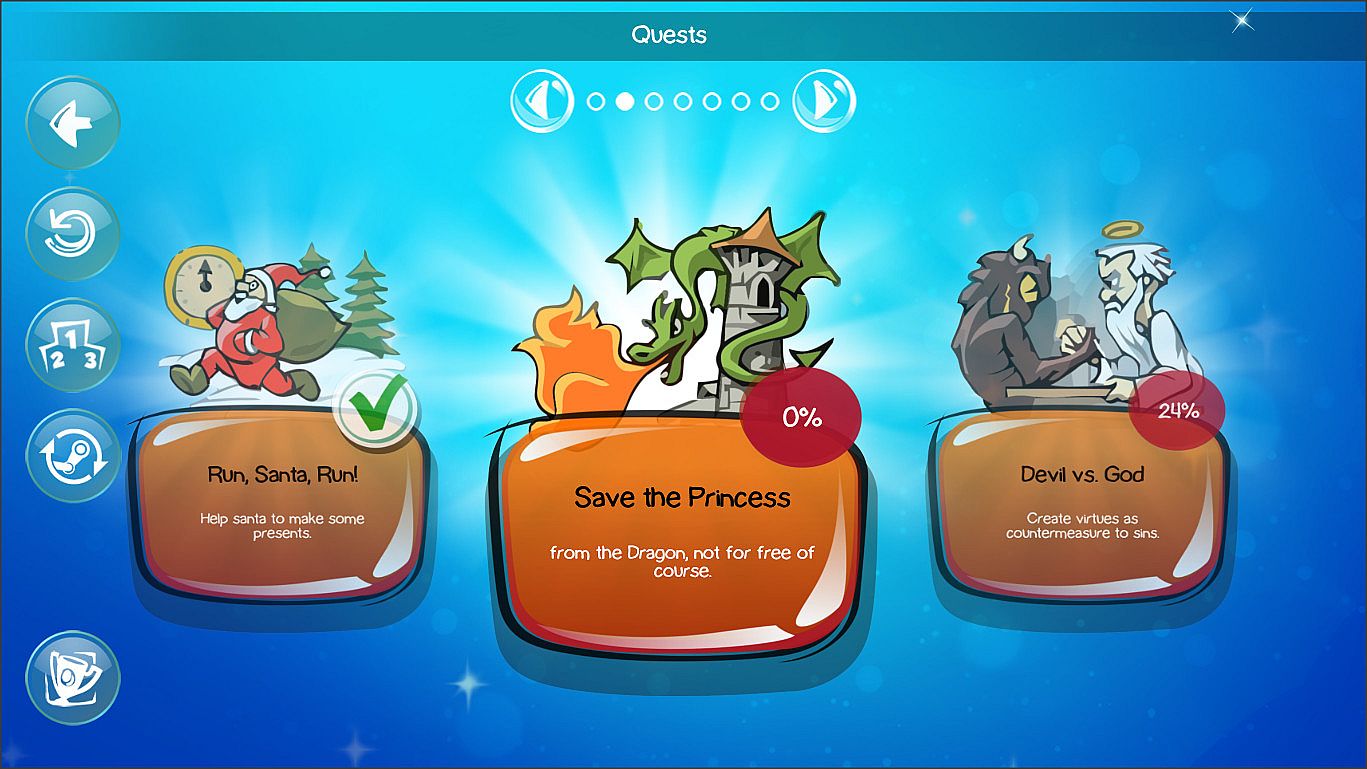
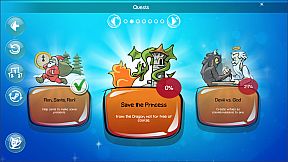
Planet mode shifts the focus toward building a complete and balanced universe. Players work through structured challenges that guide the development process while still allowing creative freedom in element discovery. This mode emphasizes long-term progression and the satisfaction of seeing a fully realized world emerge from initial basic components.
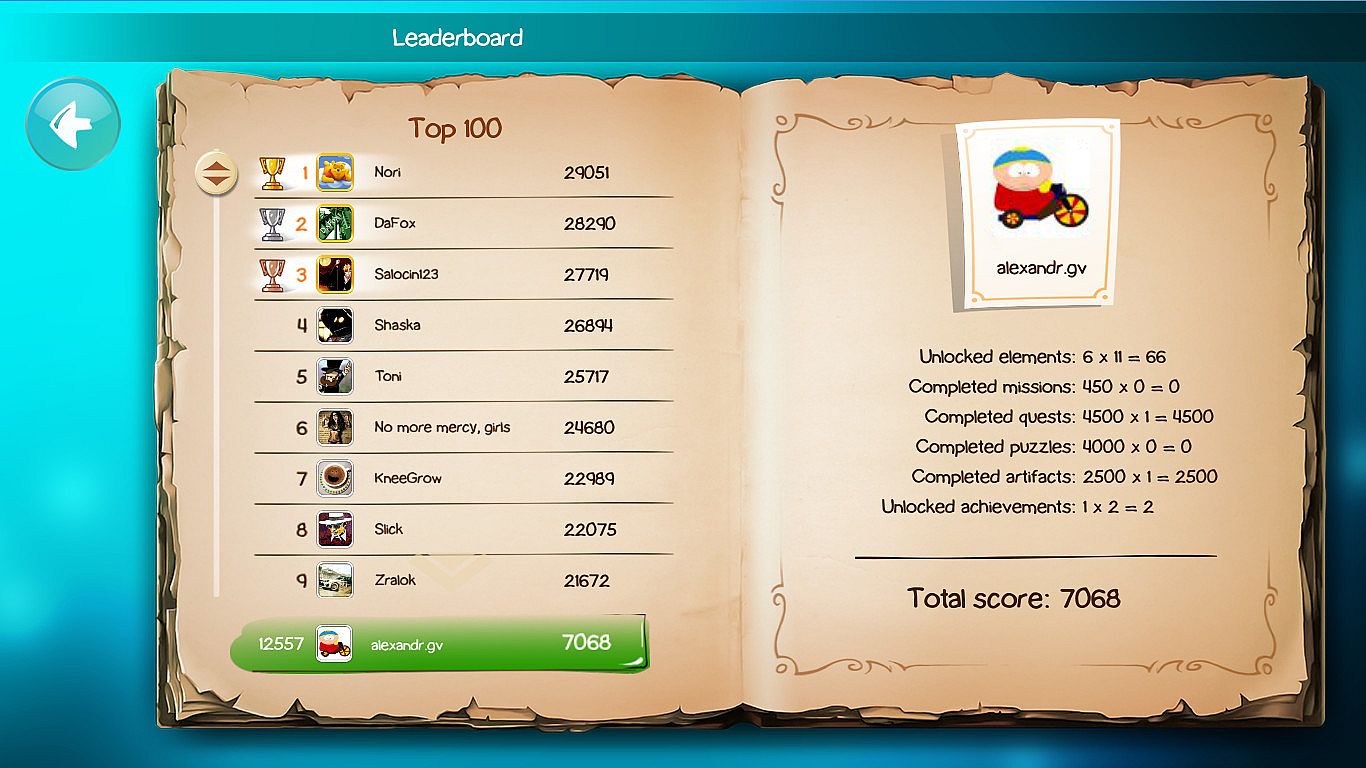
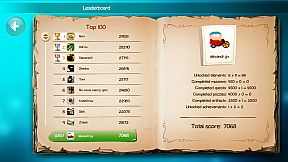
Tournament mode introduces competitive elements by allowing players to test their knowledge against others online. Participants compete to create specific items or achieve milestones, adding a social dimension to the otherwise solitary puzzle experience. The mode leverages the same combination mechanics but frames them in a challenge format that rewards speed and accuracy.
Element Discovery and Consequences
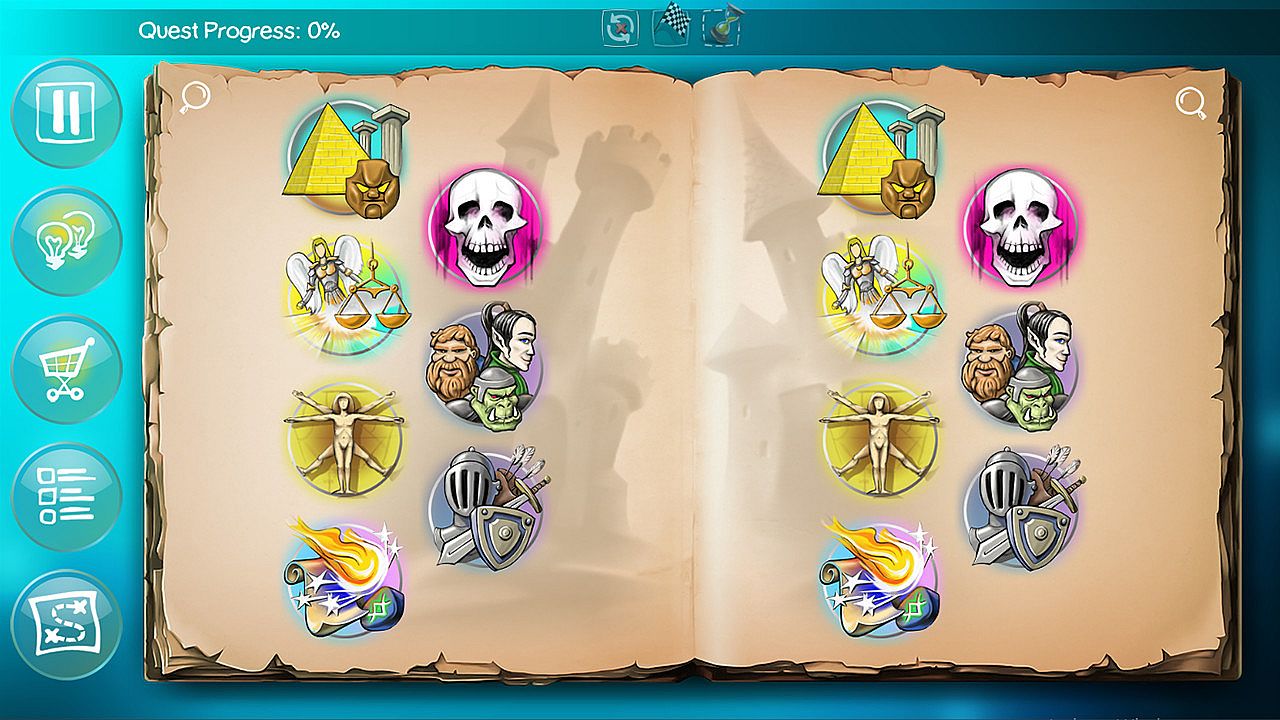
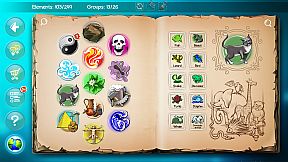
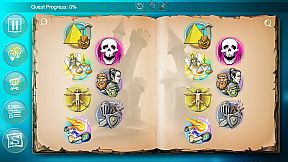
Progression depends on understanding interactions between categories such as technology, nature, and mythical concepts. Early combinations yield basic tools and organisms, while later ones introduce complex inventions and fantastical beings. The game tracks all unlocked items in a comprehensive list, encouraging players to revisit earlier elements for new pairings as the catalog expands.
Negative results serve as deliberate design features rather than failures. Events like plagues or disasters emerge from certain pairings, forcing players to consider the broader impact of their choices. This mechanic adds strategic depth, as unchecked creation can lead to setbacks that must be resolved through further combinations.
Is It Worth Playing?
The game appeals primarily to those who enjoy methodical puzzle solving and creative experimentation in a low-pressure environment. Its indie casual simulation style delivers consistent progression through element unlocks without requiring advanced skills or long-term commitments beyond individual sessions.
Reception highlights its accessibility and replay value for completionists. A Metacritic score of 75 reflects generally favorable responses to the combination system and visual feedback. The title remains available on PC with no major ongoing seasonal content, positioning it as a complete standalone experience for players seeking a self-contained puzzle title.
- Fans of logic-based creation games will find the depth rewarding through hundreds of possible pairings.
- Those preferring competitive or story-driven titles may prefer alternatives with more structured narratives.