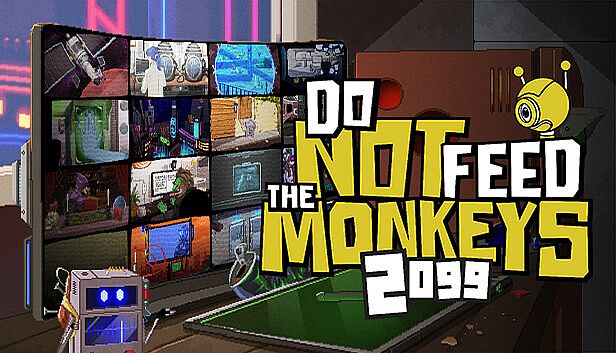












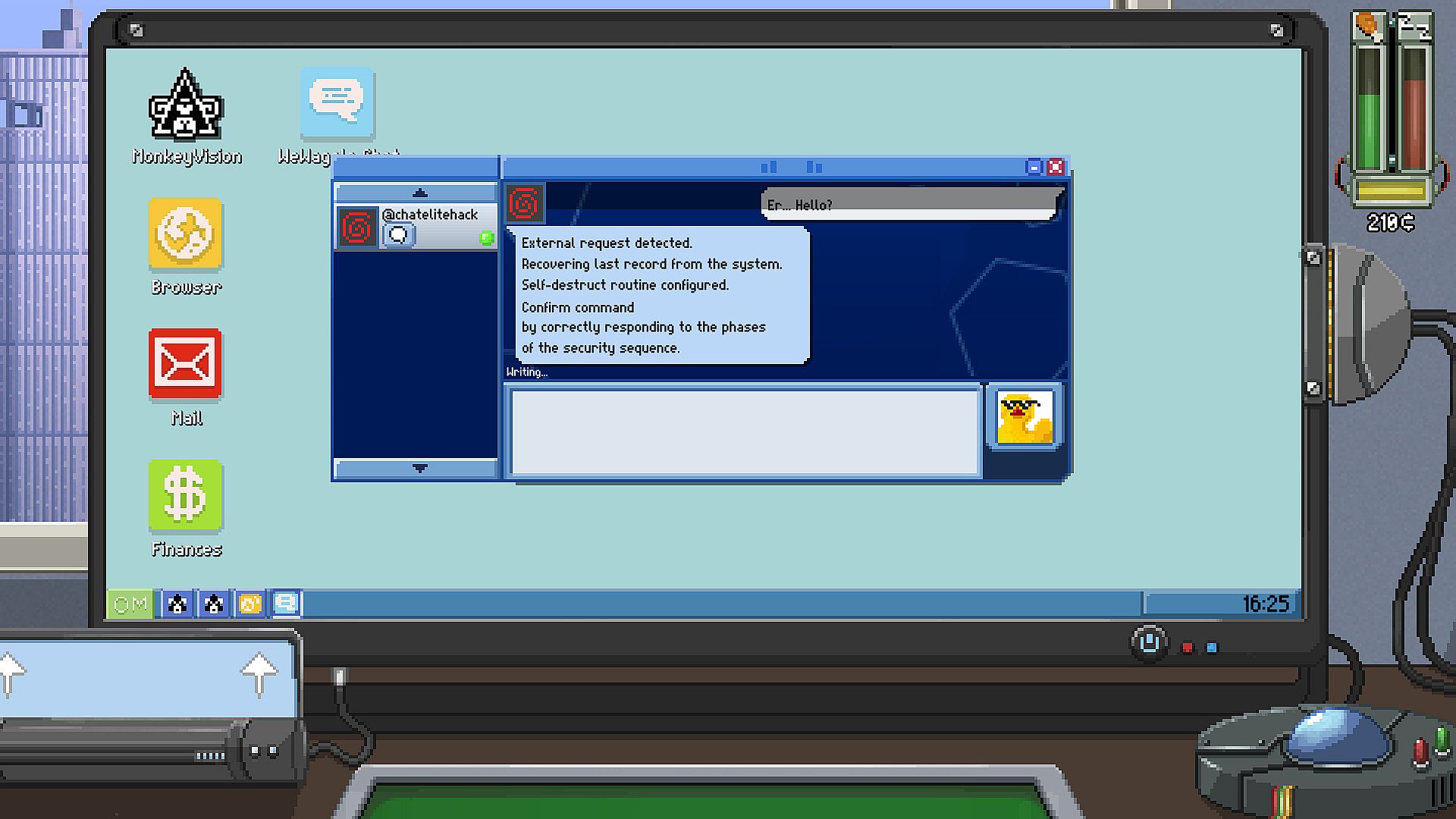
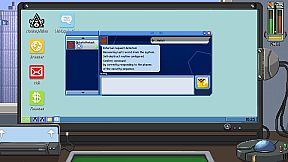
Do Not Feed the Monkeys 2099 is a single-player strategy and simulation game that places players in the role of a new member of the Primate Observation Club. Set in a retro-futuristic dystopia of 2099, the experience blends surveillance mechanics with resource management and narrative investigation. Players monitor subjects through hidden cameras while balancing finances, personal needs, and the temptation to interfere with observed lives.
Gameplay
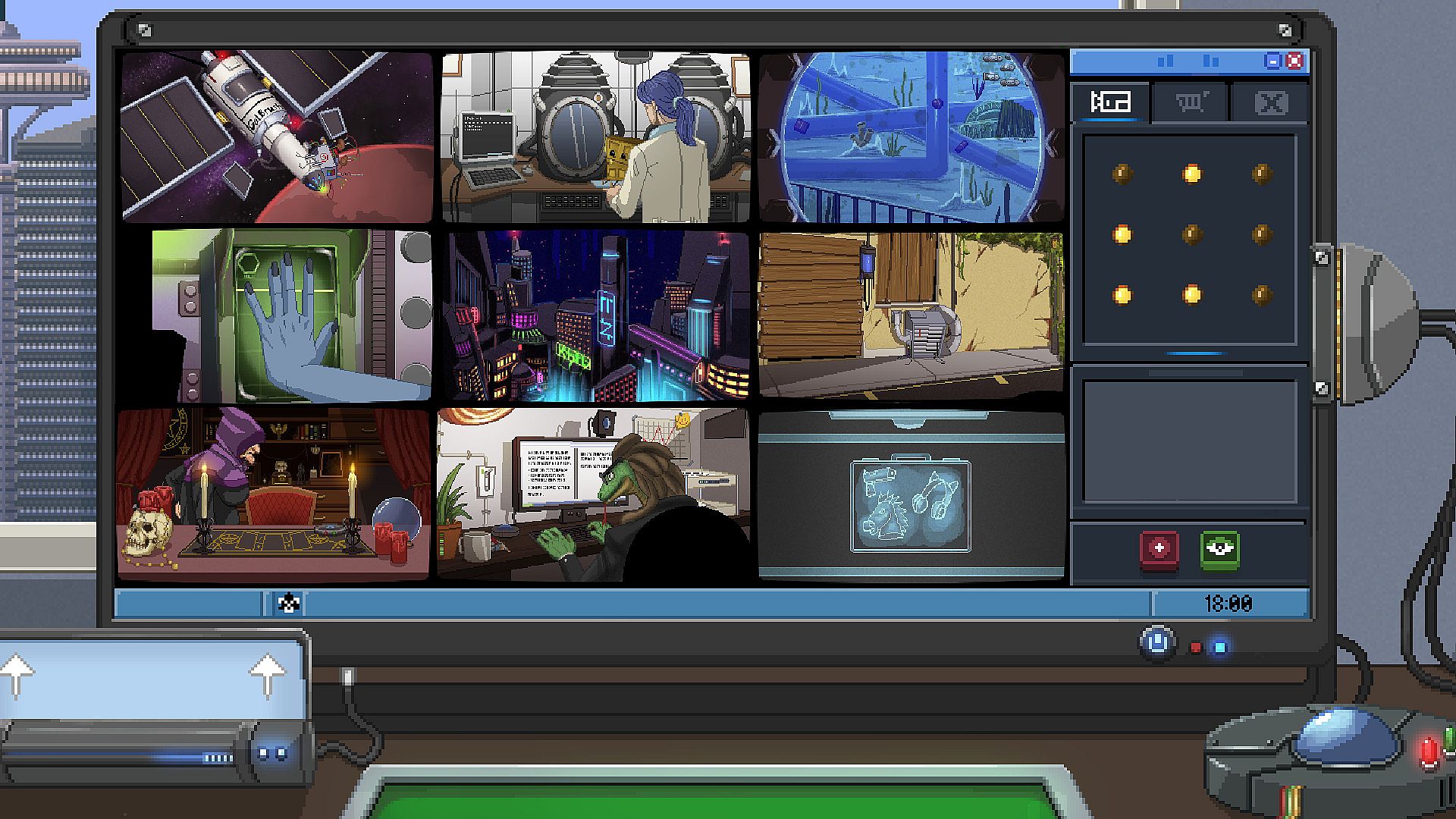
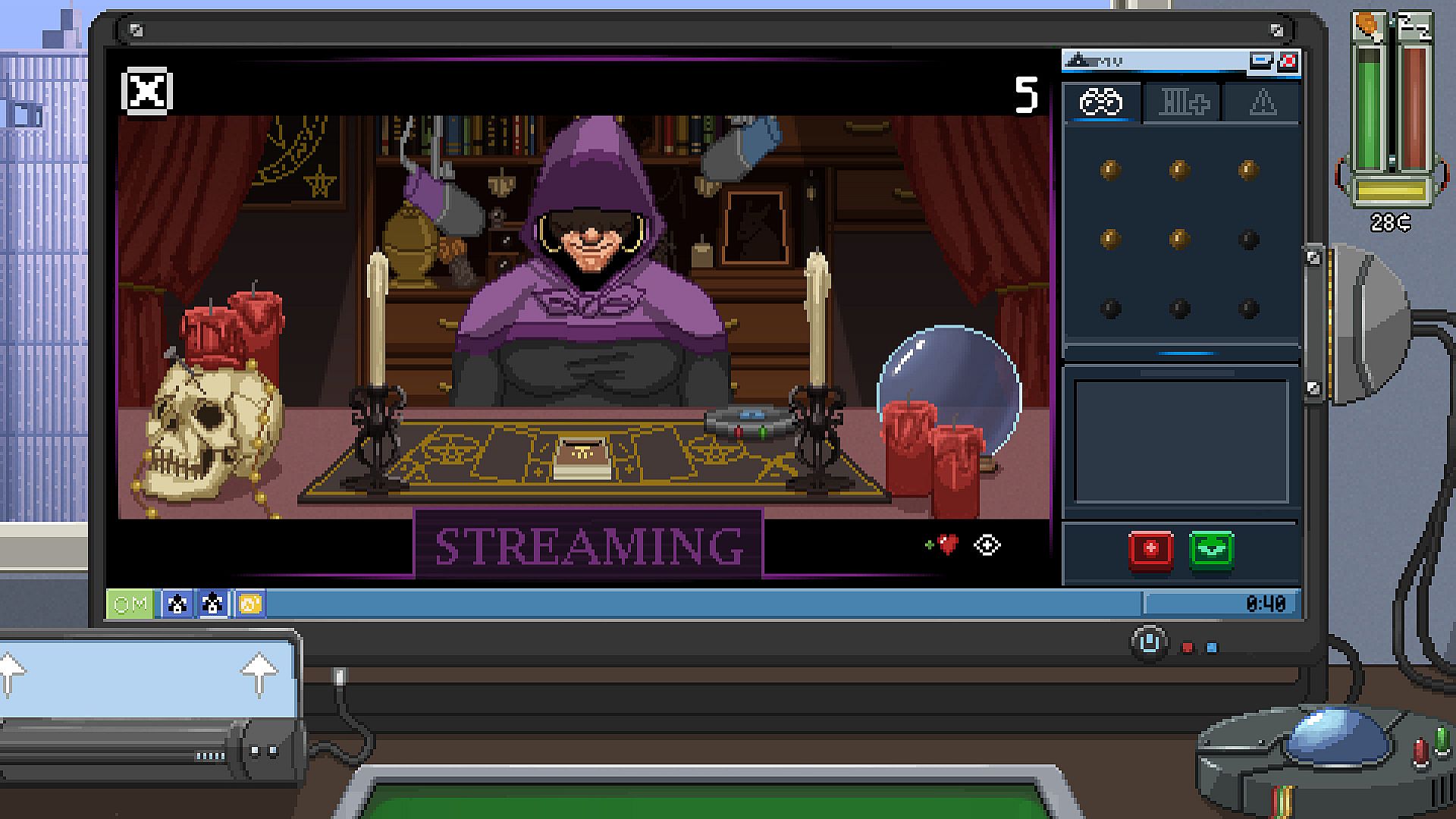
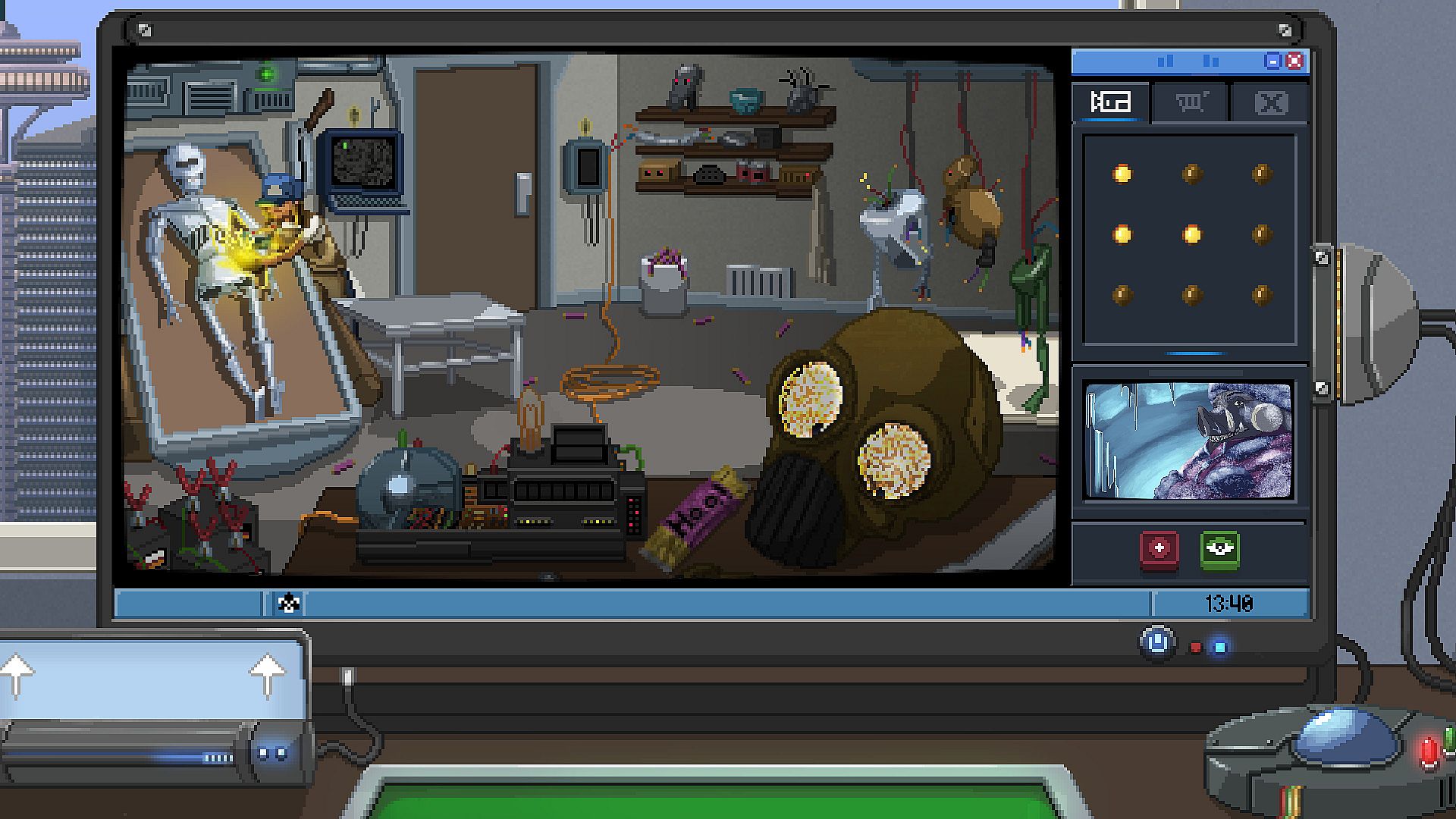
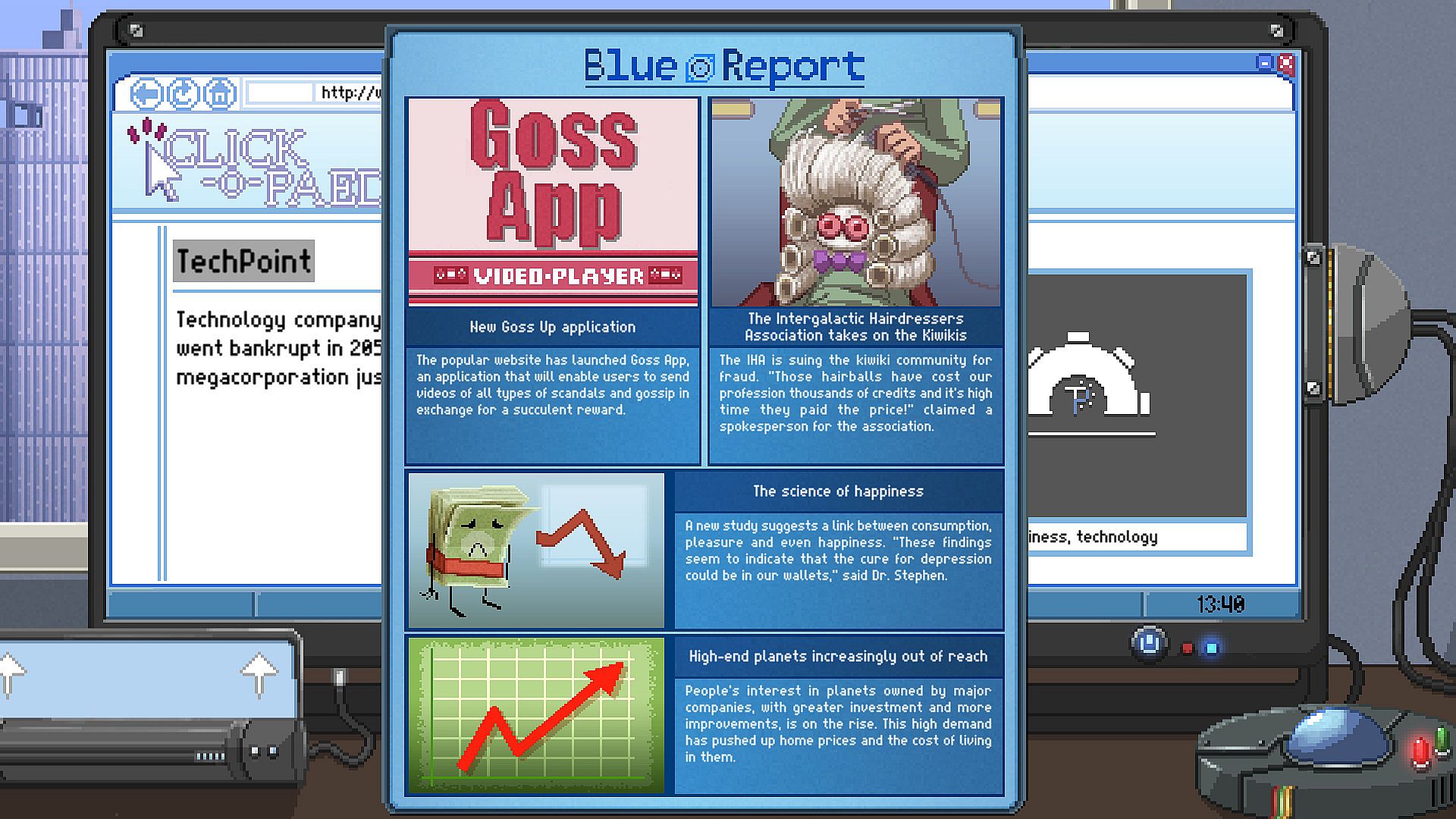
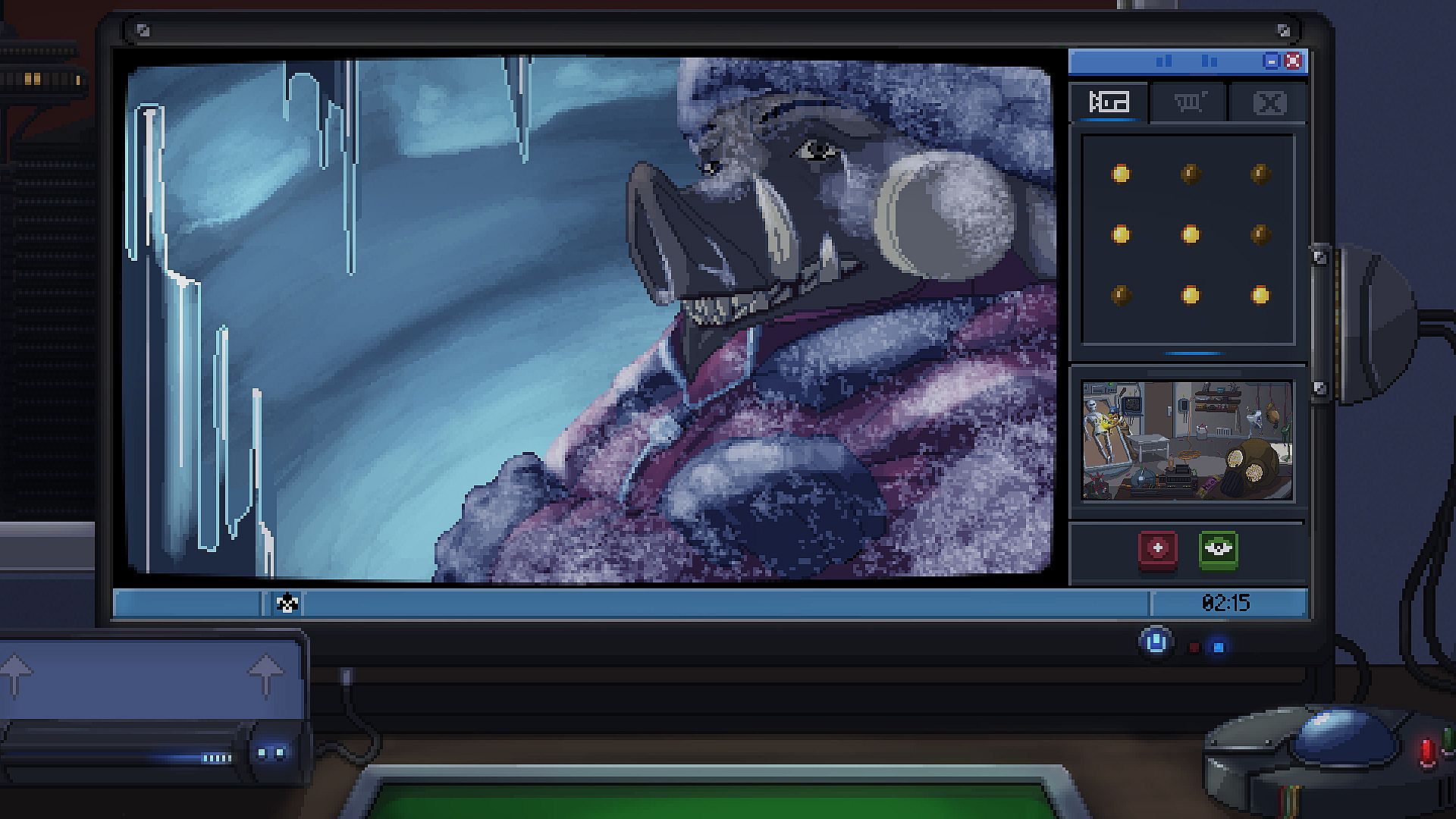
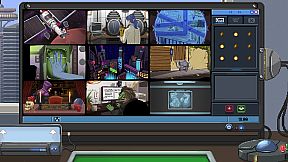
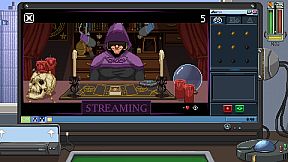
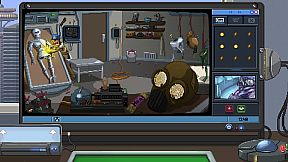
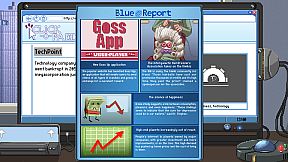
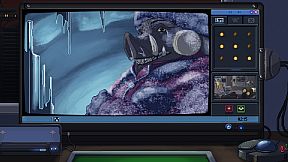
The core loop centers on the MonkeyVision app, which players use to set up and switch between multiple camera feeds known as cages. Each cage shows daily activities of its subject, and hovering over key moments or items reveals clickable observations that add keywords to a personal notepad. These keywords then fuel internet searches to uncover more details about the individuals under watch.
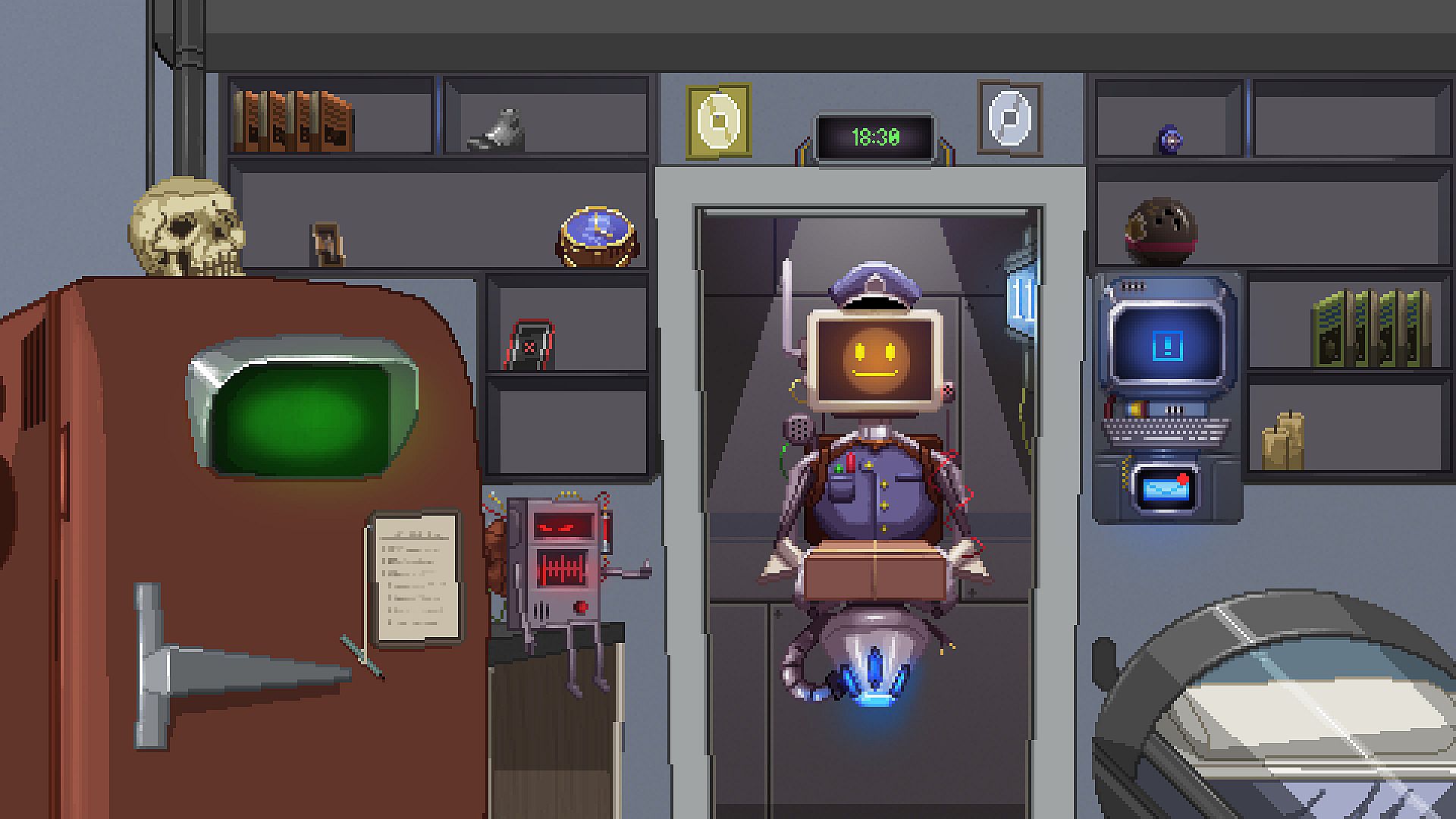
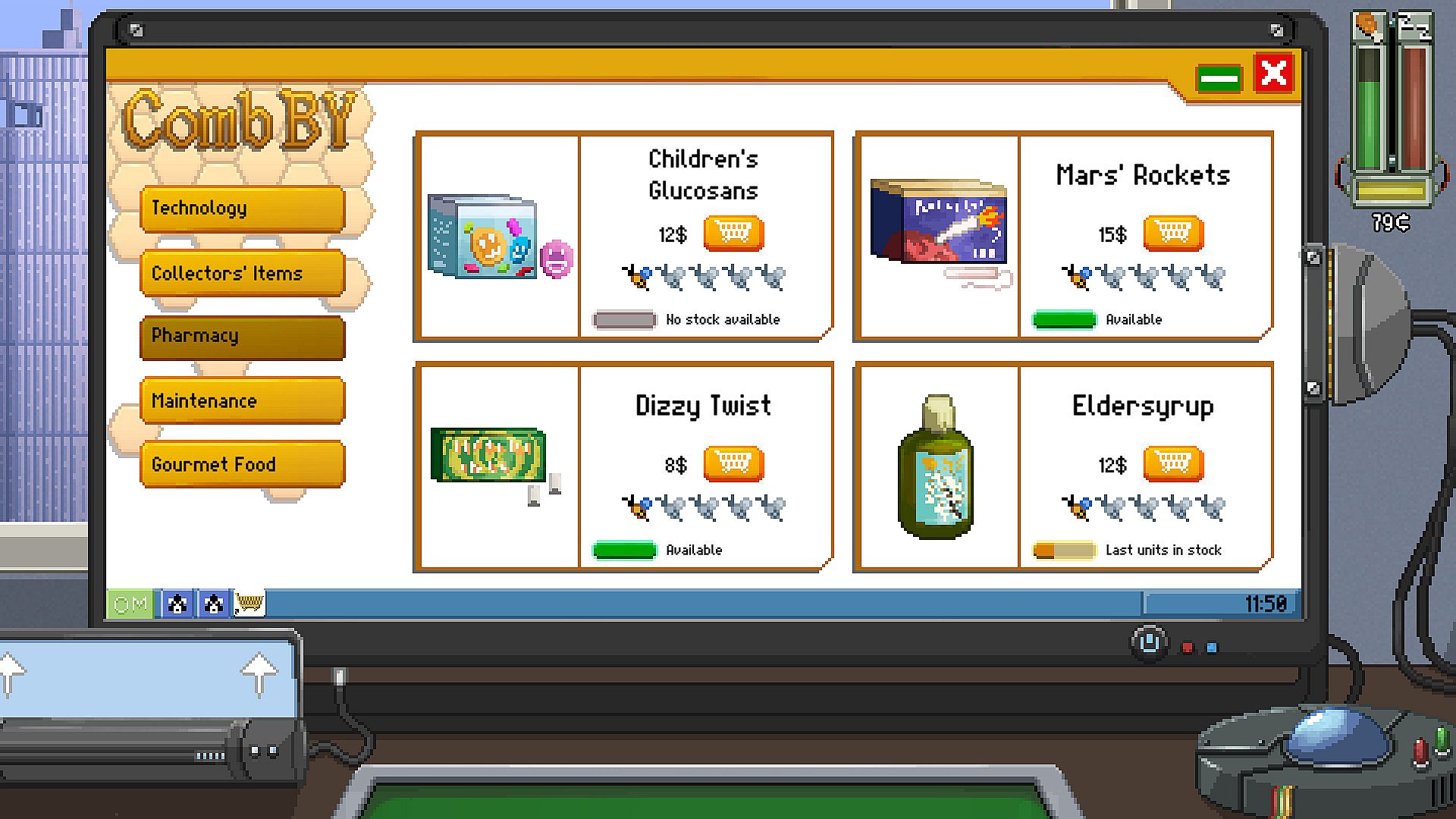
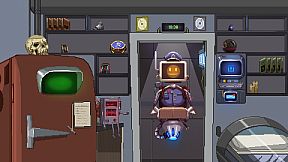
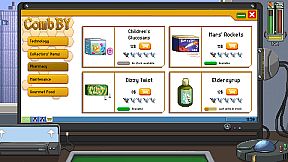
Resource management runs parallel to observation. Side jobs provide income needed to purchase additional cameras and upgrades, while players must also handle food, stamina, and fatigue to stay functional. A nosy neighbor adds tension by requiring careful timing around knocks at the door. New tools like the OmniPal hologram companion offer company and occasional external insights during long sessions.
Interactions with subjects remain strictly limited by club rules. Players can learn enough to attempt actions such as hacking systems or placing calls, yet the design emphasizes restraint. Each cage follows timed events, and careful note-taking across multiple feeds builds a fuller picture of the connected stories unfolding across the galaxy-spanning setting.
Game Modes
The game operates as a single continuous single-player experience without separate multiplayer or competitive modes. All progress occurs within one campaign where players expand their cage network over time. The structure encourages simultaneous management of several observation subjects, each with its own schedule of events and research requirements.
End-game unlocks introduce quality-of-life options such as fast-forward controls once the main narrative reaches completion. A peephole feature eventually becomes available to preview visitors before answering the door. These additions extend replay value for those who finish the primary sequence of cages and their associated conclusions.
Setting and Narrative
The year 2099 presents a world altered by alien technology, where corporations sponsor entire planets and Earth has been depleted. Humans share space with robots and aliens in this absurd dystopia. The Primate Observation Club thrives in this environment, turning mass surveillance into an organized hobby for its members.
Narrative depth emerges through the subjects themselves. Each cage reveals fragments of personal stories that interconnect via shared keywords and searches. Players piece together motives, relationships, and secrets without direct control, creating a voyeuristic investigation that rewards patience and cross-referencing.
Is It Worth Playing?
Player feedback on the game shows mixed results, with 68 percent positive ratings across more than one thousand reviews. Those who enjoy methodical observation, keyword hunting, and juggling multiple timers tend to appreciate the focused loop. The resource systems add pressure that complements the surveillance theme.
The title suits players interested in narrative-driven simulations that reward careful attention rather than fast reflexes. Its indie scale keeps the experience contained, with clear progression through cage purchases and story revelations. Recent updates have remained minimal since the 2023 release, leaving the core content stable for new players.
Overall, the game delivers a distinctive take on voyeuristic strategy for those drawn to its premise of controlled observation in a futuristic setting. Individuals who prefer open-ended creative play or high-action sequences may find the deliberate pace less engaging.