



















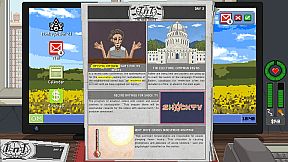
Do Not Feed the Monkeys is a single-player strategy and life simulation game that places players in the role of a new recruit to a secretive observation group. The core premise revolves around monitoring live video feeds of strangers, collecting details from their daily routines, and balancing personal survival needs without direct interference. This indie title blends voyeuristic observation with resource management, creating a tense loop where curiosity clashes with strict rules.
Gameplay
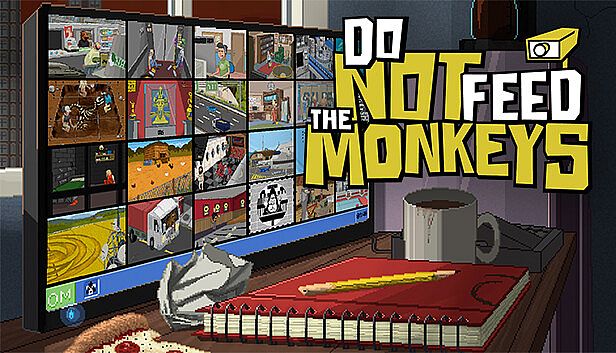
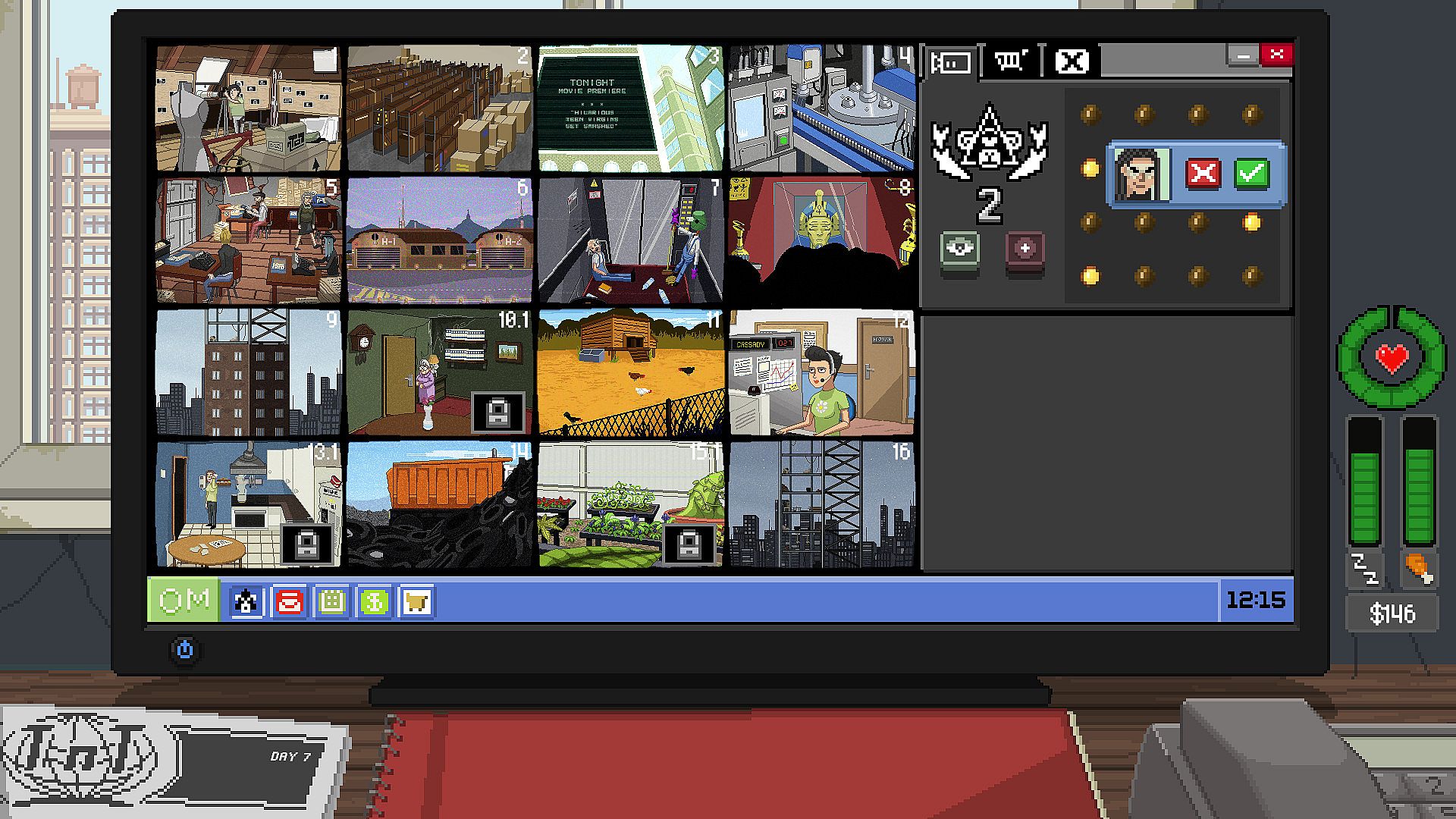
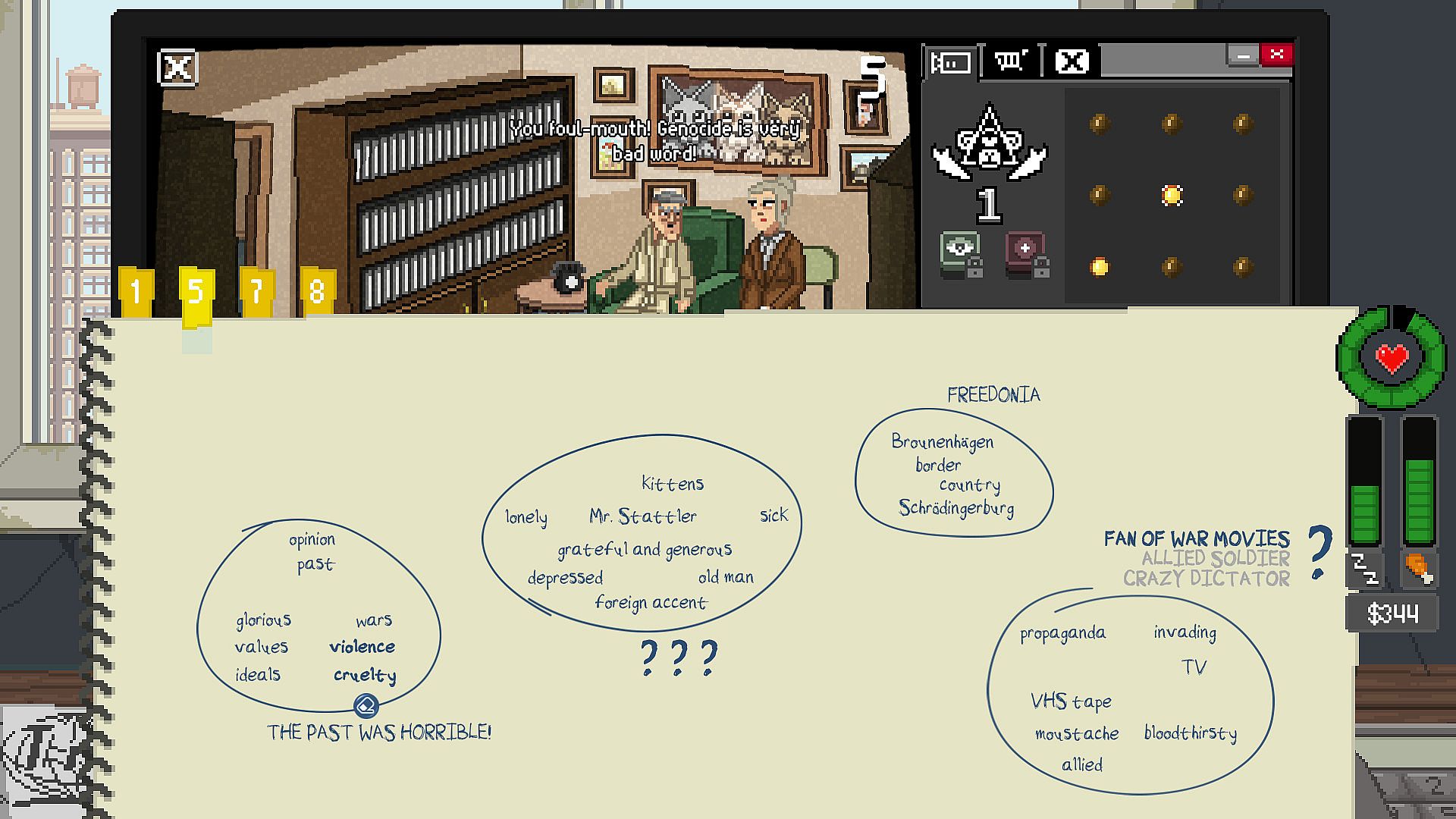
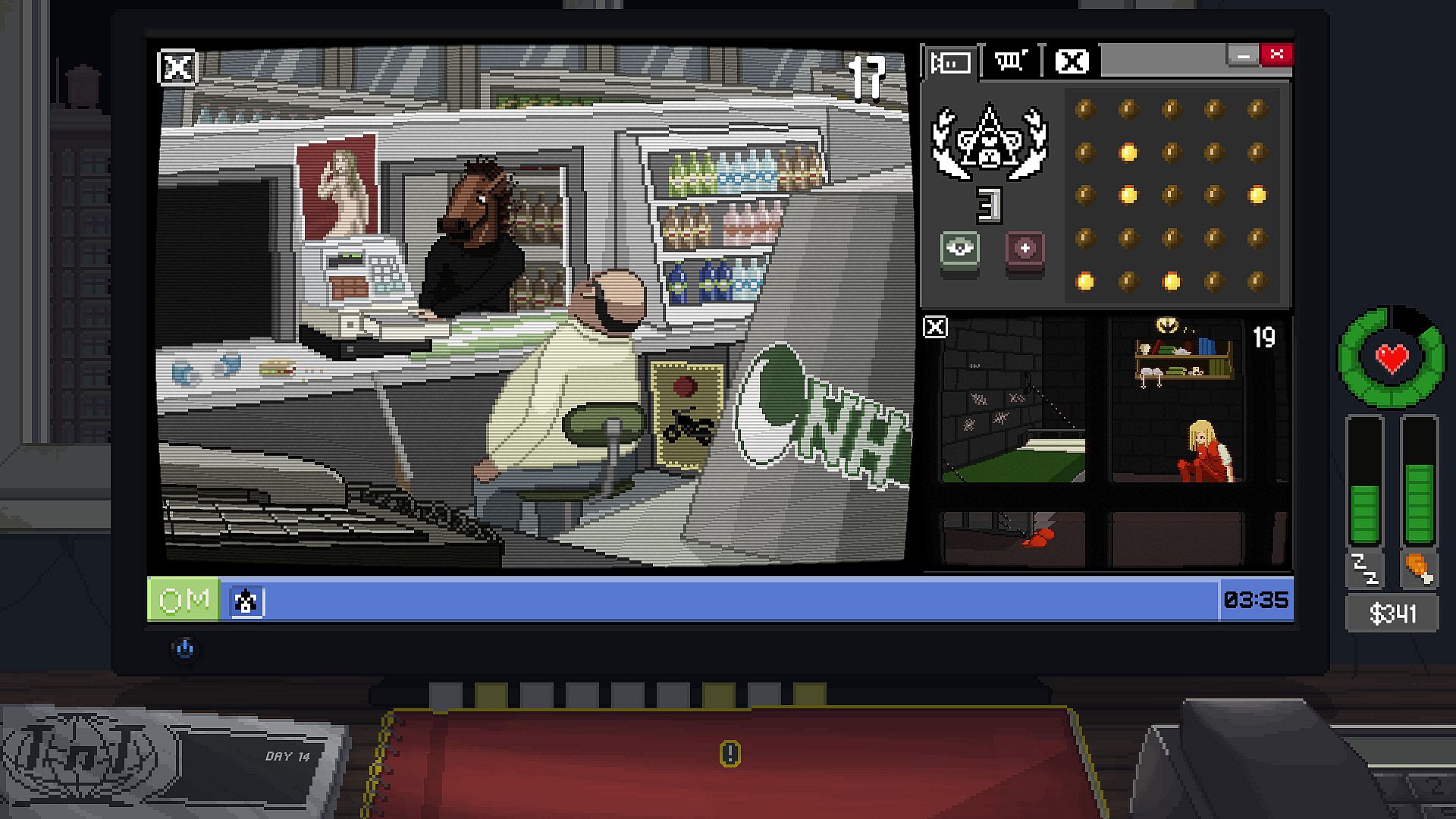
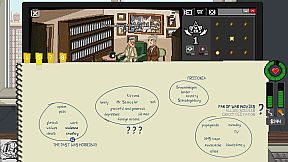
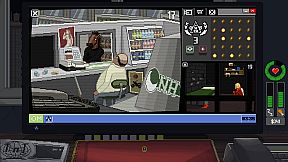
The central activity involves purchasing and viewing multiple camera feeds displayed on an in-game computer interface. Players scan for keywords, objects, and events across the feeds, logging them in a notebook for further investigation through simulated web searches. Each feed represents a separate subject whose life unfolds in real time, requiring constant attention to capture meaningful data before opportunities pass.
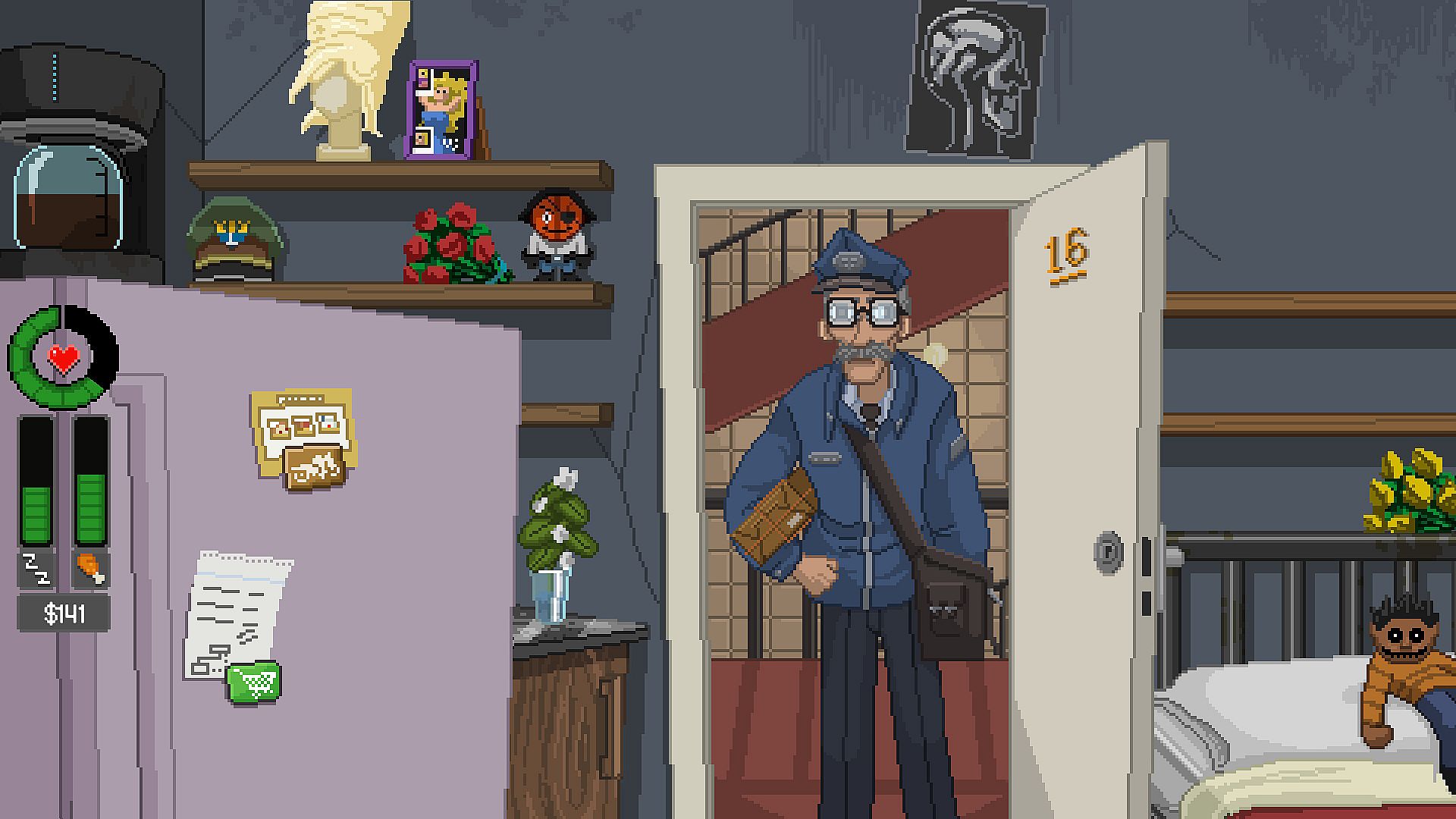
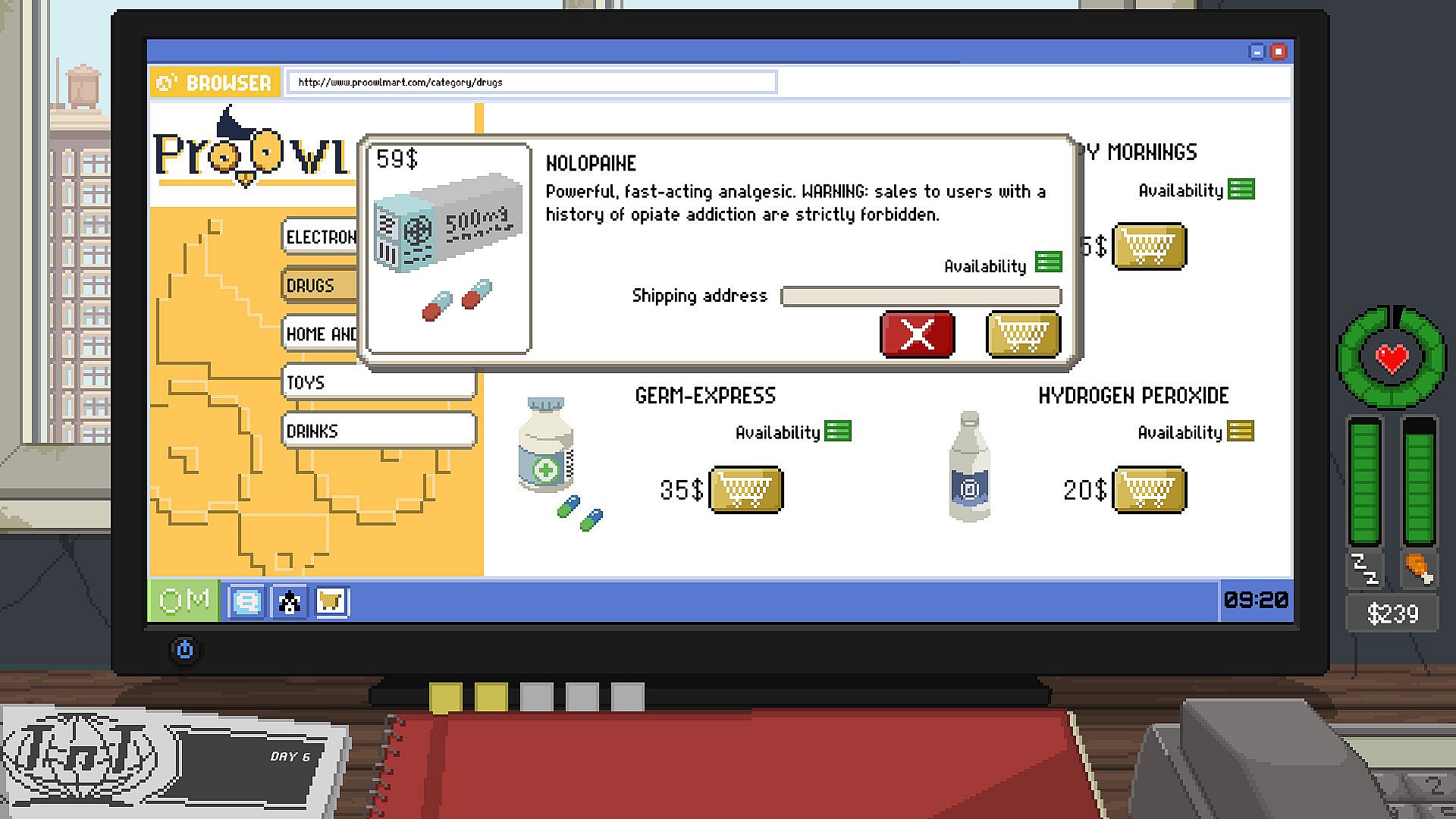
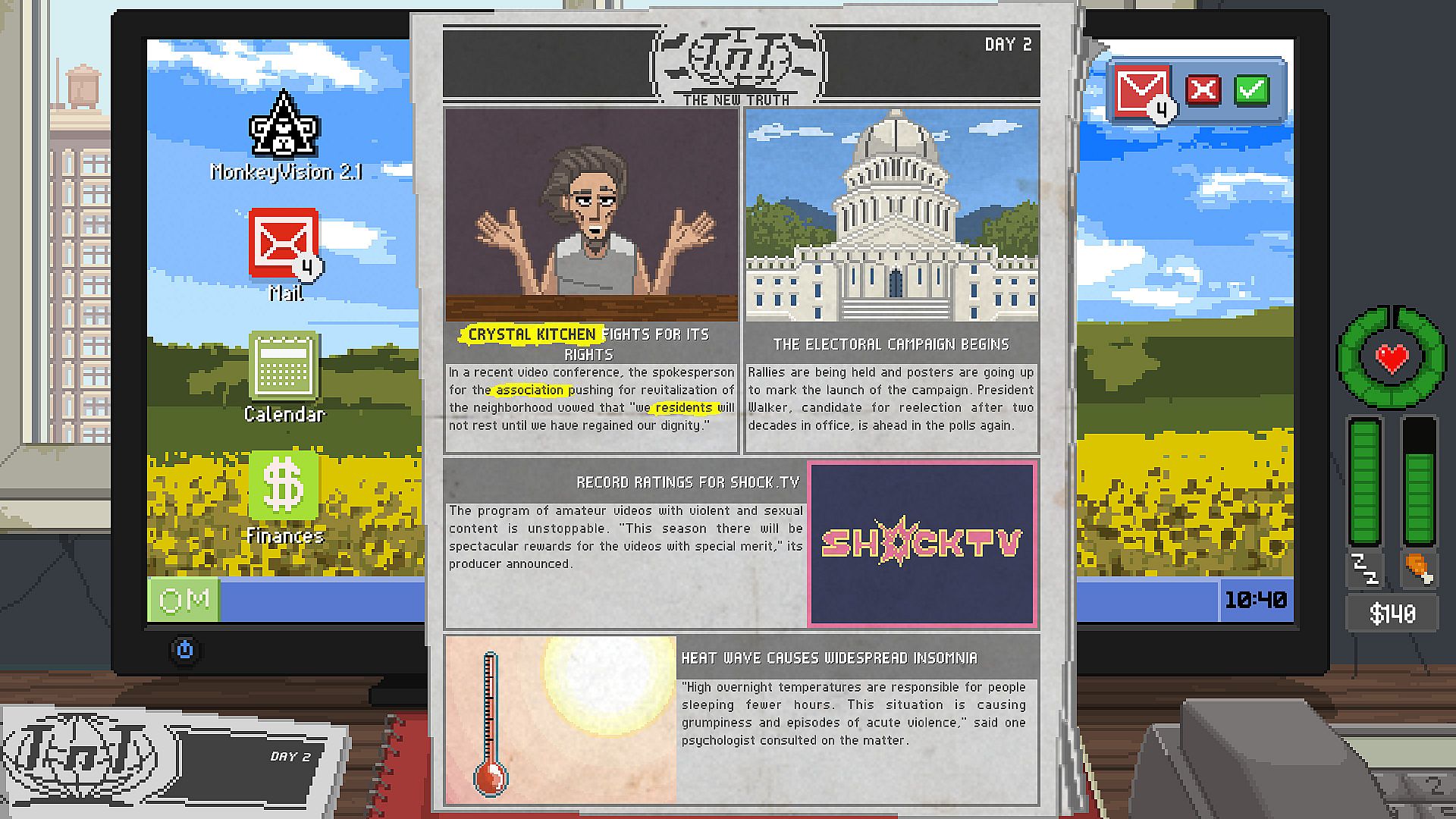
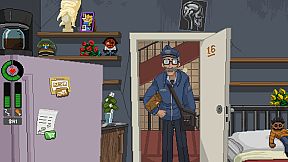
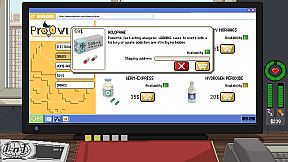
Alongside surveillance, players must handle survival mechanics including hunger, sleep, health, and rent payments. Money comes from completing part-time jobs that appear daily, with performance tied to current stats. Neglecting these needs leads to penalties such as reduced effectiveness or game-ending outcomes. Interactions with observed subjects remain optional but carry risks that can alter the player's situation, often yielding short-term gains at the cost of long-term stability.
Progression centers on acquiring additional feeds and uncovering connections between subjects. Some feeds demand upgrades like night vision or recording capabilities to fully resolve. The experience emphasizes careful prioritization, as juggling multiple active feeds while meeting daily obligations demands strategic planning.
Game Modes
The game operates entirely in a single-player format with no multiplayer components. A standard campaign structure guides players through a set period of observation, culminating in specific endings based on collected data and choices made. An optional Peepers mode alters the experience by slowing the depletion of hunger and sleep stats, allowing longer sessions focused more on observation than constant management. This mode disables achievements, making it suitable for players seeking a less punishing introduction to the systems.
Within the main experience, variety arises from the random selection of available jobs and the unique events that emerge across different feeds. No separate competitive or cooperative modes exist, keeping the focus on solitary decision-making and information gathering.
The Observation Experience
Each feed presents distinct scenarios that players piece together through careful note-taking and cross-referencing. Subjects range from everyday individuals to those in unusual circumstances, with outcomes influenced by how much information is gathered and whether any contact occurs. The prohibition on interference creates ongoing tension, as the temptation to act grows with each new revelation.
Management of the apartment and personal condition adds layers of strategy. Players must decide when to pause observation for rest or work, and how to allocate limited funds between new feeds and necessities. This creates a rhythm where passive watching alternates with active problem-solving to maintain access to the surveillance network.
Is It Worth Playing?
Player feedback highlights the game's distinctive approach to simulation and narrative, with strong praise for its polished interface and the moral weight of its core dilemma. Reviews consistently note the replay value that comes from different approaches to the same feeds and the satisfaction of uncovering hidden connections. The title remains available as a complete experience without ongoing seasonal content or required updates beyond initial patches.
It appeals most to those who enjoy deliberate pacing, information management, and stories that emerge from player choices rather than scripted events. Individuals drawn to indie simulations that combine voyeuristic elements with survival pressures will find a focused, self-contained package. Those seeking fast action or extensive customization may prefer other genres, but the verified reception indicates broad satisfaction among fans of thoughtful strategy titles.