

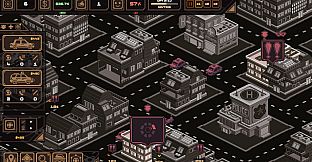
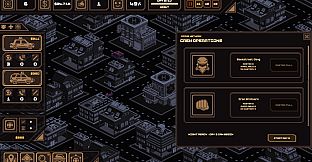
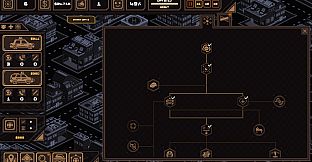

Dirty Dispatch is a strategy management game that puts players in charge of an emergency response operation in a pixel-art noir city. Developed as an indie title with casual accessibility in mind, it blends daytime decision-making around 911 calls with nighttime planning of criminal activities. The core experience revolves around balancing public safety with personal gain through a dual-sided operation that grows more complex as incidents multiply and resources expand.
Gameplay
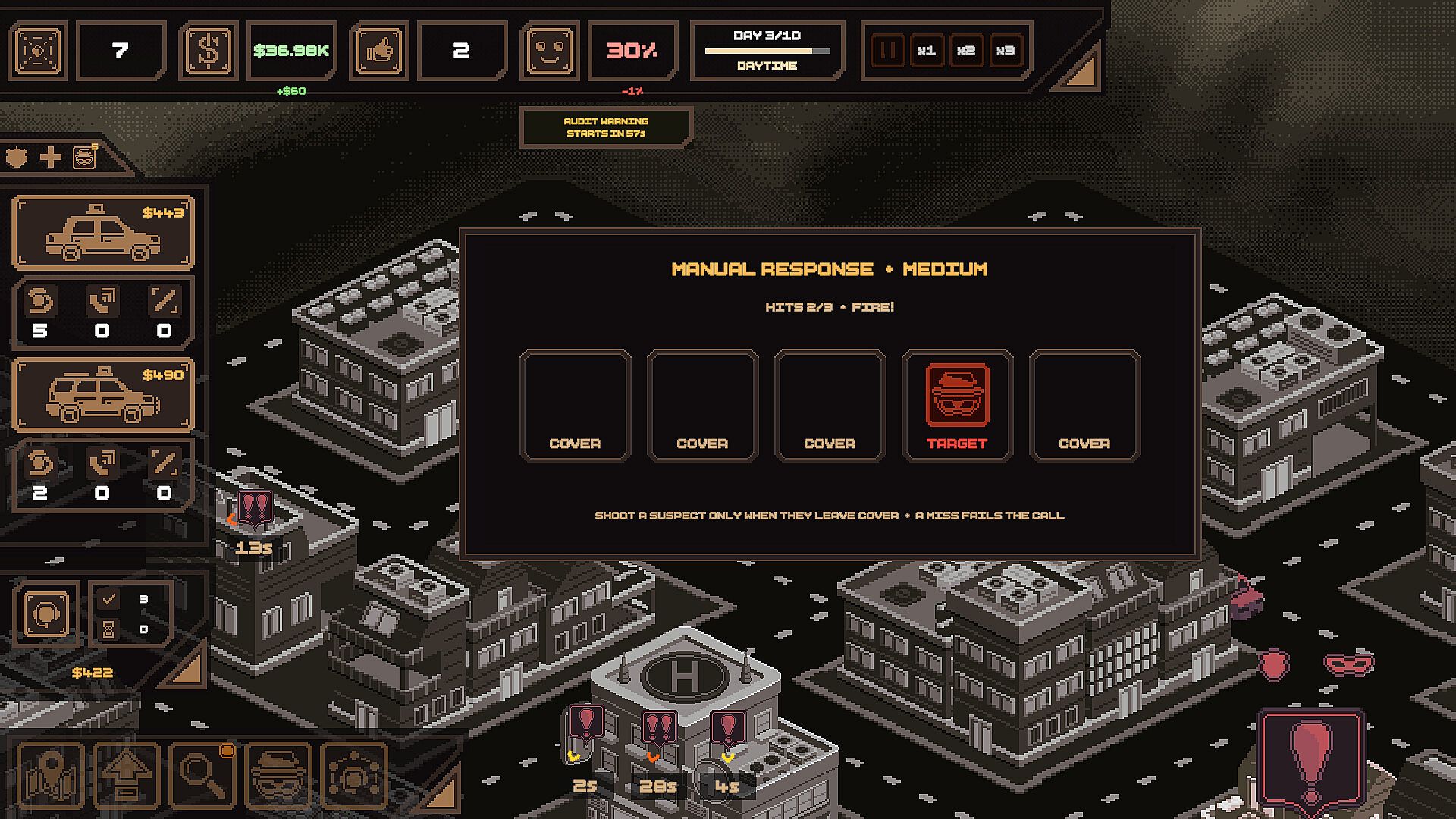
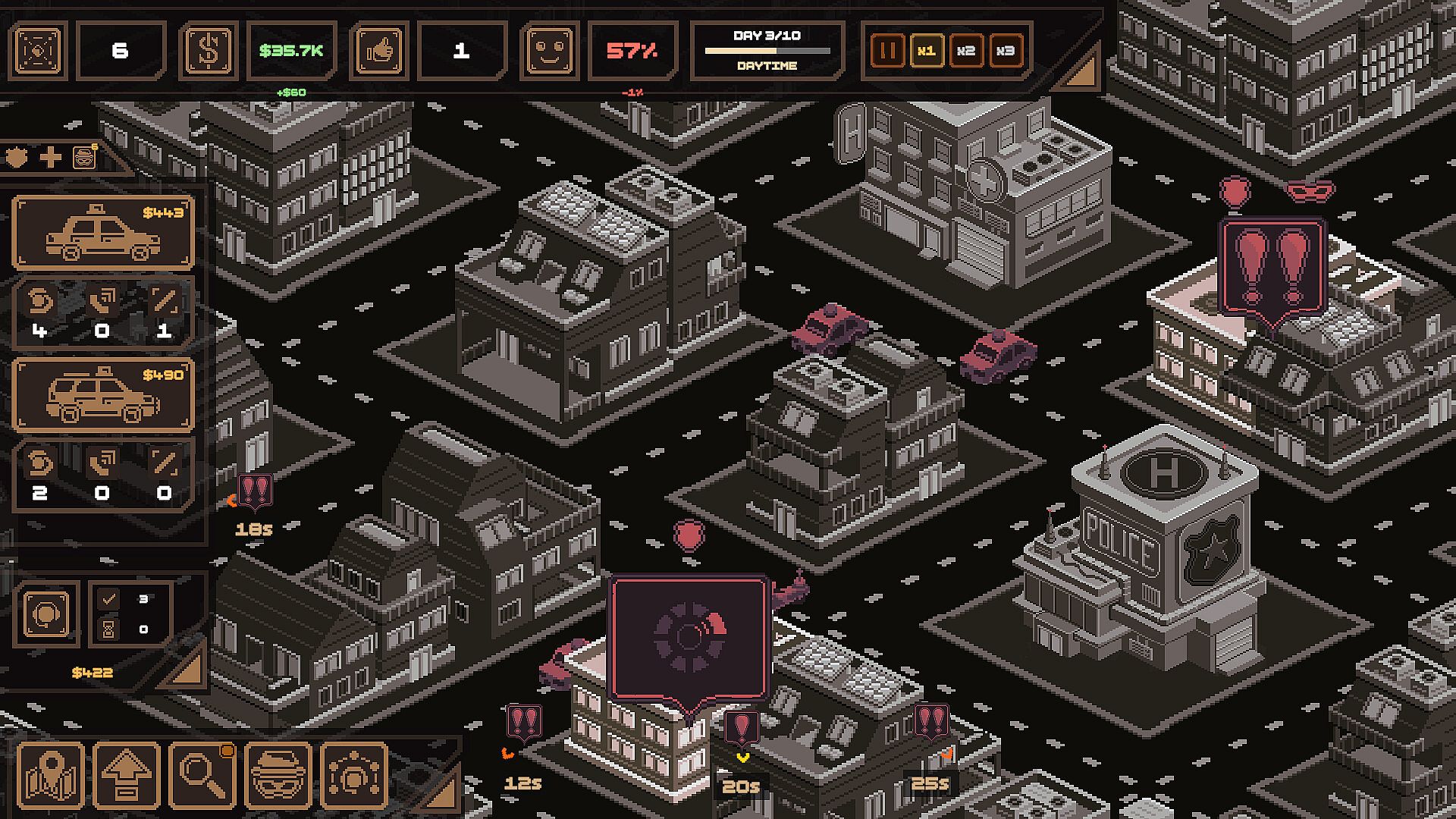
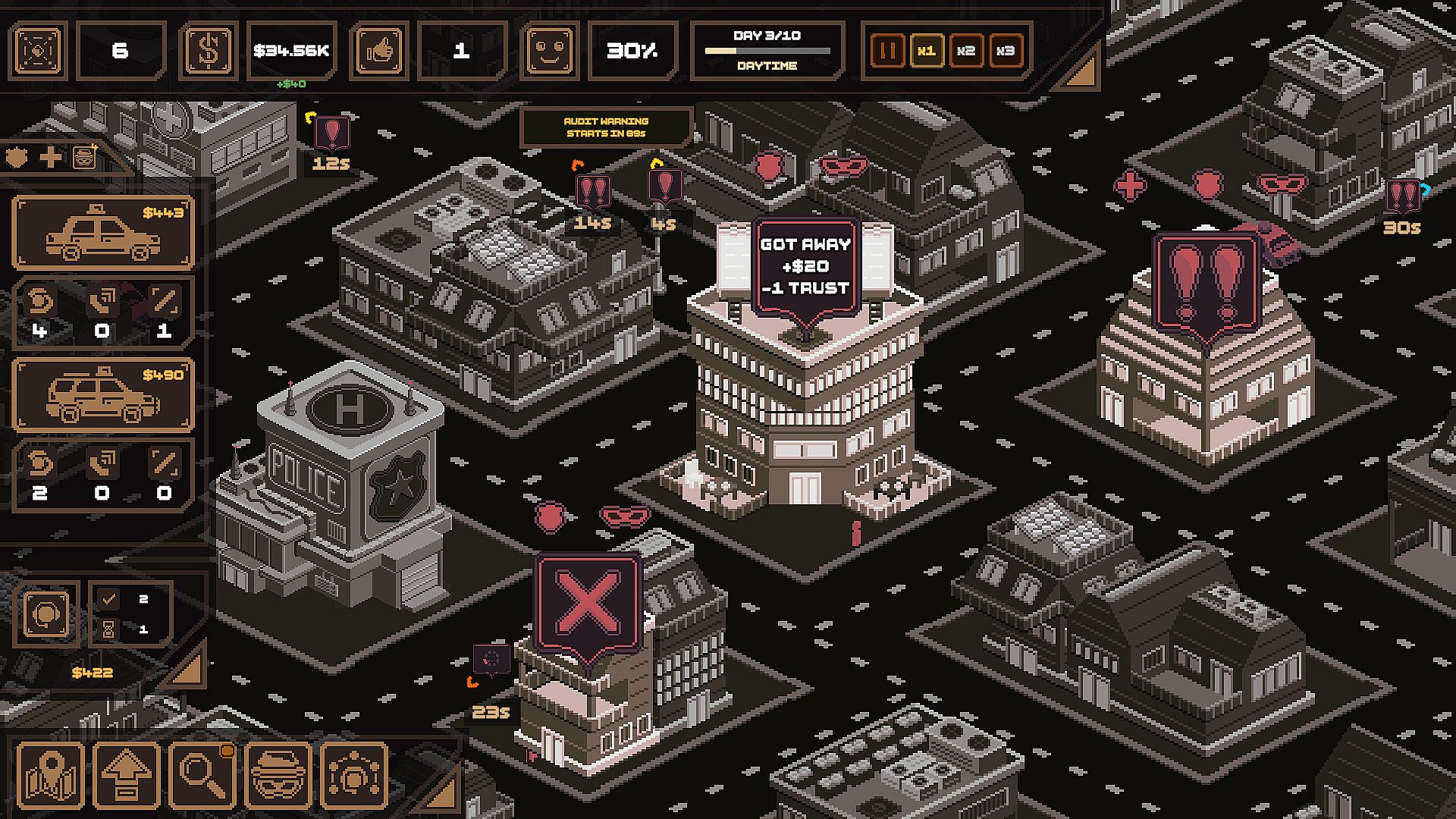
The central loop involves managing incoming emergency calls during the day while secretly directing criminal operations at night. Players review call details, assess team locations and routes, and choose which units to dispatch to each incident. Response times and positioning directly influence outcomes, requiring careful planning to keep the city functional. When situations escalate, direct intervention becomes necessary to resolve them effectively.
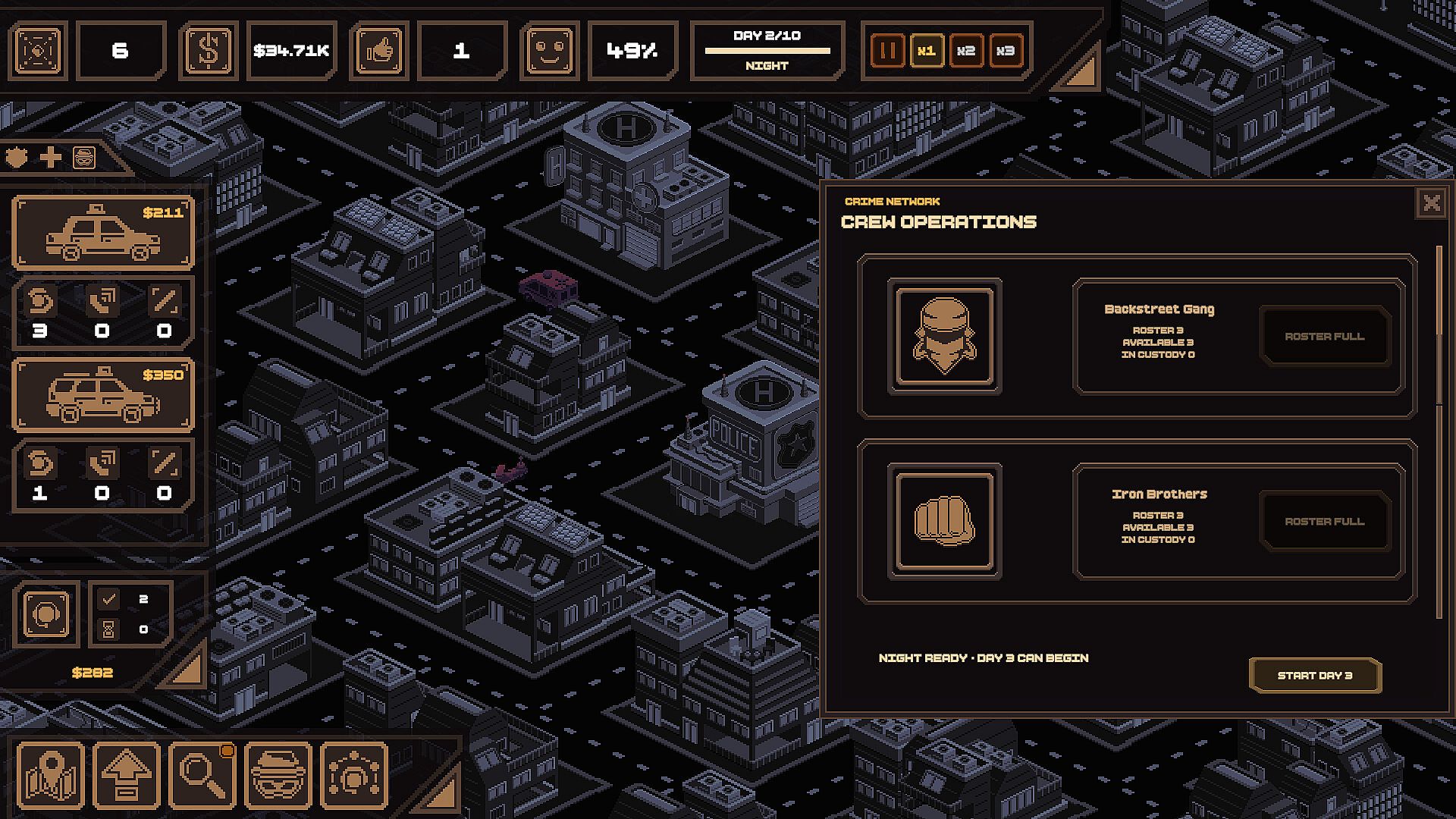
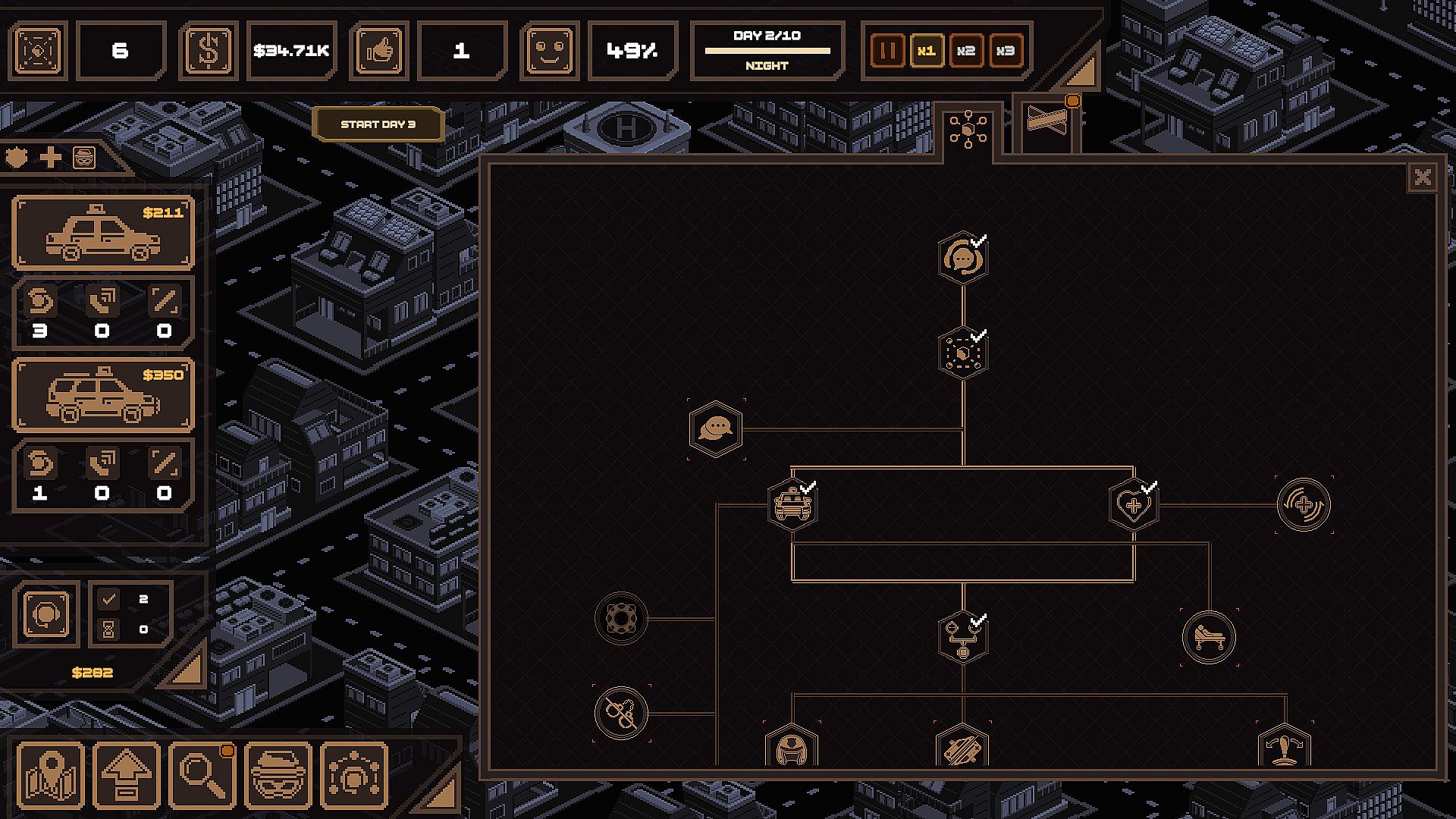
Progression centers on building out the operation through investments in vehicles, expanded dispatch capacity, and research projects. These upgrades allow handling of larger call volumes without sacrificing efficiency. At the same time, nighttime decisions shape the criminal network by selecting which activities to fund and which risks to accept. Money from crime supports further growth, yet every choice carries consequences for public trust and overall advancement.
The pixel-art presentation reinforces the noir atmosphere, with decisions creating tension between maintaining order and exerting control over chaos. Team management and route optimization form the tactical backbone, while the criminal side adds layers of resource generation and strategic trade-offs.
Game Modes
Dirty Dispatch operates through a single integrated experience that combines emergency dispatch management with criminal network development. There are no separate standalone modes; instead, the gameplay flows continuously between day and night phases within the same campaign structure. This unified approach keeps focus on the interconnected systems of response coordination and underground planning.
Players progress through escalating challenges as the city generates more incidents and opportunities. The absence of distinct modes encourages repeated engagement with the core mechanics rather than switching between unrelated activities.
Core Mechanics and Progression
Resource management drives long-term success. Funds generated from criminal activities fund vehicle upgrades and research that improve response capabilities. Dispatch capacity increases allow simultaneous handling of multiple calls, while better vehicles shorten travel times and boost effectiveness on scene.
Public trust acts as a key limiter. Excessive criminal activity or poor emergency responses can erode support, slowing progress and introducing new complications. Players must weigh short-term gains against sustained viability, creating meaningful decisions at every stage.
Research options open new tools and strategies for both sides of the operation. These upgrades reward thoughtful planning and adaptation to the growing scale of incidents and opportunities in the city.
Is It Worth Playing?
Dirty Dispatch suits players who enjoy strategy management titles with intertwined systems and moral trade-offs. The blend of emergency coordination and criminal oversight offers a distinctive loop that rewards attention to detail in routing, team allocation, and long-term investment choices. Those drawn to indie strategy games with pixel-art presentation and noir themes will find the setting and decision-making engaging.
The game appeals particularly to fans of casual-accessible yet strategically deep management experiences. Its focus on consequences and dual operations provides replay value through different approaches to balancing order and chaos. Availability on PC makes it accessible for those seeking a thoughtful strategy title without high system demands.