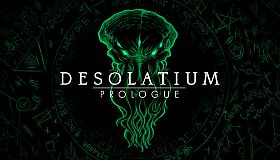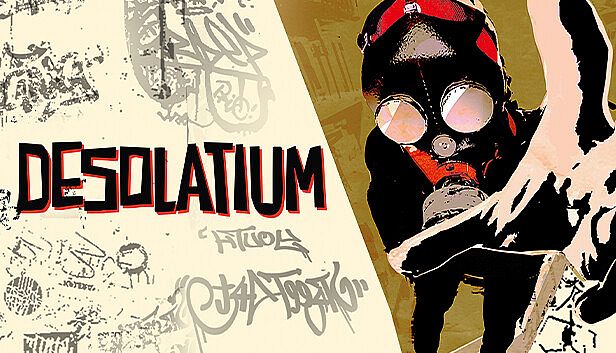















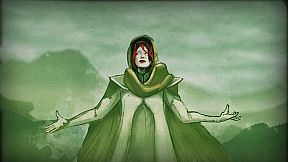
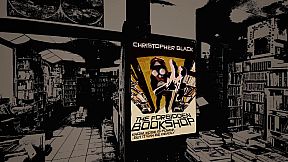
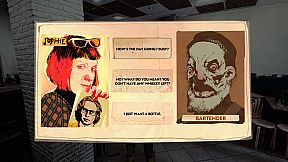
Desolatium is a first-person point-and-click graphic adventure game with survival horror elements set in the universe of H.P. Lovecraft. Players investigate mysterious events tied to ancient myths while navigating a narrative that branches based on choices made across multiple character perspectives.
Gameplay
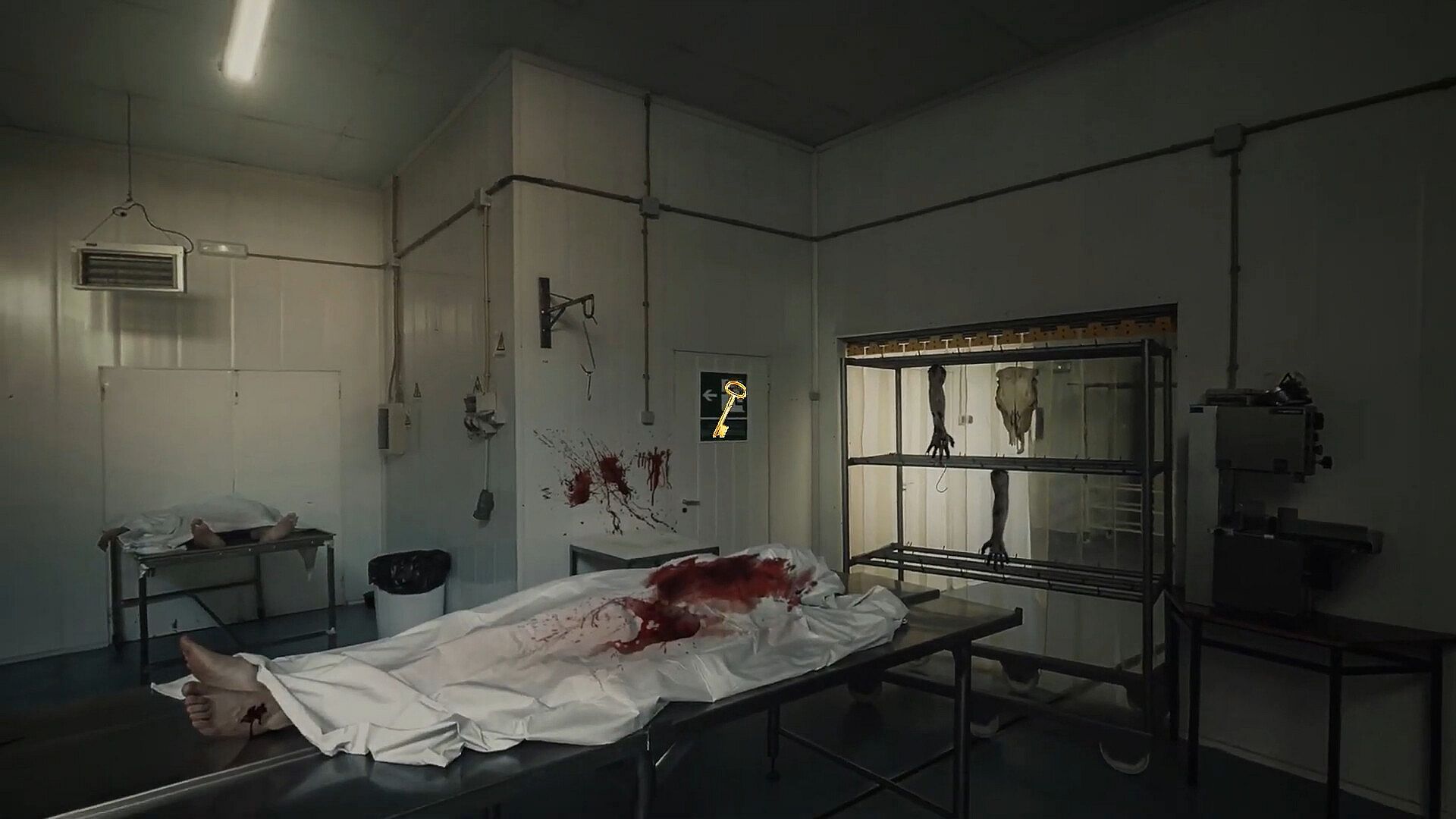
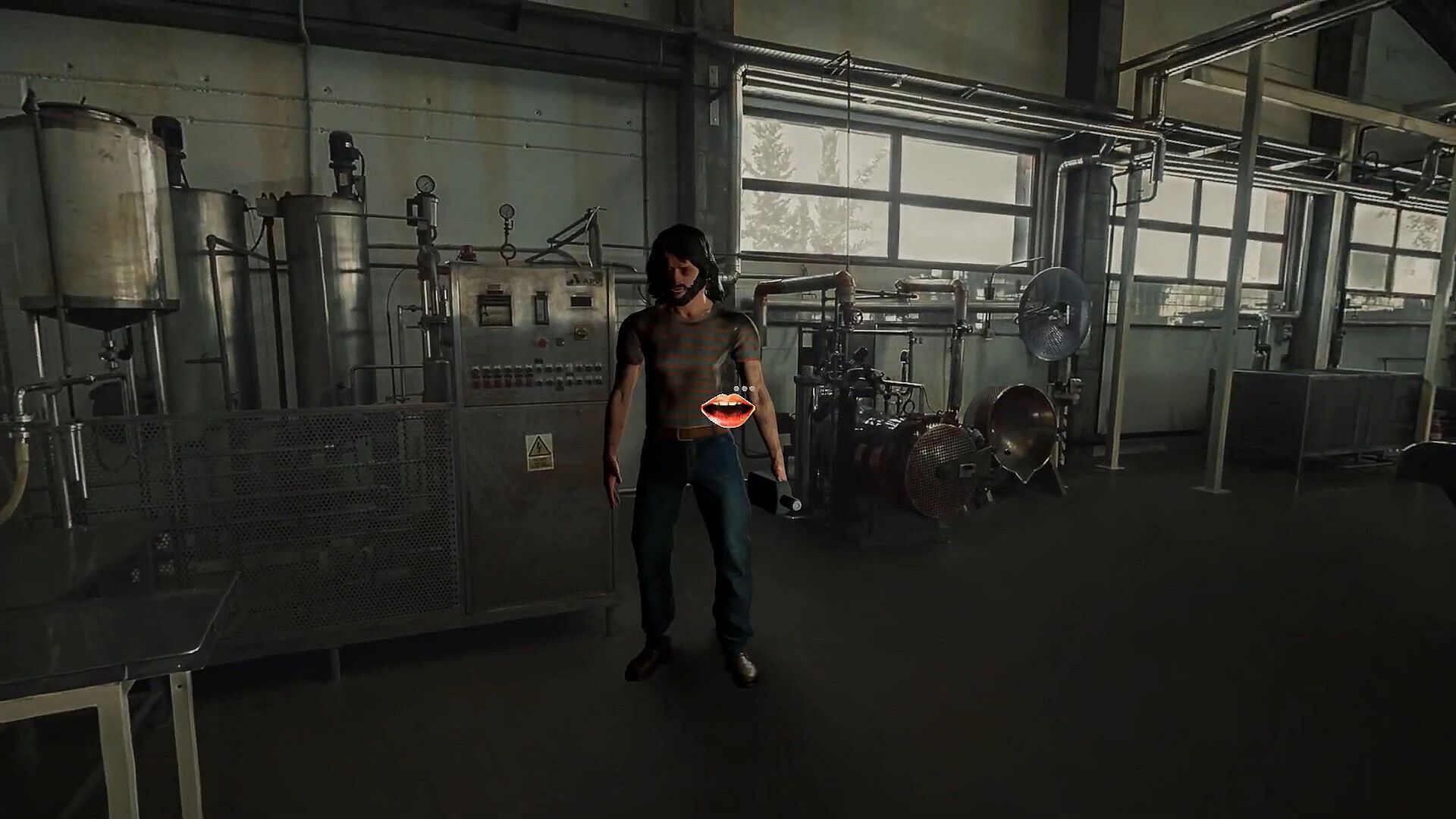
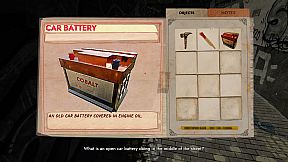
The core loop centers on exploration and puzzle solving in environments built from real-world 360-degree photography integrated with subtle 3D elements. Players examine objects, gather clues, and interact with the surroundings from a fixed first-person viewpoint typical of classic graphic adventures. Each location emphasizes atmospheric tension through detailed visuals and spatial audio that places sounds in specific directions to heighten unease.
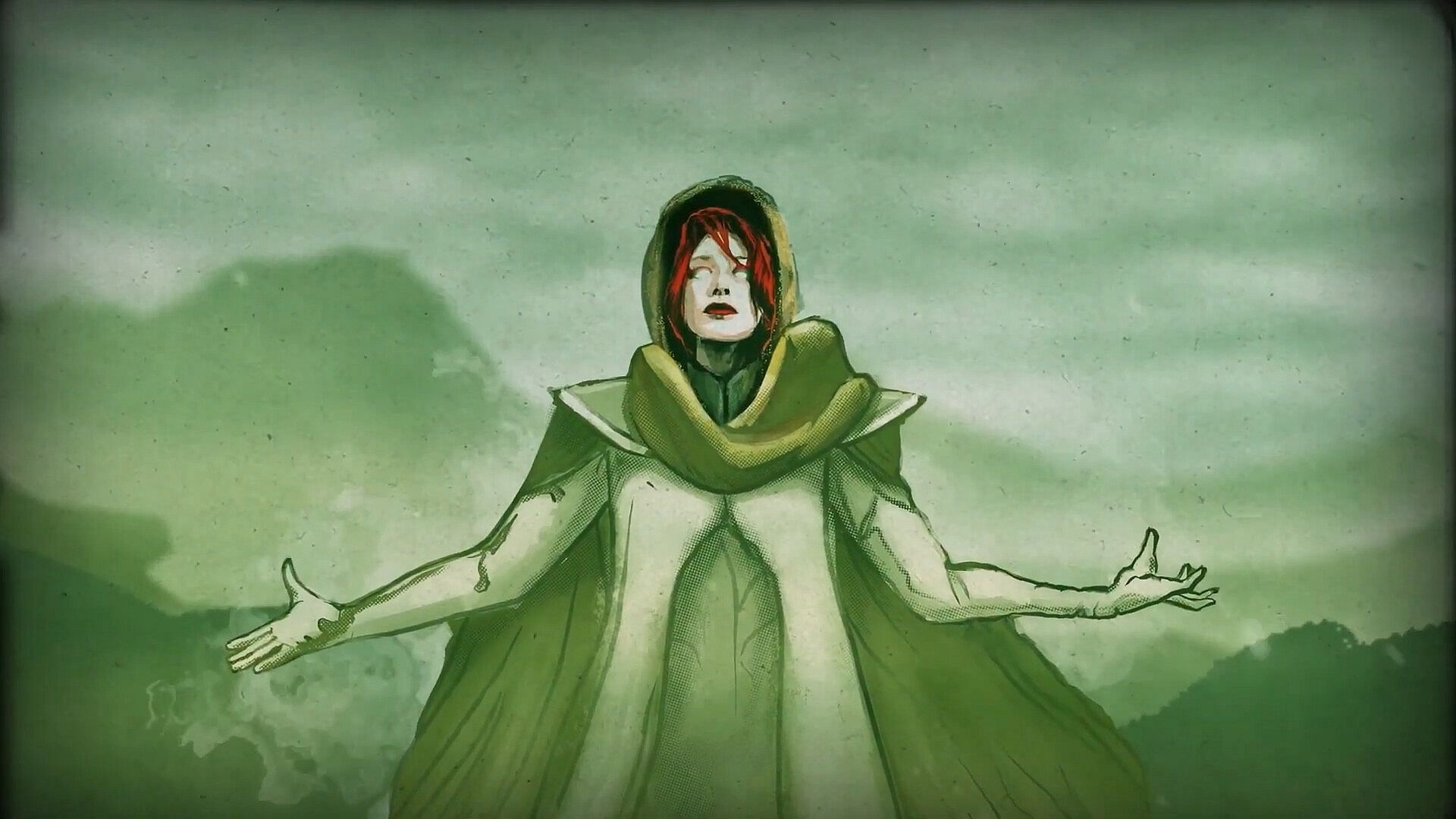
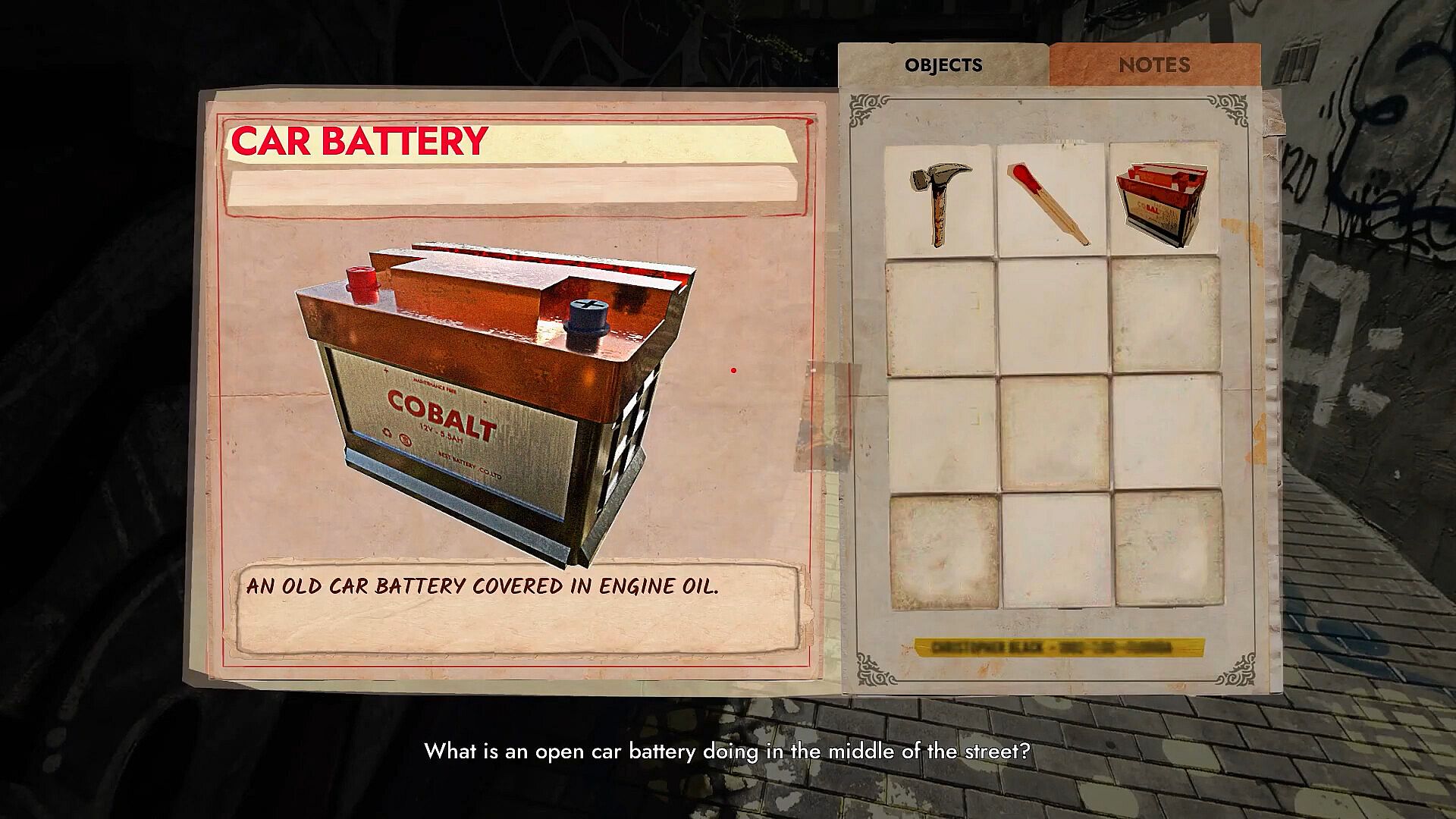
Investigation requires careful observation of clues and hints scattered throughout the scenes. The four playable characters each bring distinct abilities and perspectives that influence how information is uncovered and interpreted. Progress depends on combining items, interpreting environmental details, and piecing together the larger mystery without direct combat mechanics.
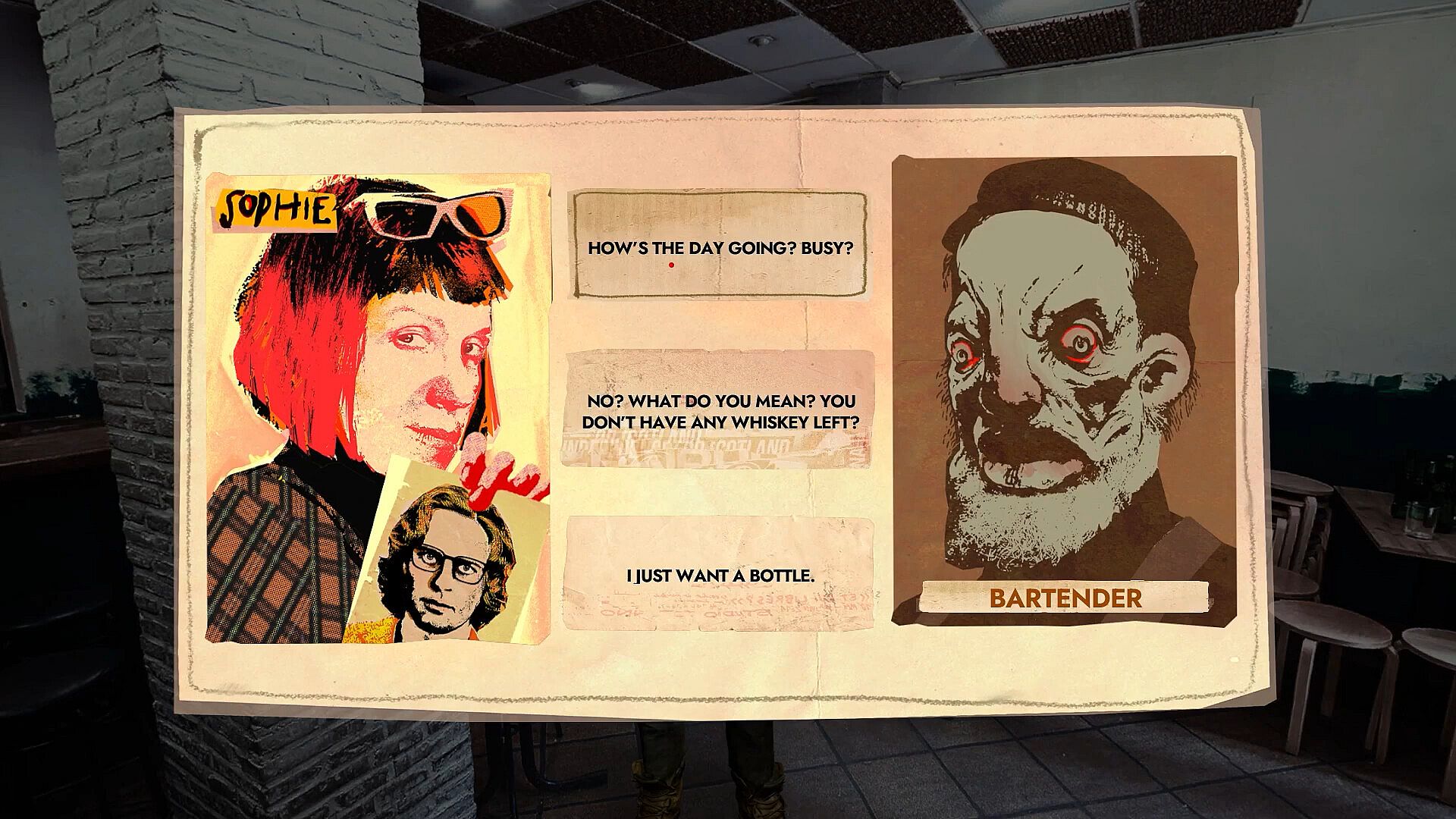
Decision points appear during key story moments and alter the path forward. These choices affect relationships between characters and determine access to different sequences or conclusions. The structure encourages replay to uncover alternate outcomes while maintaining a focus on narrative discovery over action sequences.
Game Modes
Desolatium operates as a single-player experience without separate competitive or cooperative modes. The primary structure revolves around a main campaign that follows four distinct character arcs. Each arc presents unique starting conditions and investigative approaches that converge or diverge based on player decisions.
Branching paths emerge from dialogue selections and action outcomes, leading to multiple possible endings. Some routes emphasize uncovering the truth behind events while others explore darker alignments with the forces at play. The absence of traditional difficulty settings or modifiers keeps the focus on story progression and puzzle resolution.
Replay value stems from the character-specific routes and the consequences of earlier choices. Players can revisit sections to test different decisions without altering the core mechanics of point-and-click interaction.
Narrative and Setting
The story begins with a character named Carter awakening in an unfamiliar location with no memory of his identity or circumstances. As events unfold, his associates become involved in the search, revealing connections to Lovecraftian entities and secretive groups. The plot draws directly from established mythos elements such as primordial deities and hidden cults.
World-building occurs through environmental storytelling and collected documents rather than extensive exposition. Locations range from everyday interiors to more unsettling sites that reflect the growing influence of otherworldly forces. The tone blends mystery investigation with gradual descent into themes of insanity and cosmic dread.
Technical Presentation
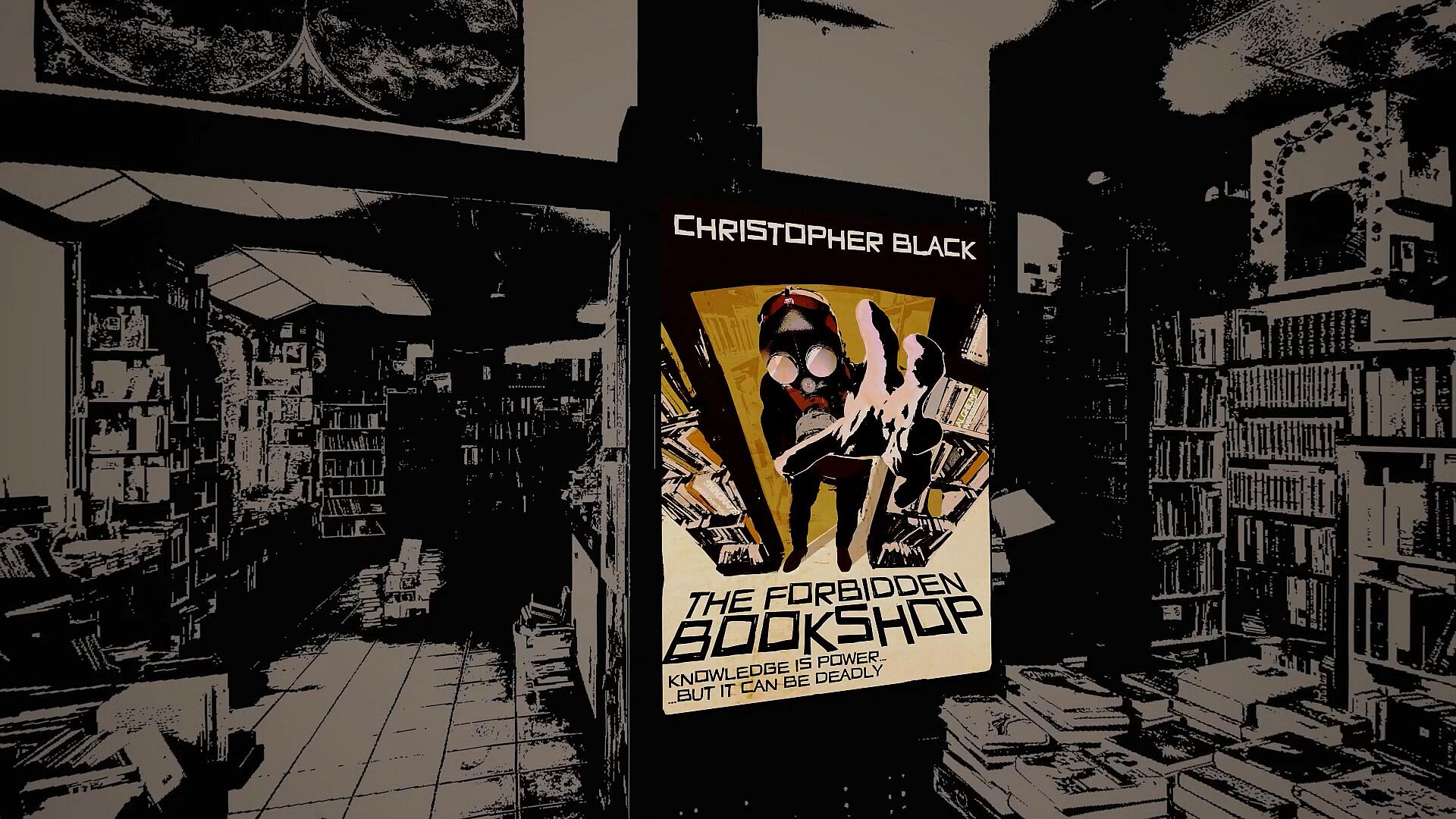
Visuals rely on photorealistic backdrops captured from actual sites and enhanced with layered 3D objects. This approach creates a grounded yet uncanny feel that supports the horror atmosphere. Audio design uses ambisonic techniques to simulate directional sound sources, making distant noises or nearby threats feel spatially accurate.
Controls follow standard point-and-click conventions with mouse-driven interaction for examining and selecting options. The game supports keyboard and mouse input on PC while maintaining compatibility with controller schemes on other platforms where available.
Is It Worth Playing?
Desolatium appeals most to players who enjoy deliberate puzzle-solving and branching narratives in a Lovecraft-inspired setting. The emphasis on investigation and multiple character perspectives provides a focused single-player experience that rewards attention to detail and willingness to experiment with choices.
Reception has been mixed, with praise for the atmospheric environments and puzzle design alongside criticism of voice acting, translation consistency, and occasional pacing issues. Patches released after the 2024 launch addressed several technical problems across PC and console versions.
Those seeking a traditional point-and-click adventure with horror undertones and replayability through different endings will find the structure engaging. Players less tolerant of slower investigation segments or older-style interface conventions may prefer titles with more streamlined mechanics. The game remains available on PC with ongoing support through updates.