




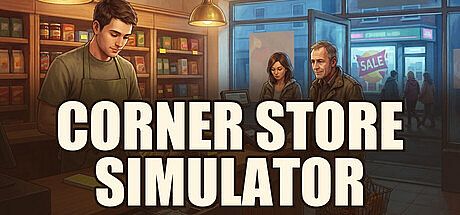


Corner Store Simulator is an indie simulation game that puts players in charge of running a small shop on a competitive street. The experience centers on daily operations where pricing decisions directly influence sales, customer behavior, and overall profitability against two rival stores.
Gameplay
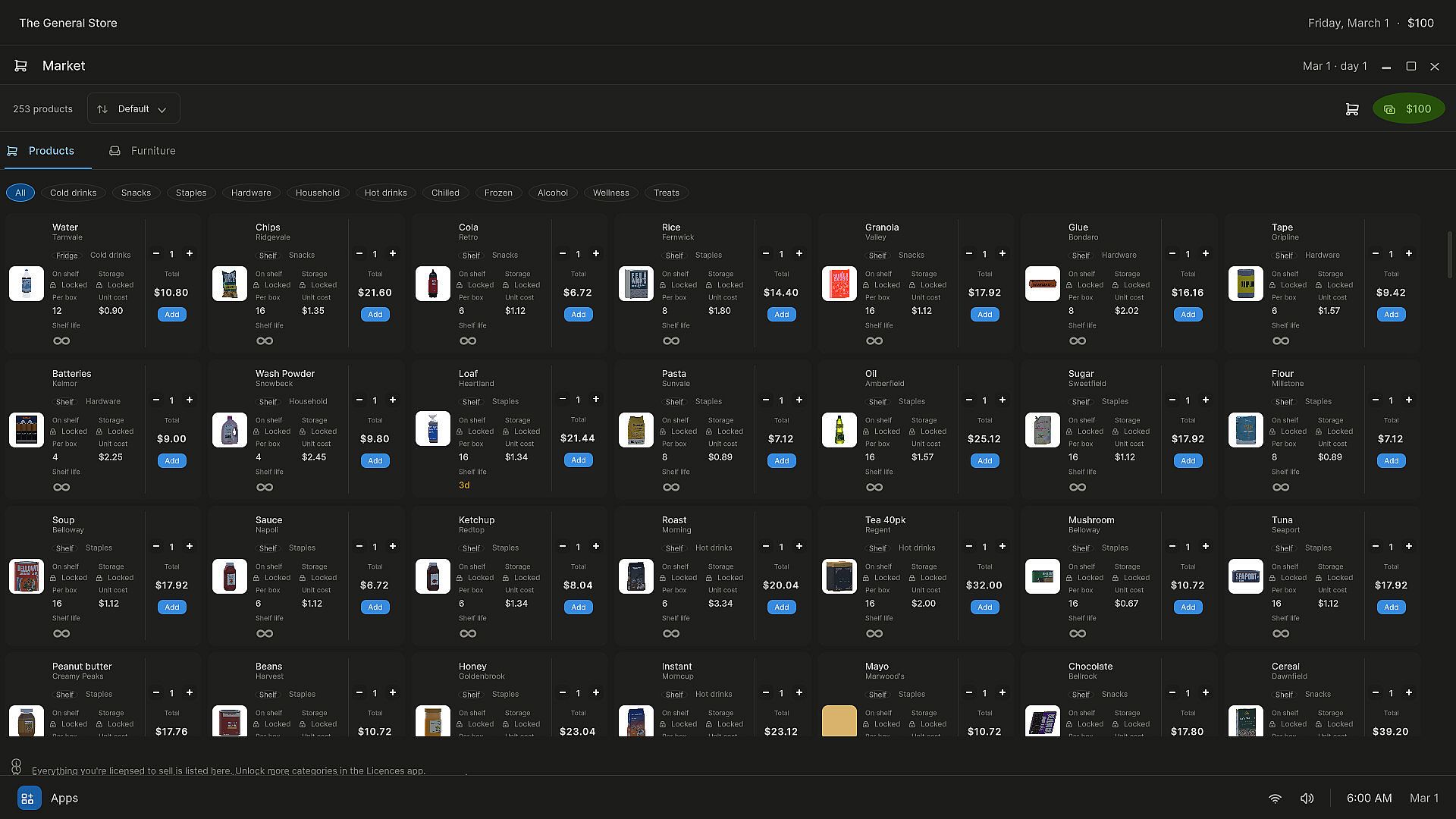
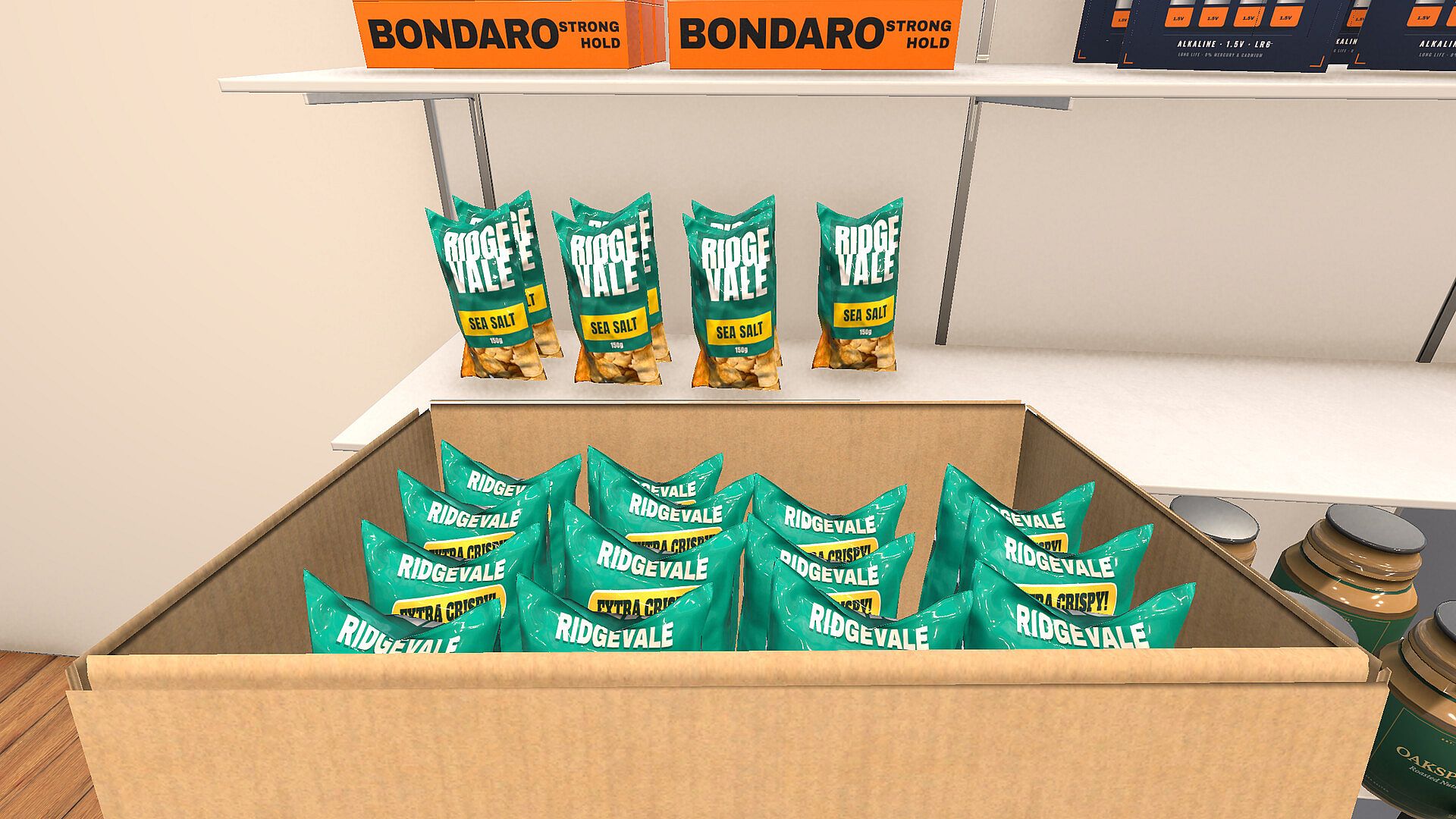
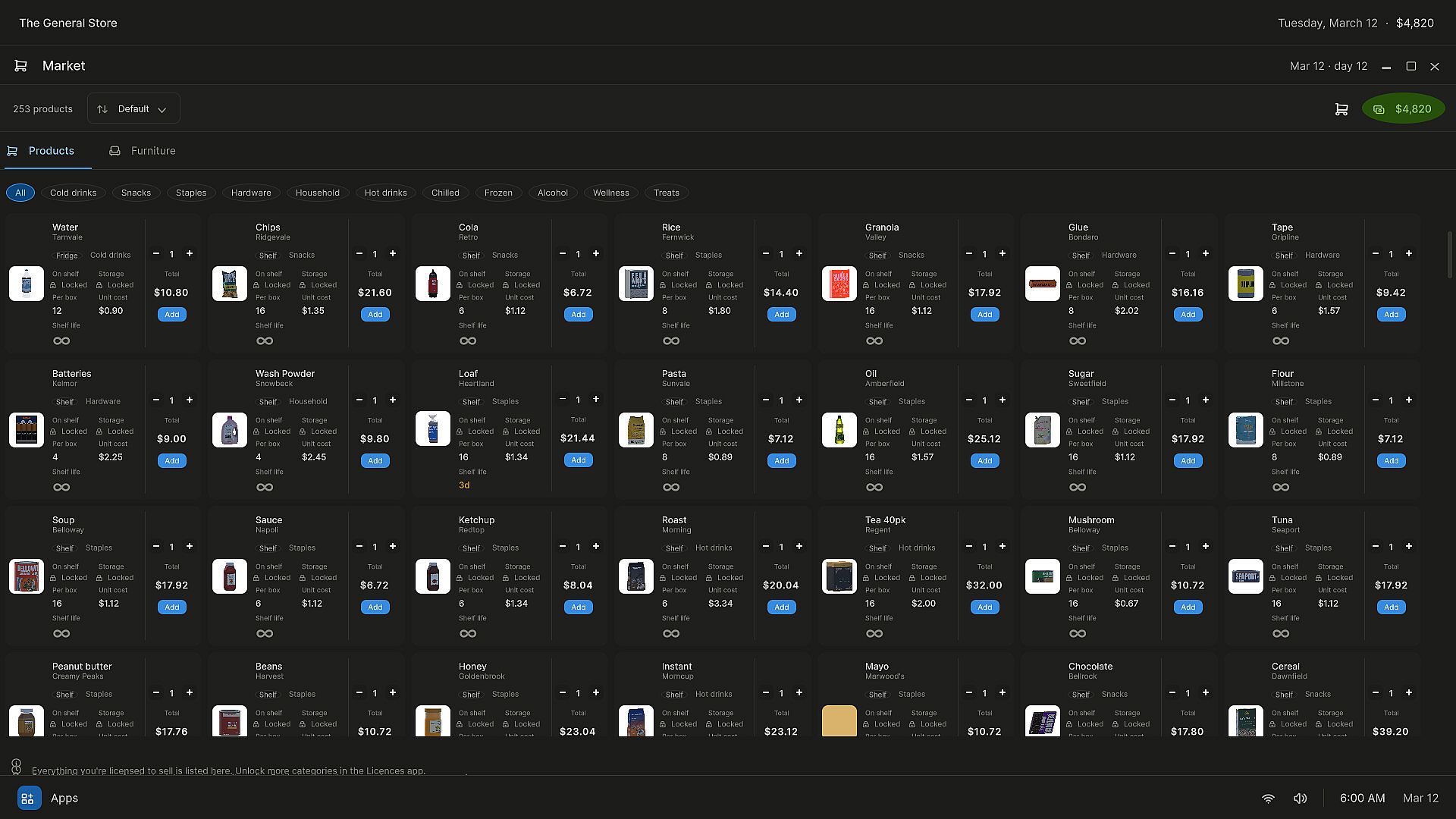
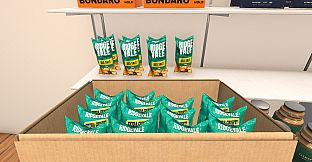
The core loop begins each morning at 6 AM when the shop opens and continues until closing at 10 PM. Players handle every aspect of store management by ordering stock through a computer system and waiting for deliveries to arrive. Once items reach the back door, they must be unpacked from boxes and placed manually on shelves in the correct locations.
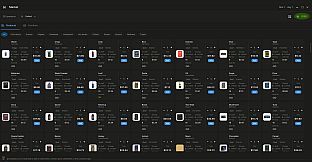
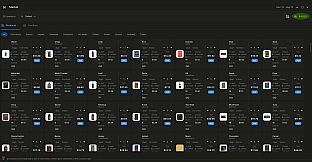
Pricing forms the central challenge. Each product has its own tolerance level based on how familiar shoppers are with typical costs. Overpricing milk by even a small amount draws immediate notice and lost sales, while a larger markup on items like masking tape often goes unchallenged. Success requires monitoring what moves off the shelves and what remains, then adjusting tags accordingly before the next day begins.
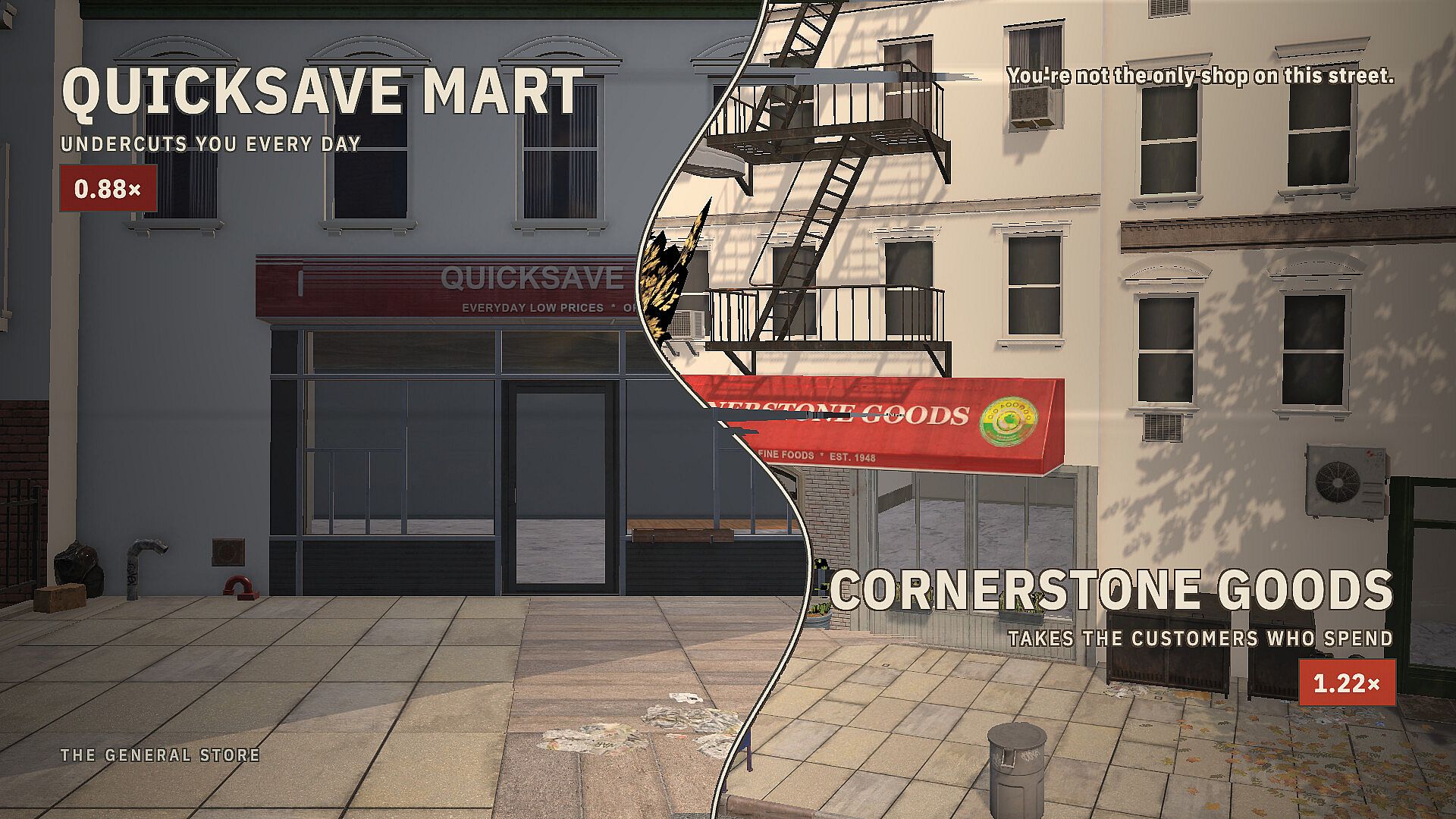
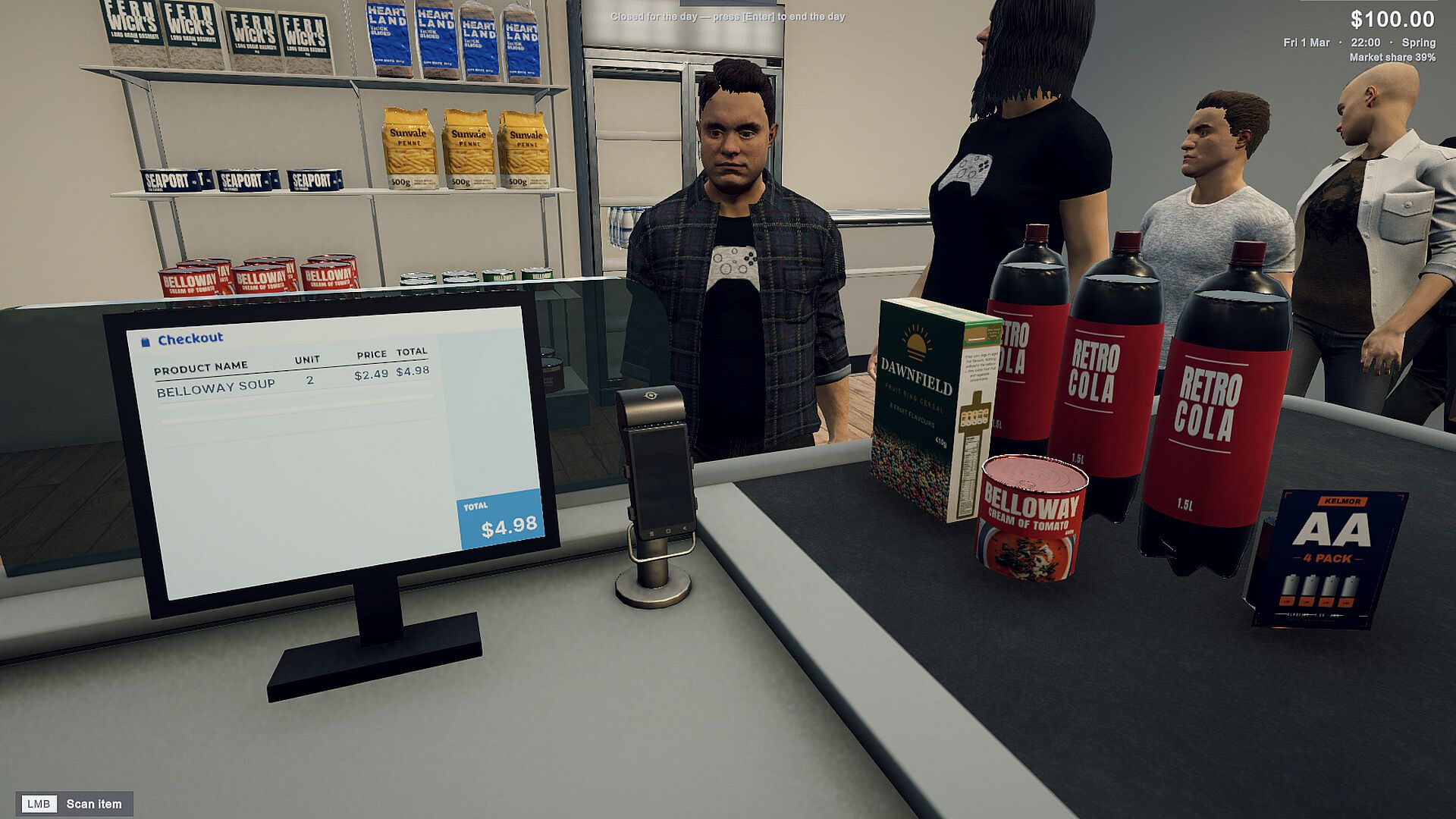
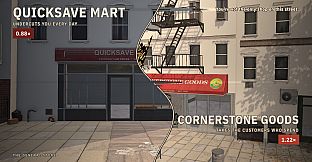
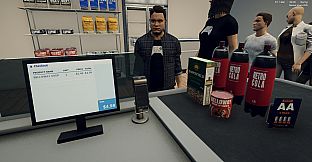
At the till, every transaction involves scanning items, bagging them, and accepting either cash or card payments. After closing, players review the previous day's sales figures on the shop computer to identify trends and refine strategies. Two competing shops on the same street undercut prices or emphasize premium offerings, forcing constant attention to market share data that updates each morning.
Game Modes
The game operates entirely in a single-player format with no separate multiplayer options or distinct named modes. All progress unfolds through the repeated daily cycle of stocking, pricing, serving customers, and analyzing results. This structure encourages iterative improvement as the shop expands over time.
Players start with limited space and basic inventory, then unlock new product categories through earned licenses. Expansion involves purchasing additional floor area to create new rooms, hiring staff members to handle stocking and checkout duties, and installing extra fixtures like additional registers. Fixed costs such as rent and wages apply regardless of daily performance, adding pressure to maintain consistent revenue.
Progression and Management Systems
Growth comes through careful financial planning and observation. New licenses open access to categories including bakery goods, produce, alcohol, tobacco, and lottery items. Each addition requires space and staff support to manage effectively. Players track share of street spending via the in-game computer, which shows how rival actions affect their own position.
The emphasis remains on hands-on tasks rather than automation in the early stages. Unpacking, shelving, and price setting all demand direct player input. As the business scales, hired employees take on some routine work, allowing more focus on strategic adjustments and number analysis.
Is It Worth Playing?
Corner Store Simulator appeals to players who enjoy detailed shop management simulations with a strong focus on pricing mechanics and incremental business growth. The single-player experience rewards observation and adaptation over multiple in-game days as the store evolves from a basic setup into a larger operation.
With a planned release in Q1 2027 and no reviews available yet, the title stands out for its specific approach to product-by-product pricing and direct competition with AI-controlled rivals. Those interested in casual simulation gameplay centered on daily routines, inventory handling, and financial decision-making will find the described systems align closely with that preference. The absence of violence or complex narrative elements keeps the focus squarely on the shop operations themselves.











