

























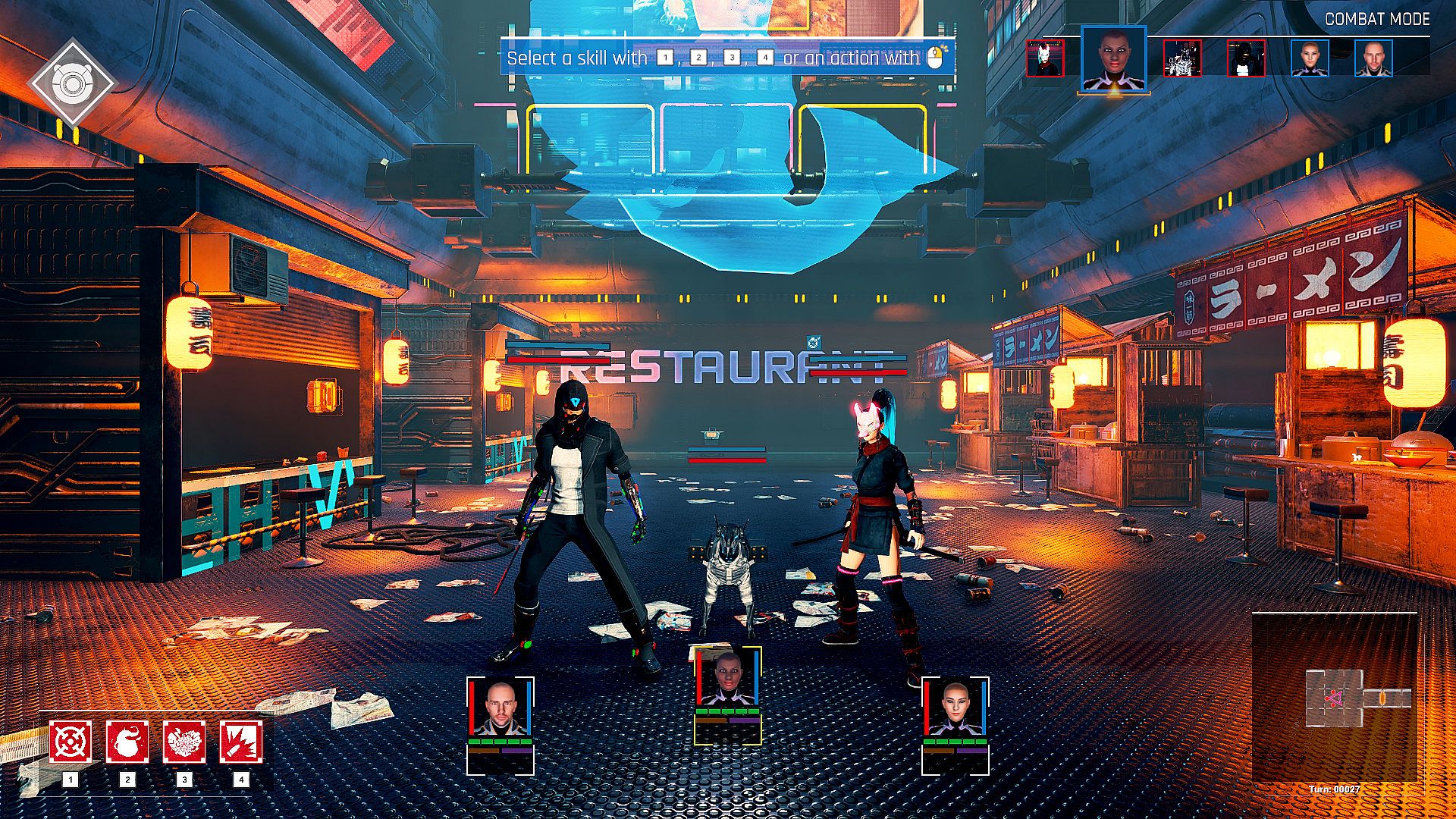
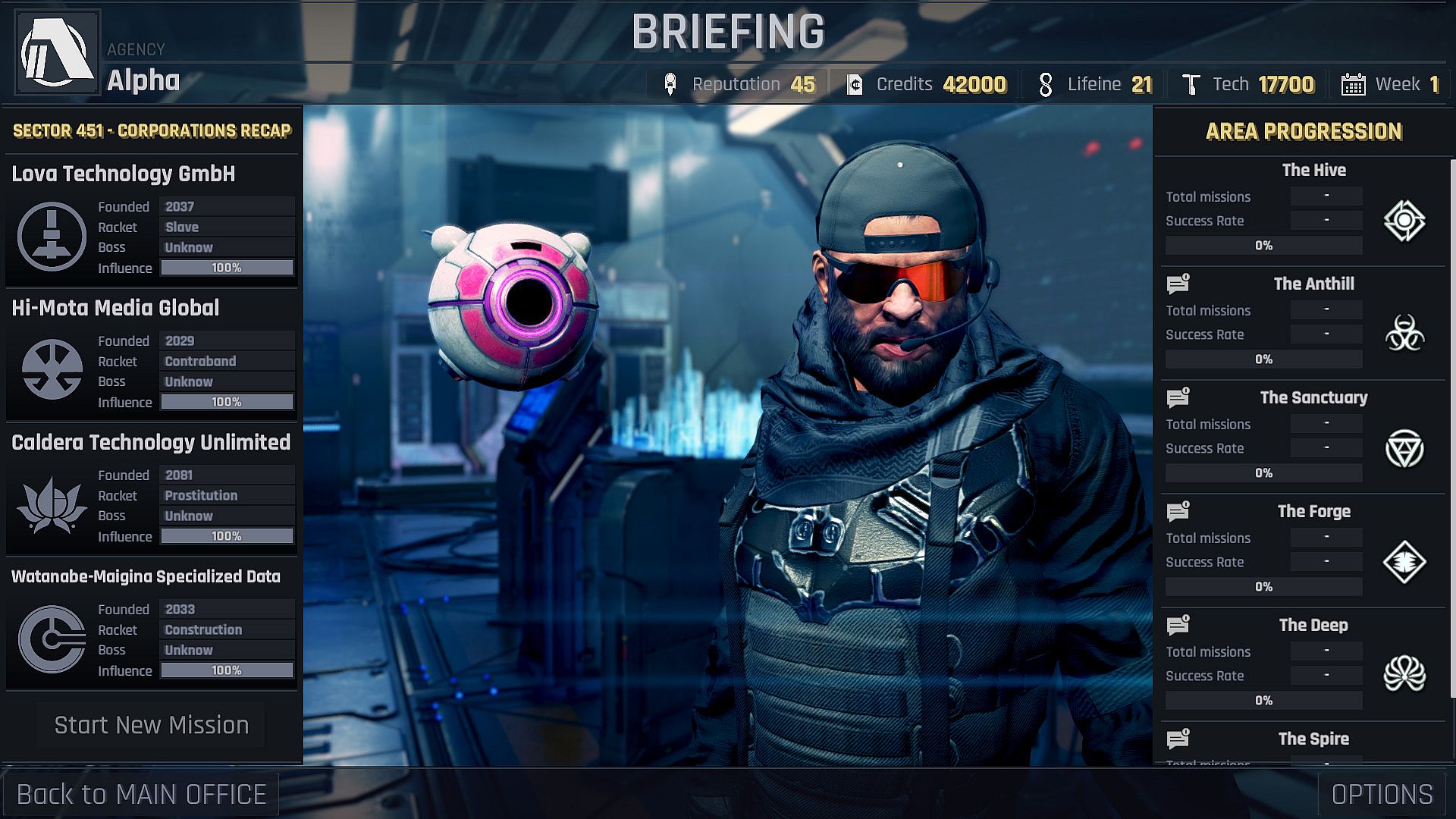
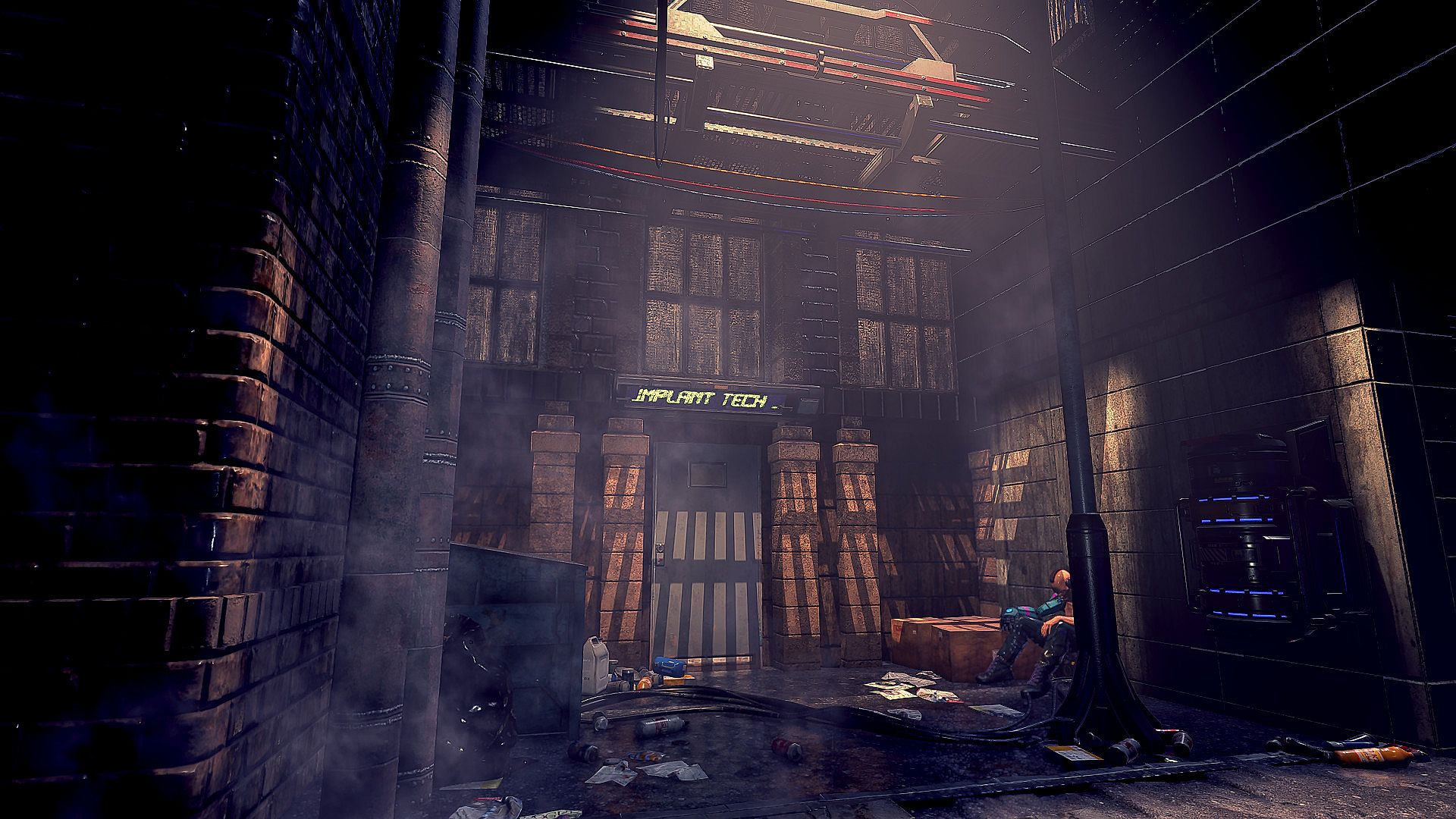

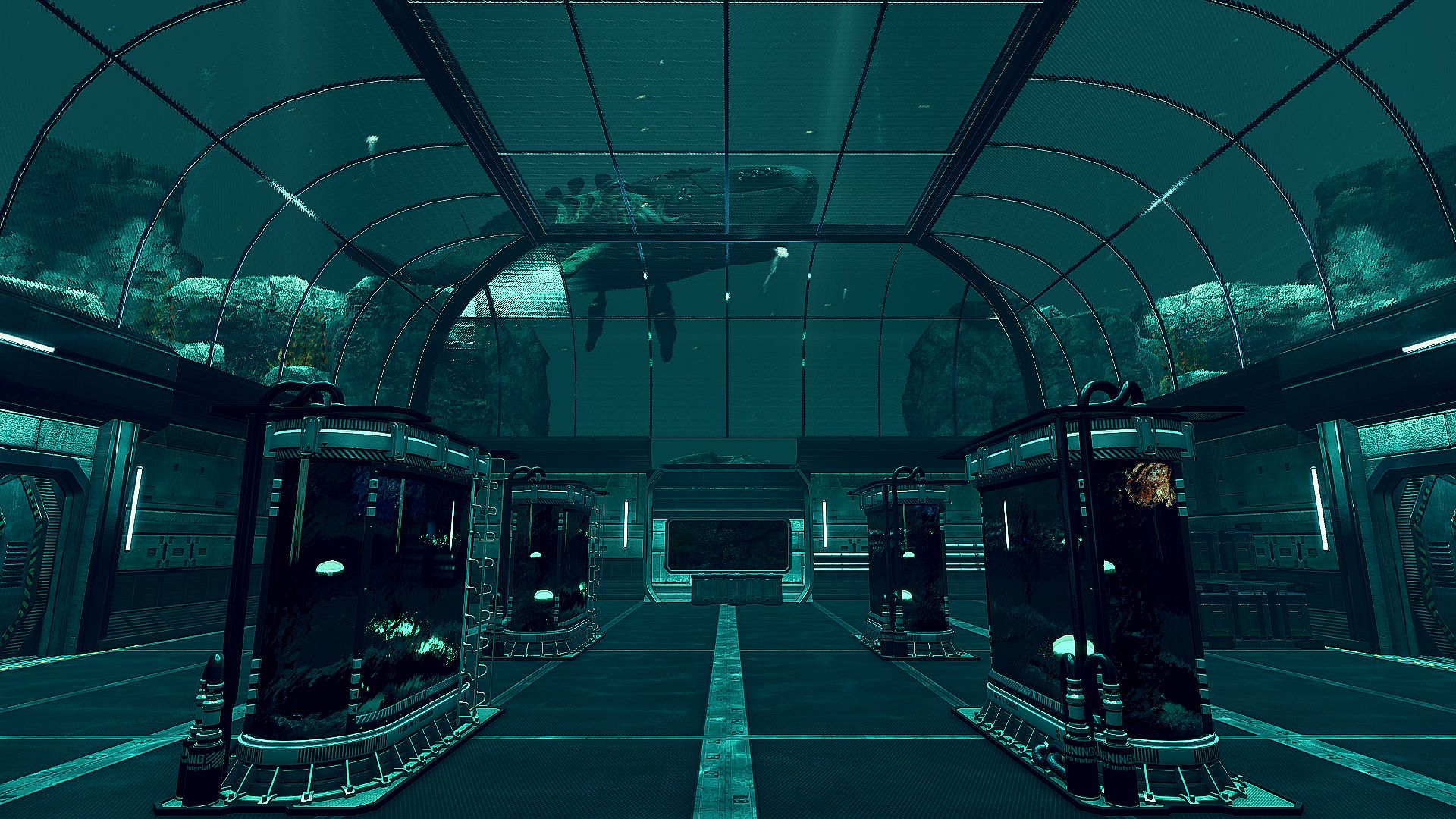
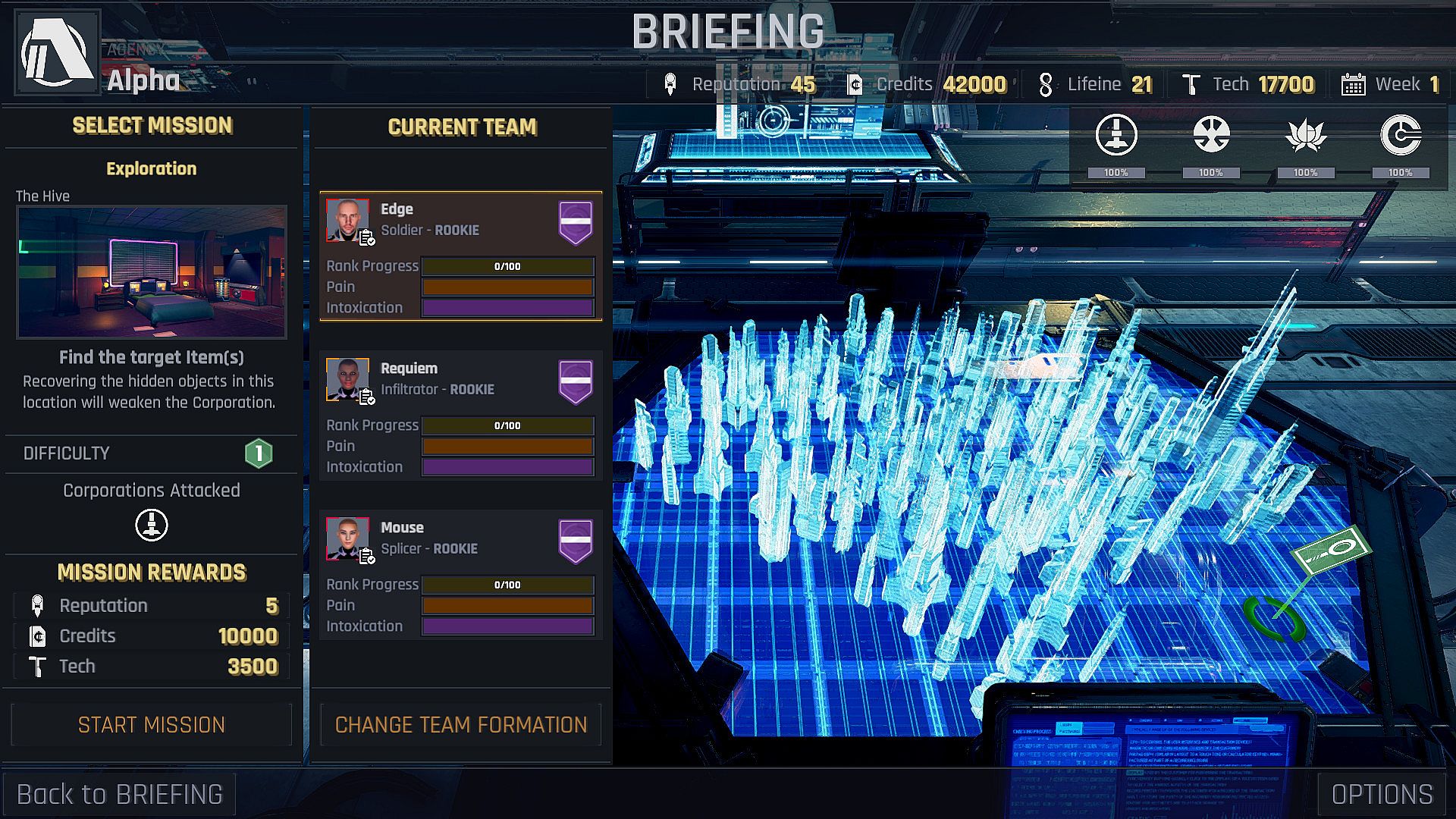





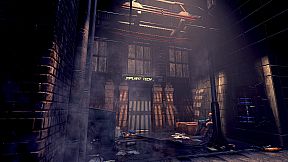





Conglomerate 451 is a grid-based dungeon crawling first-person RPG with roguelike elements set in a cyberpunk world. Players take on the role of a CEO running a special agency tasked with cleaning up sector 451 of Conglomerate city, where rival corporations have carved out territories through corruption and crime. The game emphasizes single-player progression through team management, resource allocation, and tactical missions in procedurally generated environments.
Gameplay
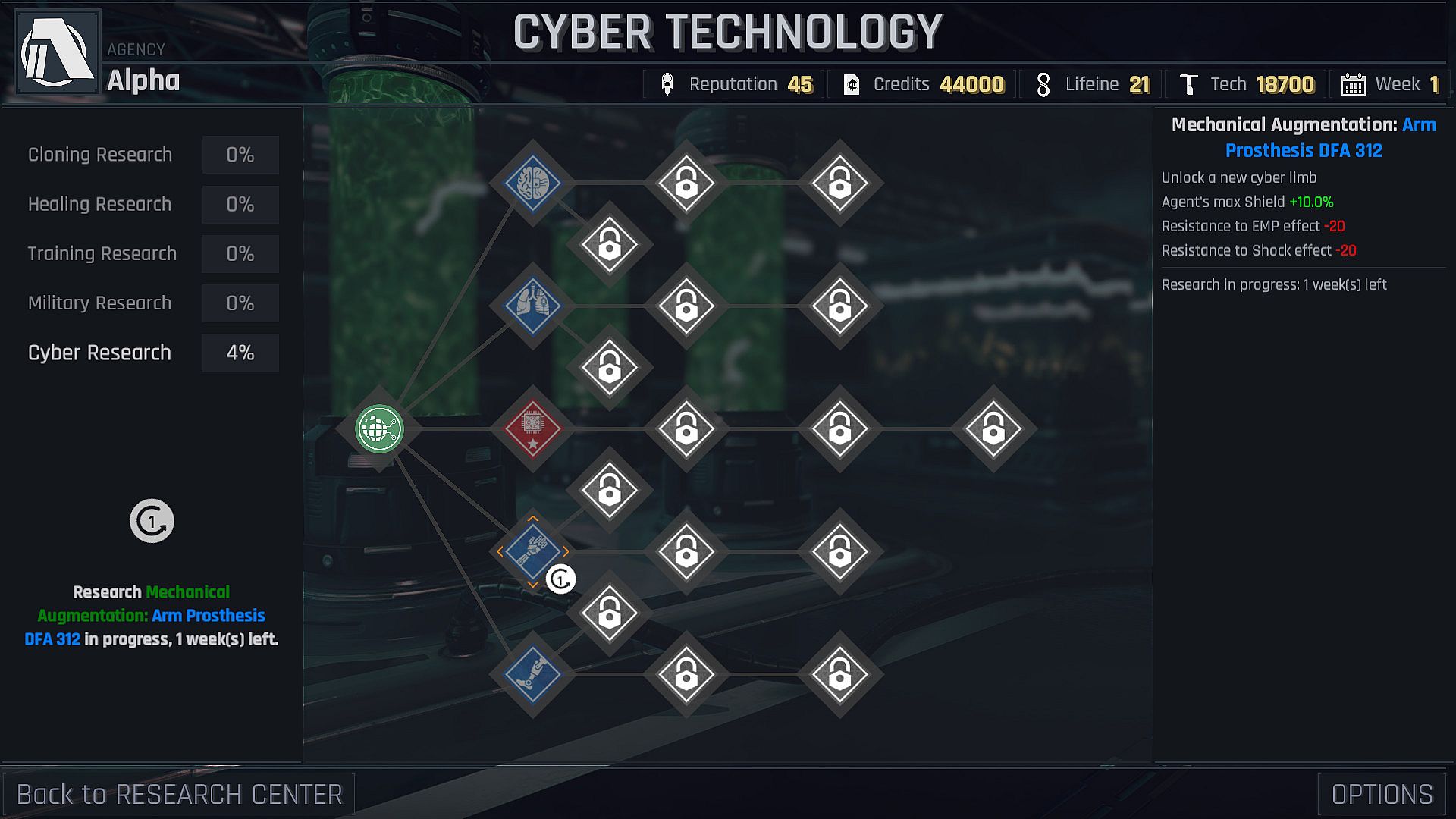
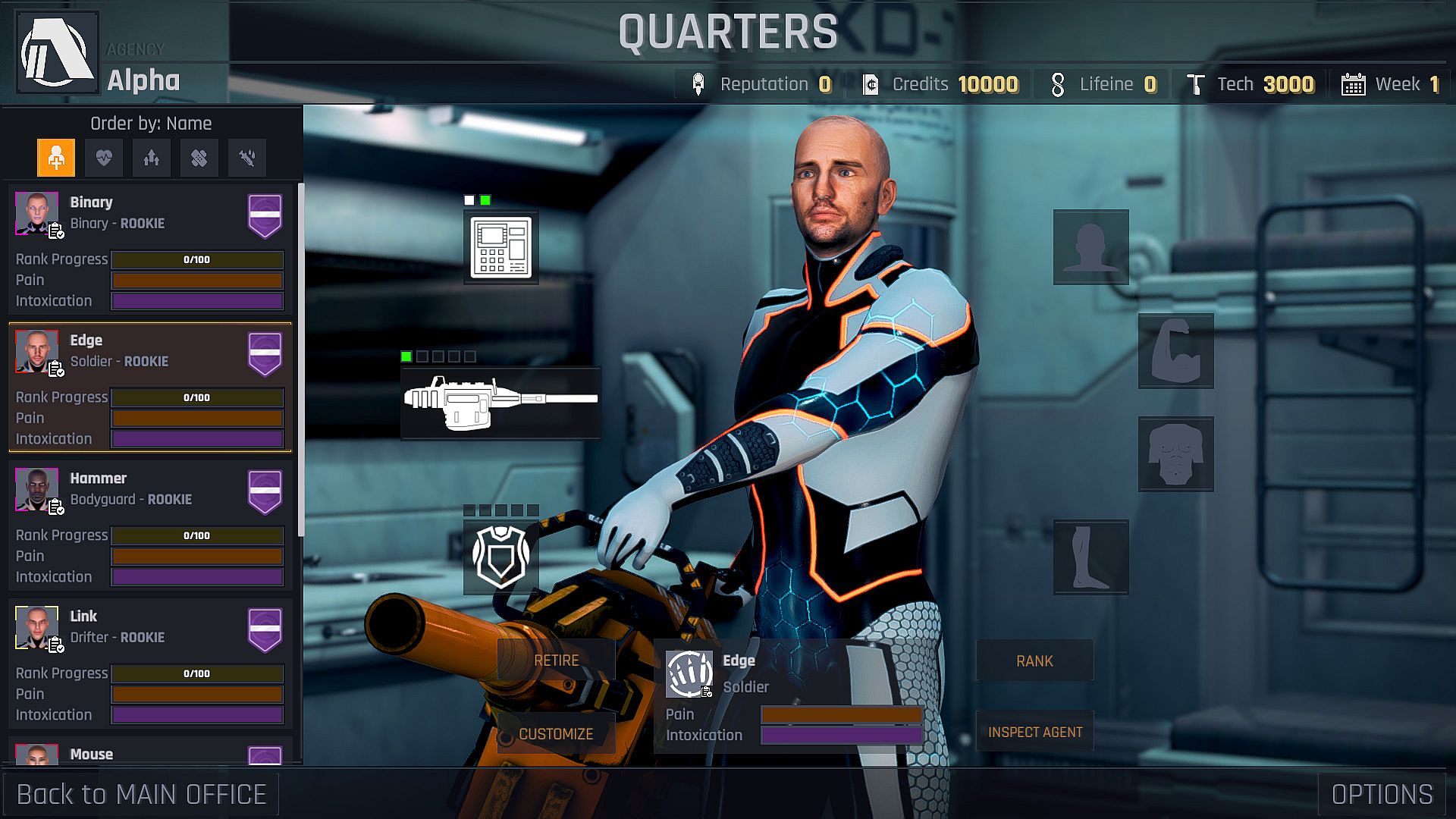
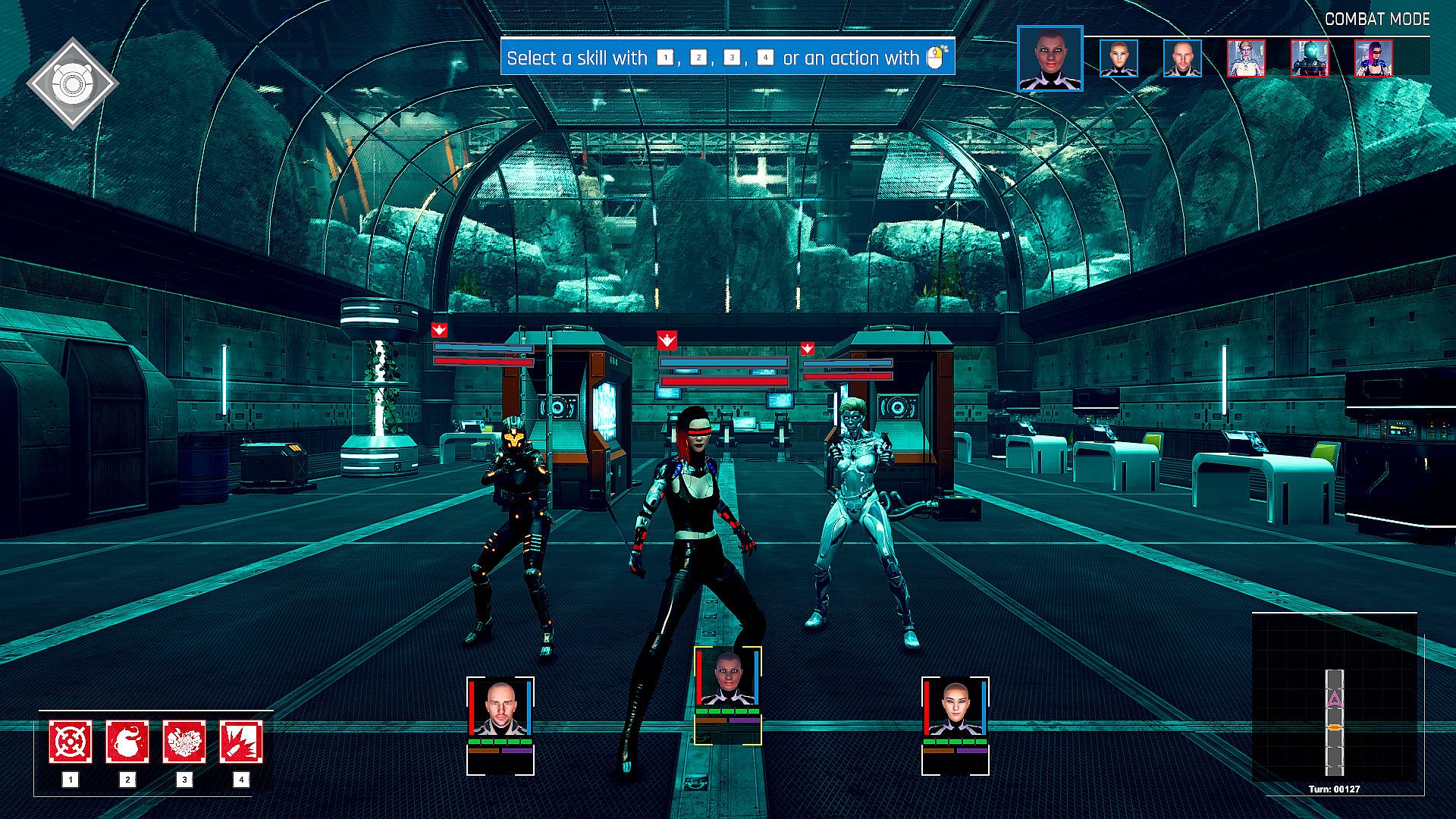
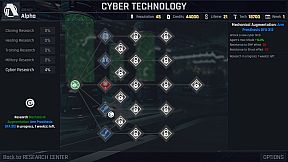
The core loop revolves around assembling and maintaining a squad of cloned agents. DNA manipulation and training sessions prepare these operatives for field work, while equipment choices cover weapons, armor, and interchangeable cyberlimbs that alter skills and capabilities. Research in a personal R&D lab unlocks technological upgrades that expand options over time. Combat occurs in turn-based grid movement within first-person views, where positioning and ability use determine outcomes. Agents accumulate pain from injuries, which can trigger permanent traumas that persist across missions and affect performance. Perks provide specialized skills, while mutations introduce further alterations. Synthetic drugs offer temporary boosts but carry risks of mental disorders developing in repeated users. Mid-mission access to cyberspace allows hacking for intelligence advantages. Permadeath means fallen agents cannot return, forcing careful planning and squad rotation.
Game Modes
Two distinct modes shape the experience. Story mode presents a structured campaign with narrative events centered on conflicts against corrupted corporations and their influence campaigns. Missions advance a central conflict while introducing new challenges tied to the setting. Endless mode generates ongoing procedural content without a fixed endpoint, allowing continued dungeon crawling and squad development beyond the main narrative. Both modes share the same underlying systems for agent customization and mission execution, differing primarily in structure and longevity.
Progression and Customization
Resource management drives long-term growth. Funds and materials support research projects that reveal new implants, proficiencies, and utilities. Collectibles scattered through dungeons can be turned in for additional insights into the world. Achievements track various accomplishments across runs. The combination of procedural layouts and persistent agent conditions creates variability, as traumas and disorders influence future decisions. Hacking sequences add layers to exploration by revealing shortcuts or enemy data before direct confrontations.
Is It Worth Playing?
Conglomerate 451 suits fans of tactical dungeon crawlers who enjoy roguelike risk and cyberpunk atmosphere in a single-player format. Its systems for agent modification and trauma management add depth to squad building and mission preparation. Steam user reviews stand at mixed with 63 percent positive from 144 ratings, reflecting appreciation for the mechanics alongside notes on repetition in procedural content. The game launched in full release during 2020 following an earlier access period and remains available as a complete title without ongoing seasonal updates. Those drawn to permadeath tension, cybernetic customization, and grid-based combat will find the most engagement here, while players seeking frequent content refreshes or multiplayer elements may look elsewhere.