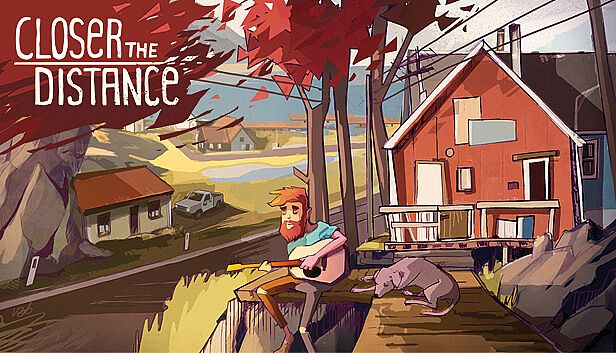






















Closer the Distance is an indie simulation game that blends slice-of-life mechanics with a choices-driven narrative. Players step into the role of Angela, a young resident of the town Yesterby who observes and subtly guides her family and neighbors through the aftermath of a fatal car accident. The experience unfolds as a single-player title on PC, emphasizing emotional connections, community support, and personal decisions rather than action or competition.
Gameplay
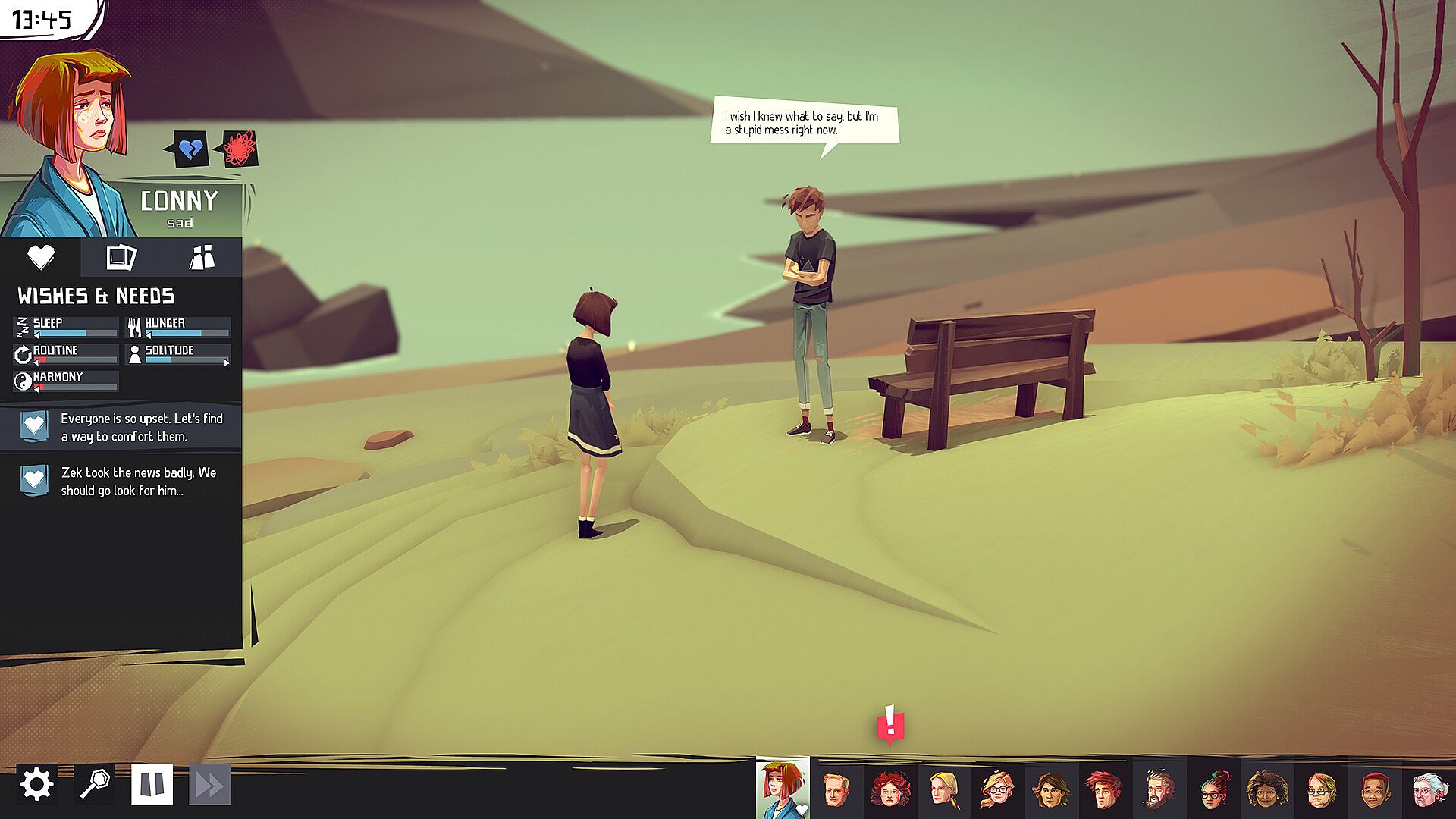
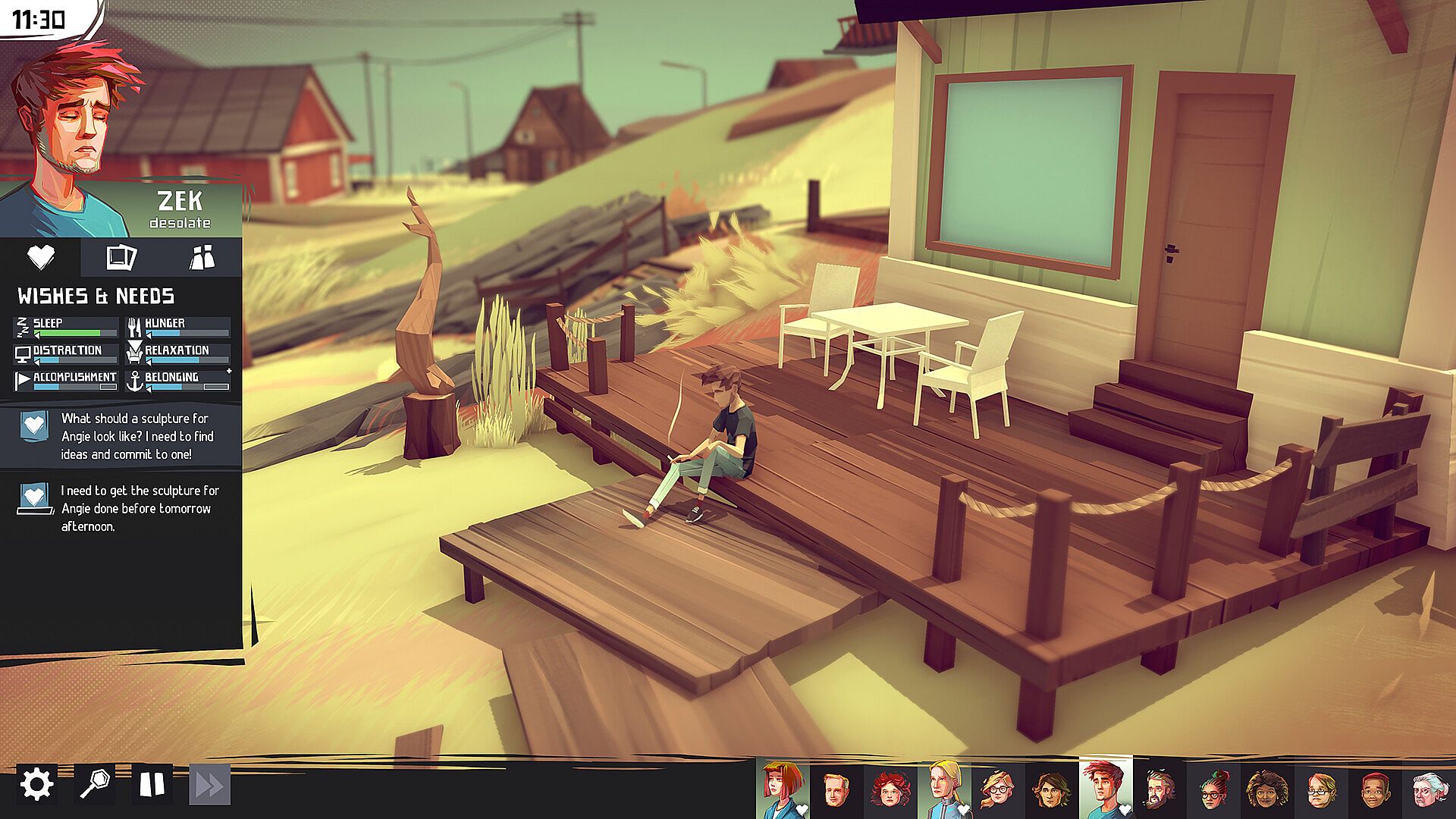
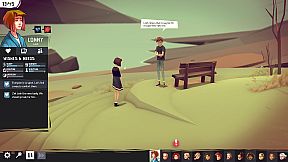
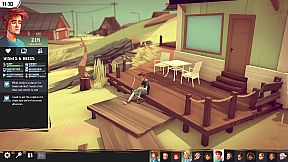
The core loop revolves around time management and relationship building. A day and night cycle runs on a 24-hour clock that advances in 15-minute increments, limiting when certain tasks or conversations become available. Players select characters to control directly, starting with Angela's younger sister and gradually unlocking influence over additional townspeople such as the local doctor. Each character maintains a set of needs displayed in a sidebar, and failing to address these needs causes emotions to overwhelm them, graying out activities on the map and restricting options.
Interactions occur through point-and-click commands. Clicking on another resident brings up dialogue choices or simple actions like helping with chores or offering comfort. These decisions shape ongoing relationships, which in turn open or close story branches. The system encourages careful planning across multiple characters whose lives progress simultaneously on the same timeline. Fourteen characters feature independent storylines that intersect, rewarding players who revisit the game to explore alternate paths and missed events.
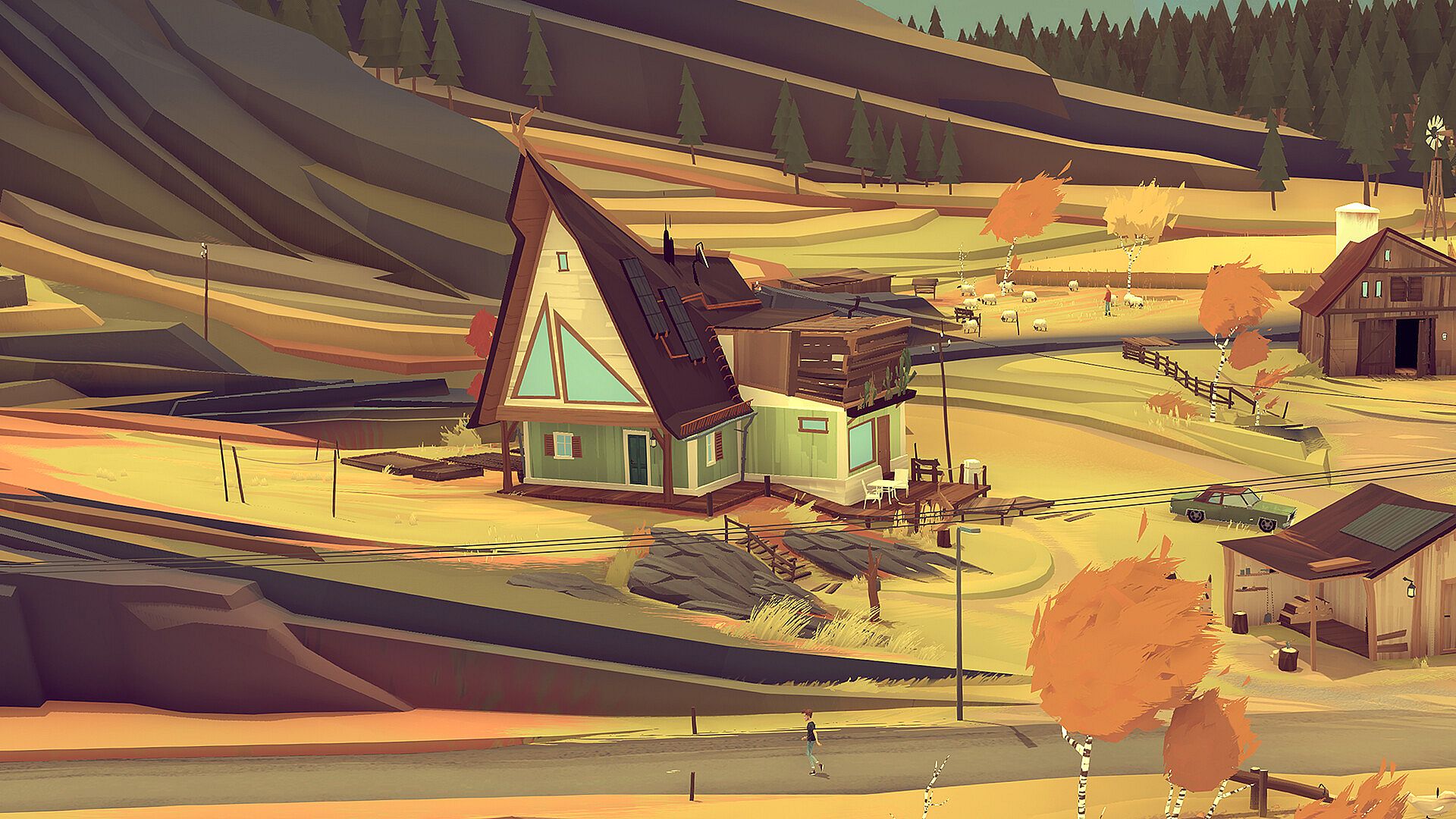
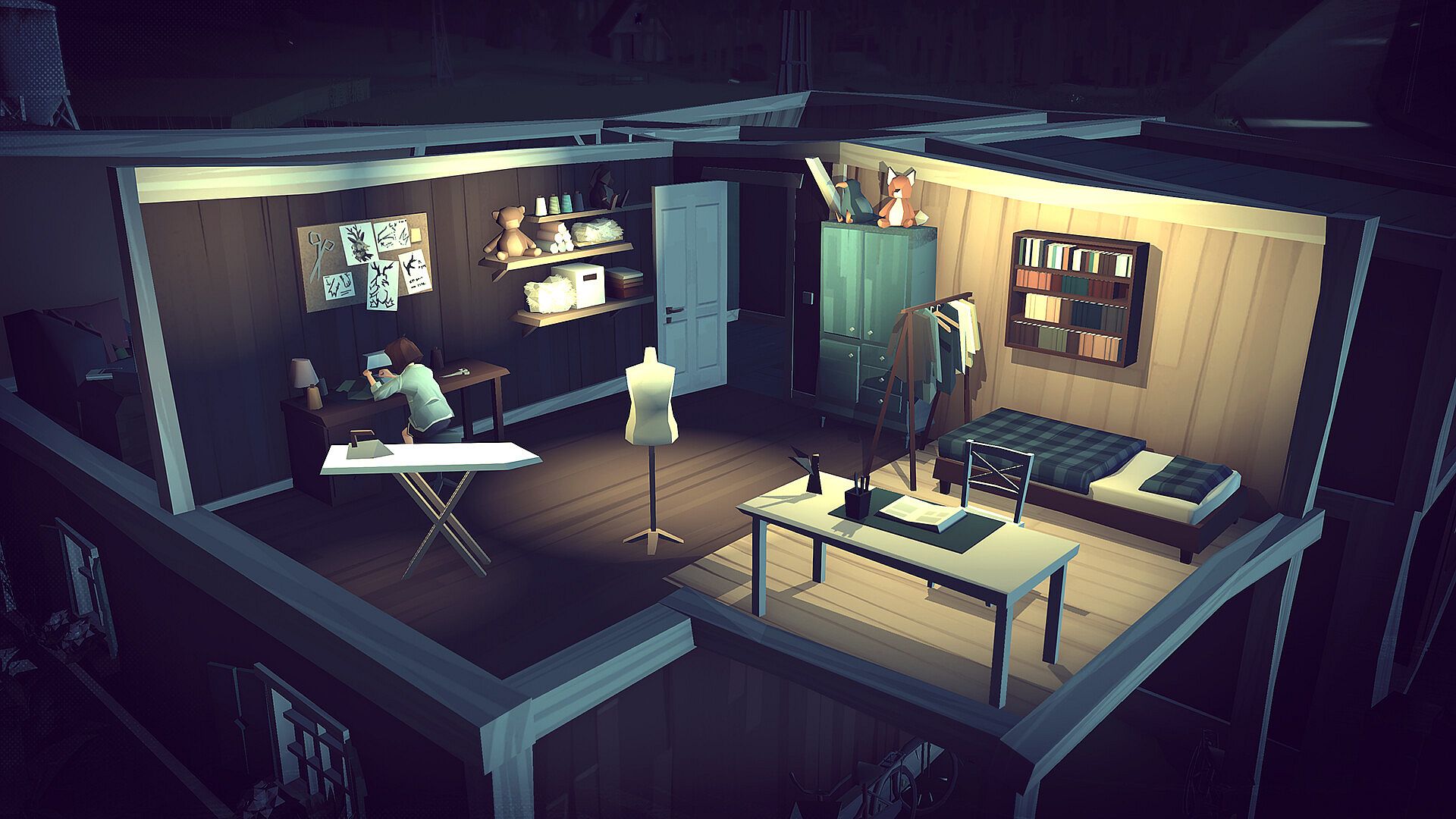
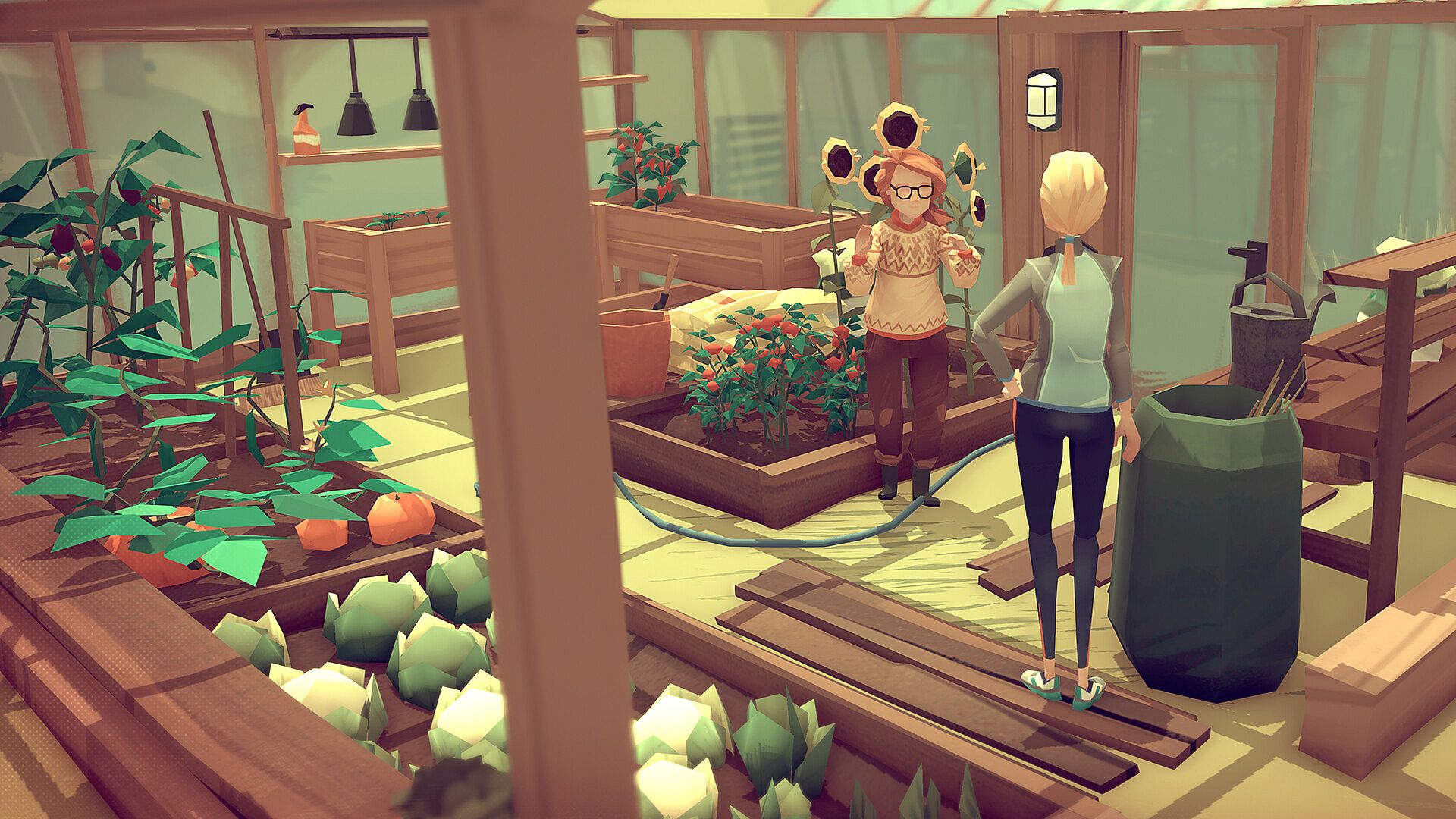
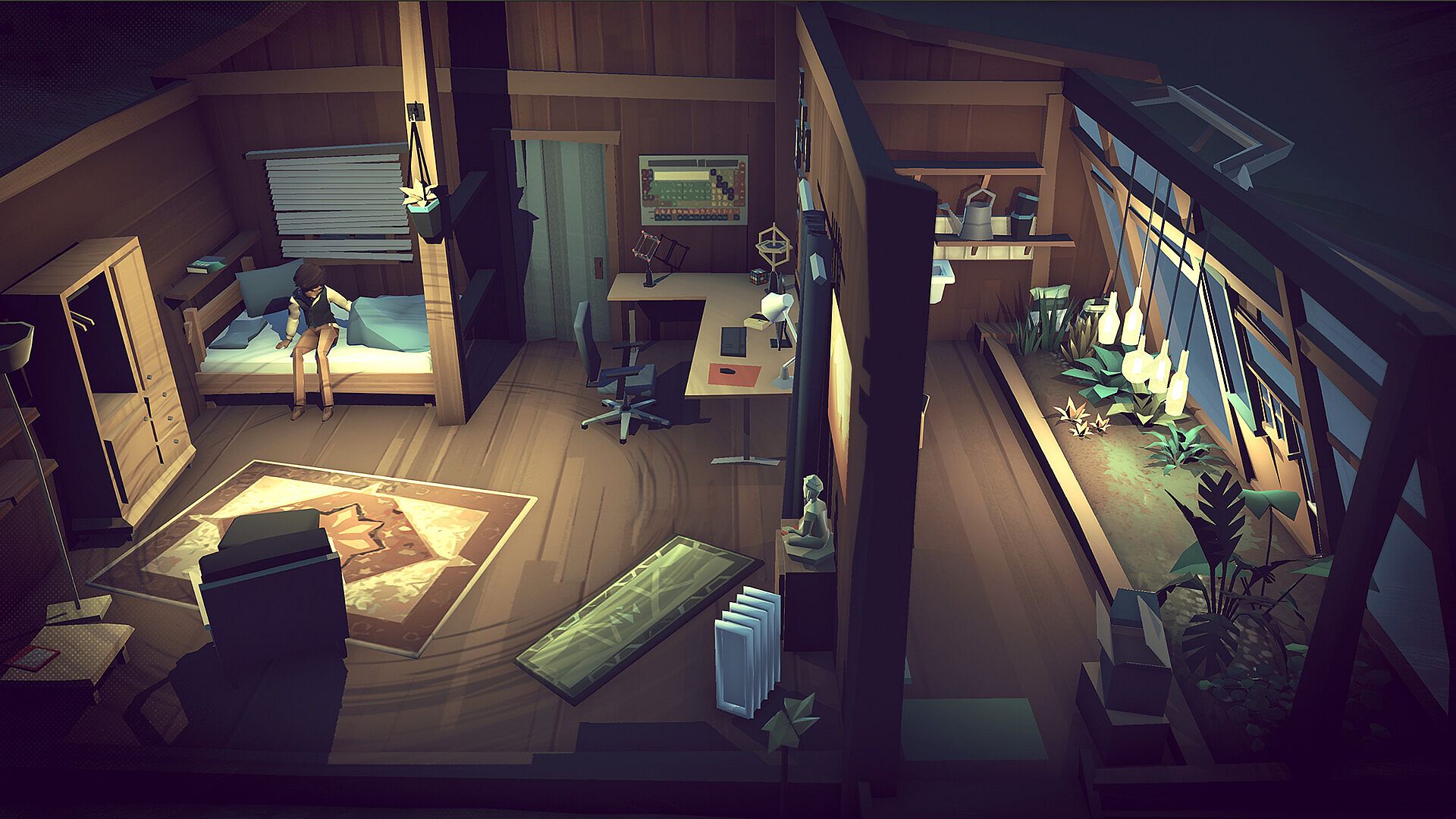
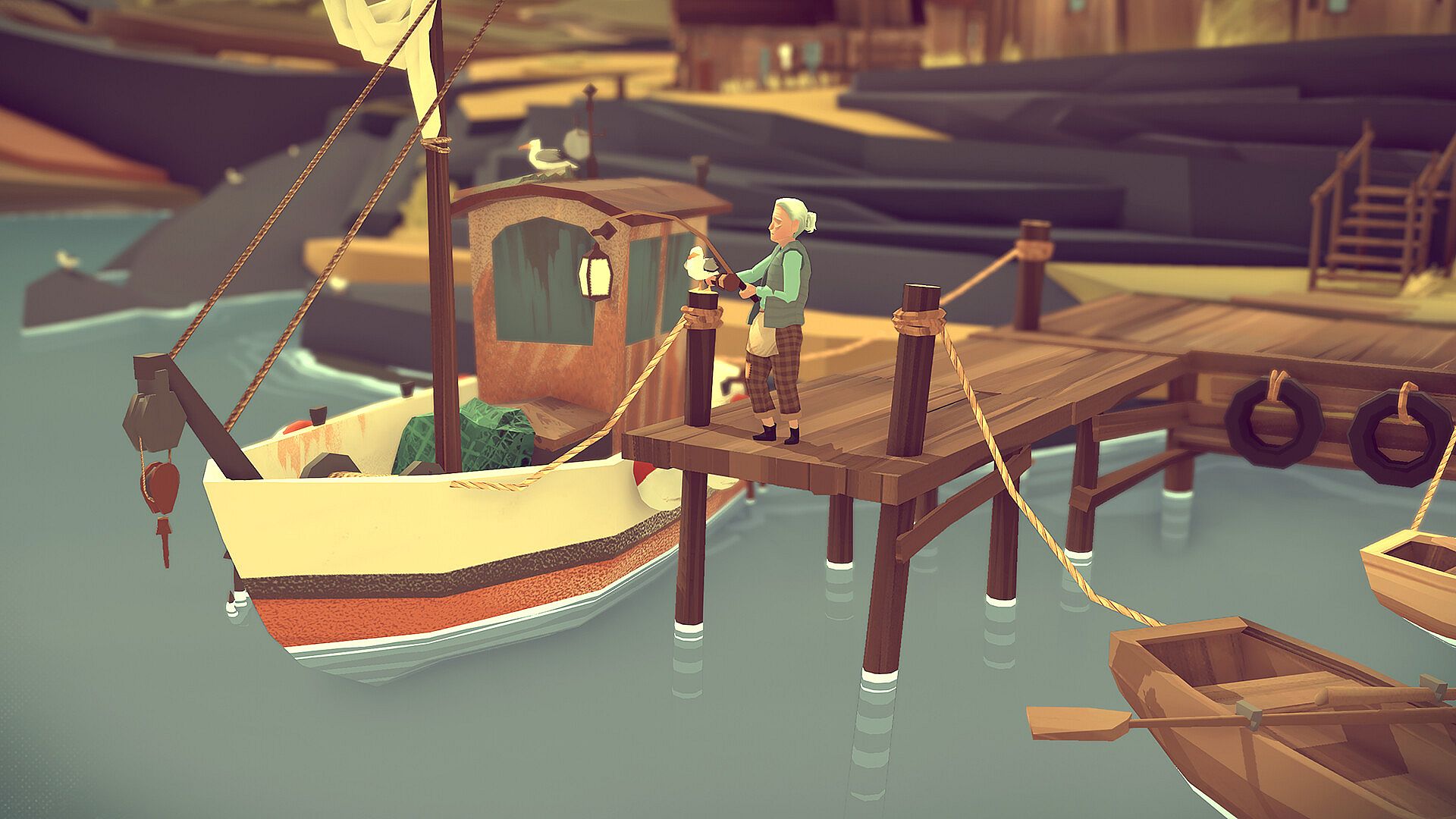
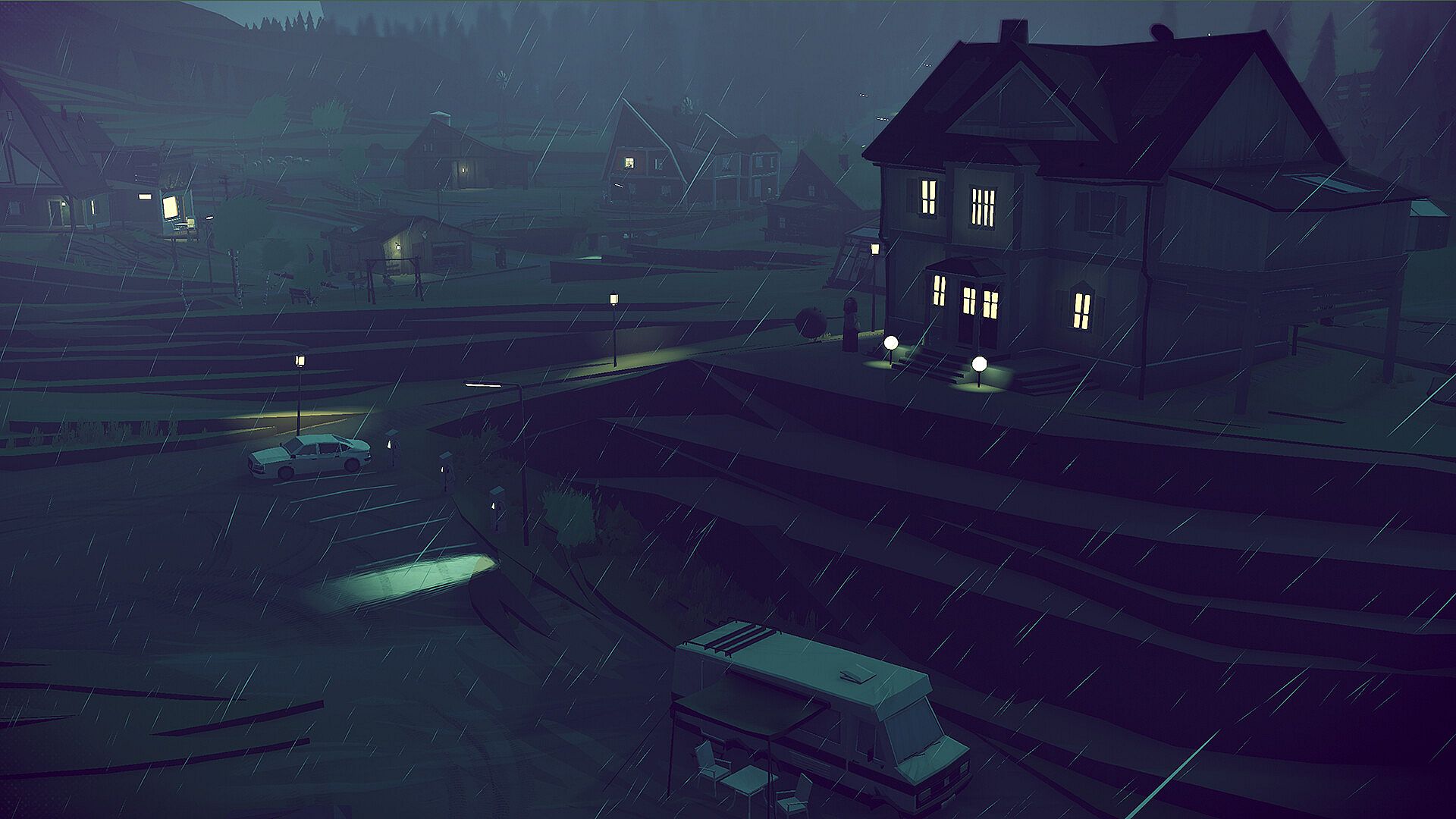
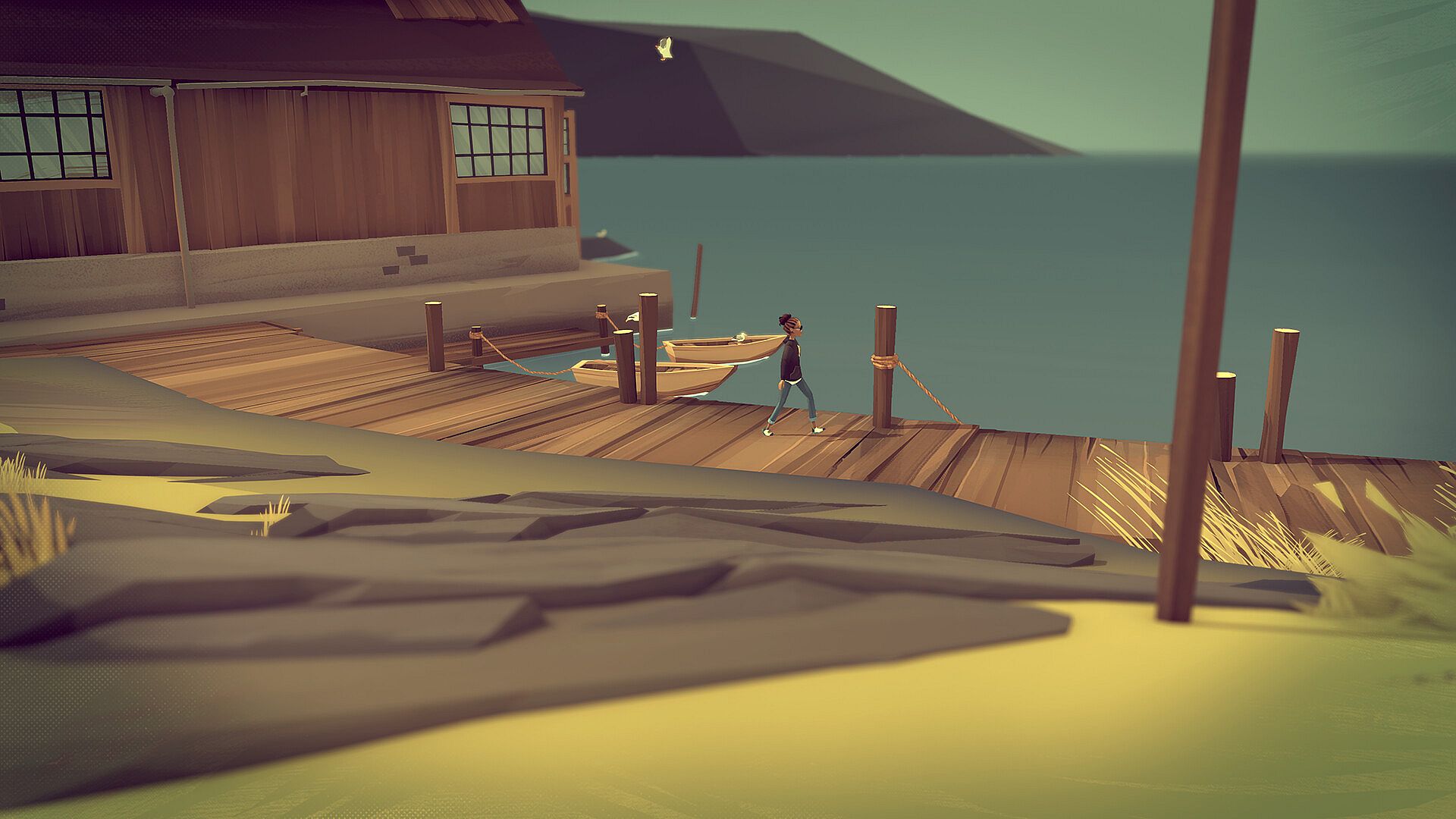
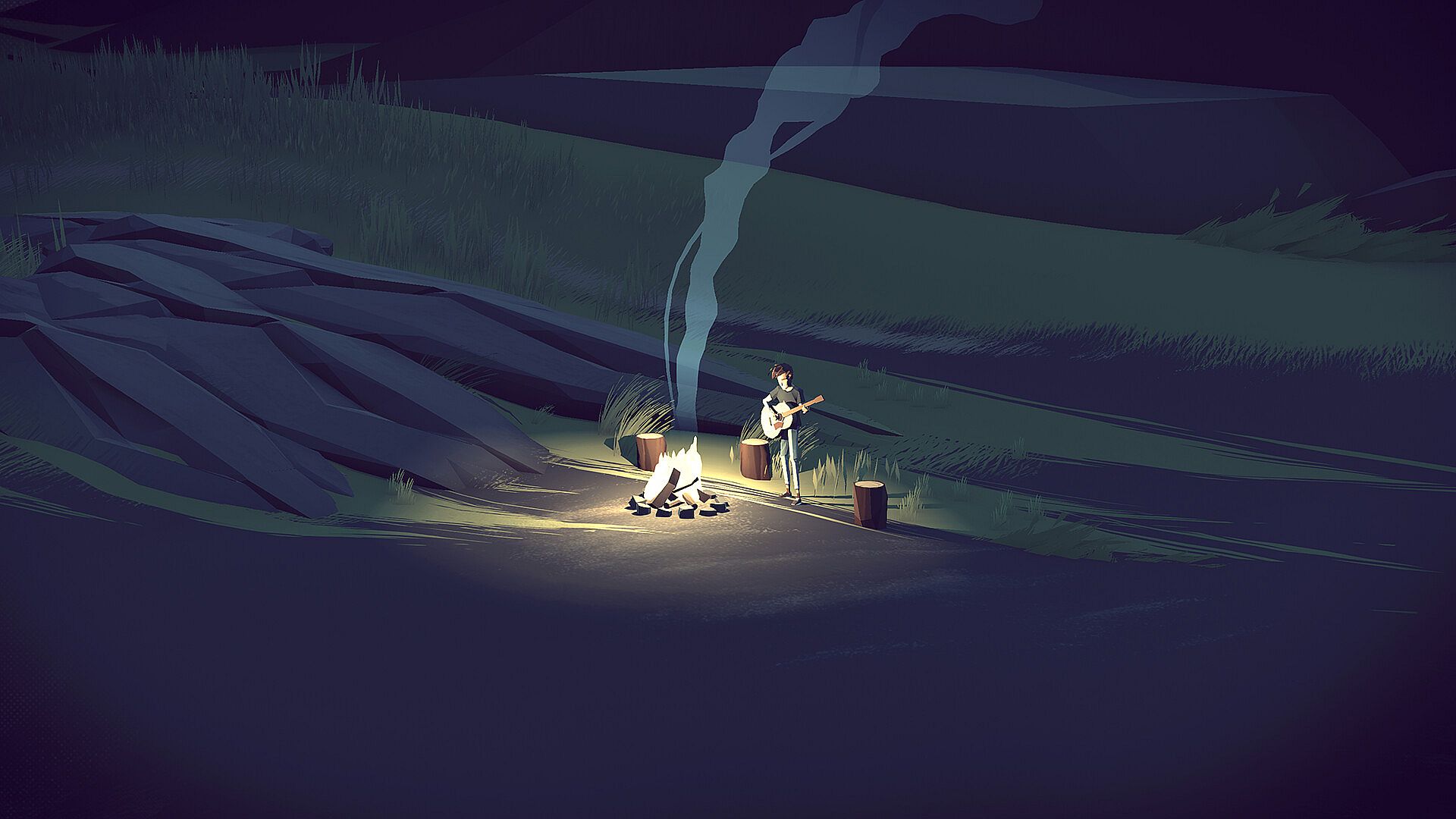
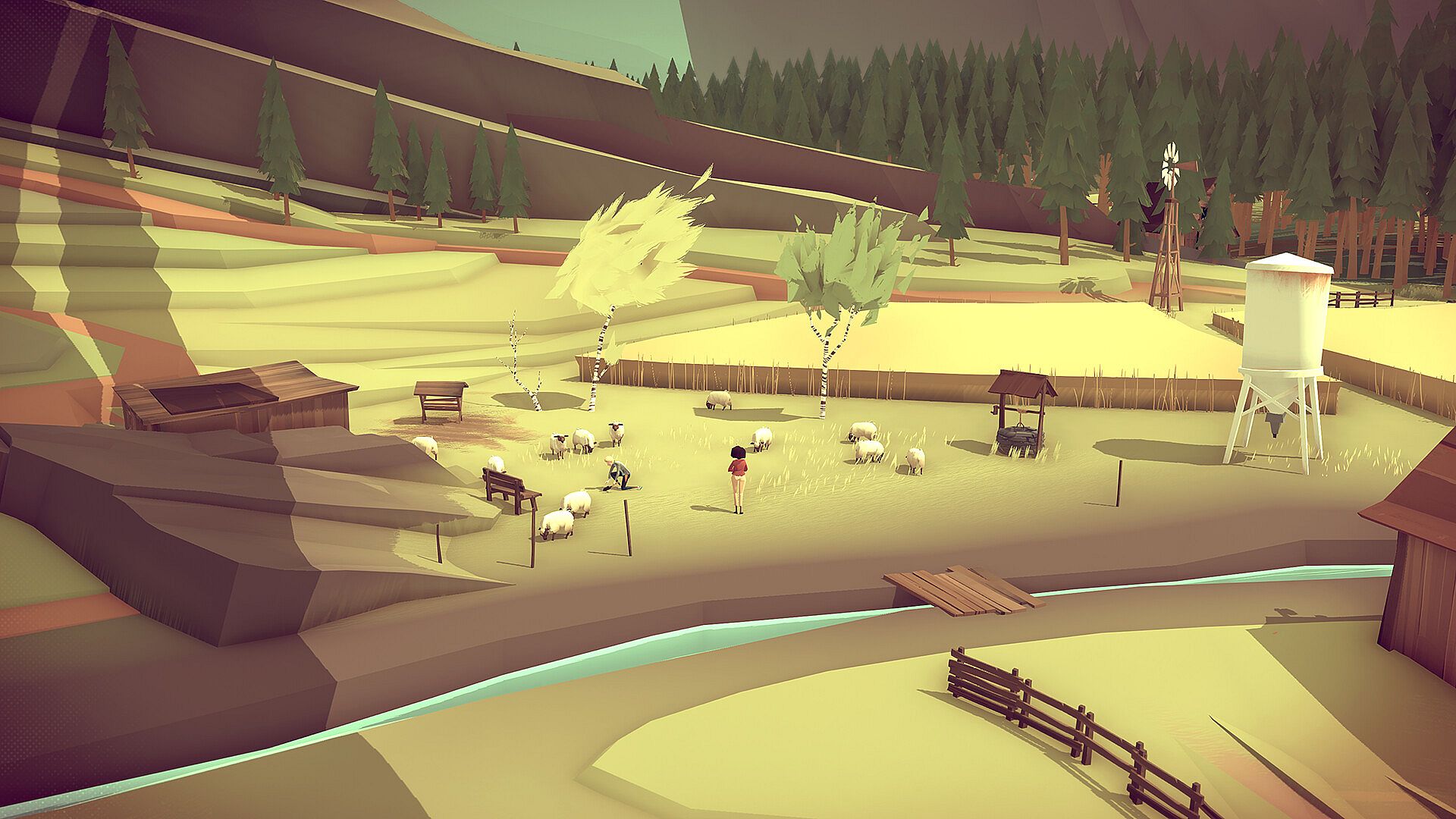
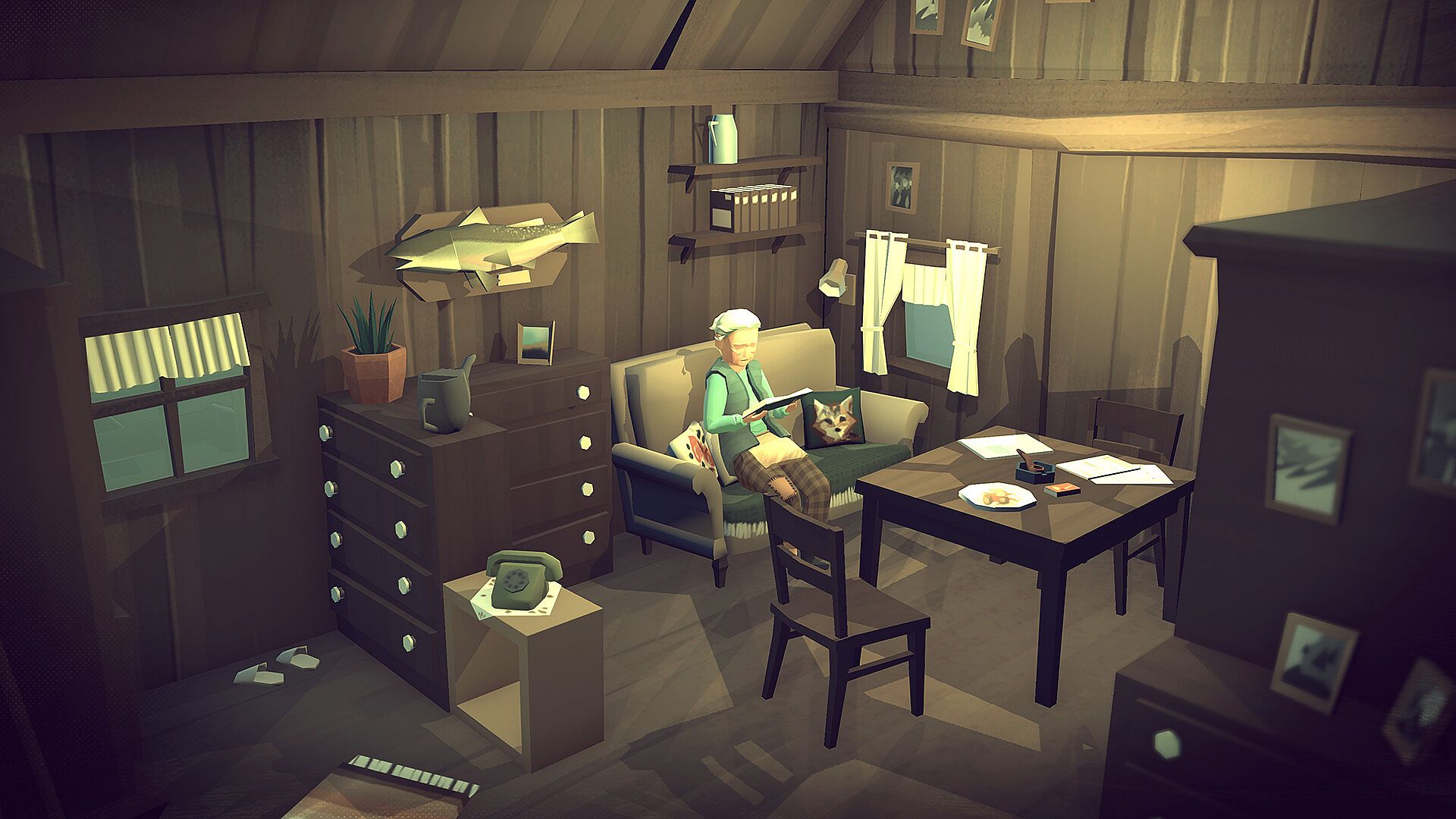
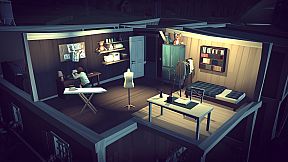
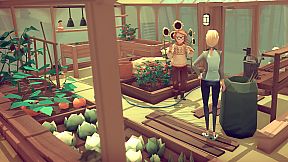
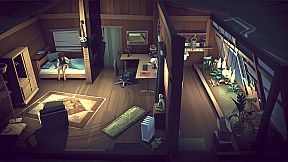
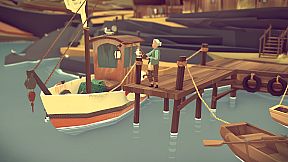
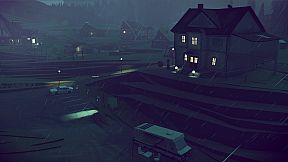
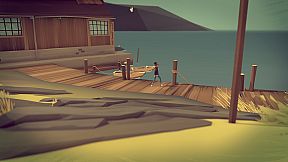
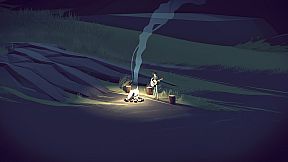
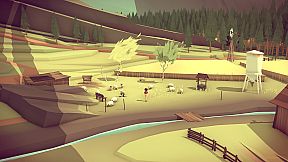
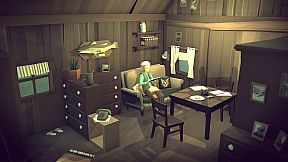
Visuals adopt a stylized third-person perspective with an isometric or overhead view during exploration. The focus stays on everyday moments, such as household routines or quiet conversations, rather than elaborate set pieces. Voice acting and a guitar-based soundtrack support the grounded tone without overpowering the simulation elements.
Game Modes
Closer the Distance operates as a single continuous narrative experience with no separate multiplayer or competitive modes. The primary structure is a story campaign where choices determine how grief, friendships, and community ties evolve over time. Replay value comes from the branching outcomes and the need to manage different characters across multiple runs to uncover the full scope of events in Yesterby.
Progression follows a quest-like format centered on maintaining character well-being while advancing personal arcs. There are no distinct difficulty settings or optional side modes; the entire game functions as one cohesive simulation that integrates time-sensitive tasks with emotional decision points. Players who complete the main storyline can return to experiment with different priority orders or relationship focuses, leading to varied endings and additional context for supporting characters.
Story and Themes
The narrative centers on loss, empathy, and the slow process of finding closure after tragedy. Angela uses an ethereal ability to influence those around her, but her actions carry lasting consequences for the town's residents. Themes of family bonds, illness, and collective healing emerge naturally through the daily routines players oversee. The writing avoids melodrama by grounding events in realistic small-town interactions and the practical challenges of supporting grieving individuals.
Content warnings apply for depictions of death, illness, and grief. These elements form the foundation of the experience rather than serving as optional background.
Is It Worth Playing?
Closer the Distance suits players who enjoy narrative-driven simulations with light management layers. The gameplay remains accessible, with low difficulty and a focus on thoughtful pacing over complex systems. Reception highlights the strength of the writing and voice performances, which give weight to the character interactions and branching outcomes.
Those seeking fast-paced action or extensive customization will find the mechanics intentionally restrained to serve the story. The game supports multiple playthroughs through its interconnected character arcs and choice consequences, though the core loop stays consistent. Availability on PC makes it straightforward to try, and the complete single-player package delivers a focused experience without ongoing seasonal content or additional modes.
Overall, the title appeals most to fans of emotional slice-of-life stories who appreciate indirect influence and relationship management. Its straightforward systems paired with meaningful decisions create a personal journey that rewards attention to detail and repeated exploration of the town's residents.