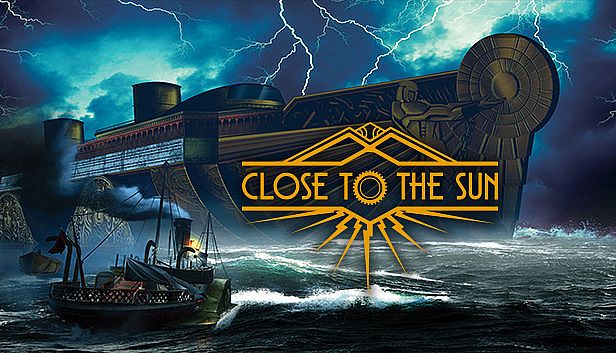

















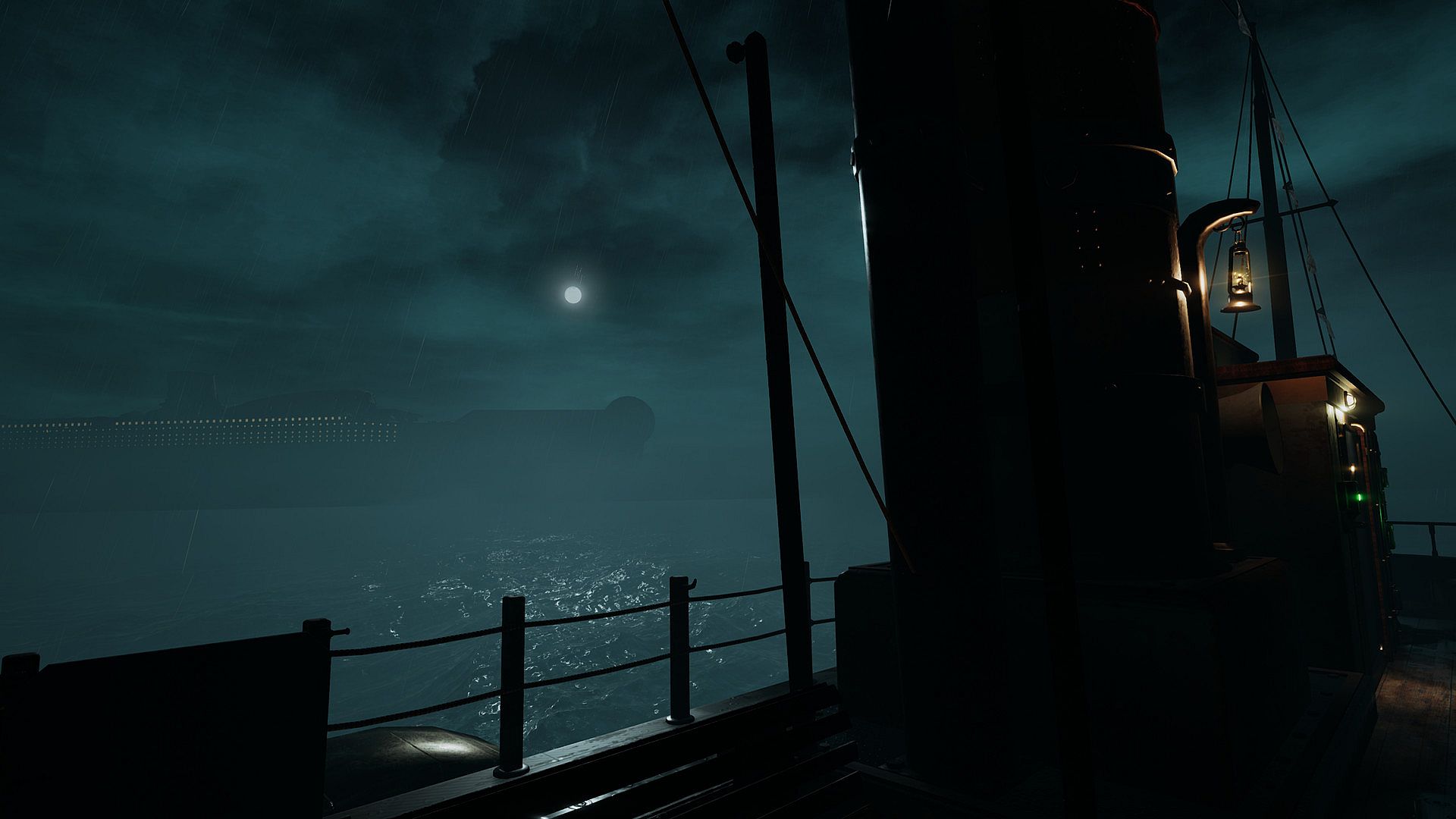
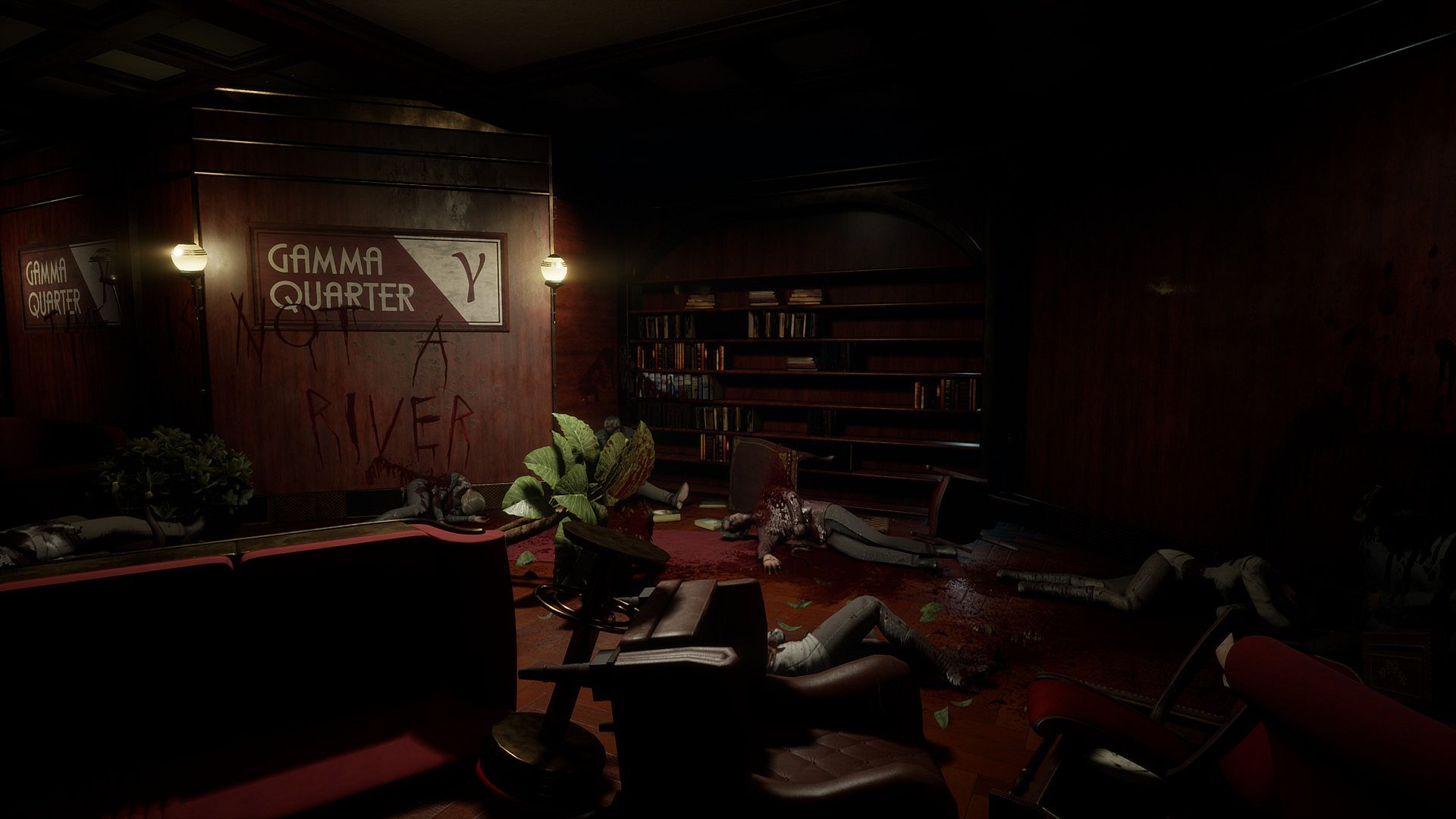
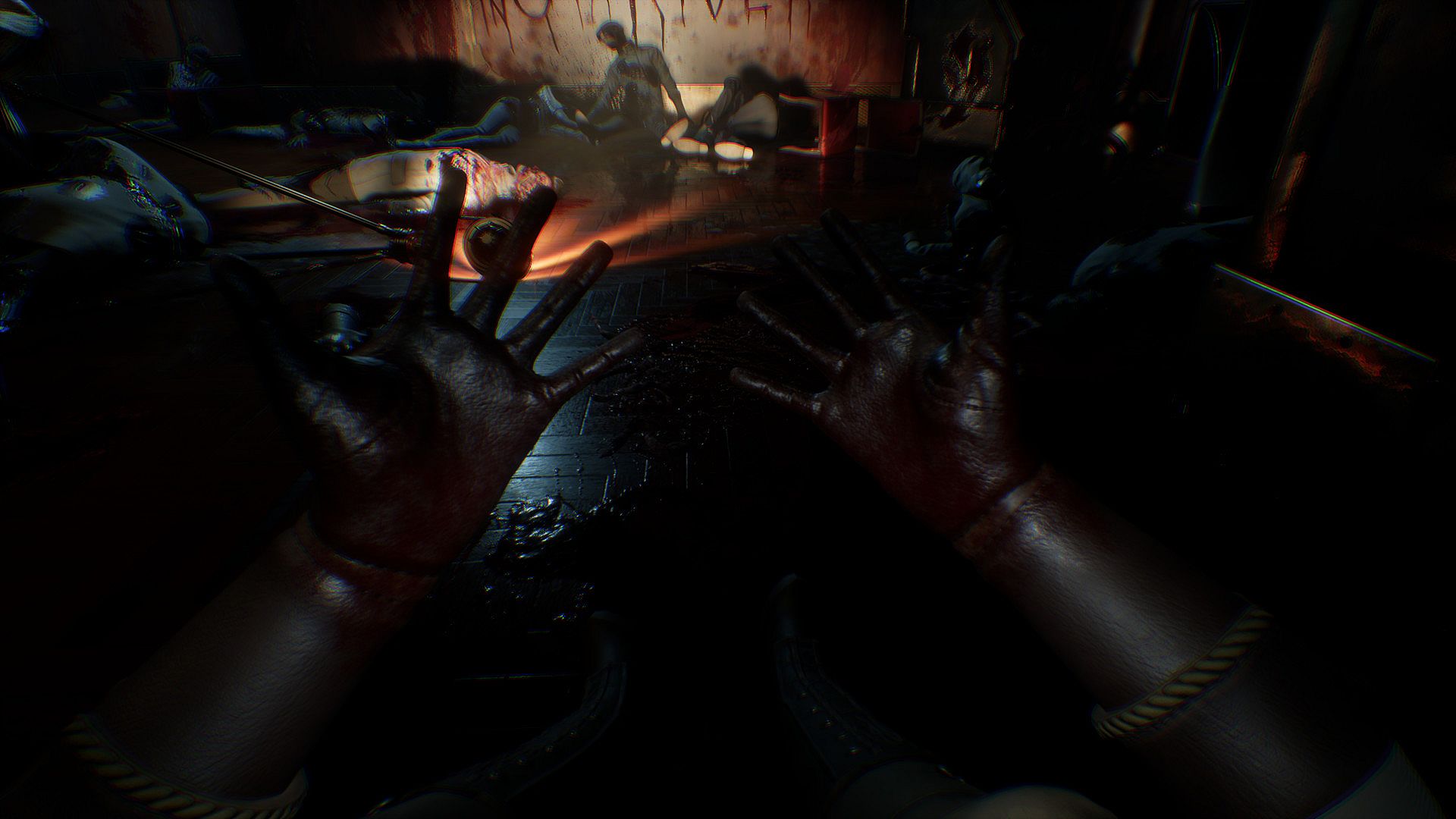
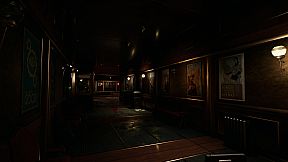
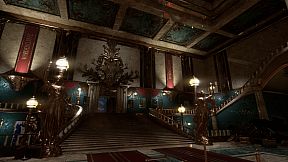
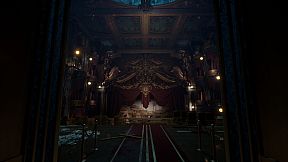
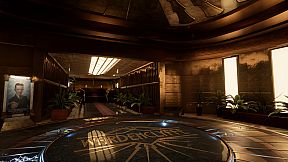
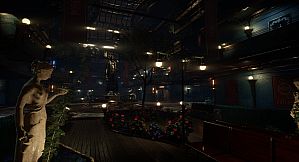
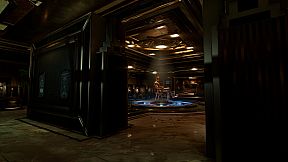
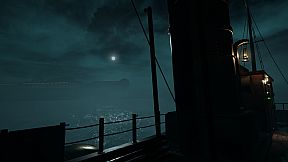
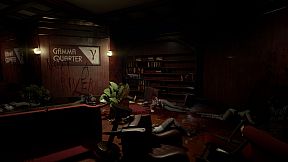

Close to the Sun is a first-person horror adventure game set in an alternate 1897. Players take control of journalist Rose Archer as she boards the Helios, a massive floating complex built by Nikola Tesla to house the era's leading scientific minds. The experience centers on exploration and puzzle-solving within a richly detailed environment rendered in Unreal Engine 4, where the narrative unfolds through environmental storytelling, audio logs, and direct encounters with the ship's eerie aftermath.
Gameplay
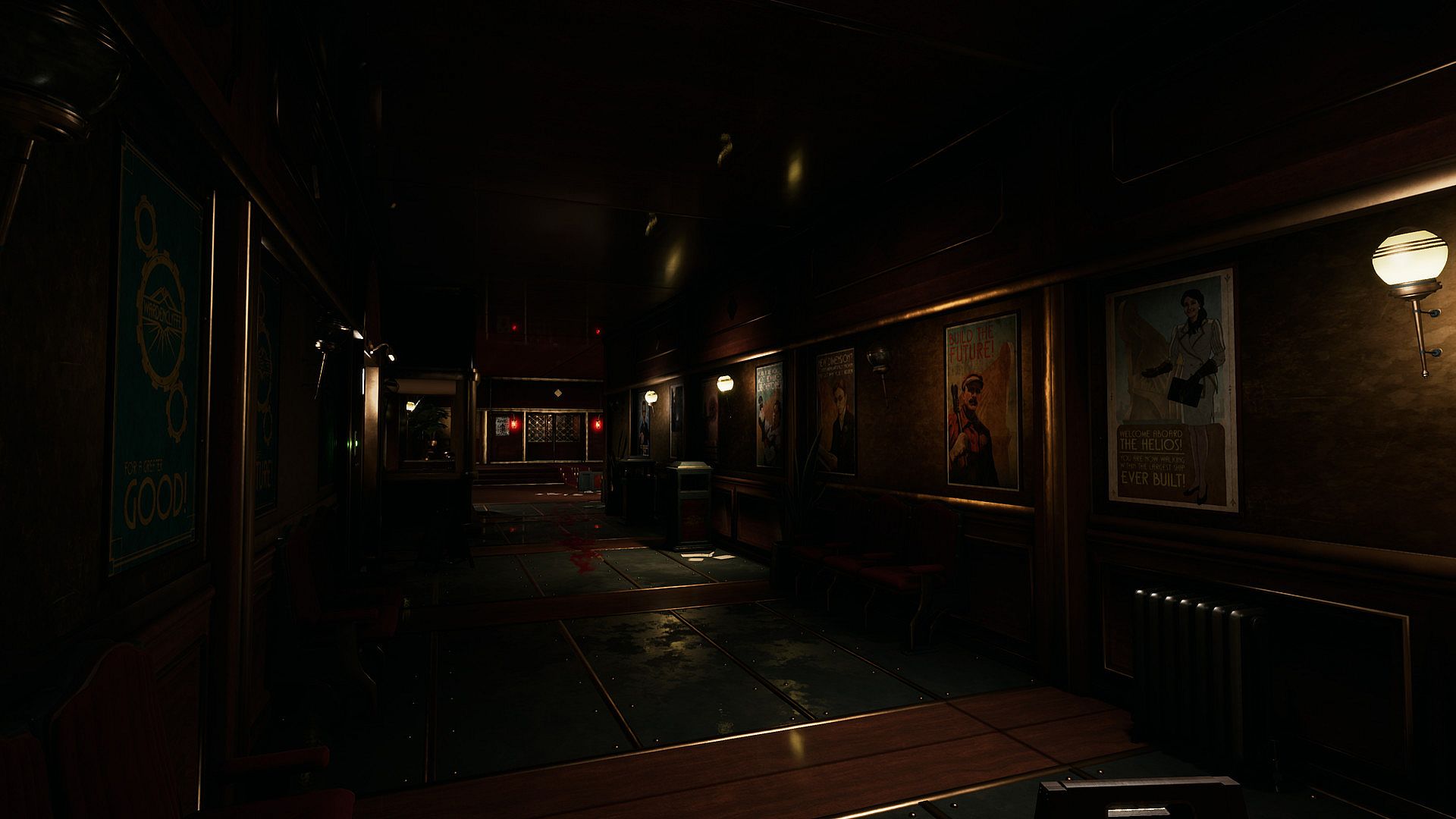
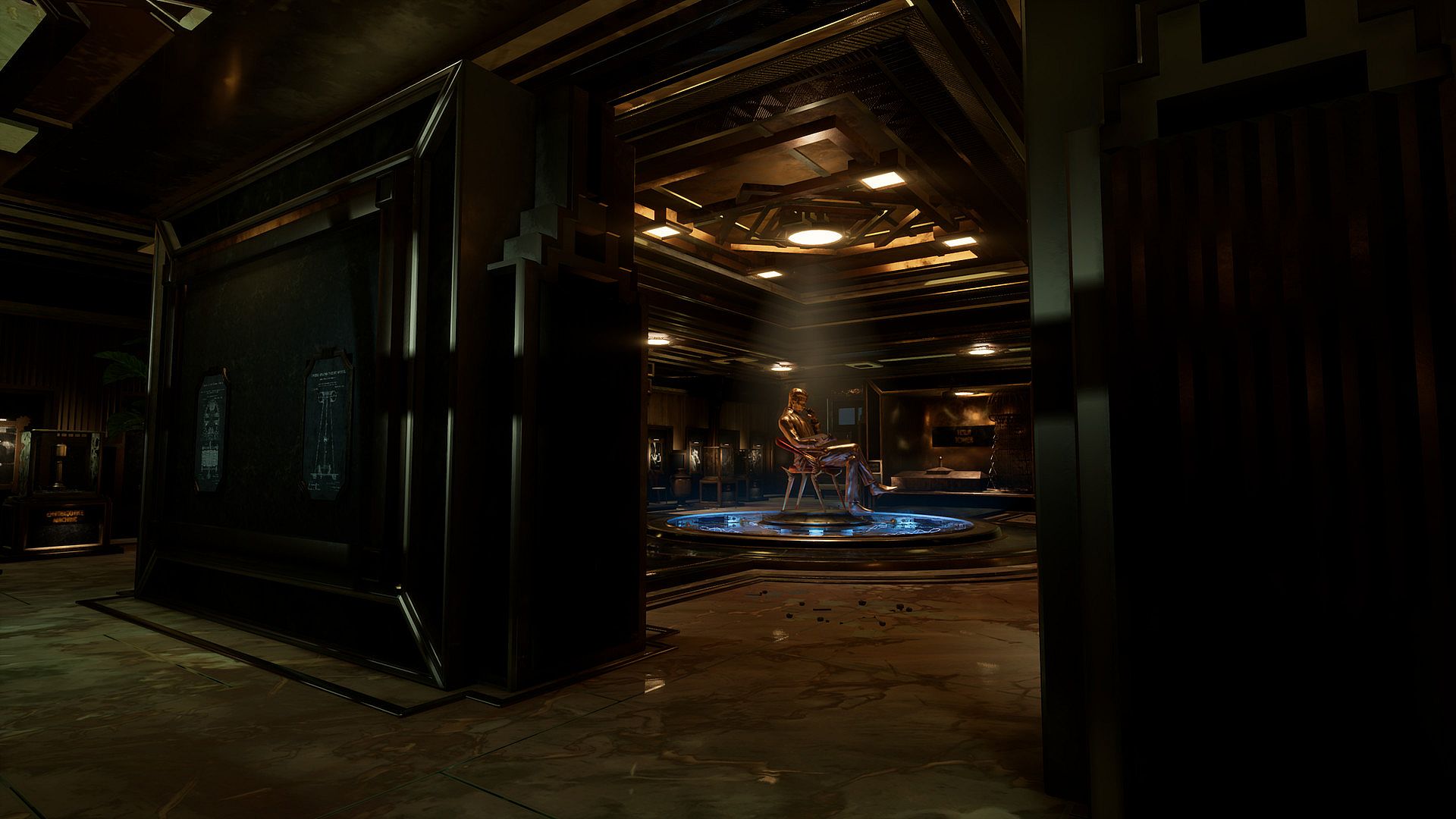
The core loop revolves around navigating the abandoned corridors and grand halls of the Helios. Rose moves through the vessel using standard first-person controls, examining objects, interacting with mechanisms, and piecing together events from scattered documents and recordings. Puzzles require observation and logical deduction to unlock new areas or reveal additional story fragments. As progress continues, tension builds through sequences where unknown threats appear, forcing players to evade rather than confront dangers directly. A radio device allows communication with Rose's sister Ada, providing guidance and context during key moments. Collectibles scattered throughout the ship expand on the history of the Wardenclyffe project and its researchers, encouraging thorough searches of each section.
Game Modes
Close to the Sun offers a single-player narrative campaign with no additional modes or multiplayer options. The entire experience follows a linear story path divided into chapters, each focused on advancing Rose's search while uncovering the fate of the Helios and its inhabitants. There are no competitive, cooperative, or replay-focused variants, keeping the focus entirely on the atmospheric journey and puzzle resolution within the main storyline.
Story and Setting
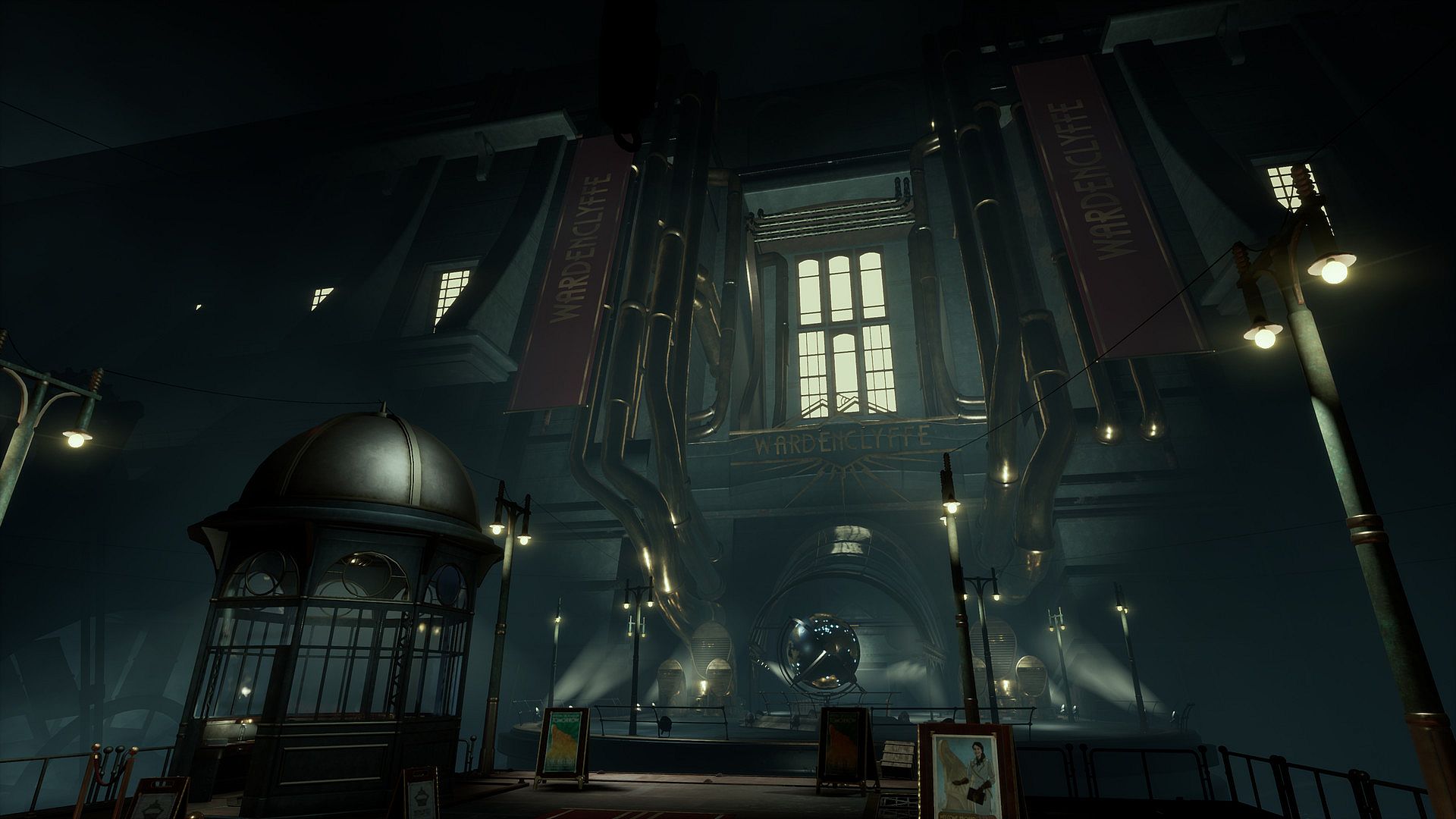
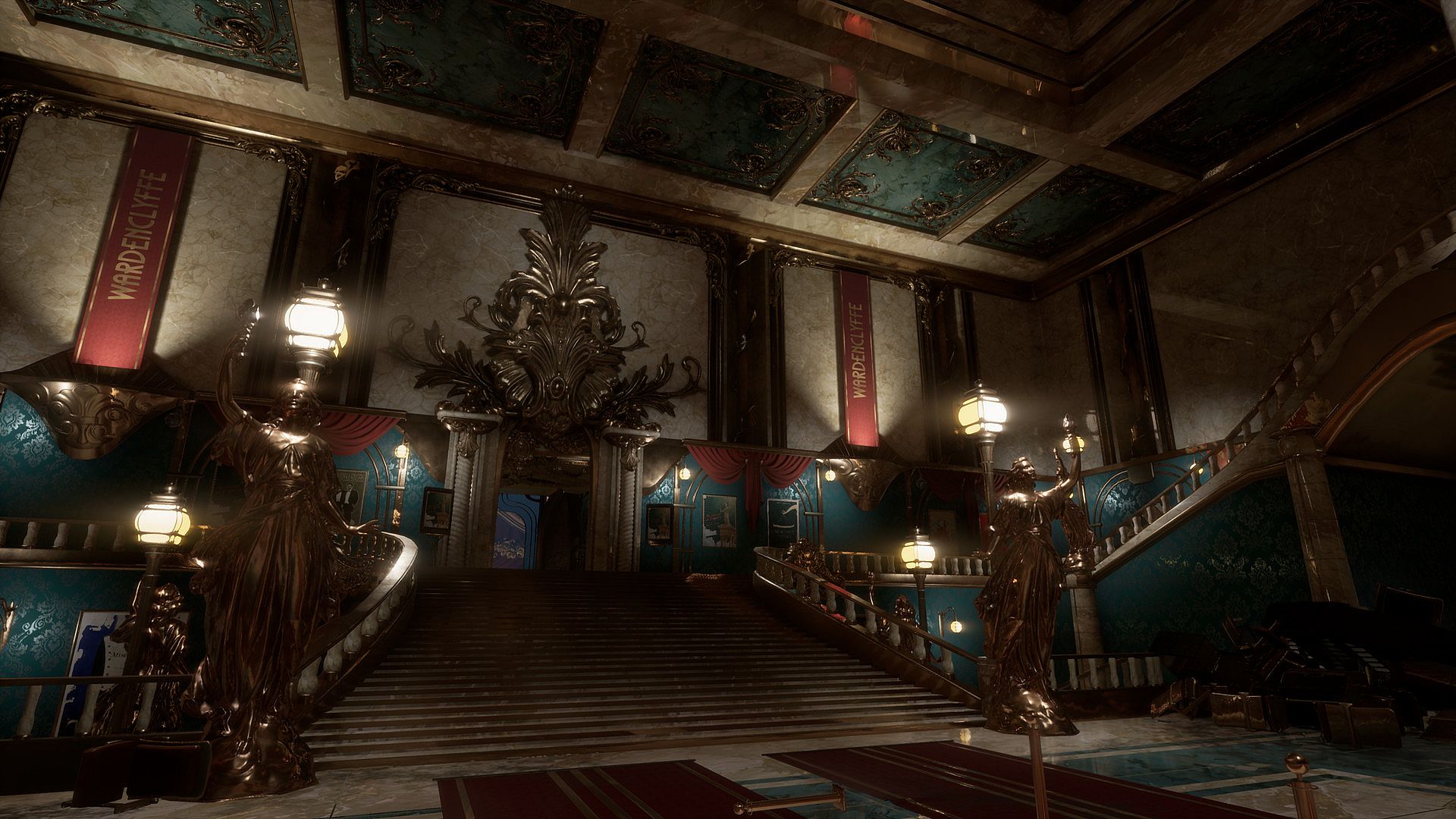
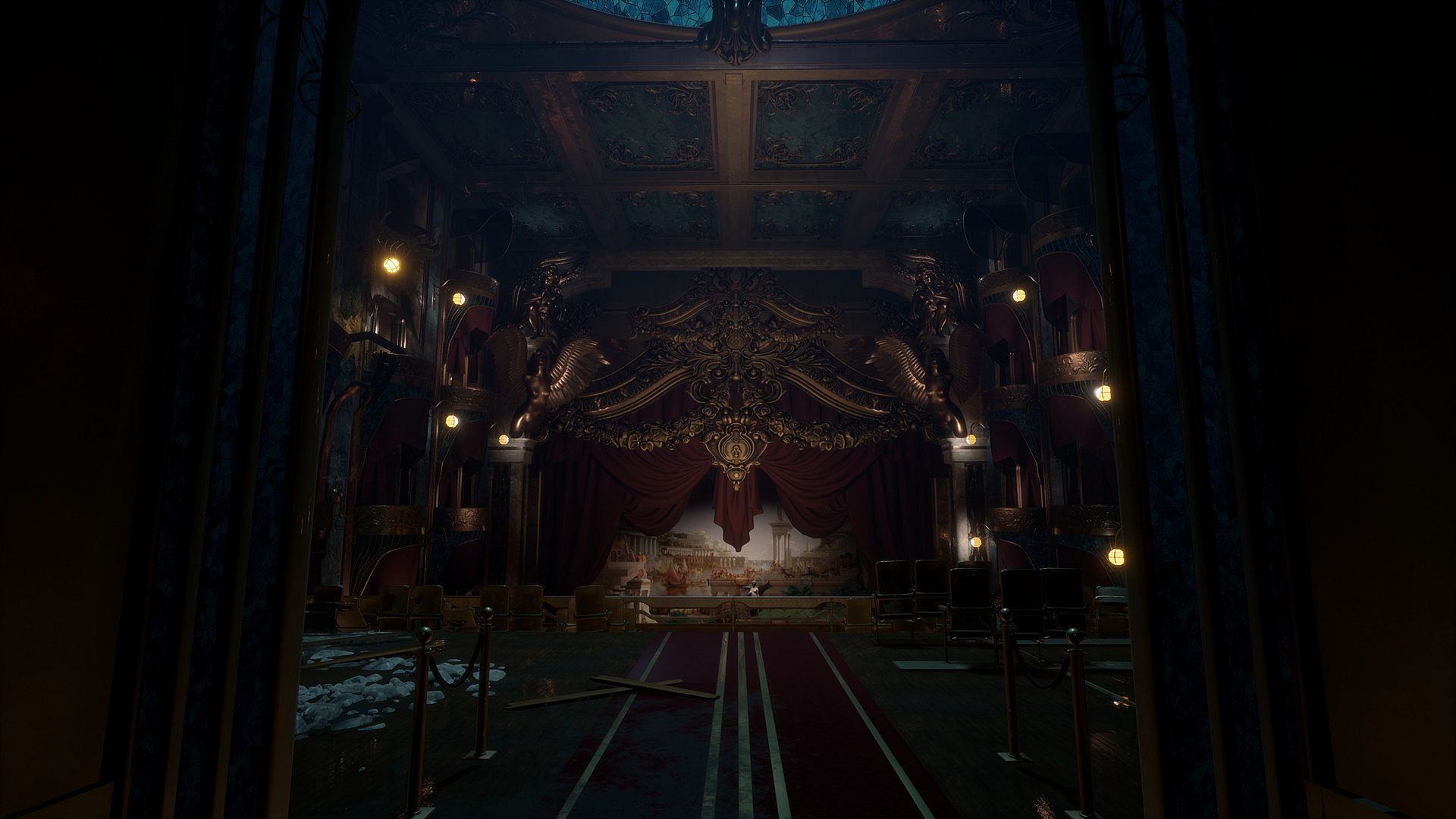
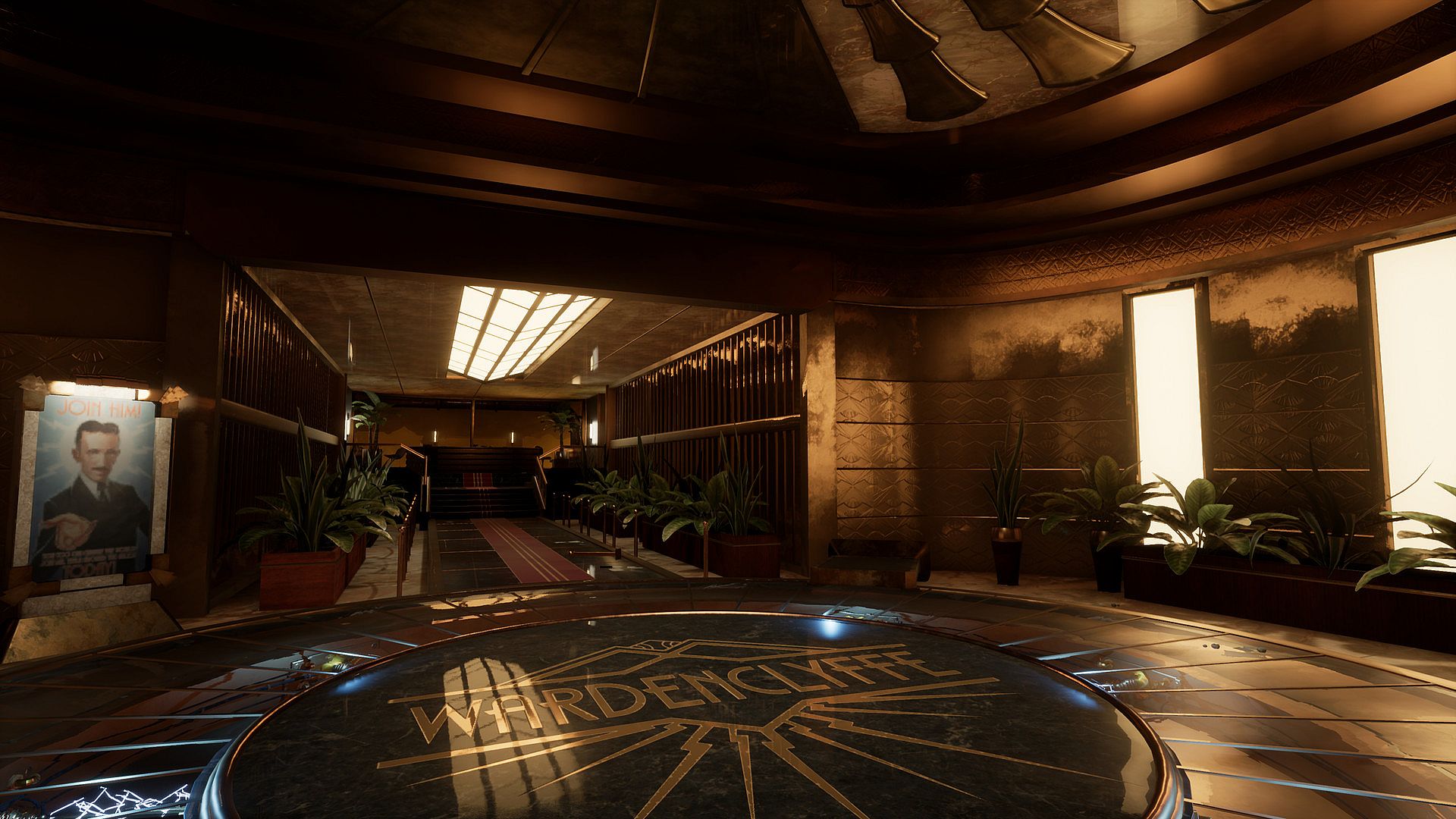
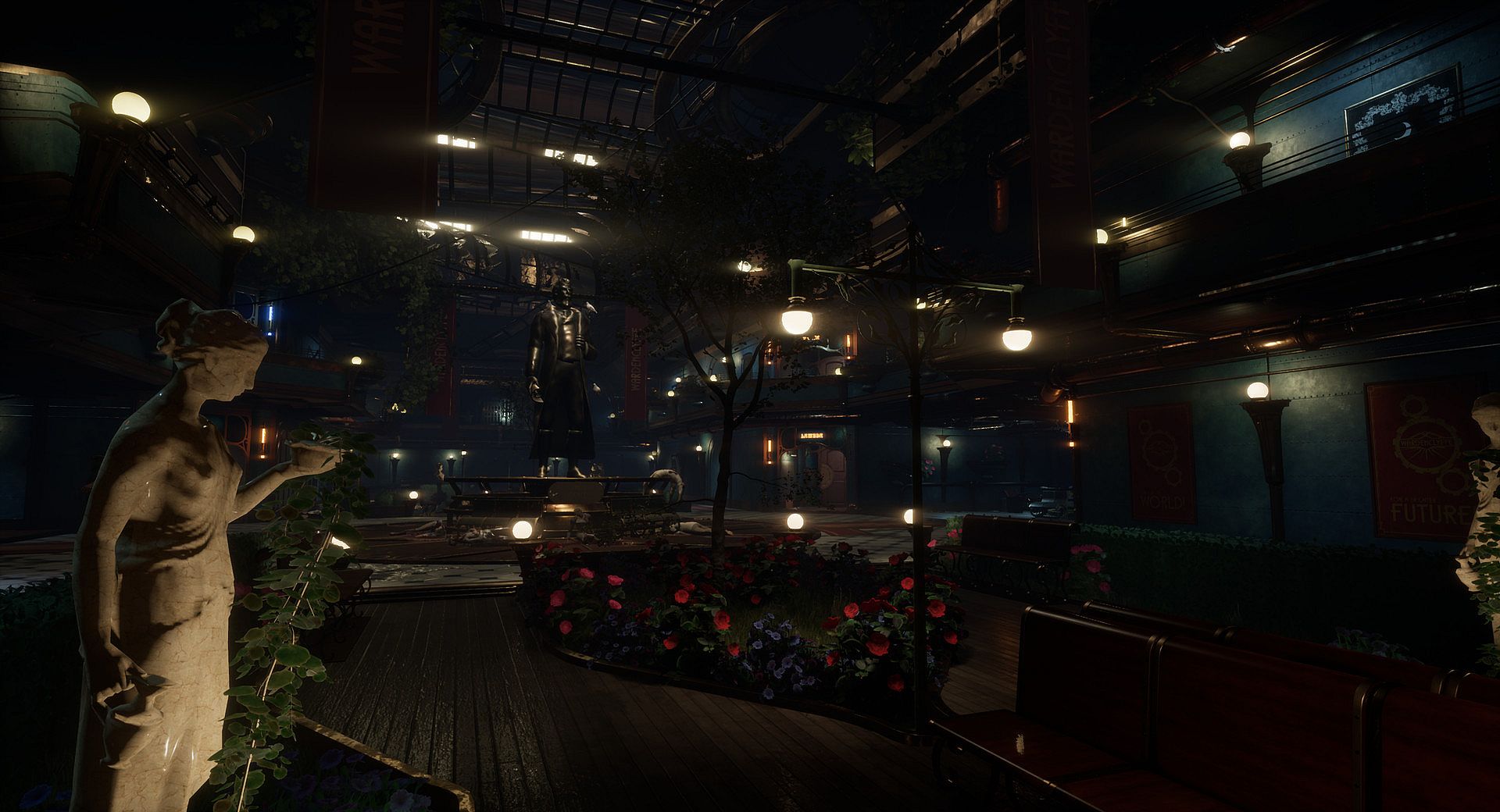
The game places players in an alternate history where Tesla's inventions have reshaped scientific progress on an unprecedented scale. The Helios serves as an isolated utopia free from external interference, yet the player arrives to find it in a state of quarantine marked by silence and decay. Rose's investigation reveals layers of the project's ambitions and failures through direct exploration rather than exposition dumps. The setting blends opulent golden architecture with signs of sudden catastrophe, creating a consistent tone of isolation and discovery across the vessel's multiple decks and specialized laboratories.
Visuals and Atmosphere
Environments stand out for their scale and detail, with vast halls, intricate machinery, and period-appropriate scientific equipment filling every space. Lighting and sound design contribute to the sense of unease, highlighting empty spaces and lingering traces of recent activity. The art direction emphasizes the contrast between the ship's original grandeur and its current state, supporting the narrative without relying on combat or action set pieces.
Is It Worth Playing?
Close to the Sun suits players who prefer narrative-driven horror adventures centered on exploration, environmental puzzles, and atmospheric storytelling over action or combat. The experience delivers a focused, self-contained story that rewards careful observation and patience with its setting. Reception highlights strong atmosphere and narrative delivery alongside some criticism of repetitive evasion sequences and overall length. Those drawn to titles emphasizing tension through discovery and deduction will find the most value here, particularly on platforms supporting the original PC release or later console ports. The game remains available as a complete single-player title without ongoing updates or seasonal content.