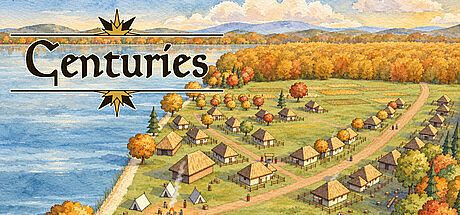


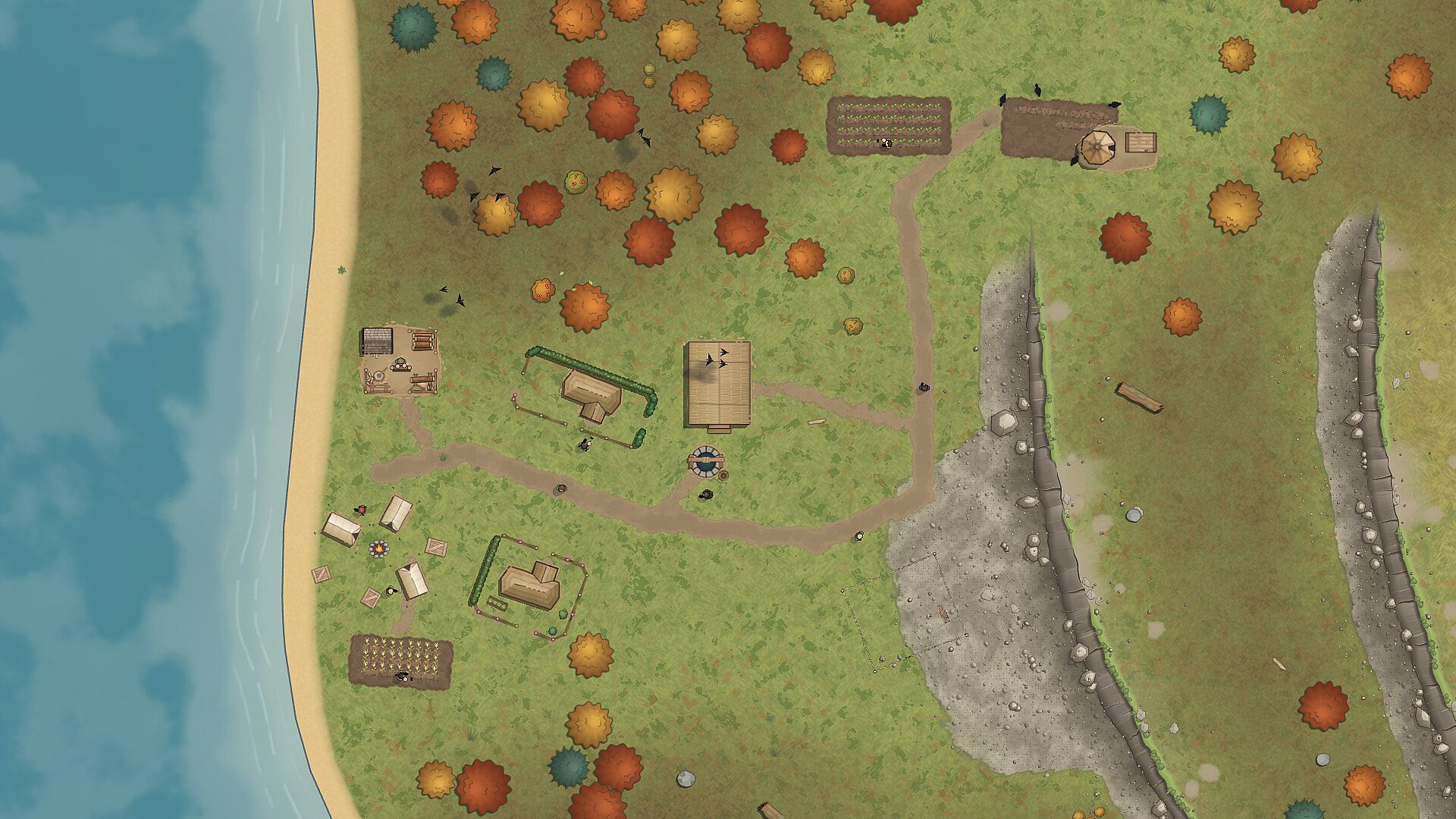
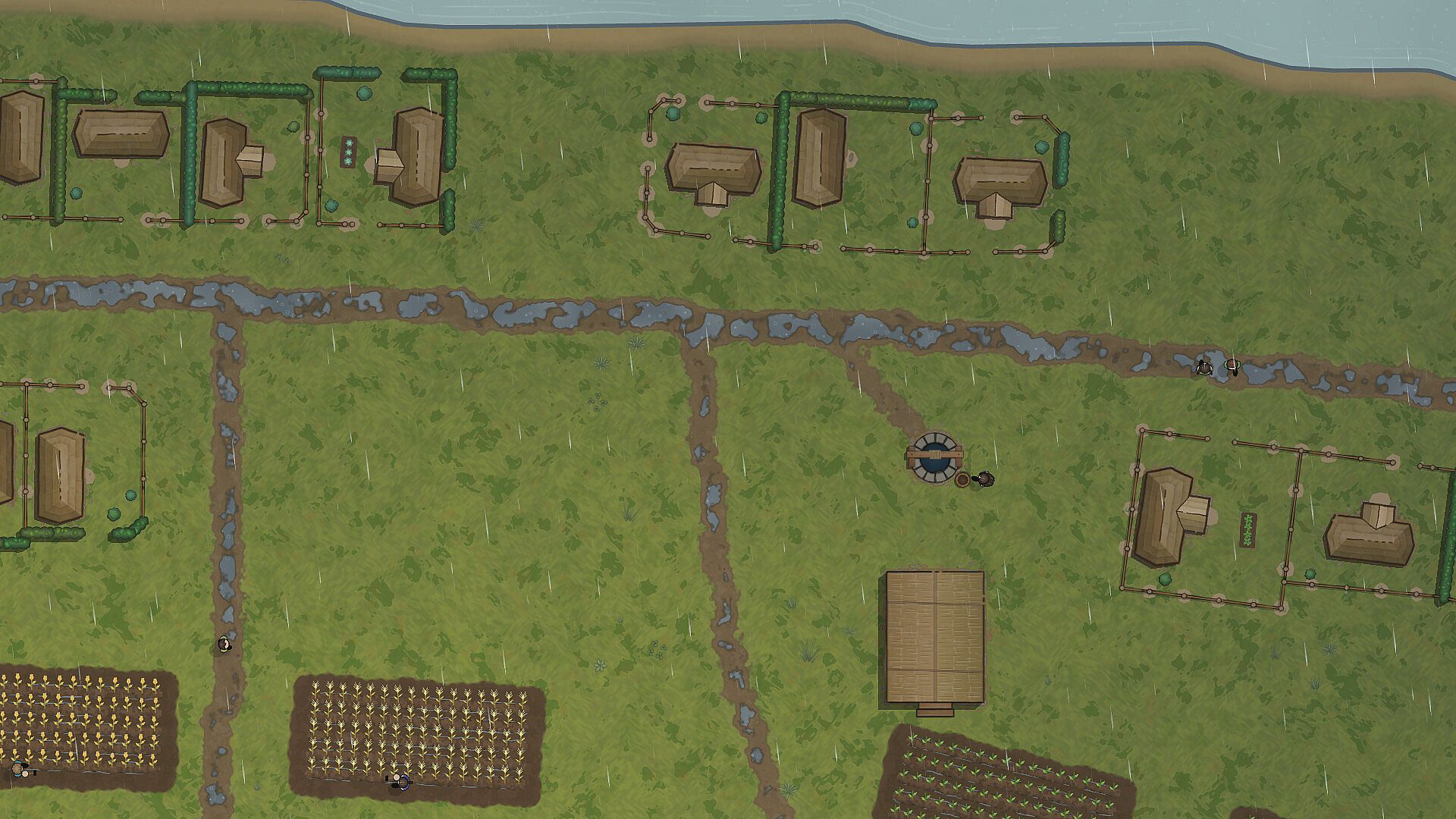
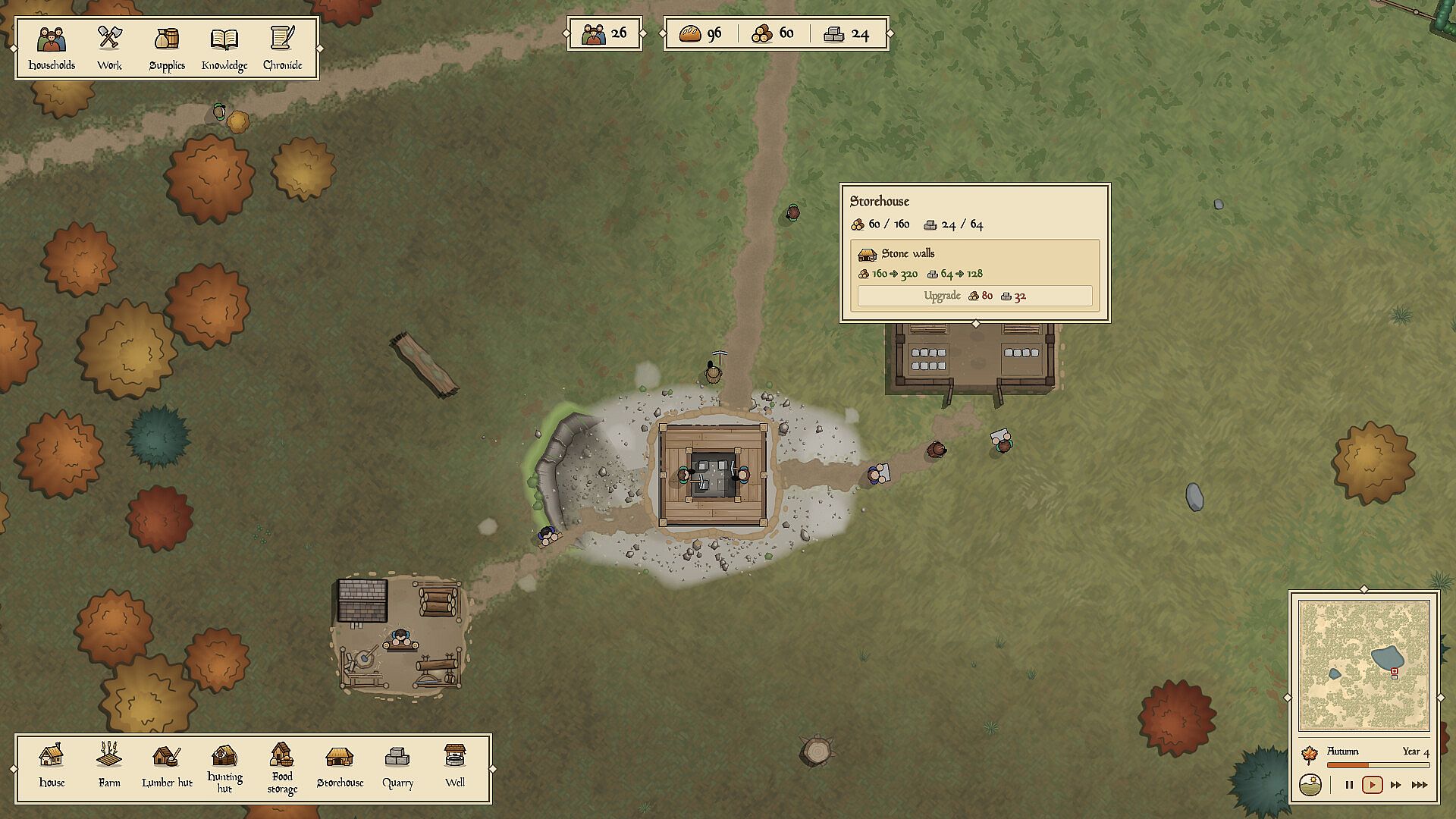
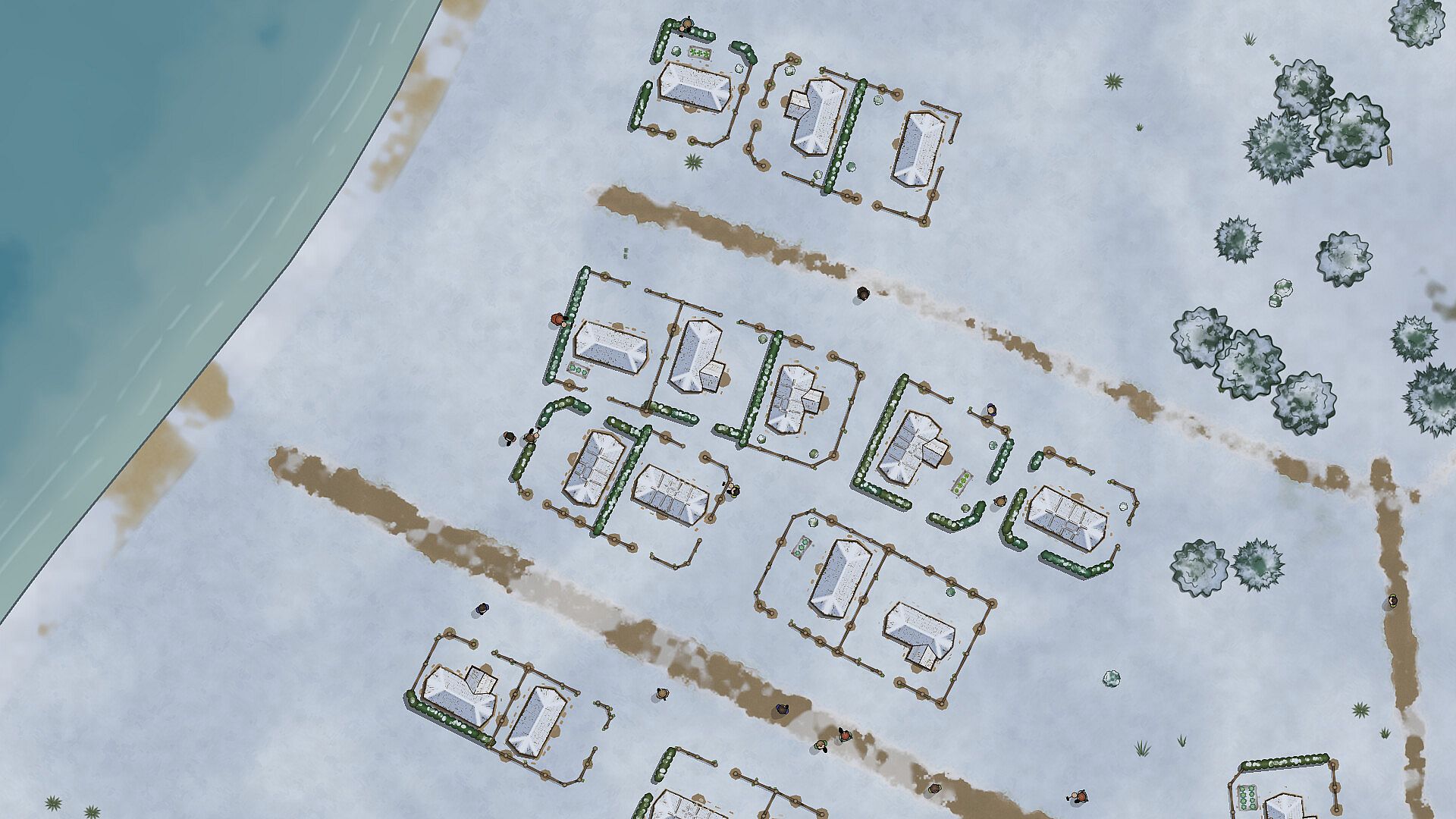
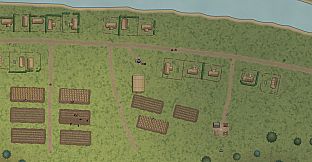
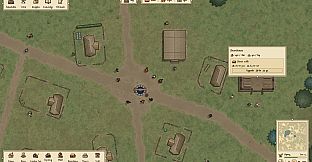
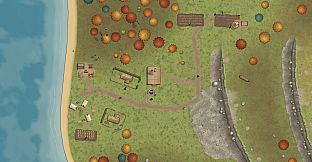
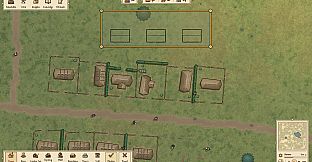
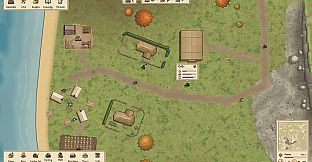
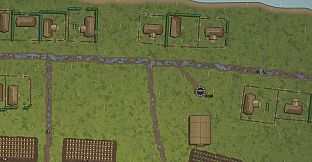
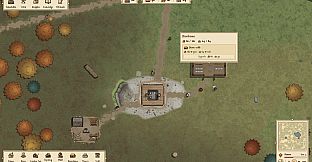
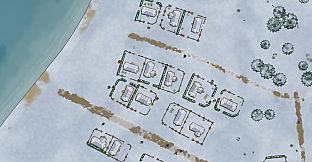
Centuries is a medieval city builder developed as a single-player strategy experience for PC. Players start with a small camp and guide its transformation into a larger settlement by managing resources, housing, and the daily lives of its inhabitants. The game emphasizes thoughtful planning over rapid expansion, with systems that tie economic production directly to the needs of individual households.
Gameplay
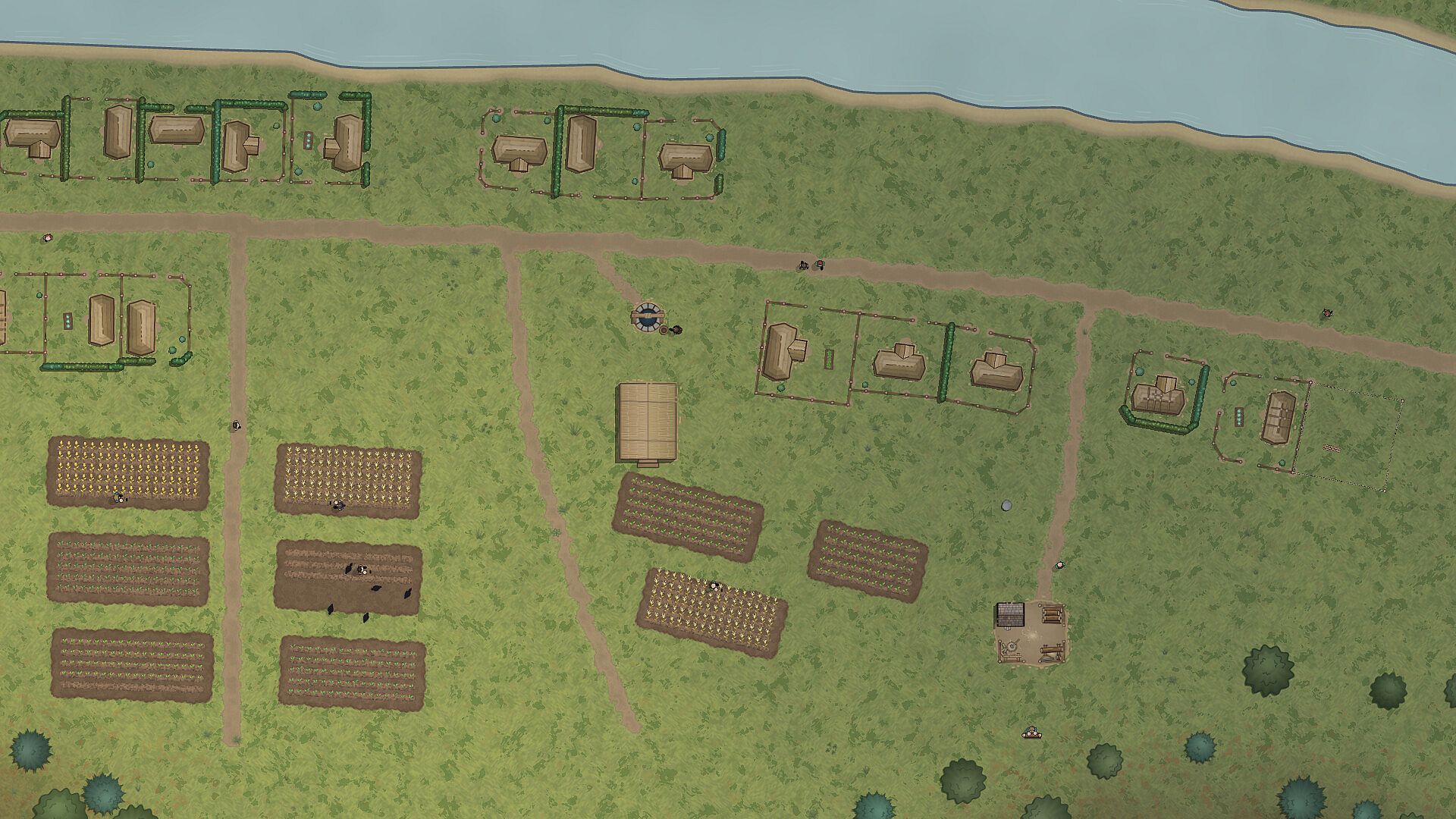
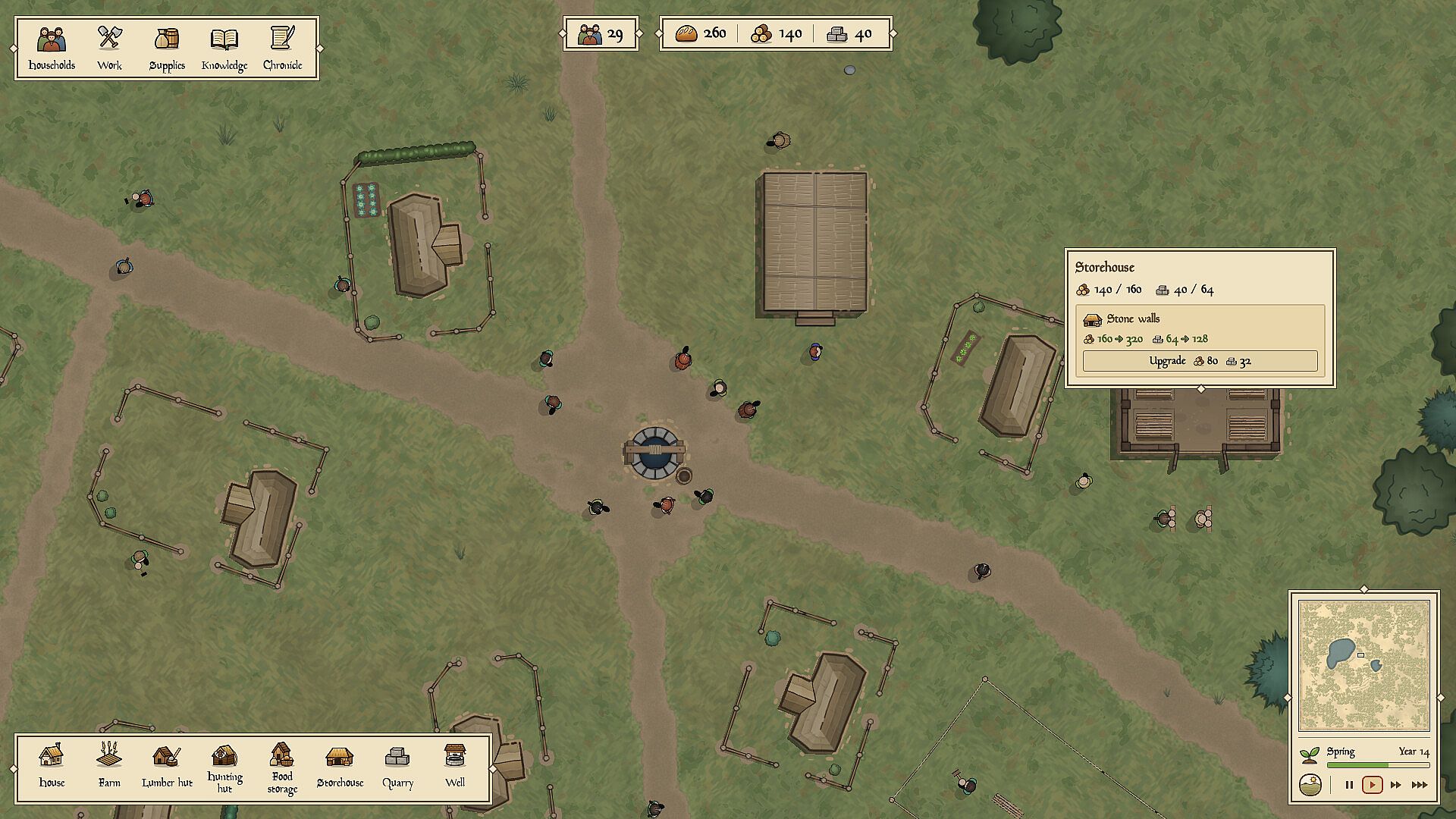
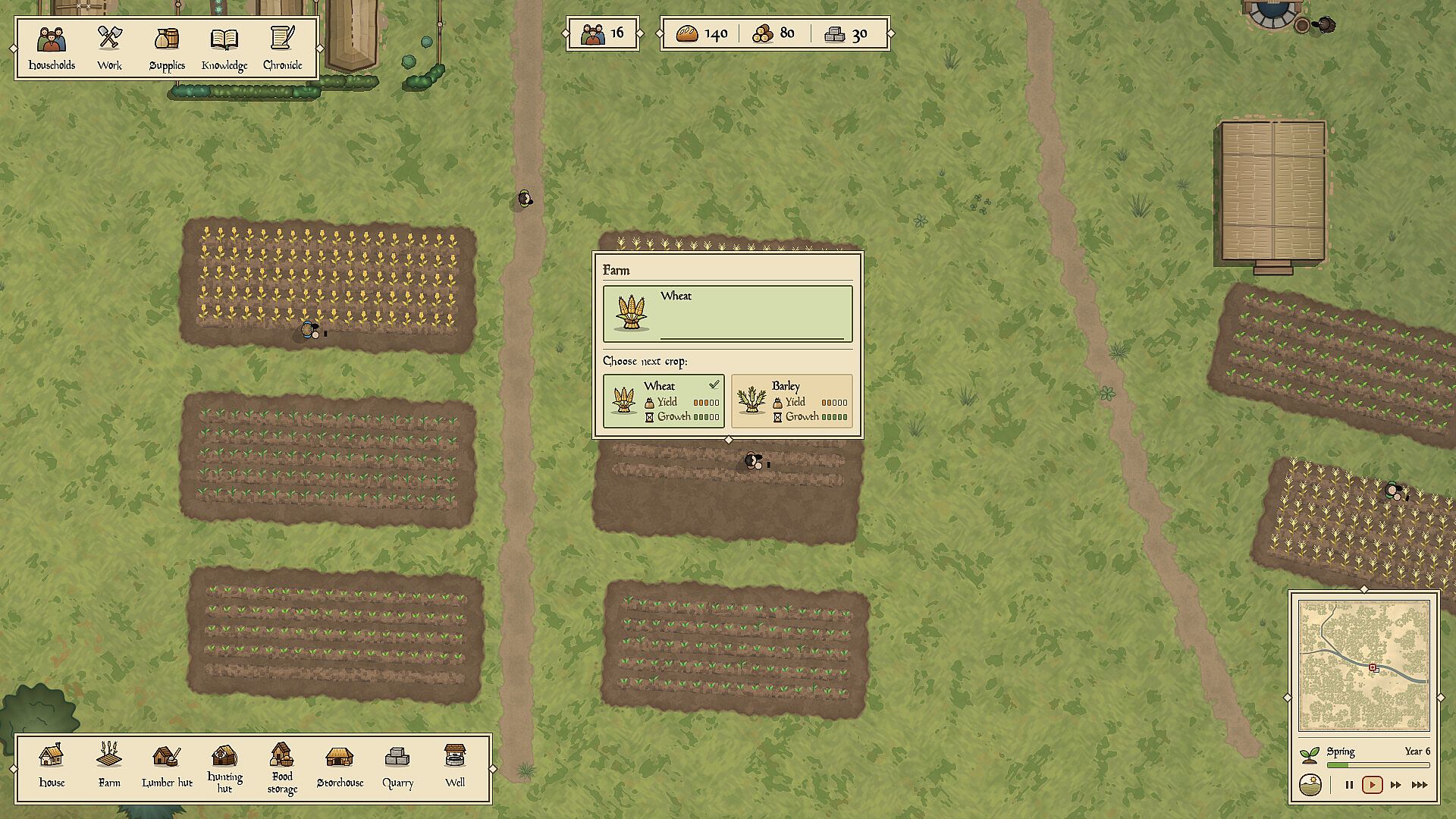
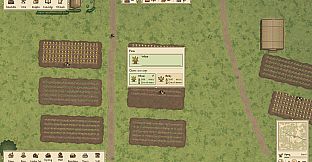
The core loop revolves around turning open land into organized neighborhoods while balancing production chains. Players place homes and workplaces to support growing populations, drawing from farms, forests, and stone deposits for essential materials. Food production, hunting, timber gathering, quarrying, and storage form interconnected systems that must keep pace with demand as the settlement spreads across the landscape.
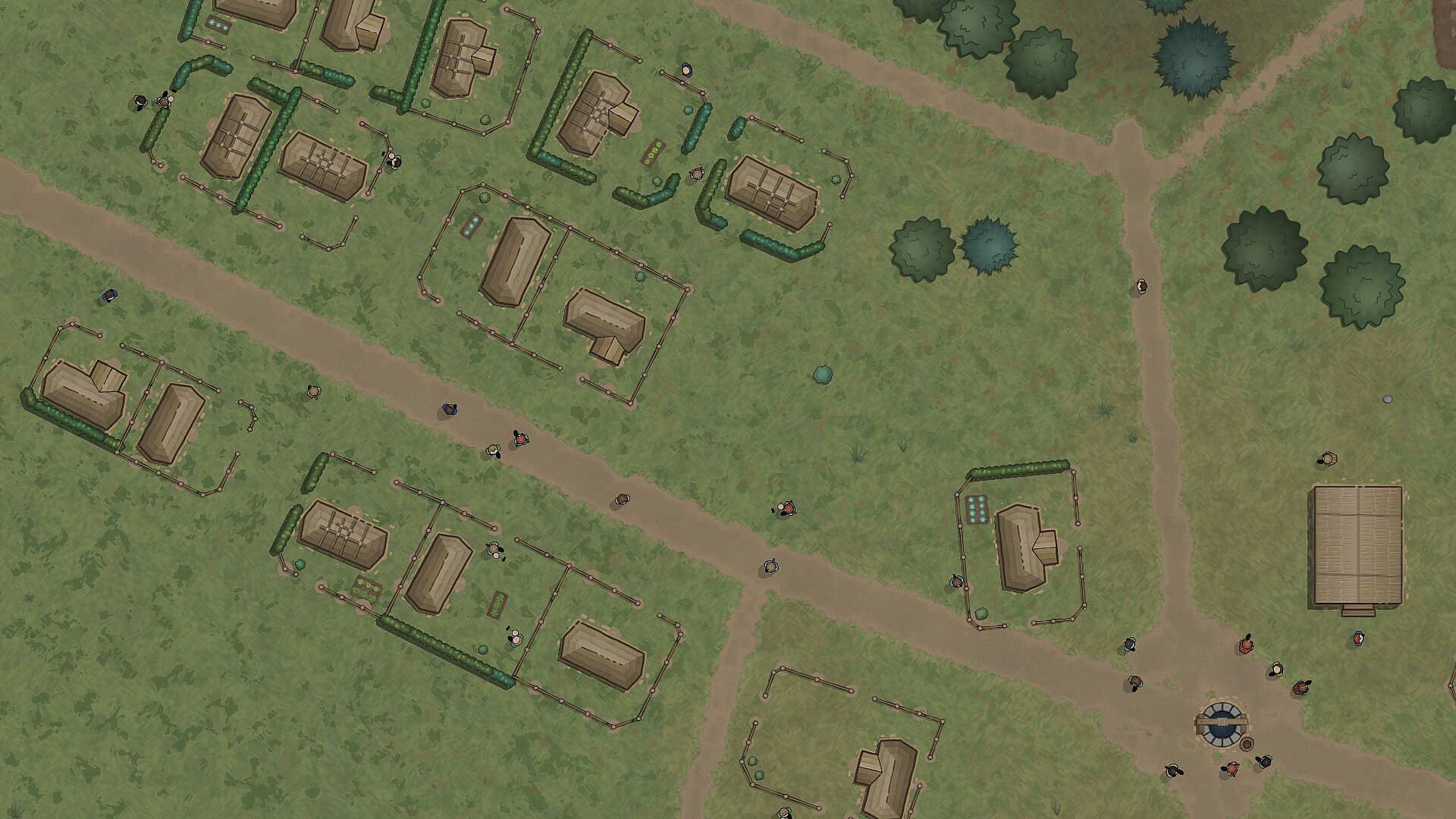
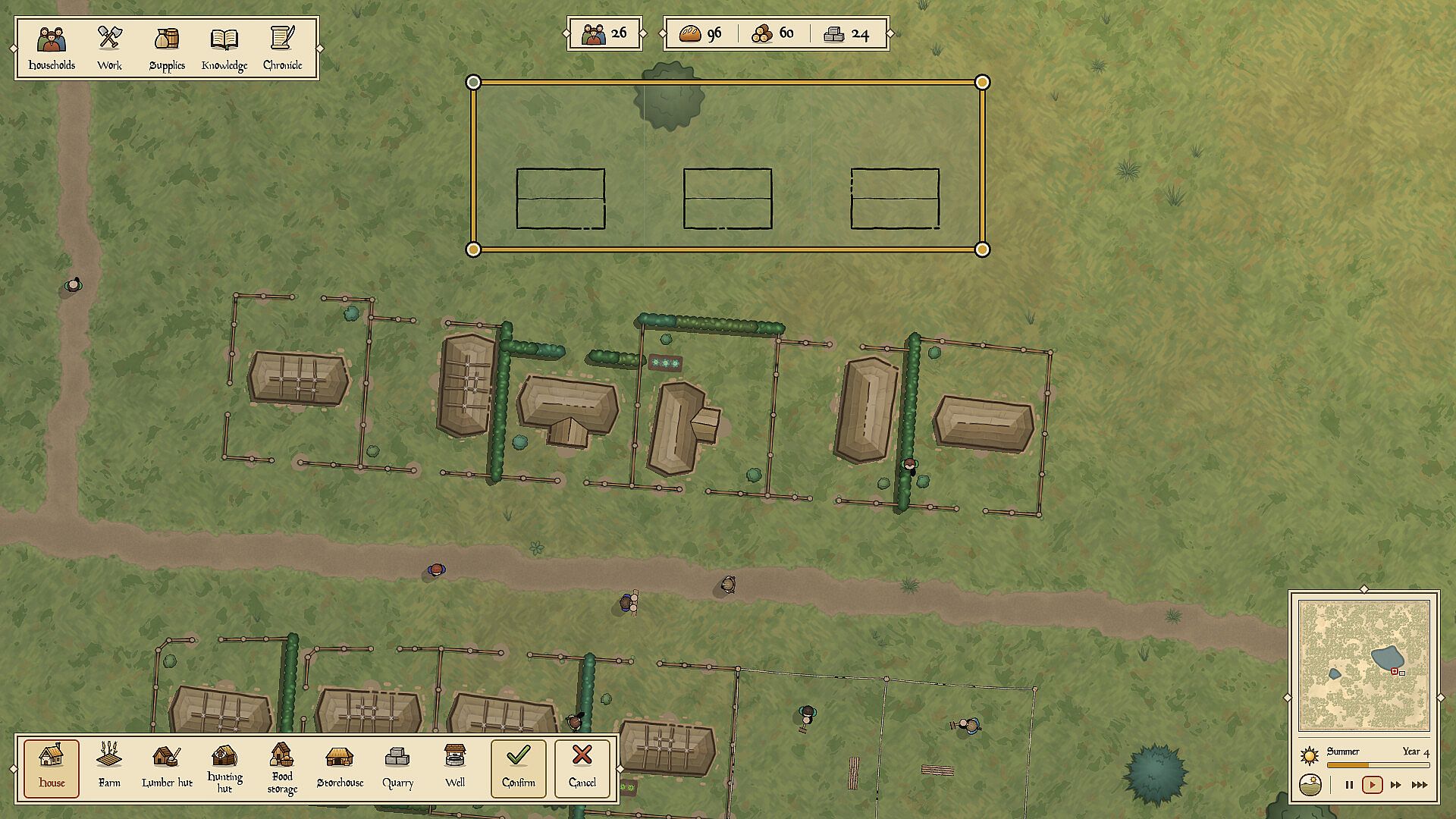
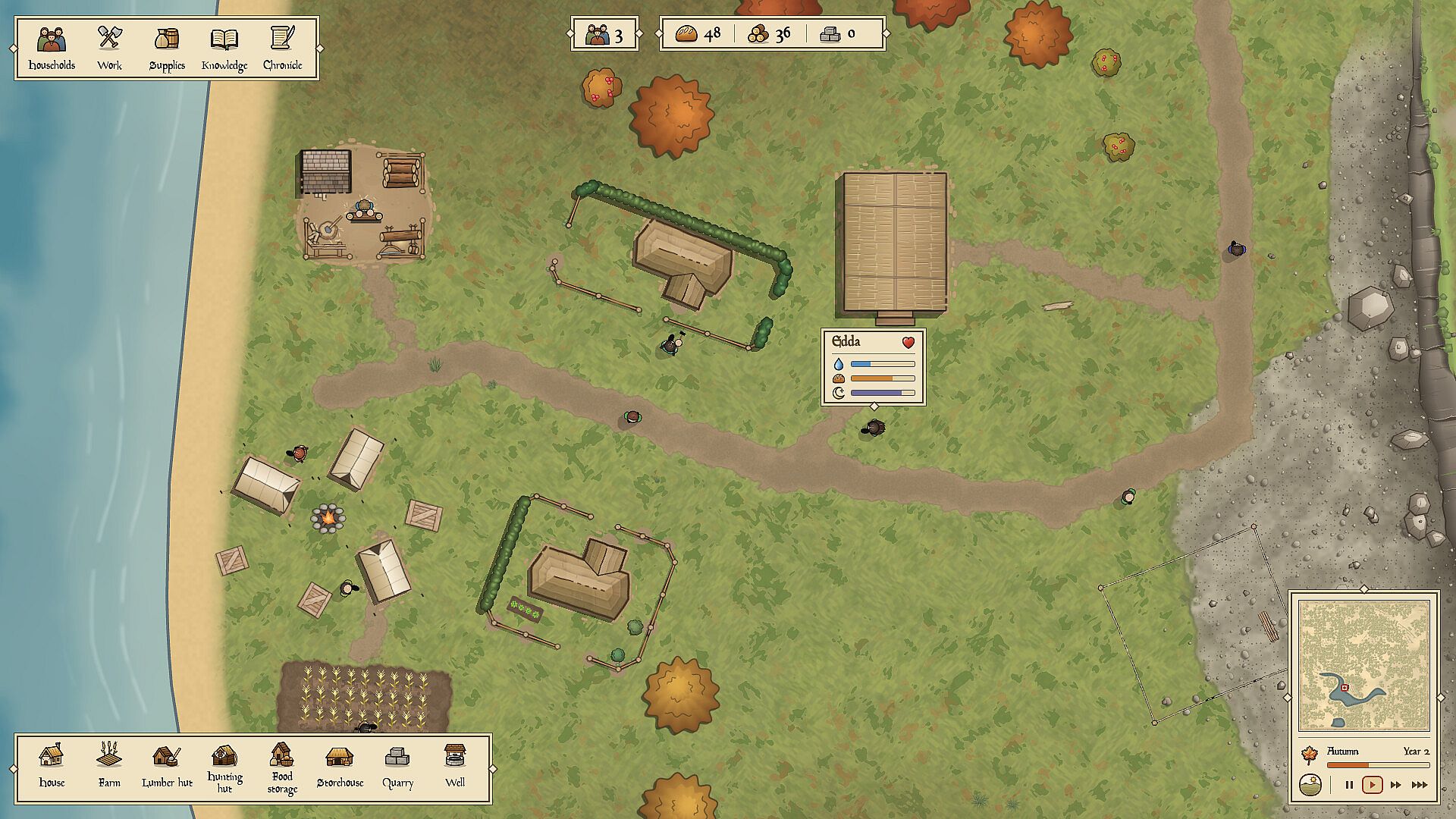
Settlement growth involves deciding the layout of districts and the timing of new construction. Each added household increases both opportunities and responsibilities, requiring careful allocation of space and labor. The simulation tracks villagers as they work and move through their routines, allowing inspection of individual needs and household conditions to inform future decisions.
Expansion demands ongoing adjustments. More residents require additional food and supplies, while increased production facilities need workers and room to operate. Players weigh short-term resource use against long-term sustainability, keeping ambitions aligned with what the community can realistically support at each stage.
Game Modes
Centuries focuses on a single-player campaign-style experience centered on one settlement's development. There are no separate competitive or multiplayer modes described in available information. The emphasis remains on progressive building and management within a single continuous session, where choices about economy and community shape the outcome over time.
Progression occurs through natural expansion rather than discrete levels or scenarios. Players guide the settlement from its initial camp phase through successive stages of growth, with mechanics that scale in complexity as more households and production sites come online.
Key Mechanics and Features
Resource management sits at the heart of the experience. Farms, hunting grounds, timber operations, and quarries supply raw materials that feed into storage and processing steps. Players must maintain equilibrium between what is harvested and what is consumed daily by residents.
Villager simulation adds depth beyond simple building placement. Households function as living units with observable routines, allowing players to monitor work patterns and emerging needs. This layer encourages decisions that account for quality of life alongside raw output numbers.
The game remains in active development, with systems for settlement layout, economic balance, and villager interaction still evolving ahead of its planned Early Access release in Q4 2026. Content, interface refinements, and performance improvements are ongoing priorities.
Is It Worth Playing?
Centuries appeals to players who enjoy deliberate, simulation-heavy city builders that prioritize community dynamics over spectacle. Its focus on households and sustainable growth offers a grounded alternative to faster-paced titles in the genre. Because the game is still in pre-Early Access development with no public reviews available, potential buyers should consider whether they value participating in an evolving project.
Those drawn to detailed resource chains, neighborhood planning, and observing simulated daily life in a medieval setting will likely find the current description engaging. The single-player structure suits focused sessions where long-term planning matters more than quick matches. As development continues, updates will determine how fully the systems deliver on the outlined vision.