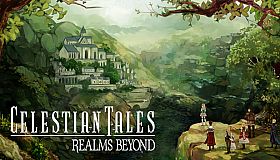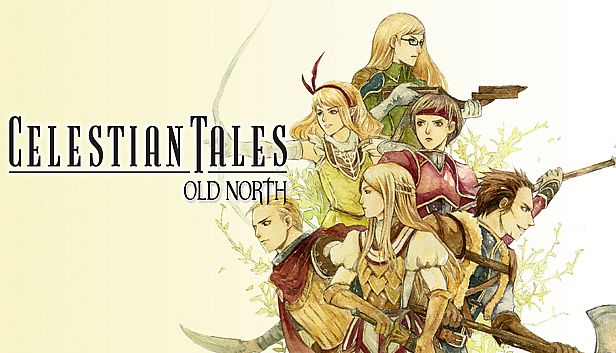


















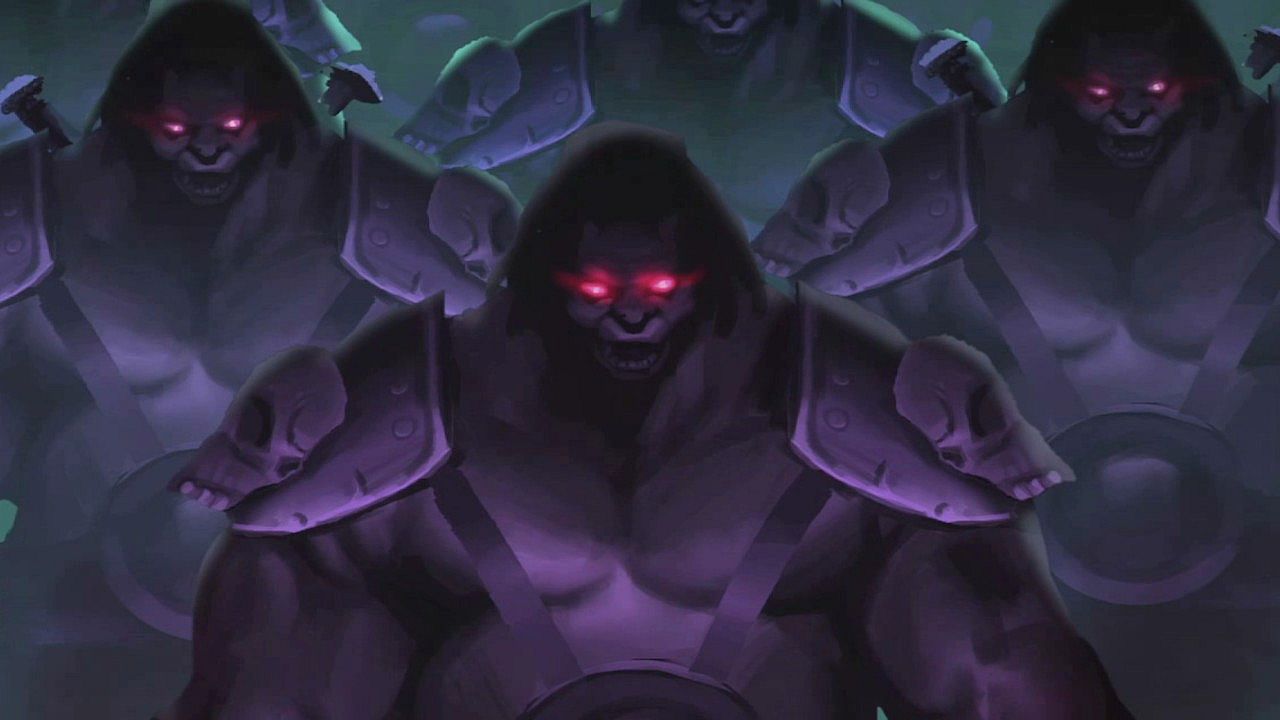
Celestian Tales: Old North stands as an indie turn-based RPG developed for PC that places players in the role of young nobles navigating knighthood and political intrigue in a theocratic setting. The game emphasizes moral dilemmas over traditional hero narratives, presenting choices that question survival, faith, and corruption without relying on destined savior tropes common in many role-playing titles.
Gameplay
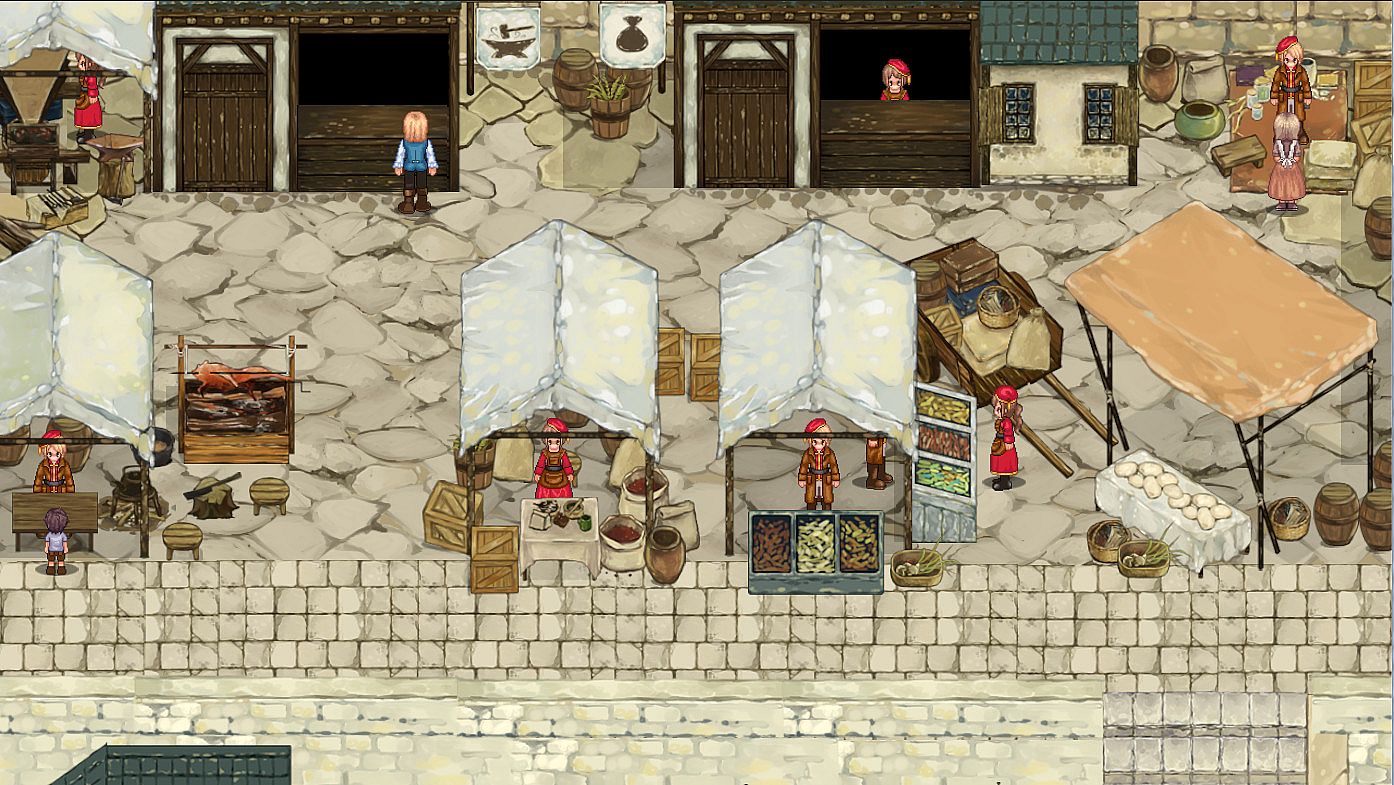
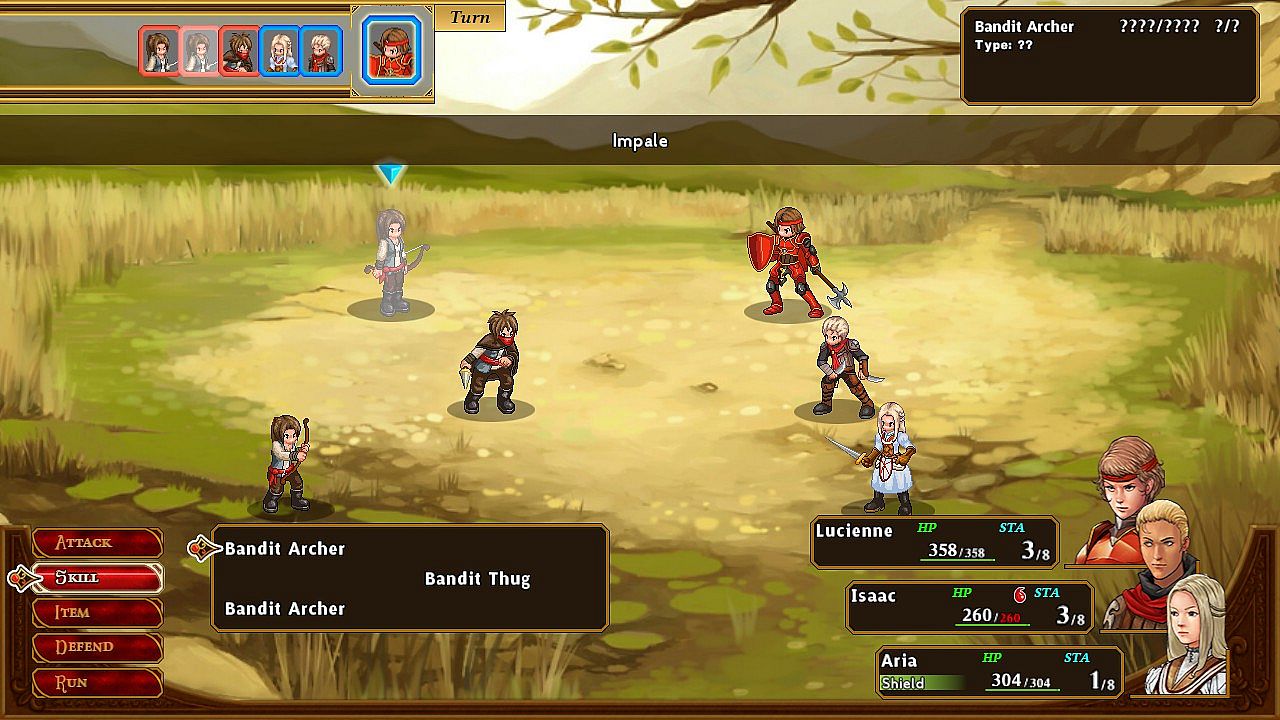
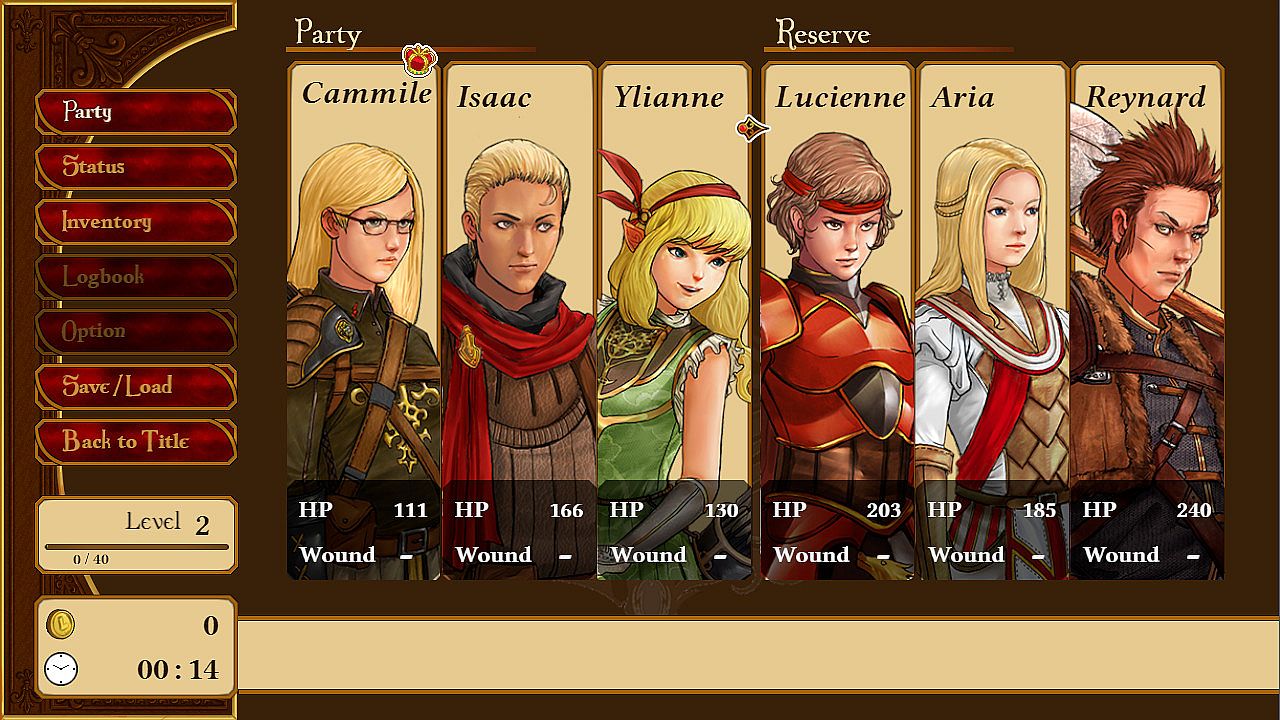
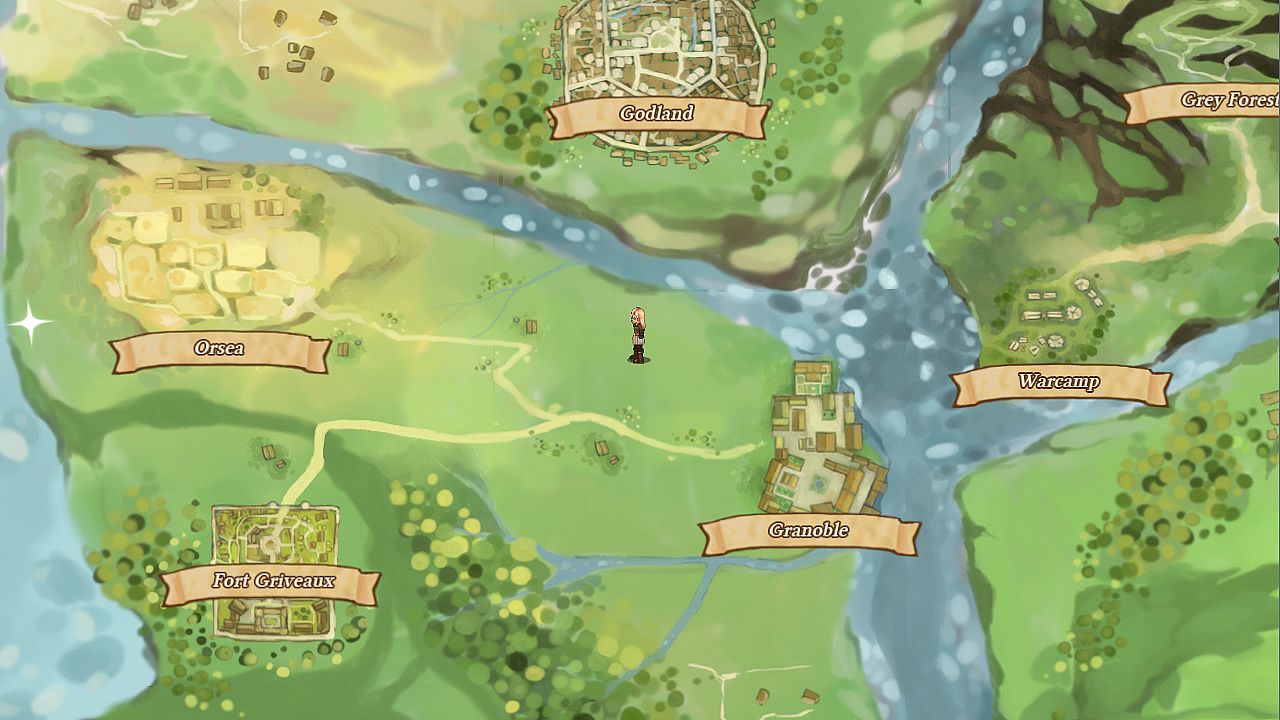
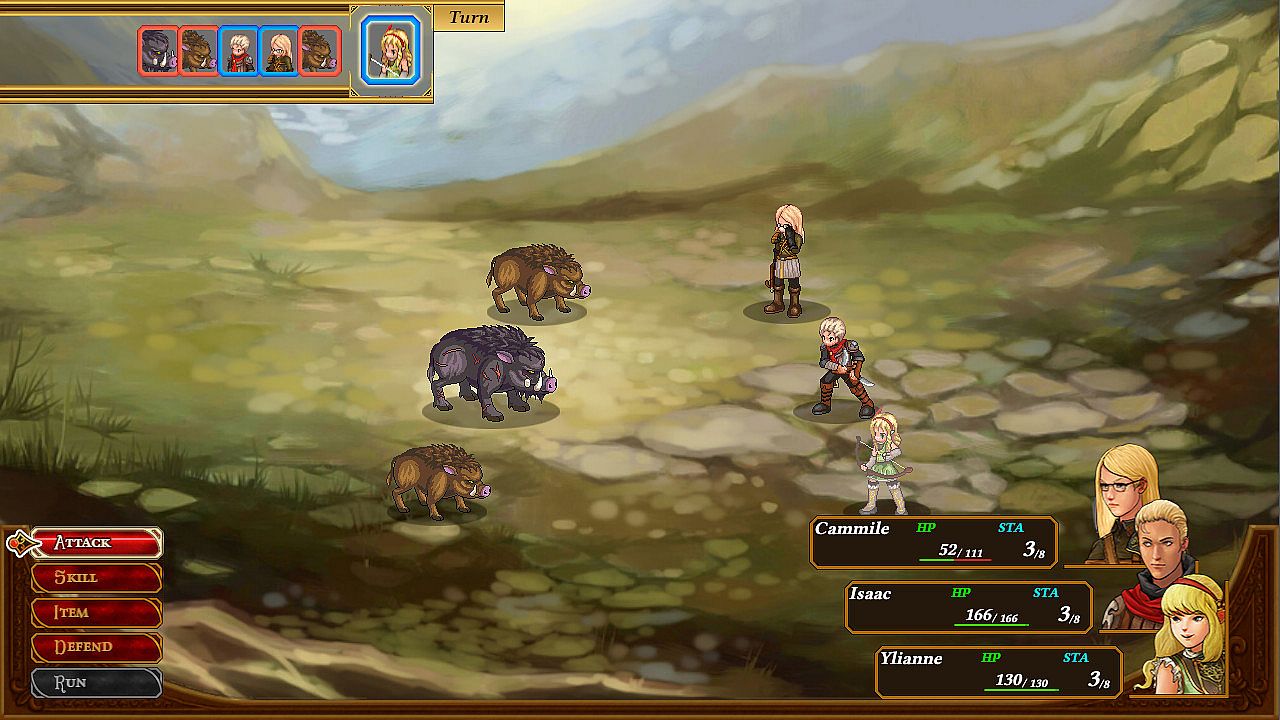
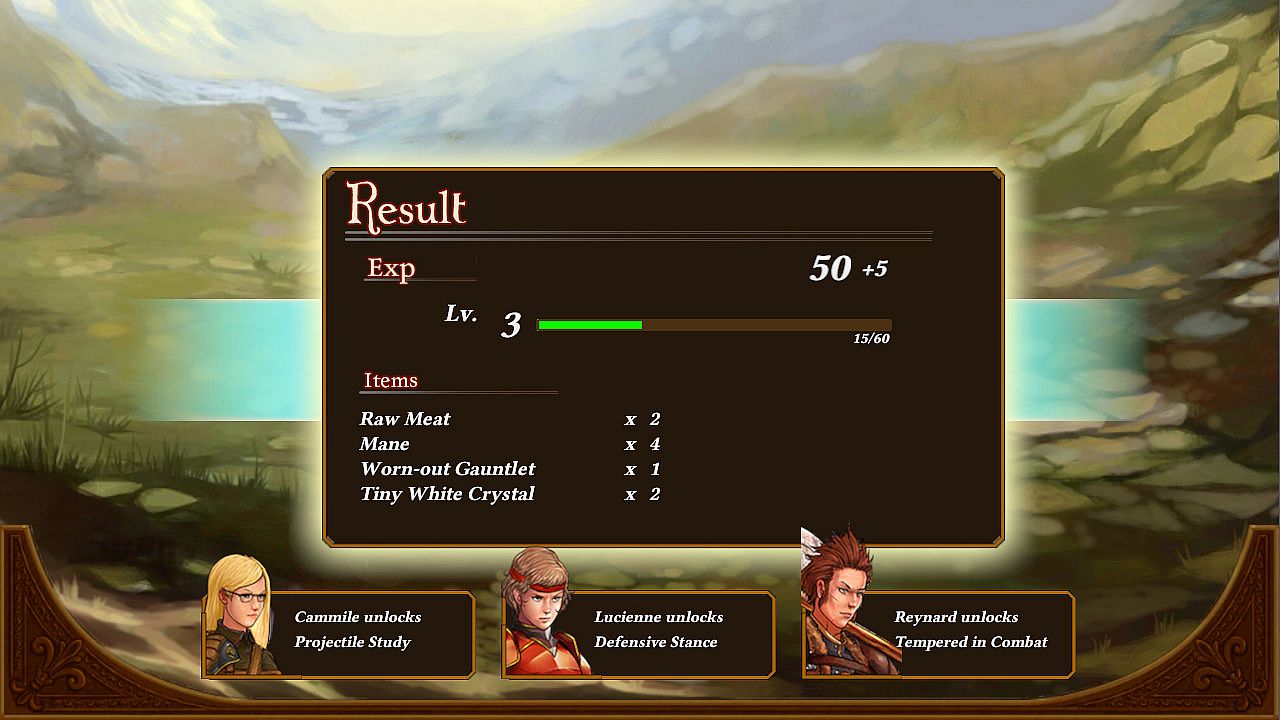
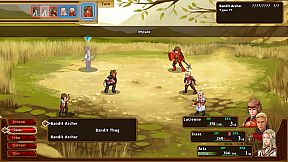
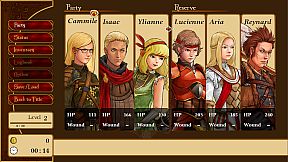
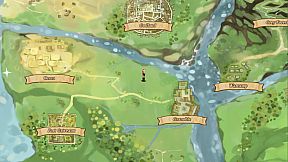
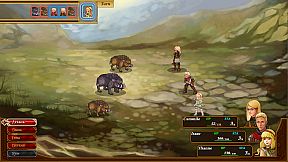
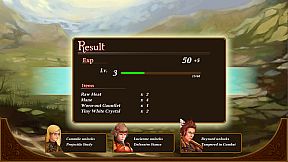
The core loop revolves around exploration of hand-painted environments combined with turn-based combat encounters. Players control one of six young nobles at a time, each offering a distinct viewpoint on the unfolding events in the Old North region. Combat follows classic Japanese RPG conventions where party members take turns executing actions, with options for customization that let individuals shape their preferred battle approach through skill development and equipment choices.
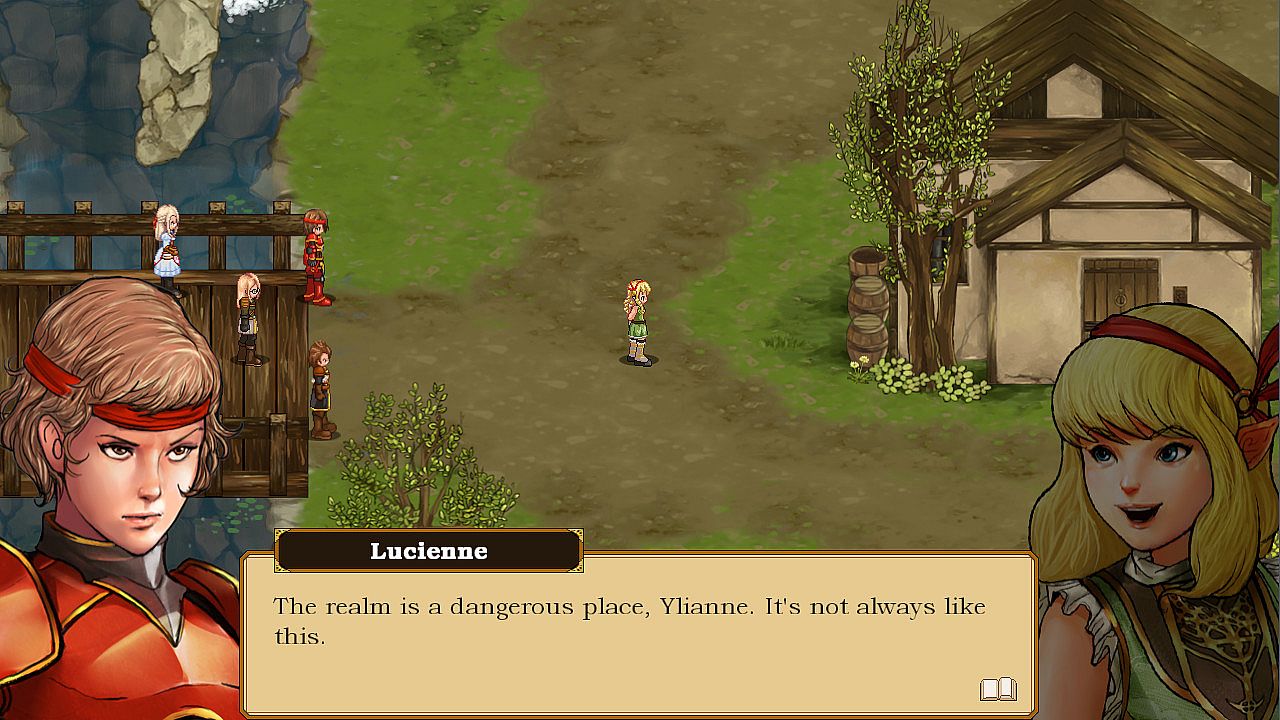
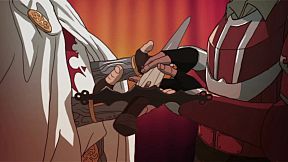
Moral confrontations appear regularly during the narrative, forcing decisions that affect character beliefs and relationships. These moments integrate directly into the story progression rather than serving as isolated side content. The pixel-art characters animate during battles and interactions, while detailed portraits convey emotional shifts tied to player choices. A sweeping musical score underscores key scenes and maintains atmosphere throughout the experience.
Actions and decisions made while playing as one protagonist influence later perspectives when switching characters. This structure encourages multiple playthroughs to experience the full scope of the storyline from all available viewpoints. The game avoids open-world elements in favor of a focused, linear path punctuated by these branching moral threads.
Game Modes
Celestian Tales: Old North operates entirely as a single-player experience centered on its campaign. The primary way to engage with the content involves selecting from the six available protagonists and advancing through their individual story arcs. Completing the game with one character reveals new layers when replaying with others, as prior choices carry forward in subtle ways.
No separate multiplayer or competitive modes exist. Instead, the design encourages sequential playthroughs of the same core campaign under different lenses. This approach creates variety without introducing additional game types or procedural elements. Players progress at their own pace, balancing combat encounters with narrative segments that highlight the responsibilities of leadership during wartime threats.
Story and Characters
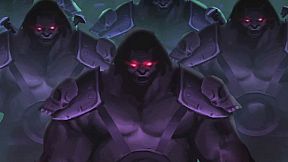
The narrative unfolds through the eyes of six selectable nobles who serve different lords while facing an external threat that escalates into broader conflict. Internal betrayals and ethical compromises emerge as central tensions, pushing characters to weigh personal survival against collective ideals. The setting draws from a mature perspective on human behavior in crisis, avoiding simplistic good-versus-evil framing.
Each protagonist brings unique motivations and relationships that alter how events are perceived. Switching between them provides cumulative insight into the larger political landscape of the Old North. The story builds toward consequences that players shape through repeated moral tests rather than through combat victories alone.
Art and Presentation
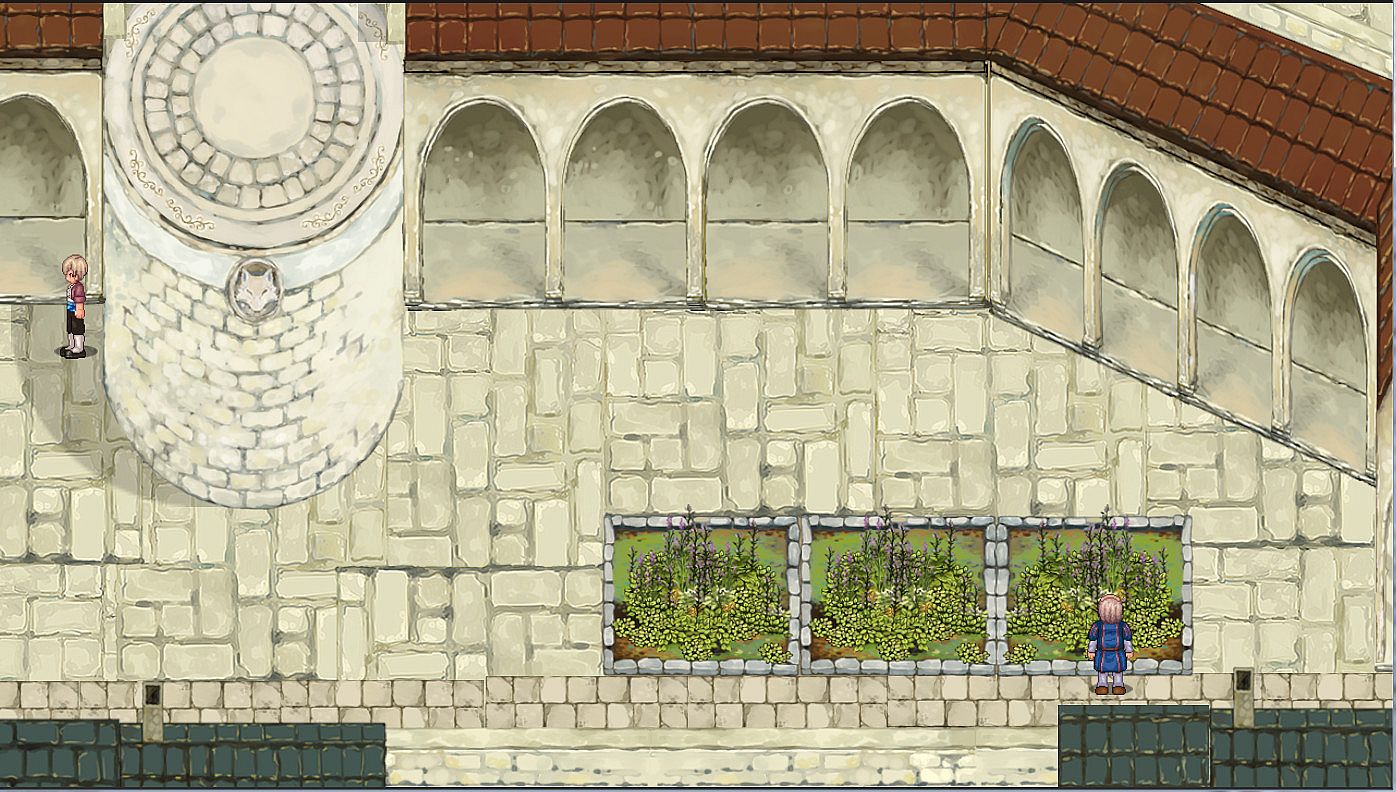
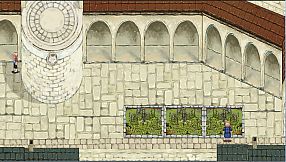
Hand-painted backgrounds establish lush, detailed locations that contrast with the pixel-art sprites used for characters in motion. Emotive portraits appear during dialogue to reflect internal conflicts and evolving alliances. The visual style supports the game's focus on personal stakes over spectacle, creating a cohesive world that feels intimate despite the scope of the war narrative.
Music plays a supporting role by matching the emotional tone of scenes, from tense confrontations to quieter moments of reflection. Together these elements form a complete presentation suited to players who value atmosphere and thematic depth in their role-playing games.
Is It Worth Playing?
Player reception on major platforms shows 68 percent positive feedback from several hundred reviews, with praise often directed at the moral depth and character perspectives. The game suits those seeking a classic turn-based RPG experience with an emphasis on ethical decision-making rather than power progression or expansive exploration. Its relatively short length makes it accessible for a focused play session or as an entry point into the broader series.
Those who enjoy stories that examine corruption and belief systems will find the structure rewarding, especially when replaying to uncover alternate viewpoints. The absence of ongoing updates or additional content means the experience remains as originally released, appealing primarily to fans of indie RPGs from the mid-2010s era. If the combination of turn-based combat, moral choices, and multiple protagonist arcs aligns with personal preferences, the title delivers a distinctive single-player campaign worth considering.