















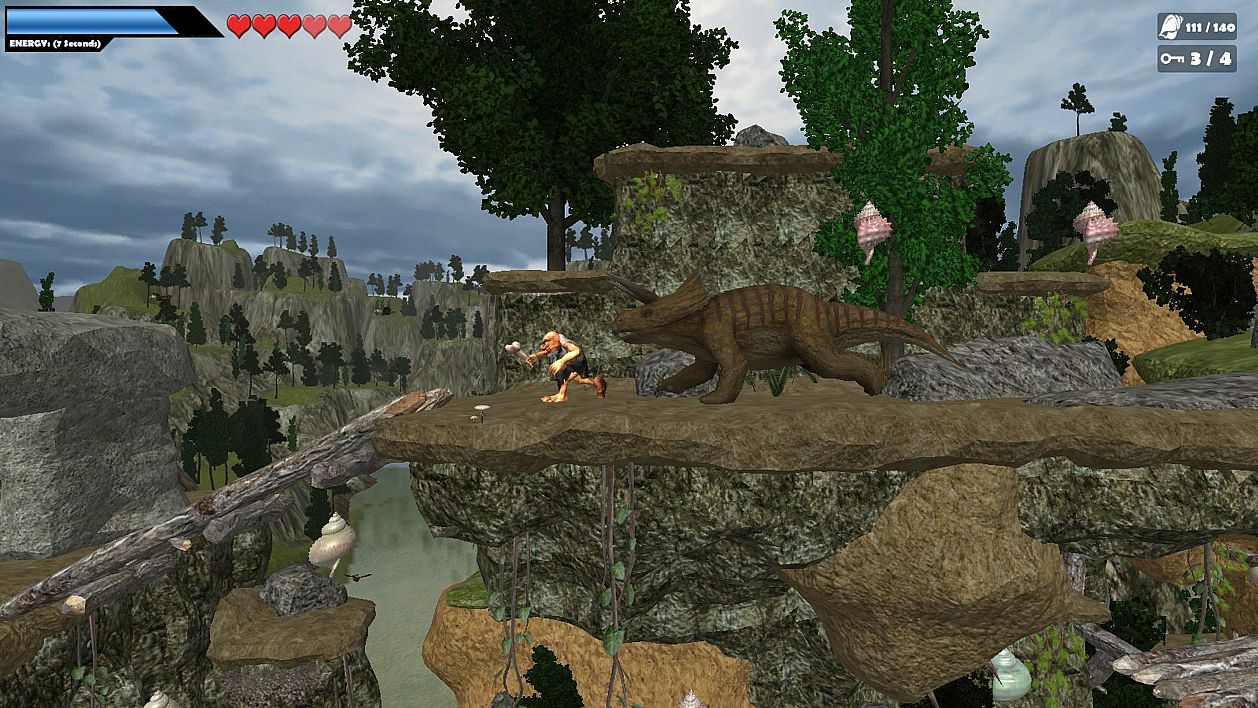
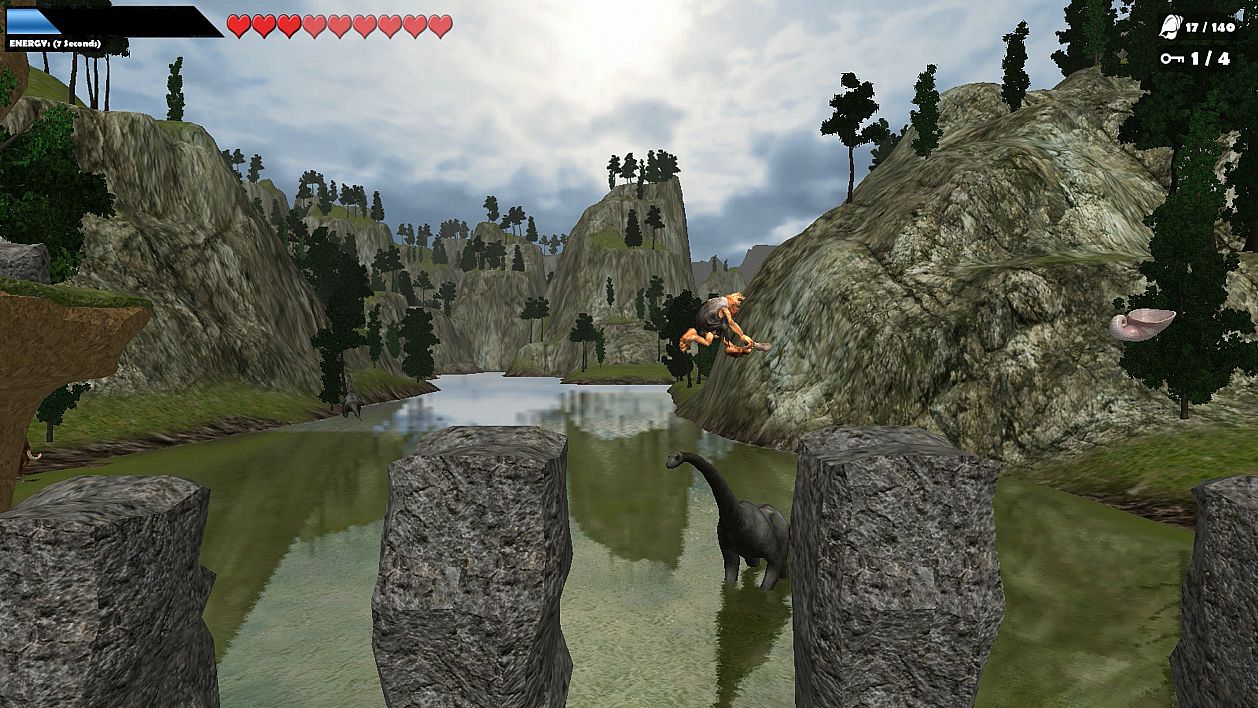
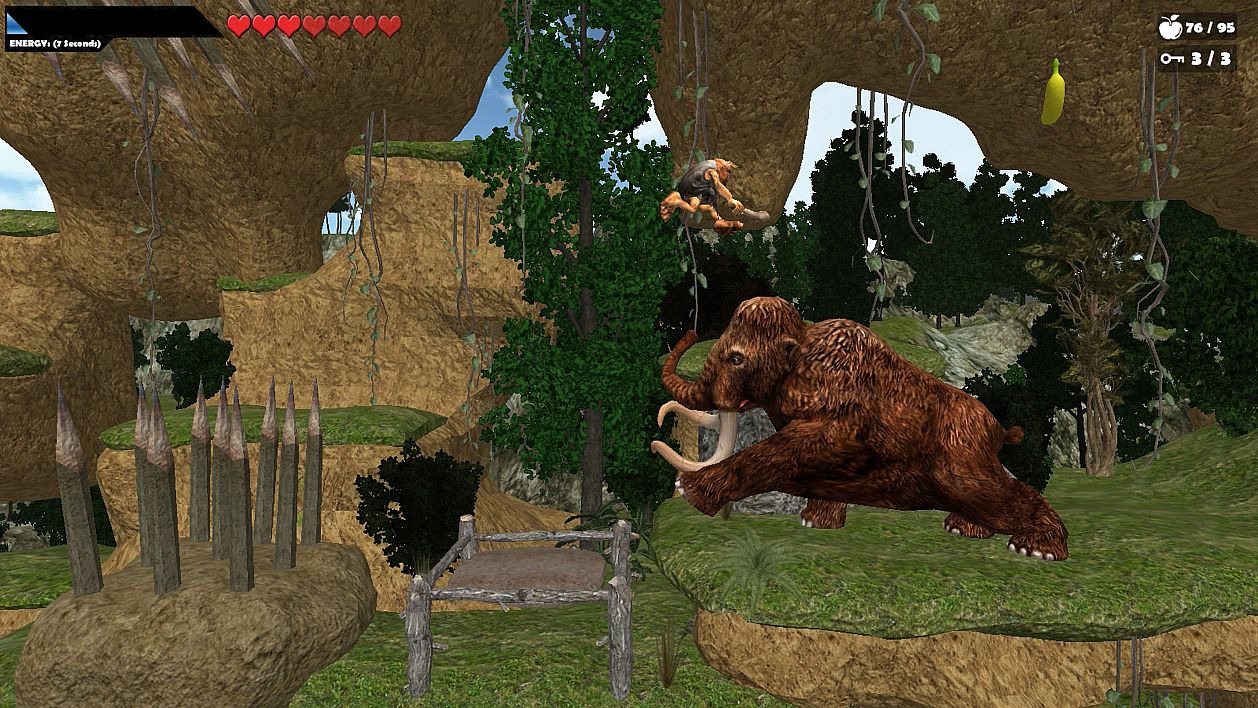
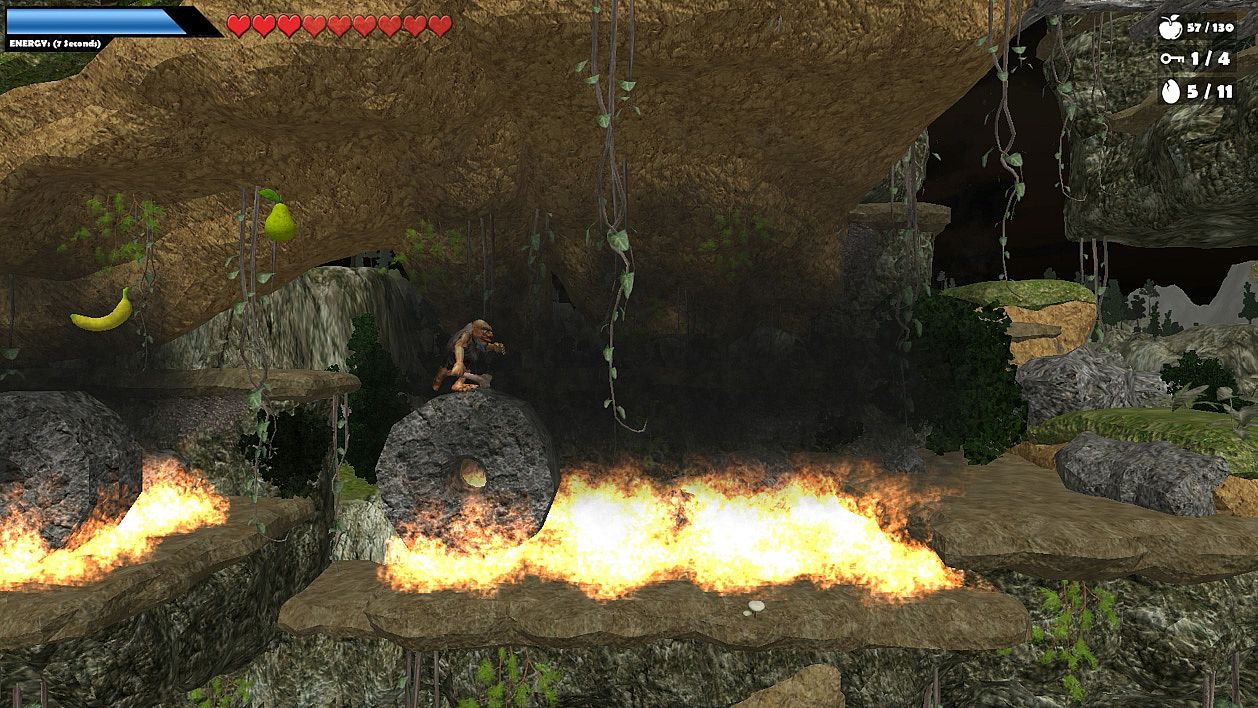
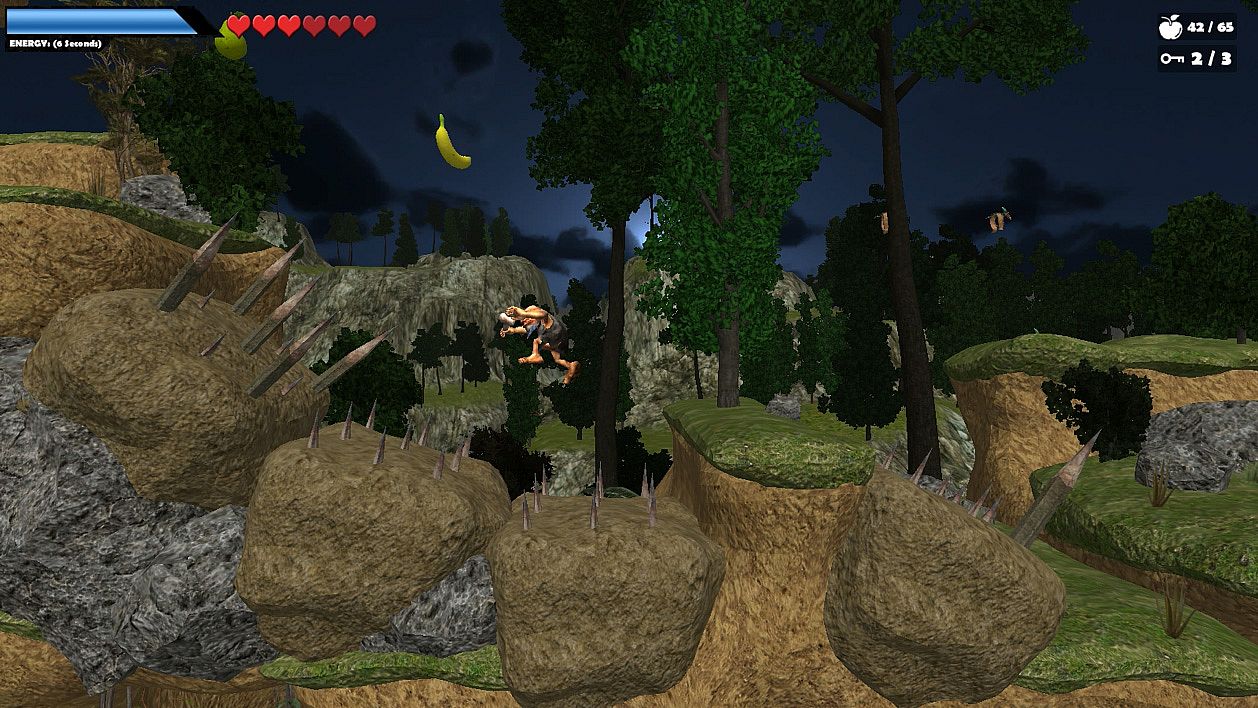
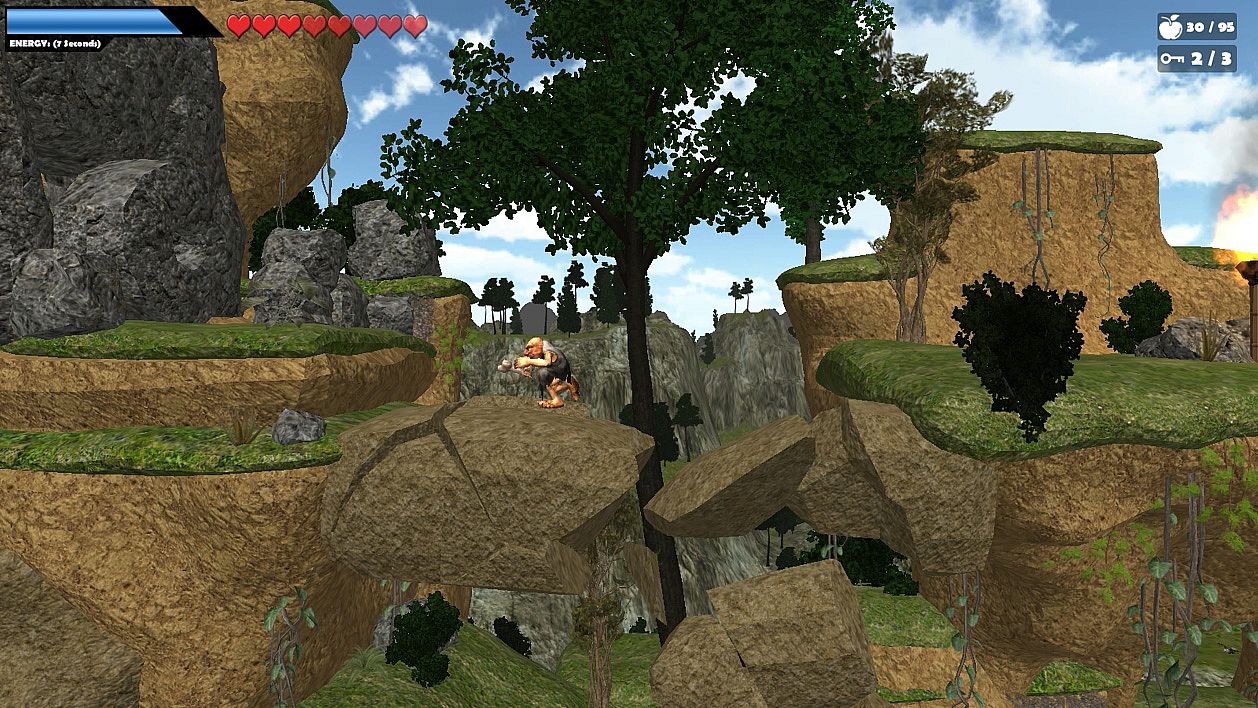
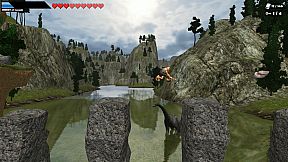
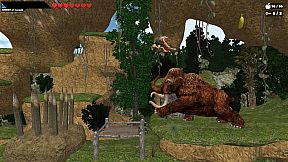
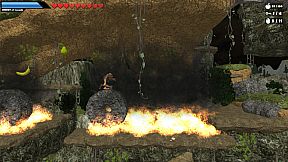
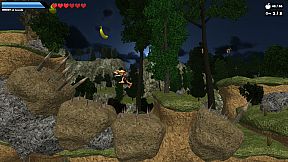
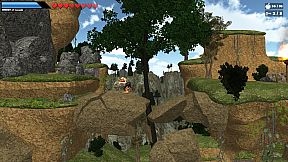
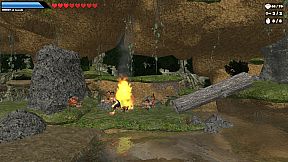
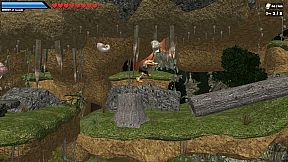
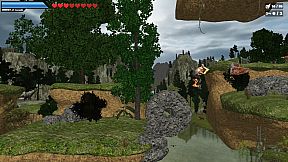
Caveman World: Mountains of Unga Boonga is a retro-inspired 2.5D platformer adventure game set in a fantasy prehistoric world. Players control a caveman who moves through side-scrolling stages filled with platforms, hazards, and prehistoric threats. The core loop centers on precise jumping, timing, and navigation as levels grow more complex with each new area.
Gameplay
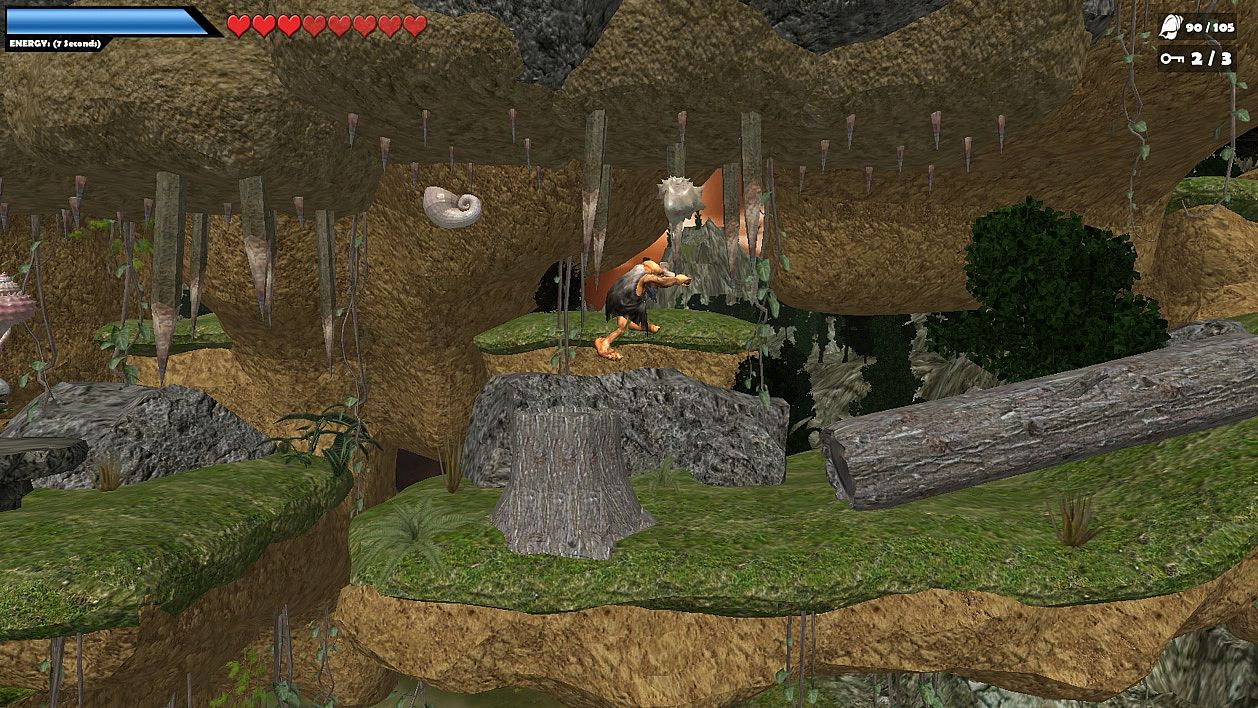
The game places emphasis on exploration and obstacle navigation in a 2.5D perspective that blends flat sprites with depth in the environments. Movement feels responsive yet deliberate, requiring players to judge distances and react to sudden drops or moving elements. Physical obstacles form the backbone of progression, ranging from simple gaps to more intricate sequences that combine multiple hazards at once.
Enemies appear at regular intervals and demand attention to patterns rather than direct confrontation in most cases. Traps activate based on position or timing, forcing careful observation before committing to a path. Difficulty scales steadily across the stages, introducing faster elements and tighter spaces without abrupt spikes that break the flow. The retro visual style keeps the focus on clear silhouettes and readable layouts even as the number of interactive pieces increases.
Game Modes
The experience remains strictly single-player with no multiplayer options or separate competitive modes. Progression follows a linear sequence of levels that players complete in order, returning to earlier stages only if they choose to improve their route or collect remaining items. Achievements track specific challenges such as completing sections without deaths or discovering hidden paths, adding optional goals for those who want to push further into the design.
No branching campaigns or alternate rulesets exist. The structure stays consistent from start to finish, with each new level building directly on the mechanics introduced before it. This focused approach suits short sessions or longer runs depending on how thoroughly a player wants to master each screen.
The Prehistoric Setting
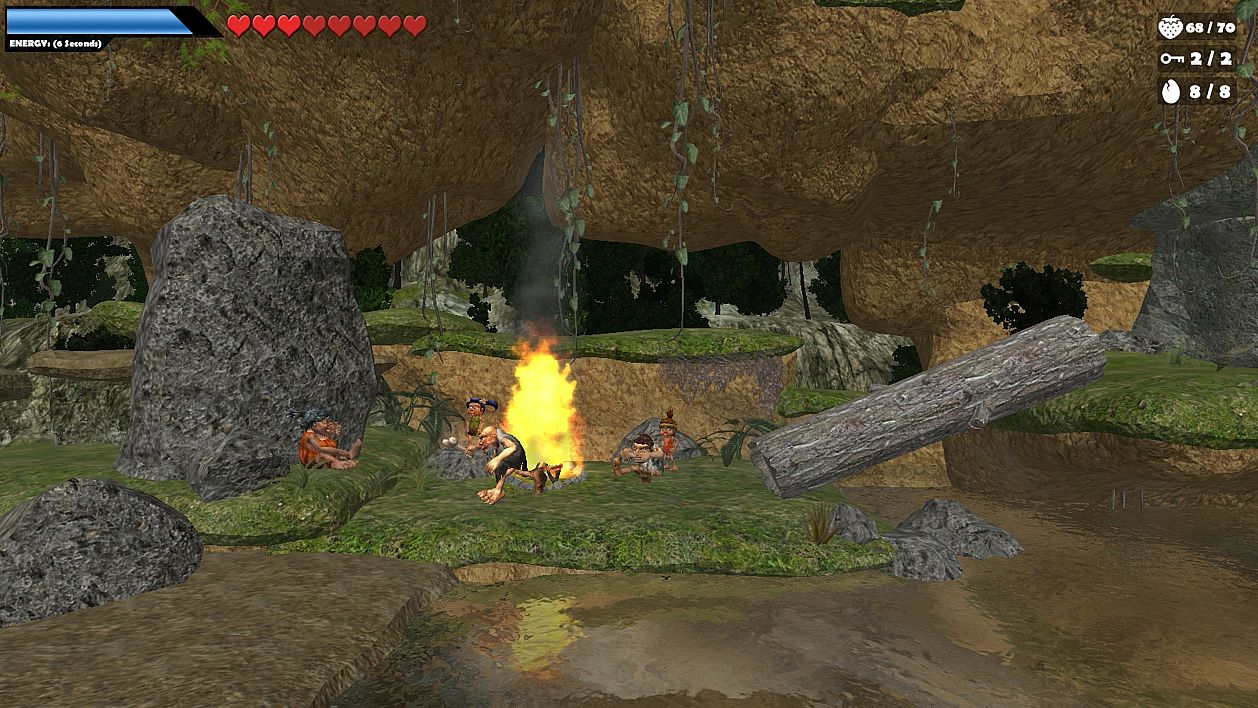
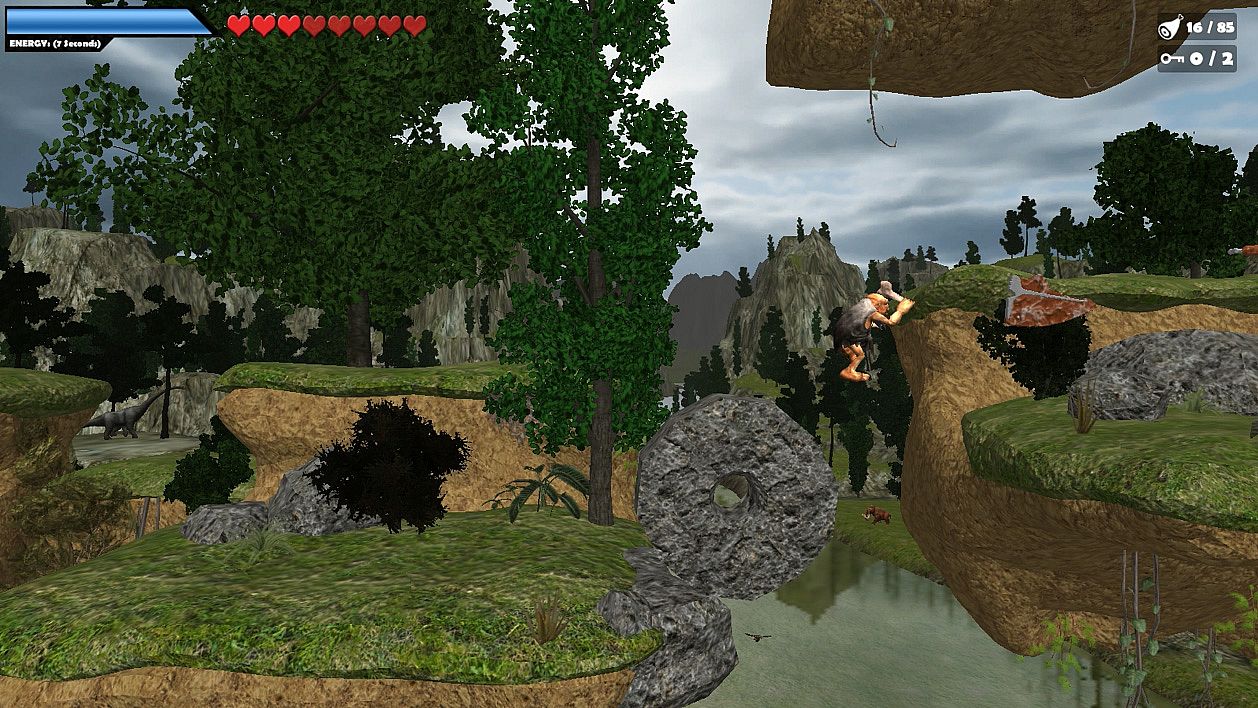
Environments draw from a stylized take on ancient landscapes, featuring rocky cliffs, dense foliage, and occasional water features that serve as both backdrop and functional elements. The fantasy prehistoric theme allows for creative hazards like oversized creatures or unusual plant life that act as platforms or blockers. Visual consistency across stages helps players quickly recognize new threats without needing extra tutorials.
Sound design supports the theme with basic effects for jumps, impacts, and enemy encounters. The overall presentation stays minimal, letting the platforming challenges remain the main attraction rather than elaborate cinematics or dialogue.
Is It Worth Playing?
Player feedback on the game sits at mostly positive, with 71 percent approval from hundreds of reviews. Those who enjoy classic 2D-style platformers often cite the steady difficulty curve and straightforward controls as strengths. The low price point makes it accessible for anyone looking to fill a few hours with precise jumping and exploration.
It appeals most to fans of indie platformers who prefer single-player campaigns without online requirements or frequent updates. The game has remained available since its 2016 release with no major expansions or seasonal content, keeping the focus on the original level design. Players seeking a compact adventure with increasing challenge and retro charm will find it matches that description without unnecessary complexity.