
























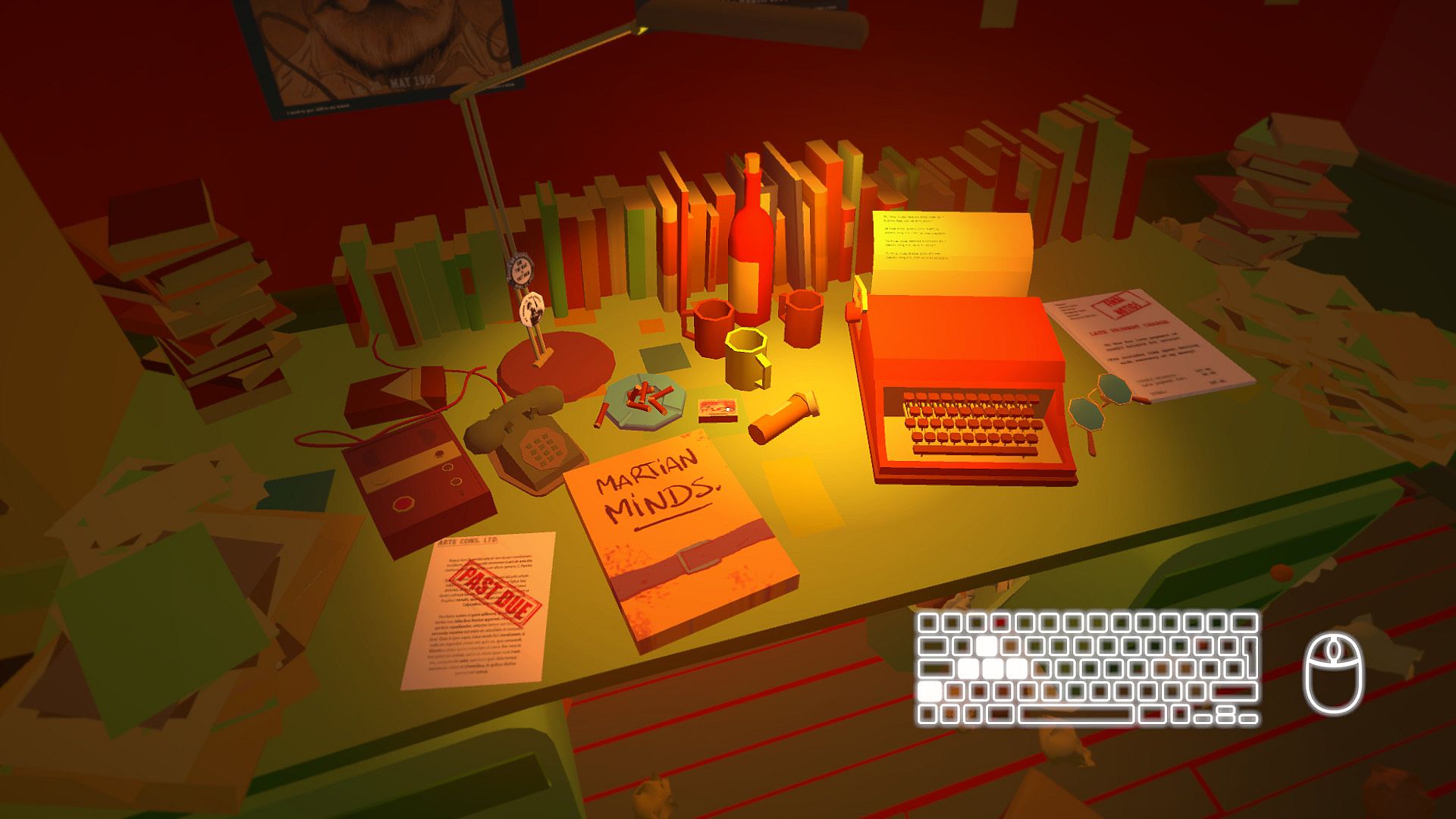








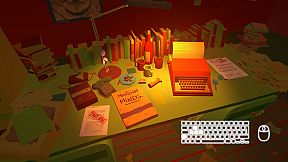


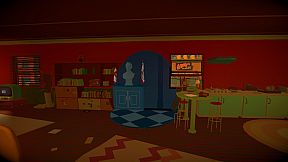
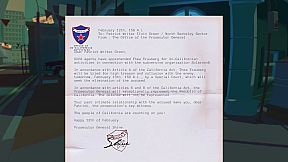


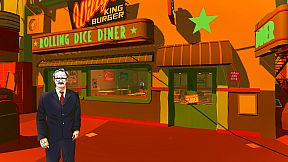




Californium is a first-person indie adventure game that places players in the role of Elvin Green, a struggling science fiction writer in 1967 Berkeley. The experience blends simulation elements with surreal narrative as Green navigates personal crises including depression, substance use, and creative blocks while reality itself begins to fracture around him.
Gameplay
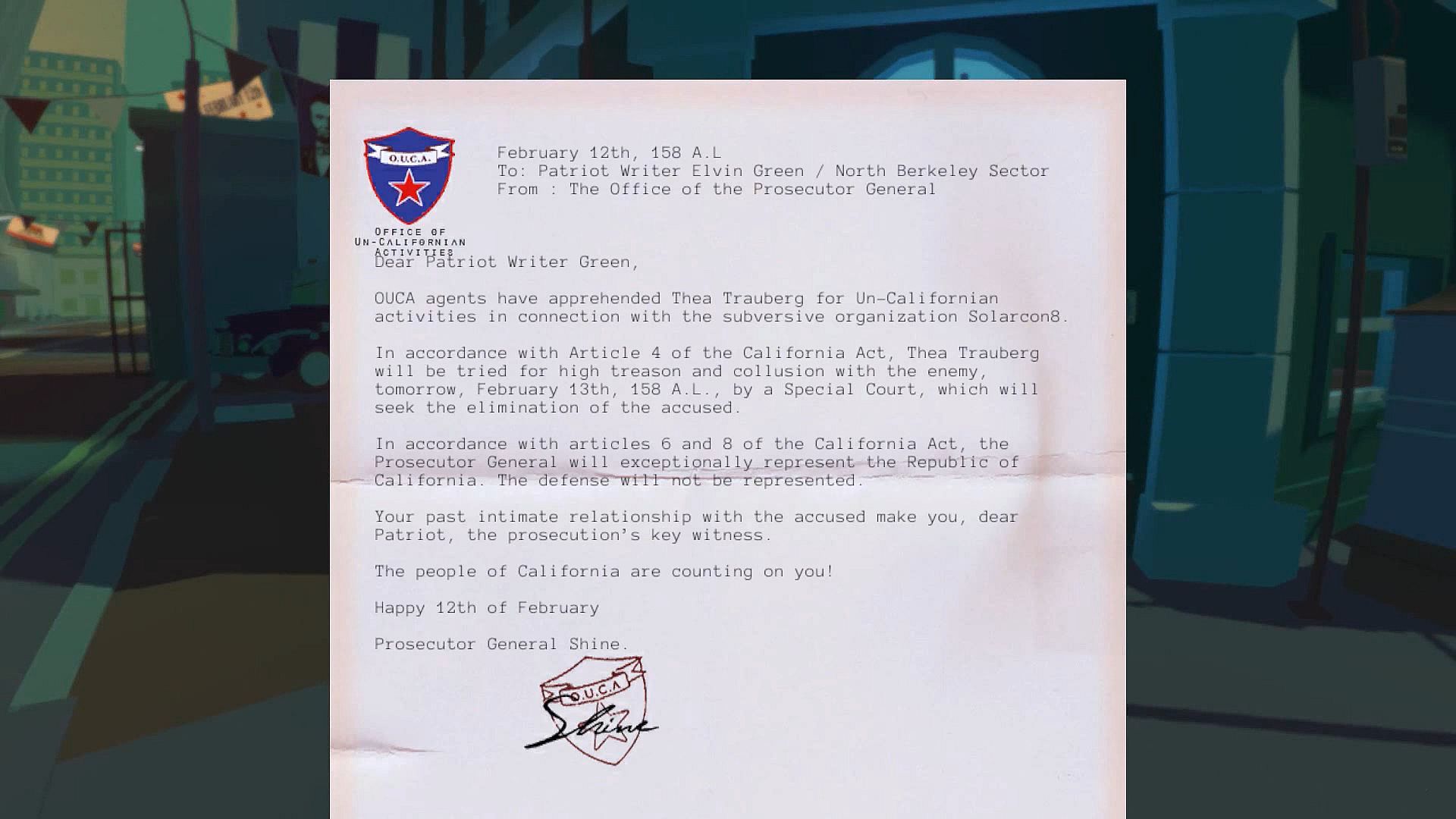
Players move through a series of contained levels representing different facets of the protagonist's life and psyche. Interaction remains minimal by design. The core loop centers on exploration and discovery rather than combat or complex puzzles. Non-player characters appear as static figures that deliver one-sided dialogue when approached, revealing fragments of story about Green's relationships and past.
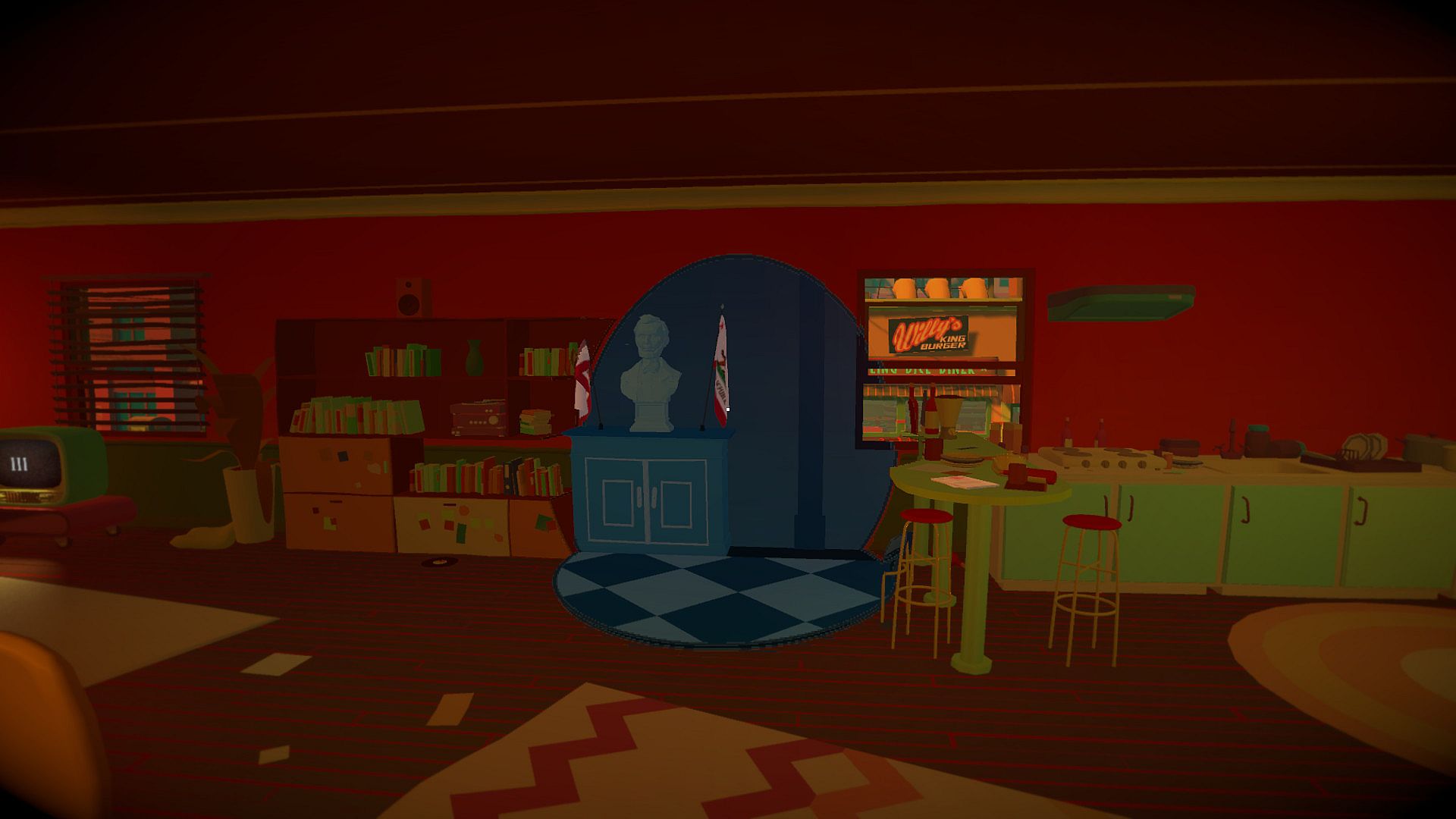
Key mechanics involve locating cathode-ray tube monitors that display Roman numerals indicating how many reality-warping points exist in the immediate area. These points appear as glowing theta symbols that only become visible from precise angles or after clearing obstructing objects. Activating a point generates a spherical bubble that replaces the surrounding environment with an alternate version of the scene. Flickering objects help signal nearby symbols when they remain hidden. Completing all points in a section unlocks further narrative text and opens additional areas. A final large glyph spanning multiple surfaces requires finding the correct vantage point to activate and advance the level.
Game Modes
Californium supports only single-player exploration. There are no multiplayer options, competitive modes, or separate campaigns. Progression follows a linear sequence of levels, each built around the same reality-shifting discovery process. The structure emphasizes atmospheric traversal and incremental revelation over replayability or branching choices.
Narrative and Themes
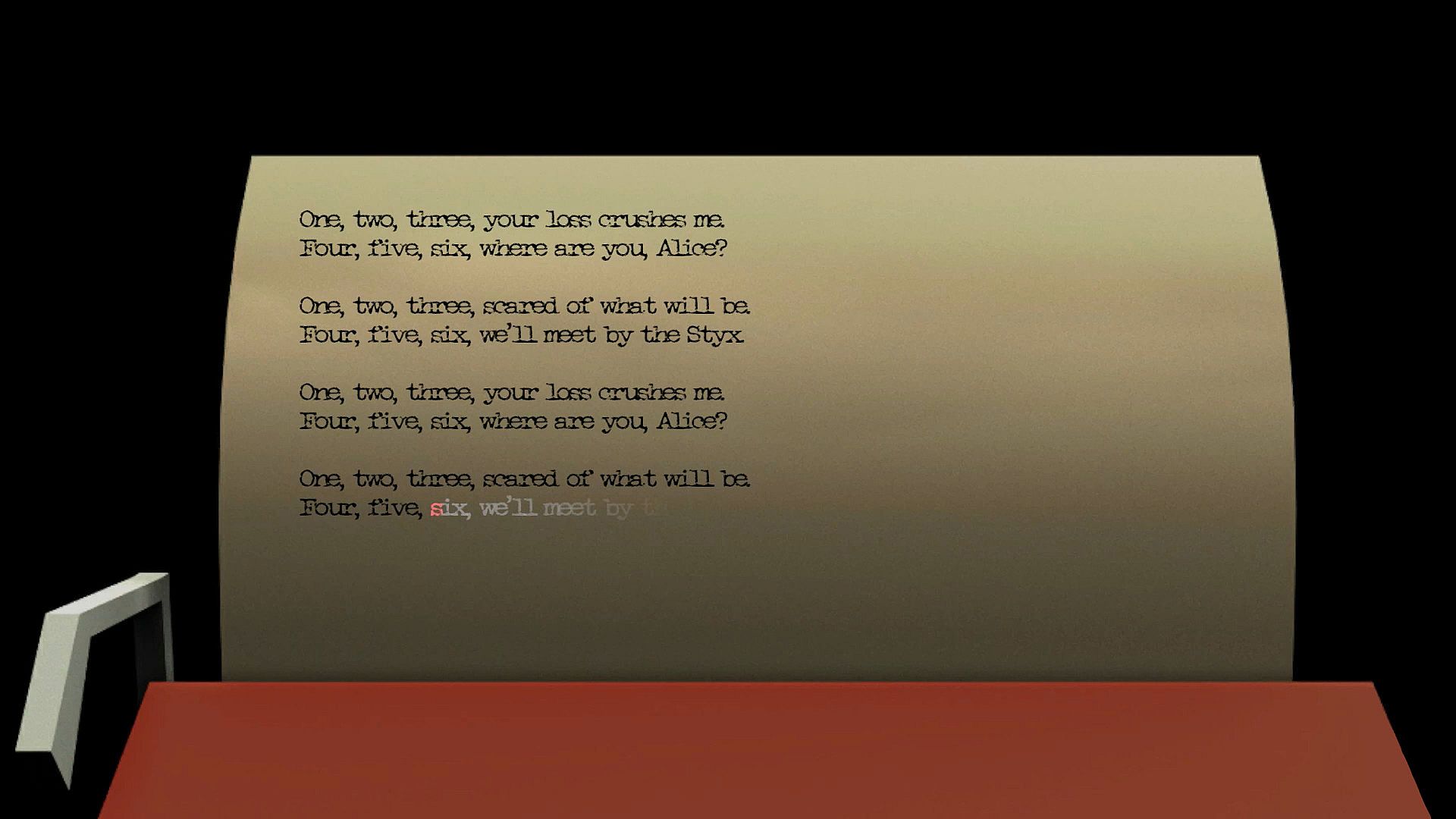
The story draws directly from the life and works of Philip K. Dick, incorporating elements of identity crisis, alternate realities, and paranoia. Hallucinations manifest through shifting environments that players trigger themselves. Memories of Green's wife and editor surface in overlapping fragments, while drug-induced sequences and insomnia add to the sense of disorientation. The art direction uses a distinctive color palette and simplified character models to reinforce the psychedelic tone without relying on traditional realism.
Is It Worth Playing?
Californium appeals to players interested in short, atmospheric narrative experiences and tributes to classic science fiction authors. Its light interactivity and focus on observation suit those who enjoy walking simulators or interactive fiction over action-heavy titles. The game offers a complete, self-contained journey that lasts a few hours and rewards careful attention to environmental details and dialogue. No ongoing updates or additional content have appeared since its initial release, so expectations should center on its original artistic presentation rather than modern production values or extended playtime. Those drawn to surreal storytelling and the themes of reality manipulation will find the most value in its distinctive approach.