





















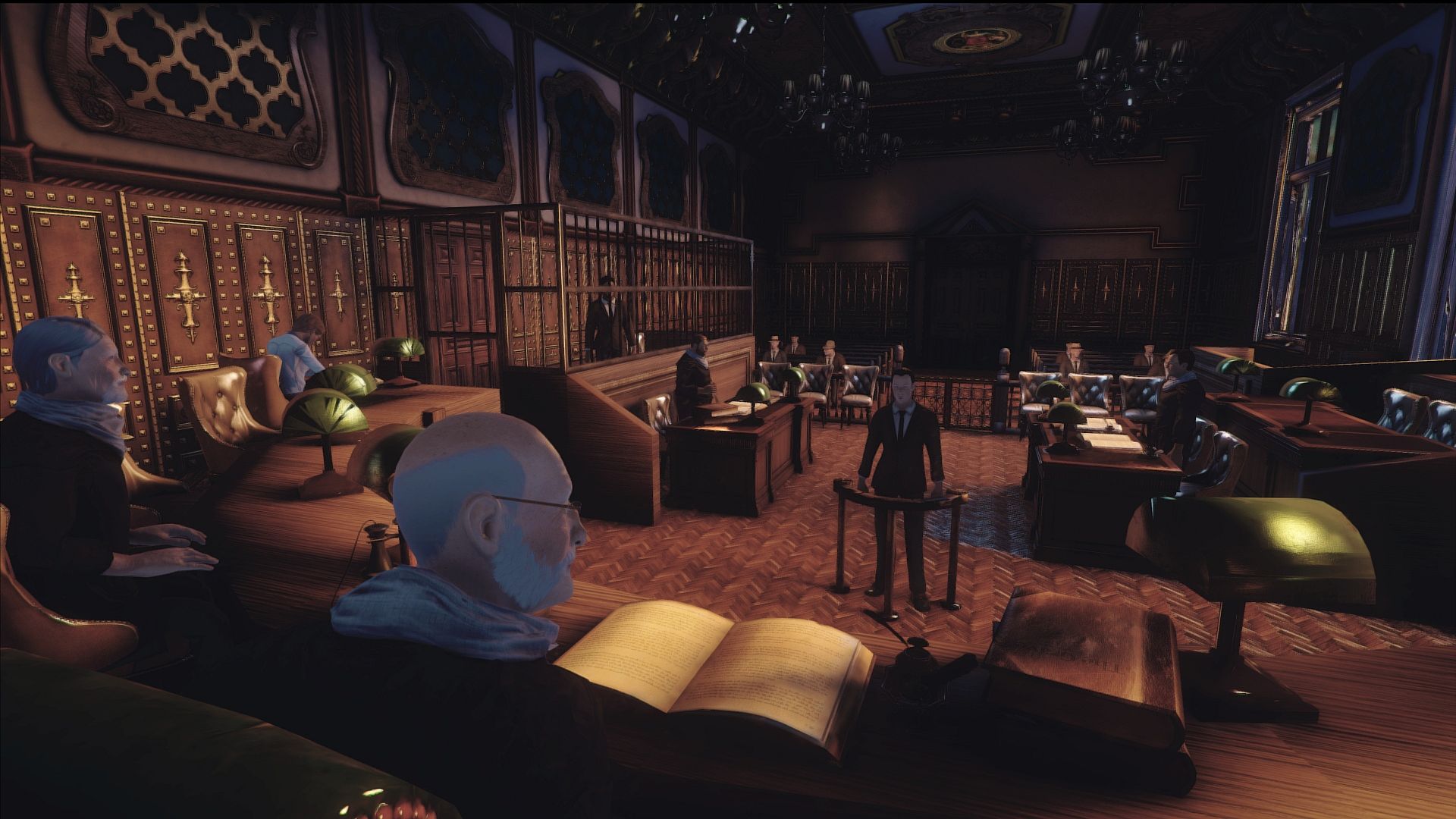









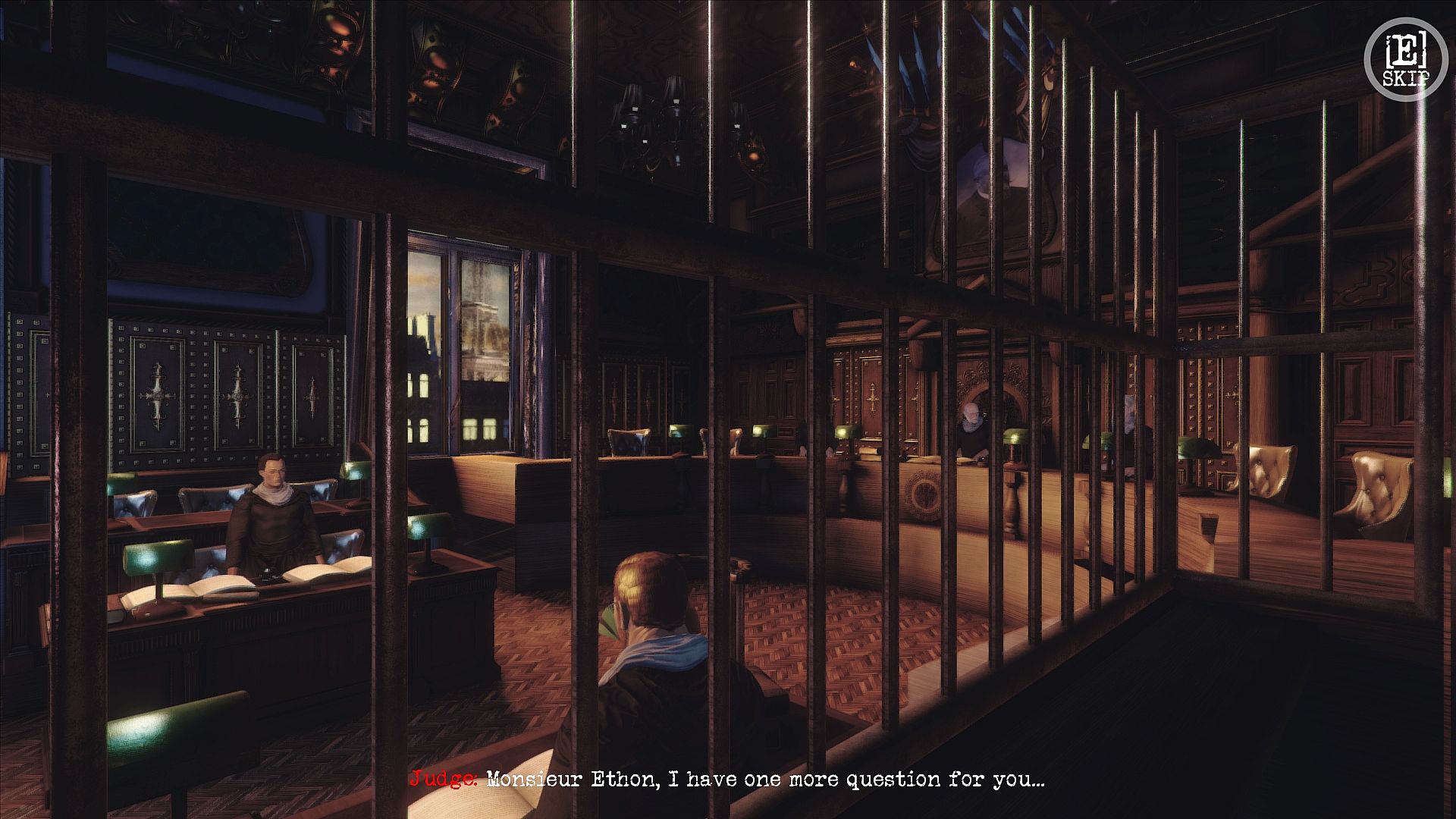

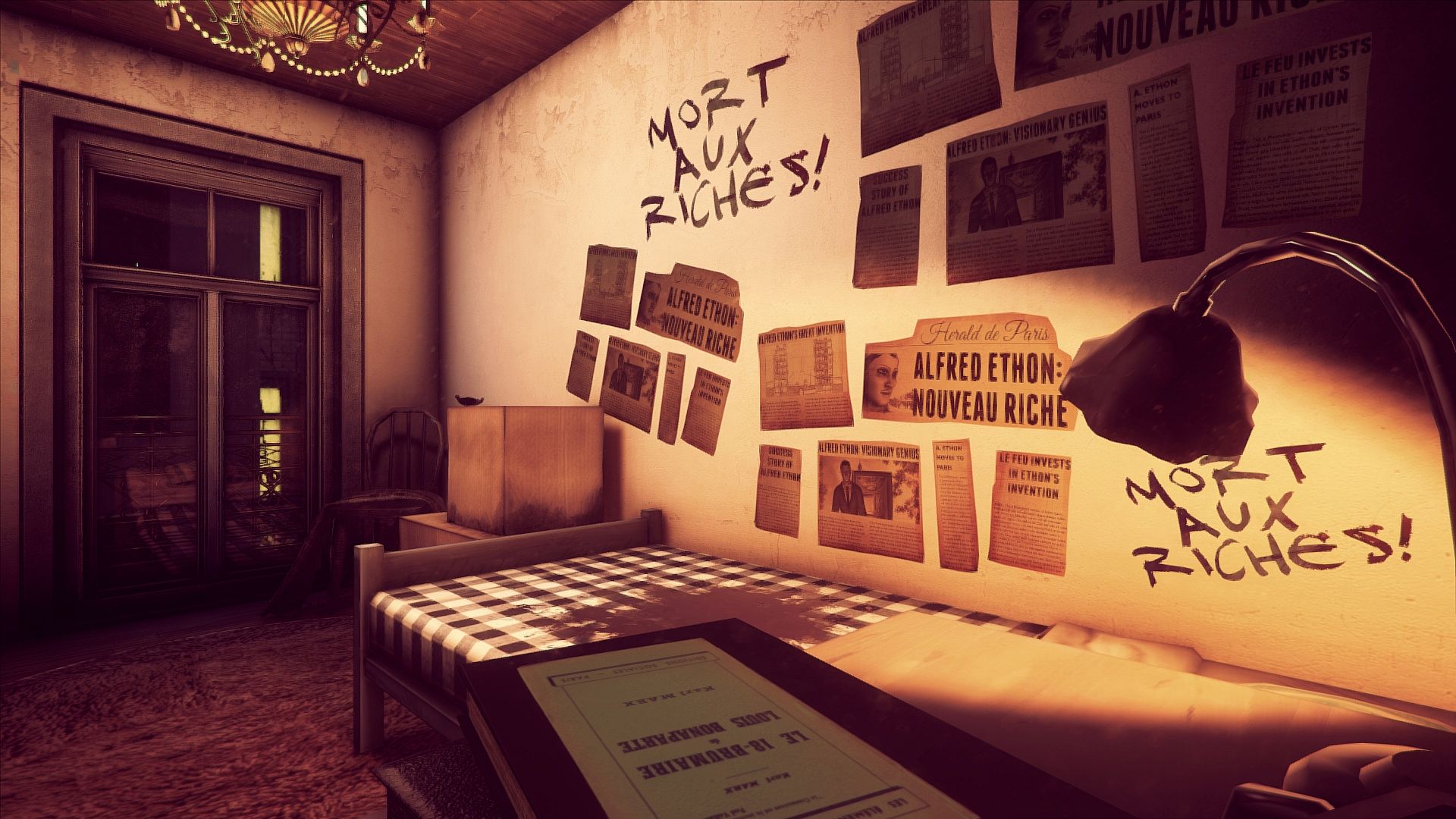

















Bohemian Killing stands as a singleplayer indie adventure title centered on narrative choices within a courtroom setting. Players assume the role of Alfred Ethon, a young inventor facing accusations in late 19th century Paris, where class tensions and social prejudices shape the proceedings. The experience unfolds through testimony building, evidence examination, and decisions made during flashbacks that directly influence the trial outcome.
Gameplay
The core loop combines courtroom questioning with first-person exploration in Parisian districts. Each judge query prompts a return to the events surrounding the murder, allowing players to shape Alfred's account through actions, conversations, and interactions. These choices alter the presented testimony and affect how the court perceives the defense.
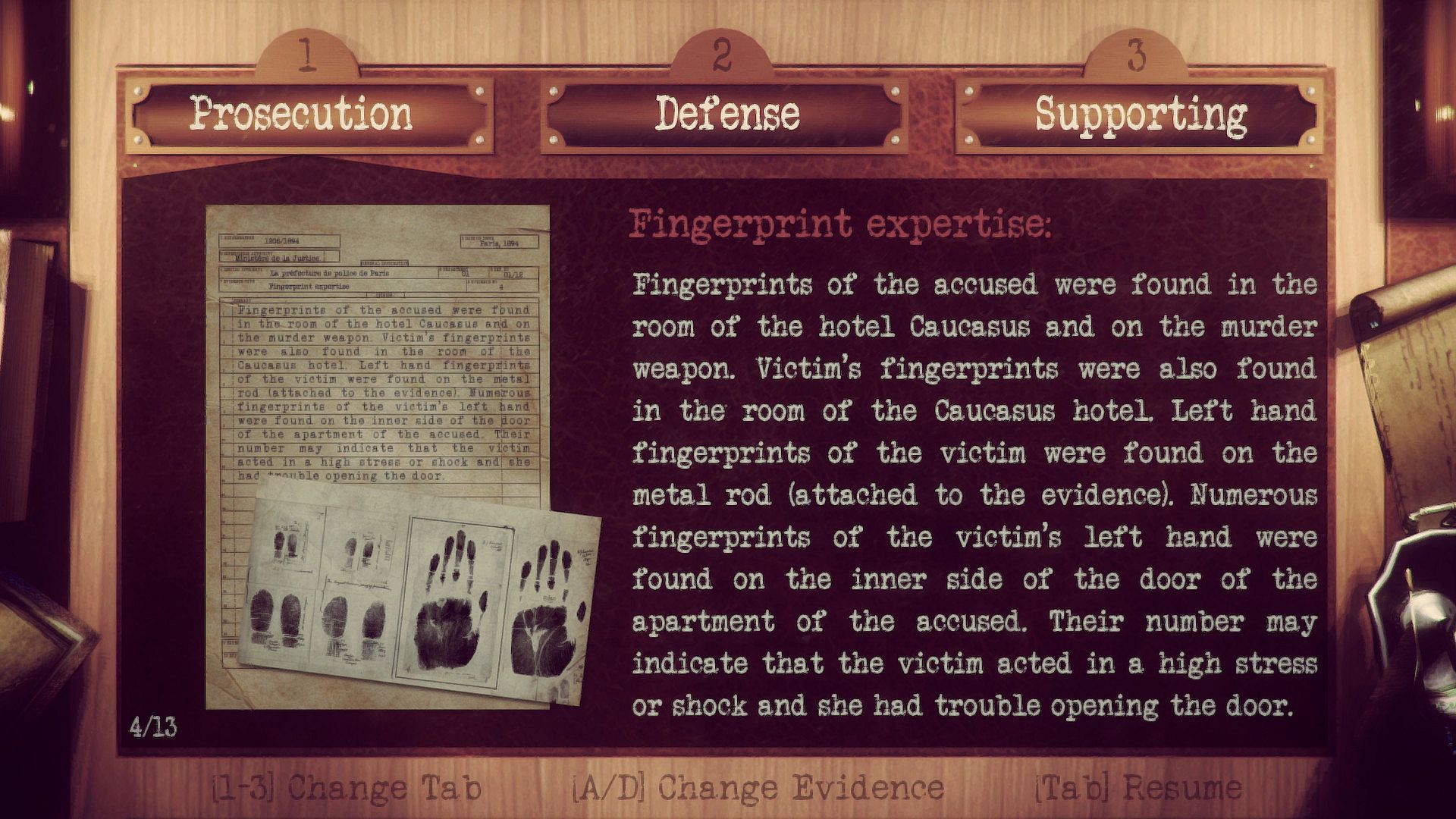
An evidence menu organizes witness statements, forensic reports, and physical items into categories for quick reference. Players can challenge testimonies by introducing contradictions, alternative explanations, or supporting details drawn from the case files. For instance, a neighbor's observation of bloodied clothes might be countered by establishing a prior incident that explains the stains without implicating the accused.
Exploration occurs in a walking-simulator style, where movement through environments reveals opportunities to gather or fabricate elements of the story. Decisions carry logical consequences that the game tracks across multiple playthroughs, leading to varied conclusions without labeling any path as incorrect.
Game Modes
Standard mode places full responsibility on the player for constructing a coherent defense. Outcomes reflect the consistency and creativity of choices made during both testimony and flashback sequences, with no external guidance to mitigate poor decisions.
Story mode introduces advisory commentary from an attorney character. This assistance highlights potential risks in certain actions or statements, guiding players toward safer testimony strategies while still allowing creative input. The mode suits those new to the mechanics or seeking a more directed narrative experience.
Story and Setting
The narrative draws from the aftermath of the French Revolution, portraying a society transitioning between old aristocratic structures and emerging industrial opportunities. Alfred Ethon, of Gypsy heritage, represents upward mobility through invention, yet faces suspicion tied to his background amid a brutal murder case involving a maid employed by a declining noble household.
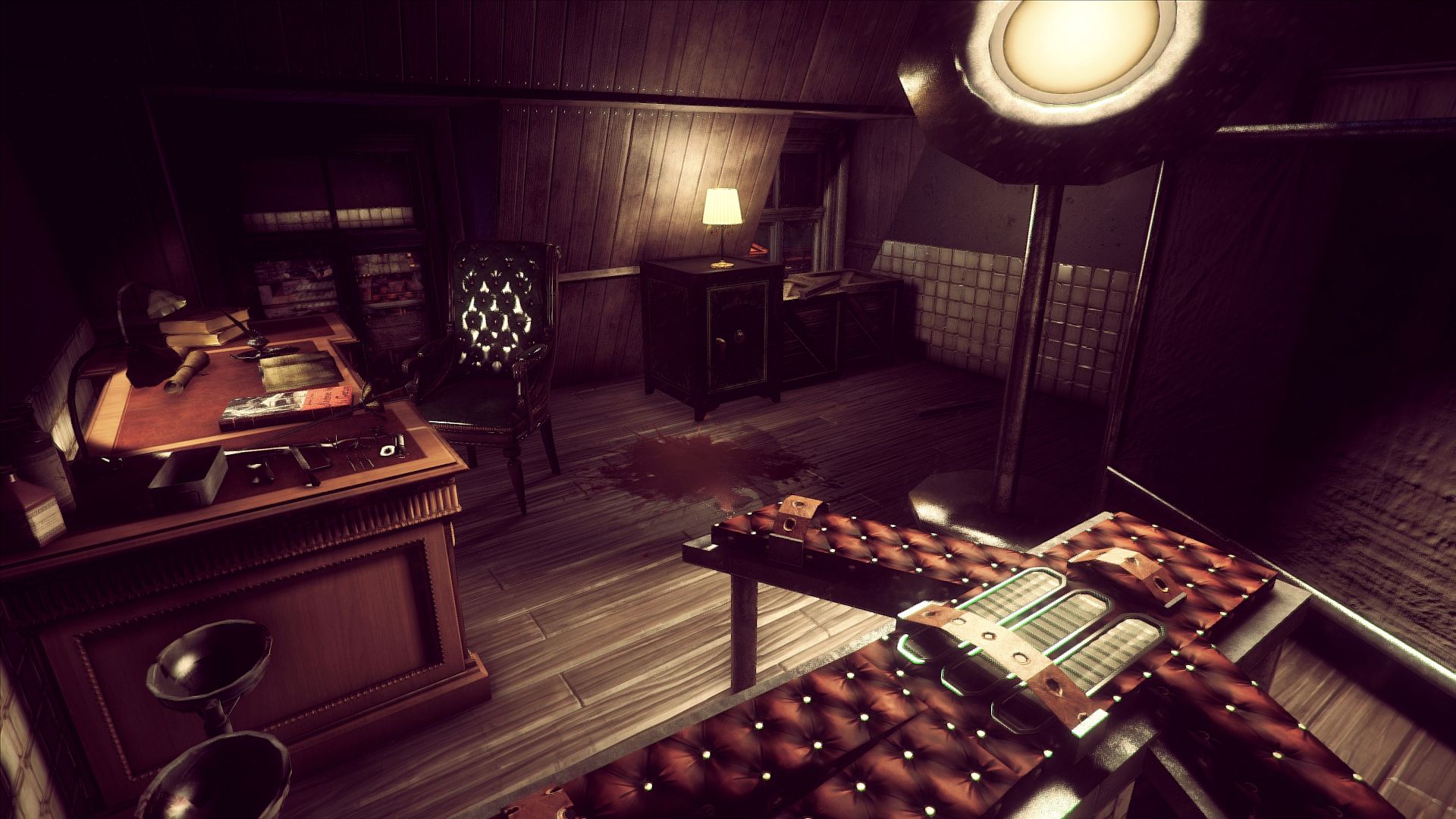
Flashbacks transport players to specific districts of steampunk-infused Paris, where interactions with residents and objects feed into the defense strategy. The dual timeline structure keeps the focus on how past events are reframed for the present trial, emphasizing intellect over direct confrontation.
Is It Worth Playing?
Player reception remains mixed, with Steam reviews showing 59 percent positive from 111 submissions. Many appreciate the flexible approach to testimony construction and the integration of story with mechanics, while others cite technical issues such as frequent loading screens and occasional scripting inconsistencies that disrupt immersion.
The title appeals to those drawn to logical problem-solving and branching narratives in a historical context rather than action or combat. Its singleplayer focus and emphasis on creative defense strategies make it suitable for players who enjoy experimenting with different approaches across multiple sessions. Availability on PC supports this style of play without additional requirements for online features or seasonal content.
Those seeking a concise experience with replay value through varied endings will find the structure rewarding, provided they accept the limitations in world scale and polish noted across reviews. The voice performance by Stéphane Cornicard adds weight to the central character during key exchanges.