




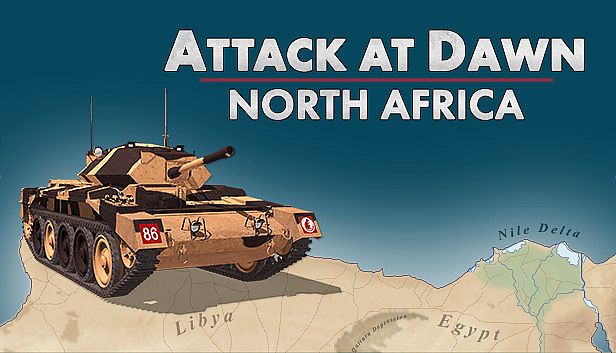




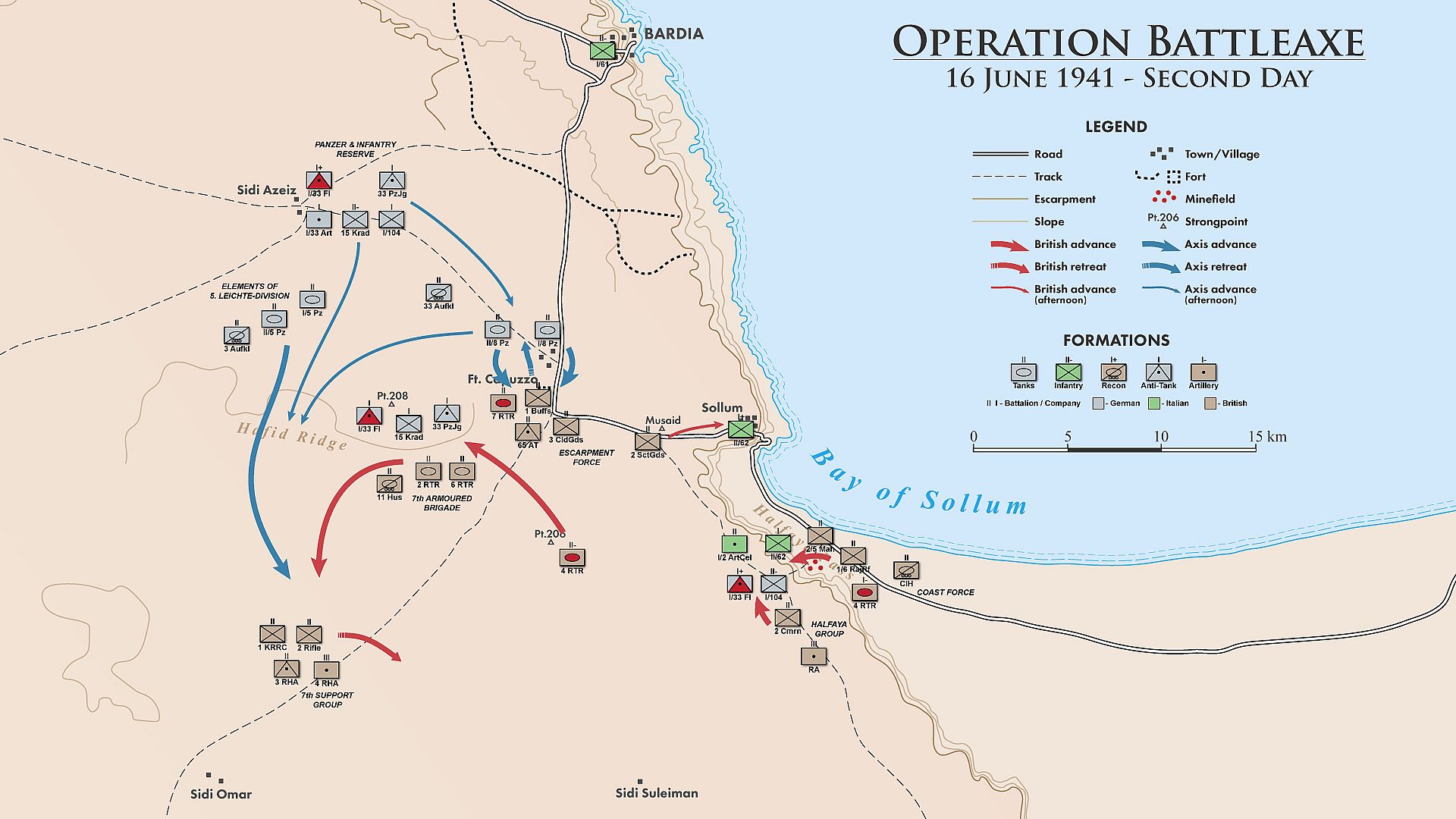
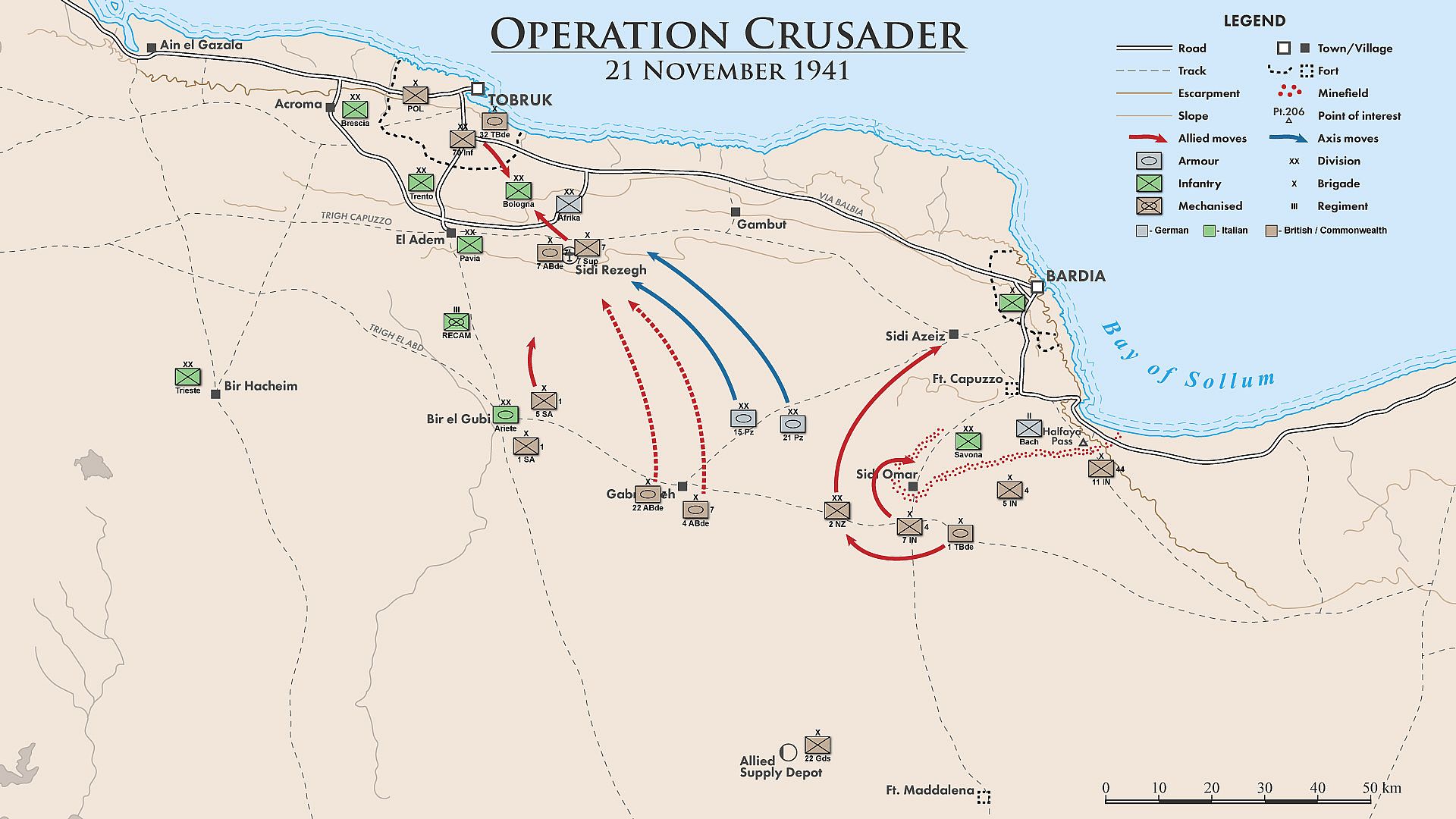
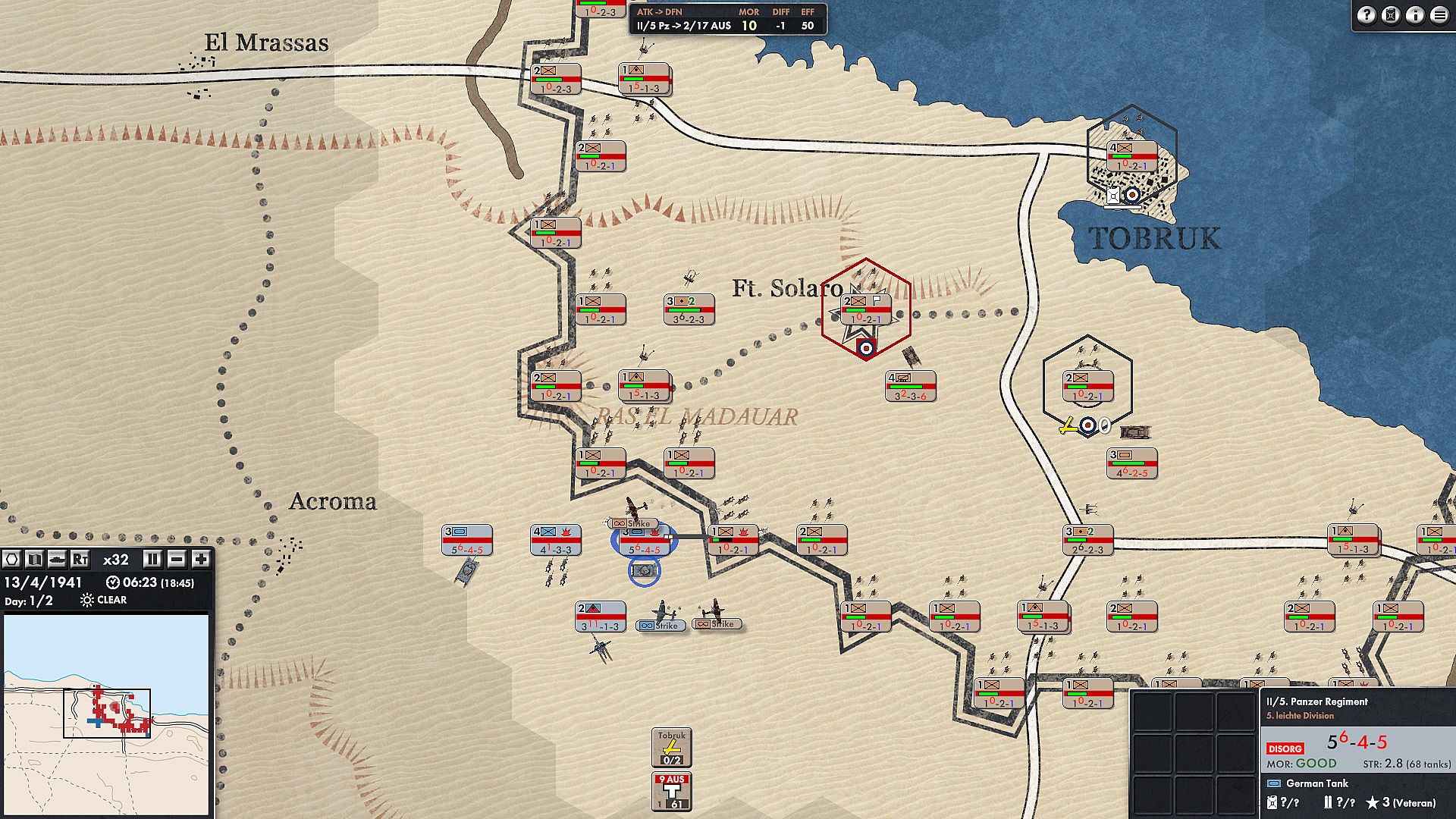
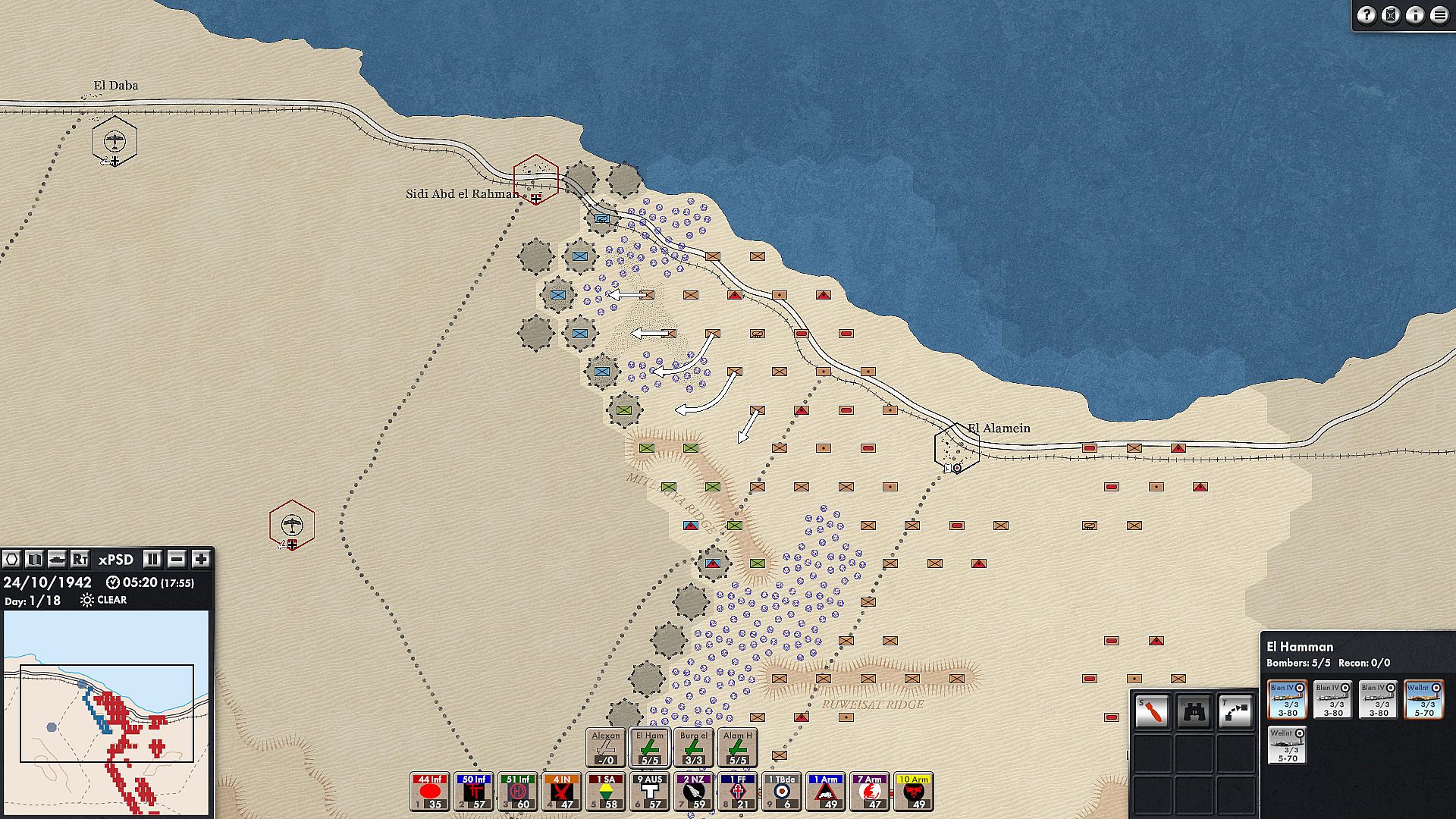
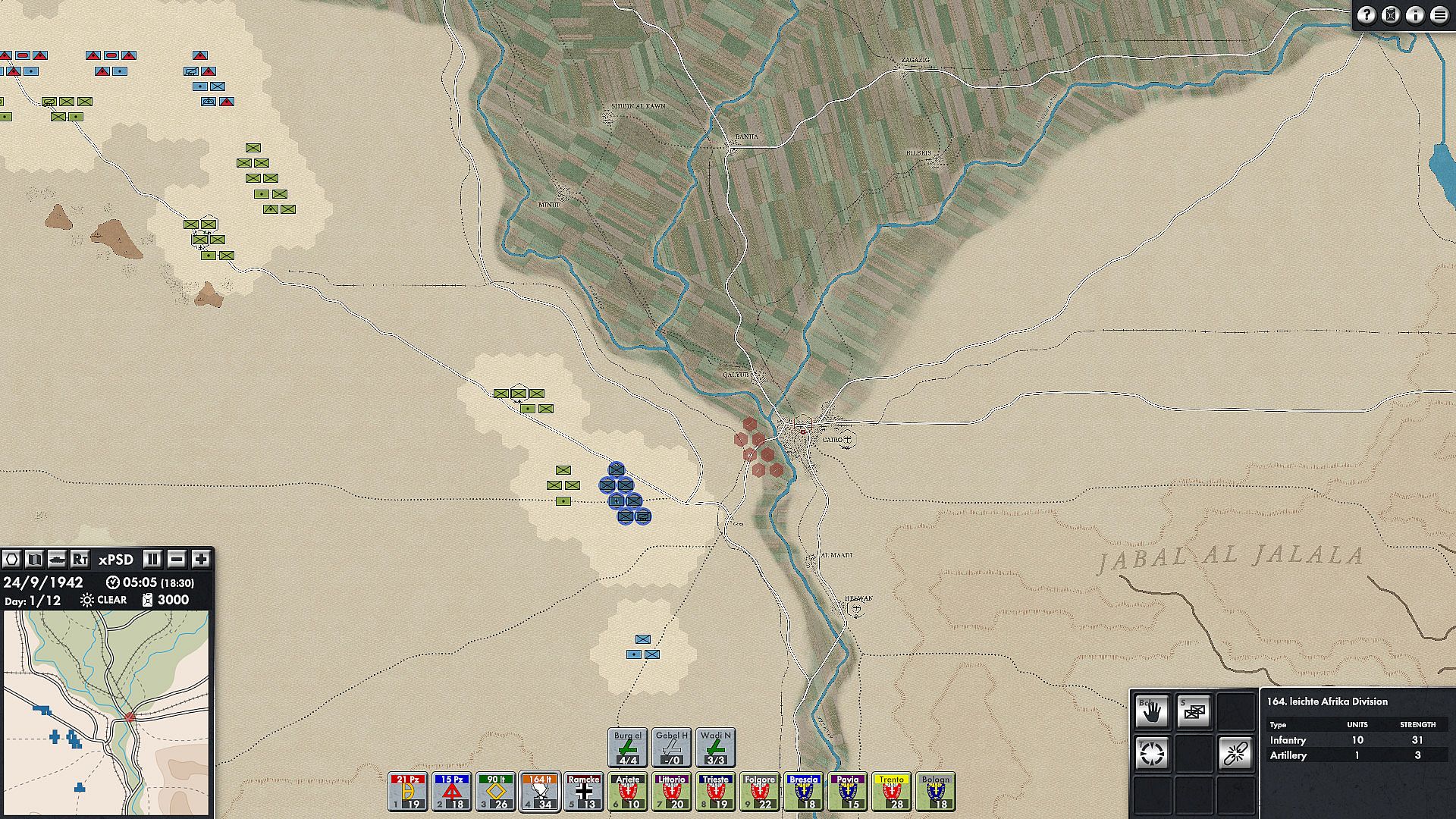
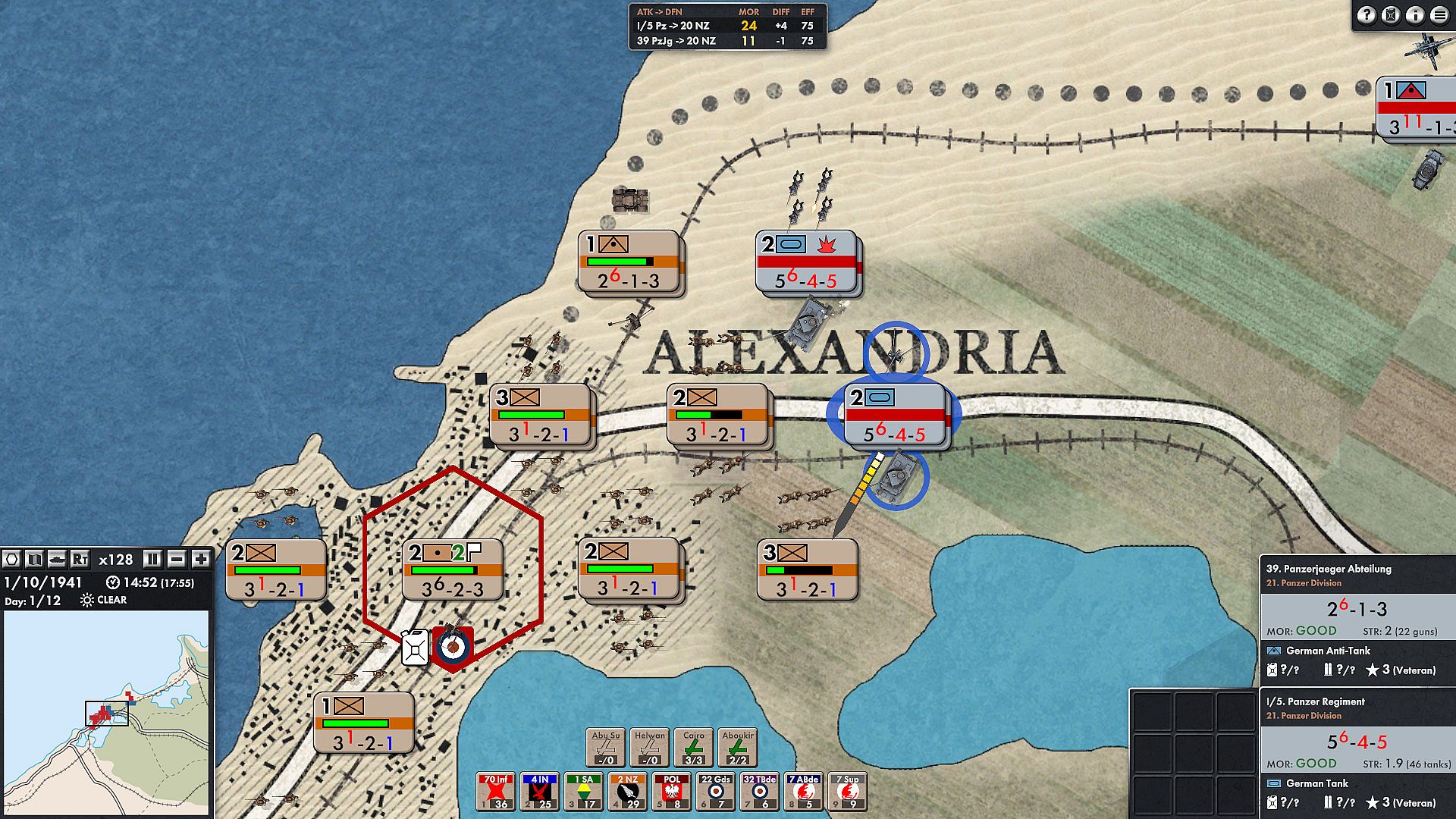
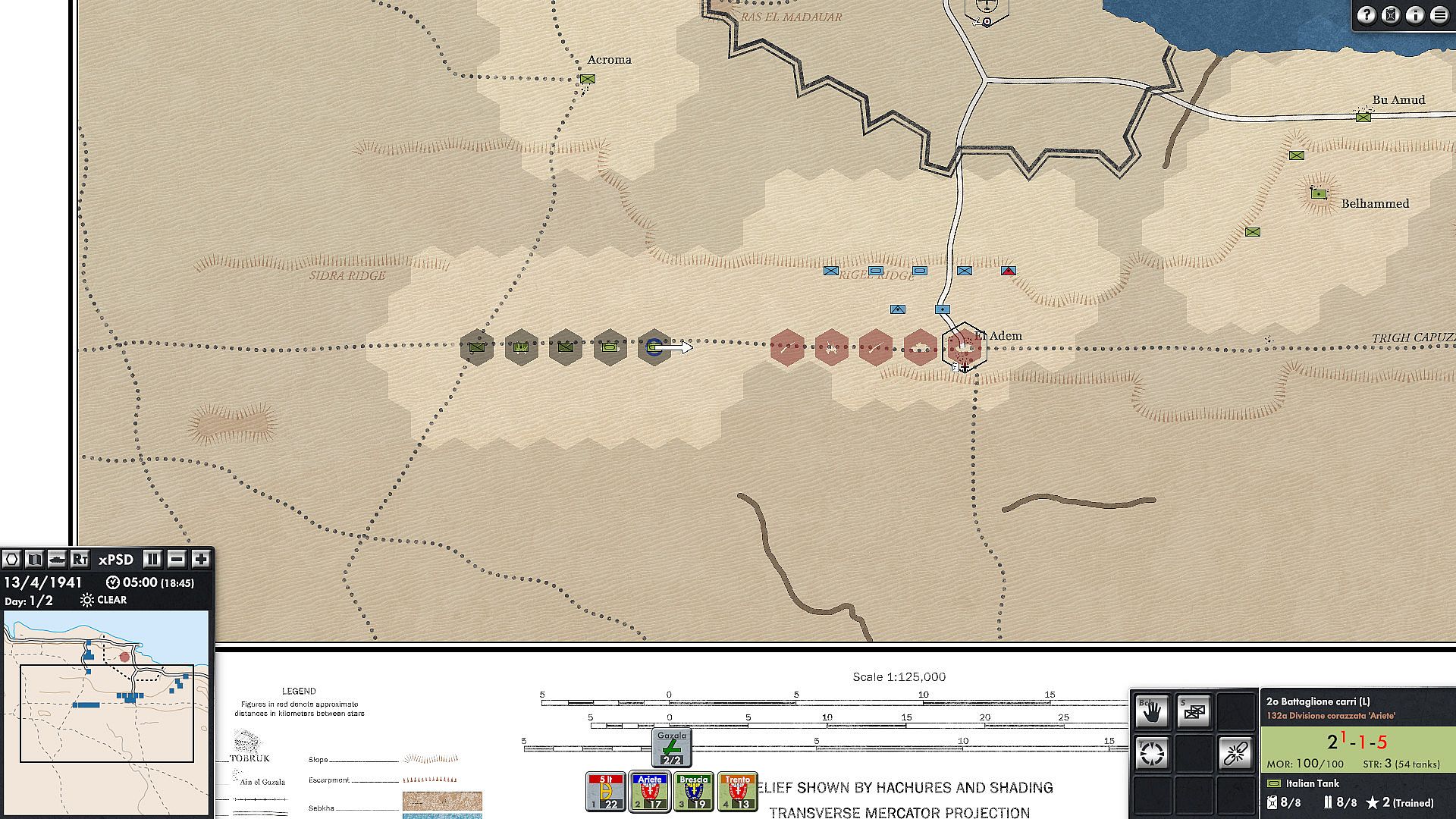
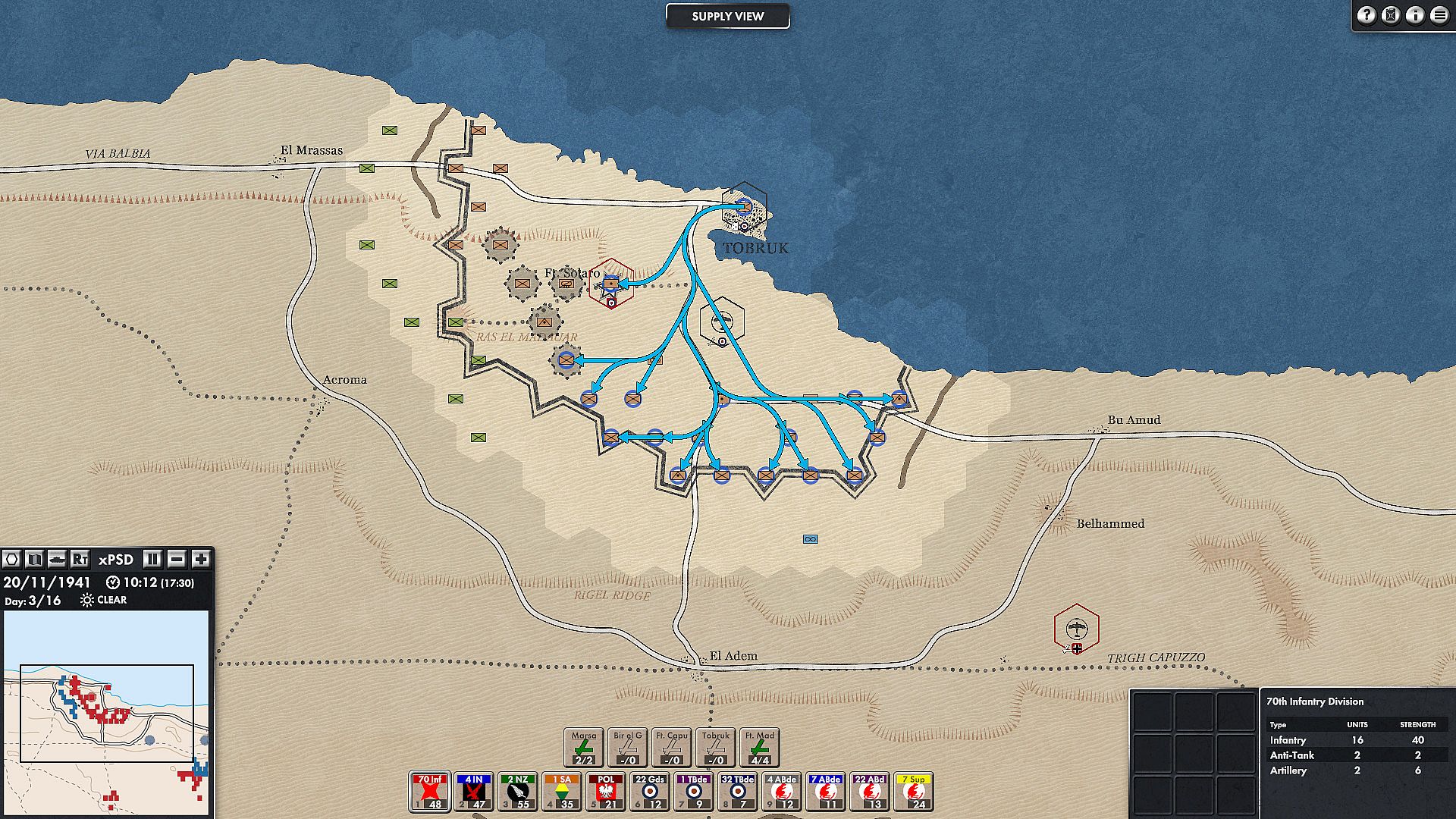
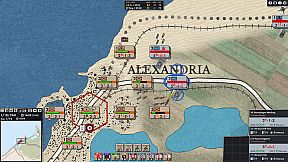
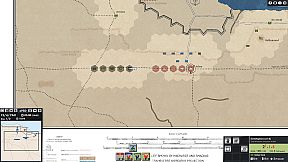
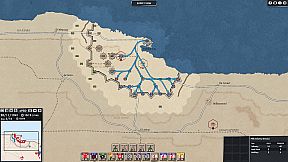
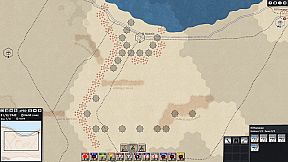
Attack at Dawn: North Africa stands out as a WWII strategy game that captures the essence of operational warfare in the desert campaigns. Set against the backdrop of the North African theater, this indie title lets you command forces on a massive scale, blending historical accuracy with flexible play styles to appeal to strategy enthusiasts.
Gameplay
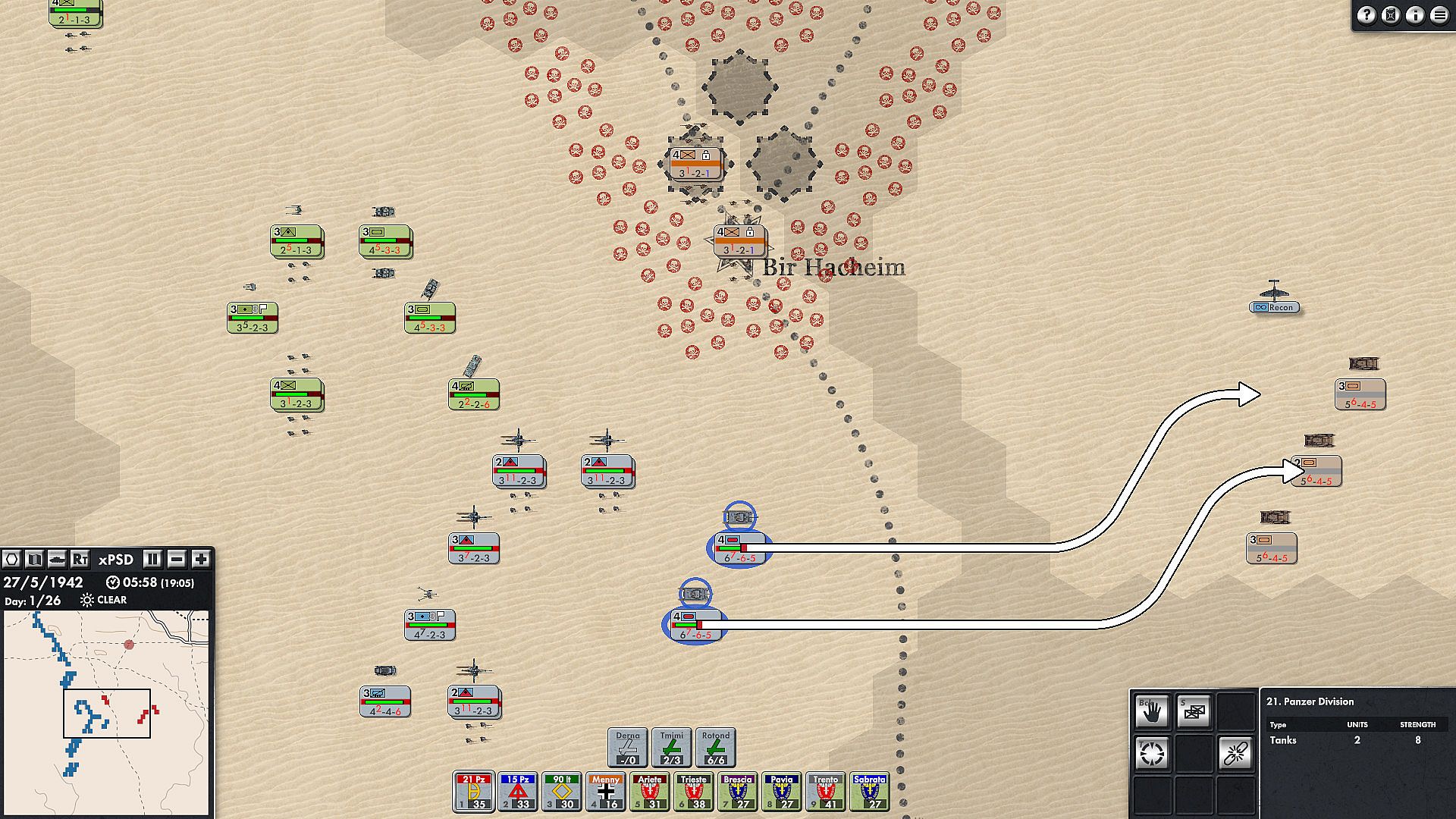
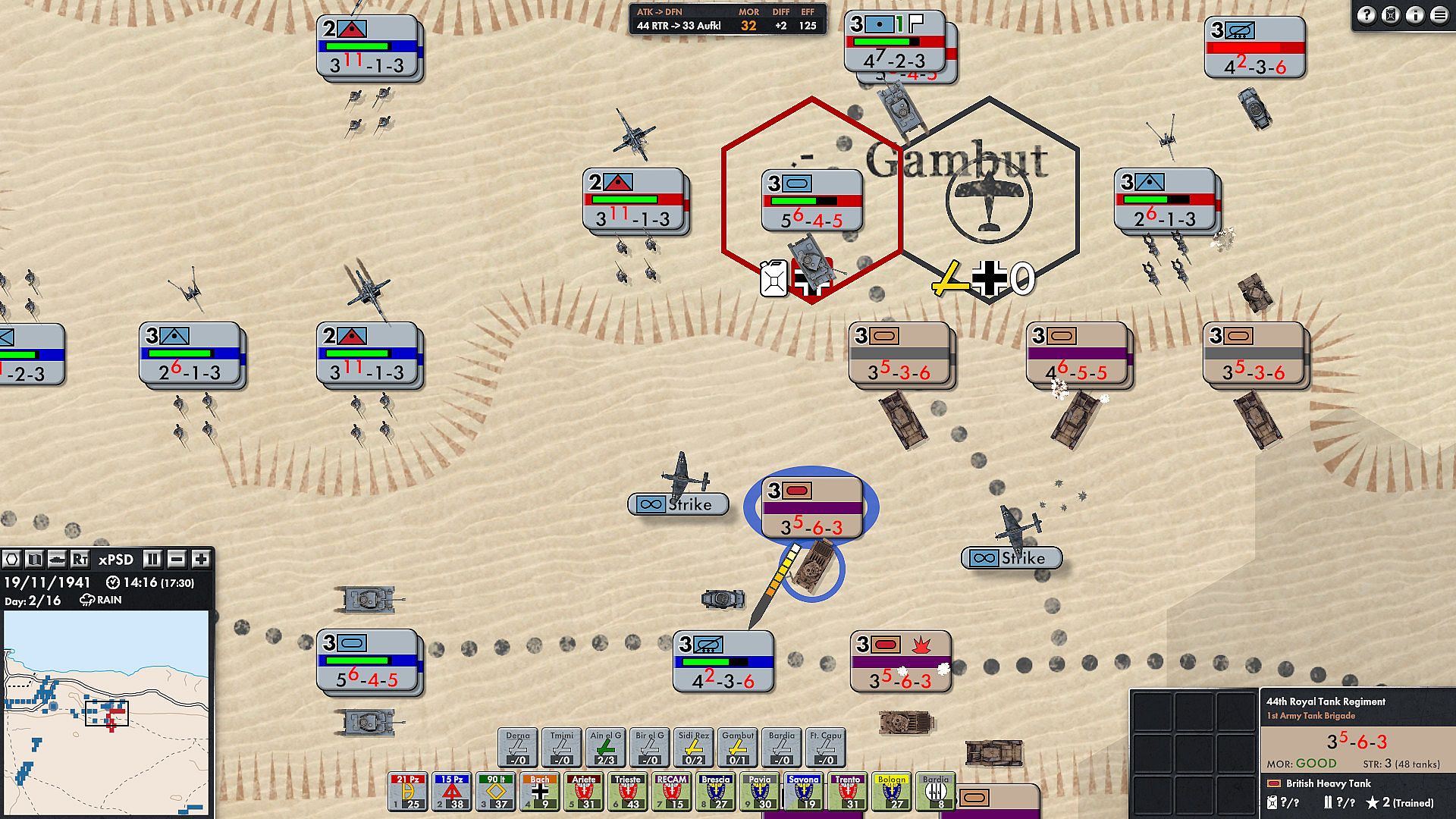
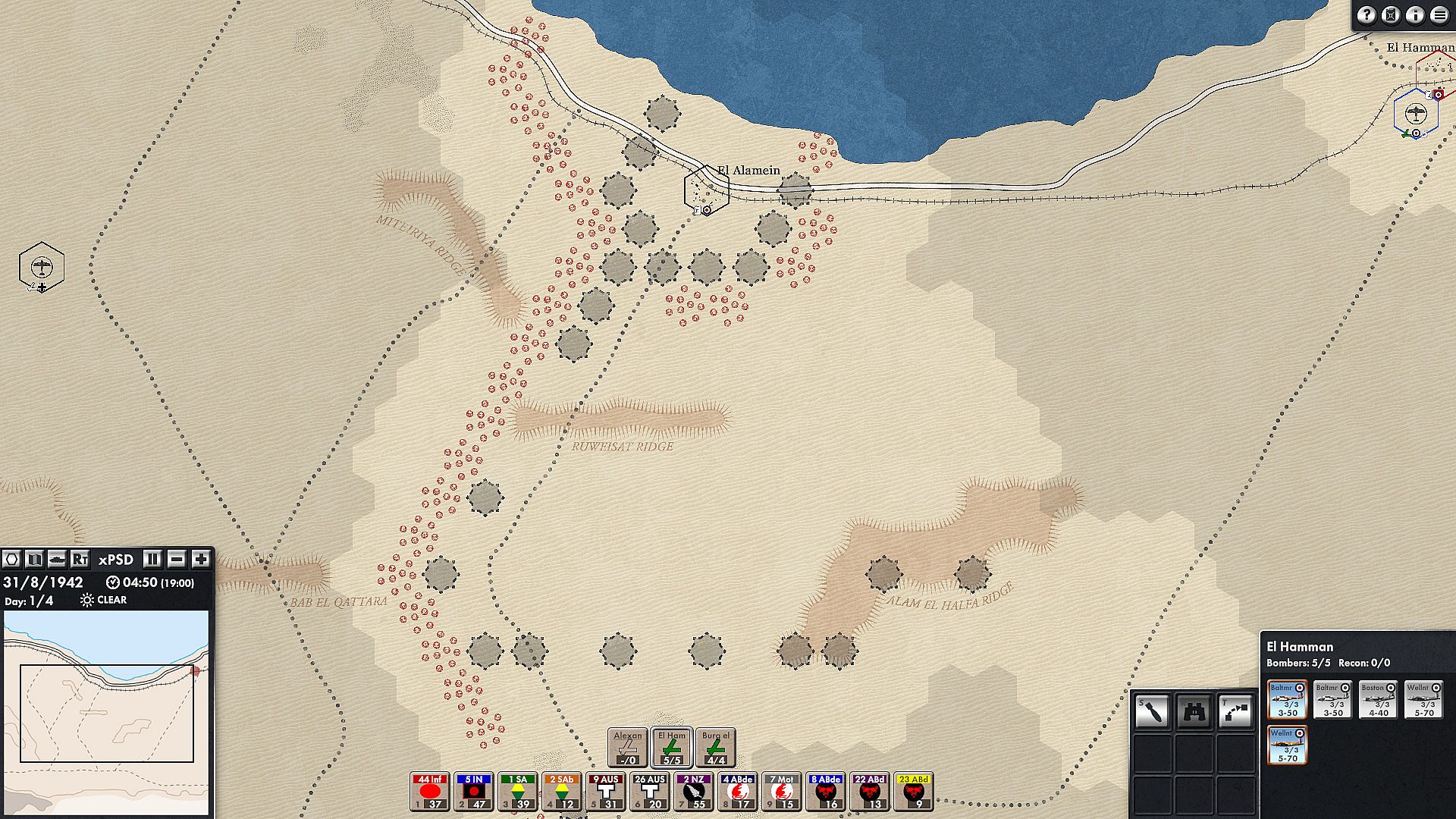
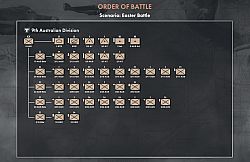
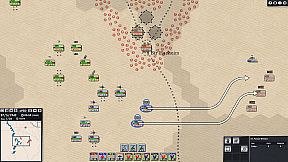
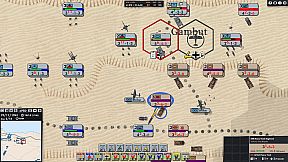
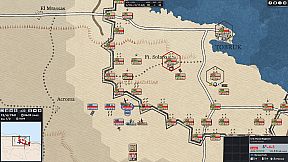
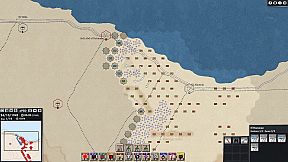
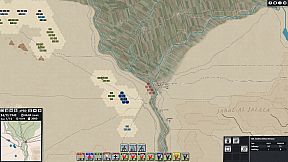
In this operational-level wargame, you take control of battalions, brigades, divisions, and air wings across a sprawling map that stretches nearly 2000 kilometers from Libya's Sirte Bay to Egypt's Suez Canal. The core mechanics revolve around maneuvering units through diverse terrain like deserts, mountains, wadis, and ports, while managing the chaos of mobile combat. Fog of war adds tension, forcing decisions based on limited intel, much like real commanders faced. You can opt for real-time action, where events unfold continuously, or switch to a turn-based system where orders are issued and then executed simultaneously. The interface keeps things clear with options for top-view unit models or simple counters, and a zoom feature provides full battlefield oversight. Supplies play a key role, influencing unit performance and strategy, especially along routes like the Via Balbia road or remote desert tracks.
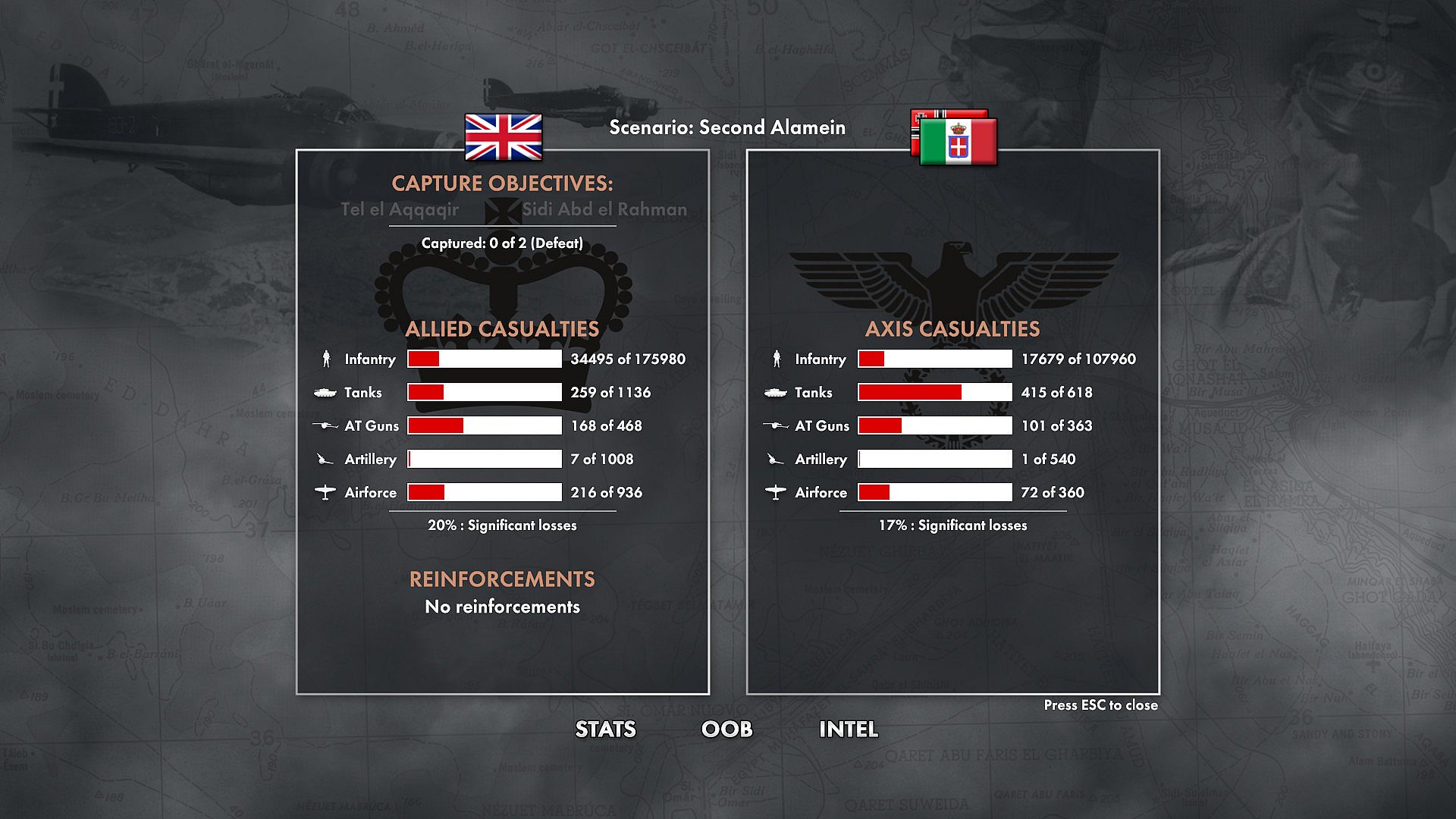
Combat values for units draw from historical data, ensuring authenticity in engagements. The scenario editor allows custom battles, letting you tweak elements anywhere on the map for replayability.
Game Modes
The game offers two primary ways to engage: Real-Time mode and Turn-Based mode, also known as WeGo. In Real-Time, actions happen fluidly, reflecting the fast-paced nature of desert warfare. Turn-Based mode lets you plan moves carefully before they resolve at once, suiting those who prefer strategic pauses.
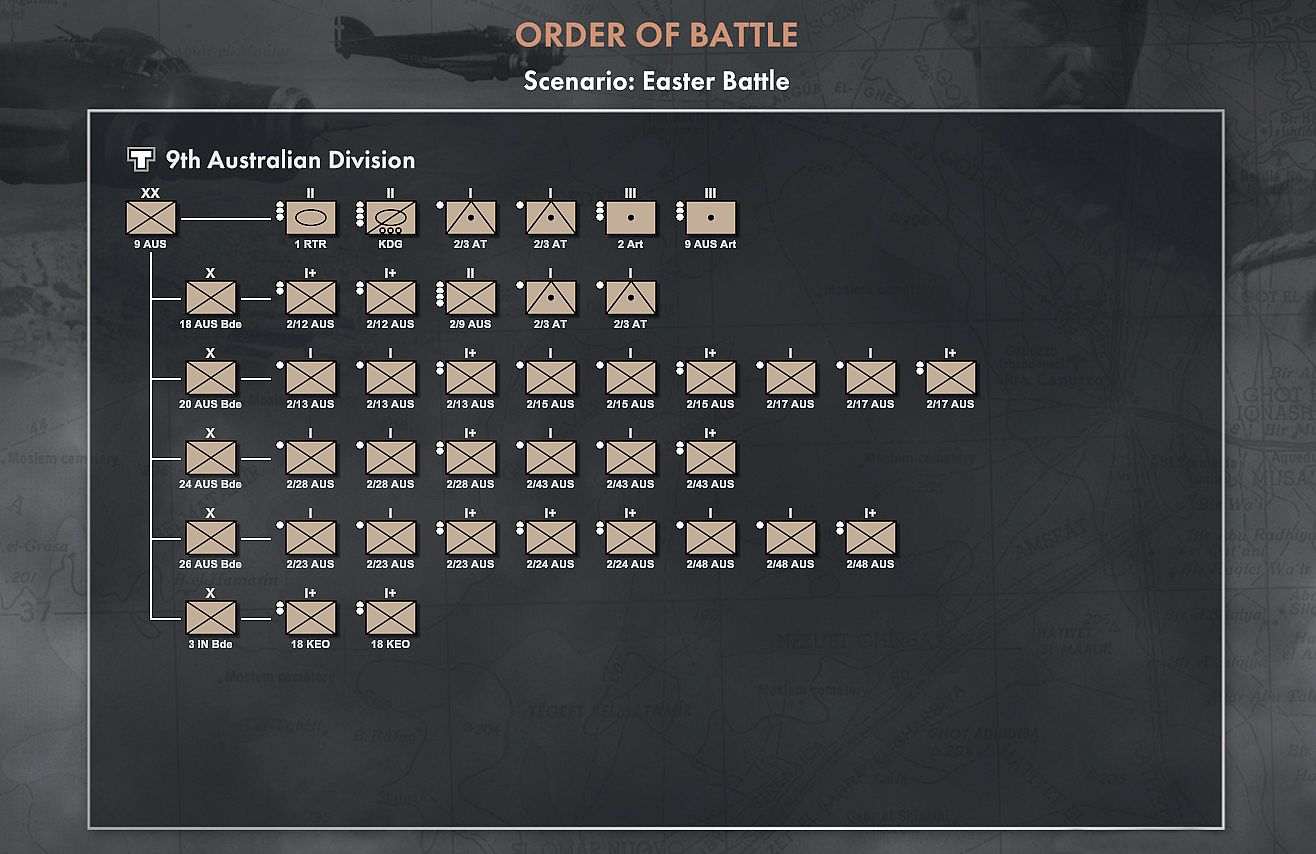
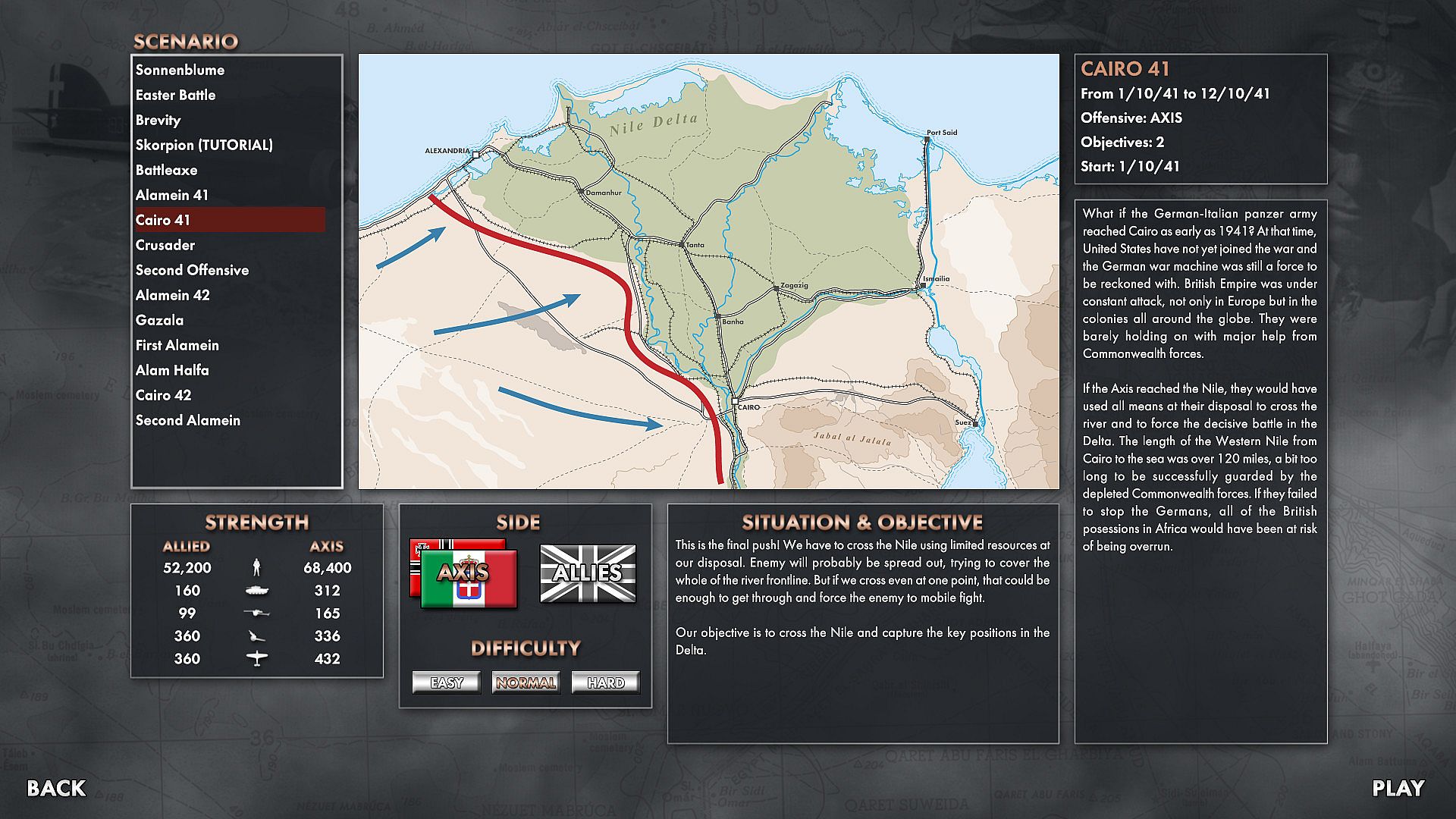
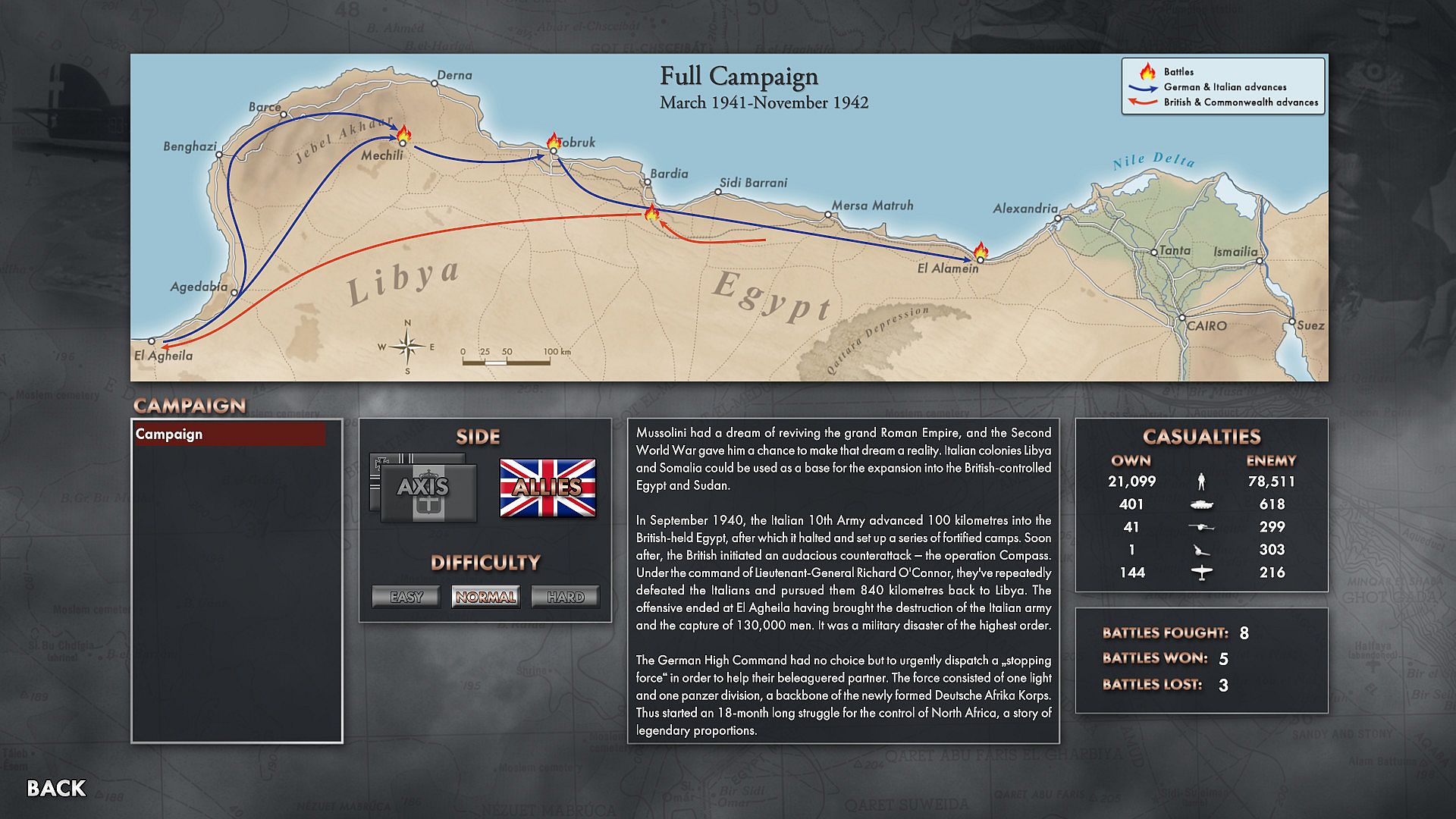
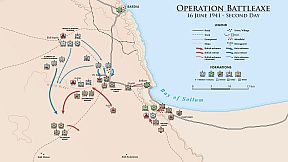
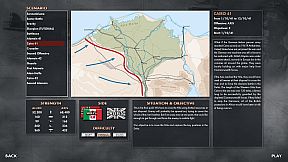
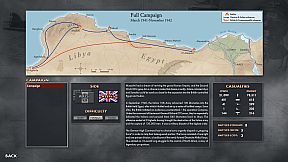
Beyond these, the structure includes campaigns and scenarios. Campaigns follow broader narratives, such as German probes into Cyrenaica leading to potential victories or defeats. Scenarios provide focused battles, with a mix of historical events and hypothetical what-ifs, totaling 15 options alongside three main campaigns.
Factions and Mechanics
Players choose between commanding German-Italian forces, starting with offensives in Libya, or British troops defending Egypt. German units often emphasize mobility and armor, while British strategies might lean on defensive positions and reinforcements. Mechanics highlight supply lines, air support, and terrain effects, with units' historical compositions affecting outcomes.
Is It Worth Playing?
For fans of deep strategy titles focused on WWII operations, this game delivers a solid experience with its blend of modes and historical detail. It has earned very positive reviews on PC, with 86% of 91 user ratings being favorable, praising the intuitive interface and immersive desert combat. Recent console ports expand access, and the lack of ongoing updates means it's a complete package as is. If you enjoy commanding large-scale battles without overwhelming complexity, it's a worthwhile pick, especially for those interested in North African history.












