

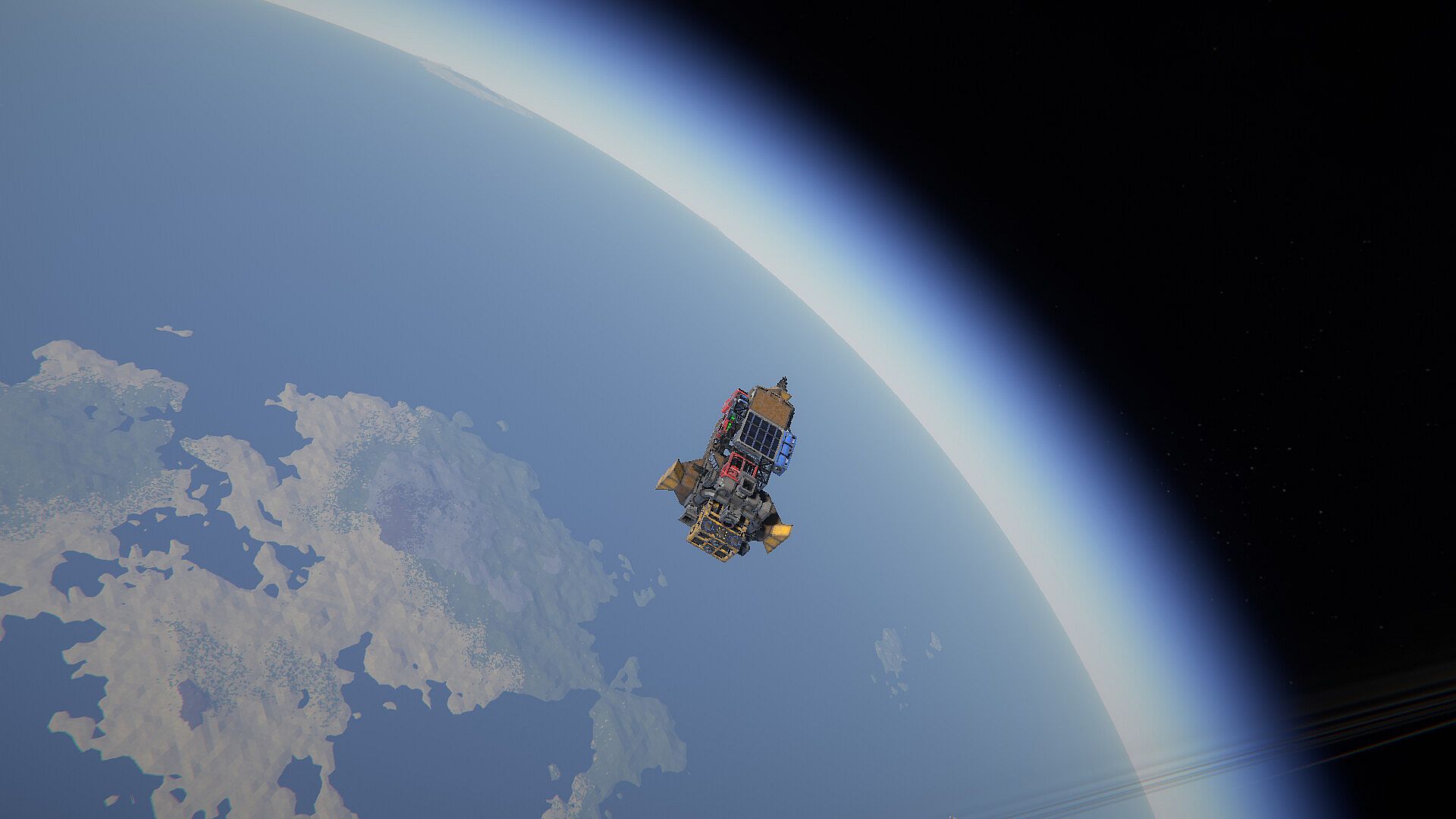
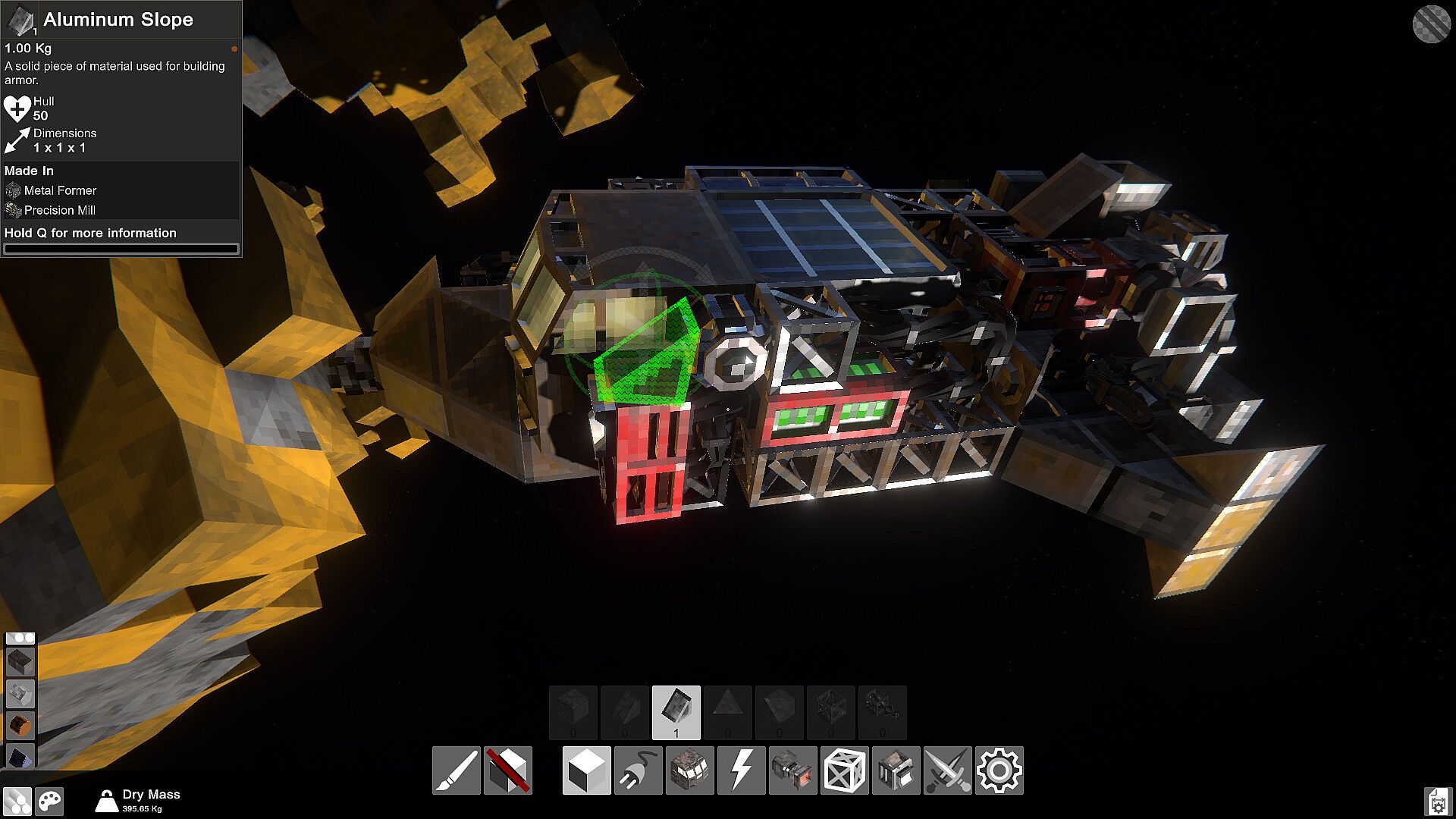
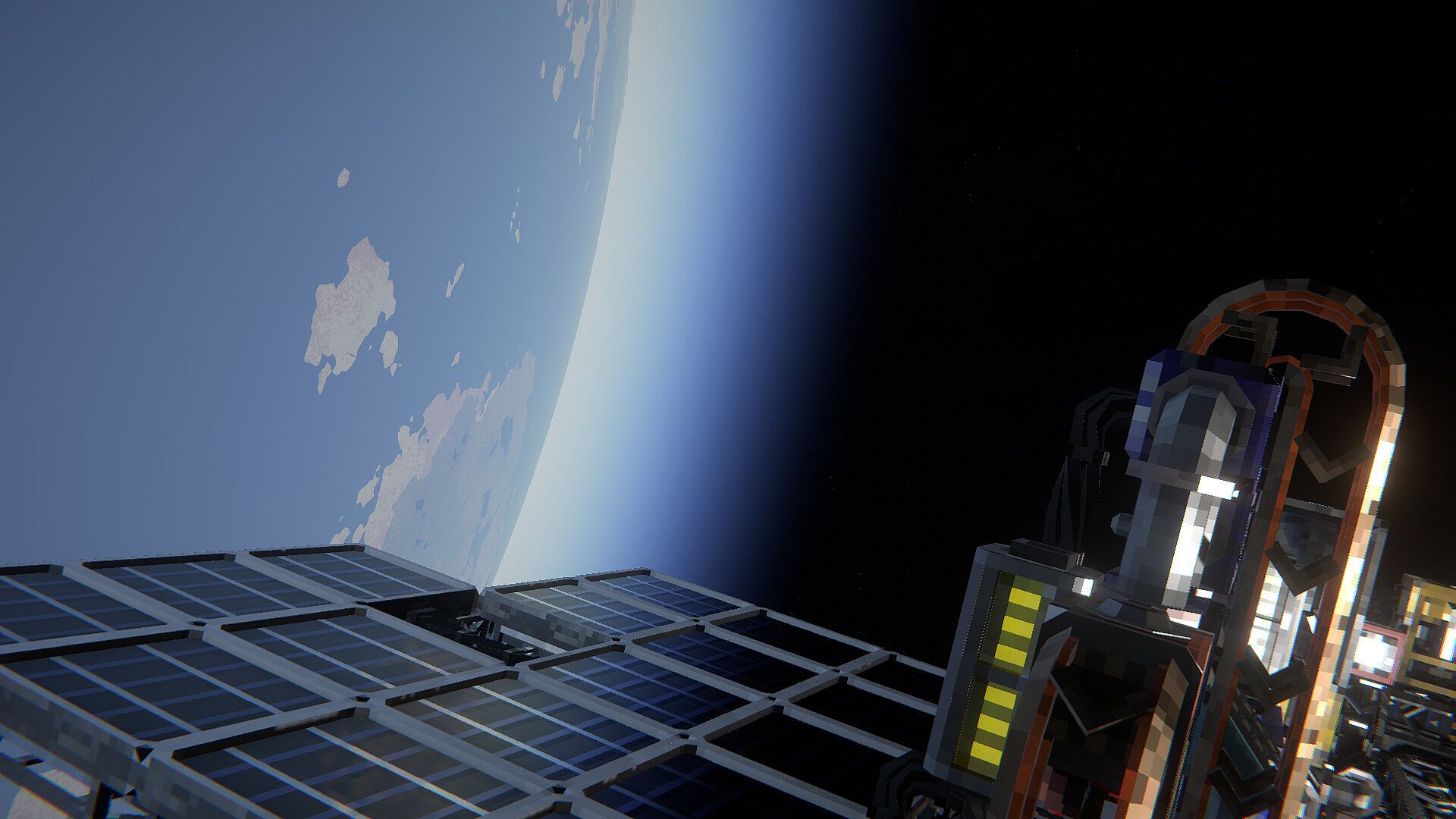
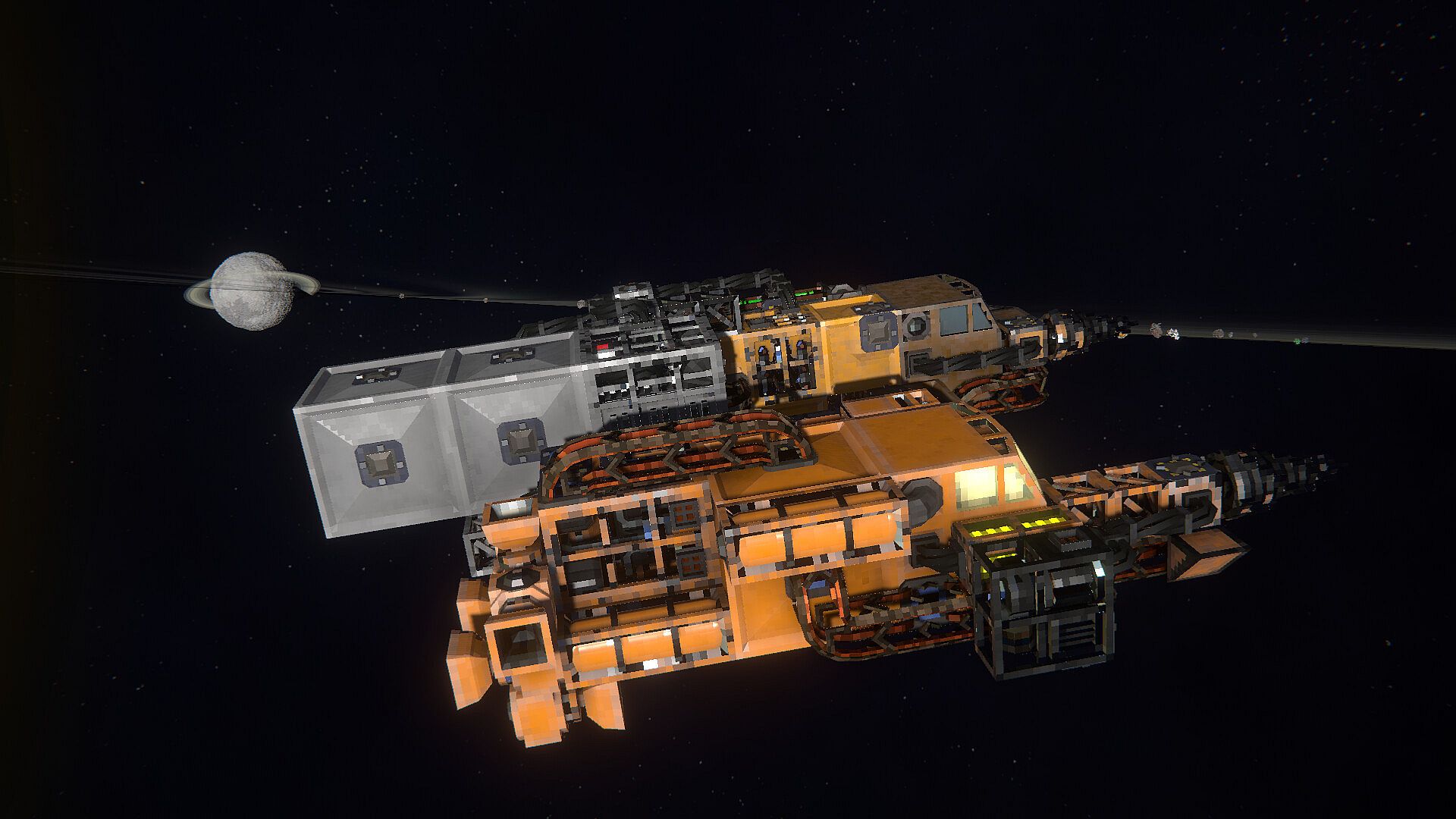
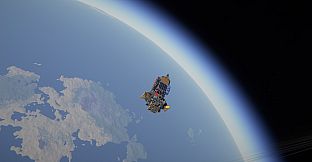
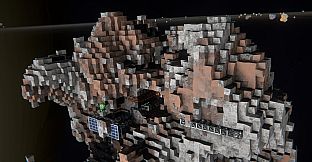
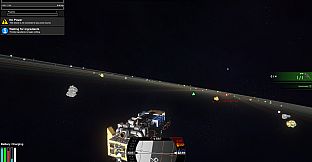
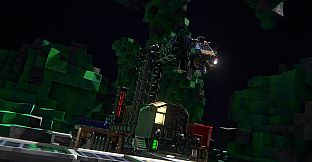
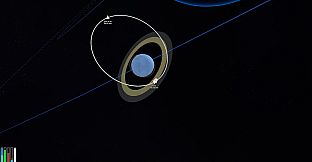
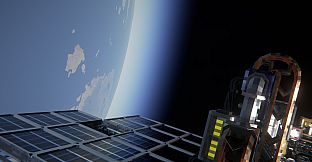
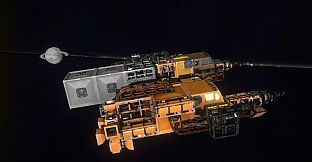
Astario is an indie simulation and adventure game set in a dynamic space environment where players construct functional ships and orbital stations using modular blocks and automated systems. Available on PC, the title emphasizes realistic orbital mechanics that govern all movement of vessels, stations, asteroids, and planets. Players collect resources, craft components, and expand their presence across a universe that never remains still, creating opportunities for both practical engineering and exploratory progression.
Gameplay
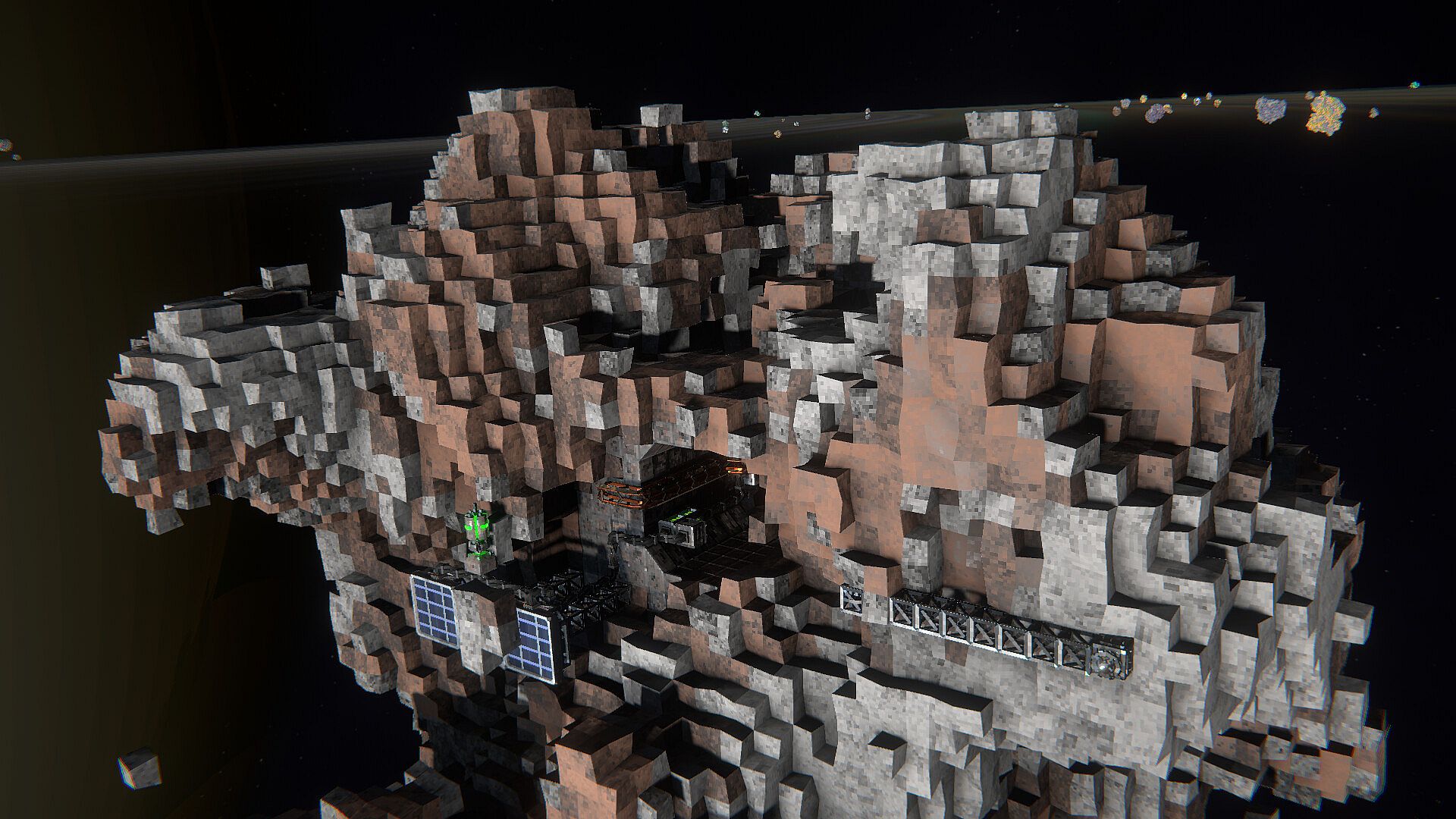
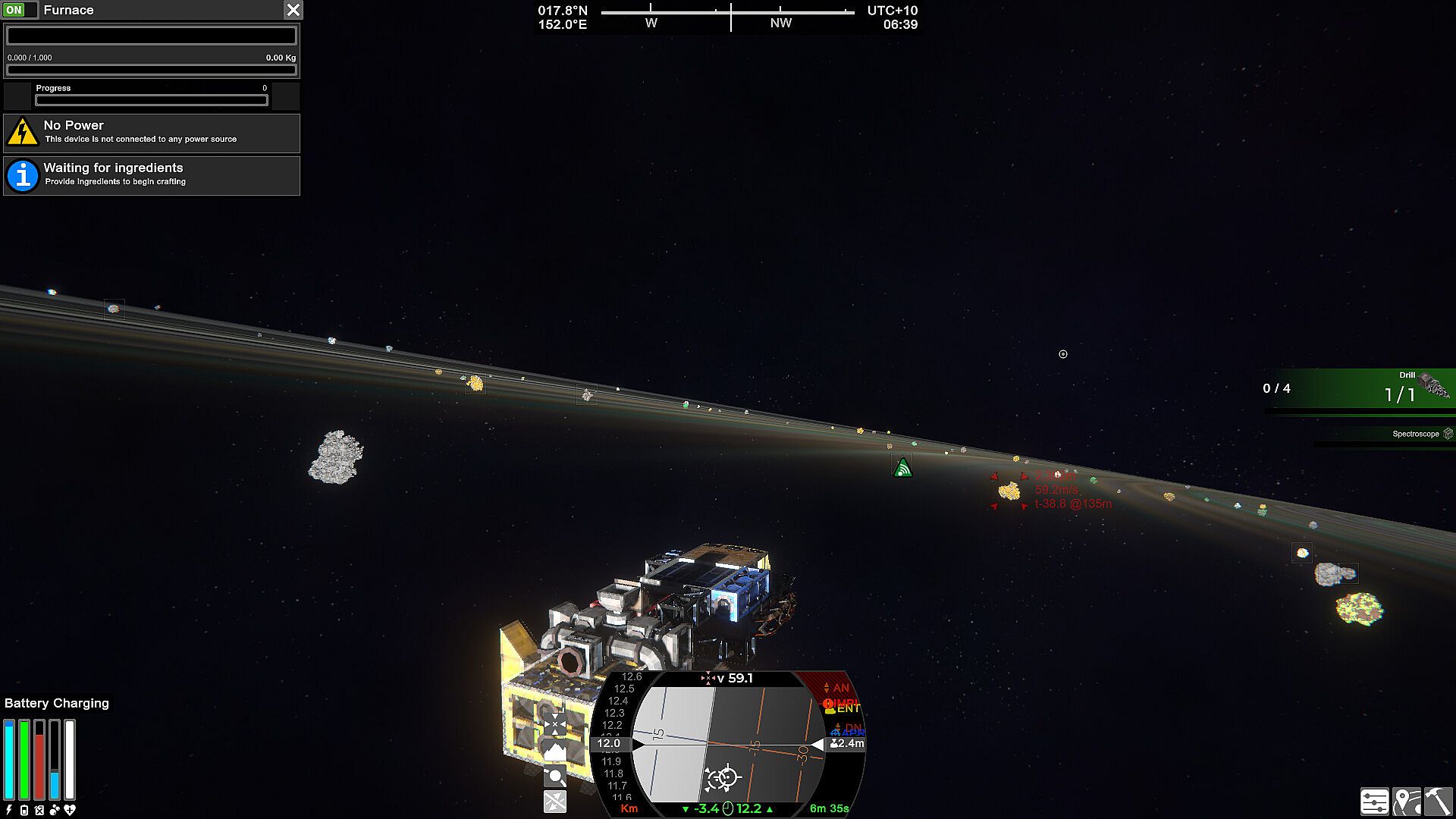
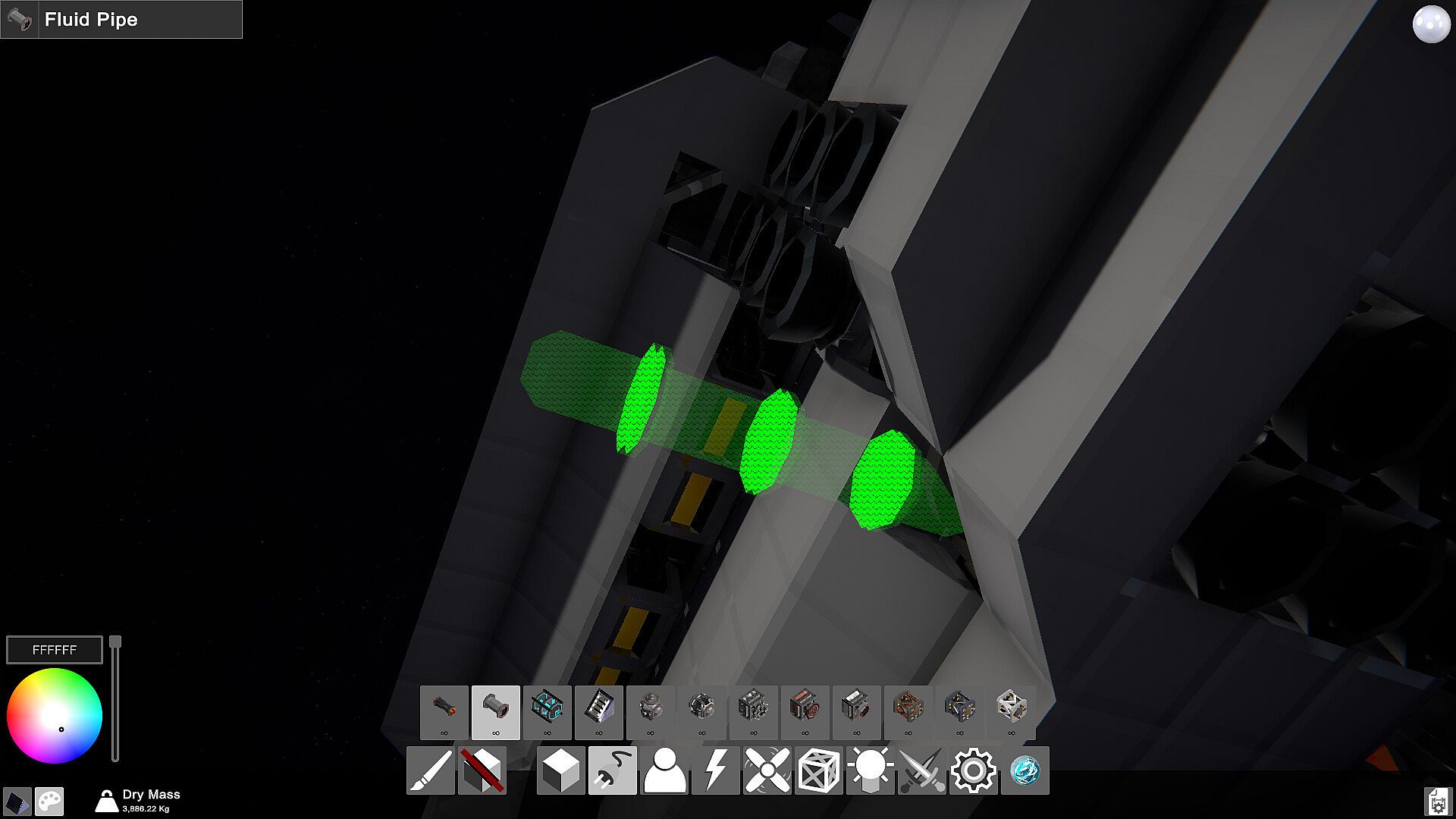
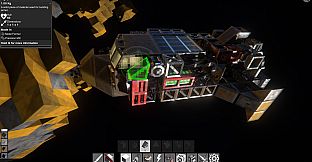
The core loop revolves around resource gathering, crafting, and construction in a physics-driven space setting. Players pilot ships to locate asteroids, which appear as distant specks or register on radar, then approach carefully to analyze and extract ores using drills or other tools. Collected materials undergo processing into blocks that form the foundation of builds. Assembly involves connecting functional and structural elements with cables and pipes to ensure systems like power generation, life support, and production machinery operate together seamlessly.
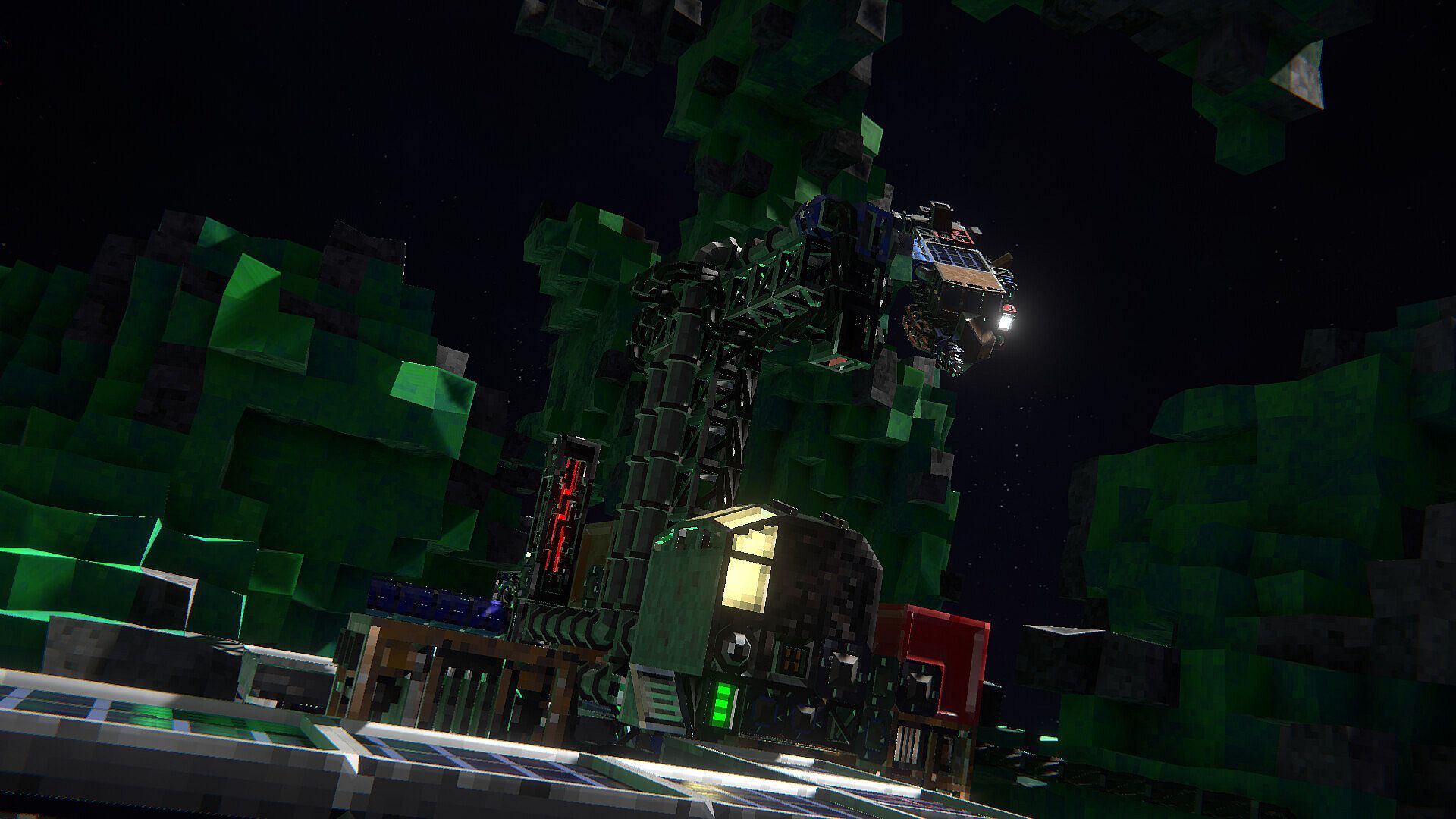
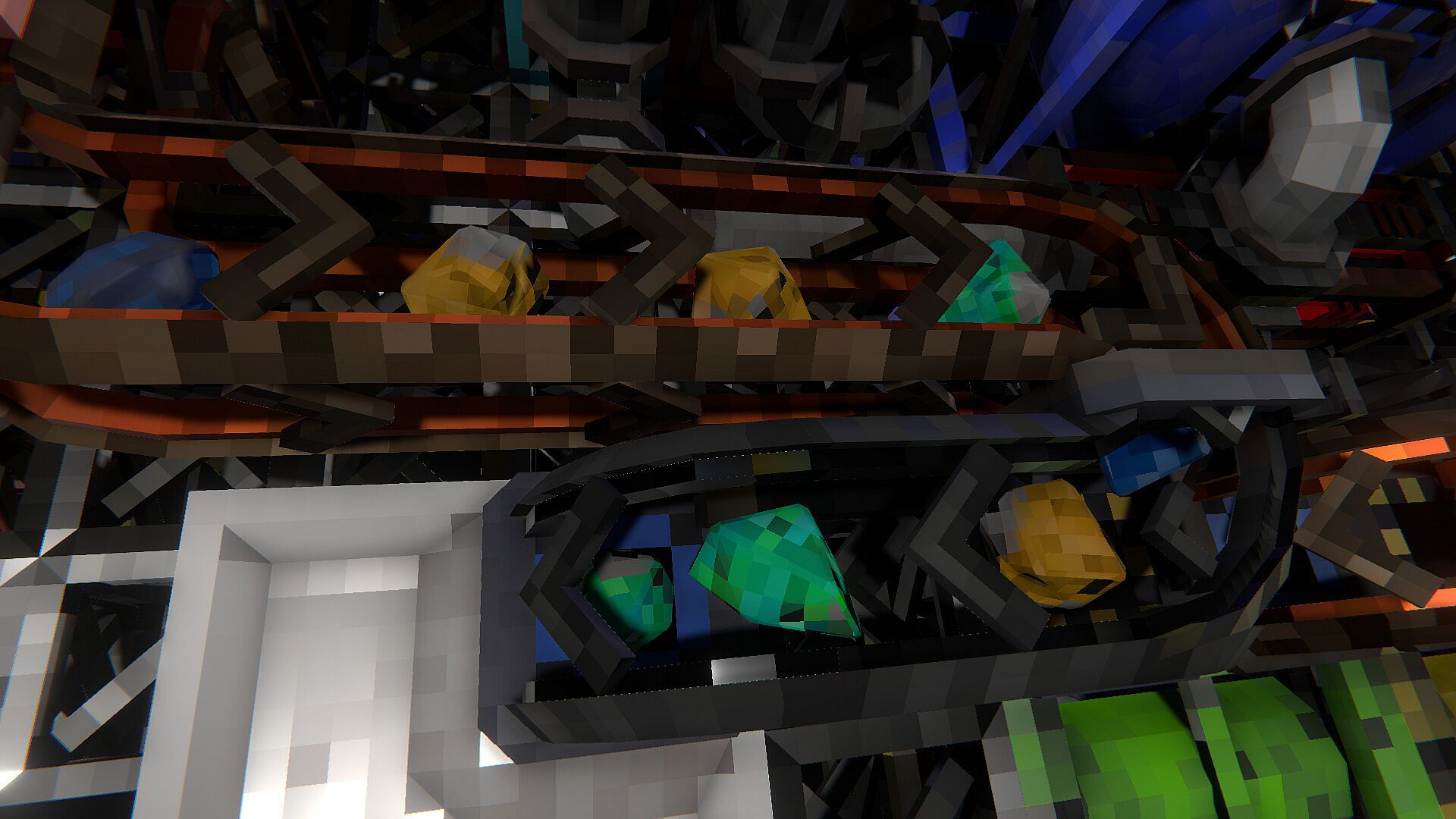
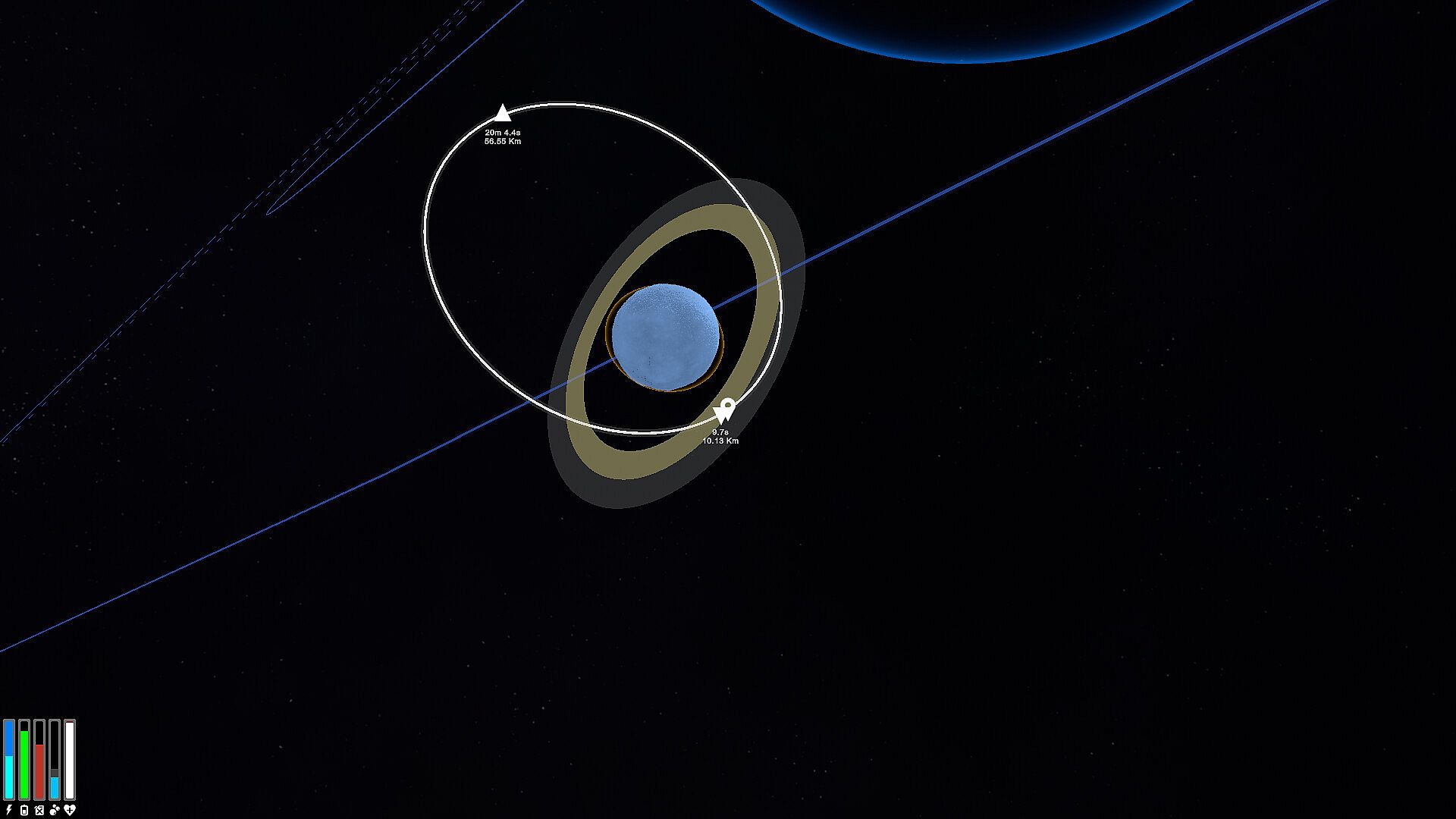
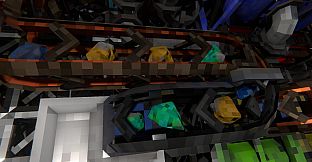
Orbital mechanics dictate travel between locations, requiring careful planning for fuel efficiency or the use of multistage vehicles that separate and dock. Planets and moons offer distinct resource distributions and environmental challenges, influencing settlement strategies and technological advancement. Automation plays a central role through production blocks with input and output ports linked by logistic pipes for request-based routing, allowing machines to pull needed items from storage while specialized drills handle temporary mining tasks. Power logistics and item flow become key considerations in larger bases anchored to asteroids or built as independent stations.
Damage from collisions can be addressed through salvage and repair, repurposing blocks to restore critical functions. Material selection affects mass, durability, performance, and efficiency, giving builders flexibility to prioritize different aspects of their designs.
Game Modes
Two primary modes support different approaches to the experience. Survival mode focuses on resource management, environmental hazards, and gradual technological progression through exploration and automation. Creative mode removes constraints on resources, enabling unrestricted experimentation with block combinations, vehicle designs, and station layouts to test ideas or create artistic structures.
Both modes incorporate the same foundational systems, including over 70 blocks for building, a power grid, and an early-game crafting tree that supports full automation. The single-player format centers on personal progression across one planet and one moon, each surrounded by asteroid rings that supply essential materials.
Building and Automation Systems
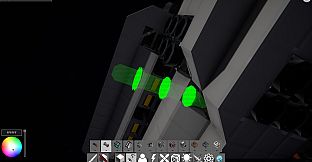
Construction emphasizes functionality alongside creativity. Ships and stations integrate armor, power supplies, tools, and production machinery, with docking ports for refueling or recharging. Advanced production blocks unlock new recipes that improve efficiency or introduce fresh mechanics, scaling operations from manual collection to automated factories. Logistic pipes enable request-based item movement, while the overall system rewards balanced designs that account for orbital dynamics during travel or station-keeping.
Exploration reveals unique resource profiles on different celestial bodies, encouraging players to adapt strategies based on abundance, power sources, and hostility levels. The universe remains active at all times, with everything subject to orbital motion that affects planning and navigation.
Is It Worth Playing?
Astario suits players interested in space engineering simulations that combine block-based building with realistic physics and automation. The early access version delivers a functional core loop centered on survival and creative construction, supported by orbital mechanics and resource systems that encourage thoughtful design. With no user reviews available yet and a release date still to be announced, the game remains in active development, with plans for expanded technologies, deeper space content, and planetary surface elements based on community input. Those who enjoy methodical crafting, logistical challenges, and building in a persistent physics environment will find the current features align closely with that style, while others may prefer to monitor progress before committing.