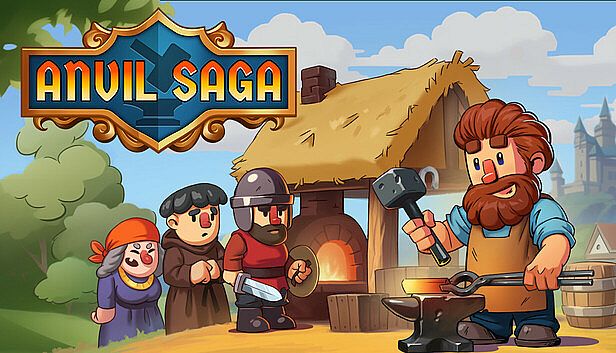




























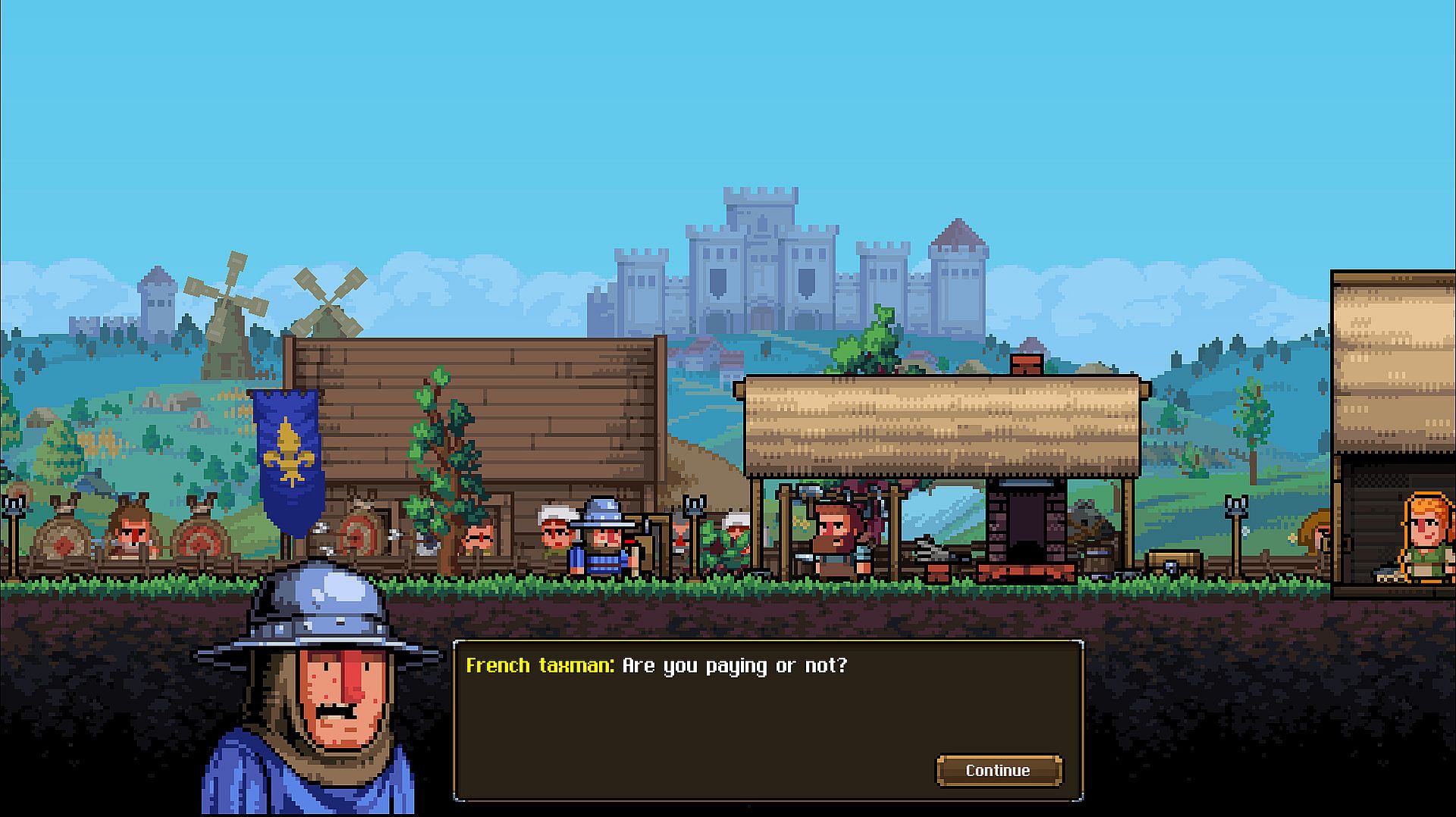
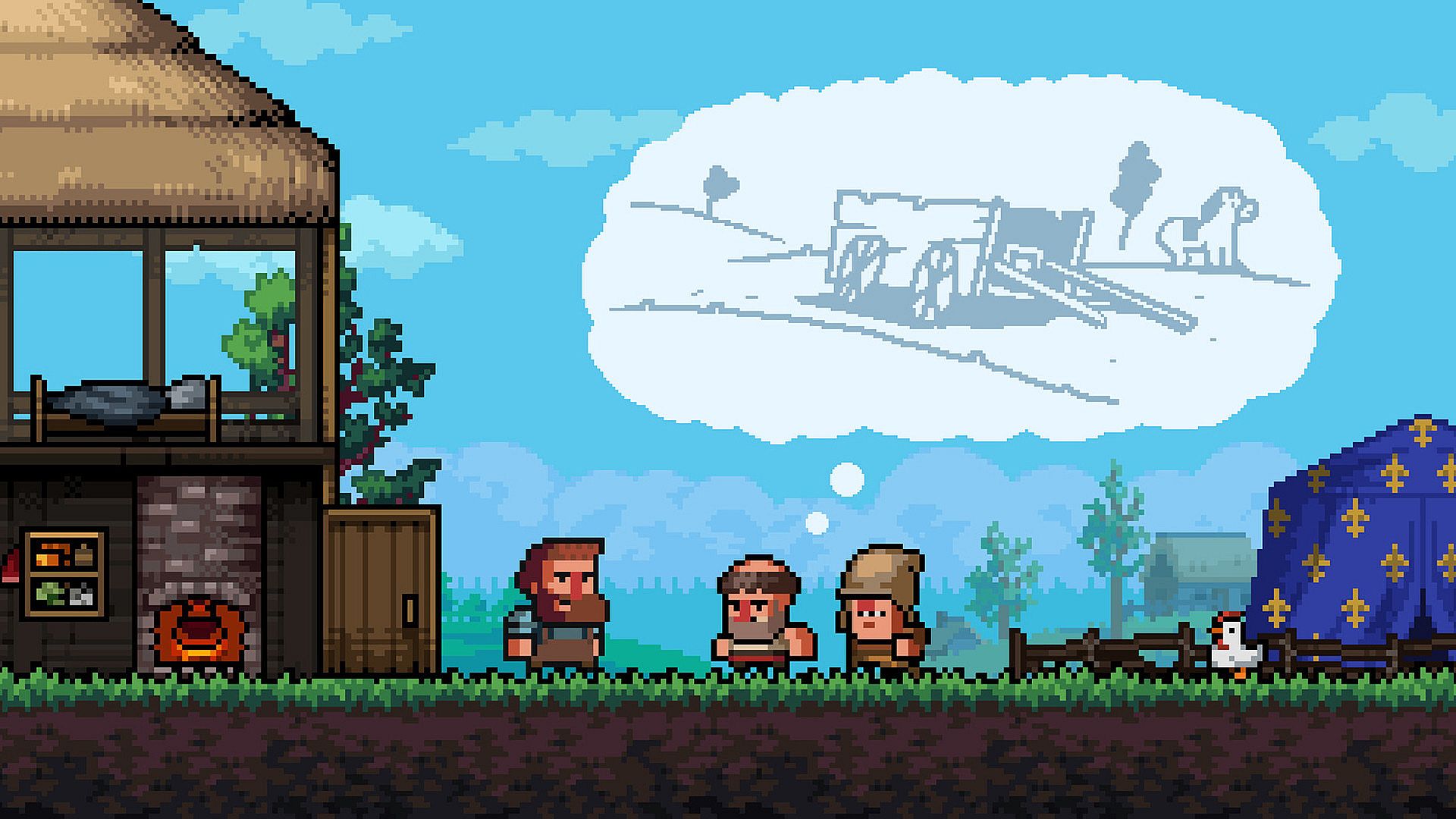
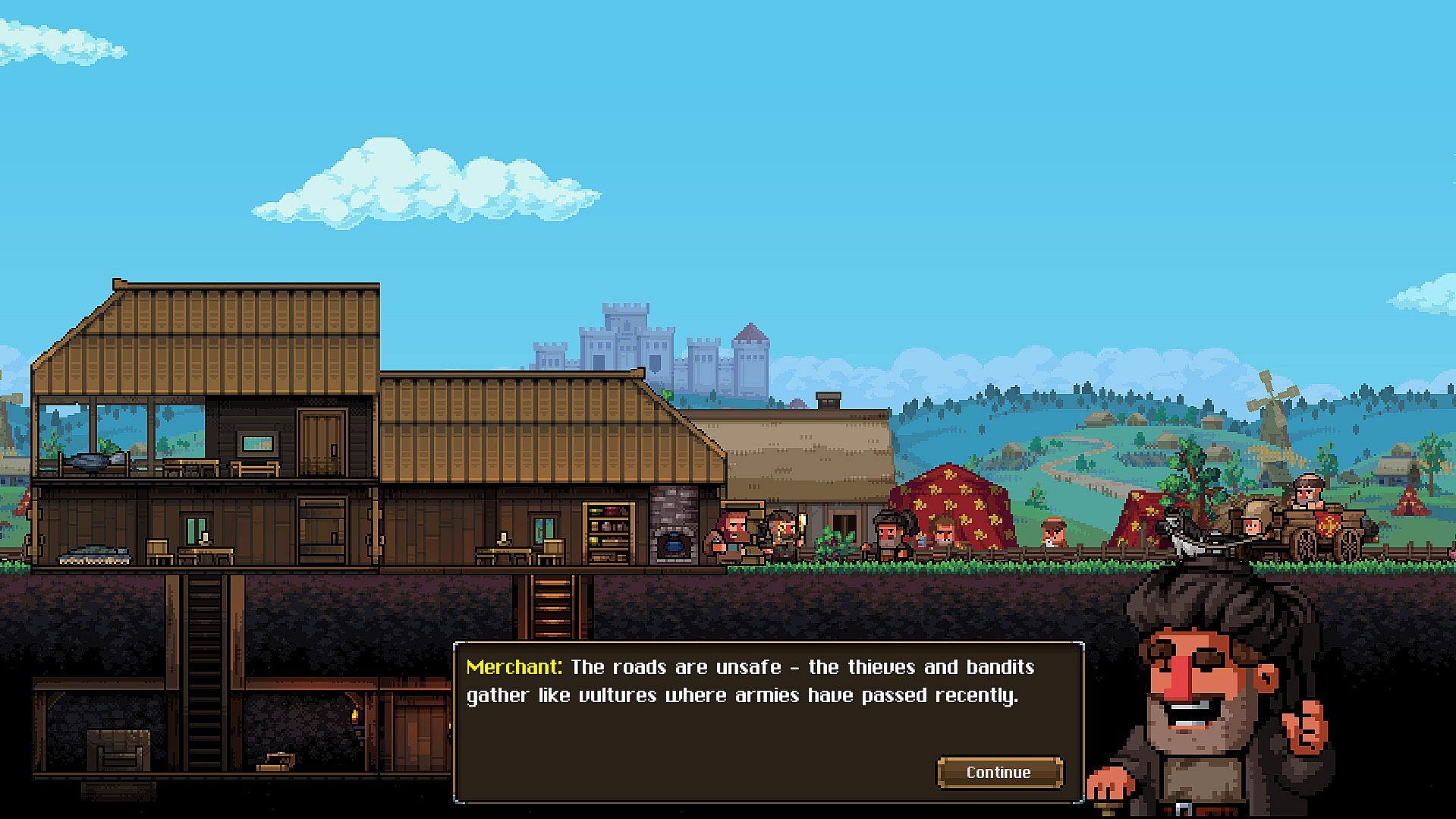
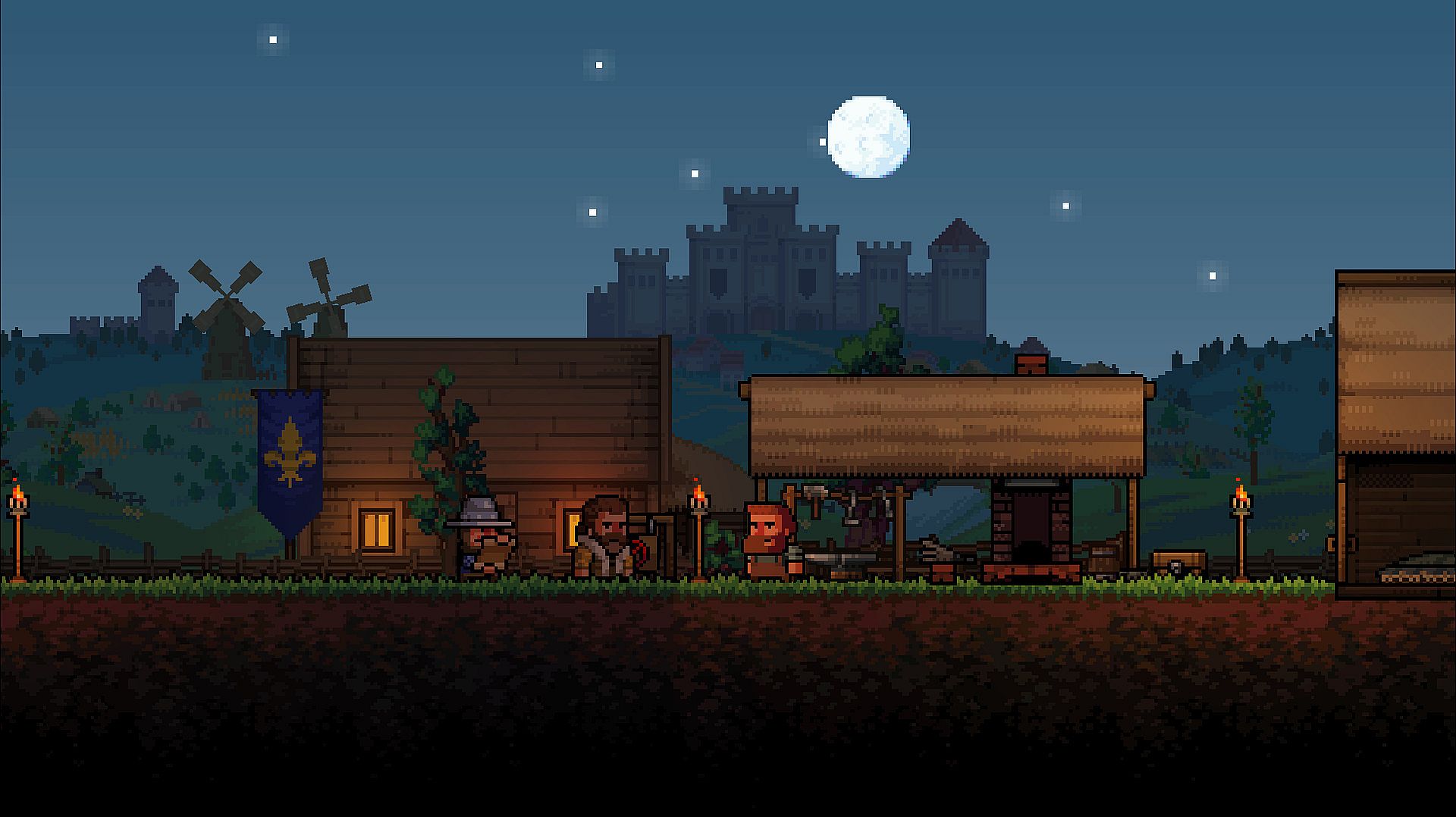
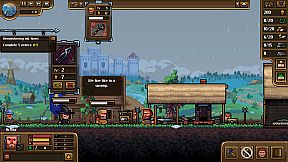
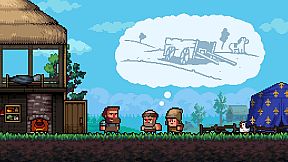
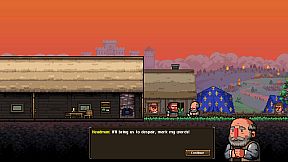
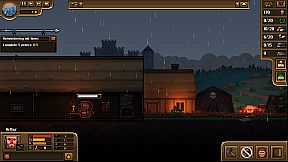
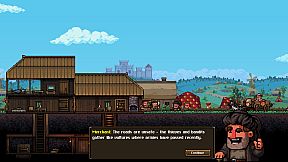
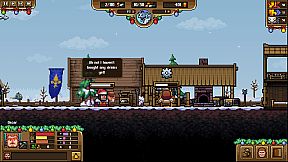
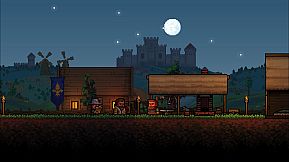
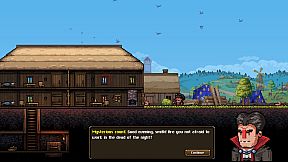
Anvil Saga is an indie RPG simulation game centered on running a medieval blacksmith shop during the Hundred Years' War. Players start with a basic forge and gradually expand it into a thriving business by handling orders, managing staff, and navigating political tensions between rival groups.
Gameplay
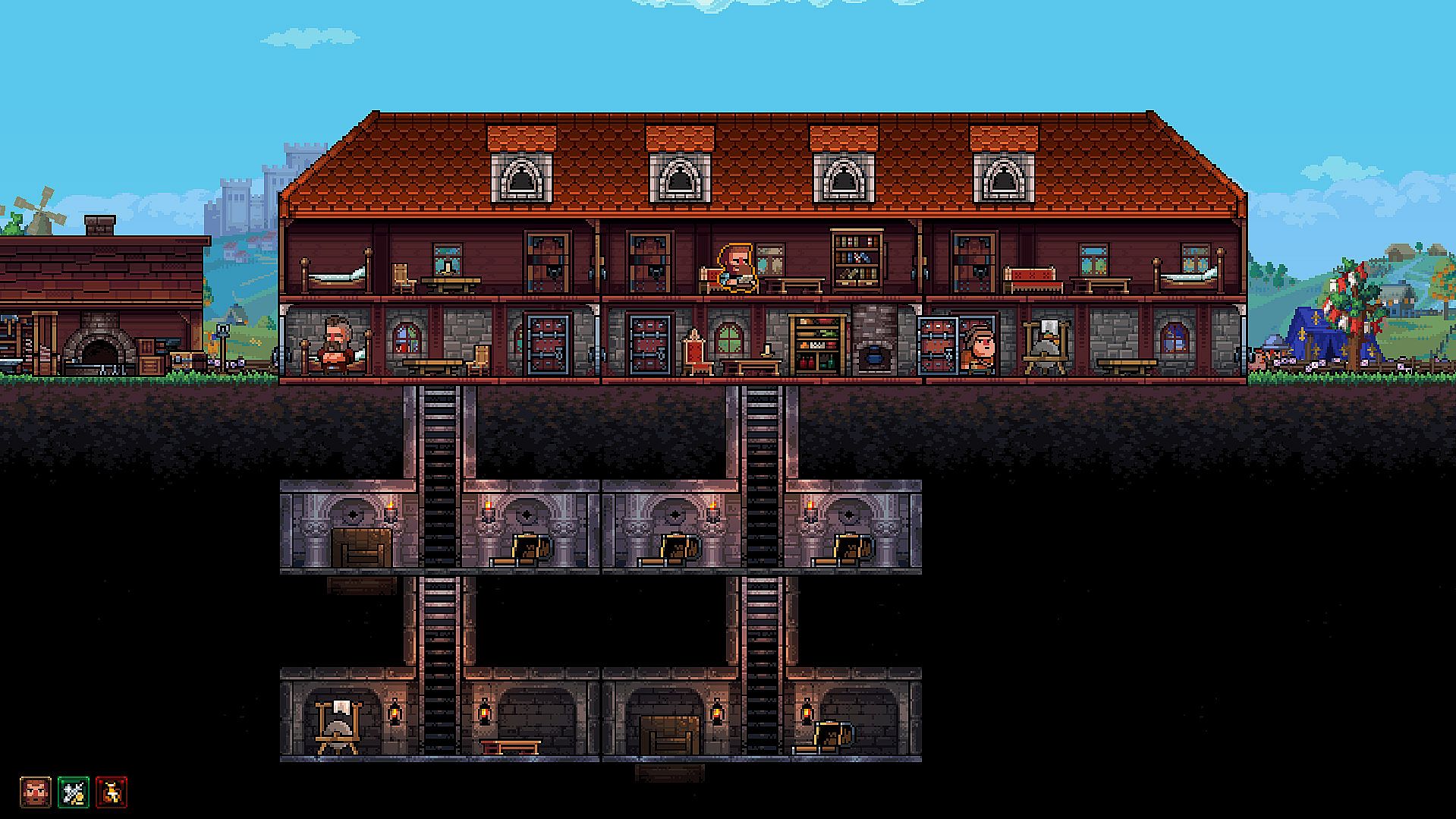
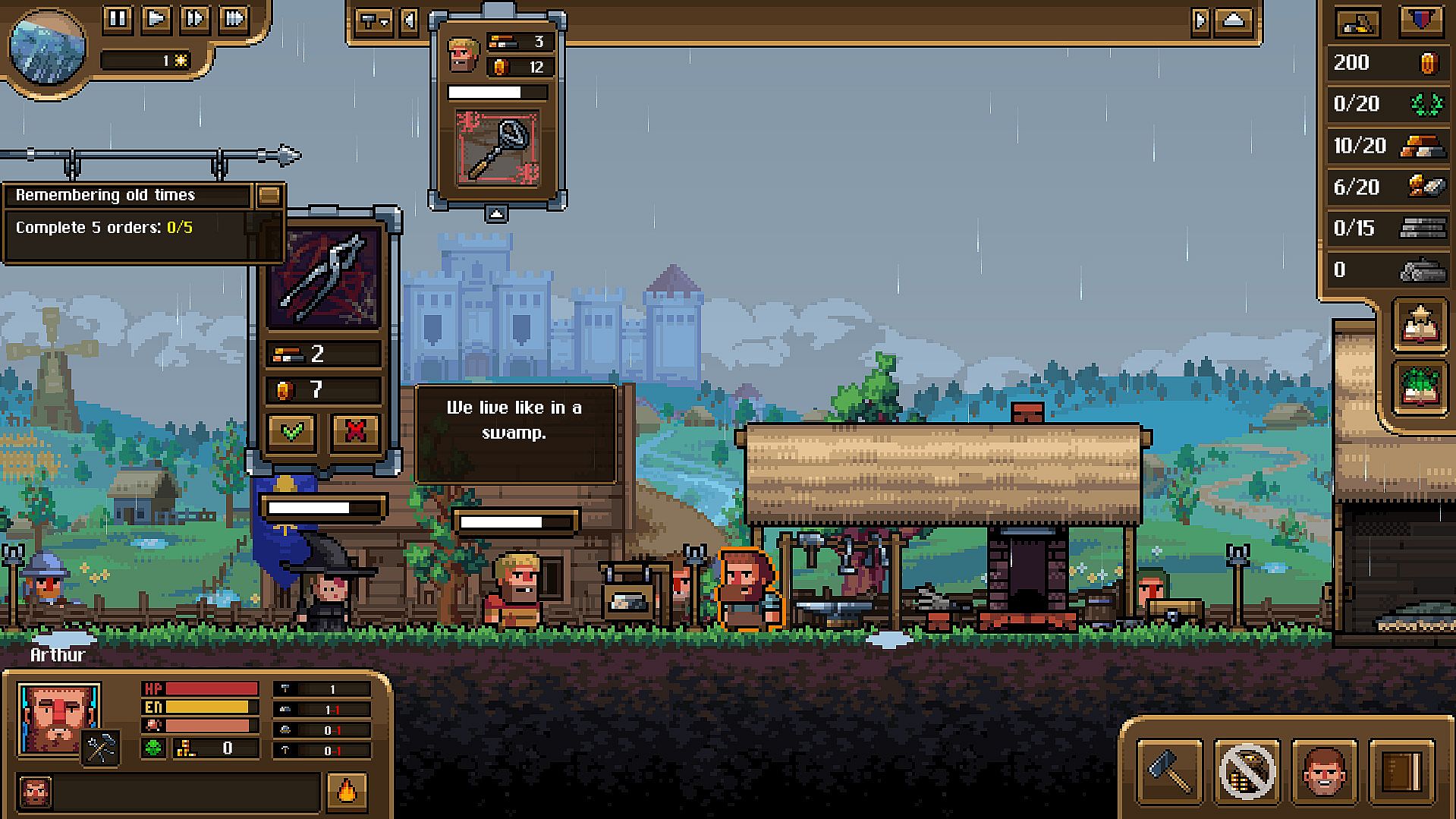
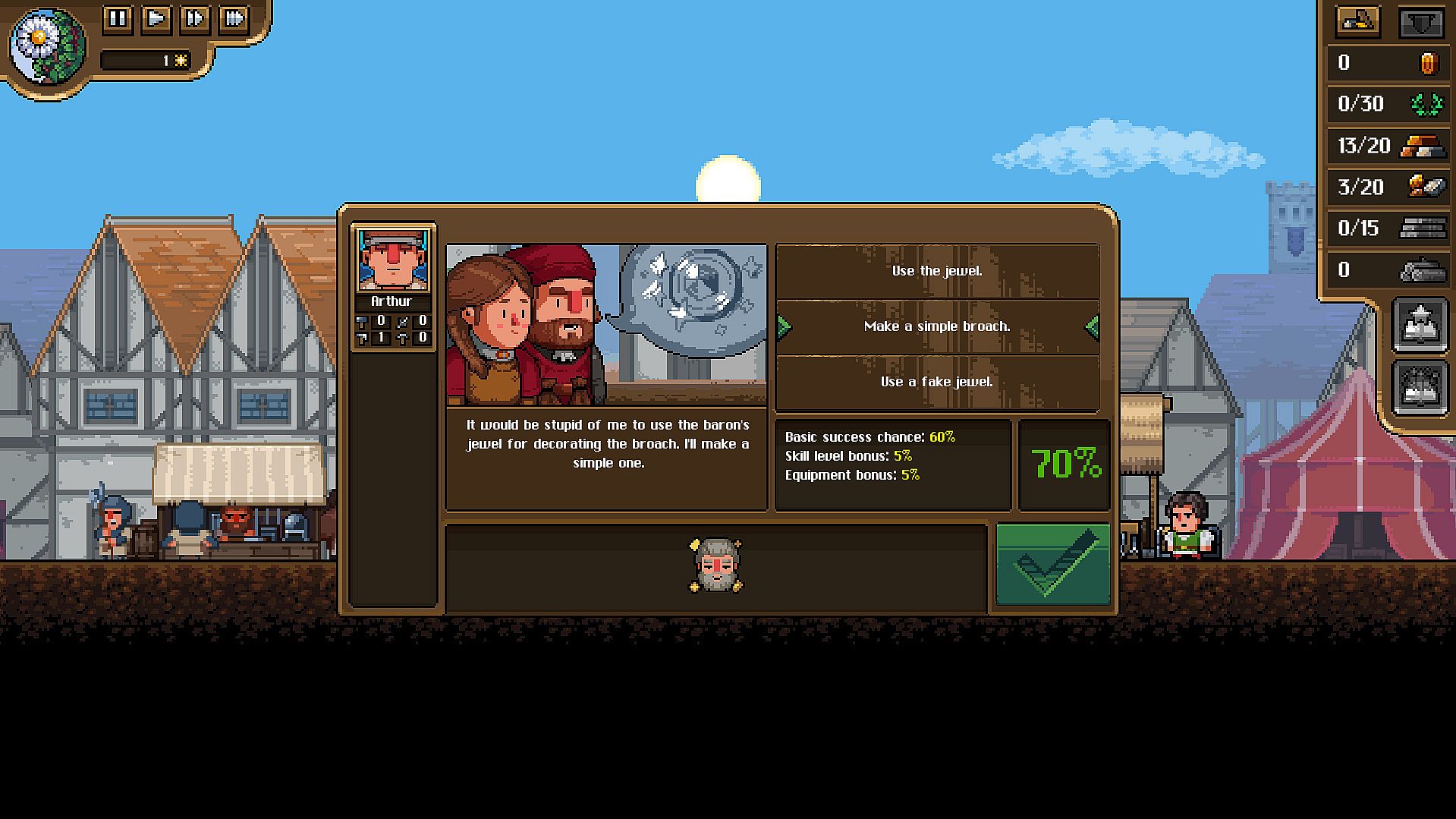
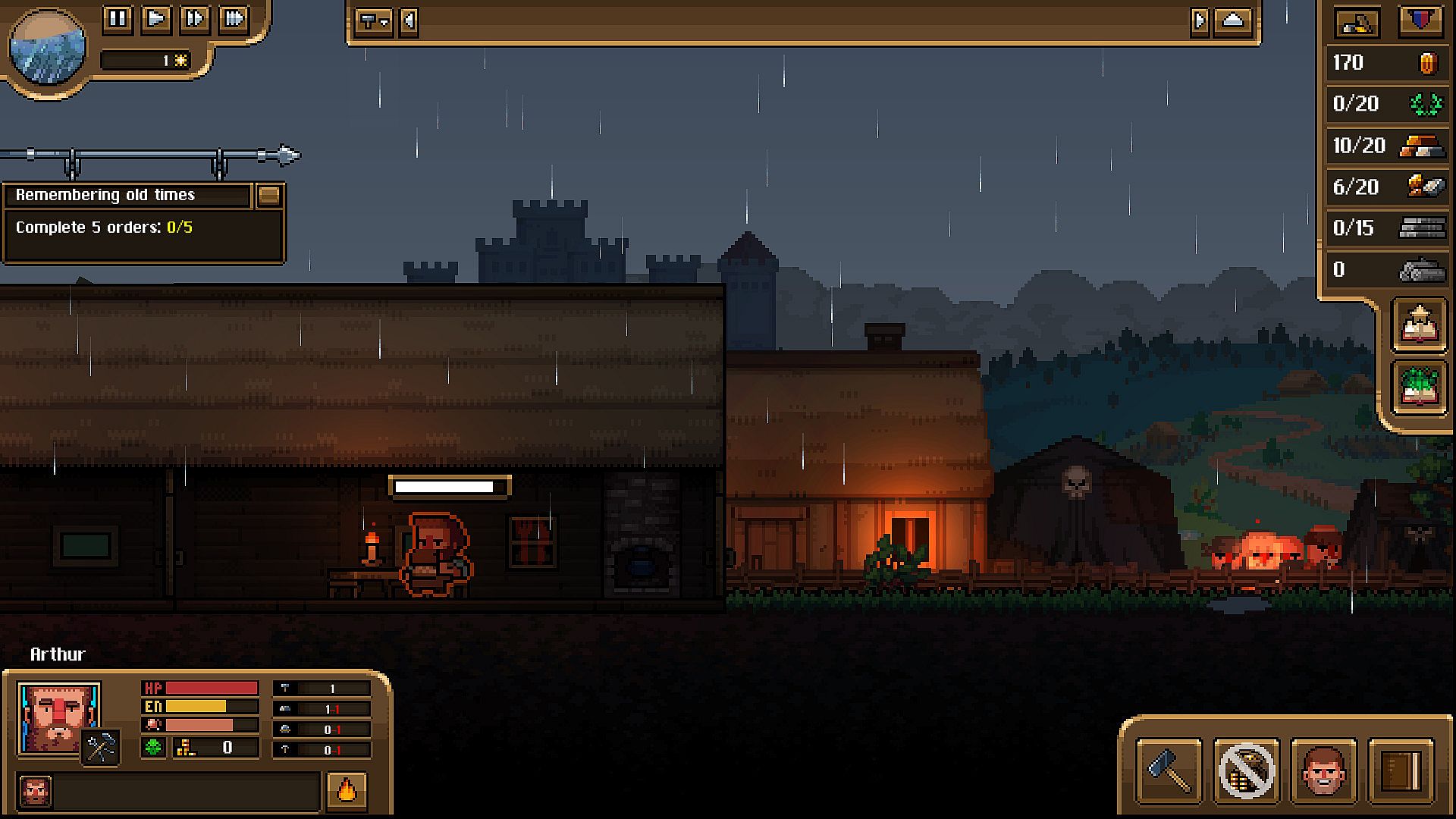
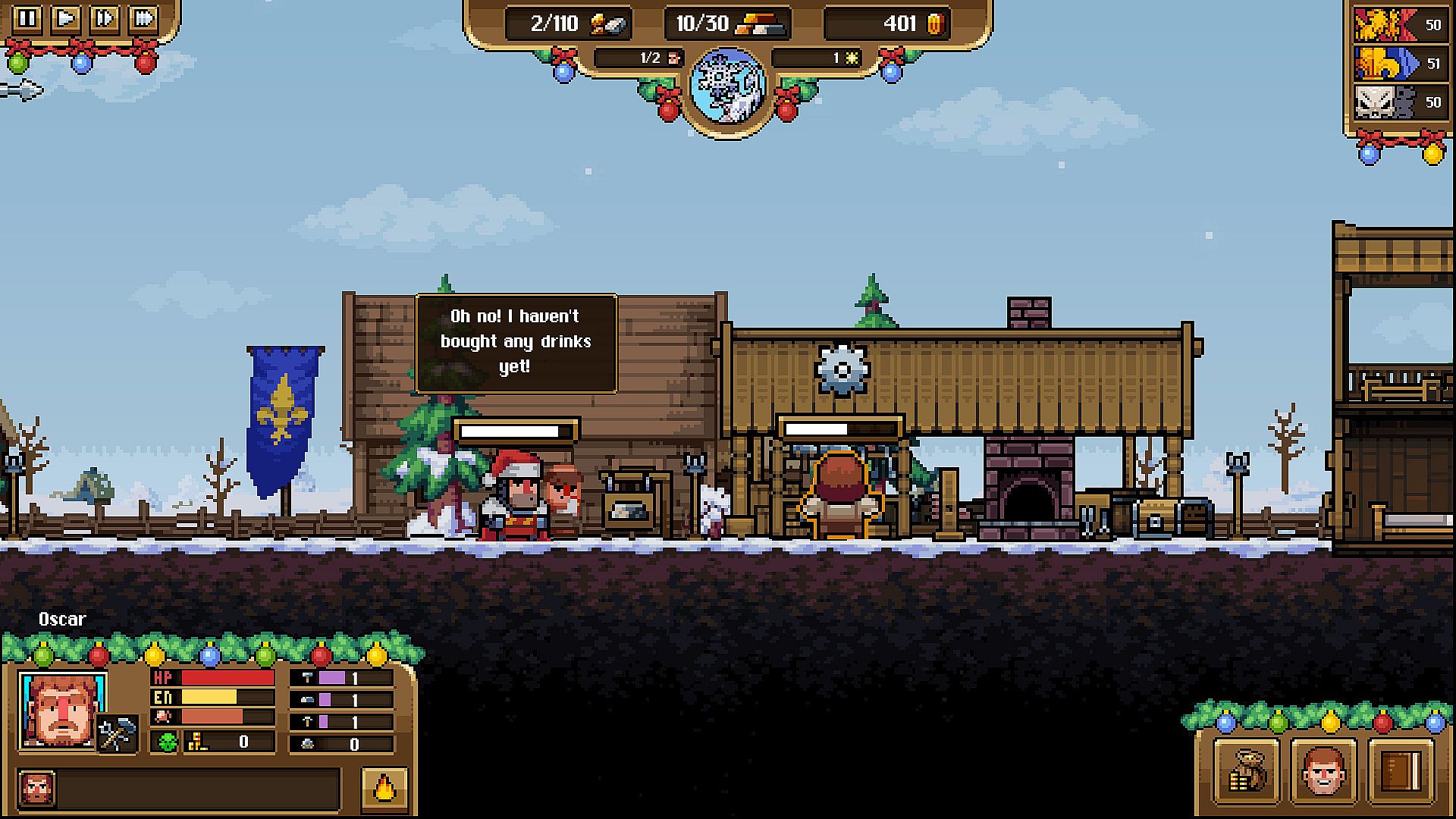
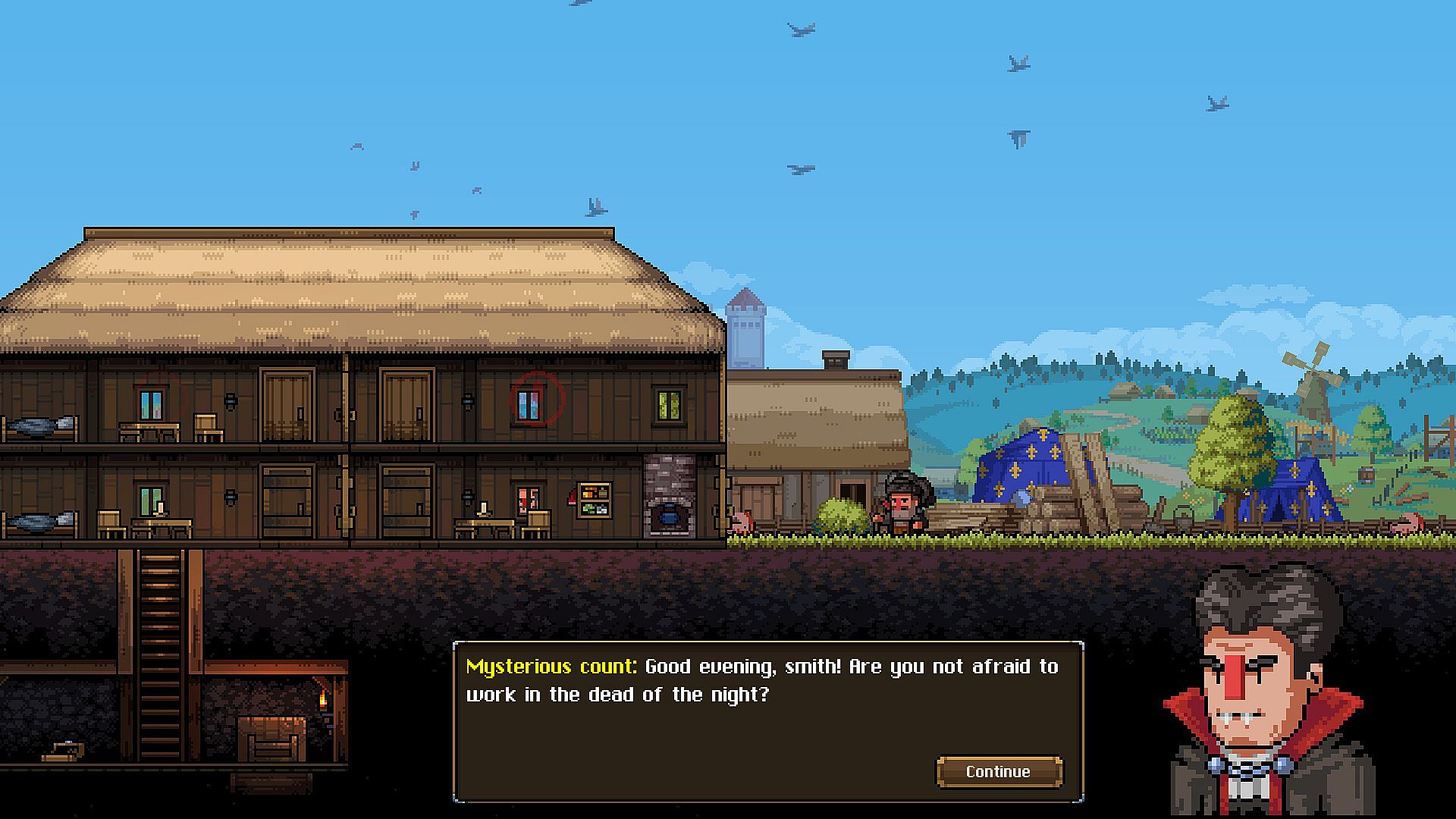
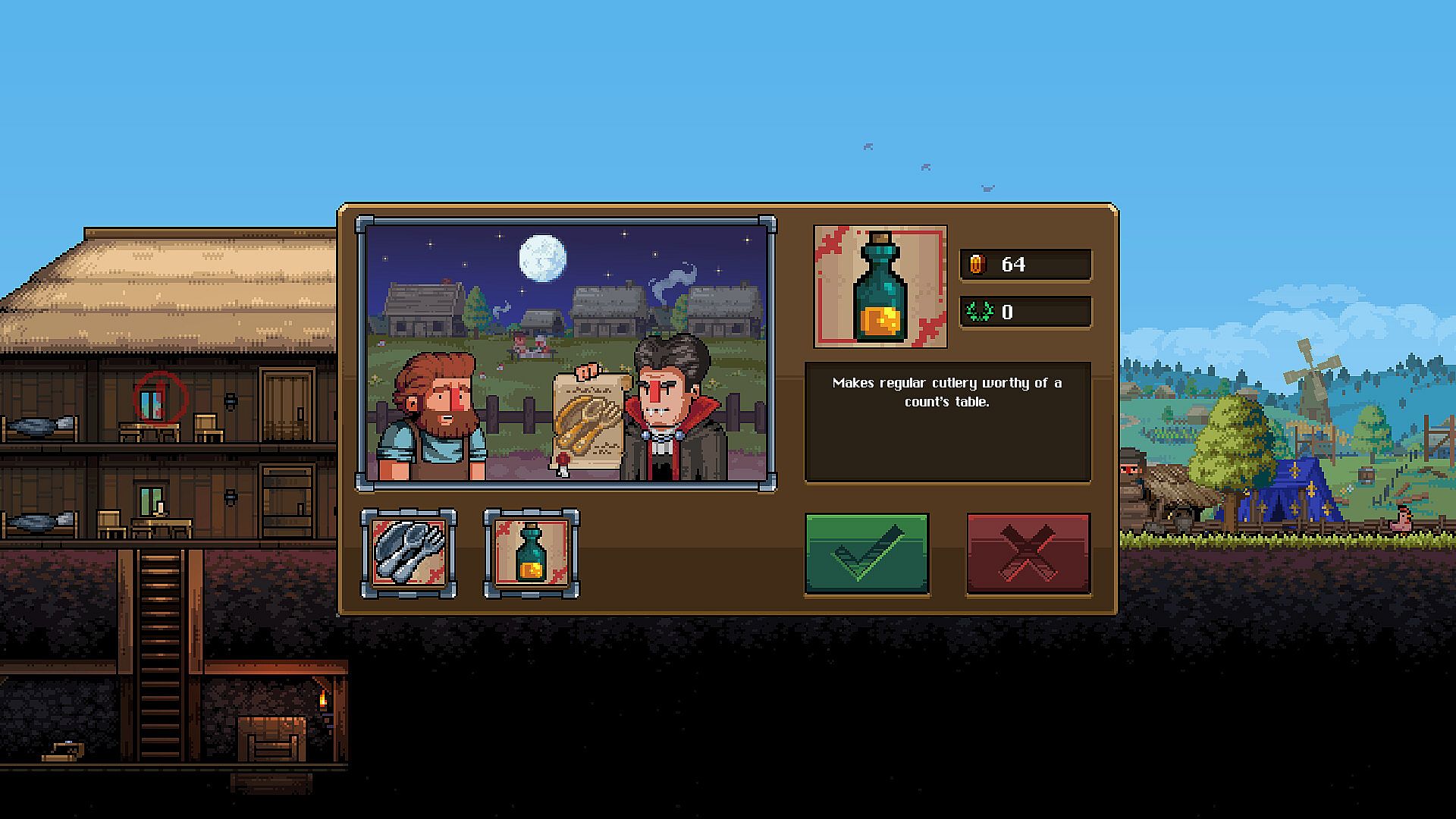
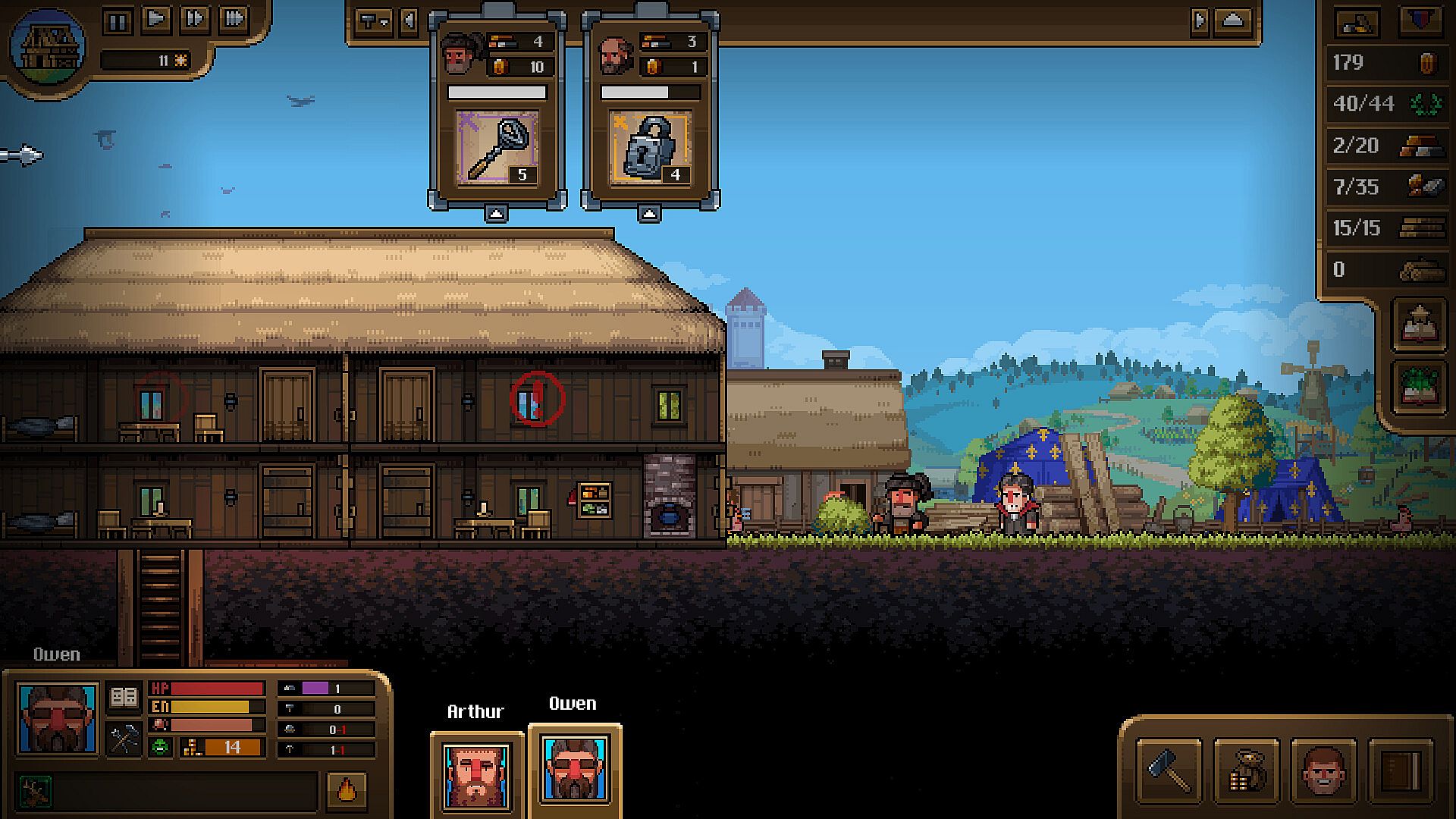
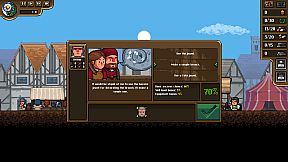
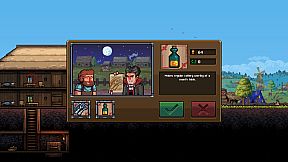
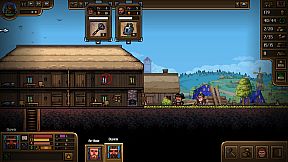
The core loop revolves around fulfilling blacksmith orders while expanding the workshop. Players construct additional rooms such as kitchens, living quarters, and specialized workshops for logging or woodcarving. Each new space requires furniture and decorations that improve efficiency or attract better clients. Prestige rises through successful orders, unlocking requests from wealthy patrons like barons or knights who pay premium prices for unique items such as ornate rings or custom swords.
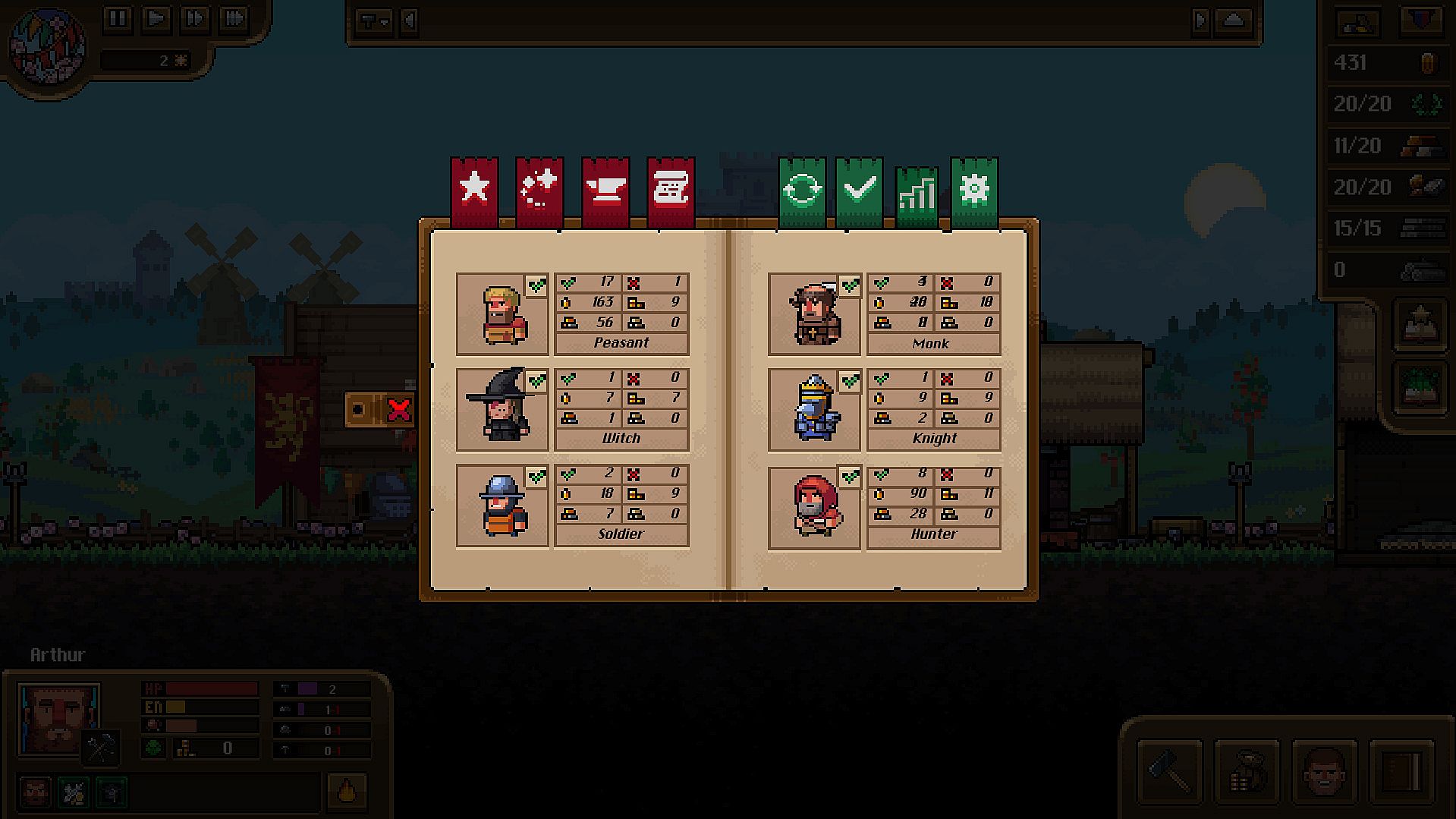
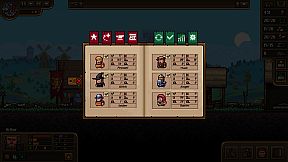
Worker management adds depth. Employees arrive with distinct skill levels, salaries, personalities, and needs. Keeping them content involves building amenities, decorating their quarters, and providing tools or library books that boost their output. Poor conditions lead to slower production or departures that disrupt operations.
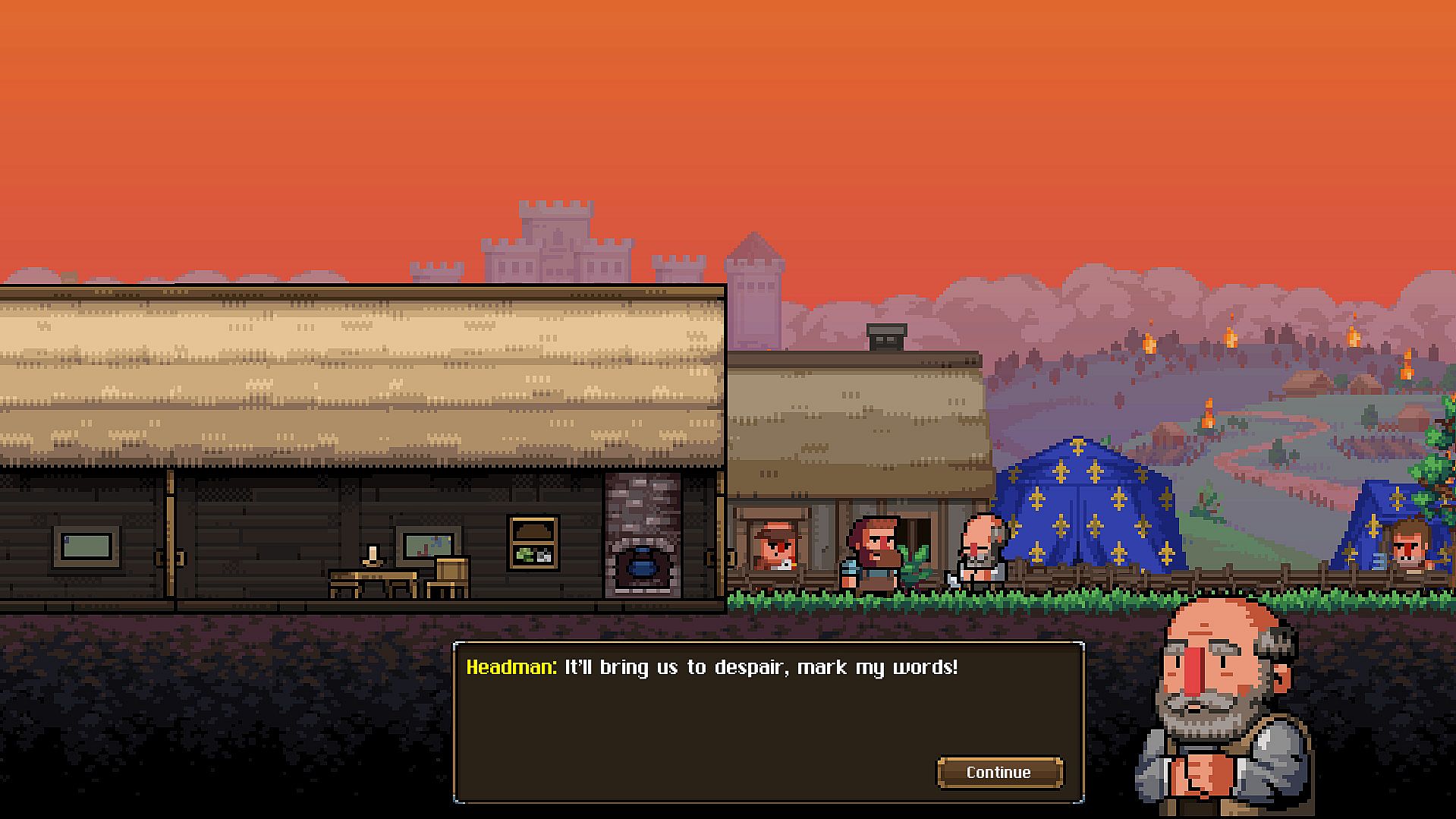
Faction interactions shape long-term progress. Five groups operate in the region: the English, the French, Bandits, the Holy Order, and the Witches. Accepting orders from one side affects reputation with the others. Higher standing grants protection, resource bonuses, or special commissions, while neglect can trigger raids or lost opportunities. Seasons cycle through the year and alter resource availability along with NPC behavior, forcing adjustments to production schedules.
Decisions carry lasting weight. The orders accepted and the factions supported influence available quests, customer types, and even the broader game world. Outcomes range from economic boons to sudden conflicts that test the shop's defenses and reputation.
Game Modes
Two primary modes structure play sessions. Story mode follows a campaign structure with guided progression, scripted events, and a narrative arc tied to faction choices. Sandbox mode removes those constraints, allowing free-form building and experimentation across an open timeline with adjustable difficulty settings.
Both modes support multiple difficulty levels that scale order complexity, worker demands, and faction aggression. Players can switch between modes or restart with new parameters to explore different reputation paths or expansion strategies without repeating the same sequence of events.
Key Mechanics and Progression
Facility upgrades form the backbone of advancement. Underground expansions and new workshops unlock higher-tier orders that require specialized equipment. Decorations serve dual purposes by raising customer appeal and satisfying worker needs, creating a feedback loop between aesthetics and productivity.
Reputation tracking sits at the center of strategic planning. Each faction offers distinct advantages, so players weigh short-term gains against long-term stability. Balancing multiple relationships prevents isolation while maximizing access to rare materials and high-value contracts.
Library expansion and tool crafting provide incremental improvements. Books raise worker skills over time, and better tools reduce completion times on complex items. These systems reward consistent investment rather than one-time purchases.
Is It Worth Playing?
Anvil Saga suits players who enjoy management simulations with layered decision-making and light RPG progression. The blend of shop-building, staff oversight, and faction diplomacy creates steady engagement across multiple playthroughs in either story or sandbox formats.
Steam user reviews stand at Mostly Positive based on over 1,400 ratings. Many highlight the satisfying expansion loop and the consequences of faction choices as standout features. Some note occasional technical issues in earlier versions, though post-release patches addressed several of those concerns.
The game runs on PC with no multiplayer components, making it ideal for solo sessions focused on long-term planning. Those who appreciate deliberate pacing and replayability through different reputation paths will find the most value here. Newcomers to the genre may start in sandbox mode on lower difficulty to learn the systems before tackling the full campaign.