








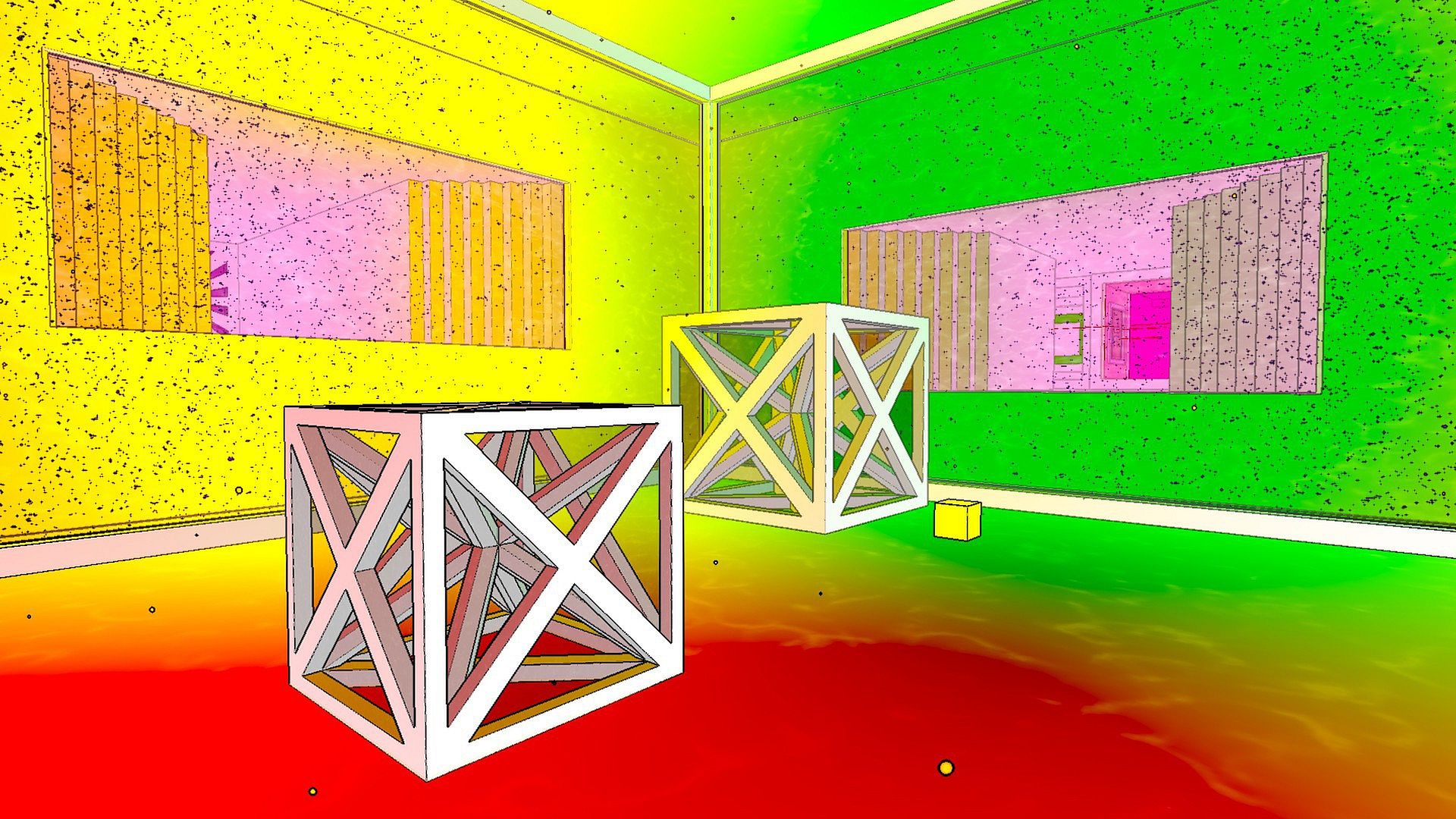
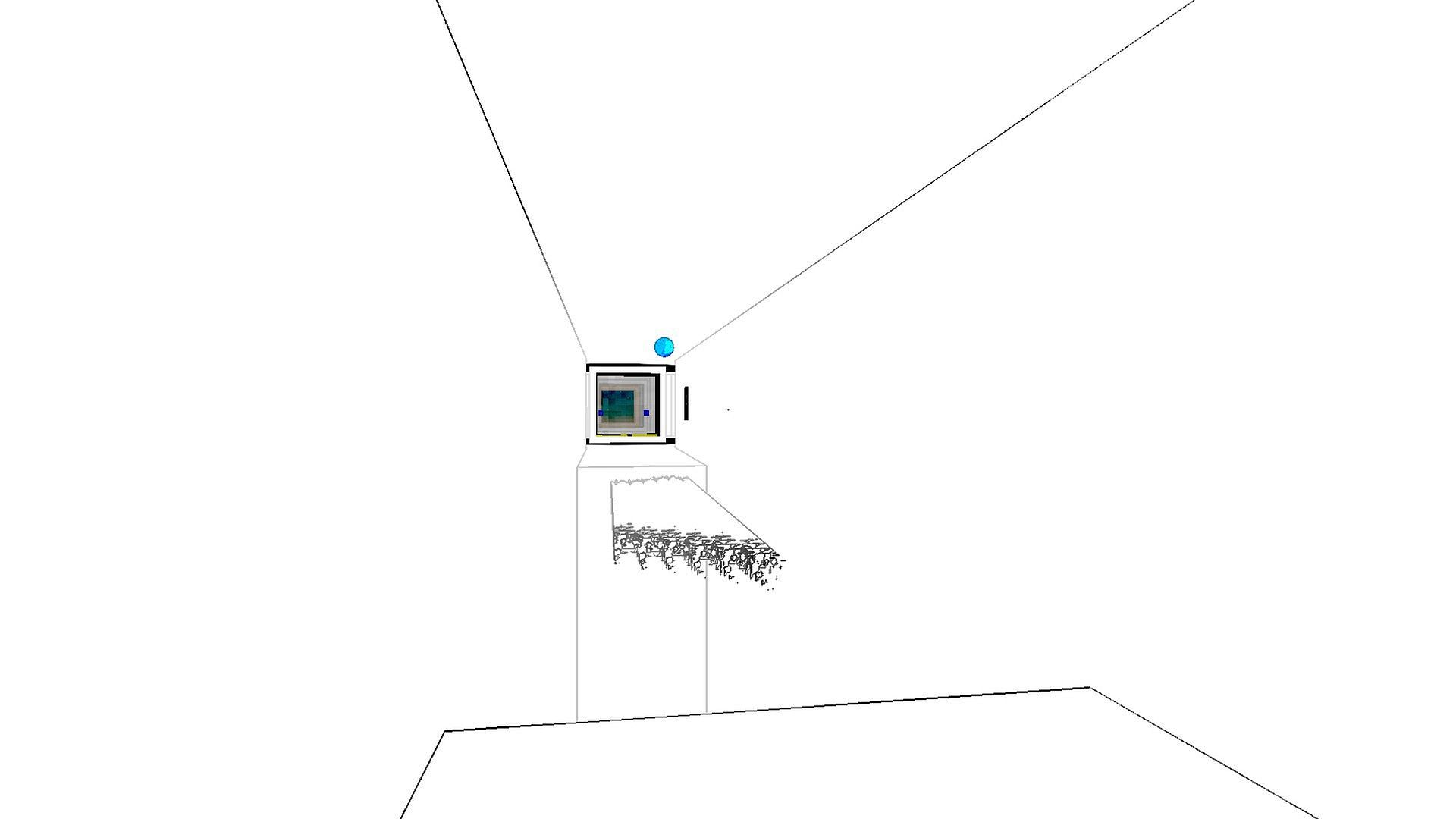
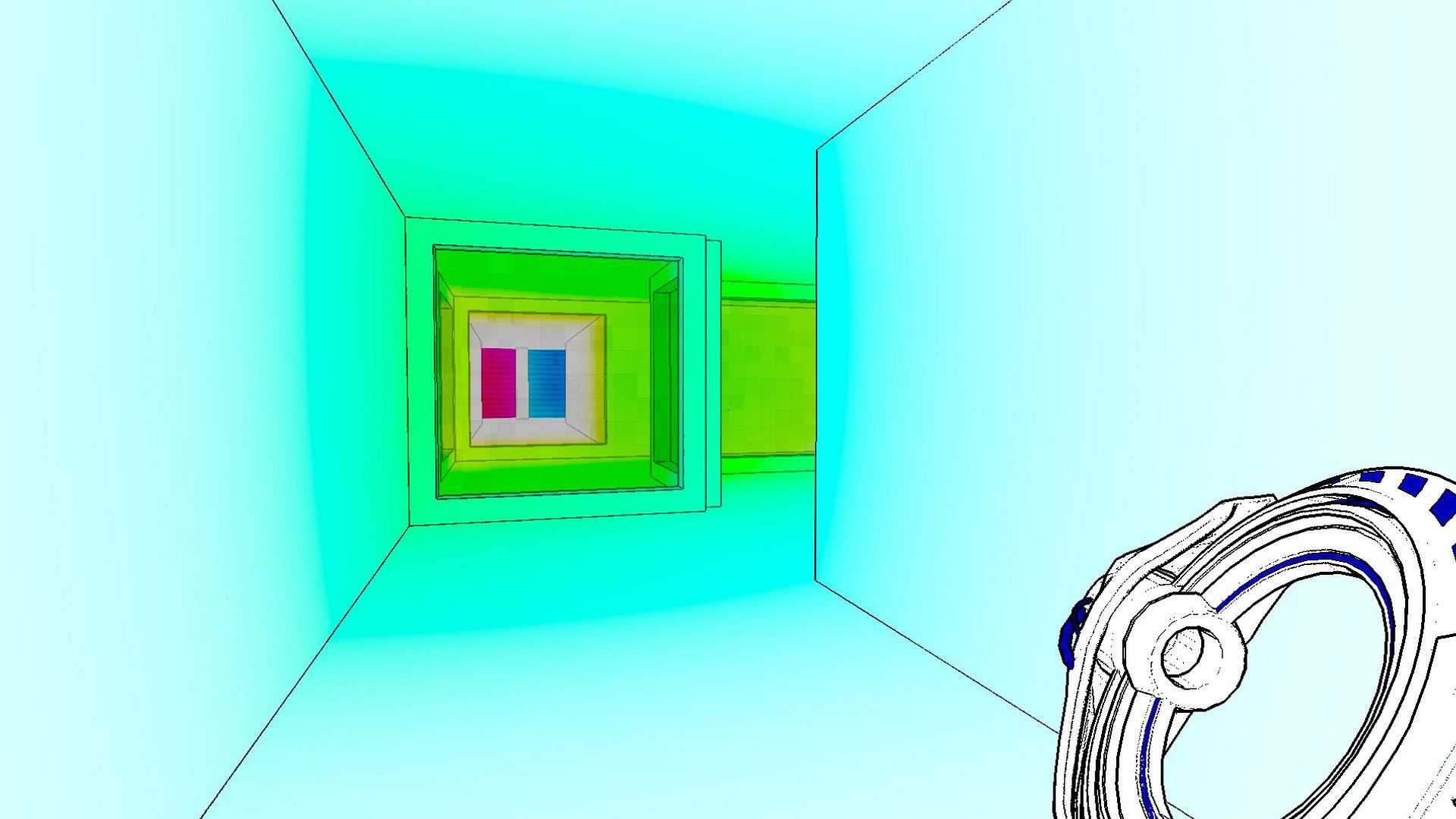
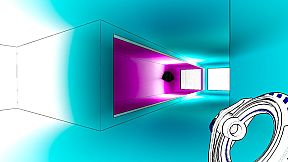
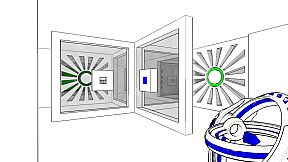
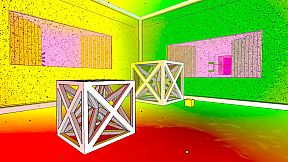
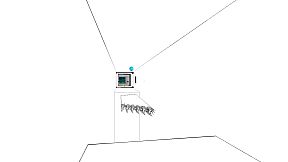
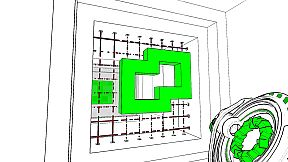
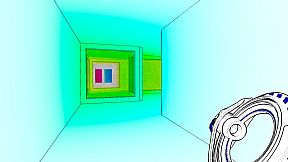
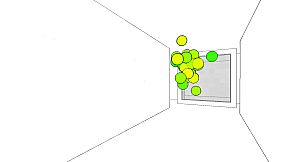
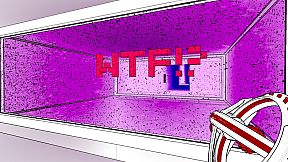
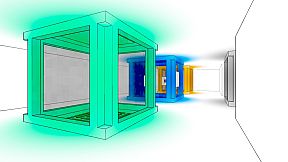
Antichamber stands as a distinctive first-person puzzle adventure that challenges conventional spatial reasoning through its non-Euclidean design. Players navigate an interconnected series of chambers where hallways loop unexpectedly, perspectives shift based on direction faced, and structures defy standard three-dimensional logic. The experience centers on exploration and problem-solving in a seamless environment built around impossible geometry, supported by a tool for altering physical matter and subtle environmental cues that guide progress without explicit instructions.
Gameplay
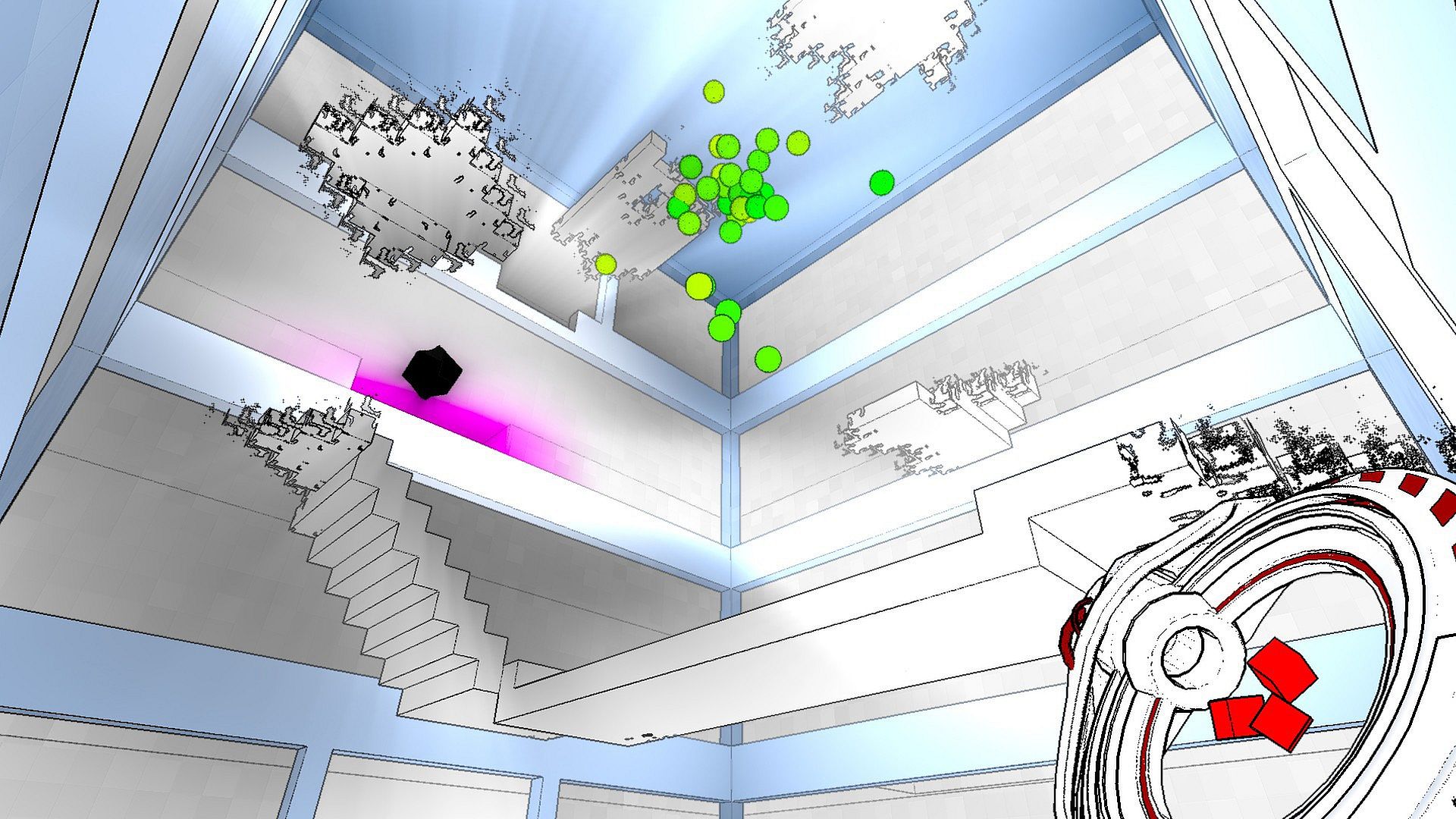
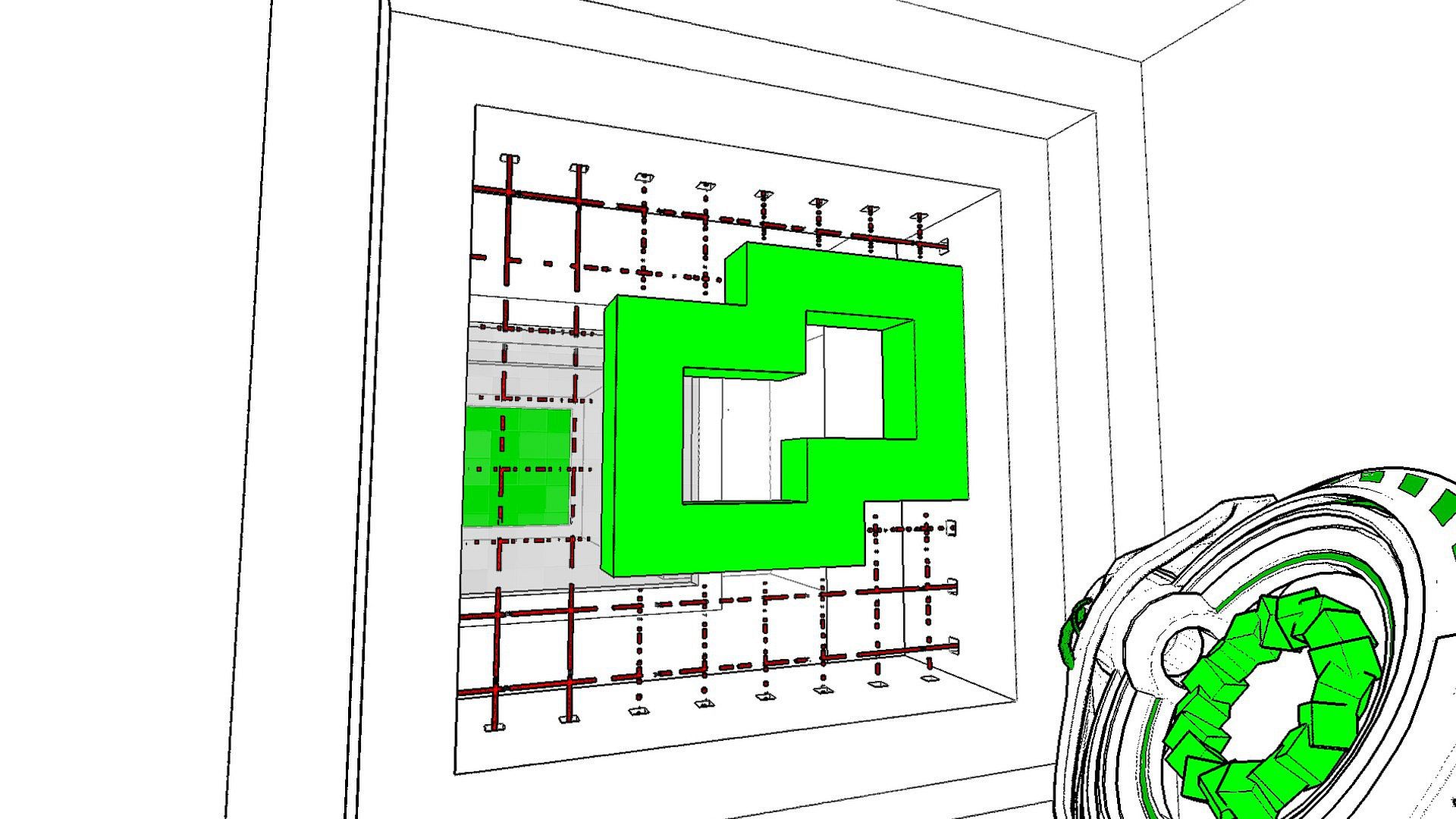
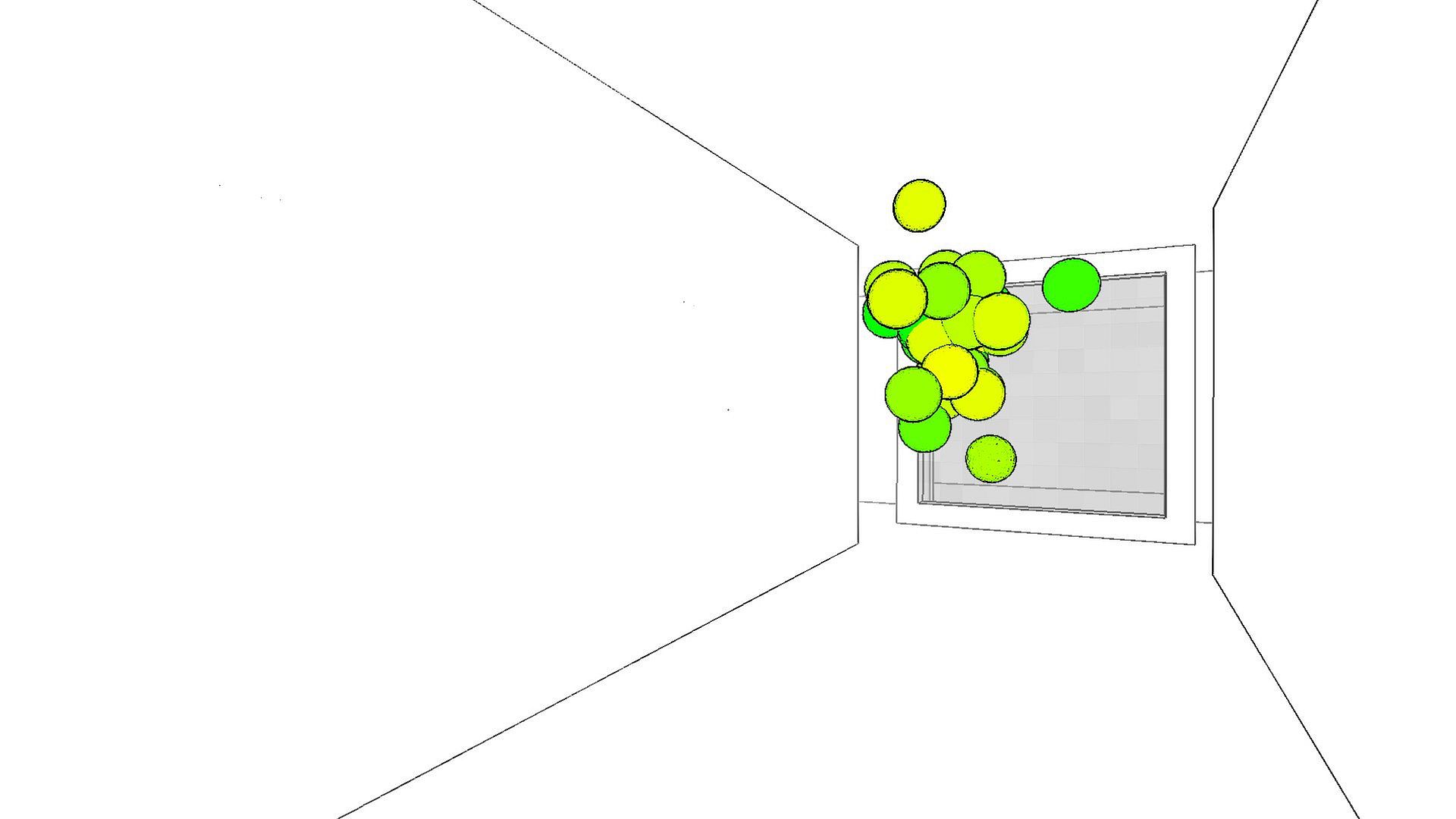
The core loop revolves around traversing abstract spaces while adapting to rules that change with movement and viewpoint. Early sections introduce basic navigation and observation, teaching players to question assumptions about paths and connections. As exploration continues, a matter manipulation device becomes available, enabling creation, destruction, and repositioning of blocks to bridge gaps, block mechanisms, or form temporary platforms. These interactions grow more intricate with additional tool capabilities that alter how matter behaves under different conditions, such as attraction between elements or directional pushing forces.
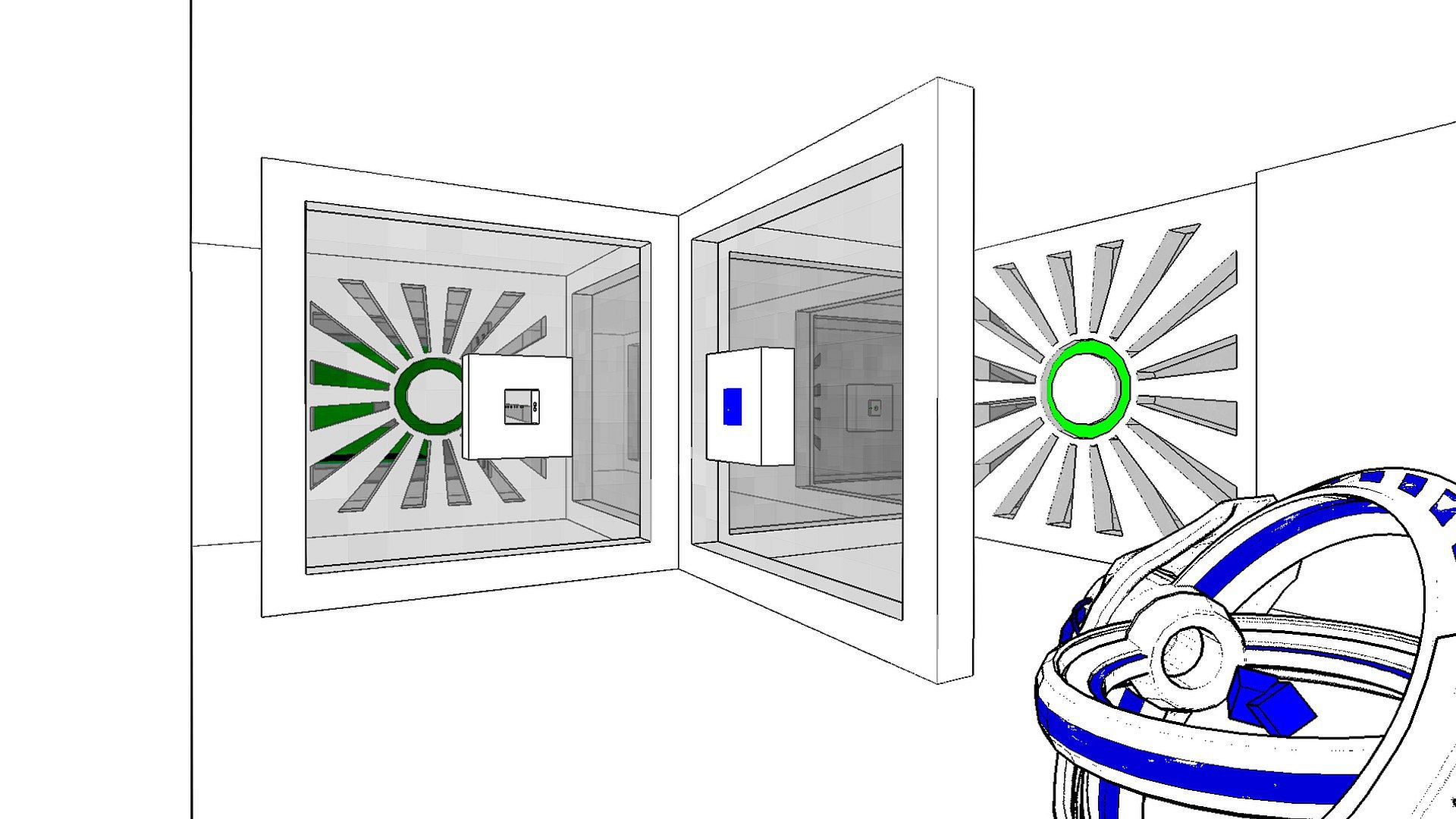
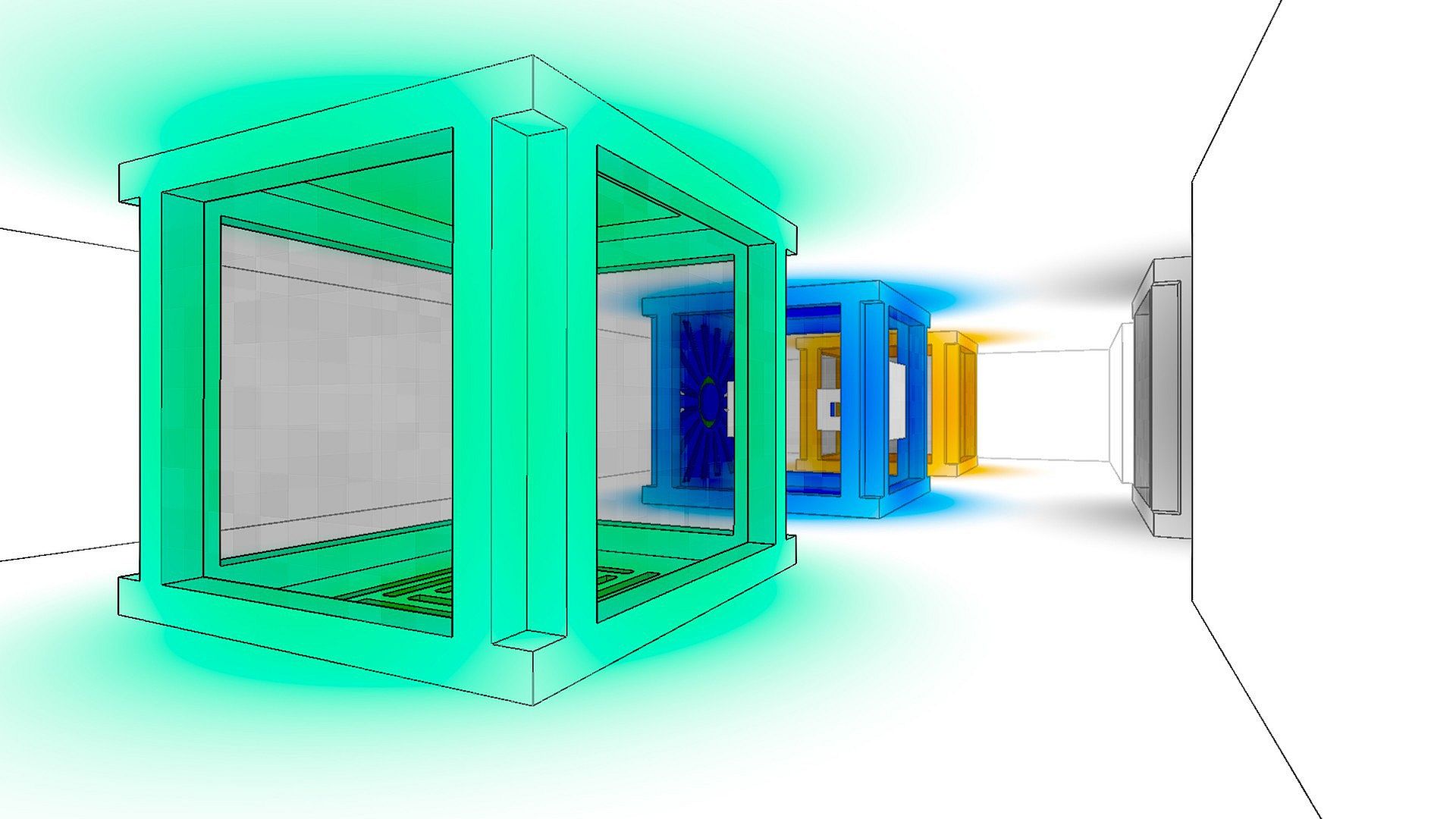
Puzzles frequently incorporate laser beams that must align or interrupt in precise ways to unlock doors, alongside platforms and surfaces that respond to player position or timing. The world encourages backtracking through a central hub area equipped with a dynamic map that reveals visited locations and permits direct jumps to explored sections. This setup supports methodical discovery rather than linear progression, rewarding careful observation of environmental changes and experimentation with the available tools. Sound design reinforces the disorienting atmosphere through layered ambient tracks and spatial audio that highlights shifts in the surroundings.
Game Modes
Antichamber operates entirely as a single-player experience without distinct multiplayer options or separate modes. The entire game unfolds within one continuous, non-linear world that players access and revisit through the central antechamber. Progression depends on acquiring tool upgrades and solving interconnected challenges across chambers, with no branching campaigns, competitive elements, or cooperative features. The structure emphasizes solitary exploration and personal deduction, allowing players to tackle sections in varying orders once the map unlocks additional access points.
Exploration and World Design
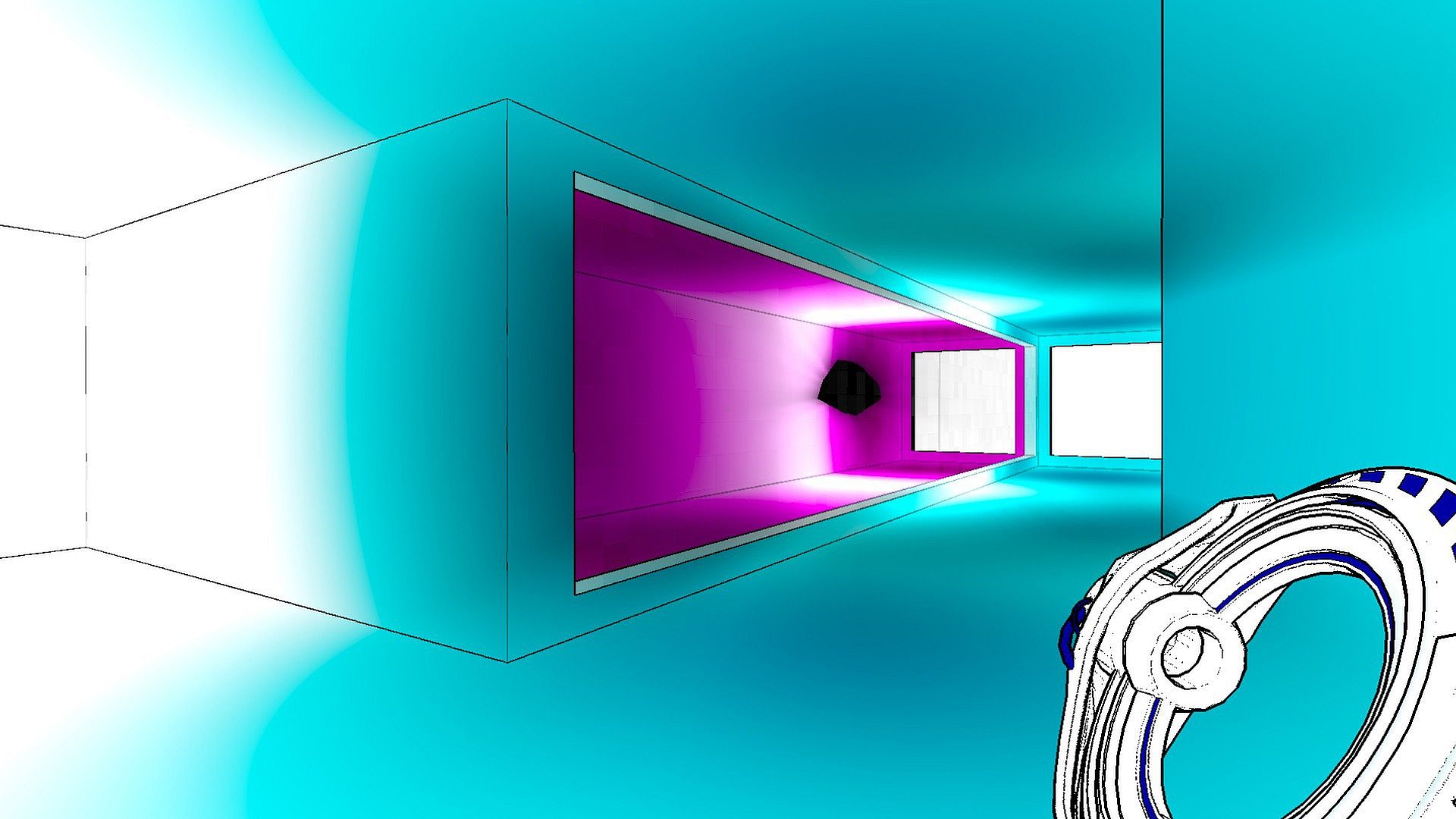
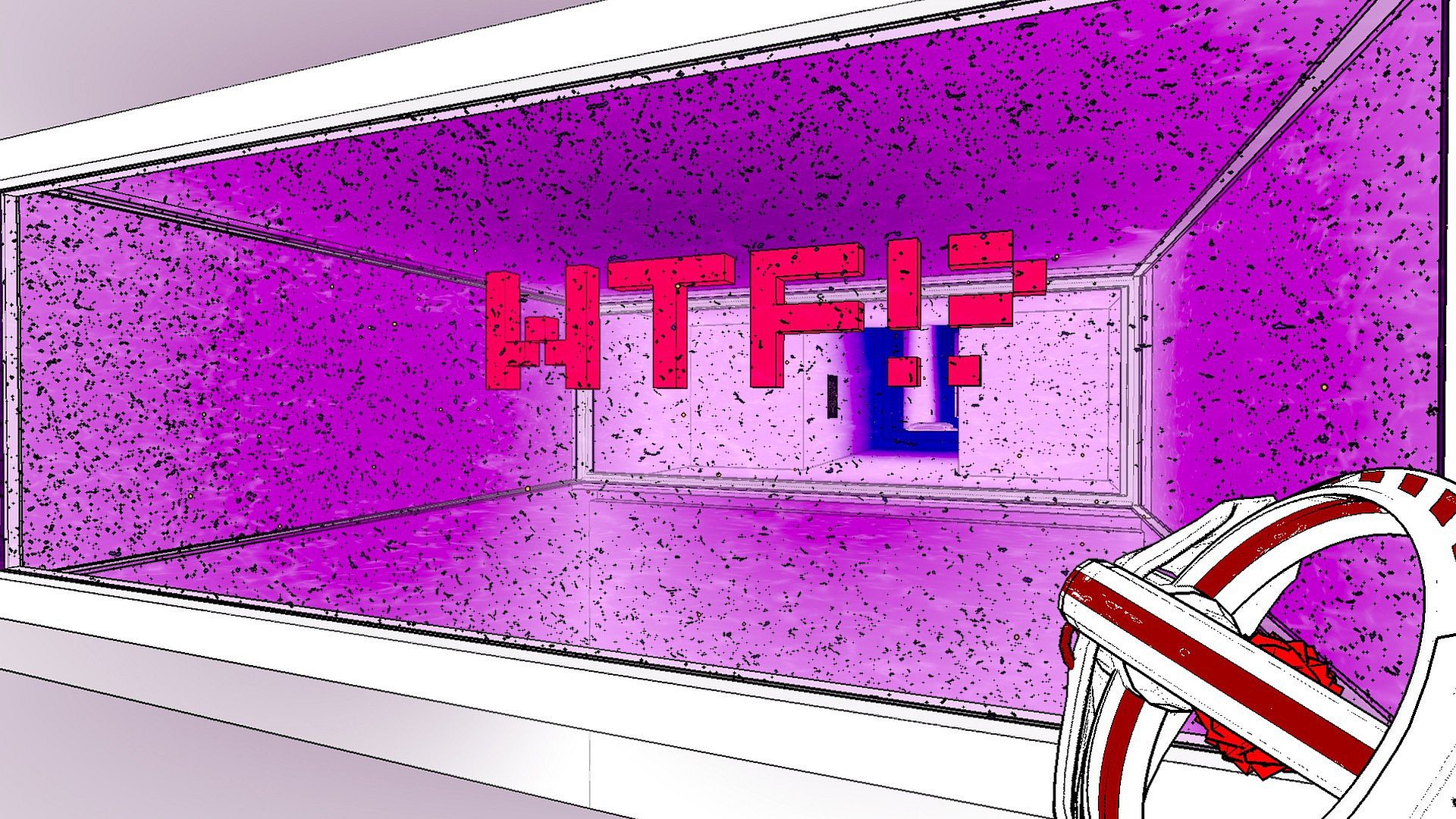
The environment consists of an expansive collection of interconnected rooms and corridors defined by impossible architecture. Hallways may connect differently depending on the direction of travel, and certain areas reconfigure based on prior actions or player orientation. This design creates a sense of constant reevaluation, where familiar paths lead to new outcomes after tool upgrades or perspective shifts. Subtle visual and audio hints appear on walls to aid understanding without providing direct solutions, maintaining the focus on discovery through trial and interaction.
Is It Worth Playing?
Antichamber appeals strongly to those who enjoy abstract puzzle experiences that prioritize spatial reasoning and unconventional mechanics over combat or narrative. Its single continuous structure and emphasis on self-directed exploration suit players comfortable with trial-and-error approaches in a contained environment. Community feedback consistently highlights the satisfaction derived from overcoming its unique challenges, with the title maintaining overwhelmingly positive reception years after release due to its originality and replay value through different solution paths. The game remains available on PC with no required ongoing updates or seasonal content, making it a complete, self-contained option for puzzle enthusiasts seeking something distinct from more conventional titles. Those drawn to games that subvert expectations around geometry and physics will find its approach particularly engaging.