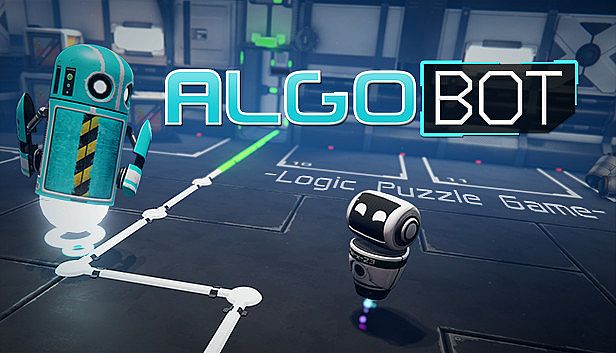
























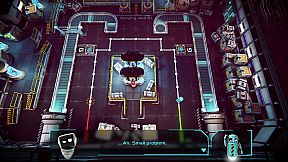
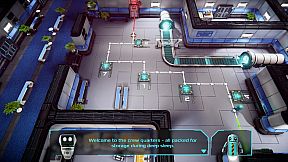
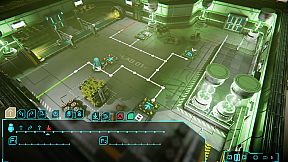
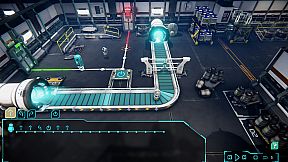
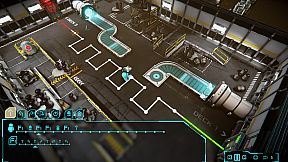
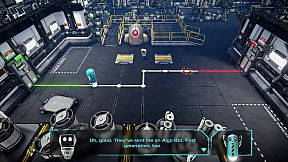
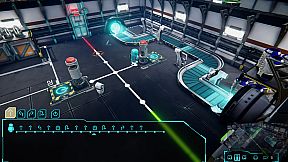
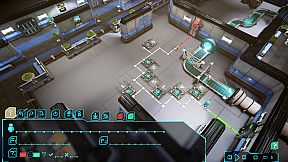
Algo Bot is an indie puzzle game for PC that places players in the role of an operator guiding a service droid through a series of programming challenges aboard a damaged colonization ship. The experience blends a light narrative with hands-on coding tasks that introduce core programming ideas without requiring prior experience.
Gameplay
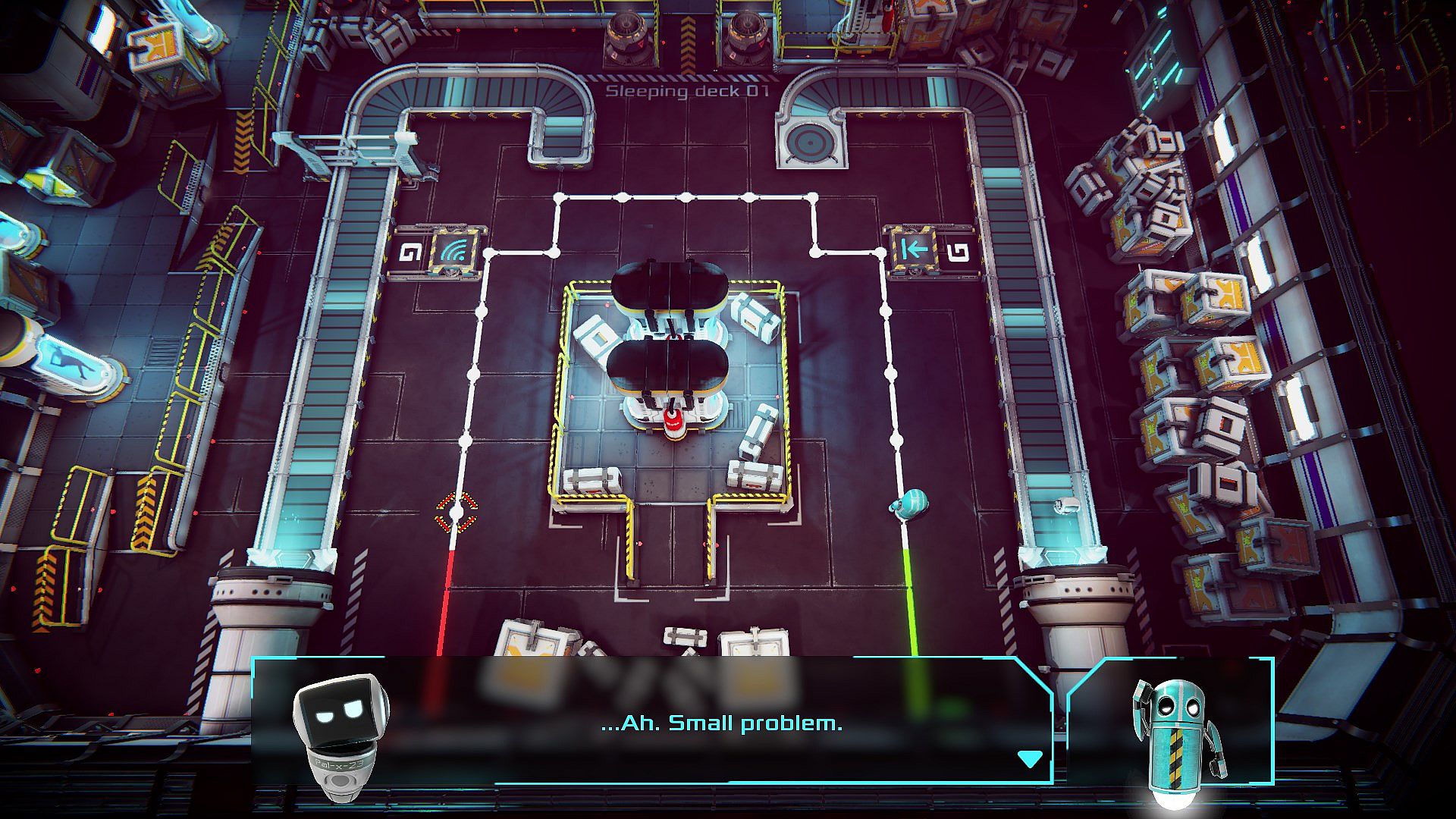
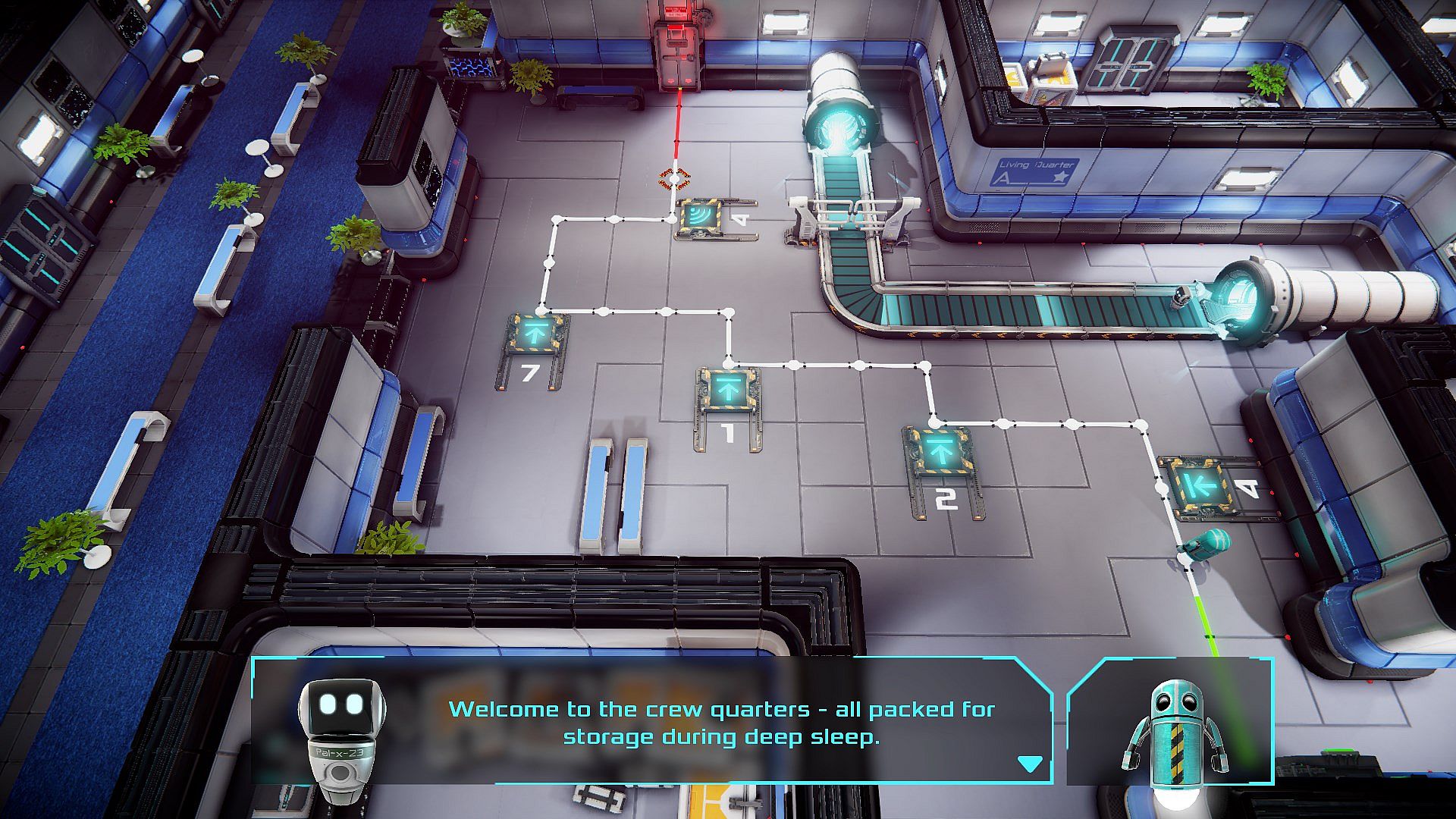
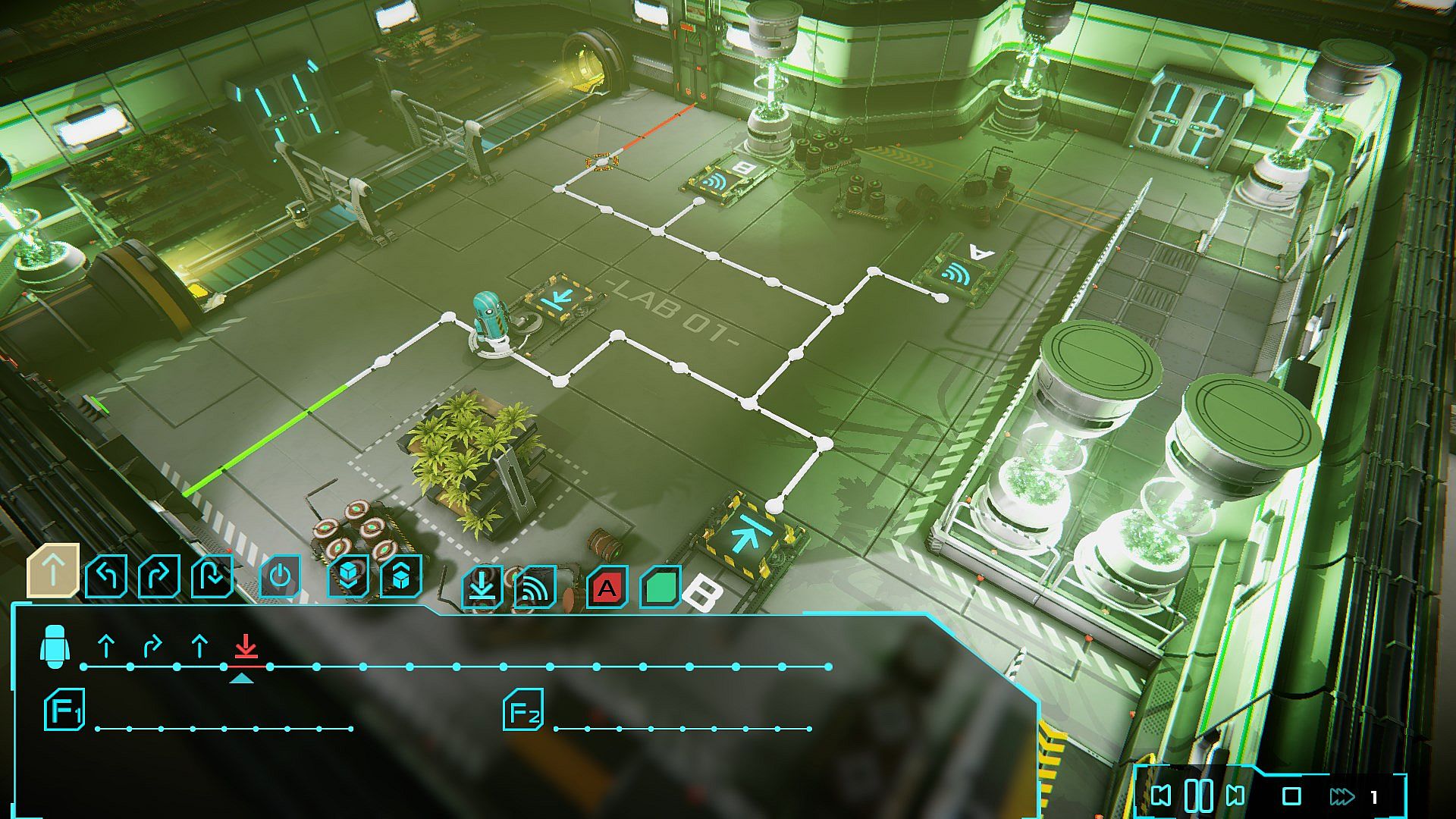
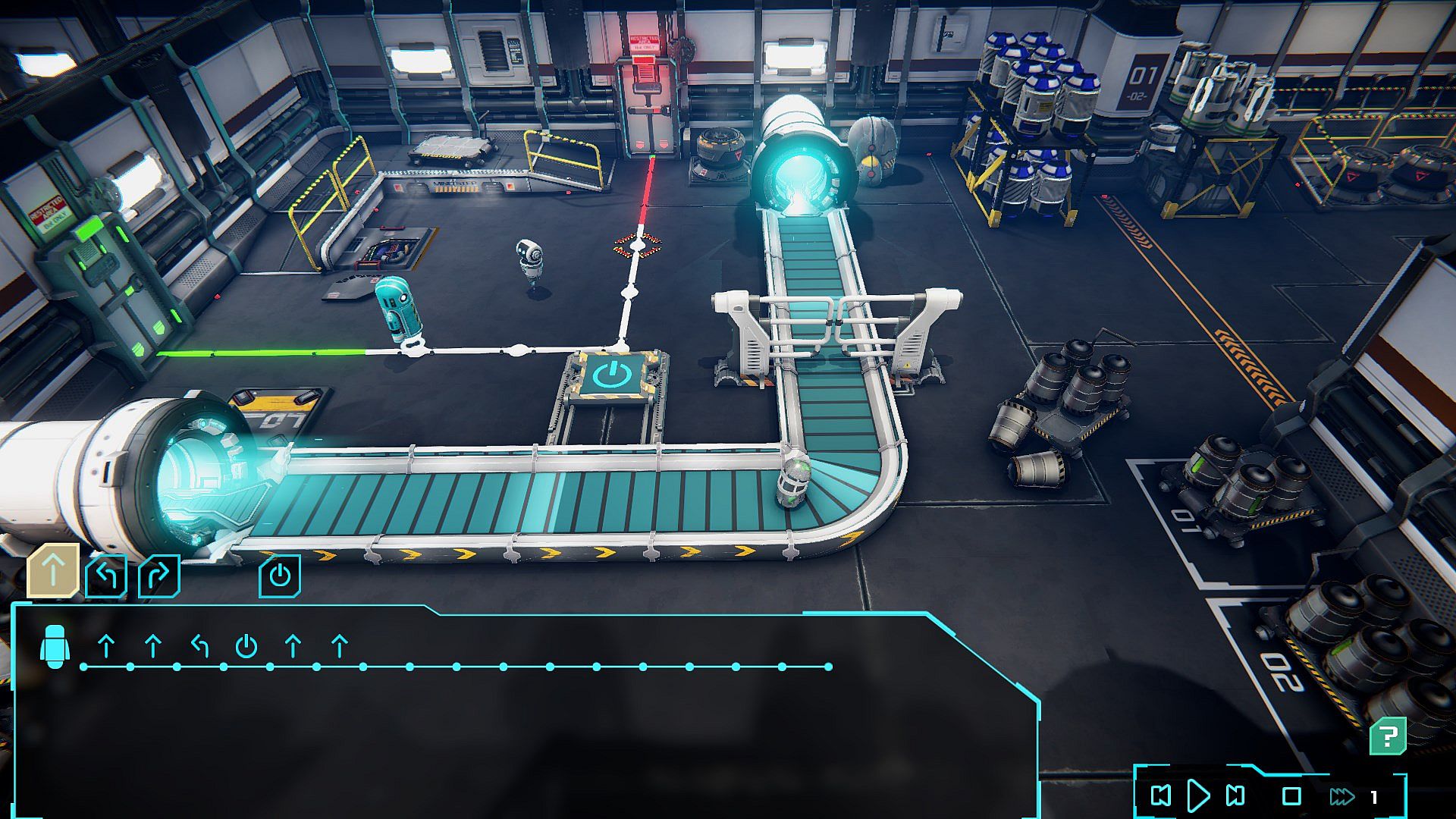
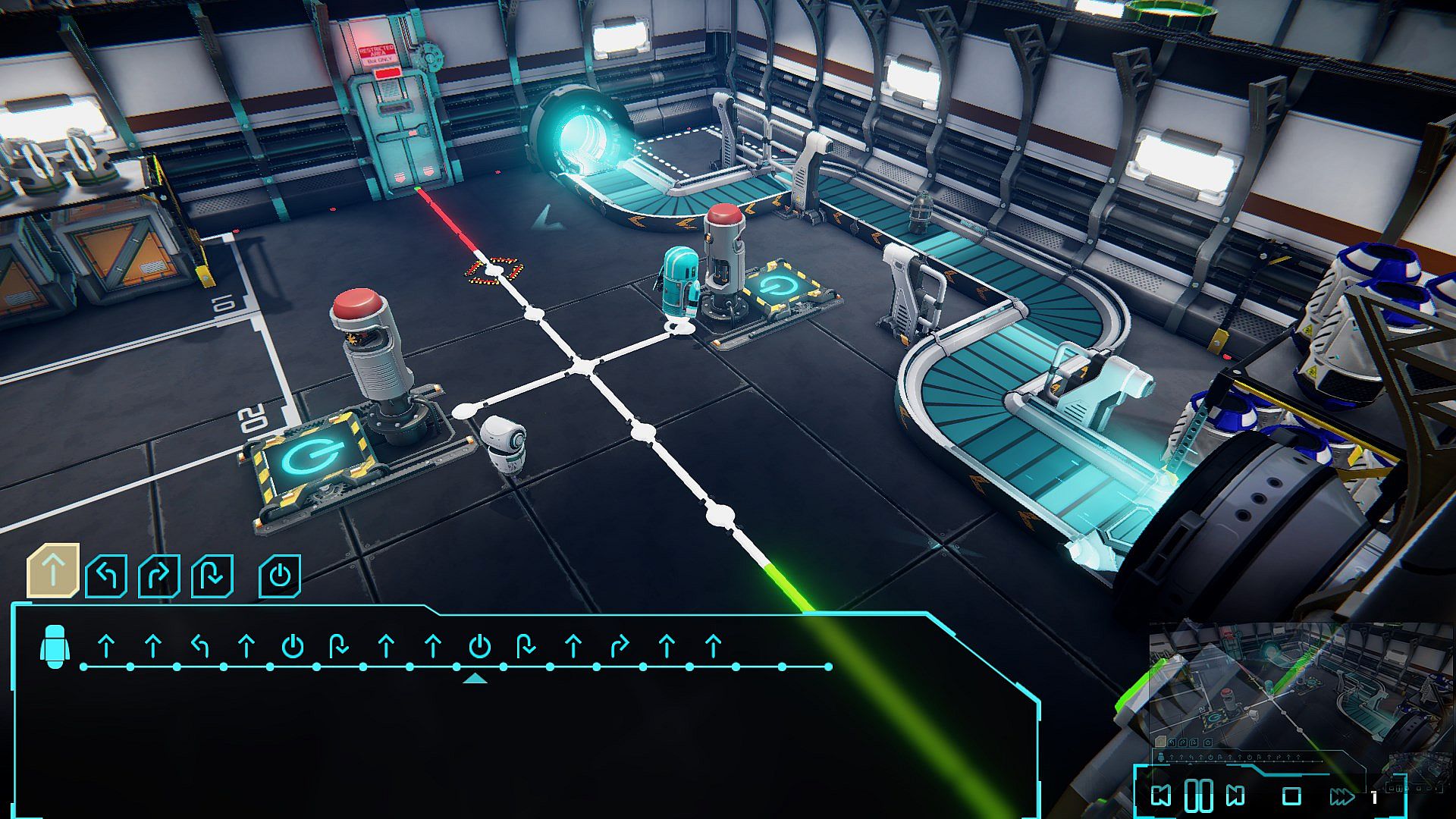
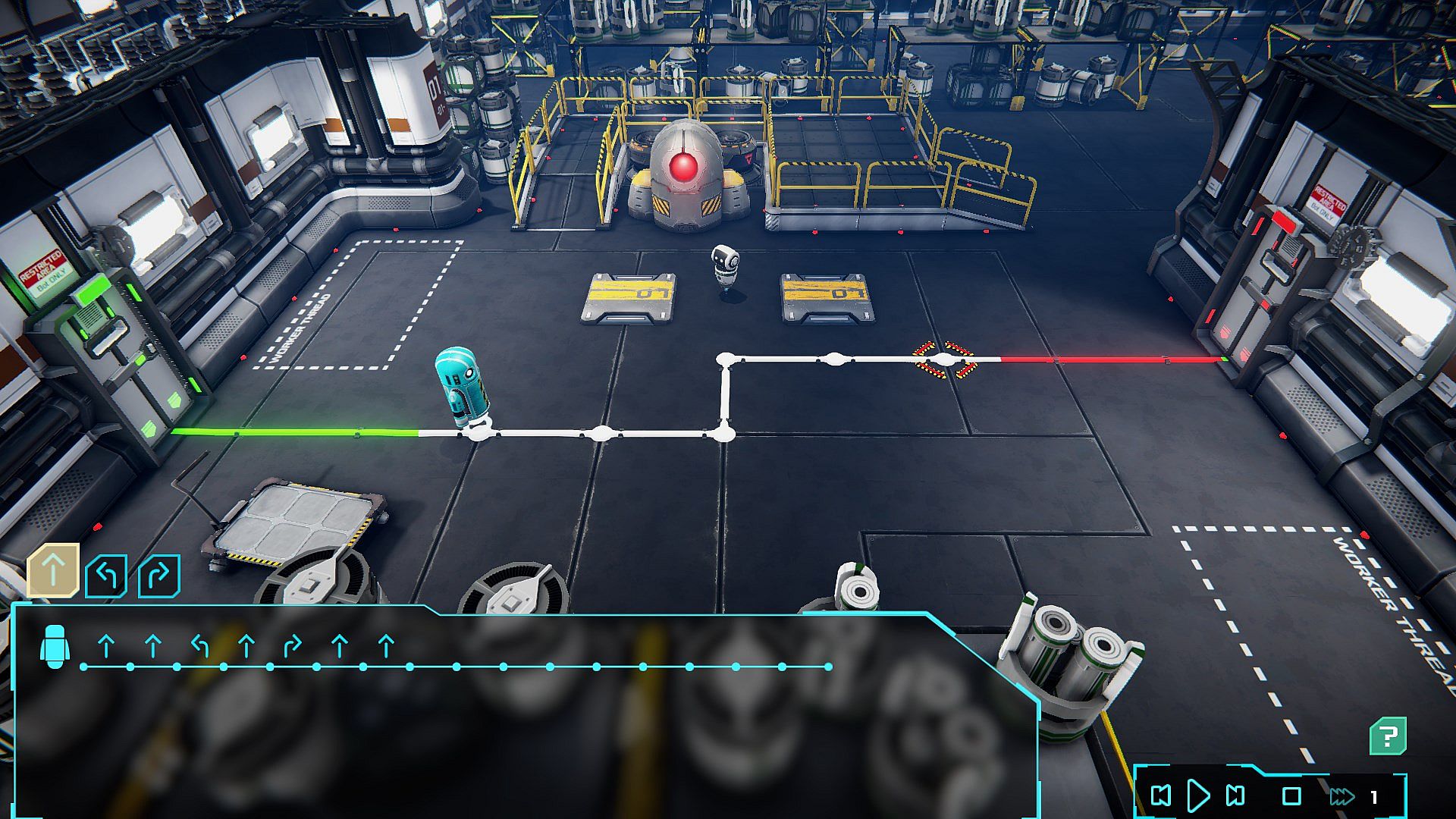
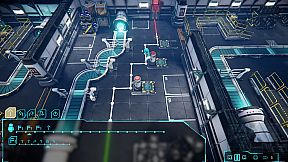
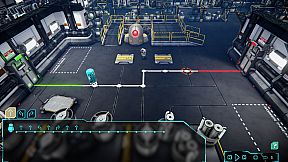
The central activity revolves around issuing commands to Algo Bot via a visual programming interface. Players build sequences of instructions that the droid executes in the game world, navigating obstacles and completing objectives on the junk deck and other areas of the Europa. Each level presents a specific goal, such as reaching a target or activating systems, and solutions must fit within constraints like limited command slots or syntax rules.
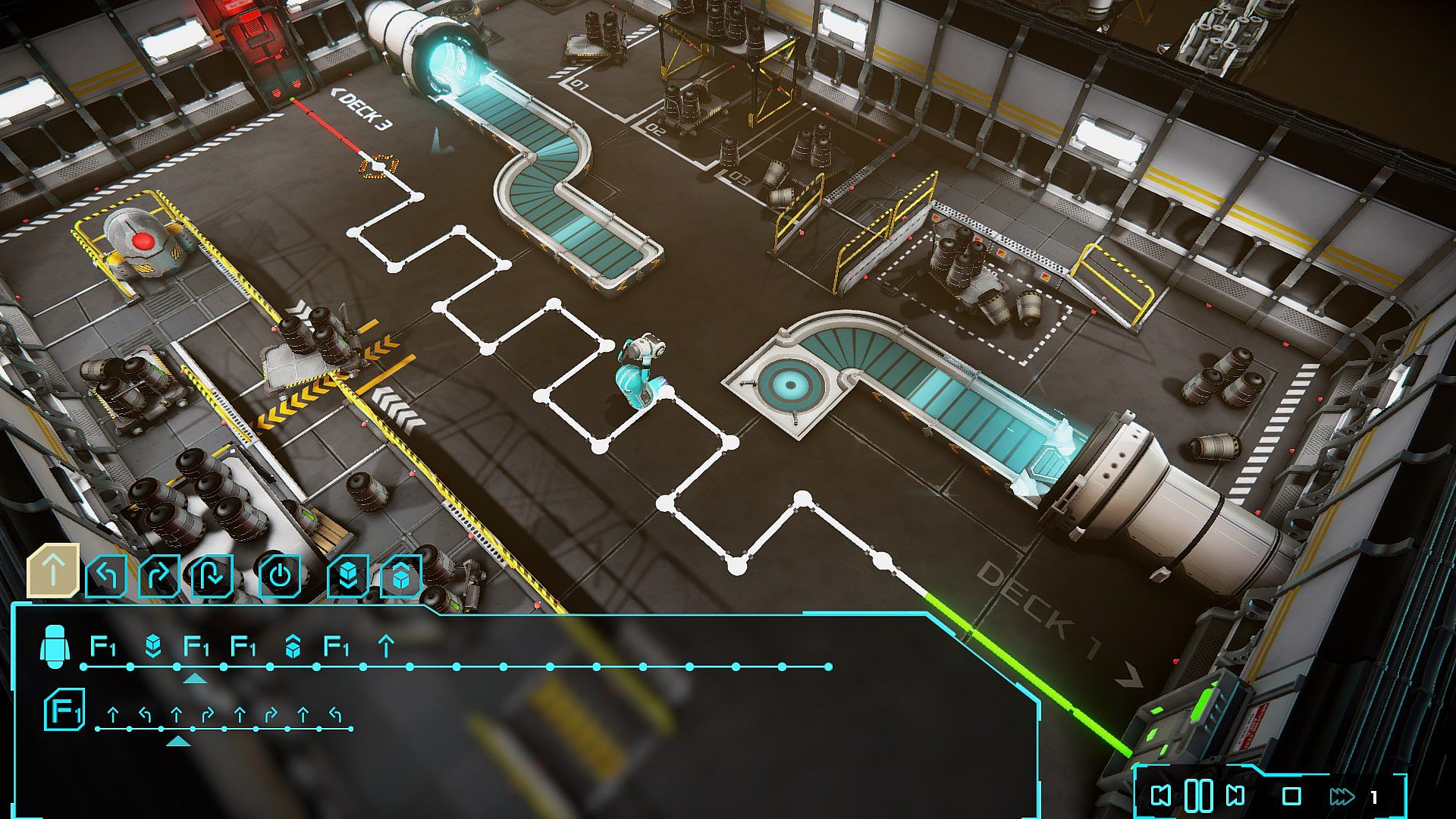
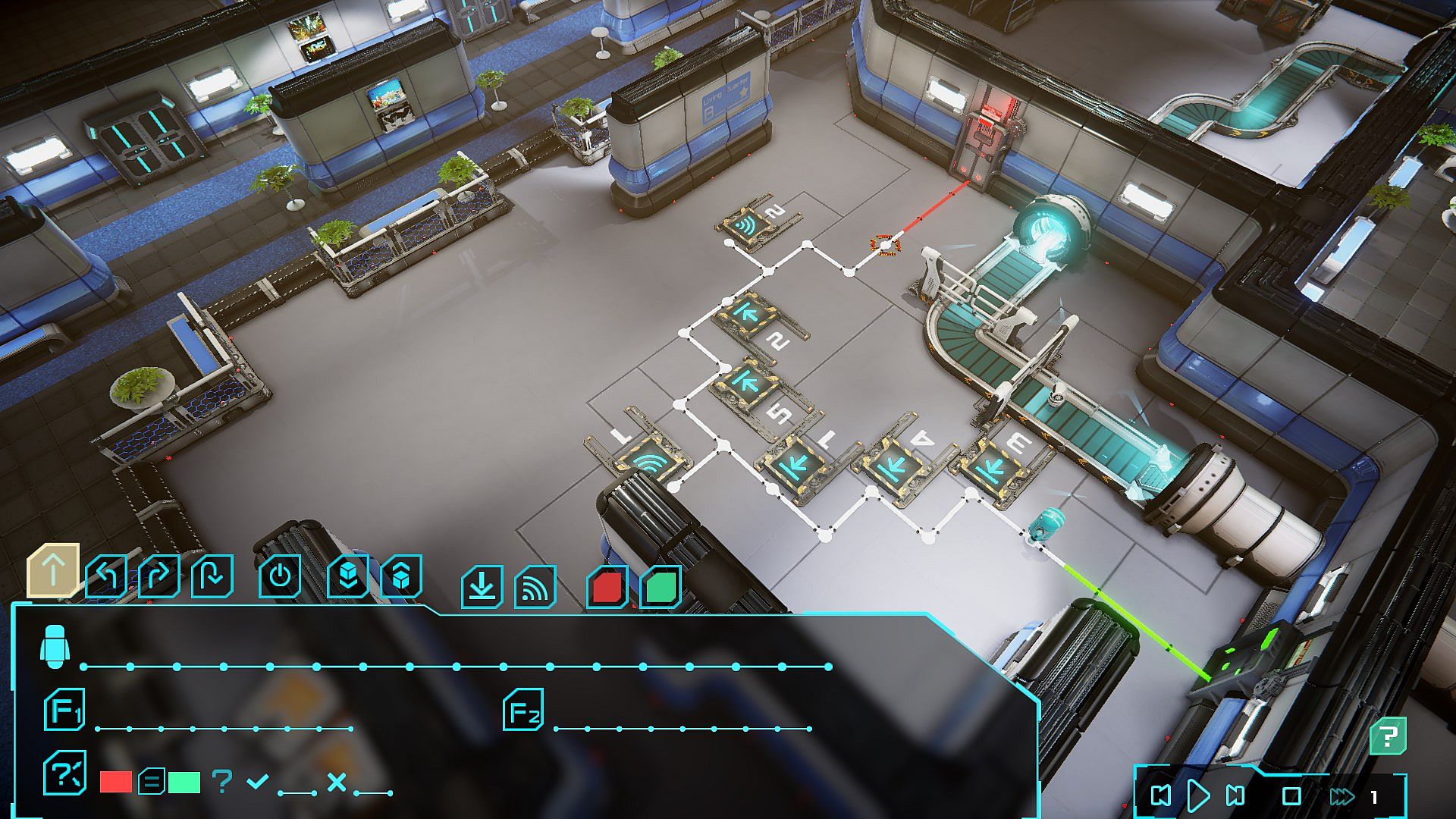
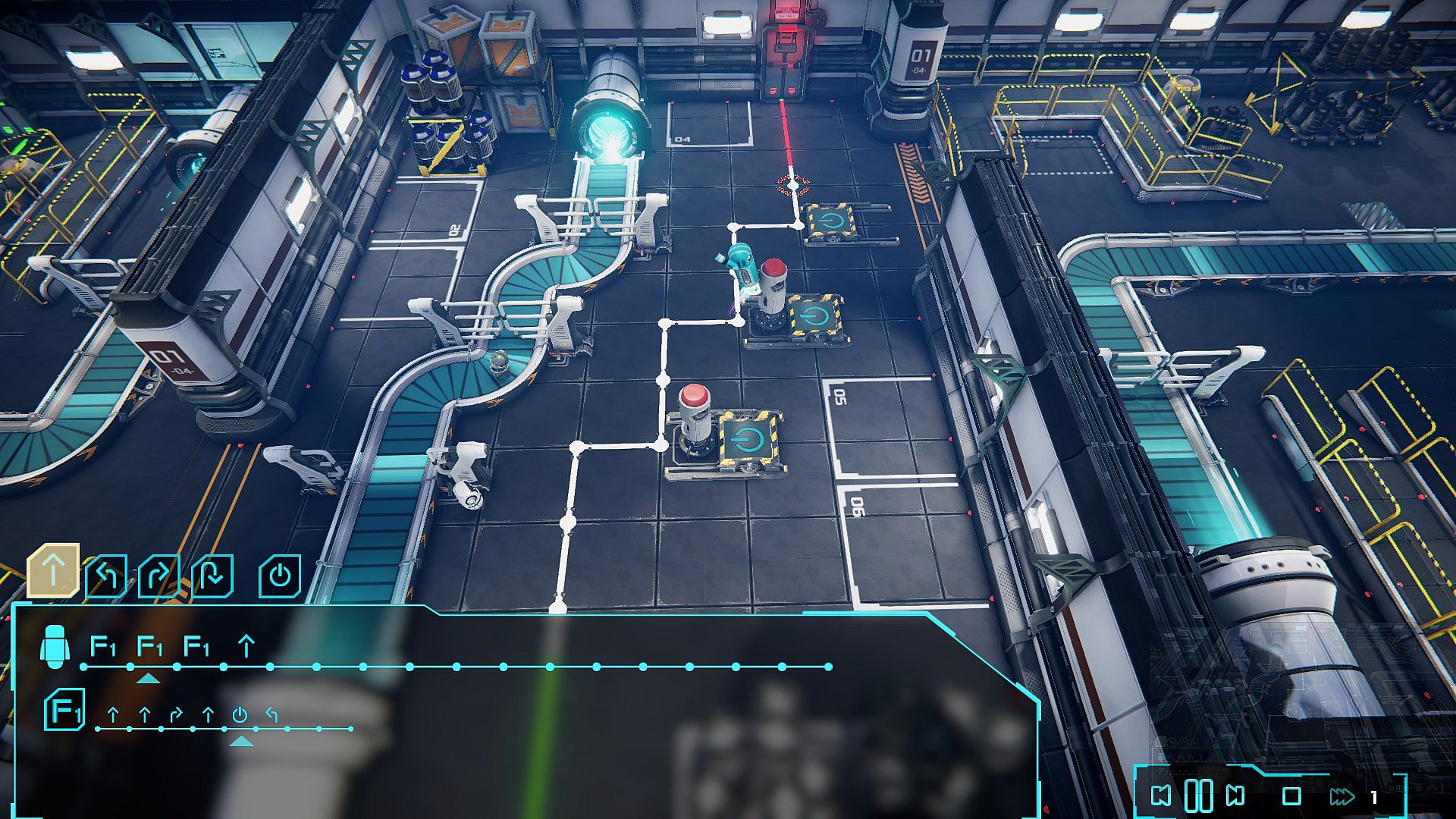
Progression introduces new elements gradually. Early puzzles focus on straightforward command lines, while later ones require planning ahead, managing variables to store values, defining functions for repeated actions, and even handling recursive functions for more complex loops. Debugging becomes essential when a program fails to run as intended, and players can review execution step by step to identify issues. Optimization adds another layer, as returning to cleared levels allows refinement of solutions for fewer steps or better efficiency.
The five environments provide visual variety, with circuits and machinery rendered in 3D to highlight the programming flow. Controls remain accessible for newcomers yet scale in challenge for those seeking deeper engagement with the mechanics.
Game Modes
Algo Bot operates entirely as a single-player puzzle experience. The main structure consists of more than 40 individual levels grouped into five unique environments that players explore in sequence. There are no separate competitive or cooperative modes, keeping the focus on solitary problem-solving and iterative improvement.
Within this framework, the emphasis stays on completing each puzzle and then revisiting earlier ones to apply newly learned concepts for superior results. This backtracking mechanic encourages experimentation and refinement without altering the core single-player loop.
Story and Setting
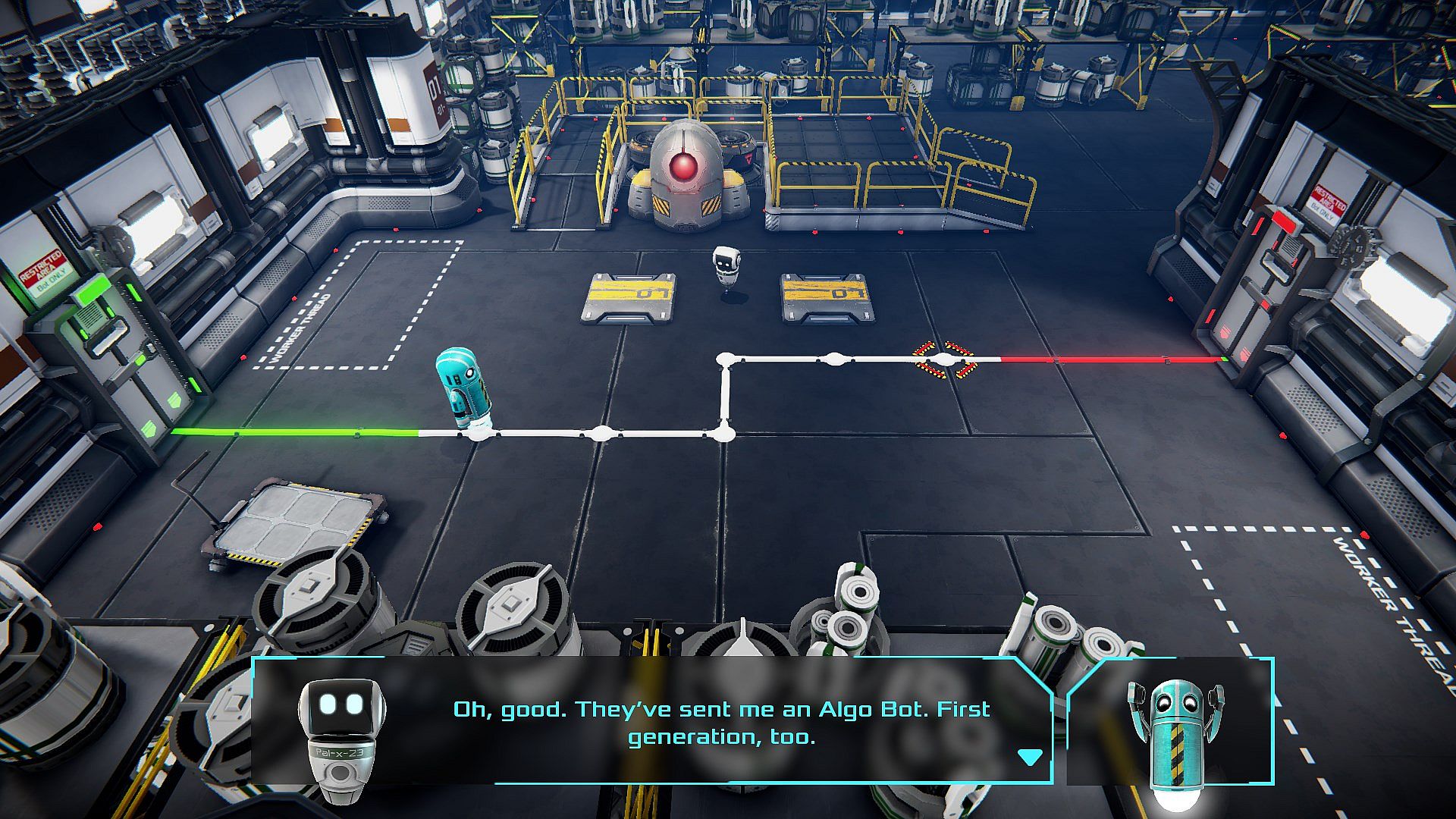
The narrative unfolds on the Europa, a massive pan-galactic colonization vessel where the crew remains in stasis. Algo Bot, a routine service droid, teams up with the cantankerous line manager PAL after a recycling mission goes wrong and disrupts critical systems. The pair must restore functionality and revive the onboard AI to prevent catastrophe.
The story maintains a bittersweet tone with moments of British humor, developed in collaboration with the writer from Epistory. It serves as a framing device that connects the puzzles without overwhelming the programming focus, giving context to the droid's actions across the ship's decks.
Learning Programming Concepts
Throughout the levels, players encounter practical applications of several foundational ideas. Sequential command execution teaches basic ordering and syntax limits. Mental simulation of code helps with planning before running programs. Variable handling introduces data storage, while functions and recursion demonstrate ways to reuse and nest instructions efficiently. Debugging tools and optimization strategies round out the covered topics, turning each puzzle into an exercise in logical thinking.
The design keeps these elements integrated into the gameplay rather than presenting them as separate tutorials, allowing skills to build naturally as difficulty increases.
Is It Worth Playing?
Algo Bot suits players interested in puzzle games that incorporate programming elements, particularly those new to coding or looking for an engaging way to practice logical sequencing and problem decomposition. Its difficulty curve starts gently and builds steadily, making it approachable while still offering depth through optimization challenges and advanced concepts like recursion.
Reception highlights the satisfying progression and the way the story supports the puzzles without distraction. The game remains available as a complete single-player title with no ongoing seasonal content or additional modes required. Those who enjoy methodical puzzle solving and want to explore programming ideas in a visual format will find the experience rewarding, especially if they appreciate the chance to revisit levels for better solutions.