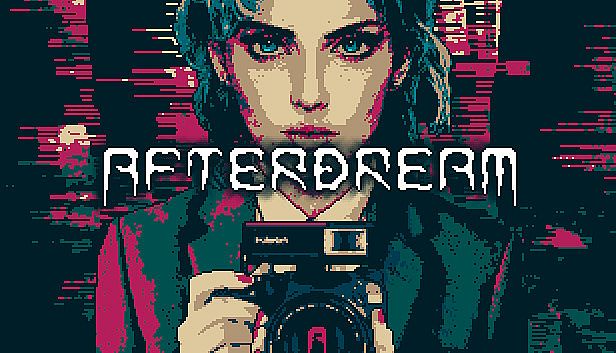













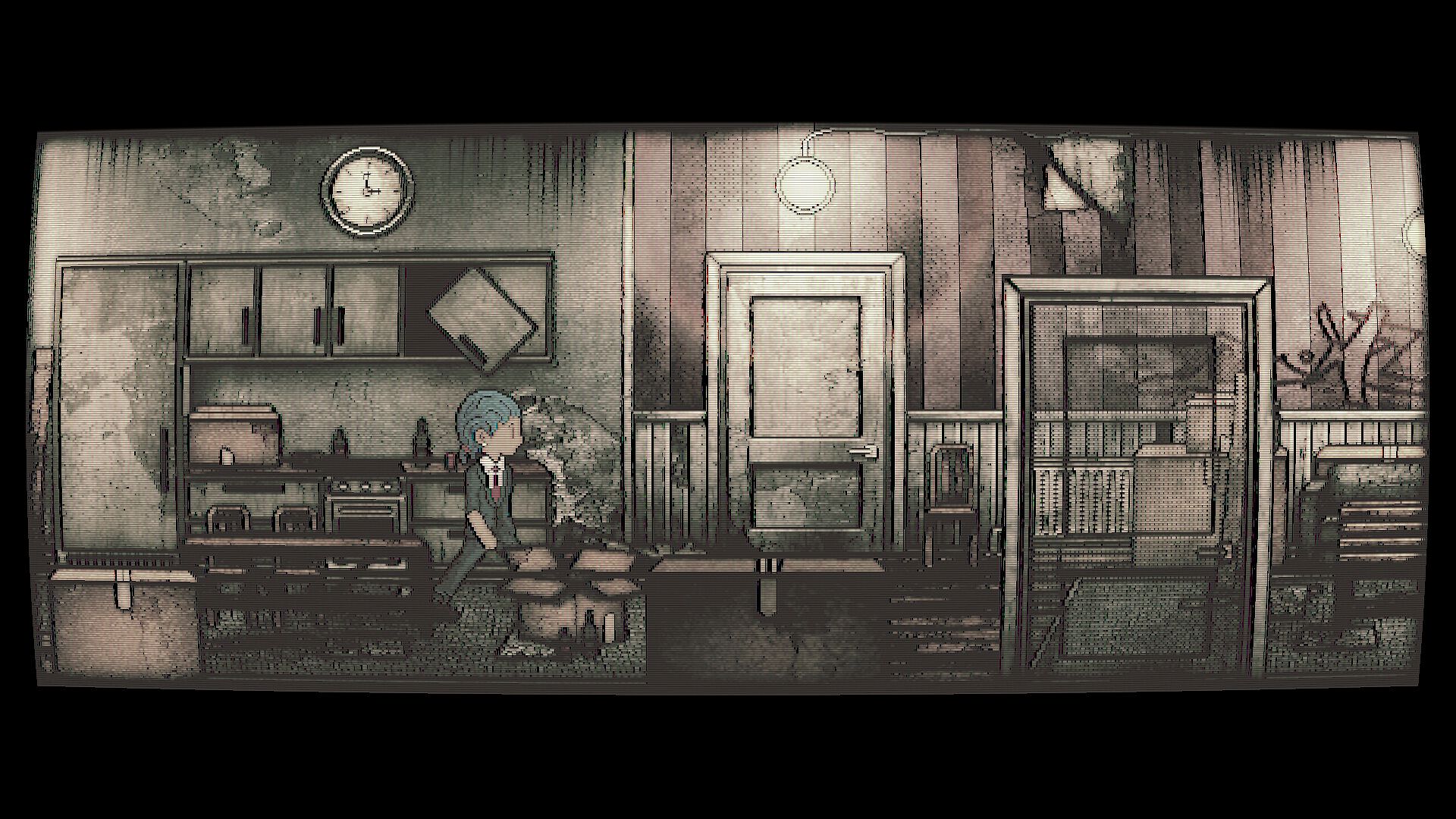
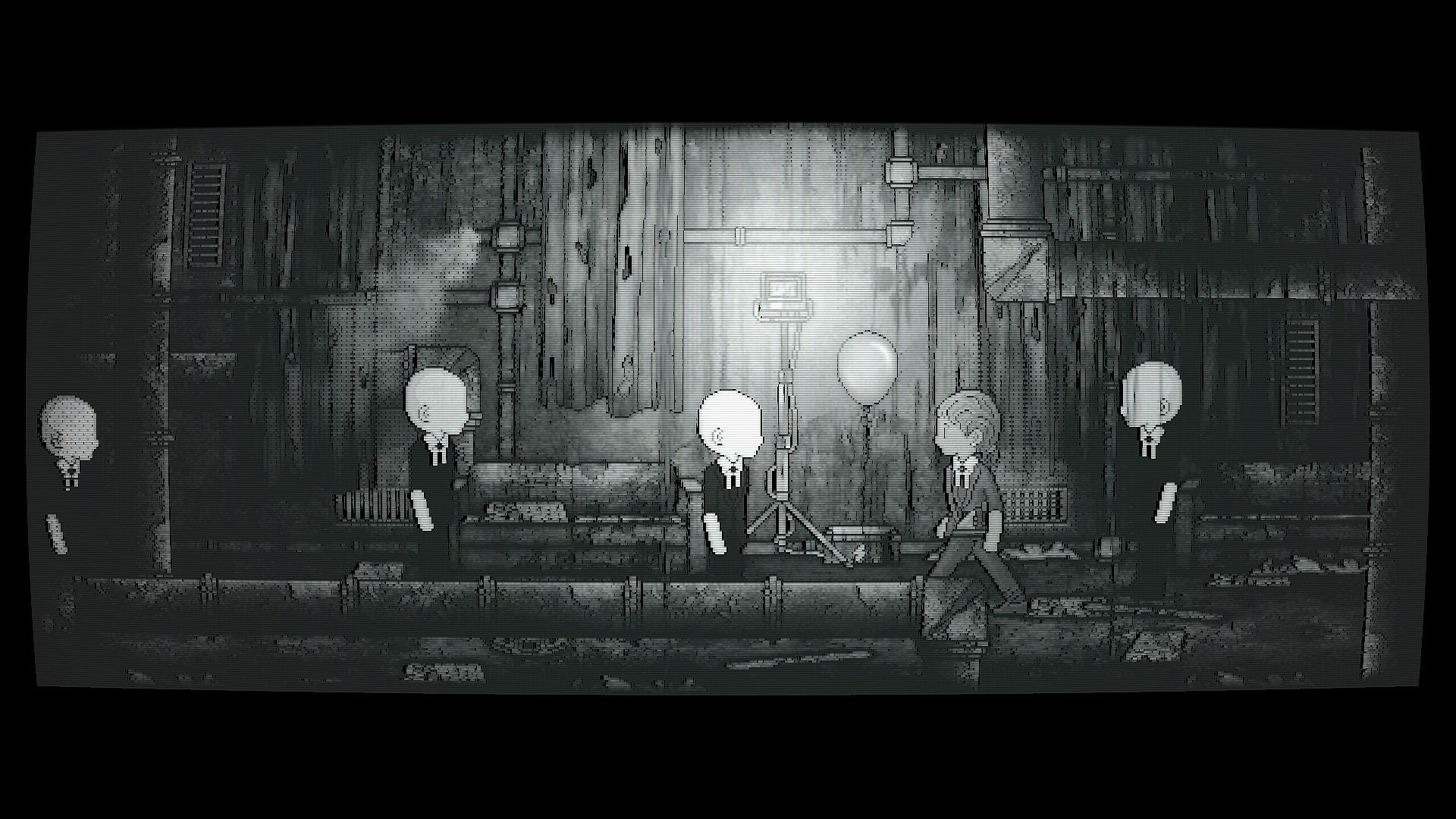
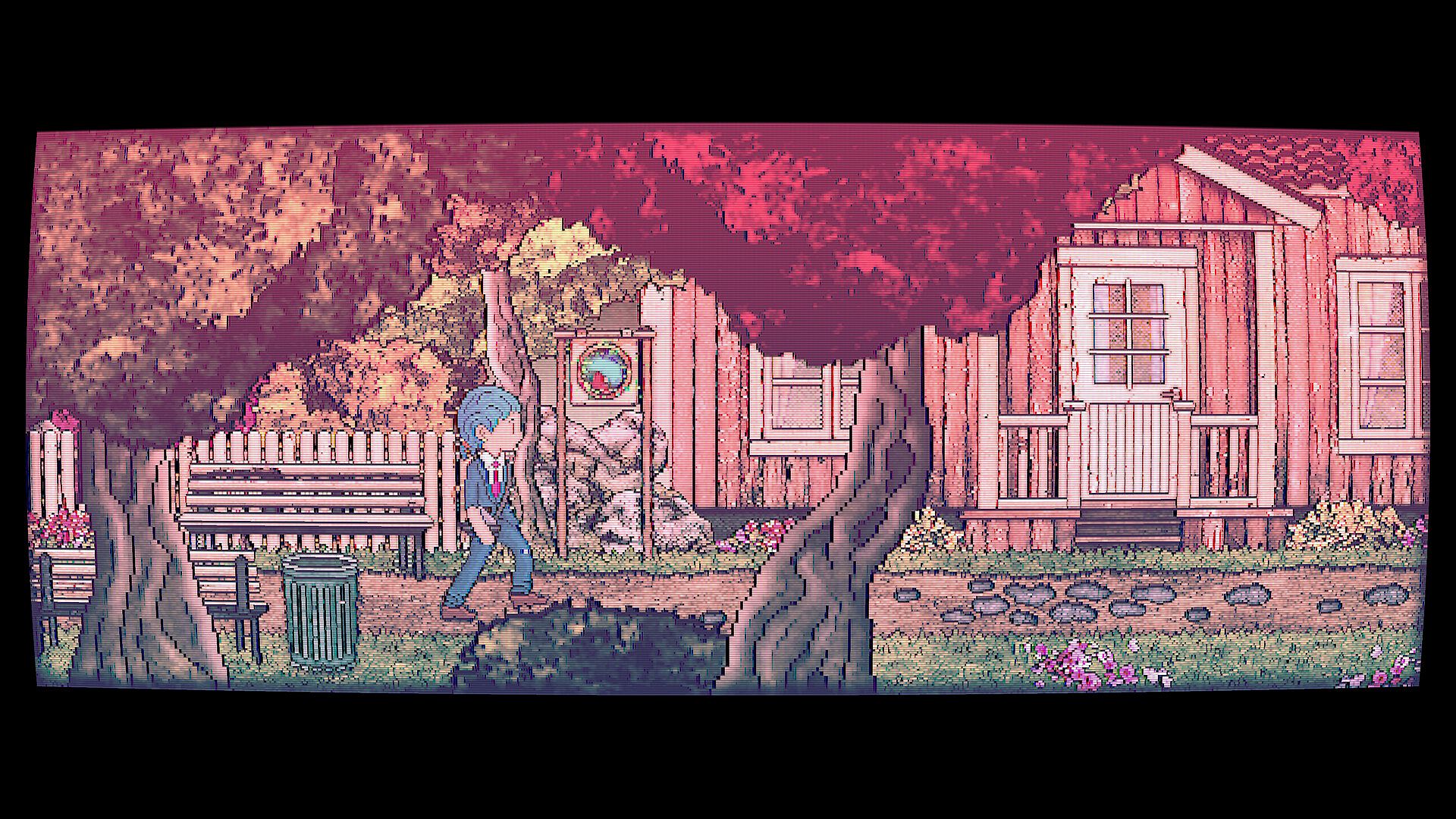
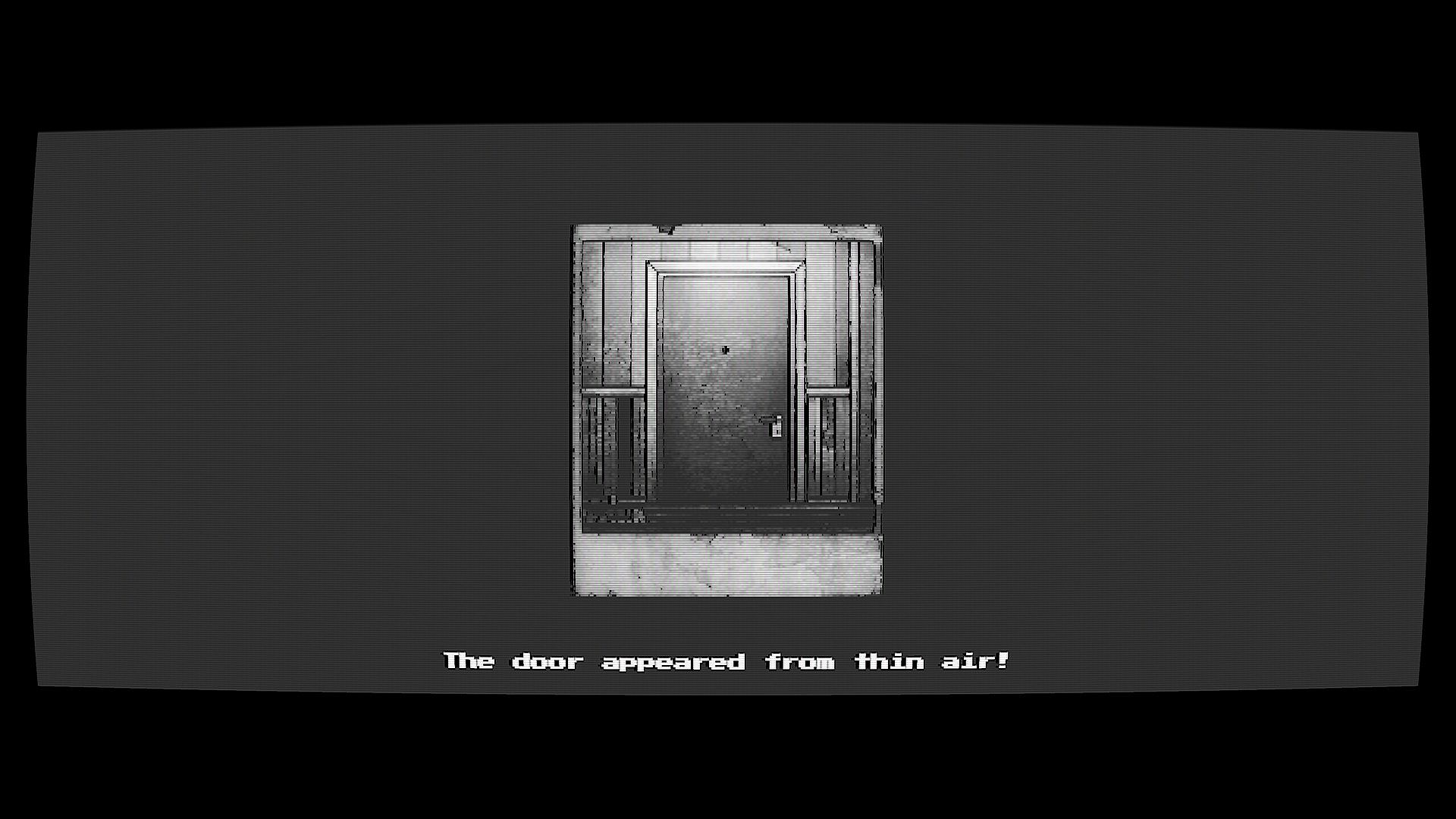
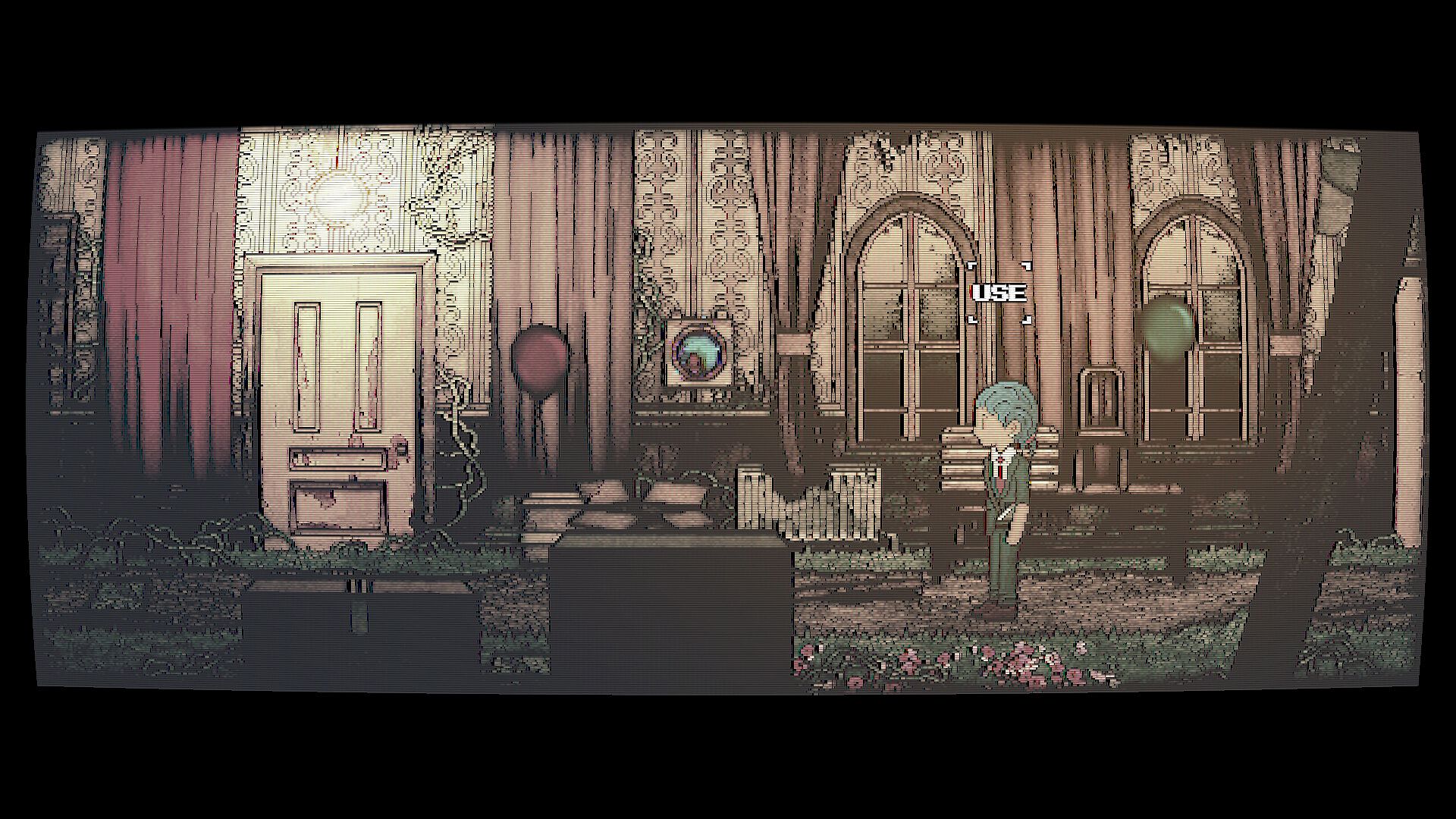
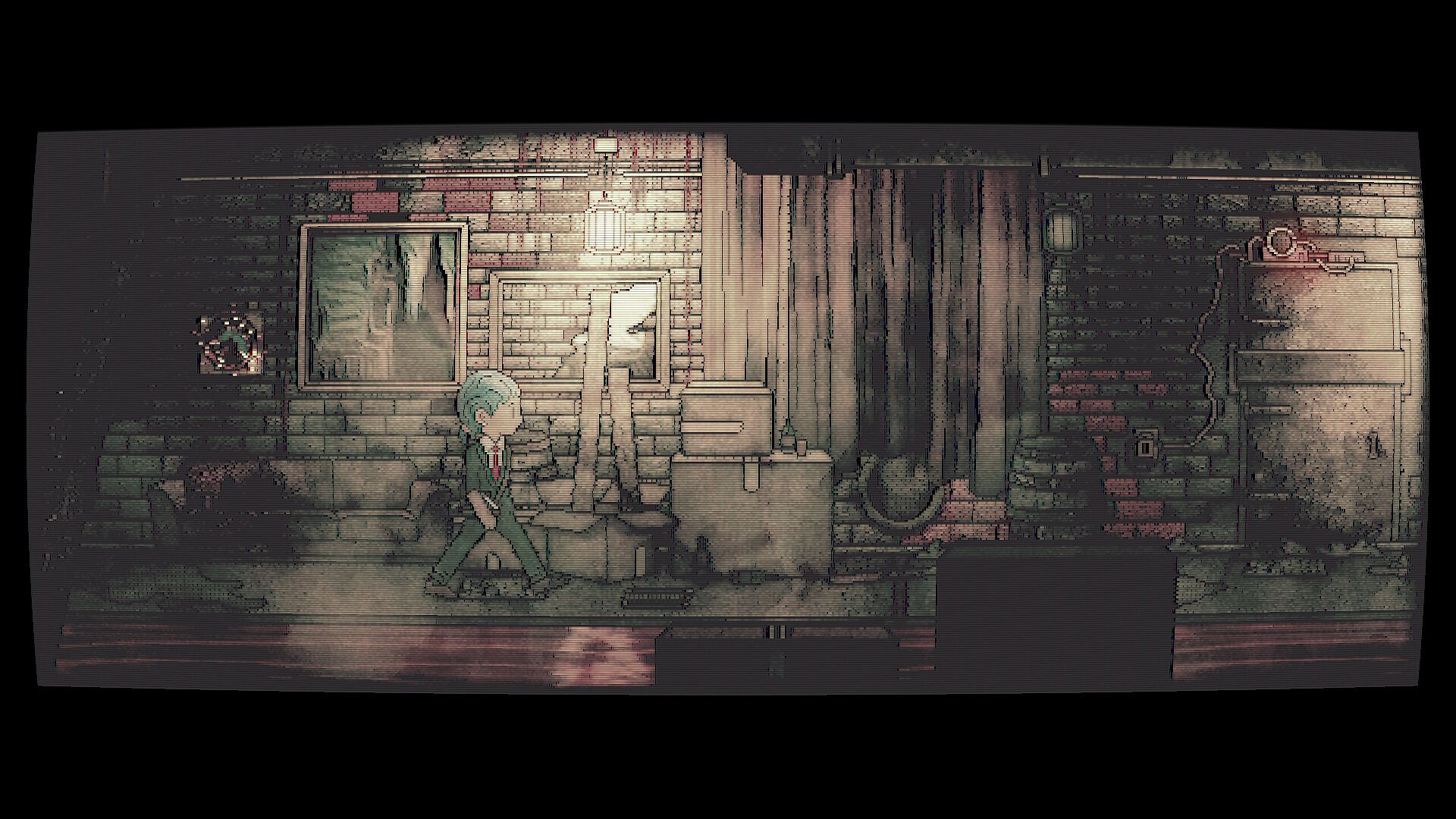
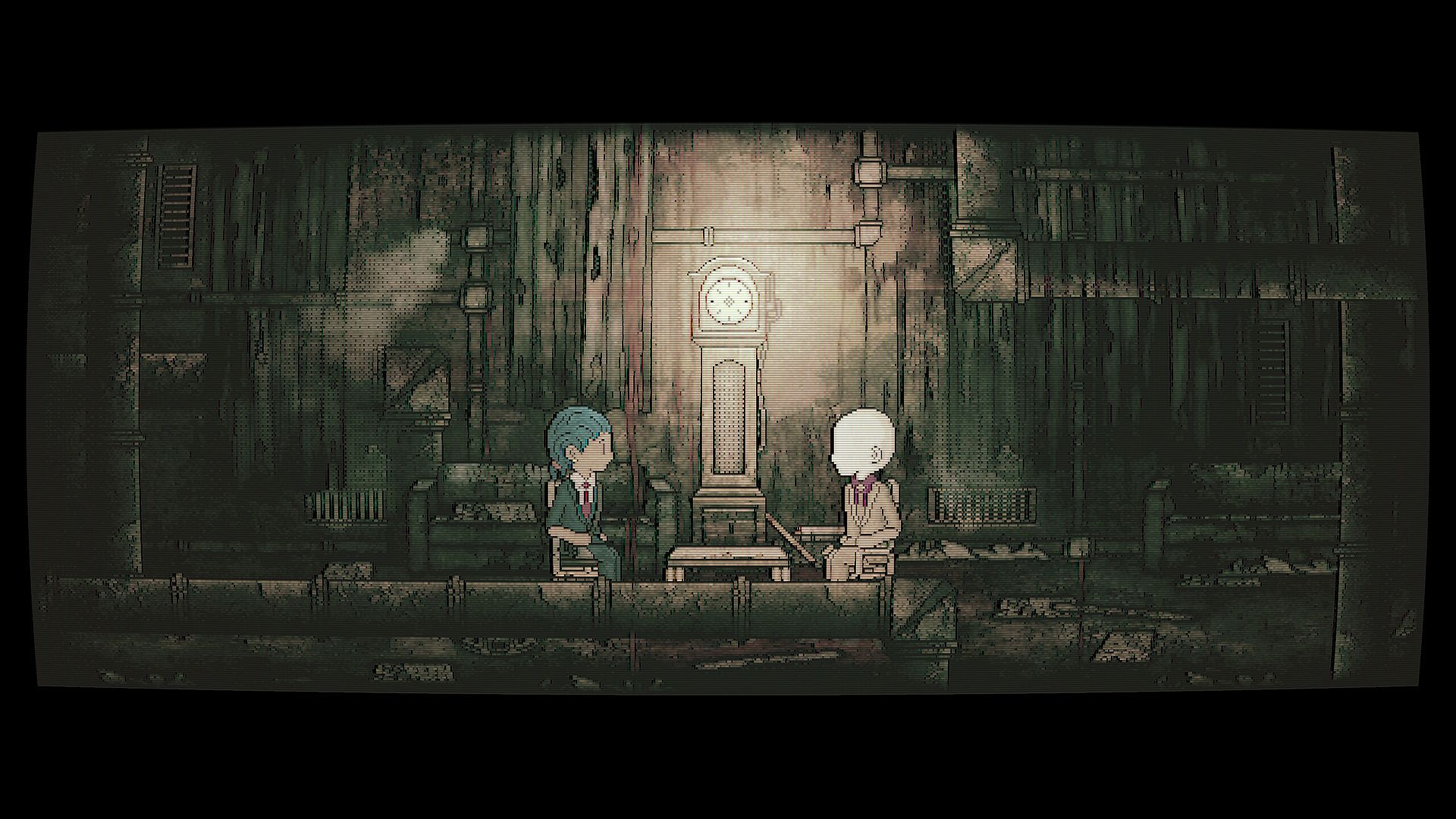
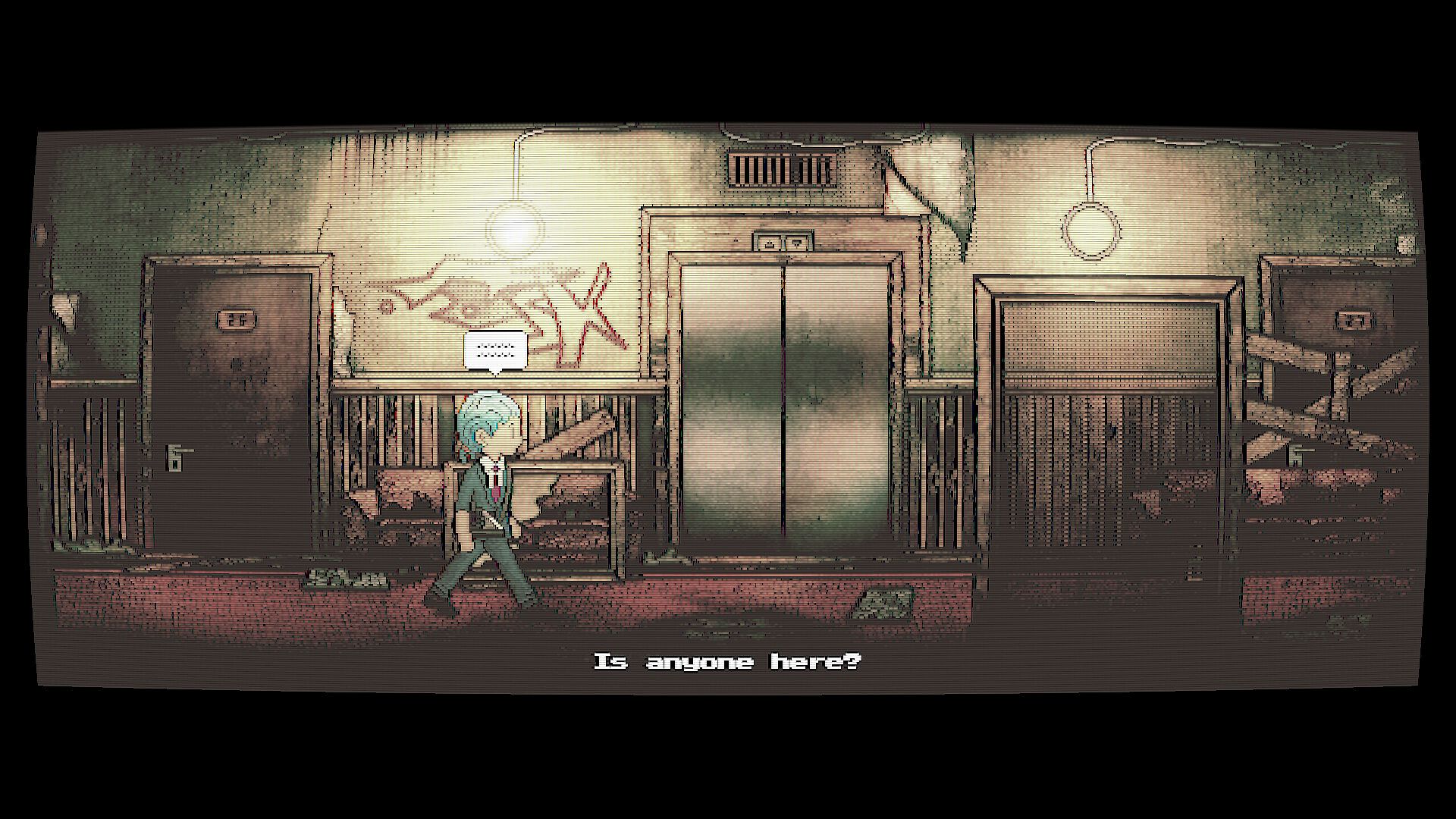

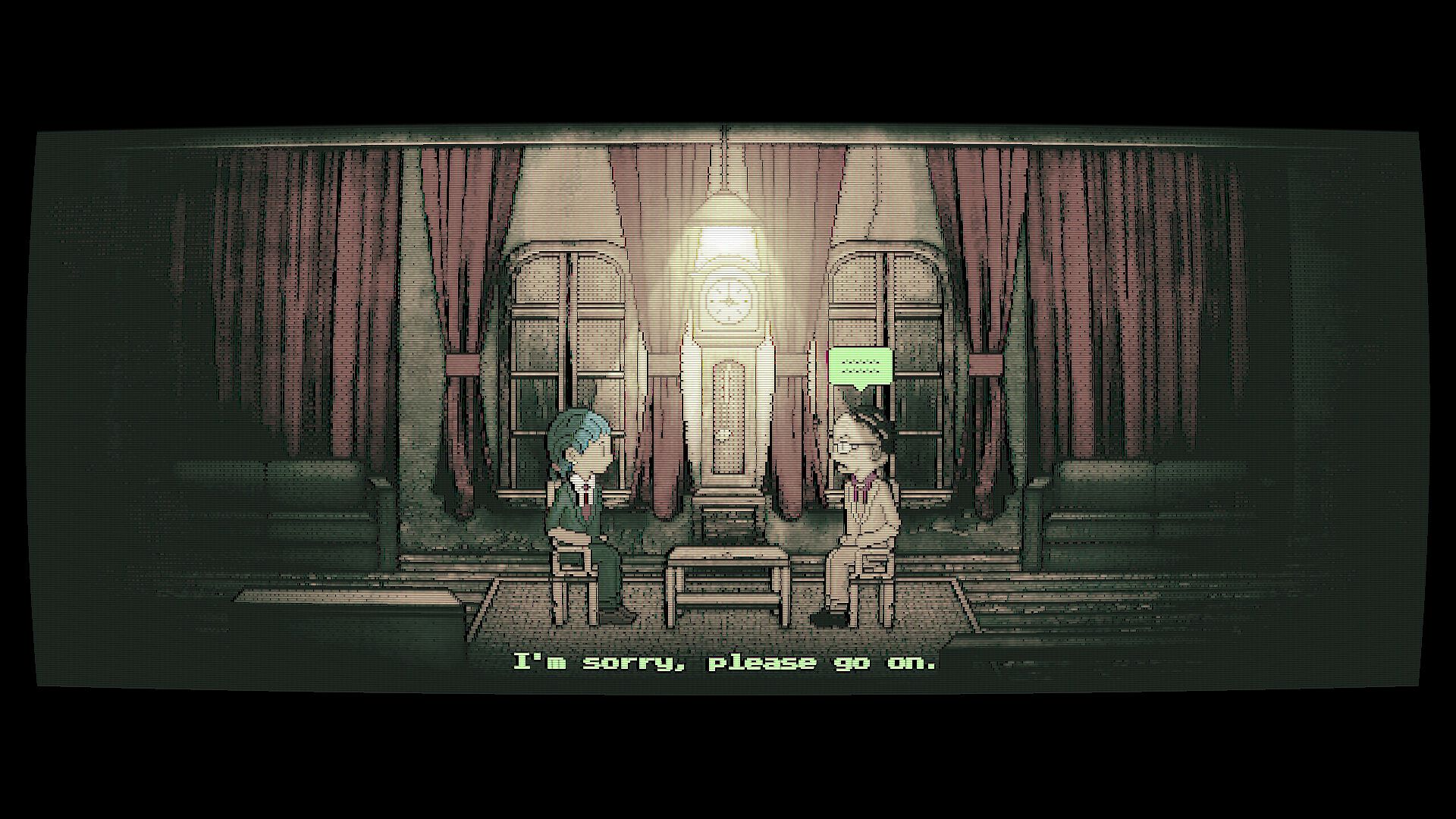
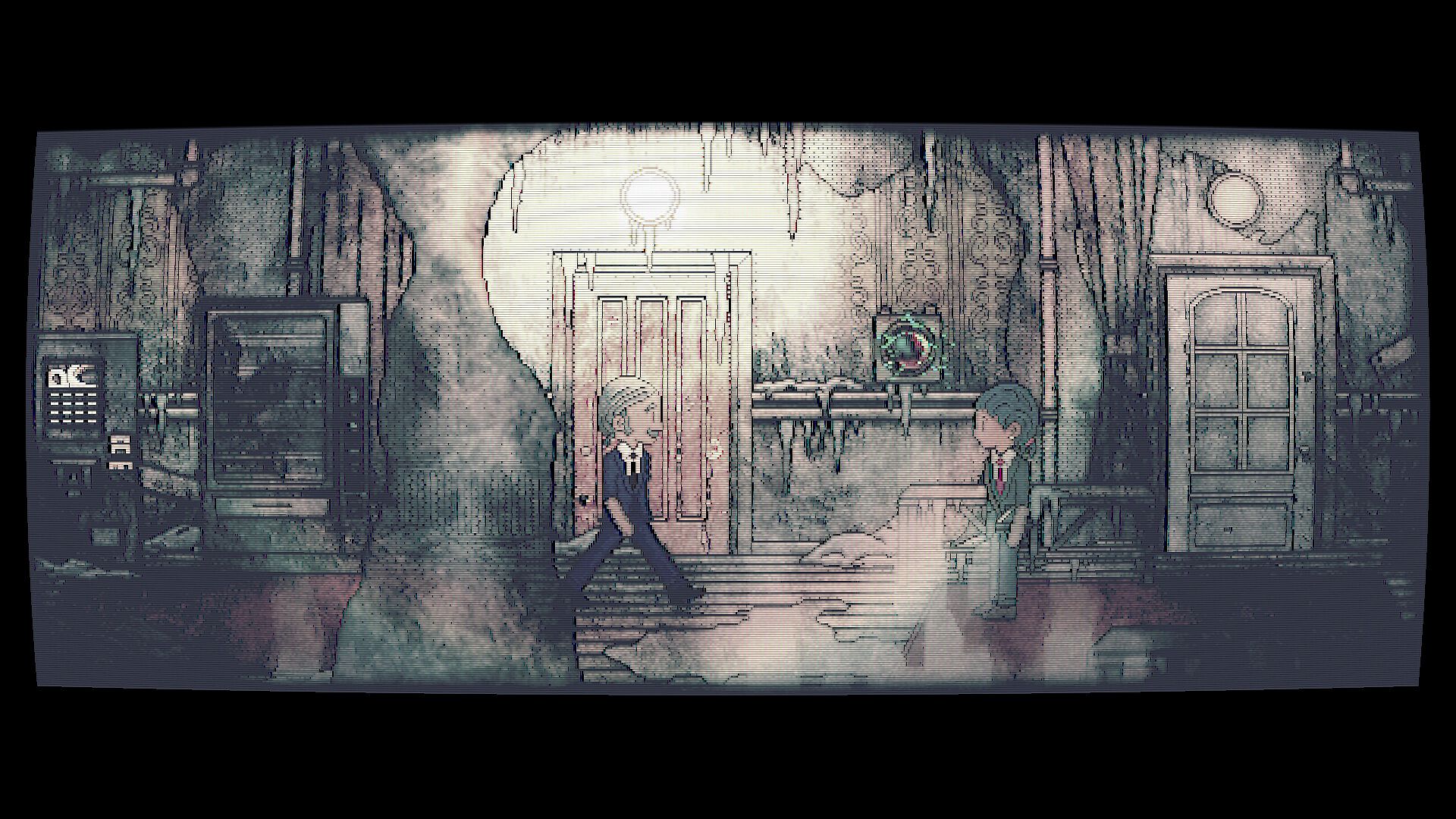
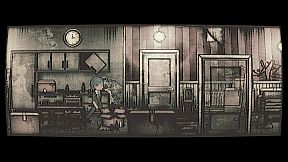
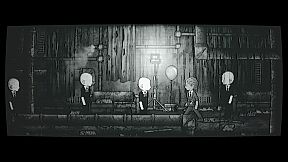
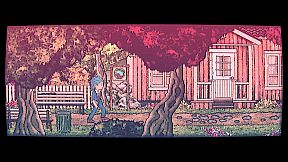
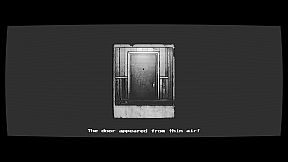
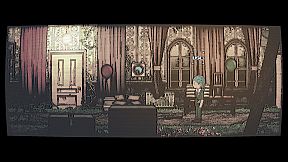
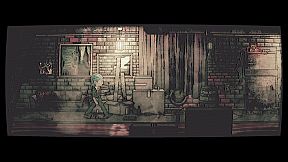
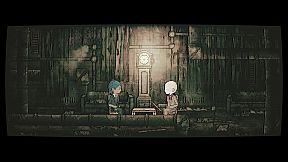
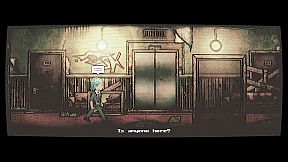


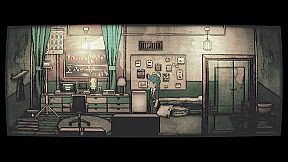
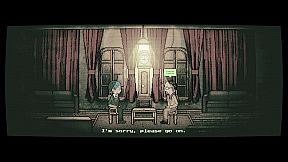
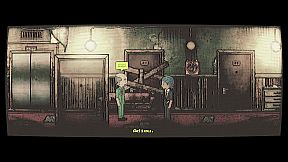
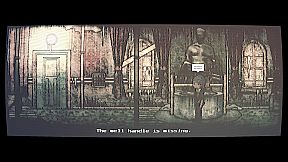
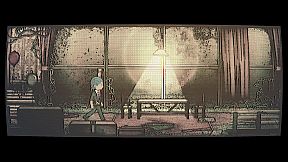
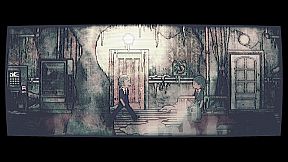
Afterdream is a 2D psychological horror adventure game developed as a single-player experience for PC. Players explore a dreamlike environment filled with ghosts while using a unique camera mechanic to progress through puzzles and uncover a narrative centered on loss and grief.
Gameplay
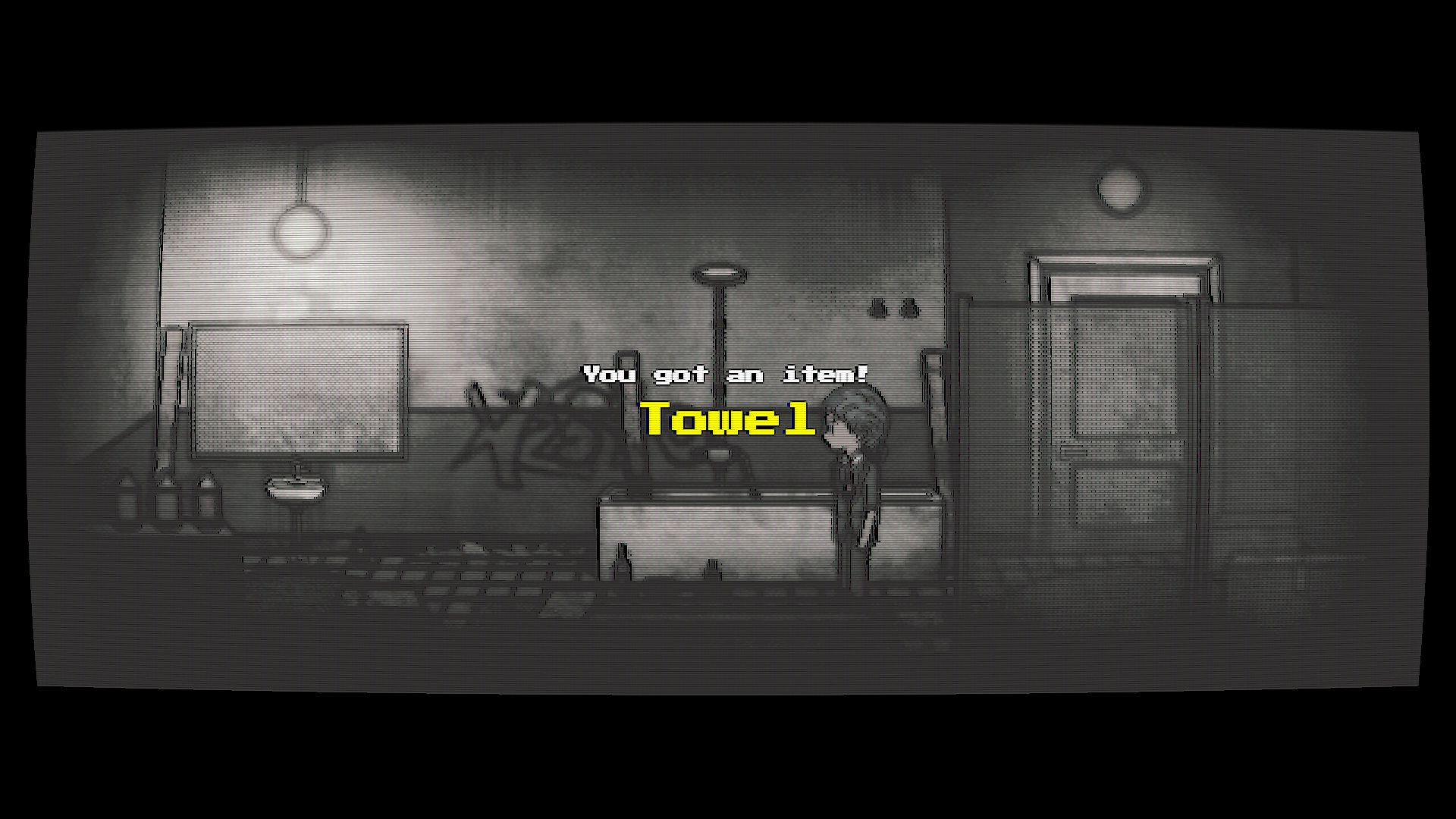
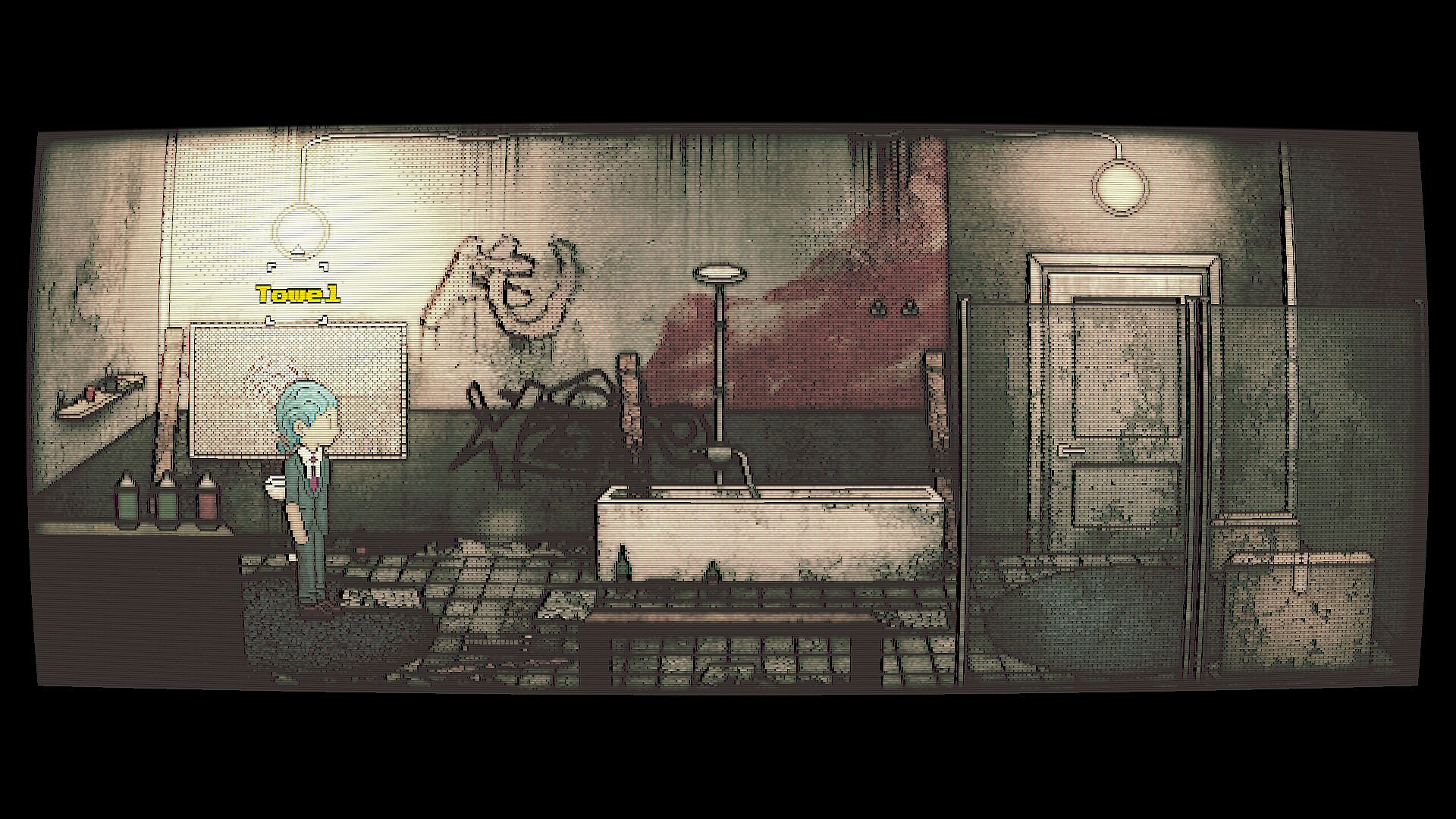
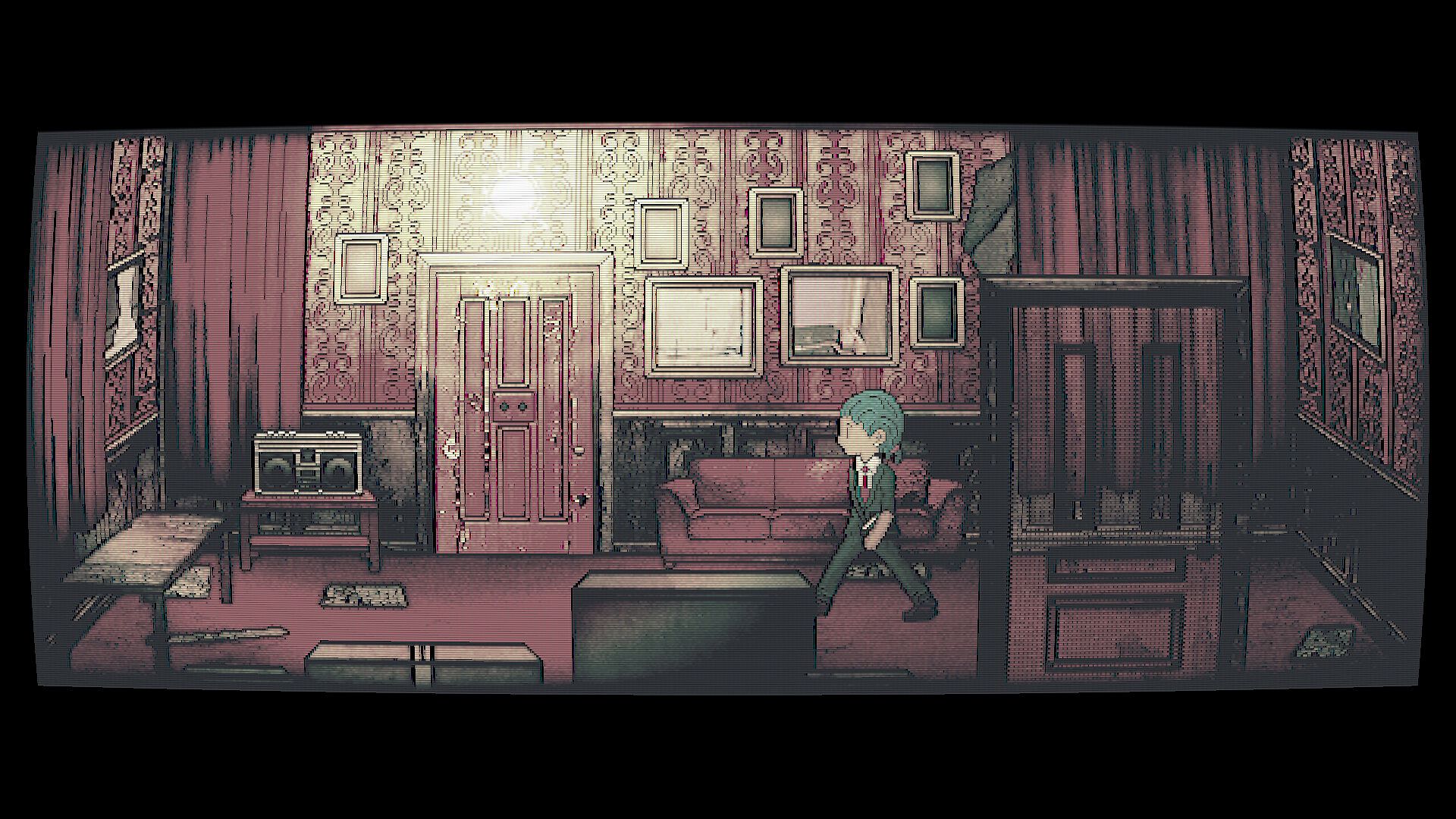
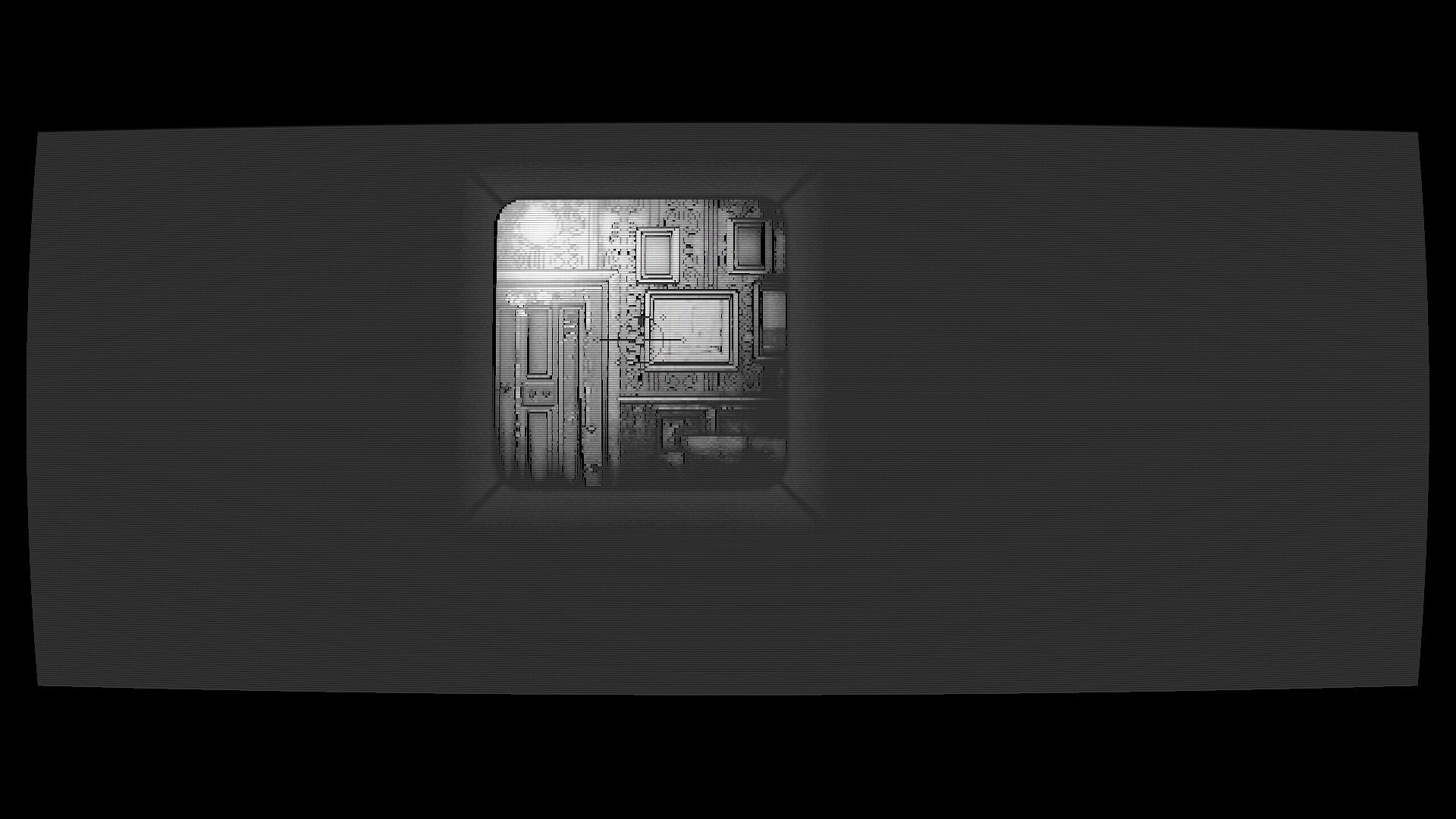
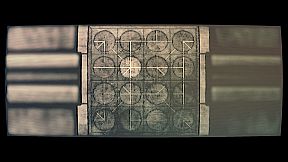
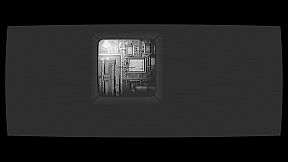
The core loop revolves around side-scrolling navigation through an obscure, ghost-populated residence. Players collect items and solve puzzles to advance the story, with the strange camera serving as the primary interaction tool. Highlighted objects become visible through the lens, and photographing them allows manipulation or revelation of new paths and details. This system integrates seamlessly into exploration, keeping the focus on atmospheric discovery rather than complex controls. The minimalist interface supports uninterrupted immersion in the hand-crafted visuals and sound design.
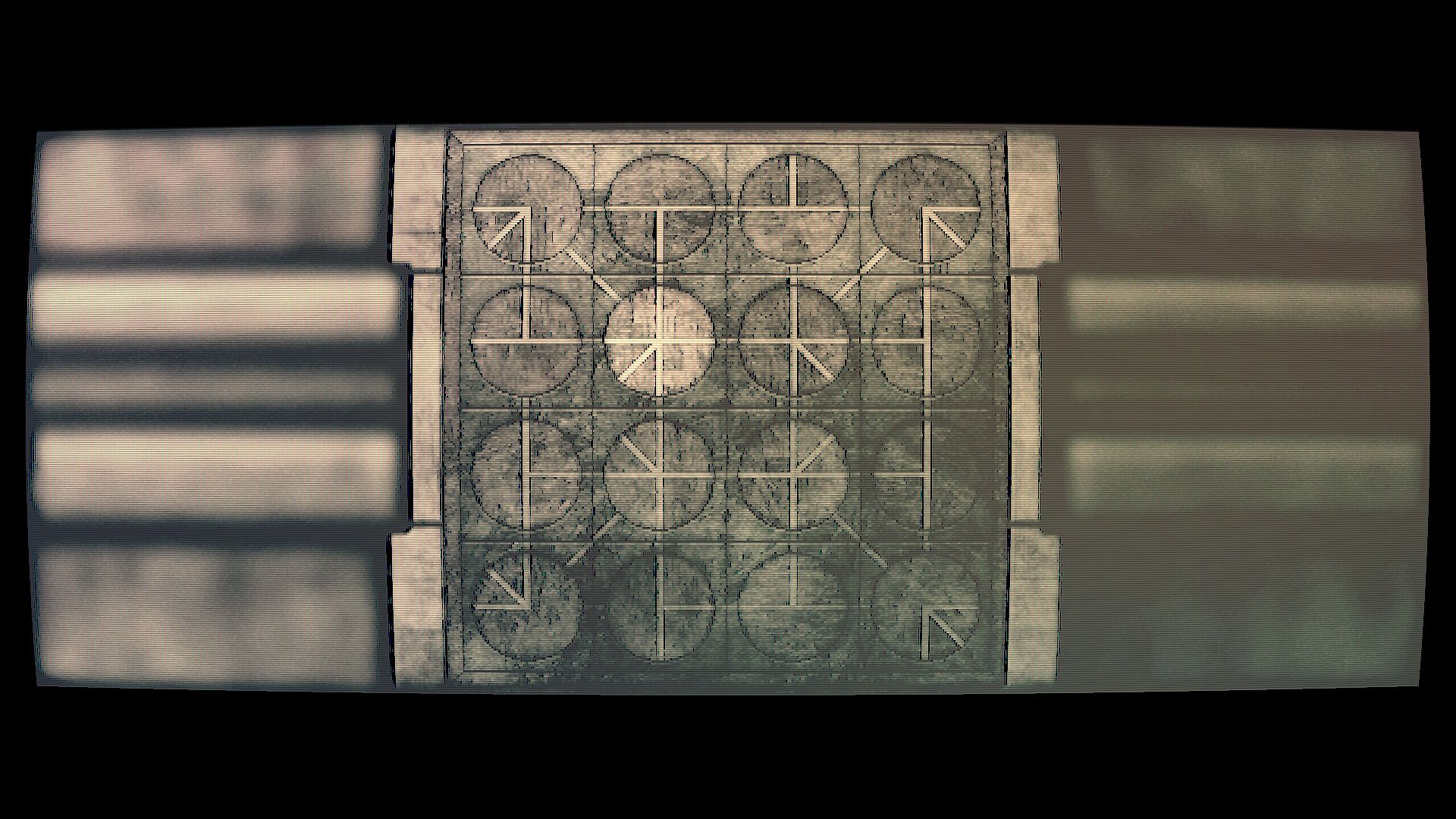
Puzzle variety includes logic-based challenges and environmental interactions that tie directly into the dream setting. Movement feels deliberate in the 2D plane, encouraging careful observation of surroundings. The experience emphasizes tension through subtle horror elements and sound cues rather than jump scares or combat.
Game Modes
Afterdream operates exclusively as a single-player adventure with no multiplayer options or additional modes. The structure follows a linear progression through the lucid dream world, guiding players from one area to the next via story-driven objectives. There are no competitive, cooperative, or alternate play styles available, which keeps the emphasis on personal narrative engagement and puzzle resolution.
This focused format suits players seeking a contained experience without branching paths or replay incentives beyond revisiting for missed details. The game maintains a consistent pace across its short duration, avoiding any seasonal content or updates that alter core systems.
Atmosphere and Narrative
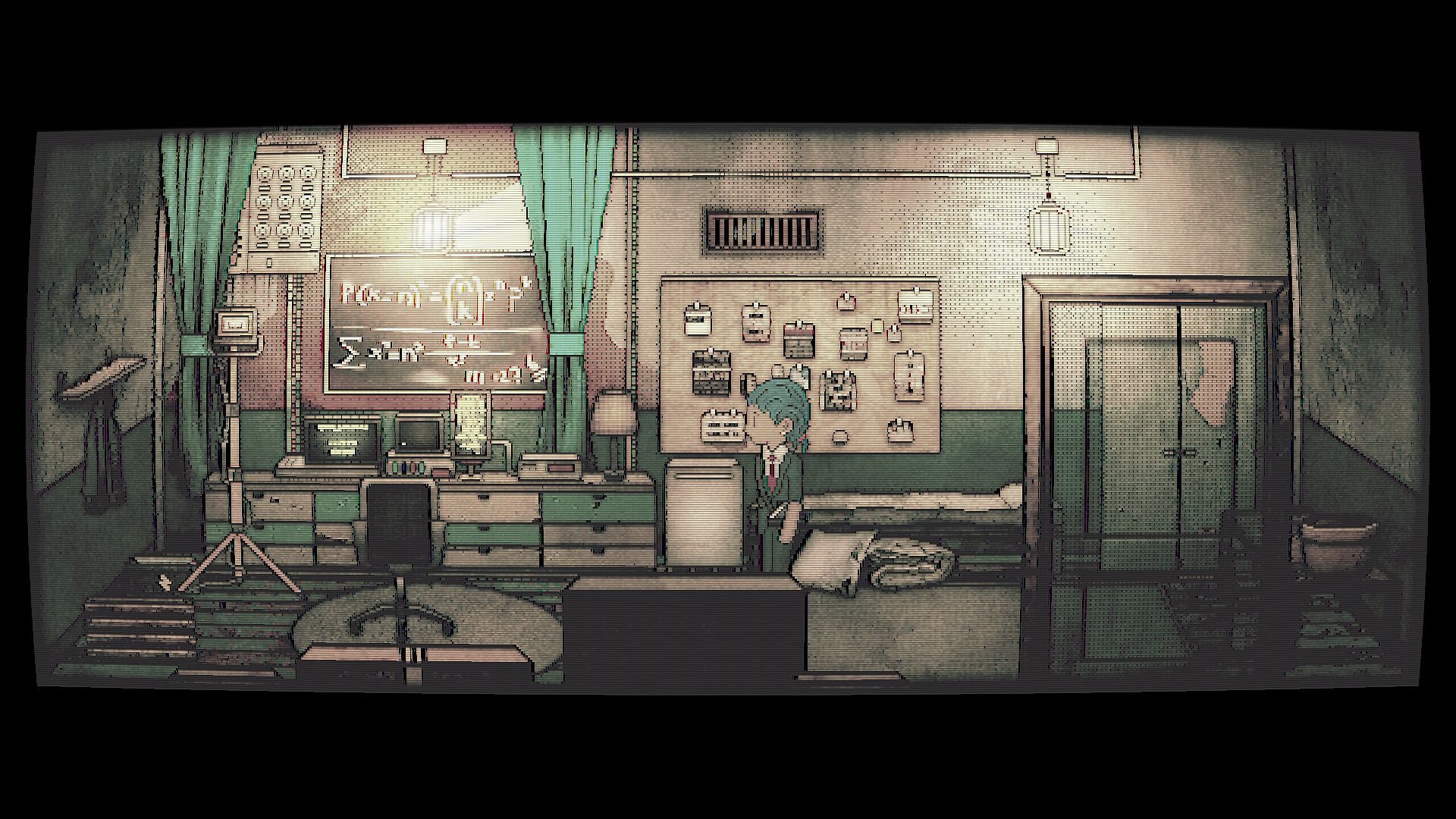
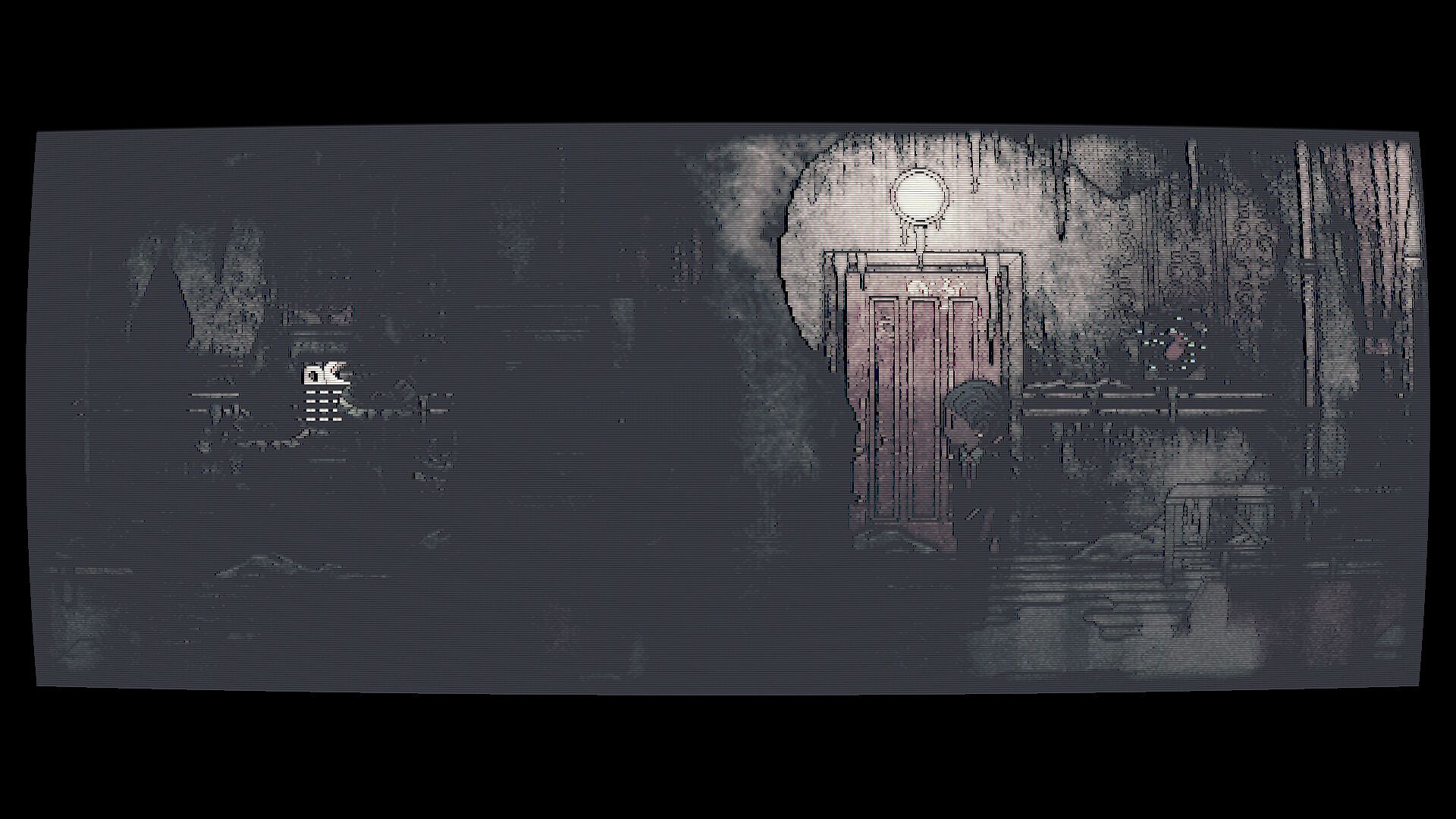
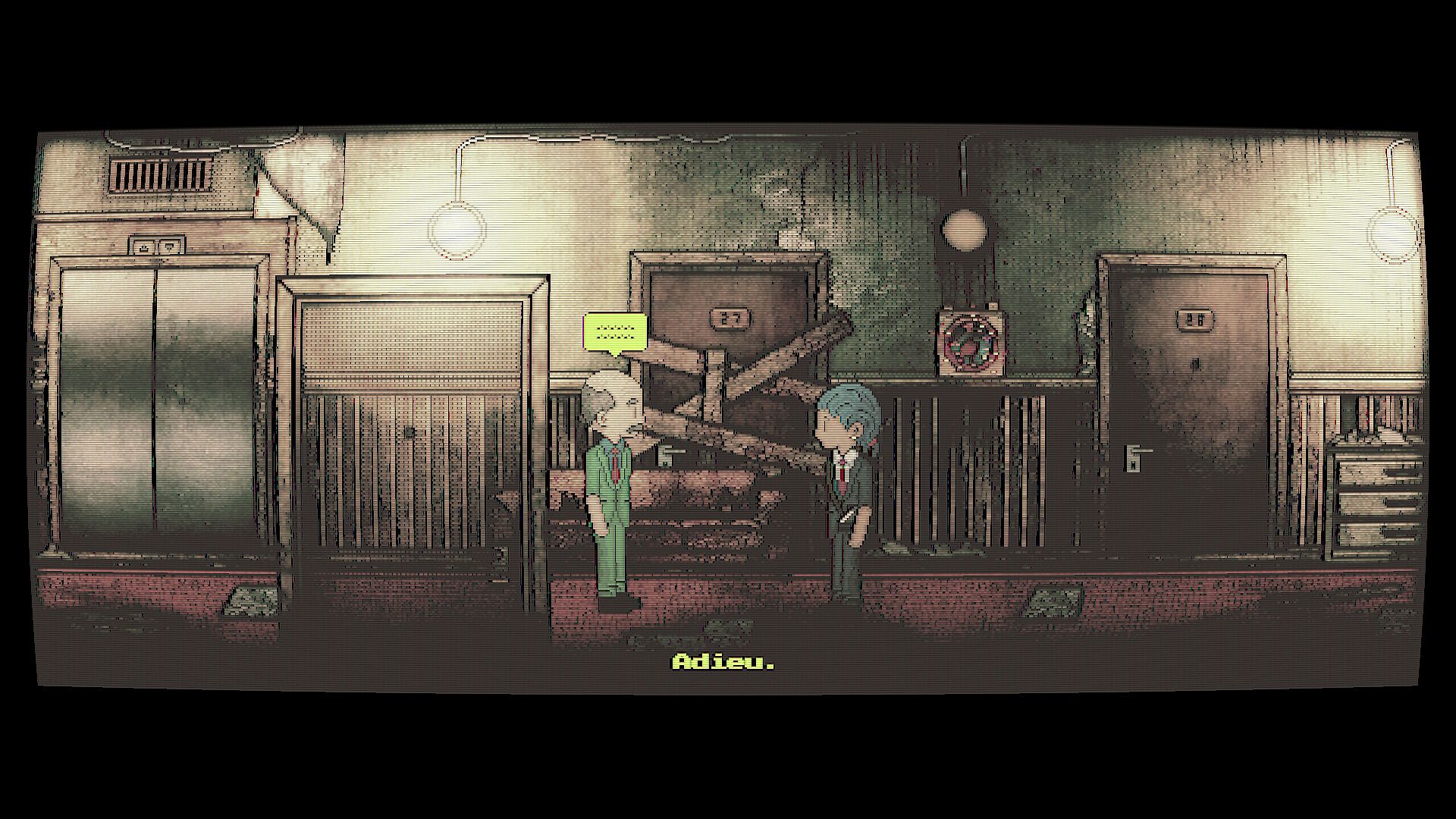
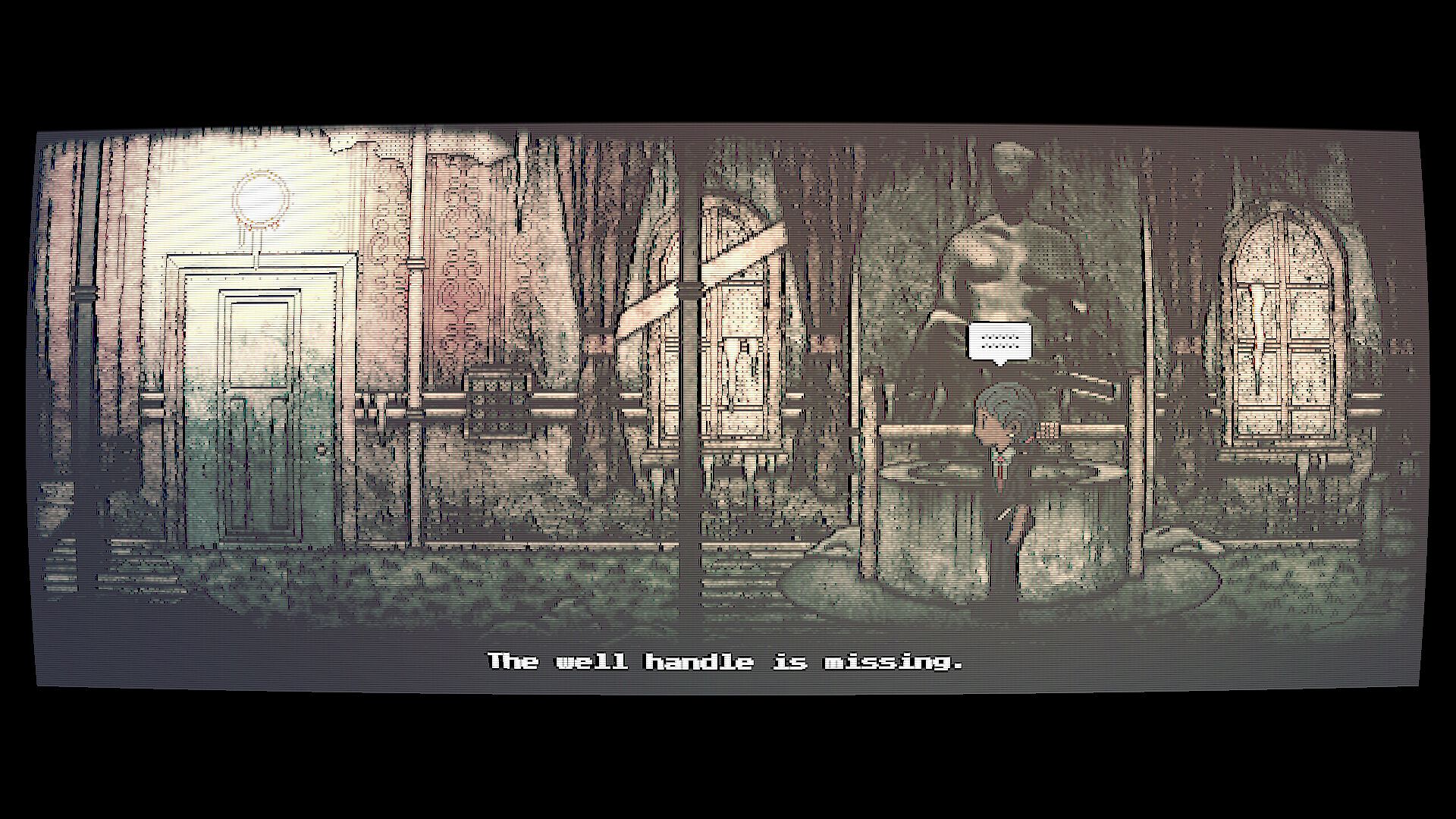
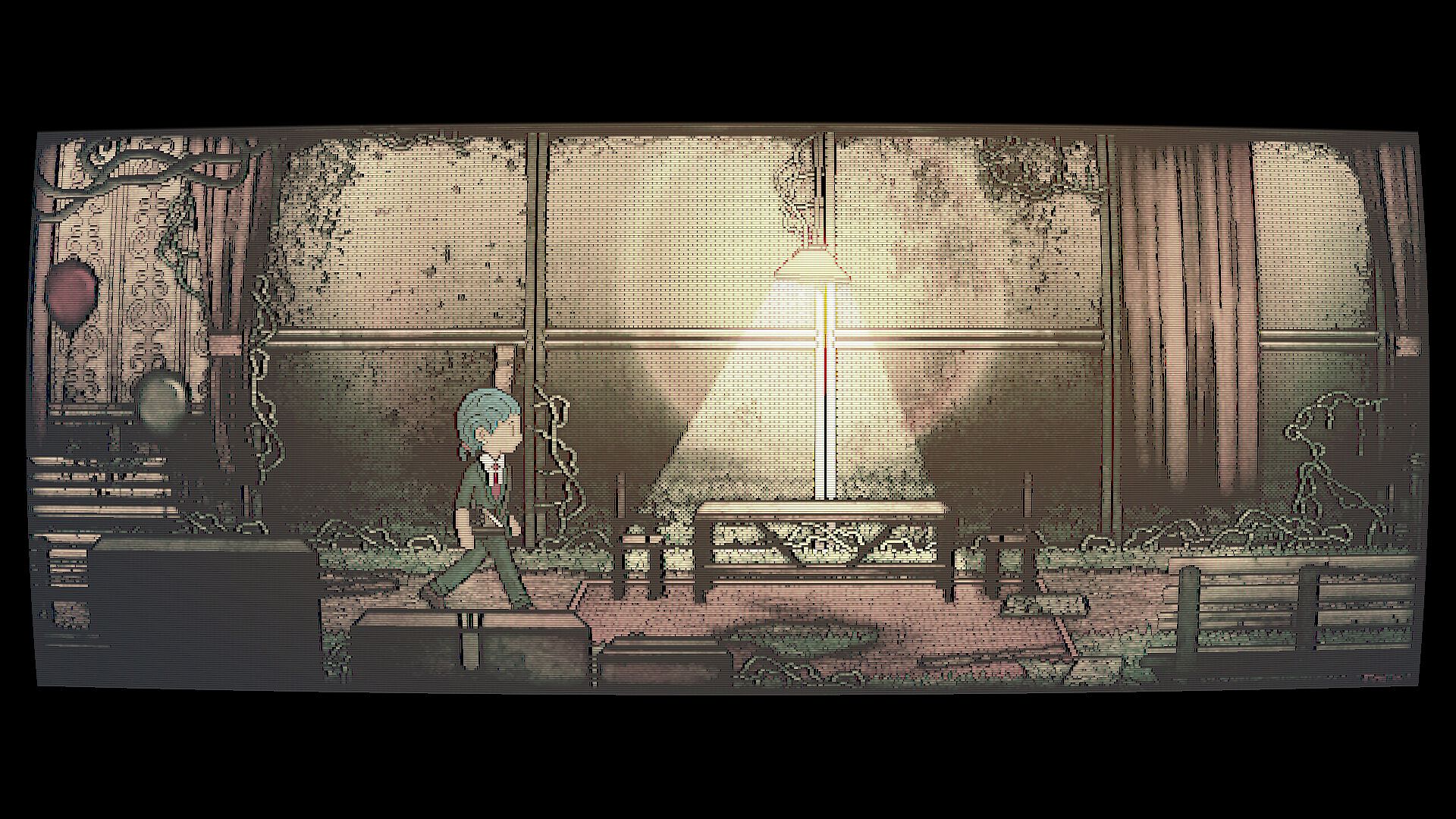
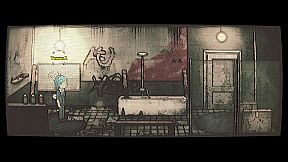
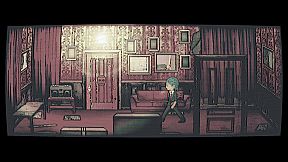
The art style blends minimalist pixel elements with vivid, dreamlike imagery to create an oppressive yet intriguing setting. Atmospheric music and sound design heighten the sense of bending reality and fiction, supporting the psychological horror tone. The story unfolds through environmental storytelling and interactions, revealing themes of grief without relying on heavy exposition.
Exploration reveals quirky ghosts and symbolic elements that deepen the emotional layer. The camera mechanic not only drives gameplay but also reinforces the theme of perceiving hidden truths within the dreamscape. This combination results in a cohesive world that feels hand-made and intentional from start to finish.
Is It Worth Playing?
Afterdream delivers a concise psychological horror adventure that appeals to fans of puzzle-focused side-scrollers with emotional depth. Its verified reception includes very positive feedback from hundreds of players, highlighting effective atmosphere, engaging puzzles, and a poignant story about loss. The three-hour playtime makes it accessible for those wanting a complete experience without a large time commitment.
Those who enjoy atmospheric single-player titles with unique mechanics like the camera system will find it satisfying. The absence of multiplayer or ongoing content means it suits players prioritizing narrative and exploration over extended play sessions. Overall, it stands as a solid choice for indie horror enthusiasts seeking something distinctive and well-crafted.