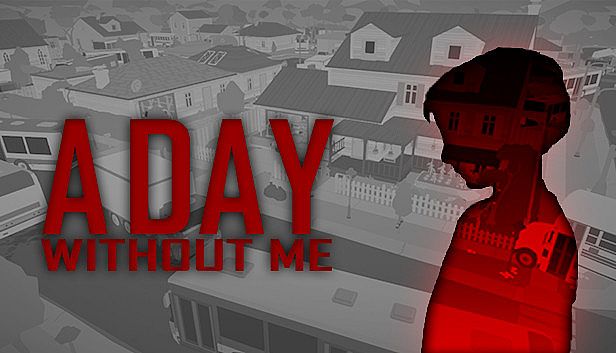

















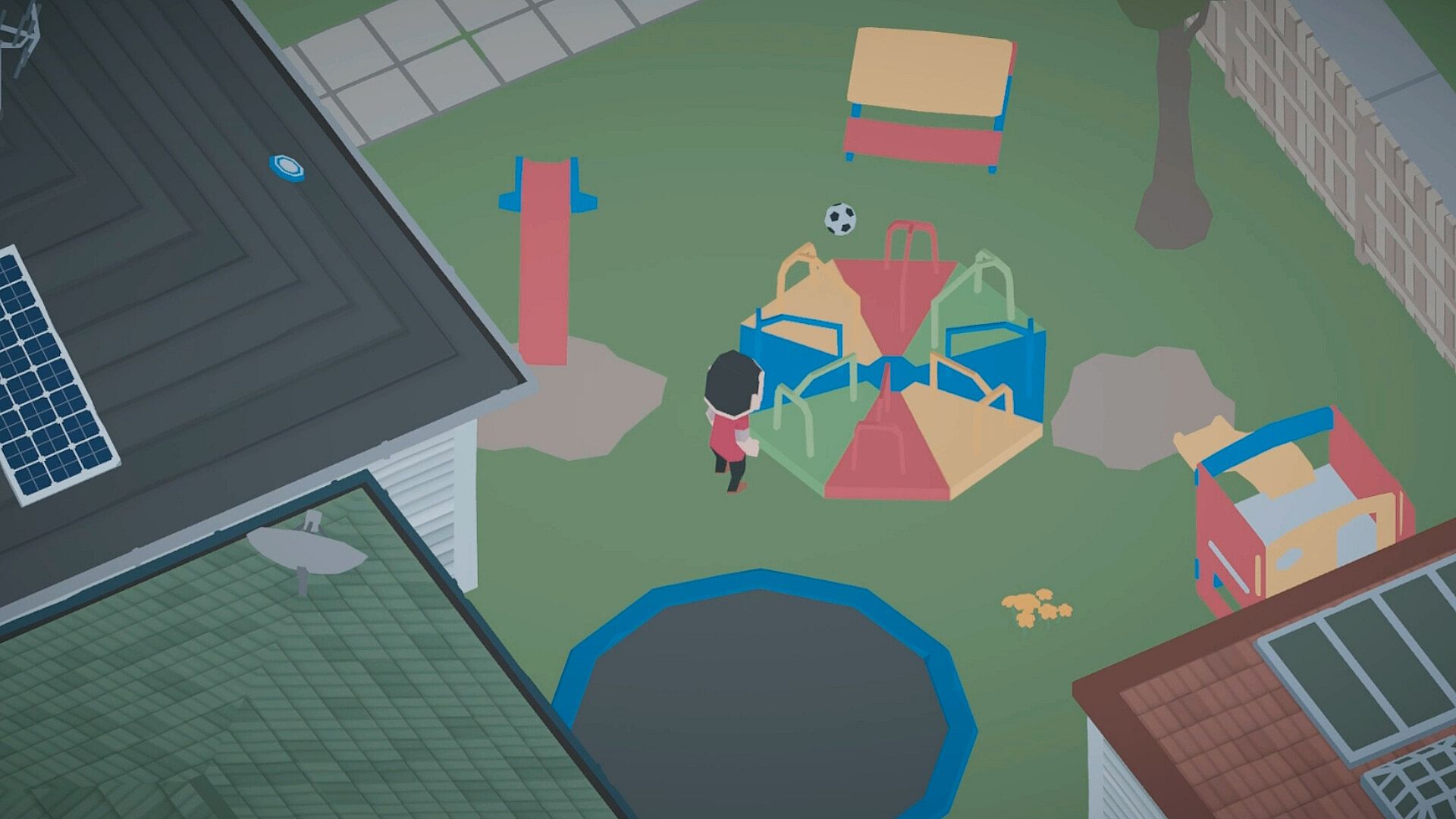

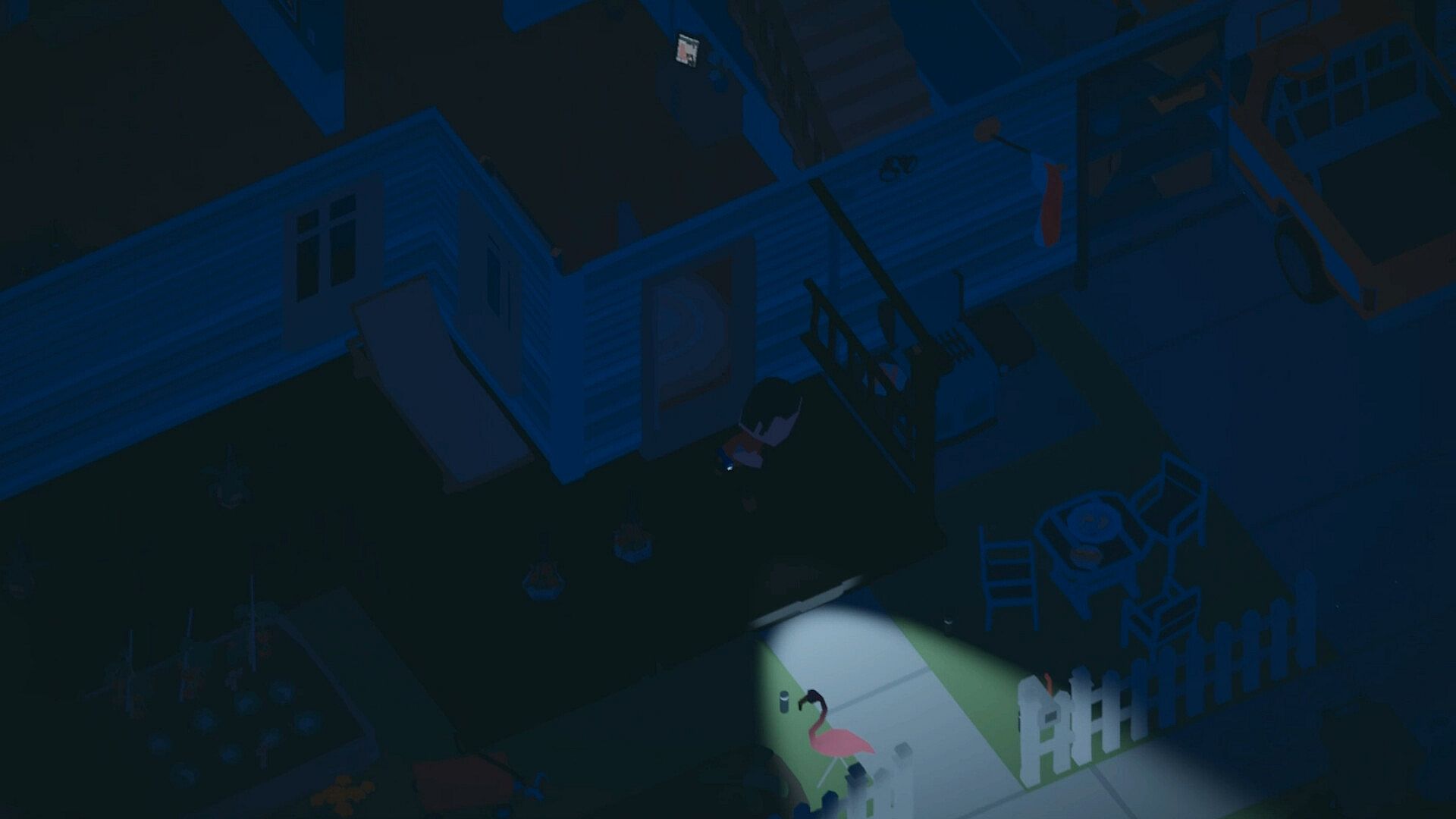
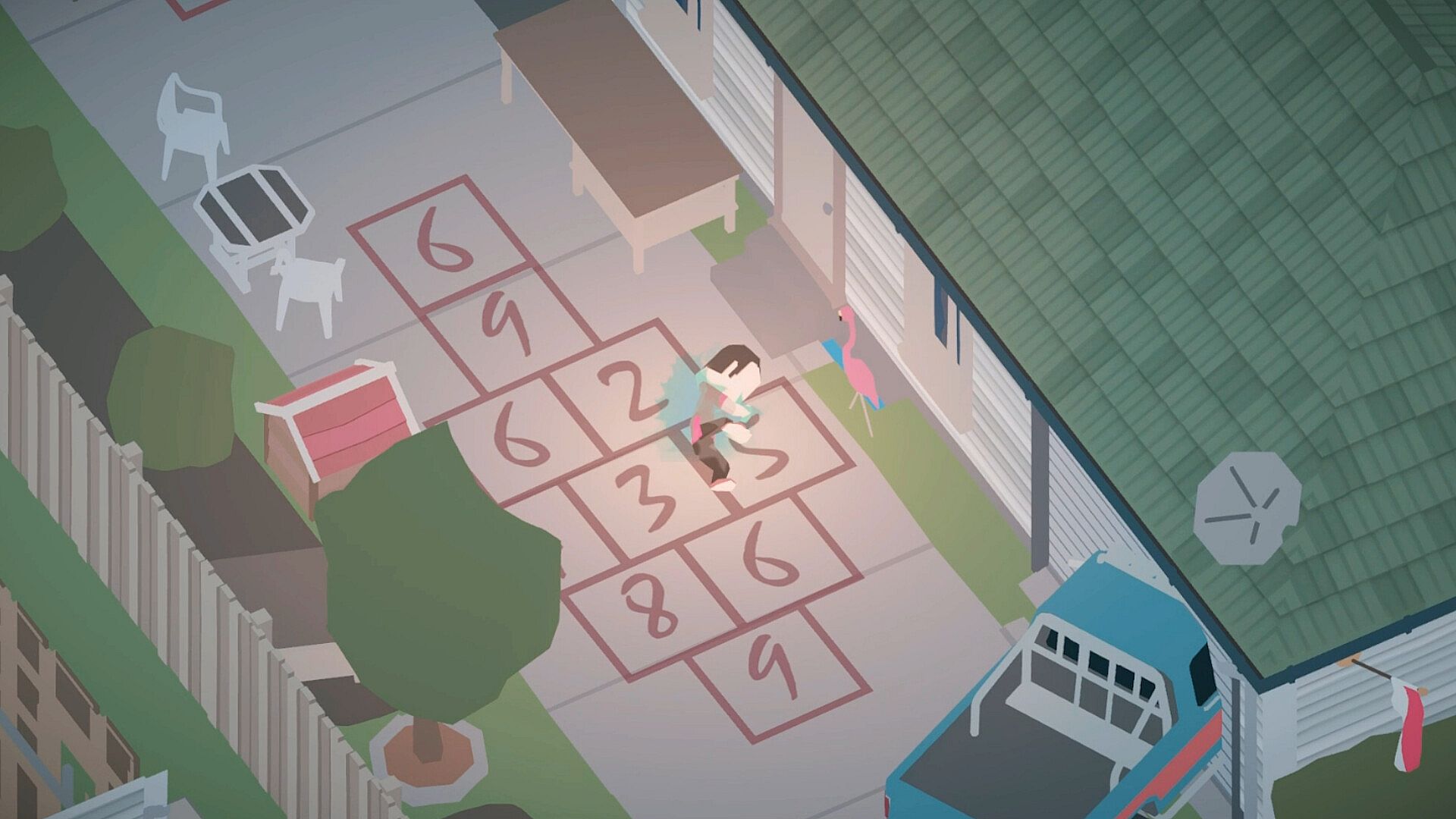
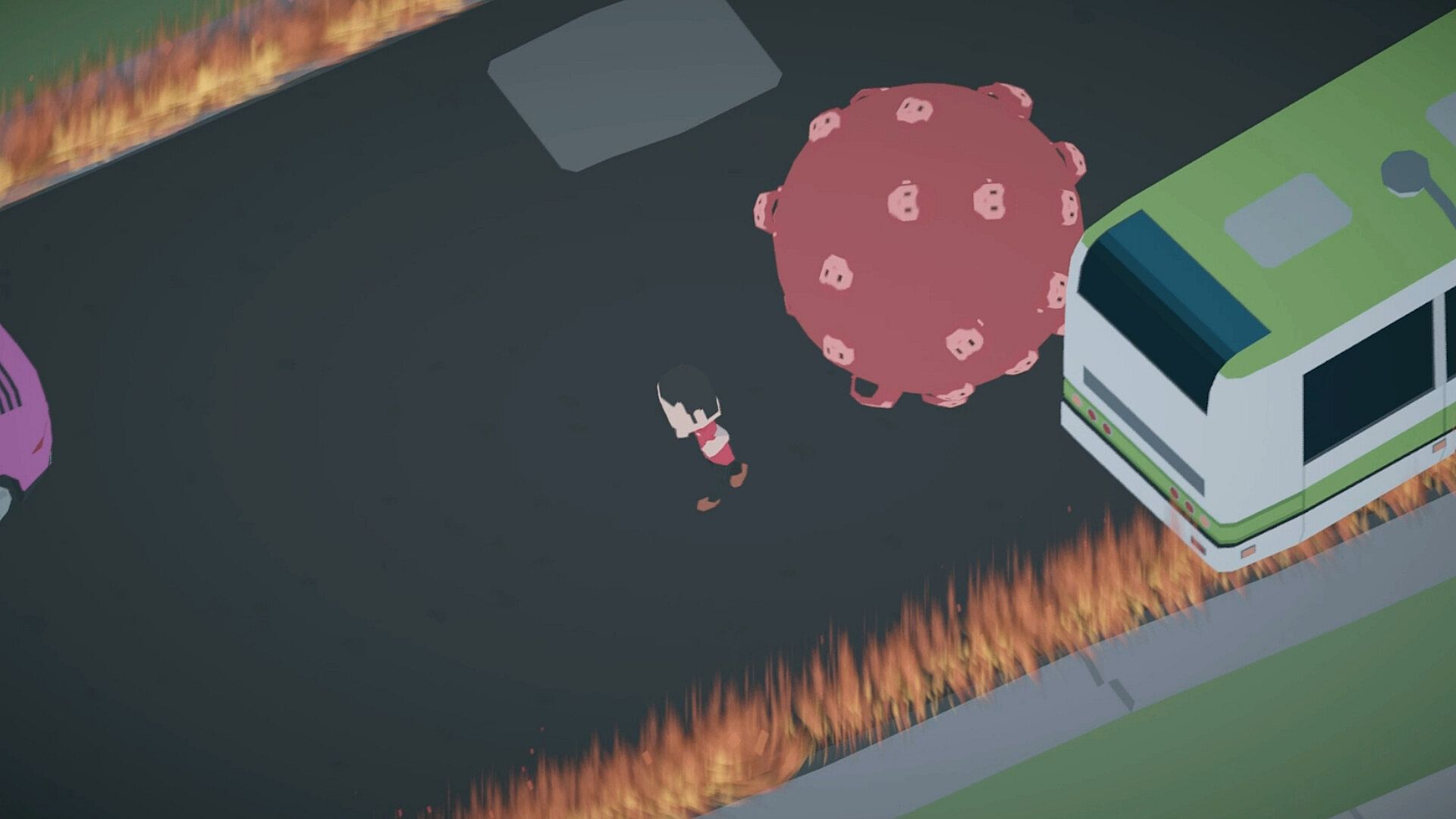

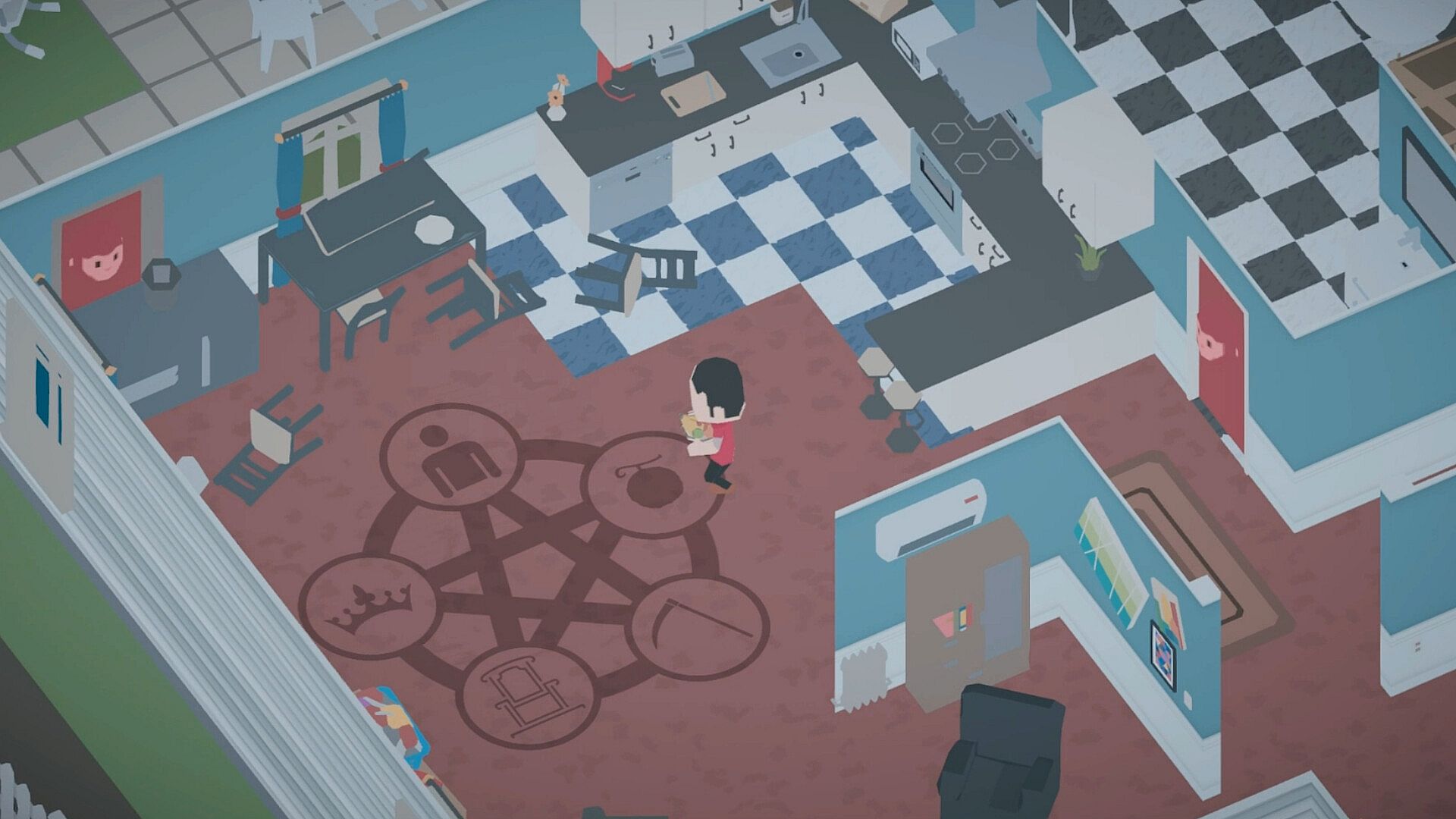
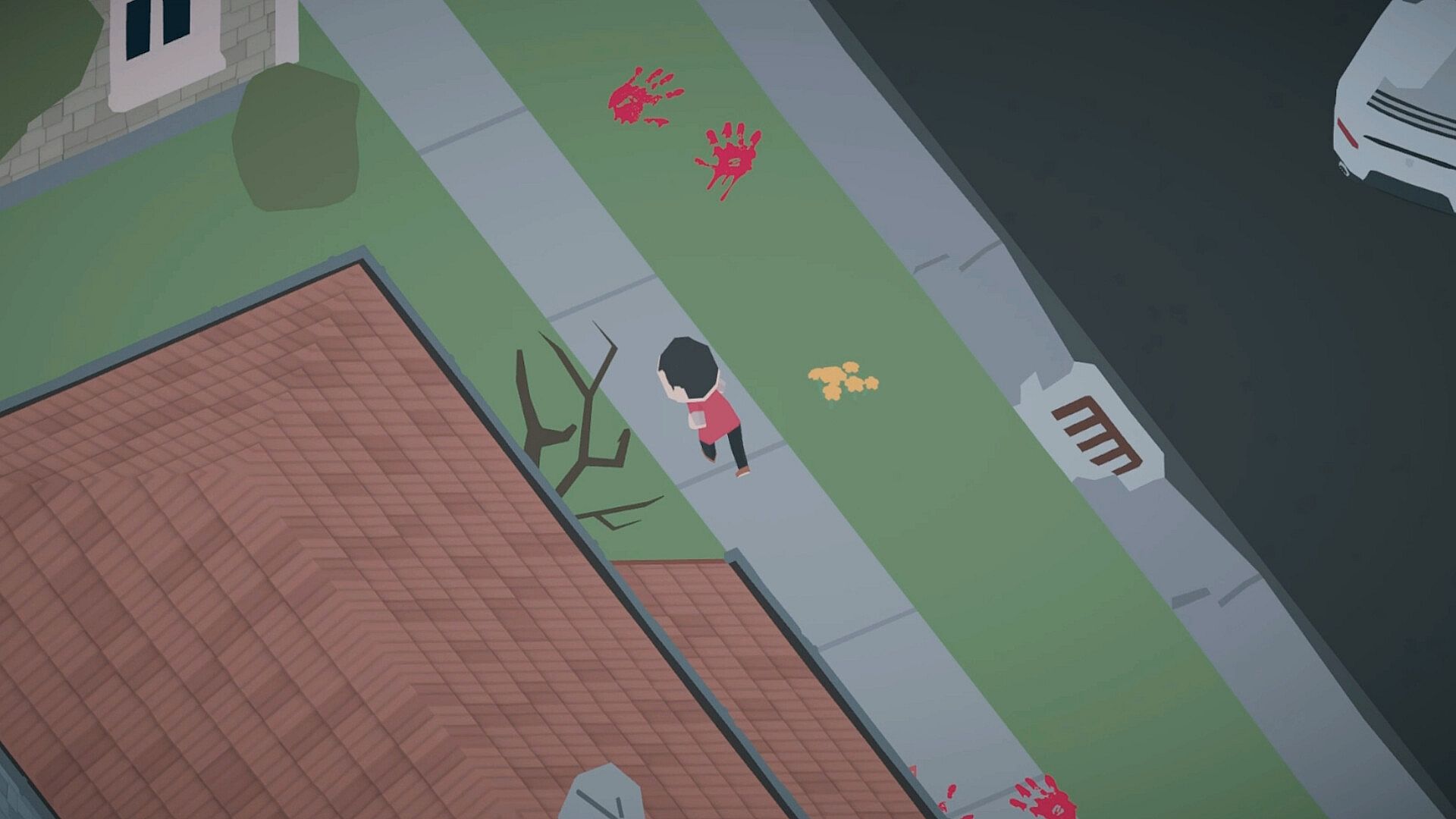

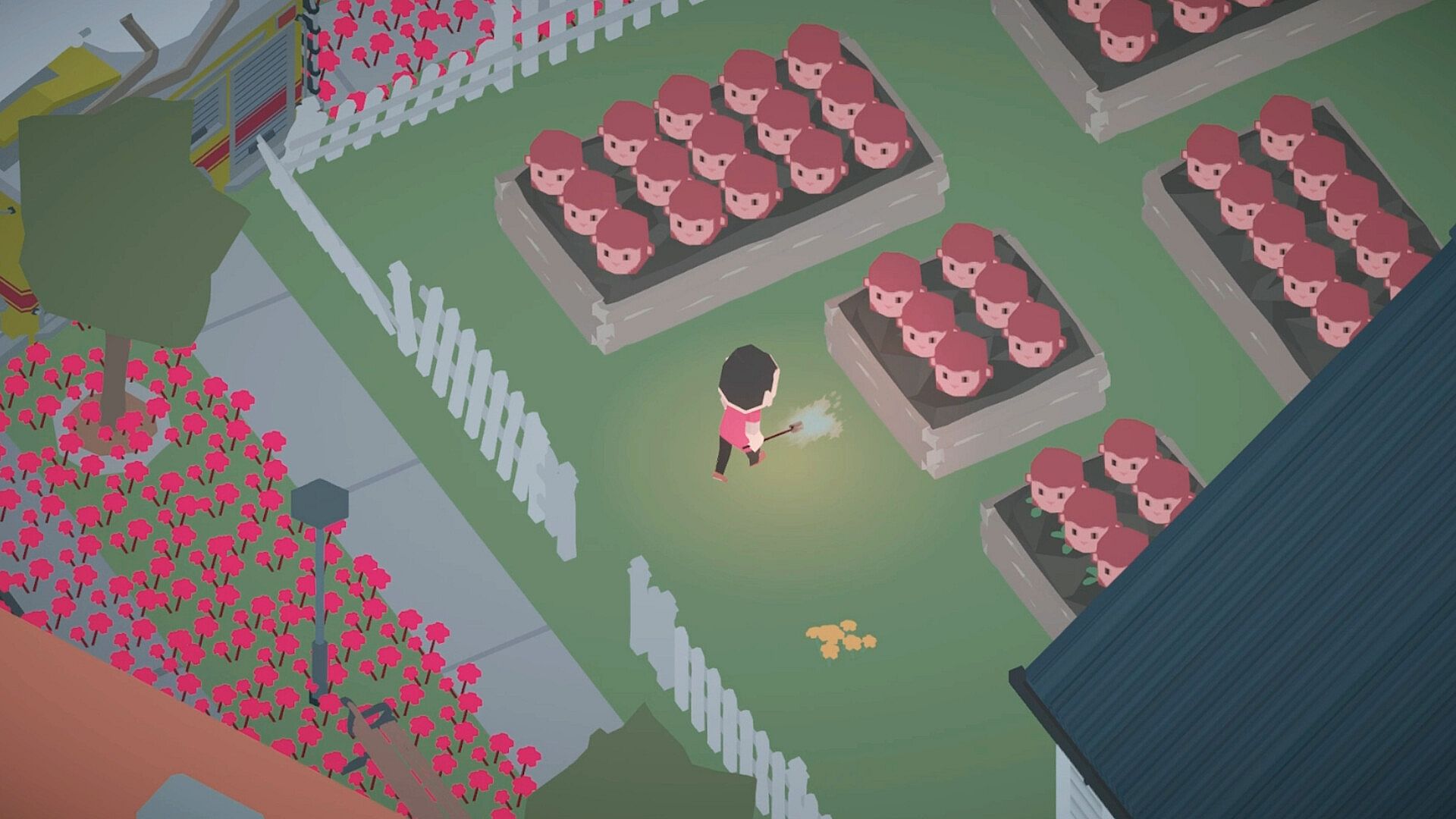
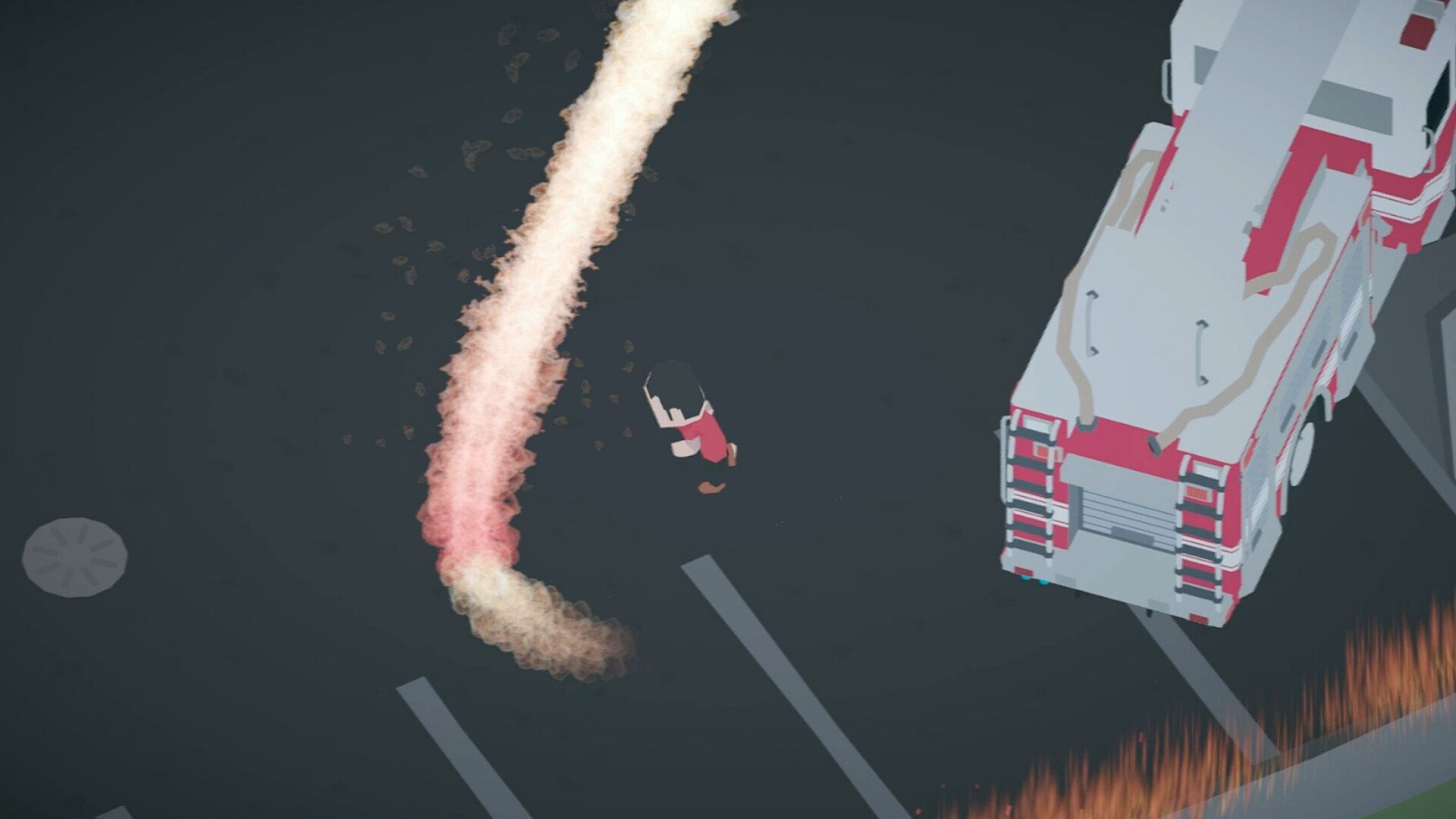
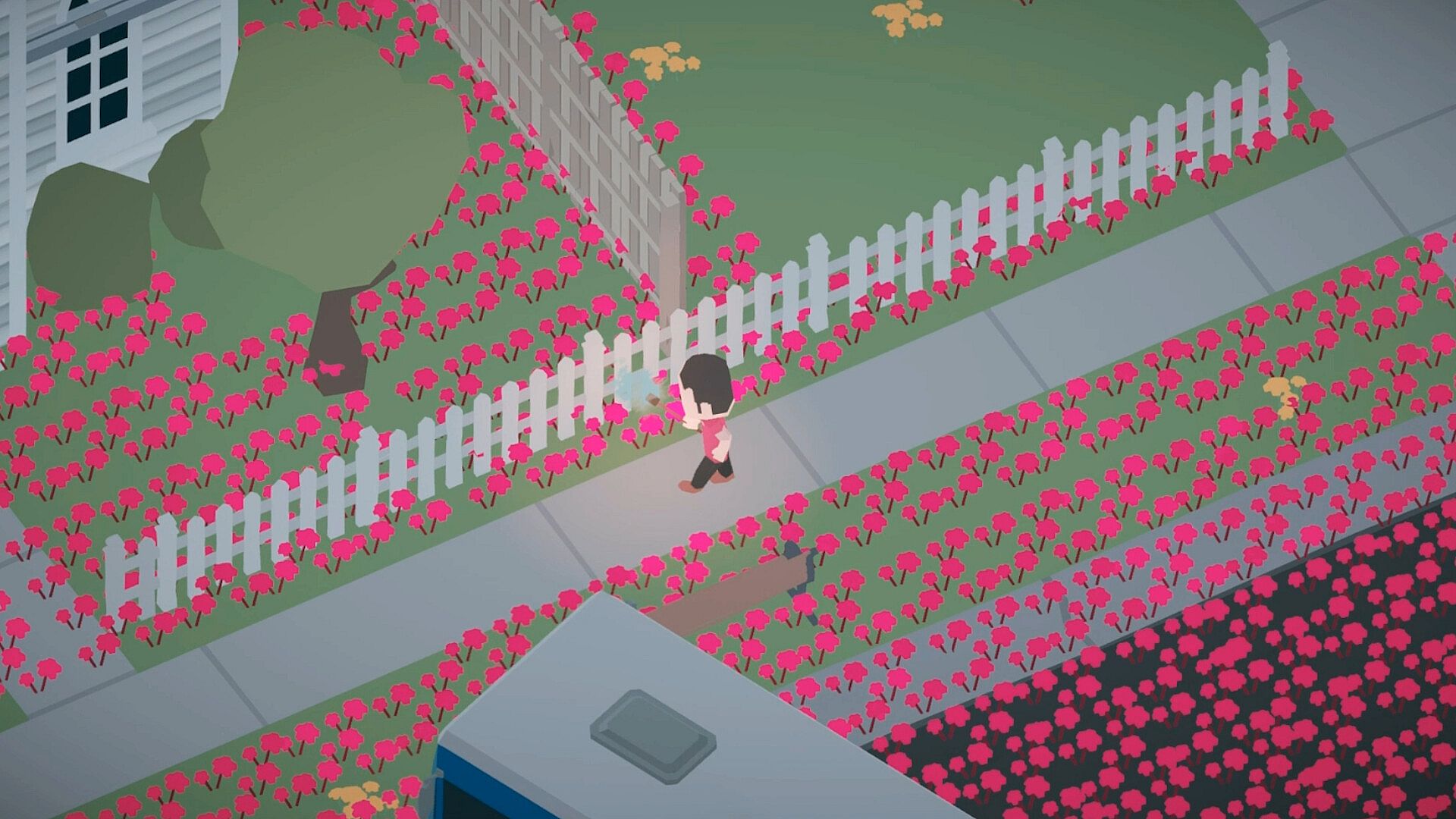









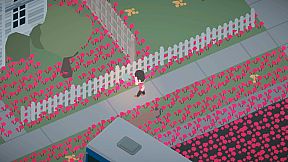
A Day Without Me is an indie adventure game built around isometric exploration and puzzle solving on PC. Players take on the role of the sole survivor in a city emptied by a sudden mass disappearance, navigating deserted streets filled with abandoned vehicles, open buildings, and scattered personal items while uncovering the circumstances behind the event.
Gameplay
The core loop centers on careful observation and interaction with the environment. Movement occurs in an isometric perspective, allowing players to examine objects, enter structures, and piece together clues from visual details alone. Many elements lack explicit text or dialogue, relying instead on the arrangement of items, unusual occurrences, and shifting visual cues to convey information. Puzzles range from straightforward environmental manipulations to more layered challenges that require connecting disparate sights and events across different areas of the city.
Progression involves traversing a semi-open layout where paths and solutions can vary based on the order of exploration. Strange phenomena appear as the story unfolds, altering familiar locations and introducing new obstacles that test both logic and attention to subtle changes. The art direction supports this by adopting a stylized approach that evolves with the narrative, emphasizing the haunting emptiness of the setting through consistent yet evolving visual motifs.
Game Modes
The experience is presented as a single-player narrative adventure without separate multiplayer or competitive options. All activity takes place within the abandoned city, where the focus remains on solitary investigation and survival of mental strain amid increasingly disorienting events. Replay value stems from the semi-open structure, which encourages different routes and observation priorities on subsequent playthroughs to uncover additional layers of the central mystery.
Story and Atmosphere
Narrative delivery avoids direct exposition, instead embedding details in the world itself. Players must interpret environmental storytelling, recurring motifs, and anomalous occurrences to form an understanding of the disappearance and its aftermath. The tone blends isolation with moments of unease as the city reveals its altered state, supported by an art style that shifts in tone and detail to reflect deepening involvement in the events.
Exploration rewards patience, as many clues hide in plain sight or require revisiting locations after new phenomena emerge. This approach creates a sense of personal discovery rather than guided progression, fitting the theme of piecing together an inexplicable situation.
Is It Worth Playing?
Reception on Steam sits in the mixed range, with roughly two-thirds of reviews positive among a modest number of total ratings. Players who appreciate atmospheric puzzle adventures with minimal hand-holding often highlight the unique setting and visual presentation as strengths. Those seeking more explicit guidance or faster pacing may find the deliberate, observation-heavy style less engaging.
The game suits individuals drawn to indie titles that emphasize environmental narrative and solitary exploration over action or complex systems. Its compact scope and focus on a single cohesive experience make it a reasonable choice for short sessions or completionist runs, particularly if the premise of an emptied world and its lingering mysteries aligns with personal tastes in adventure games.