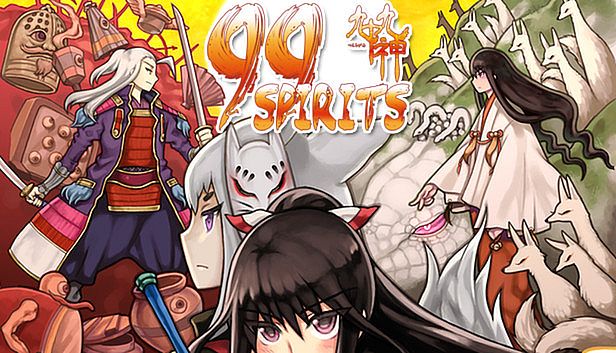
















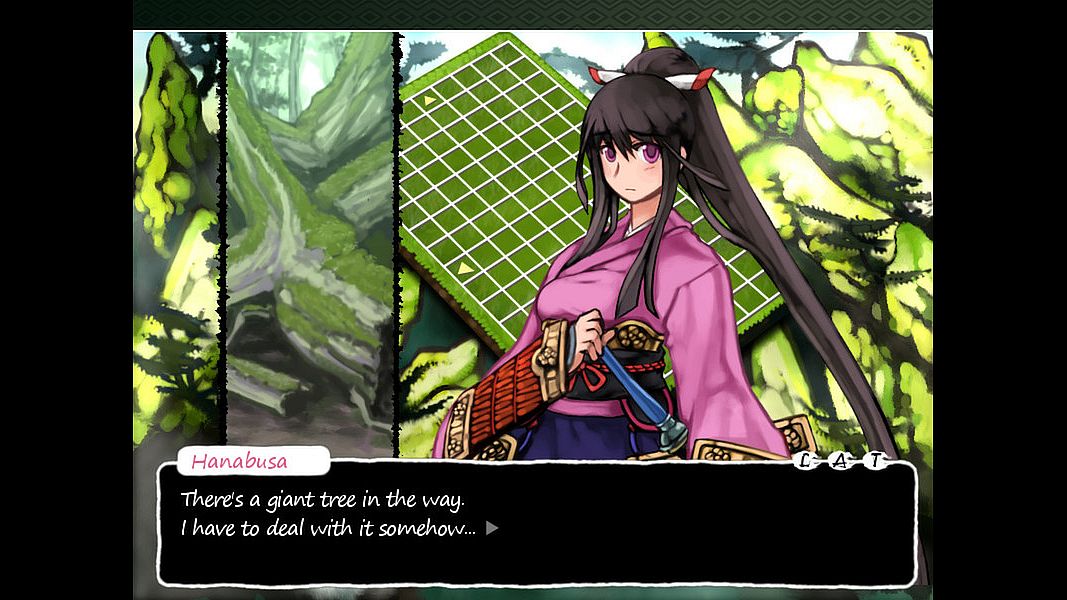
99 Spirits stands as an indie RPG adventure that blends turn-based combat with puzzle elements drawn from Japanese folklore about Tsukumogami, objects that gain life after a century. Players control Hanabusa, a determined young woman in a medieval Japanese setting, as she pursues vengeance against malevolent spirits following her mother's death. The game emphasizes identification and strategy in battles while incorporating exploration and problem-solving across grid-based environments.
Gameplay
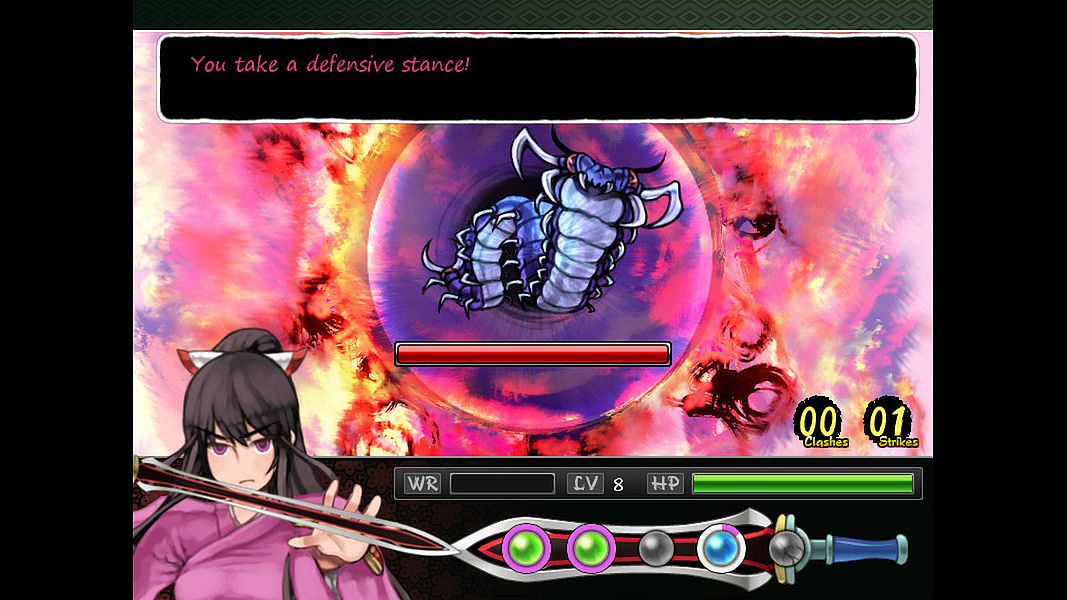
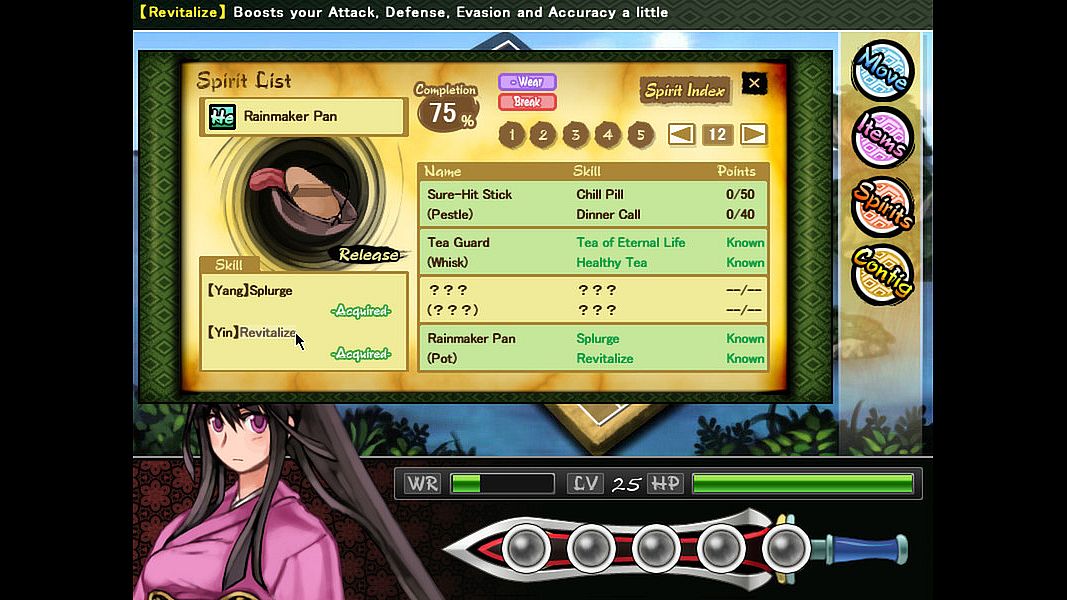
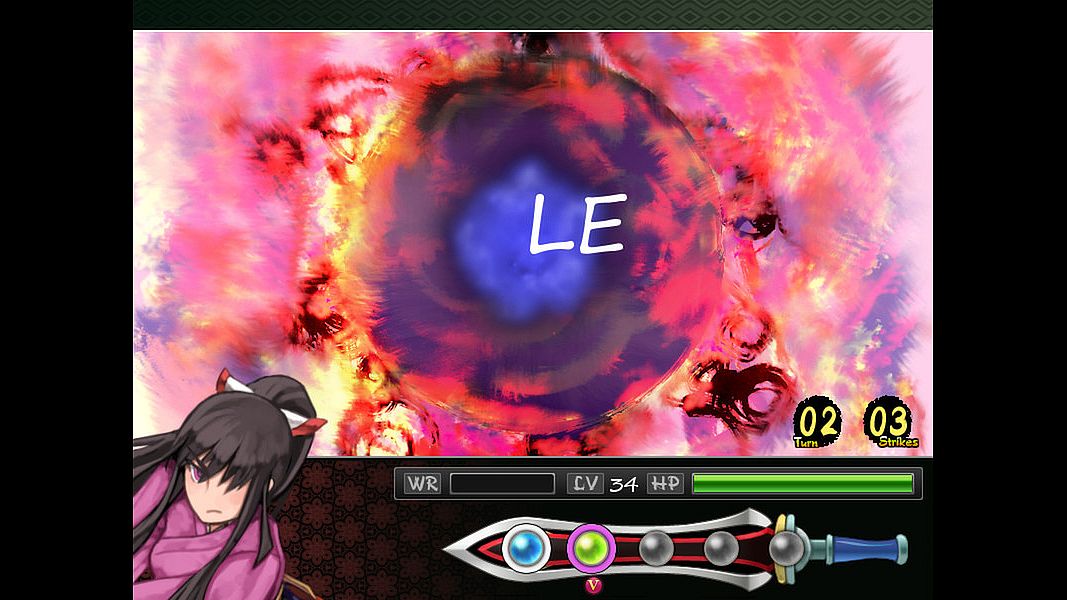
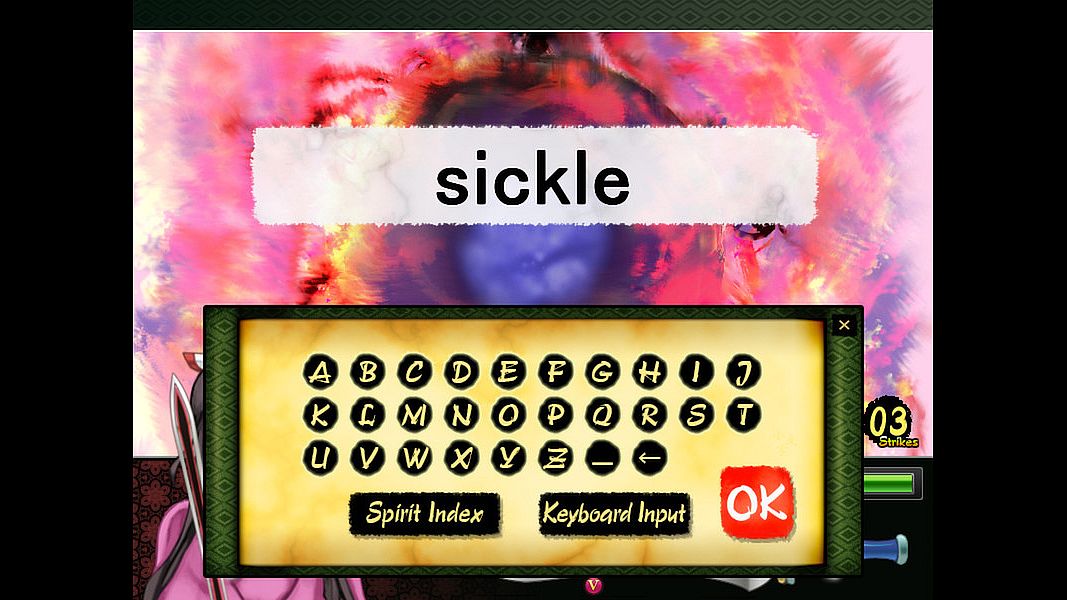
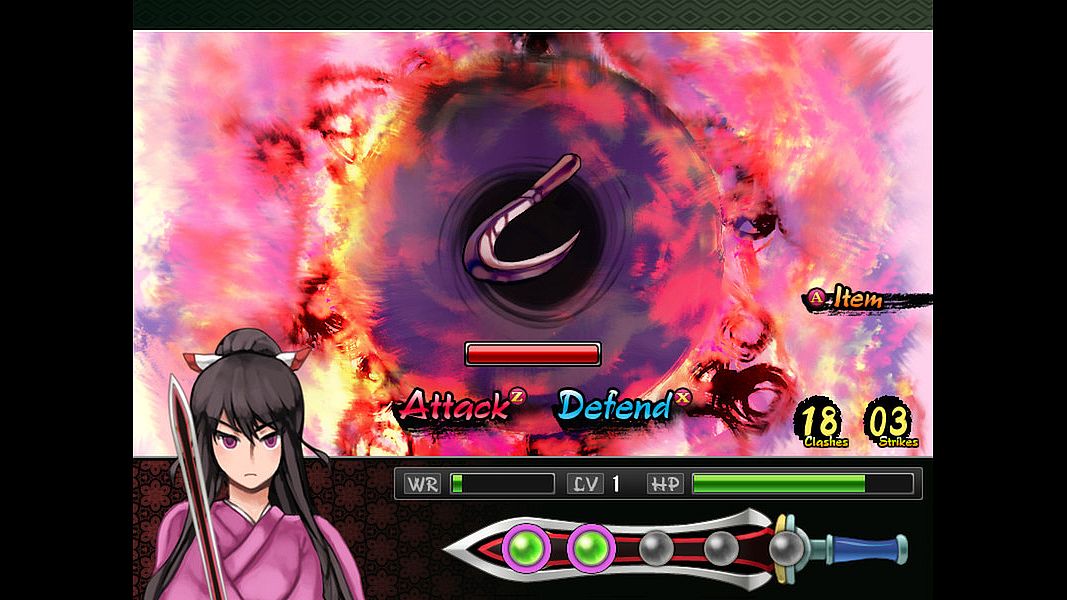
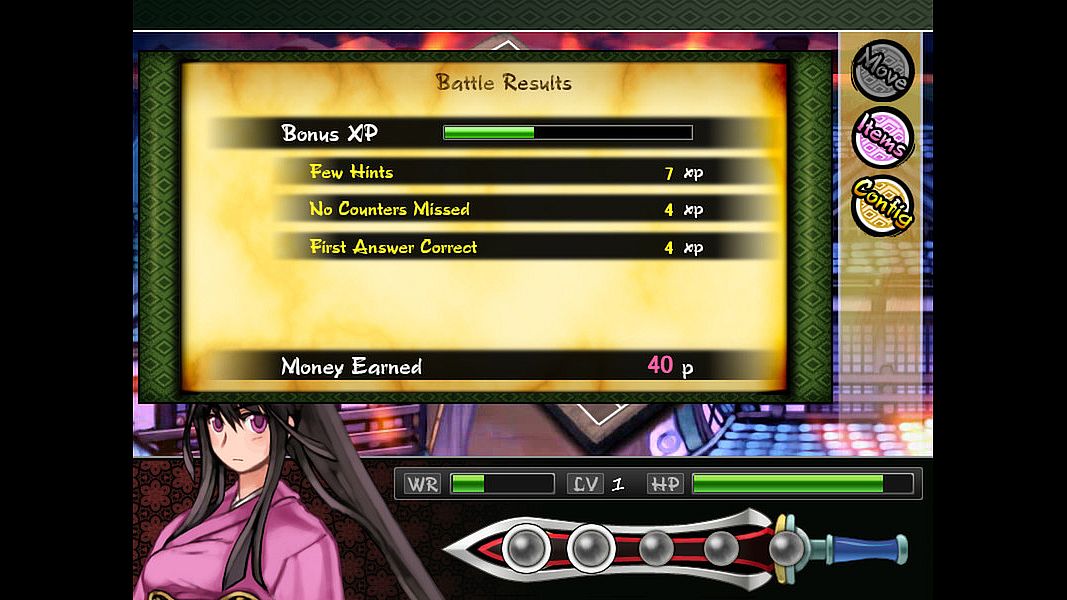
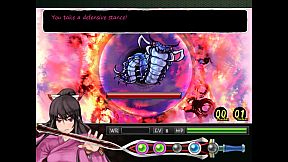
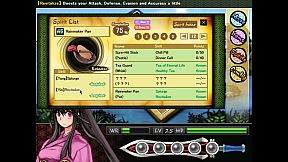
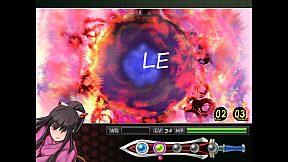
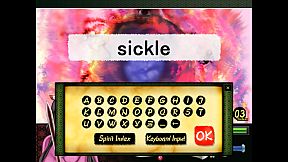
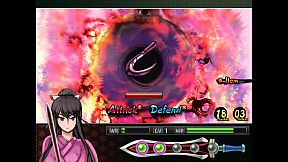
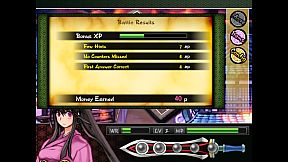
The core loop centers on a distinctive combat system where success depends on uncovering an enemy's true identity before dealing damage. Players charge gems on a inherited sword through standard attacks and defenses to unlock clues such as letters or descriptive words tied to the spirit's original form. Correctly guessing the name allows full engagement in the fight, while errors result in counter damage and a reset of the charging process. Captured spirits become tools for both combat support and environmental puzzles, adding layers of resource management and creative application during travel.
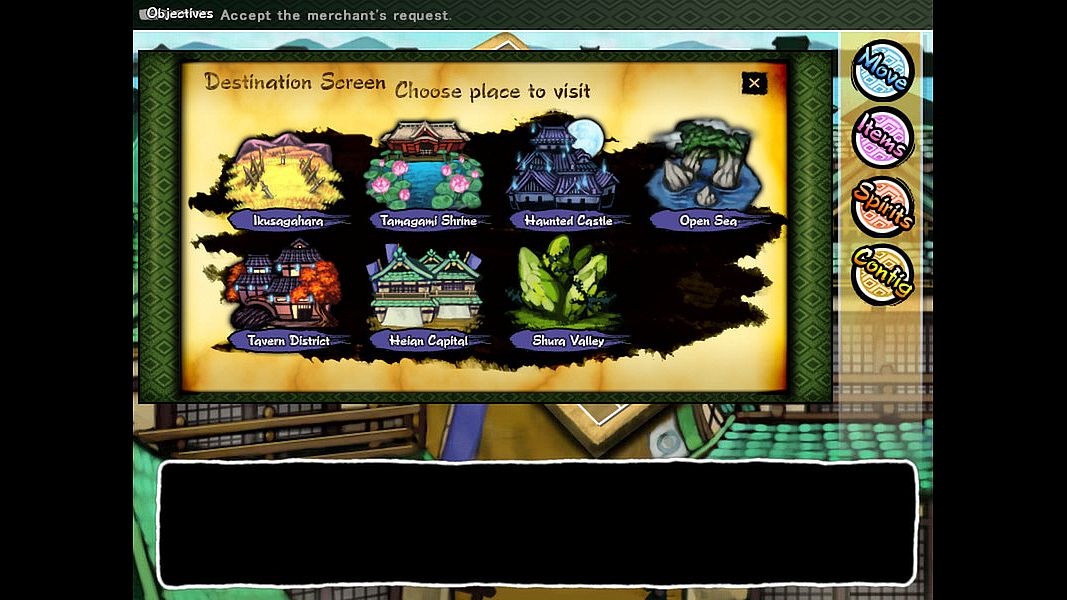
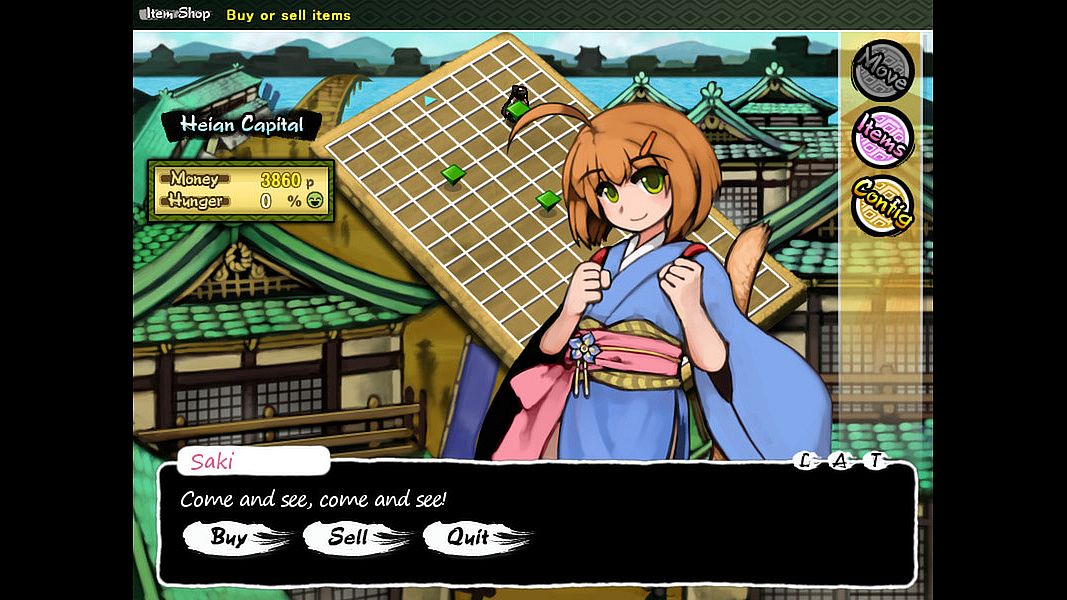
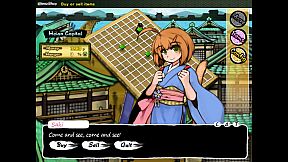
Outside of encounters, navigation occurs on grid maps where players locate items, restore health or hunger, and mend the sword using collected materials. The system encourages repeated engagement with spirits to build a roster of abilities that aid progression through increasingly complex challenges. This approach integrates the puzzle aspects directly into the RPG framework without separating them into distinct phases.
Game Modes
The experience unfolds as a single-player campaign focused on linear story progression with opportunities for variation. Exploration and combat feed into narrative choices that influence the path forward, leading to multiple conclusions determined by accumulated actions and decisions. No separate competitive or cooperative options exist, keeping the emphasis on personal discovery and mastery of the identification mechanics across the full journey.
Players revisit areas or experiment with different spirit captures to uncover alternate routes and endings, extending replay value within the same overarching structure. The design prioritizes depth in the core systems over breadth in mode variety.
Story and Characters
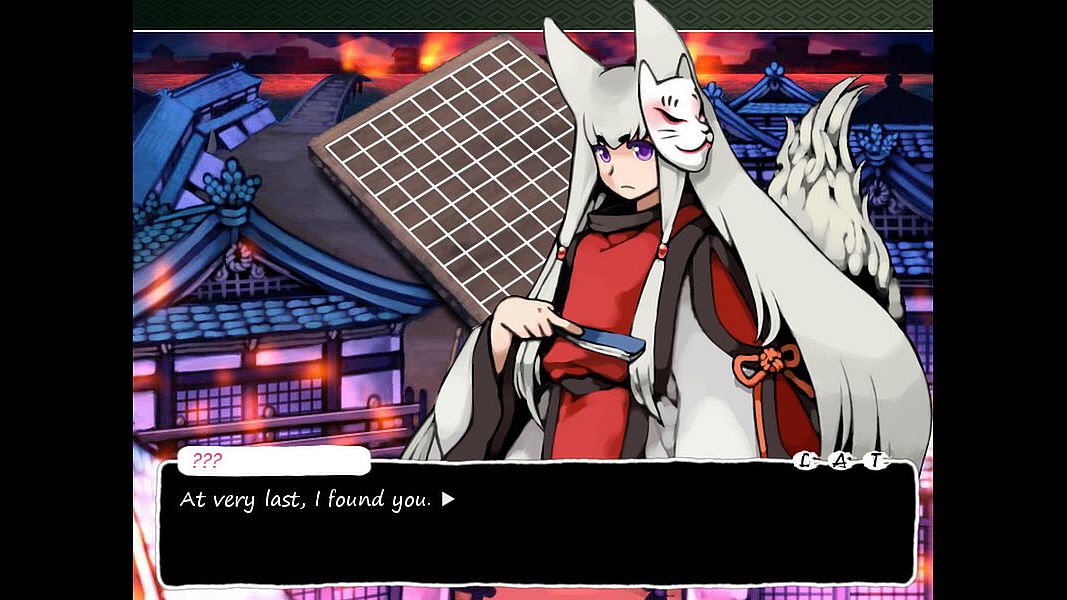
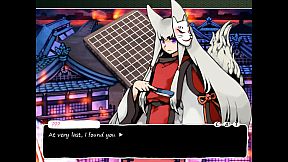
Hanabusa begins her quest after tragedy strikes, soon encountering a white fox servant of a mountain god who provides guidance and the means to perceive spirits clearly. A mysterious figure claiming connection to her past disrupts her progress by shattering the sword, prompting a broader search for restoration and truth. Interactions with dozens of unique individuals shape the adventure, revealing layers of the feudal Japan-inspired world populated by over one hundred distinct spirits.
The narrative weaves personal revenge with folklore elements, where everyday objects manifest as adversaries or allies. Player decisions during key moments alter outcomes, rewarding attentive play and experimentation with the capture system.
Is It Worth Playing?
Those drawn to puzzle-driven RPGs with folklore themes will find the identification-based battles and ability integration engaging throughout the campaign. The game supports both English and Japanese voice options alongside its original Japanese release as a separate library entry, broadening accessibility for language preferences. Steam user feedback rates it as mostly positive based on available reviews, highlighting the fresh mechanics and atmospheric presentation for the right audience.
Availability remains steady on PC with no ongoing seasonal content or major updates required, as the title stands complete since its initial launch. It suits players comfortable with grid navigation and trial-and-error guessing in combat rather than fast-paced action. The combination of story branches and spirit management provides solid depth for a focused single-player title in the indie space.