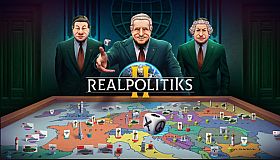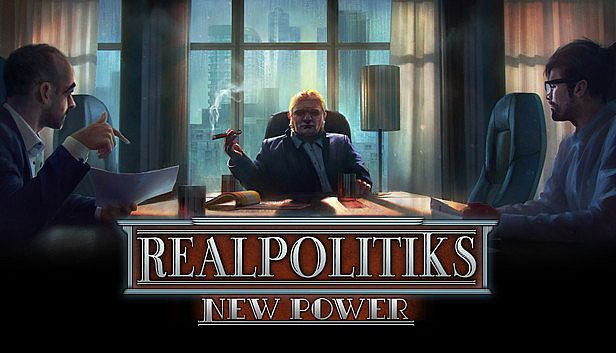





















Realpolitiks New Power DLC expands the core real-time grand strategy experience of leading any contemporary nation through modern political challenges. Players manage domestic policies and international relations in a streamlined system focused on decision-making across economic, military, and diplomatic fronts. The title emphasizes balancing internal interest groups with global positioning, all within a single-player framework set in the present day.
Gameplay
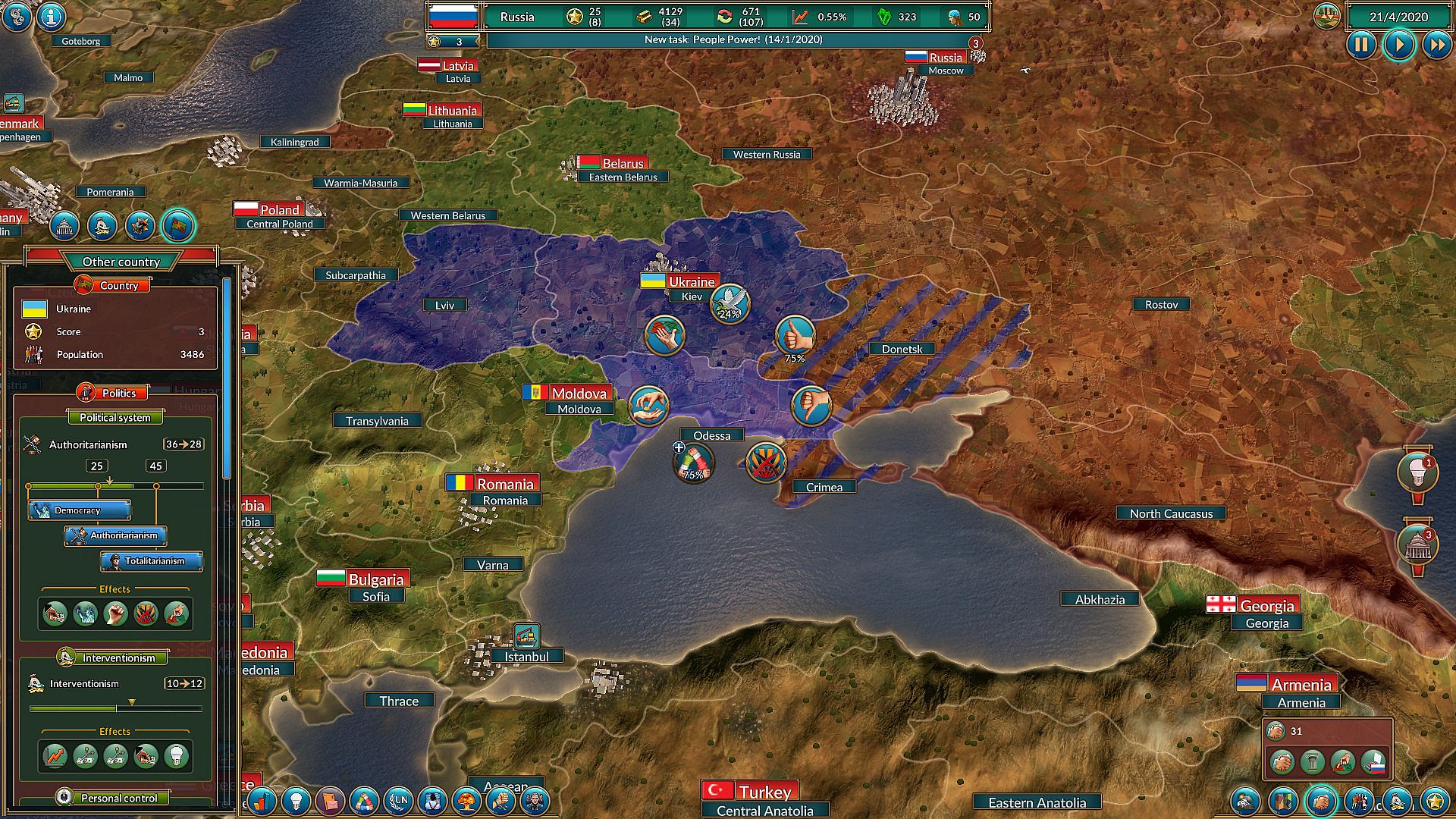
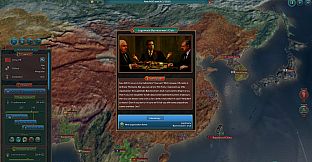
The gameplay centers on real-time progression where time advances steadily, requiring constant attention to national statistics and emerging events. As leader of a chosen country, decisions shape the political system among options like democracy, authoritarianism, or totalitarianism. Actions include directing espionage operations, negotiating trade links, proposing international laws, and handling military engagements that often resolve through attrition and resource allocation rather than complex tactical battles.
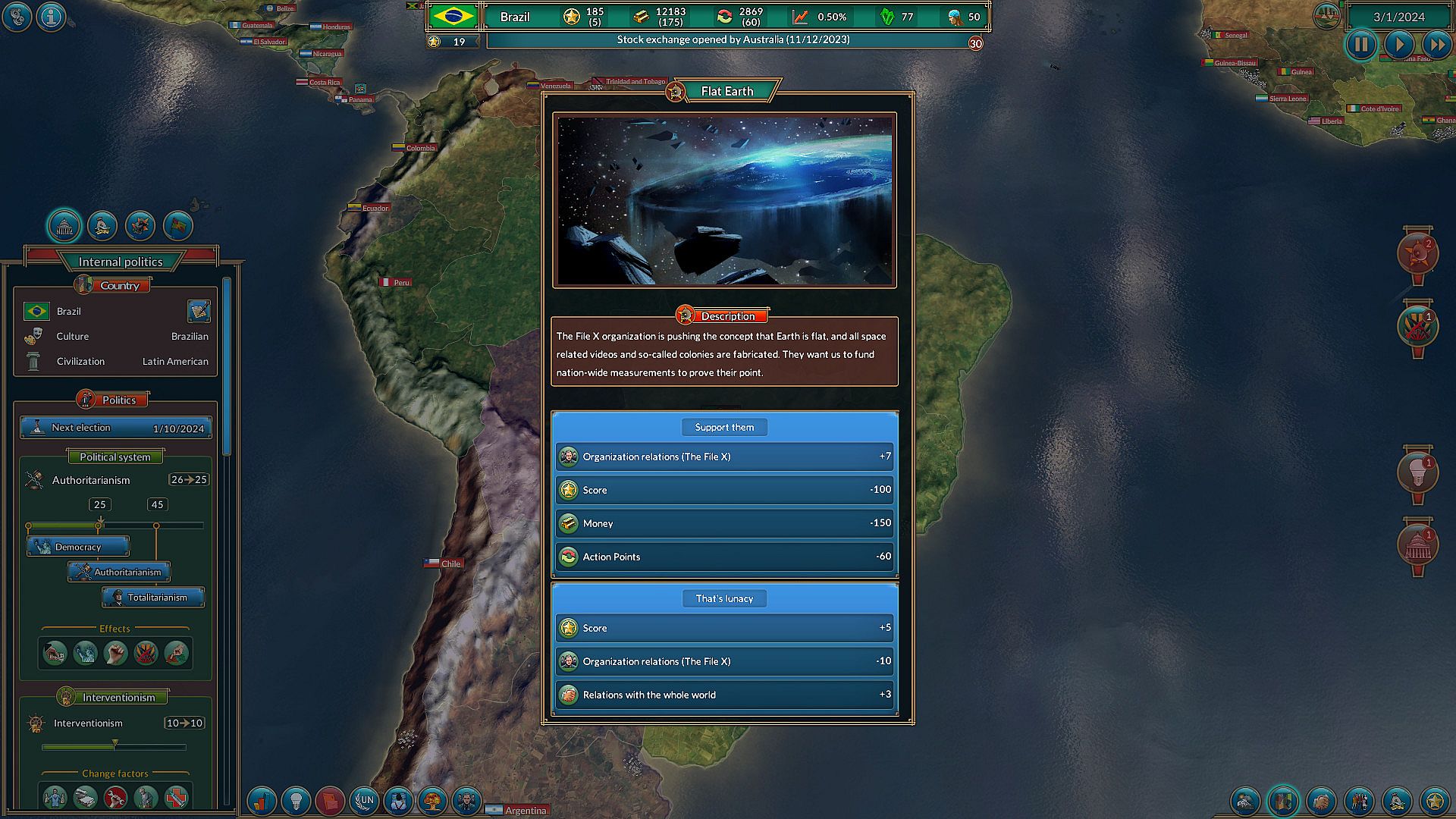
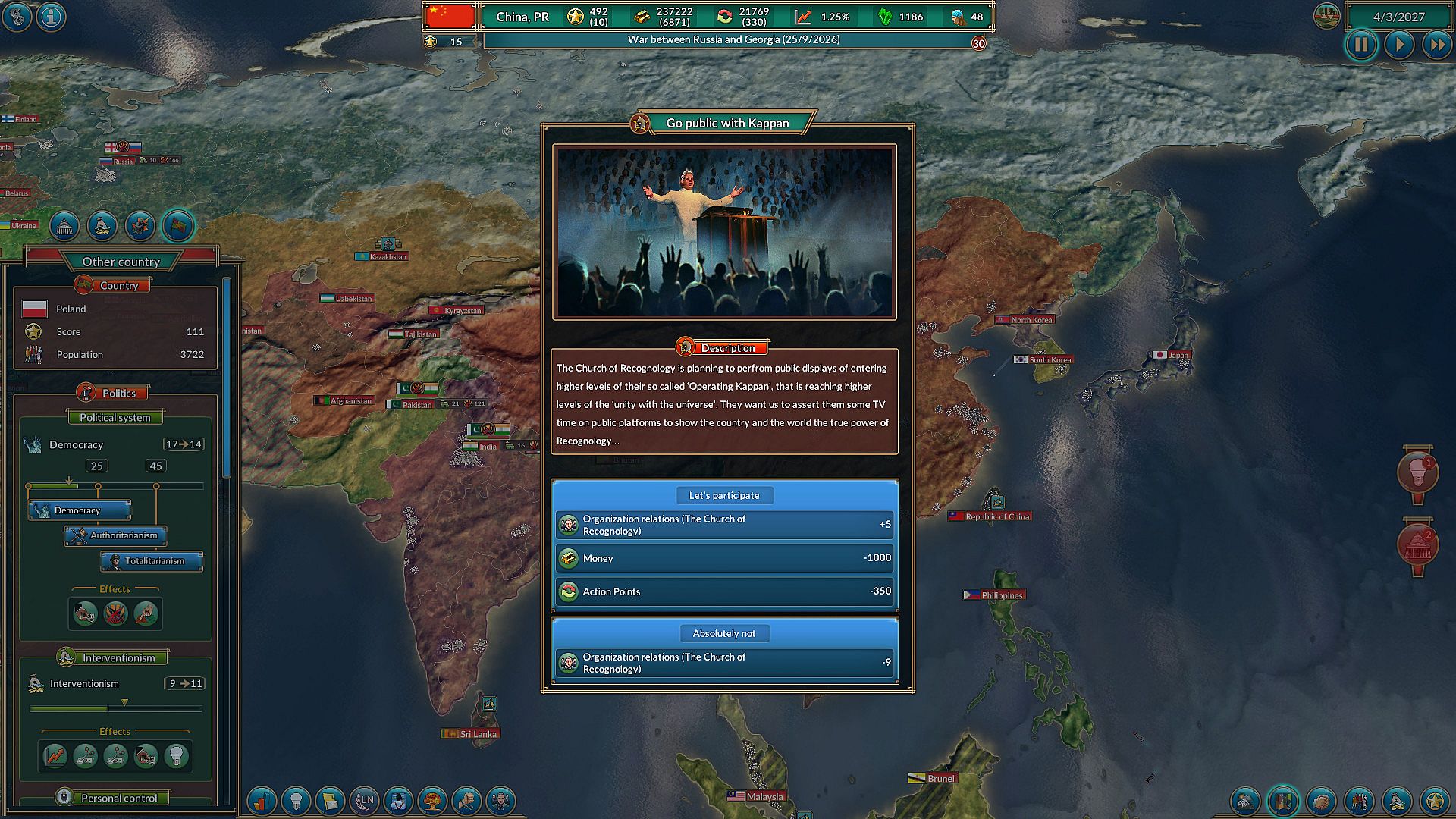
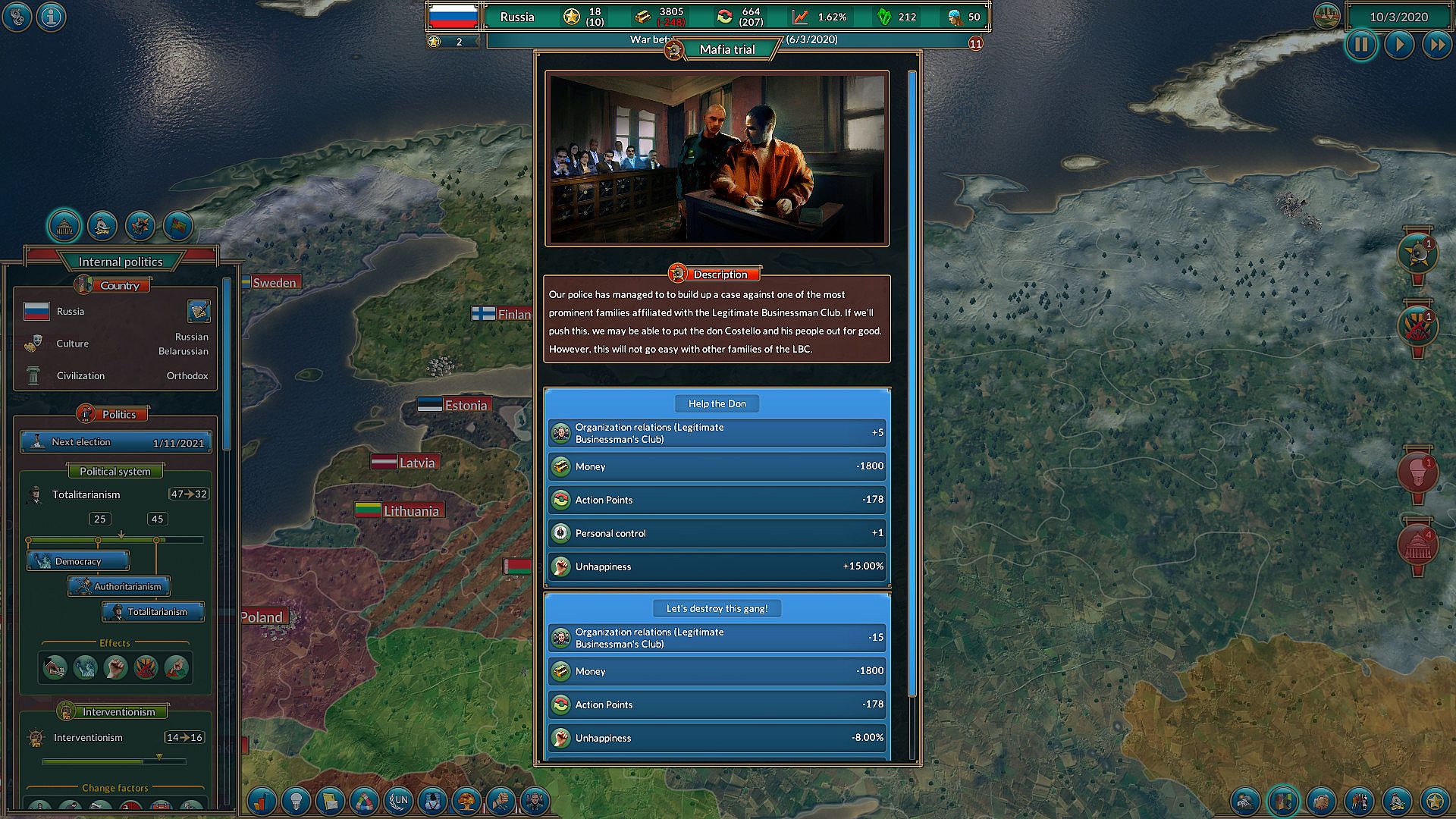
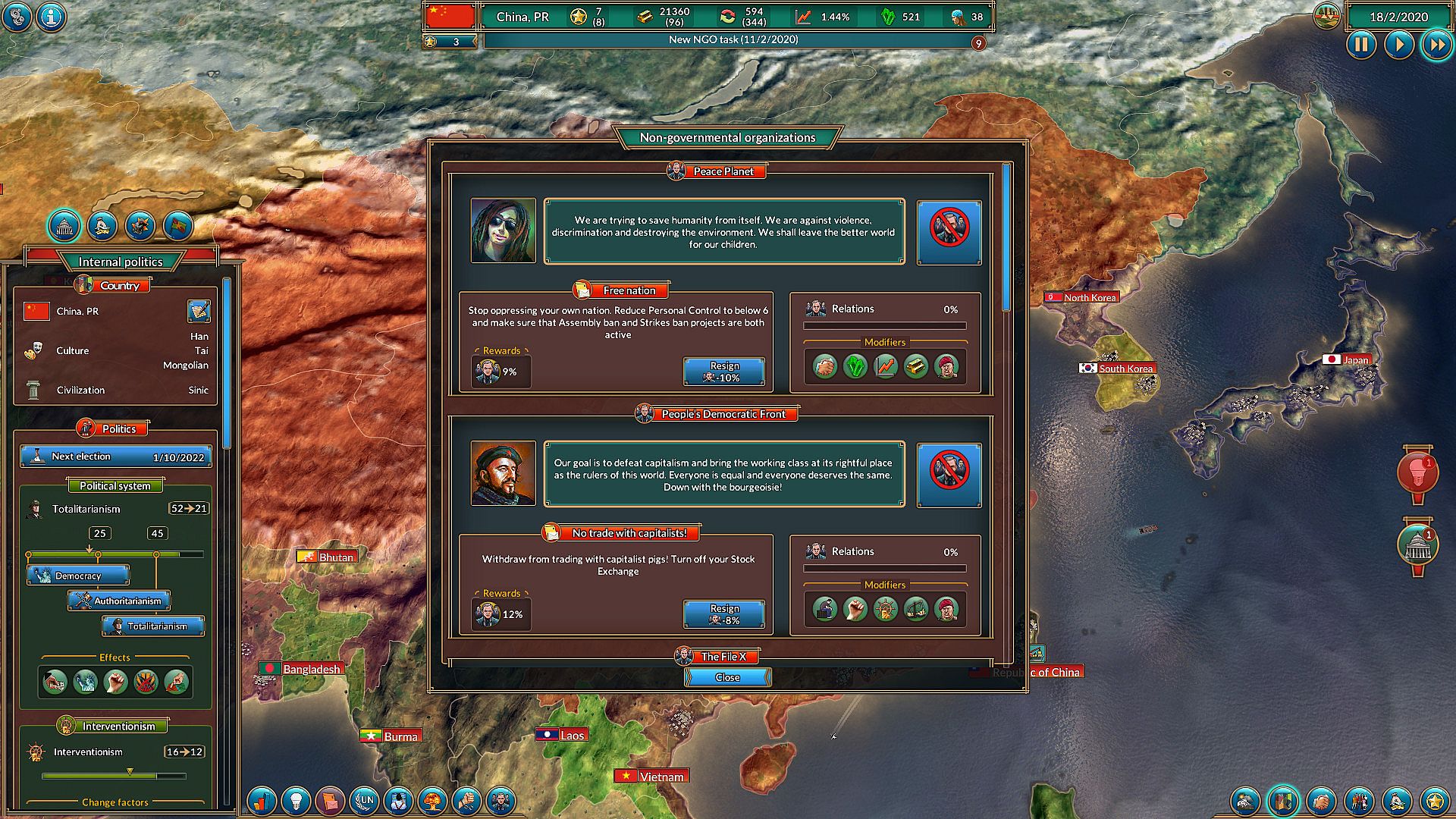
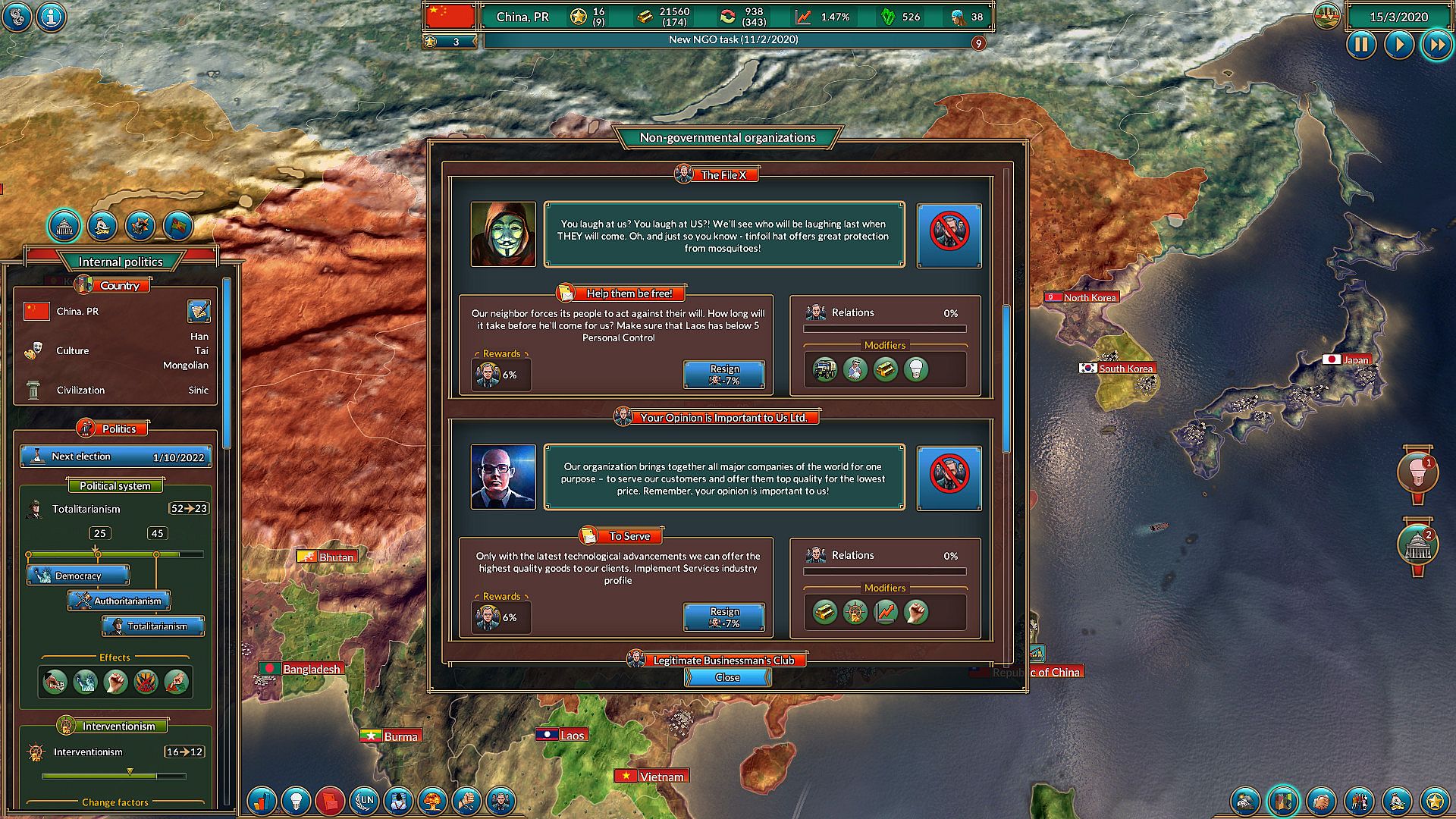
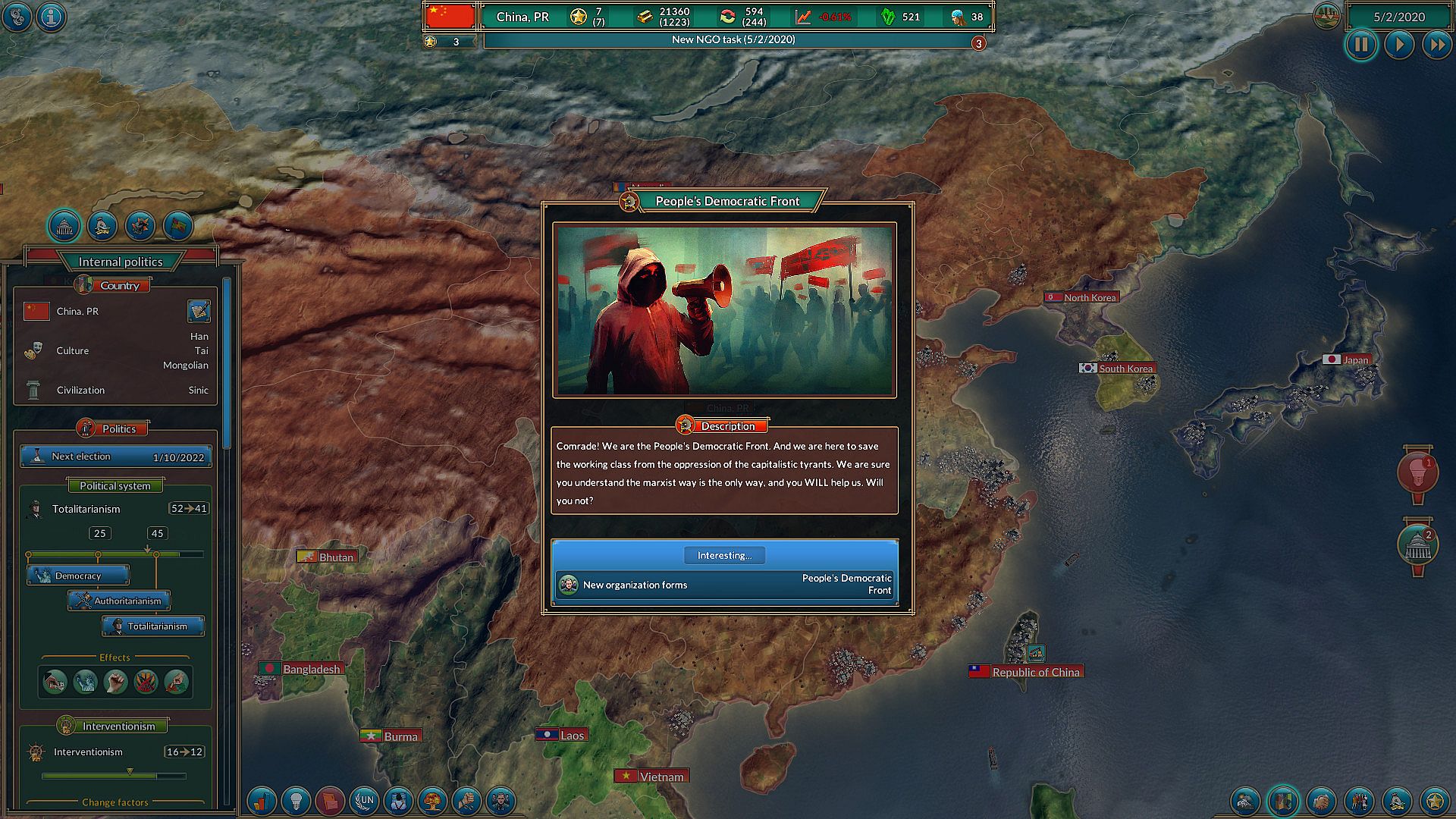
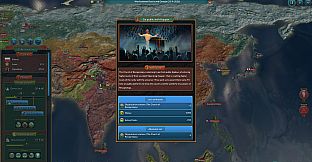
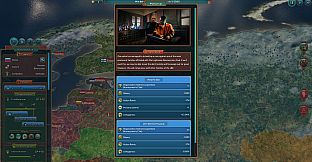
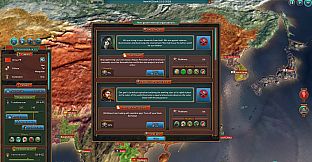
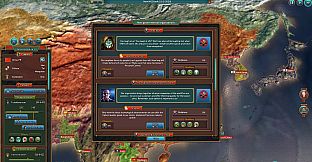
Internal management involves navigating various interest groups that influence government choices. Support for large corporations through subsidies, cooperation with separatist movements, or alignment with religious organizations all affect stability and options. New additions from the DLC introduce further groups such as pacifists, conspiracy advocates, and communists, each presenting distinct pressures that must be balanced against foreign policy goals. Territorial expansion gains new tools through non-aggression pacts that promote peaceful coexistence and political annexation mechanics that allow growth without direct conflict, though both carry associated costs and risks.
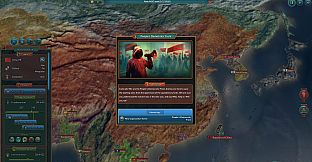
Military and economic systems remain straightforward, with emphasis on building forces and modifiers that tip war outcomes. Random events and a broad decision tree encourage repeated playthroughs by generating varied outcomes based on chosen paths.
Game Modes
Realpolitiks offers a full-world sandbox mode where any nation can be selected for open-ended leadership toward global influence or survival. This mode supports extensive replayability through random events and flexible governance styles. Multiple scenarios provide structured starting points, including campaigns that place players in specific historical or hypothetical contexts.
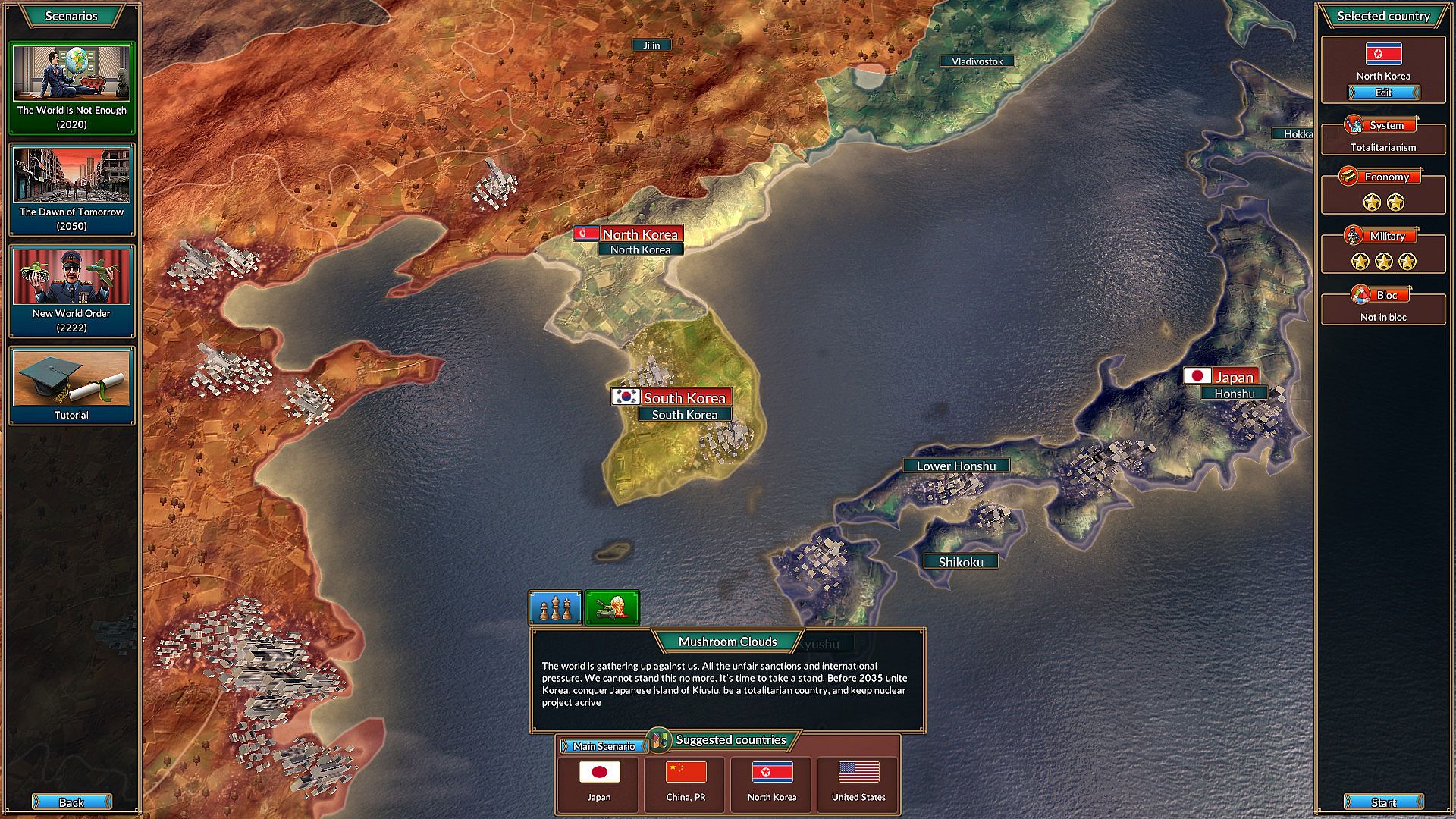
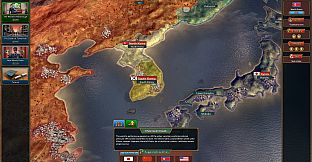
The New Power DLC introduces the Korean Crisis mini-scenario, a focused conflict involving the United States, China, North Korea, and Japan amid rising nuclear tensions. Players enter as one of these nations to navigate preemptive actions, alliances, and the threat of escalation. Additional mini-scenarios from the base game and DLC further diversify options, such as post-nuclear recovery challenges that test rebuilding strategies.
These modes emphasize single-player depth over multiplayer elements, allowing experimentation with different political systems and interest group interactions in each session.
Key Features and Mechanics
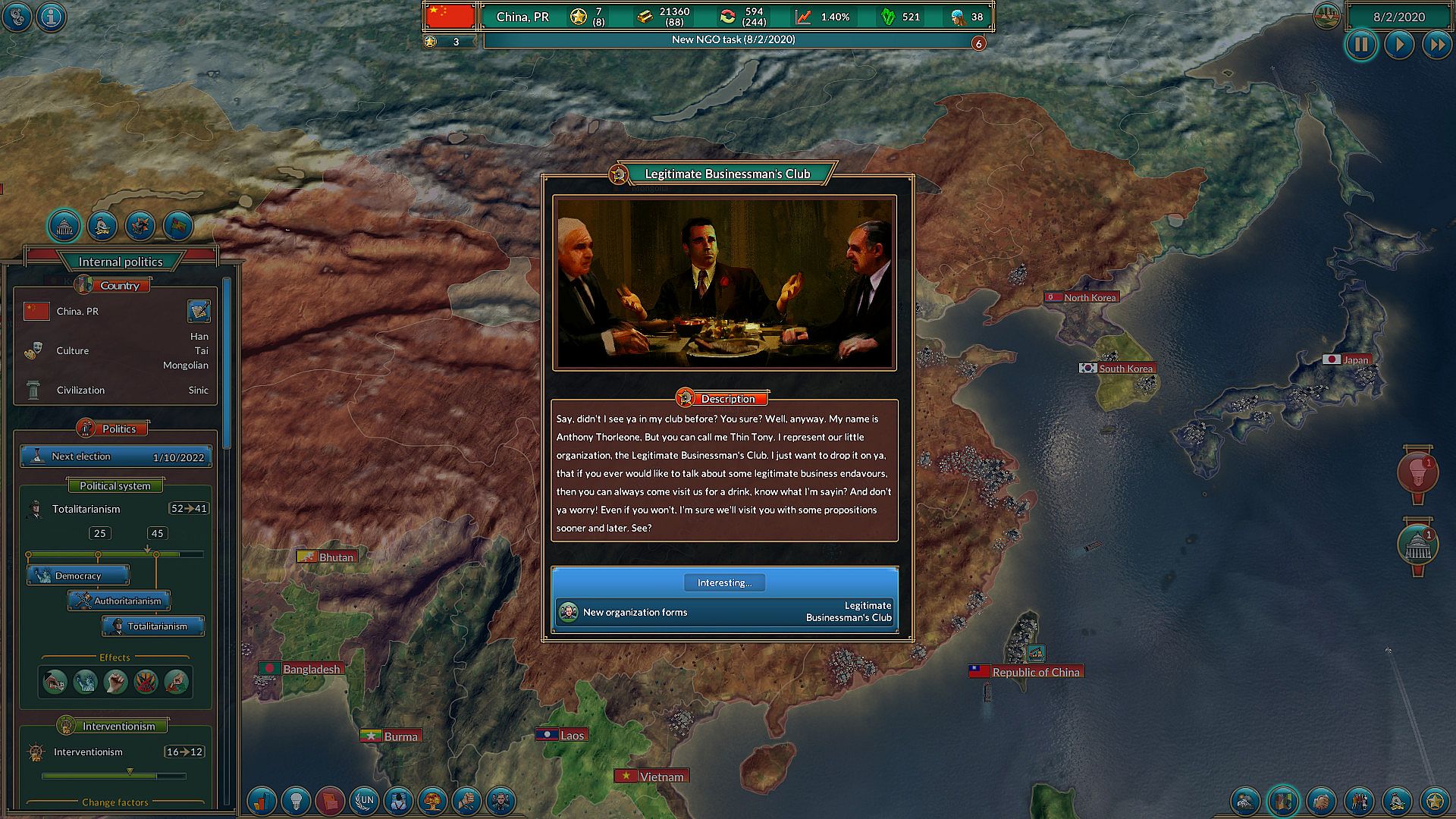
Core systems revolve around juggling domestic stats while pursuing international objectives. Non-governmental organizations added in the DLC expand internal politics, requiring secret dealings with entities like organized crime or ideological factions to maintain power. Larger territorial units become possible through new construction and annexation options, enabling more ambitious expansion plans.
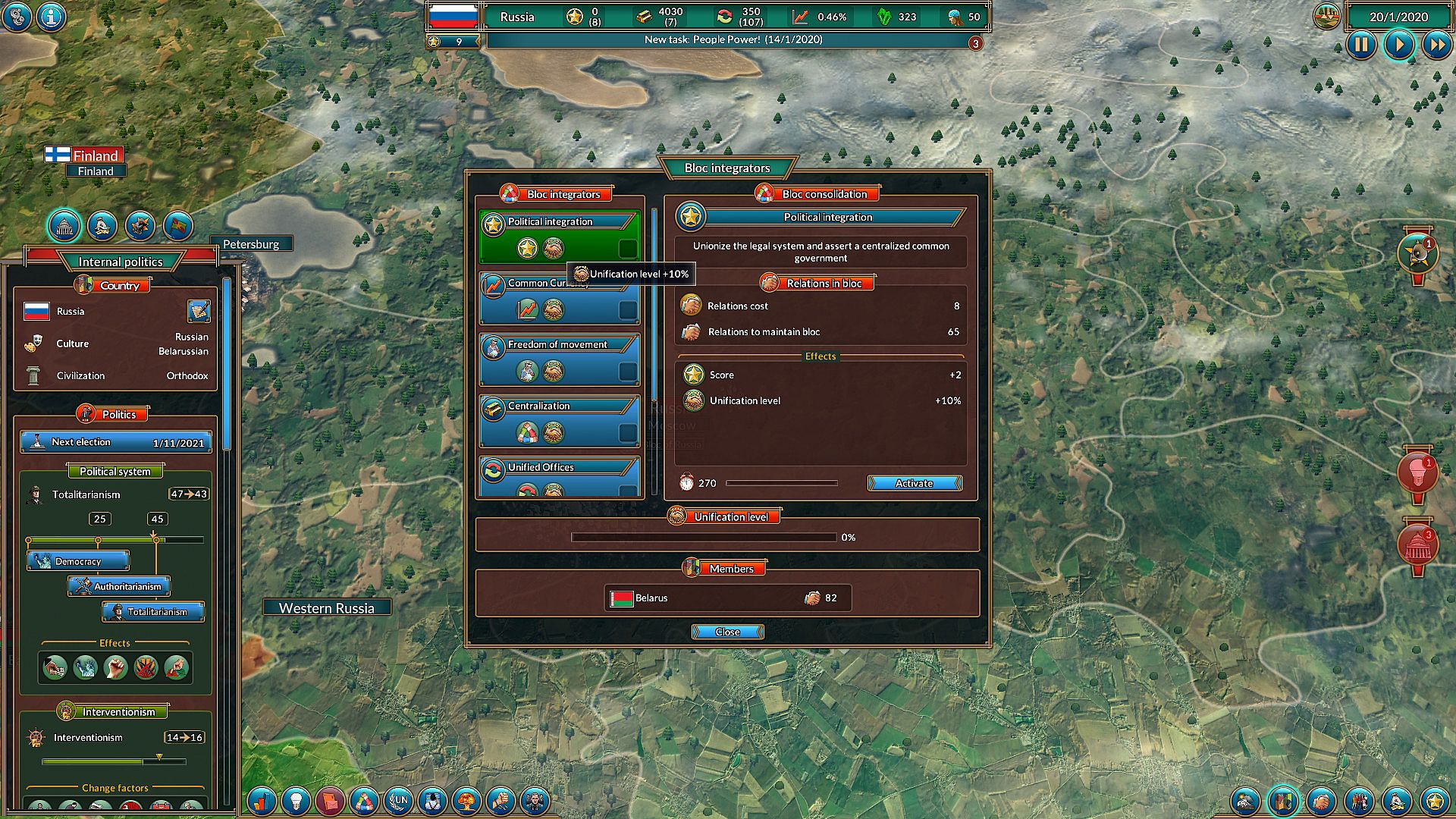
Diplomacy receives enhancements with non-aggression pacts that stabilize borders and political annexation as an alternative to warfare. All mechanics tie into a unified interface where players monitor influences from multiple groups simultaneously. The real-time pace keeps pressure on resource management and timely responses to crises.
Is It Worth Playing?
Realpolitiks with the New Power DLC delivers a focused modern grand strategy experience suited to players who enjoy decision-heavy political simulation without overwhelming complexity. The added Korean Crisis scenario and NGO mechanics provide concrete new content that deepens internal and crisis management layers. Reviews for the DLC note its value in adding realism and options, with overall feedback described as mostly positive among a small number of players.
Reception for the base title shows mixed results, with praise for the concept of leading any nation alongside criticism of simplified systems and interface elements. The game maintains a low but steady presence years after release, appealing primarily to strategy enthusiasts interested in contemporary settings rather than historical or fantasy themes. Those seeking streamlined real-time gameplay with replay through scenarios and sandbox freedom will find the most alignment, while players preferring deep tactical combat or large active communities may look elsewhere. Availability remains straightforward on PC platforms for those matching the described style.