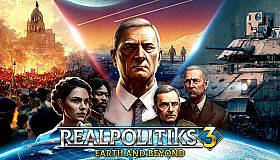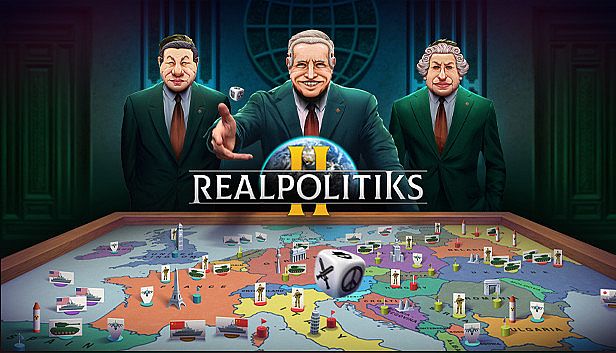






























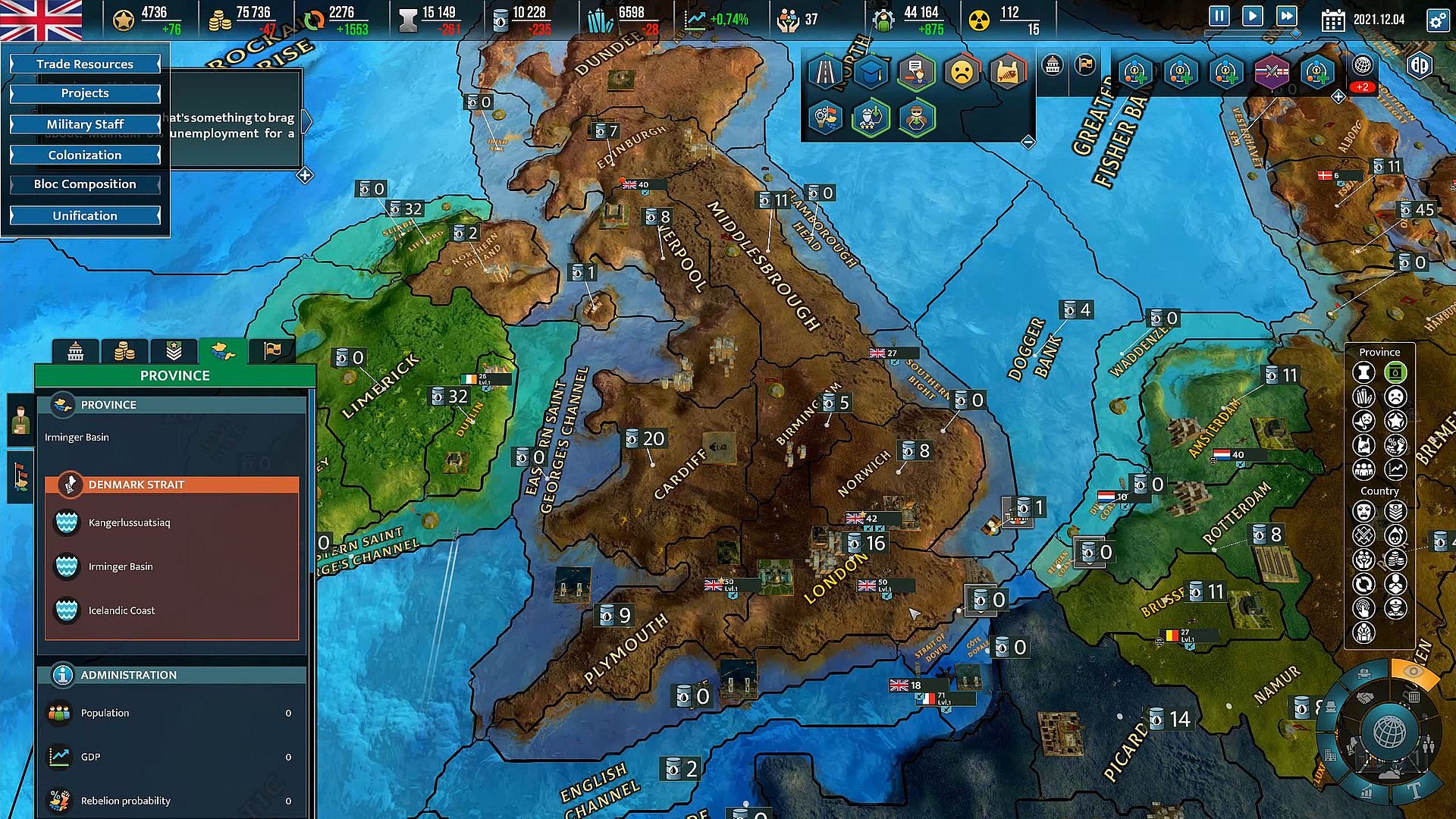
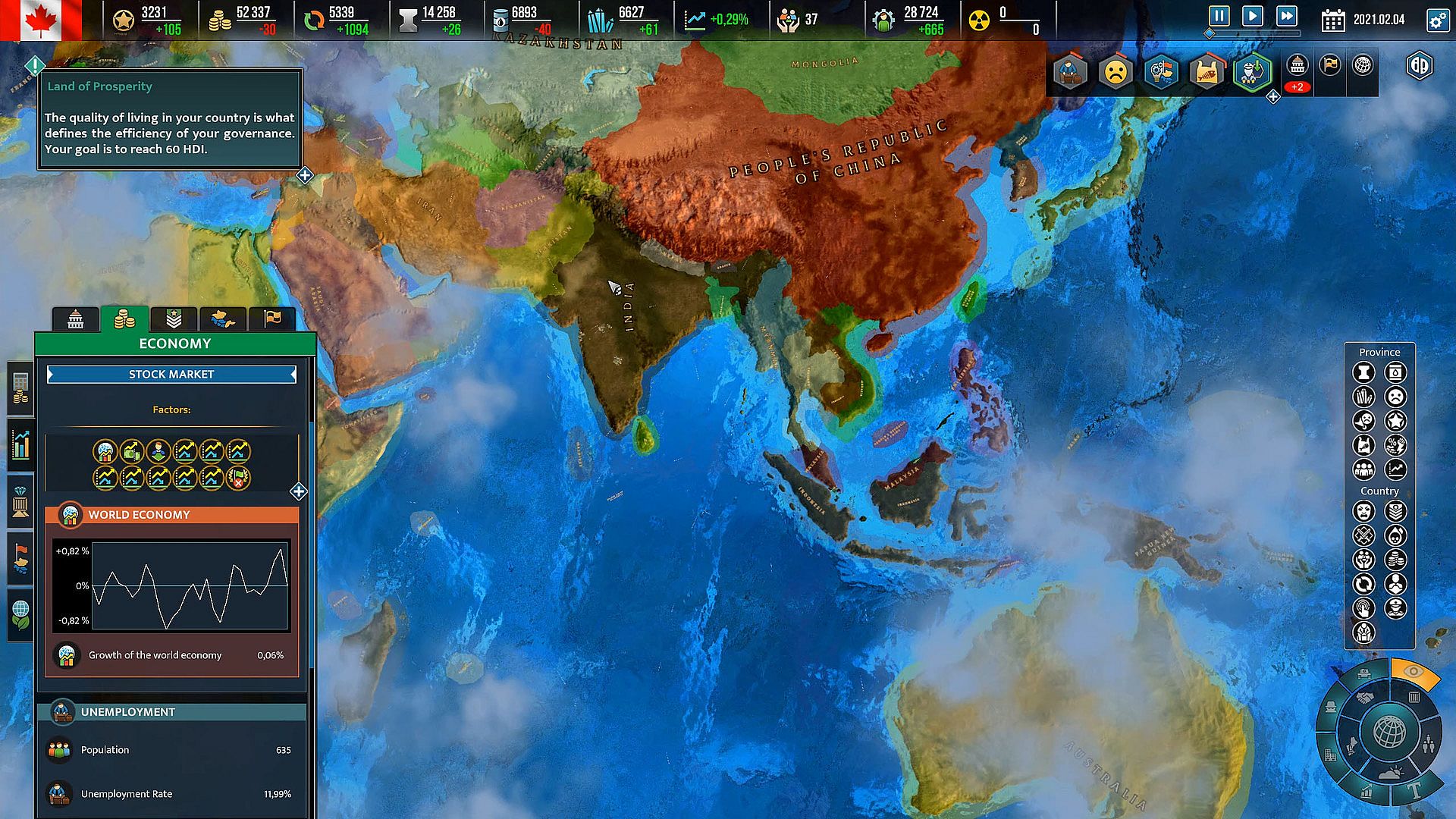
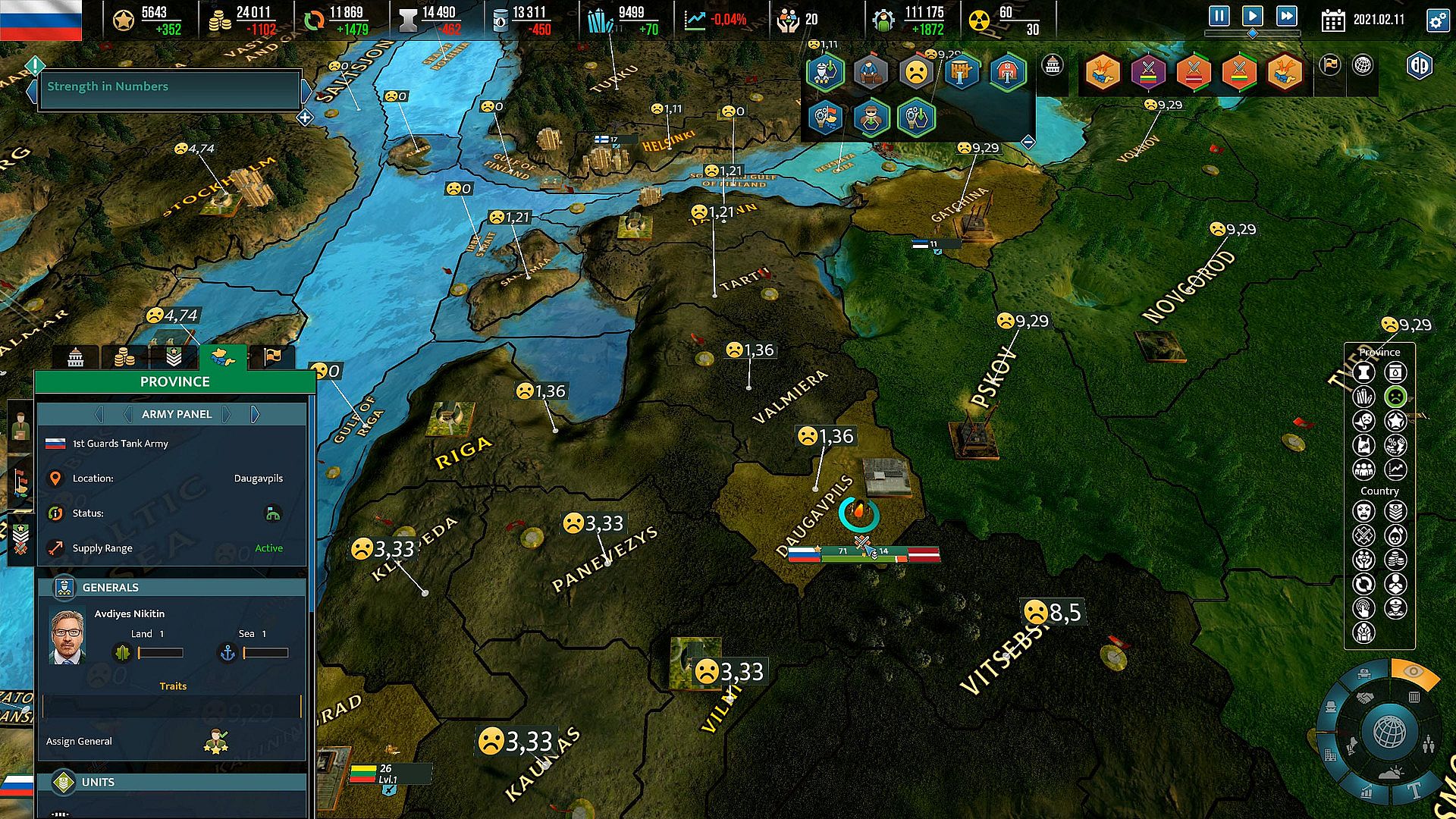
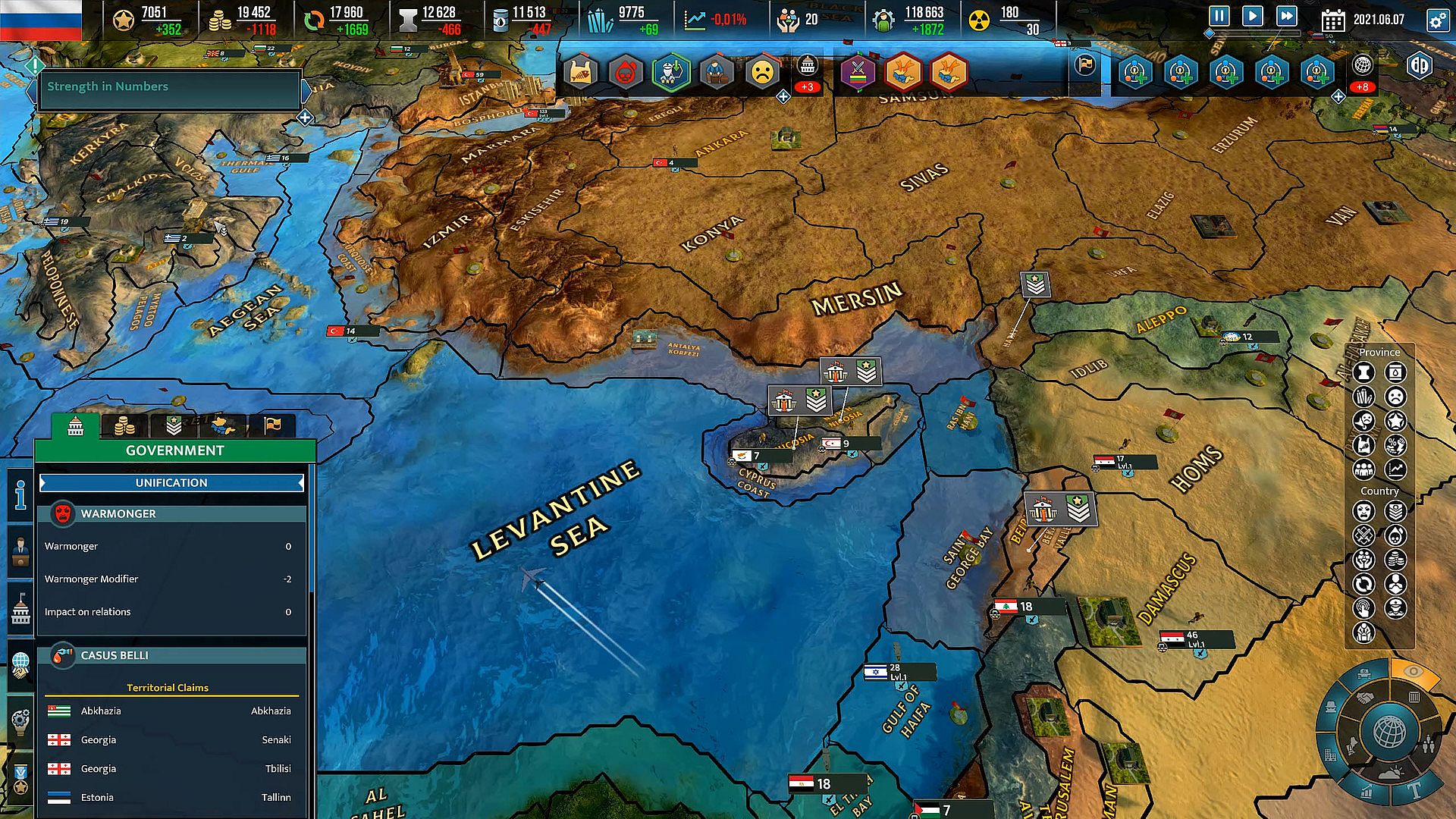
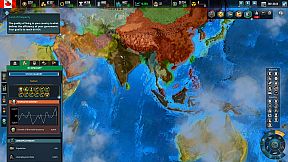
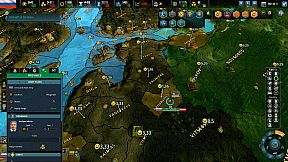
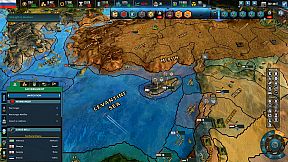
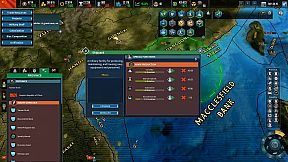
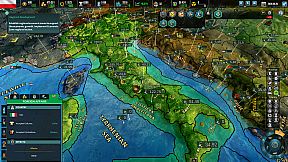
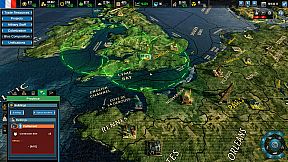
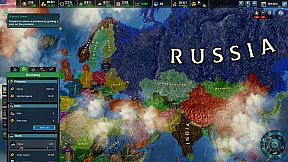
Realpolitiks II is a real-time grand strategy game in which players lead one of 208 contemporary nations toward global dominance. The experience centers on managing a modern country's economy, military forces, diplomatic relations, and internal stability while responding to threats like terrorism, pandemics, and resource shortages. Developed as a sequel with expanded systems, it places emphasis on detailed control over national development and international conflicts.
Gameplay
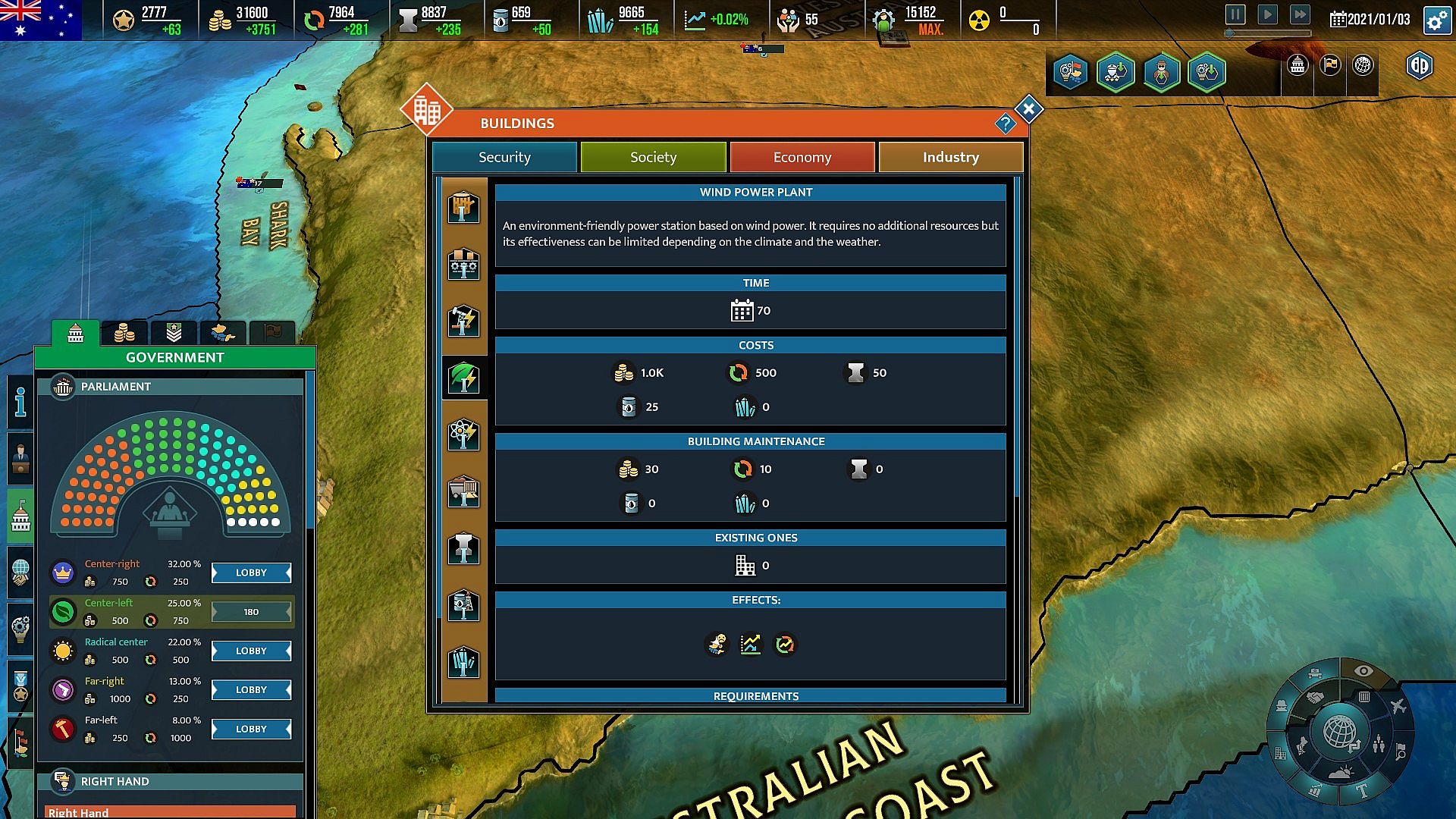
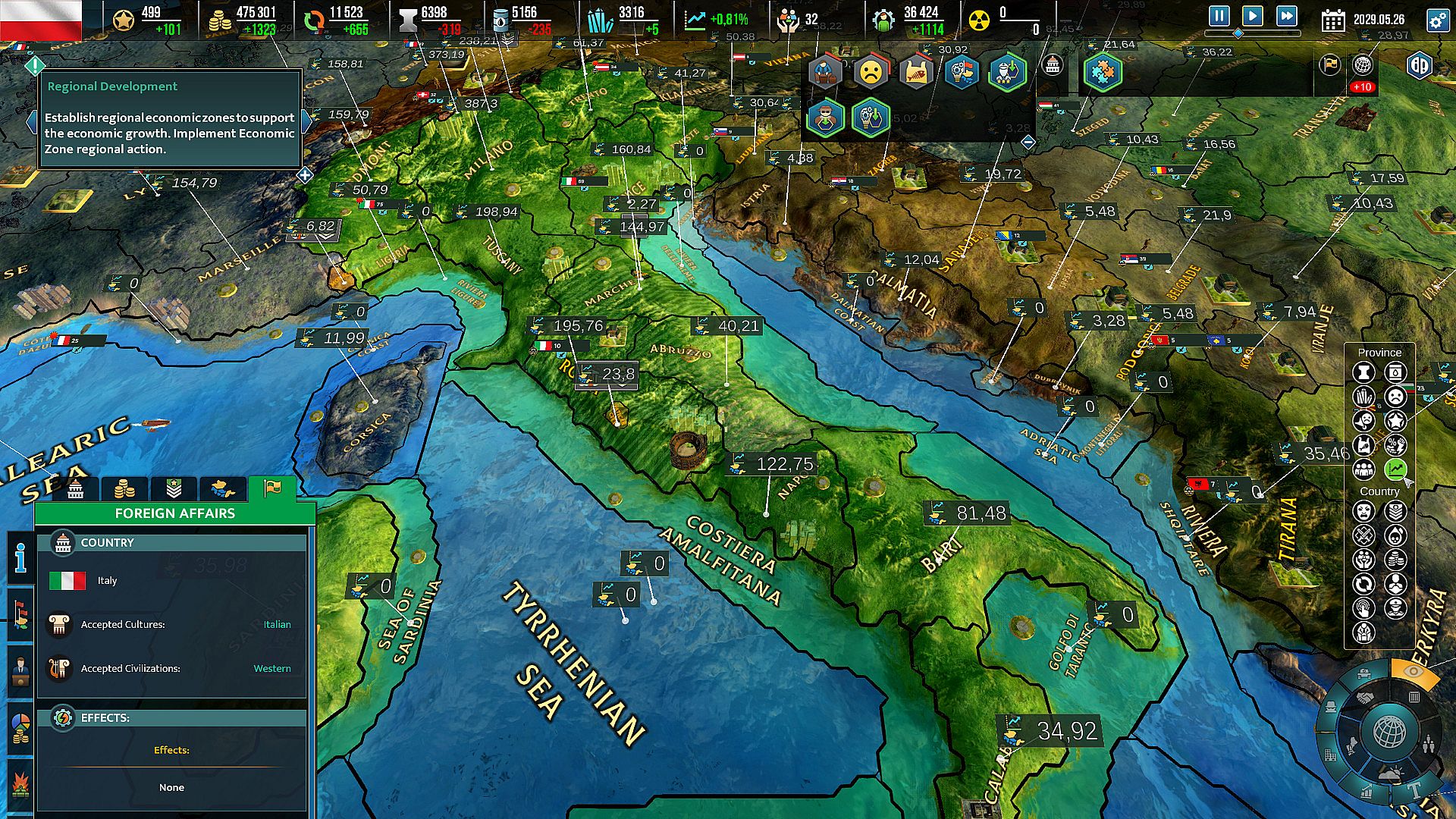
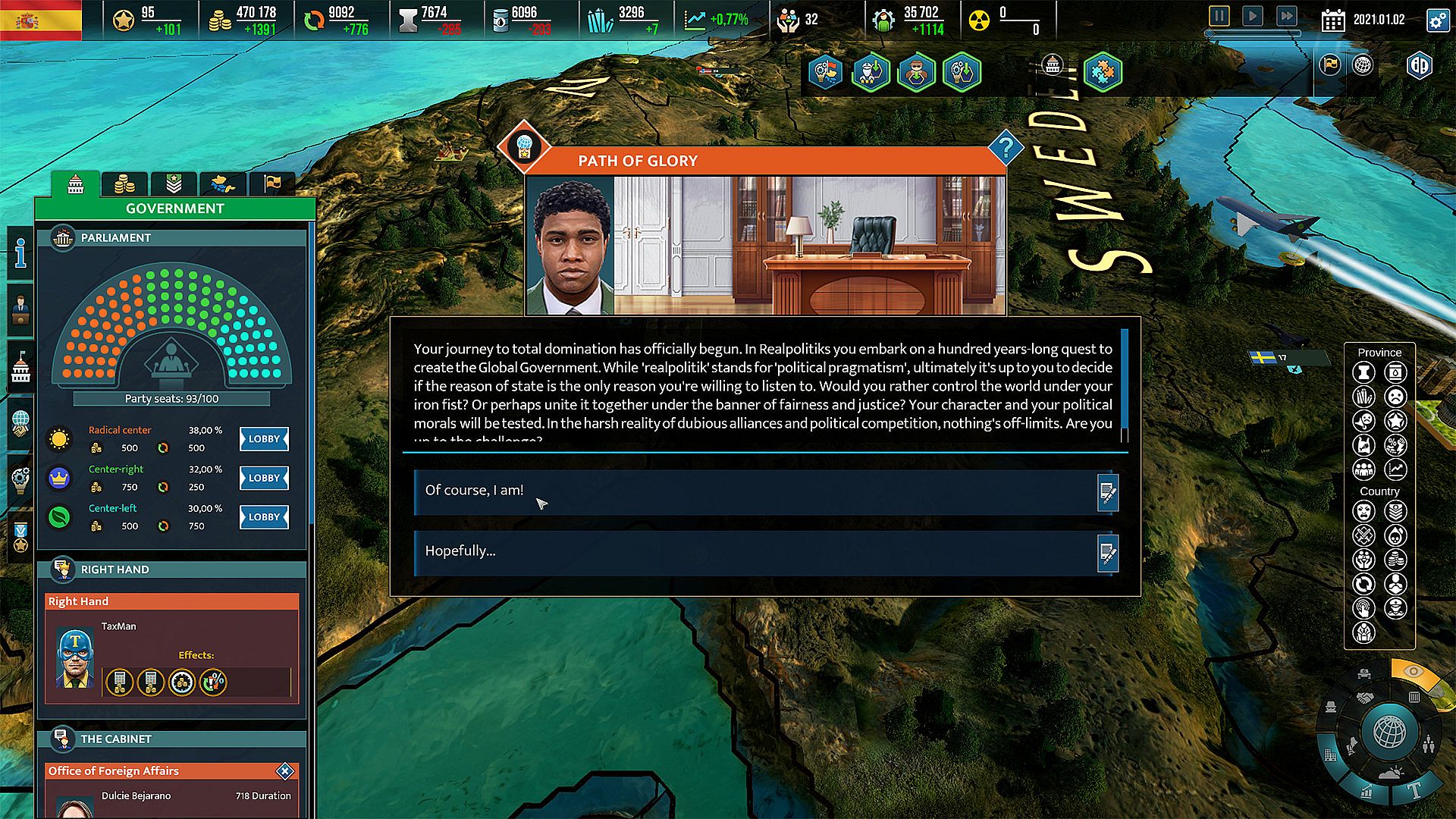
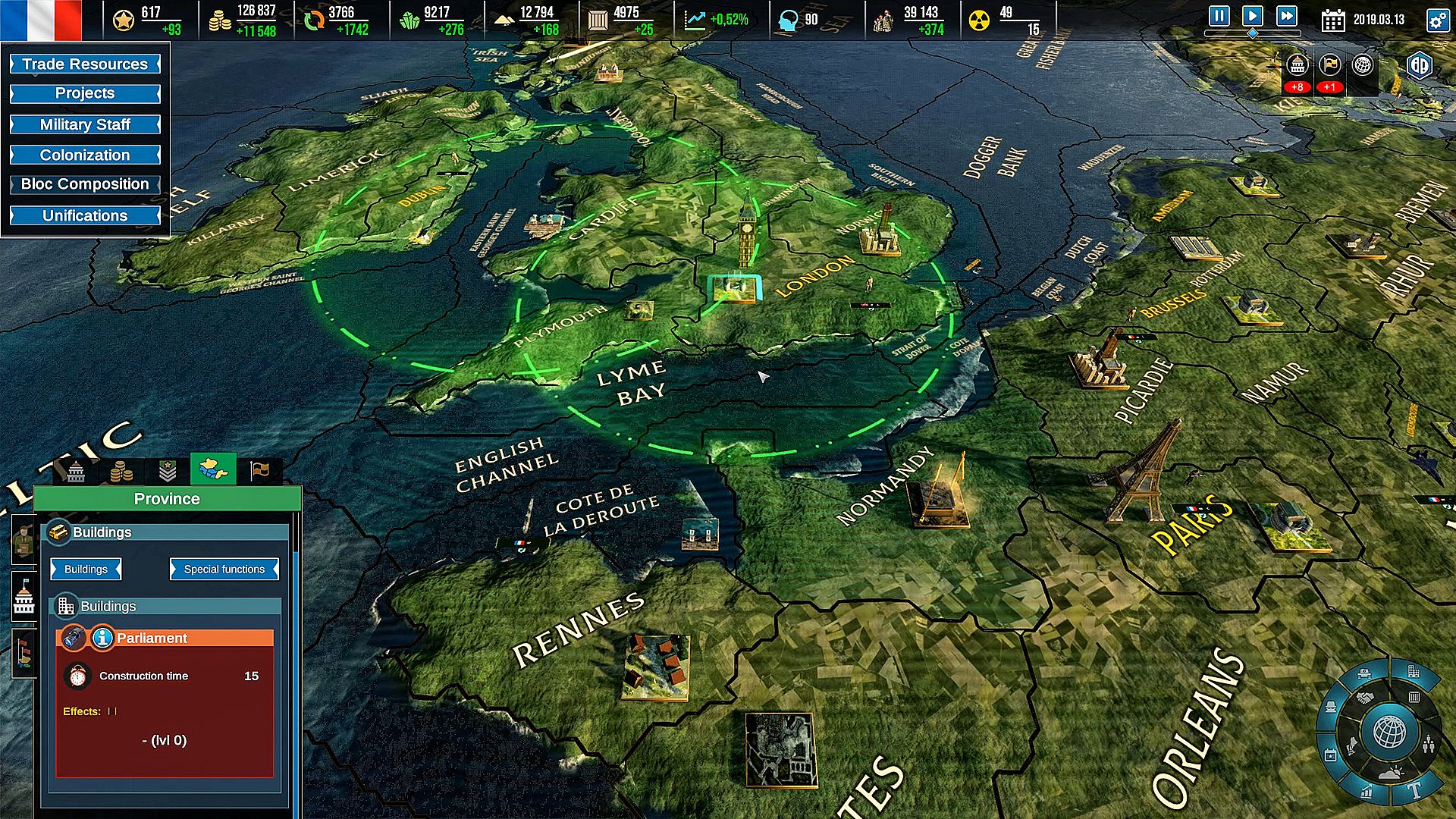
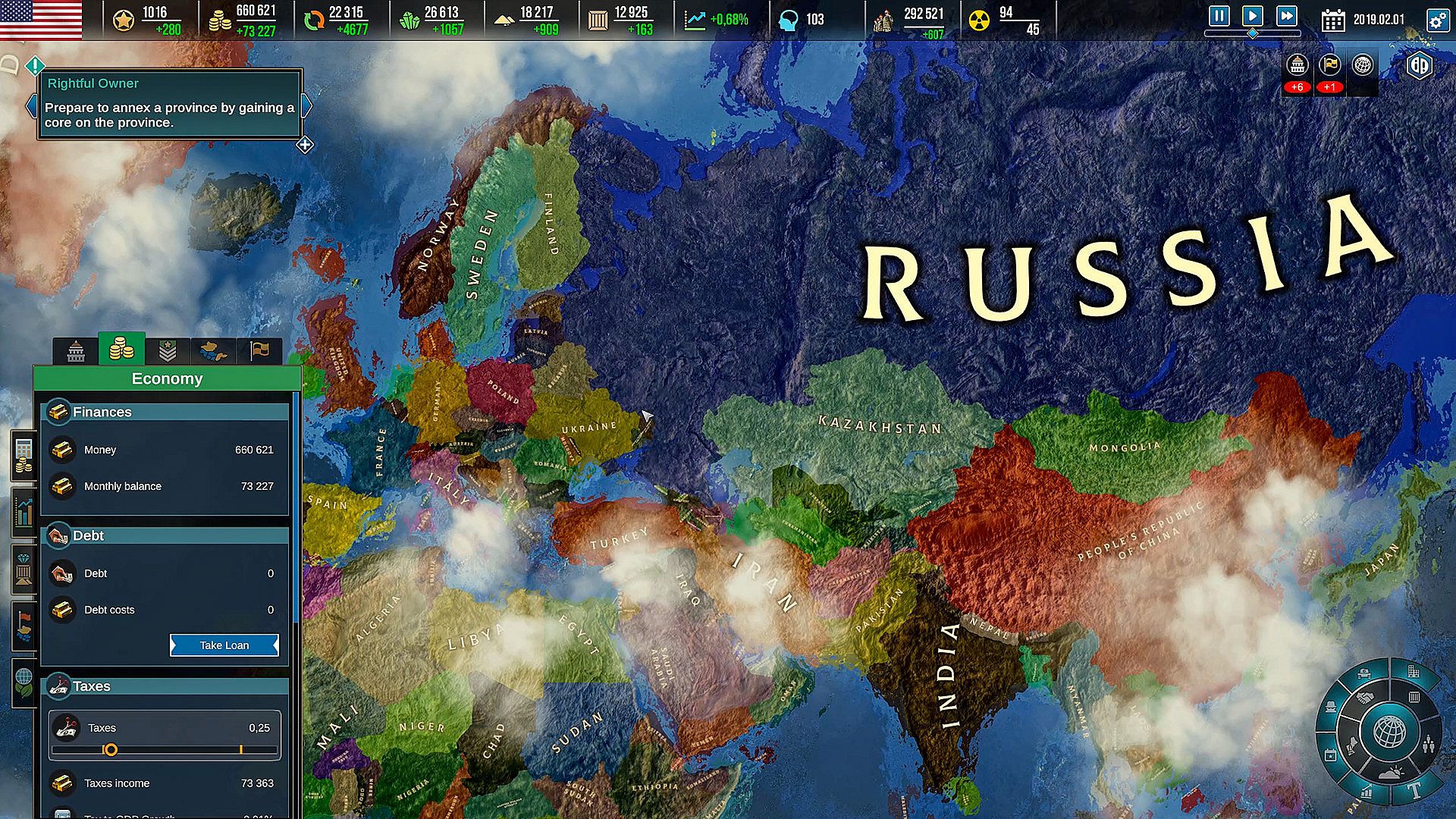
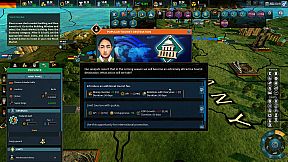
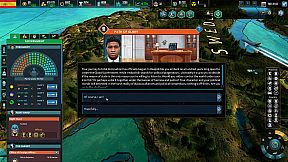
The core loop involves balancing multiple interconnected systems in real time. Players construct buildings to boost recruitment, training speed, supply lines, and defense capabilities. An expanded economic framework allows control over trading policies, advisor assignments, and a stock exchange that influences national finances. Political choices range from democratic structures to authoritarian regimes, with rapid shifts risking internal rebellions.
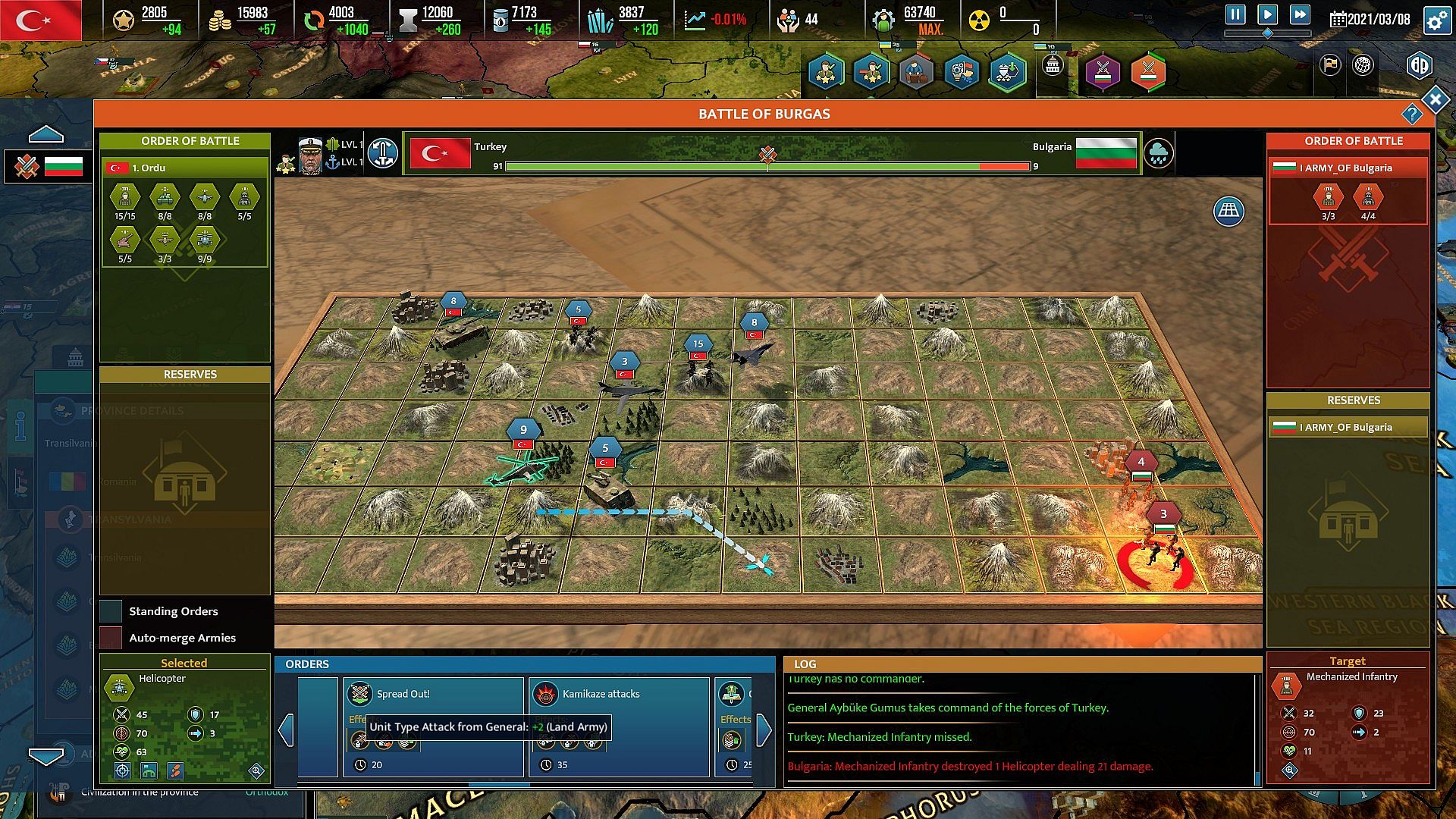
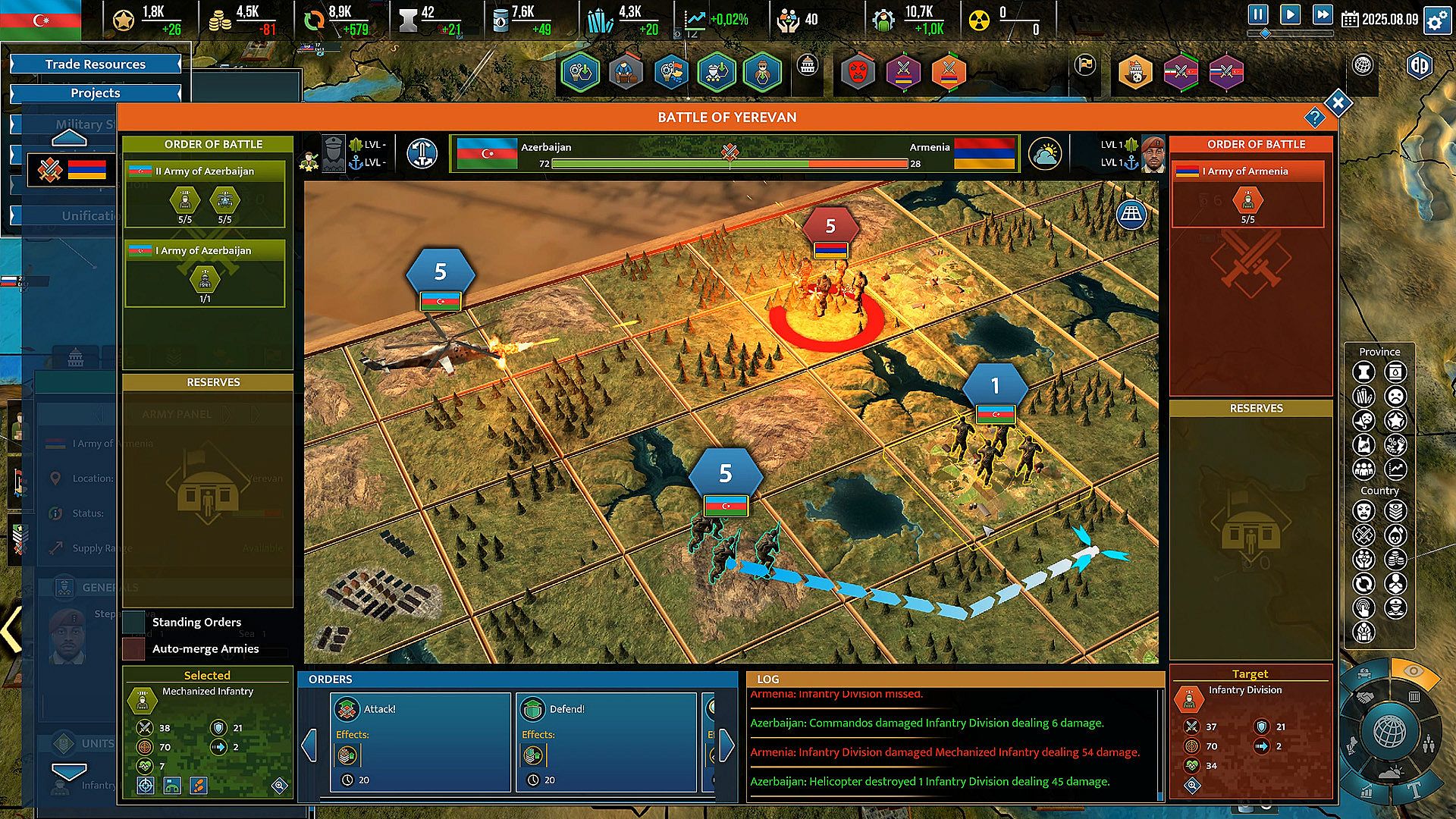
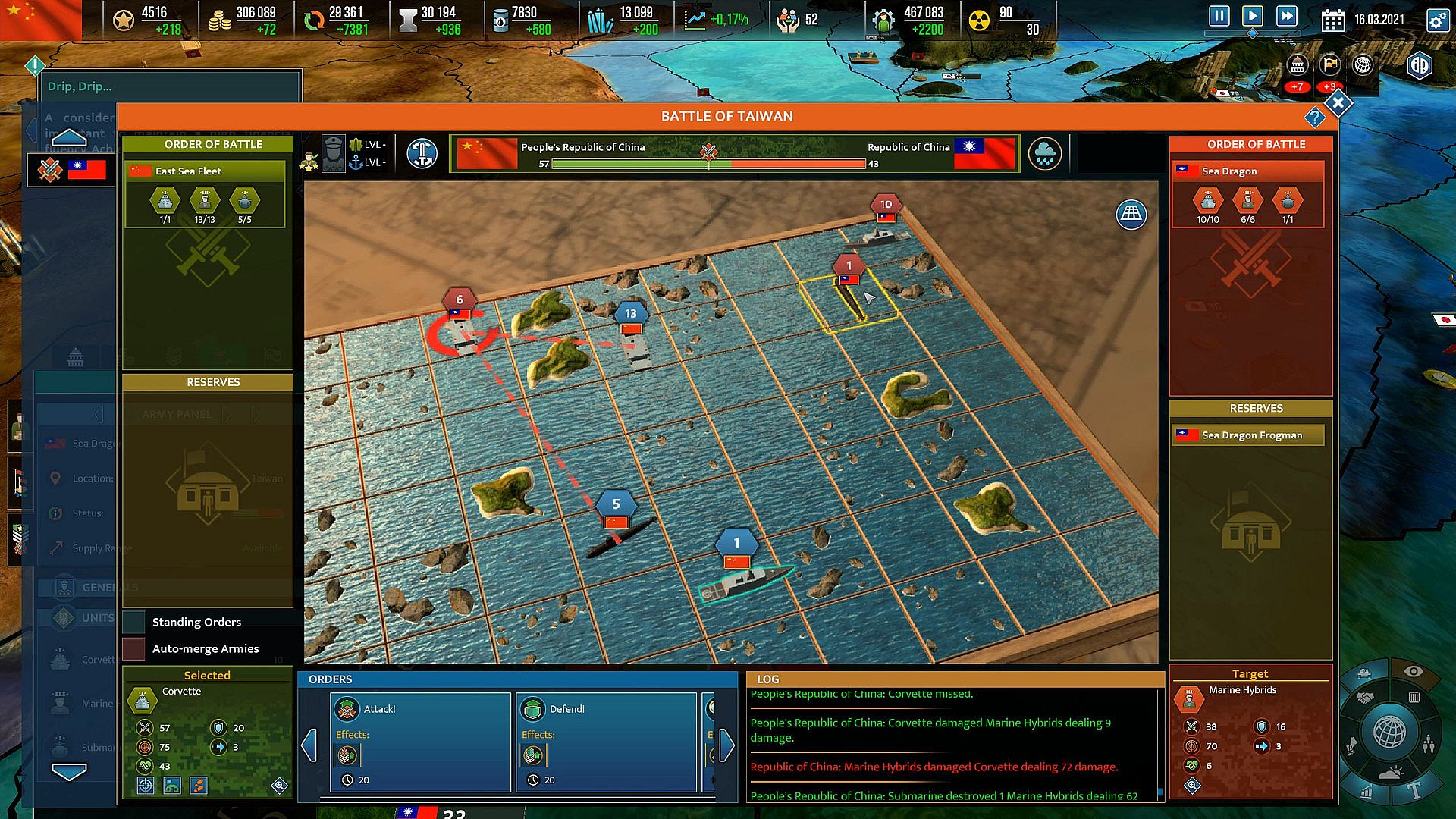
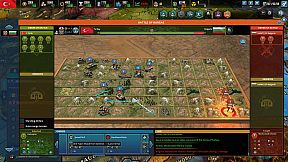
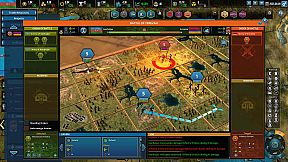
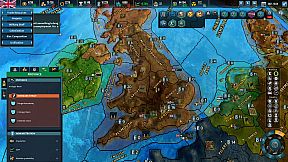
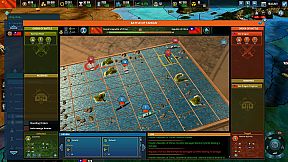
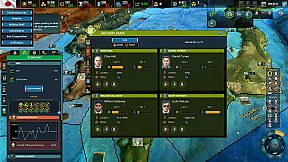
Combat occurs on detailed battlefields where commanders direct units across land, sea, and air. Factors such as weather, terrain, unit formation, equipment, and general skills determine outcomes. Naval warfare adds provinces that can be captured to secure strategic advantages. Espionage operations include stealing technology, sabotaging infrastructure, and destabilizing rivals through leveled spy agents with specialized subterfuge abilities.
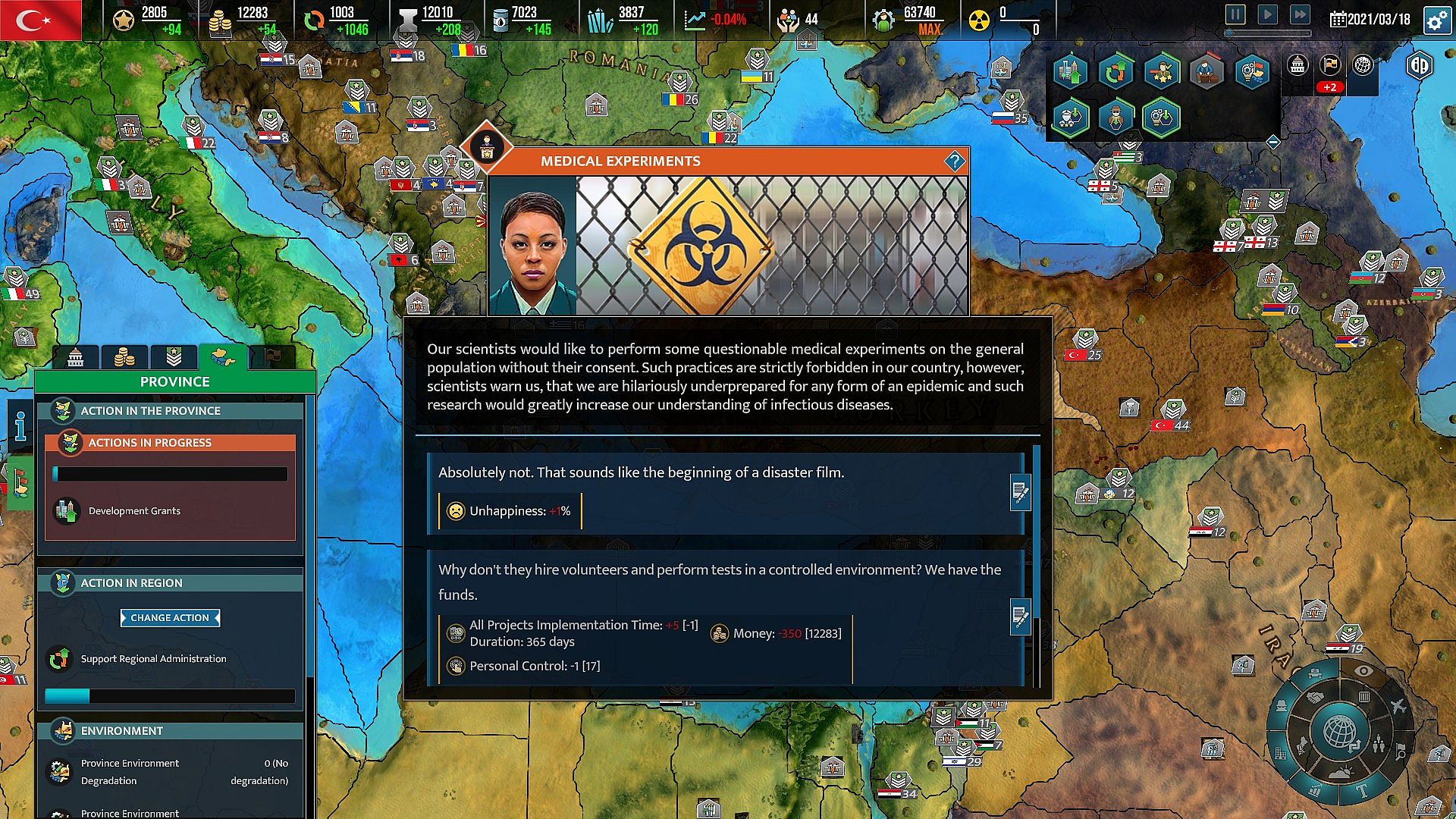
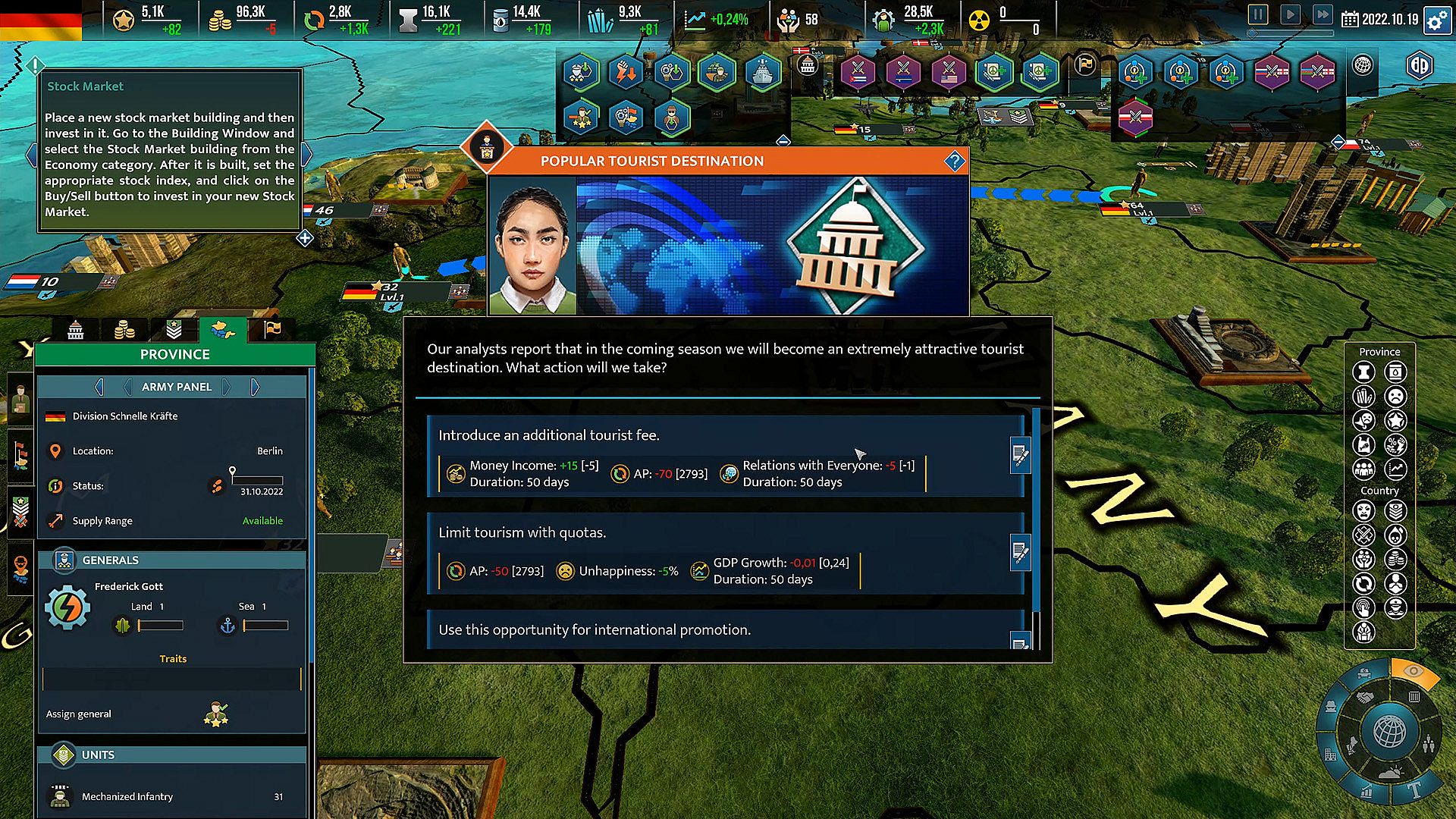
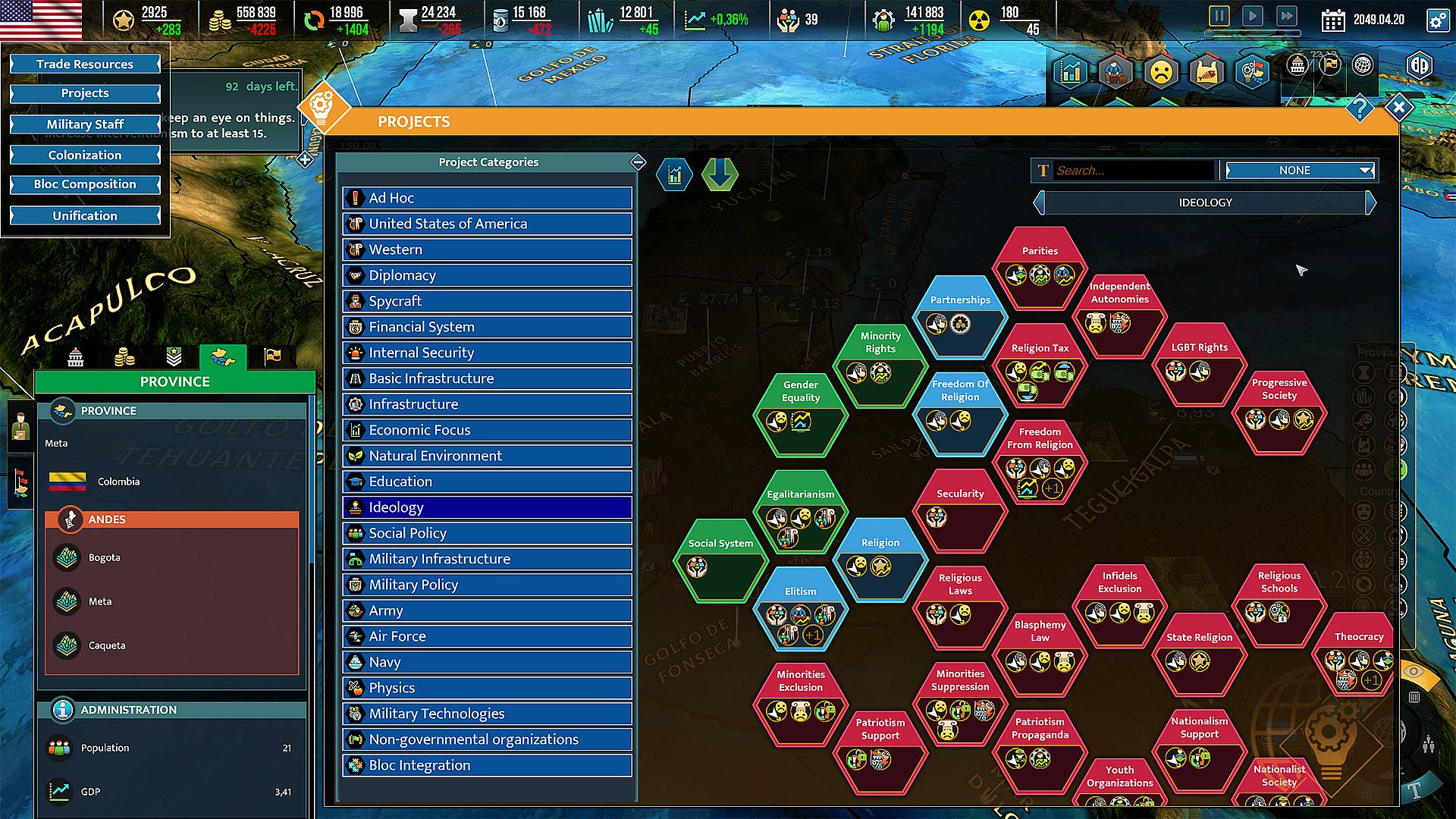
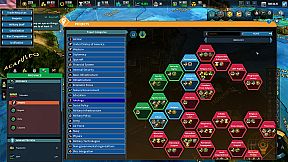
Diplomacy features non-aggression pacts, defensive alliances, military access agreements, trade deals, and extended peace talks. New favor and investment mechanics enable gradual influence over other nations without immediate conflict. Over 700 projects and technologies support customization of military, economic, and social paths. More than 1,000 events introduce variability, from local issues to large-scale crises like meteor impacts.
Game Modes
Three distinct campaigns provide the primary structure for play. Each campaign incorporates its own set of unpredictable events that alter the global situation and force adaptive strategies. The main scenario begins in 2021 and supports selection of virtually any modern nation, including those with limited international recognition. Campaign progression emphasizes long-term planning across economic growth, military expansion, and diplomatic maneuvering rather than short matches.
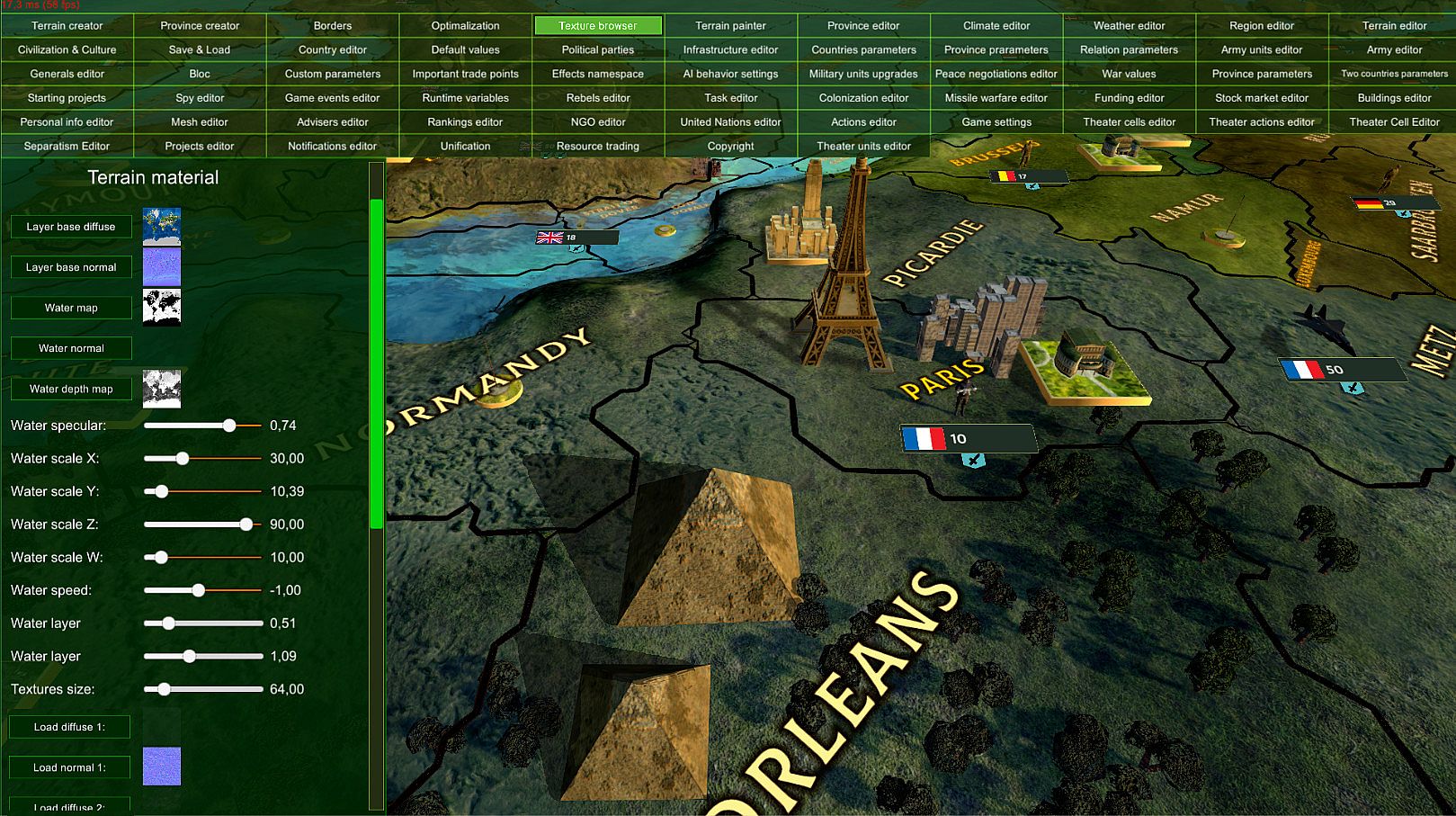
Single-player focus dominates, with mod support allowing creation of custom campaigns, scenarios, units, and nations through in-game tools. This extends replayability by letting players design entirely new starting conditions or rule sets while retaining the core real-time grand strategy mechanics.
Key Mechanics and Systems
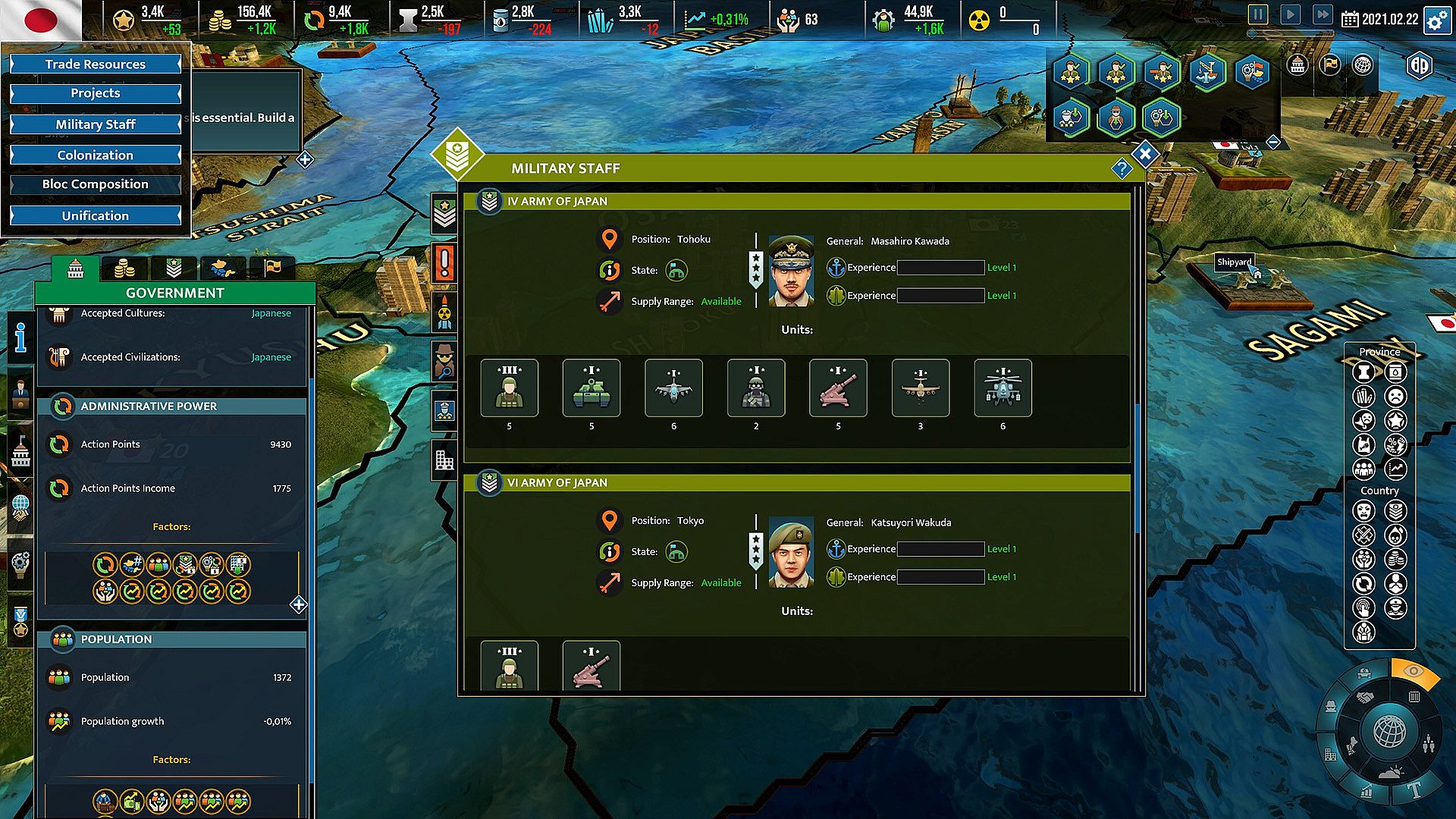
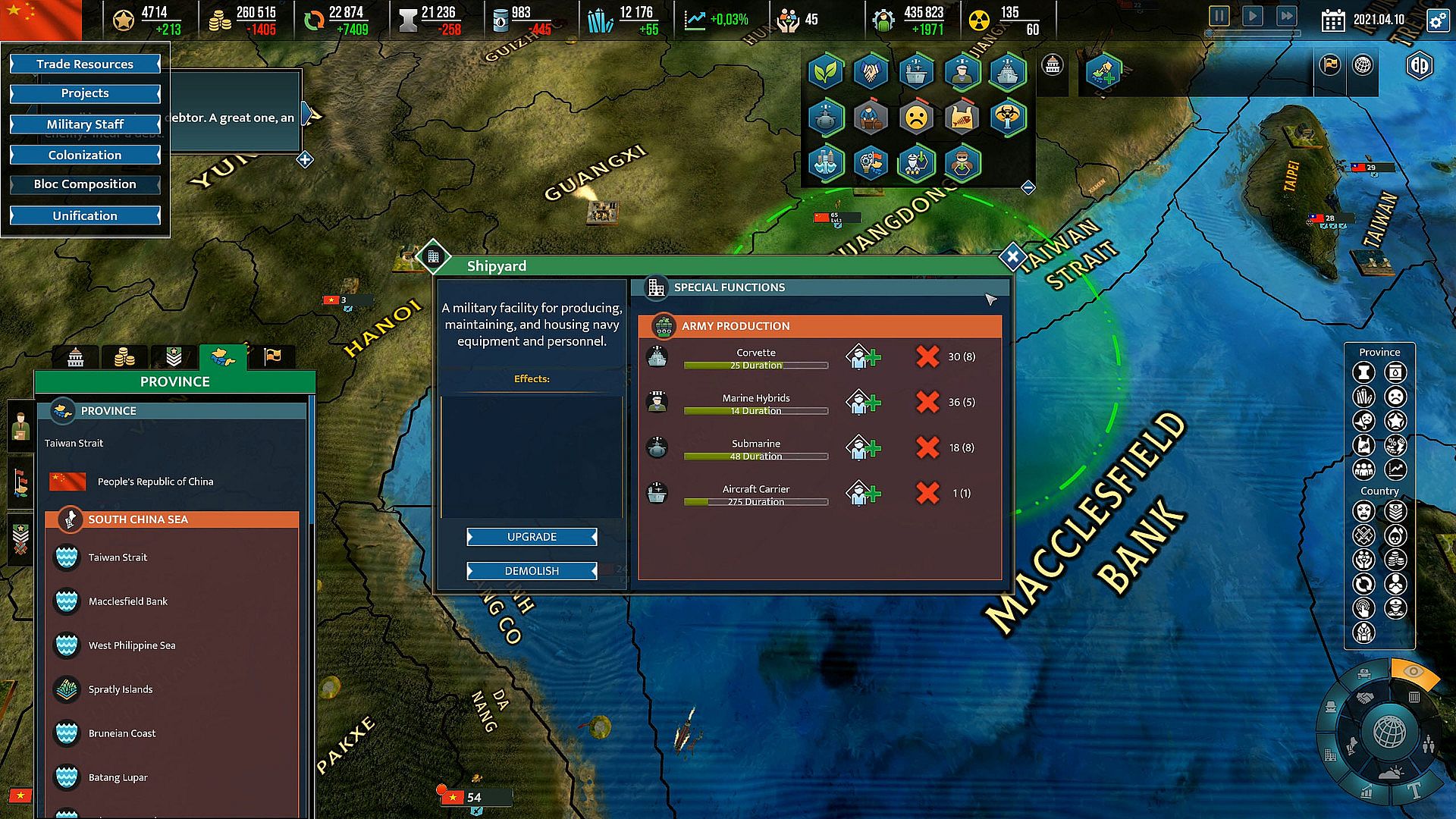
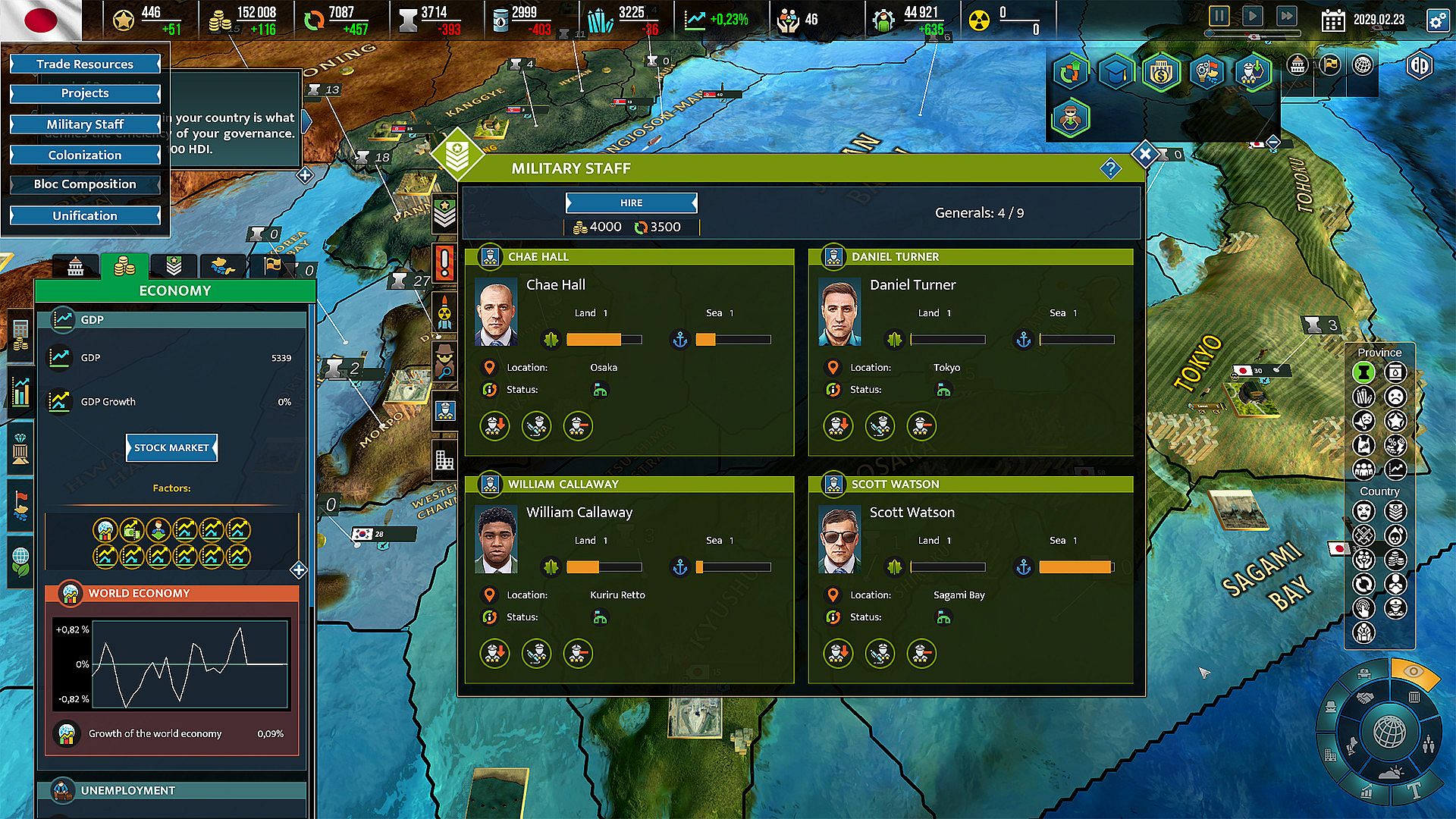
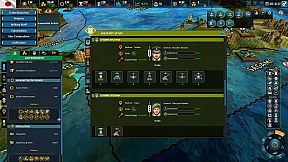
Infrastructure plays a central role, as buildings directly affect unit production, spy and general training, rocket defense, and army supply ranges. Advisors contribute special abilities that can accelerate development or introduce complications depending on political alignment. The combat overhaul rewards careful positioning and environmental awareness, moving away from automated resolutions toward active battlefield command.
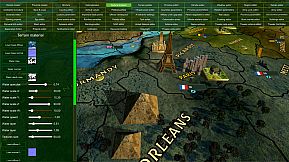
Global threats require ongoing attention alongside expansion goals. Players must allocate resources between internal projects and external actions, with AI opponents demonstrating aggressive negotiation tactics. Modding tools further allow tailoring of events, maps, and factions to suit specific preferences.
Is It Worth Playing?
Realpolitiks II suits players who enjoy complex, management-heavy grand strategy titles with modern settings. The depth of economic, military, and diplomatic layers rewards sustained engagement and experimentation across multiple campaigns. Recent patches have addressed launch issues, improving stability for console and PC versions.
Reception remains mixed, with praise for the interlocking systems and naval combat additions alongside criticism of the steep learning curve and interface demands. Those comfortable with detailed simulations and willing to invest time in learning the mechanics will find substantial content in the three campaigns and modding options. Casual players seeking lighter experiences may find the scope overwhelming.