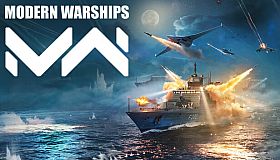



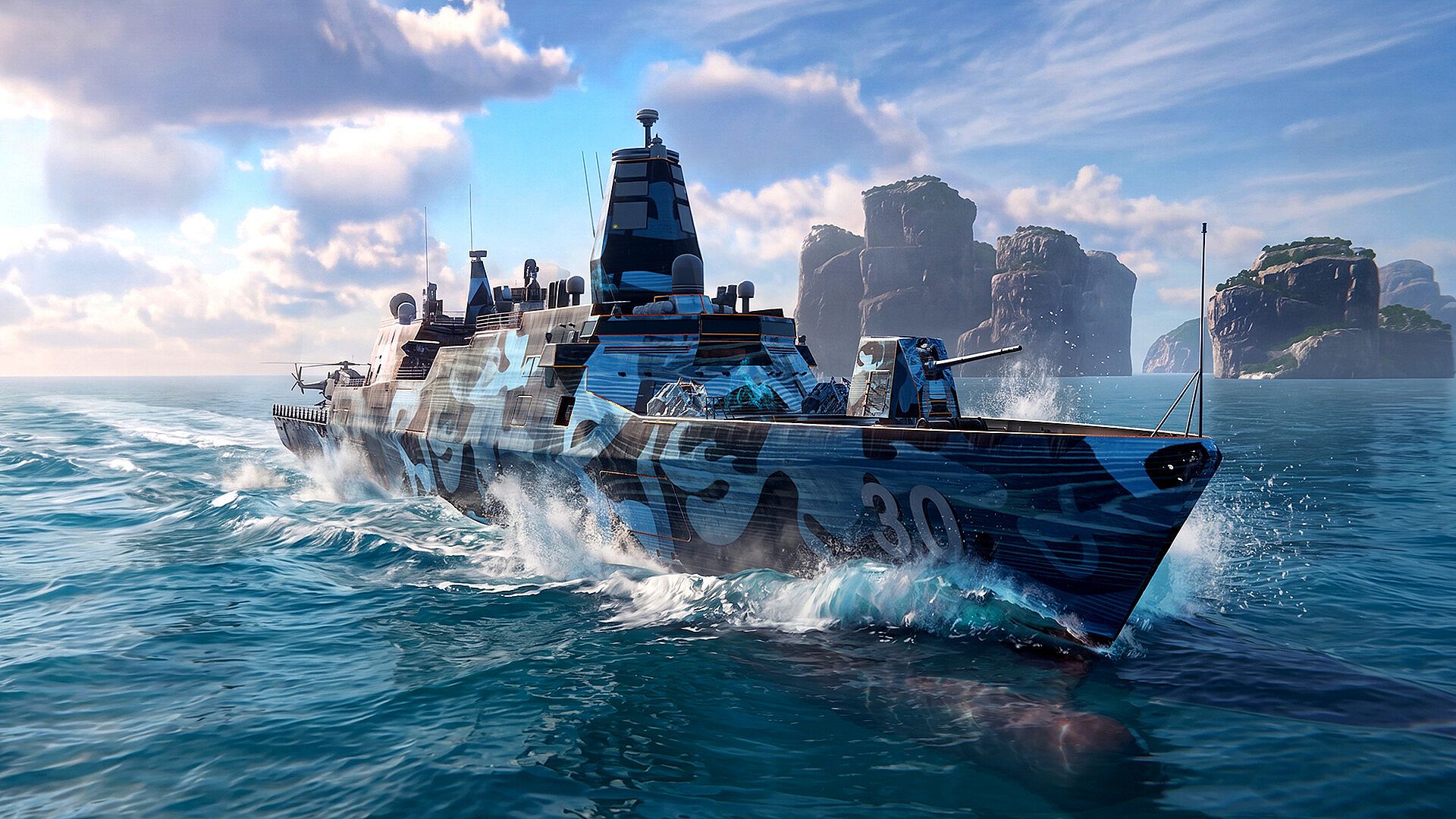
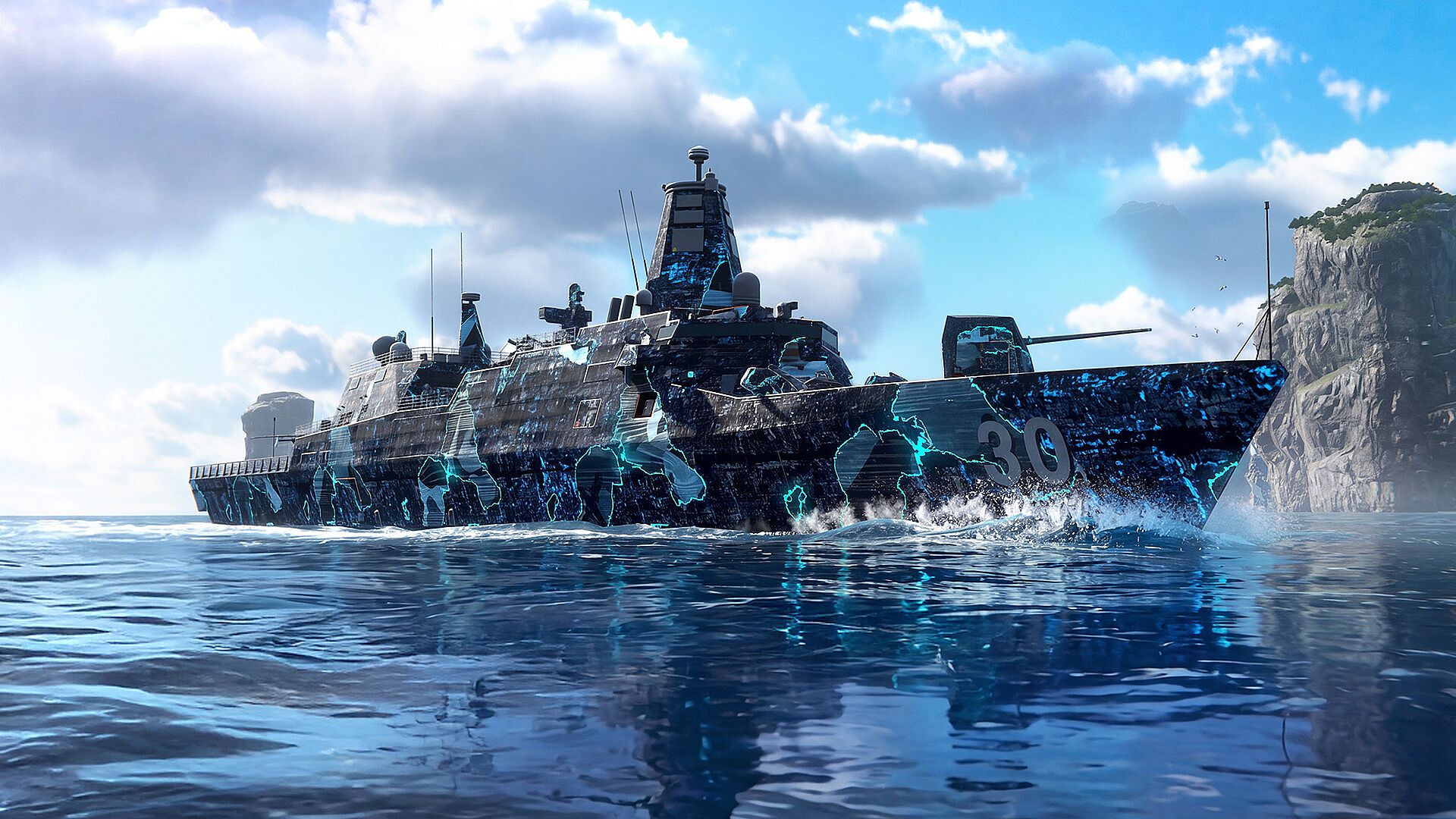
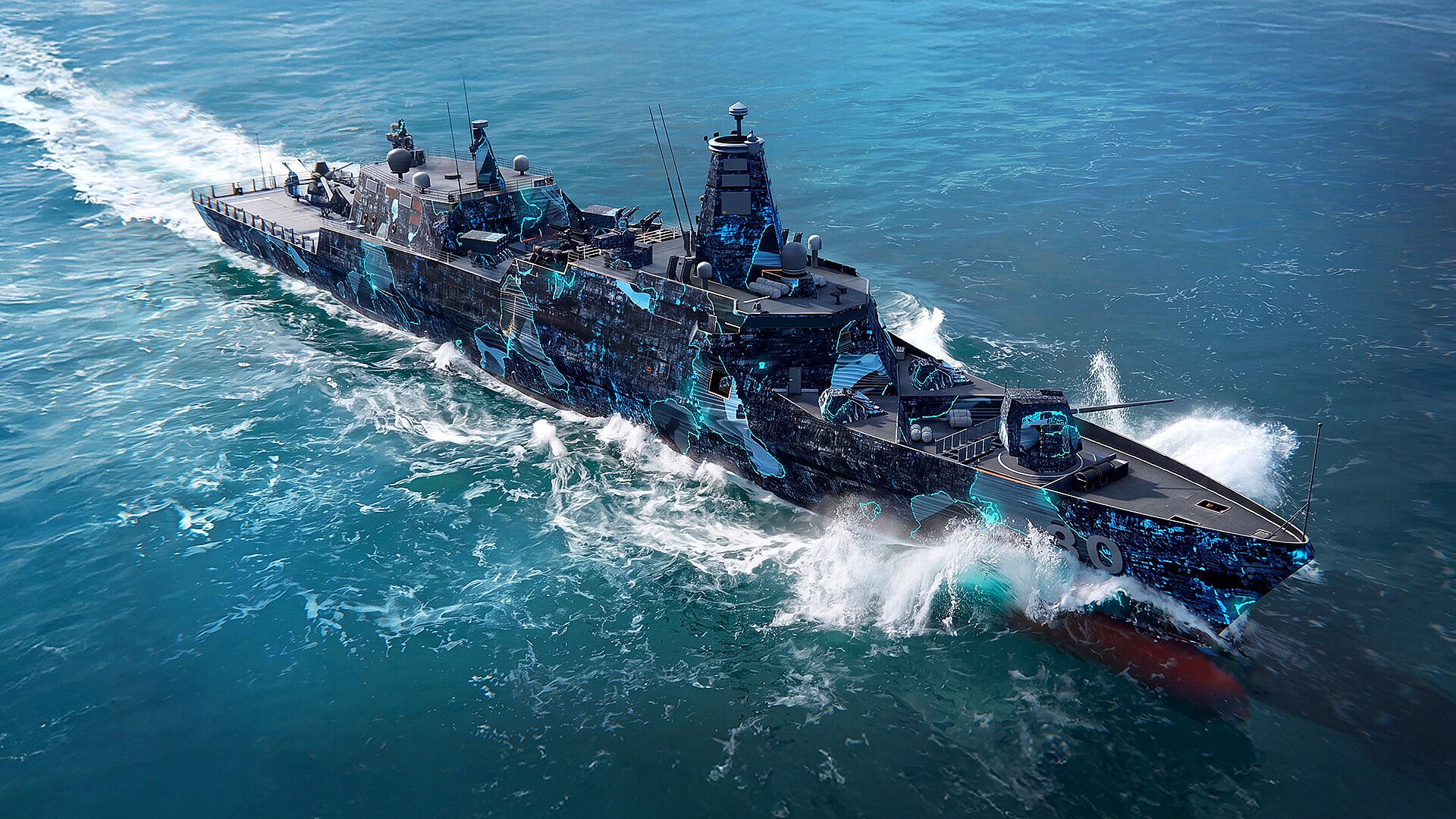
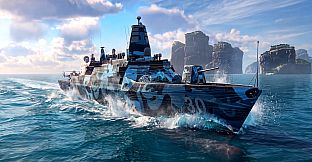
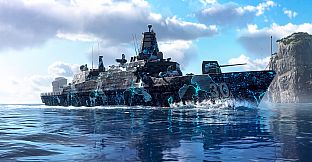
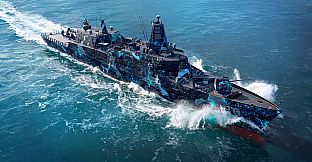

Modern Warships is a free-to-play naval action and simulation game focused on multiplayer battles with contemporary warships and aircraft. Players command vessels from multiple nations in fast-paced online matches that emphasize positioning, weapon selection, and team coordination on PC.
Gameplay
Core gameplay revolves around controlling heavily armed ships in realistic yet accessible naval combat. Each vessel features multiple weapon slots that players fill with missiles, cannons, autocannons, torpedoes, grenade launchers, and air defense systems. Builds determine playstyle, with missile-focused loadouts favoring long-range strikes and gun-heavy setups rewarding accurate aiming and sustained fire.
Aircraft play a supporting role, including fighters, bombers, helicopters, and drones that players can launch or control to scout, attack, or defend. Battles feature quick engagements where cover, angles, and timing matter. Recent updates introduced an expanded ricochet system that factors in projectile caliber and impact angle, adding depth to defensive maneuvering. Ships from nations such as the United States, Russia, China, the United Kingdom, and Japan offer distinct performance profiles and armament options.
Progression uses in-game dollars earned primarily through battles to acquire ships, equipment, and upgrades. Consumables like repair kits help sustain ships during fights. The game supports cross-platform play between PC and mobile with a shared account, allowing seamless switching between devices.
Game Modes
Team Battle serves as the primary mode, pitting two teams of five players against each other in matches that last up to ten minutes. Victory comes from eliminating the opposing team or achieving a points advantage before time expires. Squads of up to three players can queue together.
Domination requires teams to capture and hold three objective zones labeled A, B, and C. Presence in a zone starts the capture process, which pauses when both teams occupy it simultaneously. Multiple ships accelerate progress, and teams begin with a set point total that decreases as zones change hands.
Deathmatch operates as a free-for-all format where individual players compete for the first to reach ten points. Kills award two points and assists one point, with immediate respawns keeping the action continuous. Ranked play uses placement matches followed by ladder climbing that rewards seasonal achievements based on performance and damage dealt.
Custom battles allow players to set parameters such as map, ship classes, tiers, duration, and participant count for private matches or tournaments. Additional limited-time event modes appear periodically alongside the permanent options.
Progression and Customization
Players advance through regular updates that add new ships, aircraft, weapons, and balance changes. A Battle Pass system provides seasonal rewards and a dedicated shop for previous content using earned credits. Inventory management and equipment rebalancing occur frequently to maintain variety across the roster of over two hundred ships and hundreds of weapon types.
Customization extends beyond cosmetics to functional loadouts, letting commanders adapt vessels for specific maps or team roles. Fifteen maps range from arctic waters to tropical archipelagos, each influencing tactics through terrain and line-of-sight opportunities.
Is It Worth Playing?
Modern Warships suits players who enjoy tactical naval combat with modern technology, missile duels, and team-based objectives. The free-to-play structure includes ongoing content additions through monthly updates and events, ensuring fresh ships, mechanics, and rewards. Cross-platform support and multiple permanent modes provide accessible entry points for both solo and group play.
Those seeking deep customization and nation-specific ship handling will find meaningful choices in loadouts and positioning. Regular rebalances and new features like the refined ricochet mechanics demonstrate continued development. The game appeals most to fans of arcade-style naval action who value quick matches and strategic depth over simulation-level realism.