


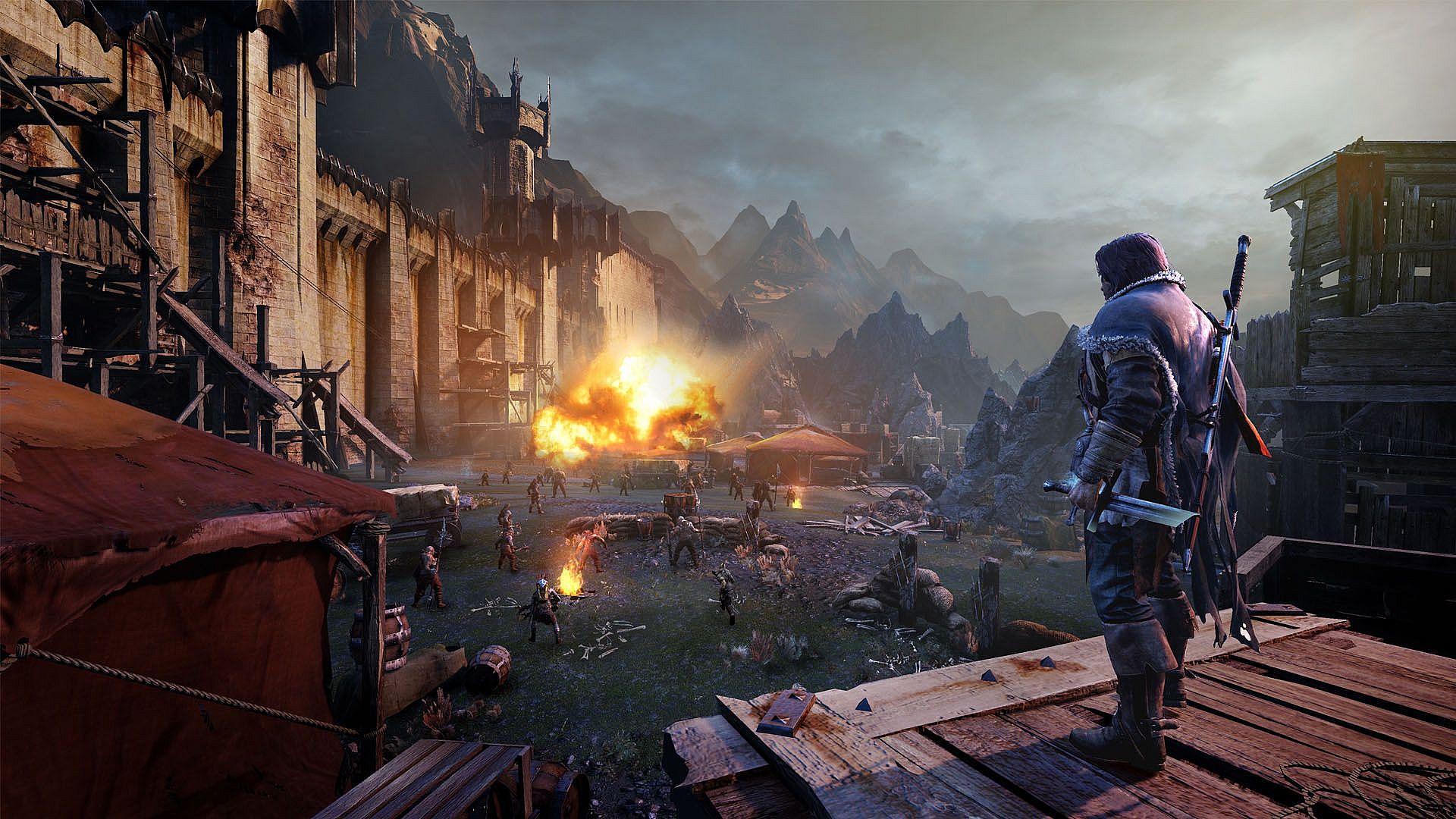
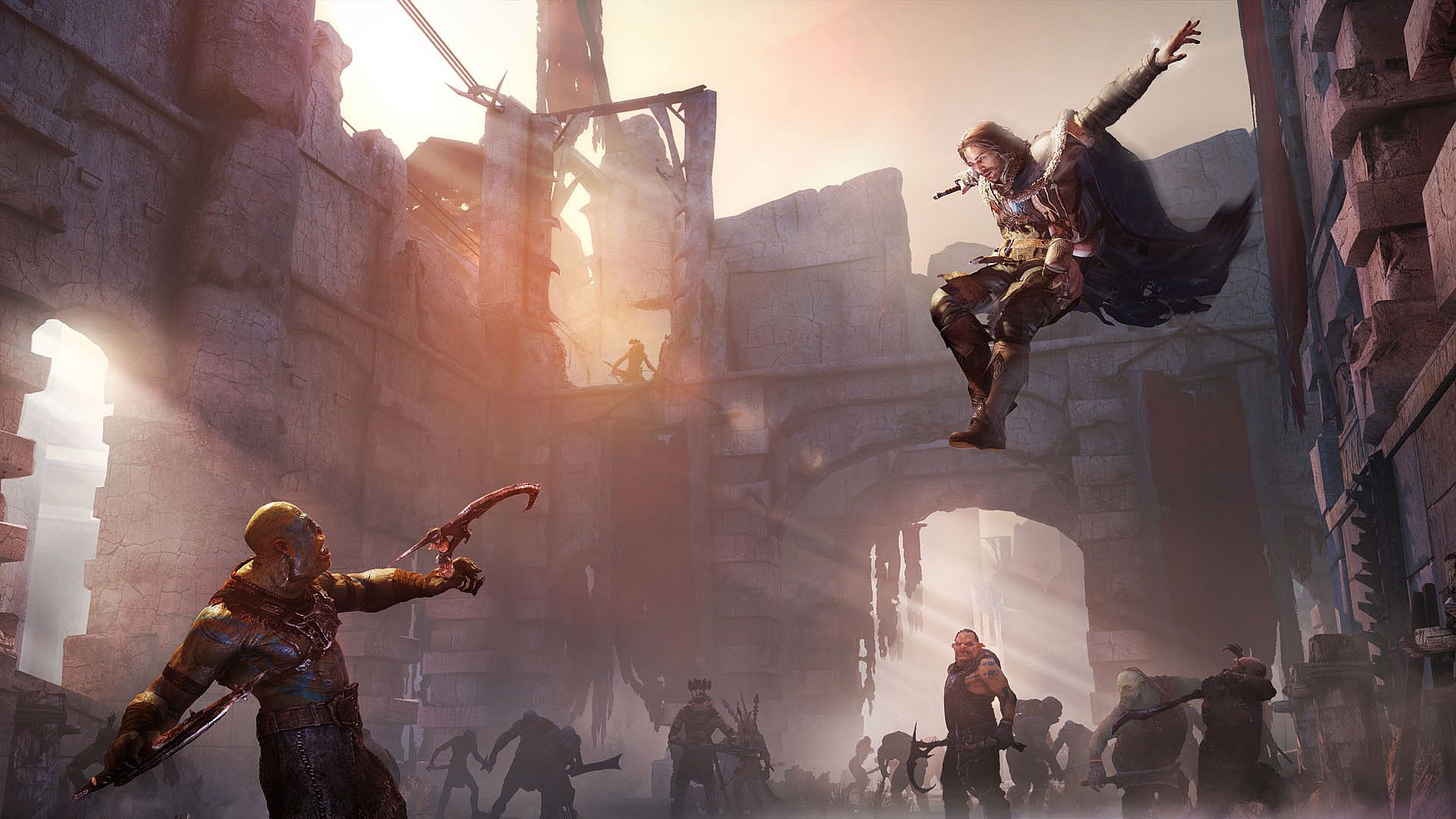
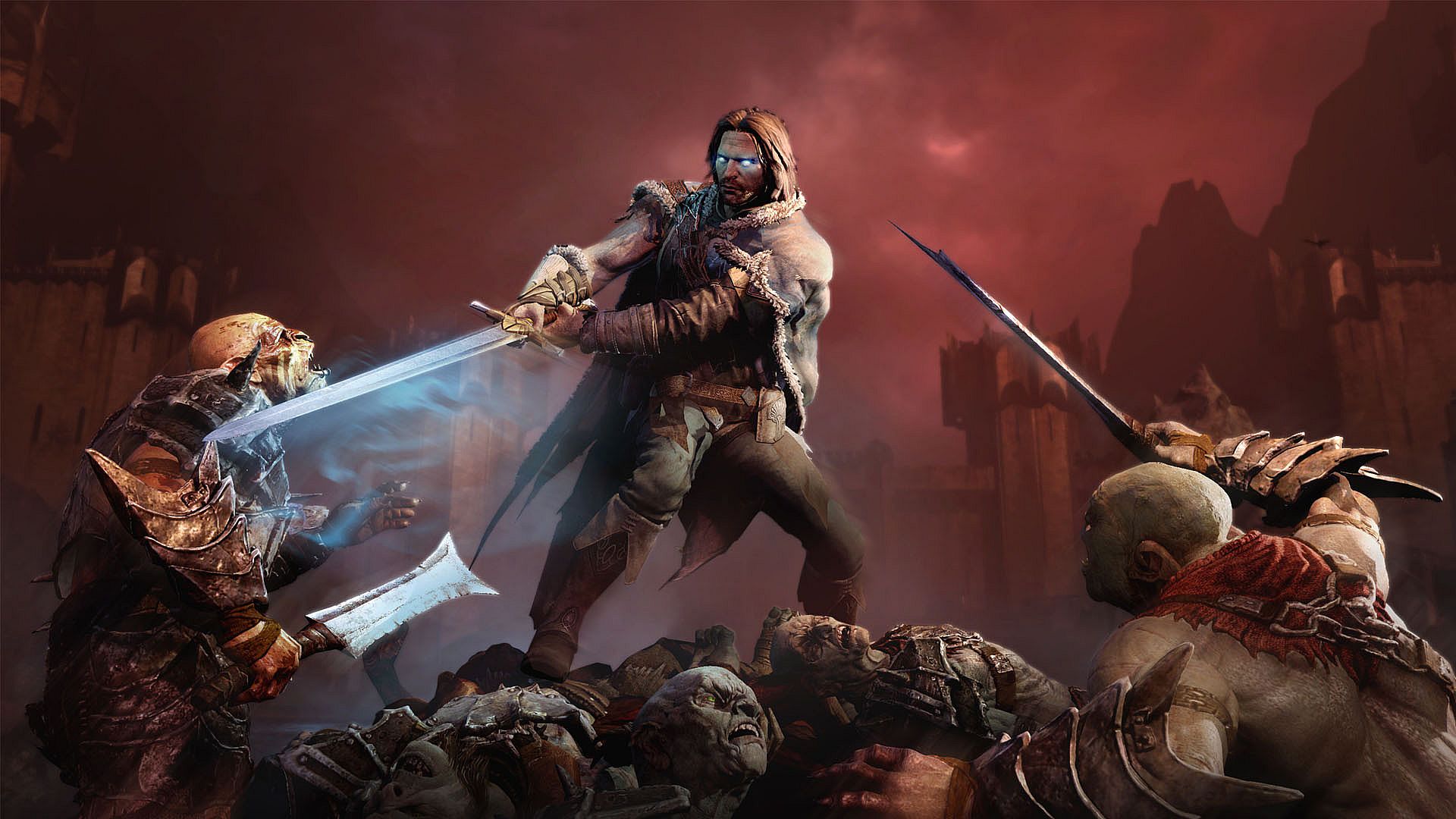
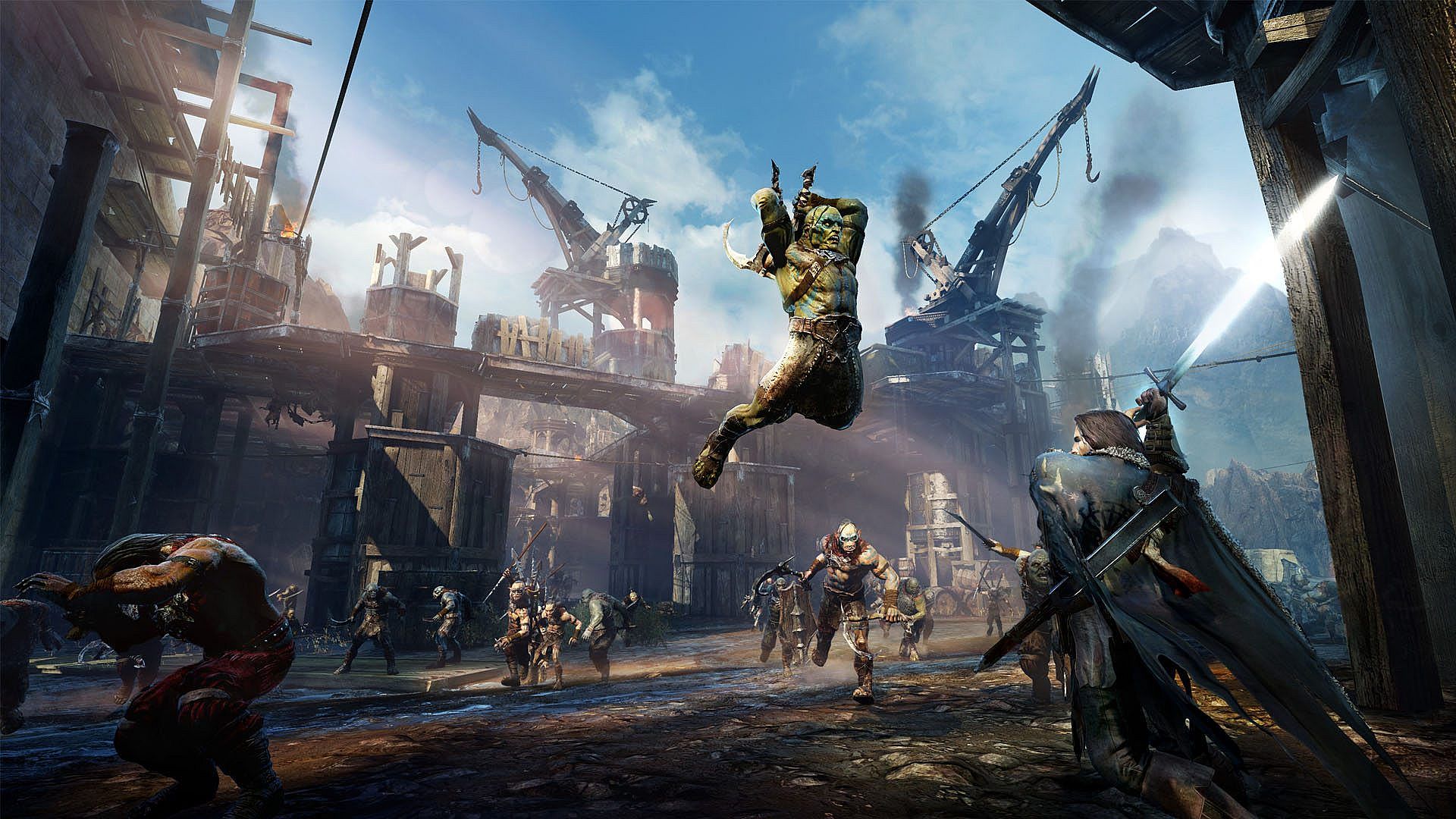
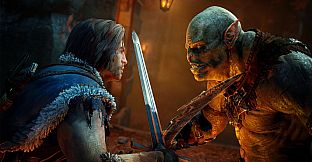
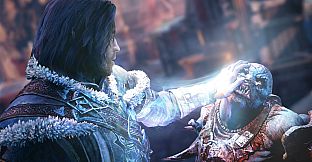
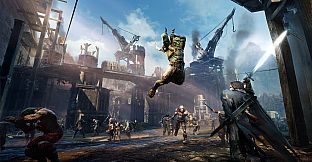
Middle-earth: Shadow of Mordor is a singleplayer action-adventure game set in the harsh lands of Mordor. Players take control of Talion, a ranger bound to the wraith Celebrimbor, as they navigate open regions filled with Uruk forces and pursue objectives tied to vengeance and power struggles.
Gameplay
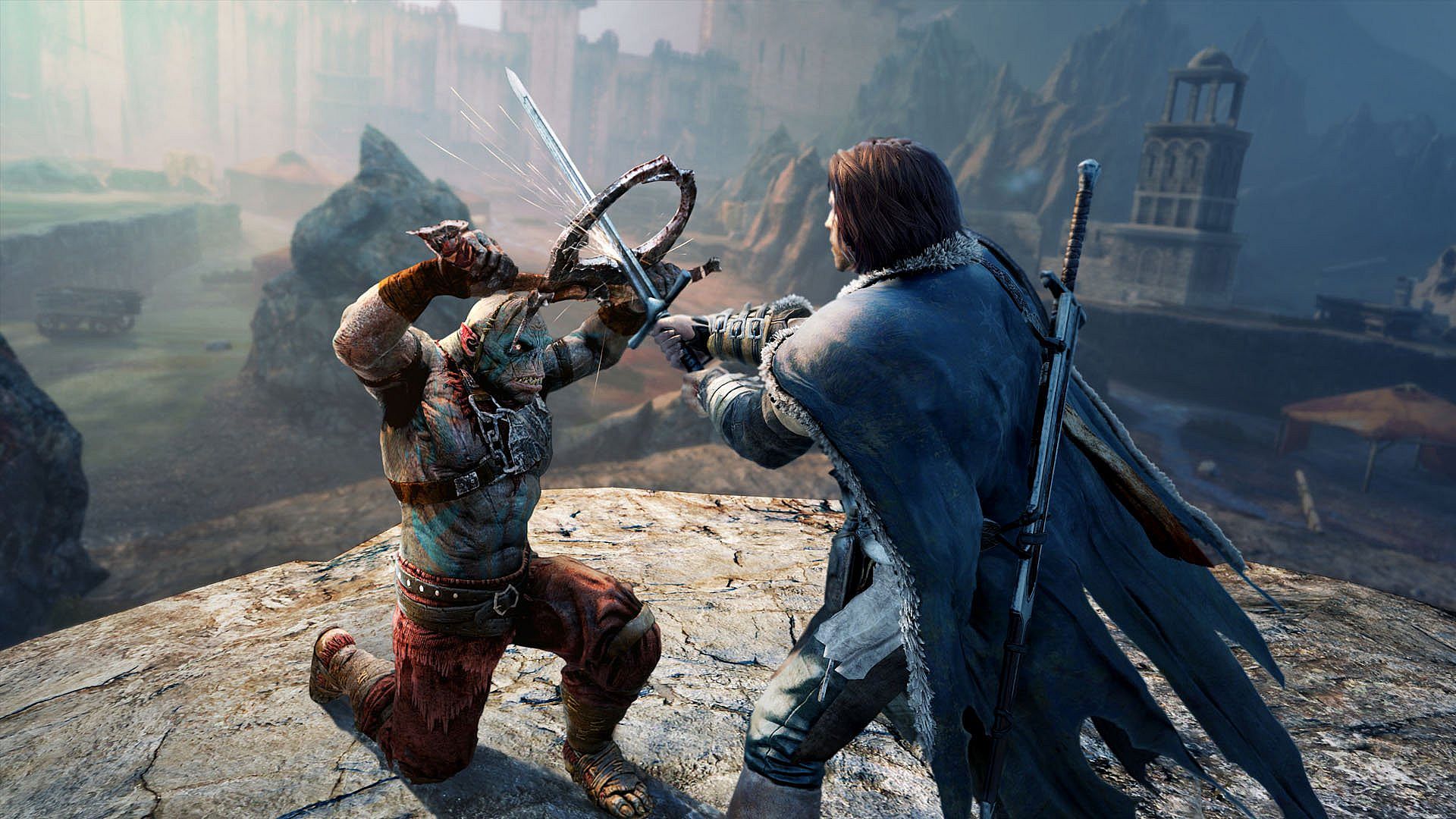
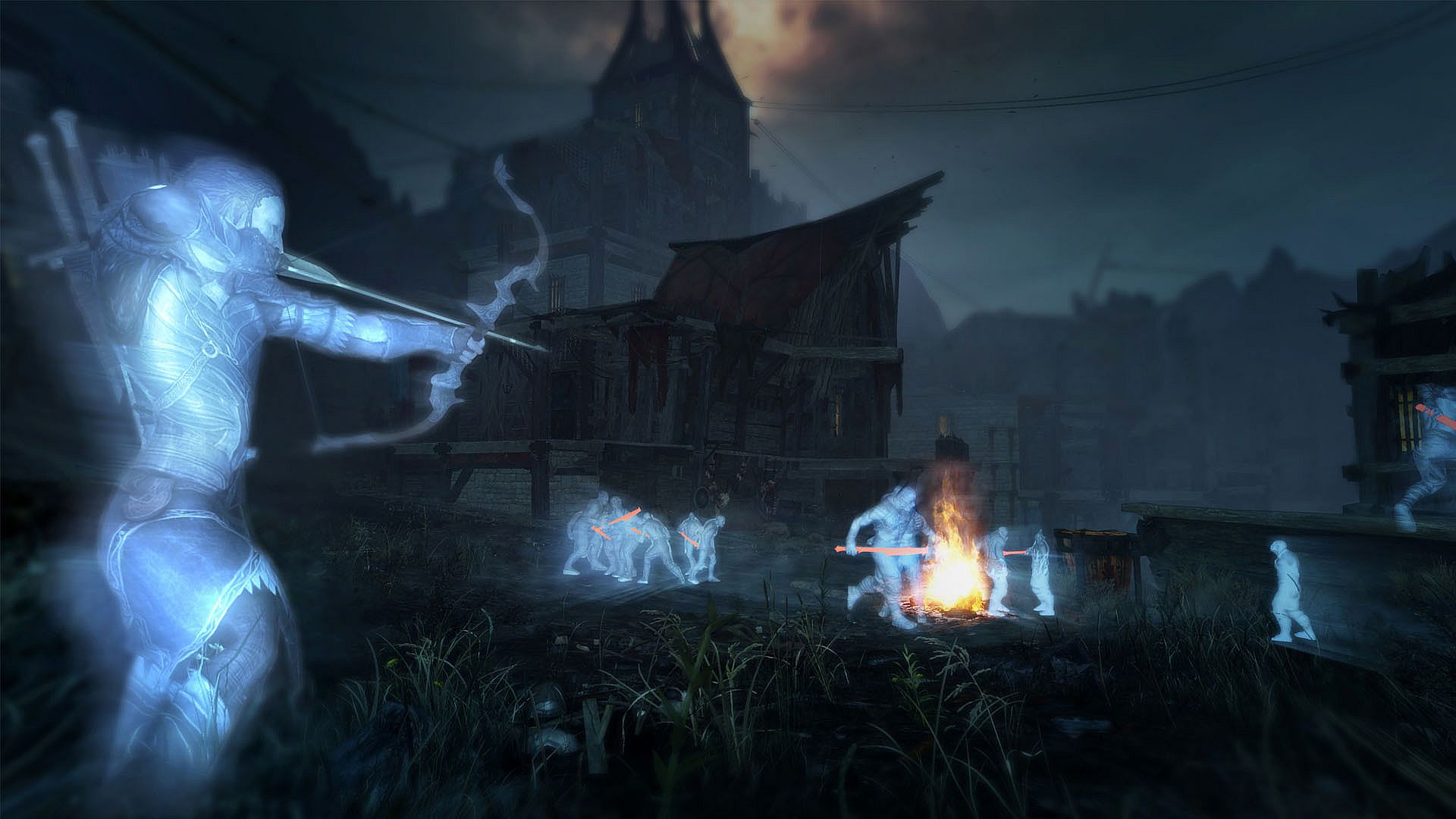
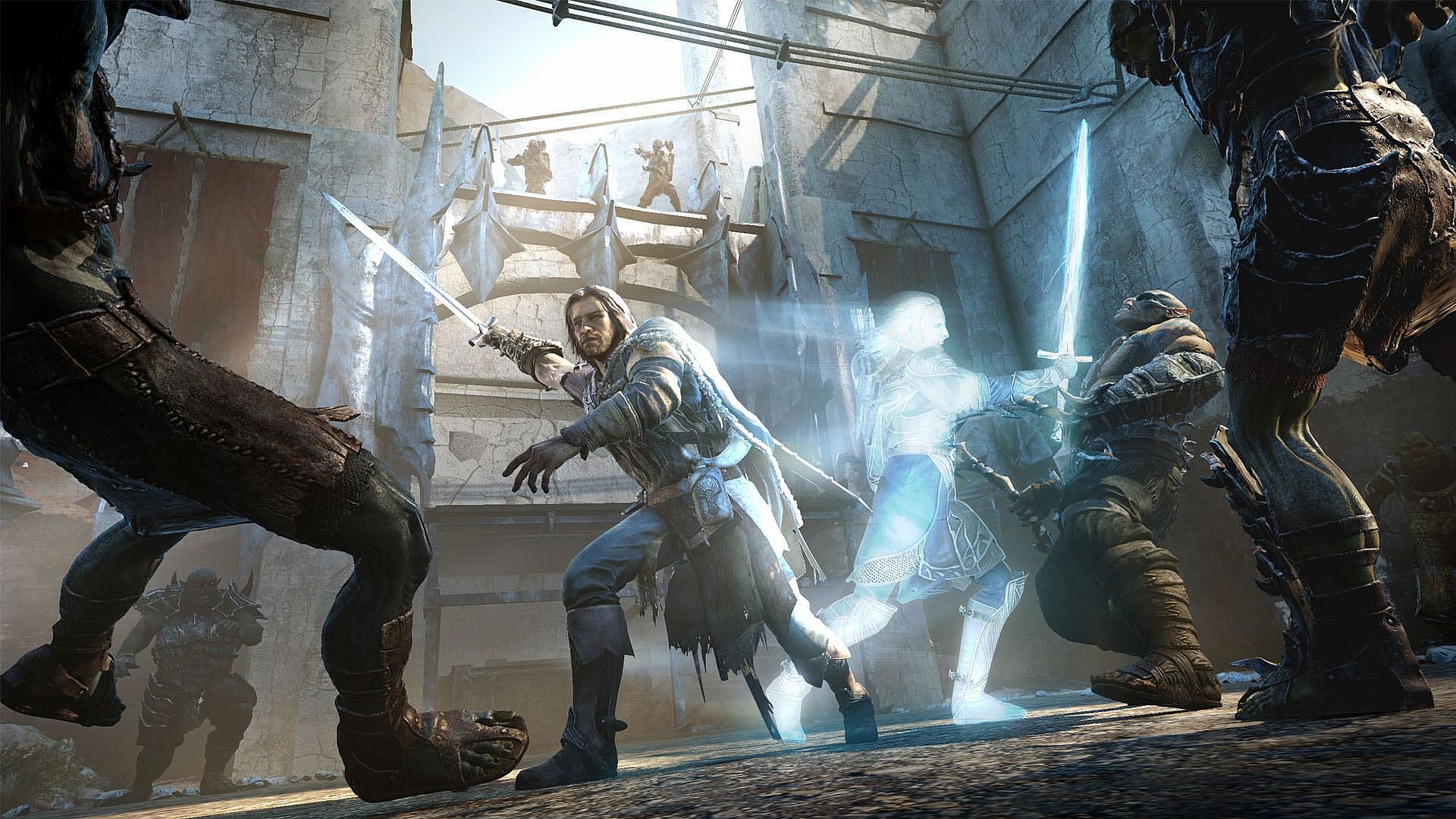
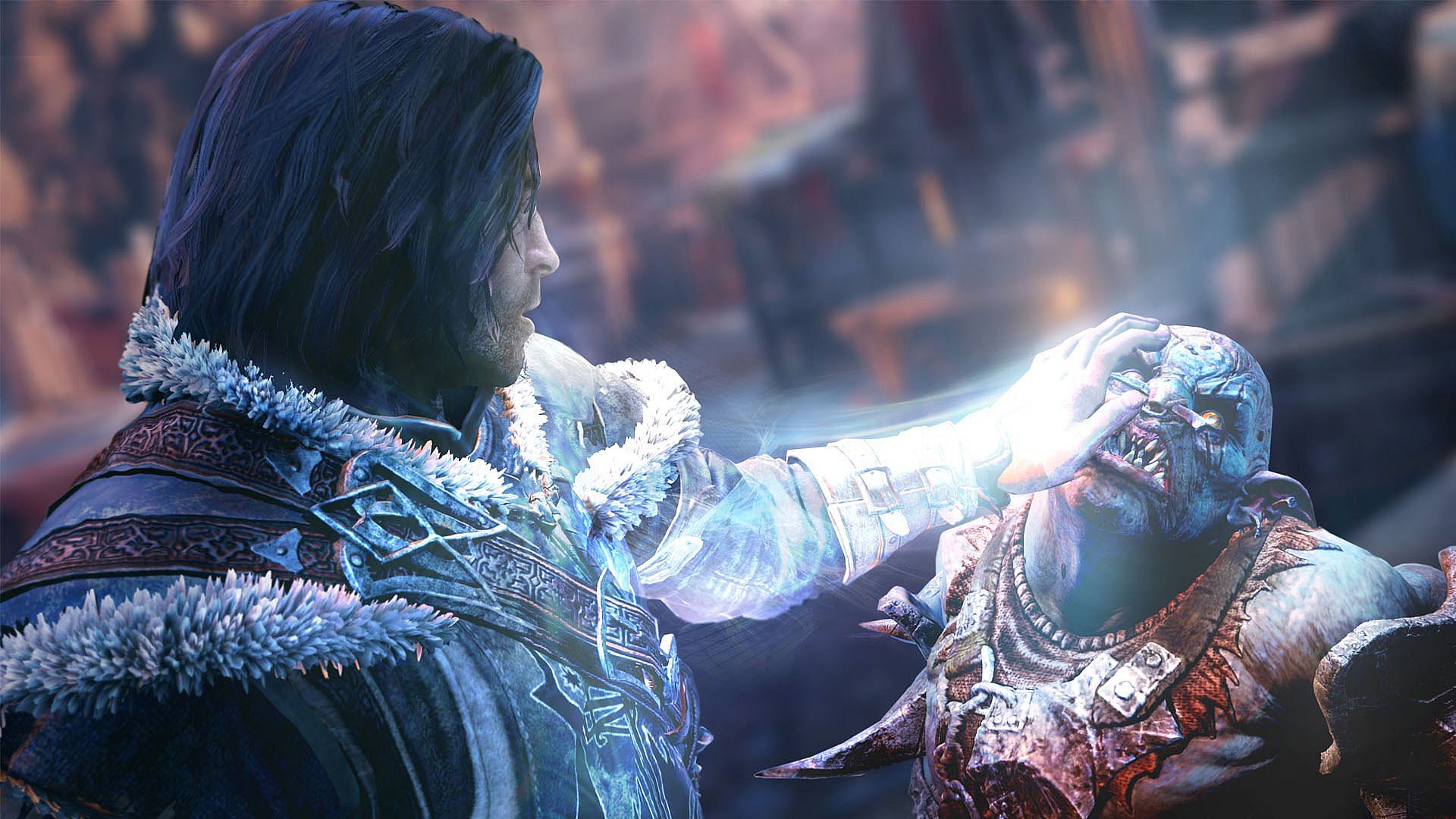
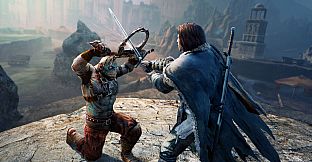
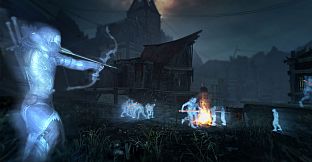
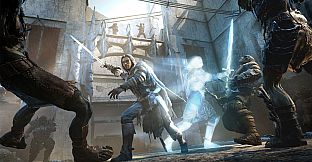
Core movement combines running, climbing, and fast travel between key points in areas such as Udûn and the Sea of Núrnen. Combat mixes melee strikes with timed counters and combo chains that build toward executions or special finishers. The bow supports charged shots and distractions, while the dagger enables stealth kills from cover or above. Wraith abilities add focus-based options including draining energy from foes, stunning groups, and later branding enemies to turn them into temporary allies. Progression comes through experience points earned in combat and objectives, which unlock ability tiers and weapon upgrades for the sword, bow, and dagger. Runes collected from defeated leaders provide further customization to attack power and effects.
Game Modes
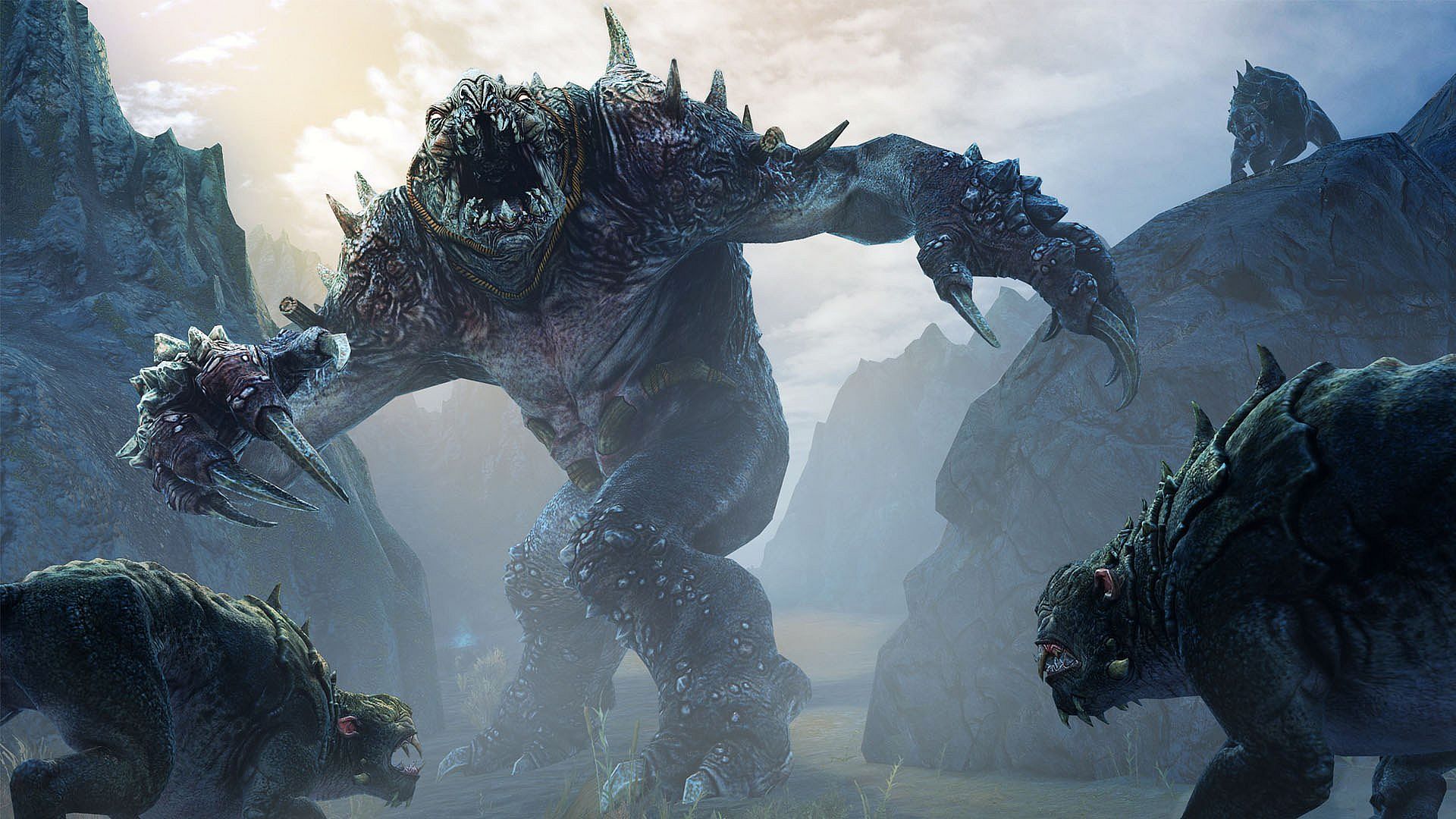
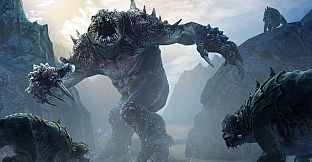
Story missions form the main thread, advancing through encounters with Sauron's captains and warchiefs. Side activities include hunting challenges against wild beasts and survival tasks that reward unique runes. Challenge modes test specific skills through timed trials such as Test of Power, Test of Speed, Test of Wisdom, and an Endless Challenge that tracks efficiency and points. Warband missions introduce focused encounters, including the Guardians of the Flaming Eye mission that pits players against elite defenders before the Black Gate. Additional story content expands options with Lord of the Hunt missions centered on tracking and confronting beasts, plus The Bright Lord missions that shift perspective to Celebrimbor wielding the One Ring in battles against Sauron.
The Nemesis System
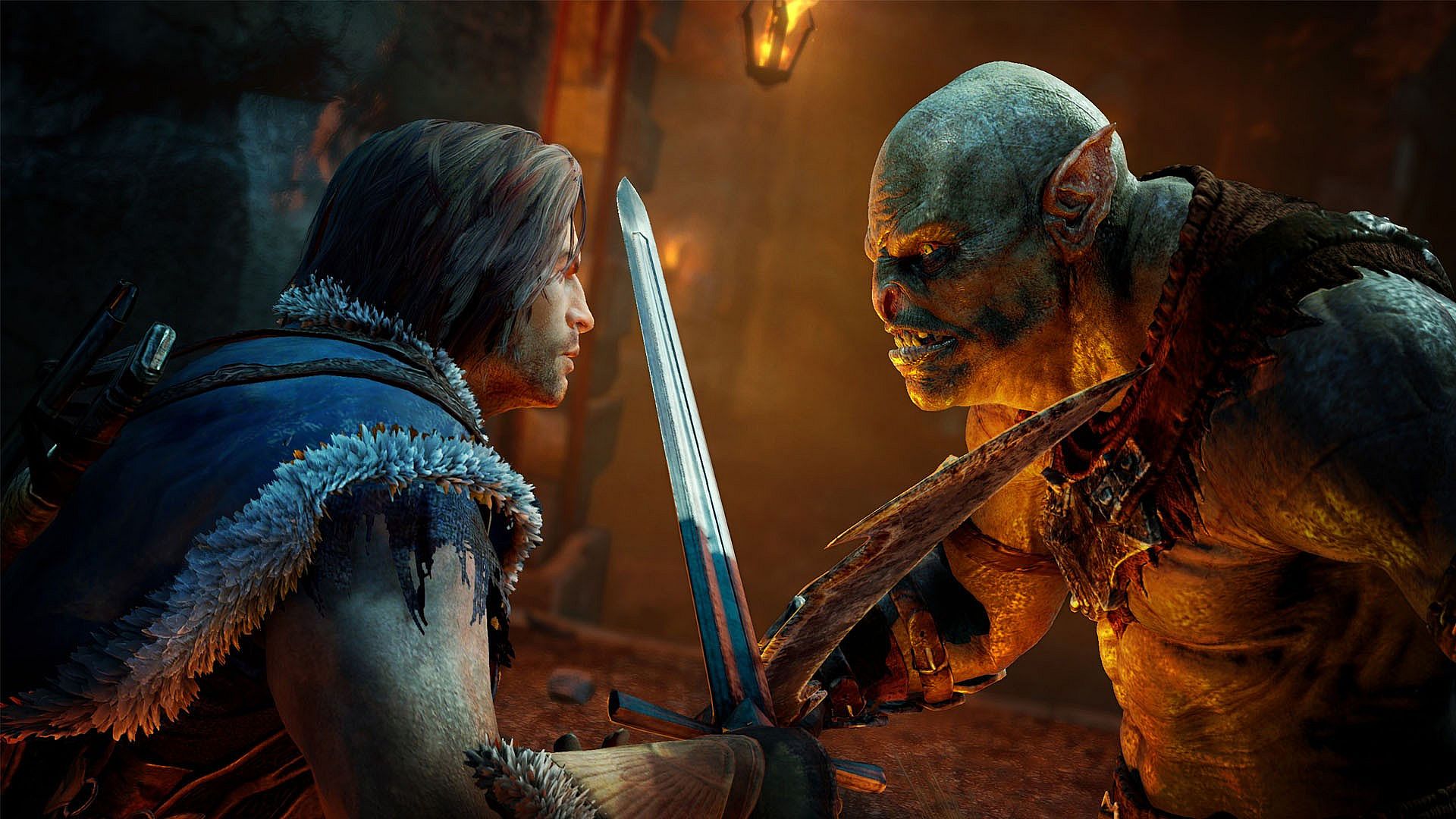
Uruk captains and warchiefs operate under a hierarchy where individual strengths, weaknesses, and personal histories develop based on player interactions. A captain who defeats Talion gains power and may return with new traits or taunts. Players can interrogate lower-ranking orcs for intelligence, exploit fears during encounters, or brand leaders to manipulate power struggles and create internal conflicts within enemy ranks. This system generates recurring rivalries and shifts in leadership that influence available missions and world state without scripted repetition.
Is It Worth Playing?
The game maintains a Very Positive rating on Steam from nearly 100,000 reviews, reflecting sustained appreciation for its enemy interaction mechanics and combat flow. Hundreds of players remain active concurrently years after release, indicating ongoing engagement with its singleplayer structure. It suits those who enjoy methodical approaches to open-world action where enemy personalities and emergent events drive progression more than linear checklists. The combination of stealth options, ability growth, and dynamic leadership changes provides consistent variety across play sessions, making it a strong choice for players seeking depth in adversary design rather than broad multiplayer features or frequent content updates.